
- New
On order 5–15 business days5–15 business days
About the collection
A good bed is the foundation for restful sleep and calm evenings. In this collection you'll find children's beds from a baby's cot to a school-age child's bed: classic beds, house beds and bunk beds, plus mattresses and...
Category guide
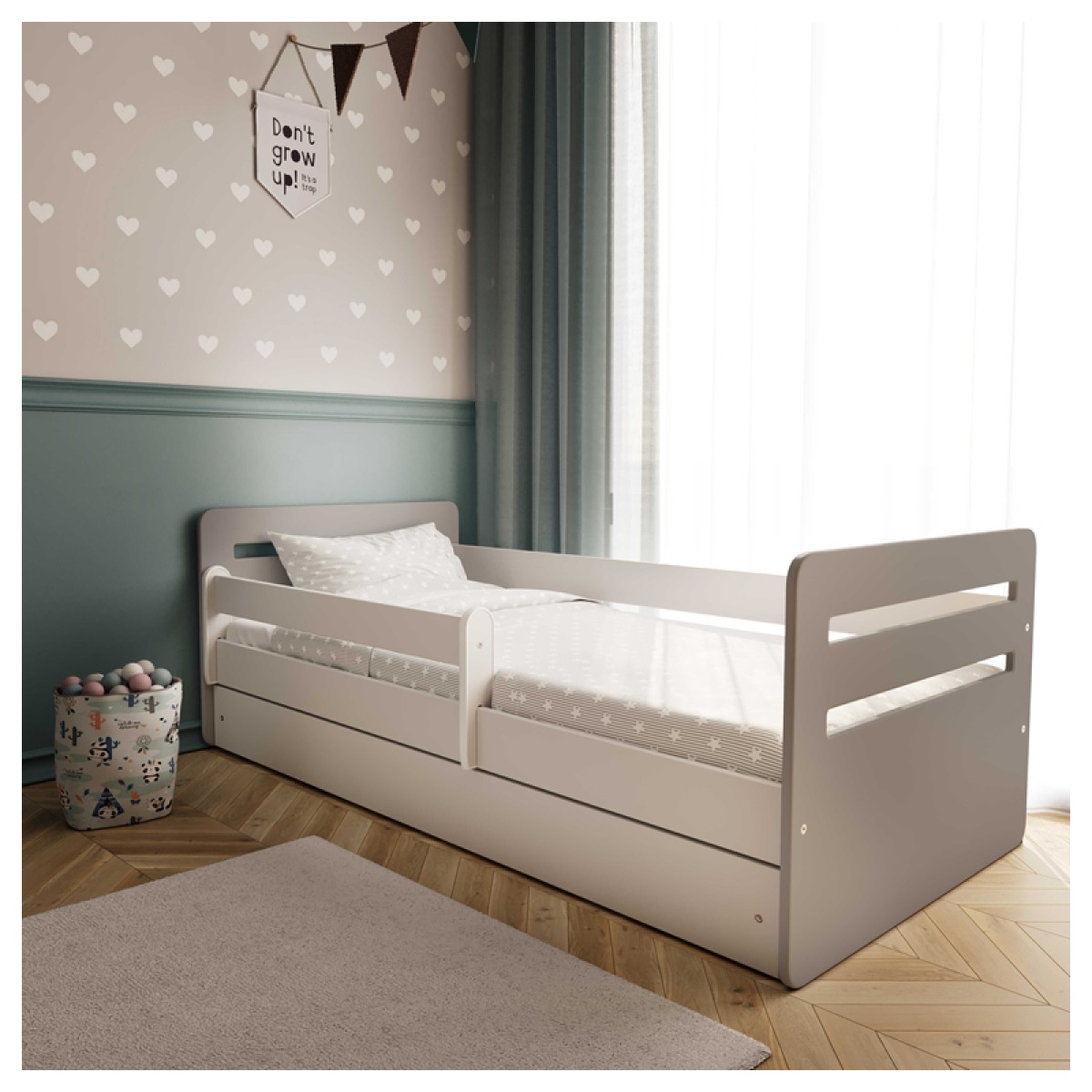
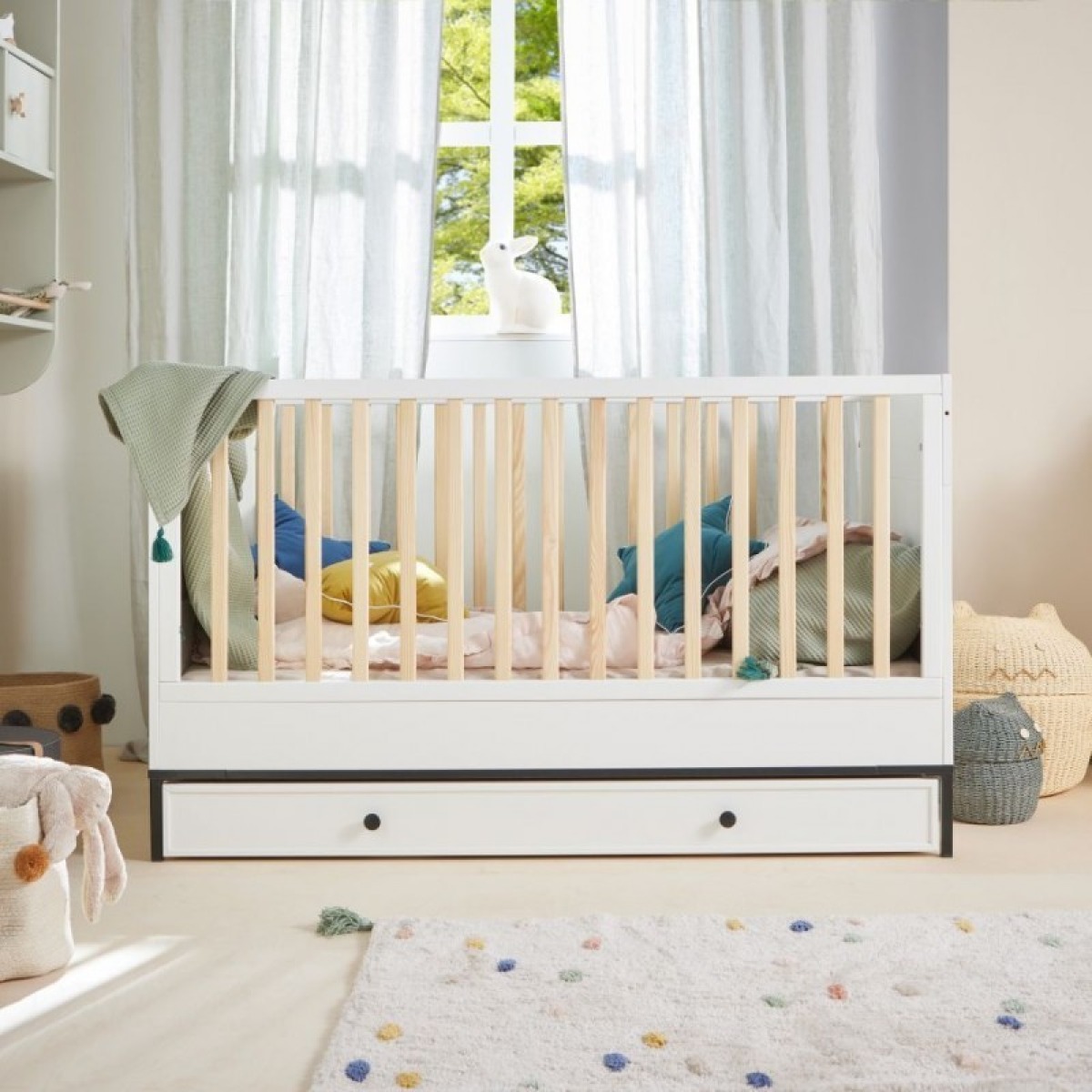
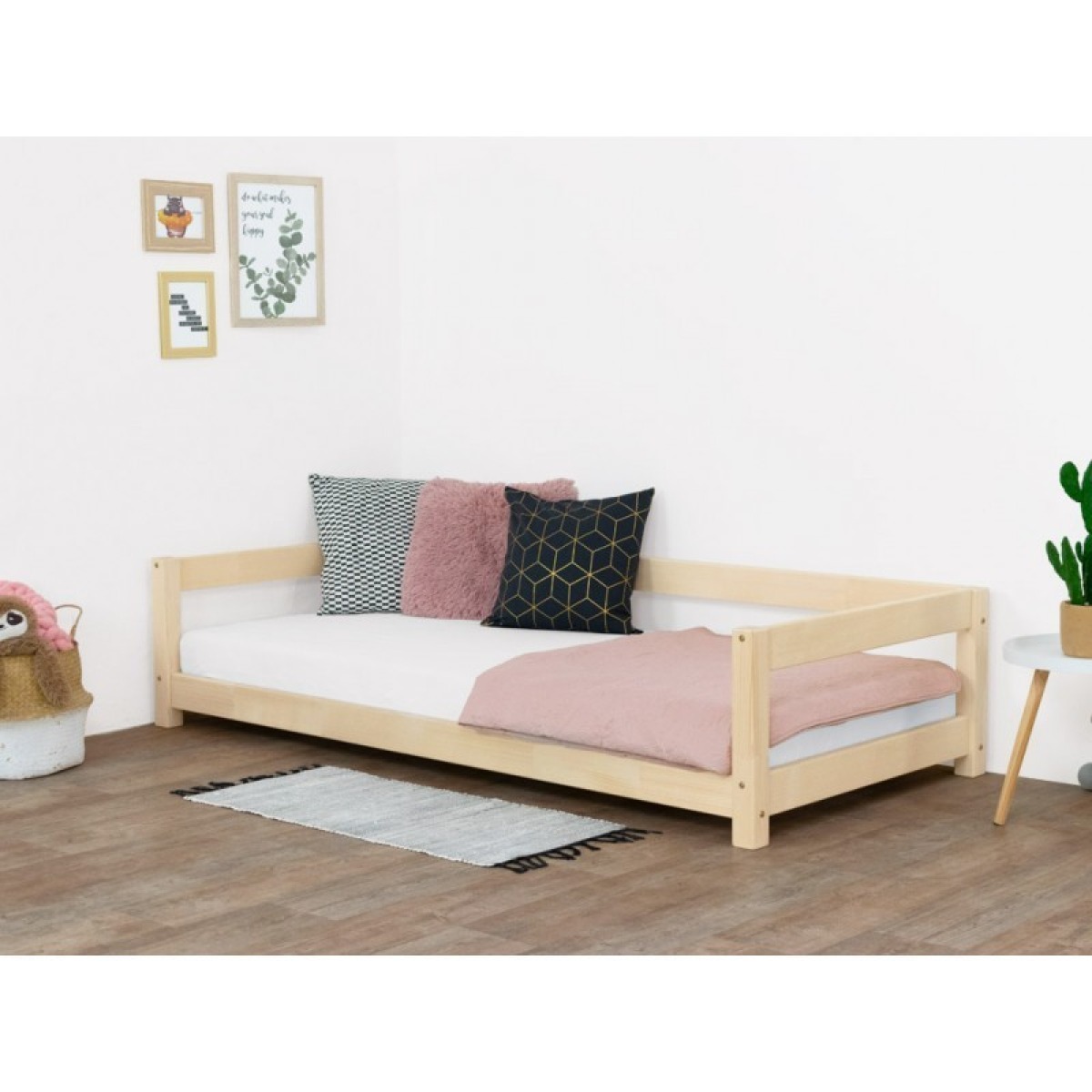
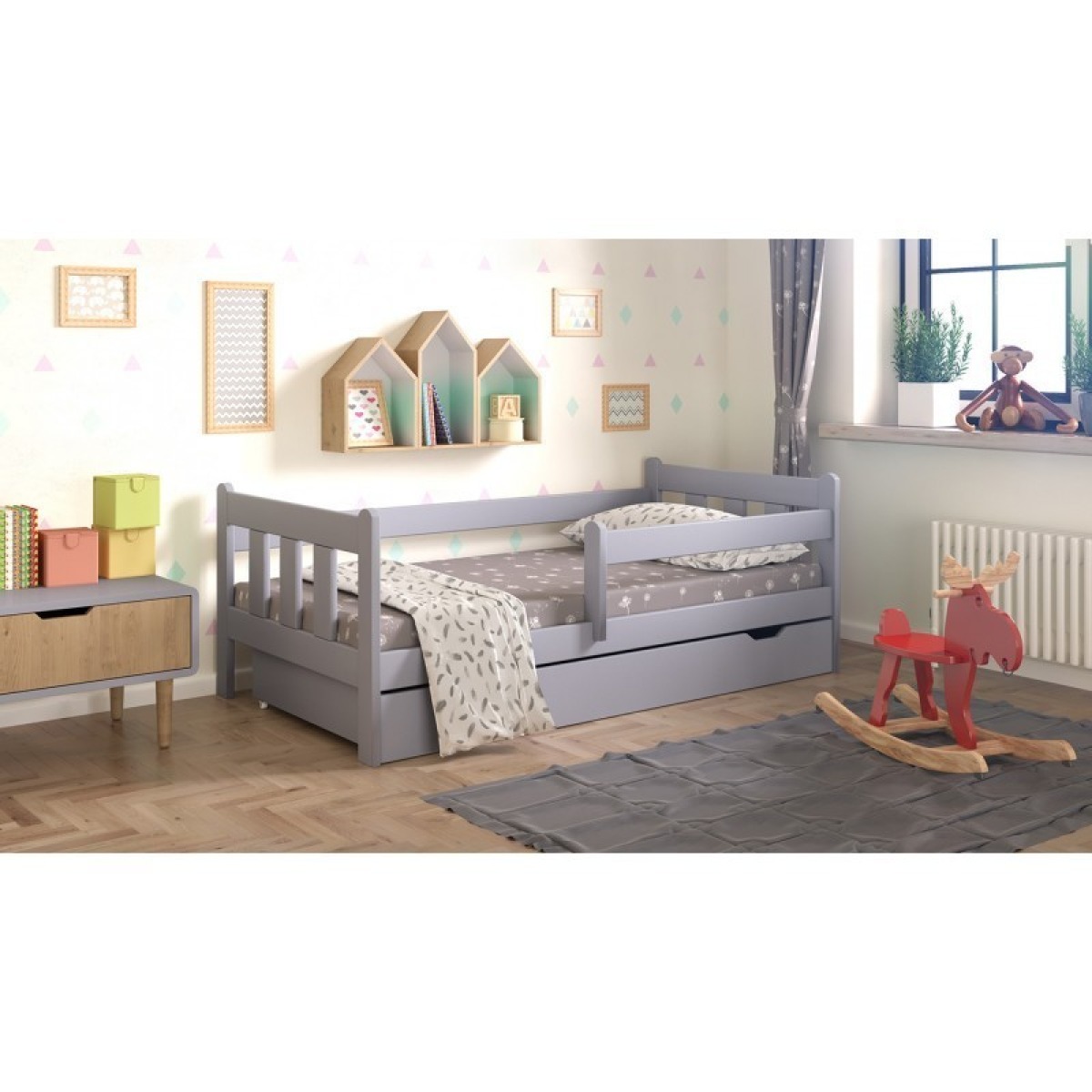
Children's beds are a central part of the kids' room for children and babies, shaping both rest and everyday routines. Here you'll find solutions from cots to beds designed for school-age children, so every child can find their size and style. The beds are made for sleeping, quiet reading moments and creating a play space, especially when the bed comes with a drawer or storage compartment.
When choosing, start with the dimensions (e.g. 70×120/160, 80×140/160/180 or 90×200), the material and whether you need extra features such as an under-bed drawer, safety rails, a roof/decorative elements or a ladder. This also helps parents plan the space at home, keep bedding tidy and choose a set with a comfortable mattress for their child. A proper fit for age and sleeping habits helps make sleep steady and the kids' room more practical.
Children's beds help create a clear and functional kids' room solution for the home. It's important that the bed suits the child's age and the room: for babies and toddlers, safe solutions that take height and position into account are preferred, while older children need beds built for longer use and stability. Many beds offer added value, such as a drawer that makes storing bedding and textiles easier.
If you're looking for a bed your child can grow with, an extendable bed or a solution with a more universal size is often a good choice. The style can range from a house bed to a simpler standard bed, but it's always worth checking which mattress and base construction the bed is compatible with.
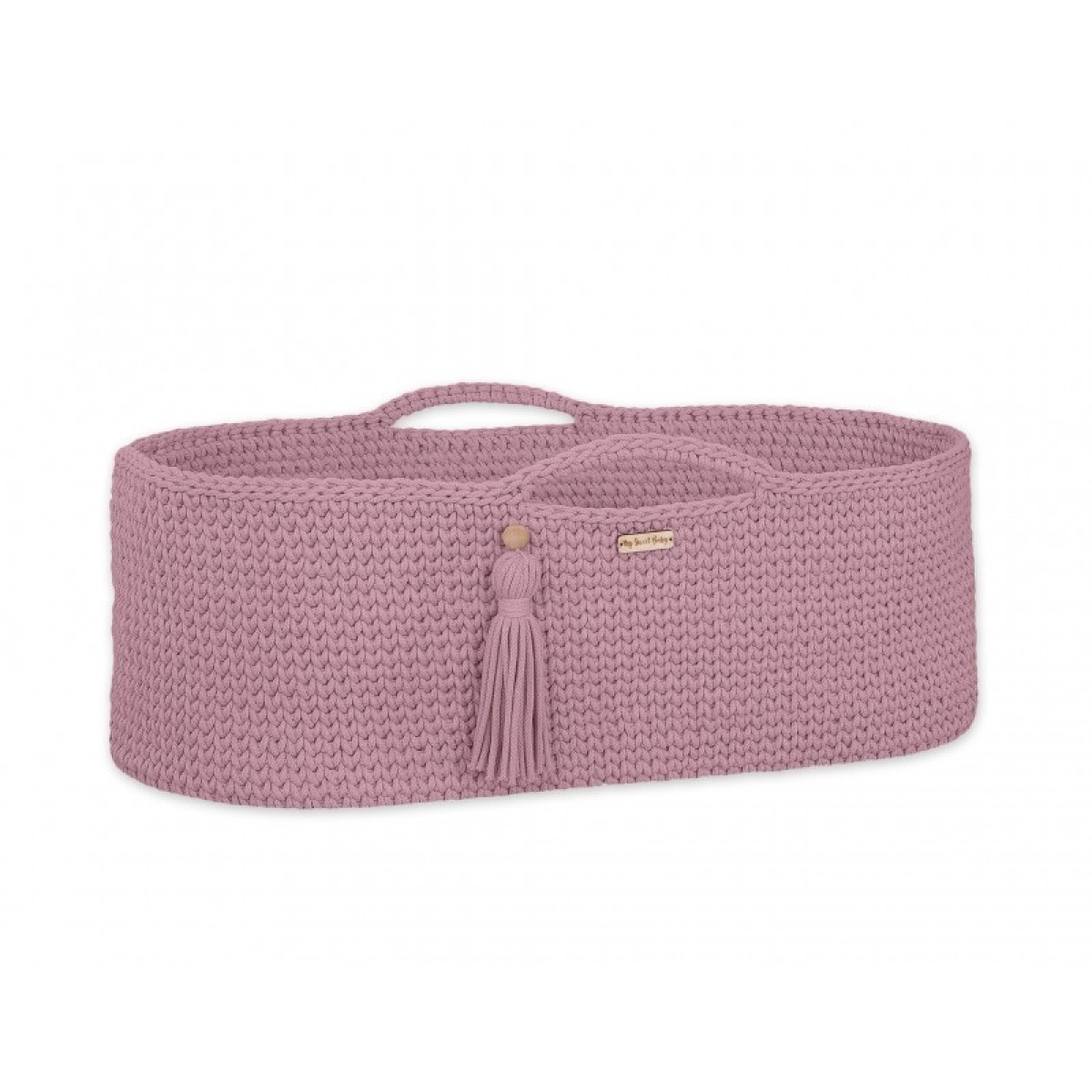
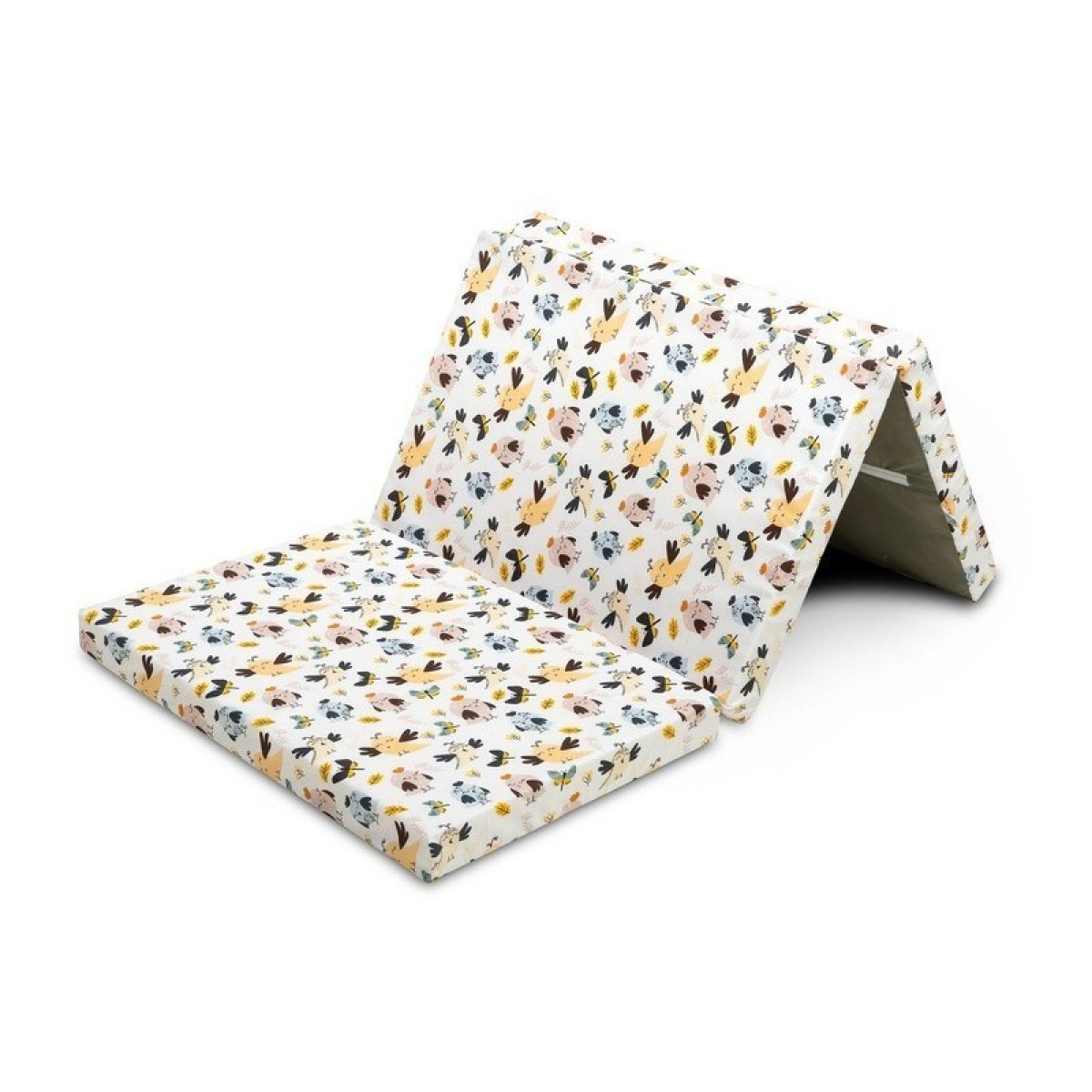
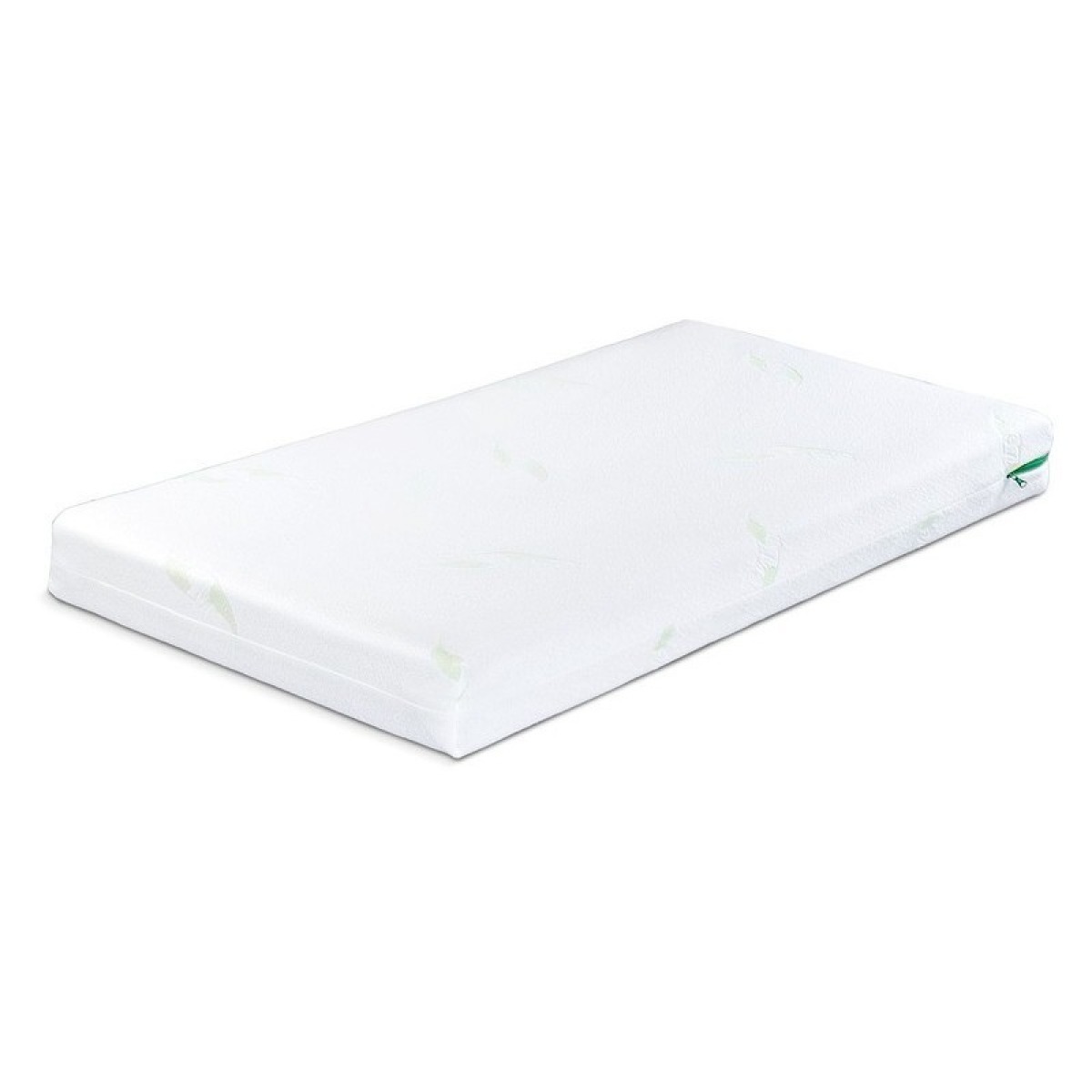
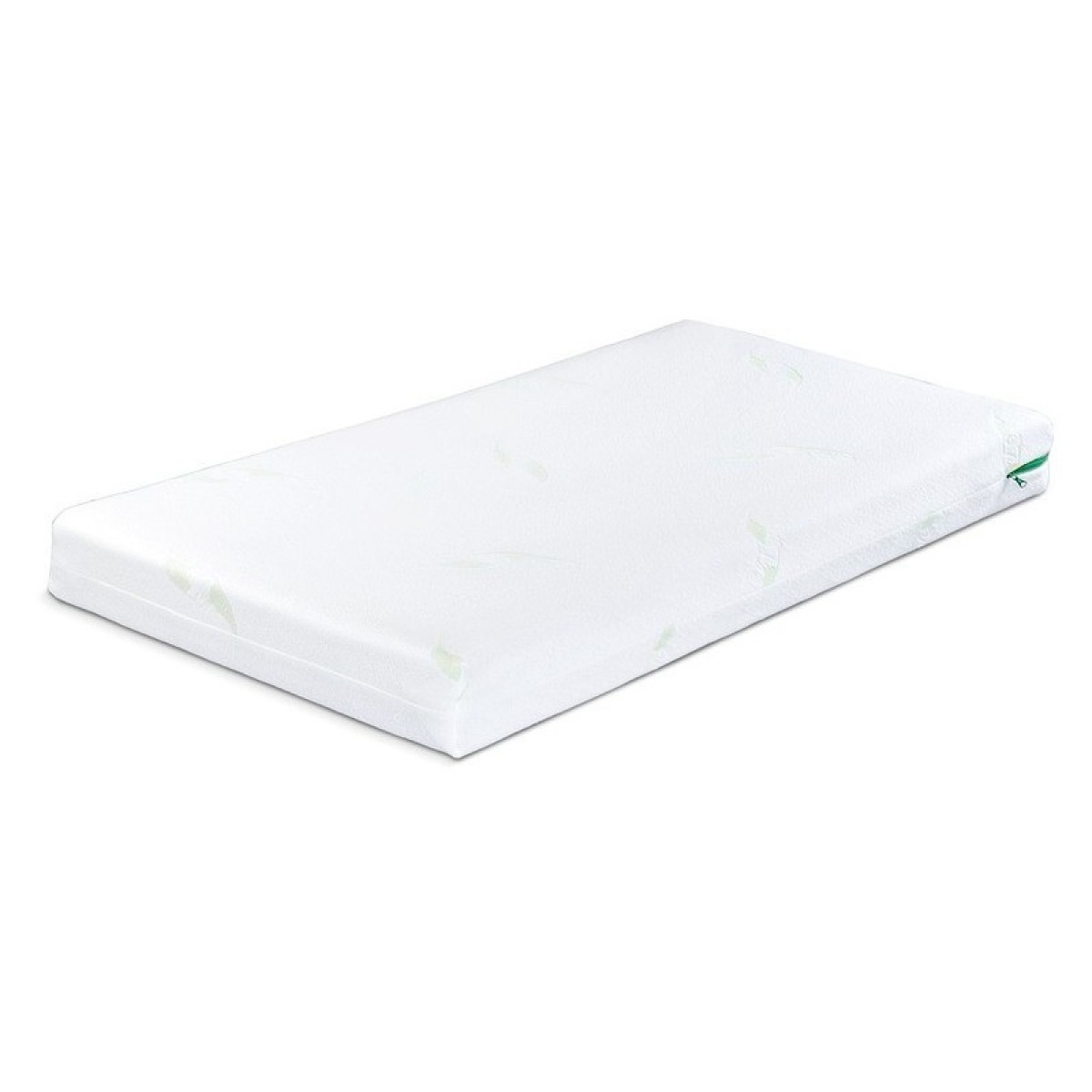
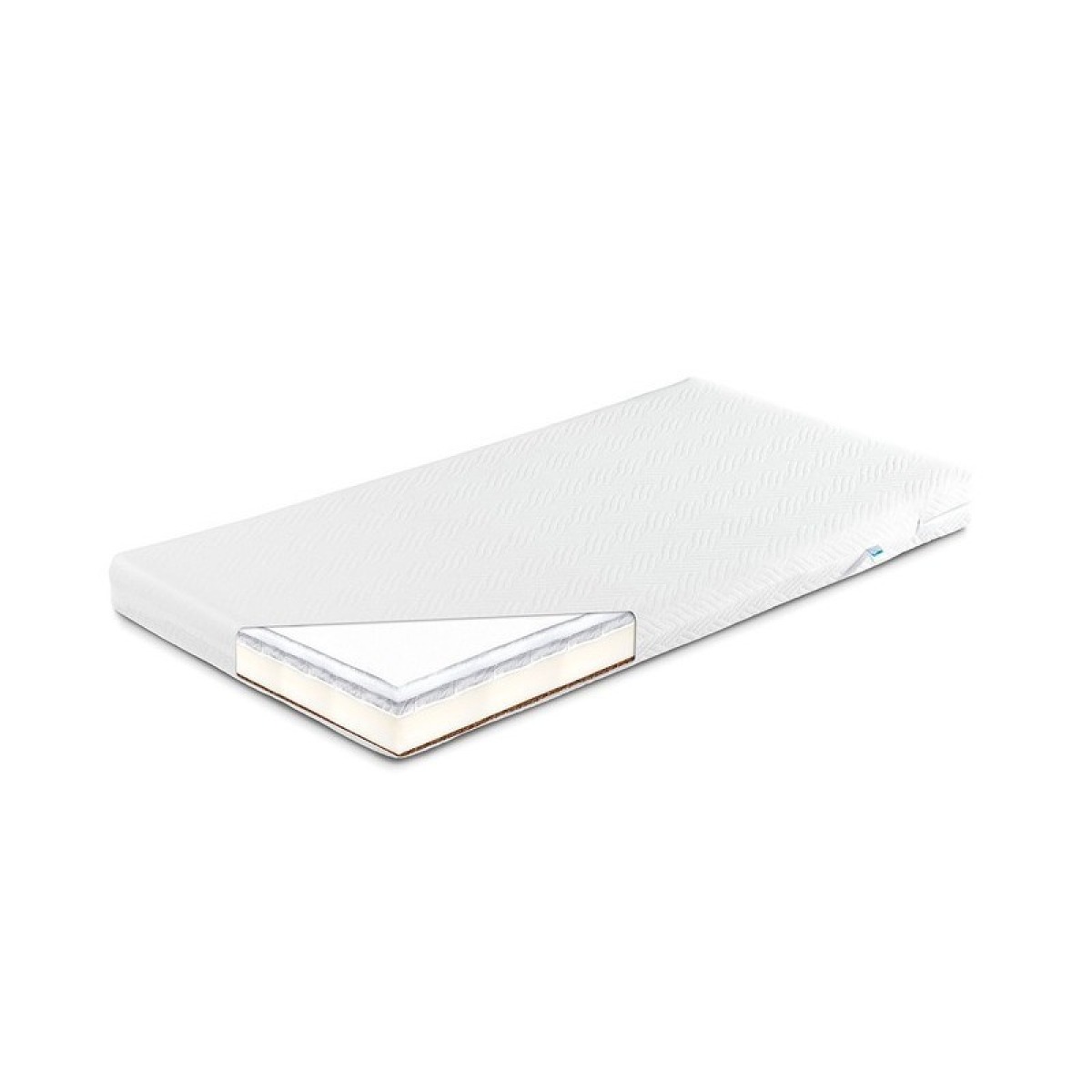
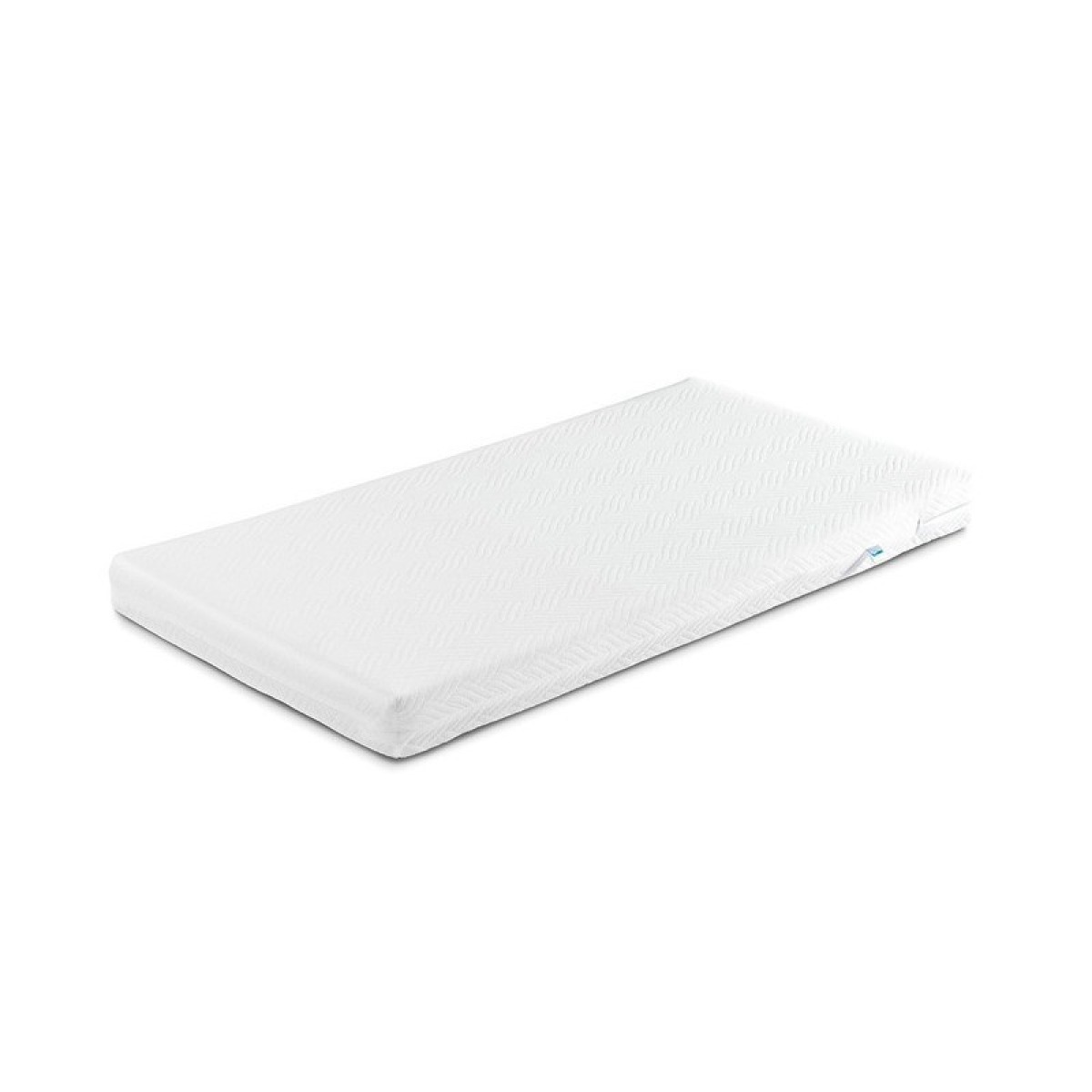
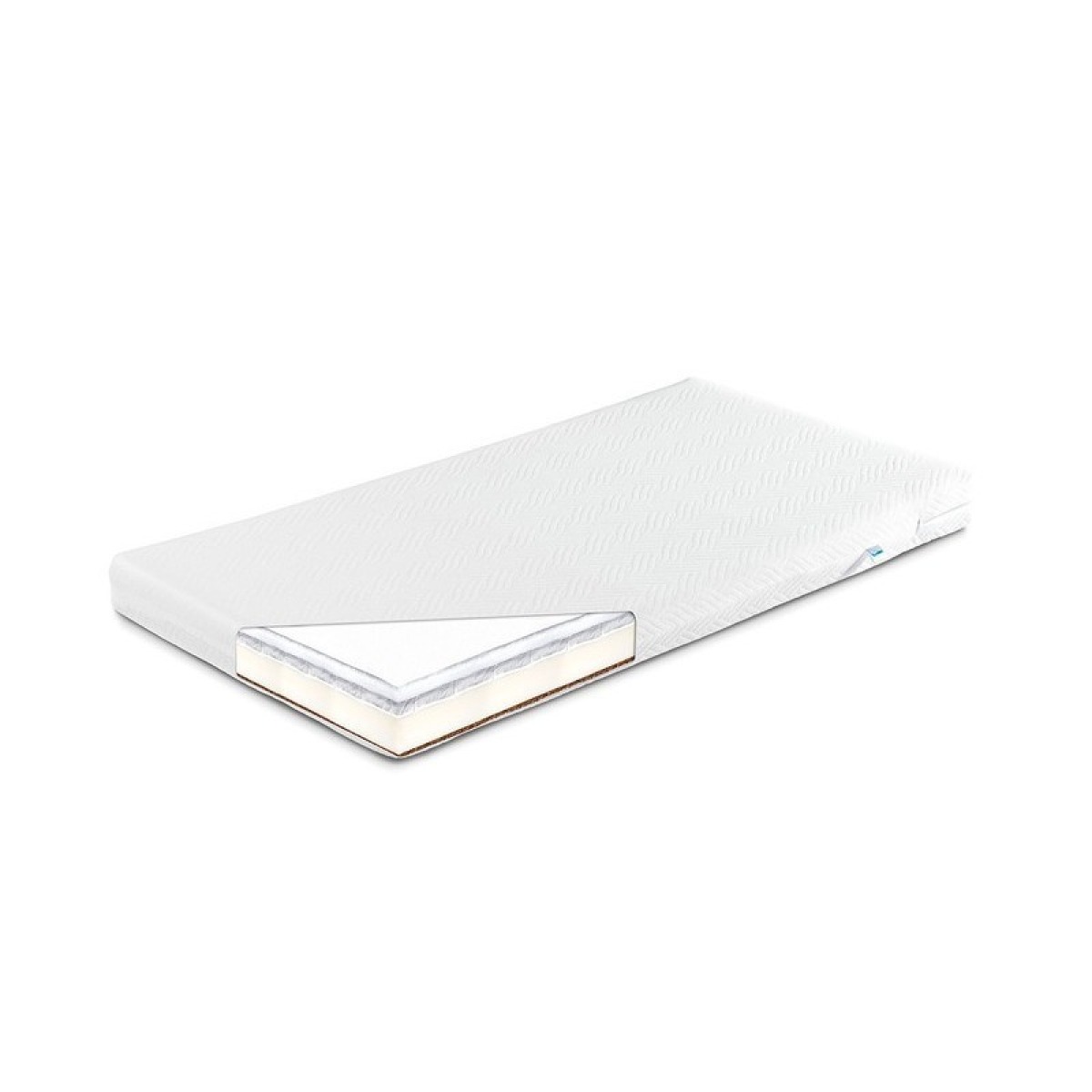
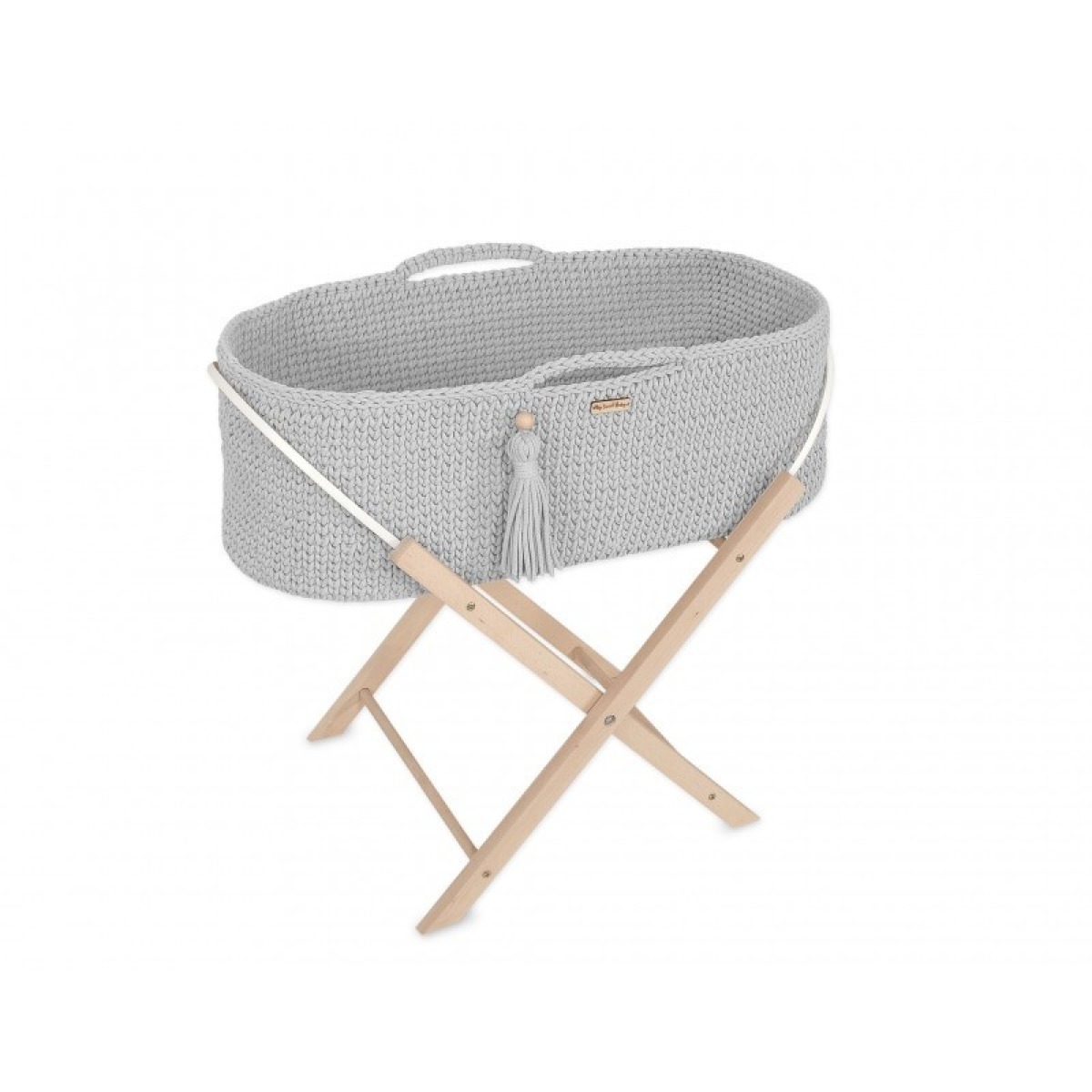
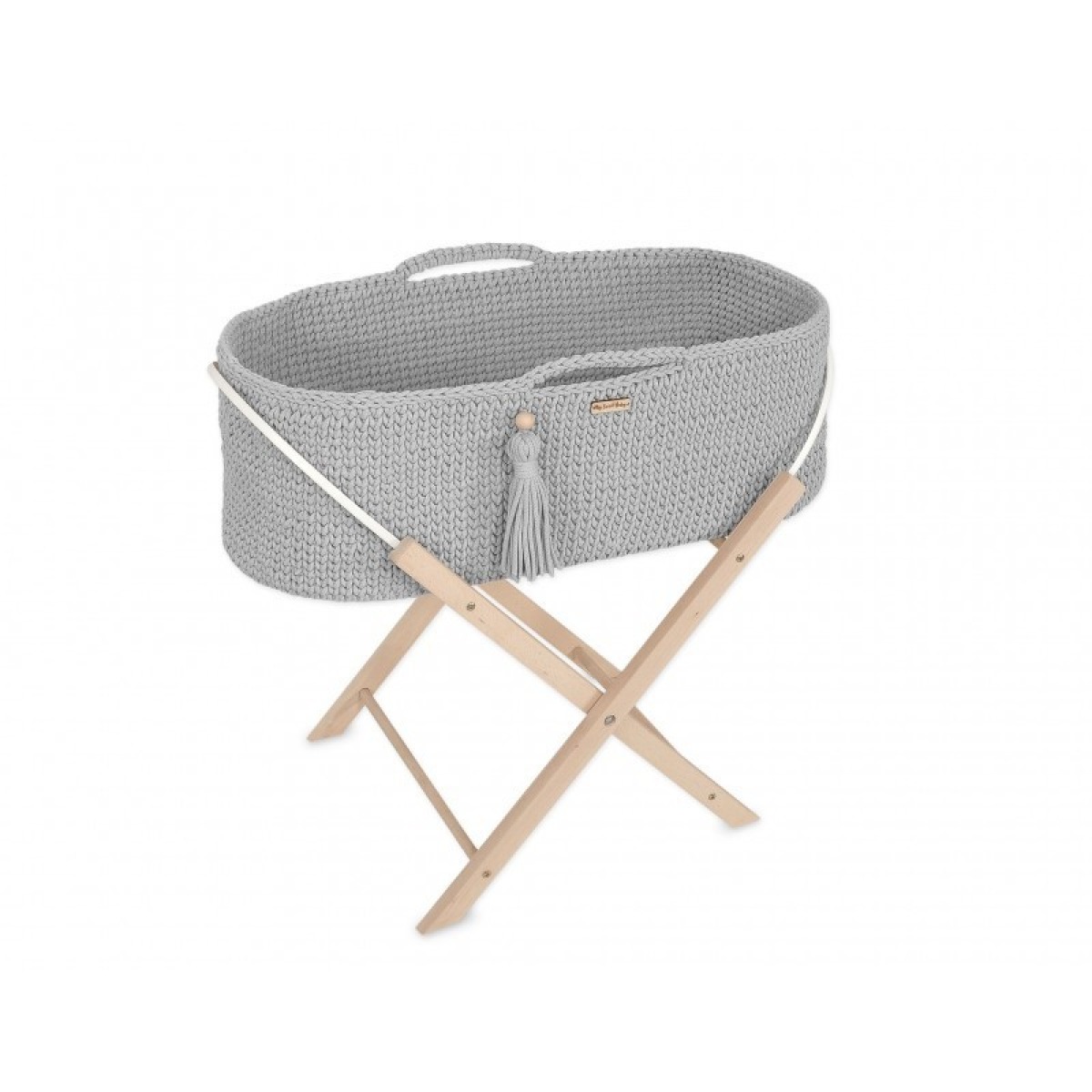
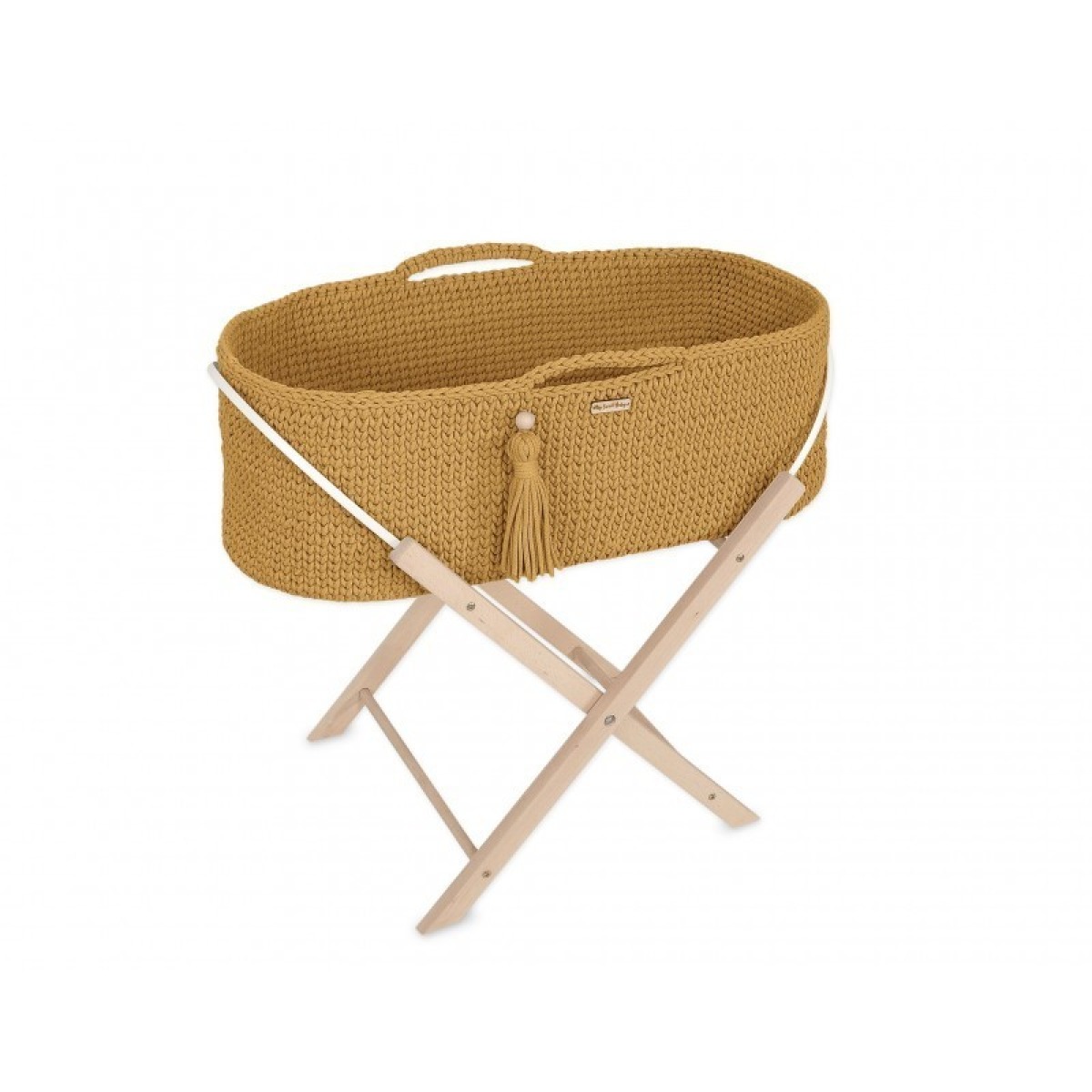
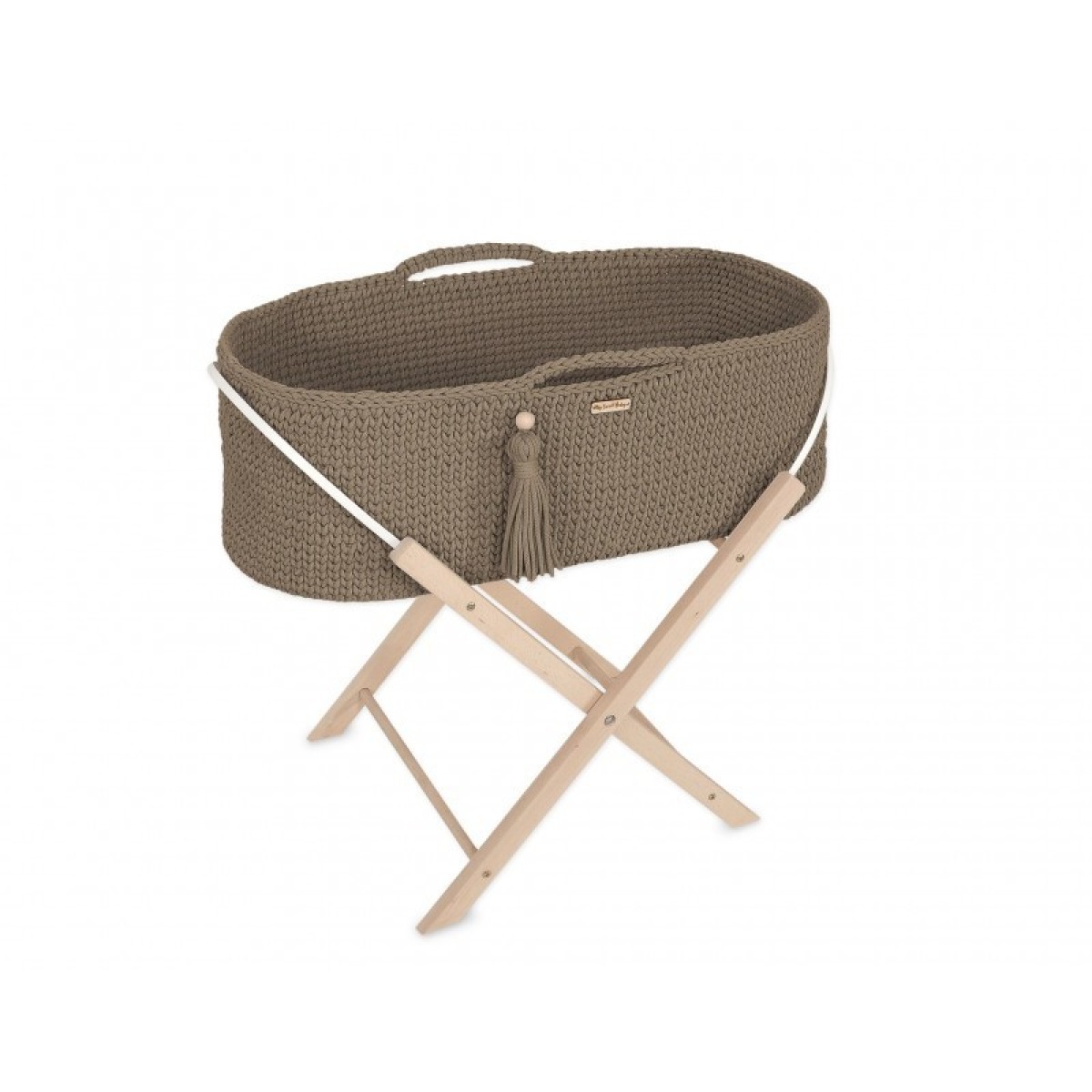
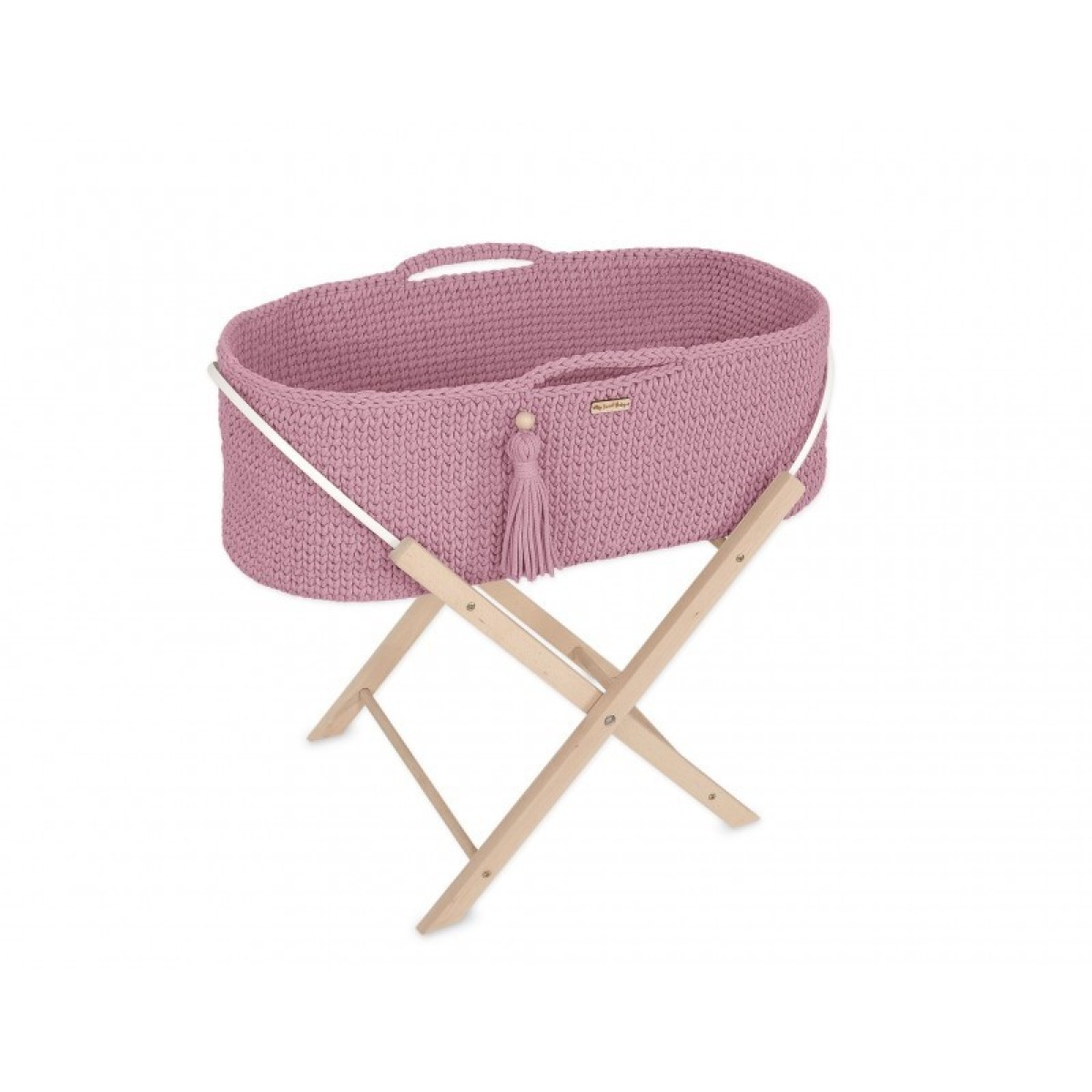
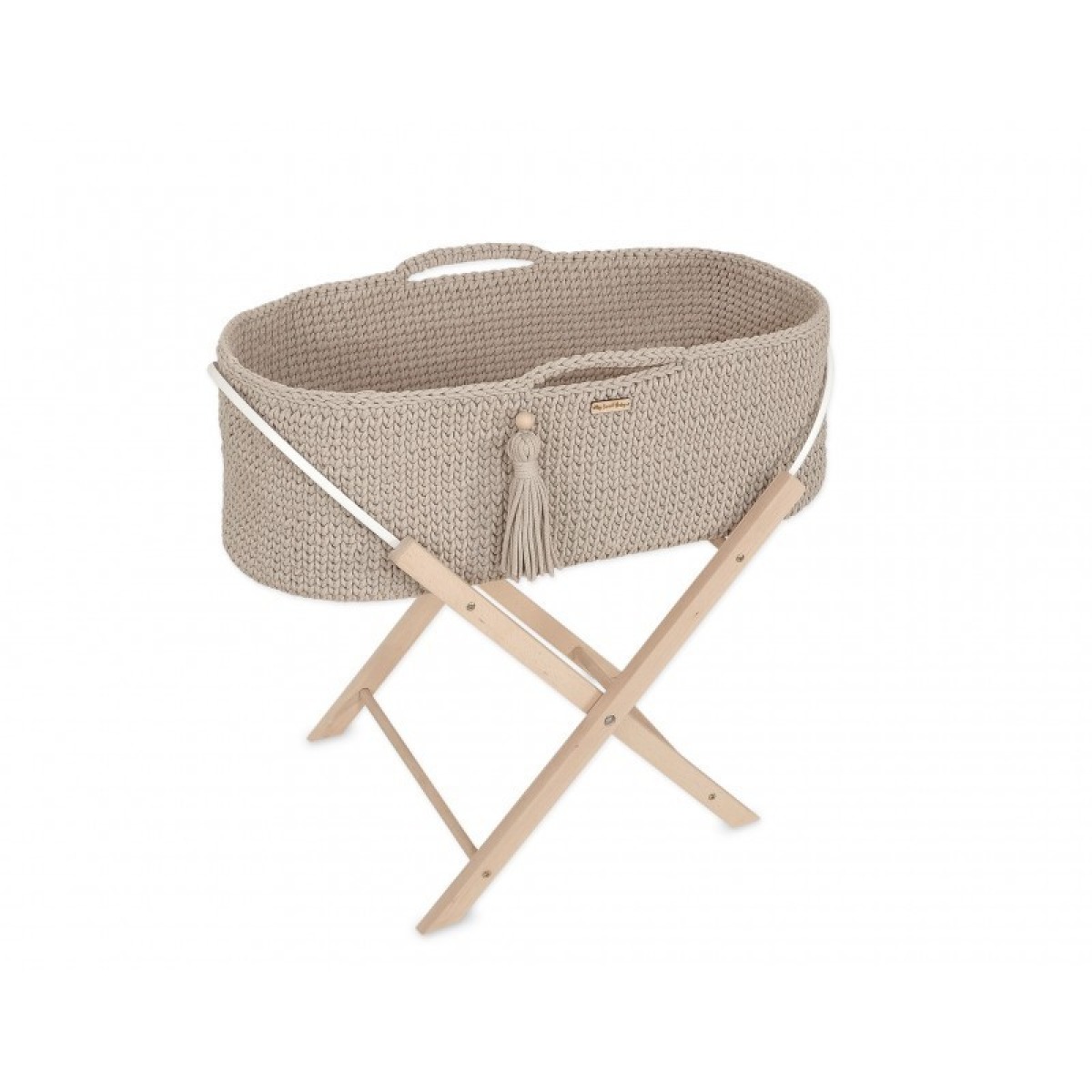
For babies and toddlers, a comfortable foundation is a type of bed that supports the daily rhythm and makes moving it around easy. The category includes both cots and baby baskets (including crocheted basket-style designs), which are often used to soothe a baby and support a sense of closeness at home. A cot usually goes together with a mattress, whose thickness and material can affect comfort.
When choosing, make sure the solution is practical for home use and easy to care for. As your child grows, it makes sense to consider how the bed's features or size will work together over time.
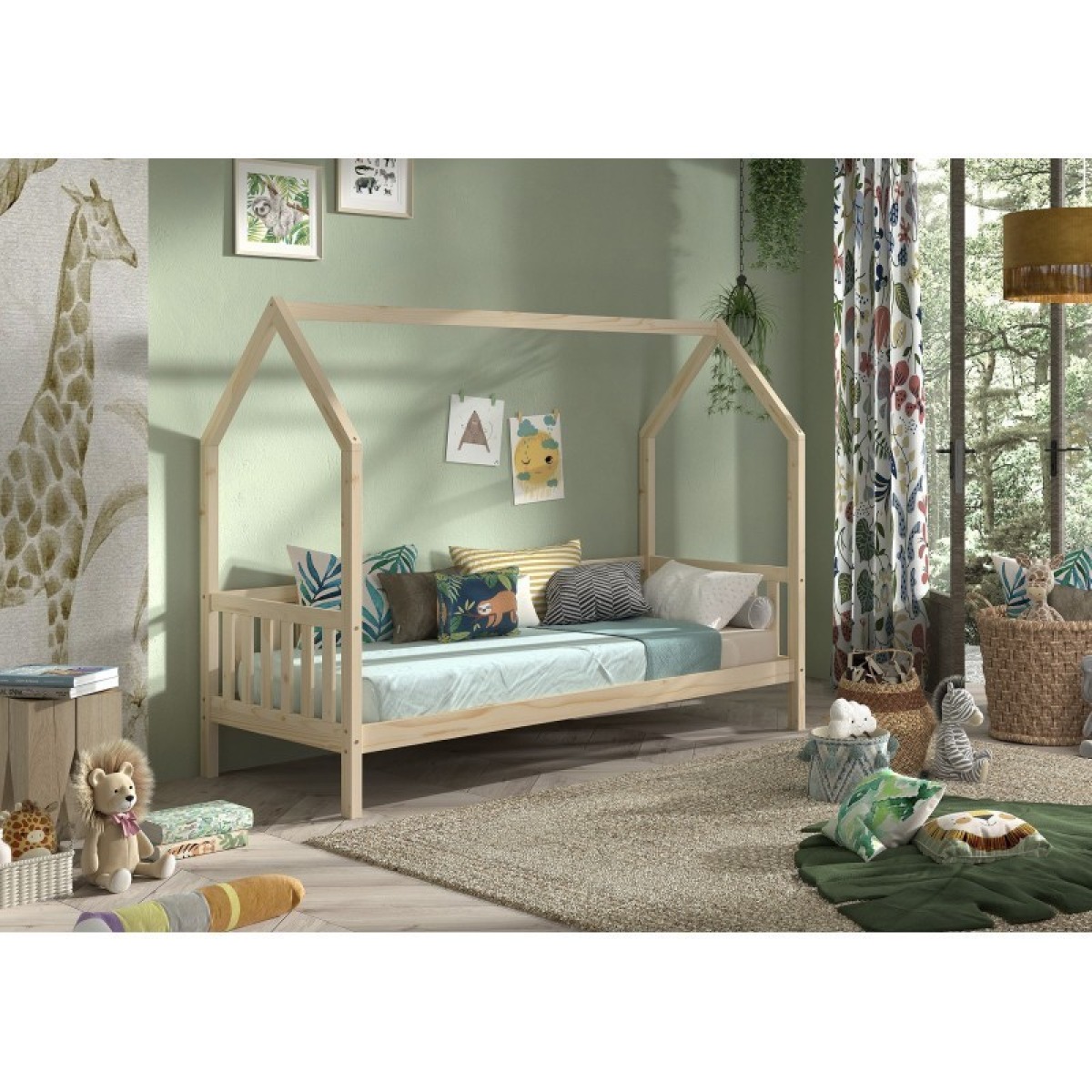
House beds are a popular choice because they create a "place of their own" in a child's room, where it's easier to settle down and play. Some designs have a roof or curtains that add a sense of shelter and help create a sleeping environment that feels safe to a child. House beds are a great fit for those who want a clear theme in the kids' room.
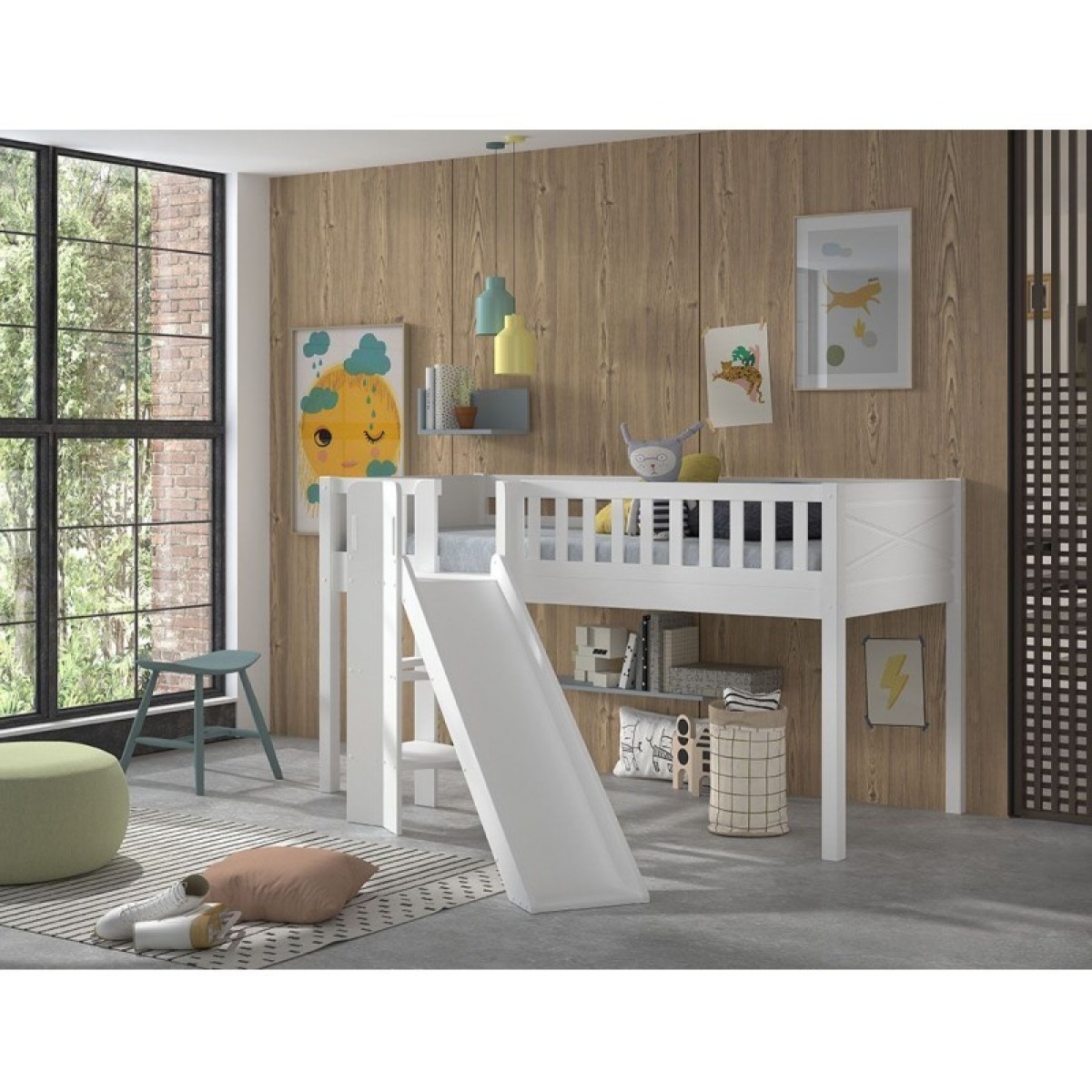
Bunk beds are especially practical when floor space in the kids' room is limited or when you need a solution for two children. With a bunk bed you often need to consider the ladder or access direction and check that the bed is comfortable and safe to use. Some bunk bed models also include storage that helps keep both toys and bed textiles tidy.
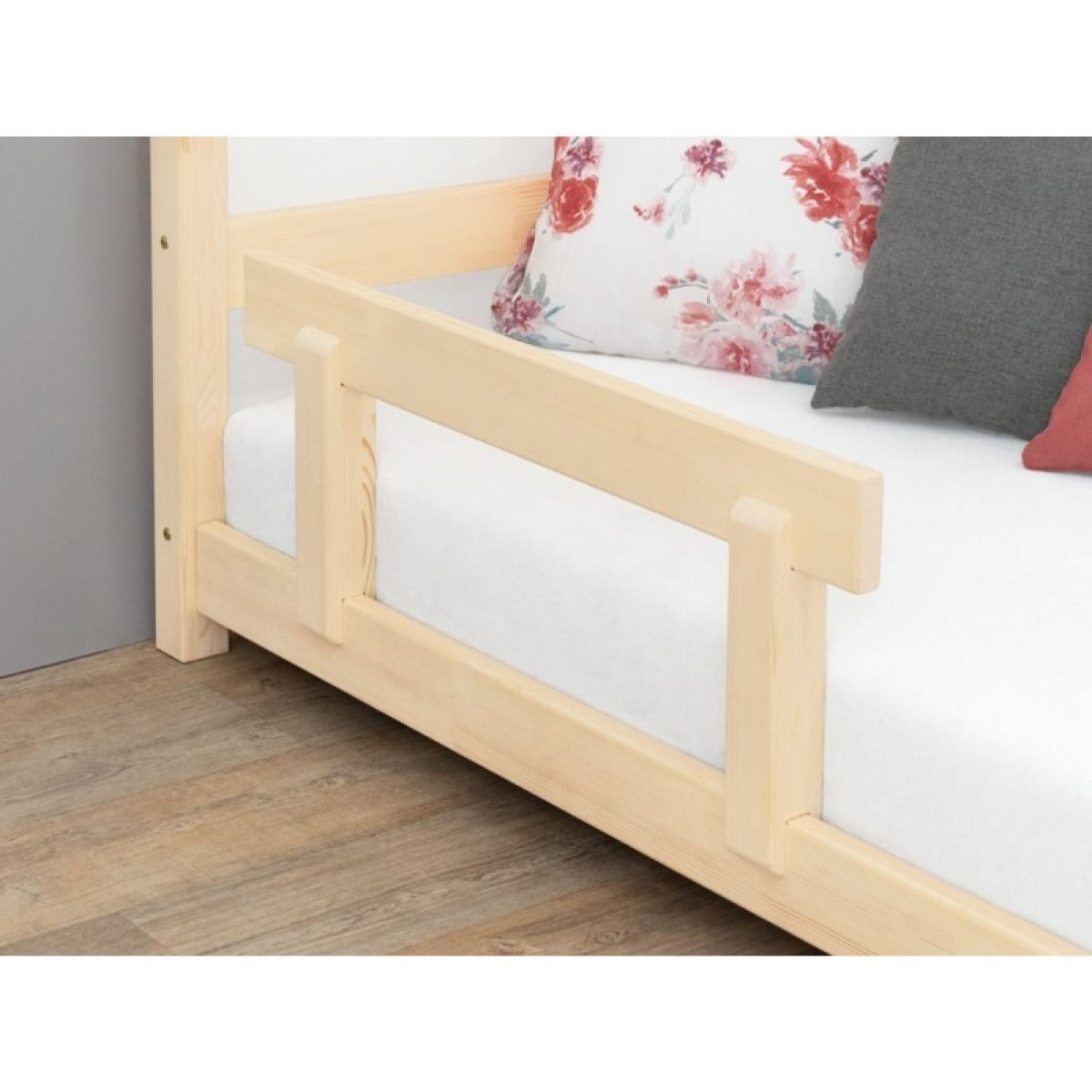
Bed accessories help complete the set. It's important that the choice supports both safety and ease of use: for example an under-bed drawer, a solution suited to an additional base, or a construction part designed for a specific bed. A drawer is practical because it reduces the need for a separate storage cabinet and leaves more room for play.
Some standard bed models are linked with guards or a cover, and together with the mattress this determines how comfortably the child sleeps. If the bed comes with a separate frame or a solid base, it's worth checking how it works with the particular mattress.
Whether a child's bed is right depends above all on its size, the child's needs and how it will be used every day. Before ordering, consider whether you need to save floor space, whether a themed solution (e.g. a house bed) matters to your child, or whether two children will share the same room.
As a practical summary, review the following selection criteria:
Once you've thought these points through, it's easier to put together a cohesive children's bed your child will love, with a matching mattress set.
MIU Kids
A quiet word about cookies
Necessary cookies are already on, so your basket and checkout can work. Analytics cookies stay off until you accept. Until then Google may receive a cookieless visit signal so we can count visits. It is not used for advertising. Accept all cookies, or keep only the necessary ones. Both are one click. We remember your choice for six months, and you can change it at the bottom of the page. Privacy notice
Analytics cookies wait for a yes
MIU Kids
Choose what stays on
Necessary
Always on. These keep the basket, checkout and the shop secure.
Analytics
No analytics cookie until you accept. A cookieless visit signal may still be sent. If you accept, Google Analytics shows which pages are used. It does not build advertising profiles.