
- New
In stock · 1–3 business days1–3 business days
About the collection
Health products help you care for your little one's wellbeing every day. In this collection you'll find products for monitoring your baby's and toddler's health and hygiene. They're worth keeping close at hand at home.
Category guide
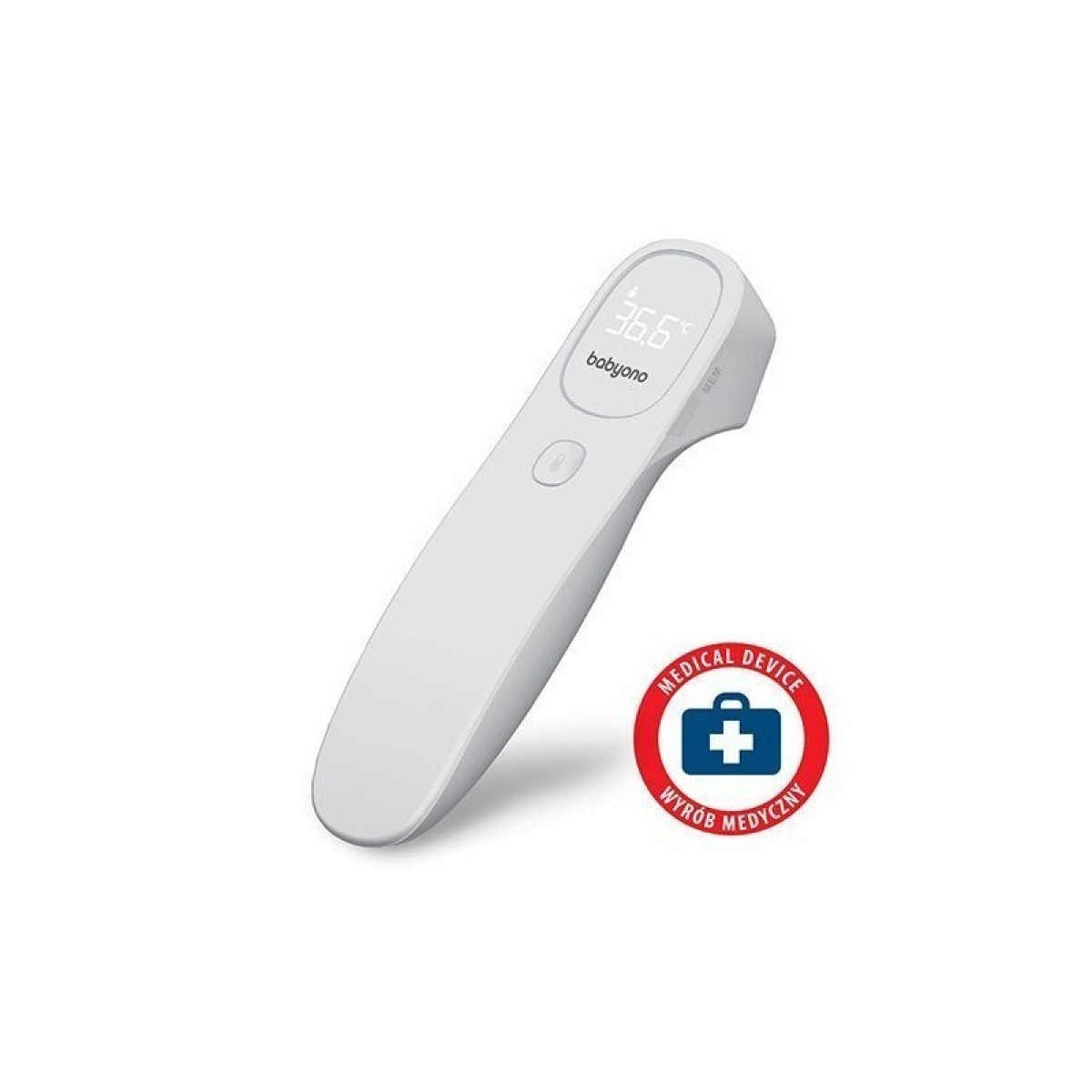
Health Products are an important part of everyday care for babies and toddlers, as situations that call for quick and safe help can arise at home unexpectedly. This category focuses primarily on products related to monitoring children’s health and hygiene: non-contact thermometers, nasal aspirators, oral care solutions and various warming and care gadgets. These products are used to monitor fever and
wellbeing, support nasal breathing and maintain cleanliness when a baby is especially sensitive. Practical childcare tools such as care kits, thermometers and developmental oral hygiene products are also suitable for toddlers. When choosing, it is worth considering ease of use, measurement accuracy, and the hygienic handling of materials and tips to help keep the baby’s routine calm and consistent.
Everyday care for babies relies heavily on products that help you respond quickly and maintain hygiene. Health Products include both temperature measurement and solutions that support breathing, as well as oral hygiene products and practical care accessories for children. At home, products that are easy to use and clean and fit into gentle routines are especially valued.
This category often includes non-contact thermometers, nasal aspirators and various baby care and hygiene solutions. If there is a toddler in the family, the same products are also useful when the day gets busy and quick action is needed without too much disruption. Some solutions also require the correct method of use: for example, measuring on the forehead or, if desired, in the ear area, and choosing a suitable tip and cleaning routine when removing nasal mucus.
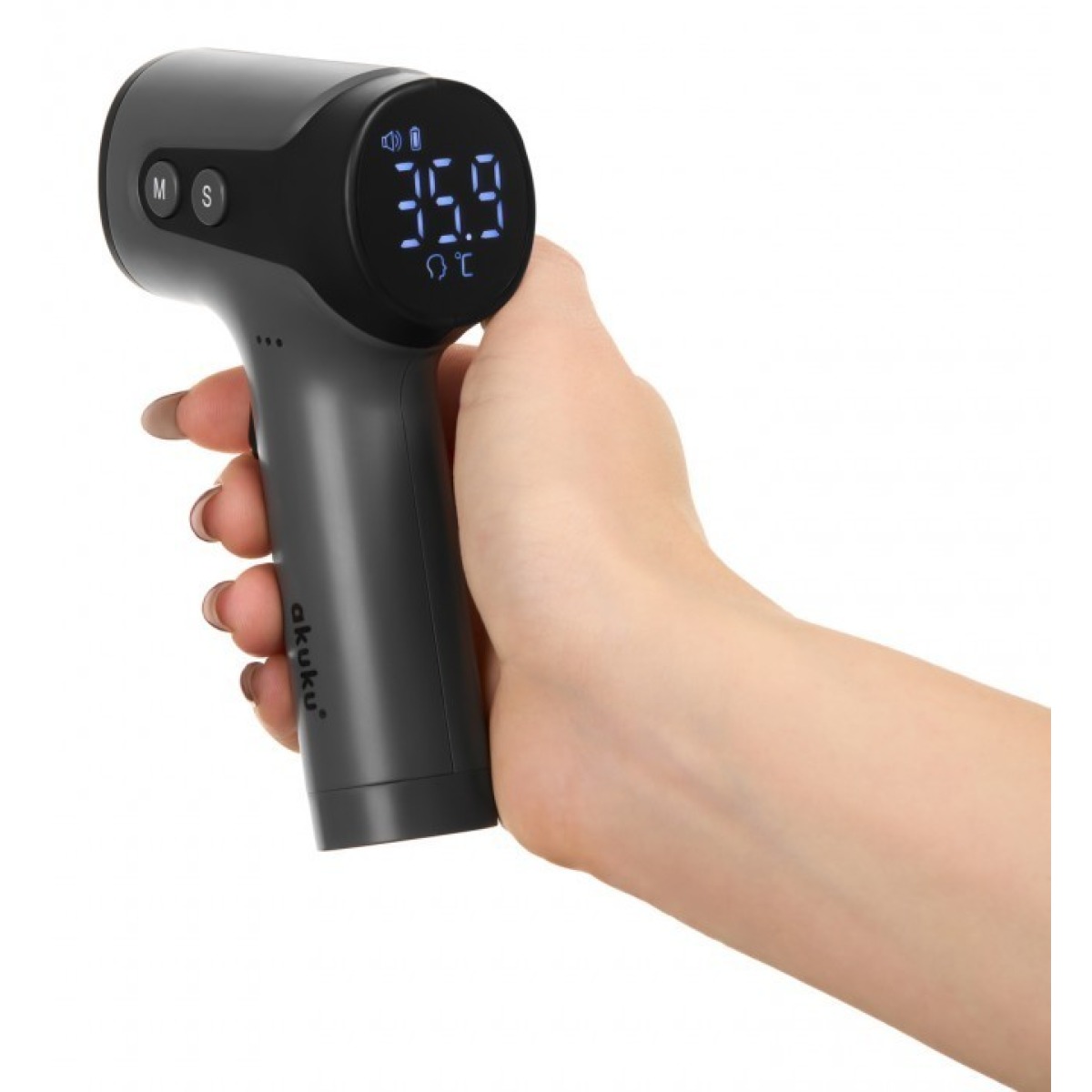
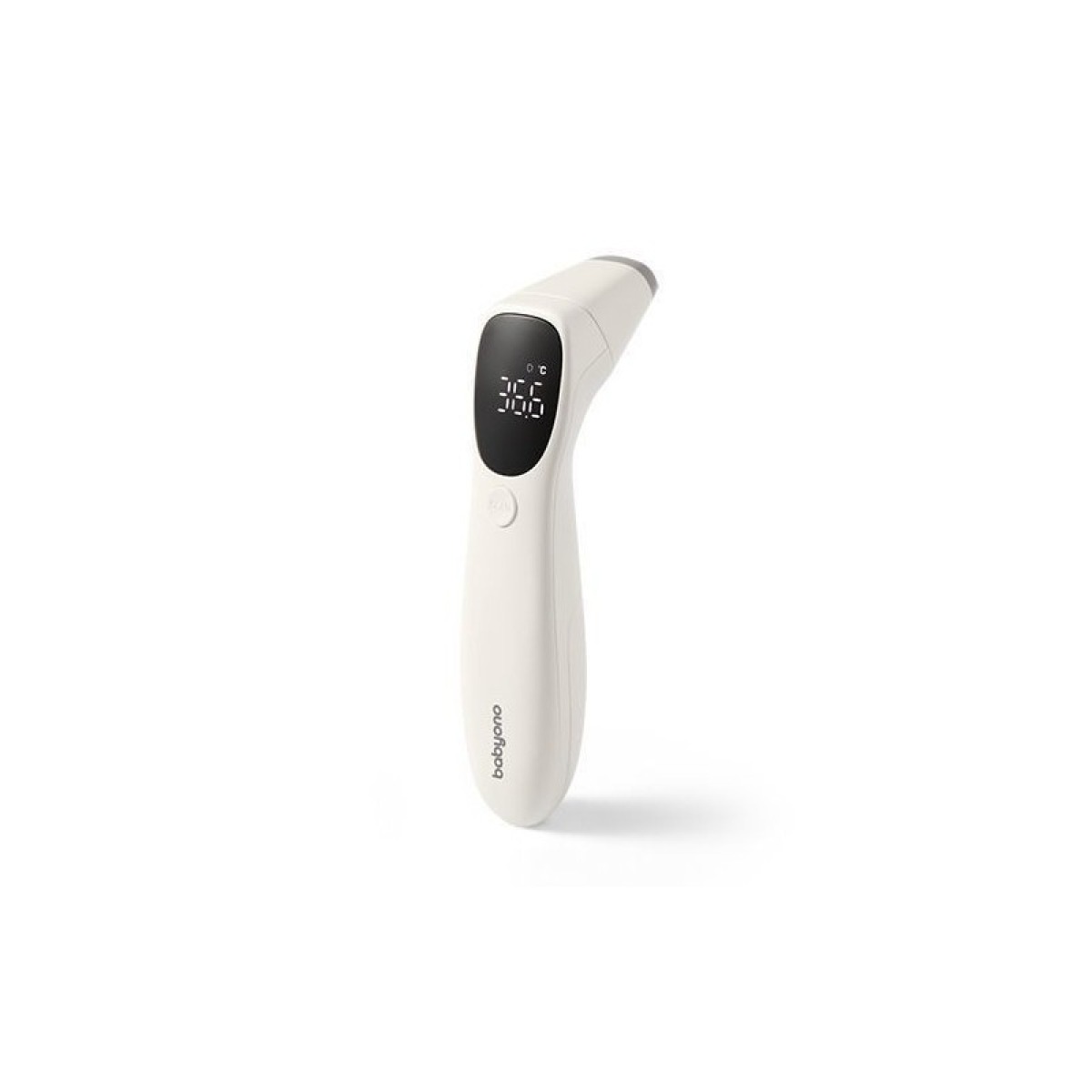
Monitoring temperature is one of the most common steps in caring for children’s health, especially when a baby is unsettled or has a cold. Non-contact infrared thermometers are designed for quick and hygienic measurement: the temperature is taken without direct skin contact, and the result is available in seconds. This approach works well when a child does not like staying still for long or when you want to reduce cross-contamination.
When measuring without contact, it is important to choose a thermometer that is clear and practical to use. Always follow the instructions and measure the same area so that results are easier to compare. It is also worth checking whether the thermometer supports measurement on different parts of the body or is designed for a specific method of use.
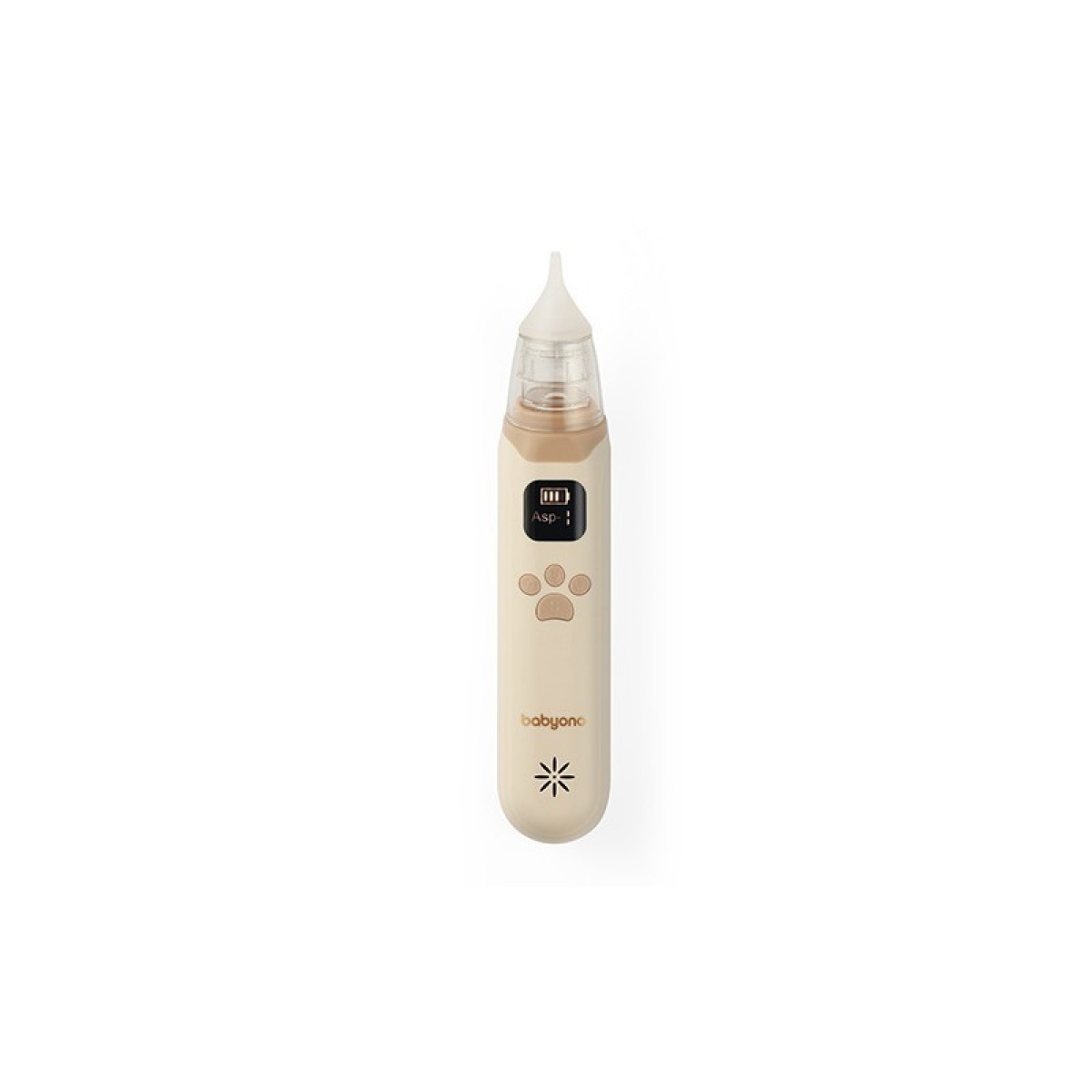
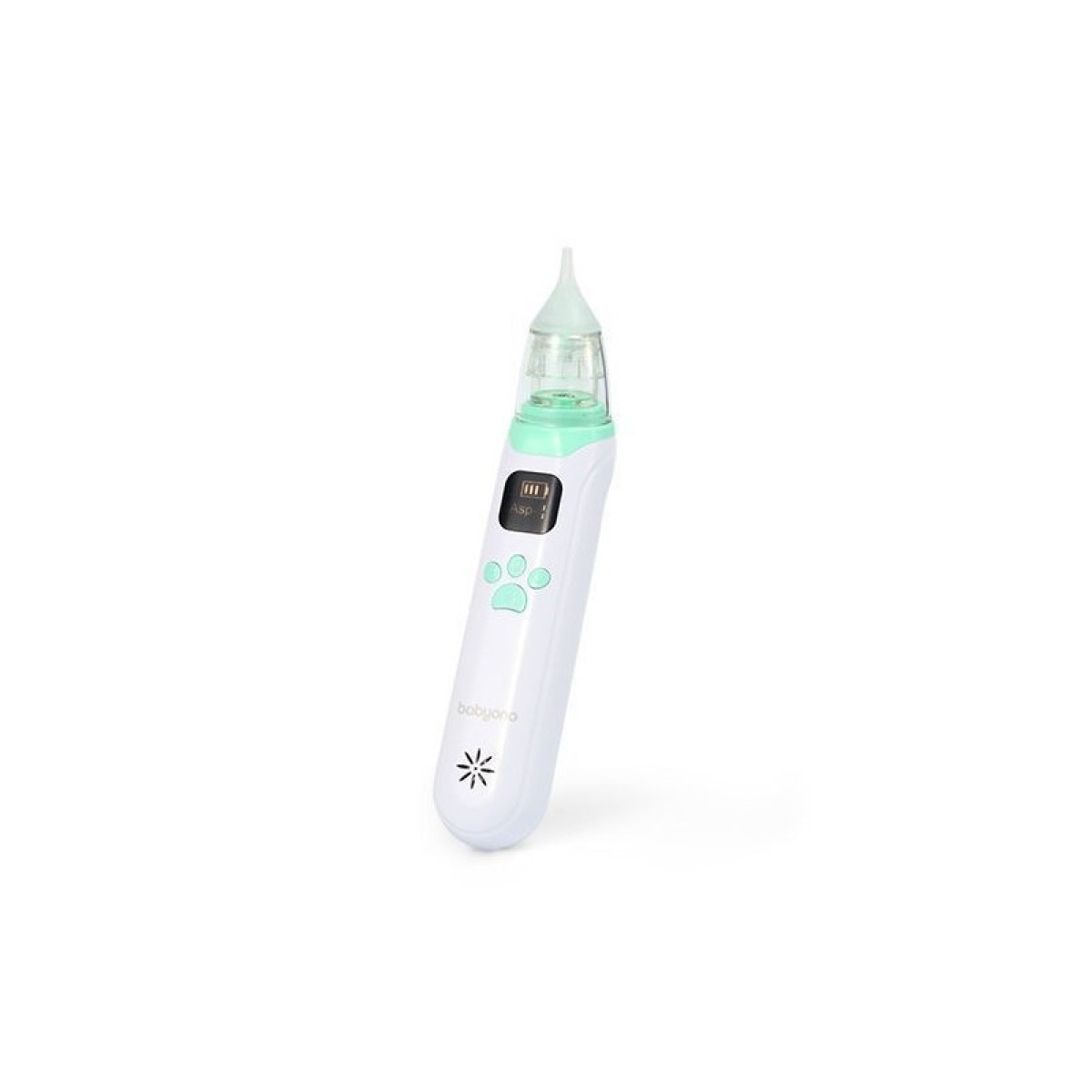
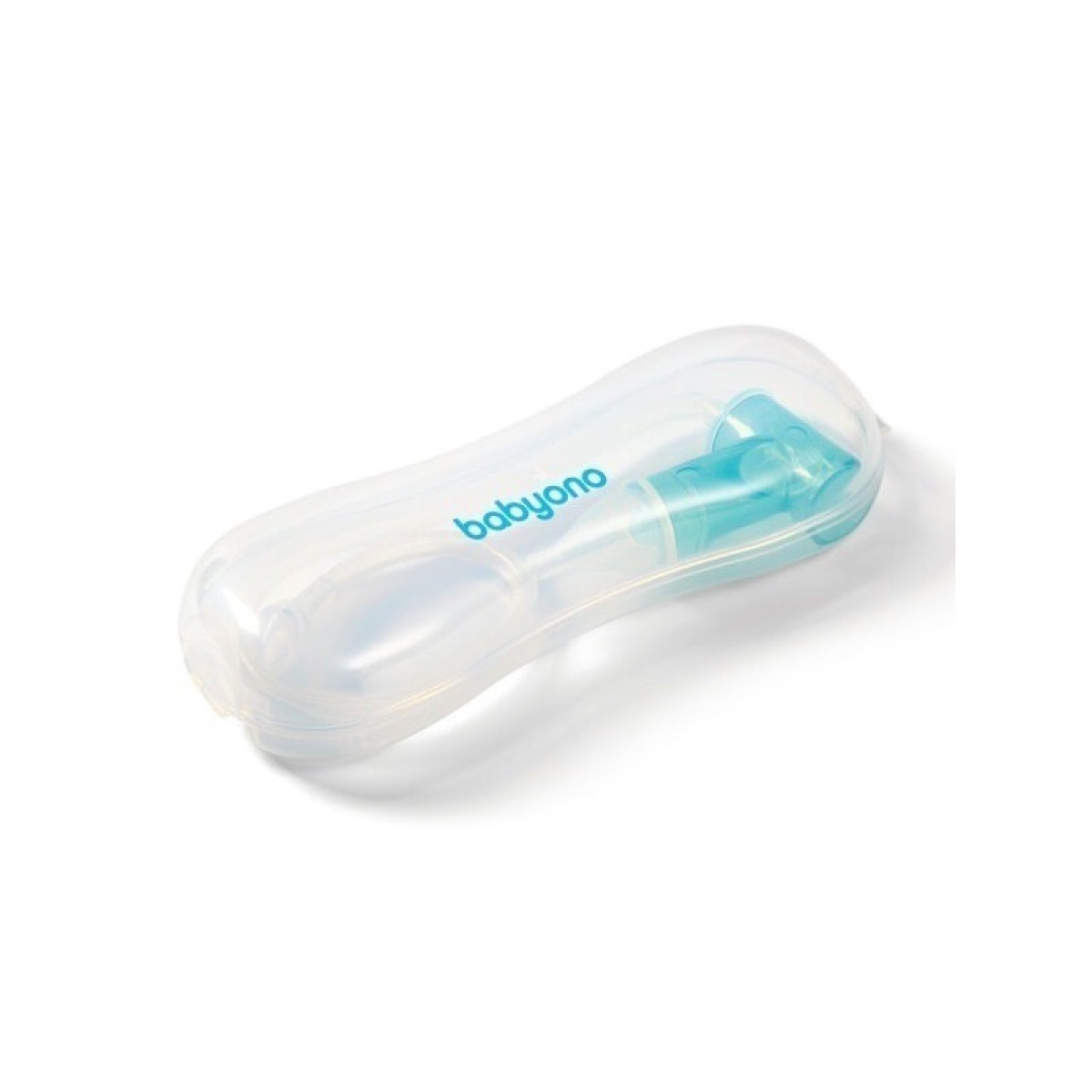
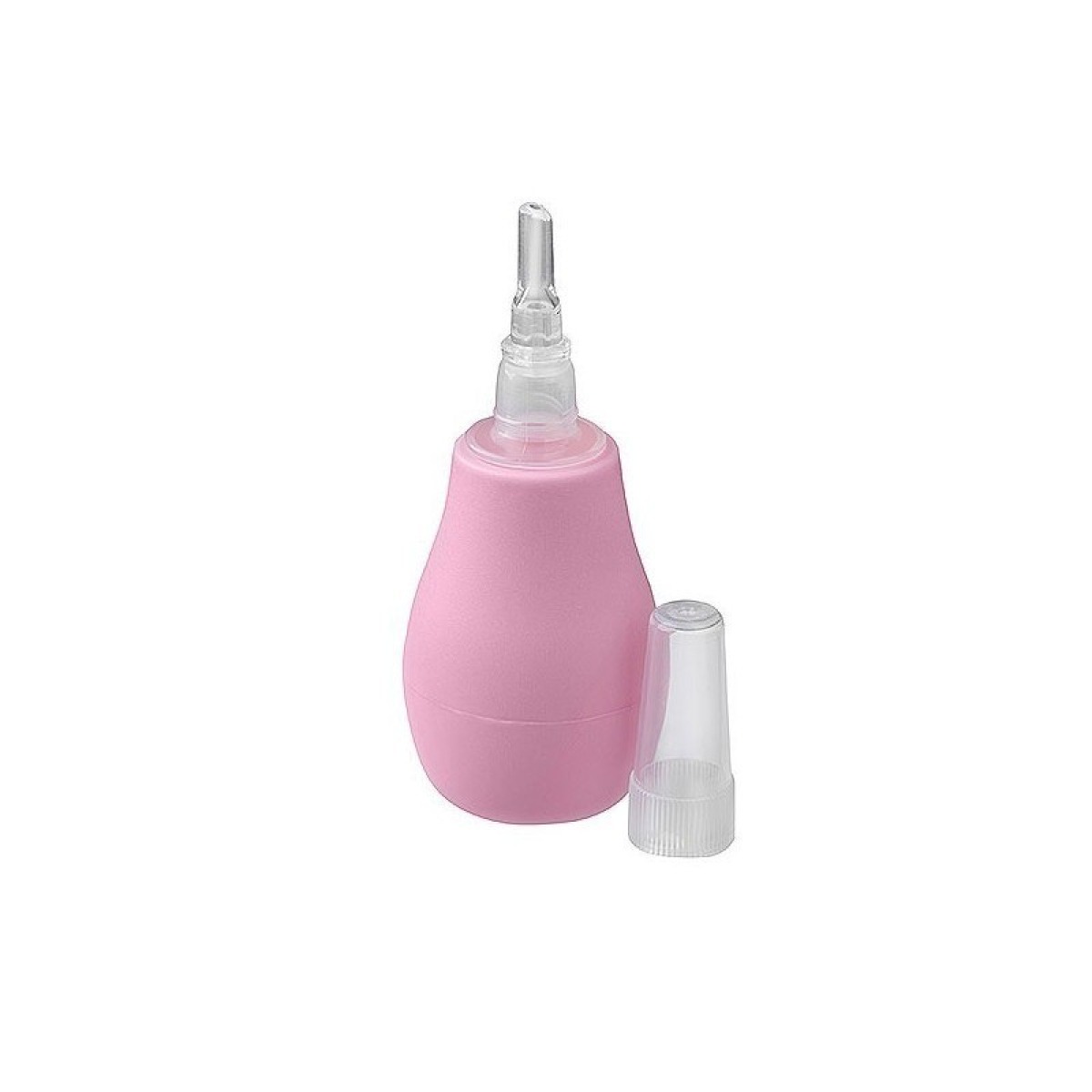
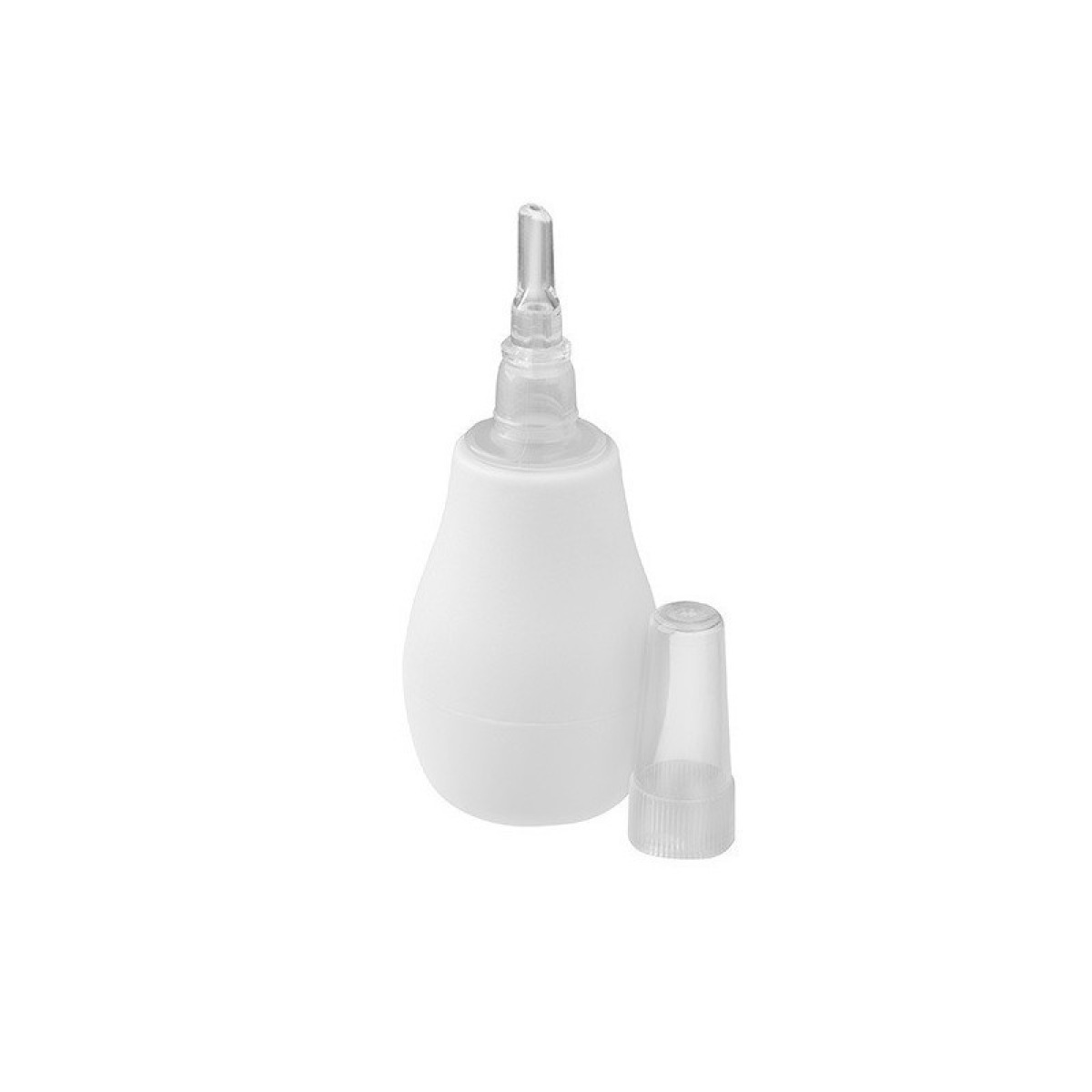
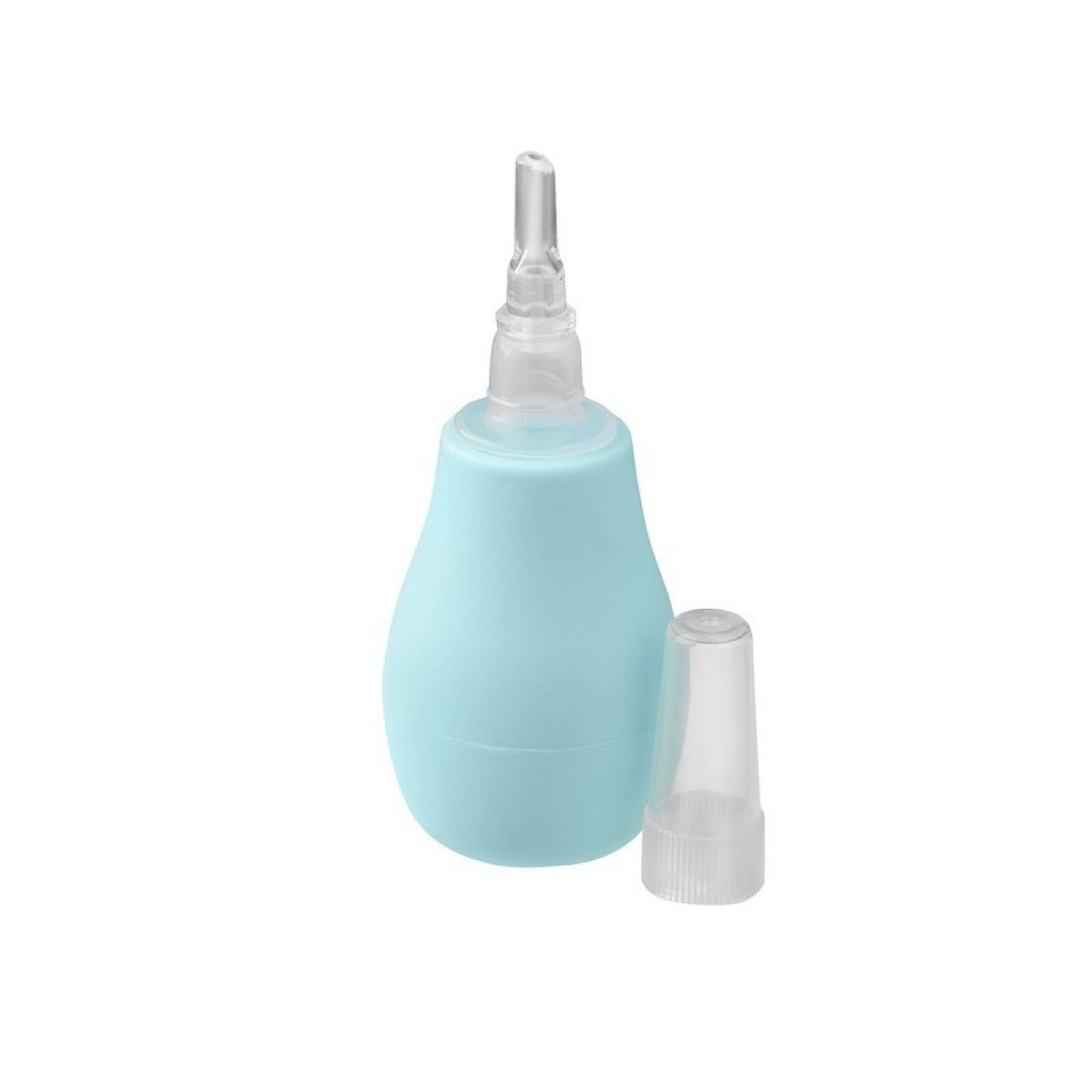
Colds can be particularly uncomfortable for babies, as a blocked nose interferes with both falling asleep and feeding. A nasal aspirator is a tool that helps remove nasal secretions and support the child’s breathing comfort. Nasal aspirator models differ in how they are used and in their tip designs: for example, electric nasal aspirators are designed to help effectively while being suitable for a child’s delicate nasal mucosa.
In practical terms, it is important that the device is easy to clean and that the tips are replaceable or can be handled hygienically. Proper care reduces the build-up of bacteria and helps keep the device safer to use for longer. If colds are frequent in the family, a nasal aspirator often becomes part of the regular baby care routine.
In addition to thermometers and nasal care products, the Health Products category also includes products that support children’s oral hygiene. Electric toothbrushes designed for children help make brushing a consistent part of the routine and are particularly suitable when starting oral care early. It is important to choose a toothbrush appropriate for the child’s age and use the correct brushing technique to protect growing teeth and delicate gums.
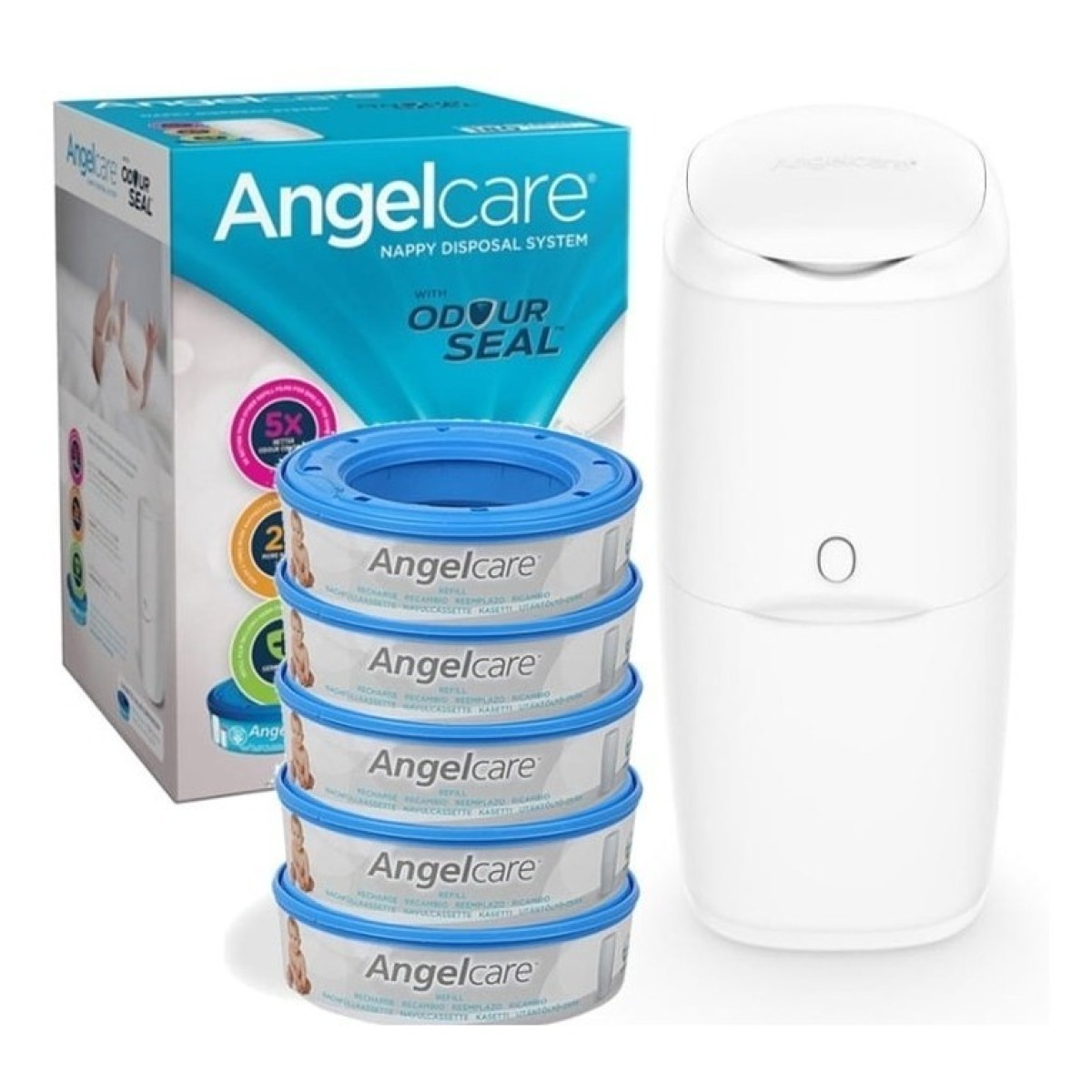
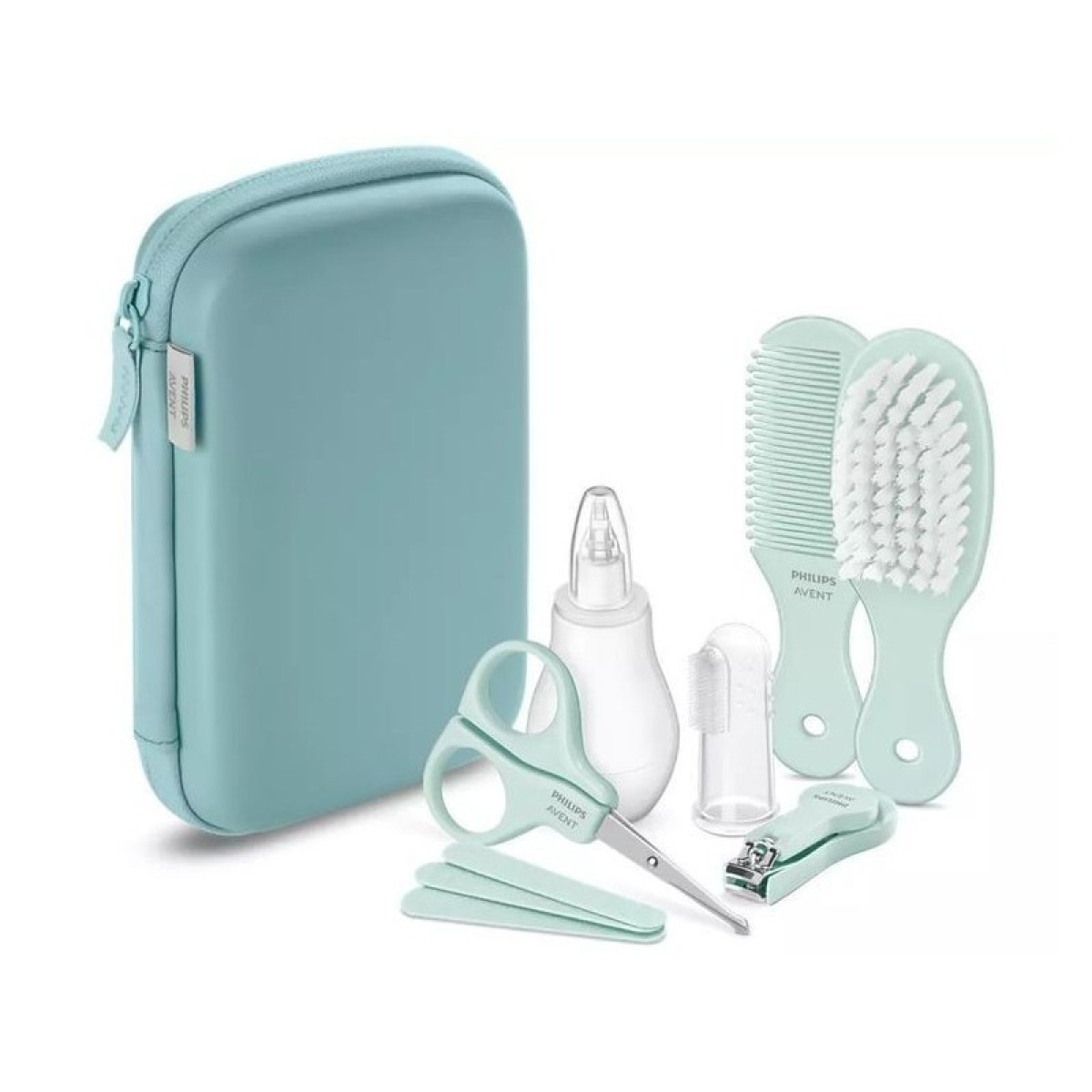
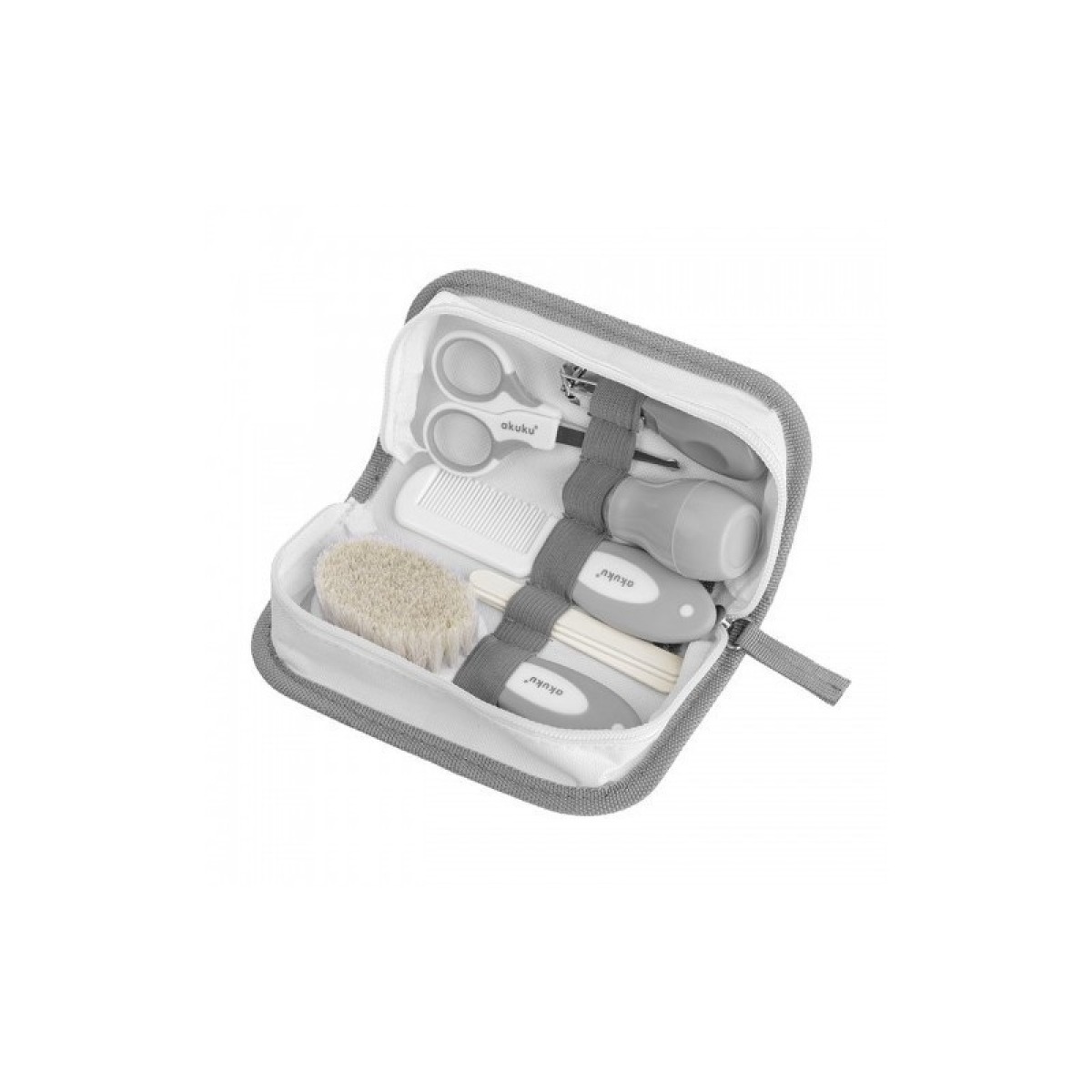
This category also includes practical hygiene solutions, such as a baby wipe warmer and various care and grooming kits. When nappy changes produce strong odours, a nappy bin and suitable refills are a common household solution for reducing odours. Some families also use inhalation solutions in the form of a nebuliser, which can help moisturise and support respiratory comfort in accordance with a doctor’s recommendations or the instructions.
When choosing products for babies and toddlers, the most important thing is that they are easy to use and that the process takes less time. For measurements, check which area is most suitable for measuring and whether the device is contactless and hygienic. For a nasal aspirator, check that the tips and device can be cleaned even when you’re short on time.
If you want to address several needs as part of one routine, it helps when different products in the category support the same goals: monitoring the child’s wellbeing, improving breathing comfort and maintaining cleanliness. This helps keep baby care consistent at home and makes decisions easier.
MIU Kids
A quiet word about cookies
Necessary cookies are already on, so your basket and checkout can work. Analytics cookies stay off until you accept. Until then Google may receive a cookieless visit signal so we can count visits. It is not used for advertising. Accept all cookies, or keep only the necessary ones. Both are one click. We remember your choice for six months, and you can change it at the bottom of the page. Privacy notice
Analytics cookies wait for a yes
MIU Kids
Choose what stays on
Necessary
Always on. These keep the basket, checkout and the shop secure.
Analytics
No analytics cookie until you accept. A cookieless visit signal may still be sent. If you accept, Google Analytics shows which pages are used. It does not build advertising profiles.