
- New
In stock · 1–3 business days1–3 business days
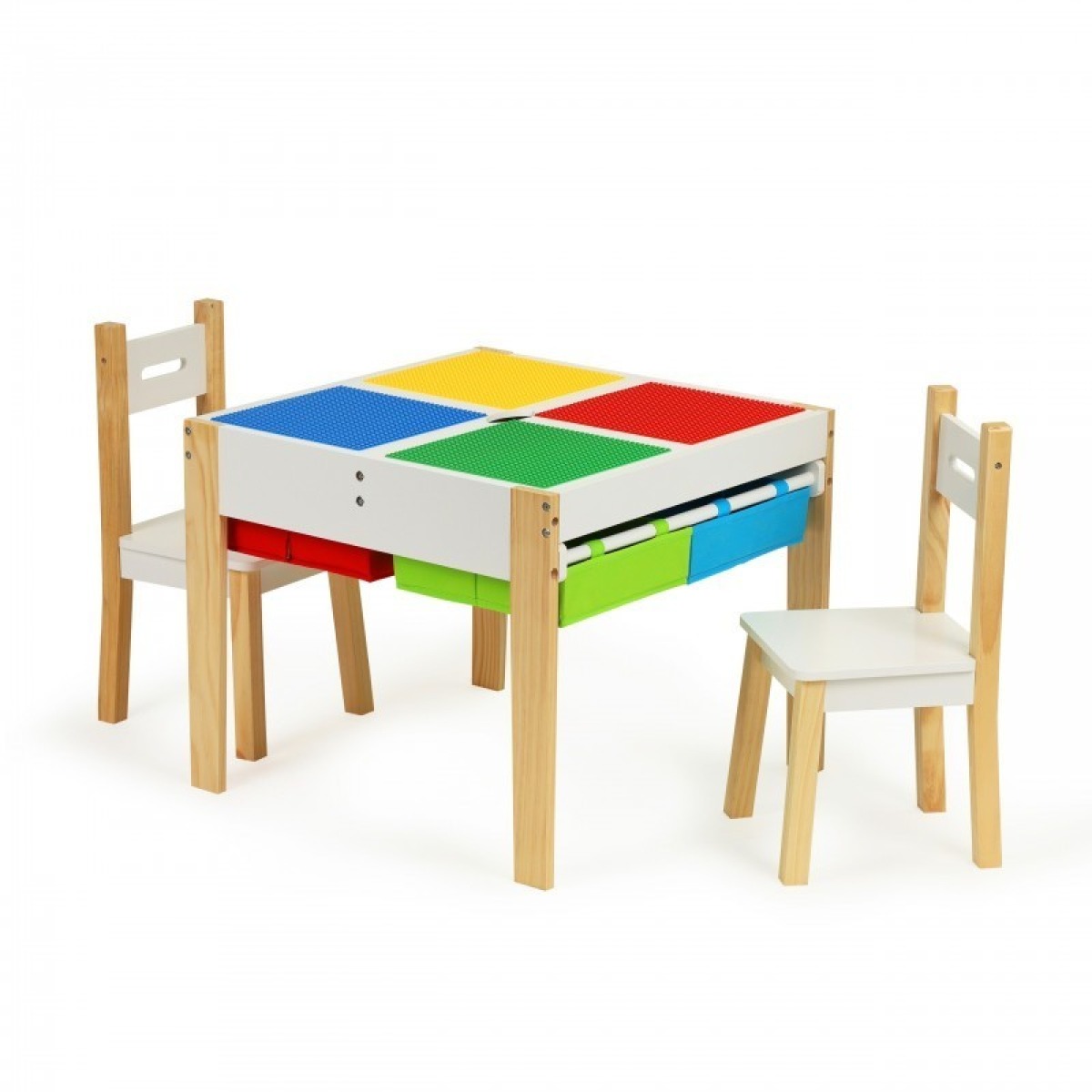
About the collection
Their own table and chair give children a place to draw, craft and play. Kids' table and chair sets are just the right size for little users, so feet reach the floor and activities feel comfortable. You'll find models for...
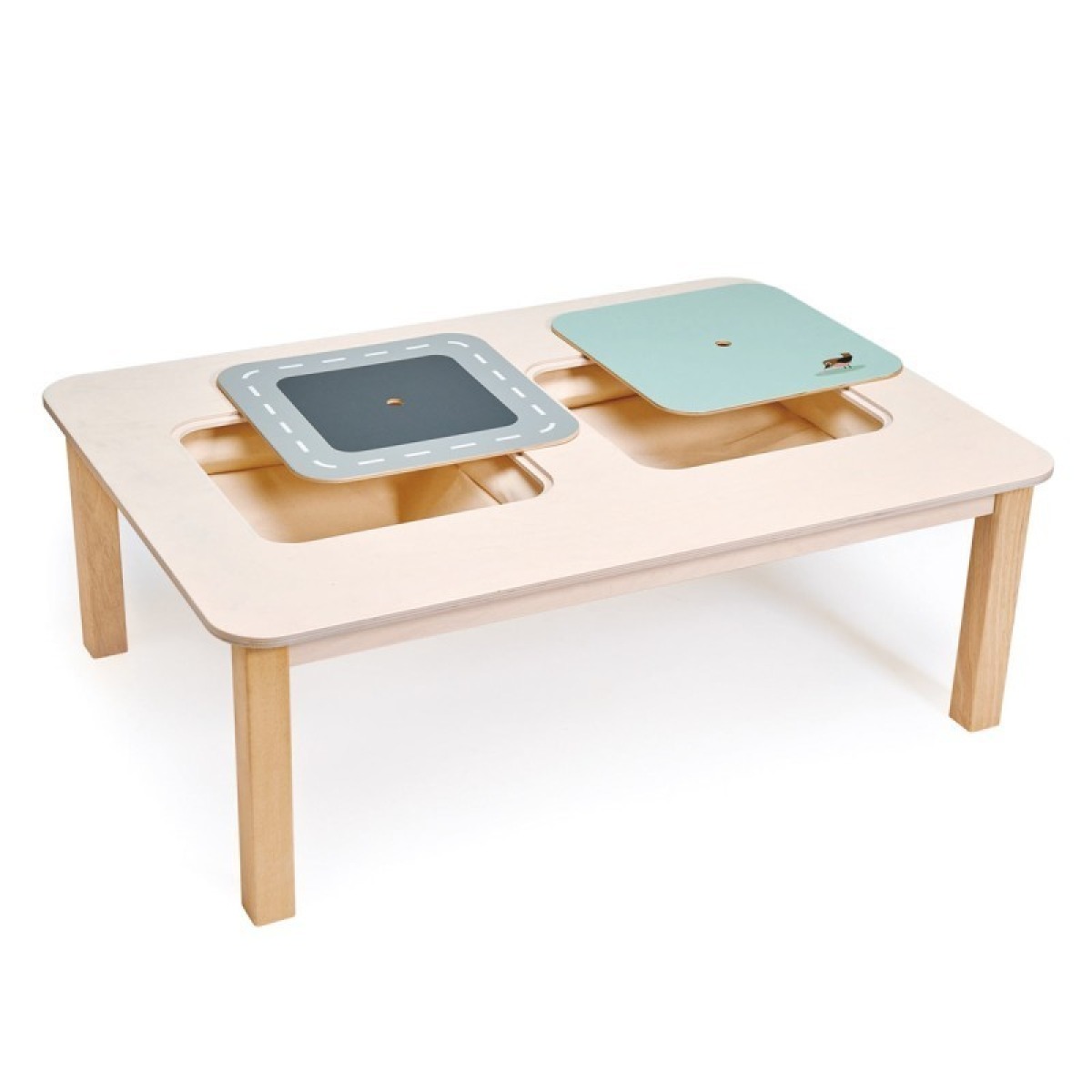
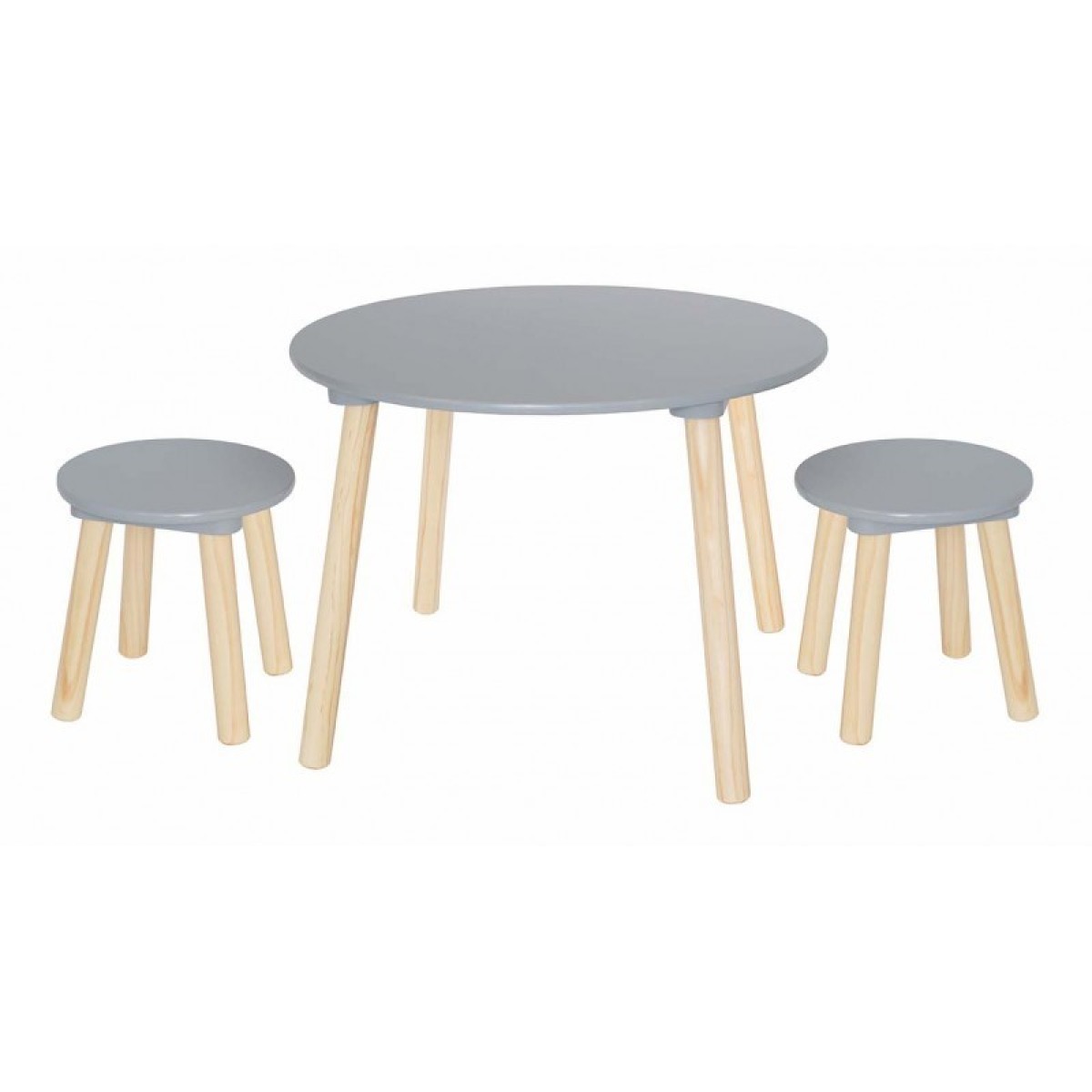
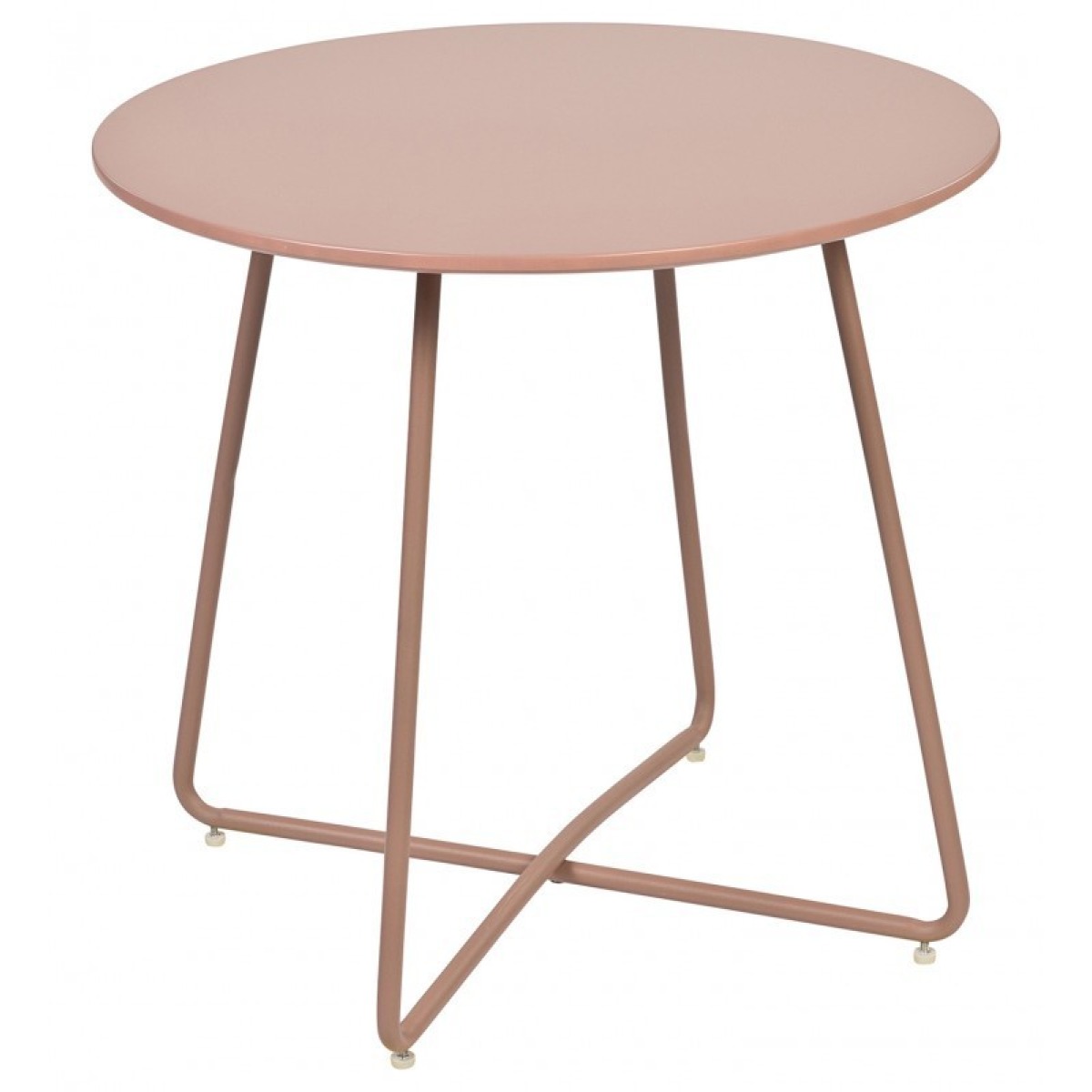
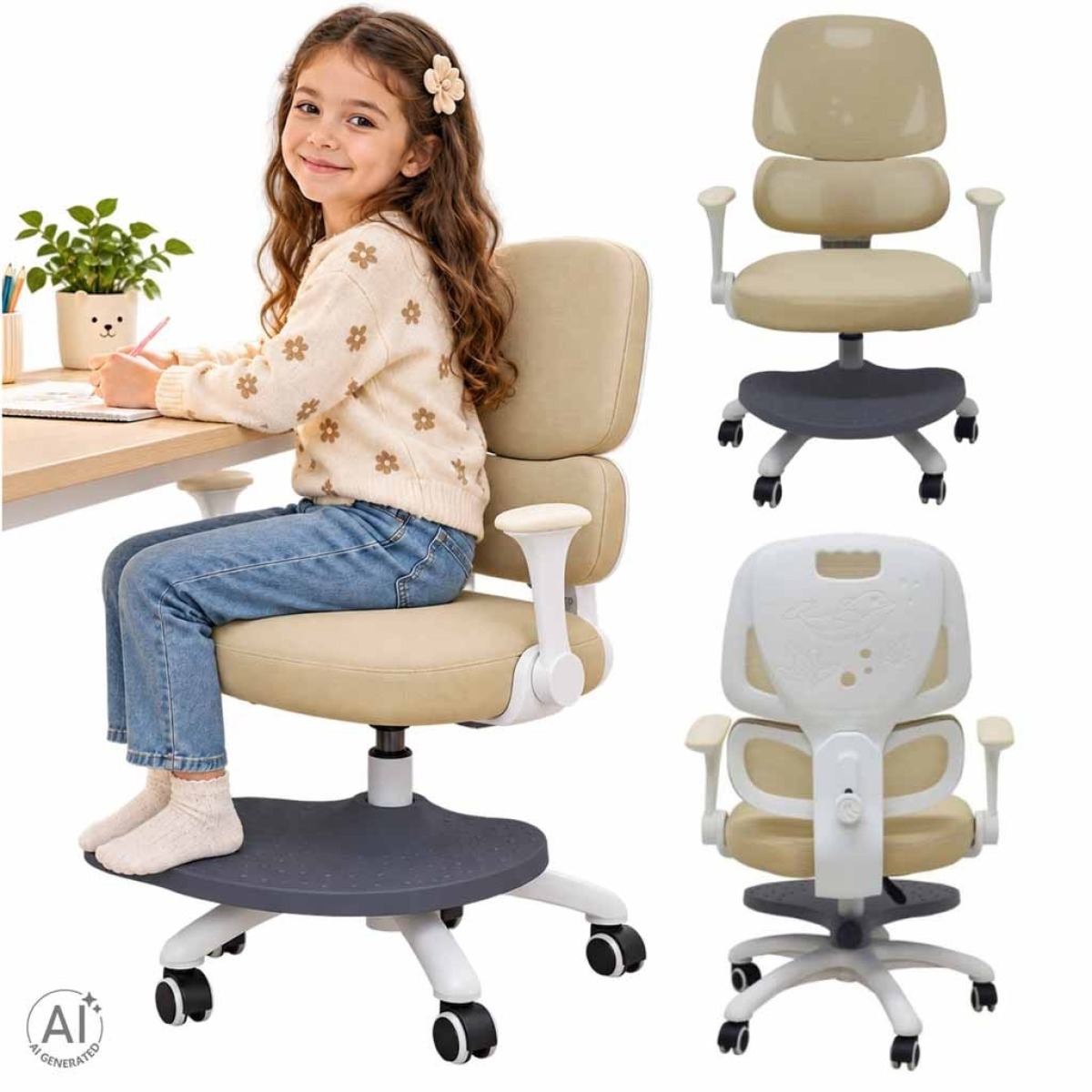
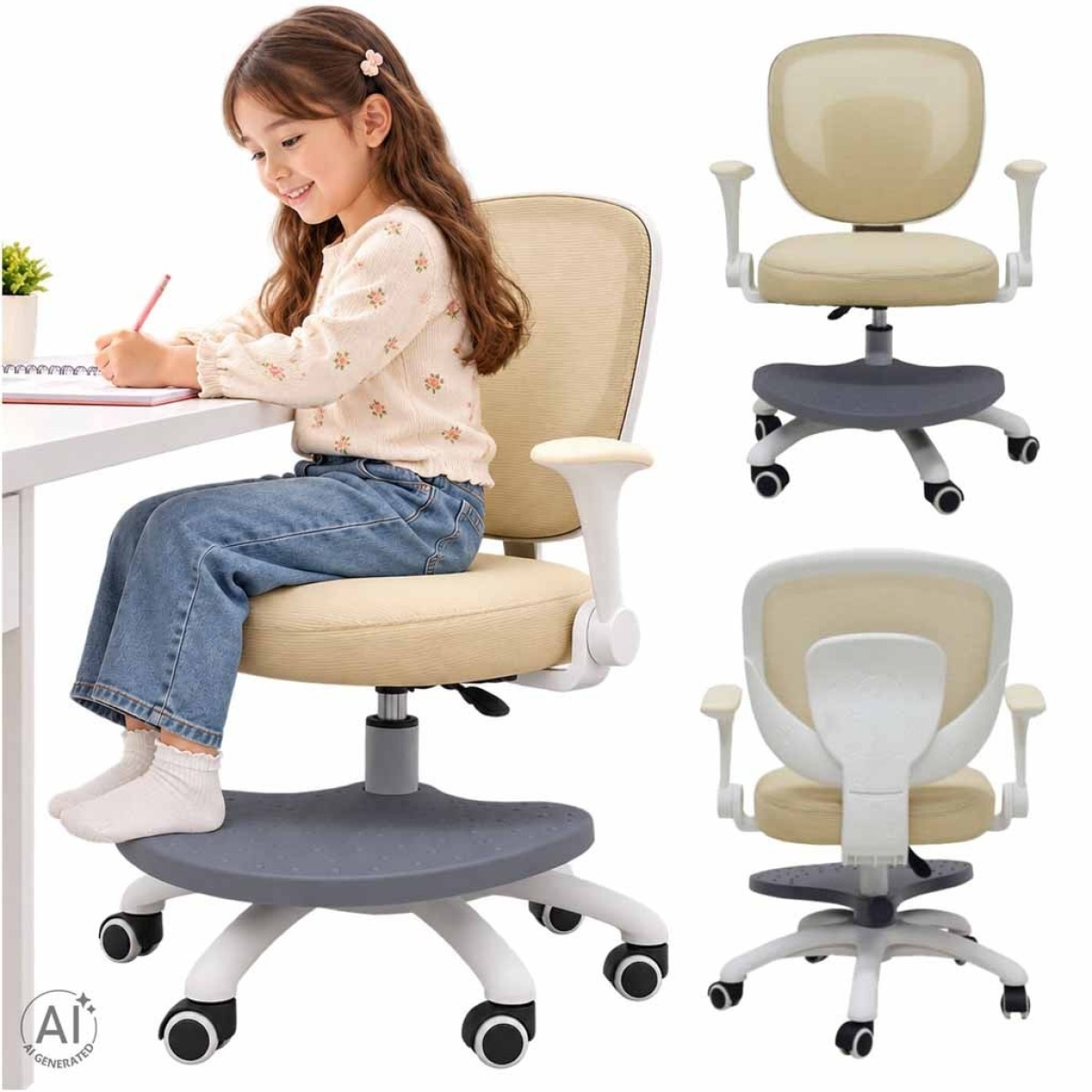
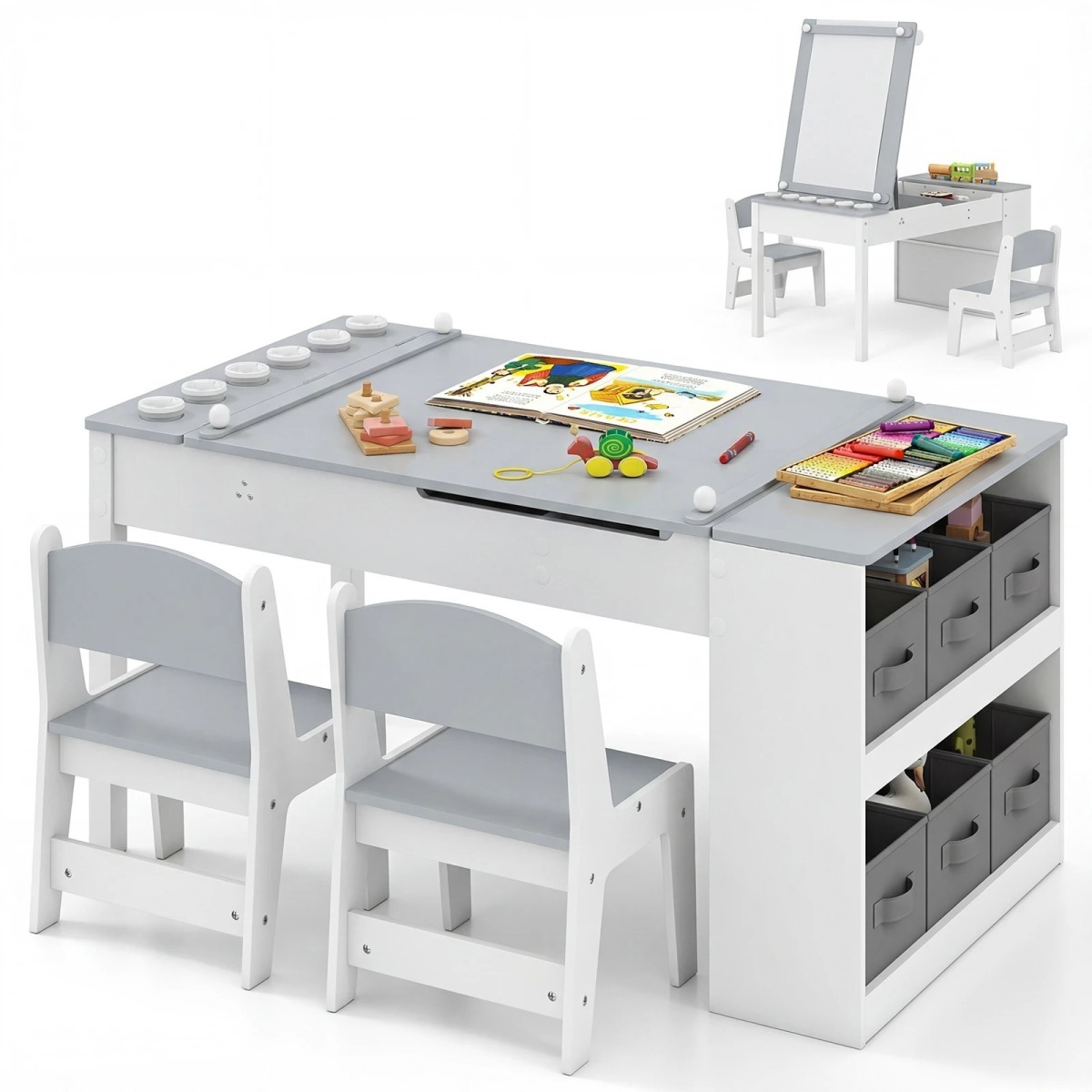
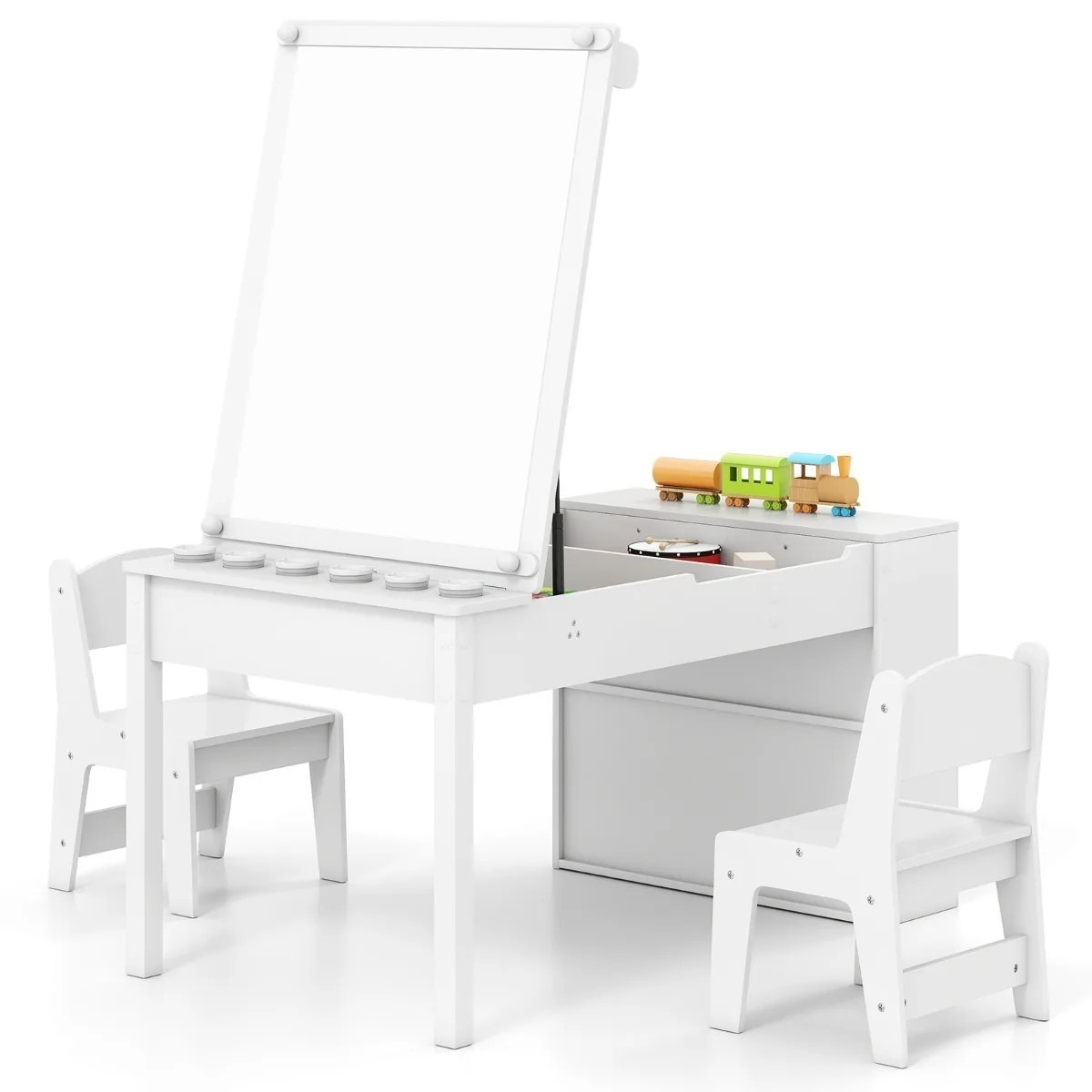
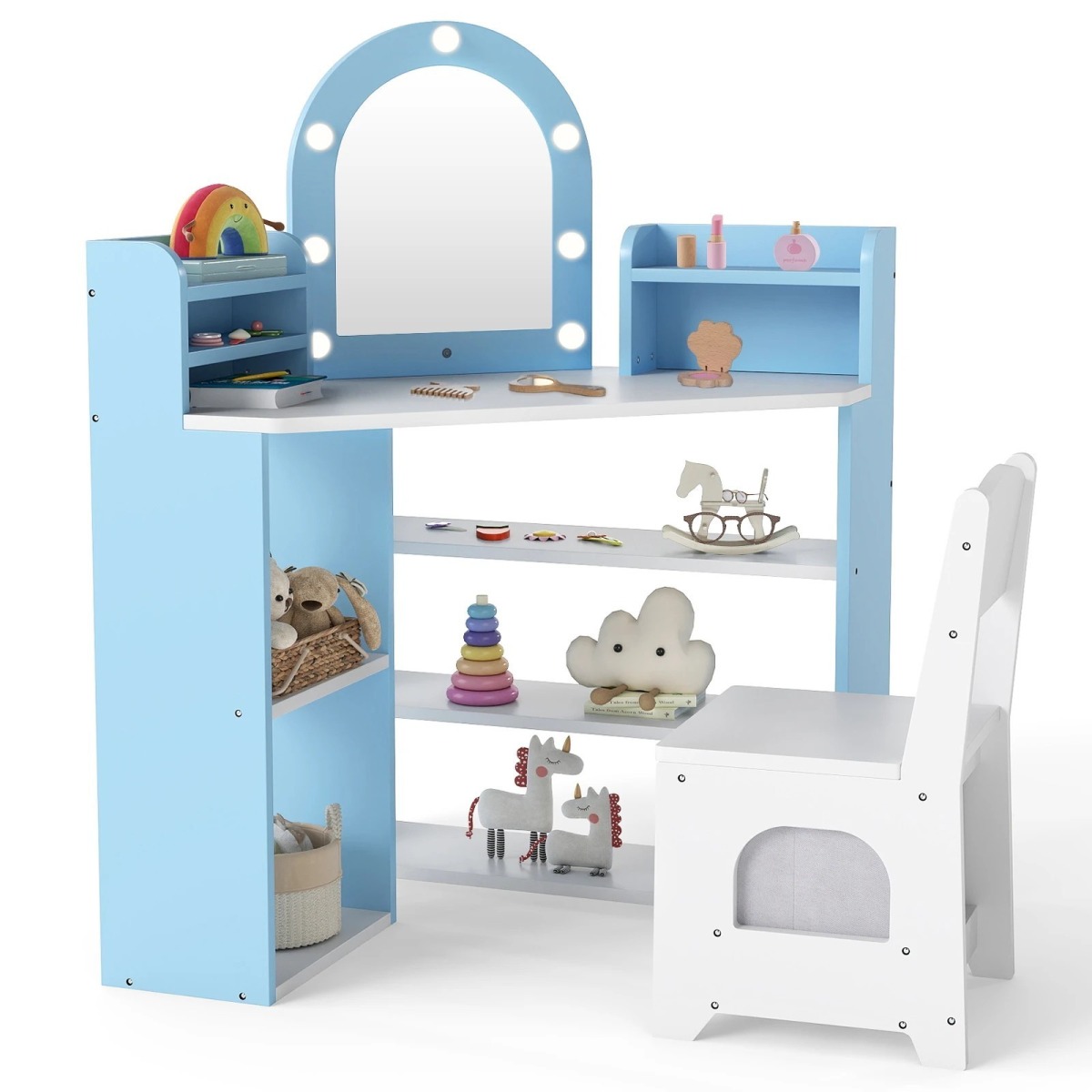
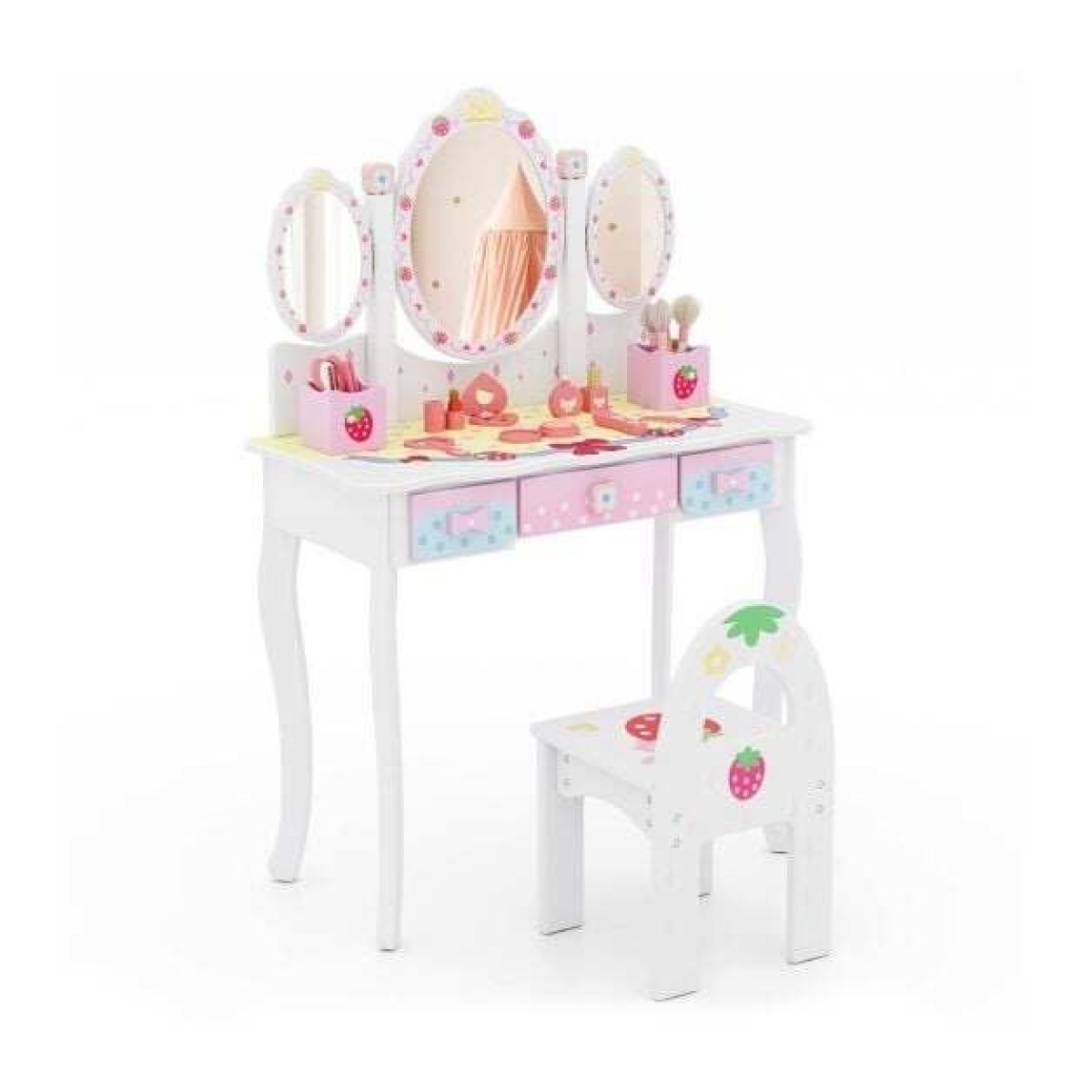
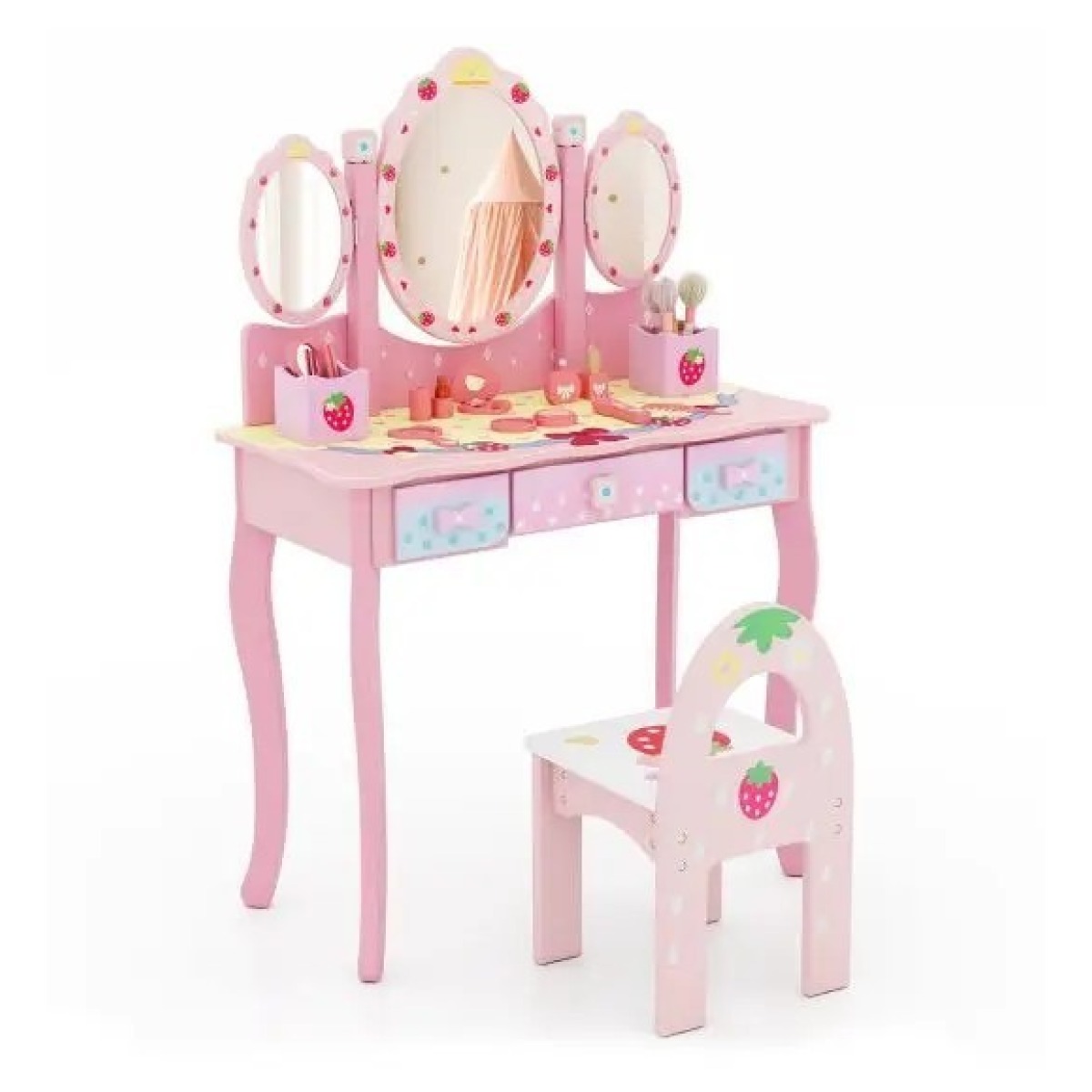
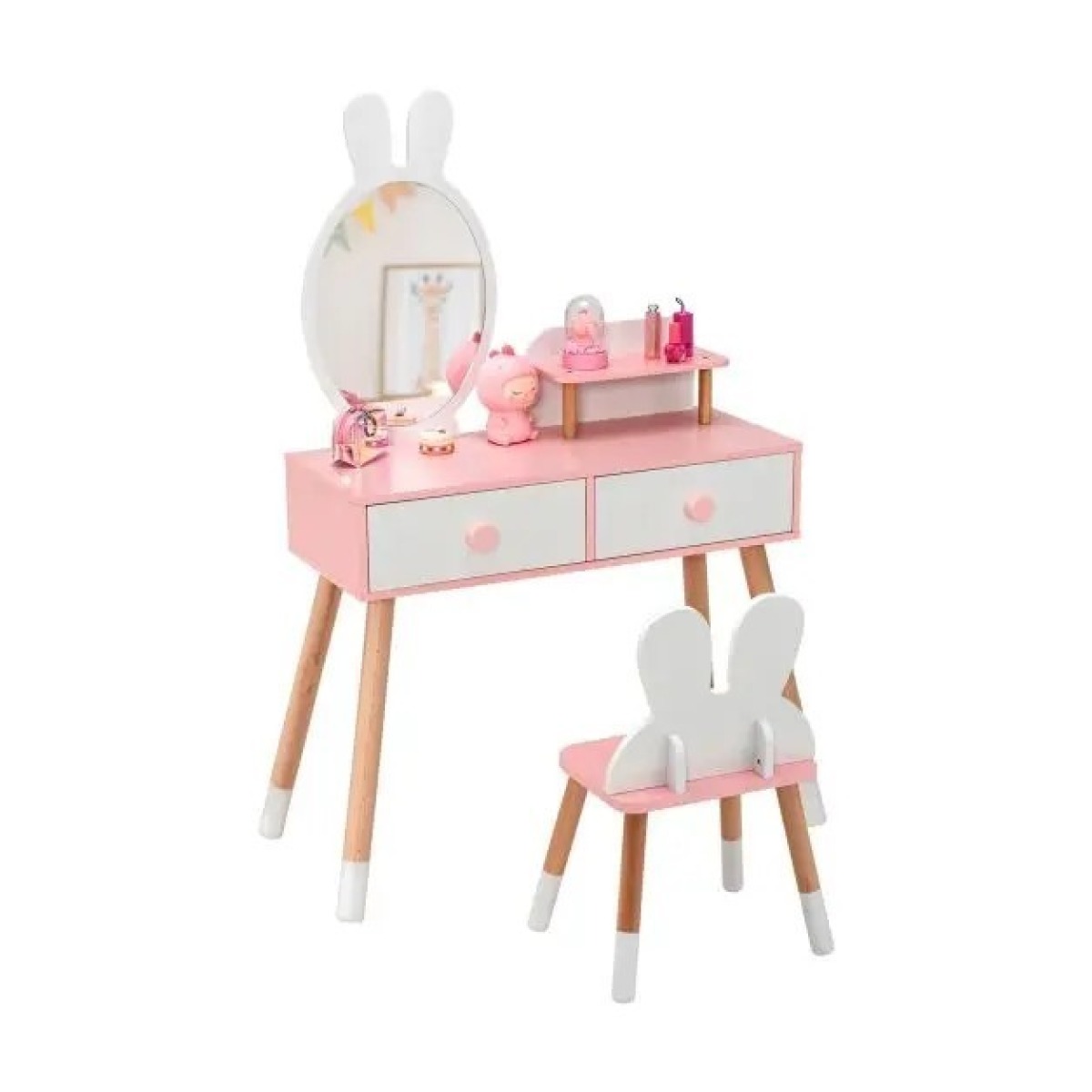
Category guide
Kids' Tables and Chairs are an essential part of children's furniture, helping create a dedicated place at home for drawing, learning and playing. This type of set can be used by babies and toddlers for occasional activities, but is especially suitable for children who need a suitable height for their daily routine. The right choice makes activities more comfortable,
because the height of the table and chair supports the child's natural posture and reduces the need to reach too far. It is also important to consider the material and finish, as furniture designed for a child's room is subject to everyday use. A kids' table and chair can be compact for smaller rooms or offer a larger surface for developmental activities.
Kids' Tables and Chairs create a separate activity area where children can focus on drawing, crafting, looking at books or role play. When the furniture is the right size for the child, activities feel freer and children are more likely to stay focused on what they are doing. This type of kids' room furniture is suitable both for supporting everyday learning and for creative play at home.
The most important thing is to choose a work surface and seat height to suit the child's needs. Many sets are designed for toddlers and preschoolers, offering a comfortable position and practical use. It is also worth checking that the furniture is stable and easy to use, even when the child is playing independently.
Choosing the right set starts with the measurements. When seated at the table, the child should be able to work comfortably without having to lean too far forward. The chair height affects whether the child's feet are firmly supported and whether they can stay well balanced during activities.
Booster seats and steps can also be practical solutions to help smaller children reach the table. For example, a chair booster is handy when a child has outgrown a high chair but is still too small for a standard dining chair. Kitchen helper step stools can serve a similar purpose, helping children take part in everyday activities.
A kids' table and chair are not just for writing or drawing. Many sets also work as play tables where children can do crafts, host a doll's lunch or enjoy different creative games. When the furniture is placed in the child's room so that they can see and reach the things they need, it encourages independence and helps them stay engaged in an activity.
Desks and kids' tables often come with practical storage space to help keep supplies organised. For example, drawers and cupboards reduce everyday clutter and help children put things back in their place after an activity.
Choosing materials is important for furniture designed for children. Wooden designs work well in a child's room because they are stable and timeless. It is also worth checking that the finish is easy to keep clean, especially if the furniture is used every day.
Care is easier when you choose furniture with surfaces that can be wiped down when needed and that can withstand frequent use during children's play. If the furniture includes storage elements or parts with accessories, it is also worth considering how easily your child can access them.
If you want children to feel comfortable while they play or work, choose a quieter area where they can concentrate. Ideally, the table should have plenty of natural light without direct glare. Wall height and nearby storage can also help establish a practical routine.
When choosing a set, it helps to think ahead about the activities: does your child need more space for drawing and crafts, or is the focus more on learning and homework? Kids' tables and chairs suit both, as long as the height and work surface are right for the child.
MIU Kids
A quiet word about cookies
Necessary cookies are already on, so your basket and checkout can work. Analytics cookies stay off until you accept. Until then Google may receive a cookieless visit signal so we can count visits. It is not used for advertising. Accept all cookies, or keep only the necessary ones. Both are one click. We remember your choice for six months, and you can change it at the bottom of the page. Privacy notice
Analytics cookies wait for a yes
MIU Kids
Choose what stays on
Necessary
Always on. These keep the basket, checkout and the shop secure.
Analytics
No analytics cookie until you accept. A cookieless visit signal may still be sent. If you accept, Google Analytics shows which pages are used. It does not build advertising profiles.