
- New
In stock · 1–3 business days1–3 business days
About the collection
In a baby swim ring, the littlest ones can get to know the water safely, close to your arms. You'll find rings for ages 0–1, often with a seat; many have a maximum weight of about 11 kg. Always keep your baby within arm's...
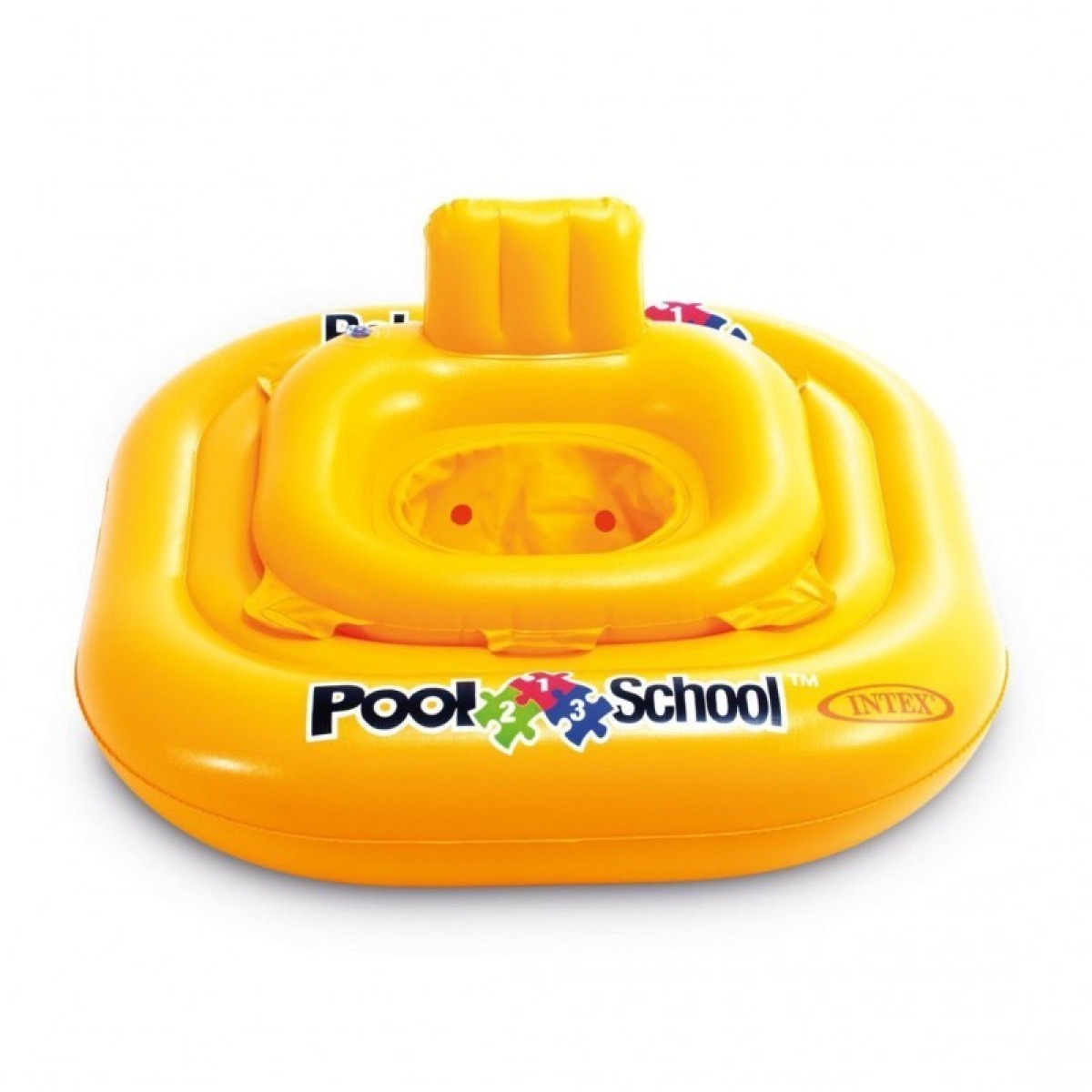
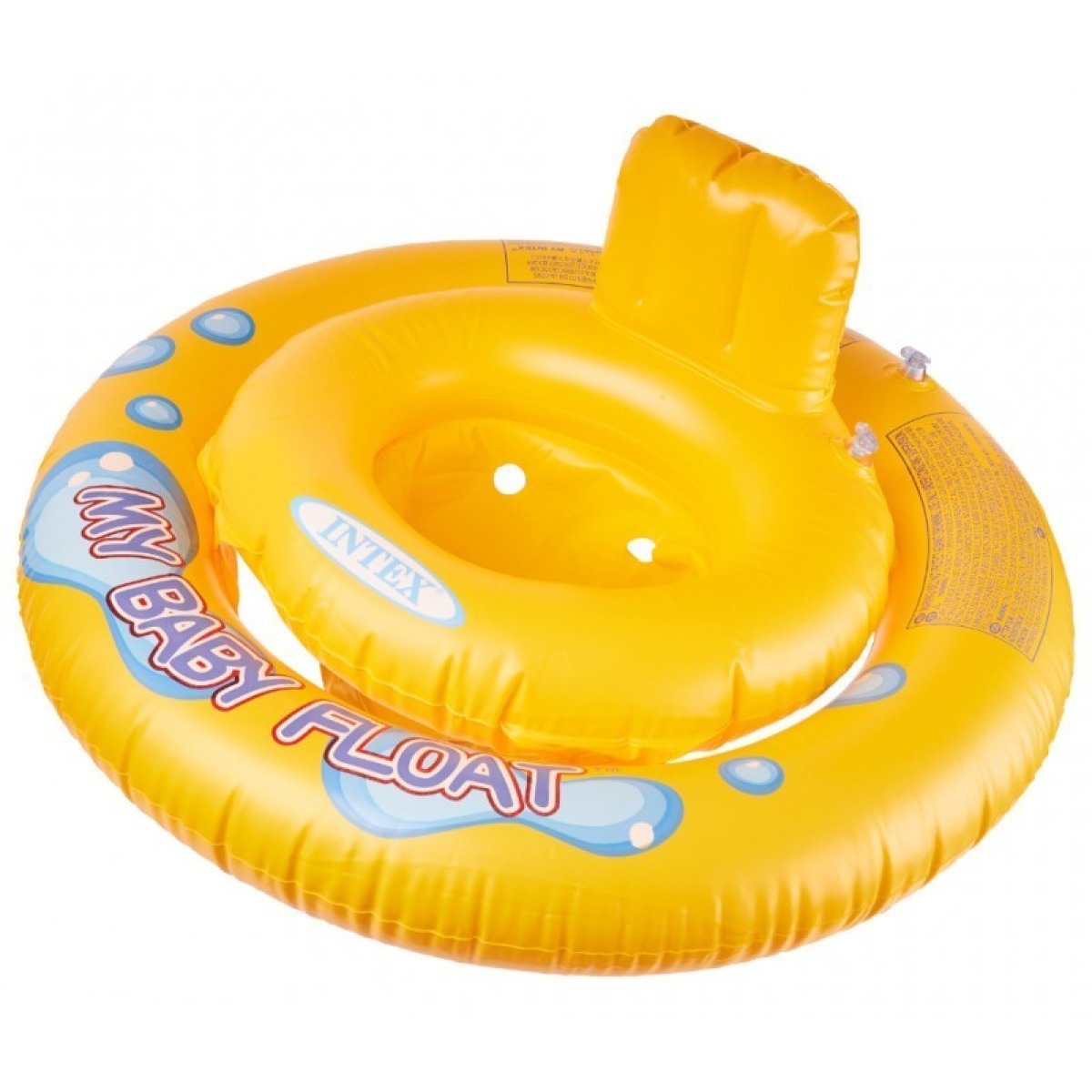
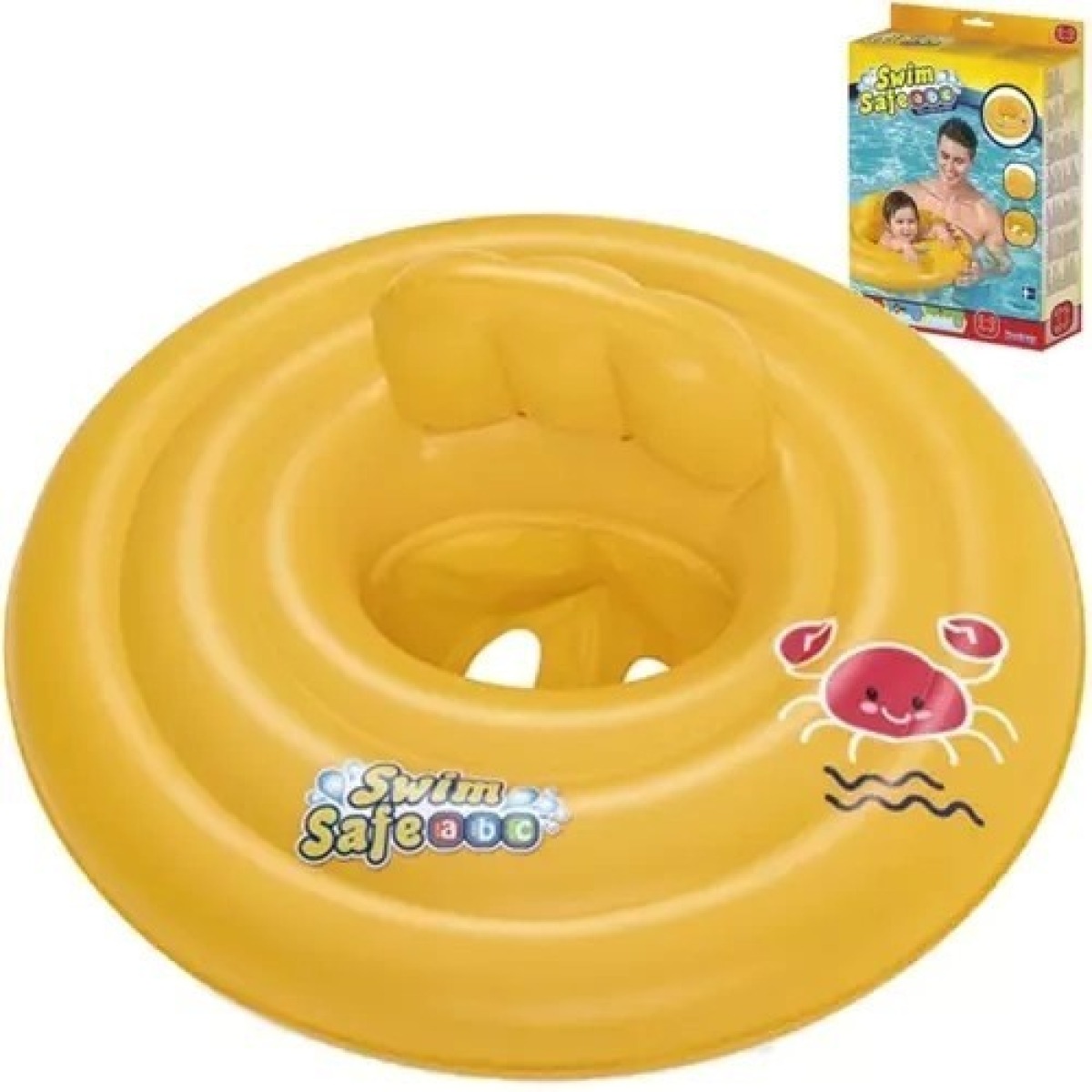
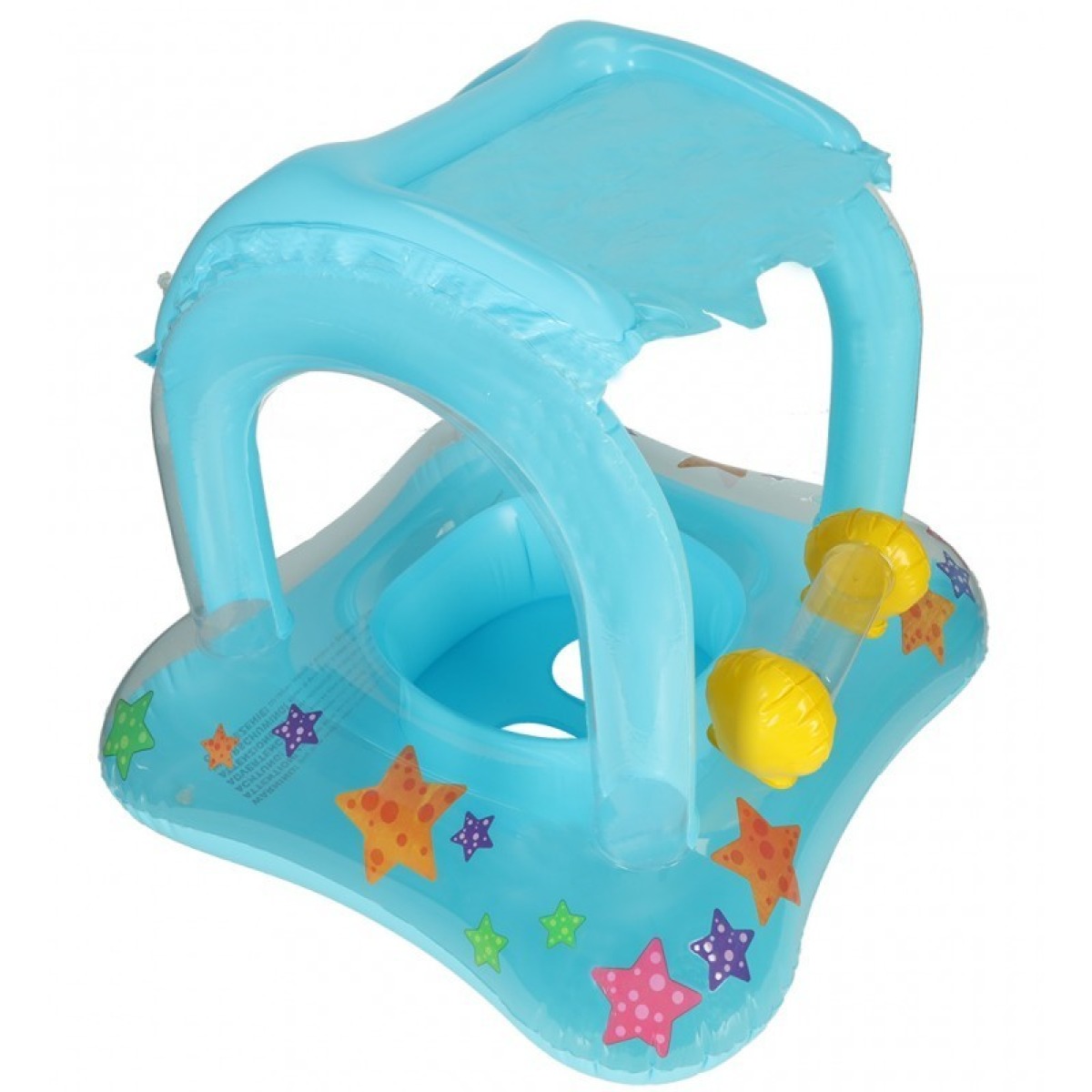
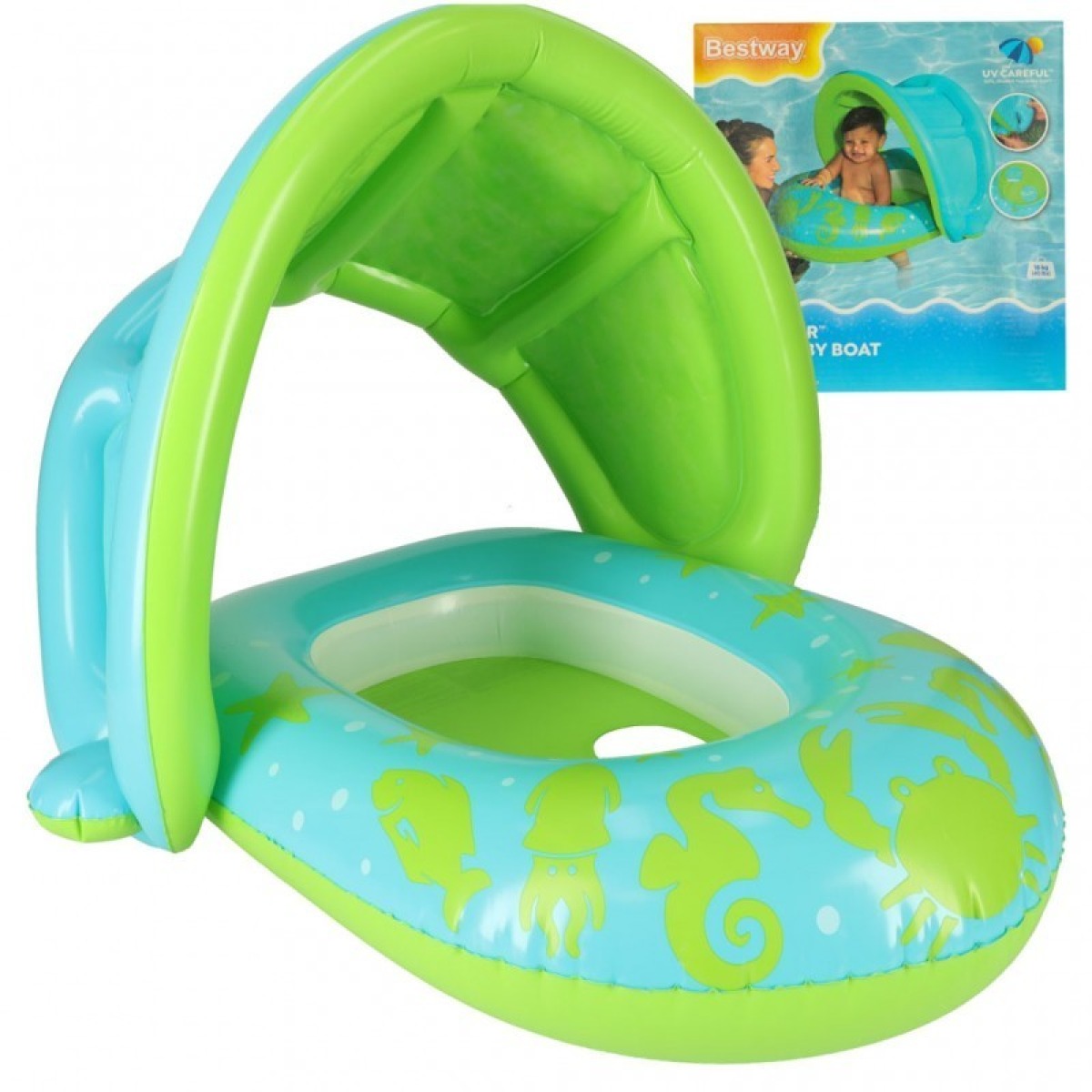
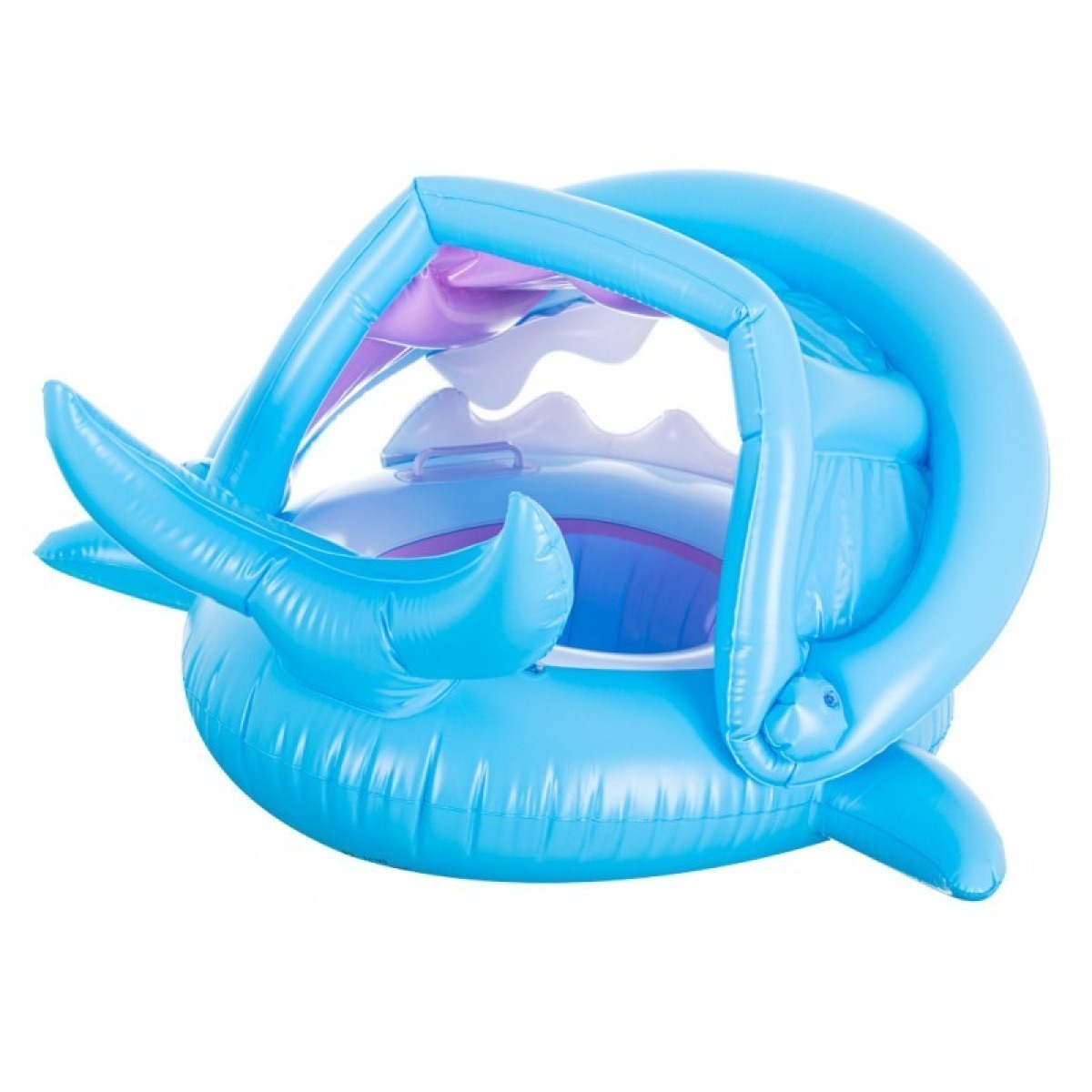
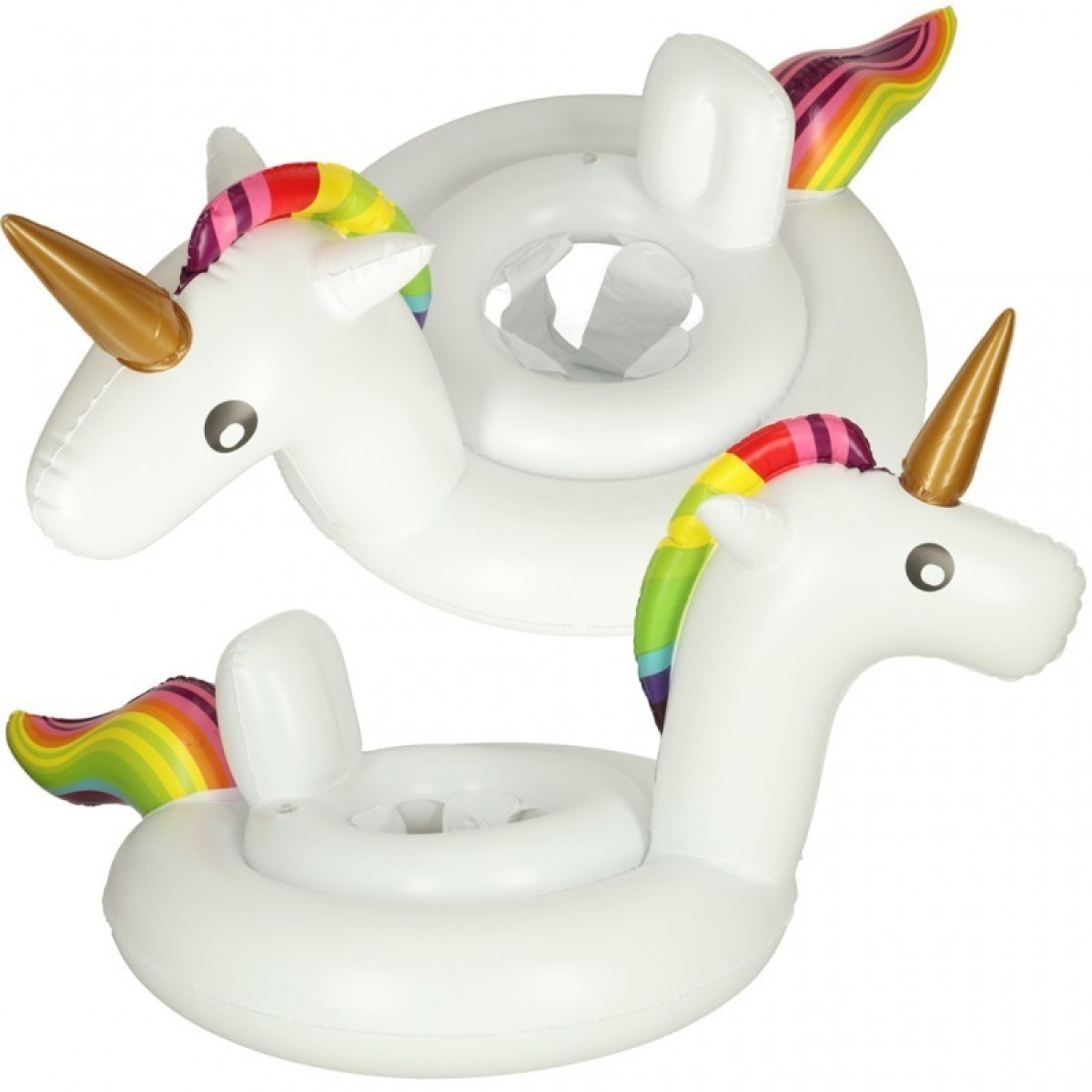
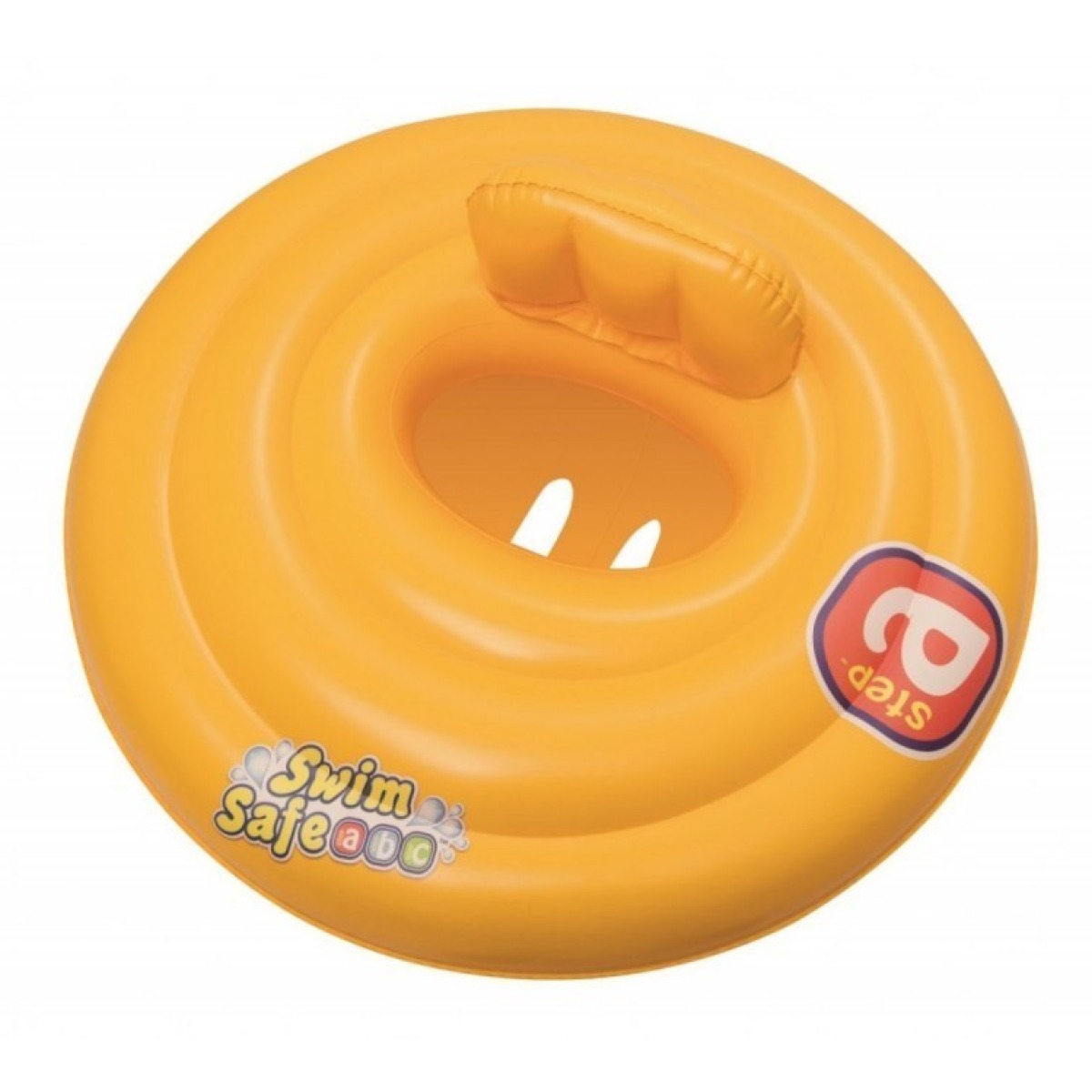
Category guide
Baby Swim Rings are designed for children and babies who are starting to gain their first experiences in the pool or enjoying summer in the water. The category includes rings for 0–1-year-olds, often with a seat and a structure that supports safety, to help the child stay comfortably afloat.For most models, it is important to choose the right weight capacity, as the maximum weight for many products is typically around 11 kg. For swimming aids designed for toddlers, it is also worth checking that the ring is inflatable and made from a durable material, such as PVC, and
with safety-supporting features. Swimming rings are mainly used when a parent wants to help their baby practise being in the water, get used to it and maintain the correct body position together.Practical criteria to look for include: diameter (often around 69 cm), number of air chambers for extra safety, and safety and toy standards (e.g. EN-13138-3:2014 and EN-71). This makes it easier to find a baby swim ring suited to a specific age and body size, supporting a calm and safe start to getting used to the water alongside the “development” that comes with entering the nursery.
Baby swim rings differ from standard inflatable swim rings in that they are designed for smaller children. Many models have a seat or a supportive backrest, which helps keep the baby in position and makes getting into the water more reassuring for parents.A ring often has several air chambers, providing extra safety in case of a puncture.
When shopping in this category, it is important to check the age range and maximum weight capacity. For example, many rings designed for 0–1-year-olds have a maximum weight of 11 kg and a suitable diameter is often 69 cm.It is also worth checking the material thickness and quality: PVC (e.g. approximately 0,25 mm) stands out in most descriptions, as it affects the ring’s durability in everyday use.
For a swimming aid designed for babies, the aim is not just to ‘keep them afloat’, but also to ensure practical, considered use together with a parent. Designs with multiple air chambers can help if there is a minor issue with the pressure or inflation of one chamber. In addition, many product descriptions state that the products have been tested in accordance with relevant safety requirements.
If you’re looking for a specific product, check two things at once: safety-supporting structures (the seat and backrest design, and the number of air chambers) and the testing mark.For example, some rings for 0–1-year-olds refer to the standards EN-13138-3:2014 and EN-71. This information helps you assess whether the product is a swimming aid for children that has been tested with children’s use in mind.
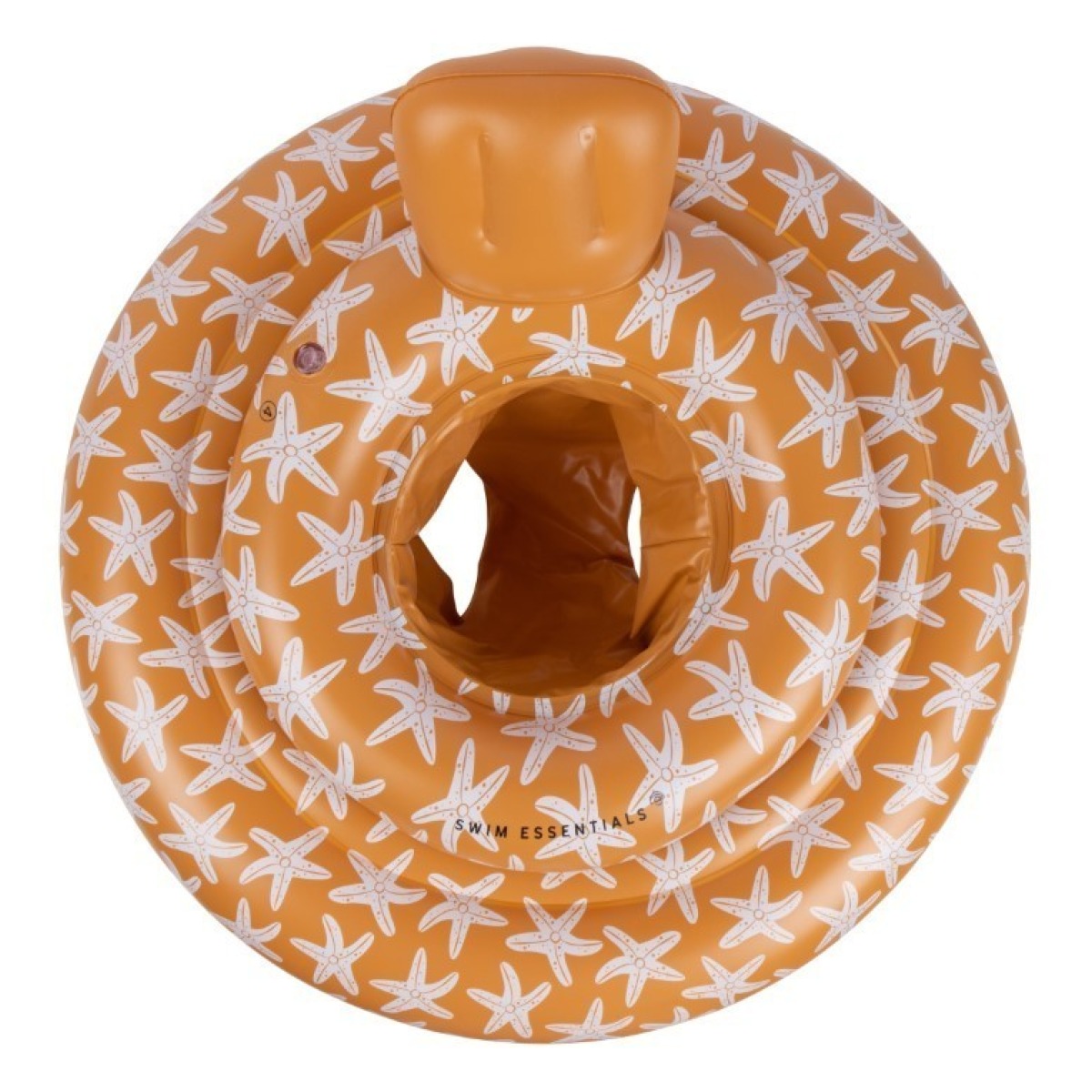
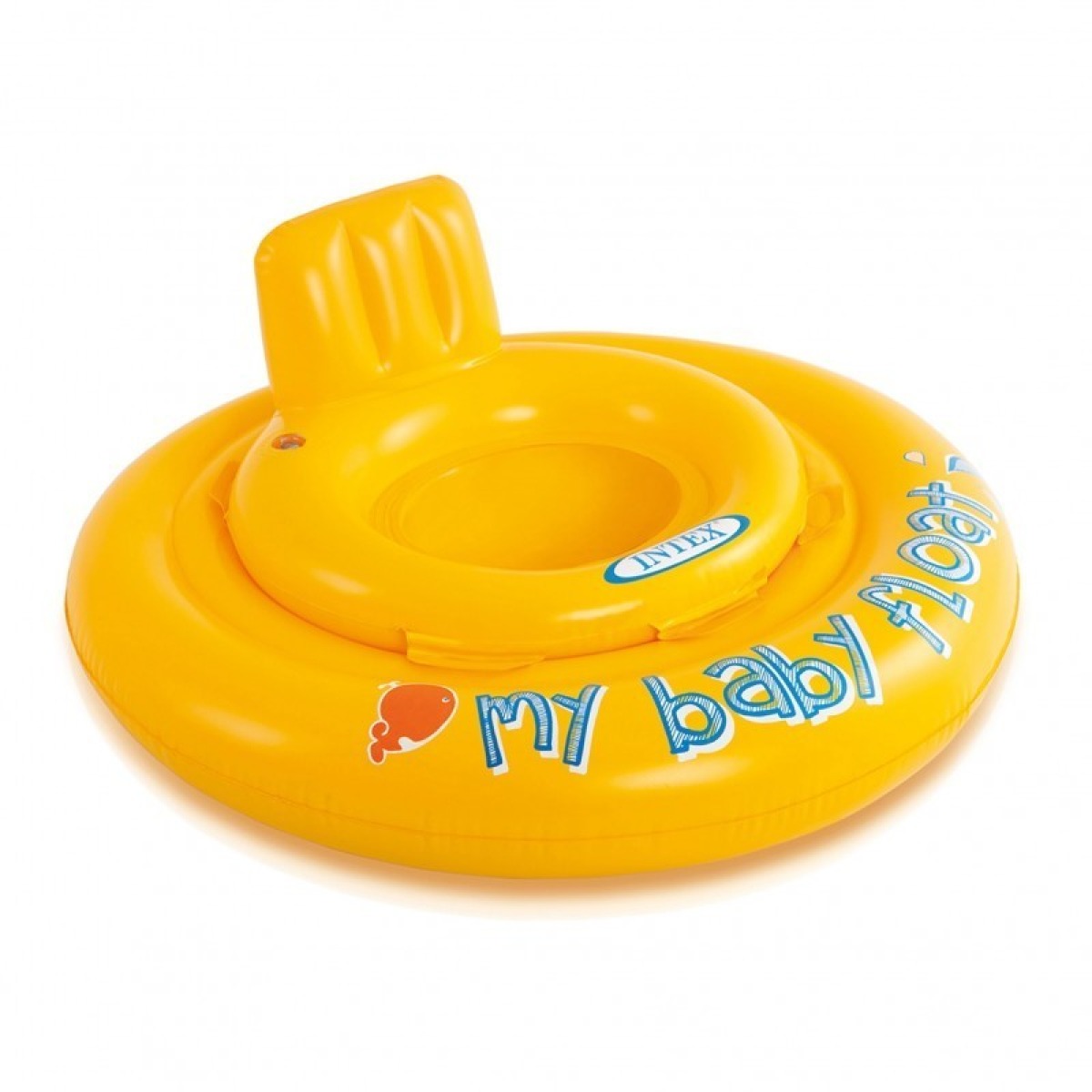
Many baby swim rings have a seat and support elements that support the baby's posture. For example, models with a seat create a stable surface that helps the child feel calmer in the water.Options with a backrest help maintain posture and may be more suitable if your child needs more support in the water.
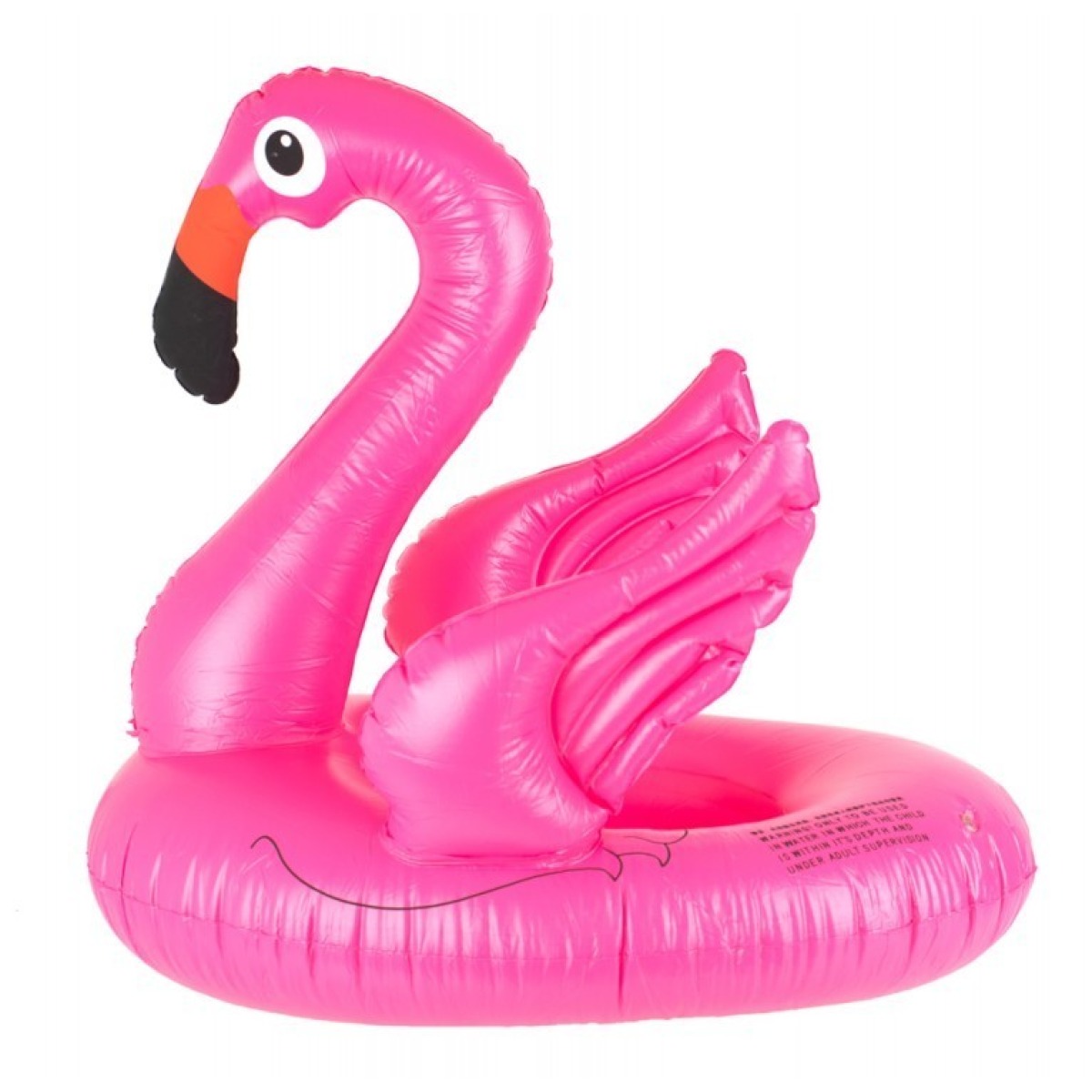
The category also includes rings in different styles and designs, such as nature-inspired themes (some models also feature animal-shaped details). While design is not the only selection criterion, it can influence how easily a child gets used to the water. In practice, it is important that the ring is inflatable and fastens comfortably, without the baby shifting position due to excessive slipping.
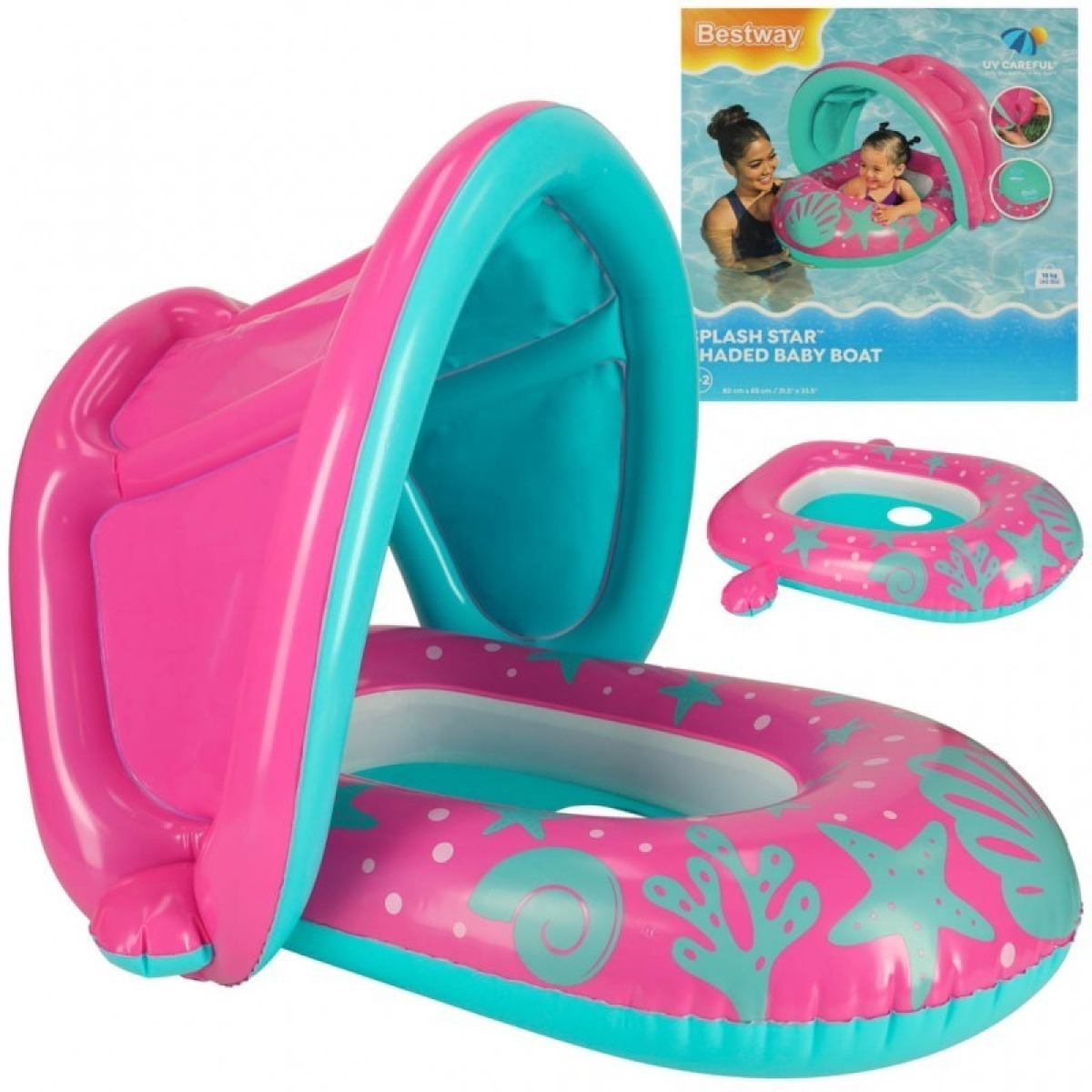
A baby swimming ring is usually used with a parent when the aim is to practise in the water and help the baby gradually feel comfortable. Start with short sessions and make sure the ring is inflated correctly and supports the child securely. If the ring has a seat and canopy, these may help protect against sun and wind and make time in outdoor water more comfortable.
For care, it is important to rinse the ring after use and let it dry thoroughly. This helps reduce wear on the material and keep the swimming aid in good condition. Always follow the product instructions, especially before inflating it again and transporting it.
MIU Kids
A quiet word about cookies
Necessary cookies are already on, so your basket and checkout can work. Analytics cookies stay off until you accept. Until then Google may receive a cookieless visit signal so we can count visits. It is not used for advertising. Accept all cookies, or keep only the necessary ones. Both are one click. We remember your choice for six months, and you can change it at the bottom of the page. Privacy notice
Analytics cookies wait for a yes
MIU Kids
Choose what stays on
Necessary
Always on. These keep the basket, checkout and the shop secure.
Analytics
No analytics cookie until you accept. A cookieless visit signal may still be sent. If you accept, Google Analytics shows which pages are used. It does not build advertising profiles.