
- New
On order 5–15 business days5–15 business days
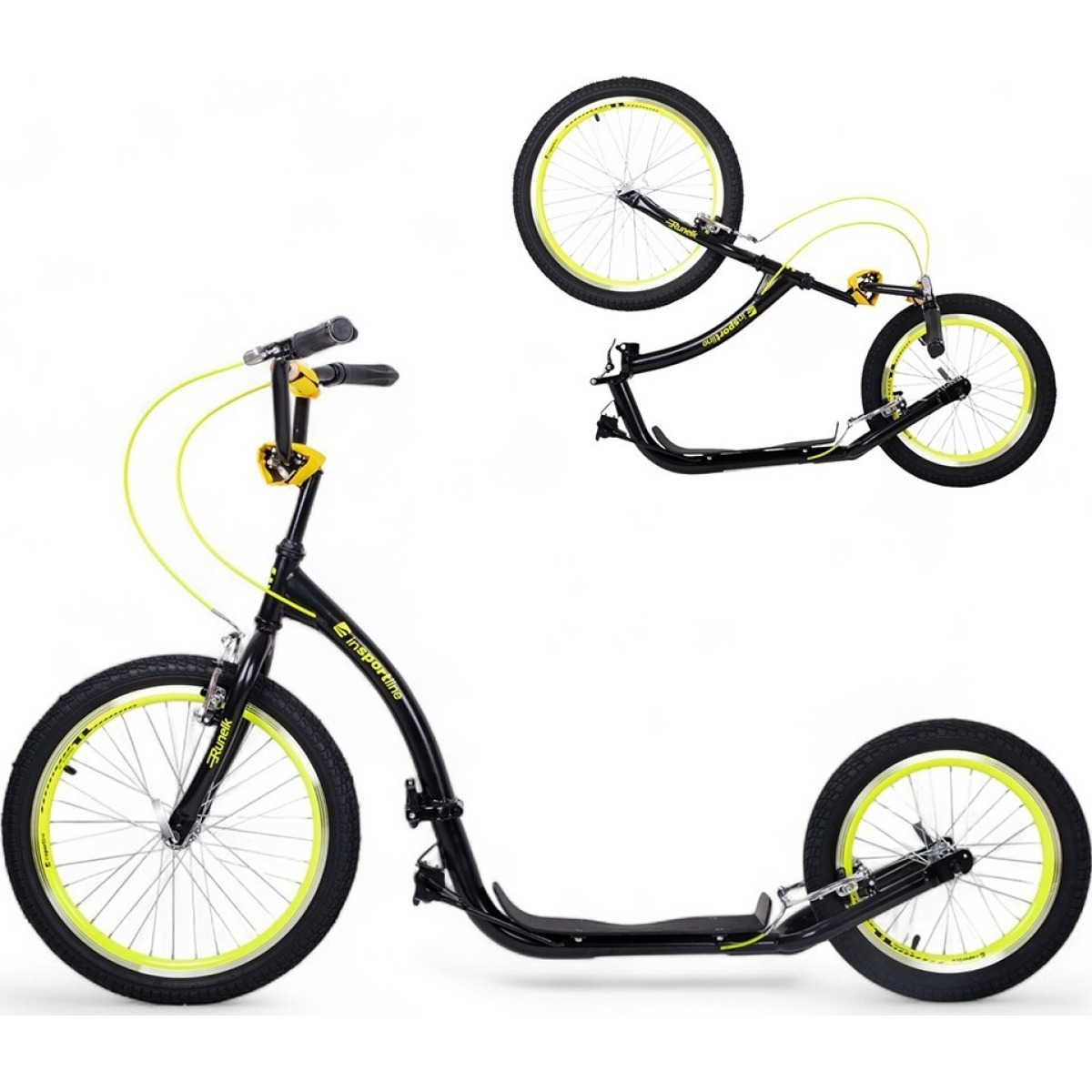
About the collection
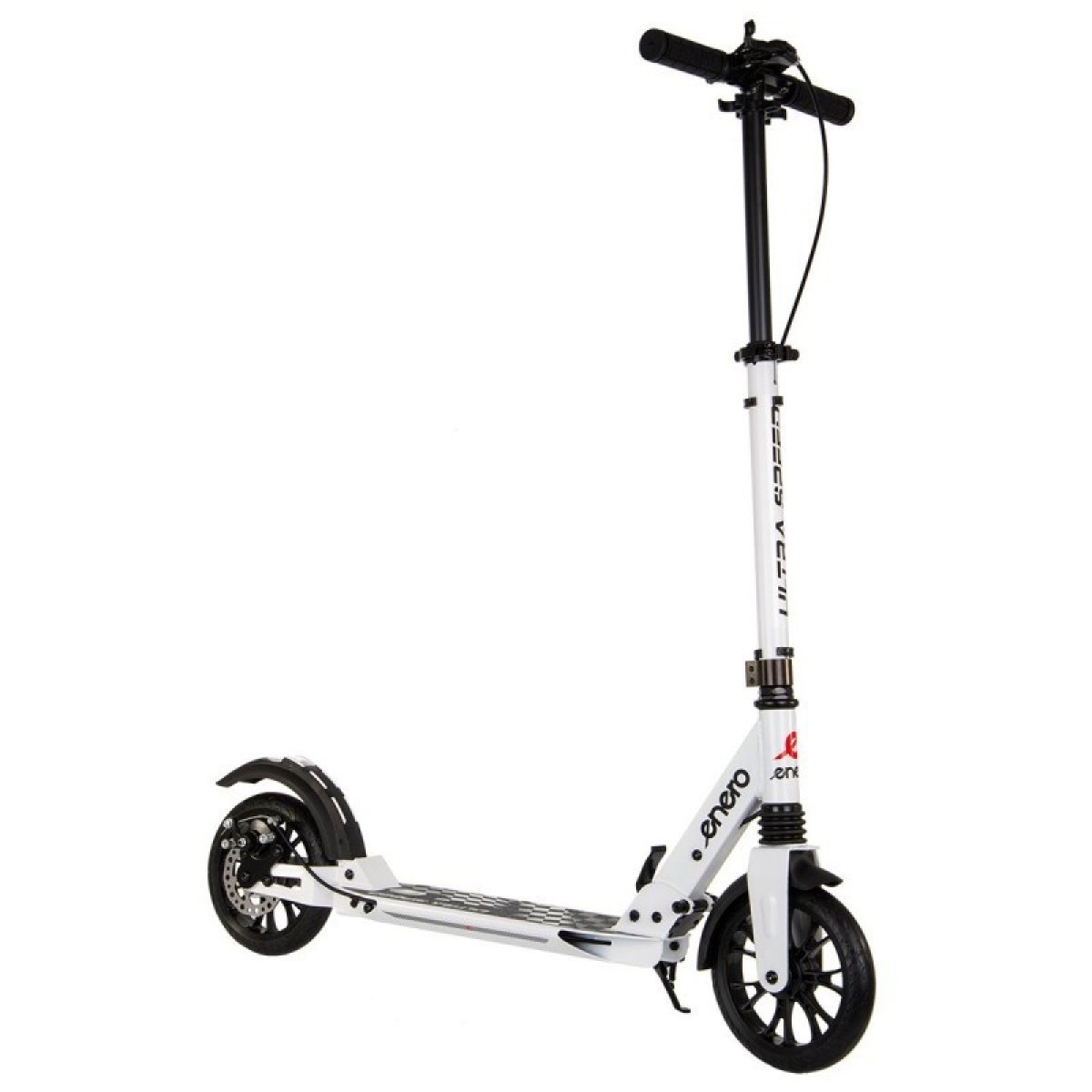
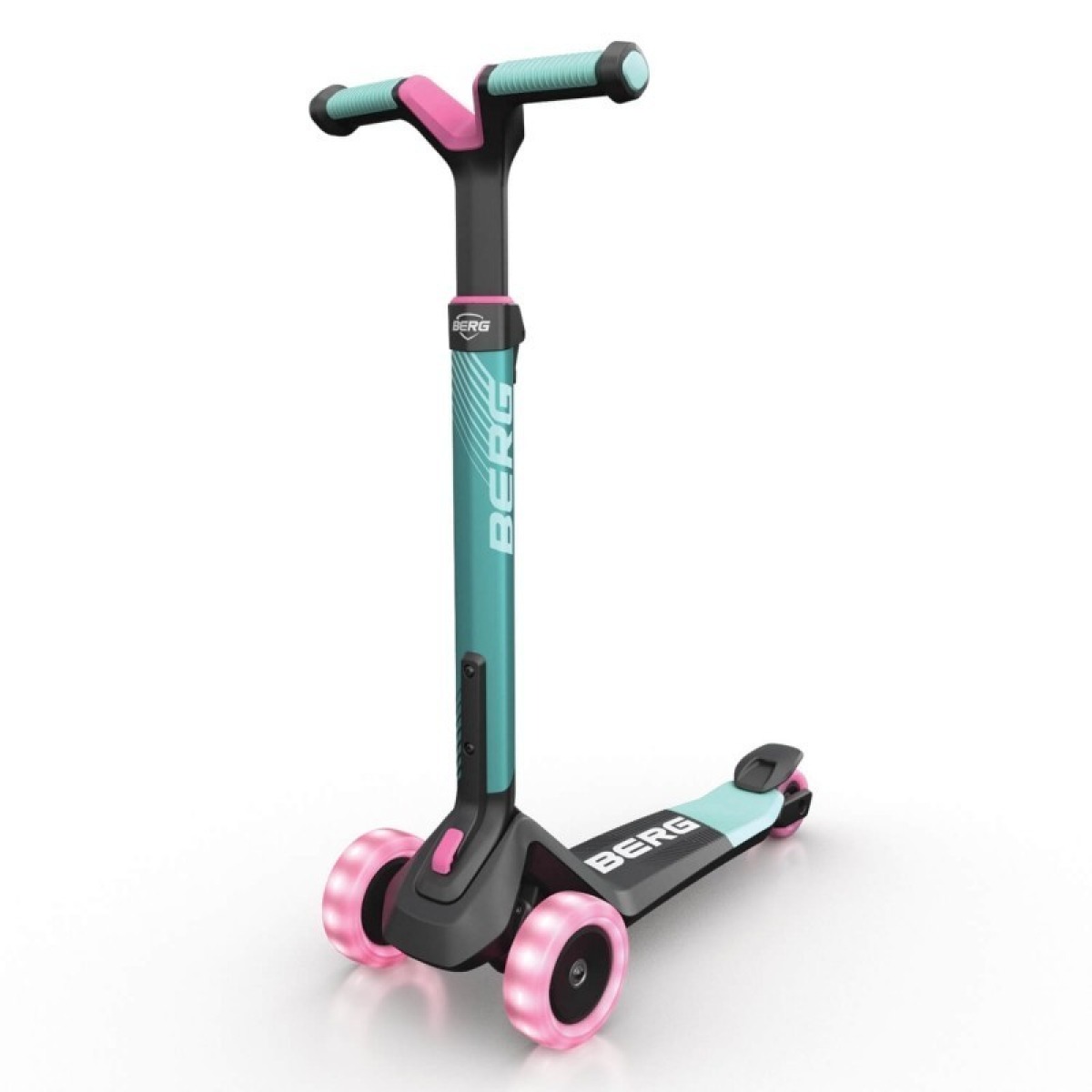
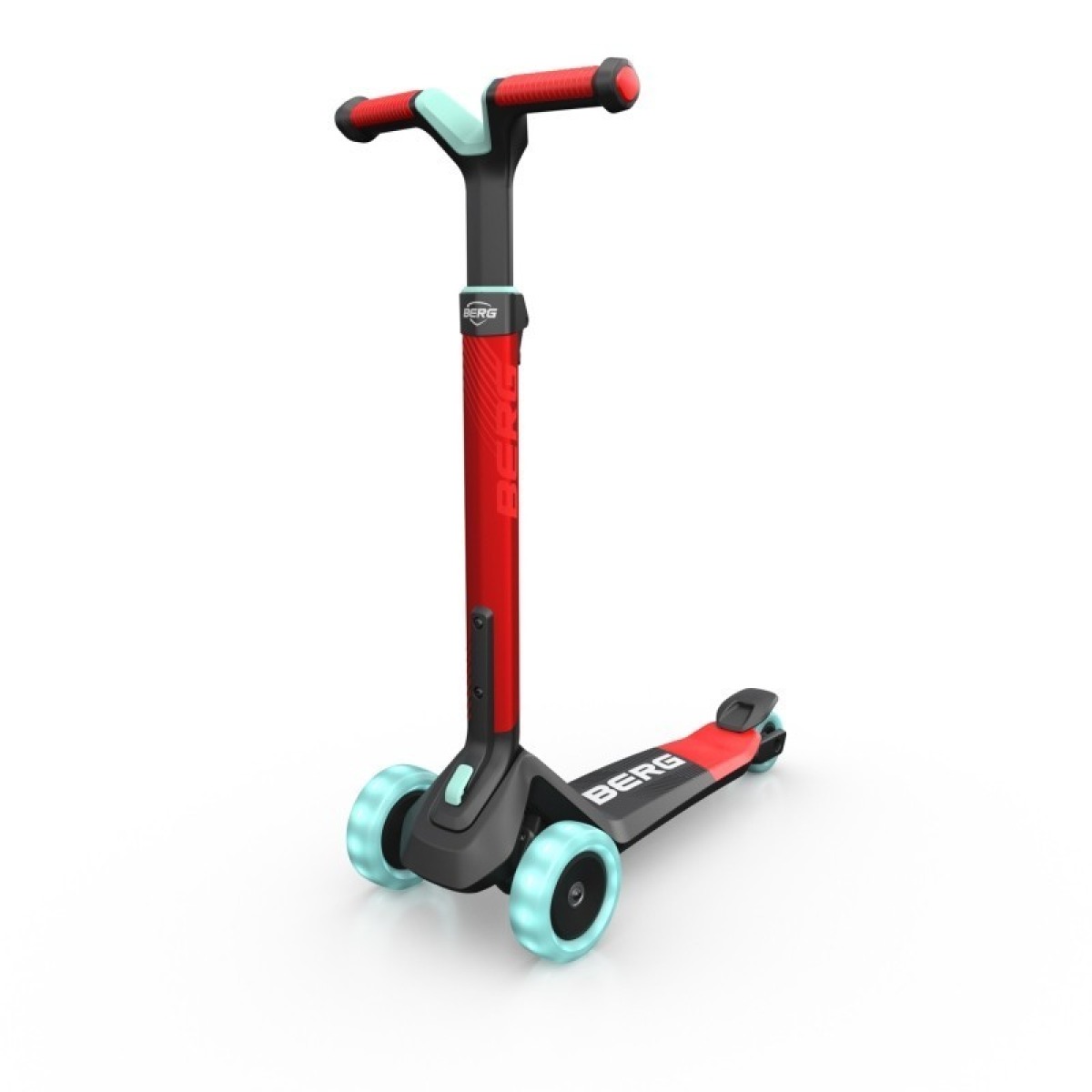
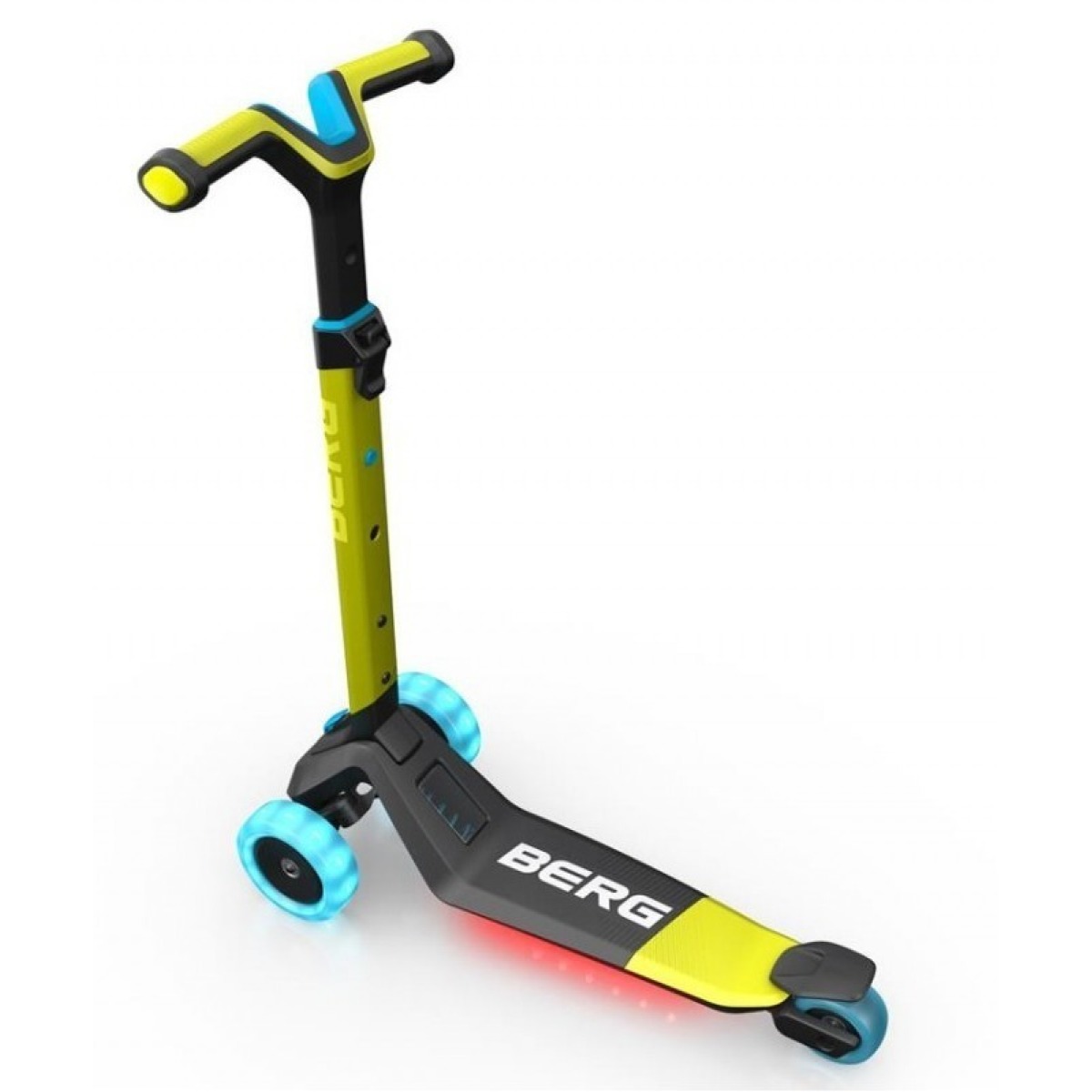
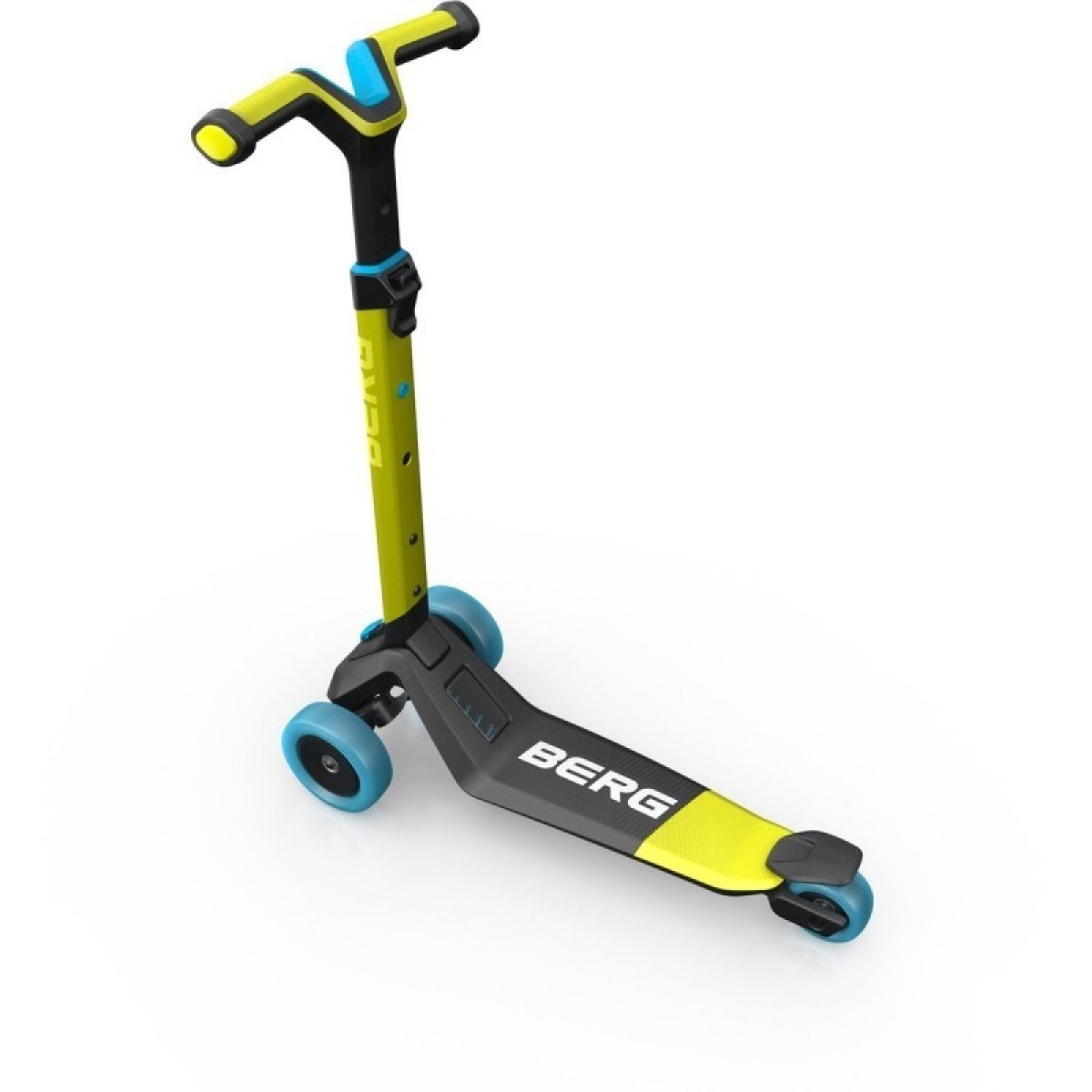
On a scooter, children zoom around the garden and along footpaths while practising balance. You'll find models for toddlers and school-age children. Choose a scooter to suit your child's age and height. Remember to wear a helmet.
Category guide
Kids' Scooters are a way to stay active and develop balance, suitable for babies, toddlers and school-aged children, depending on the model. A scooter gives children a controlled opportunity to ride independently: pushing off with one foot helps them practise steering, coordination and leg strength. It is important to choose a scooter that suits the child’s age and height, with a height-adjustable handlebar and sturdy deck to make riding more comfortable. Many models have a 3-in-1 design, where a seat or extra parts make it possible to start
with greater stability and gradually move on to scooting. The category includes options for both city riding and tricks, with wheels of different diameters (e.g. 100–230 mm), different materials and varying levels of riding comfort. For riding safety, the brake, wheel grip and quality bearings are important. If you’re looking for a children’s ride-on that supports everyday activities at home and outdoors, it is also worth considering the wheels, steering and load capacity – so the scooter is a practical choice for almost any child’s room and outdoor play.
Kids' scooters are a popular choice if you want to give your child the opportunity to stay active close to home and outdoors. Riding develops balance, coordination and a sense of direction, and is well suited to both beginners taking their first steps and more confident riders. Different designs, such as 3-in-1 scooters or models with an adjustable handlebar, make it possible to adapt the scooter to the child’s height and skills.
When choosing, consider whether the scooter is mainly intended for beginners who need stability or for faster riding. Wheel size and material also play a part: larger wheels roll more comfortably over uneven surfaces, while smaller wheels are suited to busier city riding. Handlebar height and fittings also affect steering comfort, helping children ride with control.
A scooter should be easy for a child to handle and steer securely. A height-adjustable handlebar is very practical, as it allows the scooter to be used for longer and helps keep the riding position comfortable. A wide, non-slip deck helps reduce the risk of a foot losing its grip, especially while learning.
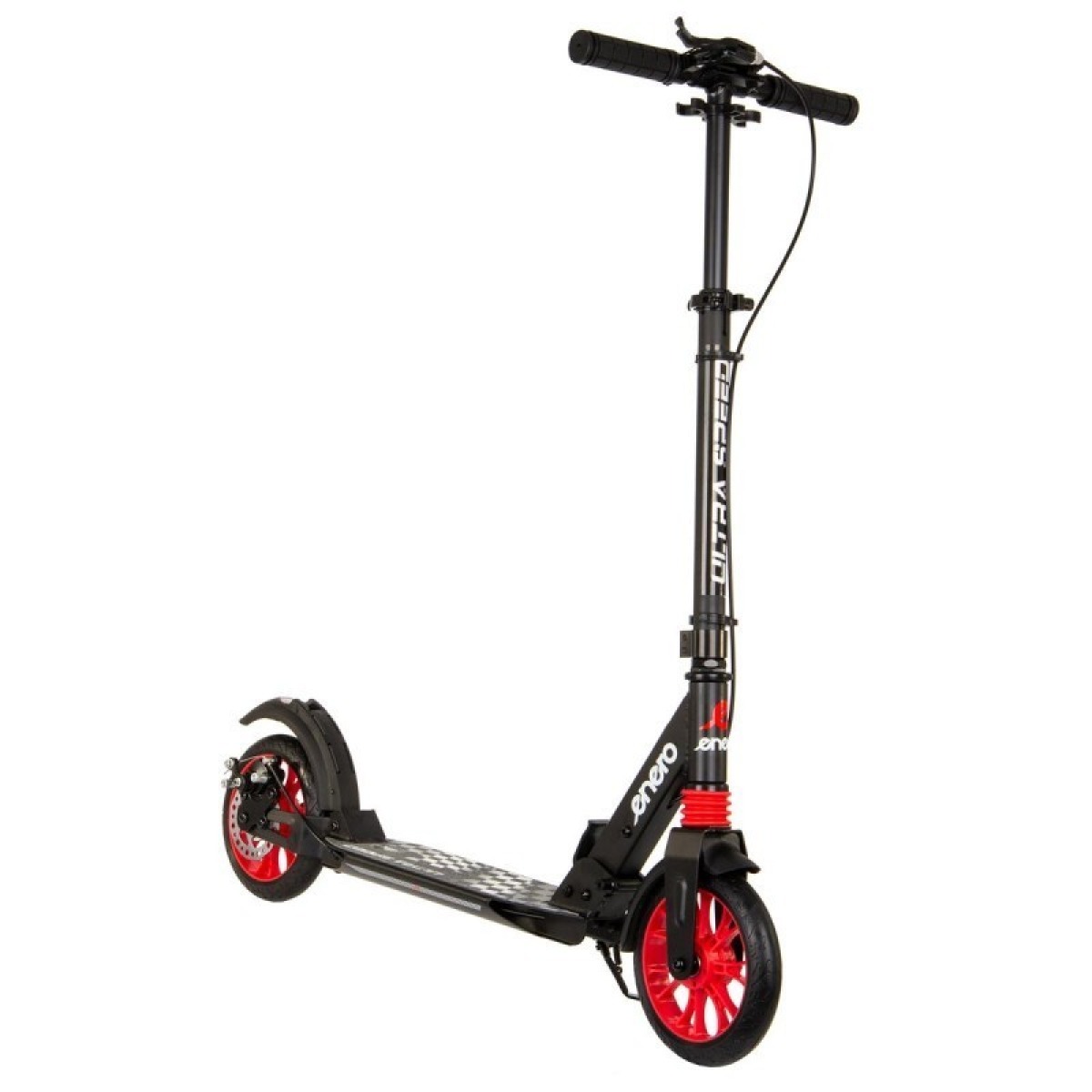
The brake and wheel quality are also important for safe riding. Many models are equipped with an effective braking system to help control speed and stop. It is also worth considering the wheel material and diameter, as these affect rolling, grip and comfort.
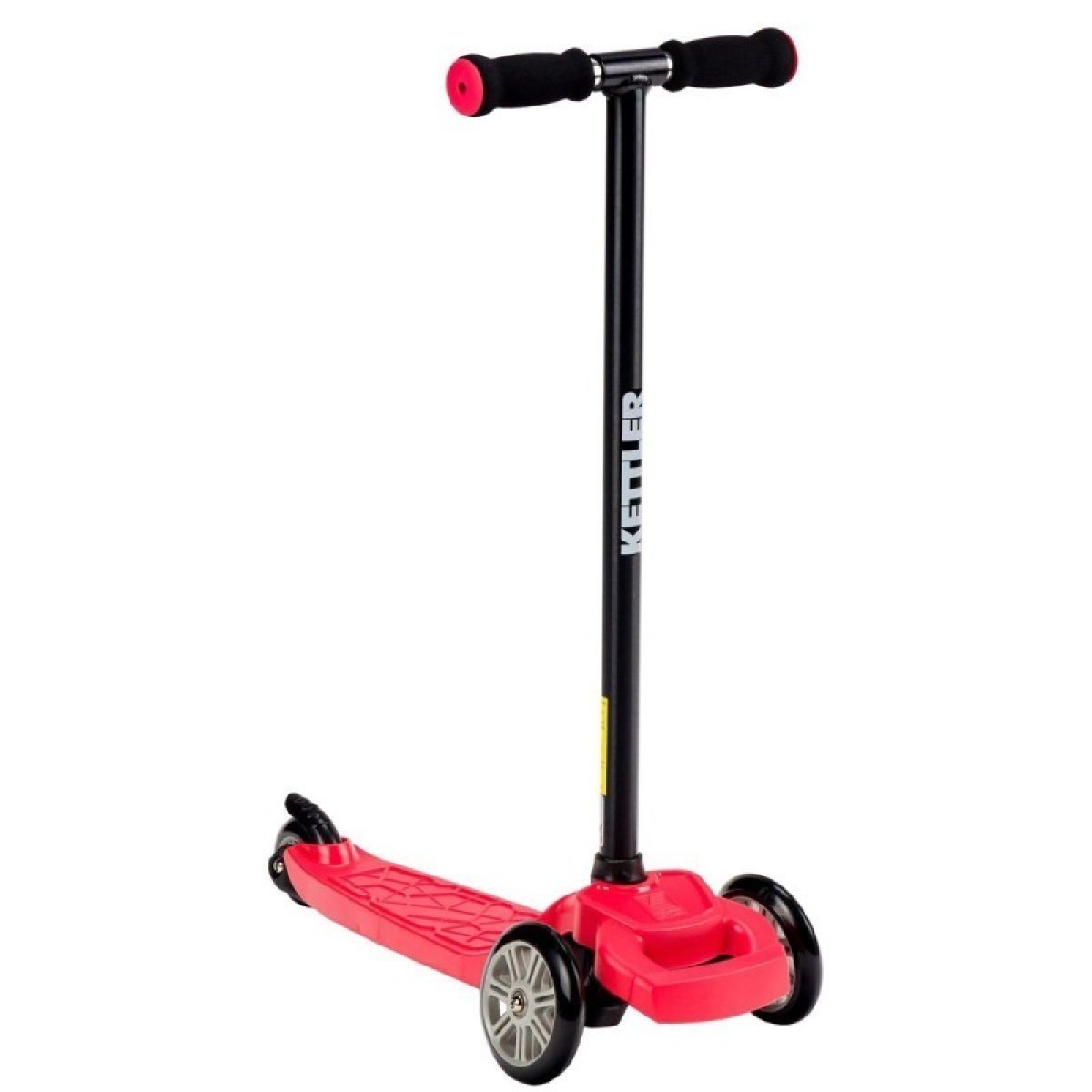
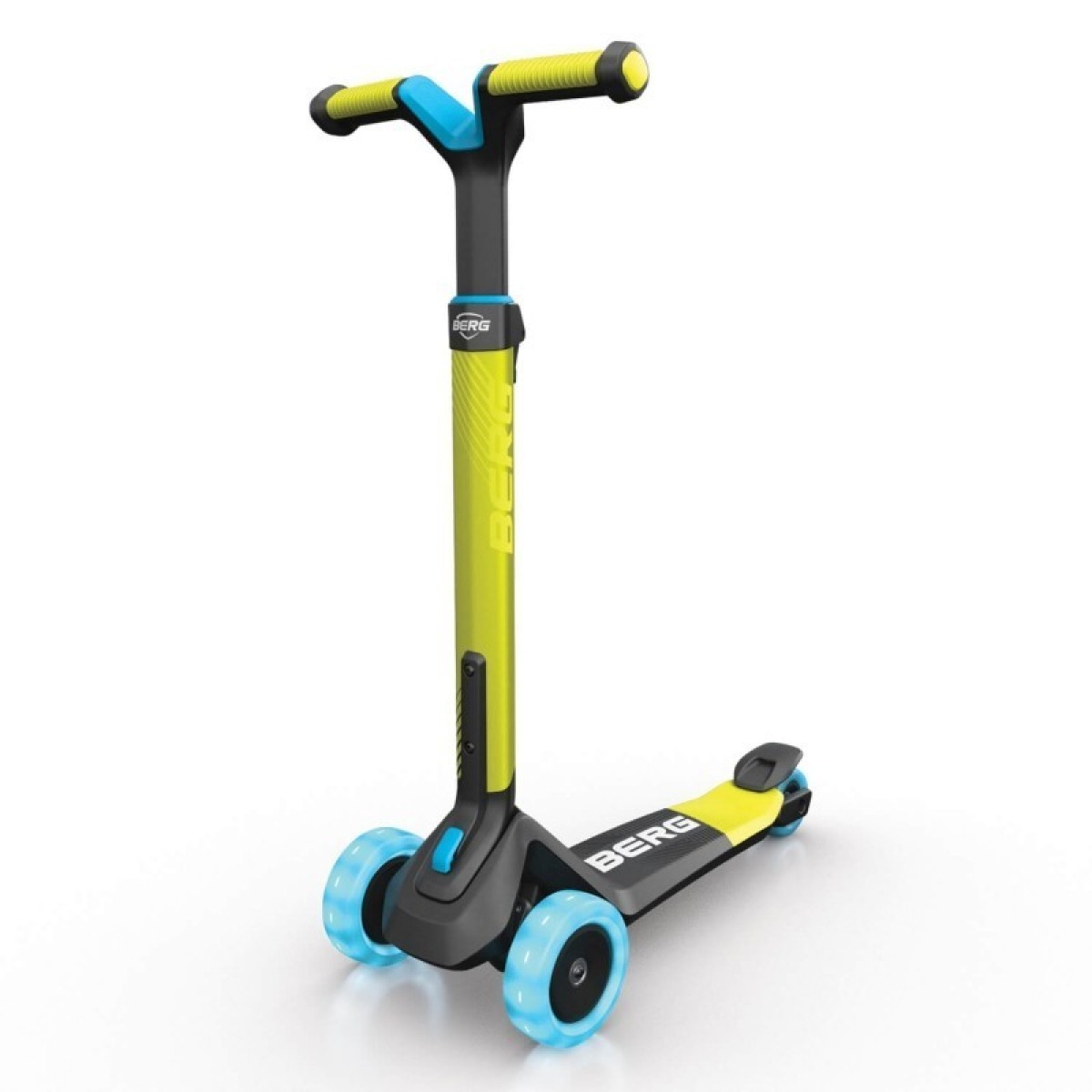
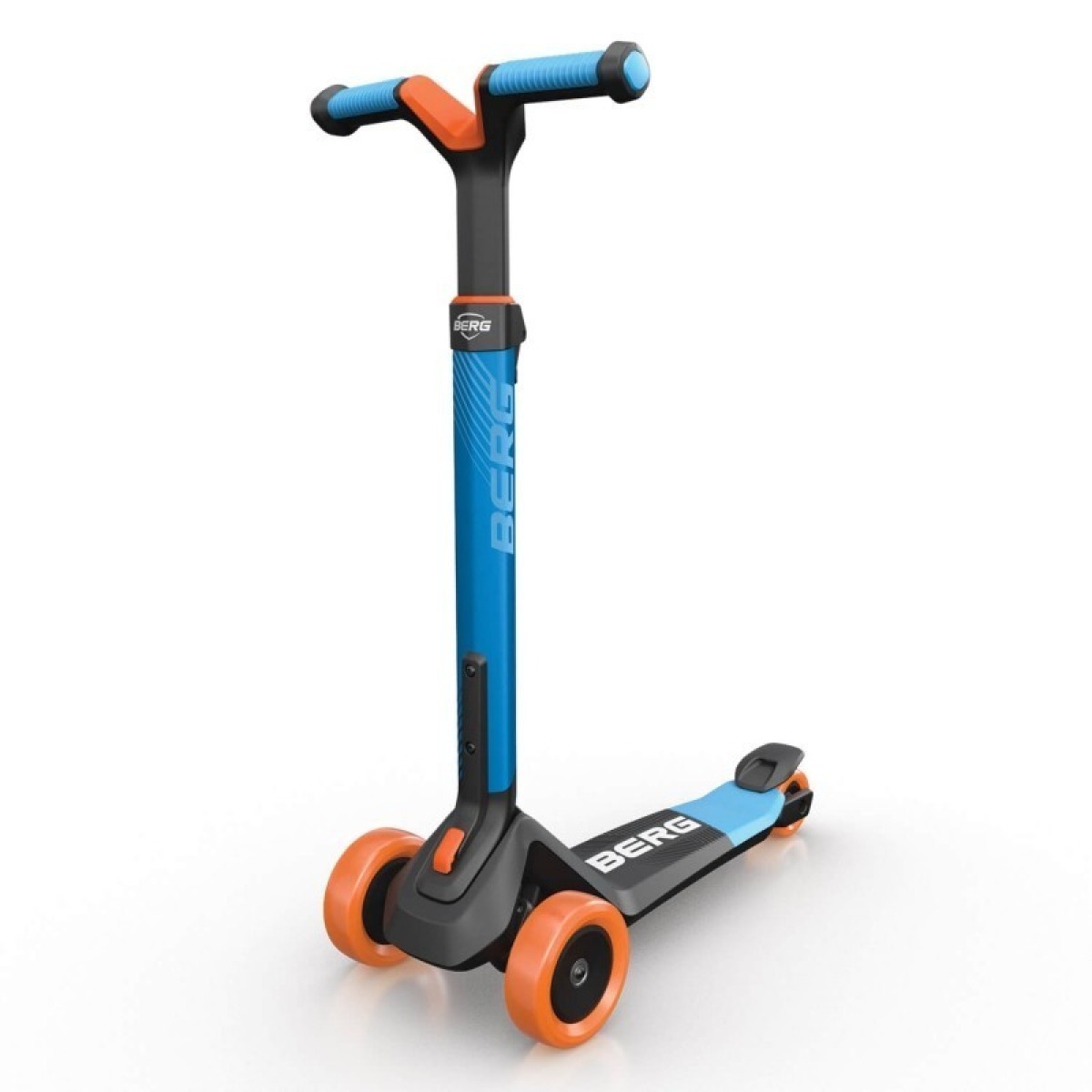
If you’re looking for a scooter that is also suitable for early riding practice, a 3-in-1 scooter is often a good solution. These models can be used with a seat or adapted to suit the child’s skills, allowing them to start with greater stability. Dual front wheels and a wide deck add to the feeling of stability and are well suited to toddlers learning to steer.
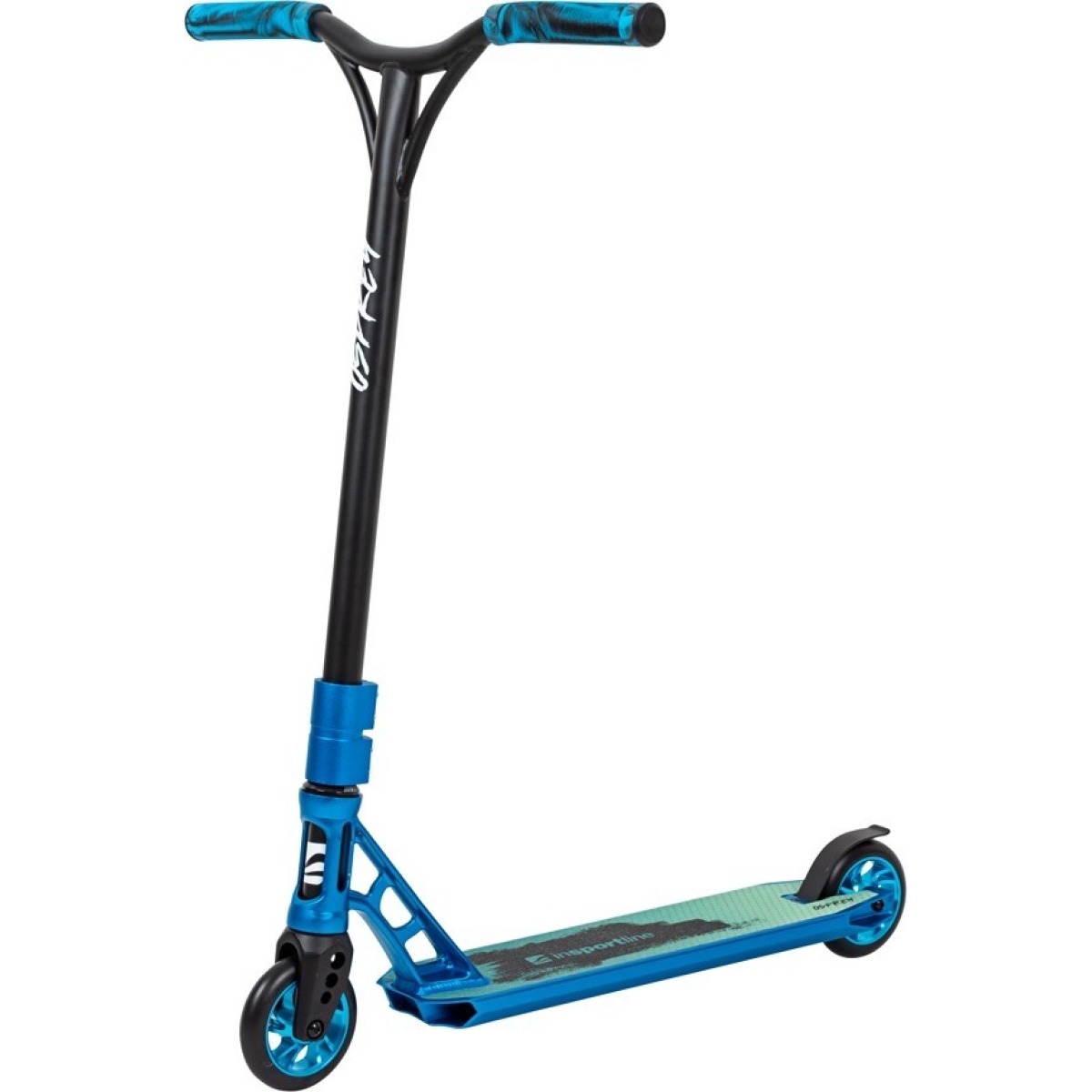
The category also includes street-style models and models similar to stunt scooters, with stronger frames and geometry better suited to tricks. Stunt scooters often emphasise features such as the braking system, wheel size and bearing quality to ensure a secure ride and quick response. City models focus on comfortable rolling and practical use.
Finding the right scooter for your child is easier when you consider three factors: height, where it will be used and riding ability. For example, stability and a comfortable foot platform are important at the early stages, while older children often prefer a lighter, more responsive feel. If the scooter is intended for outdoor use and uneven paths, consider a model with larger wheels or a suitable rolling material.
In addition to the measurements, check how your child’s hands and body fit the riding position. A height-adjustable handlebar helps you find the right height and reduces the need to lean forward. If the scooter has a seat, it can be a practical stepping stone while developing skills, before the child moves on to scooting without support.
For a smooth and safe ride, check the key features before use: how the brake works, whether the handlebar is secure and the condition of the wheels. Grip tape and other accessories help keep feet in place and give a more stable feel. This makes it easier for children to learn to change direction and find their riding rhythm.
As scooters are often used when heading outdoors from home, lightweight and foldable designs are also convenient where the model allows. These features make transport easier and help keep the vehicle in good condition. With a suitable scooter, getting around becomes a simple part of the daily routine and supports children's development through play and practice.
MIU Kids
A quiet word about cookies
Necessary cookies are already on, so your basket and checkout can work. Analytics cookies stay off until you accept. Until then Google may receive a cookieless visit signal so we can count visits. It is not used for advertising. Accept all cookies, or keep only the necessary ones. Both are one click. We remember your choice for six months, and you can change it at the bottom of the page. Privacy notice
Analytics cookies wait for a yes
MIU Kids
Choose what stays on
Necessary
Always on. These keep the basket, checkout and the shop secure.
Analytics
No analytics cookie until you accept. A cookieless visit signal may still be sent. If you accept, Google Analytics shows which pages are used. It does not build advertising profiles.