
- New
Availability updatingAvailability updating
About the collection
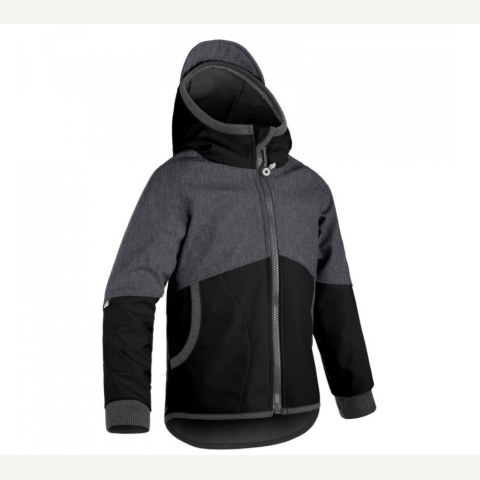
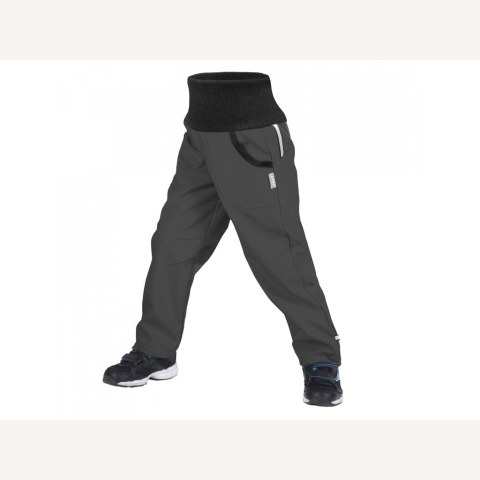
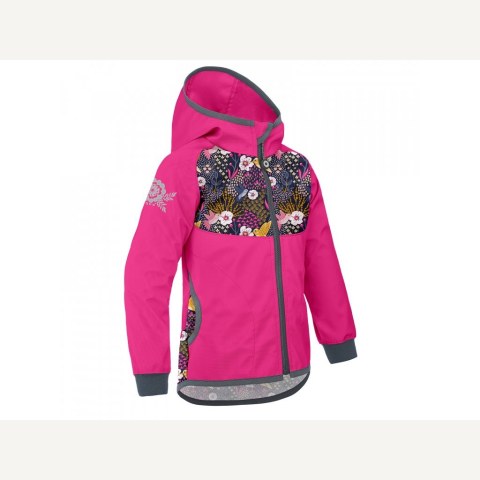
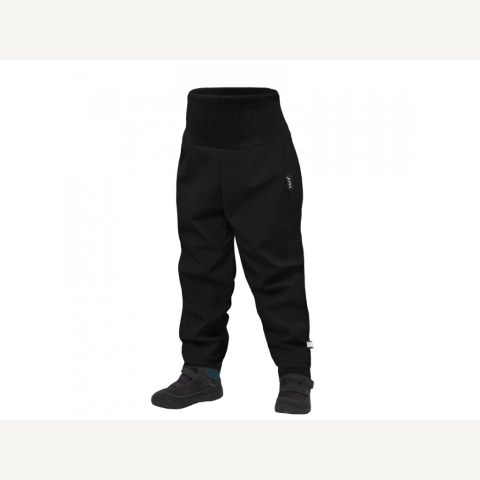
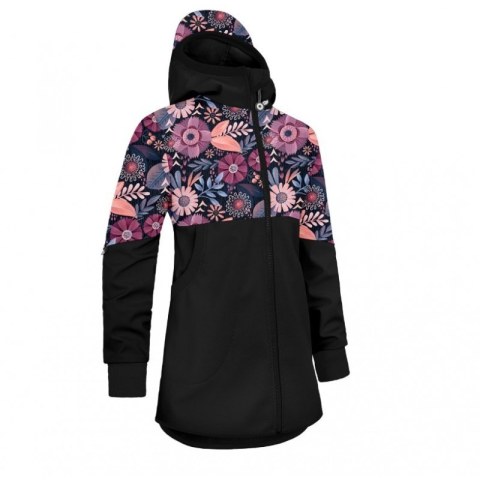
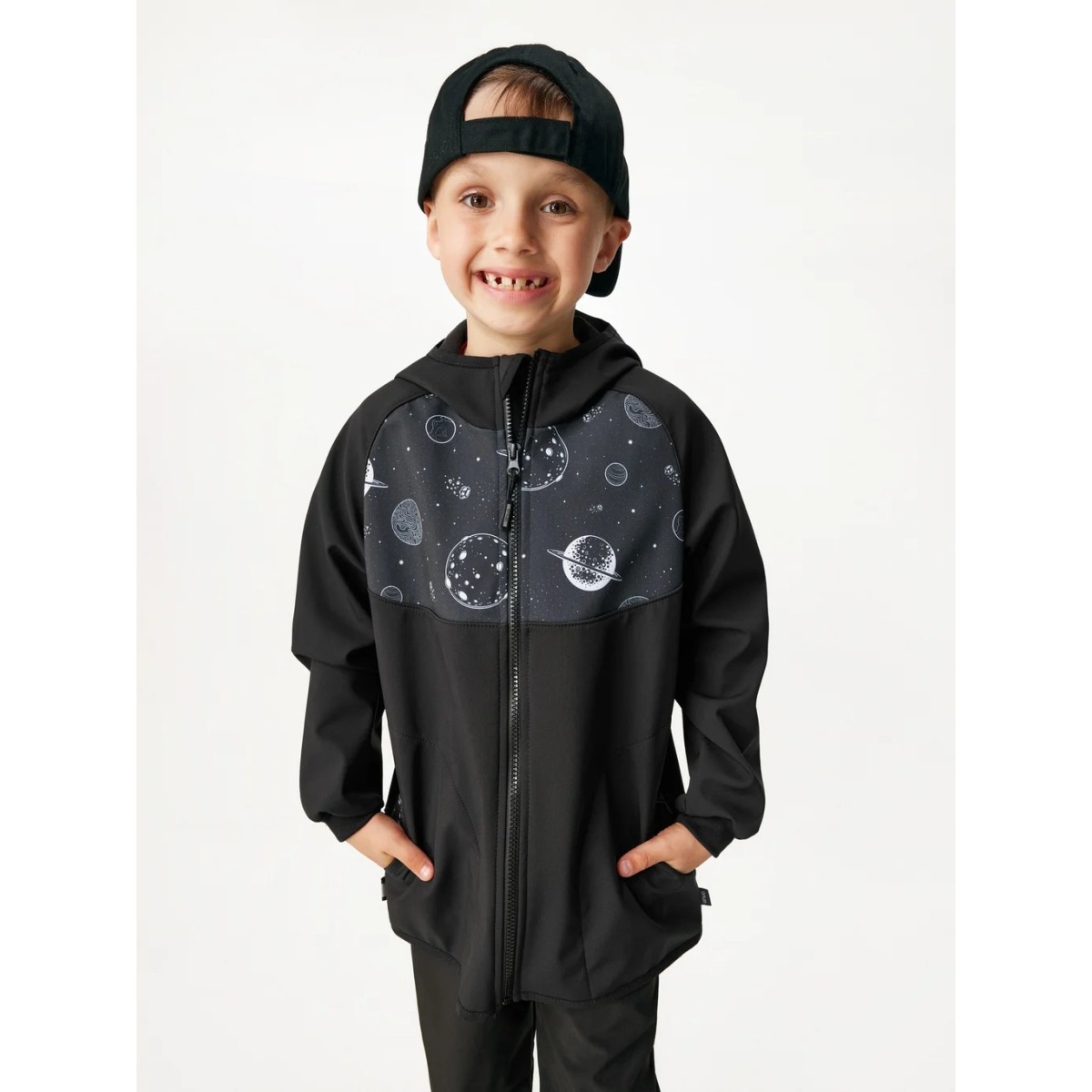
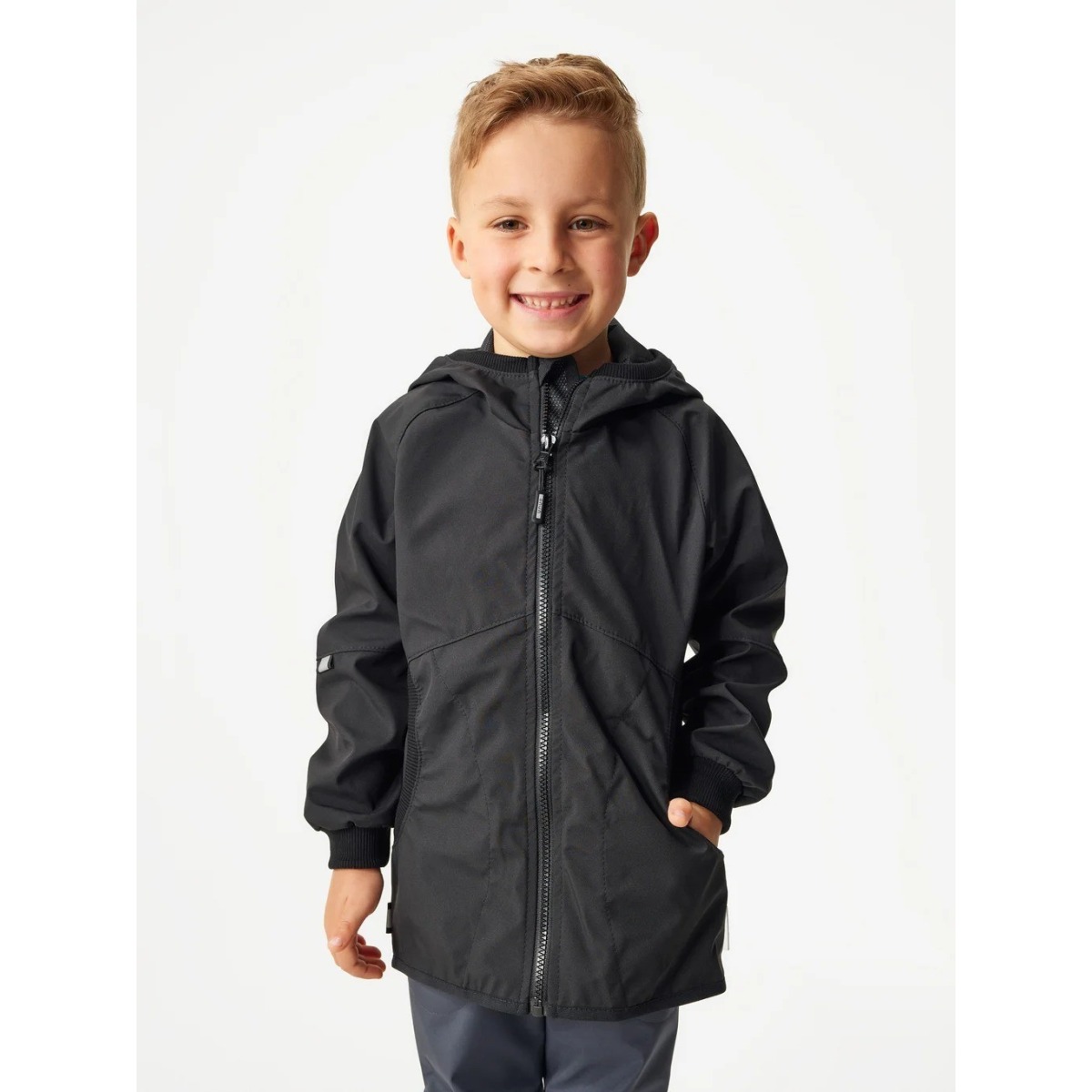
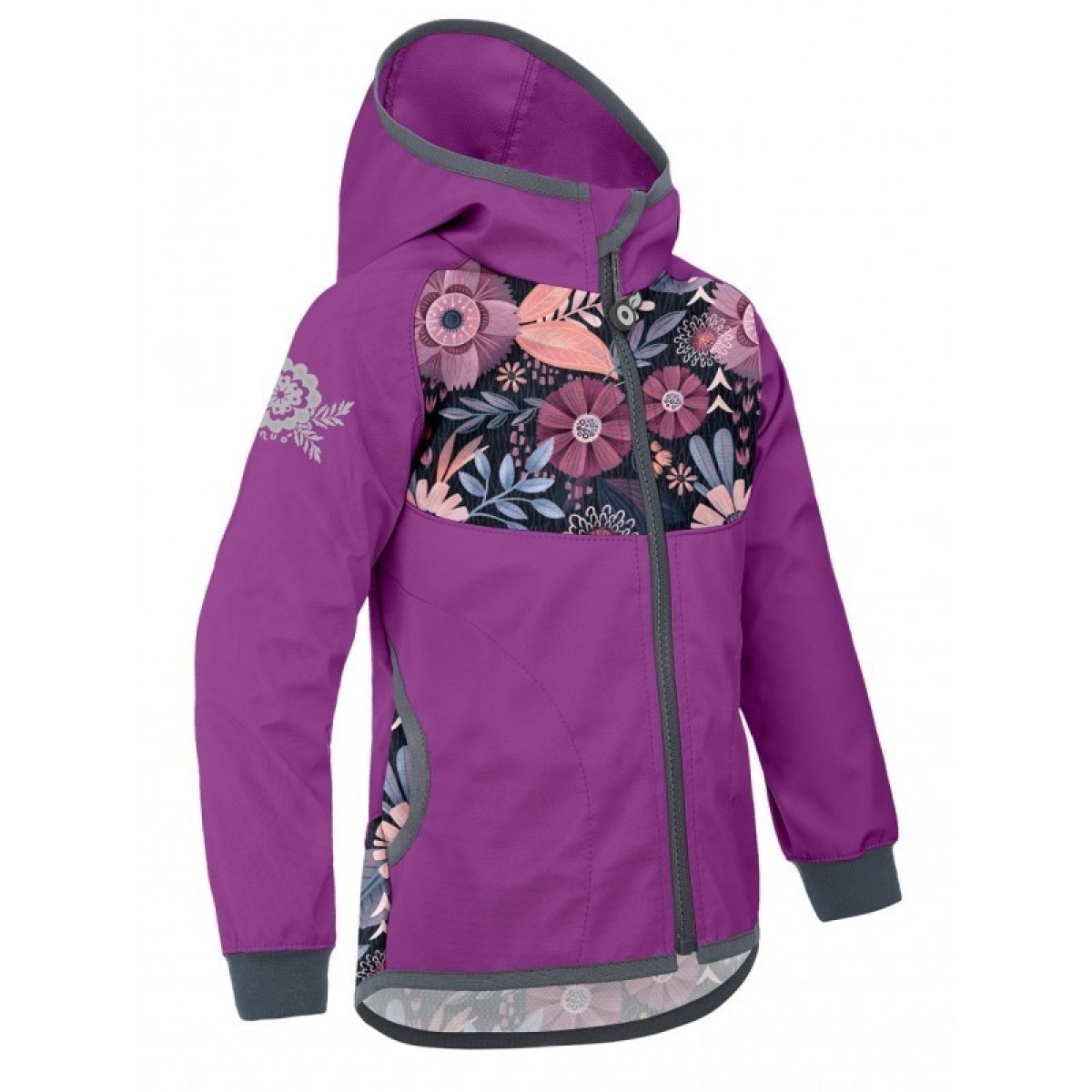
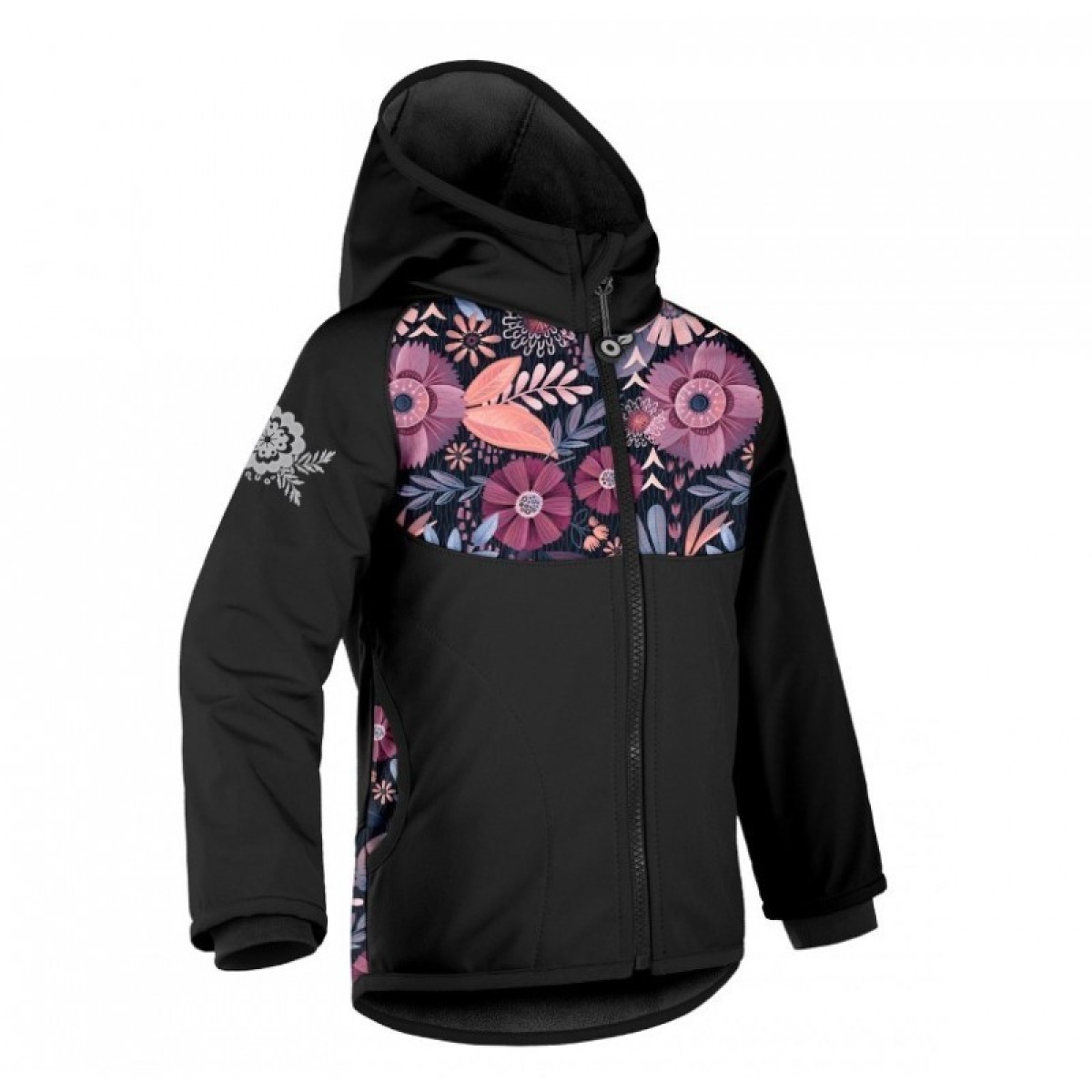
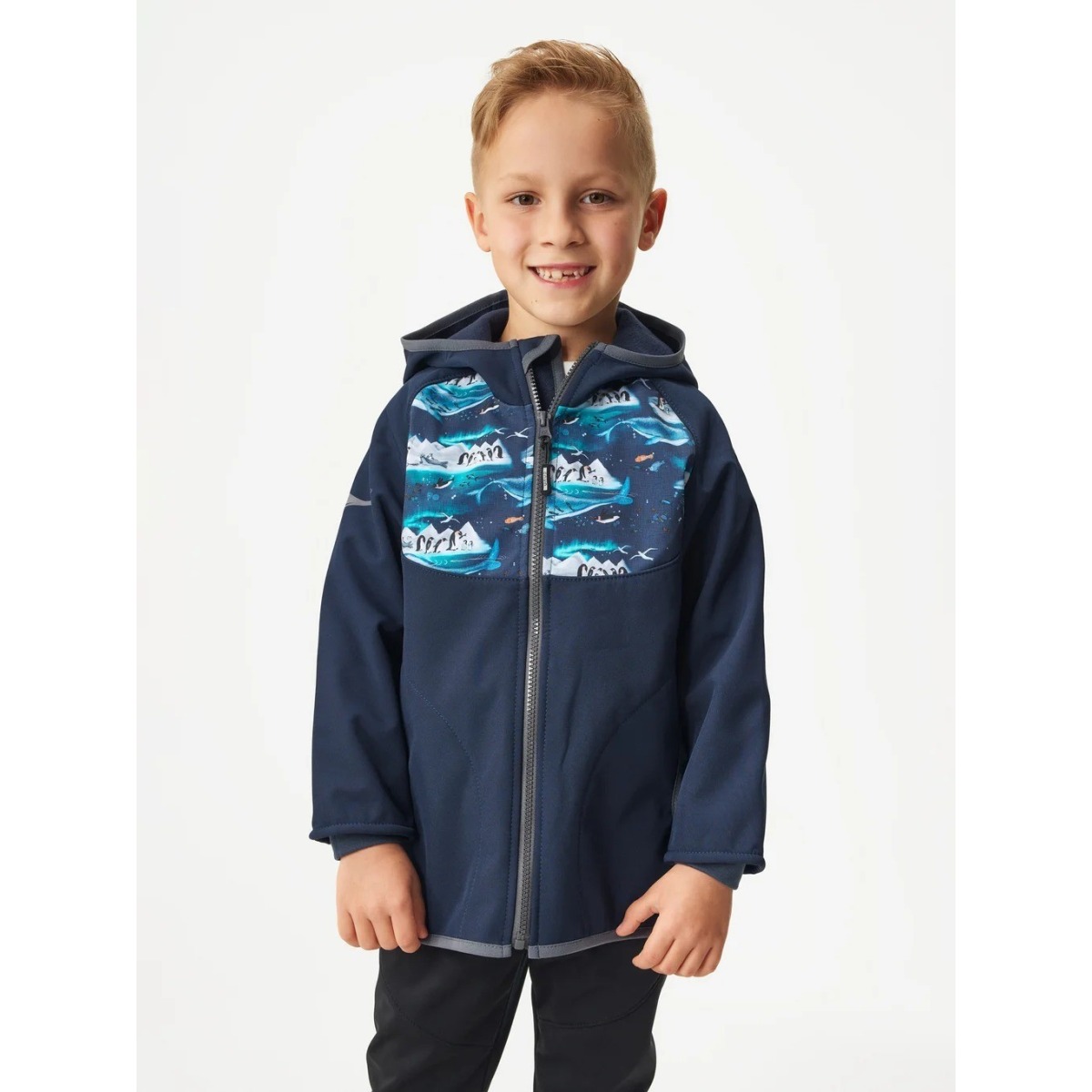
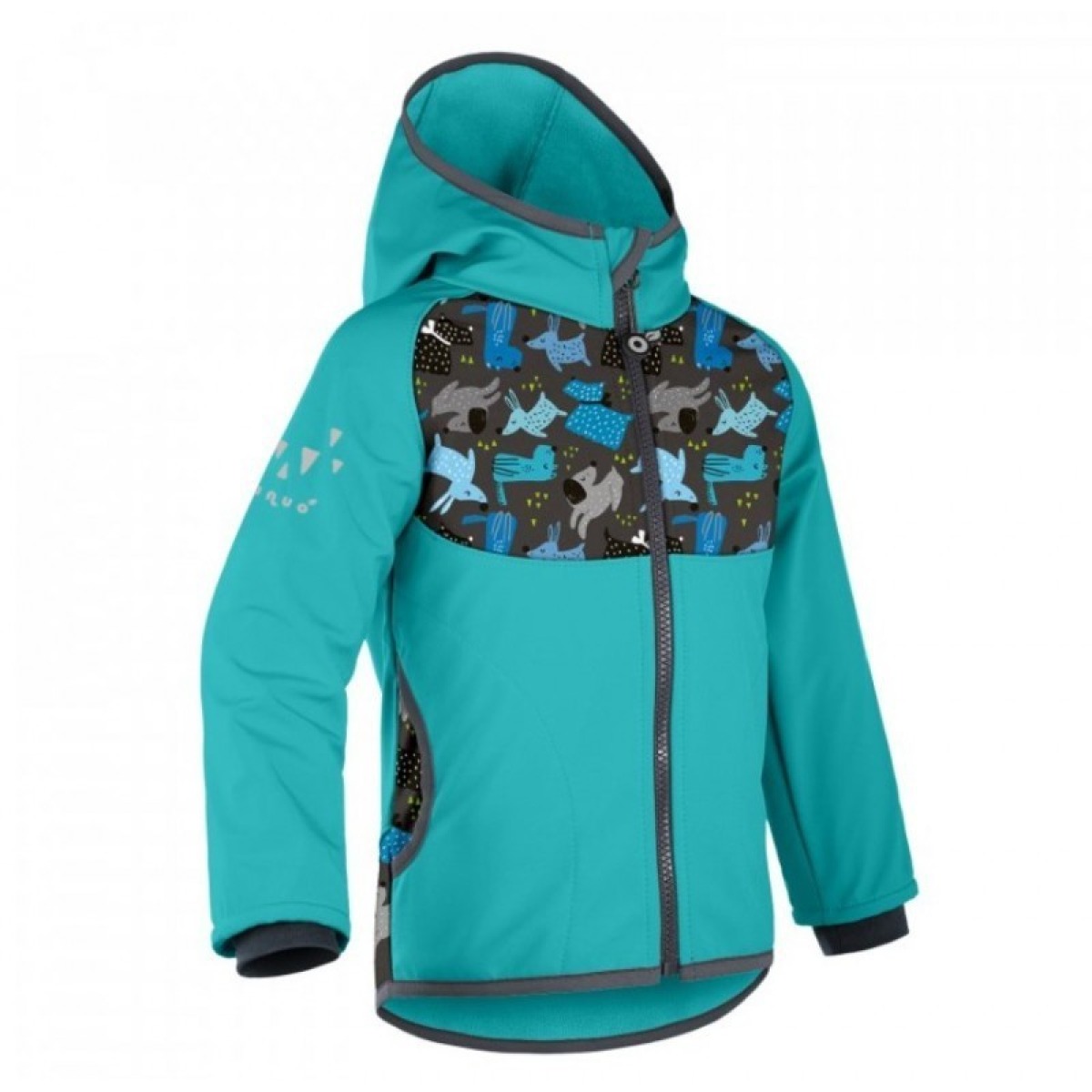
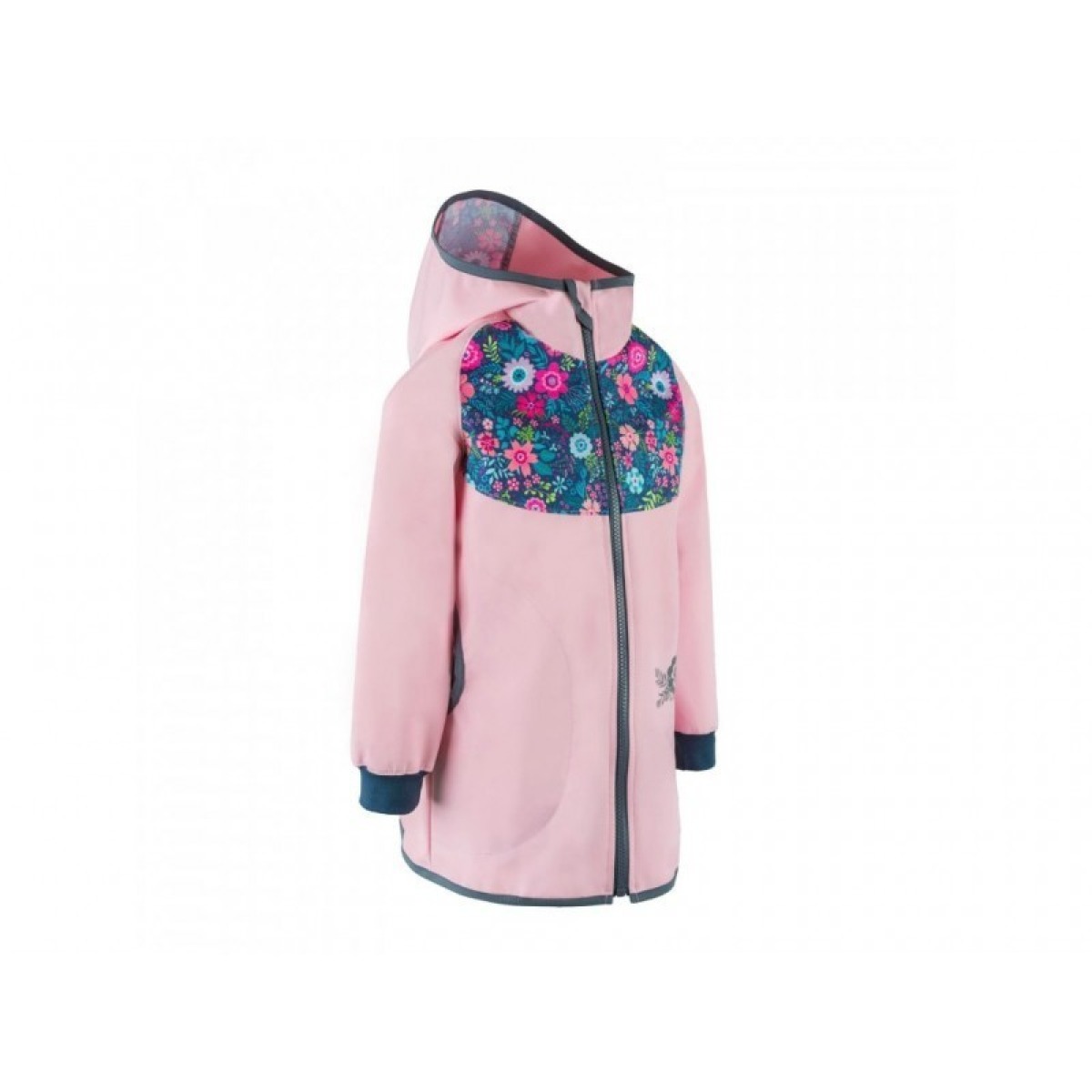
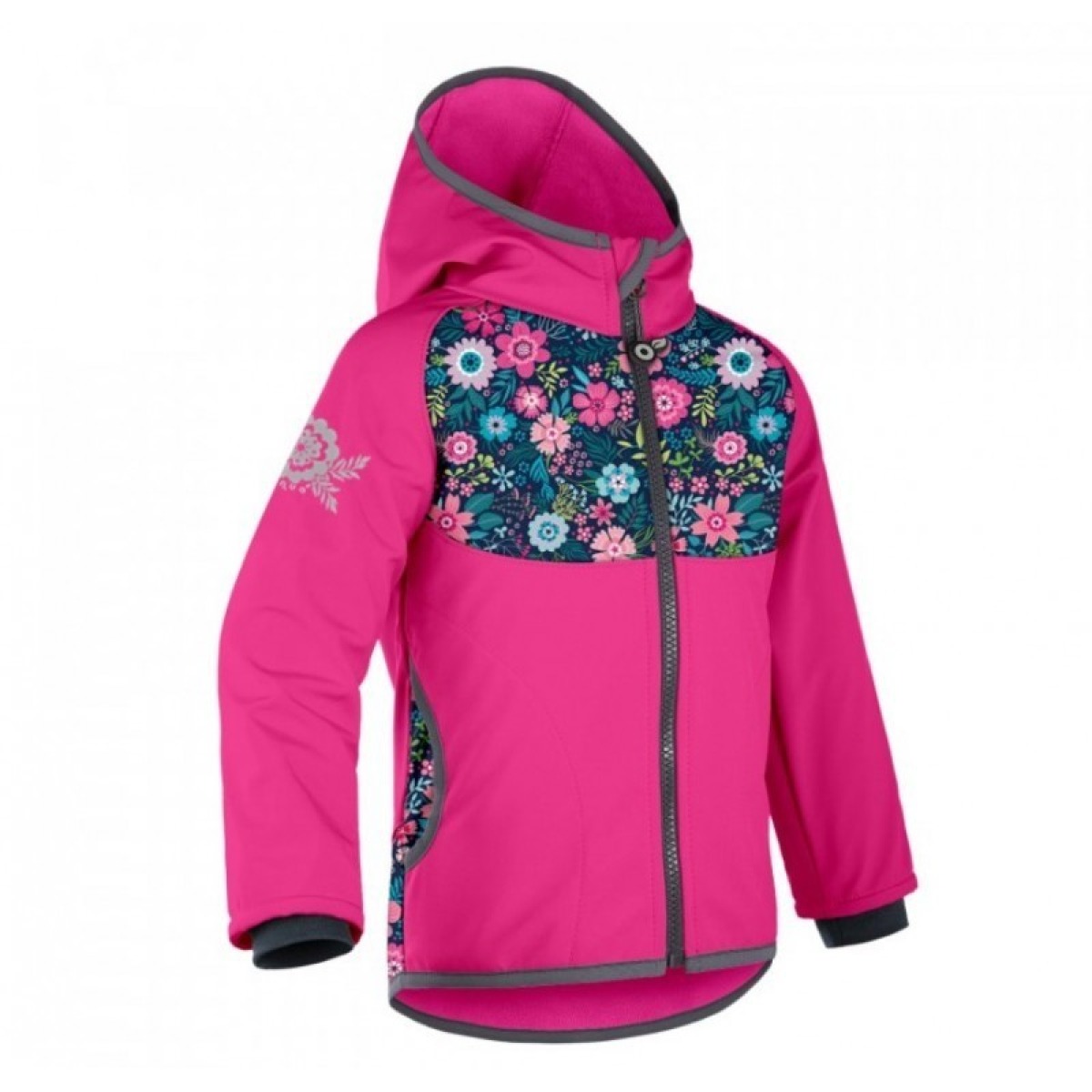
Softshell clothes are a child's go-to wear for changeable weather. The windproof, breathable fabric protects from wind and light rain while allowing free movement. You'll find lined and unlined softshell jackets, trousers and...
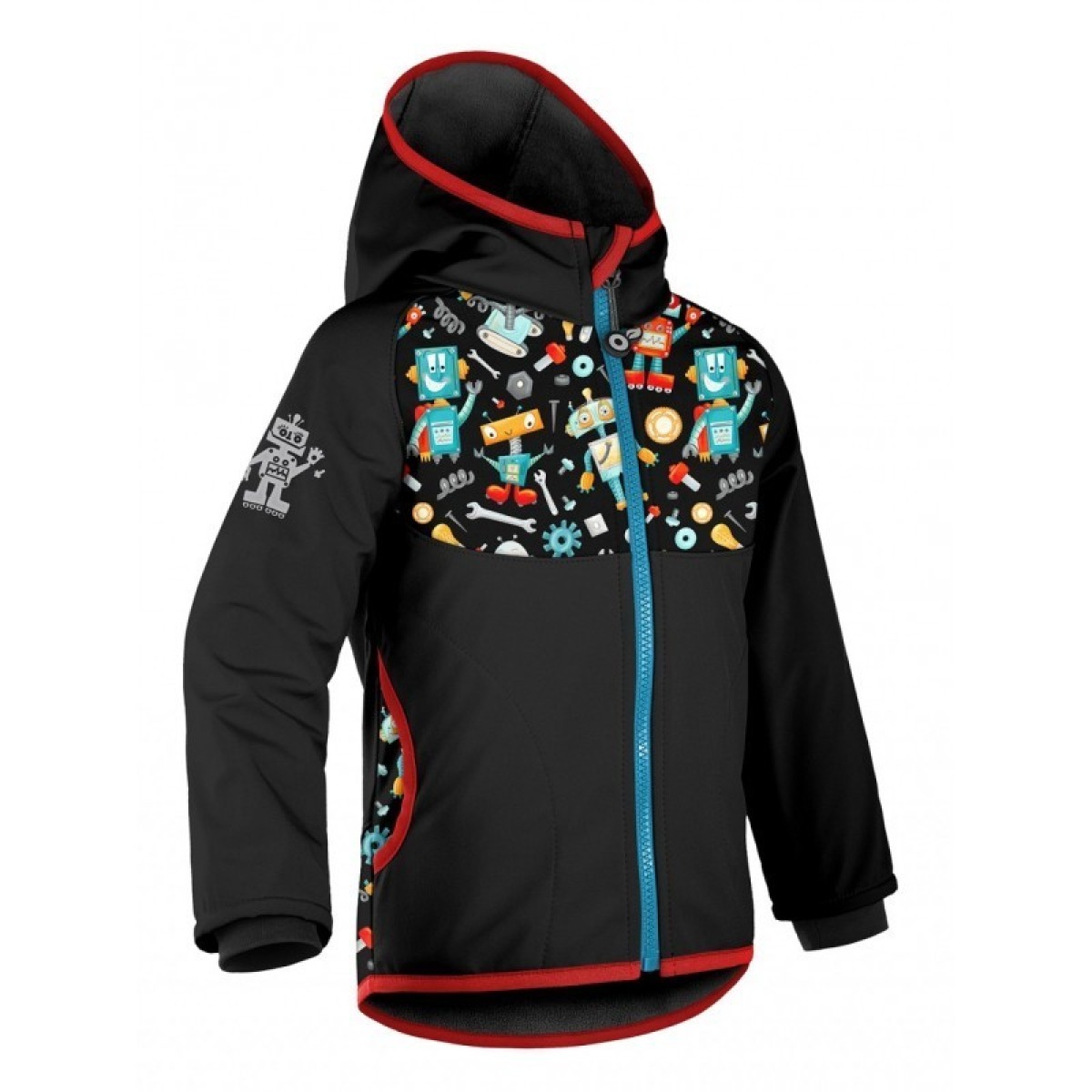
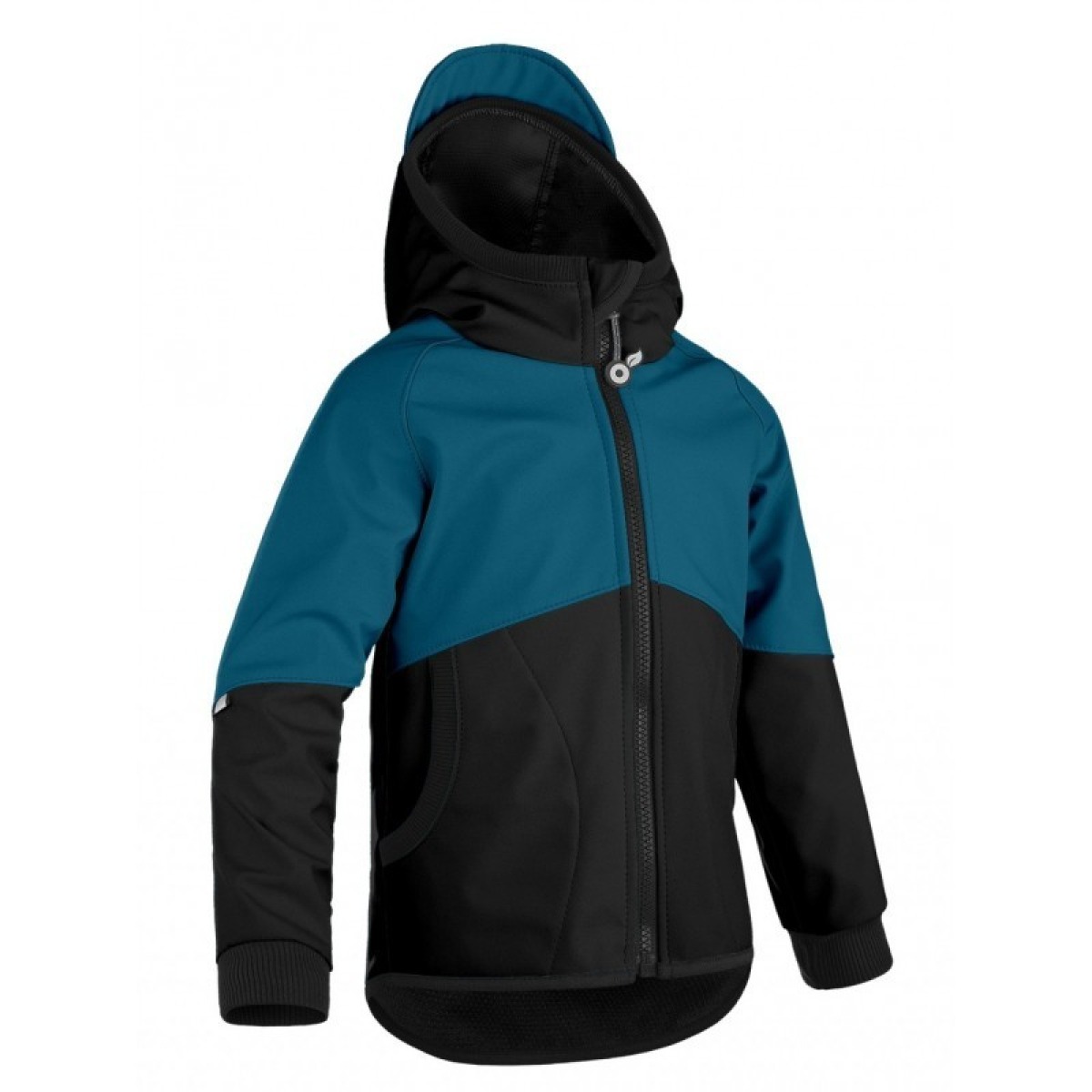
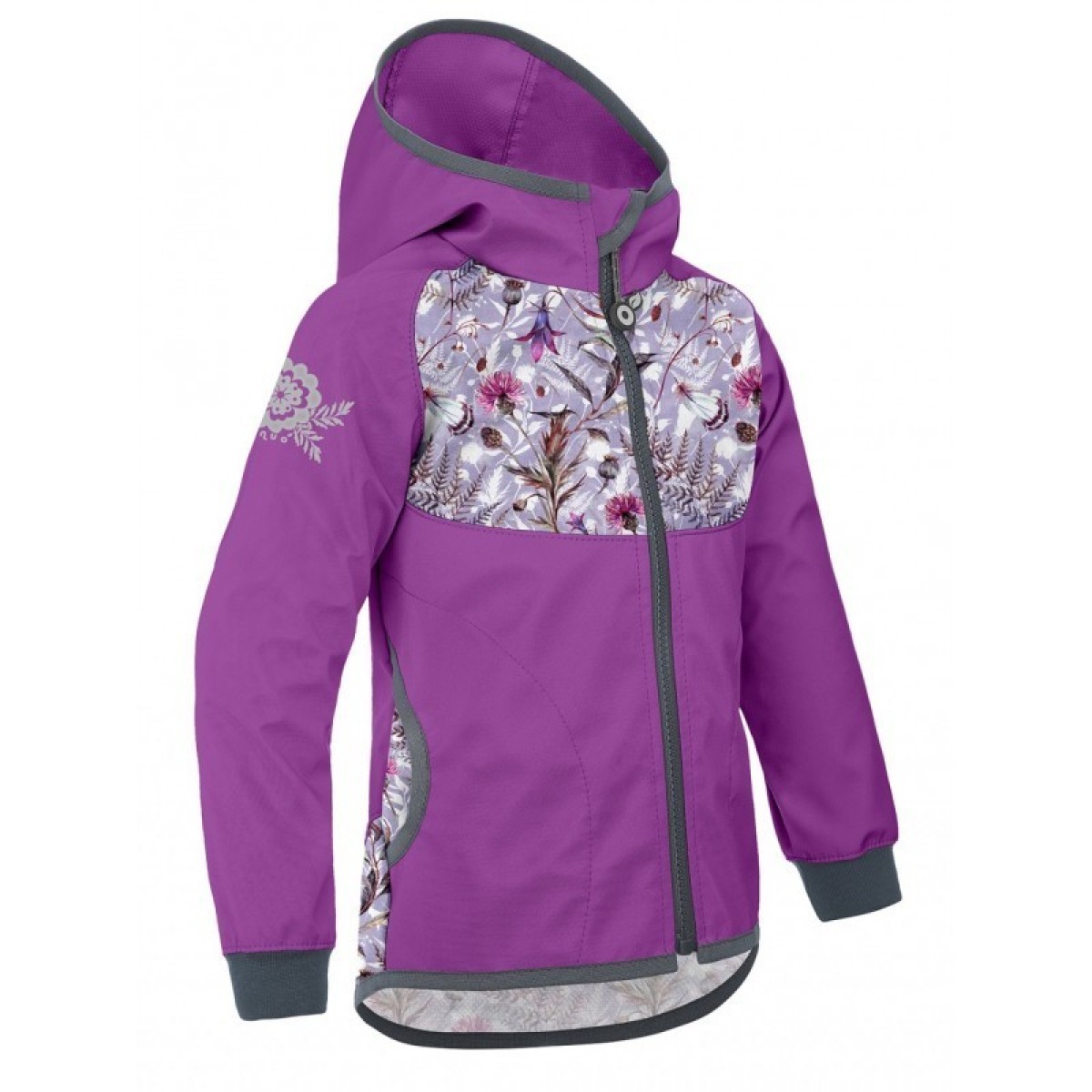
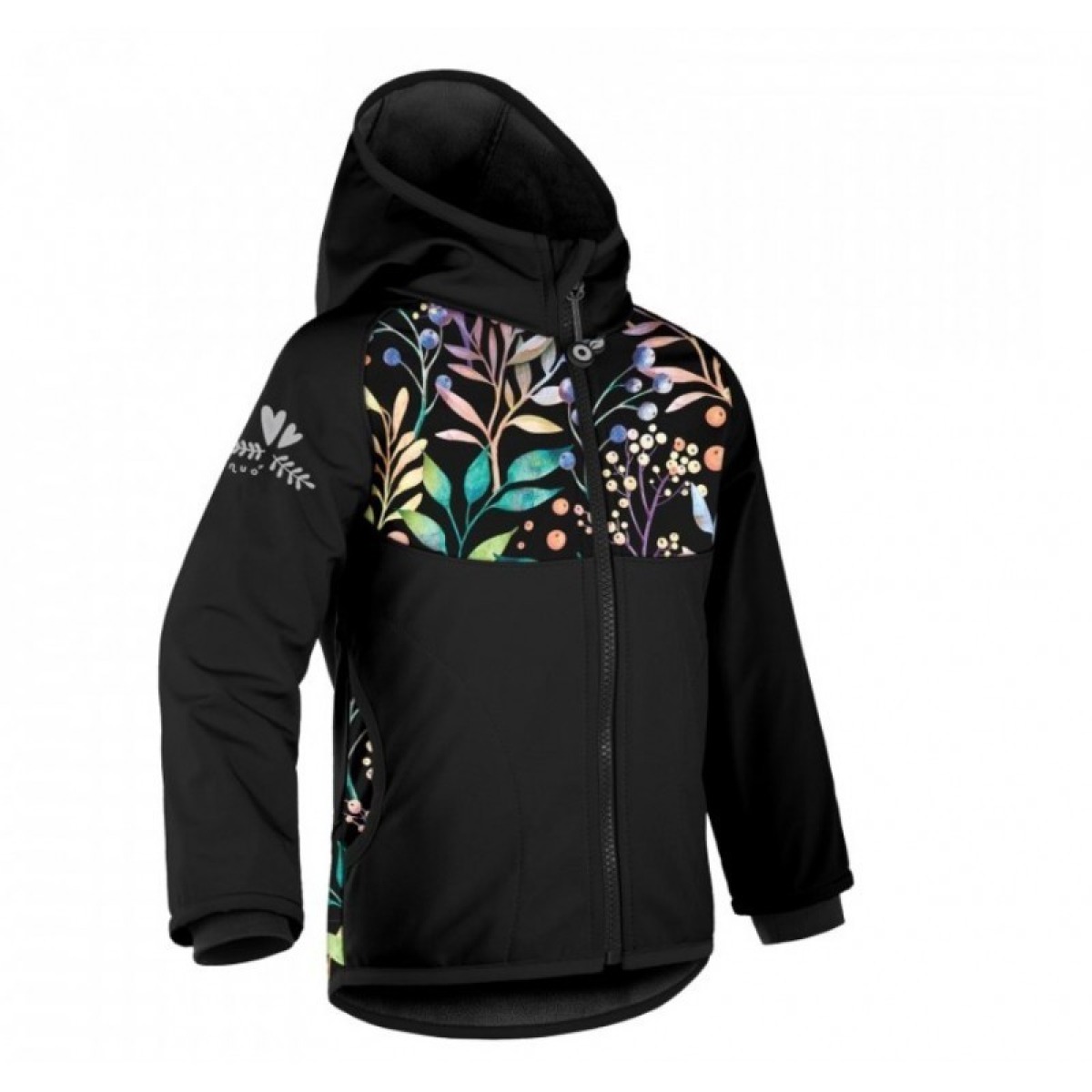
Category guide
Softshell kidswear is a practical choice when you're looking for comfortable, protective clothing for children's everyday outdoor outings. Windproof and breathable softshell helps keep children warm even in cooler weather, while the material lets the body actively "breathe" during movement. Babies, toddlers and older children wear softshell comfortably
to nursery, for outdoor play and on routine trips close to home. It's important to check whether the garment has a fleece lining or is thinner and designed for layering. Selection criteria also include a fit that supports movement, the stretch of the fabric and practical details such as a hood, reflectors and wind-sealing finishes.
Softshell is popular among children's outdoor clothing precisely because it combines protective properties with comfort. The fabric is windproof and water-repellent, making it well suited to windy weather and situations where a child moves a lot. At the same time, softshell is breathable, so excess moisture doesn't get trapped in the fabric and the clothes stay pleasant to wear.
Many sets use a TPU membrane, which helps protect against the weather without making the garment "unbreathable". Water resistance and breathability figures depend on the product's technical design, but the general logic is the same: to protect against wind and light to moderate moisture and support the child's active movement.
With softshell kidswear, one of the most important decisions is whether to choose fleece-lined or unlined models. Fleece-lined softshell is warm and especially well suited to colder days when a child needs extra insulation. Unlined softshell, on the other hand, is designed for layering: for example for a mild autumn, spring or a cool day, when a thermal or other warm layer can be worn underneath.
It's also practical to think about the situation of use. Outdoor games, sporty movements and longer walks call for clothes that don't restrict movement. That's why stretch and a comfortable cut have been kept in mind, so that a jacket, trousers or overall stays on even during active play.
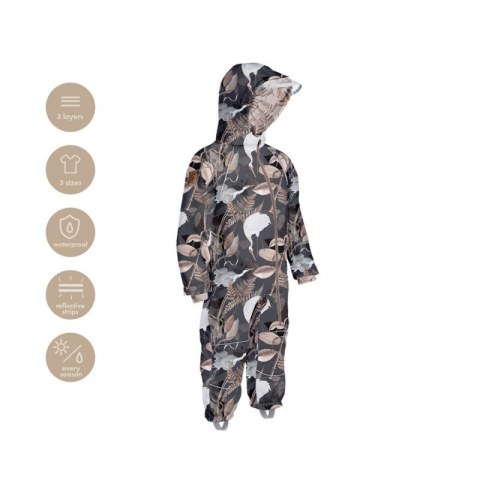
Softshell is easy to combine into a complete outfit: a jacket and trousers or an overall cover the whole body and help keep warmth more even. An overall is especially practical when a child's clothes tend to shift during movement; it helps reduce cold air getting underneath. Coats and models with a longer back are great choices if you want extra protection for the back and better coverage on the move.
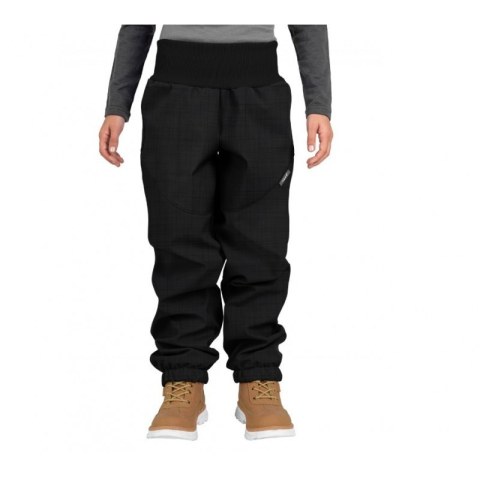
Trousers make it possible to build the "layering" logic of outdoor clothing. Fleece-lined softshell trousers suit colder weather, while unlined versions are comfortable when the weather changes and the child needs breathability. In many models, attention is also paid to the knee and joint areas so the clothes stay durable during active play.
Softshell kidswear works well in situations where clothes must stand up to both wind and the moisture that comes with play. Going to nursery, playing outdoors and walking around the yard at home often happen in changing weather, so it's important that a garment keeps the child comfortable throughout the day. Combined with a thinner layer or warmer base layers, softshell can be worn for a considerable part of the year.
For babies and toddlers, it's also worth making sure the hood and fastenings don't get in the way and the clothes stay on. For older children, the focus is often on movement and durability, especially in the knees of trousers and when wearing overalls. Whether you choose a jacket, coat, trousers or overall, a coordinated softshell set helps keep a child's outdoor clothing practical.
MIU Kids
A quiet word about cookies
Necessary cookies are already on, so your basket and checkout can work. Analytics cookies stay off until you accept. Until then Google may receive a cookieless visit signal so we can count visits. It is not used for advertising. Accept all cookies, or keep only the necessary ones. Both are one click. We remember your choice for six months, and you can change it at the bottom of the page. Privacy notice
Analytics cookies wait for a yes
MIU Kids
Choose what stays on
Necessary
Always on. These keep the basket, checkout and the shop secure.
Analytics
No analytics cookie until you accept. A cookieless visit signal may still be sent. If you accept, Google Analytics shows which pages are used. It does not build advertising profiles.