
- New
On order 5–15 business days5–15 business days
About the collection
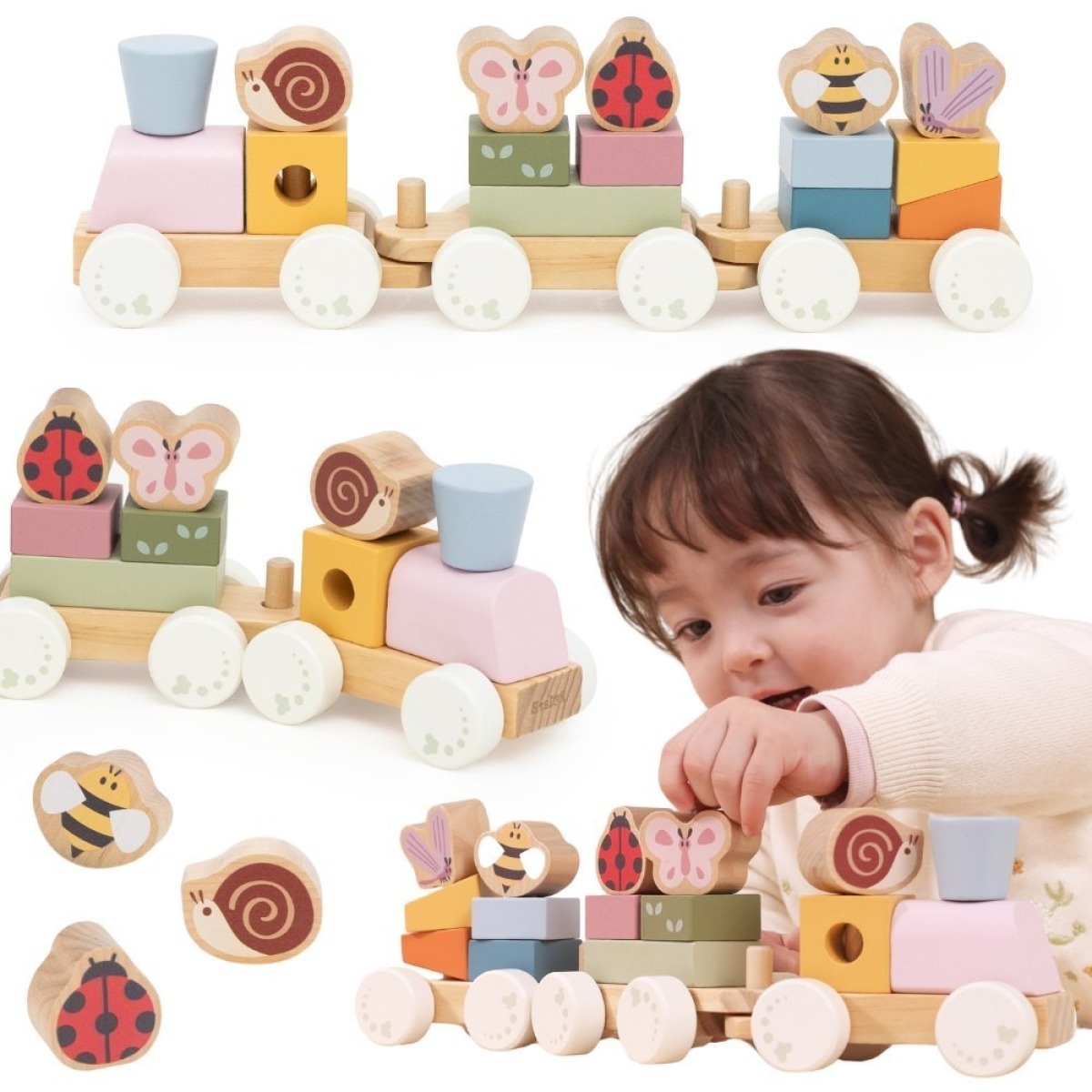
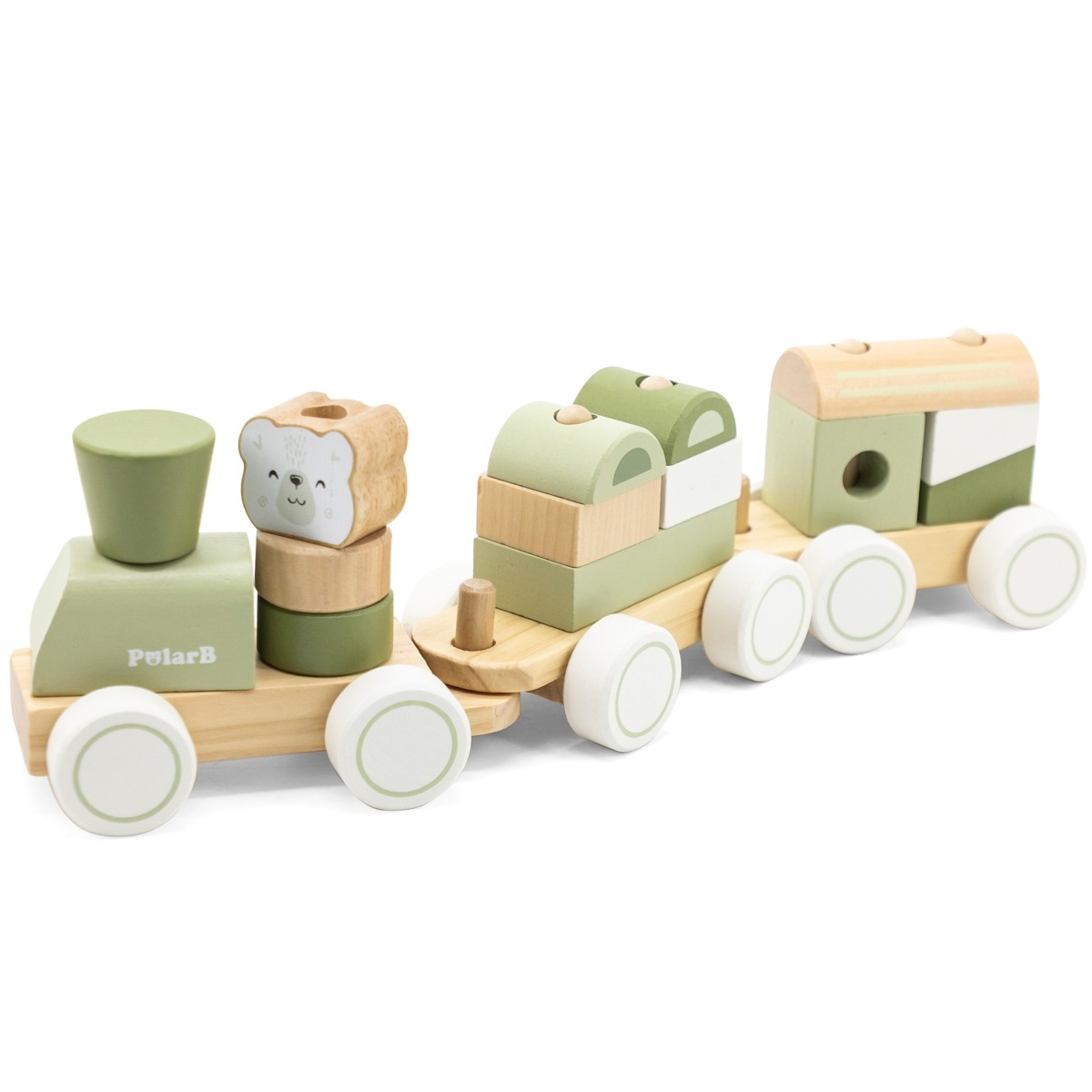
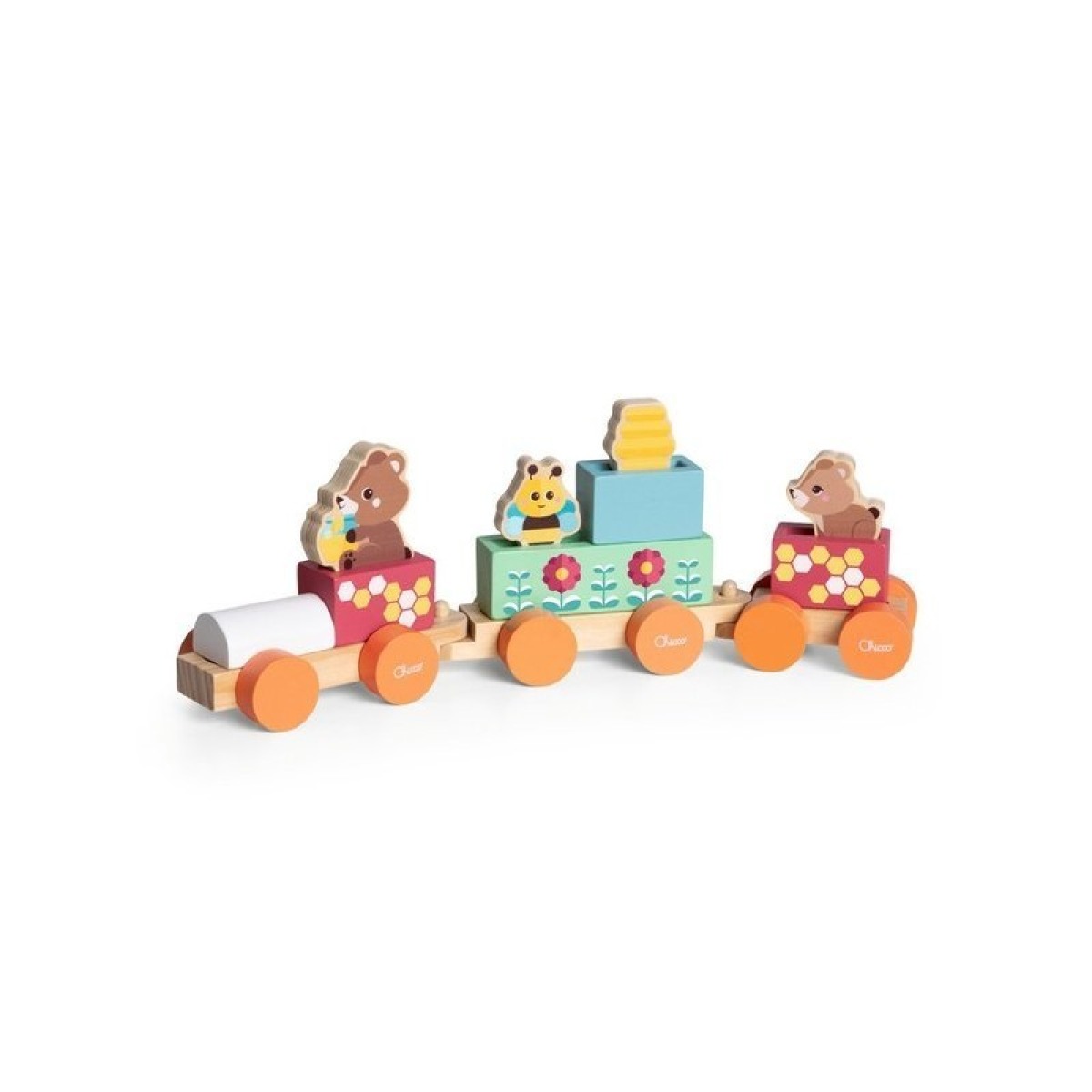
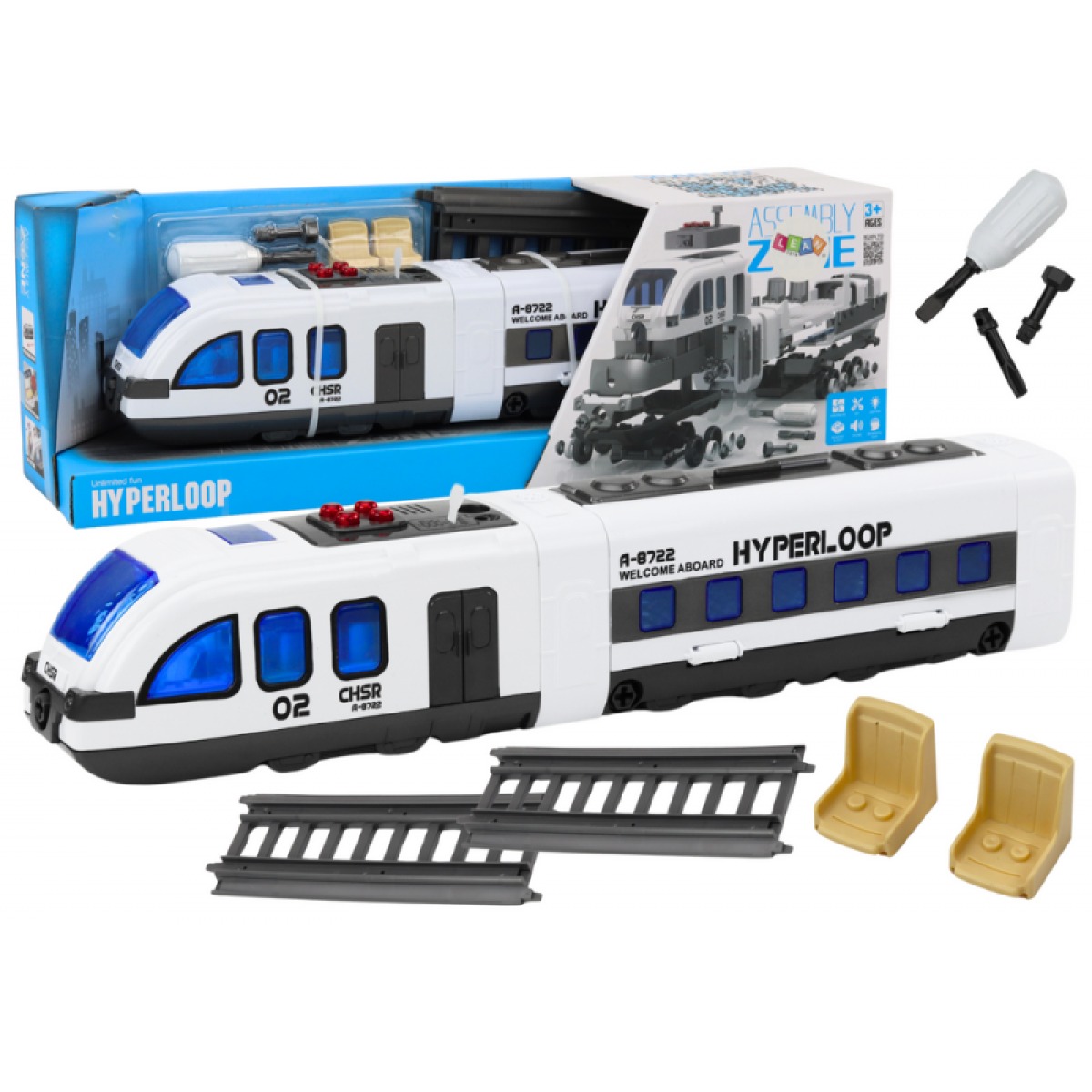
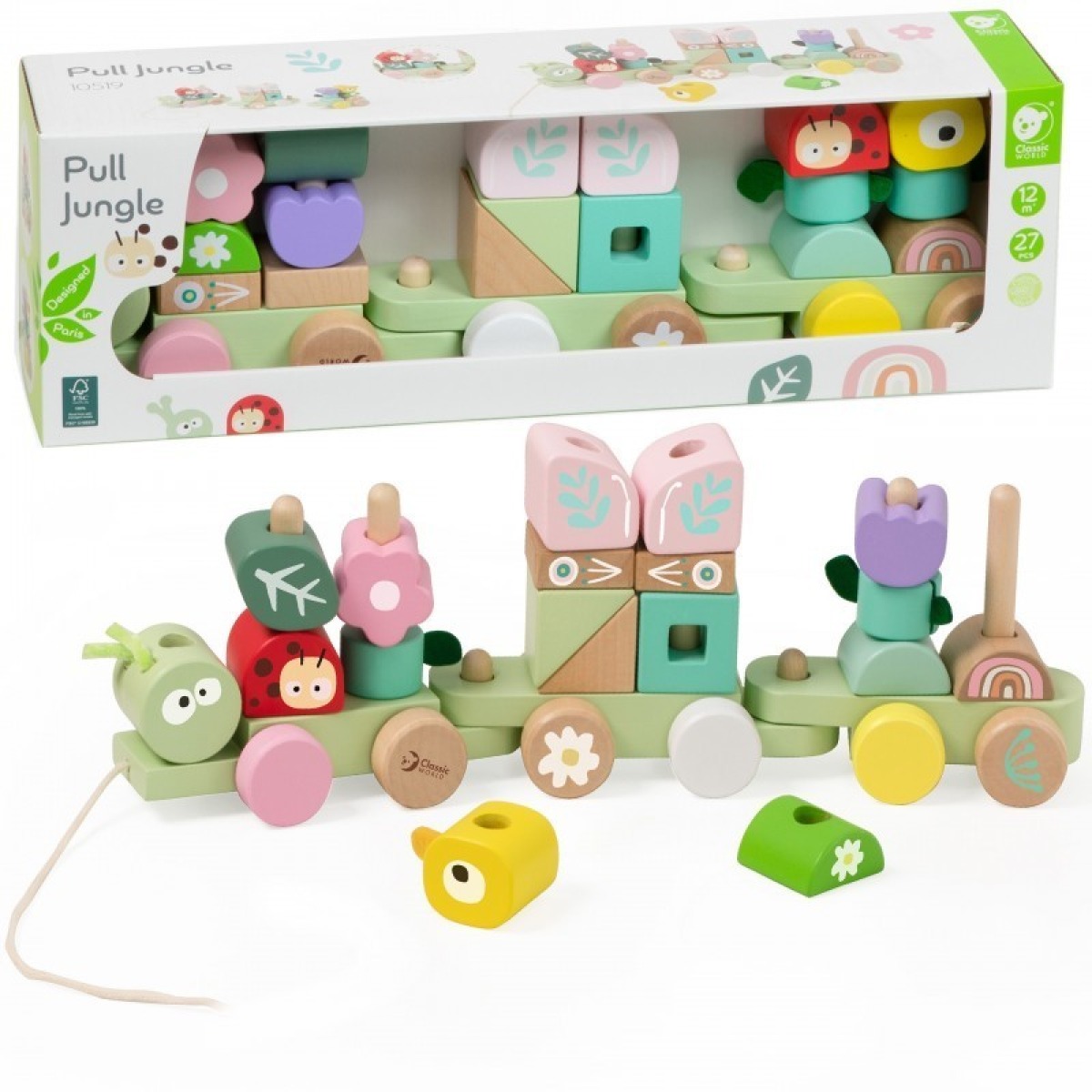
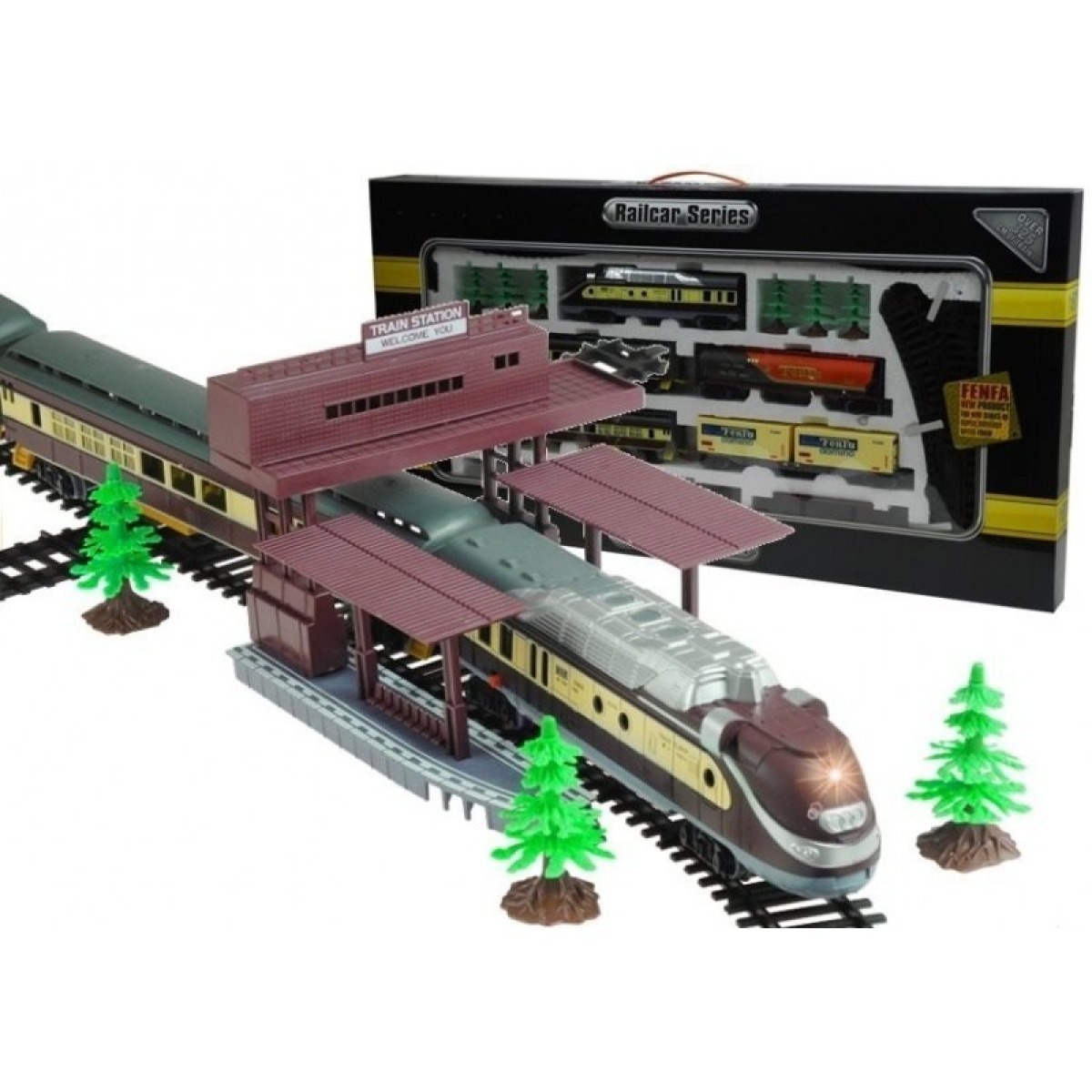
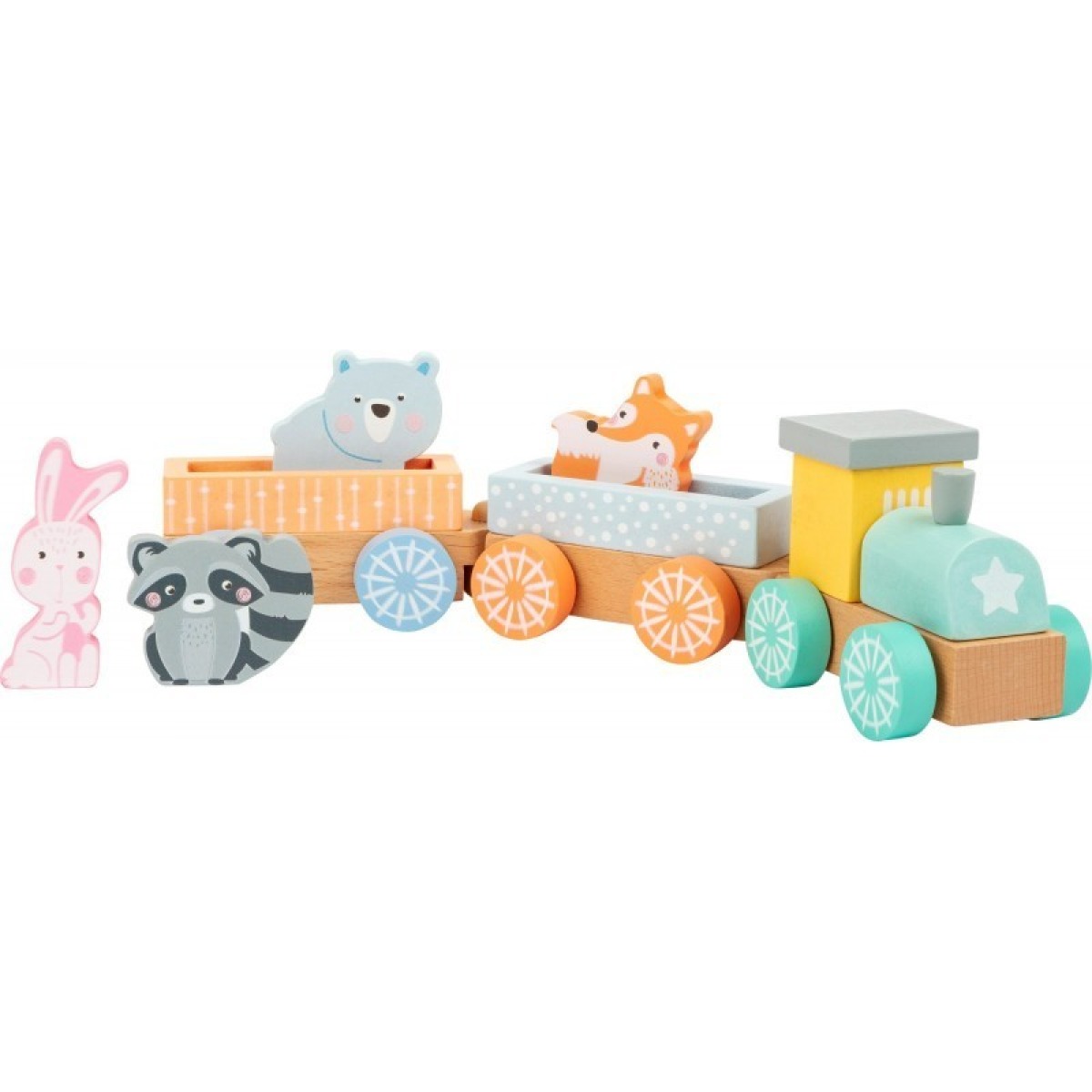
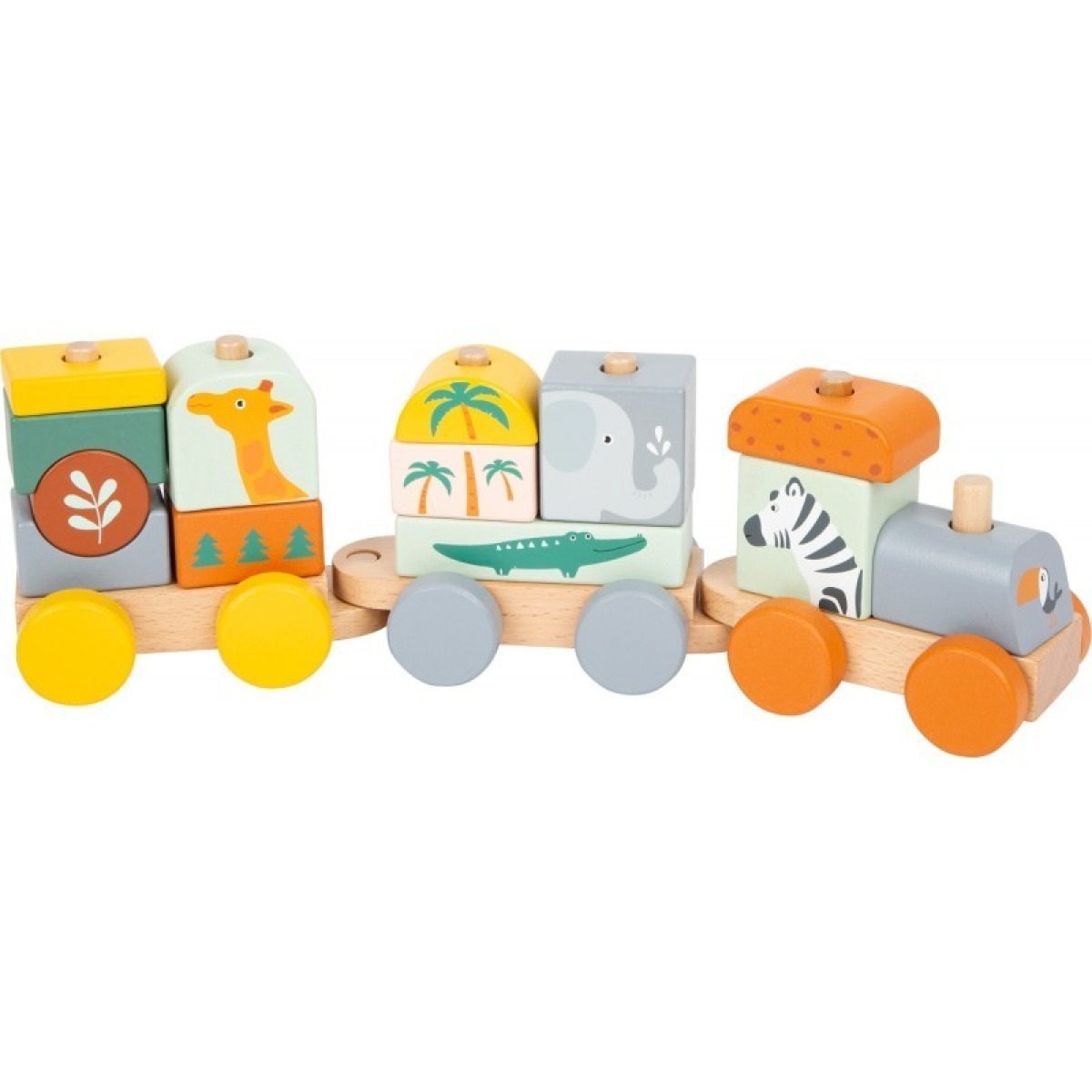
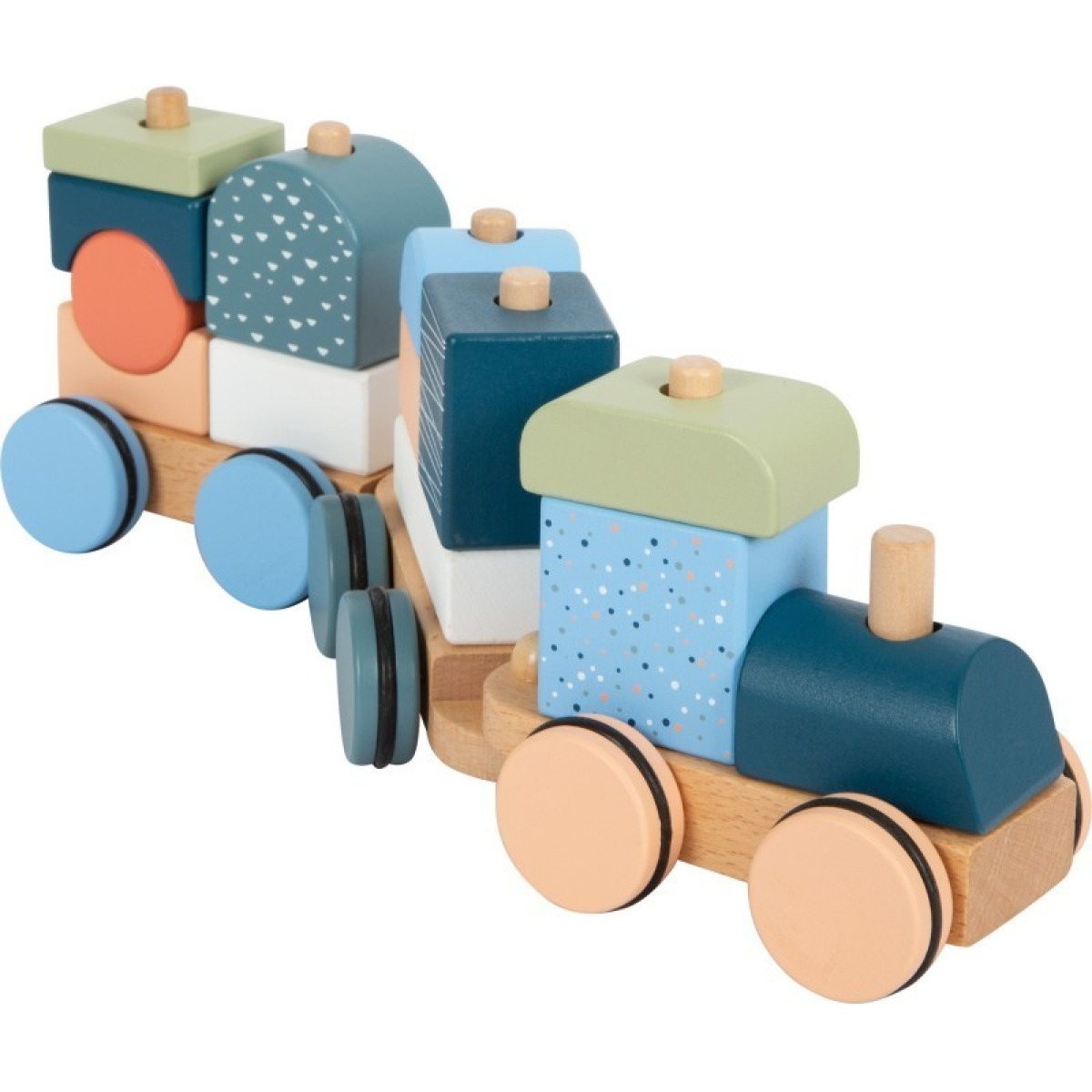
A toy train carries passengers and cargo across the kids' room. You'll find wooden trains as well as electric and battery-powered models with lights and sounds. For the littlest ones, a train is a lovely pull-along toy, while...
Category guide
Toy Trains are a play idea suited to the nursery, supporting movement, role-play and manual skills. The range includes wooden trains as well as electric and battery-powered models that add light and sound effects to play. Trains are suitable for babies and toddlers as first rolling toys, and for older children who want to create
longer tracks and different scenes. It is important to check that the train connections and the size of the parts are age-appropriate, and that the toy is easy for smaller hands to use. Many sets can be assembled in different ways, so the layout can be rebuilt each time using routes and extra track already available at home.
Toy trains are not just vehicles; they are also a stage for play. Children can imagine a journey, carry “cargo” from one place to another and swap roles during play. This creates a natural motivation to tell stories, listen to instructions and practise hand–eye coordination, especially when the train has moving parts, blocks or removable carriages.
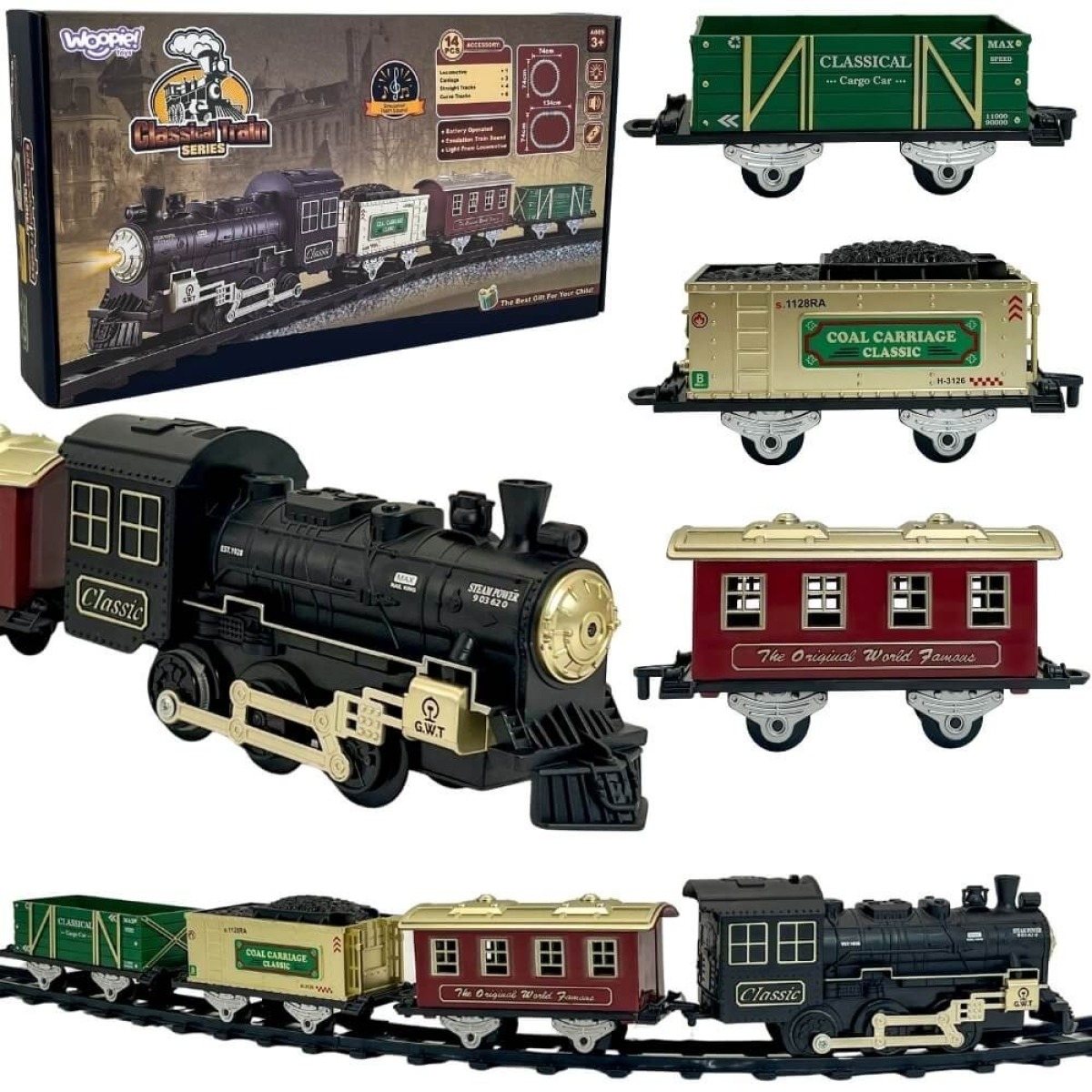
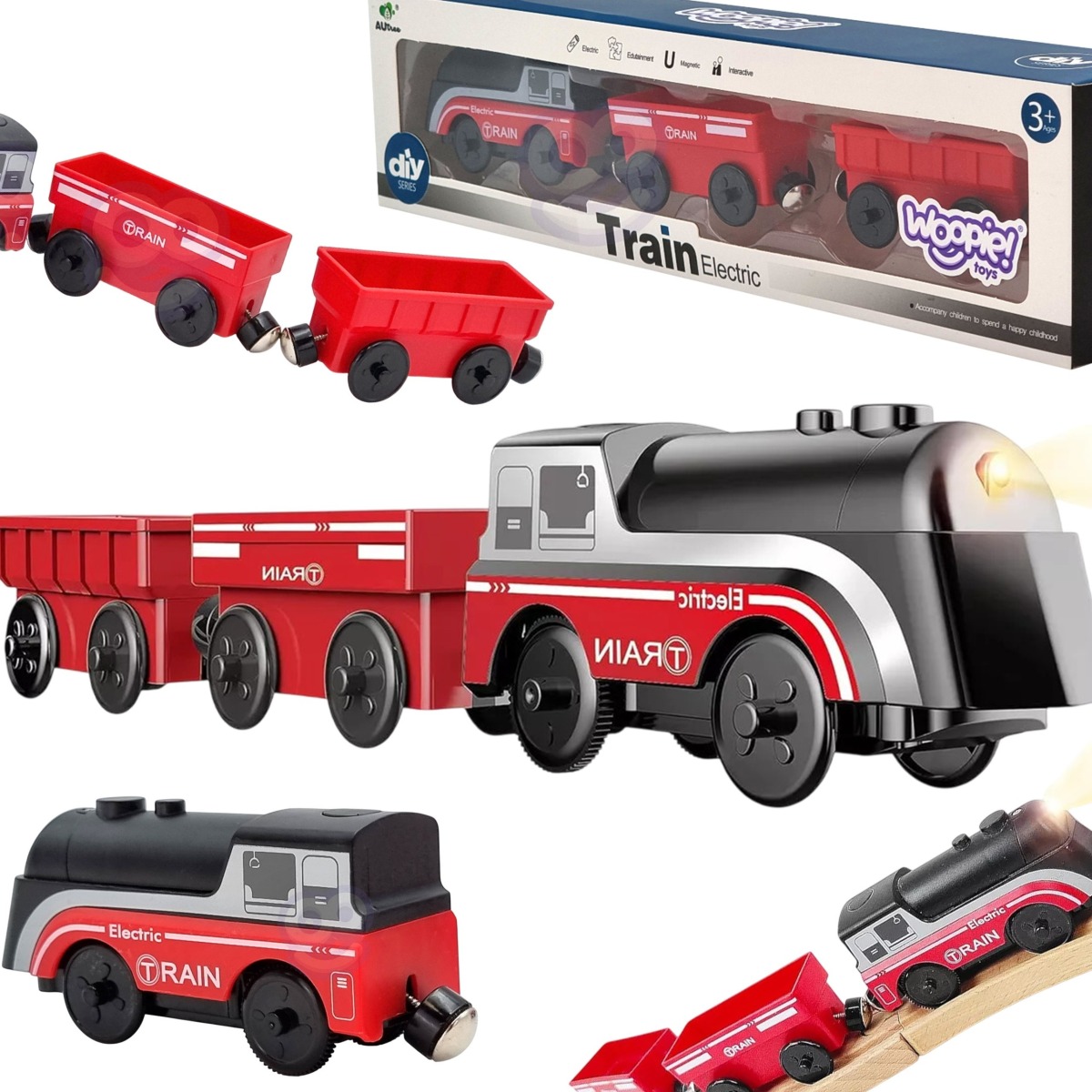
Trains are suitable for play at home and in nursery. If you prefer wooden models or ones with simple mechanics, getting started is usually quick: push or pull the engine and the train moves forwards under its own power. Battery-powered or electric trains add lights and sounds, making play more engaging and helping to hold a baby’s or toddler’s attention.
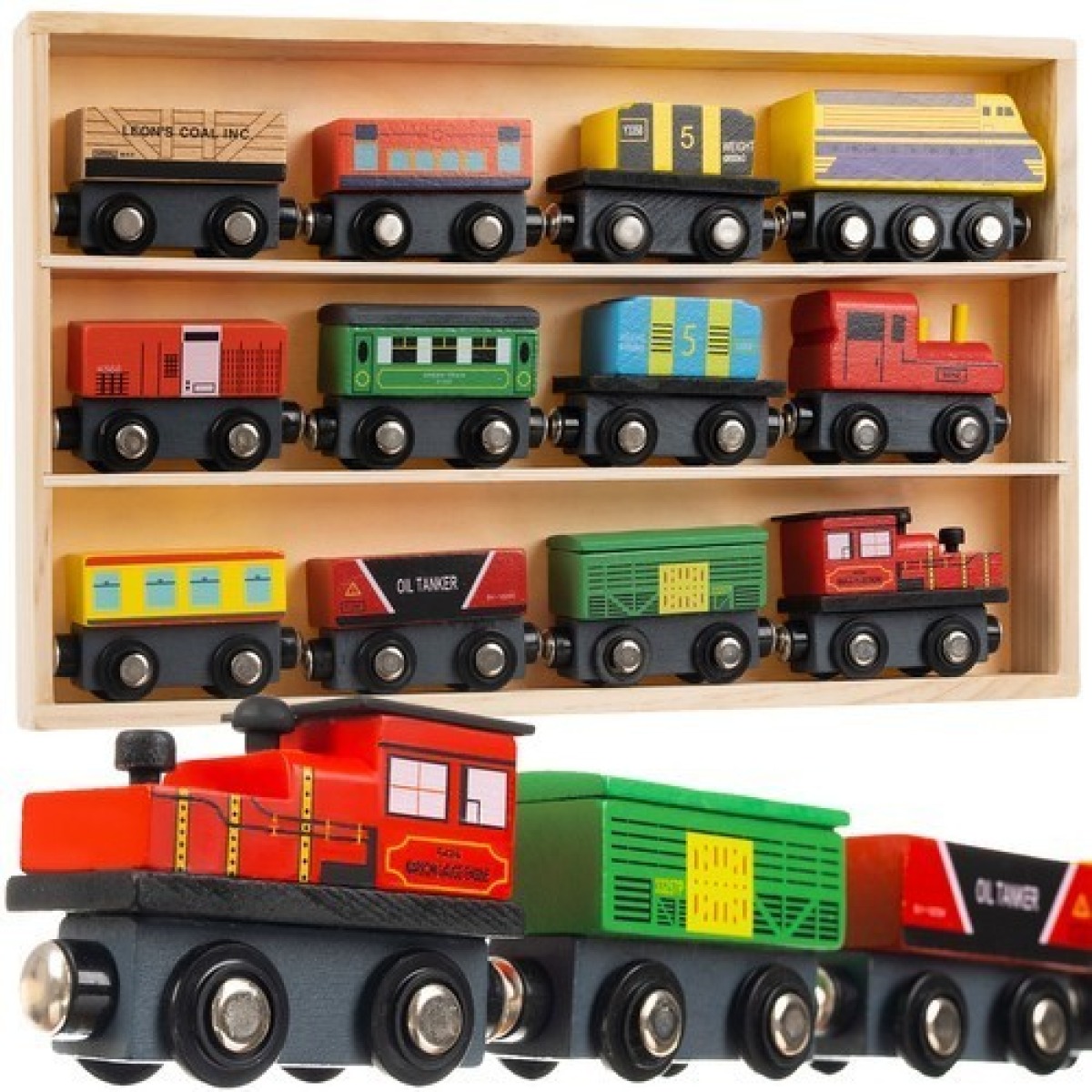
The category includes a range of options, and it helps to think about how your child likes to play when choosing the right one. Wooden Toy Trains are well suited to calm rolling play and logical construction. Metal versions and friction-powered trains are often a little more “lively”, with direct, robust movement.
Sets with light and sound effects are a great choice for children who enjoy more purposeful role play: as the train driver, they can prepare “stops”, listen to signals and change the route. If the set includes tracks, it is worth checking whether they are the right size and whether the track can be extended. Some sets also include DIY parts, allowing children to build their own routes.
Playing with trains can help children practise sequencing: the engine “picks up a passenger”, travels to a designated stop, and the next carriage is added only when the previous one is ready. This works especially well as part of a learning and play routine at home, as children can make choices through play and understand cause and effect.
Many sets include characters, colourful pieces or blocks that can be rearranged. For example, designs featuring shapes and colours help reinforce vocabulary and provide a repeatable task: “which piece goes where” or “which carriage is going on the journey”. If the product includes a puzzle or a combination of blocks and a train, play can also take on a calmer, more focused dimension.
Some Toy Trains are designed to run with a separate engine and carriages, while others require a track. If your child is taking up a new hobby, it may be convenient to choose a set that is easy to connect and does not have too many parts to begin with. Once they have become interested in building tracks, you can add DIY elements or extra carriages later.
For easy care, it helps to consider the materials used: wooden parts usually need to be cleaned with a dry or slightly damp cloth, while parts with magnets or electronics should be cared for according to the manufacturer’s instructions. This helps keep play enjoyable for longer and the train in good condition, even with frequent use.
A tip for choosing: If you want to focus on sensory play for babies and toddlers, consider engines with simple movement and supportive accessories. If your child is already a fan of “journeys”, choose a set with sounds and lights or an extendable track system, so play can grow with them.
MIU Kids
A quiet word about cookies
Necessary cookies are already on, so your basket and checkout can work. Analytics cookies stay off until you accept. Until then Google may receive a cookieless visit signal so we can count visits. It is not used for advertising. Accept all cookies, or keep only the necessary ones. Both are one click. We remember your choice for six months, and you can change it at the bottom of the page. Privacy notice
Analytics cookies wait for a yes
MIU Kids
Choose what stays on
Necessary
Always on. These keep the basket, checkout and the shop secure.
Analytics
No analytics cookie until you accept. A cookieless visit signal may still be sent. If you accept, Google Analytics shows which pages are used. It does not build advertising profiles.