
- New
On order 5–15 business days5–15 business days
About the collection
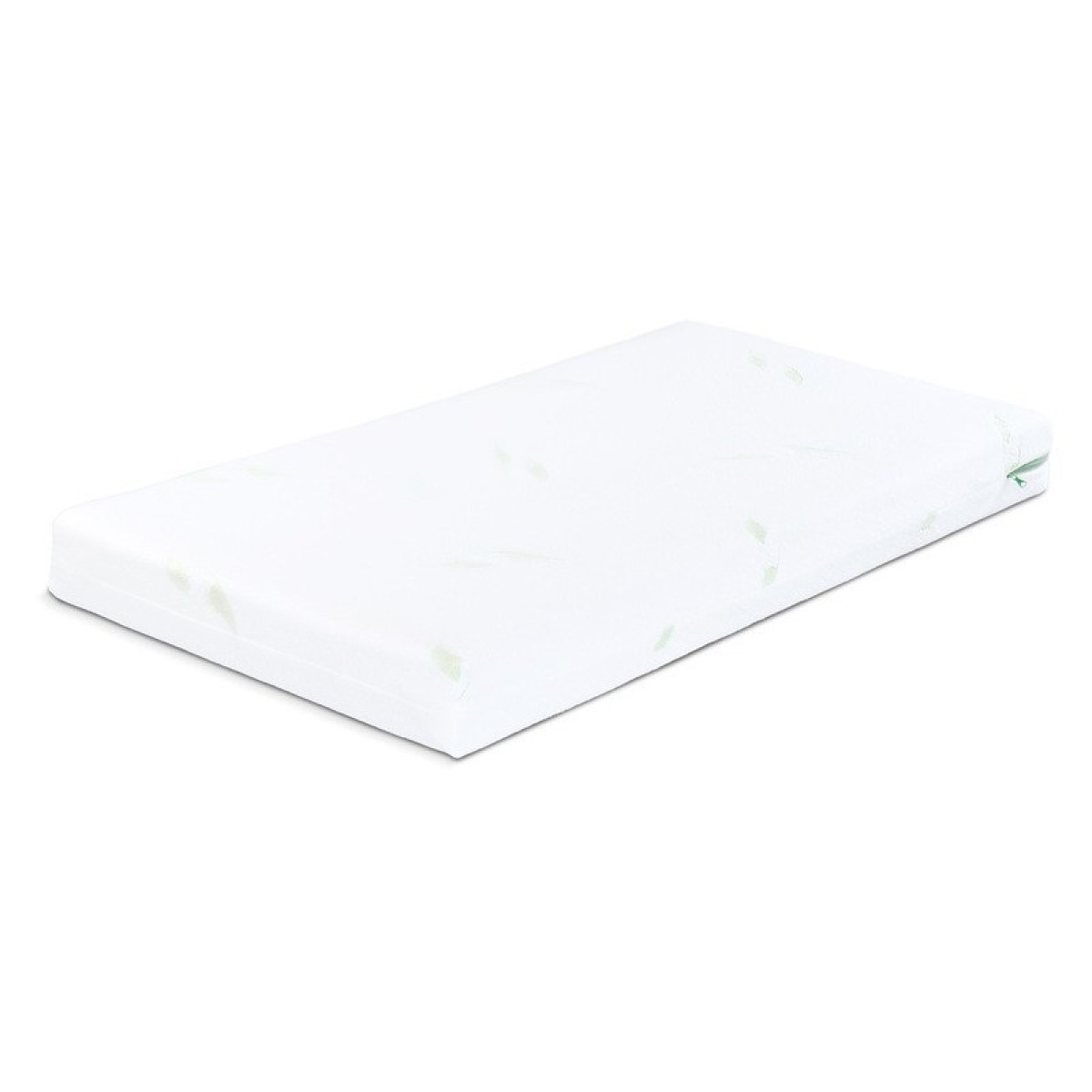
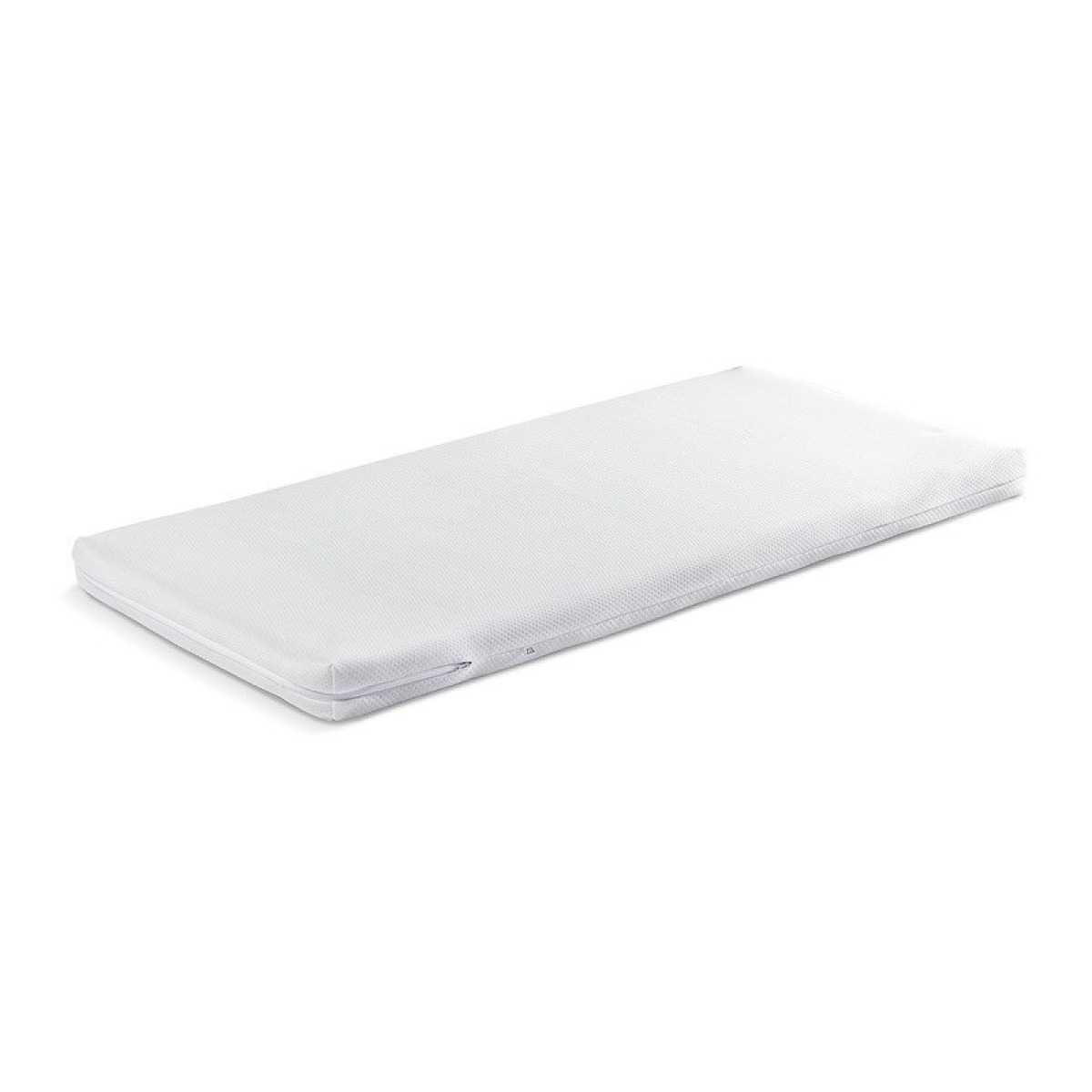
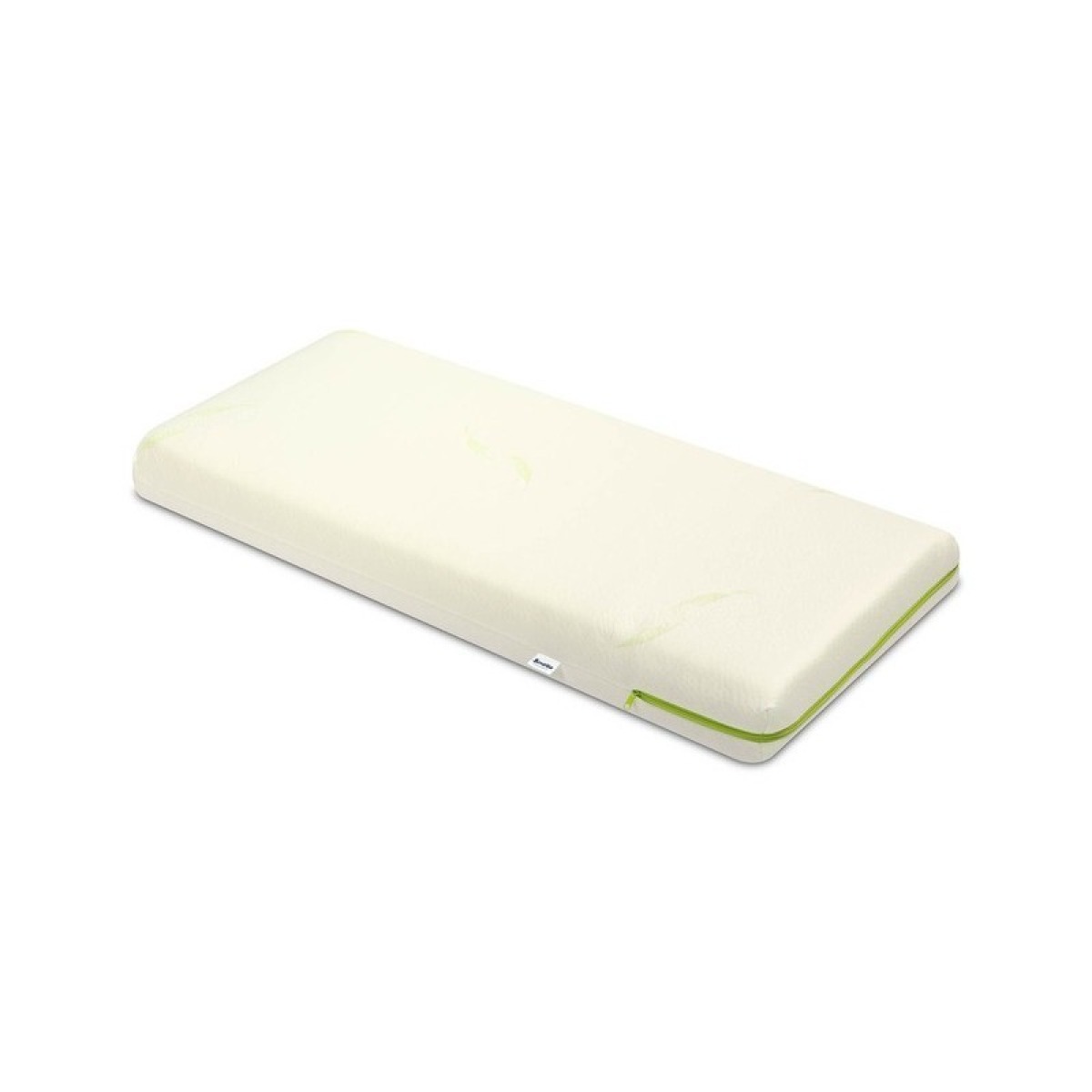
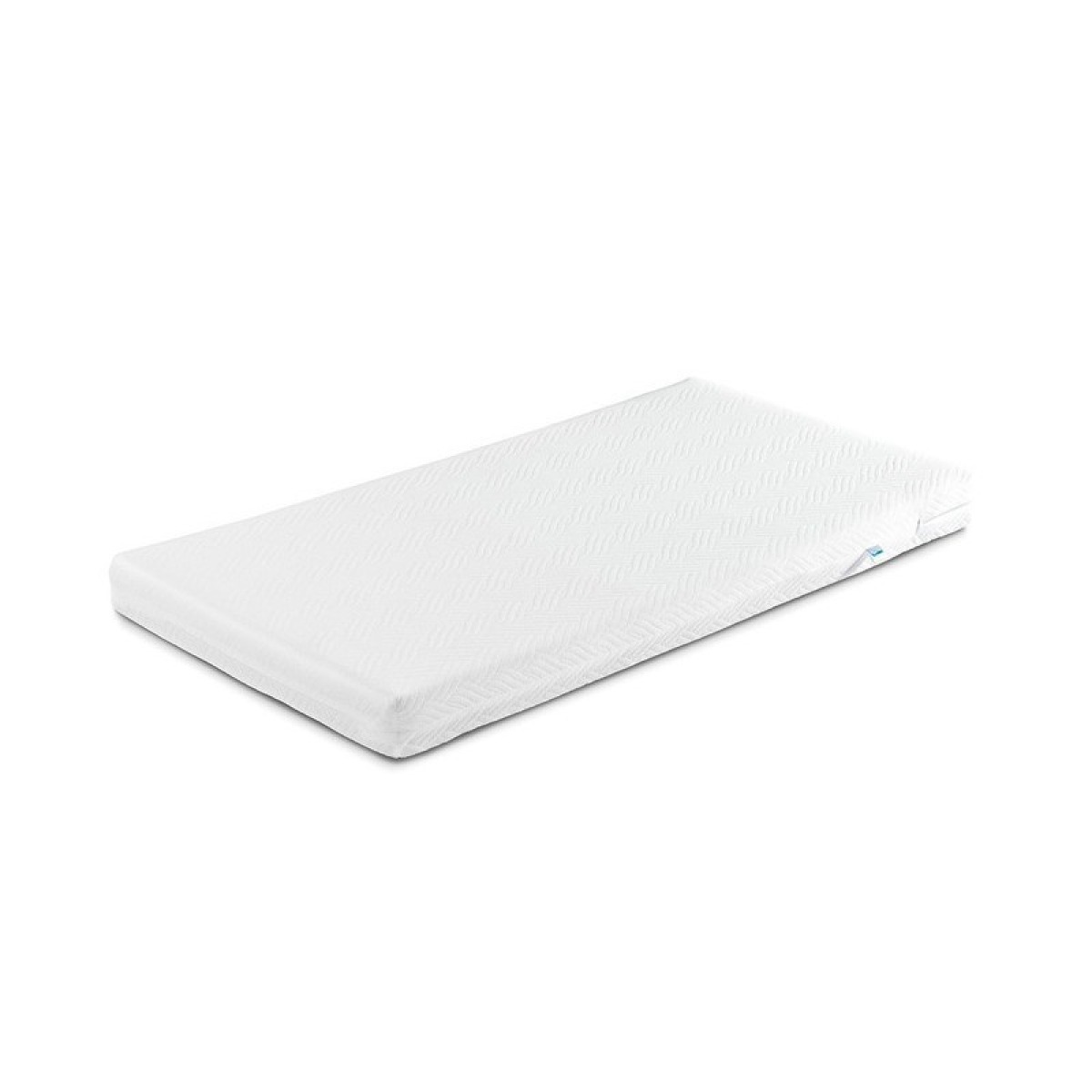
A good mattress is the foundation of restful sleep. You'll find mattresses for cots and larger children's beds in different sizes. Choose a mattress that matches the bed size exactly and is firm and breathable.
Category guide
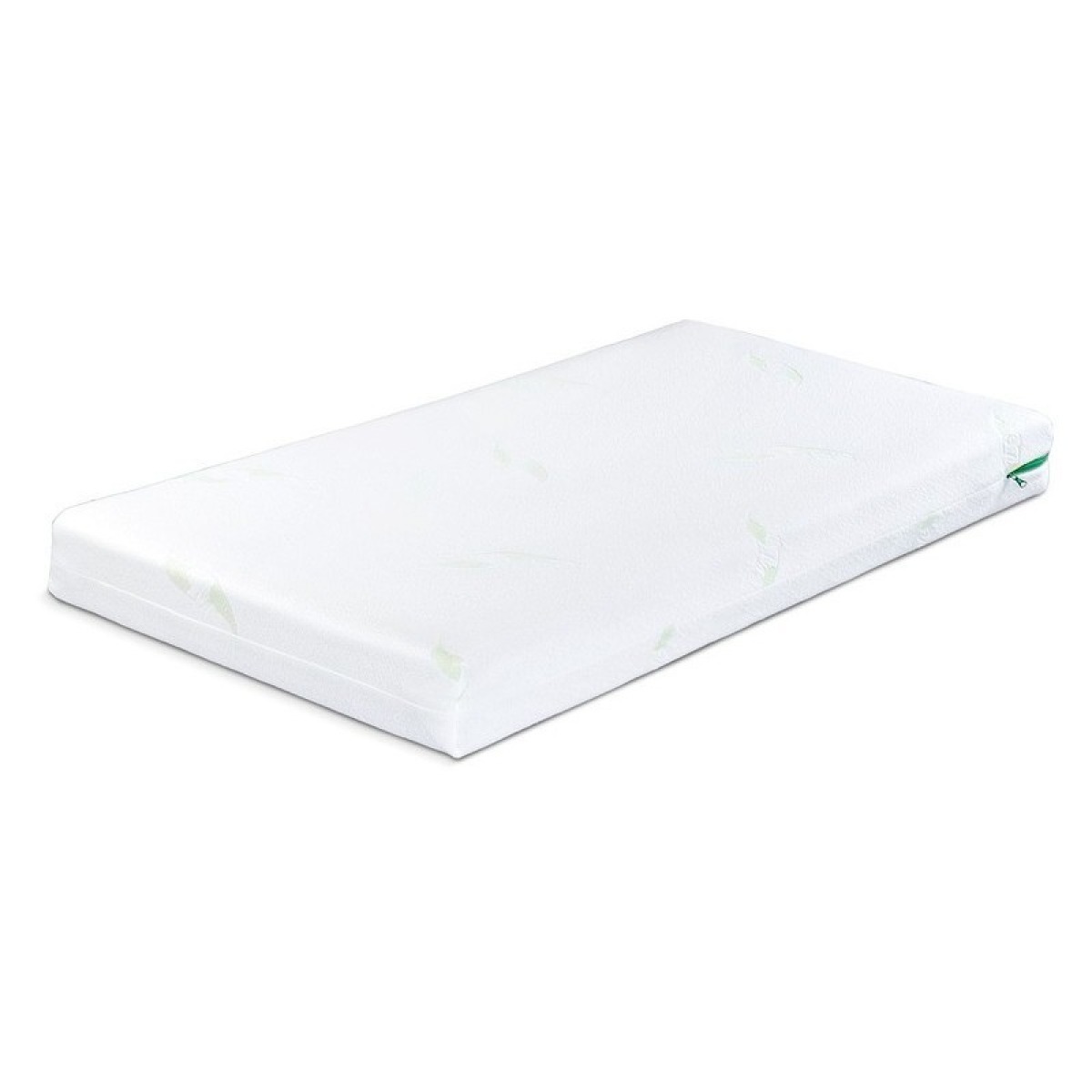
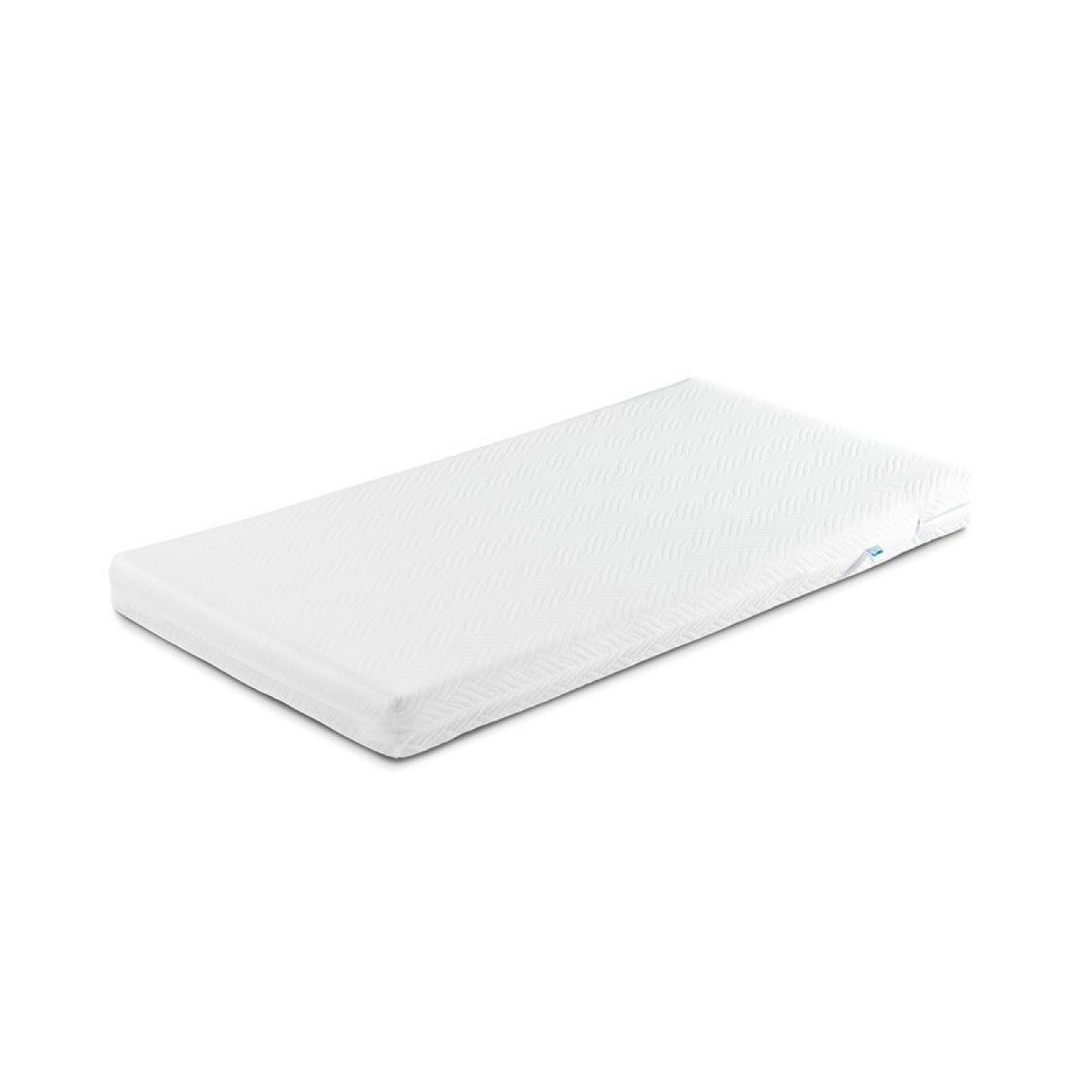
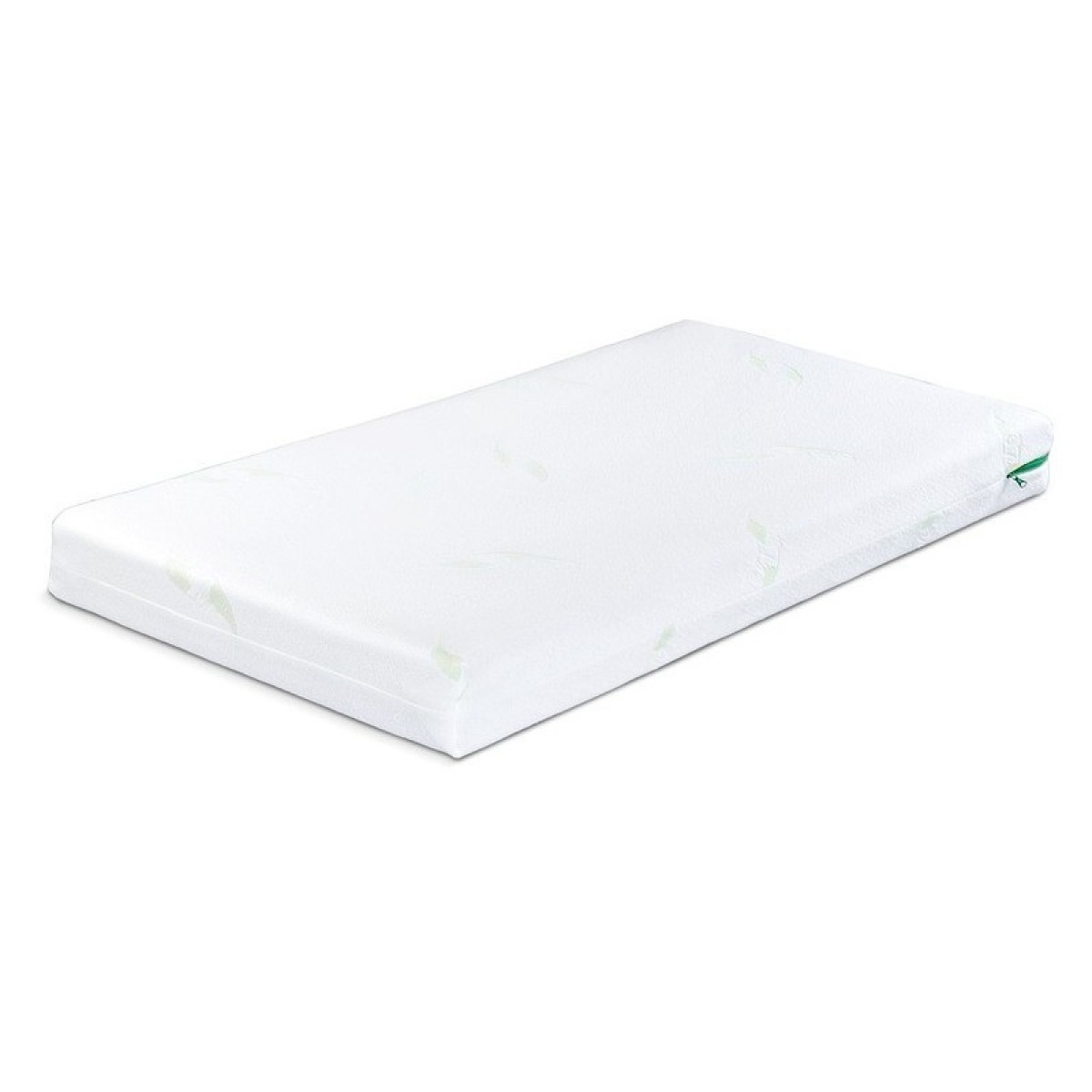
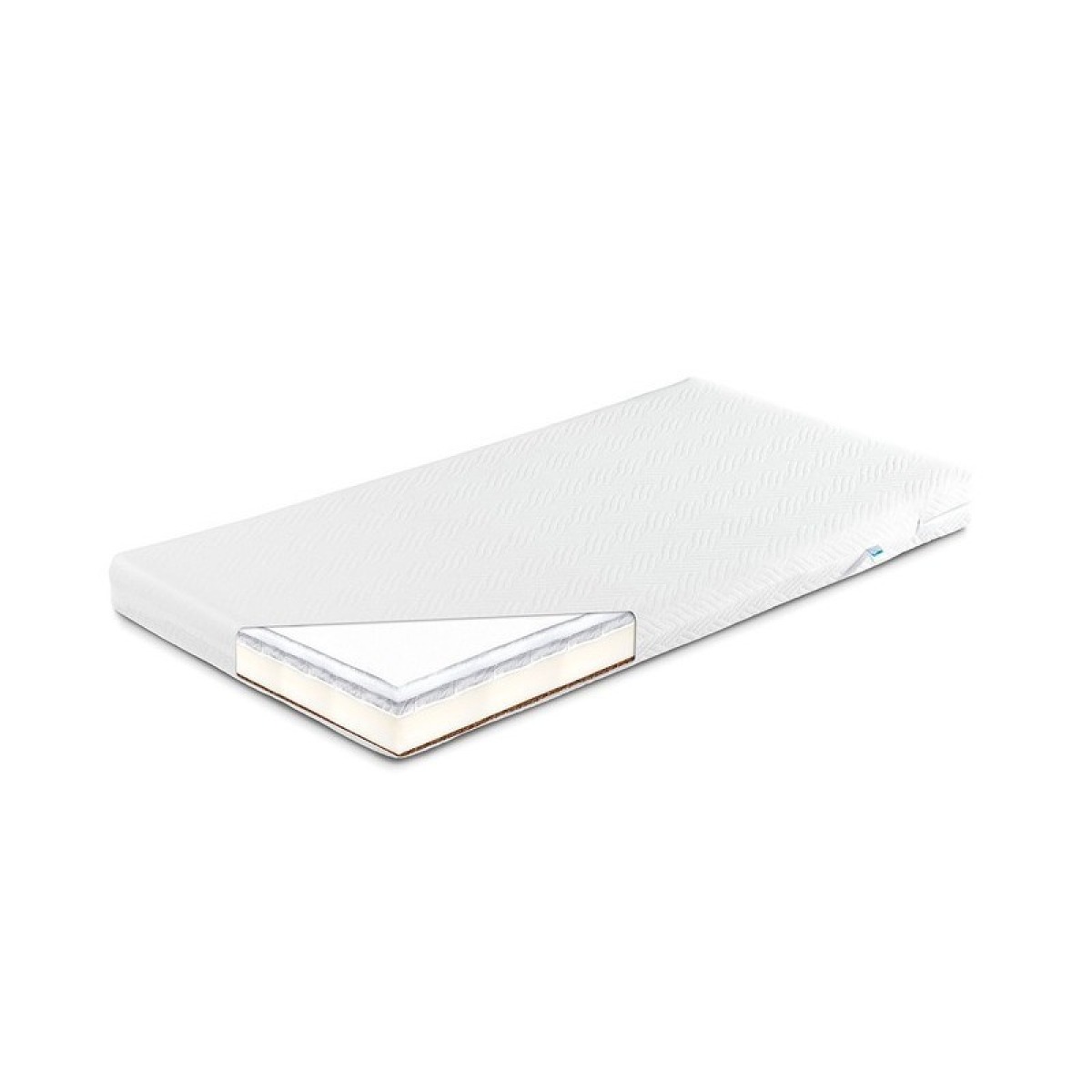
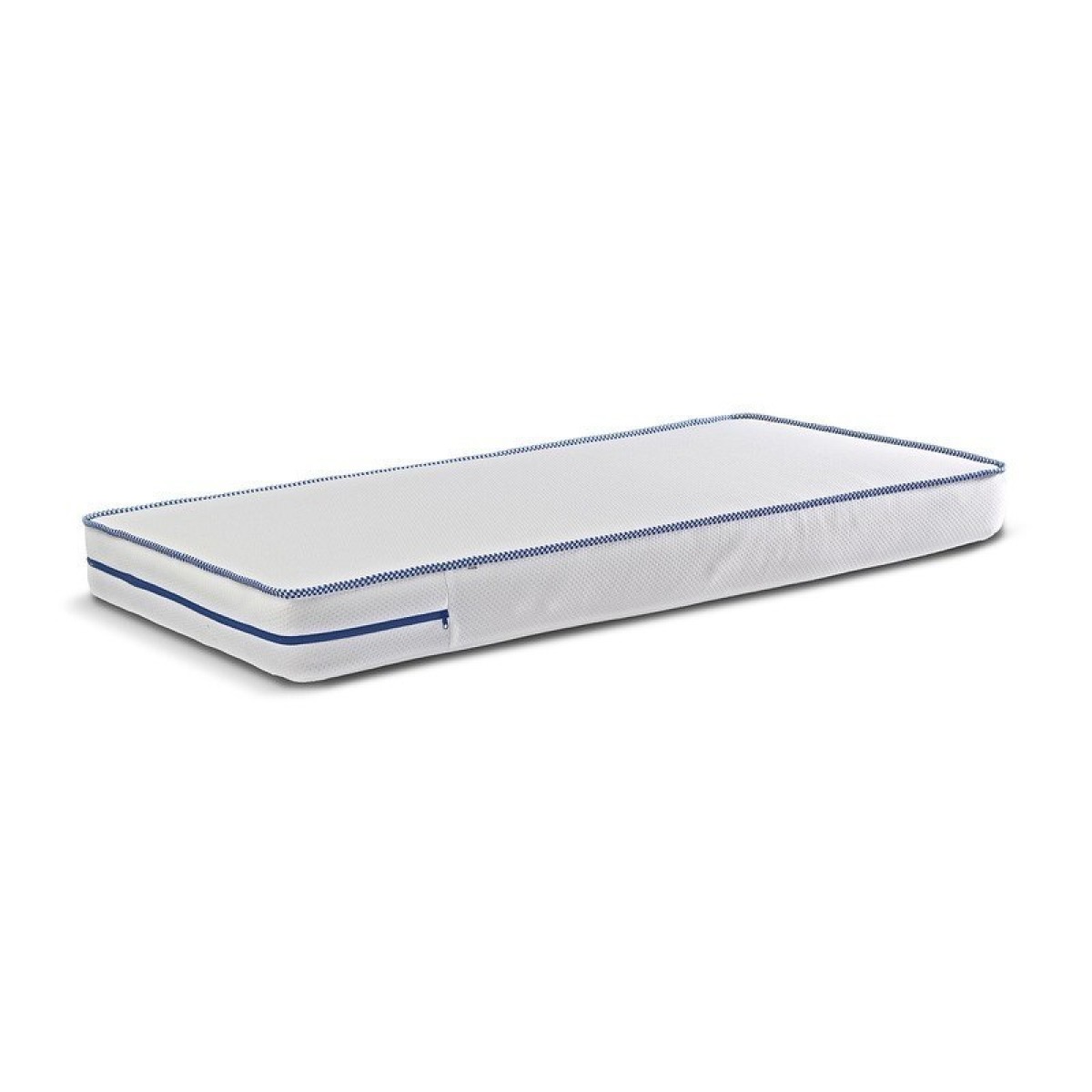
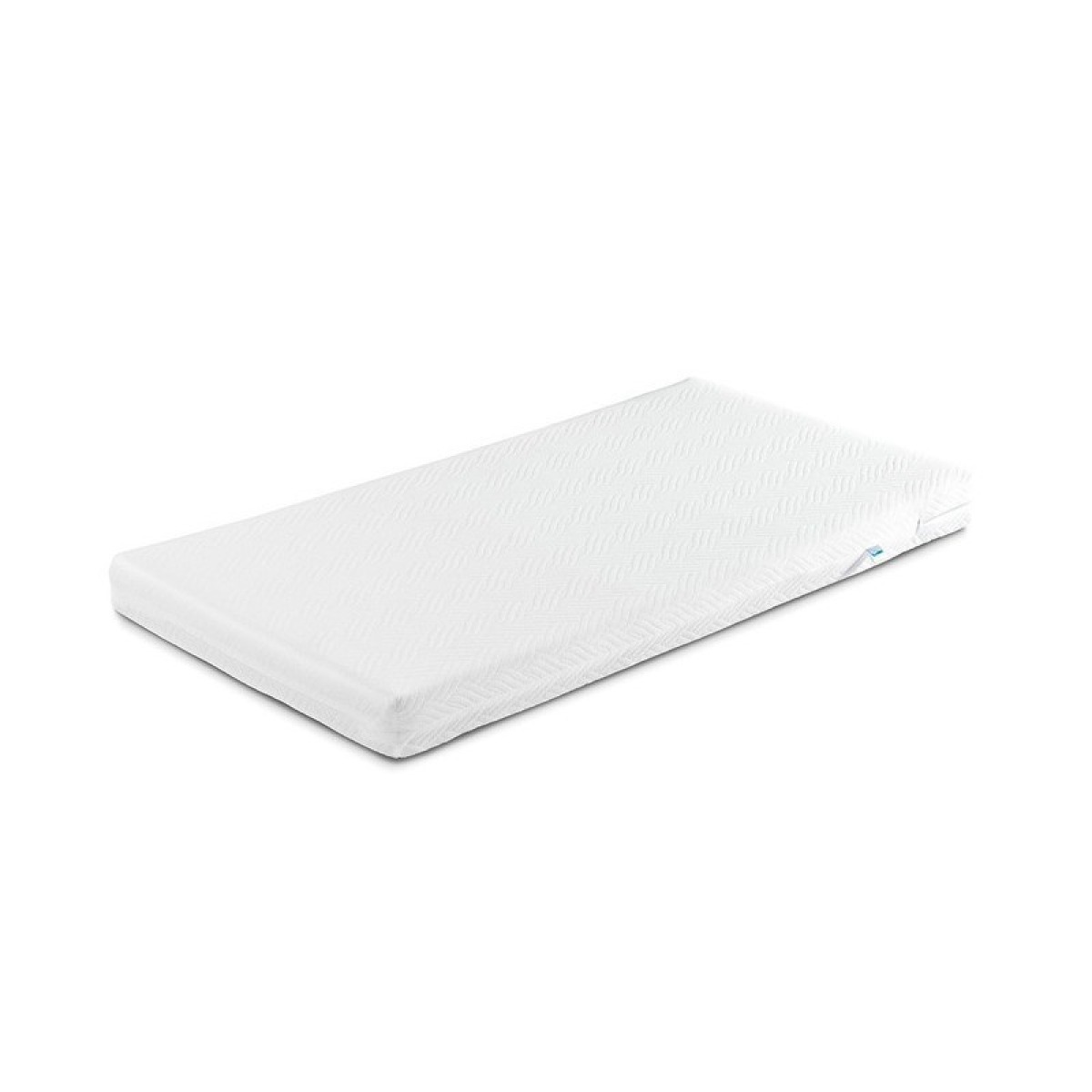
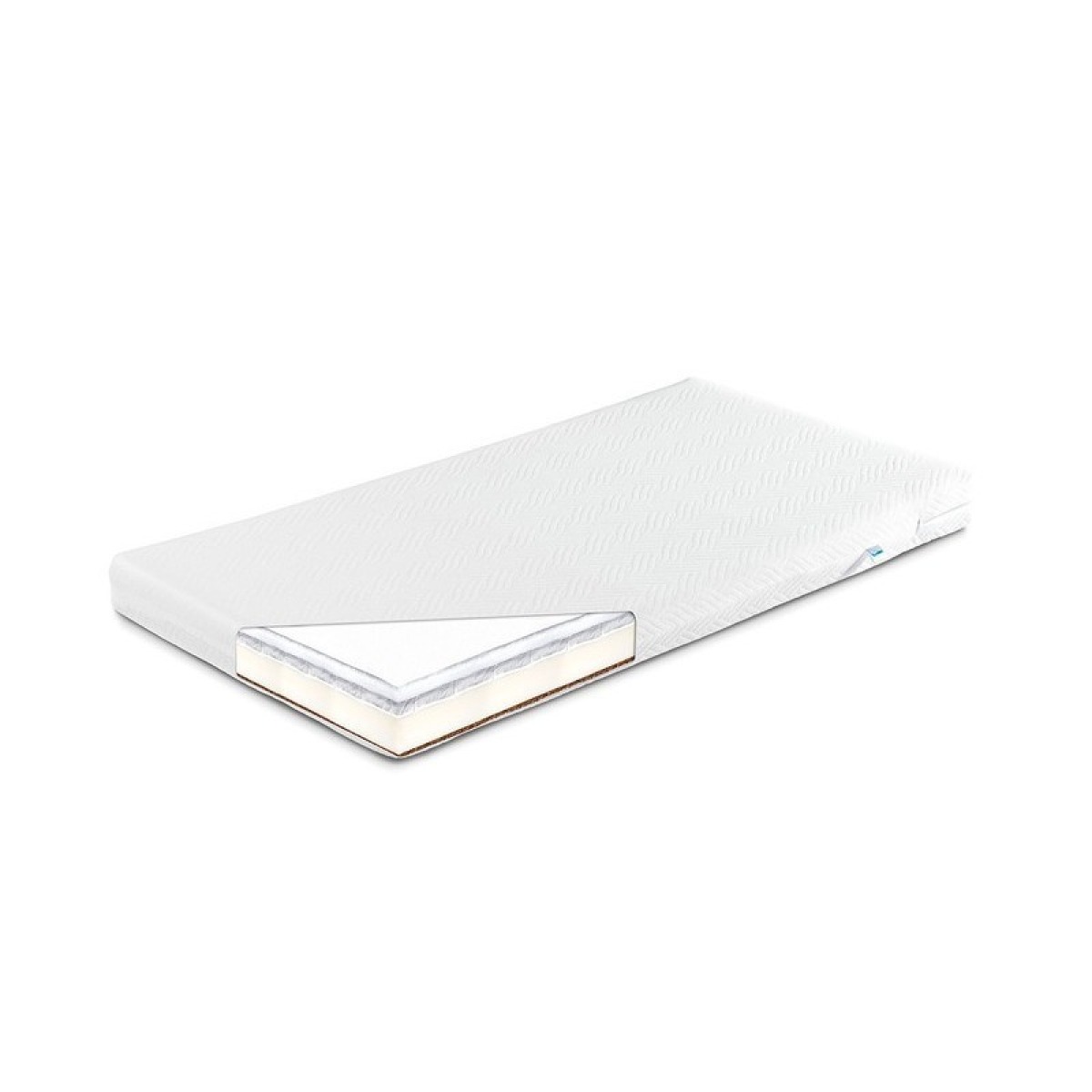
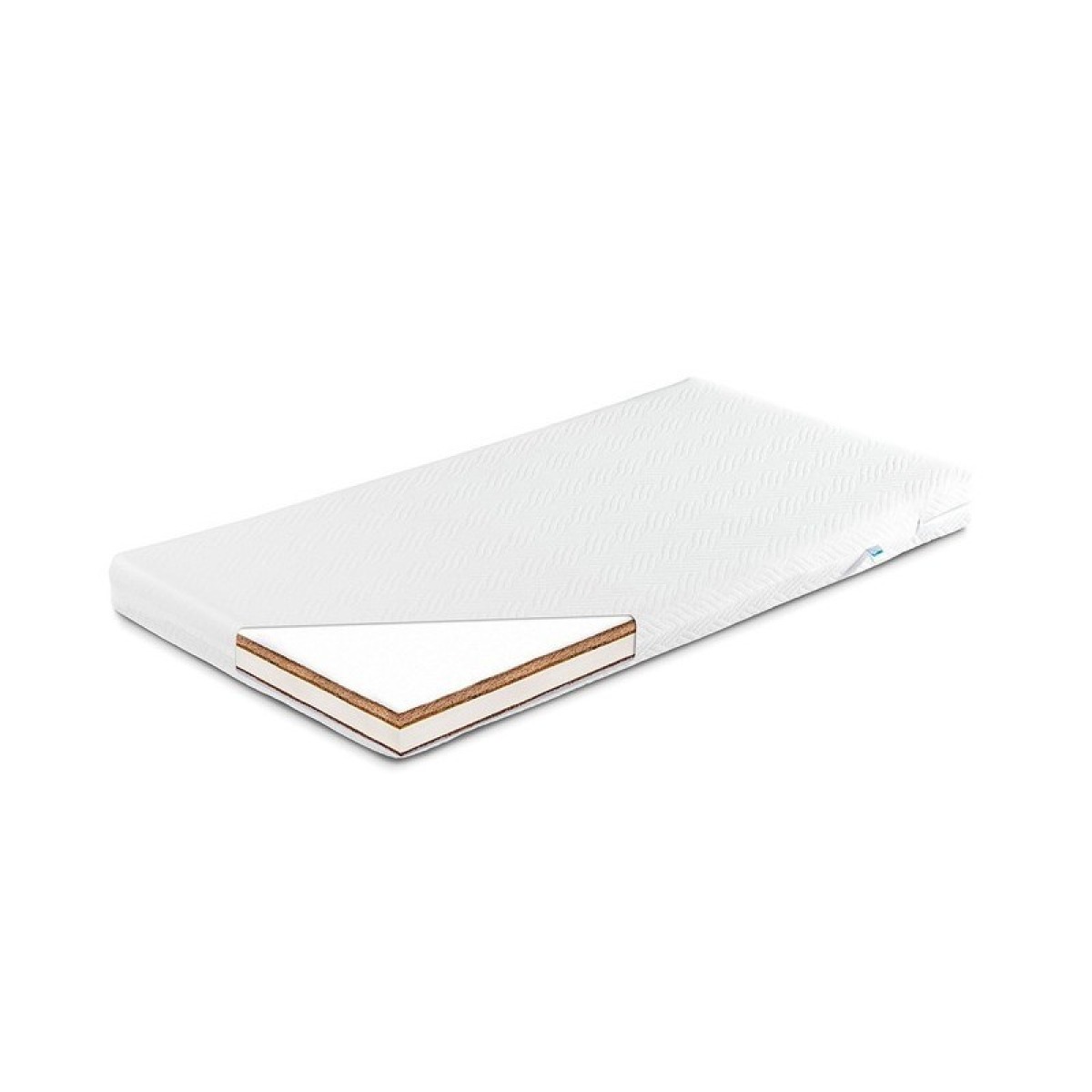
Mattresses are a crucial part of the kids' room, for children's beds and for babies' sleep. Here you'll find the right solution for a cot as well as for larger children's beds: common sizes range from 90×40 to 140×70, and 120×60 is especially popular. It's important to choose a mattress that supports your child's comfort all night long and helps maintain good sleep habits at home, at nursery or even when travelling. When choosing a good mattress, look at the material, the mattress height (e.g. 8–15 cm) and the construction, such as multi-layer designs, double-sided
compositions and zoned options for toddlers.
For children and babies, how the material responds to warmth and body shape also plays a role: for example, viscoelastic or latex foam fillings adapt to the body, while buckwheat foam or coconut provide natural support. If you're looking for a practical solution, travel mattresses are designed for life on the move and help keep a familiar resting environment for your child even away from home. It's important that the cover is easy to use and the mattress easy to care for, so that sleep stays fresh and sound.
A child's mattress must suit the child's age and the type of bed. For toddlers and babies, stable support and a material that ensures comfortable sleep all night are usually what matter most. With cot mattresses, attention is also paid to breathability and how the filling behaves under body weight. For a child's bed, make sure the mattress has the right firmness and height and suits your child's movement during sleep.
It helps to consider three things at once when deciding: size, filling material and mattress construction. This category covers smaller baby sizes as well as the common children's size of 120×60. In terms of construction, you'll find single- and double-sided designs and layer combinations that offer different feels and levels of comfort.
The filling and cover material of a mattress directly affect how it feels and how well it adapts. For many, buckwheat foam and coconut have the advantage of being close to nature: they offer firm support and help maintain good balance during sleep. Latex foam solutions are valued for their elasticity and the way they adapt to body shape, which can suit both babies and older children.
PUR foam fillings are often chosen for their practicality and even comfort. Visco and visco-coconut or visco-latex combinations are known for adapting to temperature and body shape to support comfortable rest. If you want variety or need a versatile feel, it's easy to find a suitable compromise among double-sided and multi-layer mattresses.
The height of a child's mattress usually accounts for much of how it feels. This range includes different heights, for example around 8–15 cm, and height also helps the mattress fit more securely in the bed. Babies and toddlers are often more comfortable when the mattress is supportive enough and doesn't feel too "soft". At the same time, a good mattress doesn't always mean the firmest option, but rather the right balance.
The feeling of firmness is also influenced by the filling layers and the combination of materials. For example, buckwheat foam + coconut layers can give a firmer sense of support, while visco or latex adds softer adaptation. For toddlers and growing children, it's worth choosing a mattress that doesn't lose its supportive properties over time and keeps its shape.
When choosing a mattress, start from your child's everyday needs and where the mattress will go. For a cot it's important that the size fits exactly, to avoid unnecessary gaps and ensure an even sleeping surface. For a child's bed, check that the mattress is comfortable enough for daytime naps too.
If your family often visits friends or travels, travel mattresses are a simple way to ensure your child sleeps somewhere familiar. They are designed for compact storage and life on the move, and help keep your child's rest time a routine.
For babies and toddlers it's especially important that the mattress provides stable support and feels pleasant. Many prefer natural materials or allergy-friendly properties, but it's always worth checking the specific product composition. With zoned and double-sided designs, it's good if the mattress allows a comfortable position and a different feel at different stages of your child's growth.
If you're looking for a mattress in a specific size for a child's bed, a cot or for travel, the range in this category is built around exactly these combinations of sizes and fillings.
MIU Kids
A quiet word about cookies
Necessary cookies are already on, so your basket and checkout can work. Analytics cookies stay off until you accept. Until then Google may receive a cookieless visit signal so we can count visits. It is not used for advertising. Accept all cookies, or keep only the necessary ones. Both are one click. We remember your choice for six months, and you can change it at the bottom of the page. Privacy notice
Analytics cookies wait for a yes
MIU Kids
Choose what stays on
Necessary
Always on. These keep the basket, checkout and the shop secure.
Analytics
No analytics cookie until you accept. A cookieless visit signal may still be sent. If you accept, Google Analytics shows which pages are used. It does not build advertising profiles.