
- New
In stock · 1–3 business days1–3 business days
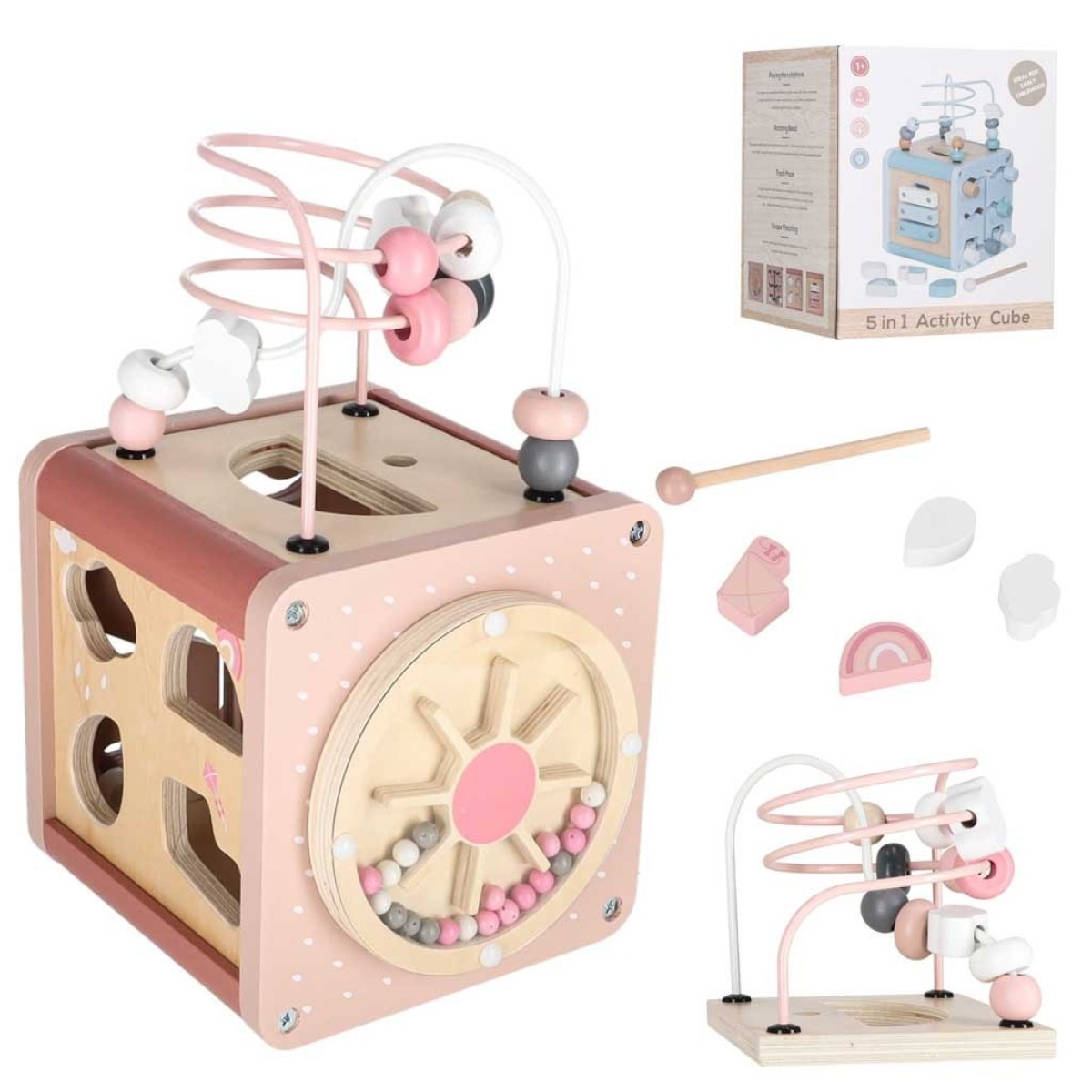
About the collection
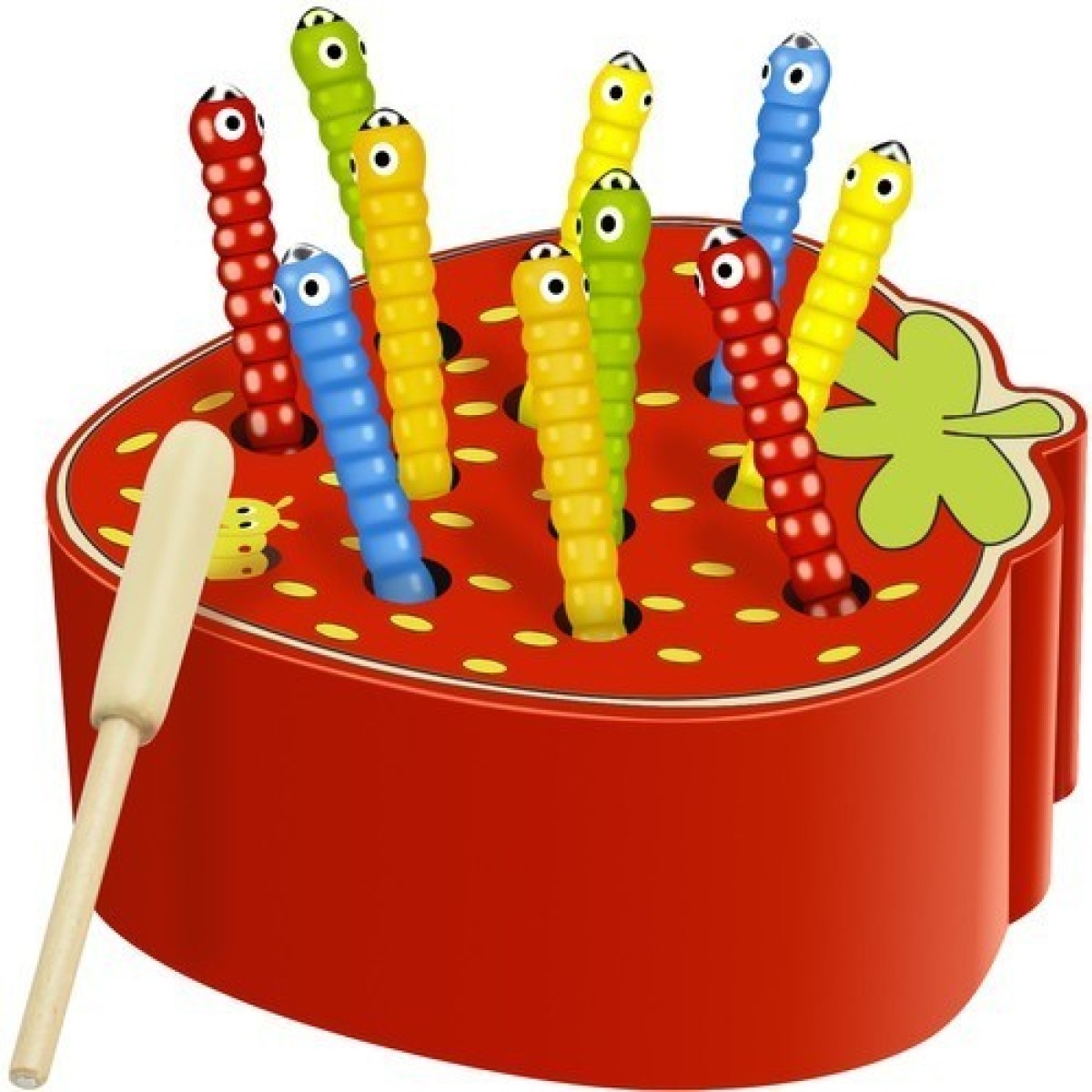
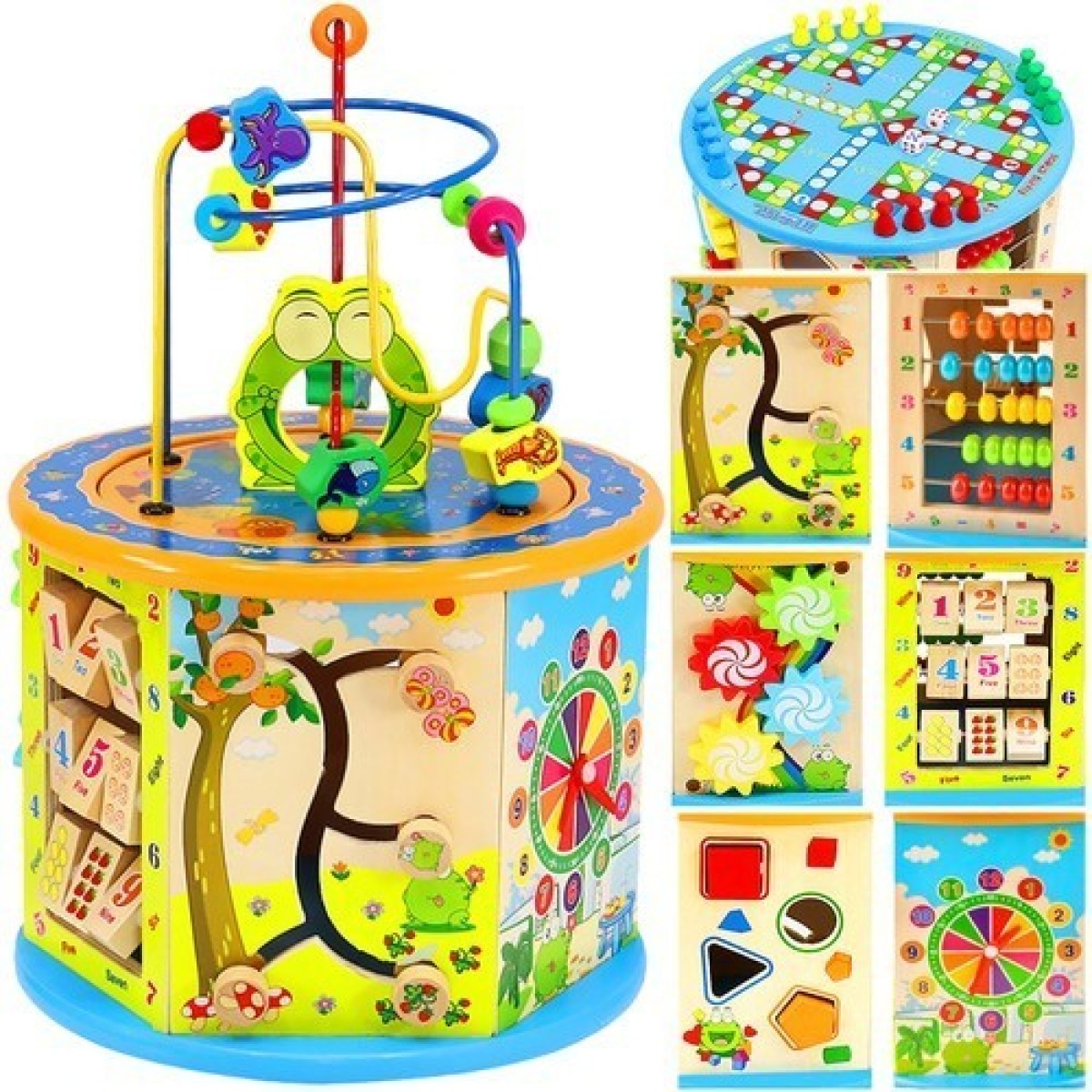
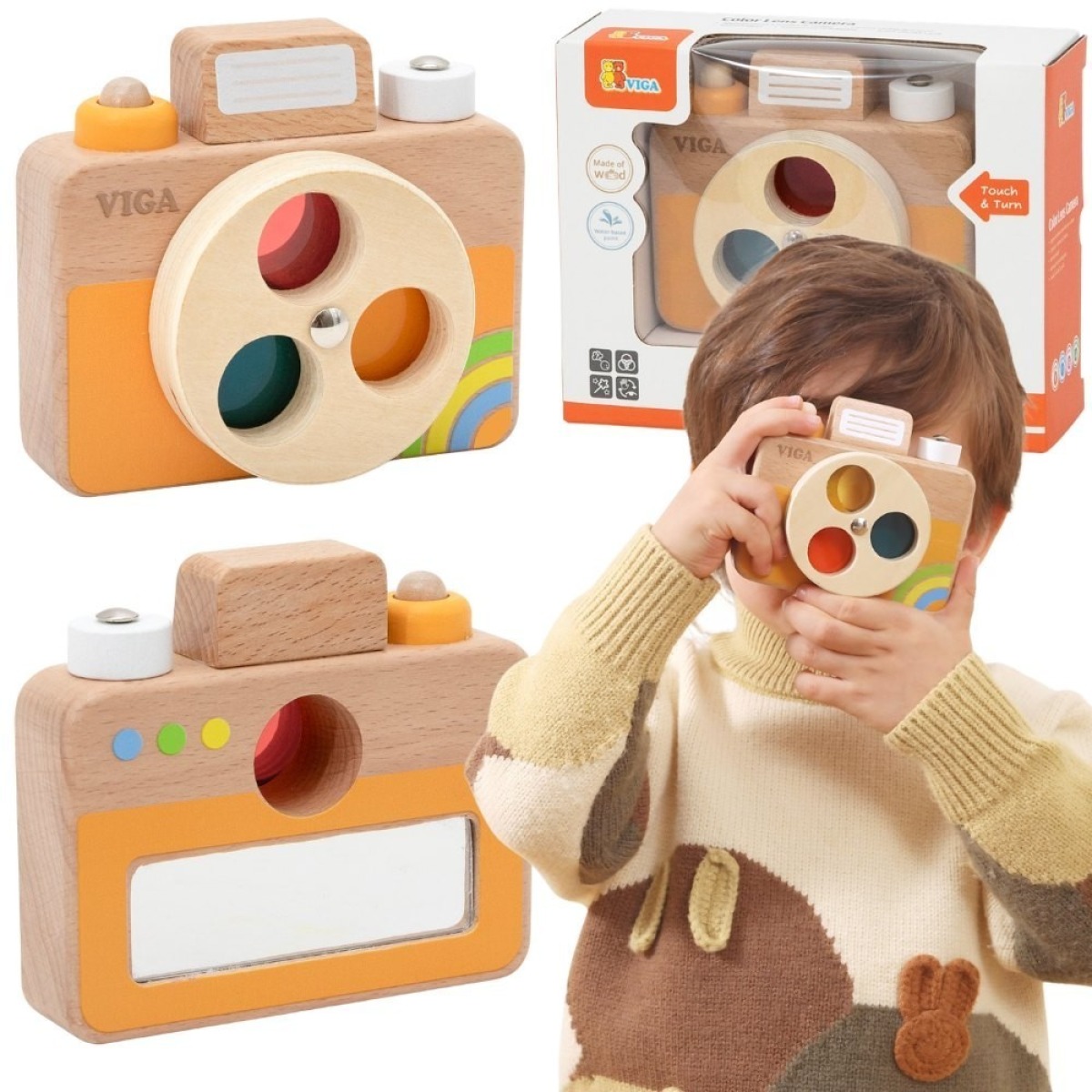
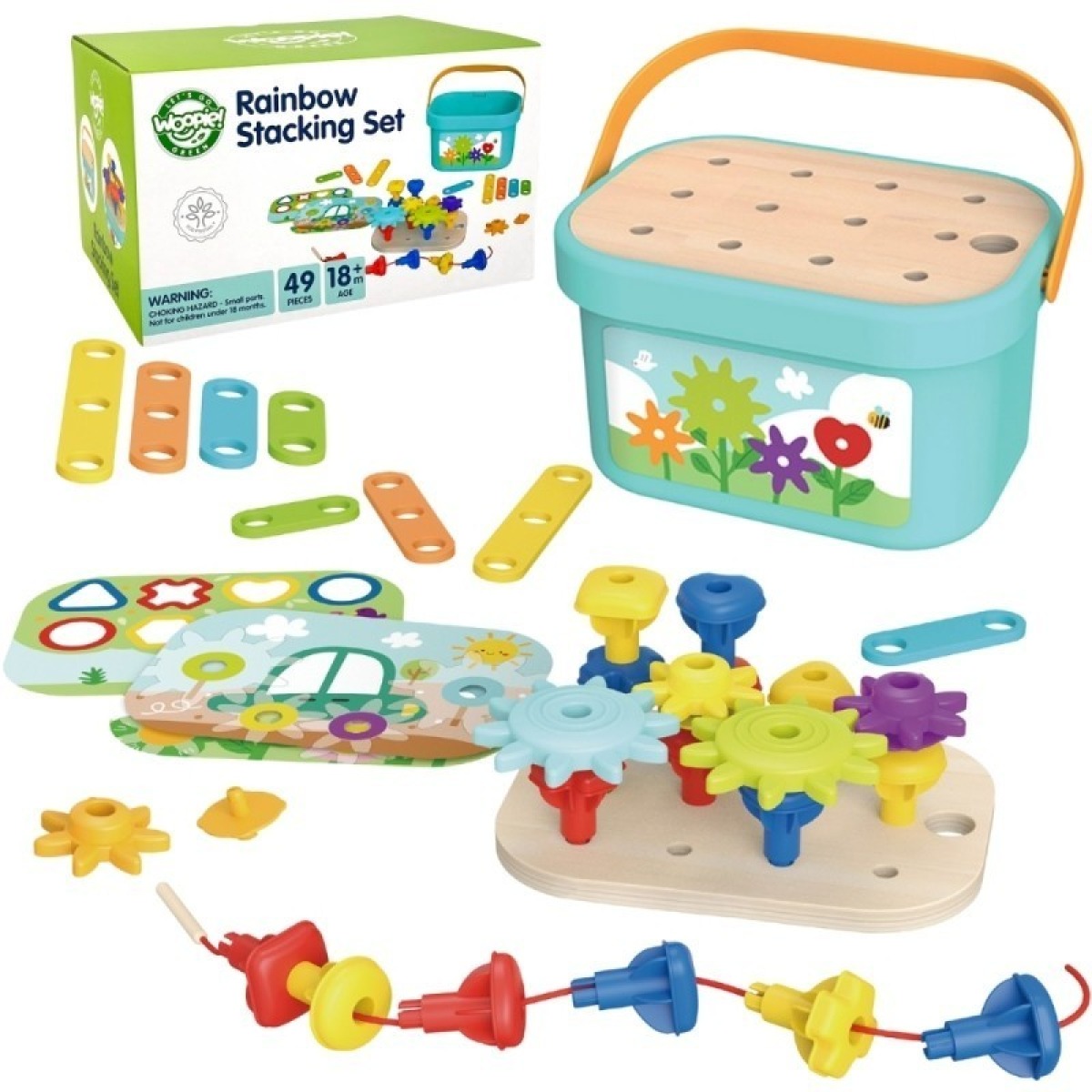
Wooden motor skills toys invite little hands to grasp, turn, thread and slide. They support fine motor skills and hand–eye coordination, letting babies and toddlers progress at their own pace. You'll find bead mazes, shape...
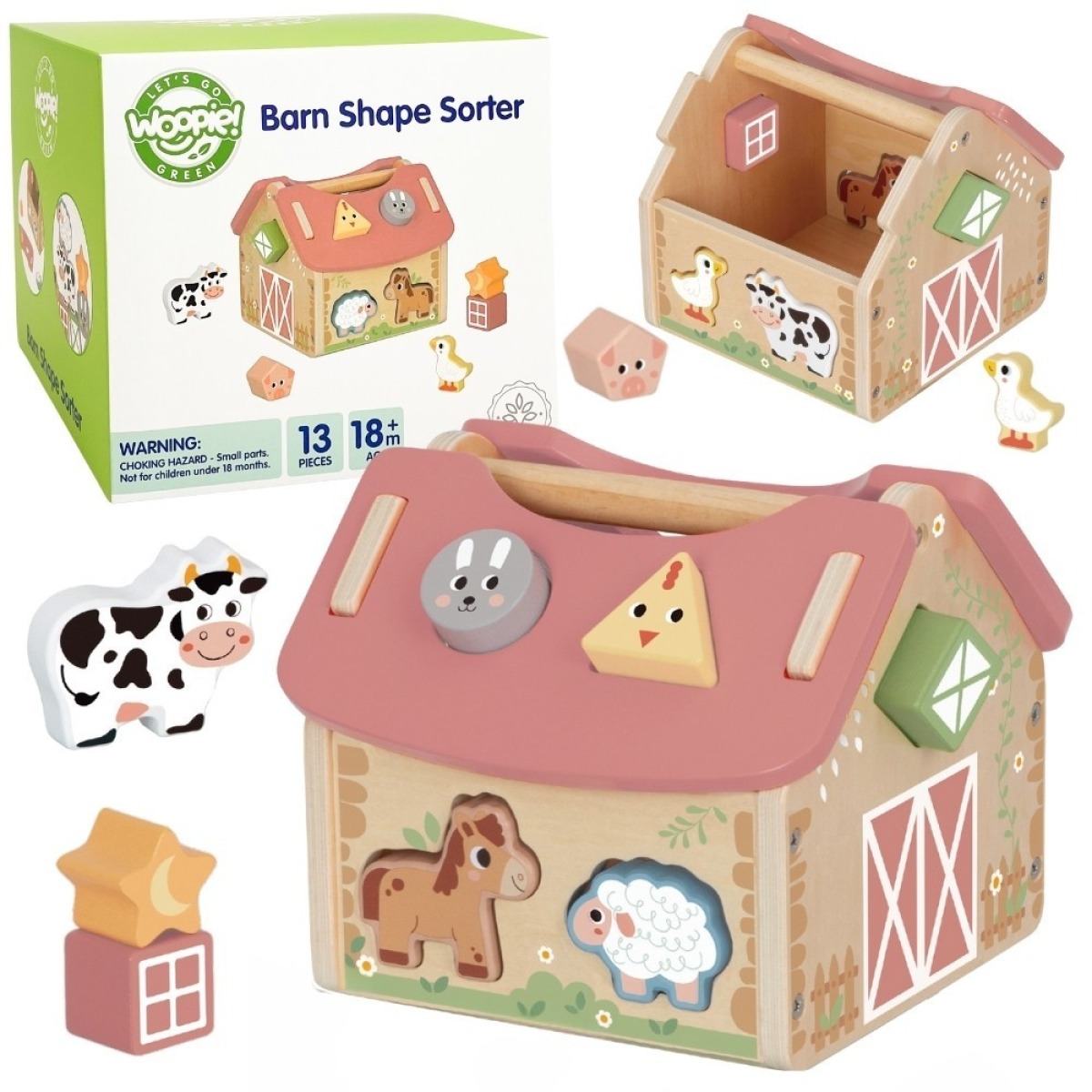
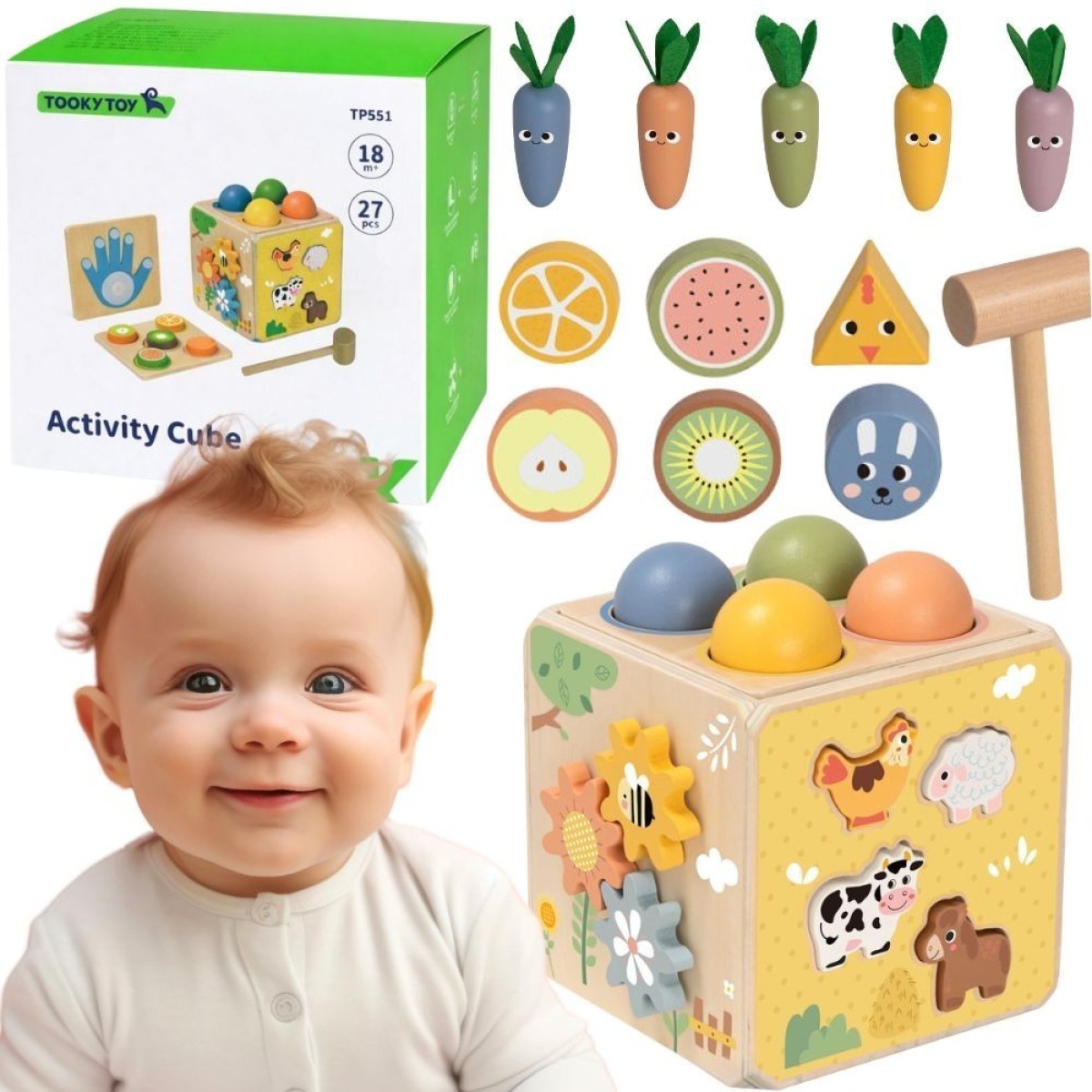
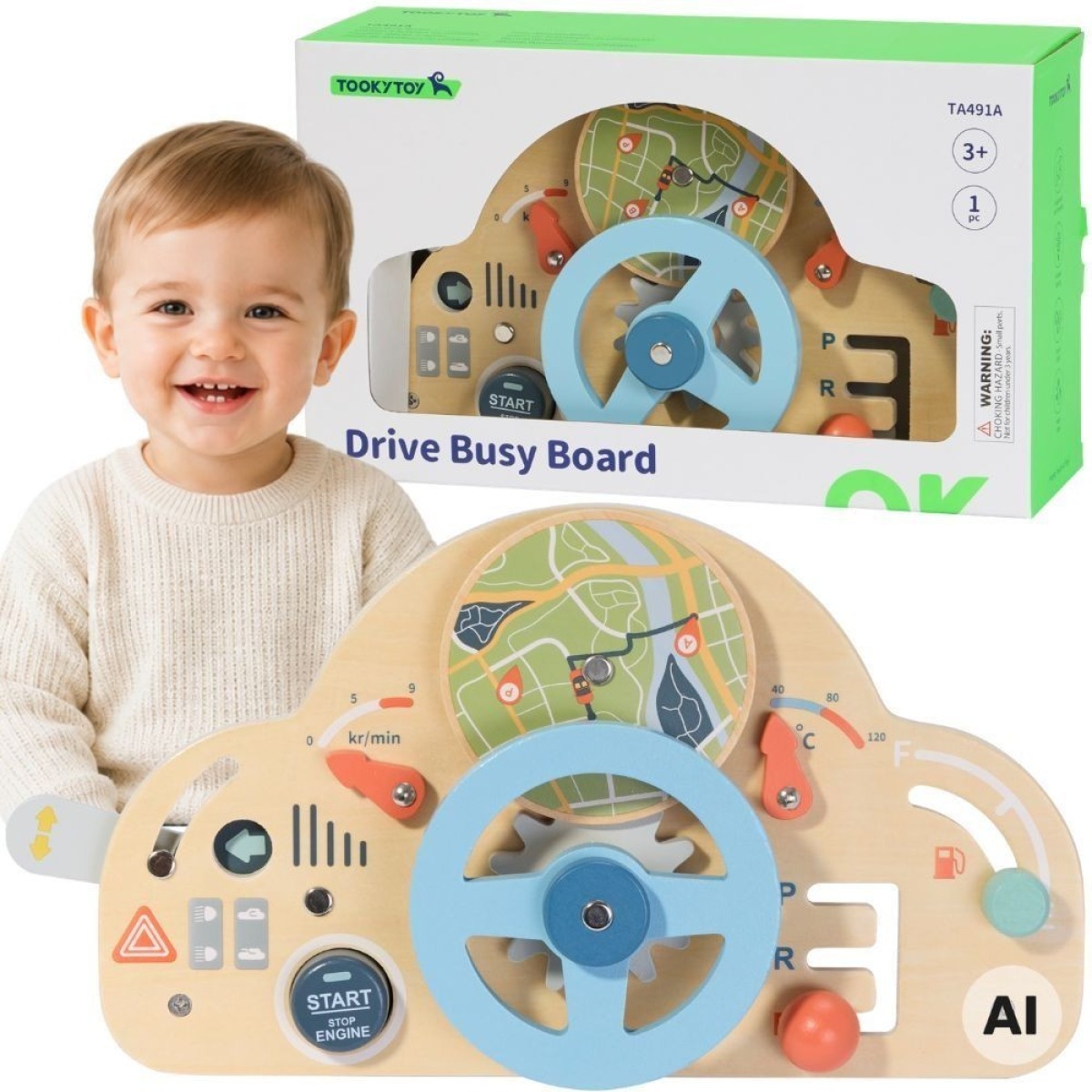
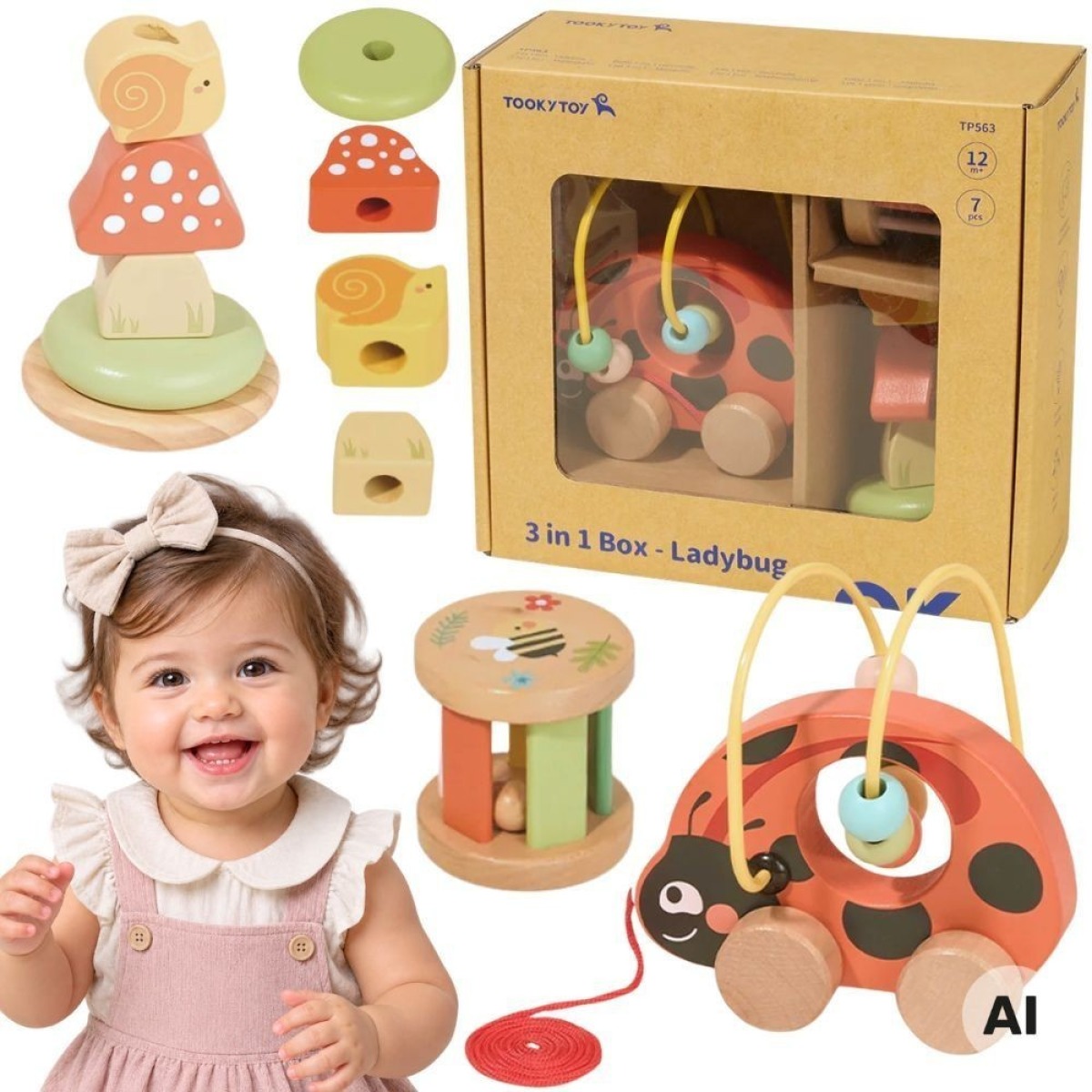
Category guide
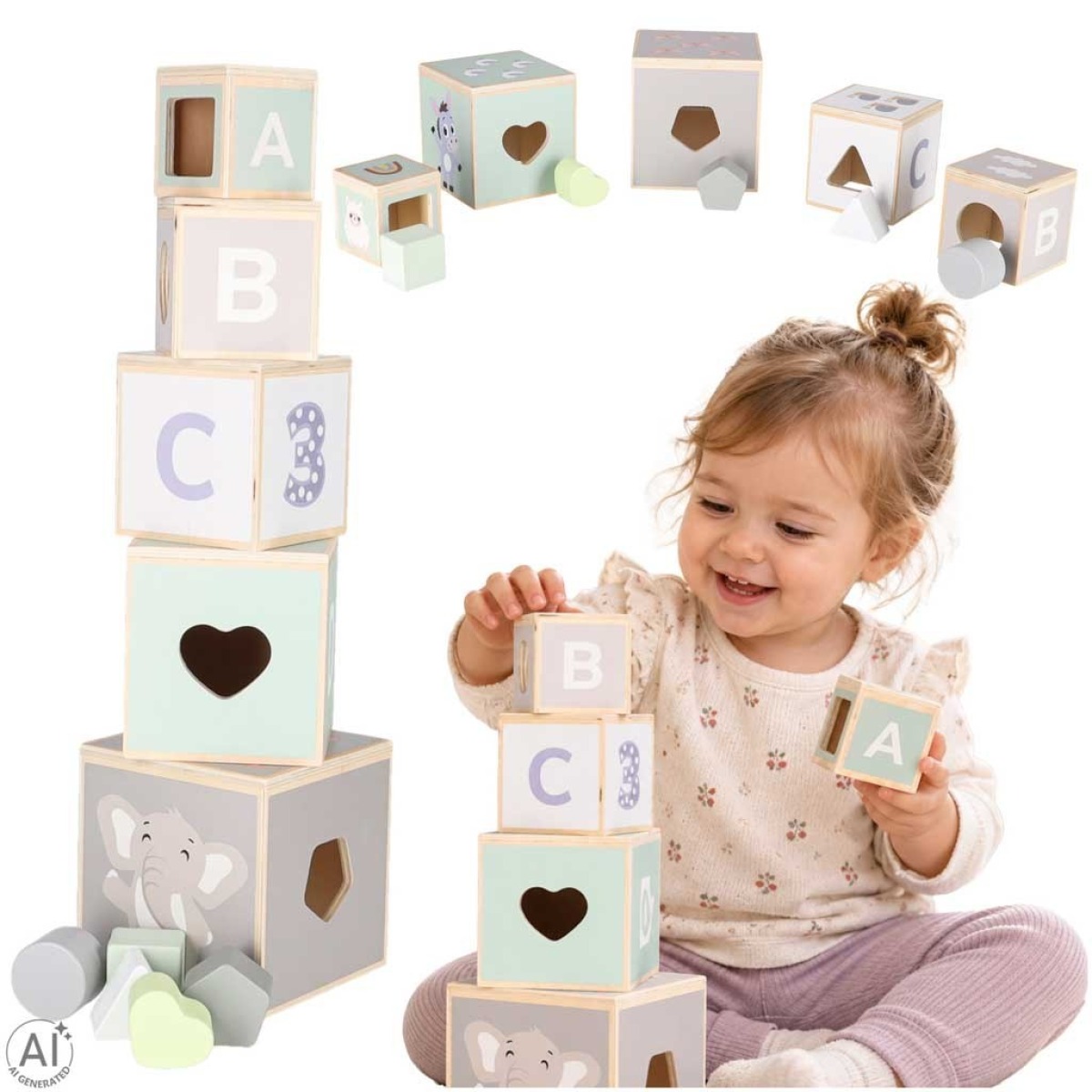
Wooden Motor Skills Toys are educational toys for children that support hand-eye coordination and the development of fine motor skills. They are particularly suitable for babies and toddlers, as the activity involves grasping, repetition and a steady pace. With motor skills toys, children can move, turn, position or thread the pieces – practising
finger precision and concentration. In nurseries and at home, these toys are also used for quieter developmental play in the nursery, where practical activities and pleasant-to-use materials are important. When choosing a suitable toy, look for one made of wood, with smooth edges and securely attached pieces.
Wooden motor skills toys are activity-based toys focused on control of the fingers and hands. Children need to follow where a piece moves while controlling their own movements. As a result, fine motor skills, hand-eye coordination and the ability to concentrate on one task for increasingly longer periods are strengthened.
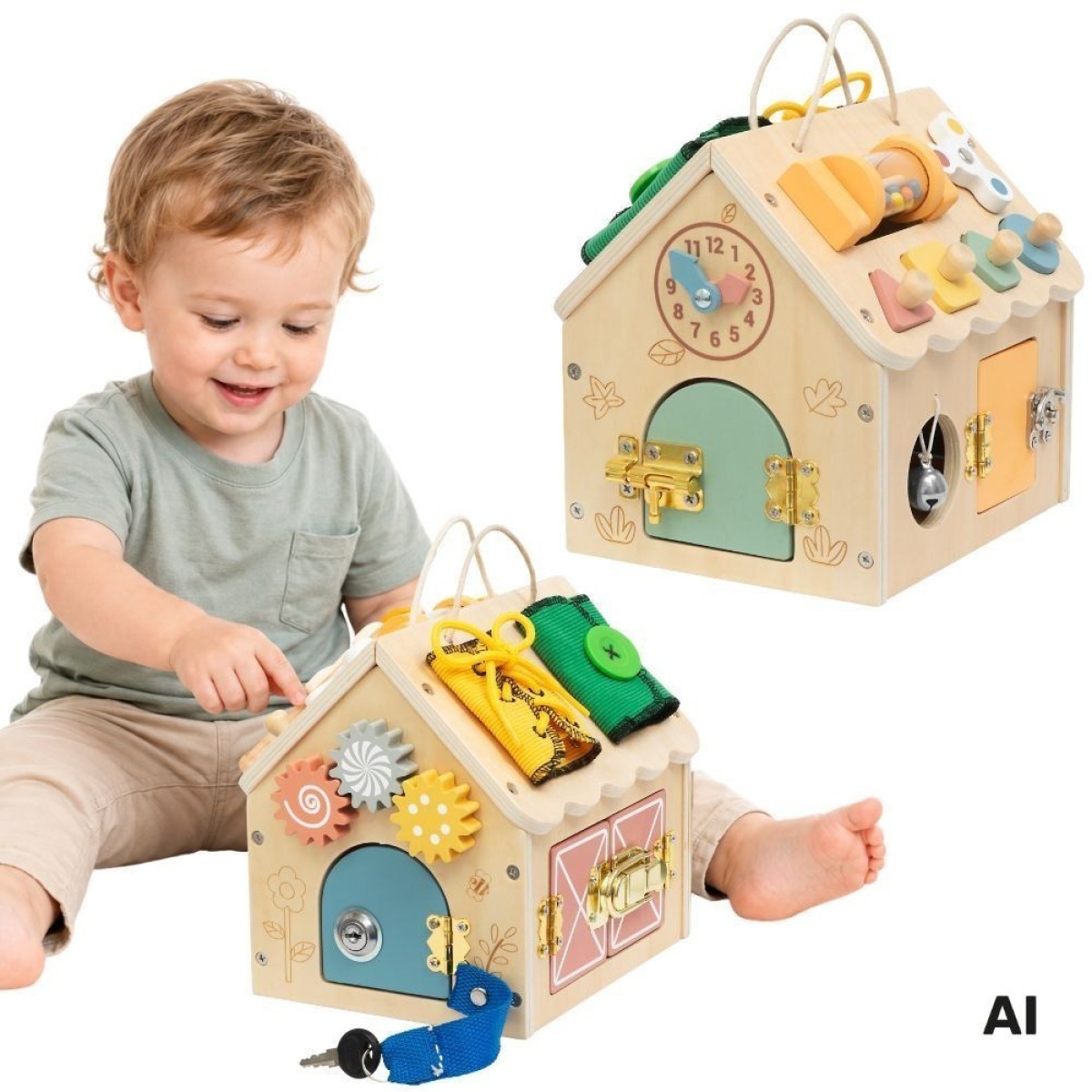
This category mostly features designs with beads, cords, blocks or other moving parts that travel along a set path. For example, a roller coaster, maze or threading activity creates a clear flow: children try, repeat and learn through experimentation. These children's toys support development both during independent play and when playing with an adult.
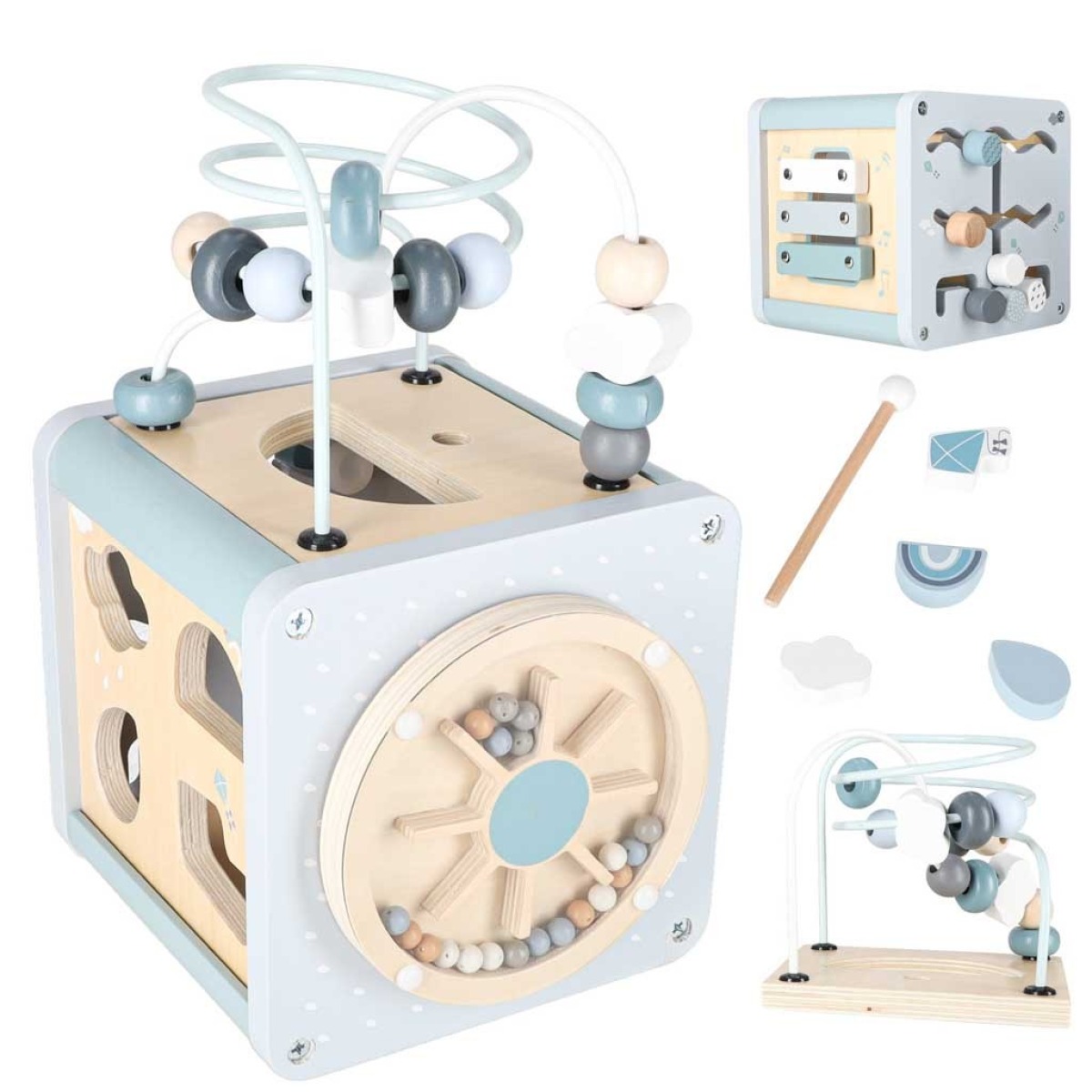
One of the most typical designs is a workbench-style activity centre with several activities arranged in a row. The decoration and colours attract attention, but the main focus is practising movements. Some designs rely on the rhythmic movement of beads, while others ask the child to guide a piece to the right place.
When looking for a suitable toy for a baby or toddler, try to choose by thinking about how it can be used. Can the child move the pieces easily, is the movement smooth, and does the task follow a logical step? Motor skills toys with interwoven elements or pieces guided along tracks often provide a good “stop and repeat point” and keep the child engaged.
Wooden motor skills toys fit well with Montessori-inspired activities, as children can make choices and repeat the same task at their own pace. This approach supports independence: the child tries, notes the result and carries on. This is especially practical in a child’s room at home, as the activity requires no complicated preparation.
Ease of use is important as well as development. Many toys in this style are visually clear: the activity area is all in one place, the parts are visible, and the child can immediately understand what to do next. This helps reduce confusion and keeps play engaging during both shorter and longer play sessions.
Although every child develops at their own pace, it is helpful to consider their level of manual skill when choosing a wooden motor skills toy. For babies and toddlers, it is worth starting with activities where the movements are intuitive and the parts move easily while the child is still practising control. Activities involving threading and defined tracks are often better suited to toddlers, with precision developing step by step.
One advantage of wood as a material is that children can feel it with their hands, and it fits into everyday routines in a child’s room. When a toy is a hit, it quickly becomes something to “play with again”, as the child wants to see the same result repeatedly. This makes practice genuinely worthwhile, rather than a one-off try.
Regular care helps keep wooden motor skills toys in good condition. In general, wiping the surfaces with a dry or slightly damp cloth and removing dust is enough to keep the beads and moving parts working smoothly. Before intensive use, check the parts’ attachments from time to time and make sure the toy remains stable.
If the toy is part of everyday developmental play, it is a good idea to keep it somewhere visible in the child’s room so the child can start playing independently. This helps make play a regular part of the routine, and practising motor skills becomes a natural part of the child’s daily activities.
MIU Kids
A quiet word about cookies
Necessary cookies are already on, so your basket and checkout can work. Analytics cookies stay off until you accept. Until then Google may receive a cookieless visit signal so we can count visits. It is not used for advertising. Accept all cookies, or keep only the necessary ones. Both are one click. We remember your choice for six months, and you can change it at the bottom of the page. Privacy notice
Analytics cookies wait for a yes
MIU Kids
Choose what stays on
Necessary
Always on. These keep the basket, checkout and the shop secure.
Analytics
No analytics cookie until you accept. A cookieless visit signal may still be sent. If you accept, Google Analytics shows which pages are used. It does not build advertising profiles.