
- New
On order 2–5 weeks2–5 weeks
About the collection
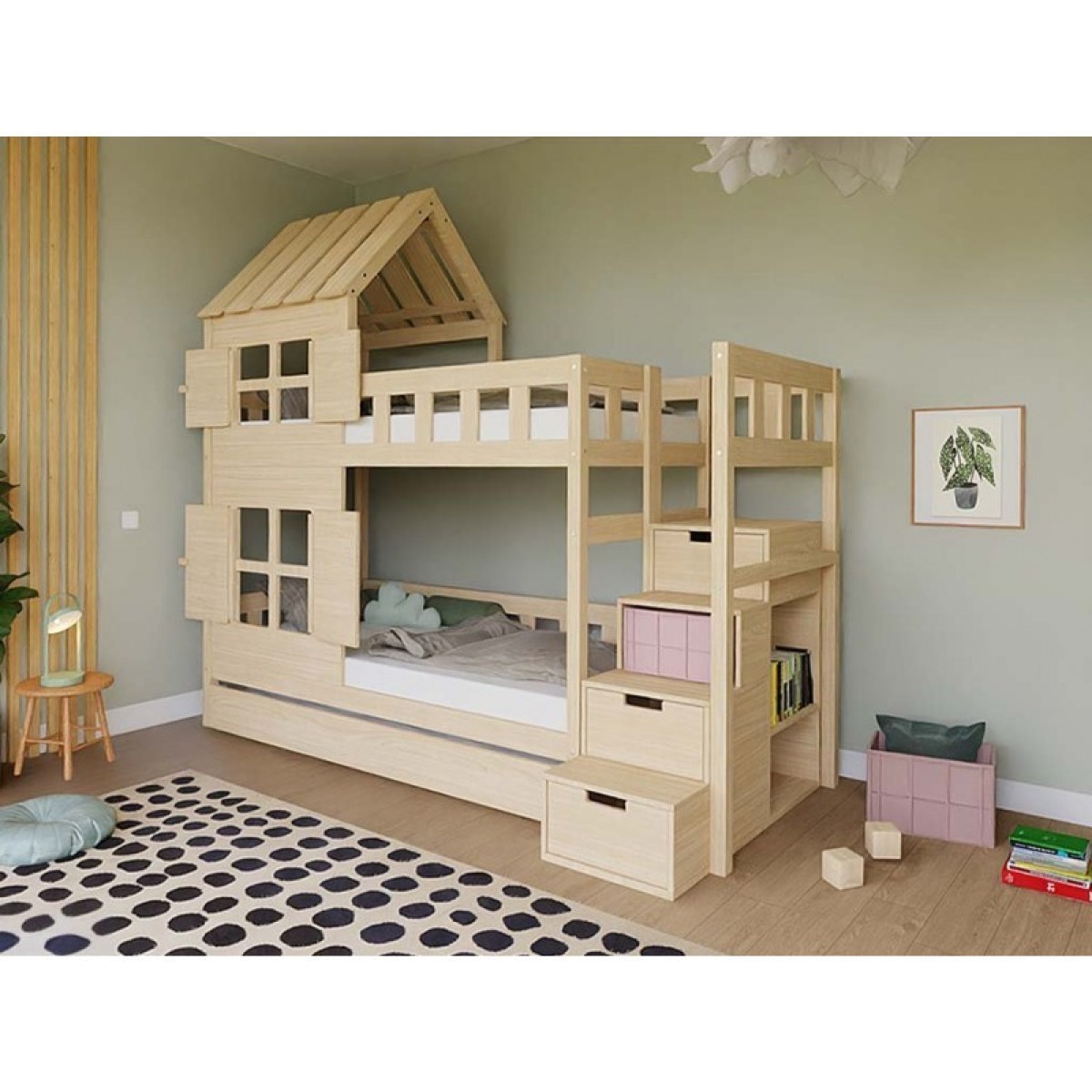
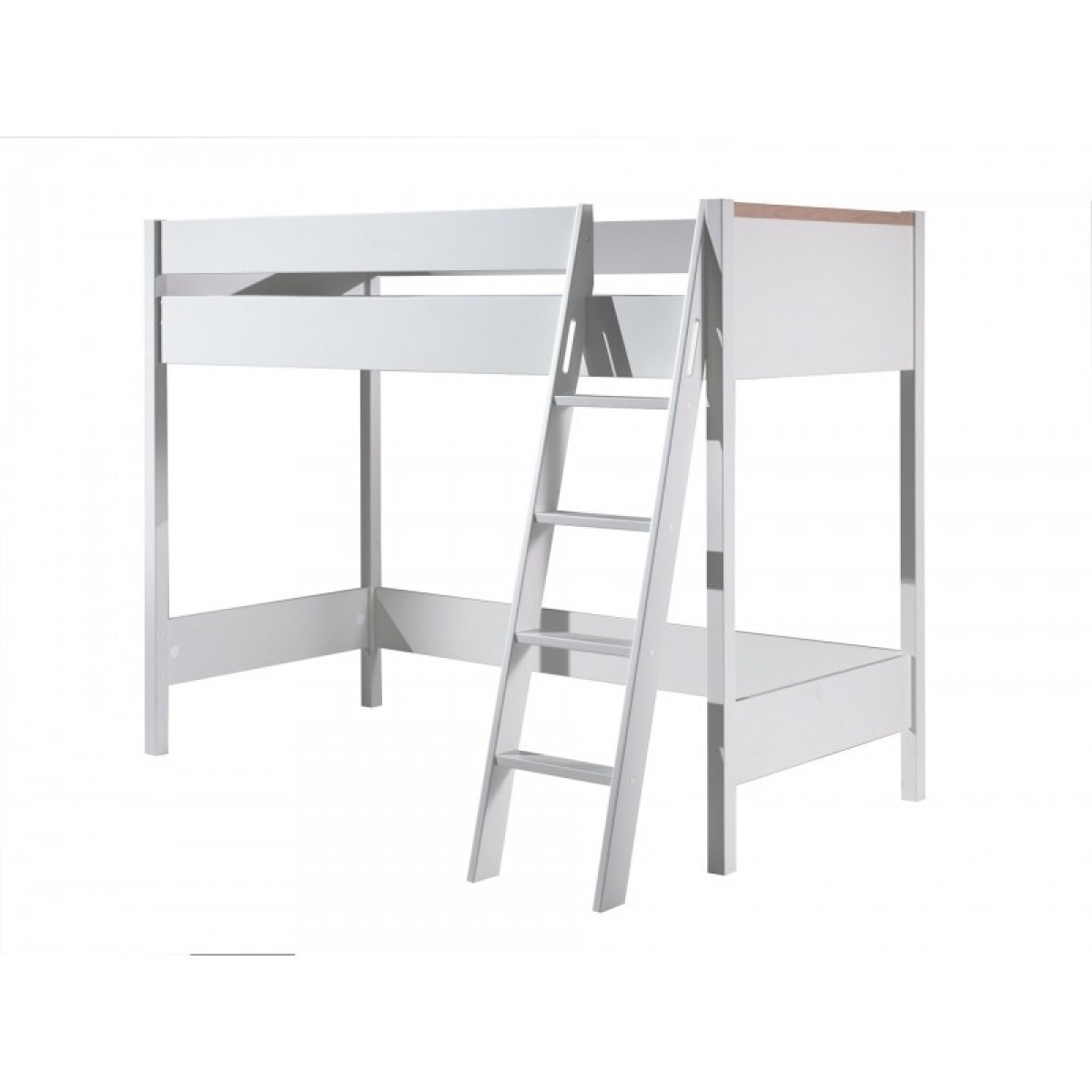
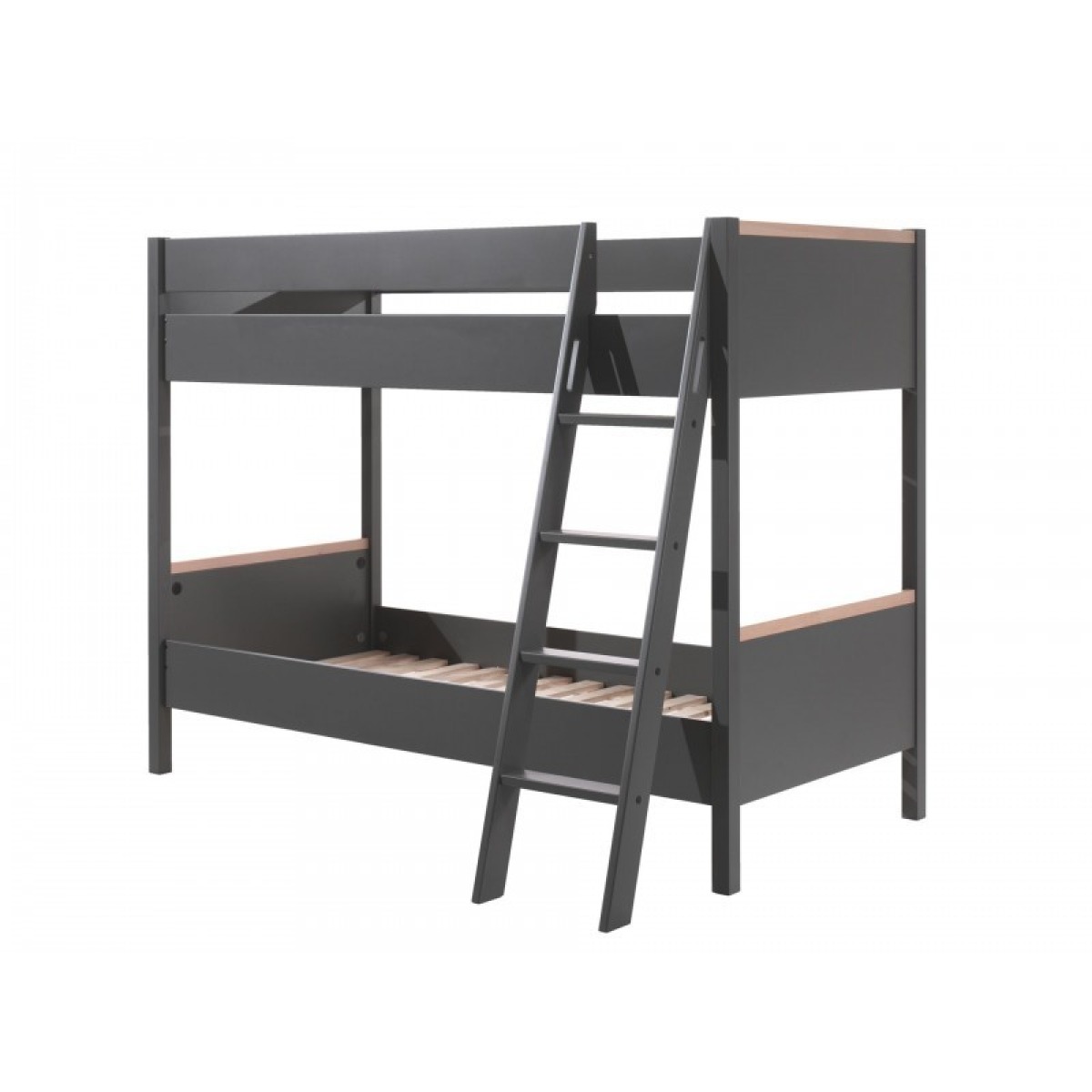
A bunk bed saves space and makes a shared room fun. It suits preschool and school-age children, and the top bunk is many children's dream. Check the safety rails, the sturdiness of the ladder and the manufacturer's age...
Category guide
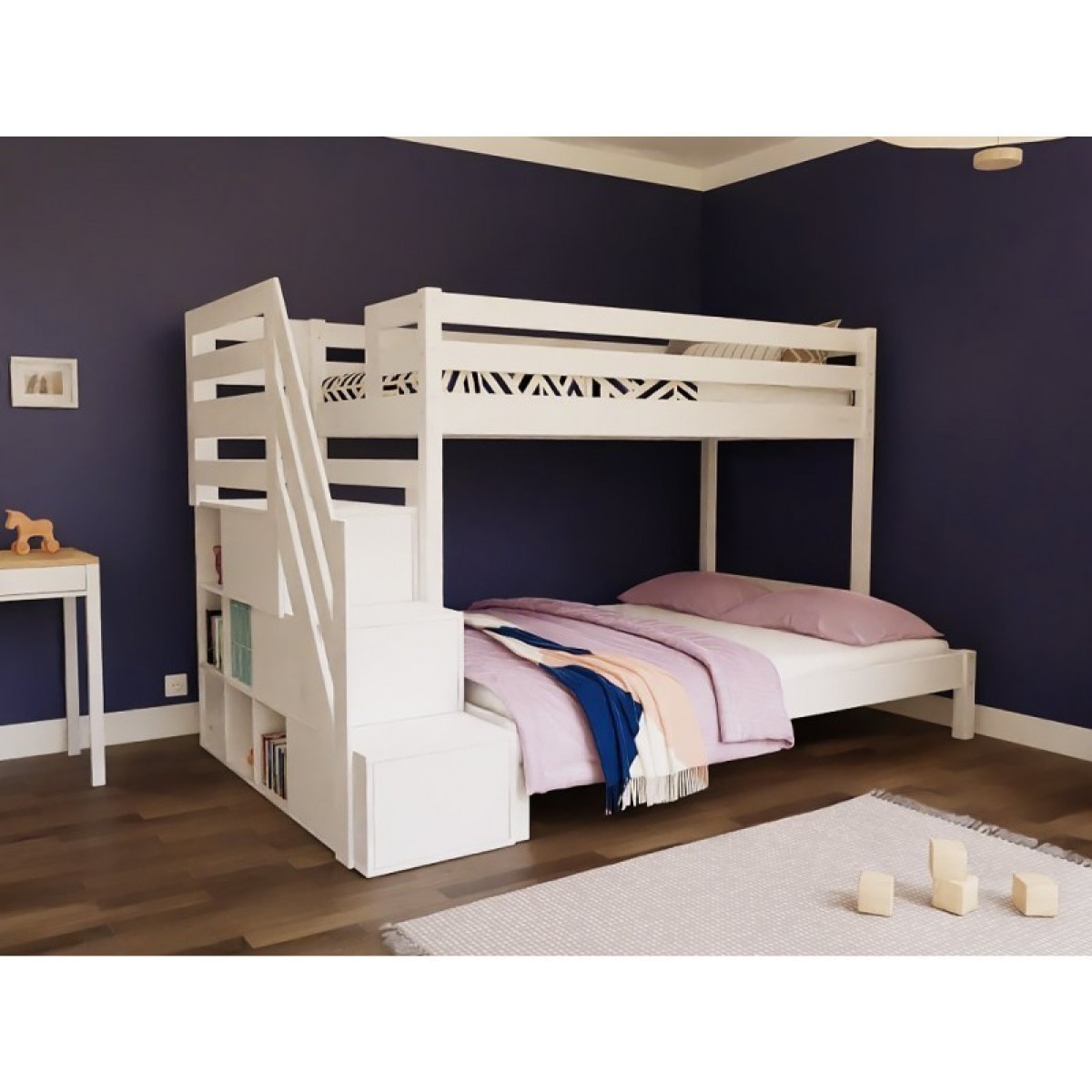
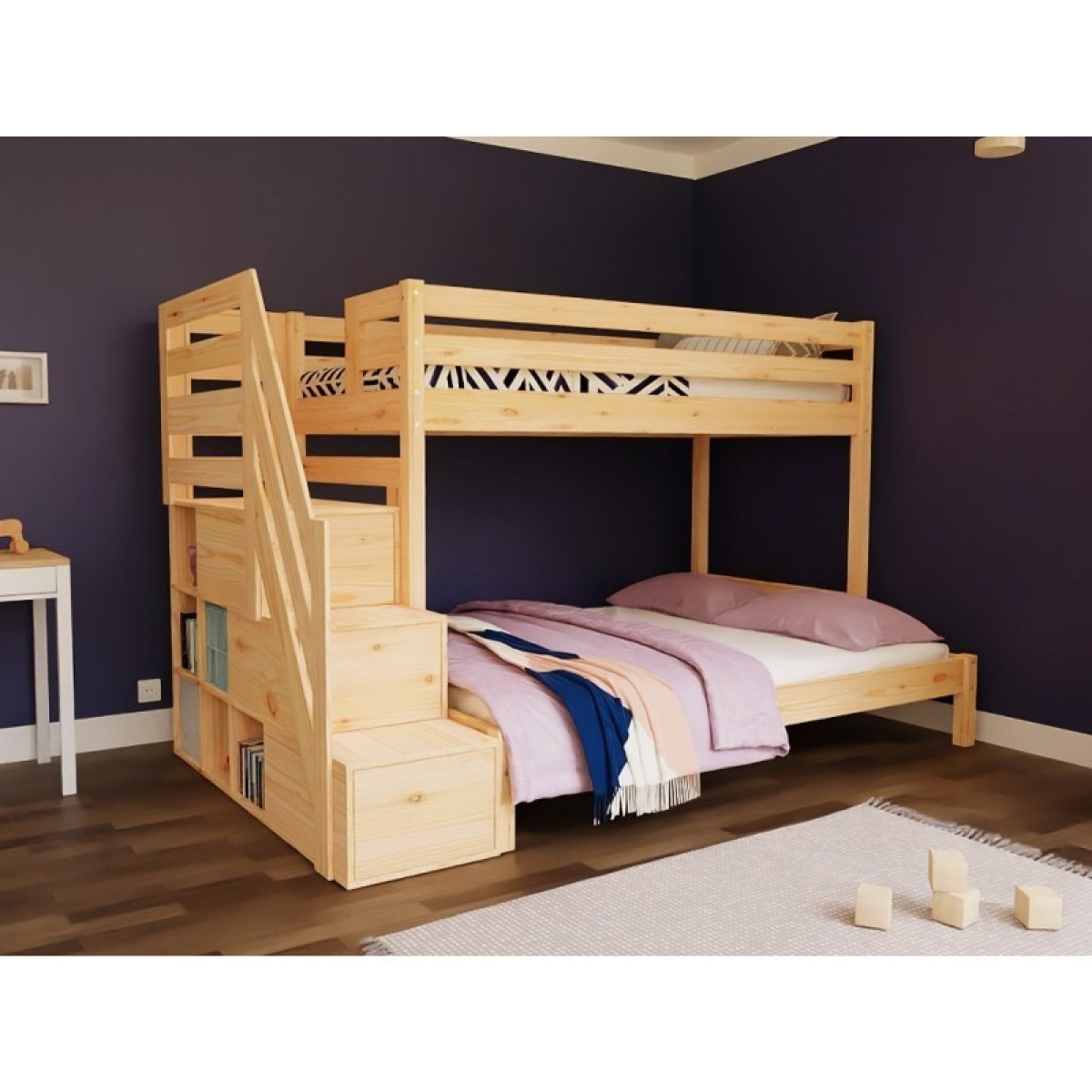
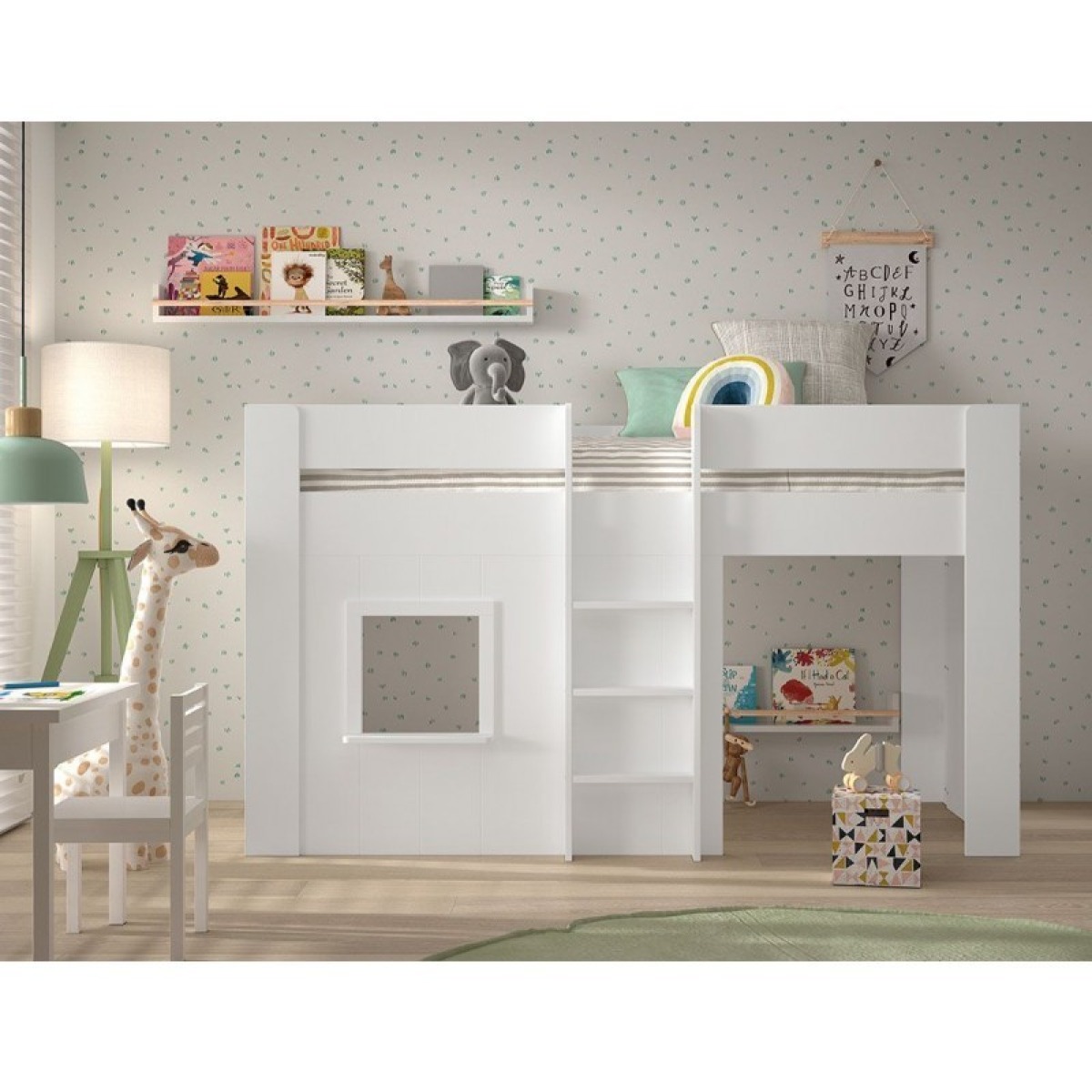
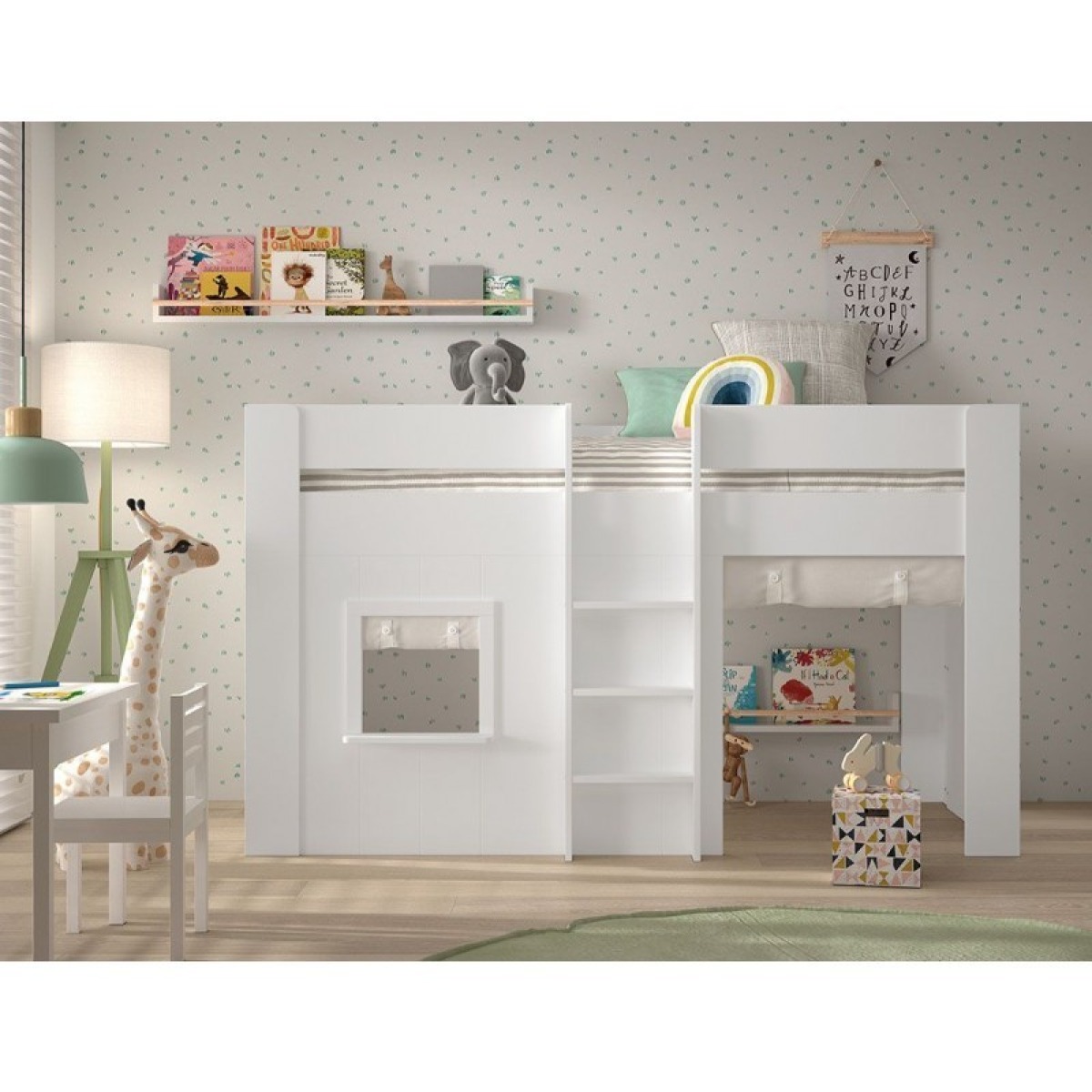
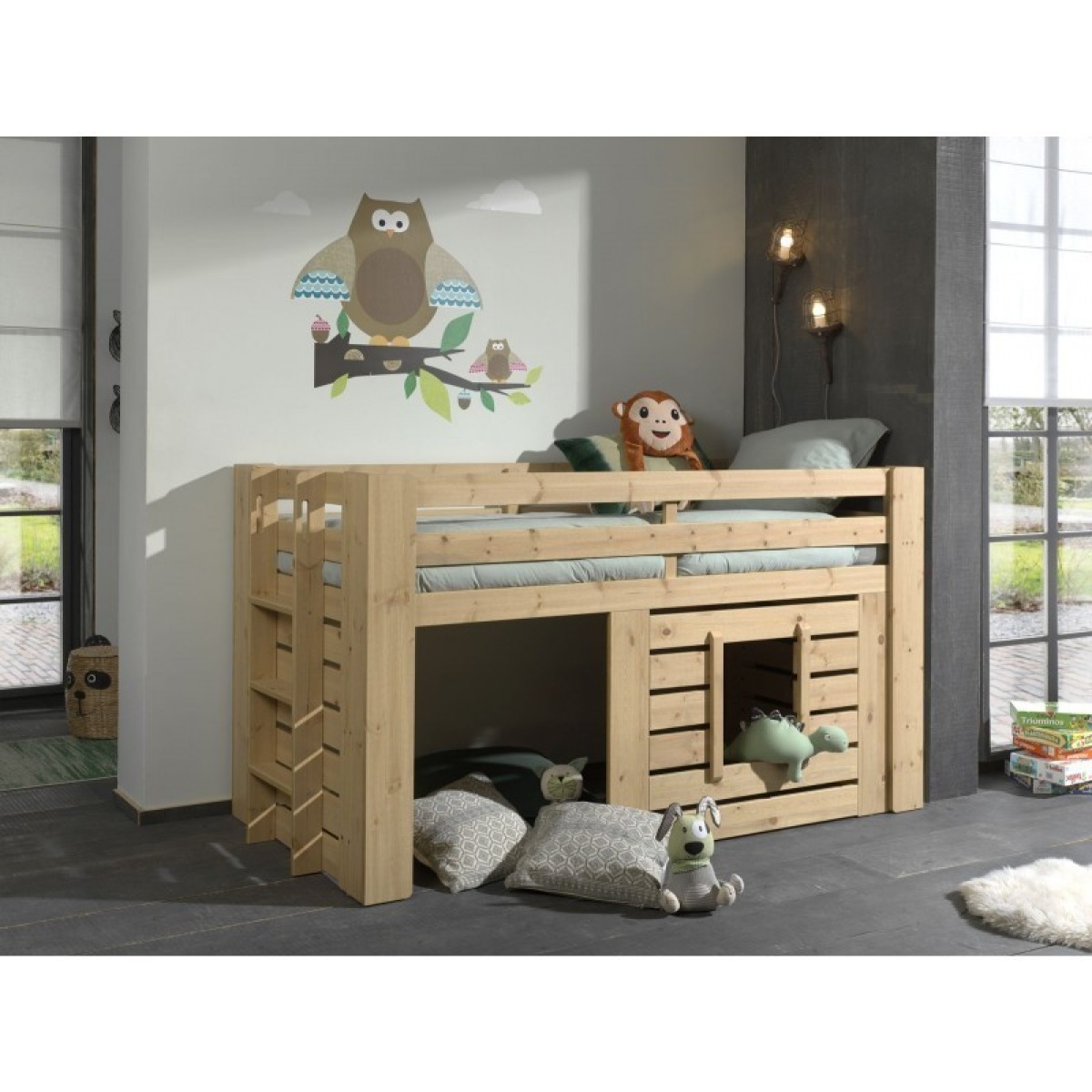
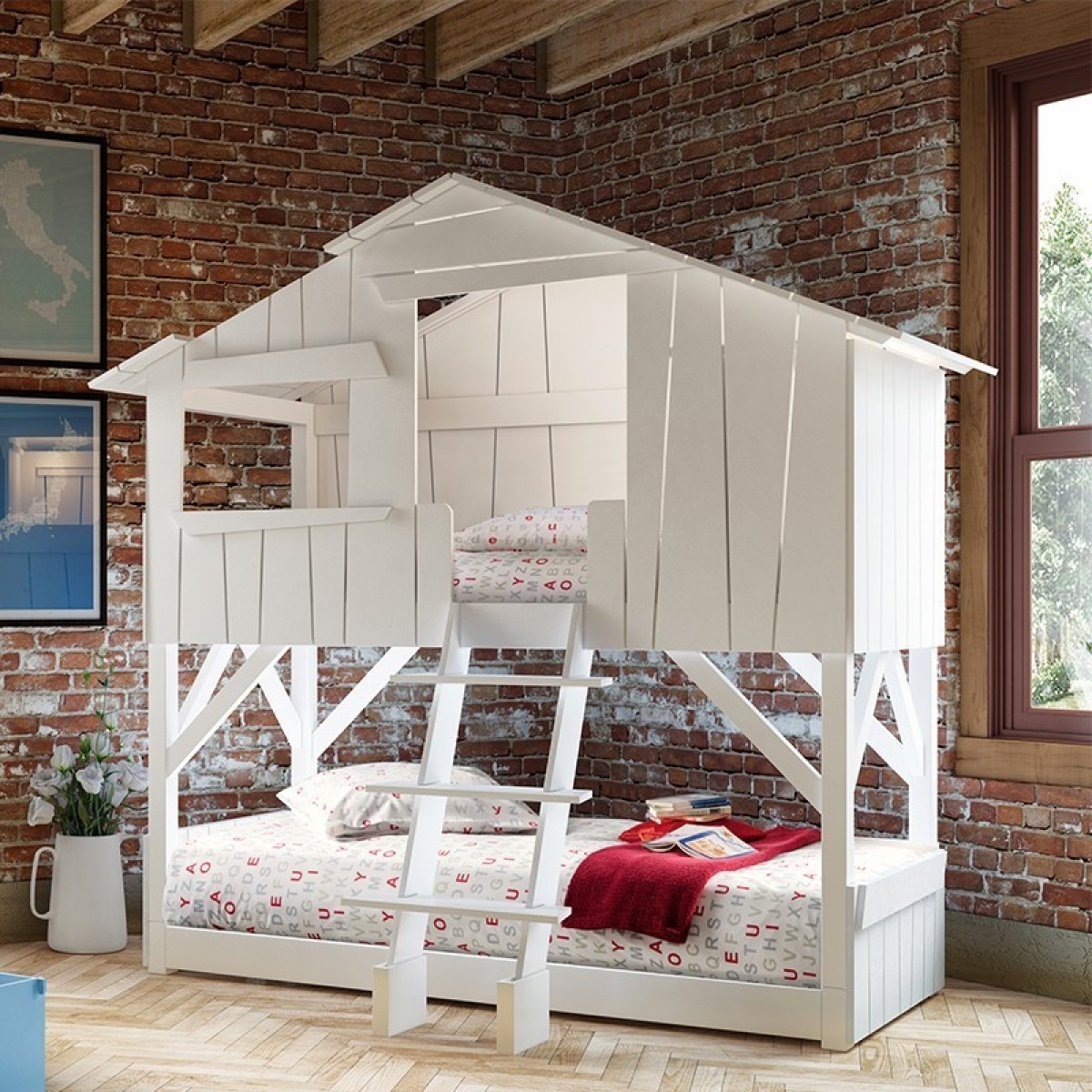
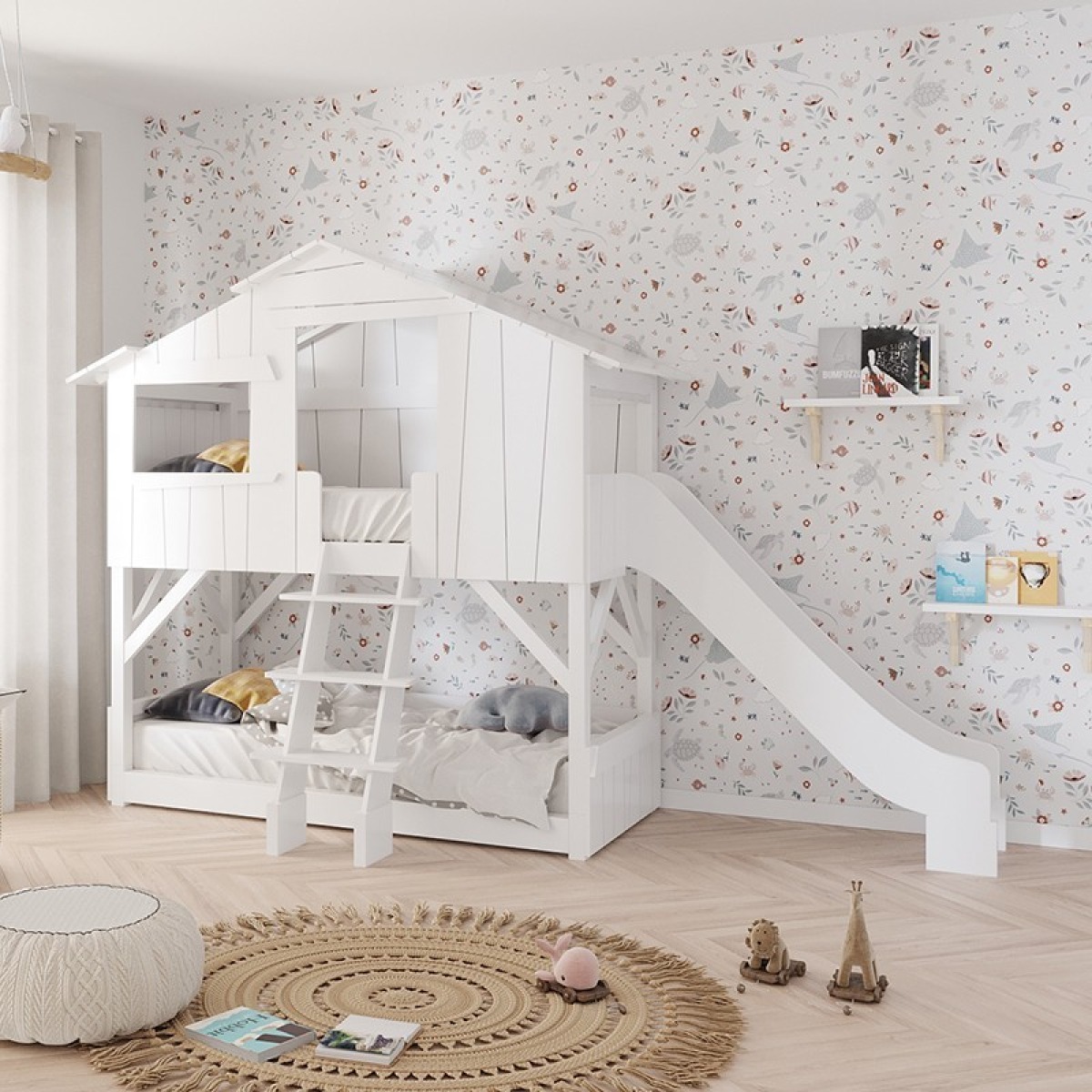
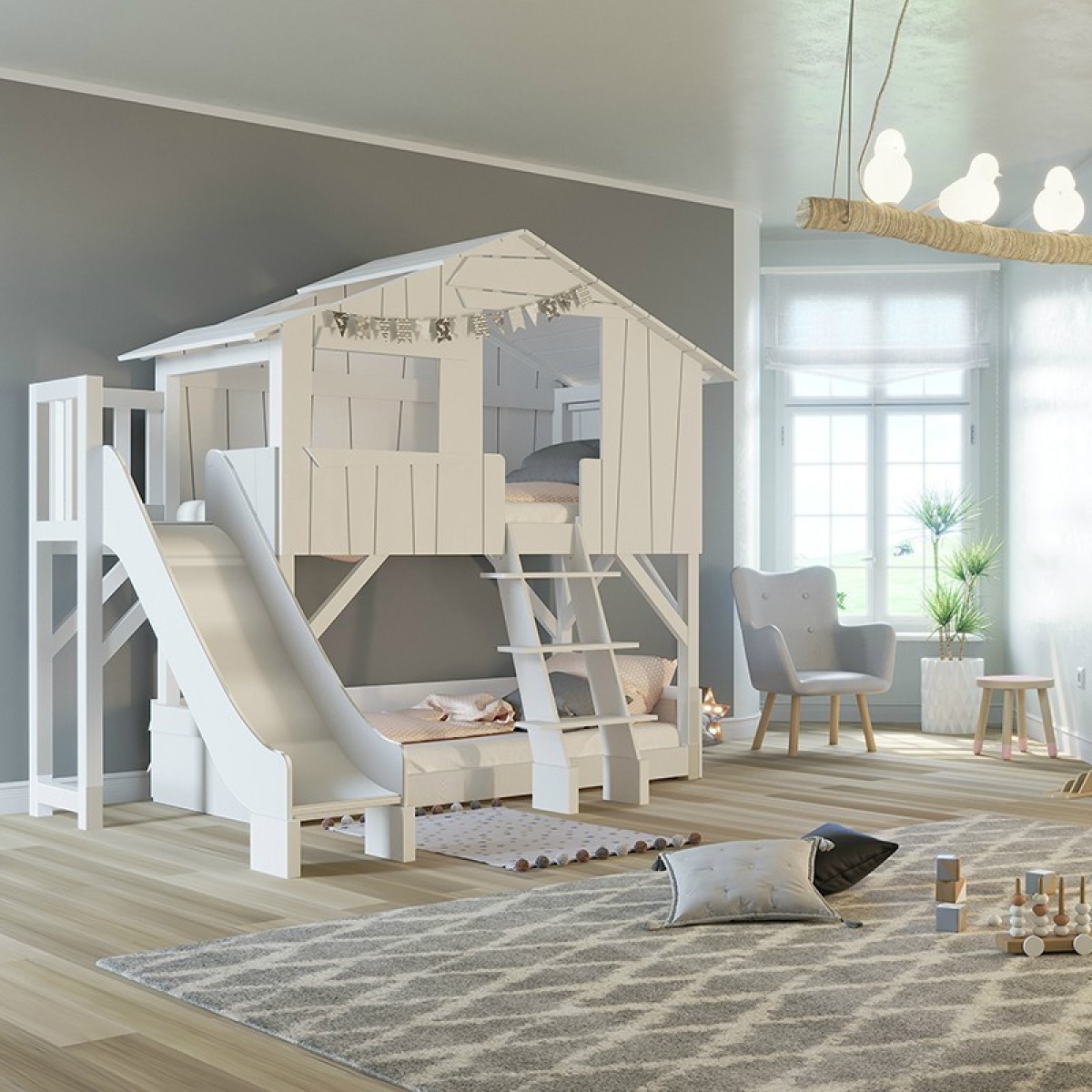
Bunk Beds are a valuable solution for nursery- and school-age children when bedroom space needs to be used wisely. Bunk Beds for Kids are especially suitable when there are several children in the family or when play and sleeping areas need to be more clearly separated within one room. The selection includes bunk beds in 90x200 and 140x200 sizes, as well as options that provide up to three sleeping spaces. Many models also have stairs, storage space or drawers to help organise
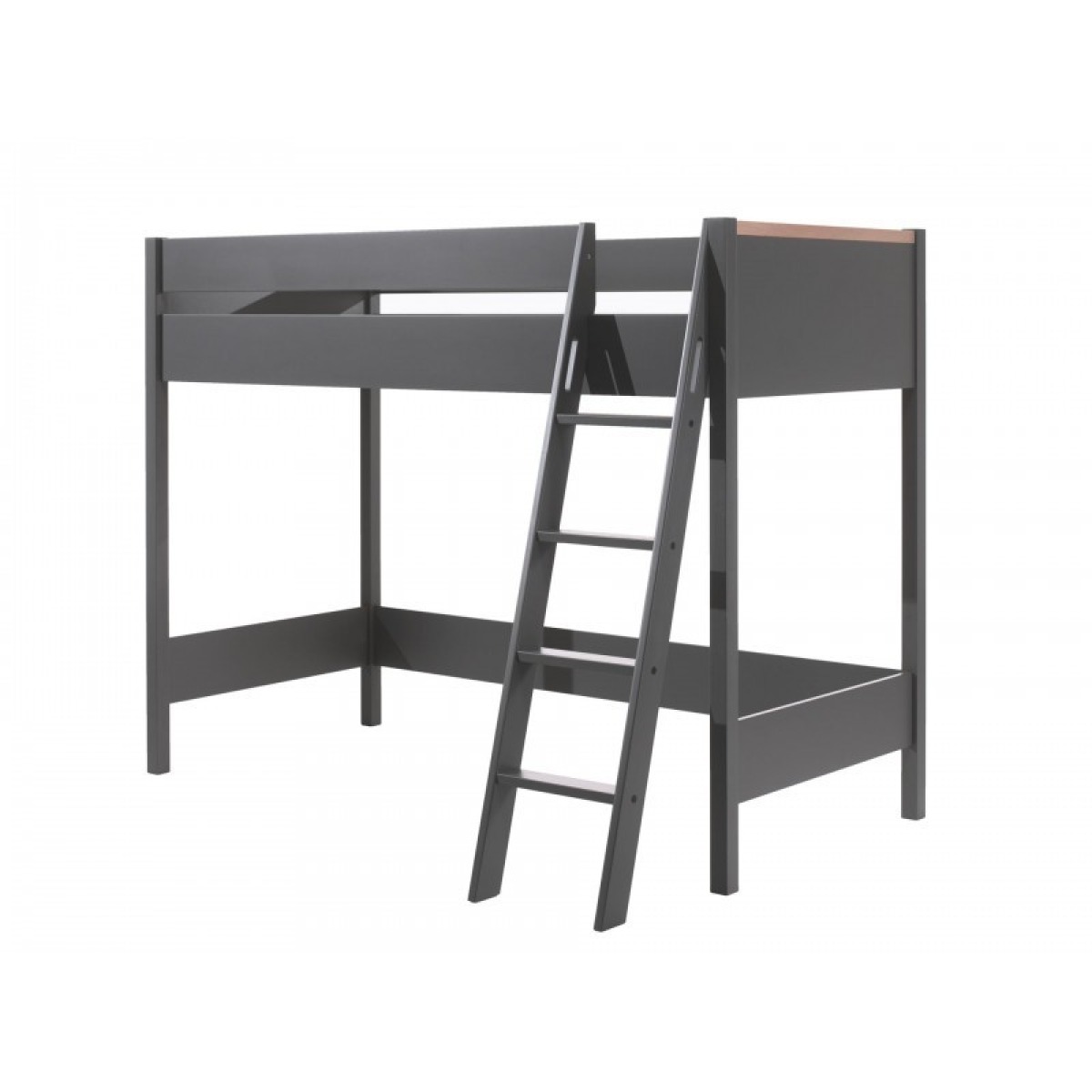
clothes, bed linen and toys. Bunk Beds are also indirectly practical for babies or toddlers: as an older child grows and needs their own space, a bunk bed supports the room layout and a routine that supports development (play, learning, rest). It is important to pay attention to the materials and the under-bed design, as well as how the child climbs up and down the ladder. It is also worth choosing a suitable height and extra features, such as playful designs with a slide or details with curtains that create privacy.
Bunk Beds for Kids help make a child's room more practical without compromising on sleeping comfort. When two or more children sleep in the same room, a bunk bed makes better use of the wall and floor space. Many bunk beds have stairs, storage space or drawers that make everyday tidying easier.
Practicality is not only about saving space. Some models combine playfulness with a sleeping space, for example with a slide or platform that creates a dedicated area for movement and play. Other products focus on a calmer design and work well in a younger child's or teenager's room, where a clean and organised overall look is desired.
Bunk Beds mainly differ in size, construction and storage options. The most common are 90x200 cm bunk beds, which can be used as a separate sleeping space or in combined arrangements with another bed. Some models are also available in 140x200 cm, providing more sleeping space and working well when a little extra width is desired for one sleeping space or when there are older children in the family.
Extra features affect both ease of use and the overall room layout. A design with stairs is often more convenient for everyday use than a separate ladder, while drawers and storage space help keep bed linen and seasonal clothes tidy.
Kids' Beds need to feel stable and sturdy because they are used every day. With a bunk bed, it is worth assessing the material and the integrity of the construction: how well the parts fit together, the bed base design and how securely all the details stay in place. Many models have a wooden construction and different types of finish, such as lacquered or natural oil finishes.
The finish plays an important role in both appearance and care. Lacquered surfaces are well suited to everyday upkeep, while a natural oil finish gives the wood a more raw feel. If the children's room is in active use, it is worth considering the chosen type of finish when planning care.
Bunk Beds are practical for both primary school-age children and older children, especially when the same room serves as both a sleeping and play area. A design with a slide brings activity into the room, allowing some play to take place where the bed is. This helps the children's room feel more cohesive and gives the day a clearer rhythm.
Solutions designed for three sleeping spaces and combined beds are suitable when there is a larger age gap between children or when extra comfort is needed for an overnight guest. In this case, it is important for the stairs and routes through the room to be practical, and for storage (drawers or storage space) to be easy to access.
Arranging a child's room with a bunk bed is often easier, as the space underneath the bed can be put to purposeful use. A bunk bed with drawers or storage space helps keep bed linen and young children's and schoolchildren's favourite things in one place. This reduces clutter and makes getting ready in the morning and evening quicker.
It is also worth considering how children move around the bed during the day. The stairs or ladder should be sturdy, while bed rails and extra-bed options support safe use, especially if the child uses the bed actively. If the aim is to create a comfortable rest area for the child while keeping the room tidy, a bunk bed's extra features are often a decisive factor when choosing.
MIU Kids
A quiet word about cookies
Necessary cookies are already on, so your basket and checkout can work. Analytics cookies stay off until you accept. Until then Google may receive a cookieless visit signal so we can count visits. It is not used for advertising. Accept all cookies, or keep only the necessary ones. Both are one click. We remember your choice for six months, and you can change it at the bottom of the page. Privacy notice
Analytics cookies wait for a yes
MIU Kids
Choose what stays on
Necessary
Always on. These keep the basket, checkout and the shop secure.
Analytics
No analytics cookie until you accept. A cookieless visit signal may still be sent. If you accept, Google Analytics shows which pages are used. It does not build advertising profiles.