
- New
On order 5–15 business days5–15 business days
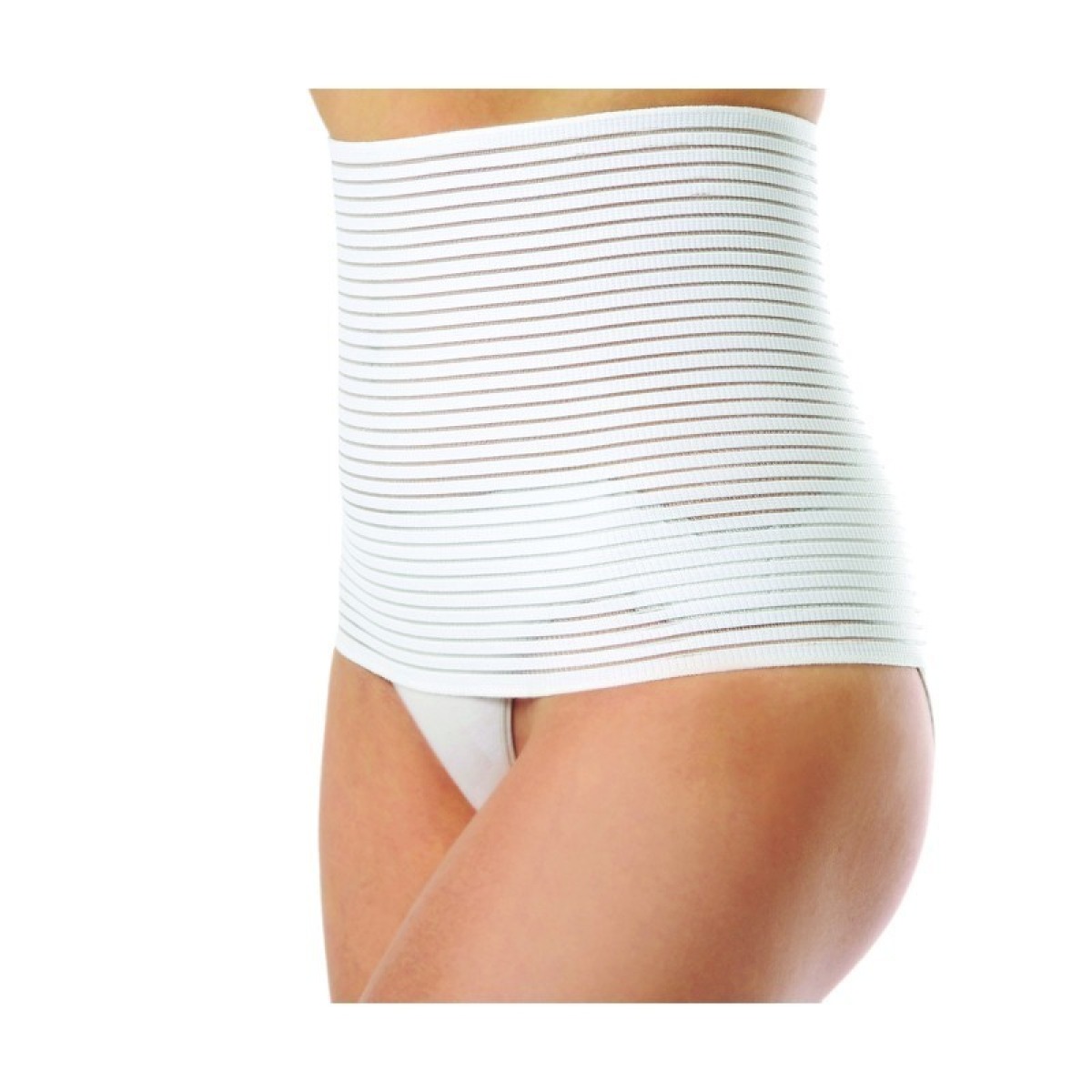
About the collection
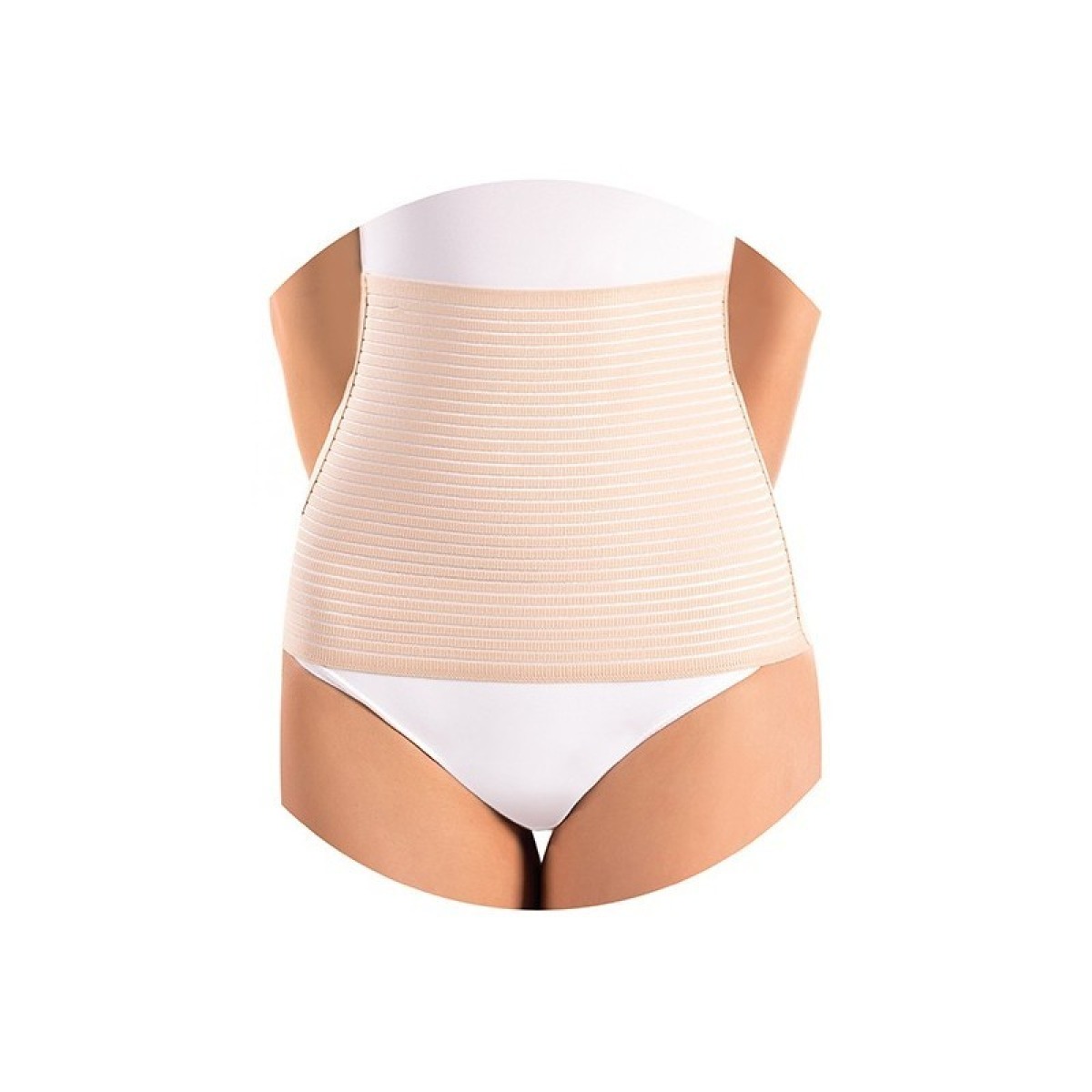
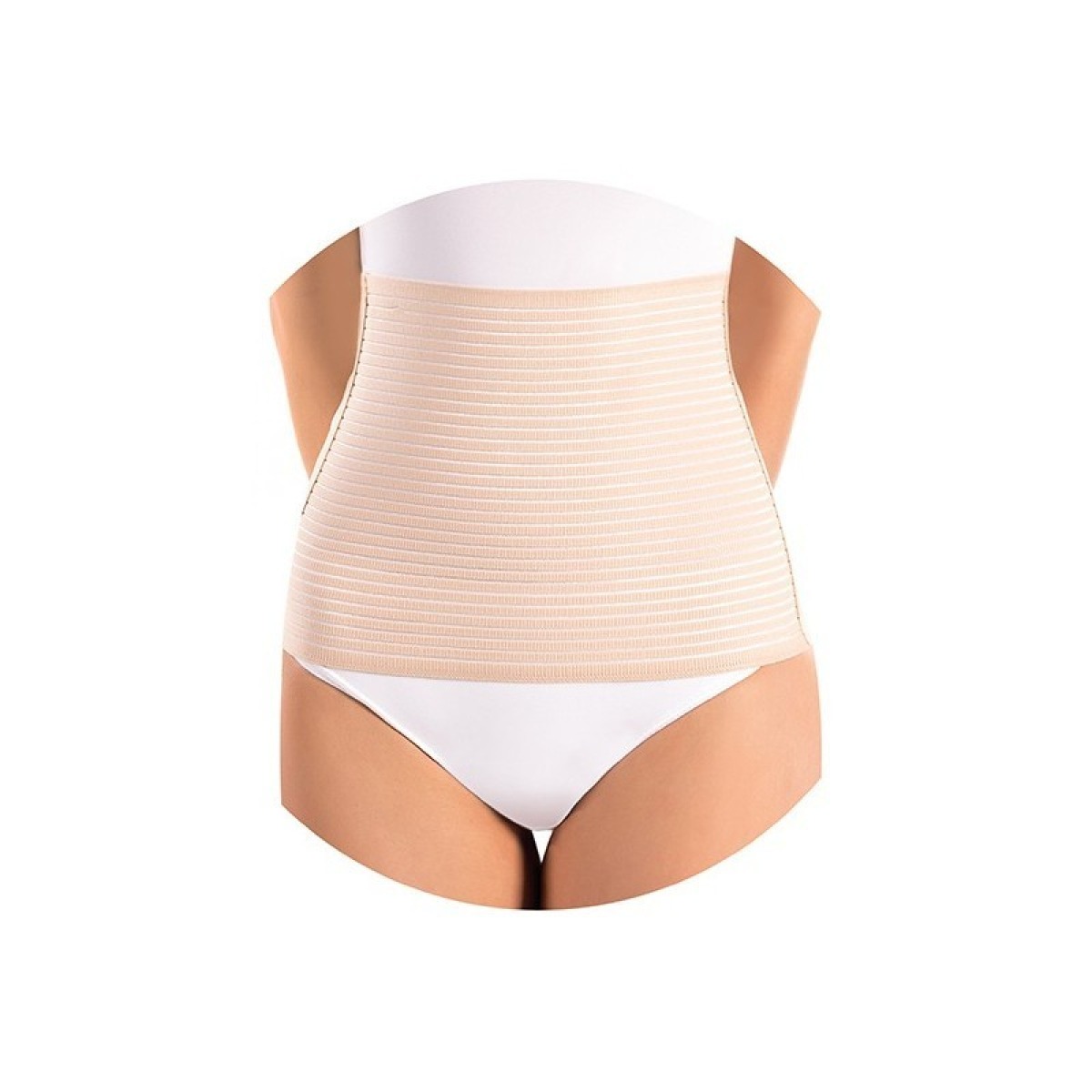
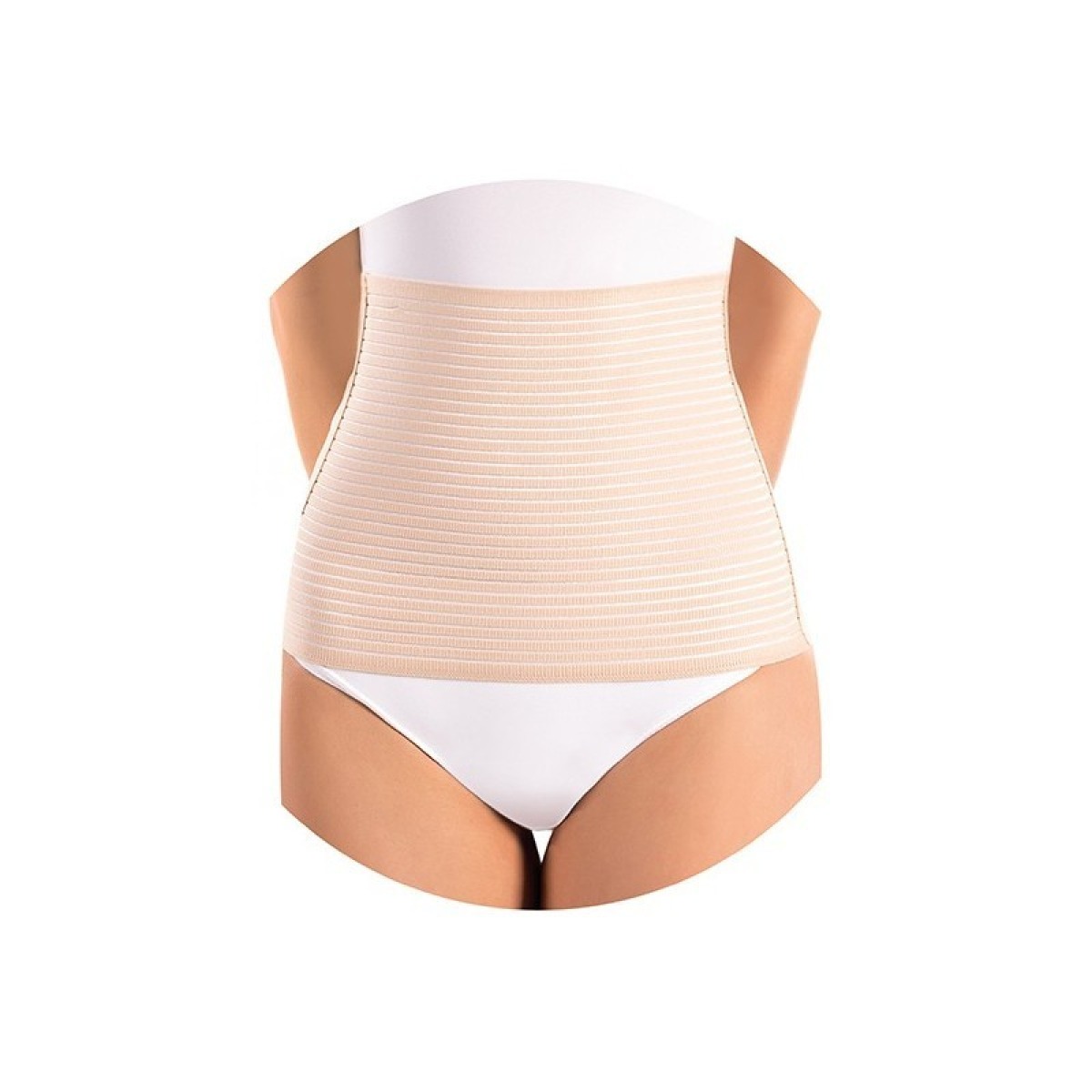
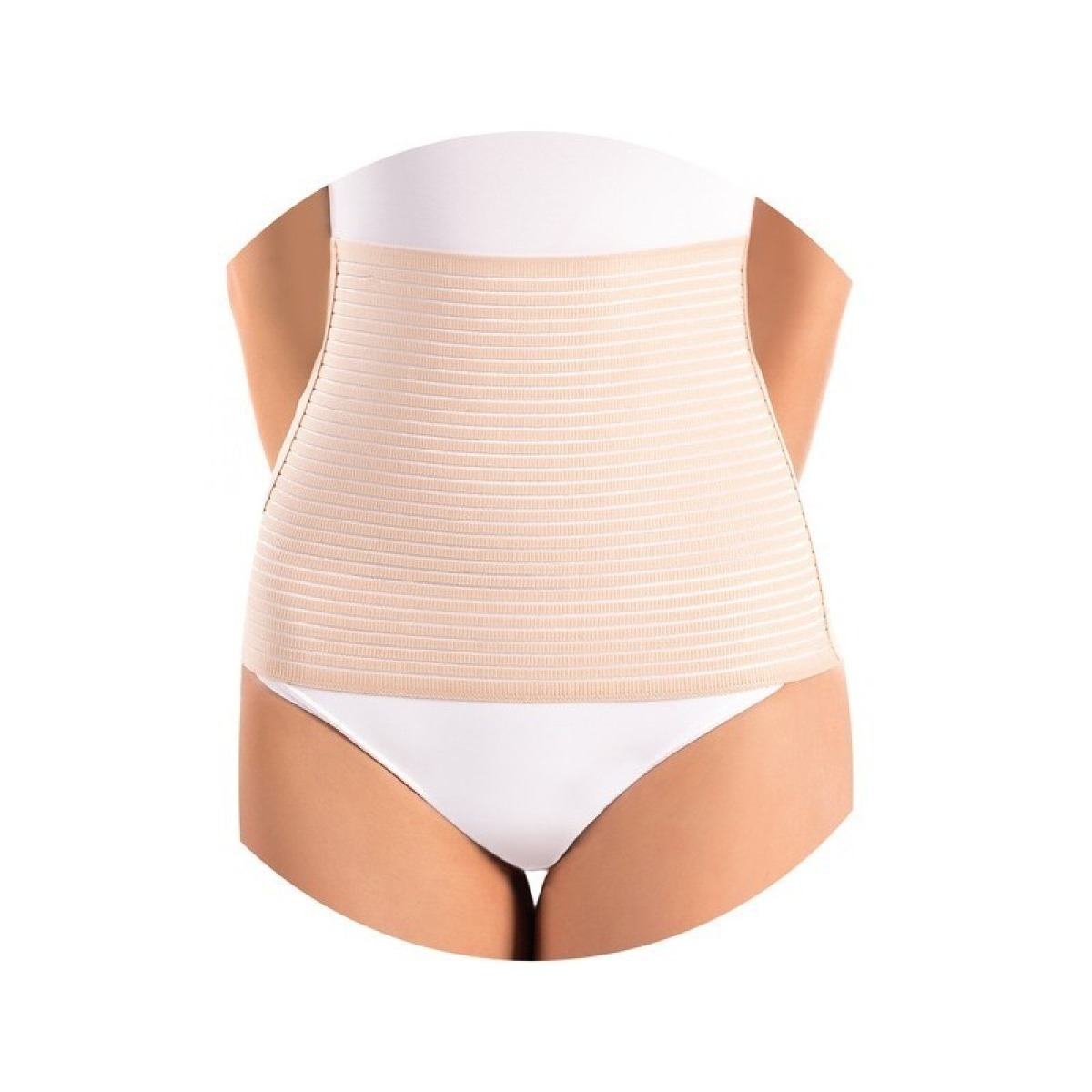
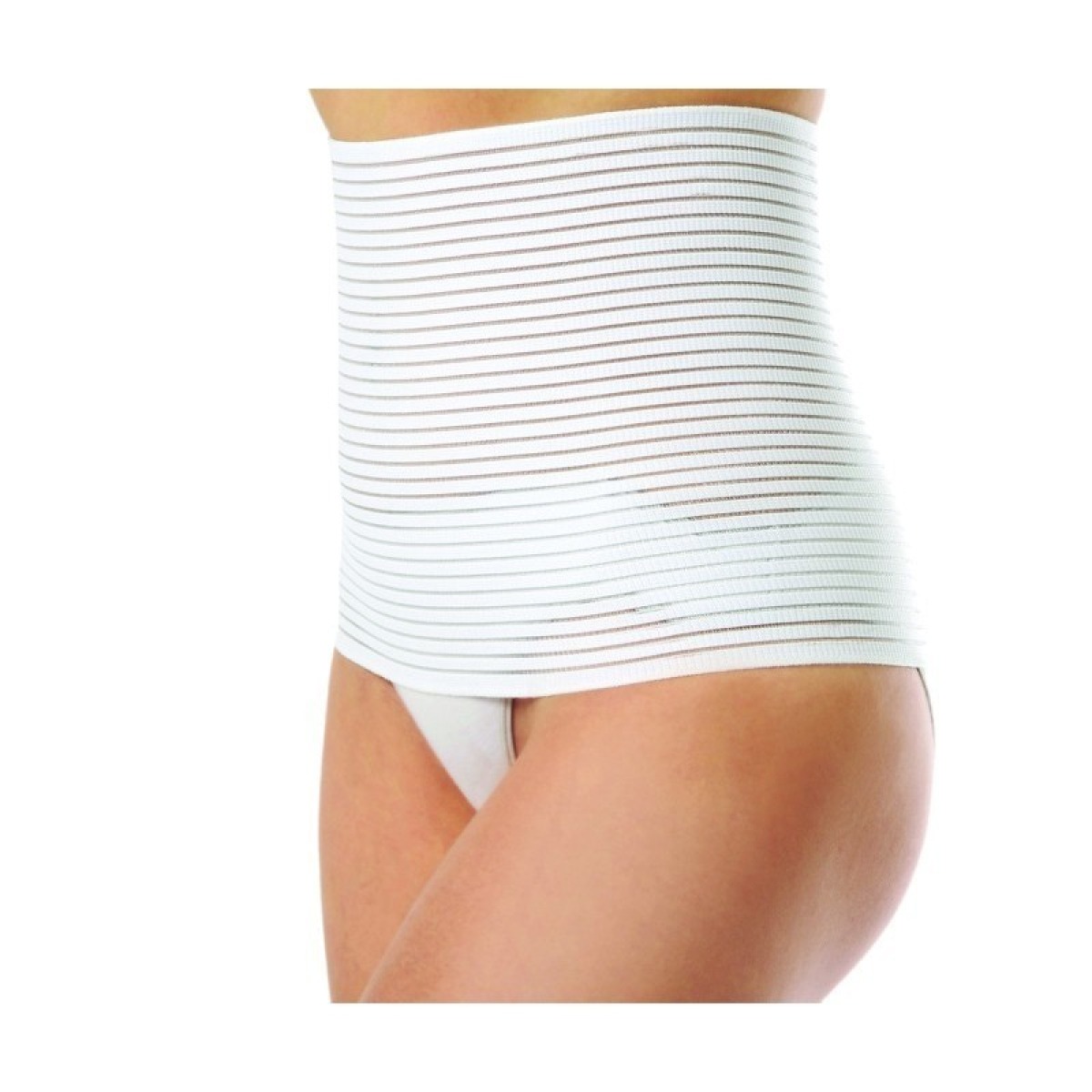
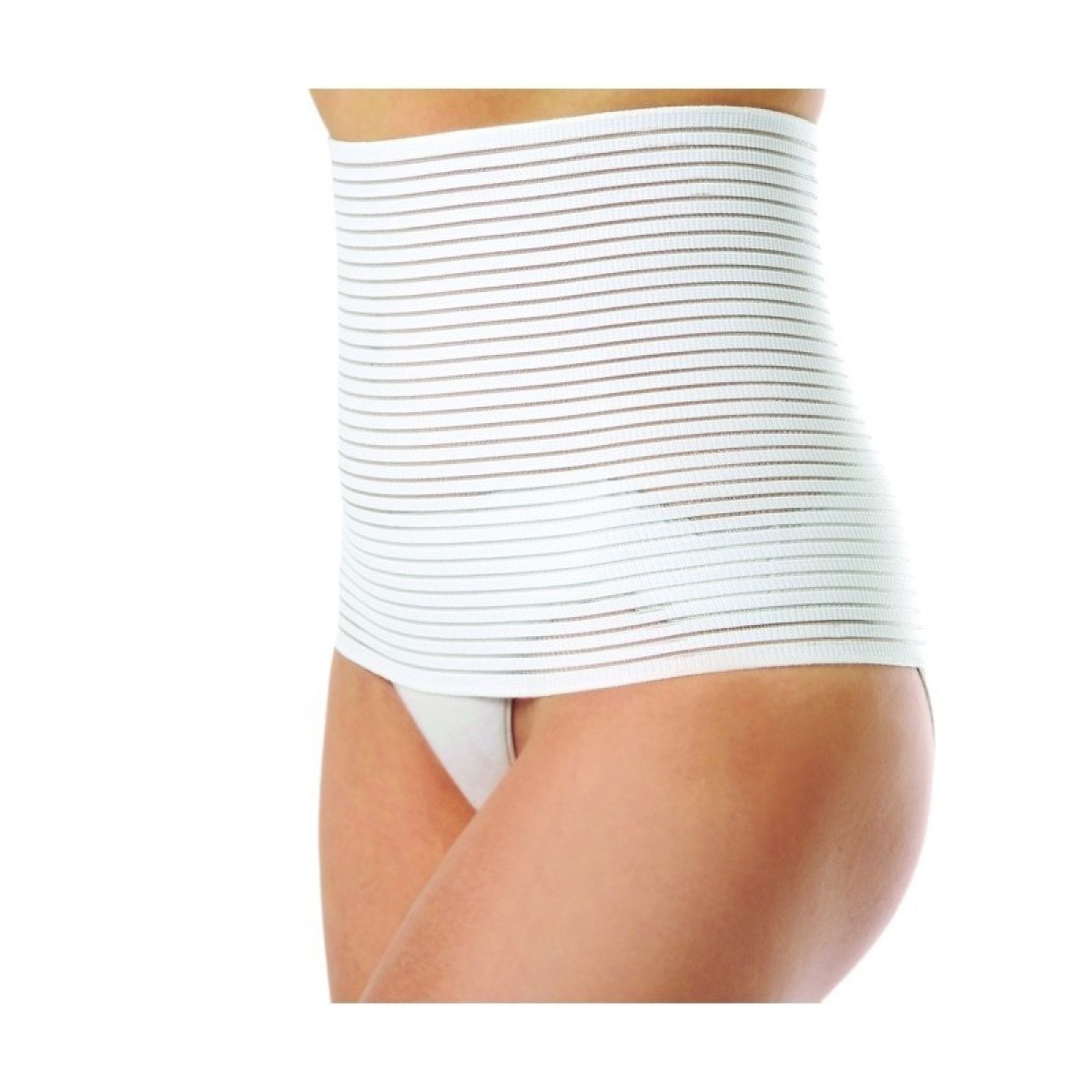
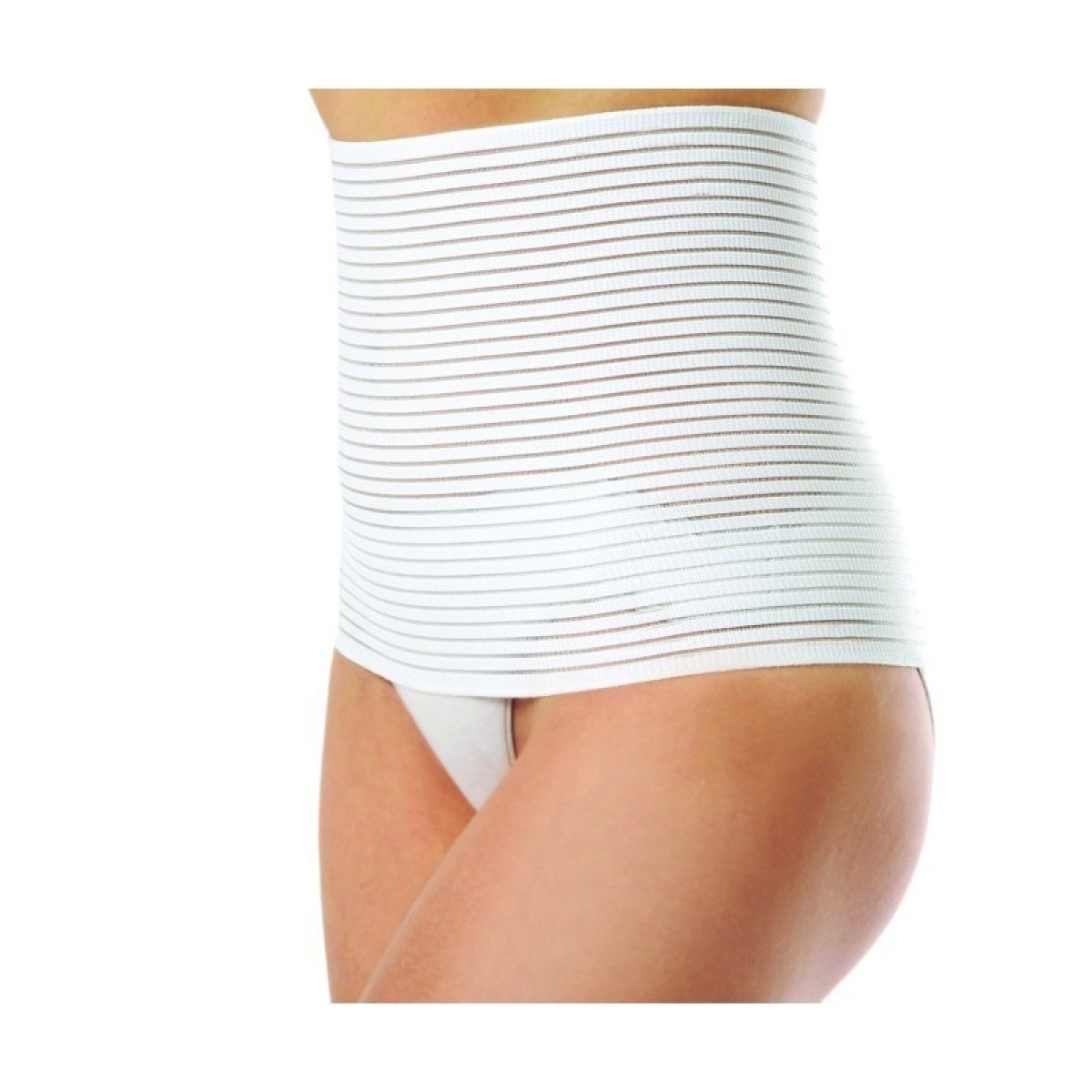
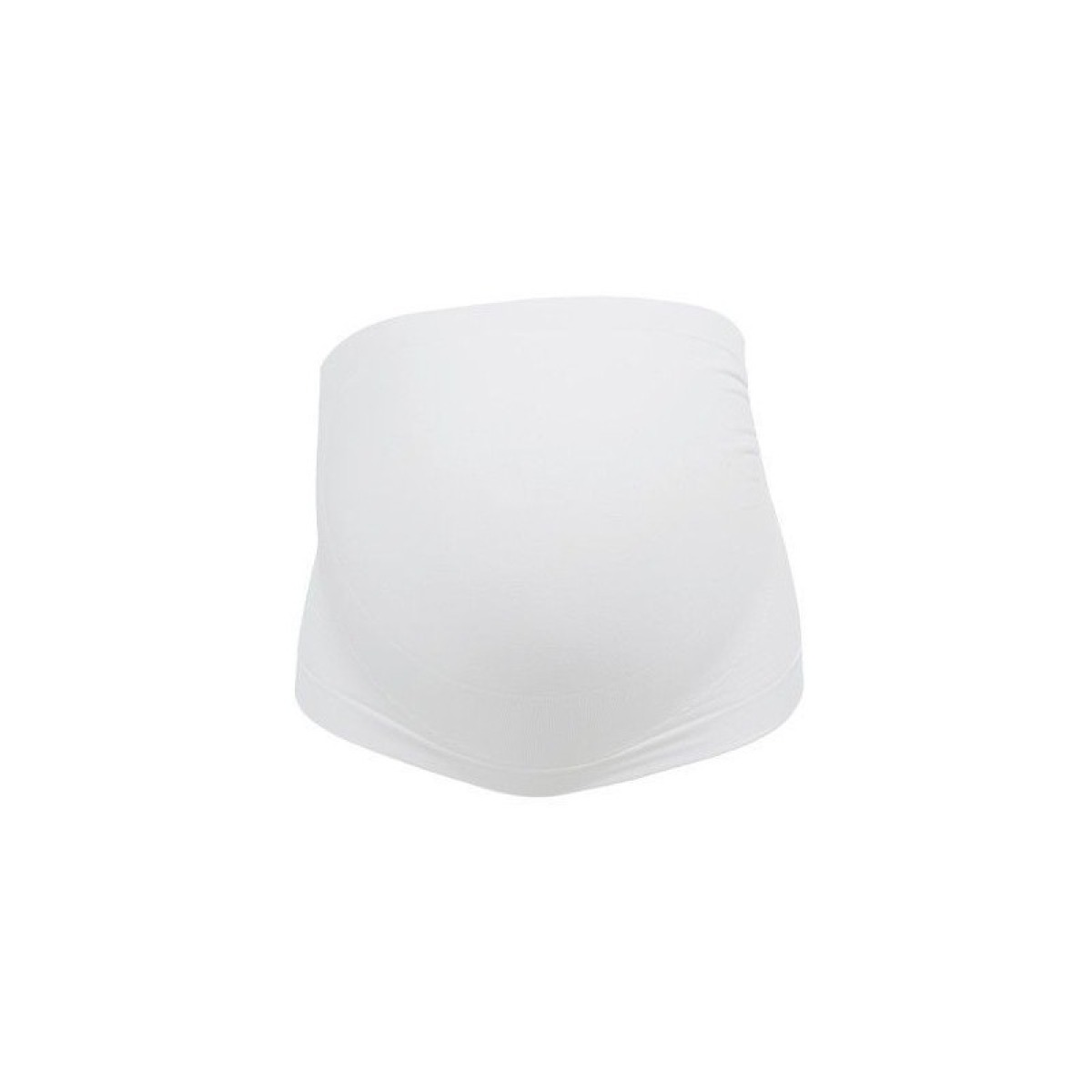
A support belt supports your bump, lower abdomen and lower back during pregnancy and after birth. It can ease everyday strain and help you find a more comfortable posture. Choose the right size and ask your midwife or health...
Category guide
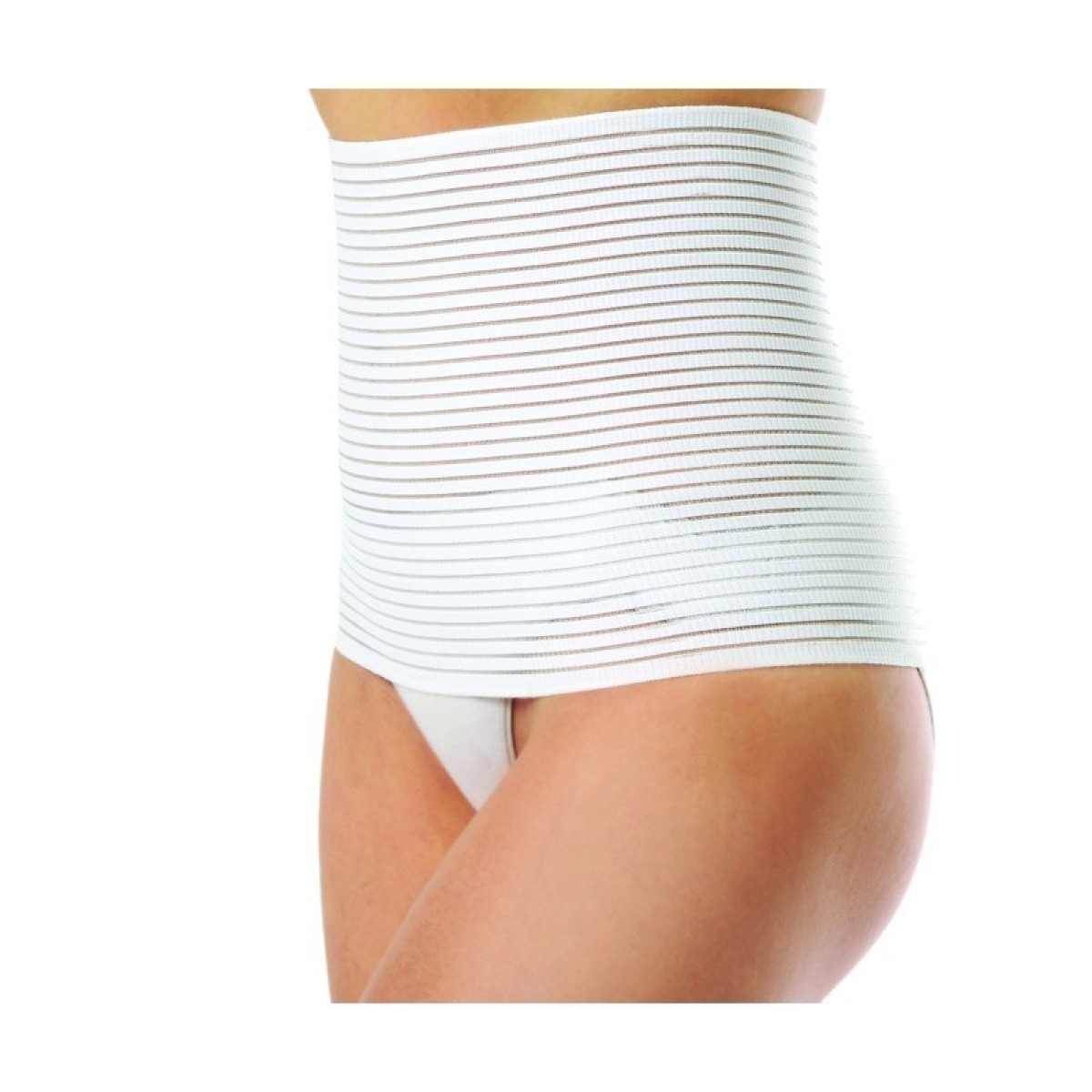
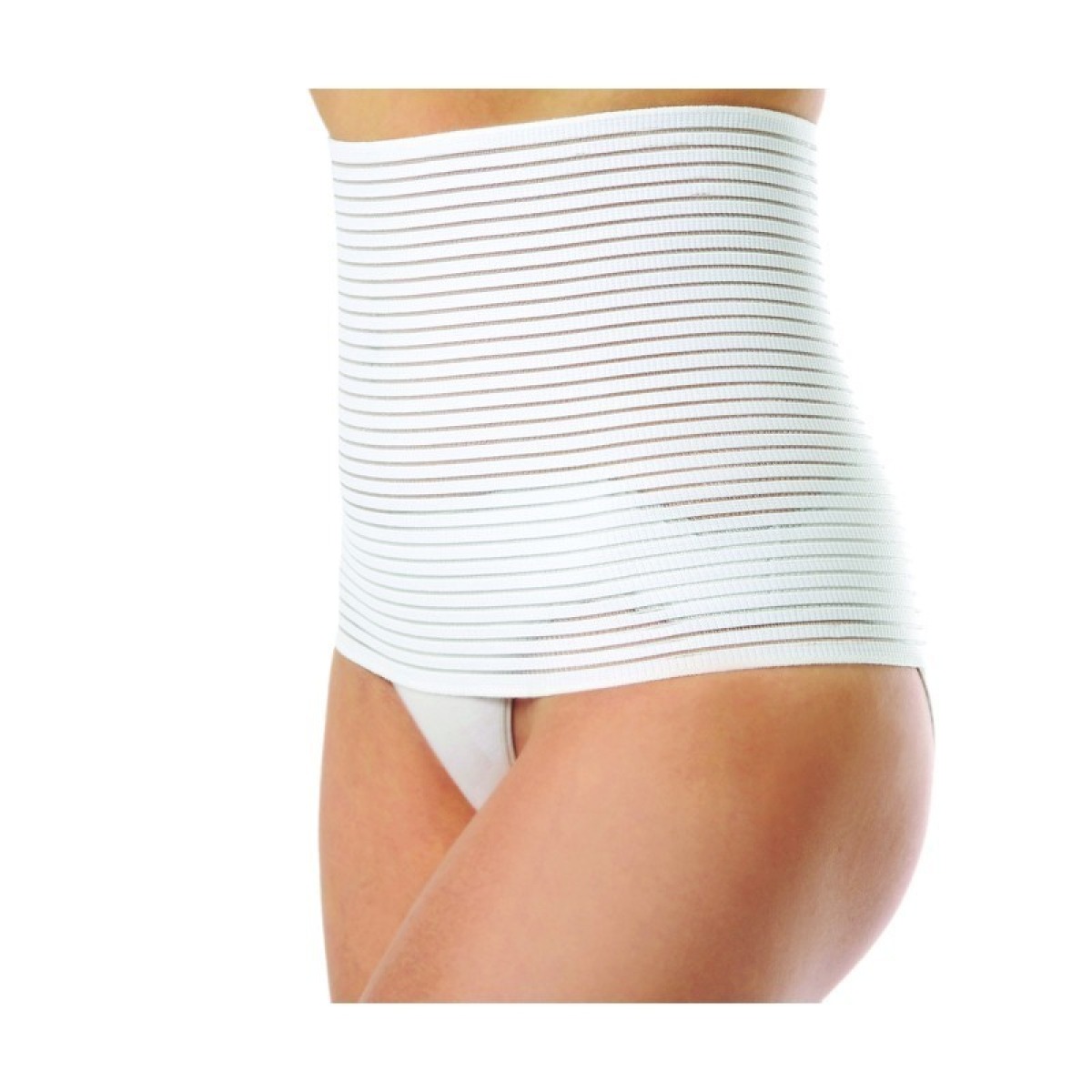
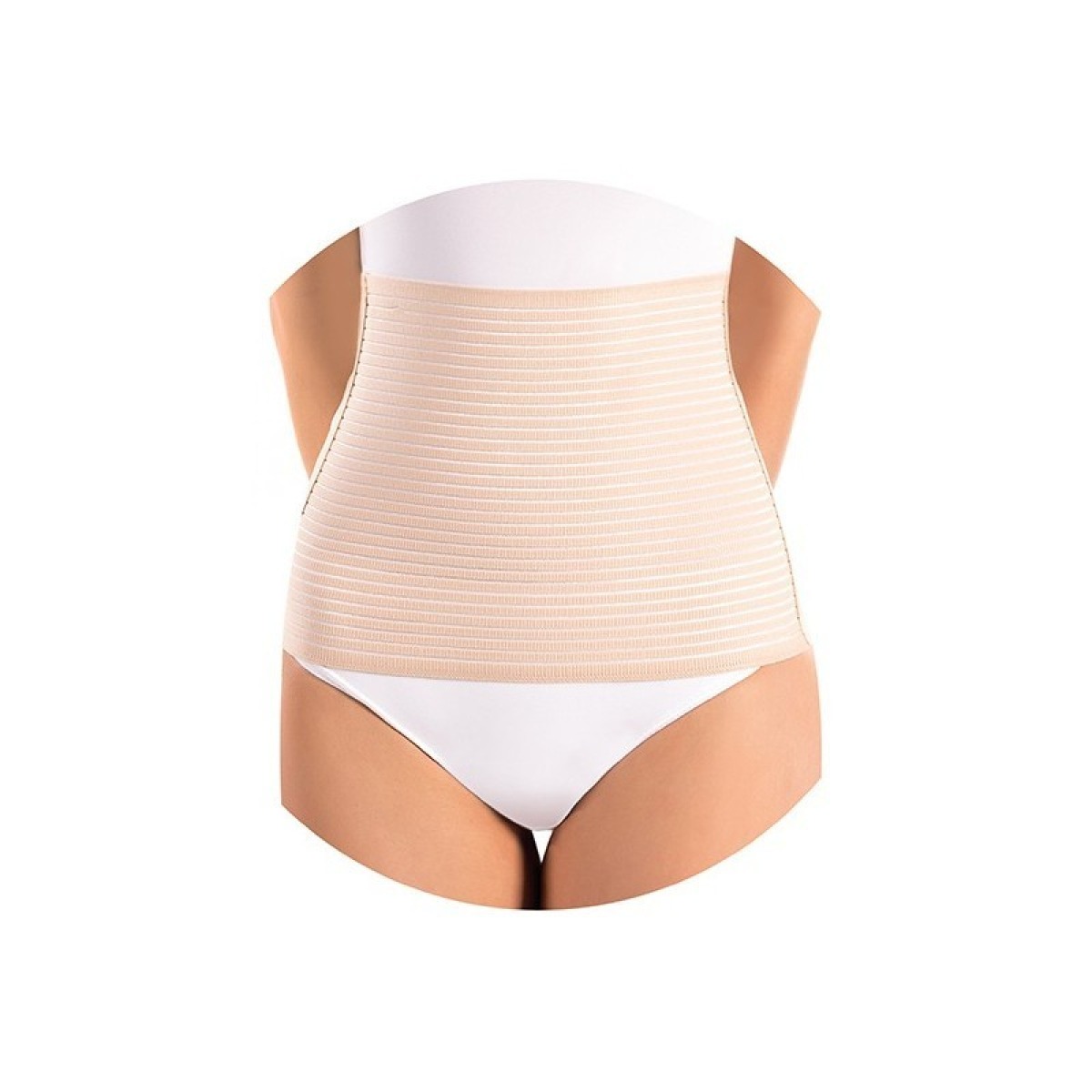
Support Belts help support the abdomen, lower abdomen and lower back during pregnancy and postpartum recovery. They are especially useful if you want to reduce everyday strain and find a more comfortable rhythm for movement while your body recovers. Support belts are used both as maternity belts and as postpartum abdominal belts, including in situations where recovery is
related to a caesarean section. When choosing a suitable support belt, it is important to consider the size (for example, XS–XXL), the period of use (pregnancy or postpartum) and whether the product is intended for use after a vaginal birth or C-section. Comfort and body support go hand in hand when you want to keep your posture more stable during activities at home while expecting a baby.
Support belts help ease the strain felt in sensitive areas of the body during pregnancy and after childbirth. During pregnancy, maternity belts are usually used to support the lower abdomen and lower back and help maintain stable posture. After childbirth, the focus is on supporting the abdominal wall and recovery after surgery, depending on whether the birth was vaginal or by caesarean section.
It is important to choose a product that is suited to your specific stage of recovery. To do this, check whether it is a maternity belt or a postpartum support belt, and how the belt is designed: some models have a contoured shape intended to support a specific area during recovery.
The choice of support belt depends primarily on when it will be used and what kind of support you need. Sizes usually range from XS to XXL, so finding the right fit helps ensure that the belt provides support without restricting movement. For postpartum belts, it is important in practice to distinguish between models intended for more general recovery after childbirth and contoured designs intended to support recovery after a caesarean section.
A good fit and wearing comfort are just as important as the material and construction. A postpartum abdominal belt helps support an overstretched abdominal wall and reduce the risk of an abdominal hernia. For a maternity belt, a seamless design or comfortable lightweight construction supports the body under strain, especially around the lower abdomen and lower back.
During pregnancy, many women may need extra support as their bodies adapt to a growing belly. A supportive maternity belt helps reduce strain, support posture and make everyday tasks more comfortable. It can also be helpful when activities for expectant mothers involve a lot of movement—for example, walking around at home or standing for longer periods.
After childbirth, postpartum support belts are used to support recovery. They help the abdominal area feel more secure and the body recover more smoothly. Belts are commonly worn after both vaginal and caesarean births, but choosing the right model is important, as recovery after a caesarean section often calls for contoured support.
The purpose of a support belt is not to replace the recovery process, but to provide extra support during the day. If the belt feels too tight or prevents your body from moving naturally, check the size and adjustment. Comfortable wear helps you stay active and reduces unnecessary discomfort in the abdomen or lower back.
If you have had surgery or your recovery is progressing slowly, it makes sense to start wearing the belt cautiously and pay attention to how you feel. A support belt should give you confidence, not cause pain or lingering pressure.
Support belts often focus on comfort and a supportive fit. For example, seamless maternity belts or those with a design intended to reduce skin irritation are comfortable during pregnancy because they adapt to movement and reduce the risk of chafing. For postpartum belts, it is important that the material stays in place when worn and supports the abdominal wall evenly.
When it comes to care, it is best to follow the product label, as washing instructions may vary by model. In general, regular, gentle washing helps preserve the fabric’s properties and keep the belt in usable condition. Colour options such as white or black are a practical detail that supports everyday use, especially when the belt is worn as part of loungewear.
MIU Kids
A quiet word about cookies
Necessary cookies are already on, so your basket and checkout can work. Analytics cookies stay off until you accept. Until then Google may receive a cookieless visit signal so we can count visits. It is not used for advertising. Accept all cookies, or keep only the necessary ones. Both are one click. We remember your choice for six months, and you can change it at the bottom of the page. Privacy notice
Analytics cookies wait for a yes
MIU Kids
Choose what stays on
Necessary
Always on. These keep the basket, checkout and the shop secure.
Analytics
No analytics cookie until you accept. A cookieless visit signal may still be sent. If you accept, Google Analytics shows which pages are used. It does not build advertising profiles.