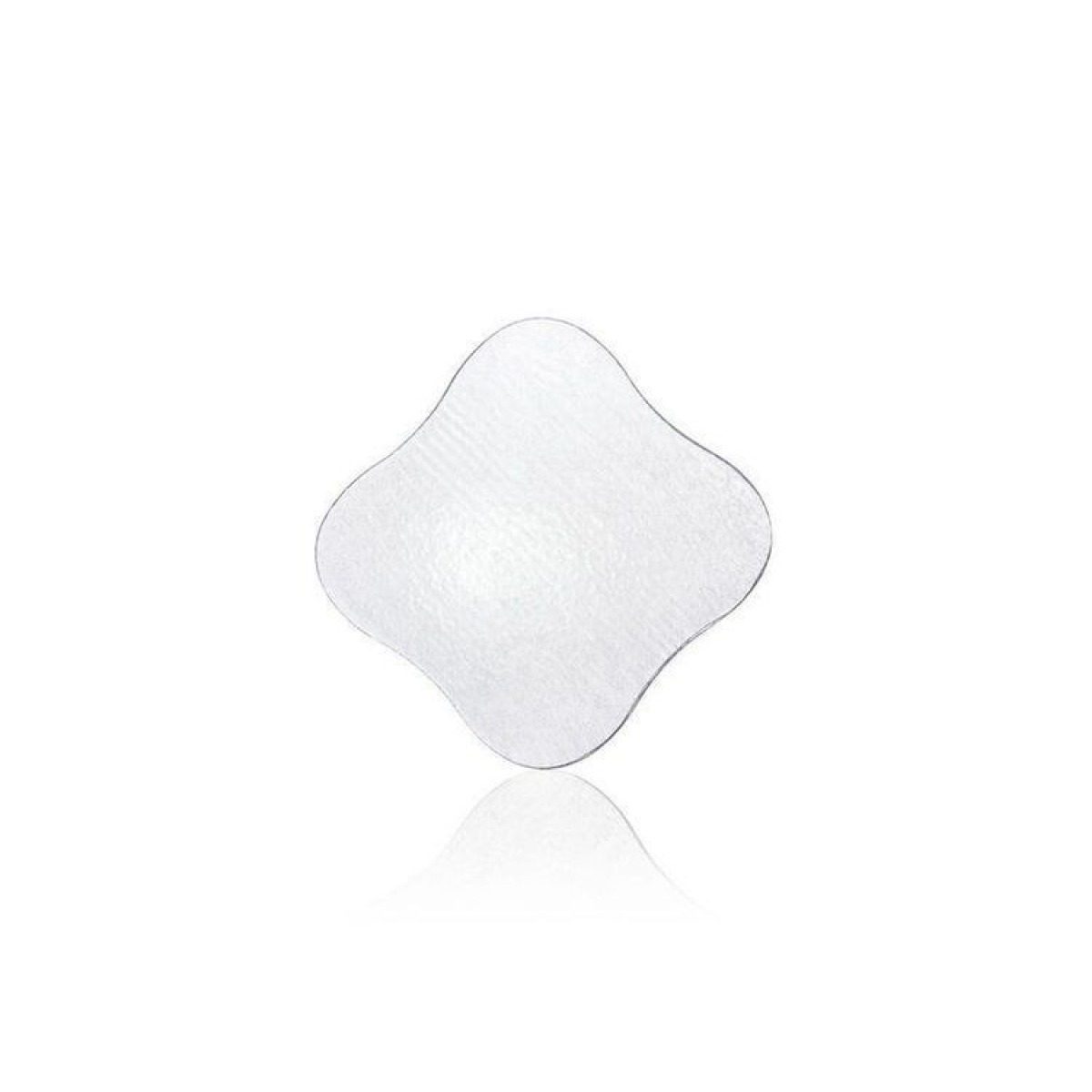
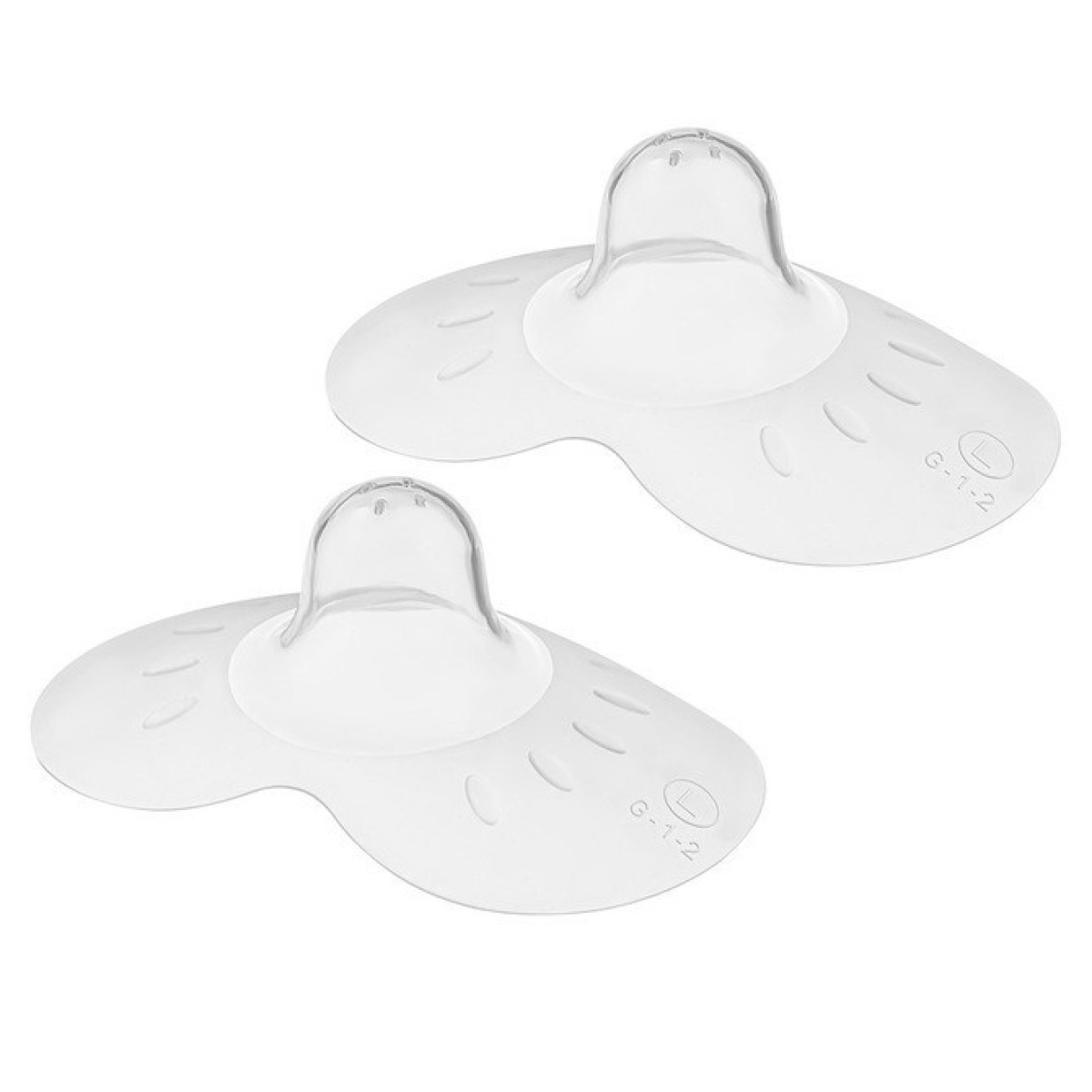
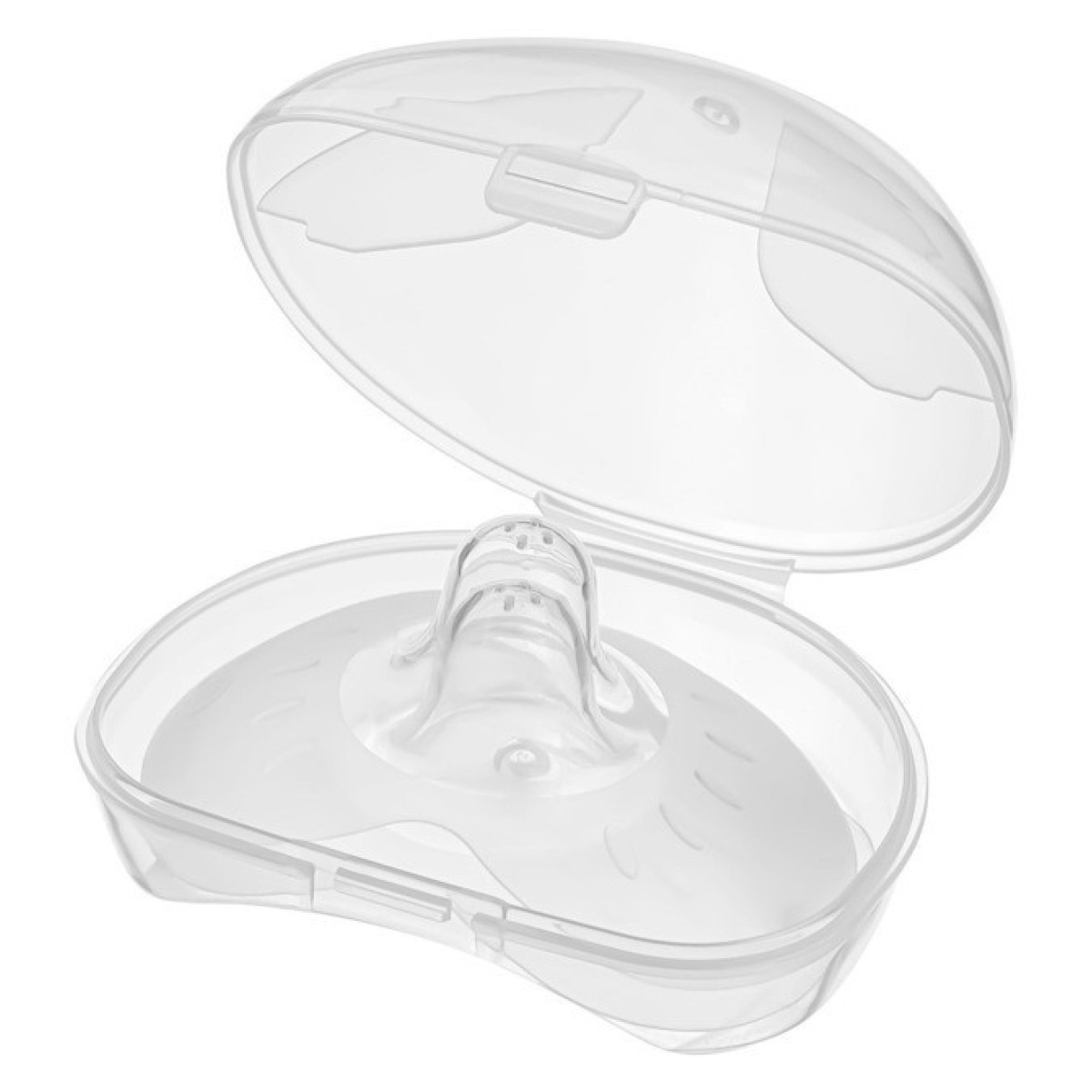
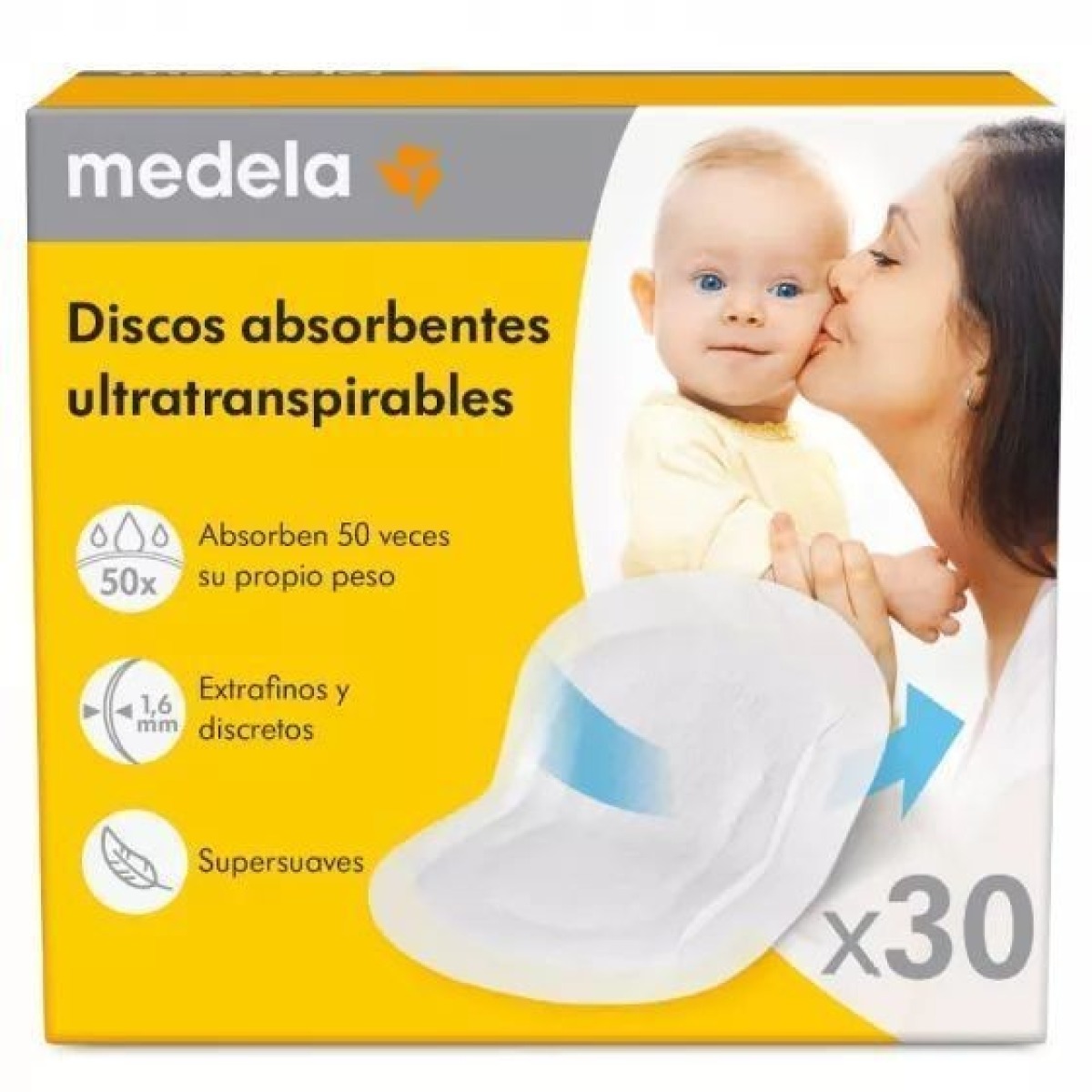
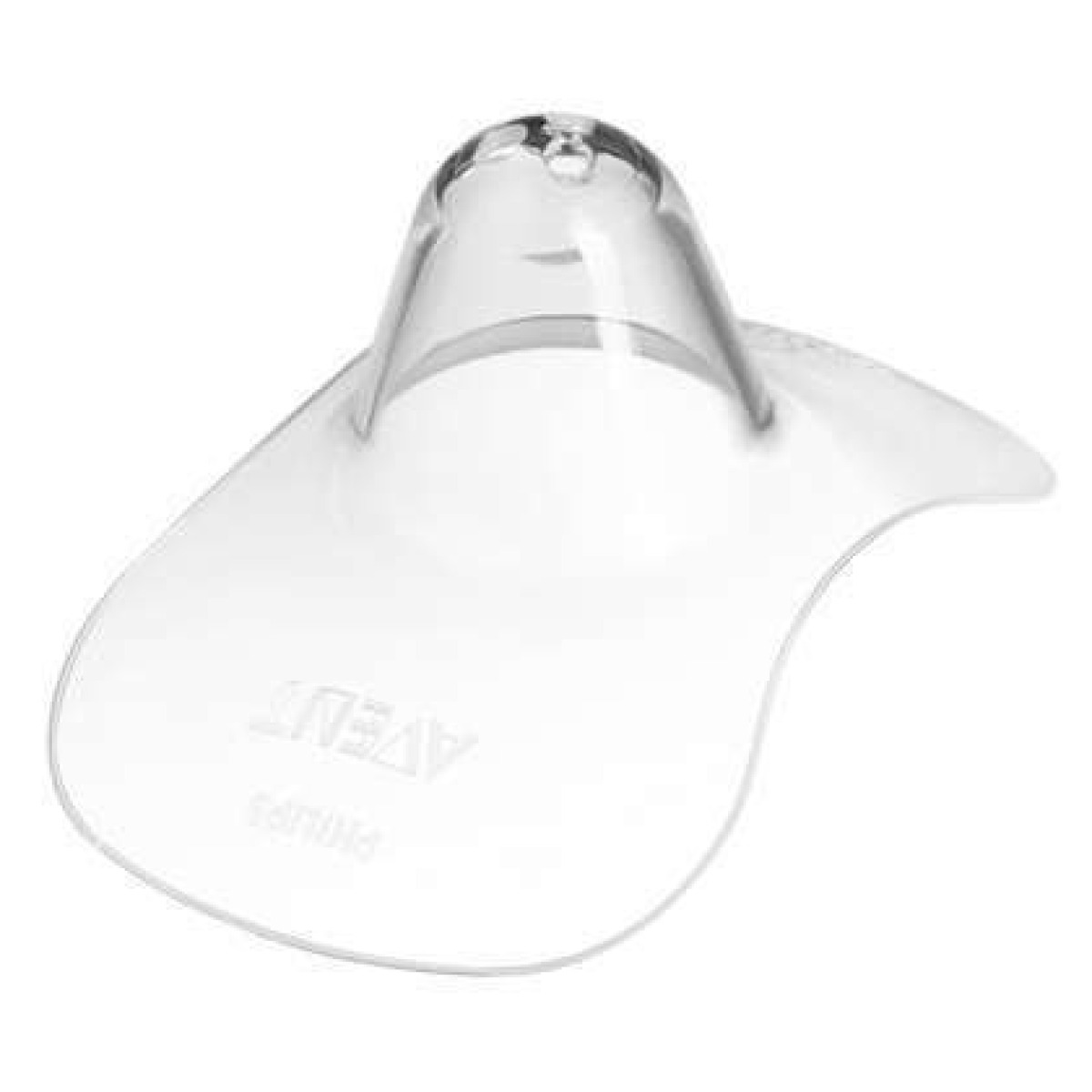
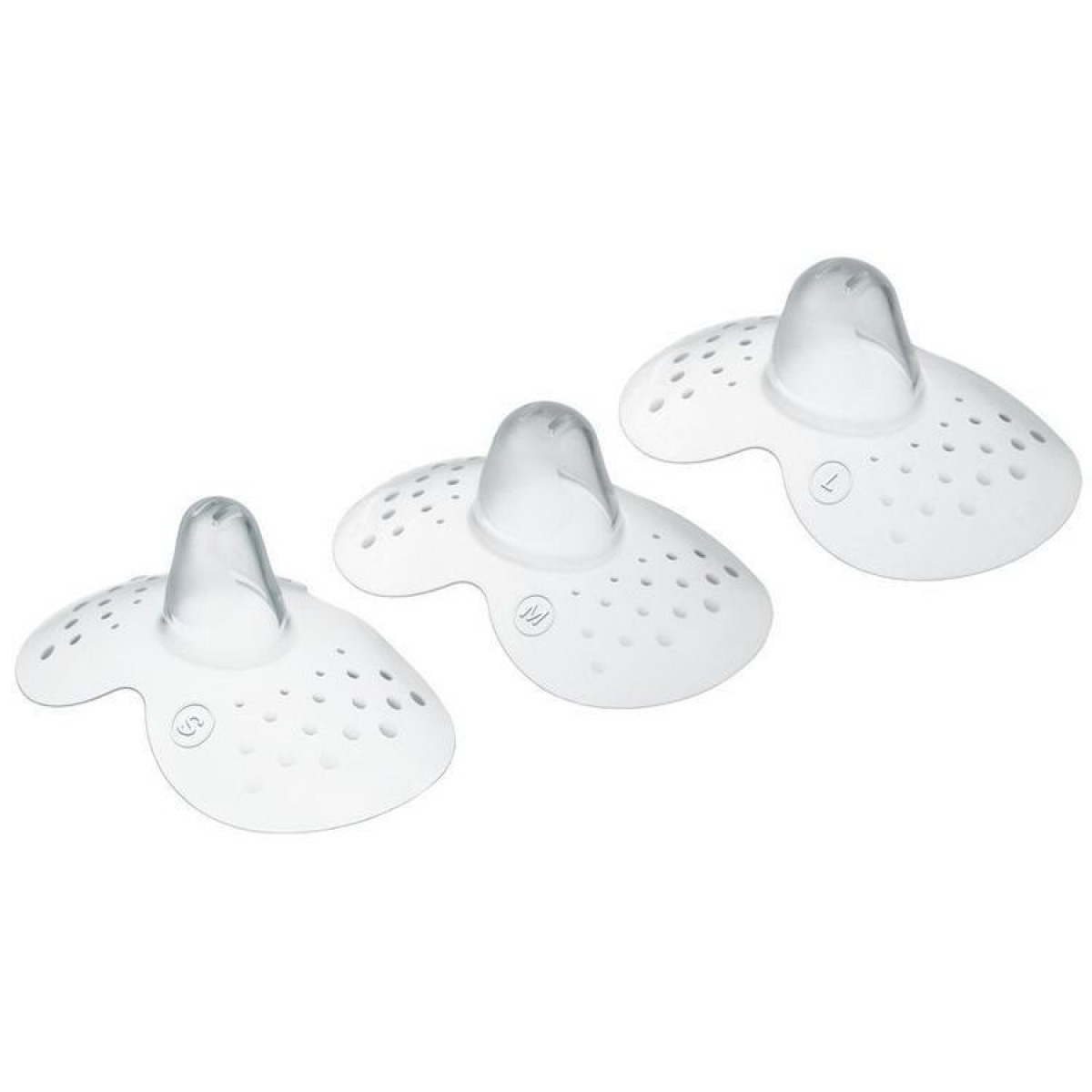
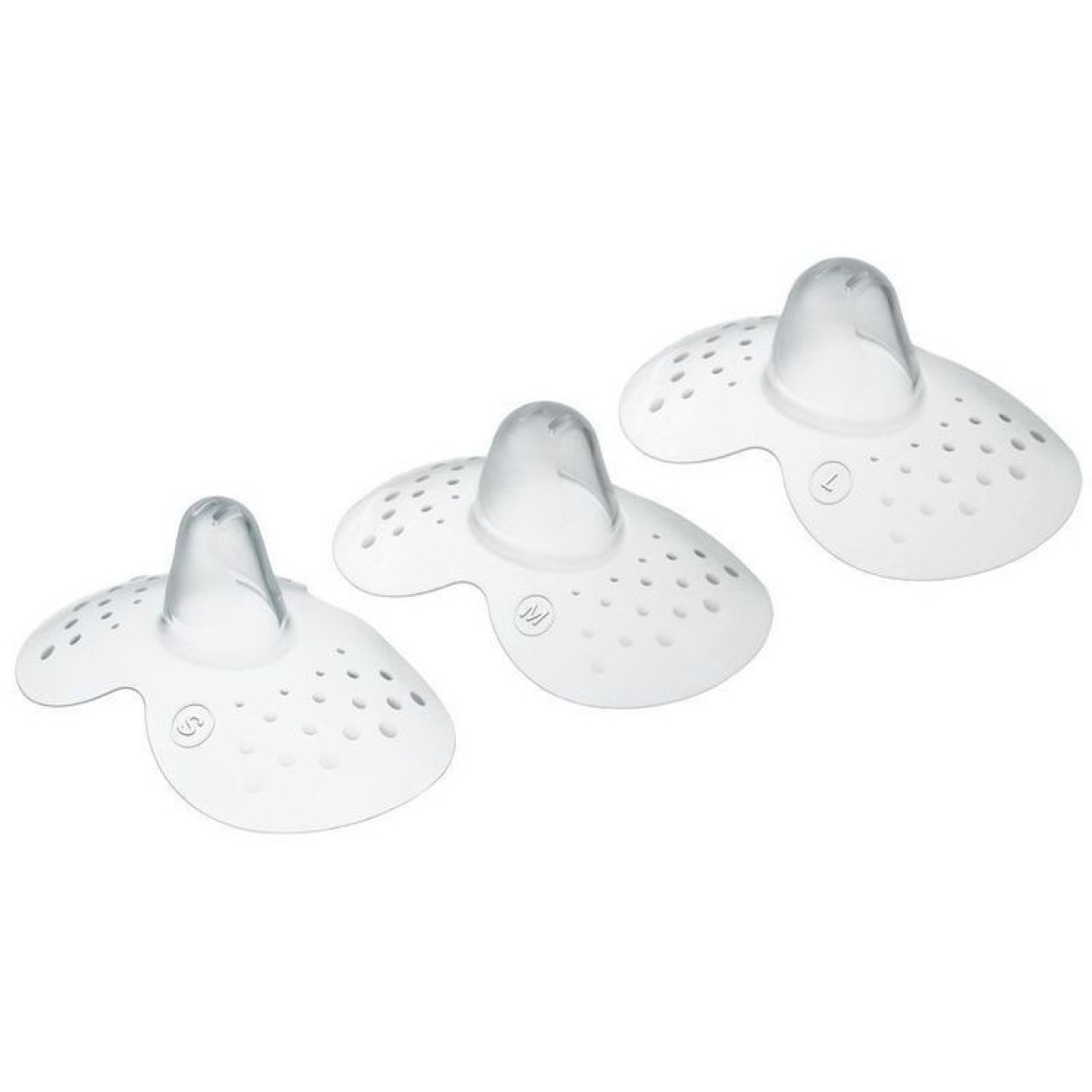
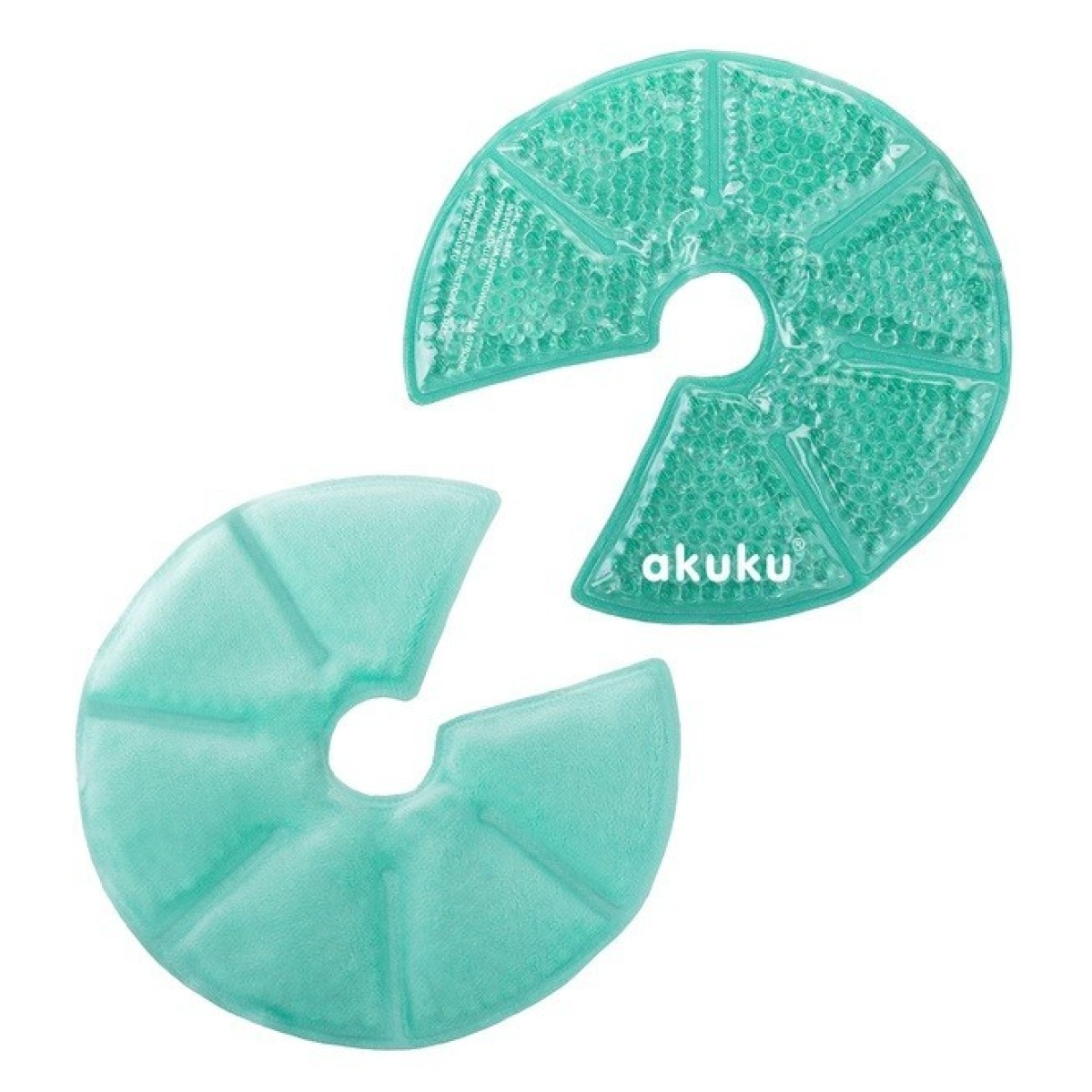
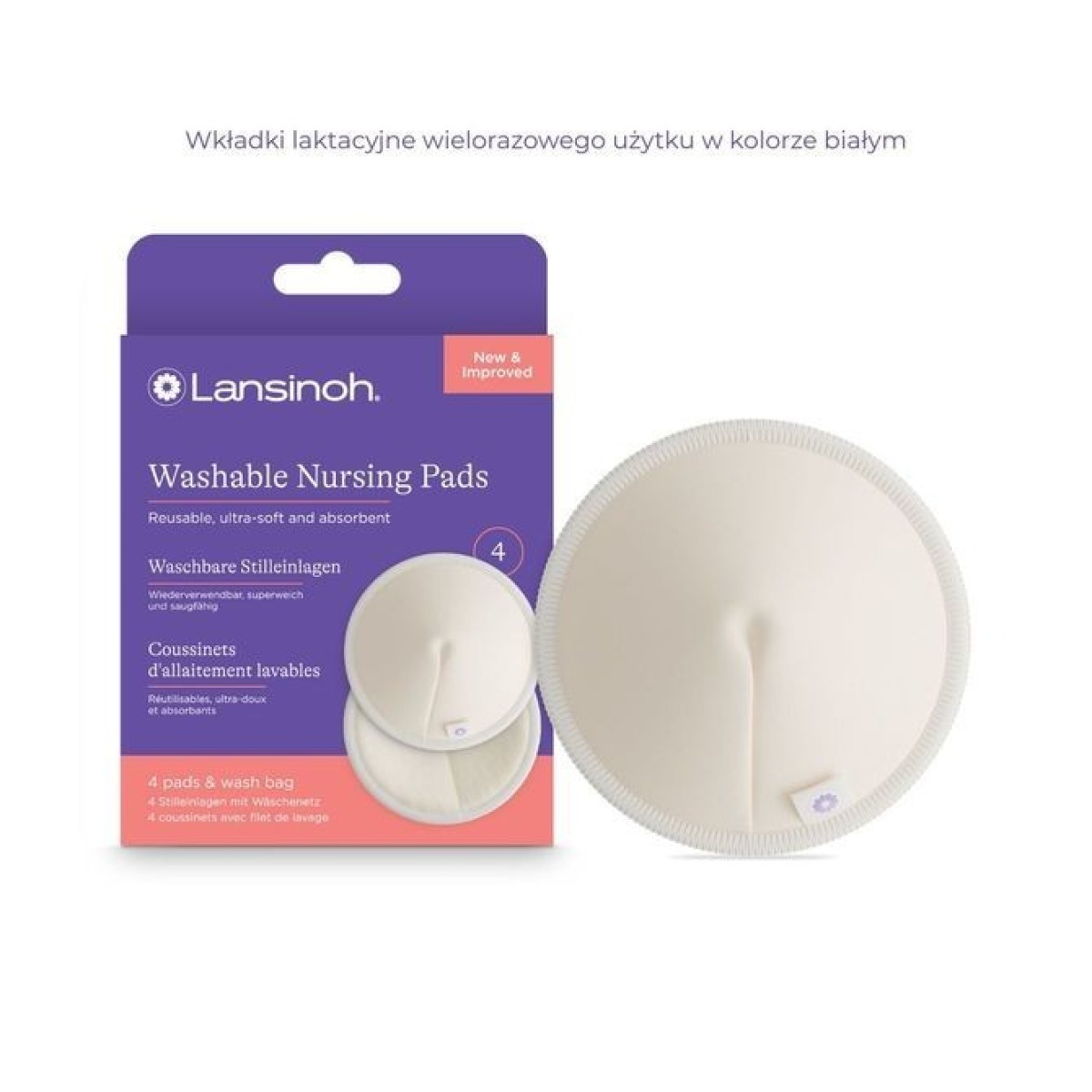
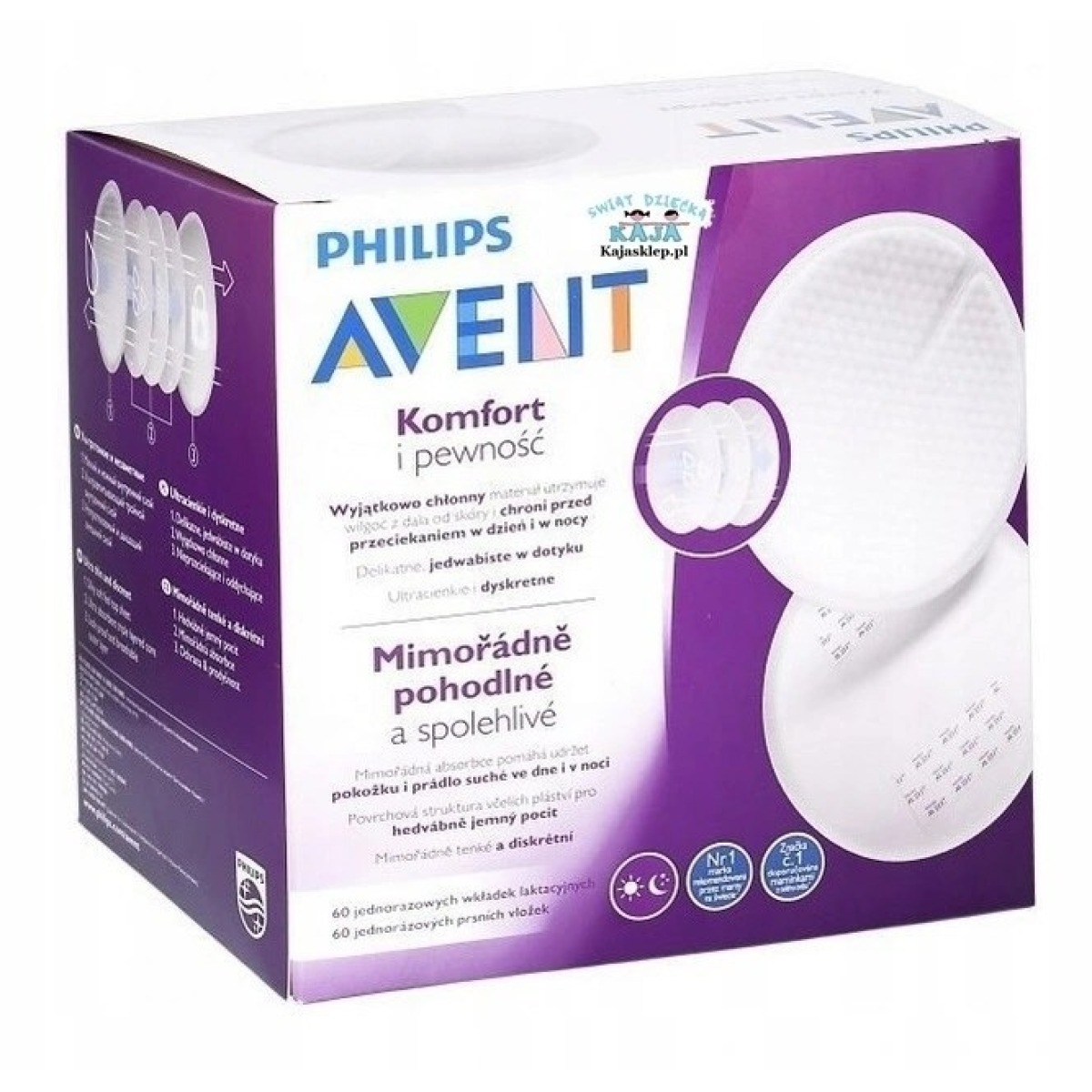
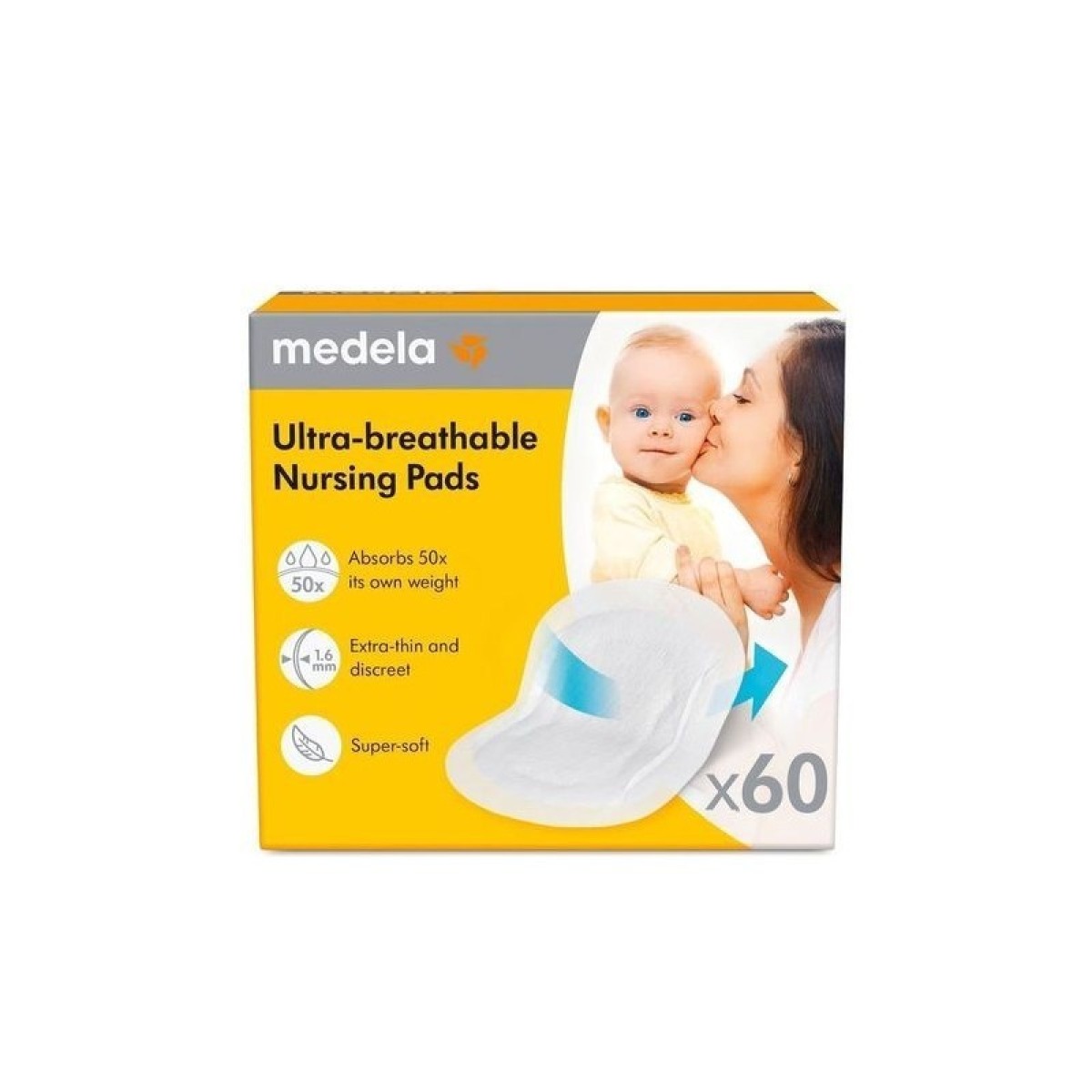
Nursing Pads are a practical part of breastfeeding hygiene, providing protection and comfort both day and night. They are particularly suitable for mums who want to keep the sensitive skin of their breasts drier and reduce irritation. Nursing Pads are especially useful while breastfeeding is ongoing or when milk flow is less predictable, for example as feeding routines with a baby or toddler develop
at the beginning. Thinness and discretion make it easy to fit the pads into a bra, keeping the inner layer inconspicuous in everyday wear. It is important to choose the right absorbency — different packaging and layers (e.g. a three-layer absorbent structure) help absorb excess milk more effectively and reduce the feeling of leakage. A good Nursing Pad supports a comfortable home routine and helps you feel confident in the nursery and throughout the day at home.
Nursing Pads for Breastfeeding – What to Expect
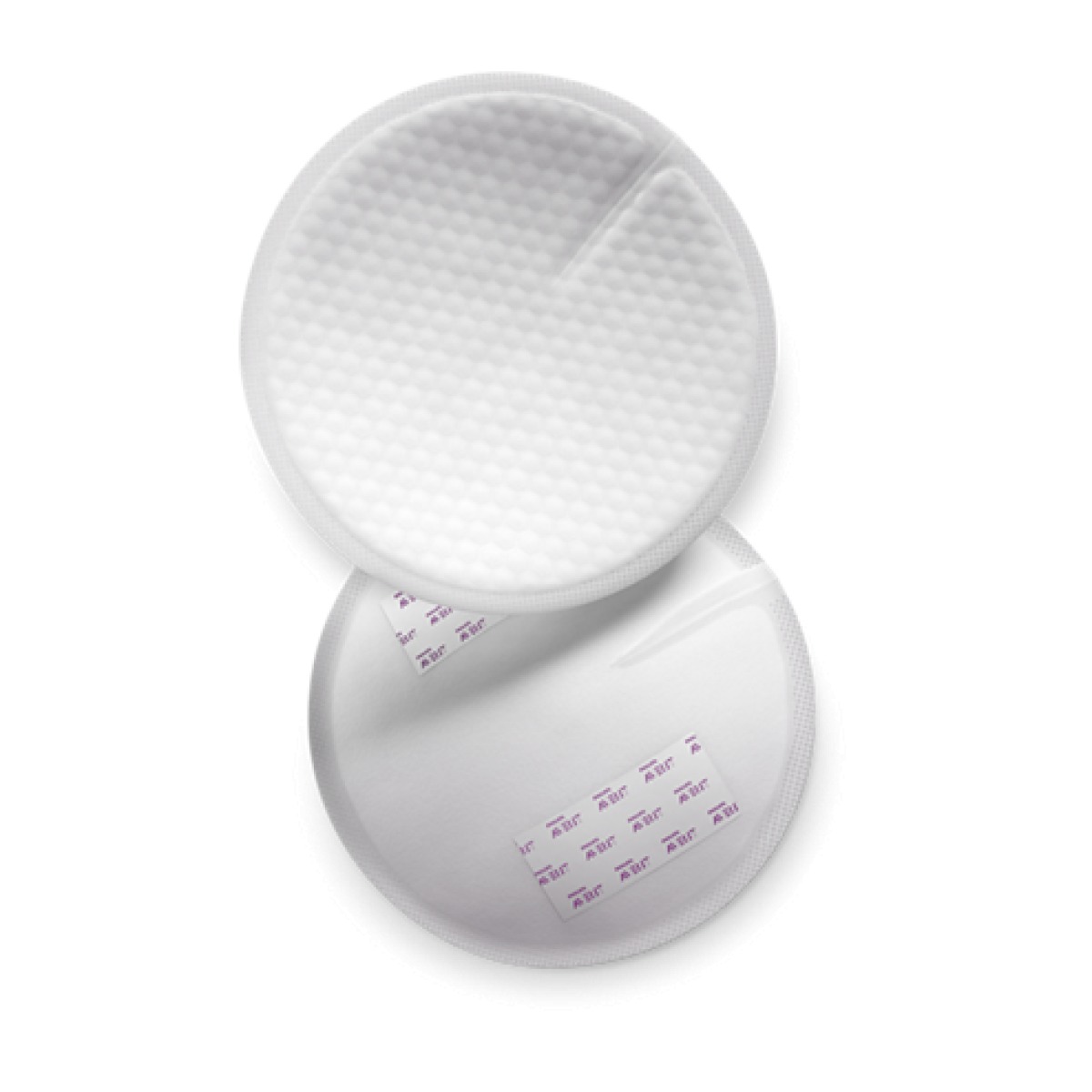
Nursing Pads are designed for use while breastfeeding, when excess milk may leak from the breast or when you want to protect the skin from rubbing and moisture. Well-chosen nursing pads stay comfortably in place in your bra and absorb moisture to help keep your skin drier. Many Nursing Pads have an ultra-thin design that helps keep them discreet.
They are easy to use: place a pad inside your bra and wear it during everyday activities or at night. As breastfeeding often follows your baby’s rhythm, it is practical if Nursing Pads are quick to change and suitable for care according to the pack instructions.
Absorbency and breathability – selection criteria for mum
During breastfeeding, the most important thing is for Nursing Pads to absorb excess milk and keep the pad surface comfortable against the skin. Many products have absorbent layers that help draw in moisture more quickly. For example, descriptions may specify absorbency (e.g. up to 150 ml or high absorbency next to the breast), which can help reduce the risk of leaks.
As well as absorbency, the material’s breathability also affects comfort. Breathable Nursing Pads are better suited to longer wear, as they help manage moisture and reduce the feeling that the pad gets too wet too quickly. It is therefore worth choosing products that emphasise a thin, even structure.
- Absorbency: choose according to how often you need to change the pads and how much leakage you experience.
- Thinness: helps keep them discreet and suitable for bras with different cuts.
- Breathability: supports comfort both at home and when out and about.
- Layers: a multi-layer absorbent structure can help hold in moisture more effectively.
- Pack quantity: choose a suitable quantity (e.g. 24 pcs, a larger quantity) to plan for convenience and costs.
Gentle and discreet Nursing Pads – part of your routine
Nursing Pads are designed to be gentle on the breast area. Descriptions often highlight that the pad’s layers absorb excess milk and help protect sensitive skin from irritation. This is especially important when breastfeeding is intense at first, or when the breasts need calmer, more reliable protection.
Discreetness also means the pad goes unnoticed under your bra. An ultra-thin design and the structure of the pad’s cover help reduce its visibility. It is also practical for the pad to be easy to put in and take out, making changes quick.
When Nursing Pads are especially useful
- In the early stages of breastfeeding, while feeding patterns and amounts are still taking shape.
- When milk flow is less predictable and you want to keep leaks under control.
- At night, when the need for protection is greater.
- While travelling or on longer days, when opportunities to change may be limited.
How to choose the right Nursing Pads for everyday use
A good Nursing Pad helps mum focus on spending time with her baby, rather than worrying about moisture and discomfort. First, choose the absorbency level and consider how often you can realistically change the pad. If leaks are more frequent, a higher-absorbency option or a larger pack may be suitable, so you have a convenient supply to hand.
Another important aspect is wearing comfort: a thin, breathable pad fits better and works well with different bra styles. If you want extra protection, a multi-layer absorbent structure can help. Always follow the manufacturer’s instructions on hygiene and how often to change the pads, to keep the skin as comfortable as possible while breastfeeding.