
- New
In stock · 1–3 business days1–3 business days
About the collection
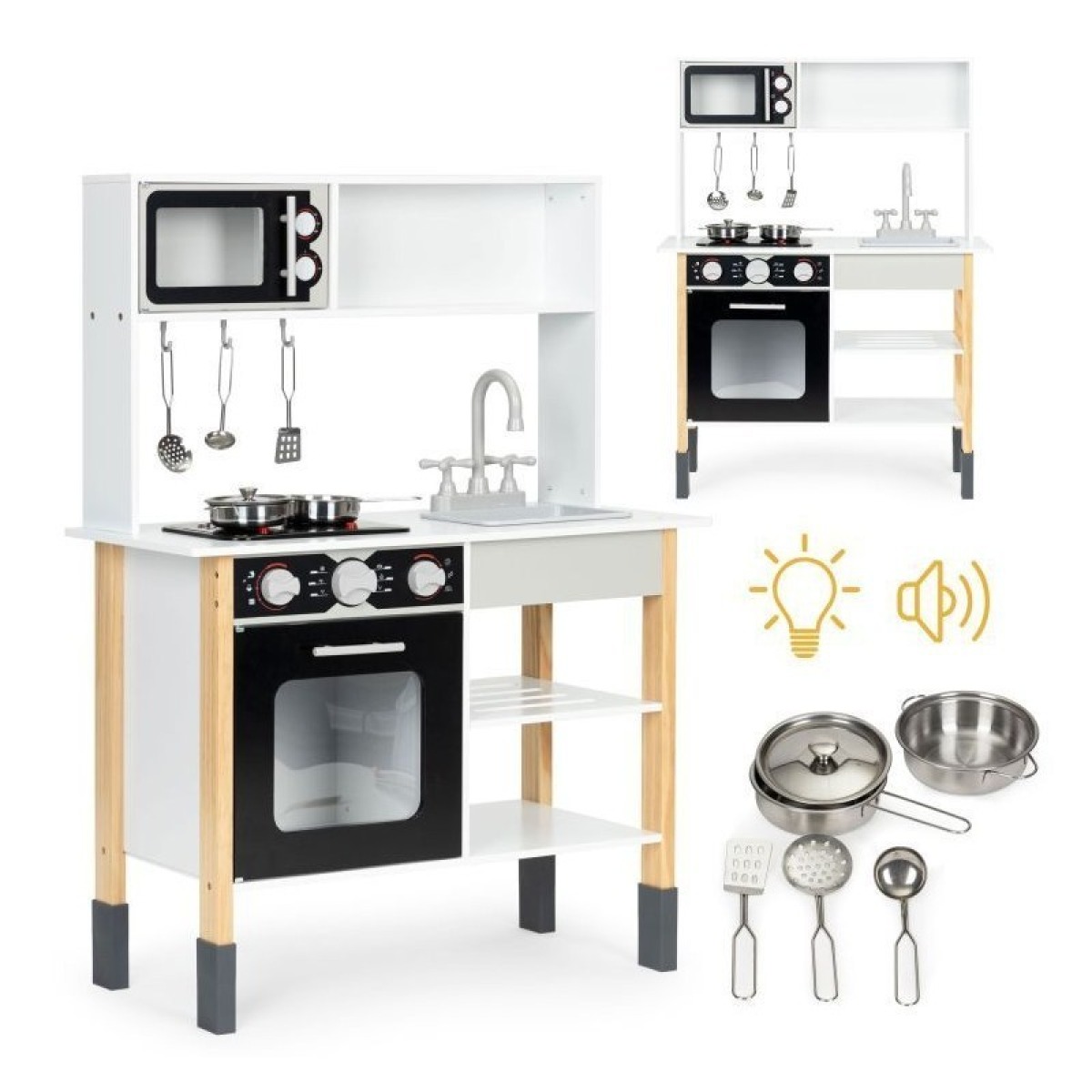
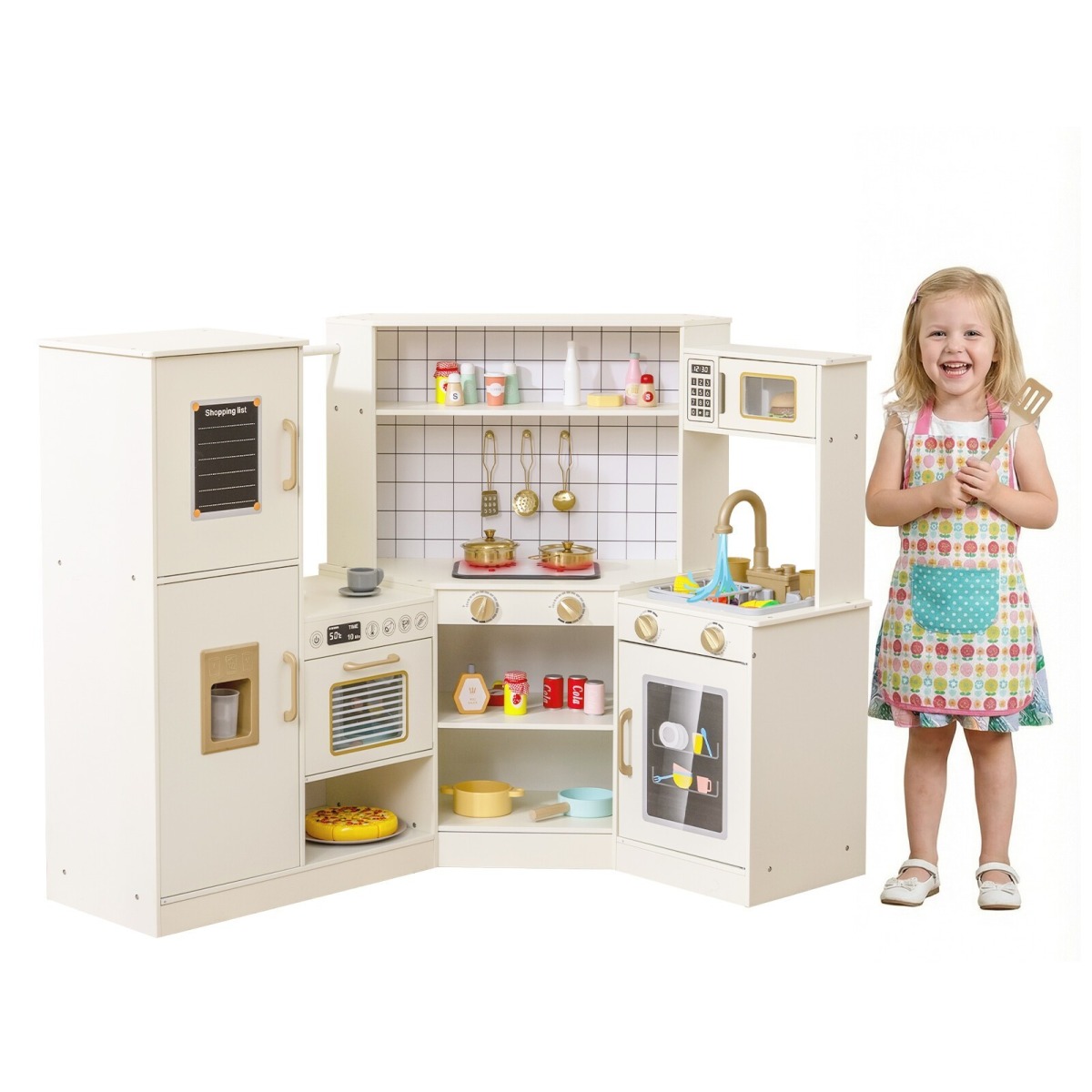
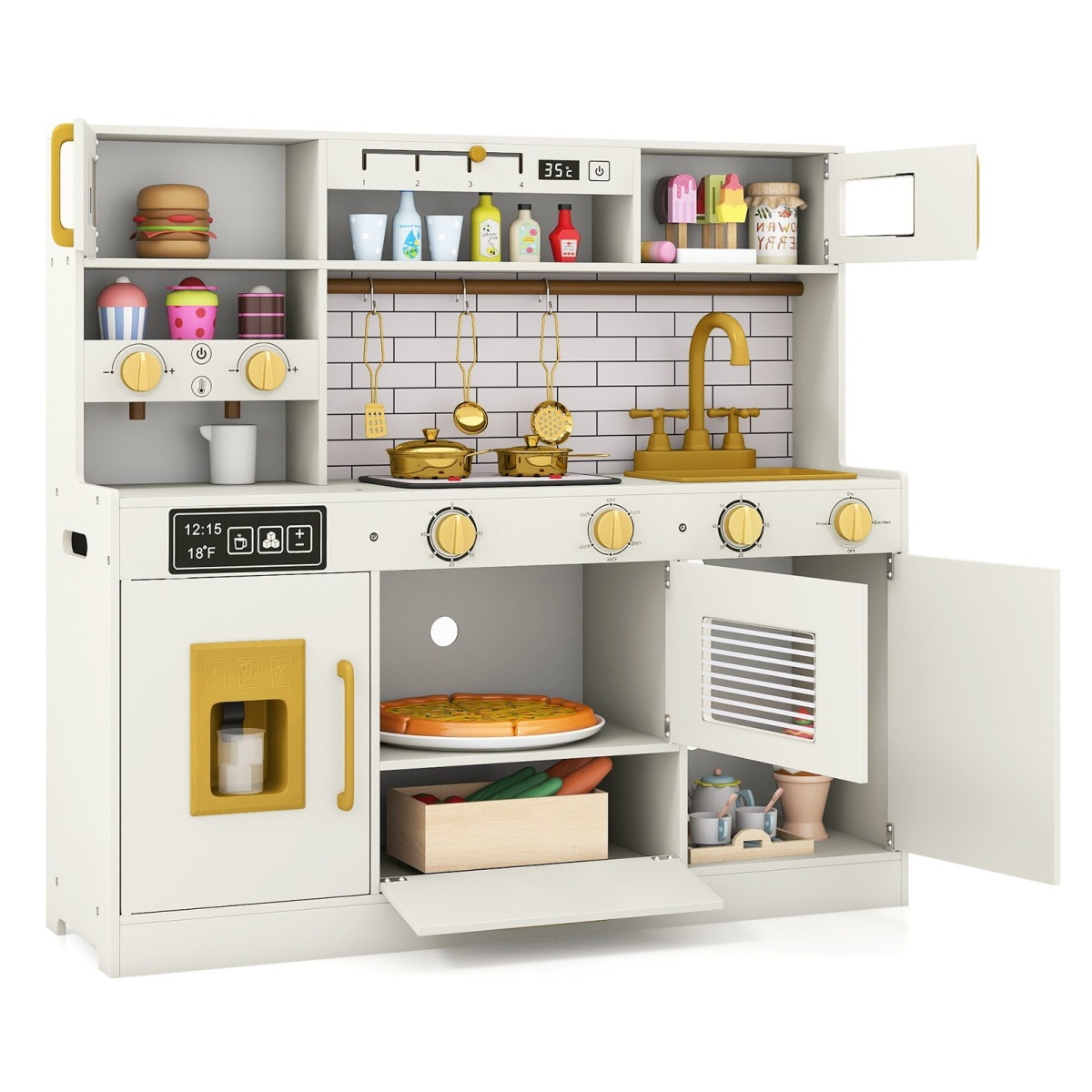
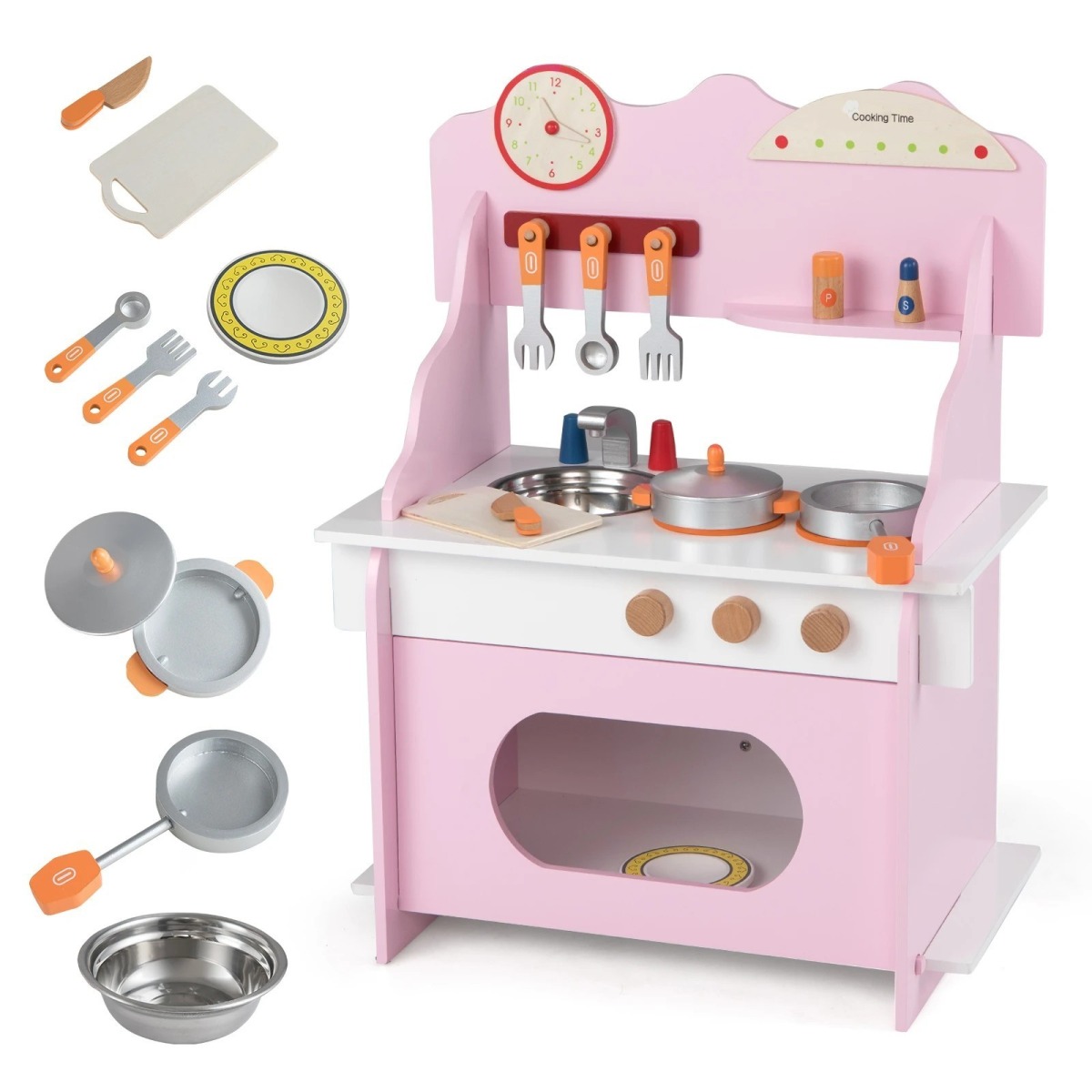
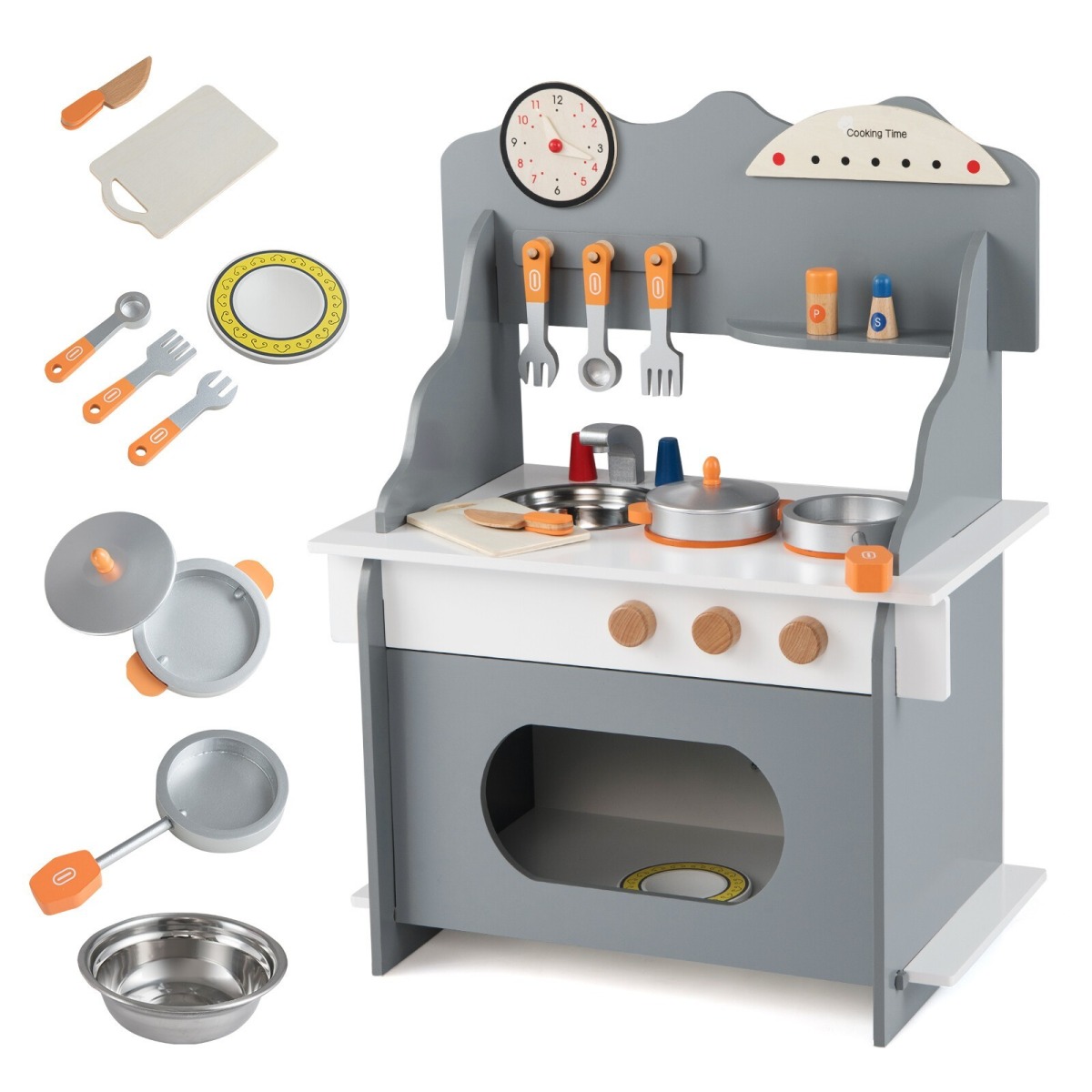
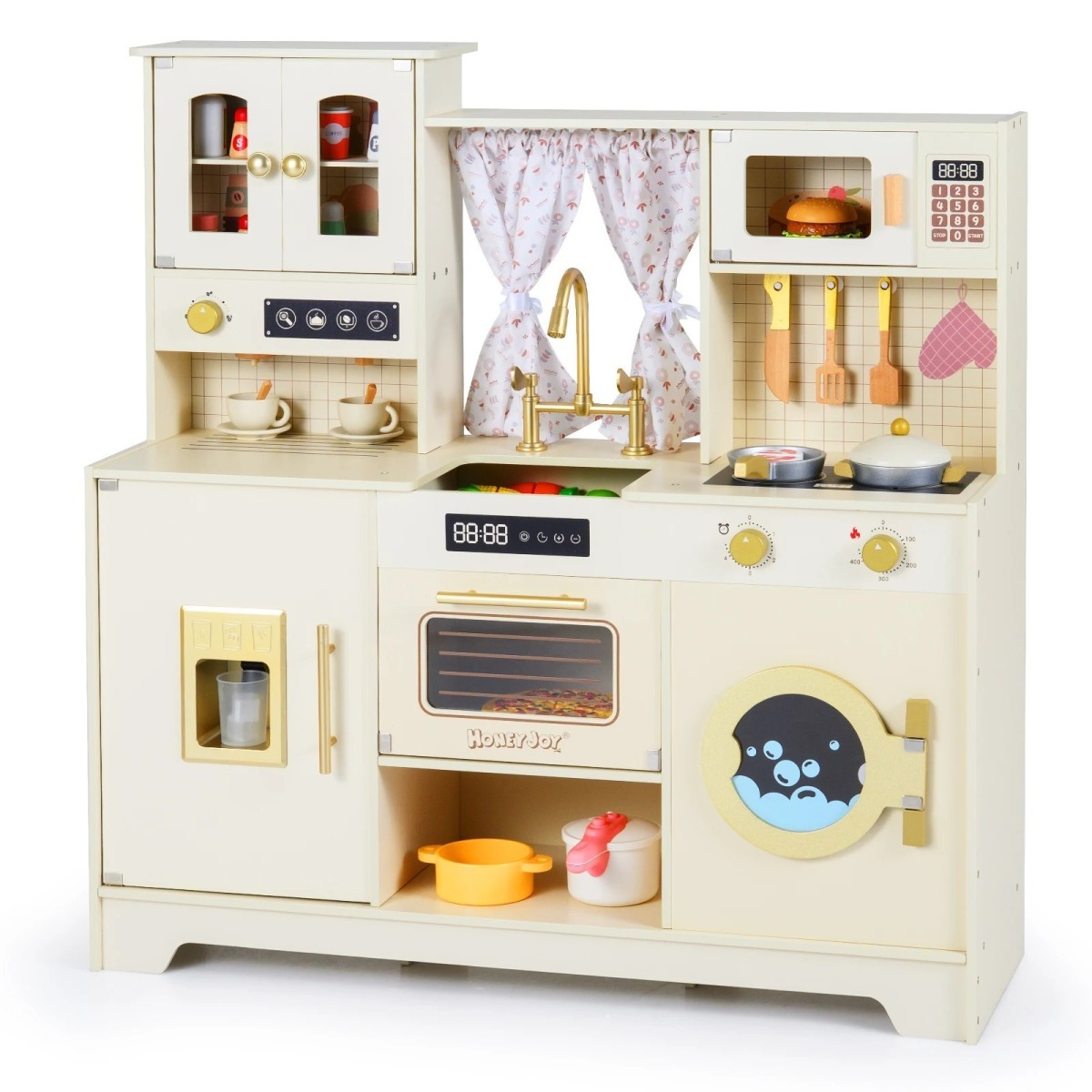
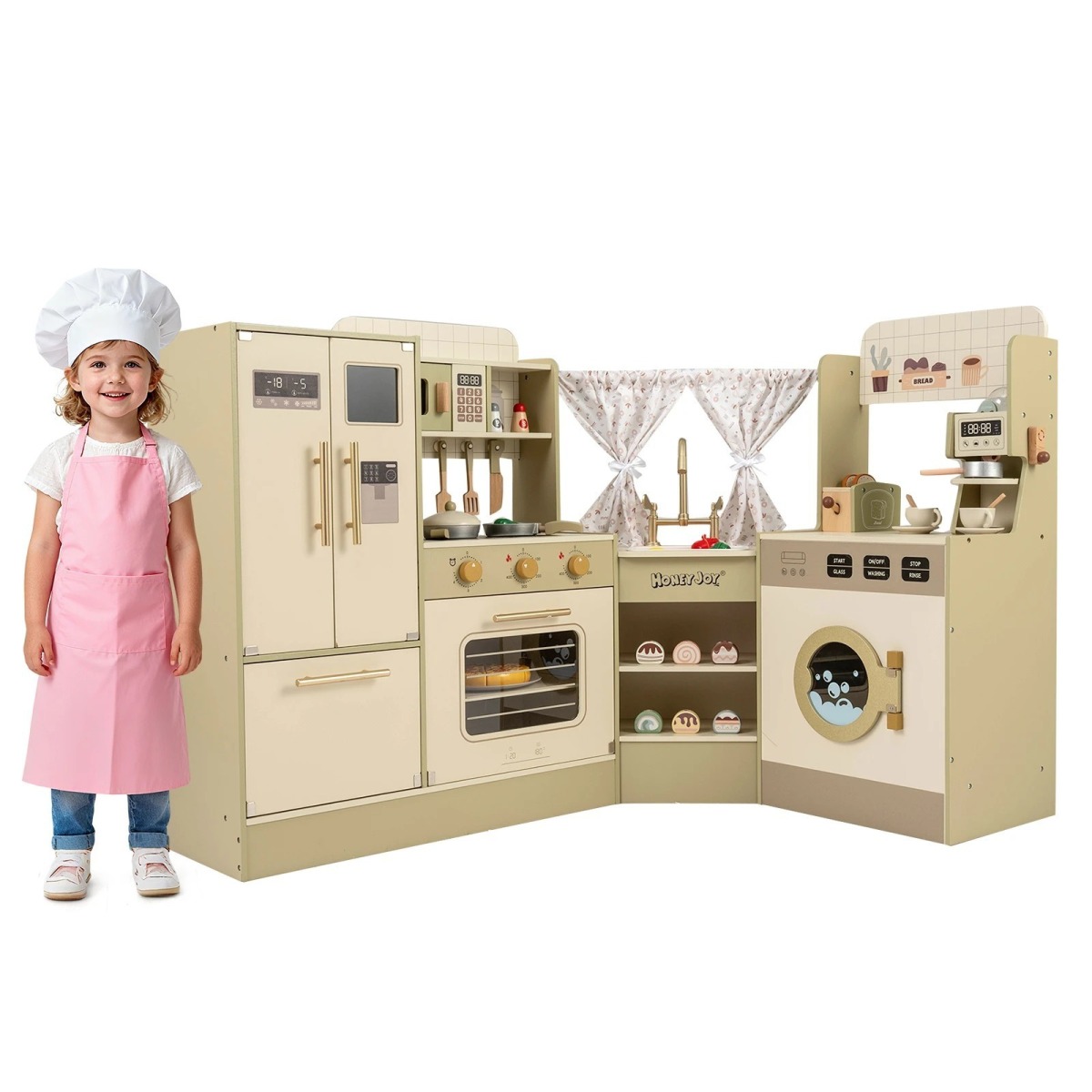
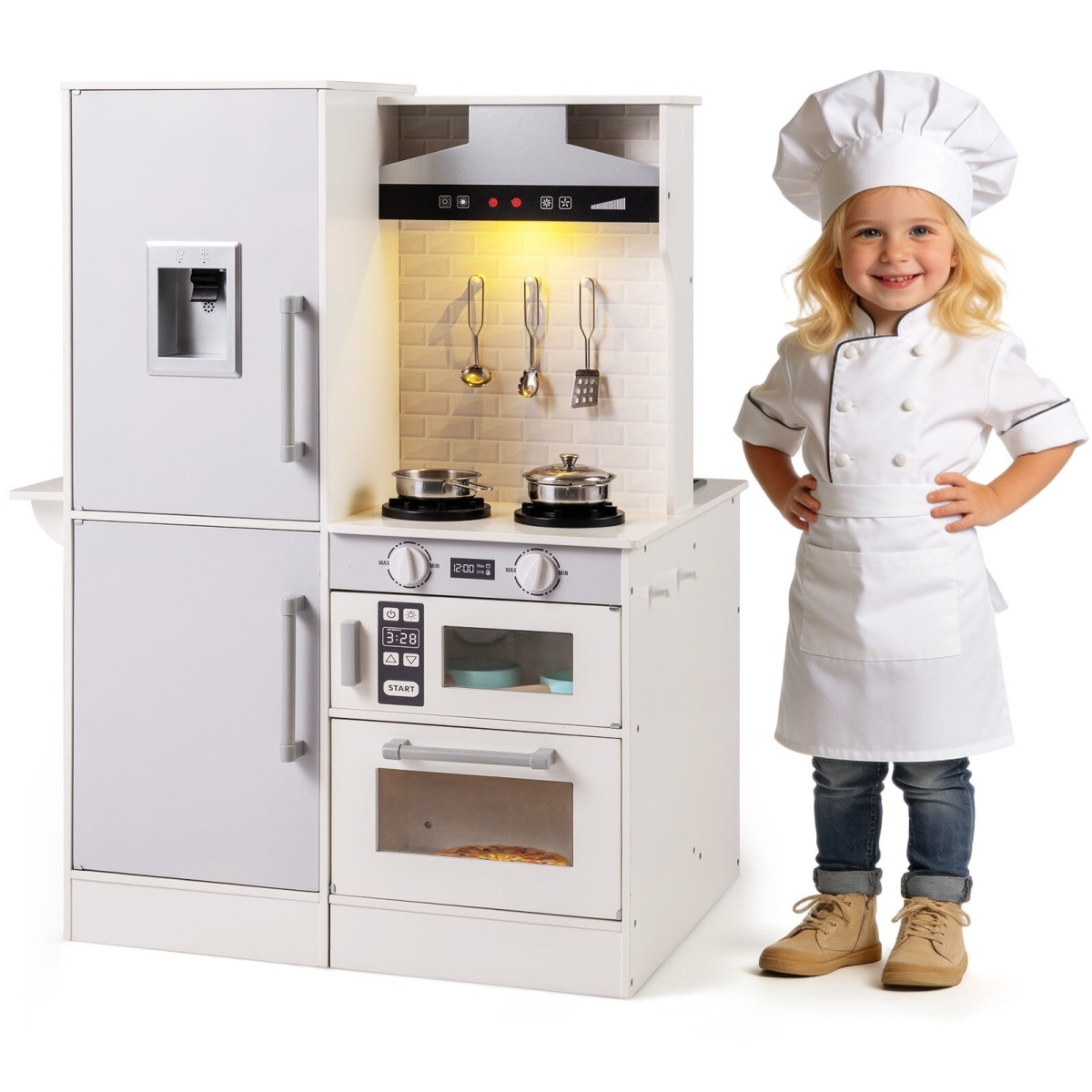
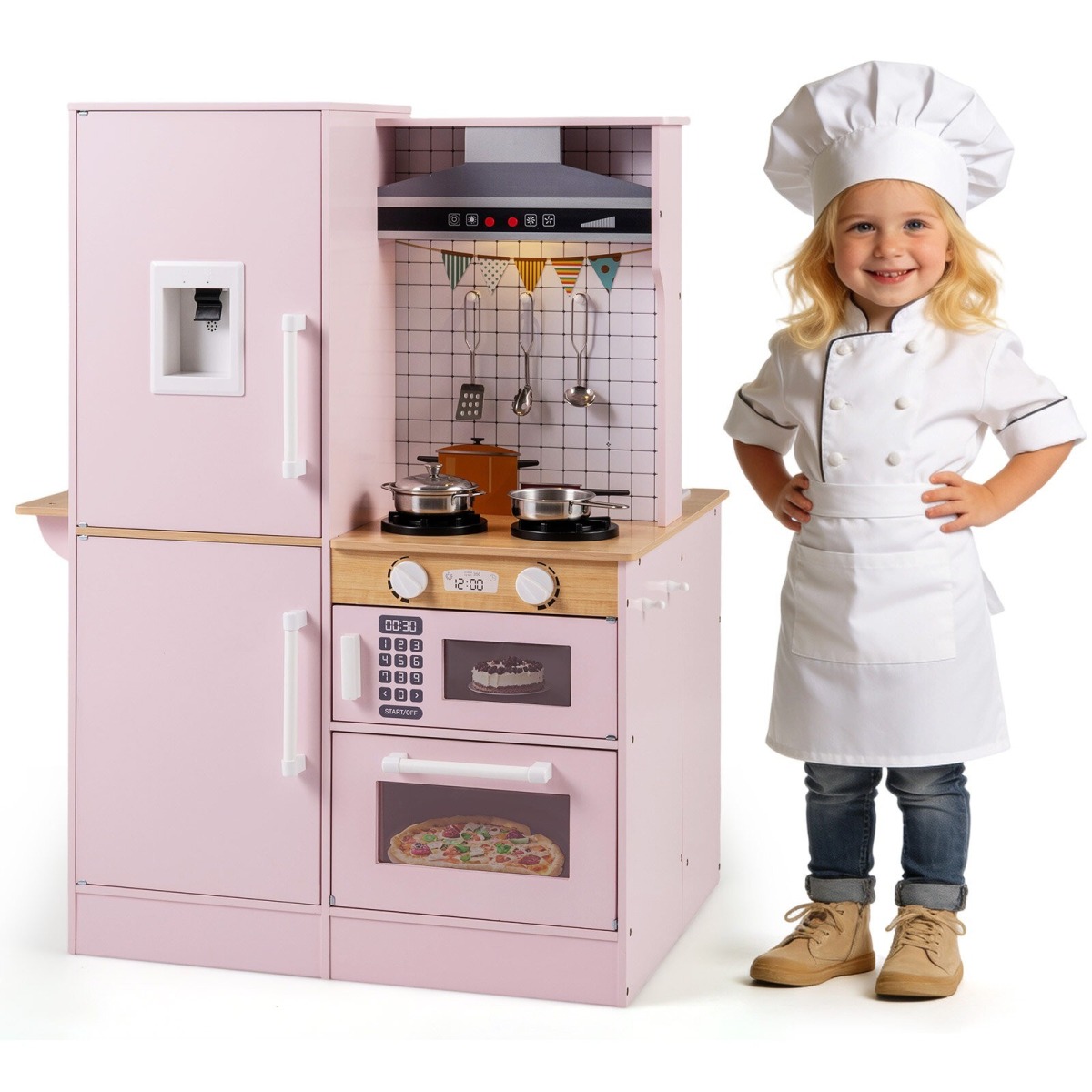
In a play kitchen, morning porridge is cooked, cakes are baked and the whole family is invited to eat. Kids' play kitchens inspire role play where everyday chores are practised. You'll find kitchens with a hob, oven, microwave...
Category guide
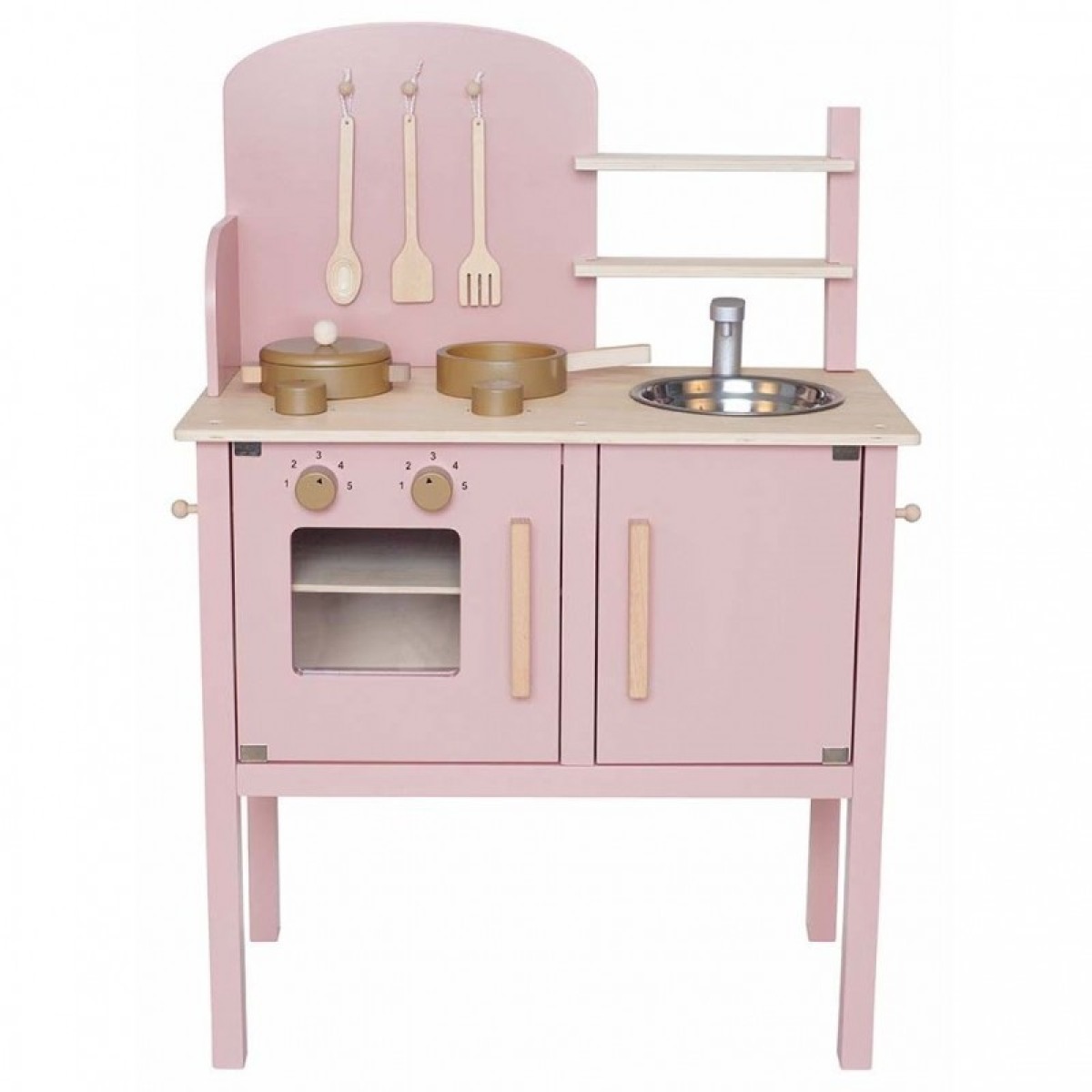
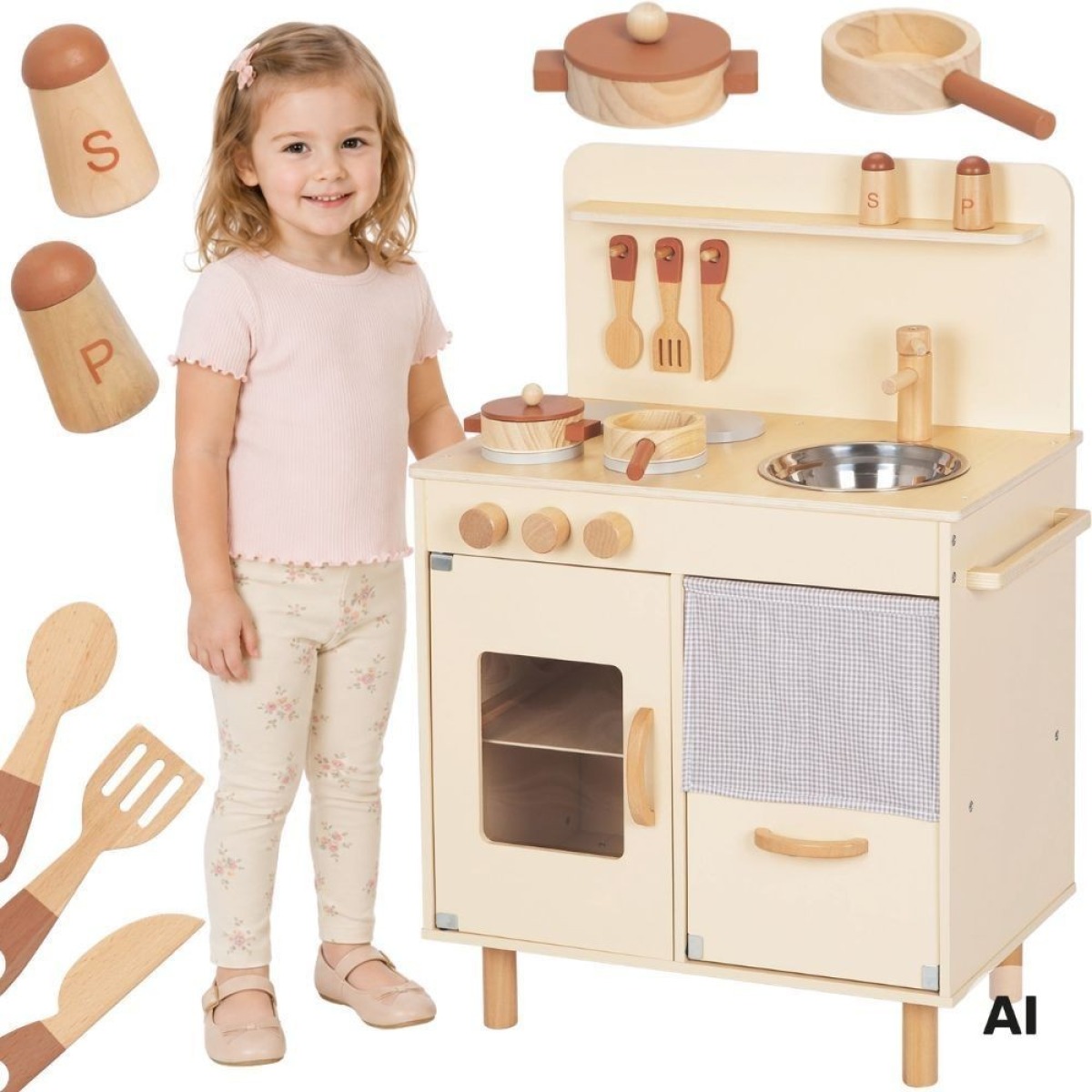
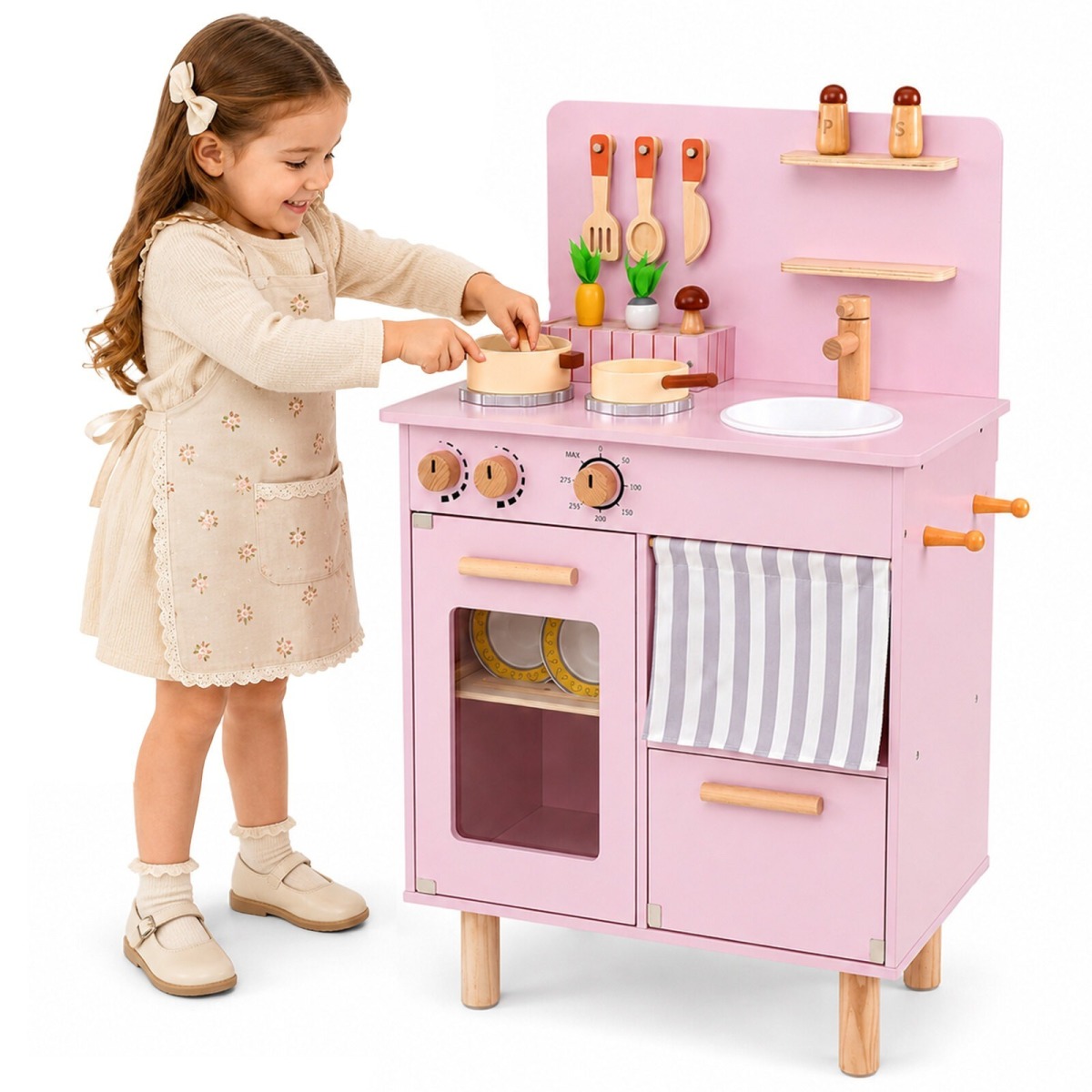
Play Kitchens are a popular feature in children’s rooms and home play corners, where children can enjoy role play and practise everyday activities. Babies and toddlers benefit especially from simpler, intuitive buttons and opening parts, while older children may enjoy full sets with an oven, microwave, sink and often play elements related to laundry or washing dishes. This kind of
play helps develop imagination, cooperation and communication skills, while children learn independence, perseverance and how to plan their activities by doing. When choosing a play kitchen, it is worth checking that it encourages imaginative play: realistic details, a logical “kitchen routine” (preparing food, serving and tidying up) and safe materials. Many sets also include kitchen accessories to get role play started straight away.
Play Kitchens let children explore everyday life in a way that is manageable and meaningful for them. When a child prepares “food”, serves it and tidies up, they practise following a sequence and learn to initiate activities themselves. Role play often develops social skills too, such as considering others, sharing and agreeing on how to play together.
Play Kitchens offer the practical benefit of creating a dedicated play space that children can return to again and again. In a child’s room at home, a play kitchen corner encourages both calm play and active “cooking”, especially when the kitchen has realistic buttons, movable elements and accessories.
When deciding, it helps to think about the activities your child will want to do during play. Some children prefer a smaller, simpler set that makes it easy to get started with kitchen utensils; others enjoy a larger kitchen island, a surface with several workstations and a solution with more features. In general, it is worth choosing a kitchen with parts suited to your child’s dexterity and that are easy to use independently.
Useful selection criteria include:
Many Play Kitchens focus on everyday kitchen “workstations”. Smaller versions may have a compact set-up, with features such as an oven and hob or worktops clearly visible. Larger models may have several separate functions, including a microwave, oven, sink and, in some cases, play elements related to a washing machine or washing dishes.
With a realistic design and clearly defined features (opening doors, movable knobs, removable sink), a child can play through a longer sequence: preparing, heating, serving and finally “tidying up”. Interactive sound effects and lights add rhythm to role play and help keep the child engaged.
Play Kitchens work well with other role-play elements. With vegetables, food, pots and pans, and cutlery, children can play through the whole journey of food. Some sets or matching designs combine the kitchen area with a sales counter or market- or kiosk-style role play, giving children the chance to “cook” as well as “serve and sell”.
A practical approach is to set up the play space so that accessories are within the child’s reach and each item is always kept in the same place. This keeps play flowing and lets the child use the same tools consistently.
When a Play Kitchen is designed so that children can open, turn and use the parts themselves, it encourages independent play. Designs that follow Montessori principles often emphasise clarity and a logical layout, helping children discover activities step by step.
It is important that the play kitchen matches the child’s everyday interests and play style. Some children enjoy more “technical” details, such as the click of a button and sounds, while others focus on preparing and serving food.
MIU Kids
A quiet word about cookies
Necessary cookies are already on, so your basket and checkout can work. Analytics cookies stay off until you accept. Until then Google may receive a cookieless visit signal so we can count visits. It is not used for advertising. Accept all cookies, or keep only the necessary ones. Both are one click. We remember your choice for six months, and you can change it at the bottom of the page. Privacy notice
Analytics cookies wait for a yes
MIU Kids
Choose what stays on
Necessary
Always on. These keep the basket, checkout and the shop secure.
Analytics
No analytics cookie until you accept. A cookieless visit signal may still be sent. If you accept, Google Analytics shows which pages are used. It does not build advertising profiles.