
- New
In stock · 1–3 business days1–3 business days
About the collection
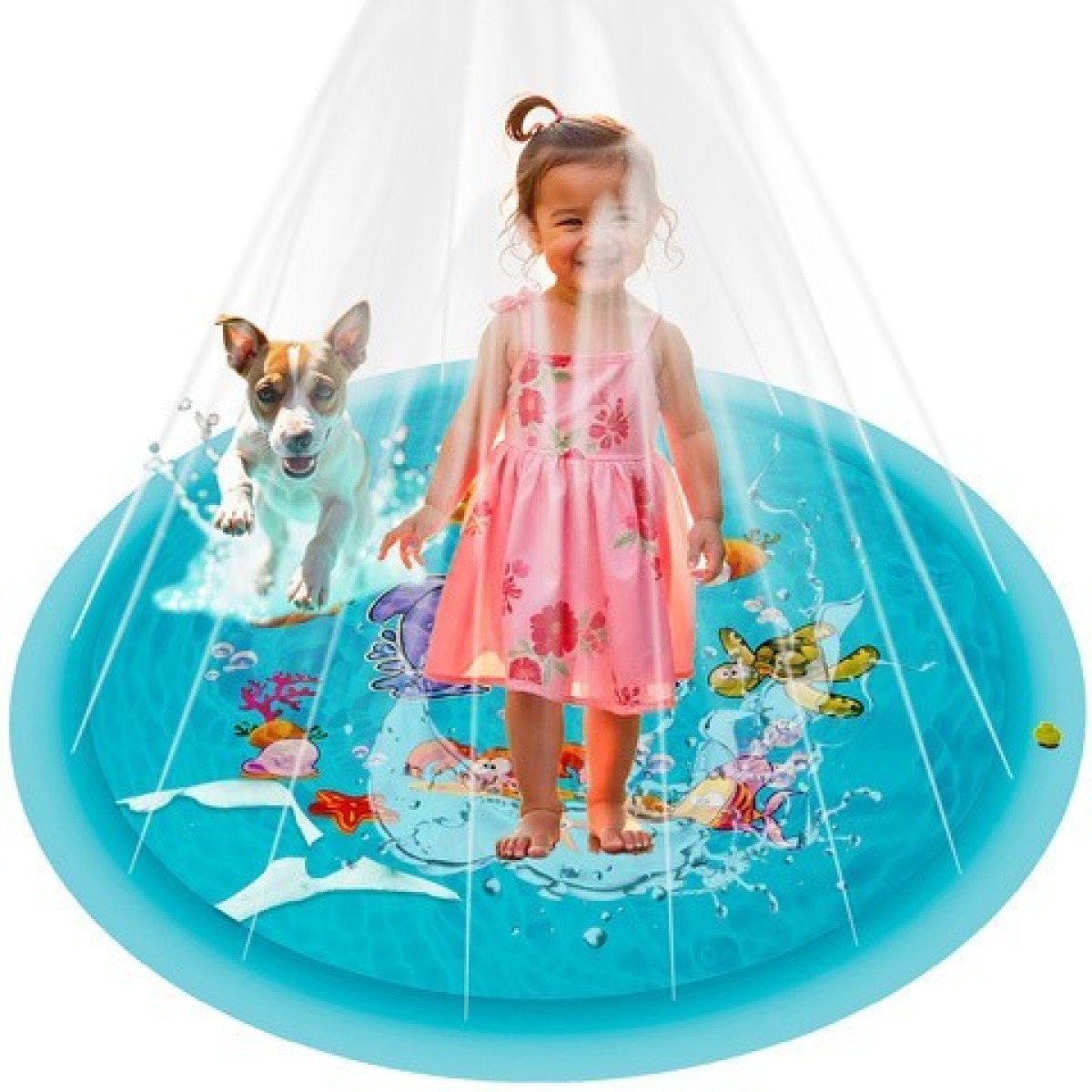
A paddling pool of your own makes summer days unforgettable. You'll find pools for babies and toddlers getting to know the water at their own pace, and roomier models for older children to splash in. When choosing, check the...
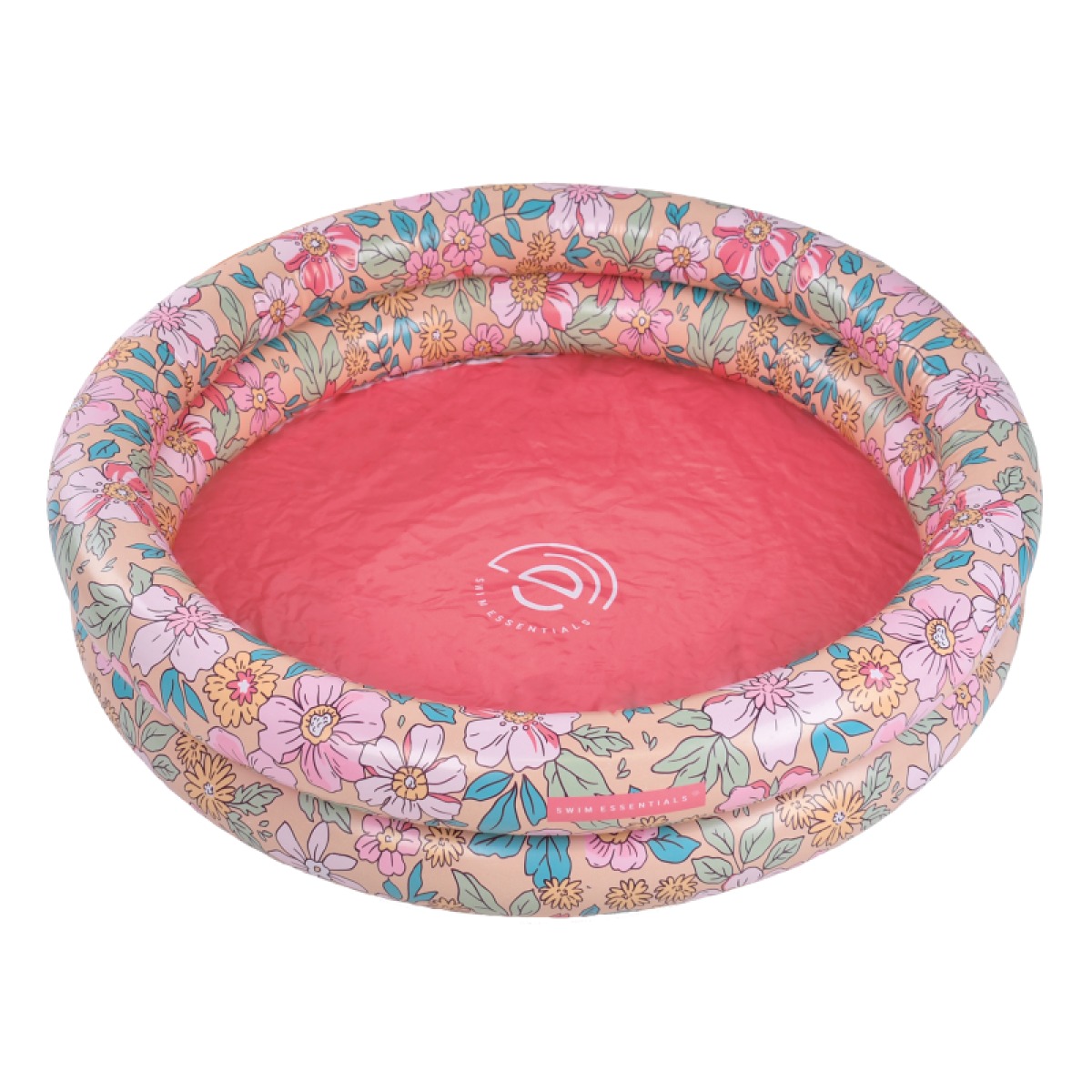
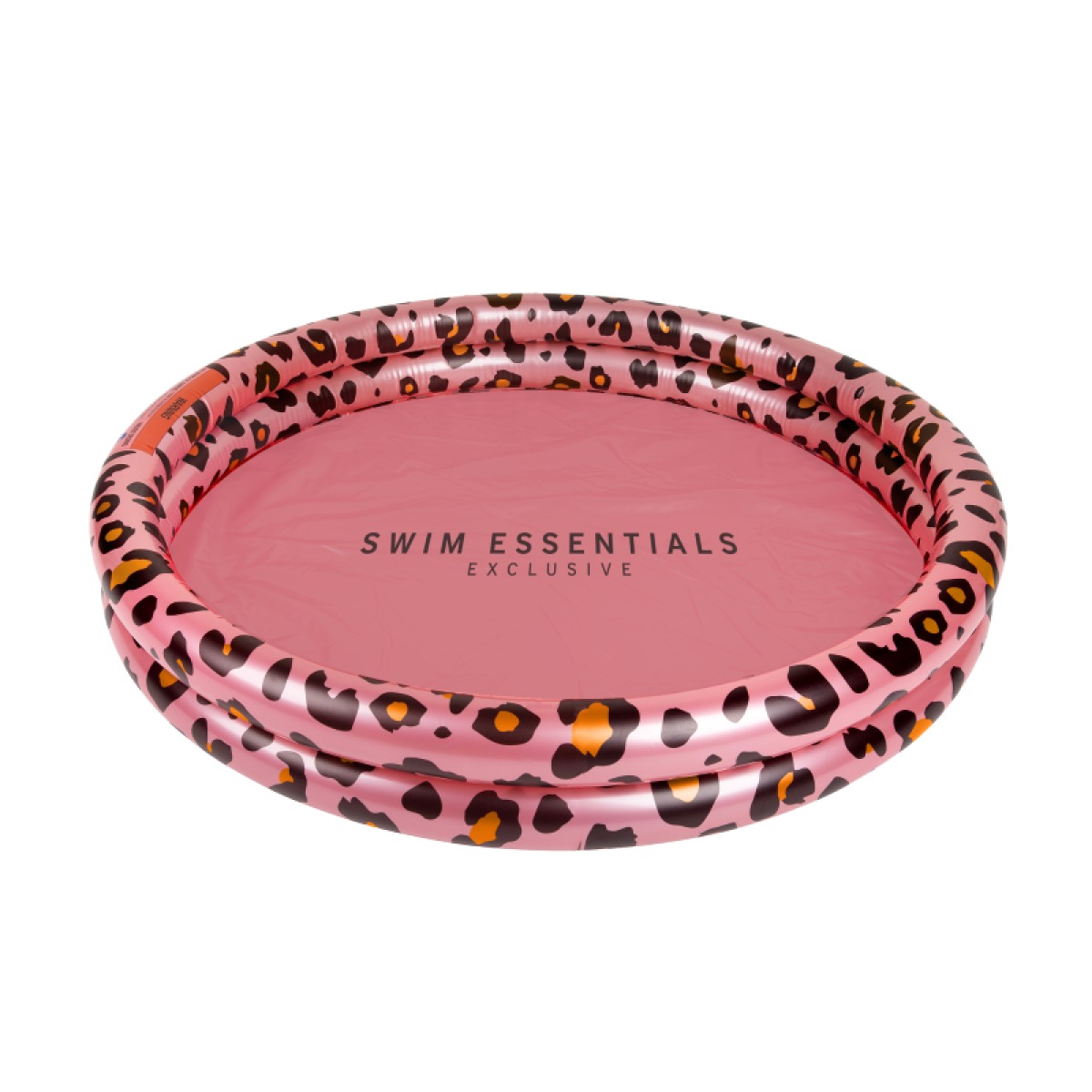
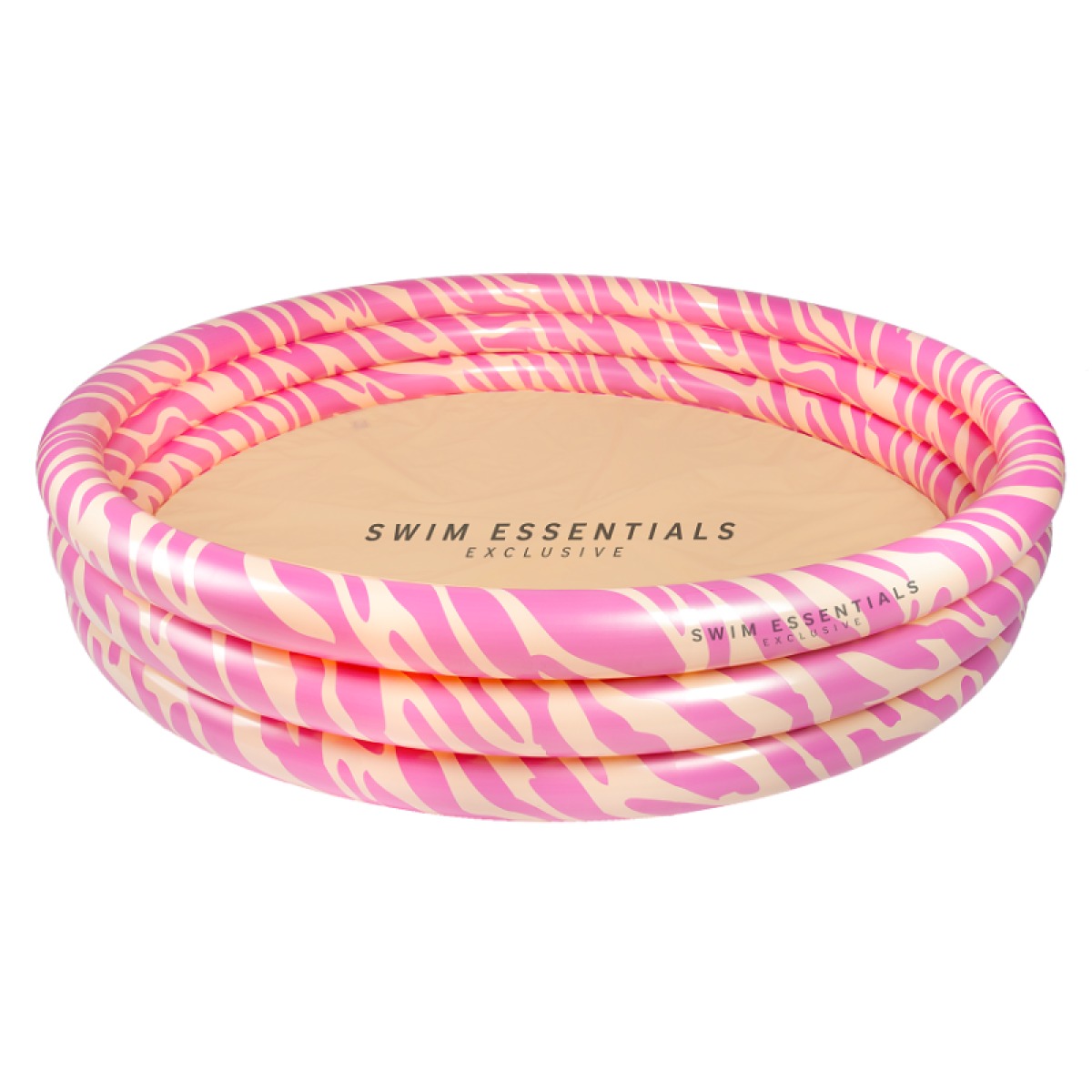
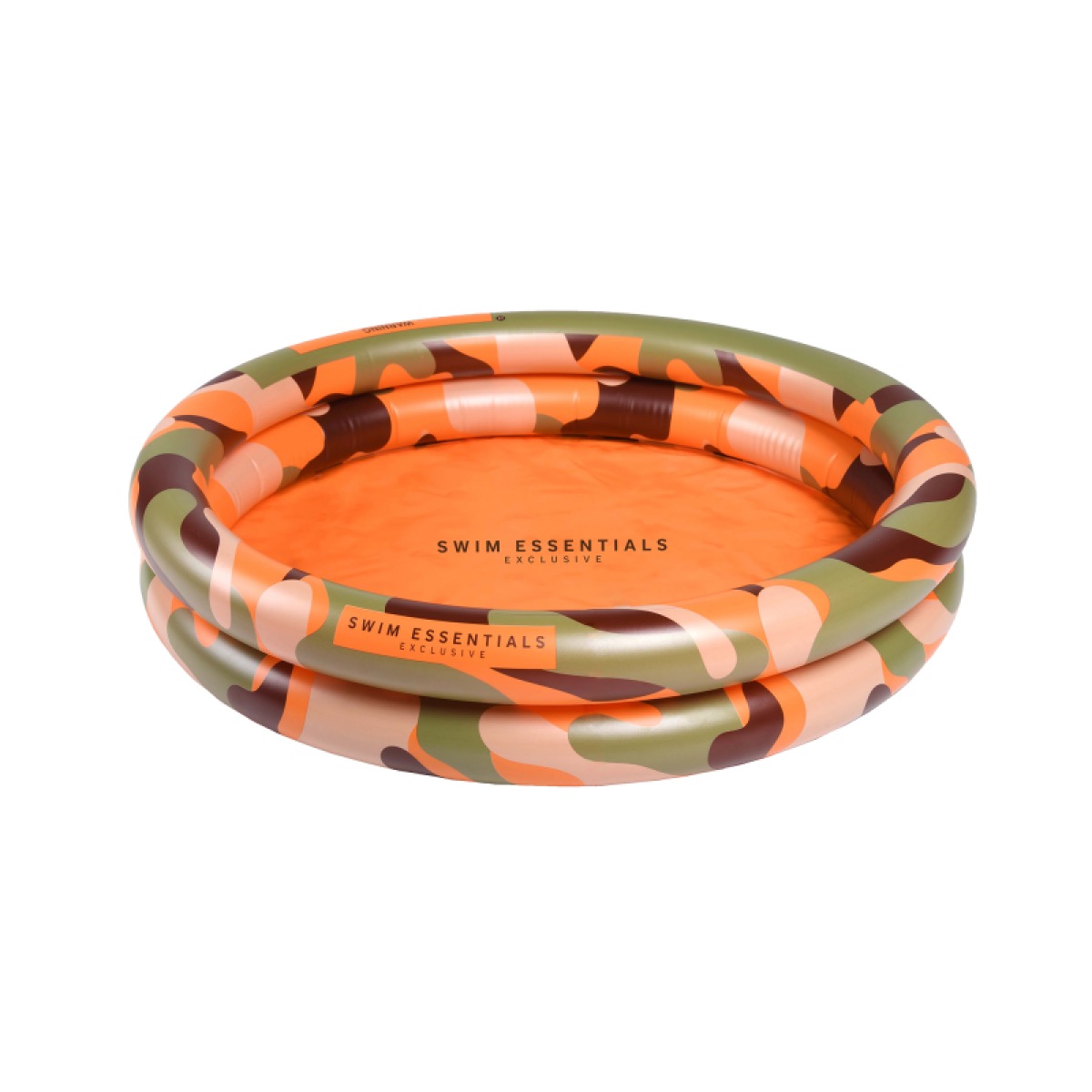
Category guide
Kids' pools are a practical way to turn summer days into outdoor play and give children water fun close to home. The range suits babies and toddlers as well as older children who want to splash, play and discover water calmly in the garden or yard during the summer. It is important to pay attention to the age limit, the capacity and how easy
the pool is to set up and store. Different types, including inflatable kids' pools and frame pools, let you choose just the right size: smaller diameters are convenient for babies and children aged 1+, while larger models suit longer play. Safety is also supported by tested materials and compliant products, such as those marked with the EN-71 standard.
Kids' pools create a spot by the yard or terrace where children can play with water in summer and learn to handle the rhythm of the water, splashing and balance. For babies and toddlers, it is convenient to choose a lower, smaller-capacity pool that is easier to use, while older children enjoy splashing and longer play. Before choosing, it is worth thinking about how long and how often the pool will be used, and whether the activity will be calm splashing or active role play.
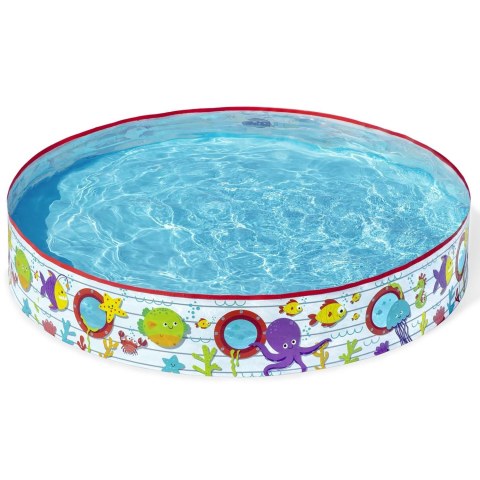
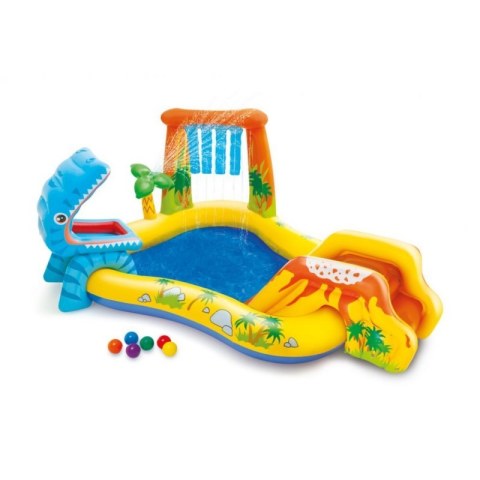
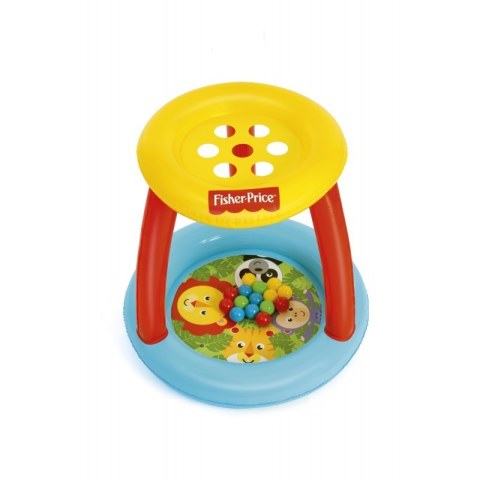
Suitability is largely determined by the pool's size, capacity and structure. Inflatable models are usually lighter and convenient to store, while frame pools often offer a more stable shape. Play centre pools and pools with a slide suit those who want activity and movement as well as water.
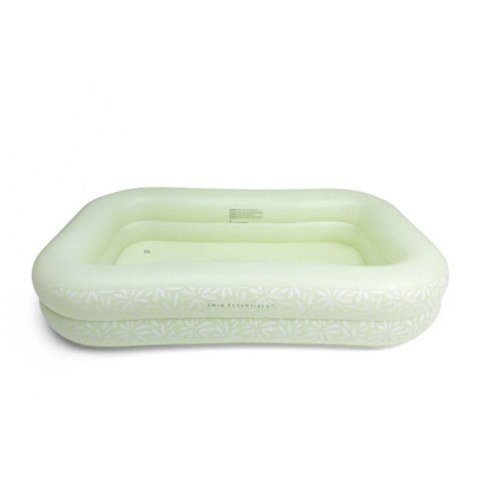
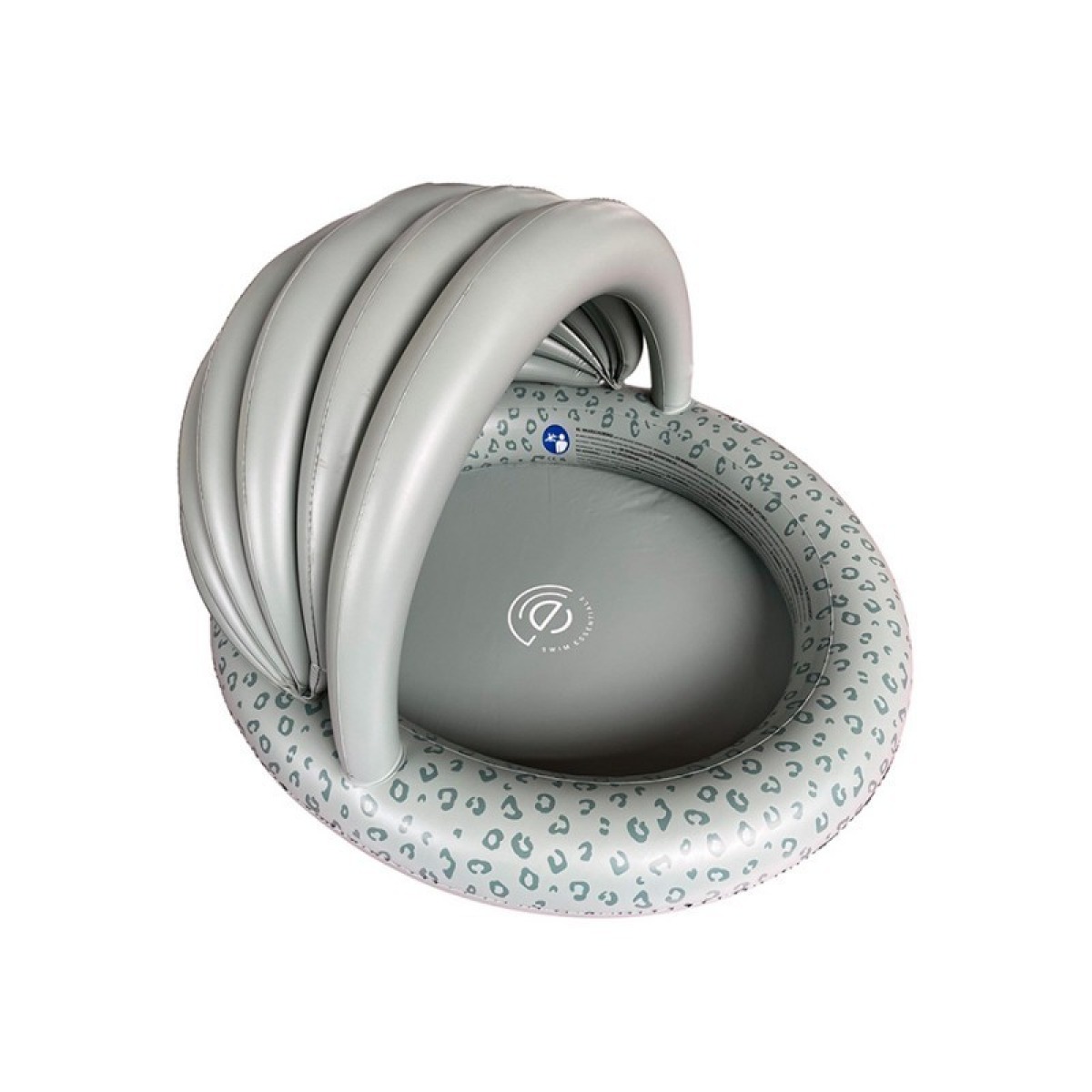
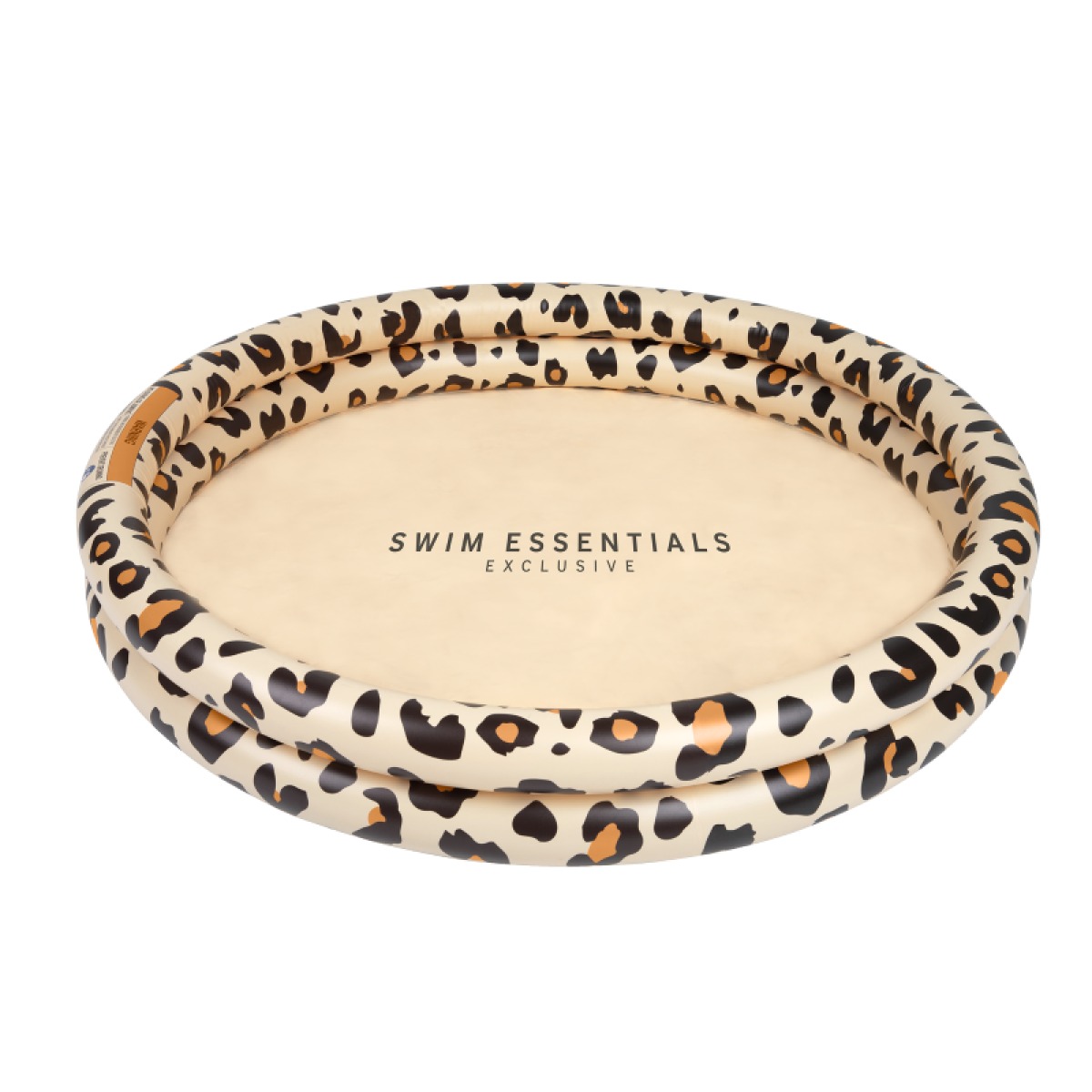
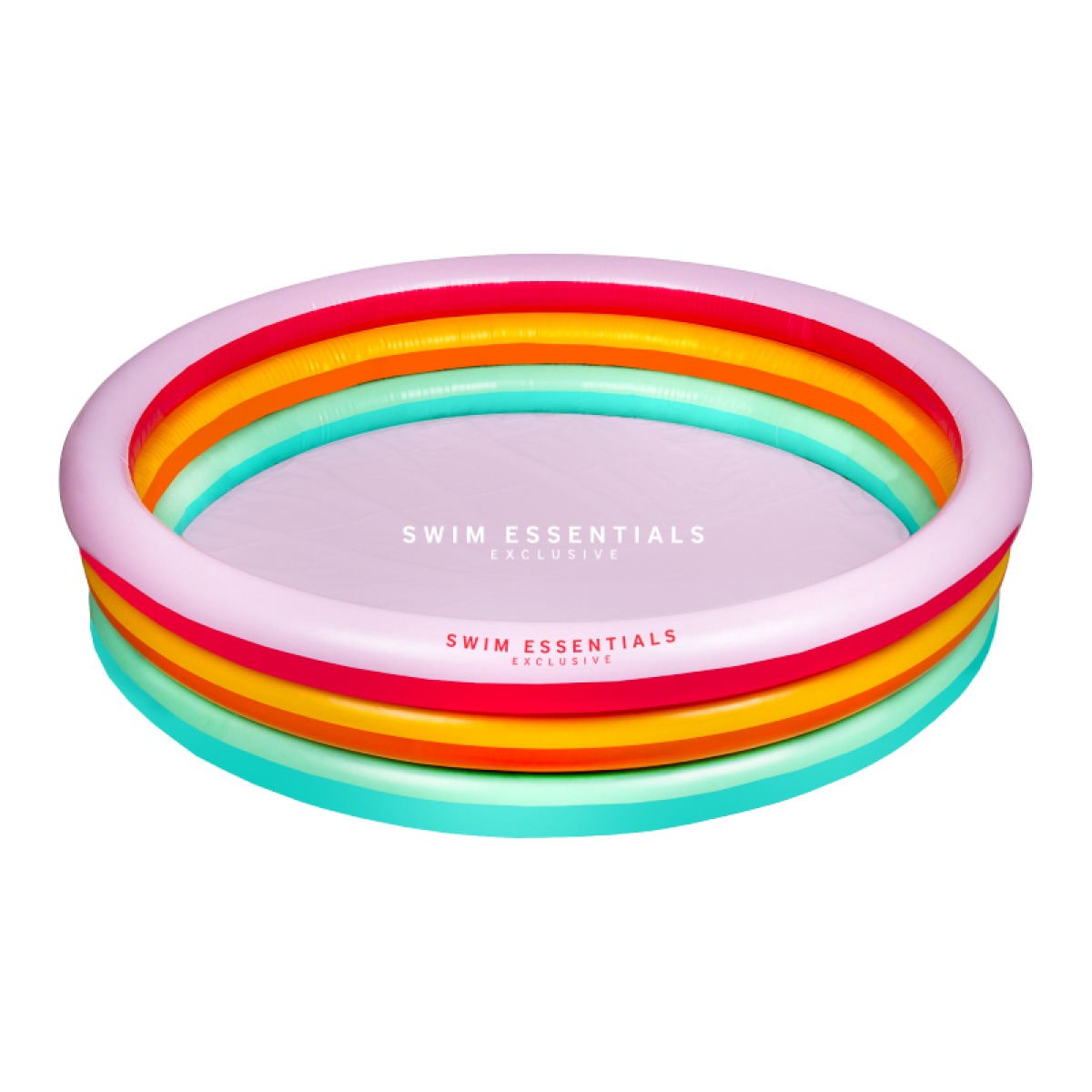
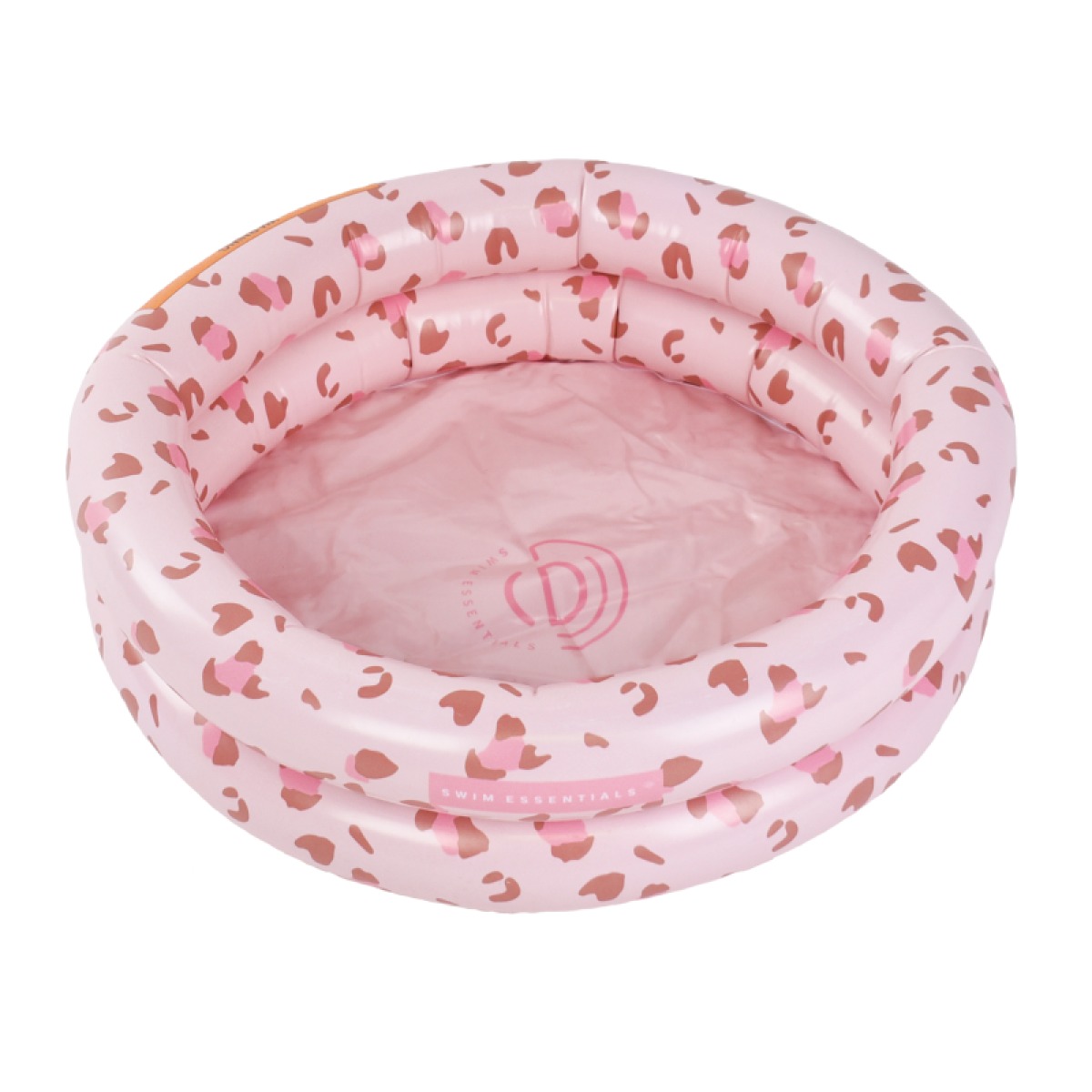
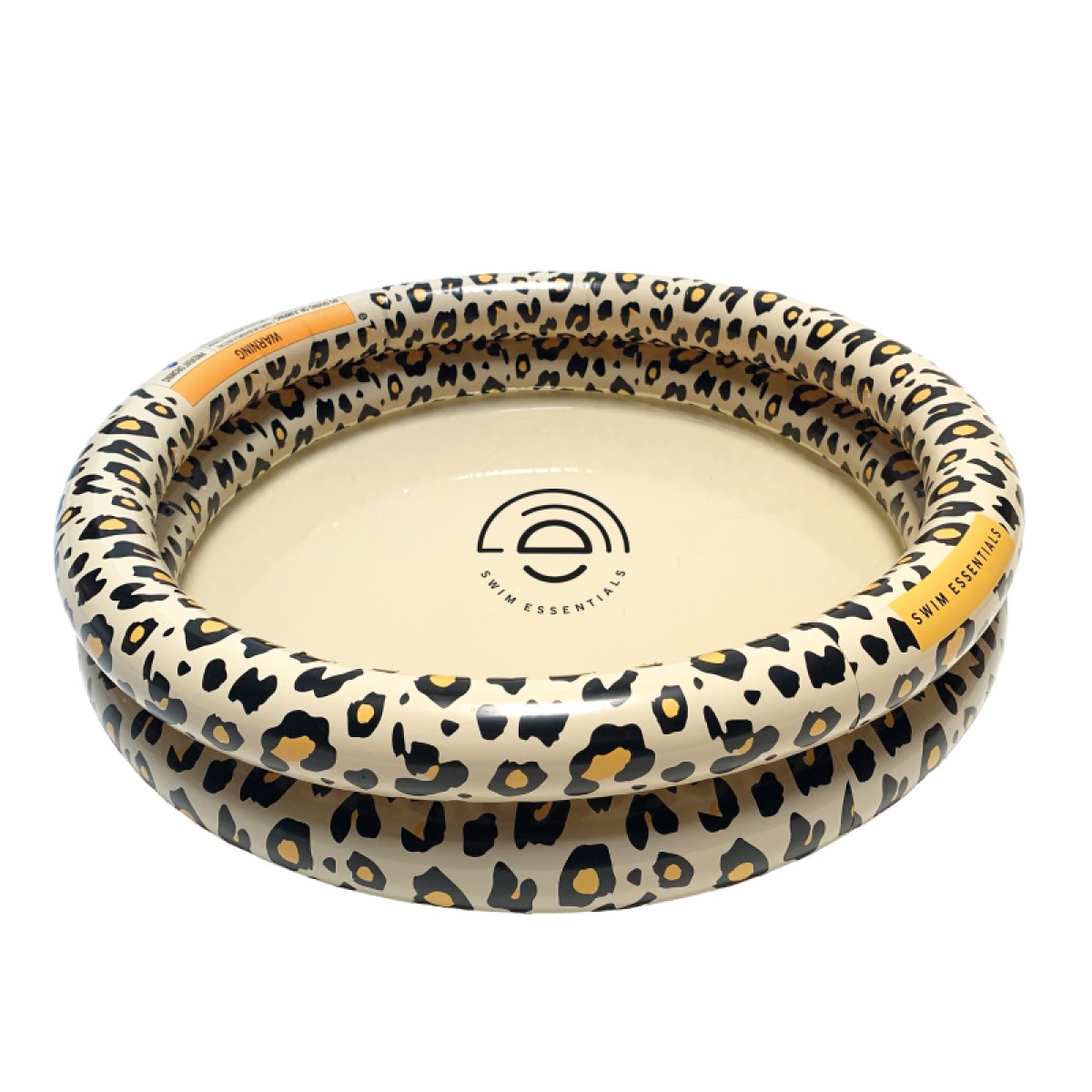
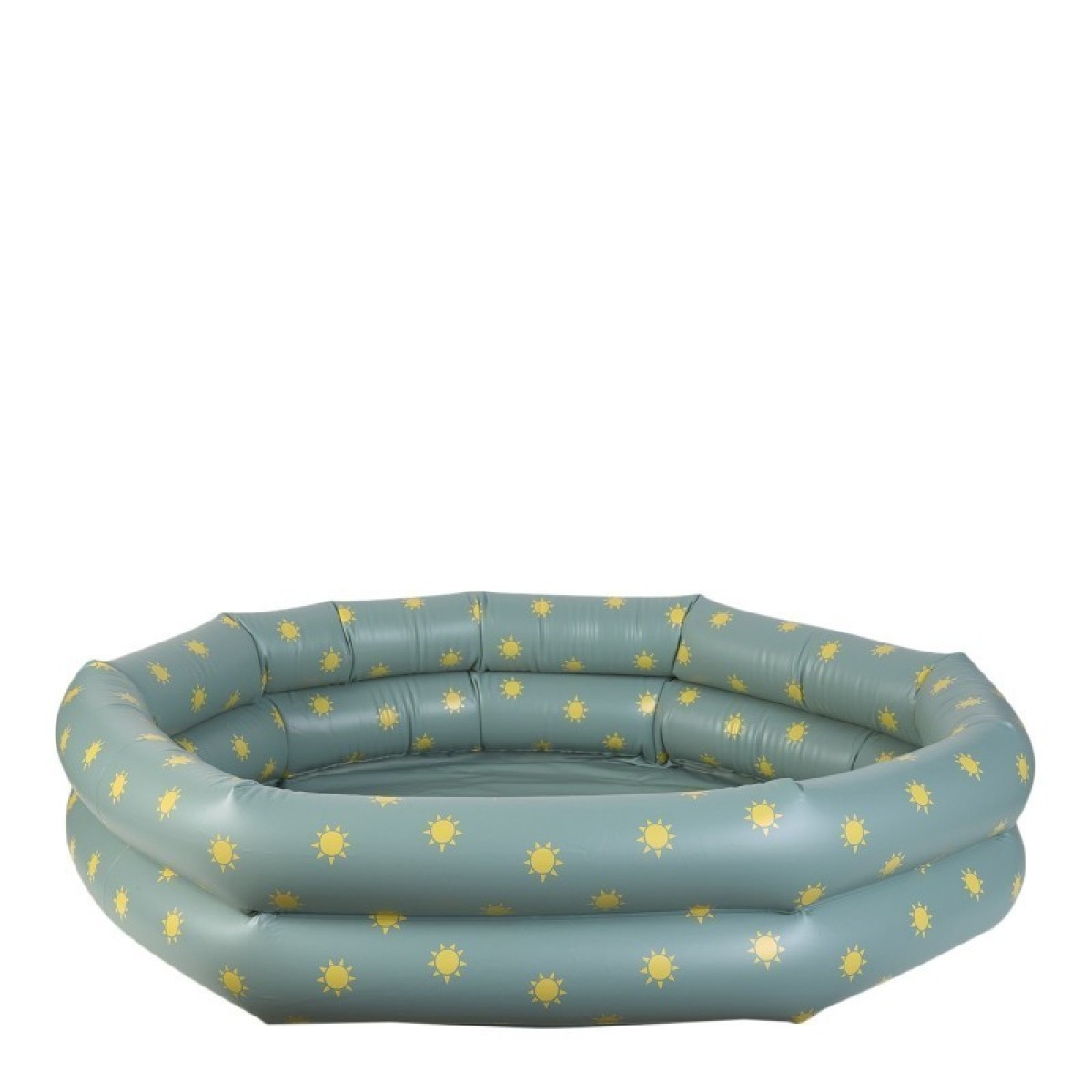
If you are looking for a flexible solution, an inflatable kids' pool is practical: it can be set up quickly and packed away between seasons. Many models have two air chambers, and some larger-diameter versions have more air chambers, which helps stability and ease of use. The material used is PVC, whose thickness varies from product to product (e.g. 0.20 mm or 0.25 mm), and this affects how the pool feels and how durable it is.
Frame pools are ideal if you want a sturdier construction and a more permanent play spot. Play centre pools combine water with a playful environment, for example with slide or splash features. When choosing a kids' pool, it is also good to consider whether your child can play independently or needs an adult's support, especially in the case of babies and toddlers.
Several inflatable pool versions carry an age recommendation from the manufacturer, for example from 1 year of age. Some smaller-diameter solutions are intended more for a younger age group, and with these it is also important to observe the maximum permitted weight and capacity. The diameter and litres quickly give you an idea of how much water the pool holds and how large the play area is.
It is practical to choose the diameter according to the space in your yard or on your terrace: the smaller 60 cm class is better suited to calmer splashing and short play, while 100 cm and larger models provide more room to move. For larger pools, for example, capacities range from nearly 180 litres up to 350 litres, which suits bigger groups and longer outdoor play.
With kids' pools, it is important that the materials used have been tested by the manufacturer and meet the safety requirements for children's toys. Product descriptions often mention EN-71 testing (e.g. EN-71-1-2-8), which relates to the safety of children's toys. For products intended for babies, pay particular attention to the maximum permitted load and the age limit.
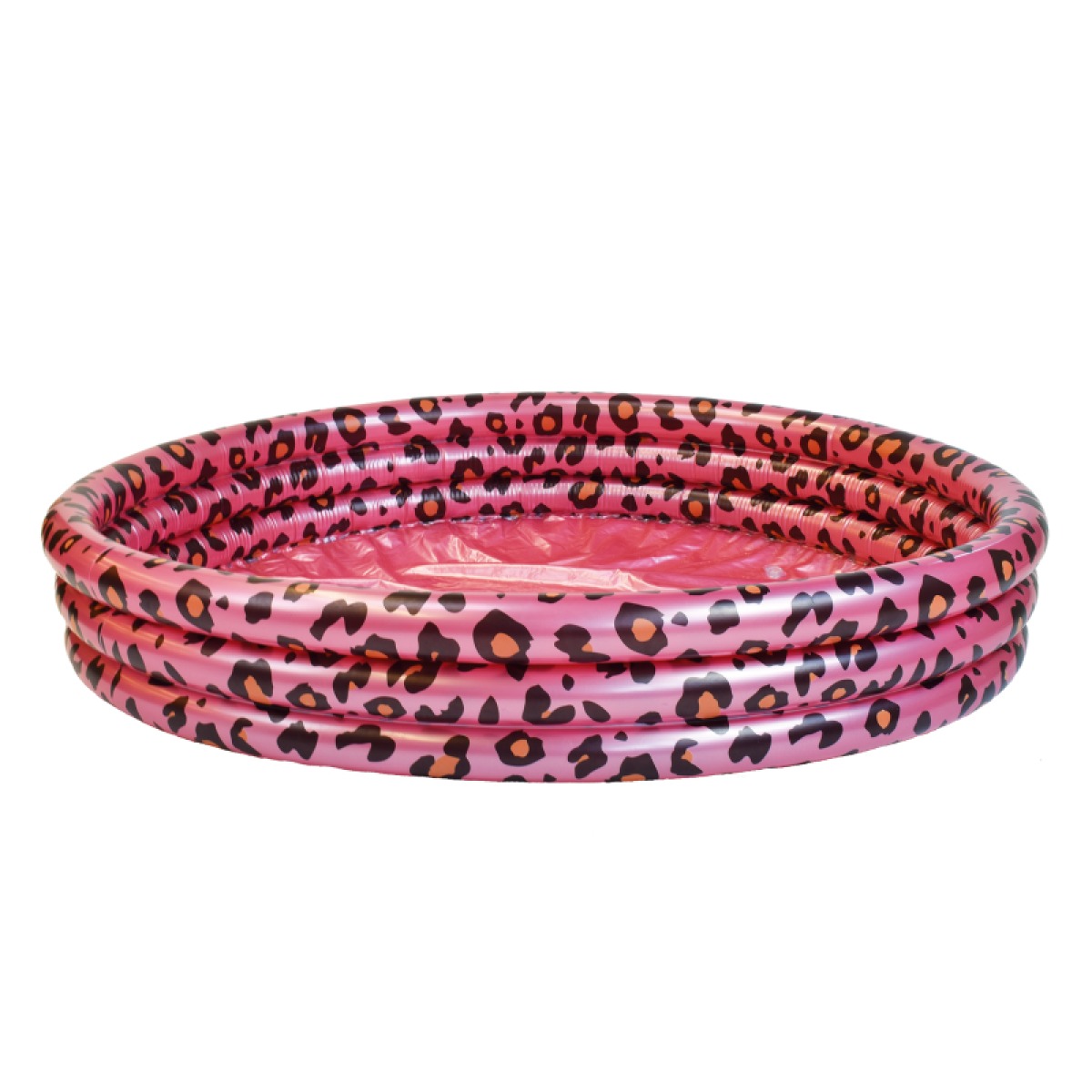
It is also worth checking how many air chambers the pool has. Models with two air chambers are often easier to inflate and more stable, while larger solutions may use three chambers so the shape holds better. With water movement and play, it is sensible to plan supervision too, as water activities always require attention.
To keep the pool comfortable and hygienic, a good habit is to drain the water after use and dry the pool thoroughly. The material is PVC, so avoid harsh scrubbing and make sure the pool is completely dry before storing it. If the pool is used several times in a row, keep it clean and avoid sharp objects that could damage the material.
A practical check before the first use helps. Make sure the air chambers are properly inflated and the walls are straight. If the pool has extras, such as a slide or another play element, make sure they are correctly in place and positioned safely for your child.
MIU Kids
A quiet word about cookies
Necessary cookies are already on, so your basket and checkout can work. Analytics cookies stay off until you accept. Until then Google may receive a cookieless visit signal so we can count visits. It is not used for advertising. Accept all cookies, or keep only the necessary ones. Both are one click. We remember your choice for six months, and you can change it at the bottom of the page. Privacy notice
Analytics cookies wait for a yes
MIU Kids
Choose what stays on
Necessary
Always on. These keep the basket, checkout and the shop secure.
Analytics
No analytics cookie until you accept. A cookieless visit signal may still be sent. If you accept, Google Analytics shows which pages are used. It does not build advertising profiles.