
- New
On order 5–15 business days5–15 business days
About the collection
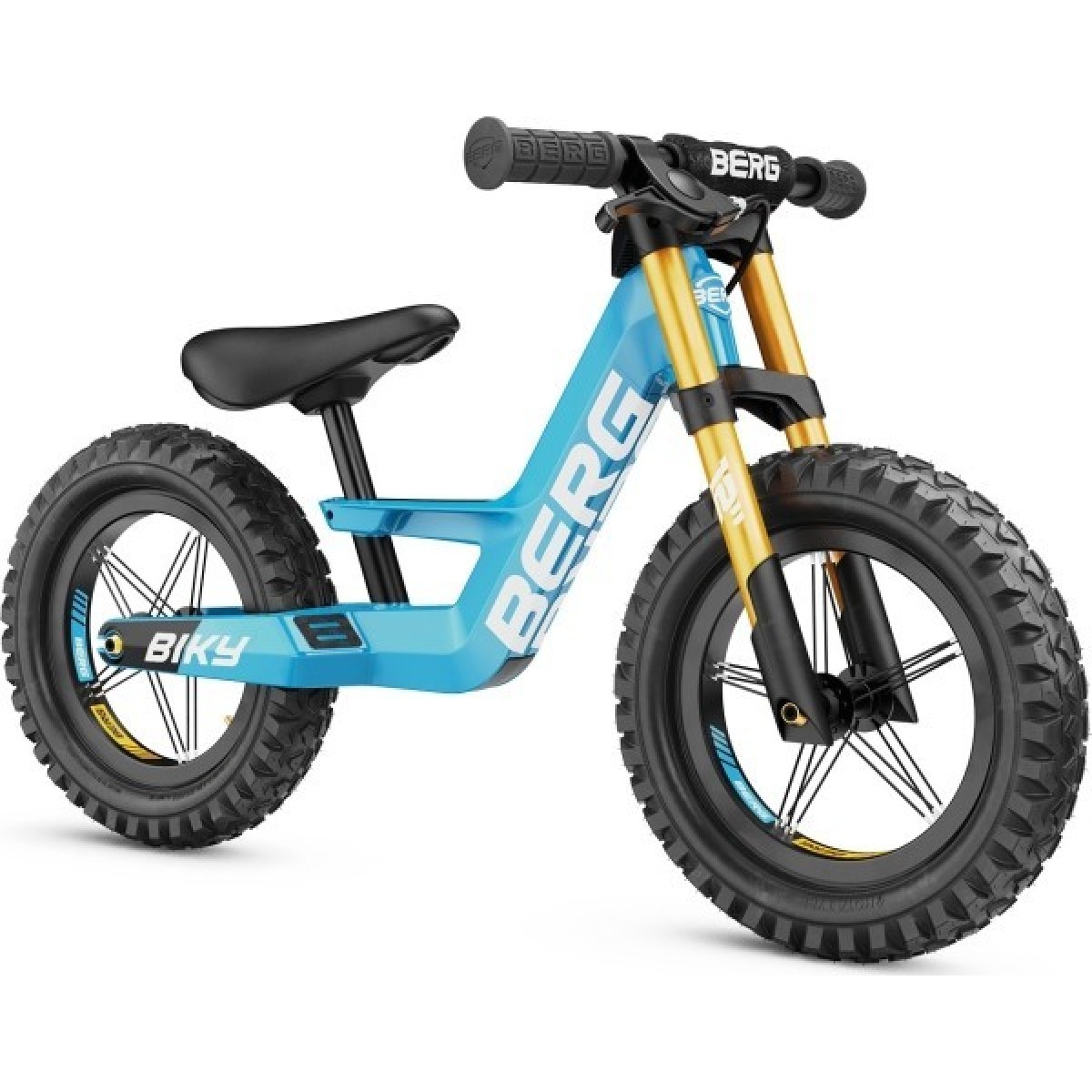
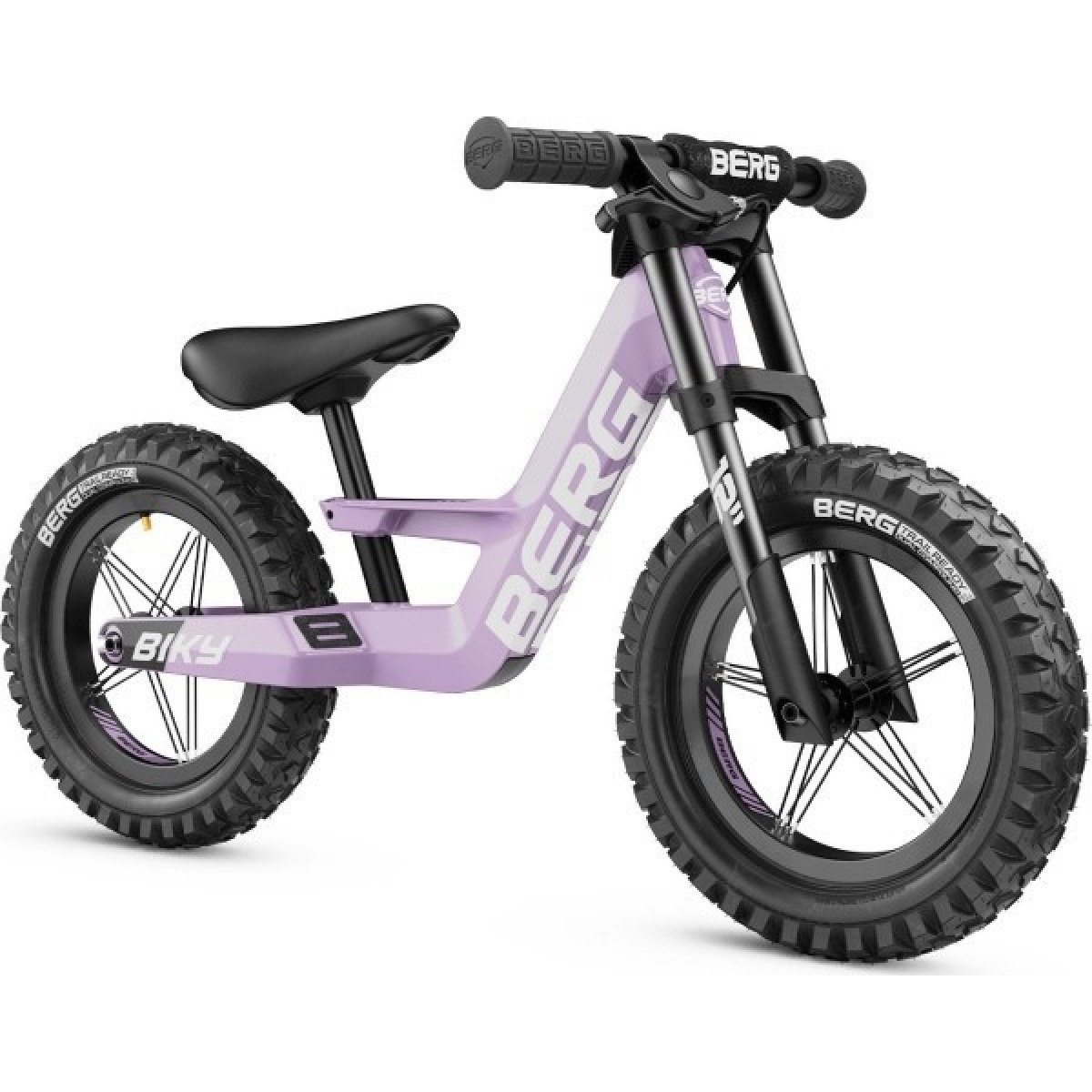
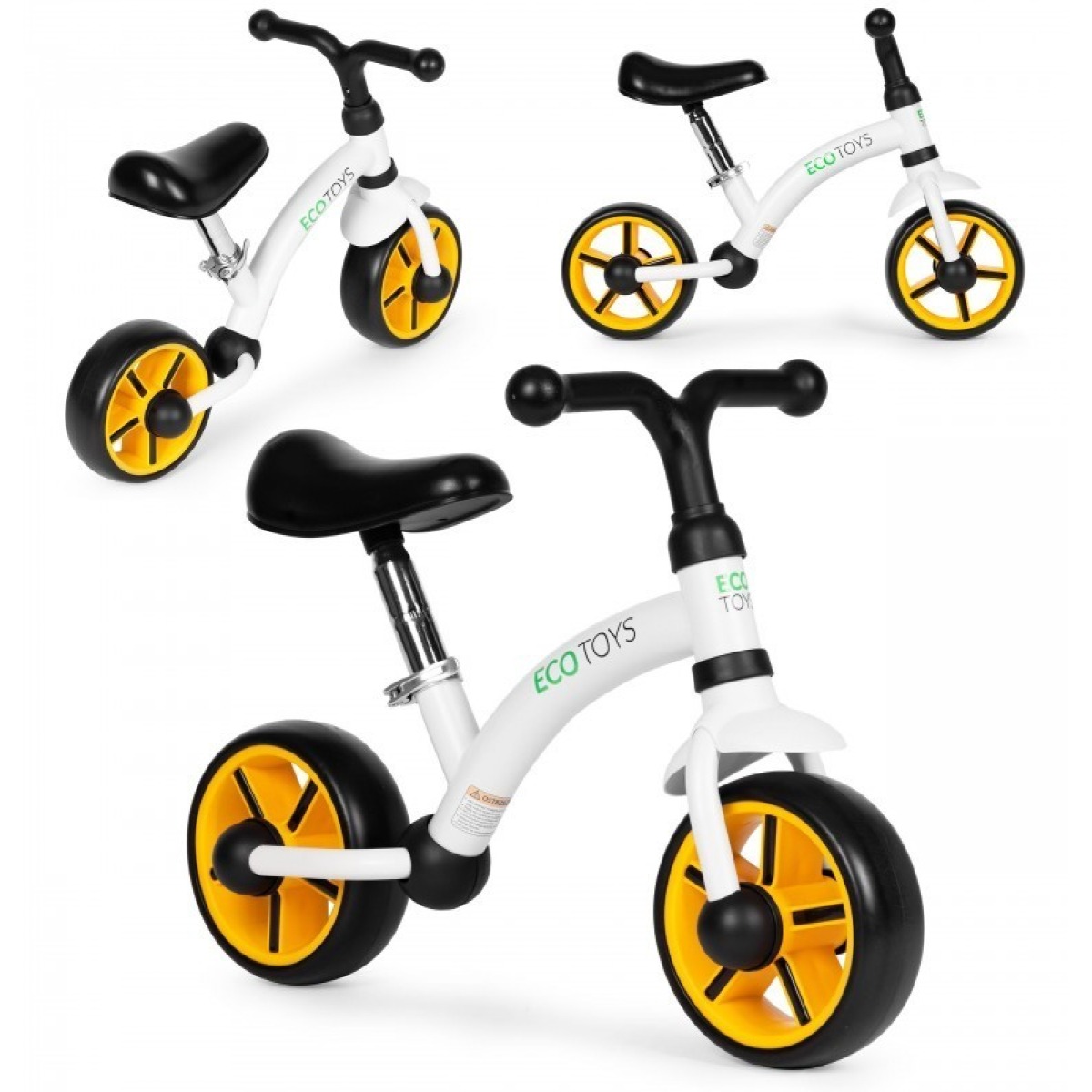
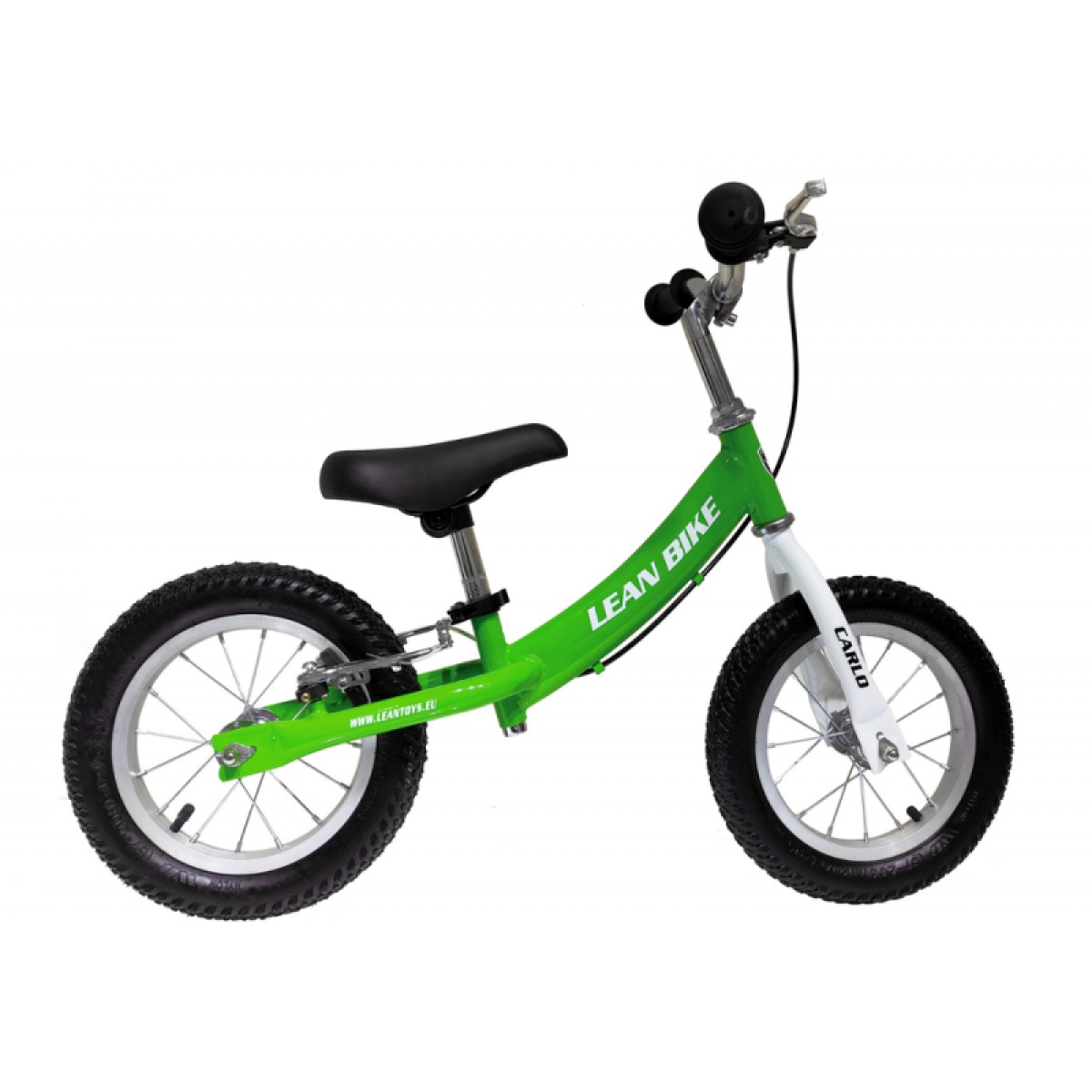
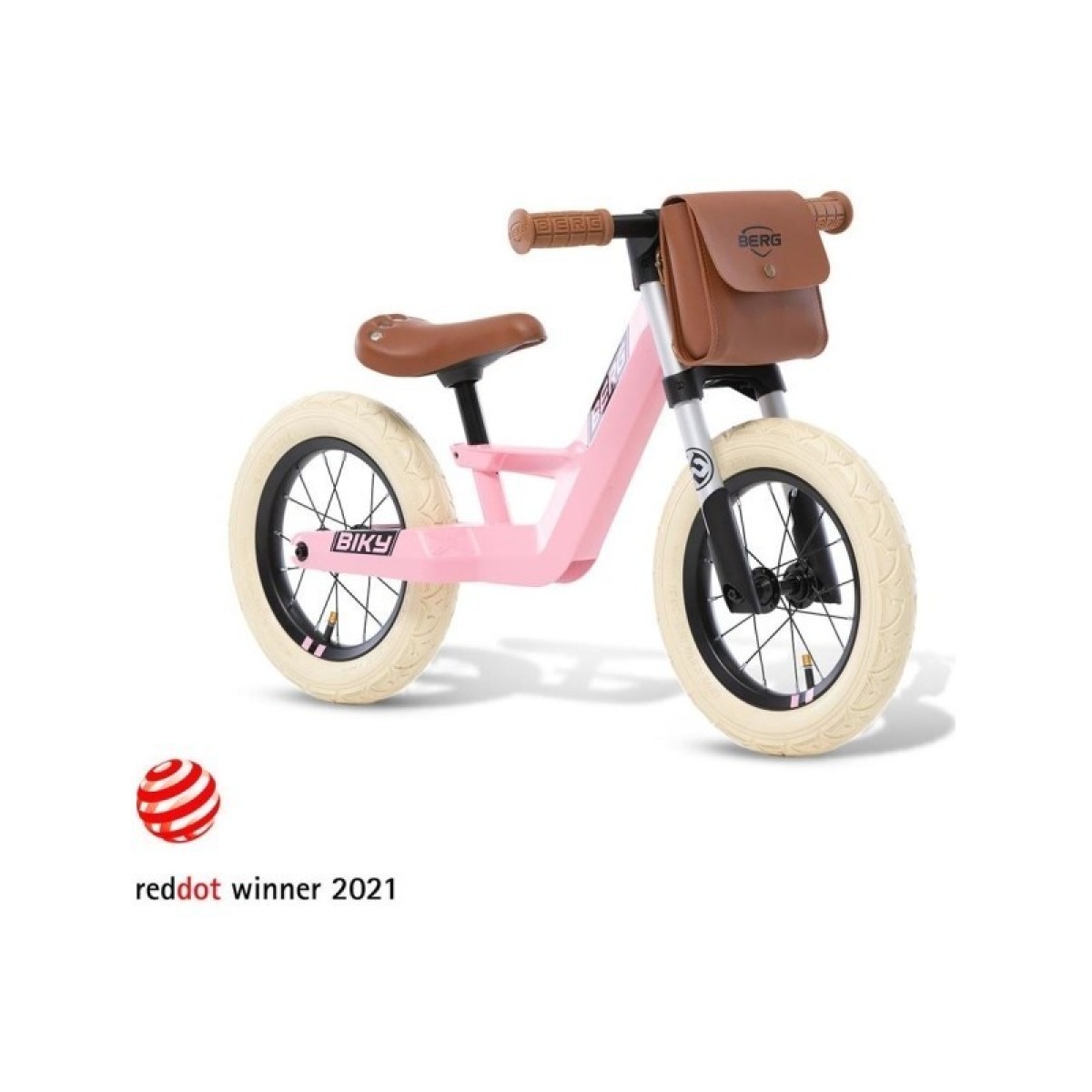
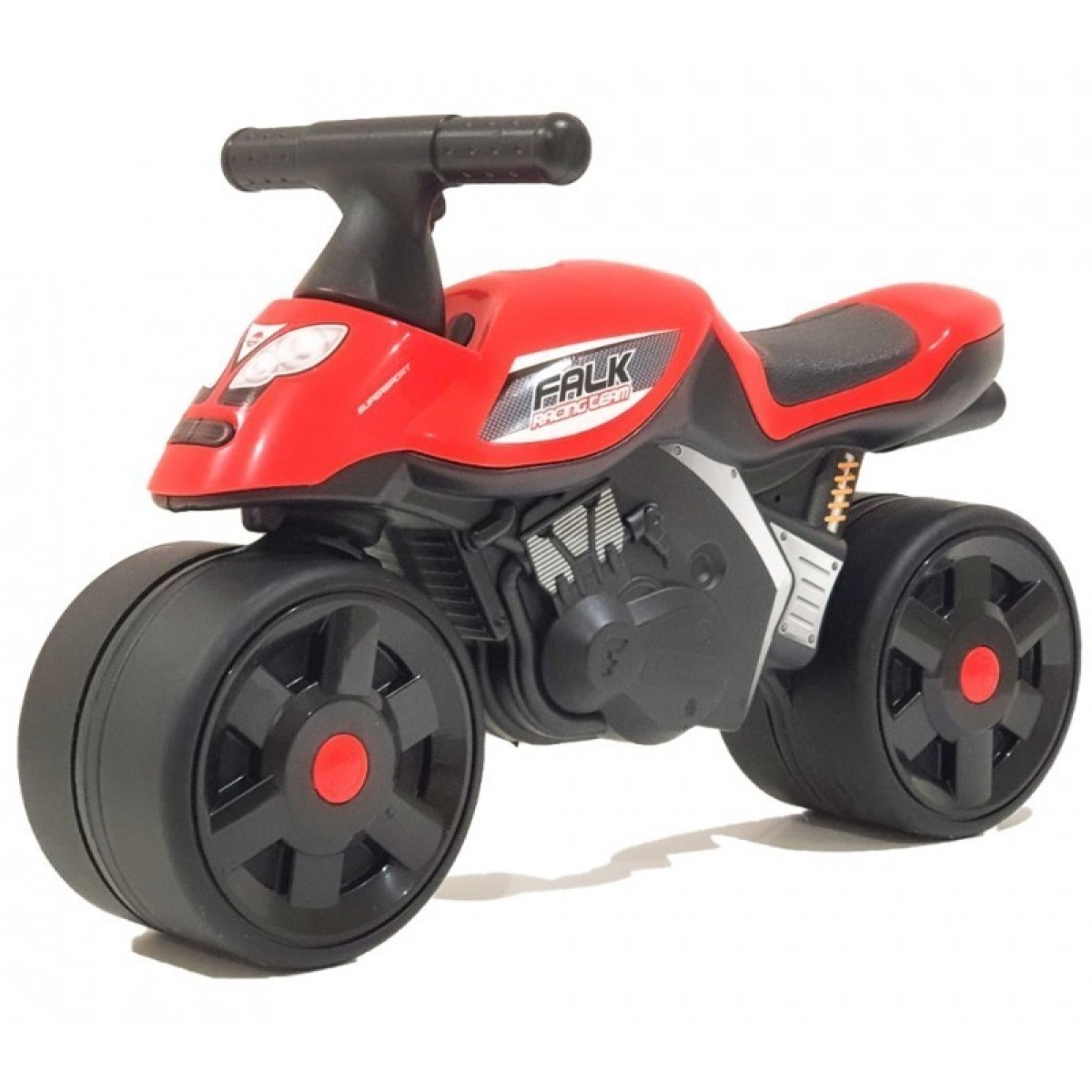
A balance bike is the best first step towards a bike of their own. Without pedals, children learn balance naturally, which makes moving on to a pedal bike easier later. You'll find balance bikes for toddlers and older children....
Category guide
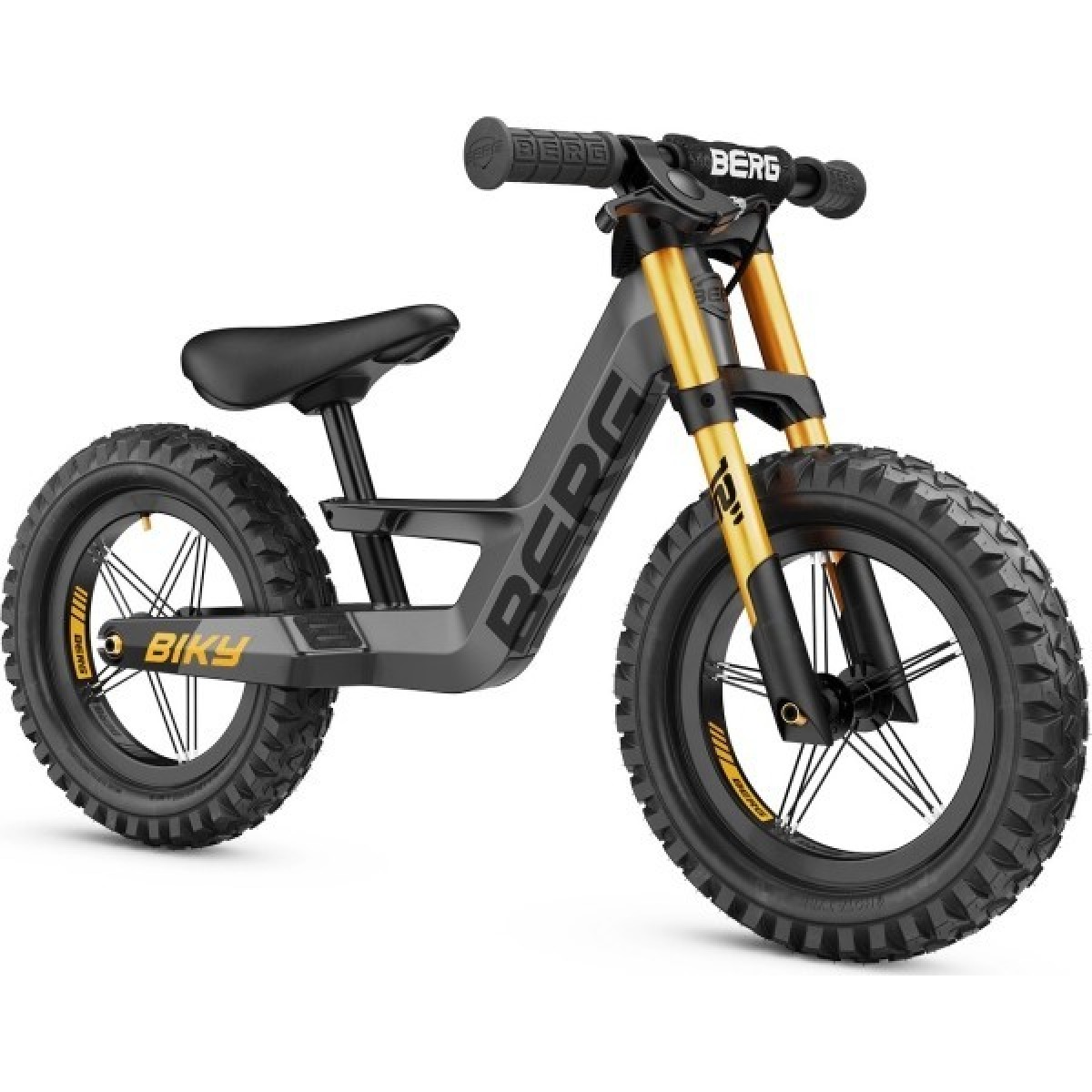
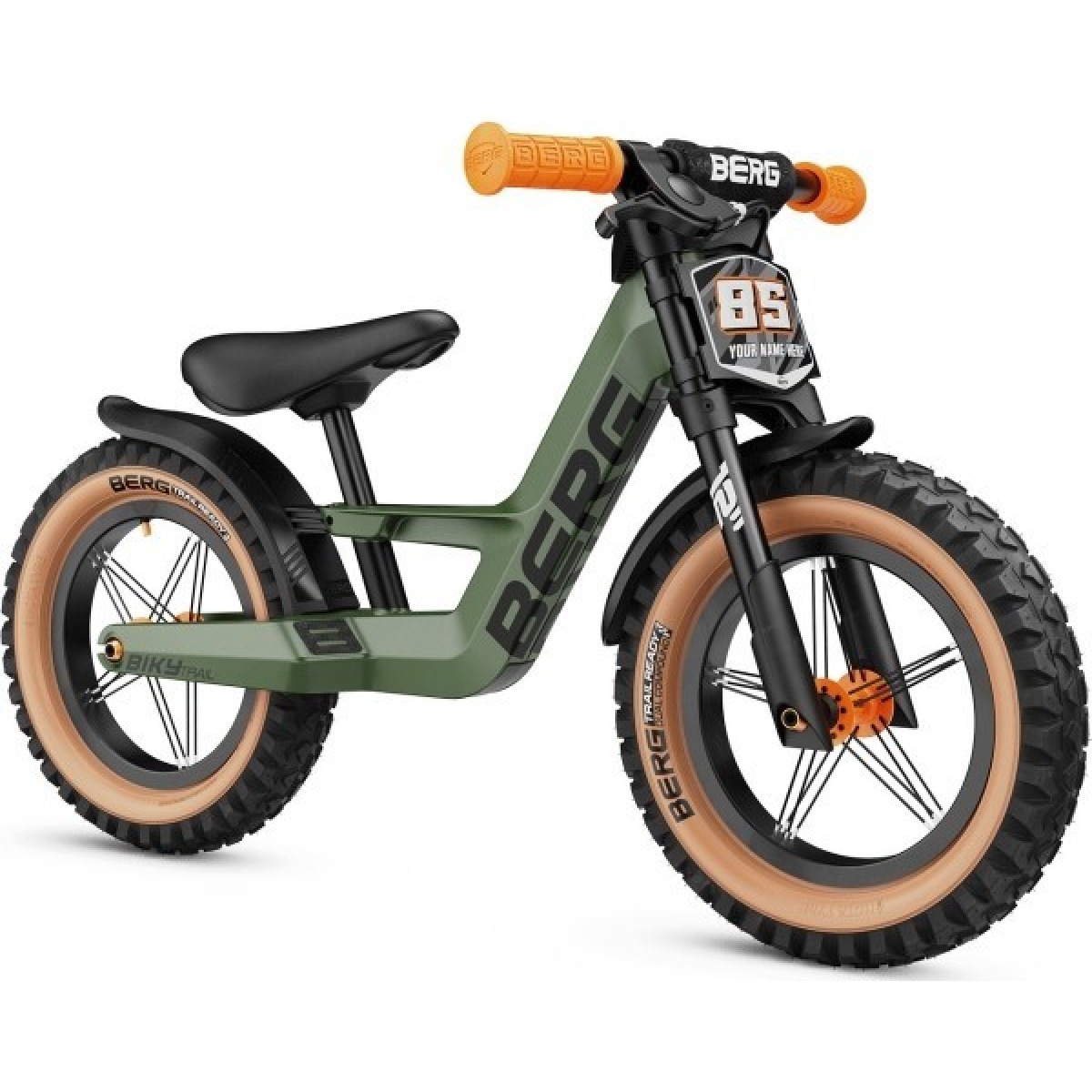
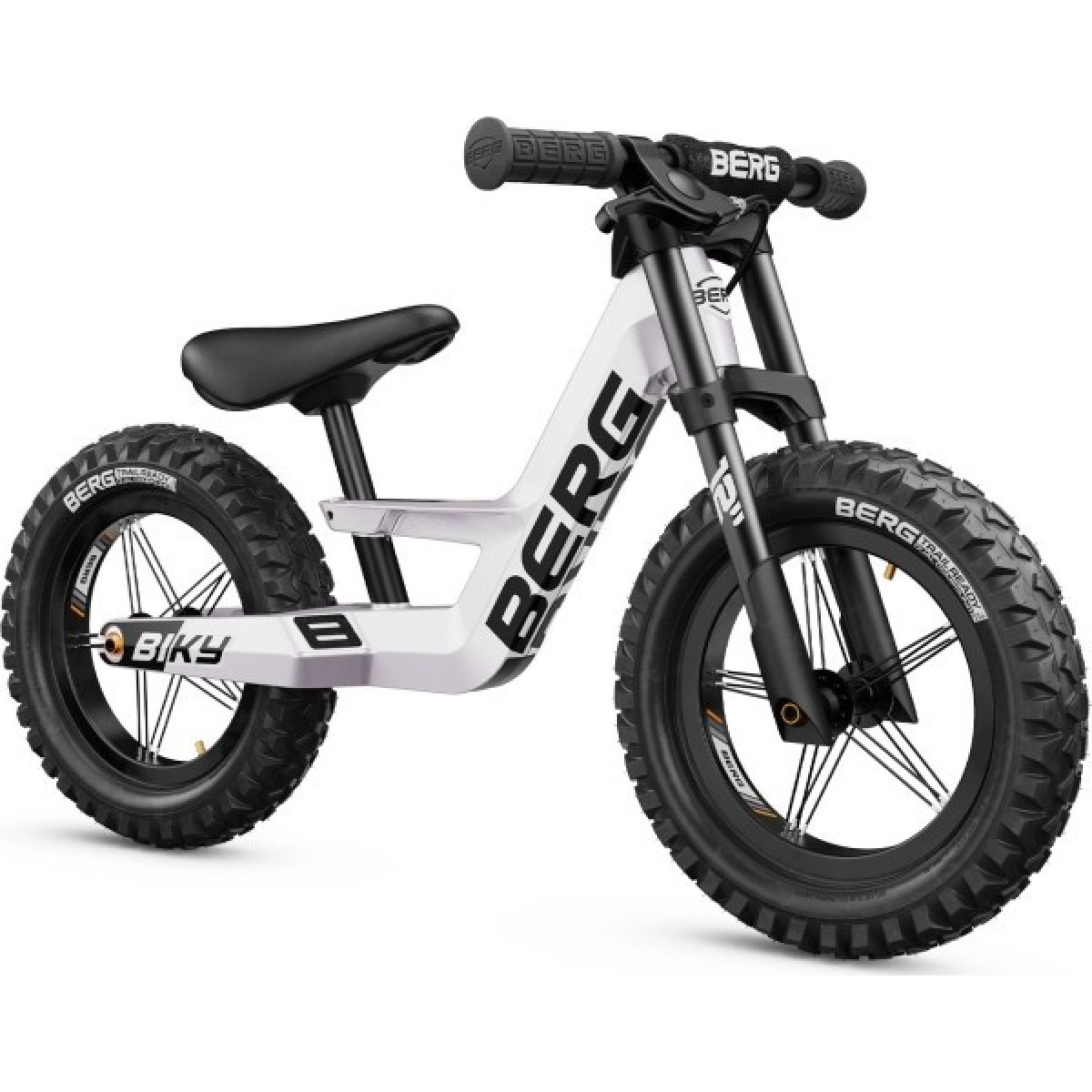
Balance Bikes are the first step towards riding independently, and are well suited to babies and toddlers as well as children starting to learn to ride. These balance bikes help children develop motor coordination, confidence and smooth movement before making the transition to a pedal bike. Balance bikes are usually chosen for everyday outdoor play, in outdoor areas and close to home, where children can practise controlling their speed and braking. An important selection criterion is a comfortable, adjustable seat, which allows
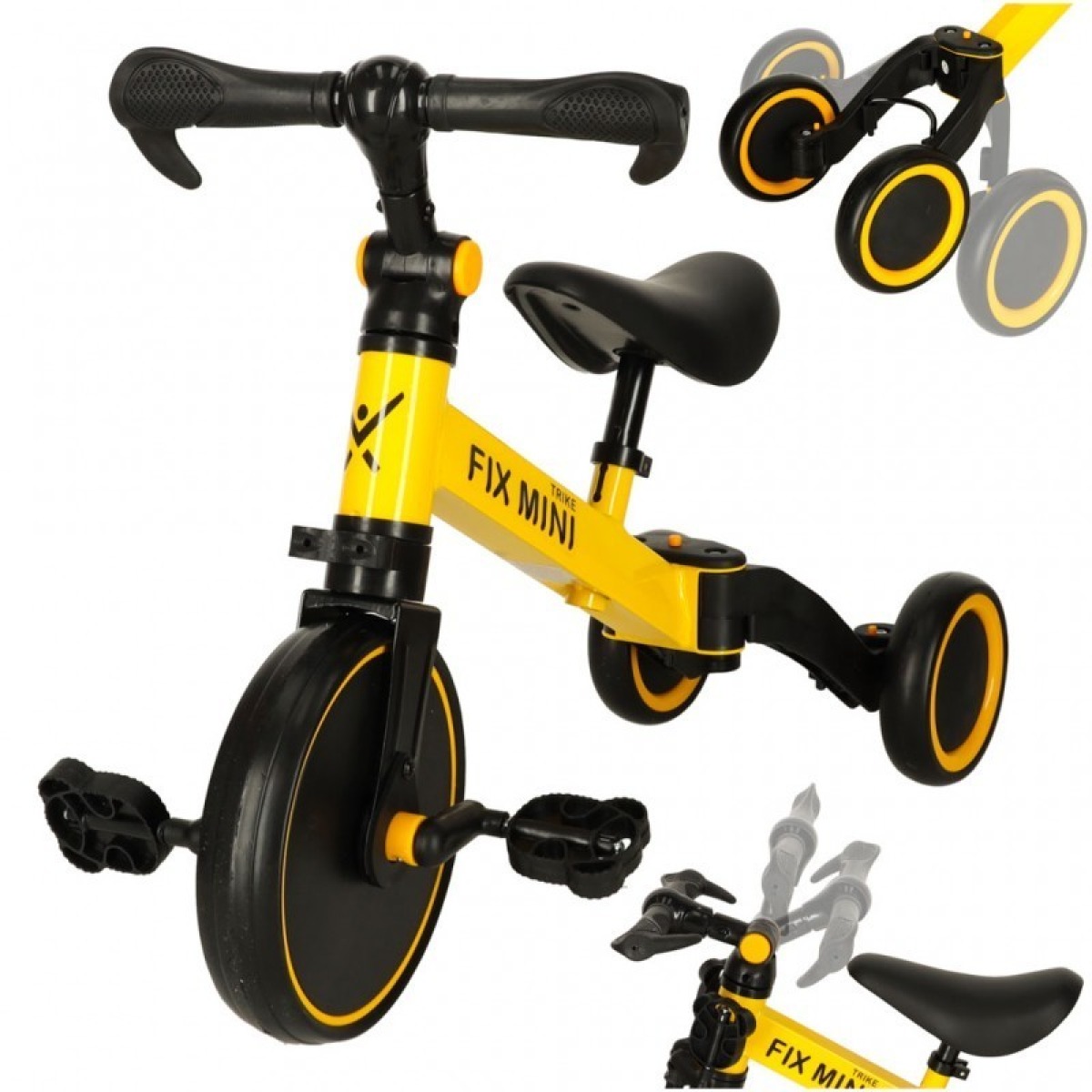
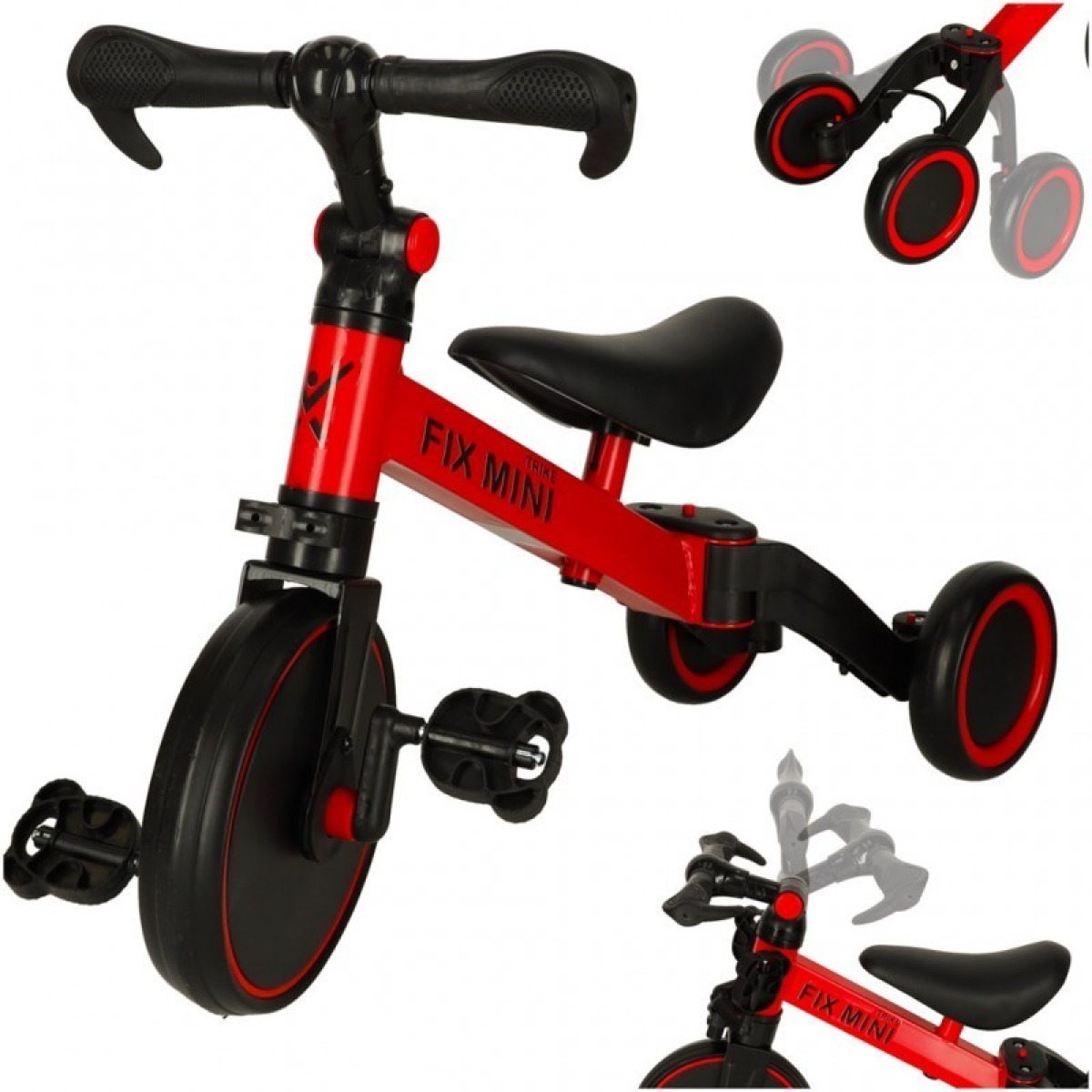
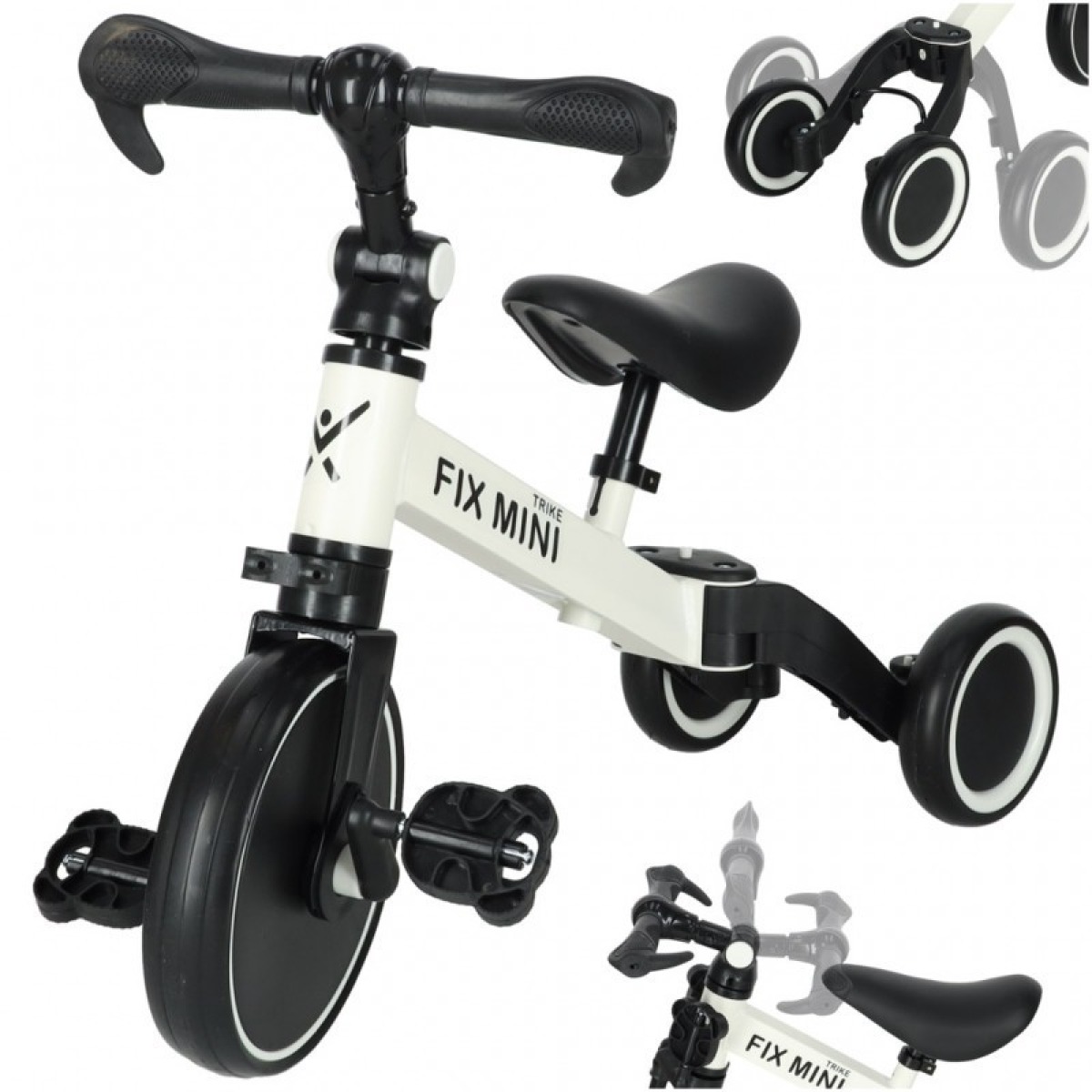
the bike to be adjusted as the child grows. The category includes models with lighter frames as well as 2in1 and 3in1 options, which can be adapted with additional features as skills develop. Bikes may be fitted with durable EVA tyres, which provide a smoother ride on both smooth and slightly uneven surfaces. If you are looking for a first ride-on for use in the nursery or to encourage outdoor activity, balance bikes help establish a cycling routine – balance, rhythm and control develop step by step.
Kids' balance bikes are designed to make practising easy and natural. Children can place their feet on the ground and control their direction and speed as they ride, supporting the development of balance. A balance bike therefore prepares children for the transition to a pedal bike, reducing fear and helping them get used to riding more quickly.
Many models are designed specifically for the learning period: they provide stability, help children become aware of their body position and let them ride both indoors and outdoors. A suitable level is usually chosen according to age, from the first attempts (starting from an early age) through to children aged 3–6, as their skills develop.
The right fit affects how quickly a child starts learning to ride a balance bike. The seat height and adjustability are most often considered, so the child can place their feet firmly on the ground. The bike's weight is also important: a lighter balance bike is easier for both children and parents to handle, and means they can practise in more places.
Wheels and tyres determine how smoothly the bike rolls. EVA wheels are popular for their wear resistance and smooth ride. Some models have wider or specially shaped designs to improve stability, helping children ride straight with more confidence when they are first learning.
Some 2in1 balance bikes and 3in1 models allow children to practise in several stages. For example, the bike can first be used as a balance bike, then additional elements can be added to help children move on to the next step in developing their skills. This approach makes learning to ride consistent and helps support a child's development.
Tricycle-style balance bikes and ride-on scooters are especially practical when a child needs extra support at the start. Although the main aim is to develop balance, repeated riding sessions help children understand more quickly how body movement affects steering and braking. Trike-style designs can be a good choice if you want to approach learning step by step.
Although balance bikes are mainly used outdoors, they are also well suited to building movement habits at home. Children can practise with short rides that improve coordination and confidence. This is an important part of everyday development, as riding a bike combines balance, a sense of direction and active movement.
When establishing a routine suited to babies and toddlers, it is worth checking that the bike's parts are easy for the child to understand and that it rides smoothly. EVA tyres and a stable construction help reduce obstacles, allowing children to focus on learning.
Choosing a good balance bike means your child can get started straight away and feel confident as they move. If the seat height allows them to place their feet on the ground, it is easier to start riding and they are less likely to lose motivation. It is also worth checking that the handlebars and riding position support natural, straight movement.
If you are looking for kids' balance bikes to develop balance and prepare for the next steps in learning to ride, compare models based on seat adjustability, wheel type and stability. This will help you choose a bike that supports development at a calm, steady pace.
MIU Kids
A quiet word about cookies
Necessary cookies are already on, so your basket and checkout can work. Analytics cookies stay off until you accept. Until then Google may receive a cookieless visit signal so we can count visits. It is not used for advertising. Accept all cookies, or keep only the necessary ones. Both are one click. We remember your choice for six months, and you can change it at the bottom of the page. Privacy notice
Analytics cookies wait for a yes
MIU Kids
Choose what stays on
Necessary
Always on. These keep the basket, checkout and the shop secure.
Analytics
No analytics cookie until you accept. A cookieless visit signal may still be sent. If you accept, Google Analytics shows which pages are used. It does not build advertising profiles.