
- New
In stock · 1–3 business days1–3 business days
About the collection
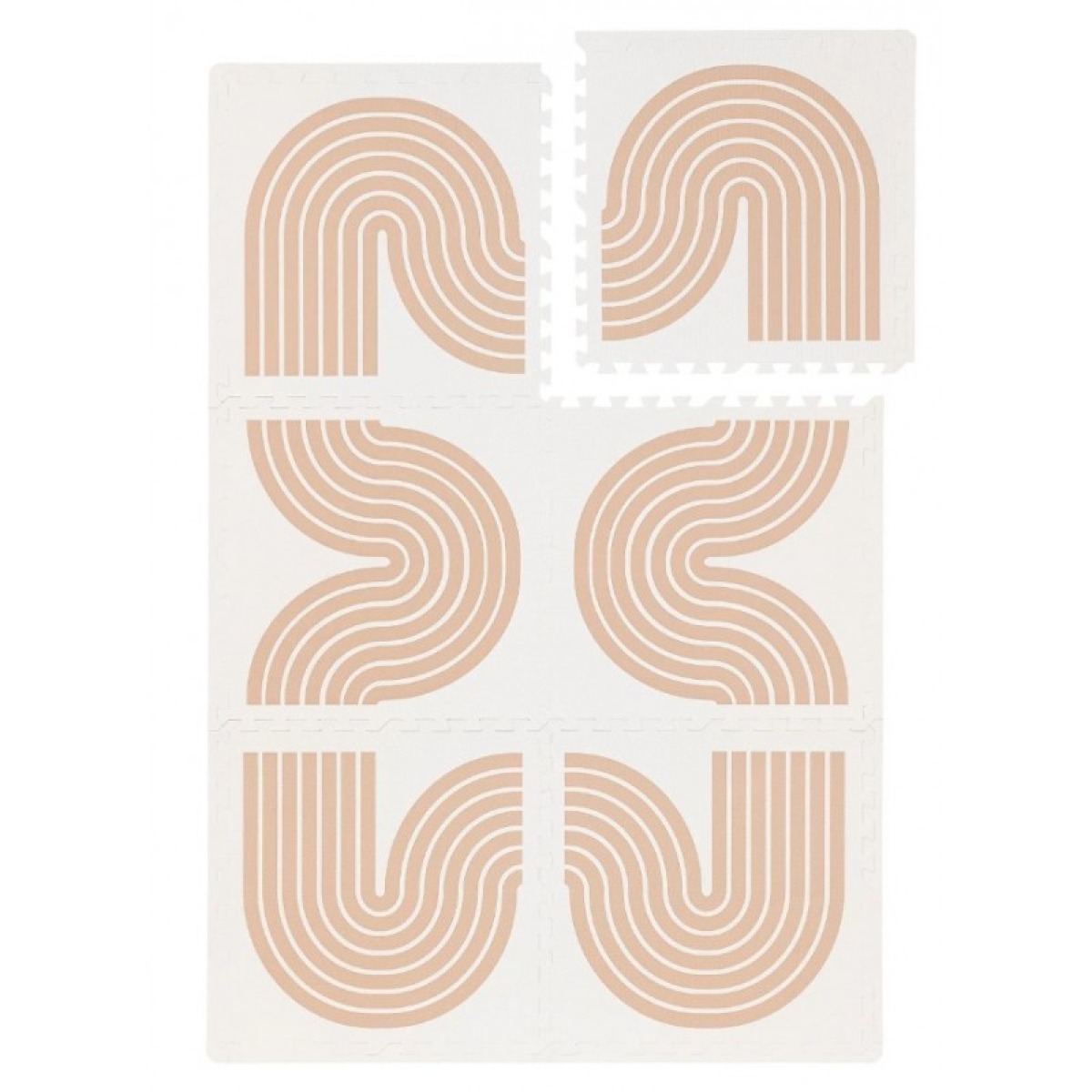
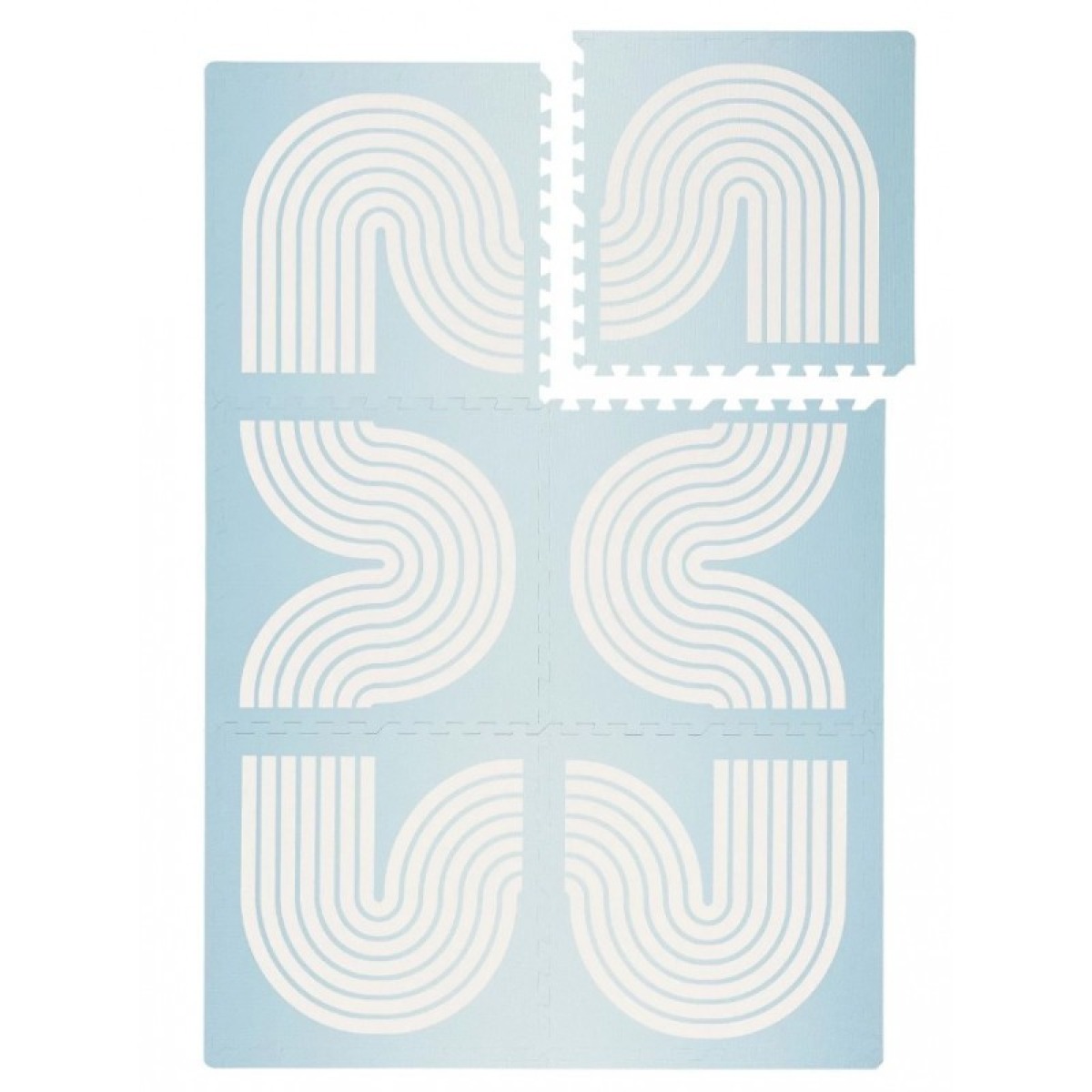
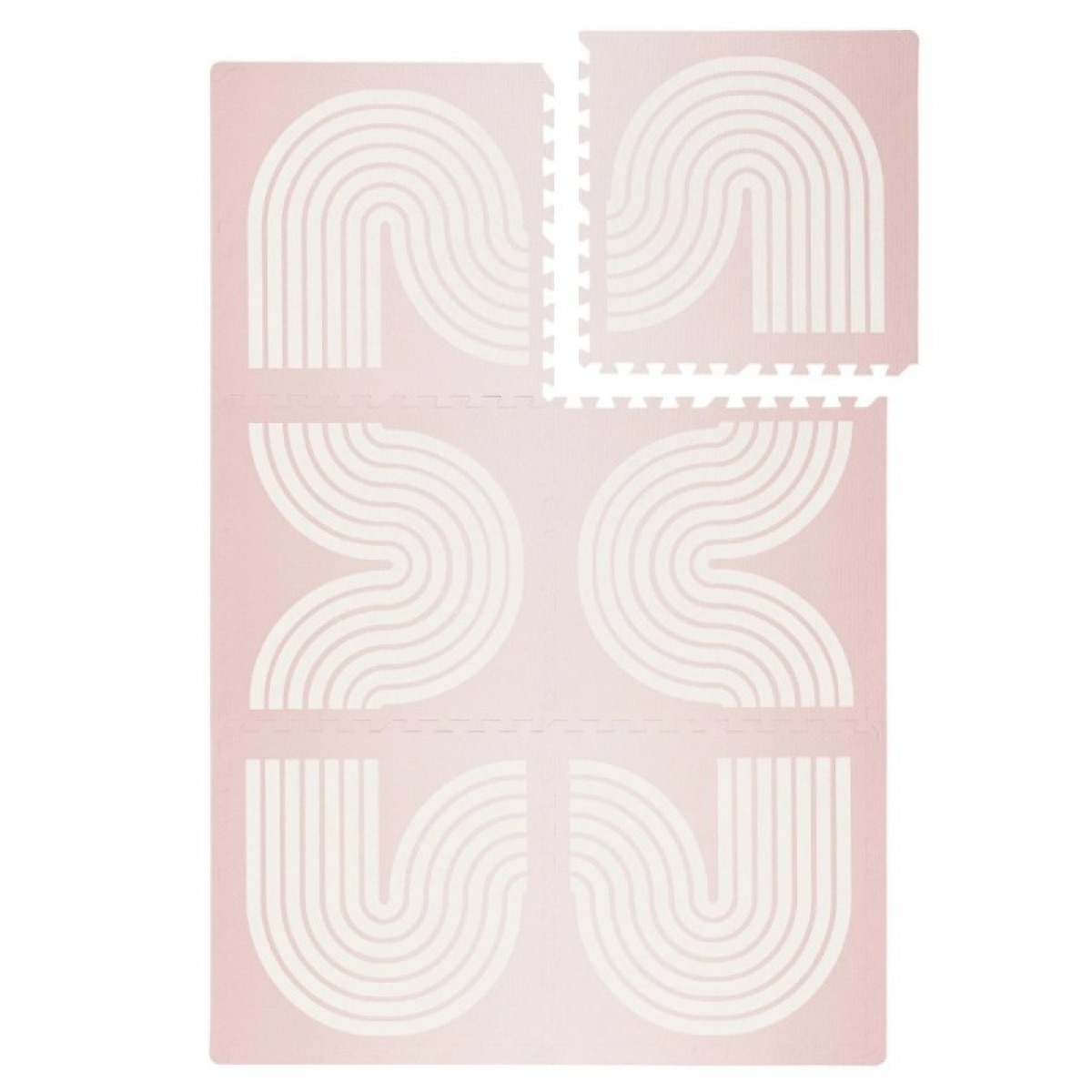
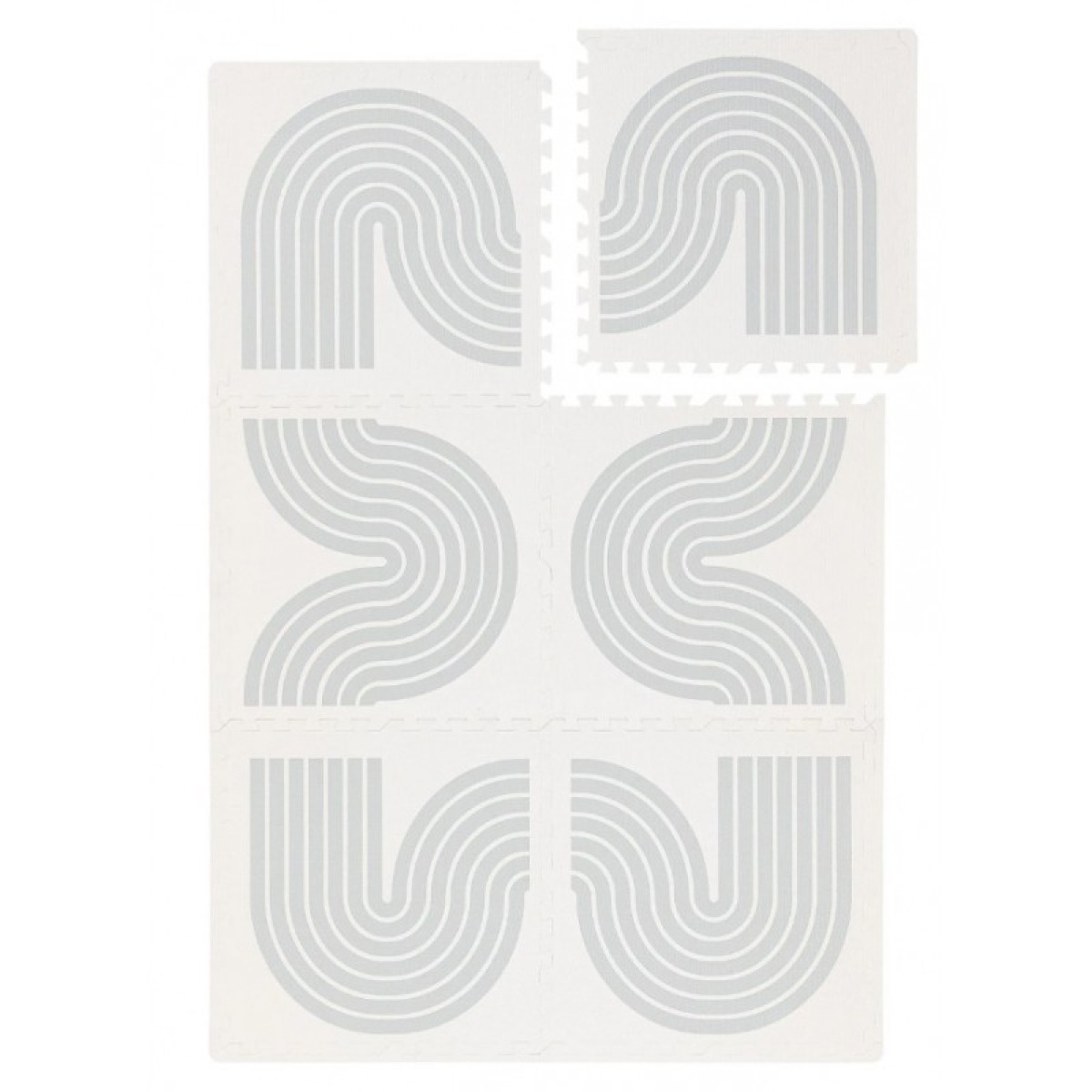
A puzzle mat is a soft, safe surface for play, crawling and first steps. The soft EVA foam pieces are easy to fit together into an area of any size and easy to clean.
Category guide
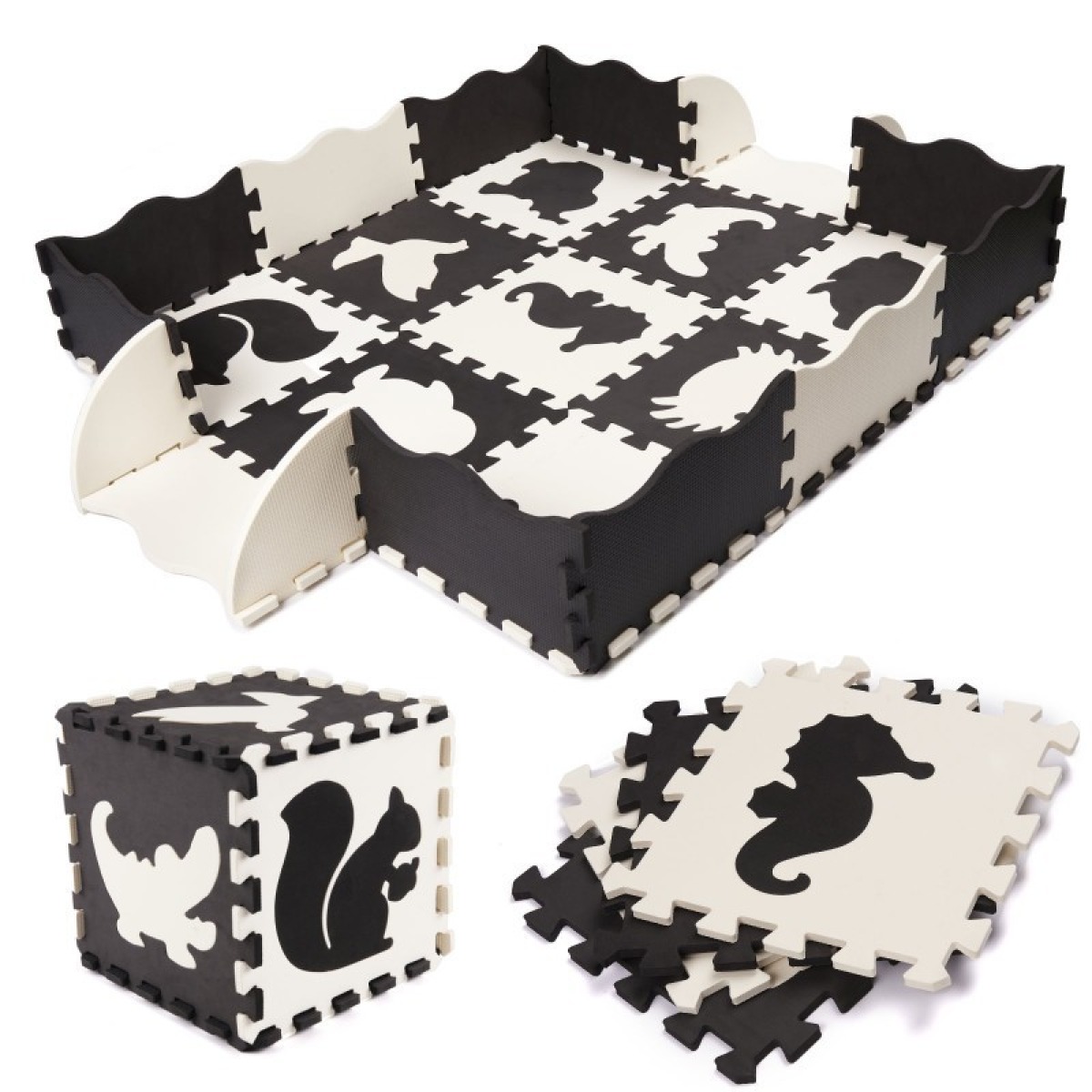
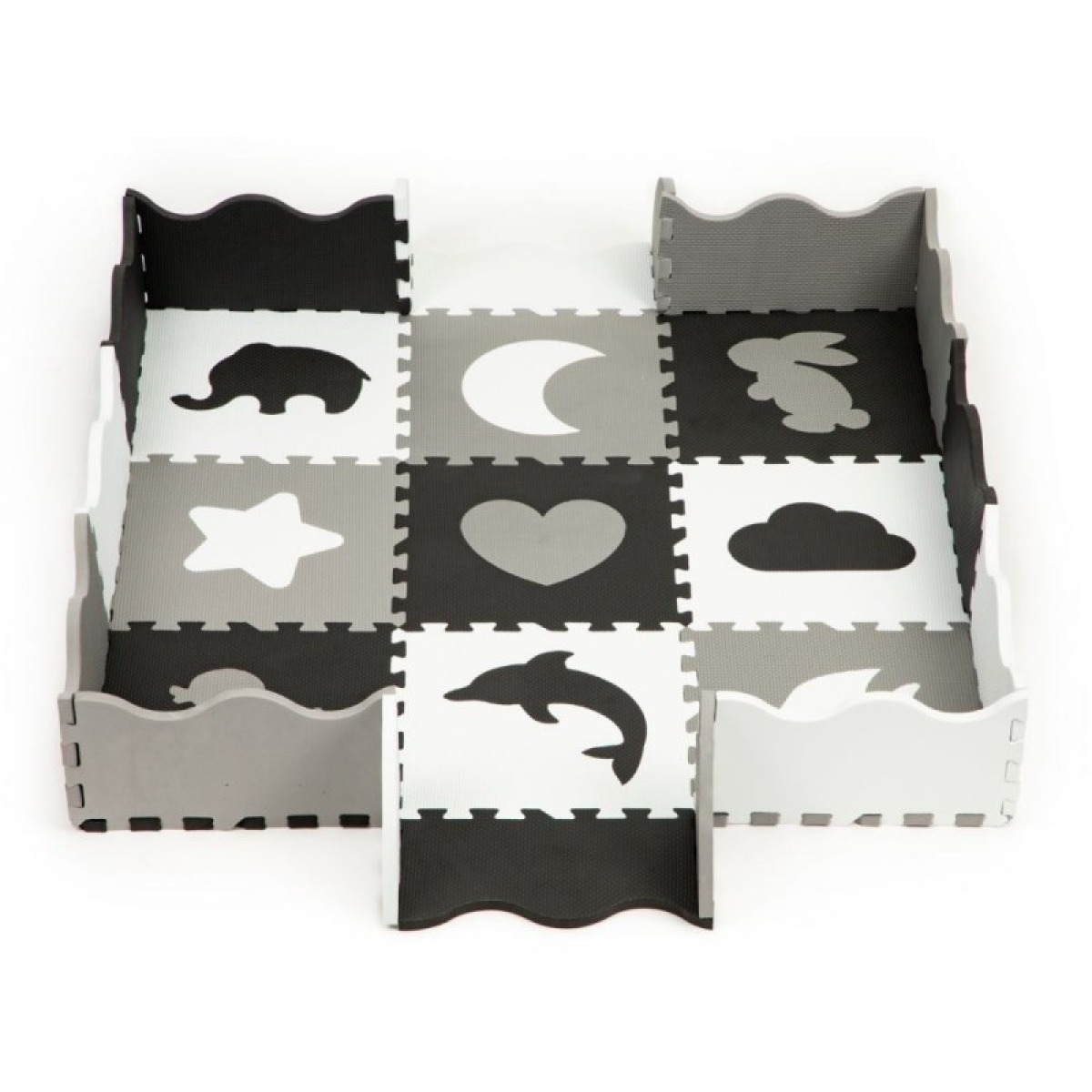
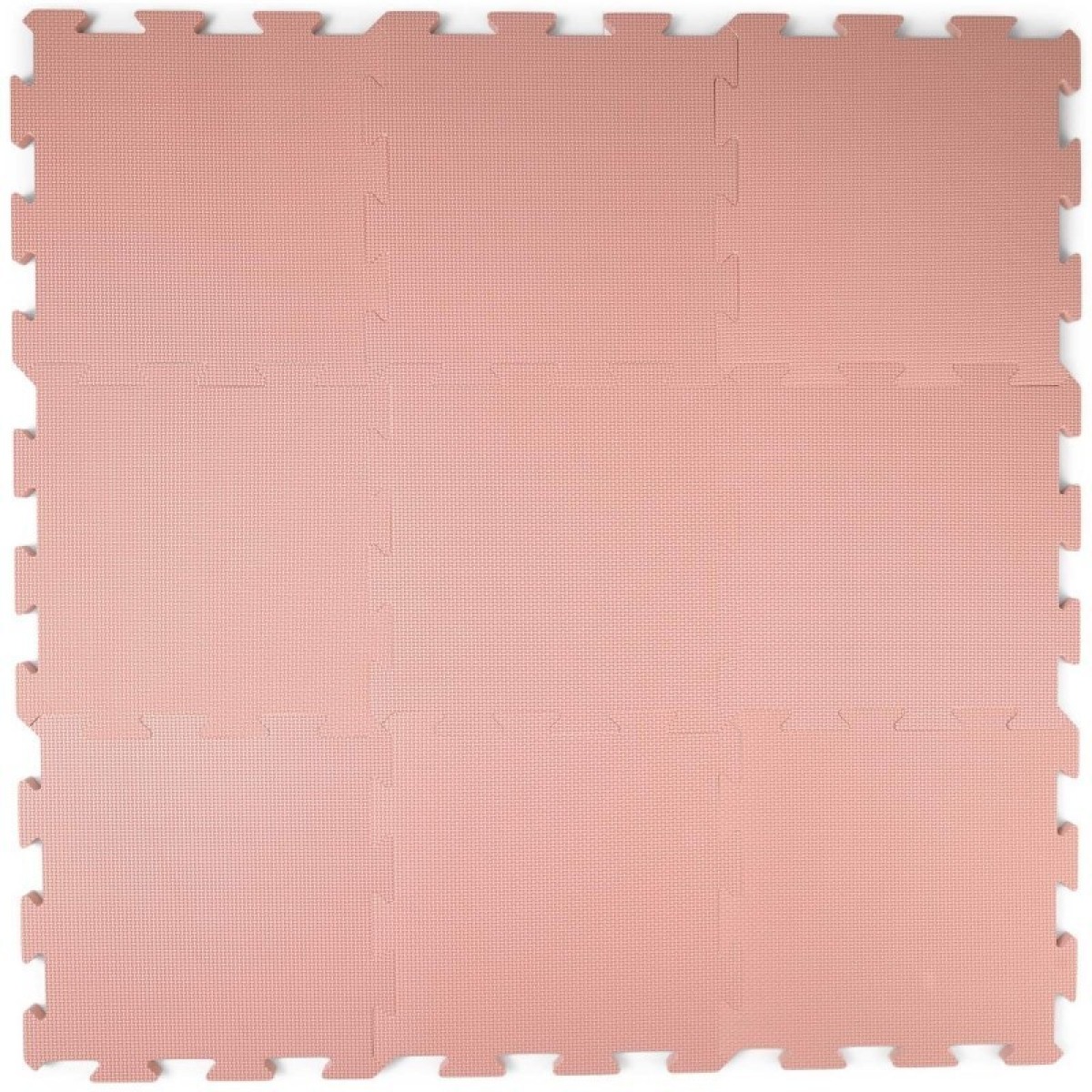
Puzzle Mats for kids are a practical solution if you want to create a comfortable and safe play and floor area in a child's room. These Puzzle Mats made from soft EVA foam are especially well suited to babies, toddlers and older children – for playing, crawling and learning to walk. The selection includes large Puzzle Mats (e.g. 120x180 or 180x180)
including more compact options that are easy to set up even in a smaller space. It is important to choose a thickness and pattern suited to your child’s age and intended use: they learn and develop through contrasting shapes, letters, numbers, animals, city and road features. Puzzle mats with border pieces create a complete look and make the edge of the floor area safer.
Puzzle mats are a “fun and practical” floor solution that helps create a defined play area in the nursery. EVA foam feels comfortable underfoot and cushions impacts from falls, making these mats well suited to the early years of learning to walk and active movement. Larger puzzle mats provide an even surface for play, while more compact models are ideal for covering a specific corner or activity area.
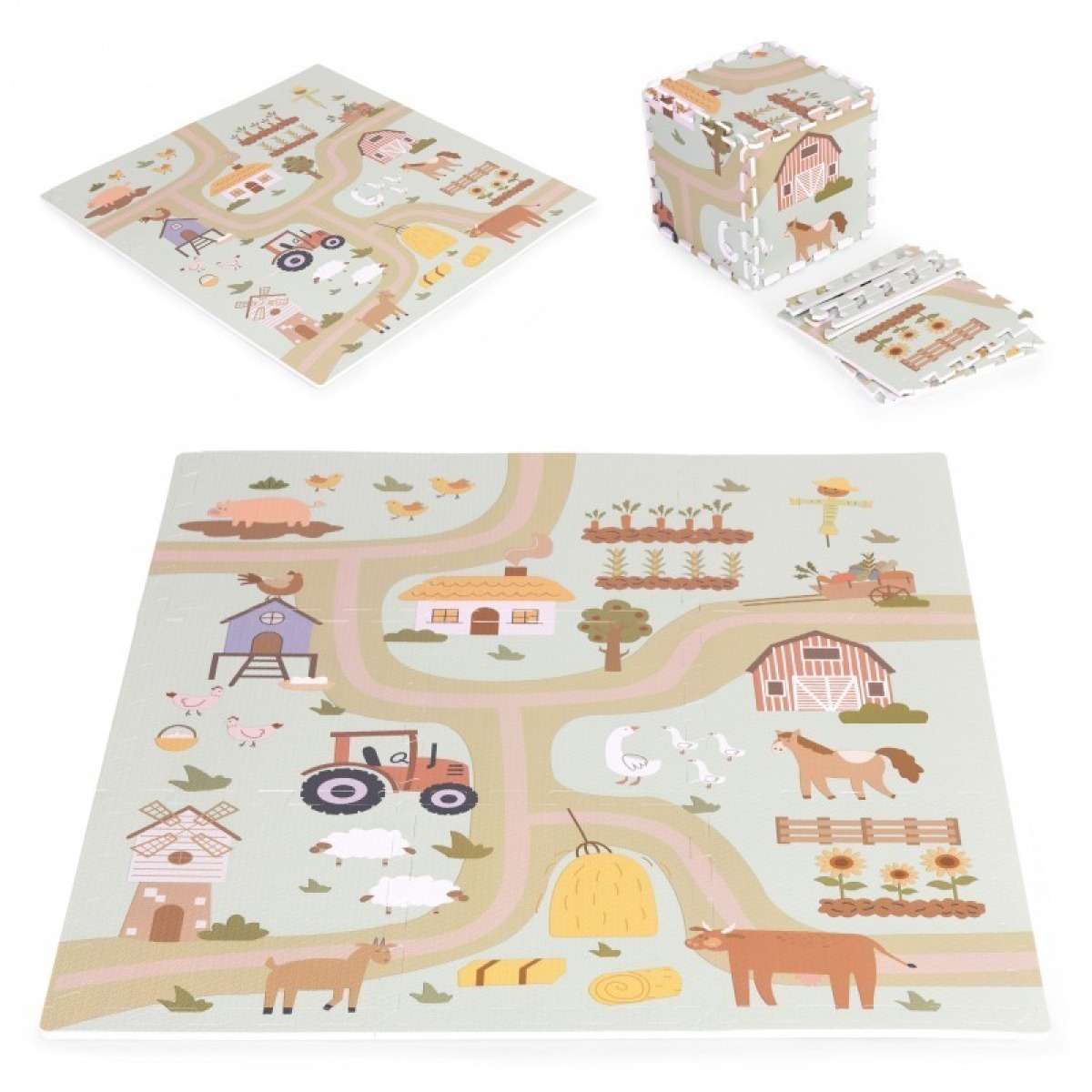
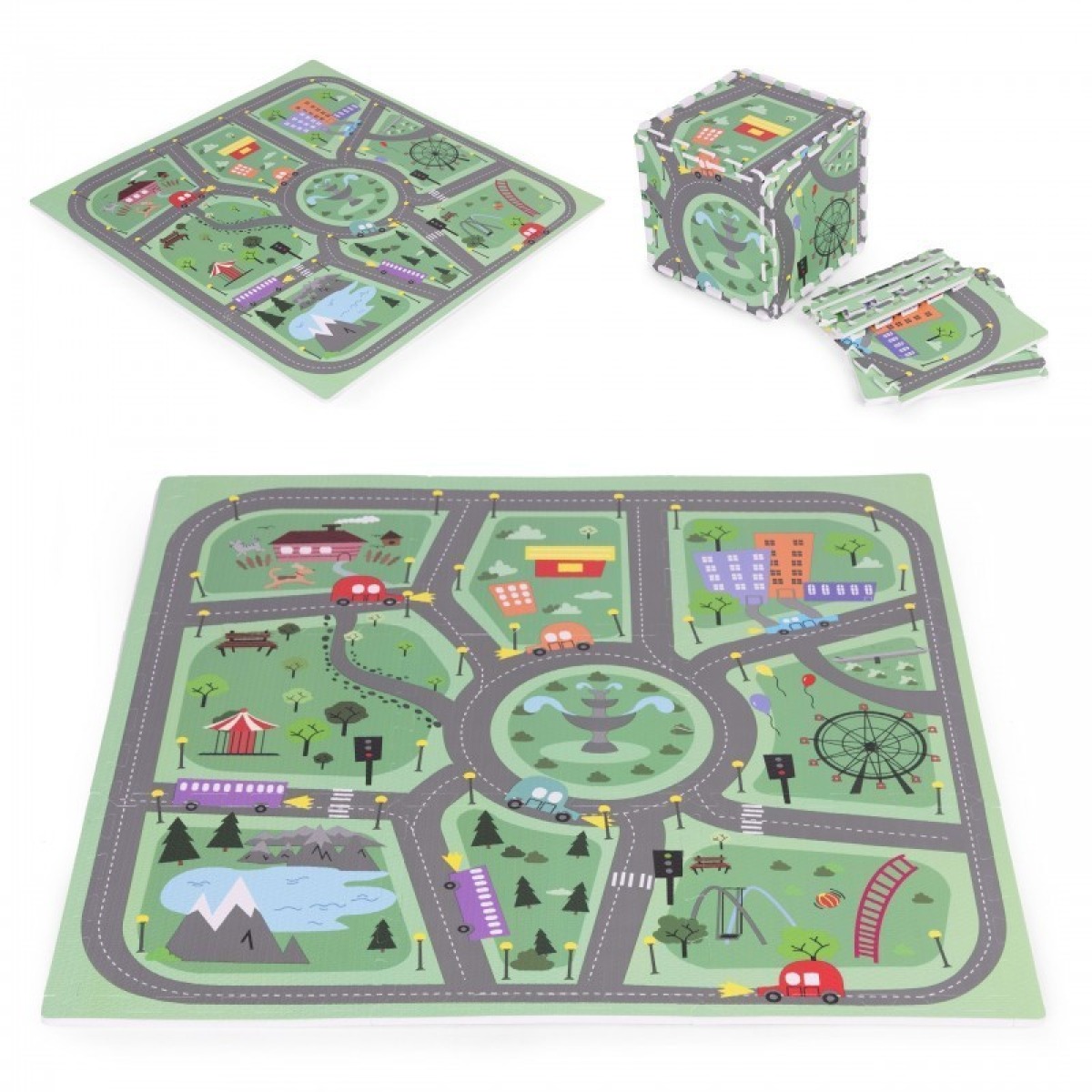
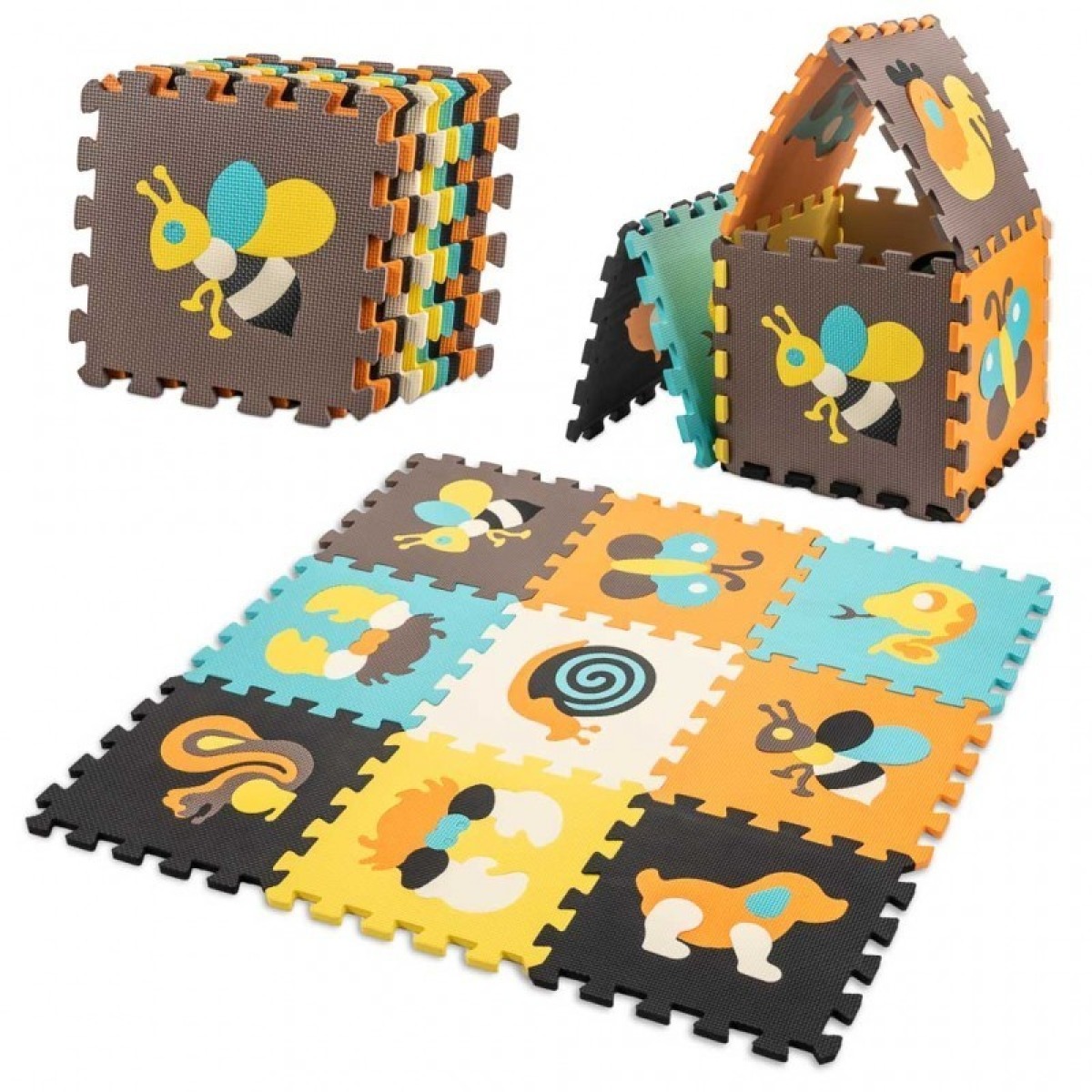
There is a wide choice of pictures and patterns: animals, letters and numbers, various characters, and themes such as cities and roads. This visual backdrop supports children’s interest in recognising shapes and forms, and offers a good opportunity to include developmental activities in everyday play.
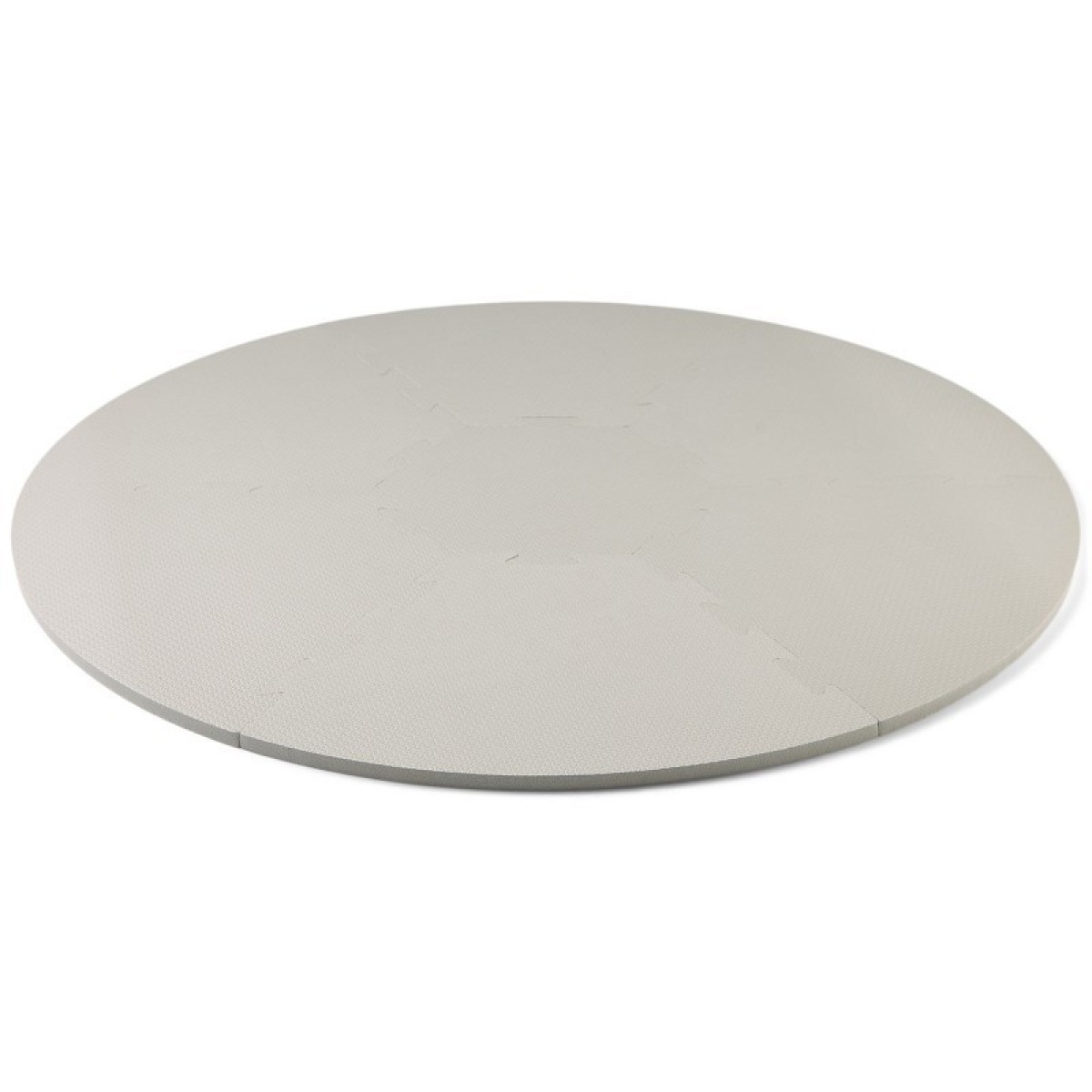
Puzzle mats consist of interlocking pieces that can be assembled to suit the shape of the room. Many models let you change the pattern and layout of the play area, so the same mat can serve different purposes during different activities. Options with border pieces help finish the edges of the surface and create a complete, “framed” floor area that is easier to use every day.
EVA foam is commonly used in these products; it has a softness suited to children and is practical for home use. Some mats also have removable puzzle pieces, which are suitable for practising shape recognition and support the development of a child’s hand and finger control.
When choosing a puzzle mat, it is worth starting with its size and number of pieces. For example, a 90,5x90,5 cm or 85x85 cm area is a good choice if you want to try a puzzle mat or create a dedicated activity corner. Mats measuring 120x180 cm and 180x180 cm provide more room to move and are well suited to children who do several activities in the space at once.
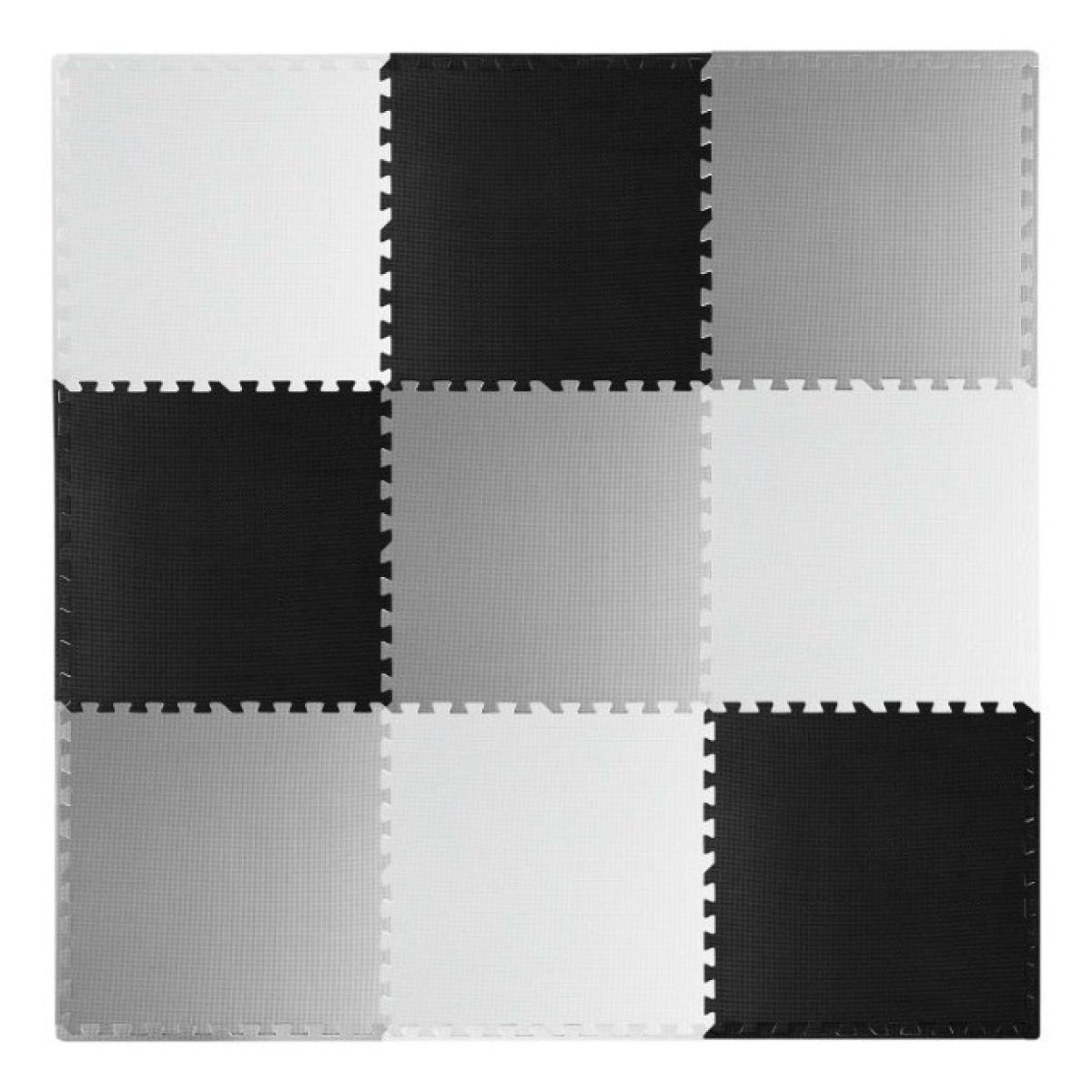
The number of pieces (e.g. 9, 19, 21 or 36) affects how easy the puzzle is to assemble and how detailed the picture and learning theme will be. If you are looking for a developmental floor mat, contrasting black-and-white patterns, letters and numbers help create rhythmic activities while also supporting concentration. City and road, dinosaur or fruit themes provide opportunities for role play and for expanding vocabulary through everyday play.
A puzzle mat is suitable for everyday activities: spreading toys on the floor, reading a book, cuddling and quieter educational games. Larger mats are a good fit for children who tend to play actively and move around, while smaller ones are suitable for more detailed activities in one place.
Practicality matters alongside developmental value. EVA foam mats are generally easy to care for and clean, helping keep the nursery floor ready for use. When a mat has a particular theme (e.g. city and roads or animals), it becomes a natural backdrop for both role play and shape recognition.
Tip for use: if you need floor covering for play with toys and active movement, choose a larger surface. If you want to support development through shapes, letters and numbers, look for a pattern that is easy for your child to distinguish and pieces that are easy to connect and separate.
MIU Kids
A quiet word about cookies
Necessary cookies are already on, so your basket and checkout can work. Analytics cookies stay off until you accept. Until then Google may receive a cookieless visit signal so we can count visits. It is not used for advertising. Accept all cookies, or keep only the necessary ones. Both are one click. We remember your choice for six months, and you can change it at the bottom of the page. Privacy notice
Analytics cookies wait for a yes
MIU Kids
Choose what stays on
Necessary
Always on. These keep the basket, checkout and the shop secure.
Analytics
No analytics cookie until you accept. A cookieless visit signal may still be sent. If you accept, Google Analytics shows which pages are used. It does not build advertising profiles.