
- New
In stock · 1–3 business days1–3 business days
About the collection
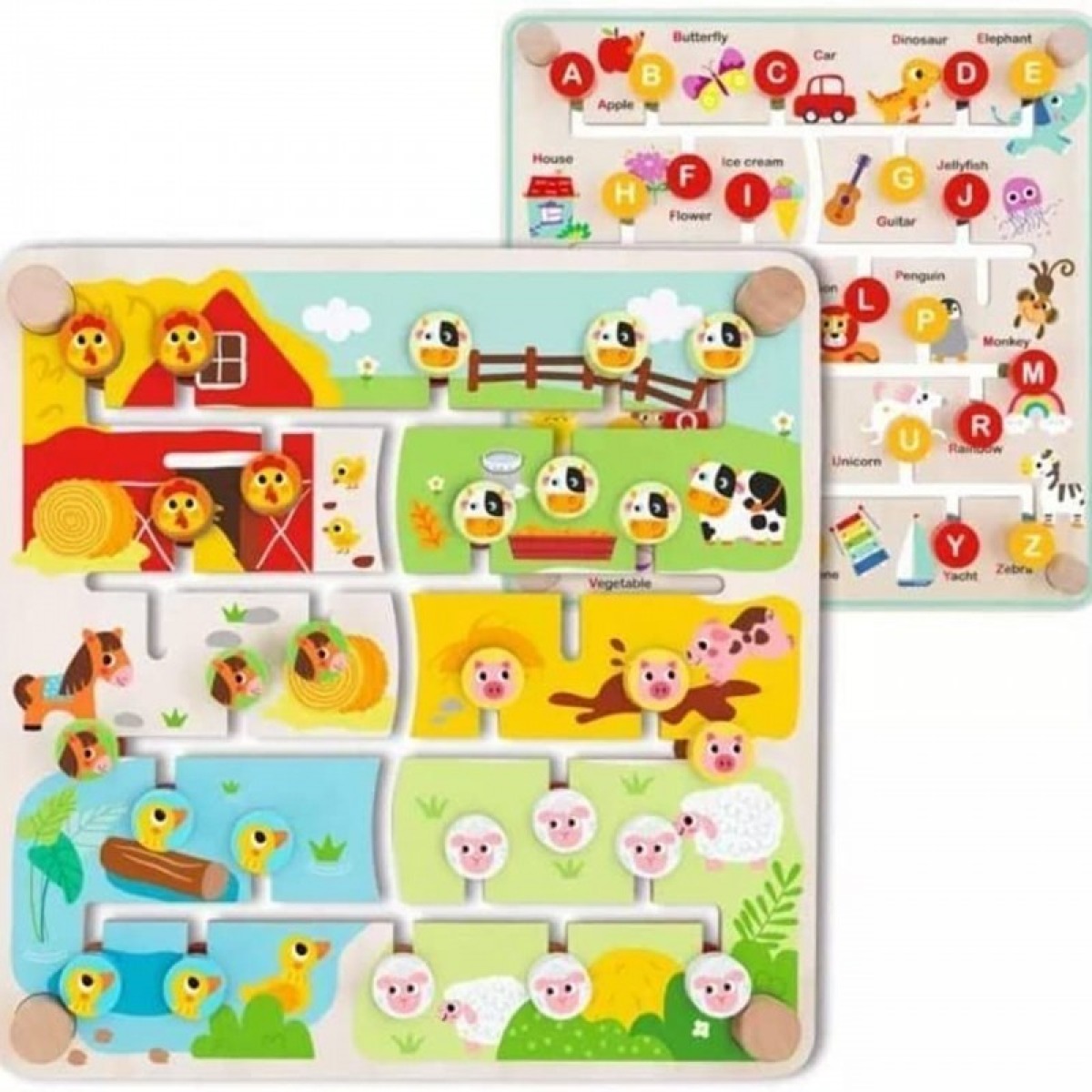
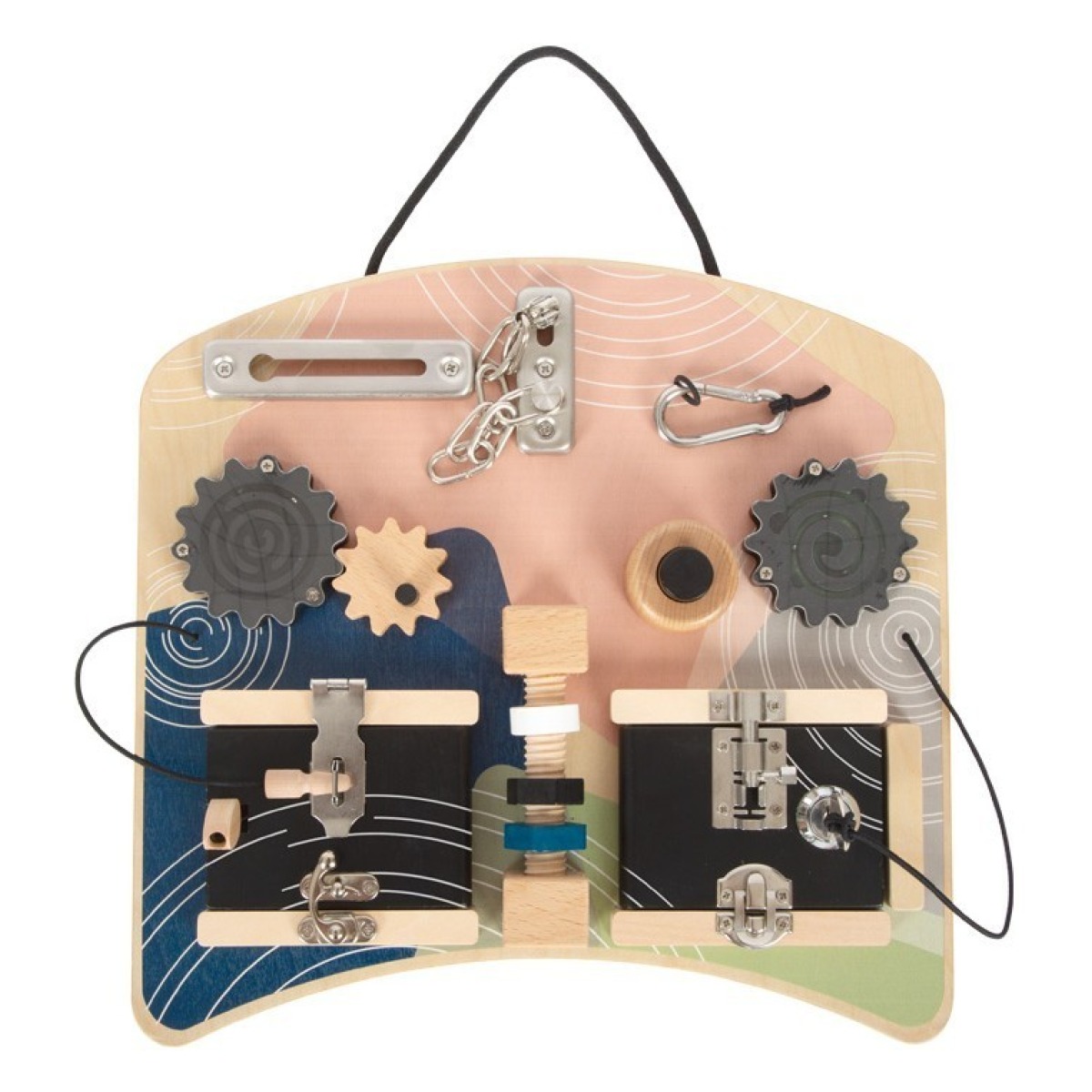
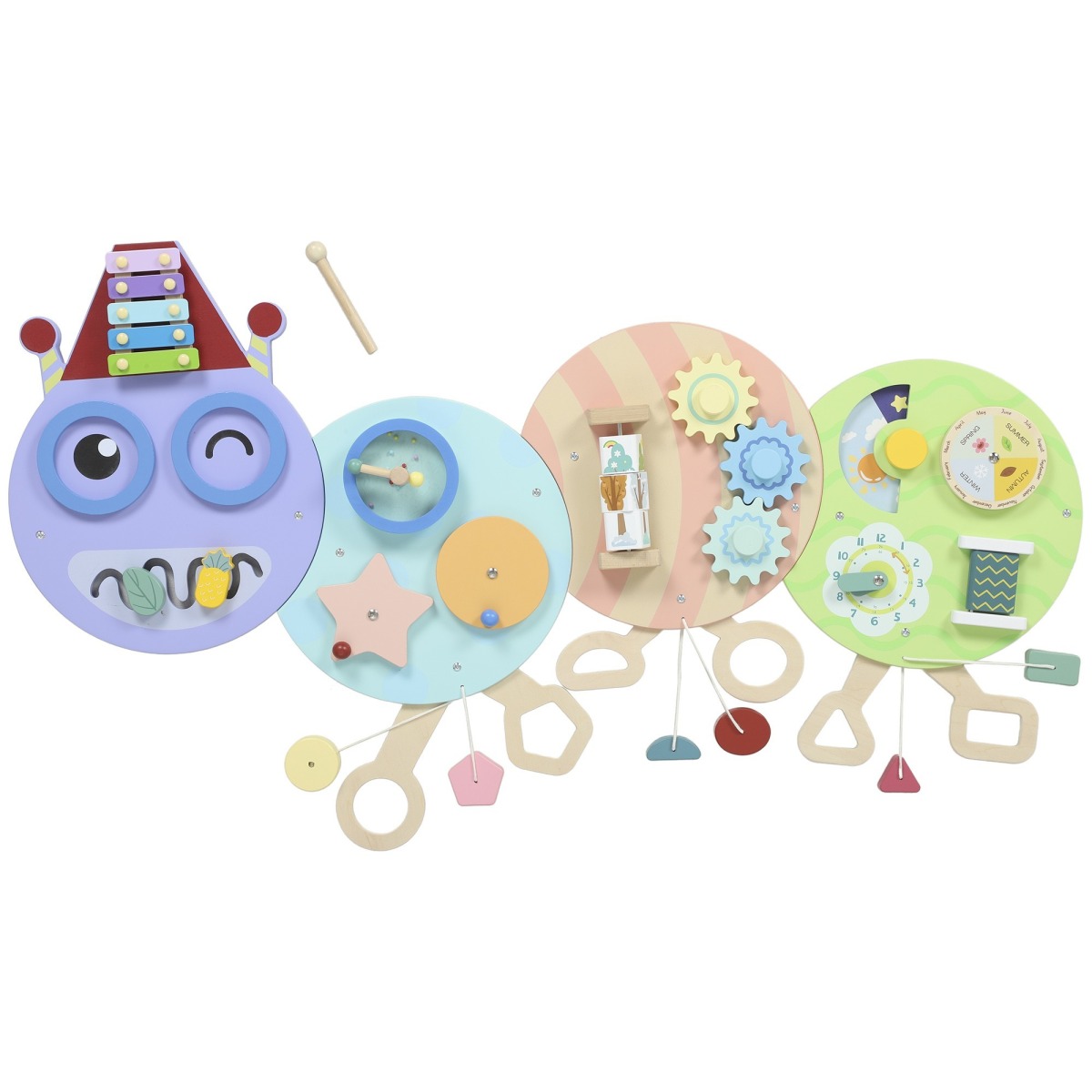
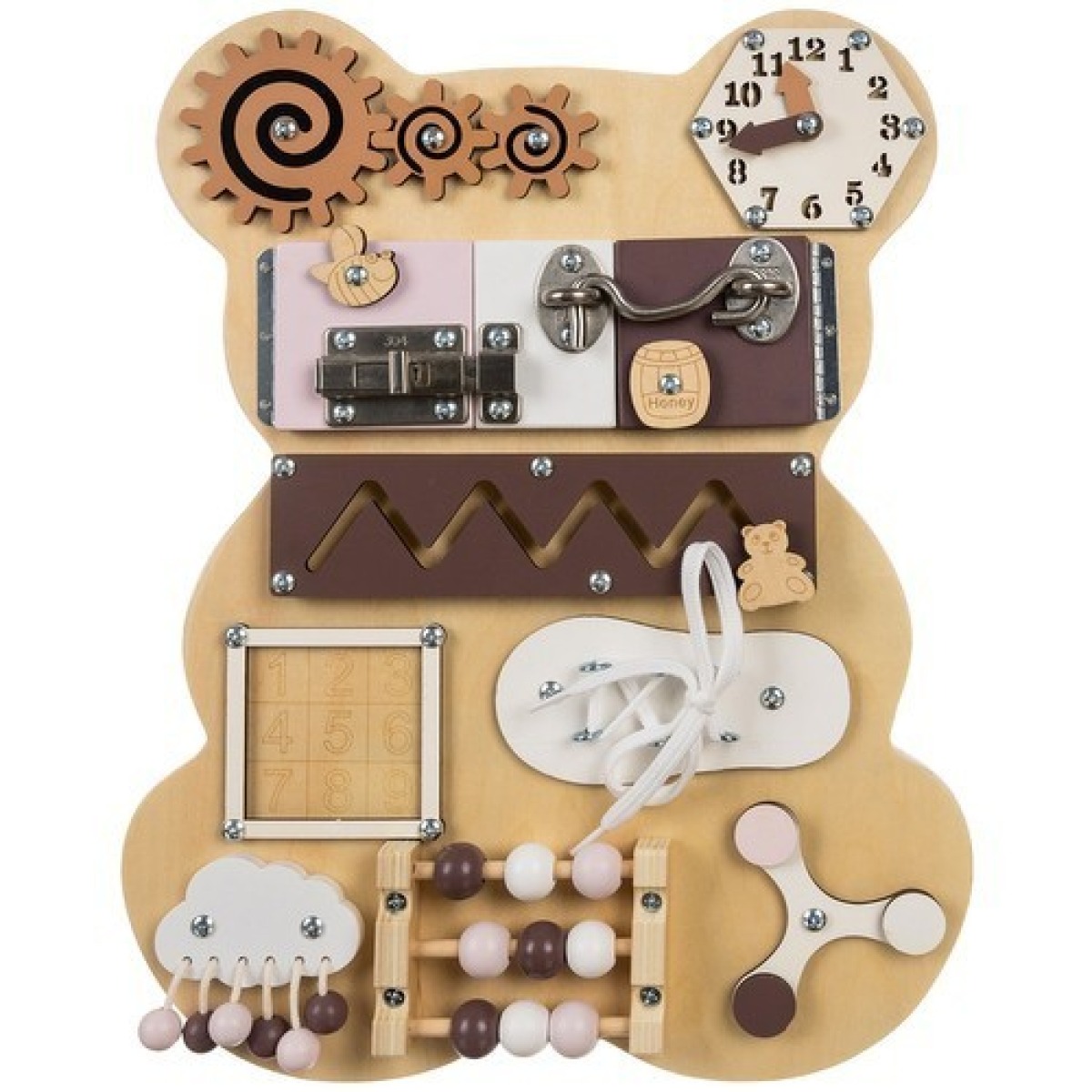
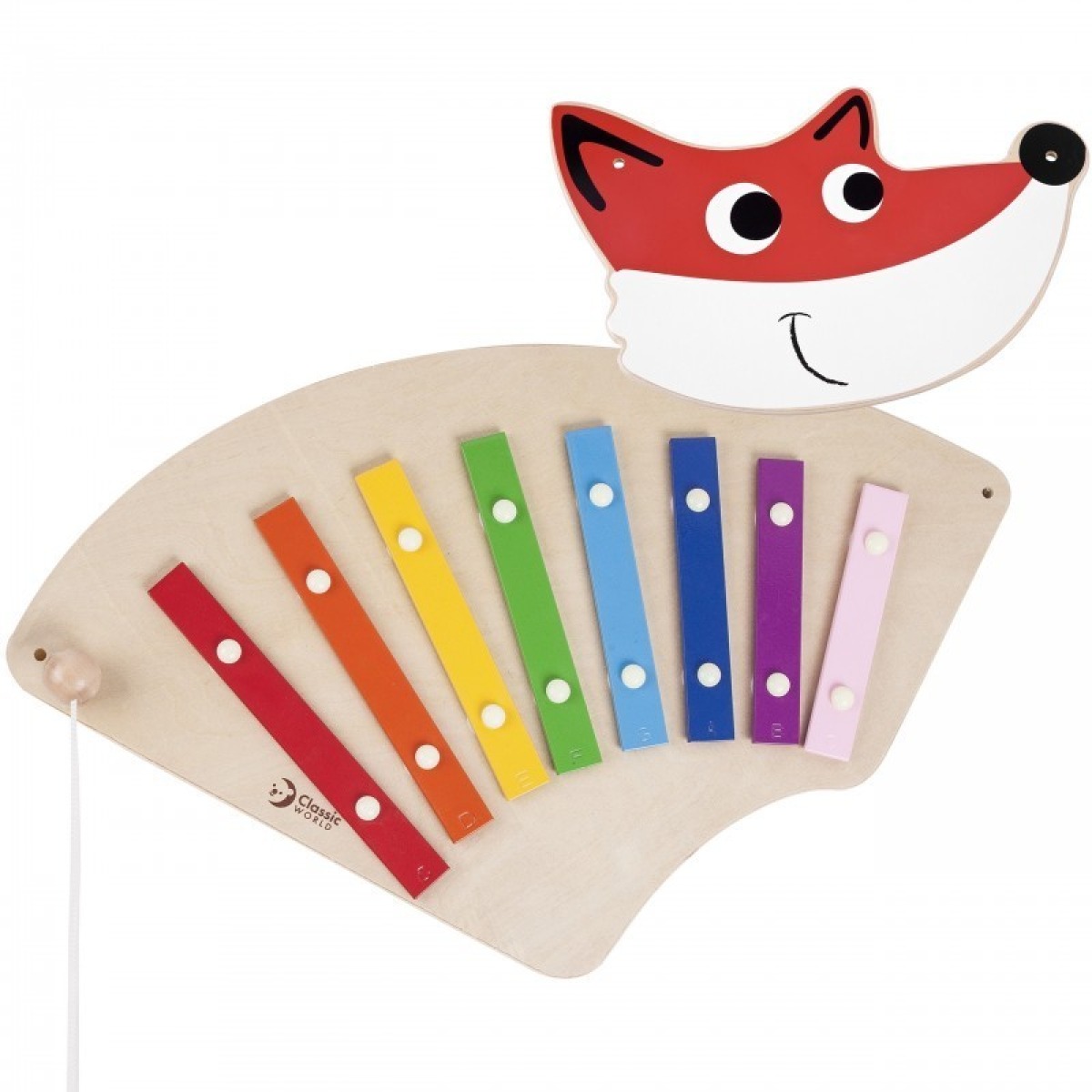
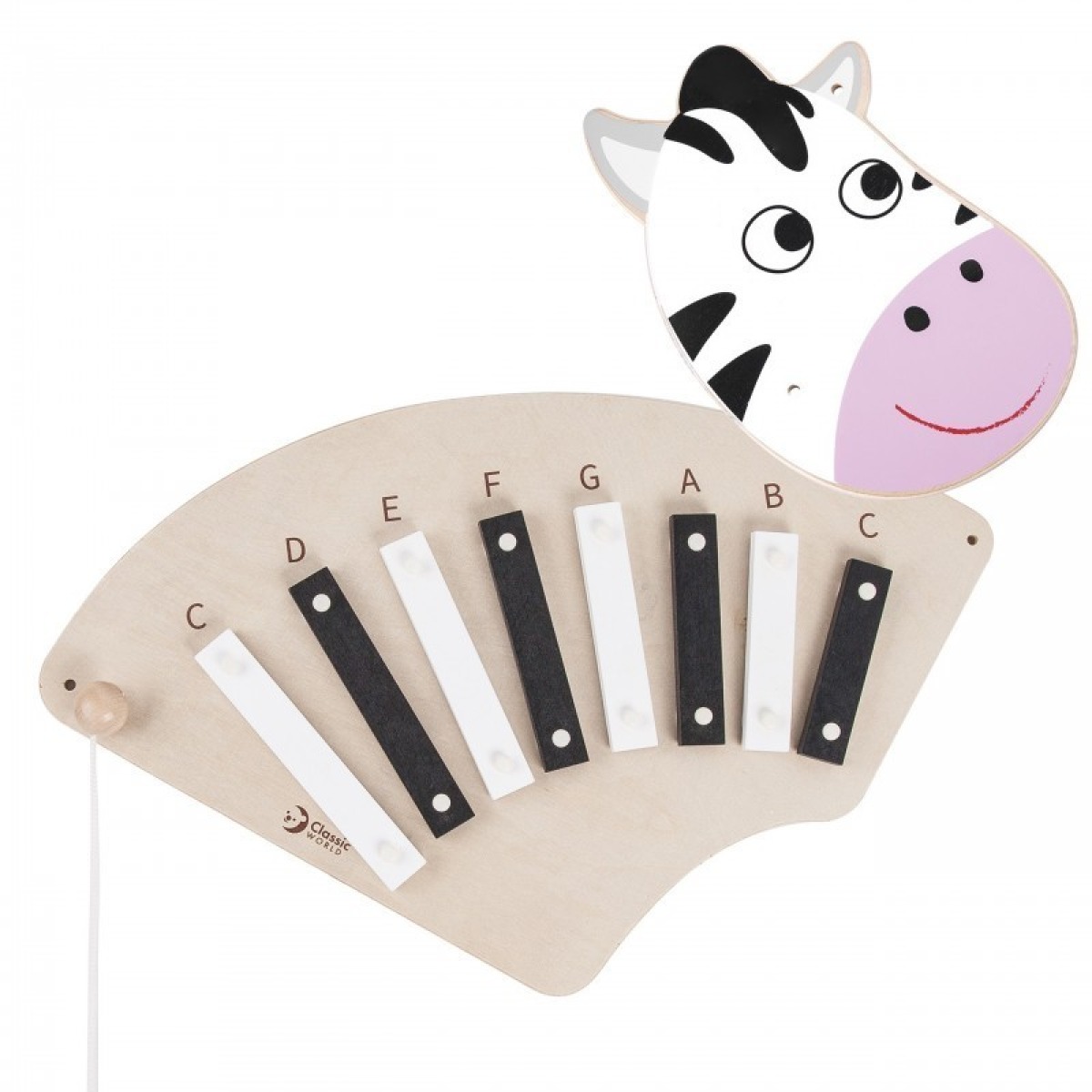
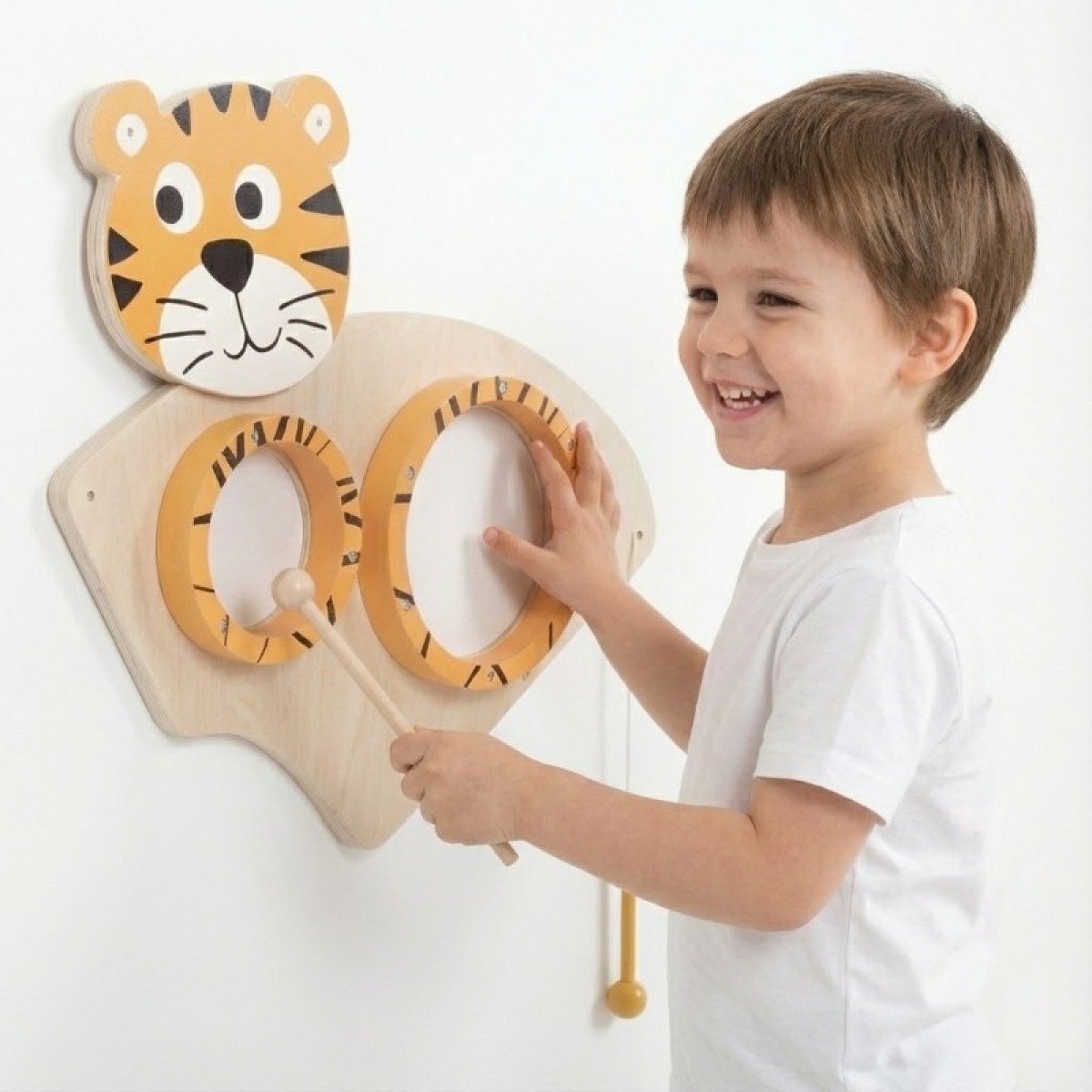
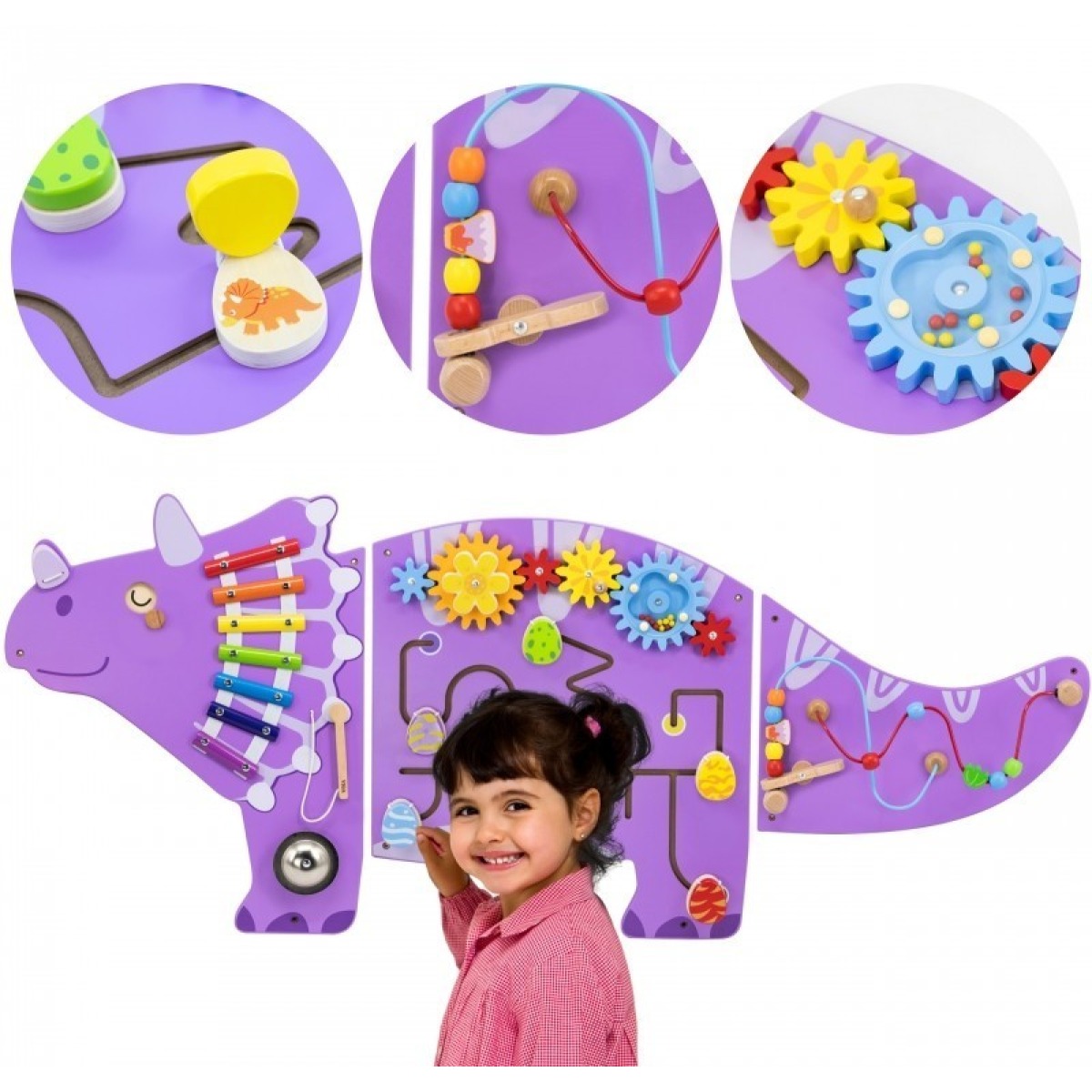
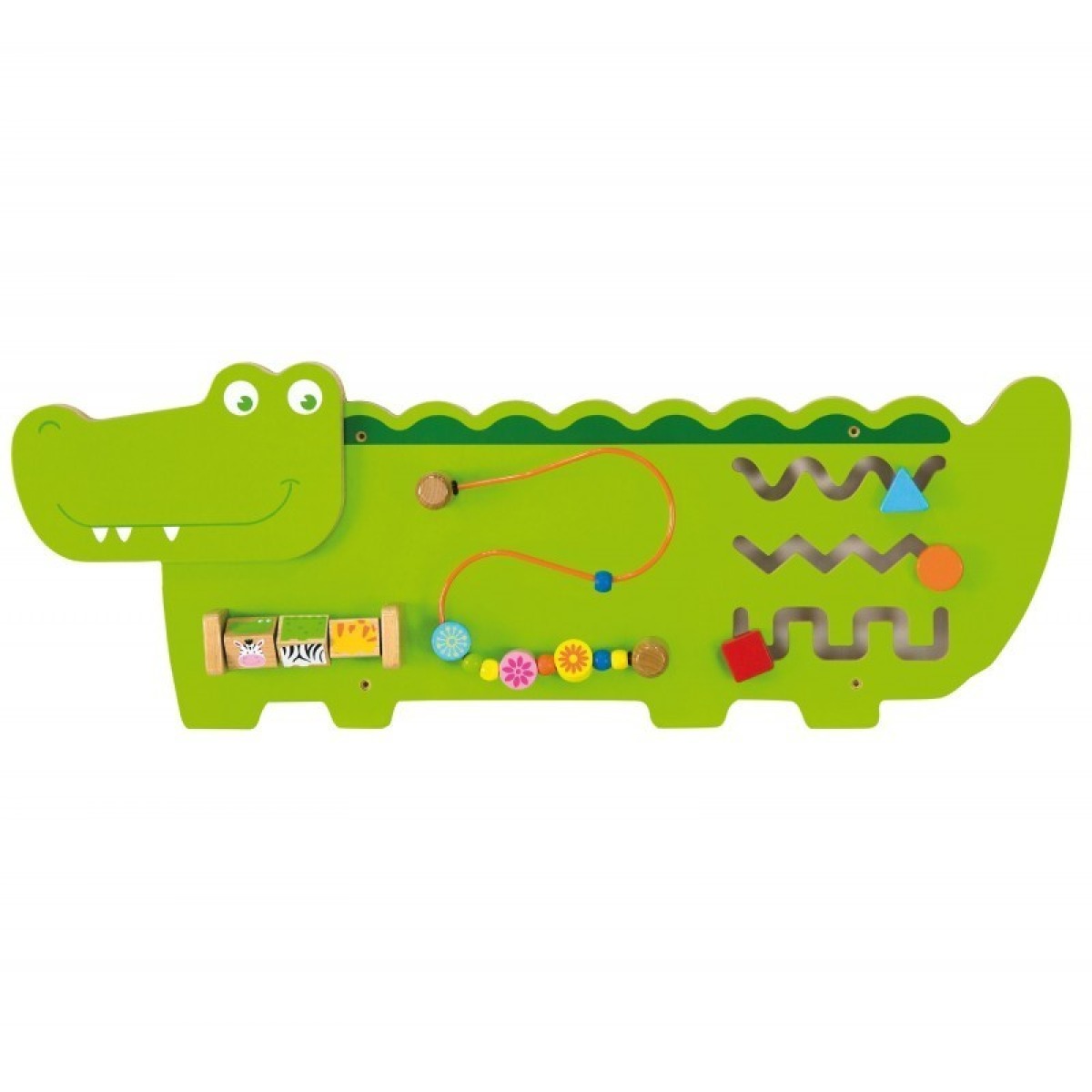
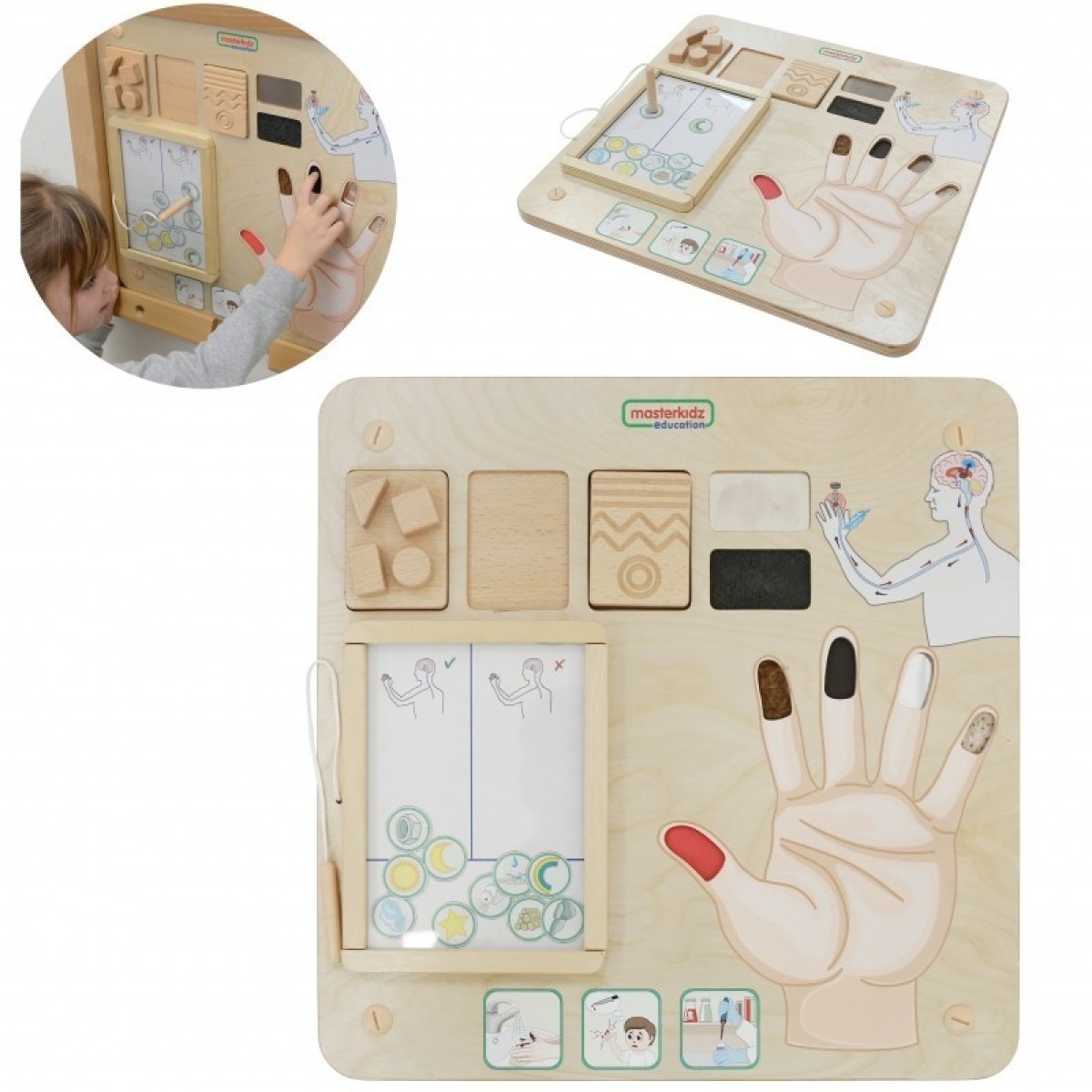
Activity boards are full of things to try: locks, buttons, zips, gears and sorting tasks. Kids' activity boards encourage independent exploring and develop fine motor skills and concentration. They suit toddlers and...
Category guide
Activity Boards for Kids bring practical developmental play to the nursery, where hands and attention work together. In this age group, people often look for activities that encourage independence: babies and toddlers can explore buttons, puzzles and sorting, while grown-ups can give everyday play a clear structure. Activity boards are suitable for calm play at home as well
learning activities, such as practising letters, numbers, colours and different everyday movements. It’s important to choose a board to suit the child’s skills: the theme (animals, transport, numbers), the type of manual activity (locks, mazes, turning) and the material and safety. Many models are wooden, provide a sensory experience and help develop concentration and fine motor skills.
Activity Boards for Kids are an enjoyable way for children to try things out, match pieces and discover independently. Boards with a Montessori and sensory approach combine a simple activity with a clear purpose: children move from one step to the next, repeat patterns and gradually improve through hands-on activity. These developmental toys for kids suit a child’s room at home and help create a routine where play is also a way to learn.
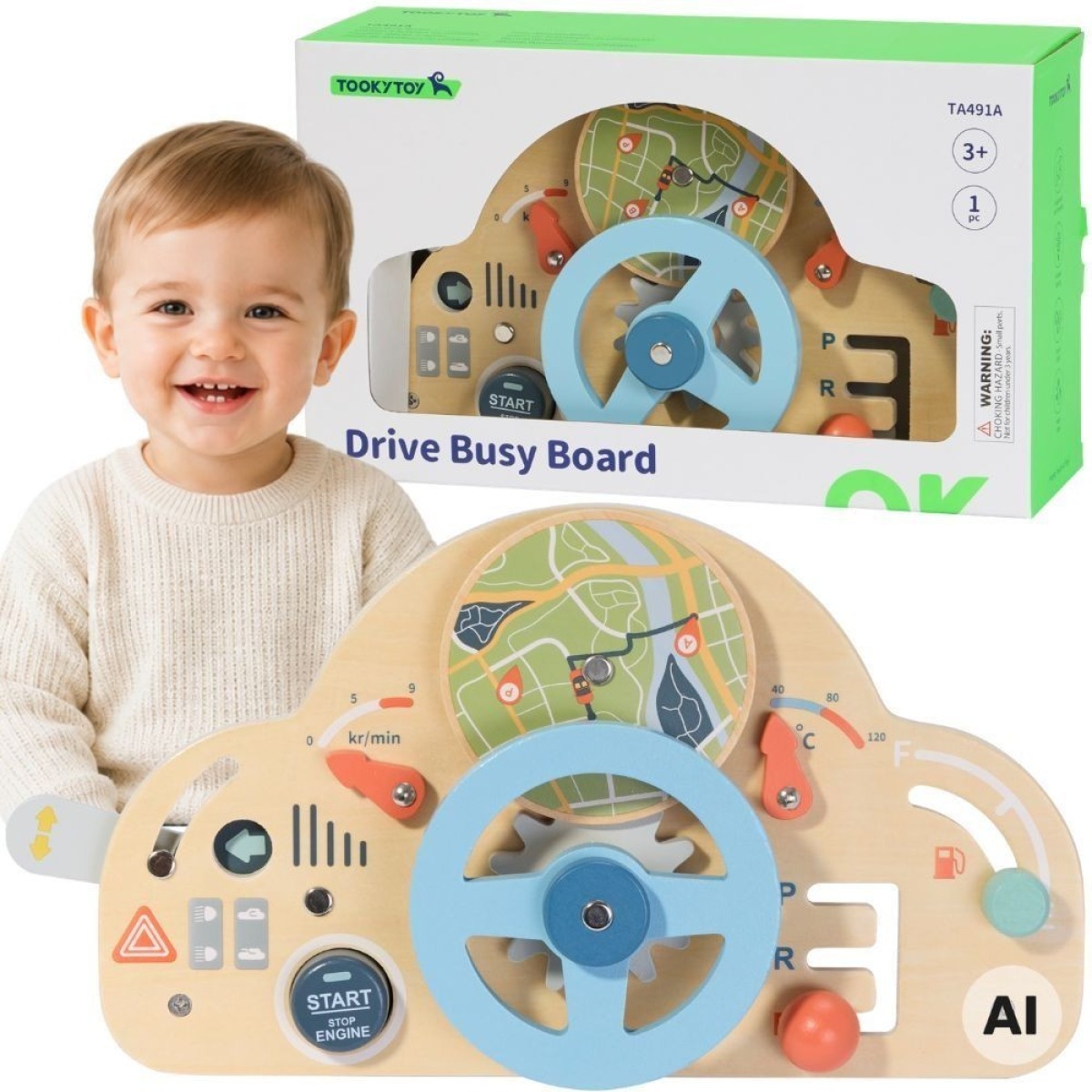
In practical terms, it is worth considering whether the board supports the right kinds of movements for your child, such as turning and twisting, opening and closing, sorting, moving through a maze or exploring tactile elements. If your child is already an active imitator, boards featuring transport and everyday activities are often particularly engaging.
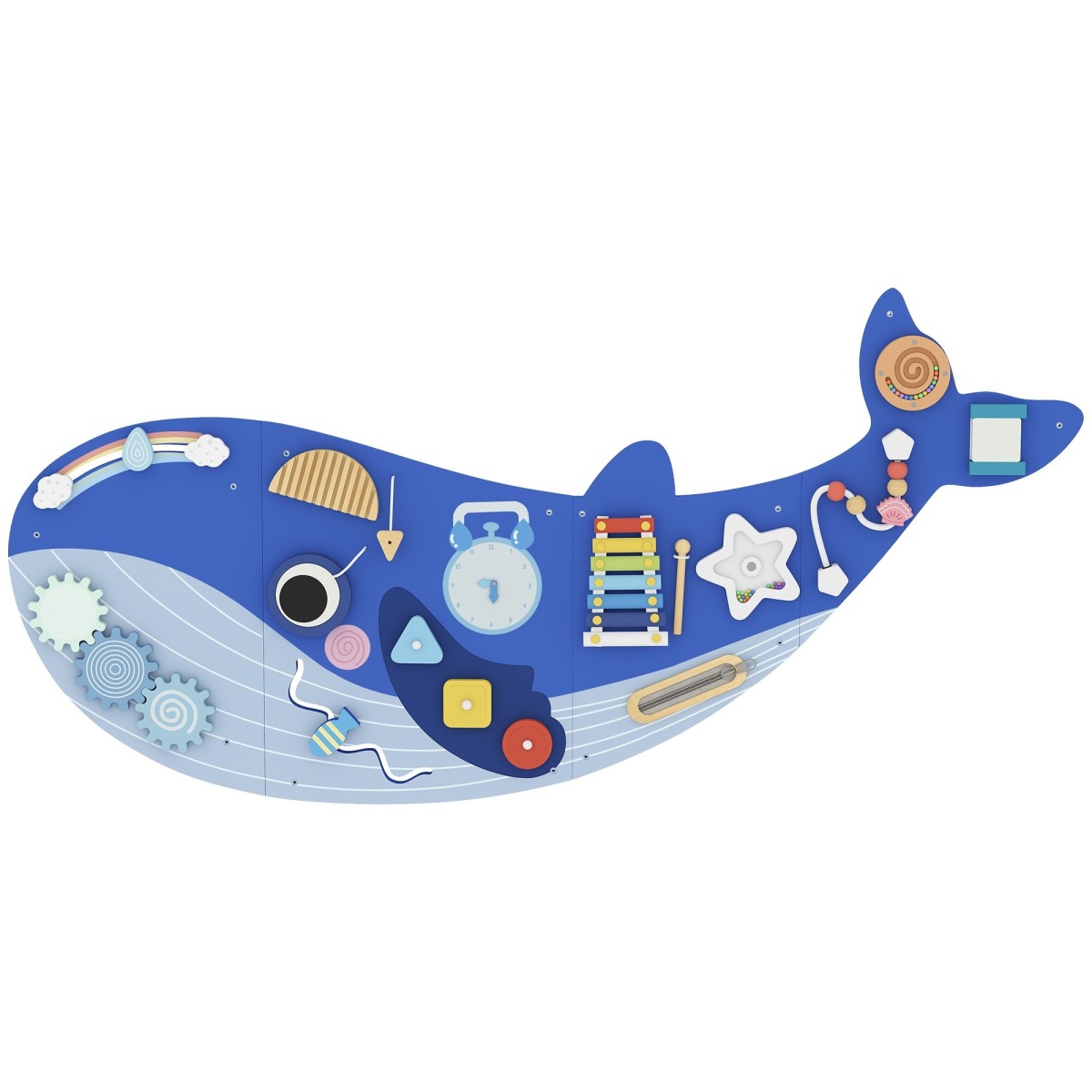
Different activity boards offer different learning content. Some focus on numbers and letters, while others explore colour mixing or sorting animals and objects. For example, a wall-mounted colour-mixing board lets children experiment with shades by turning its elements and see how the results change. Locks, steering wheels, mazes and breathing-themed activities help children learn skills through play, without complicated explanations.
If you are looking specifically for sensory learning boards, it is often important that the material feels pleasant to the child and that the details are securely attached. Wooden boards are preferred by many families for their feel and durability. Some products also have different components (e.g. double-sided designs), offering more variety within the same board.
Wooden activity boards and manipulation boards are especially suitable if the aim is to develop fine motor skills and hand-eye coordination. Children get into the habit of concentrating: they look for the right movement, feel the detail and repeat the action until it becomes smooth. These activities are also often a good alternative when you want to offer something engaging before screen time.
Many models use elements with different textures and shapes to create a sensory experience. Activities may include patterns, pieces that work like a picture puzzle, beads in a maze or magnetic sorting. It is important to choose a board with activities that are manageable for your child and that they can return to calmly.
To keep Activity Boards for Kids in good condition, it is worth following simple care and usage guidelines. For wooden designs, wiping with a damp cloth and then drying is usually suitable. If the board has small parts or many moving components, it is a good habit to check before play that the fixings are intact.
For safety, make sure that no parts are loose and that the board is stable for the child. If the board is designed for a wall, check the installation method and whether it is suitable for the room’s wall material. This helps keep learning playful for longer, and activities can be adapted as the child grows.
Activity boards work well both for play and for quieter moments. For example, a cat with numbers, interactive designs featuring letters and animals, or sets with several activities help children stay focused and repeat activities with purpose. If your child is interested in everyday themes, boards featuring transport and role play fit naturally into their play routine.
The right board does not have to be the “only toy” – it can be part of the play environment in a child’s room, where an activity that supports hands-on skills is always within reach. This makes play a consistent part of development that is easy for children to understand and simple to organise.
MIU Kids
A quiet word about cookies
Necessary cookies are already on, so your basket and checkout can work. Analytics cookies stay off until you accept. Until then Google may receive a cookieless visit signal so we can count visits. It is not used for advertising. Accept all cookies, or keep only the necessary ones. Both are one click. We remember your choice for six months, and you can change it at the bottom of the page. Privacy notice
Analytics cookies wait for a yes
MIU Kids
Choose what stays on
Necessary
Always on. These keep the basket, checkout and the shop secure.
Analytics
No analytics cookie until you accept. A cookieless visit signal may still be sent. If you accept, Google Analytics shows which pages are used. It does not build advertising profiles.