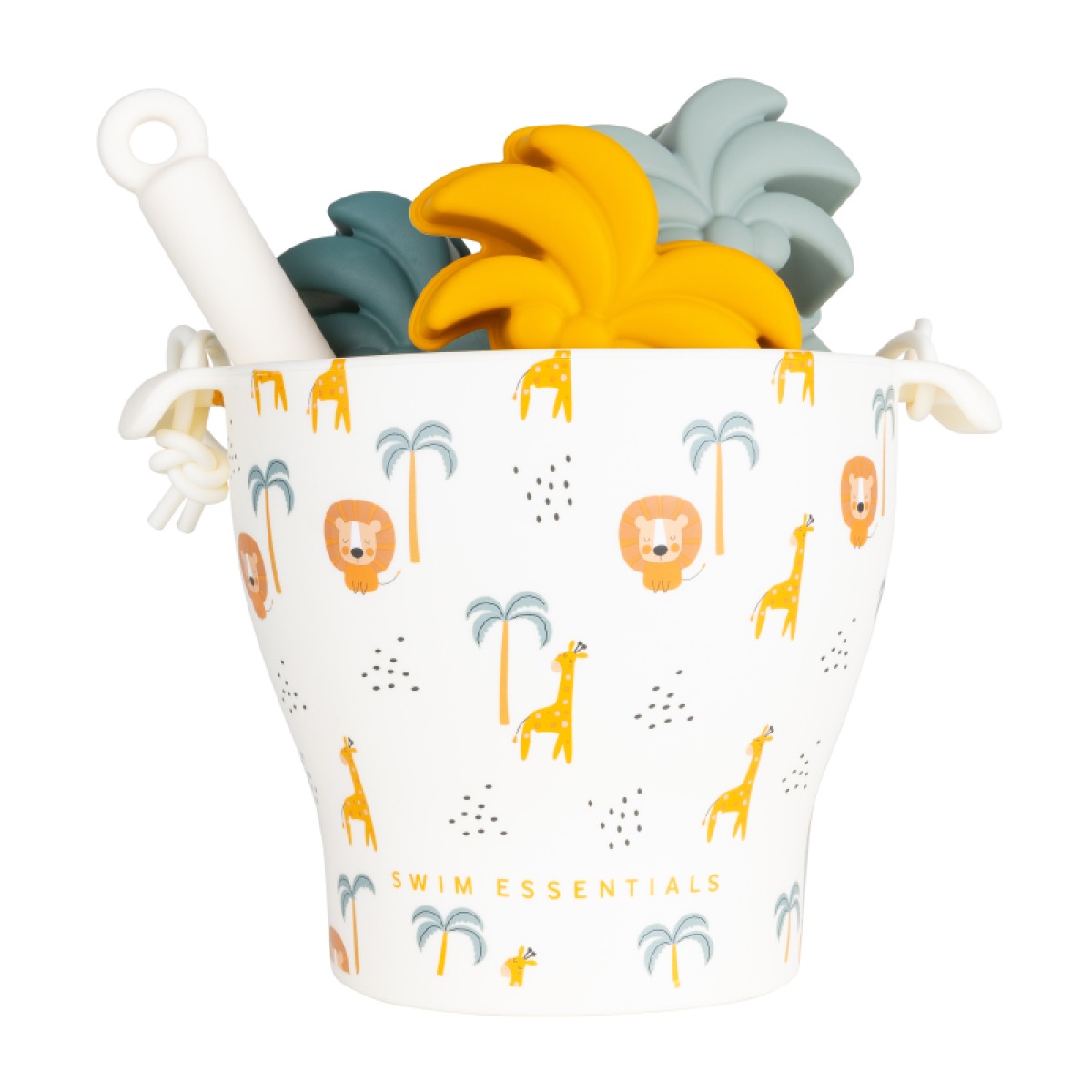
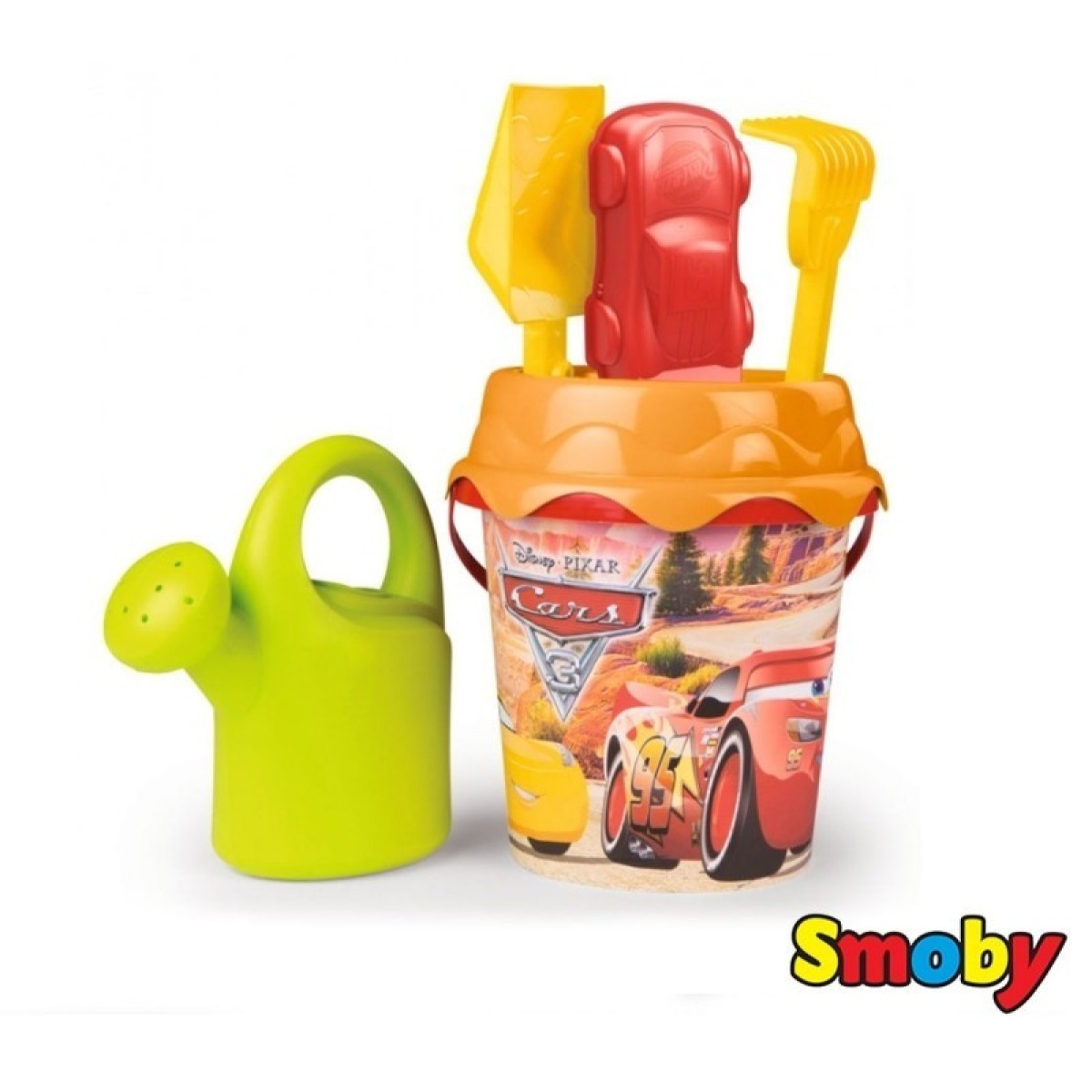
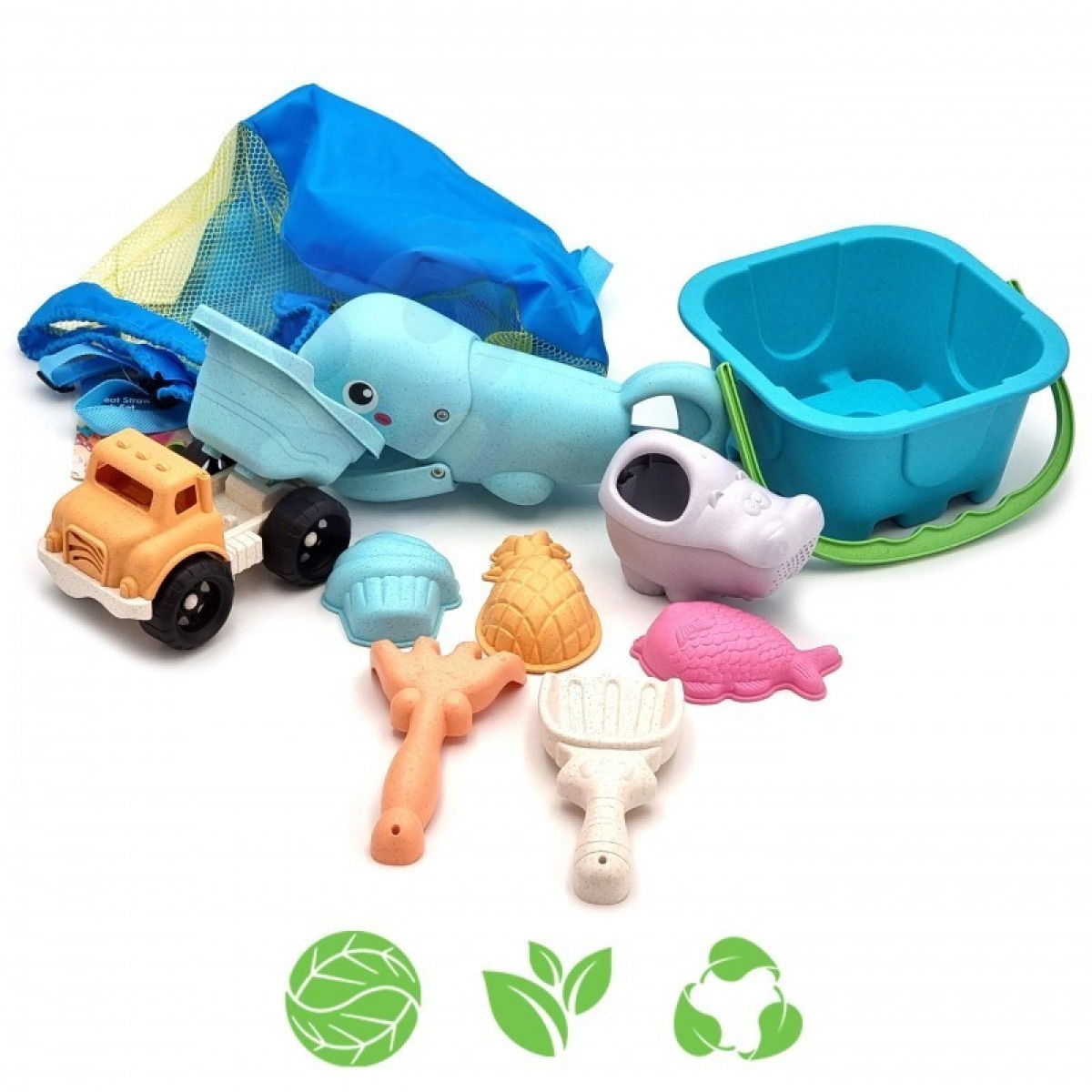
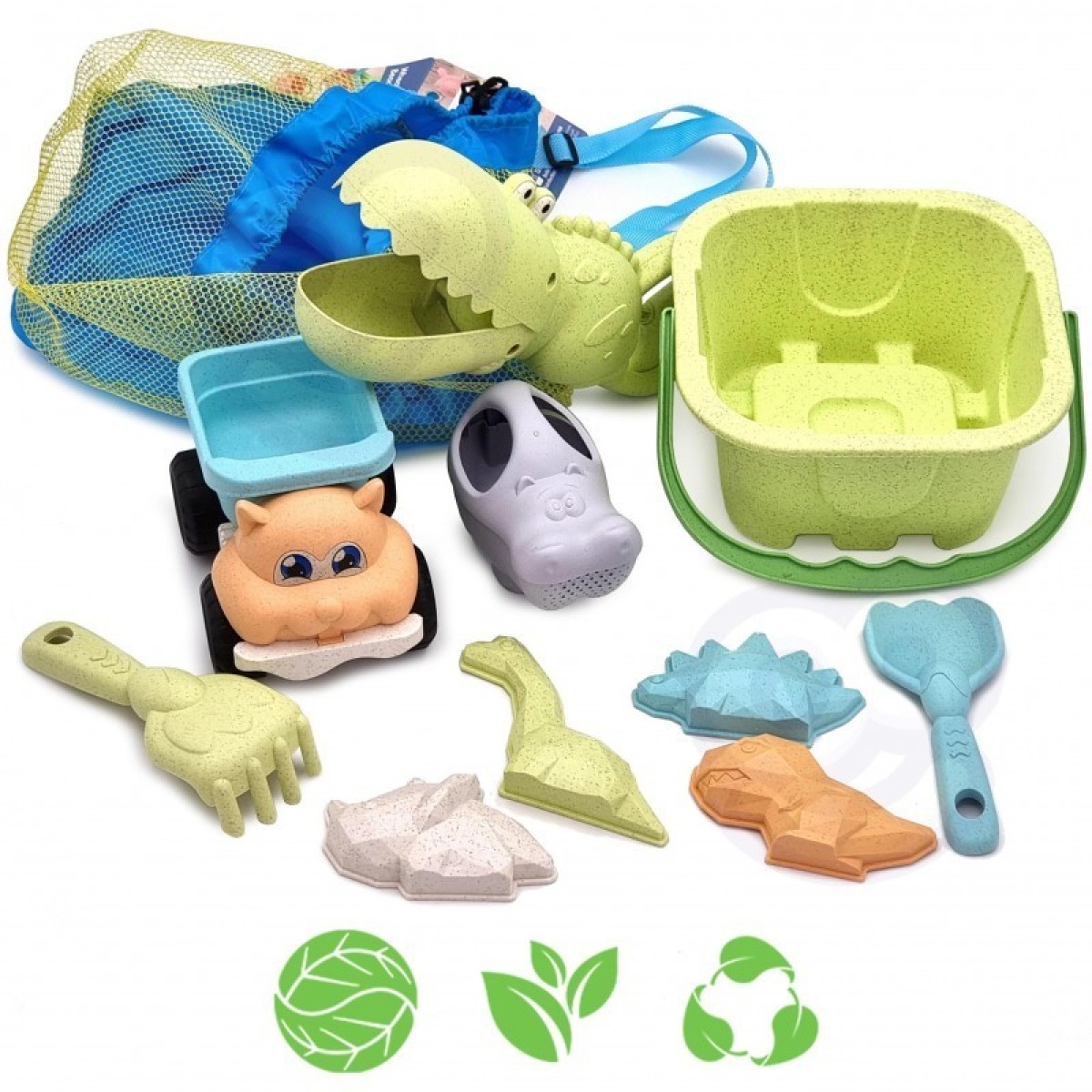
Sand Toys for kids are a practical and developmental part of the sandbox and beach
Sand Toys for children for outdoor play and trips to the beach
Playing with sand is one of the simplest ways for children to spend time outdoors. Sand Toys make play varied: some tools are suitable for scooping and pouring sand, while others are for moulding and sieving. This creates an activity where children can experiment with how sand behaves in different quantities and how moulds help them achieve the shapes they want.
It's also worth considering how easy the toys are to carry. Trolley sets, foldable buckets and sets with different parts make it easier to keep everything ready for a day at the beach or play in the garden. If the toys are also washable, they’re especially quick to clean after outdoor play.
Which parts make sandpit play versatile
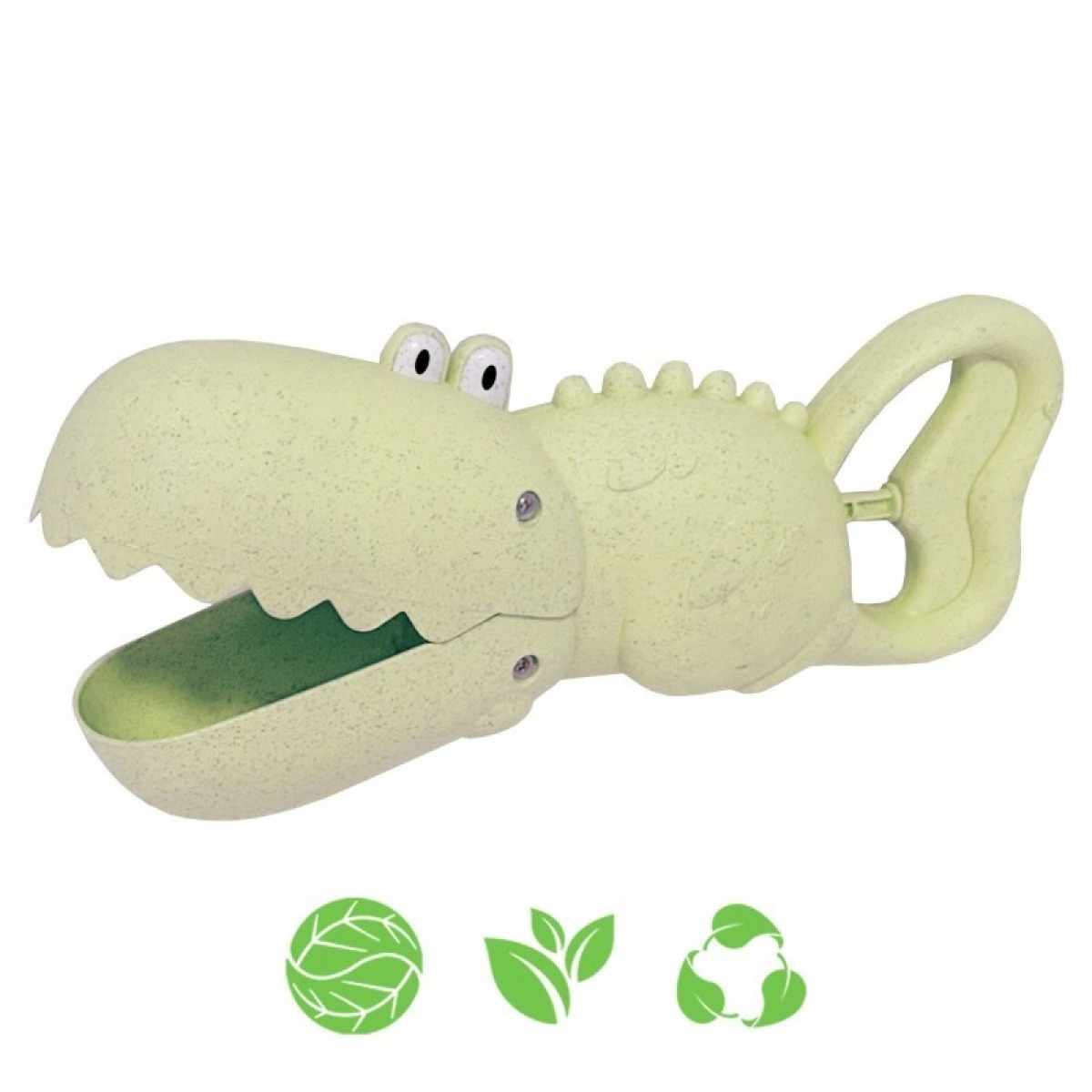
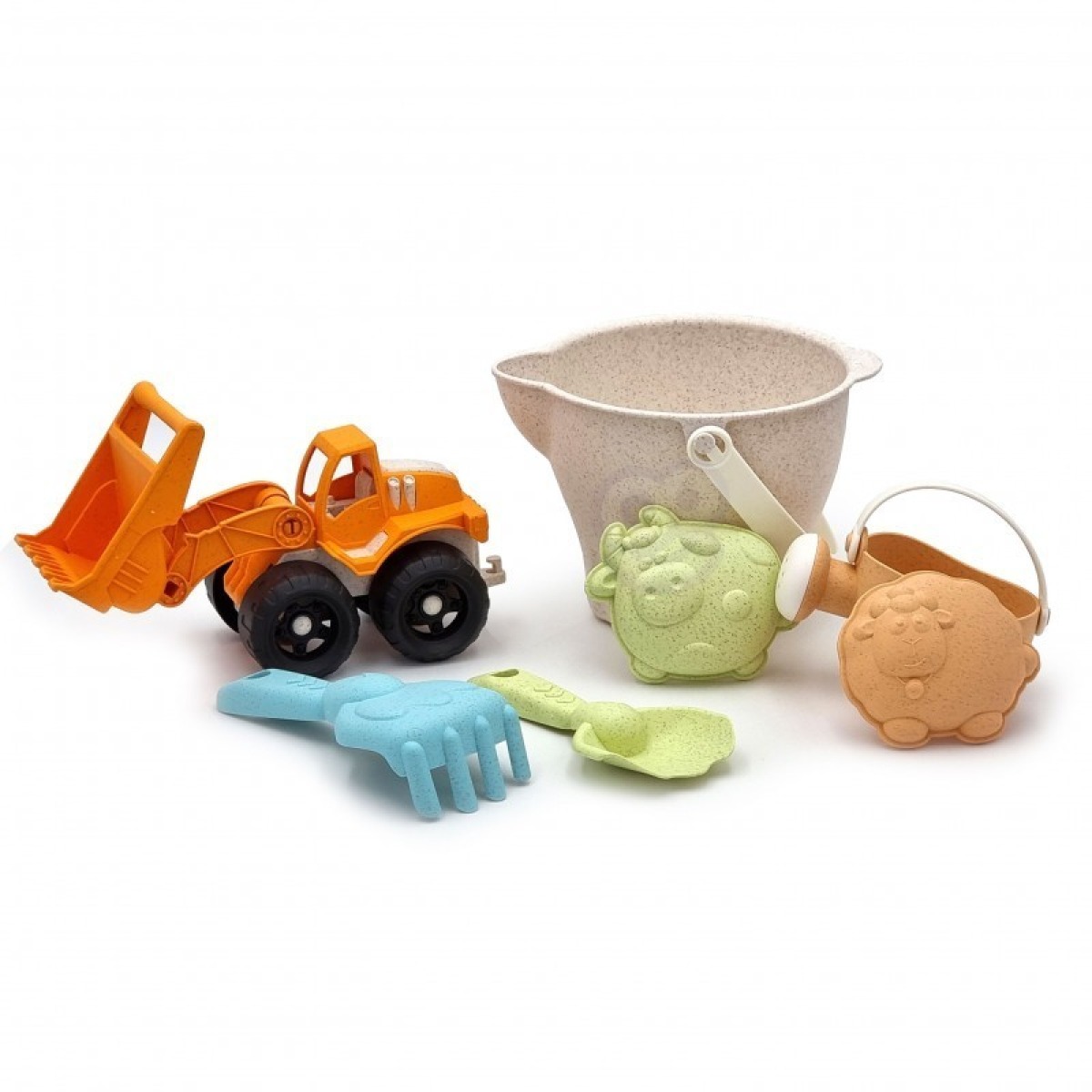
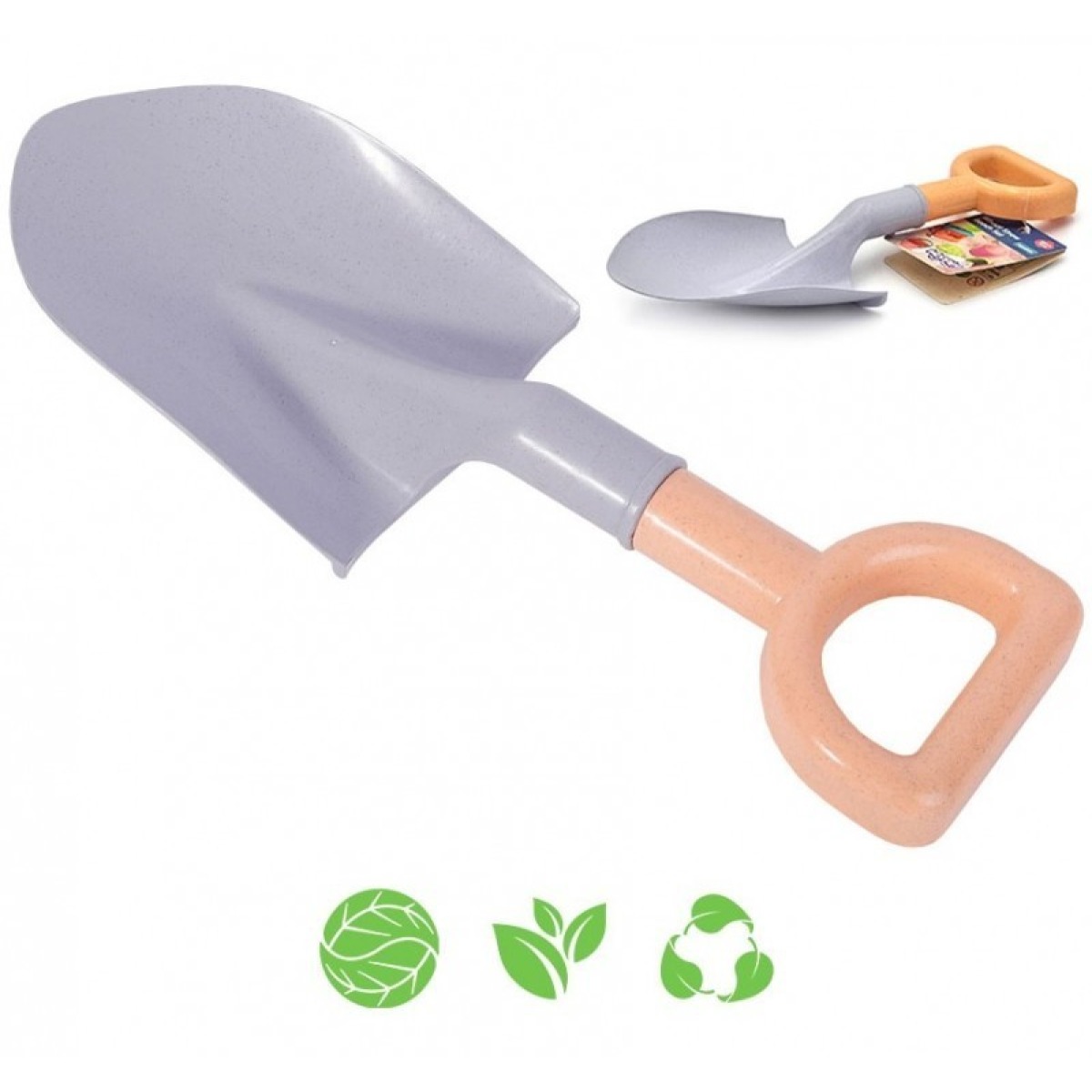
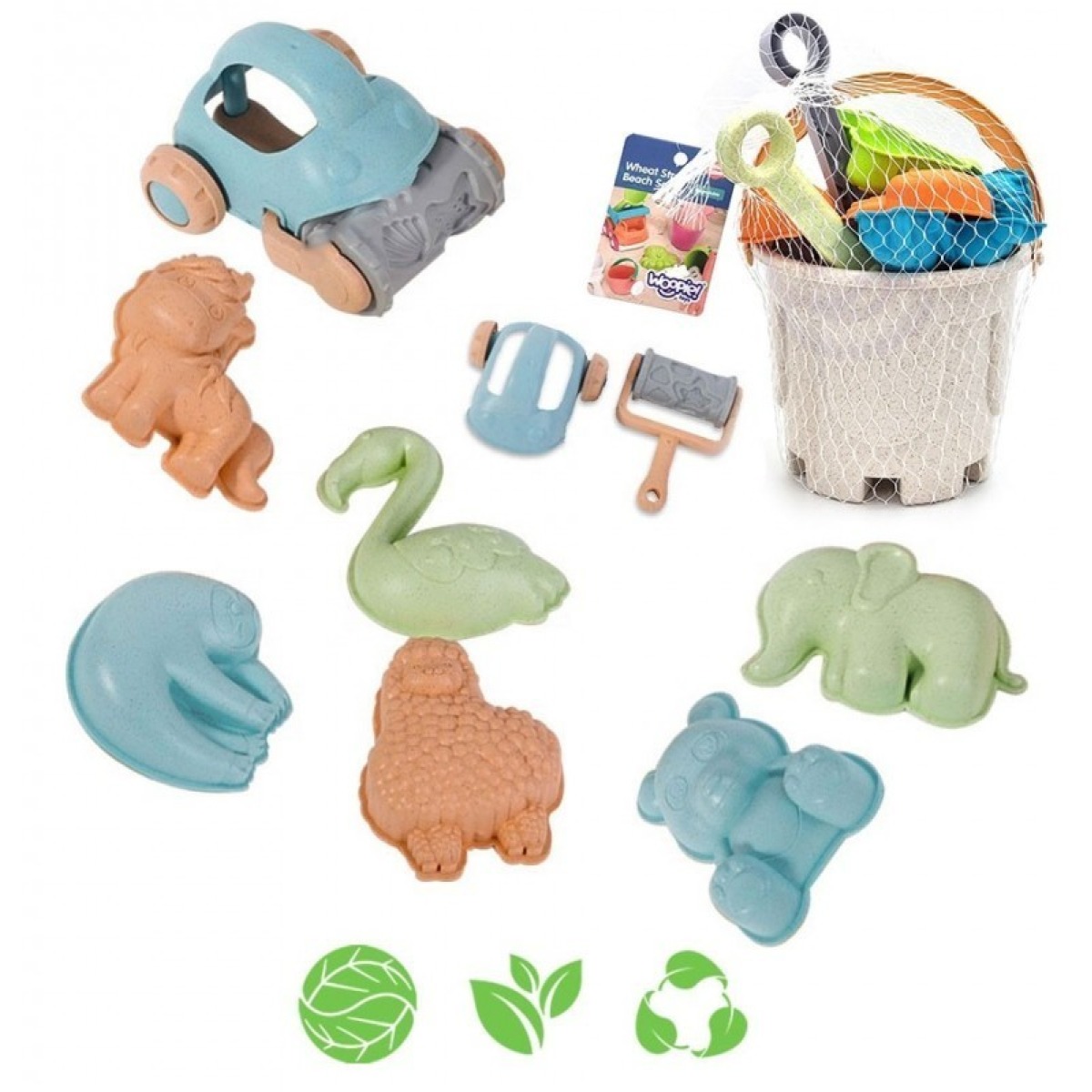
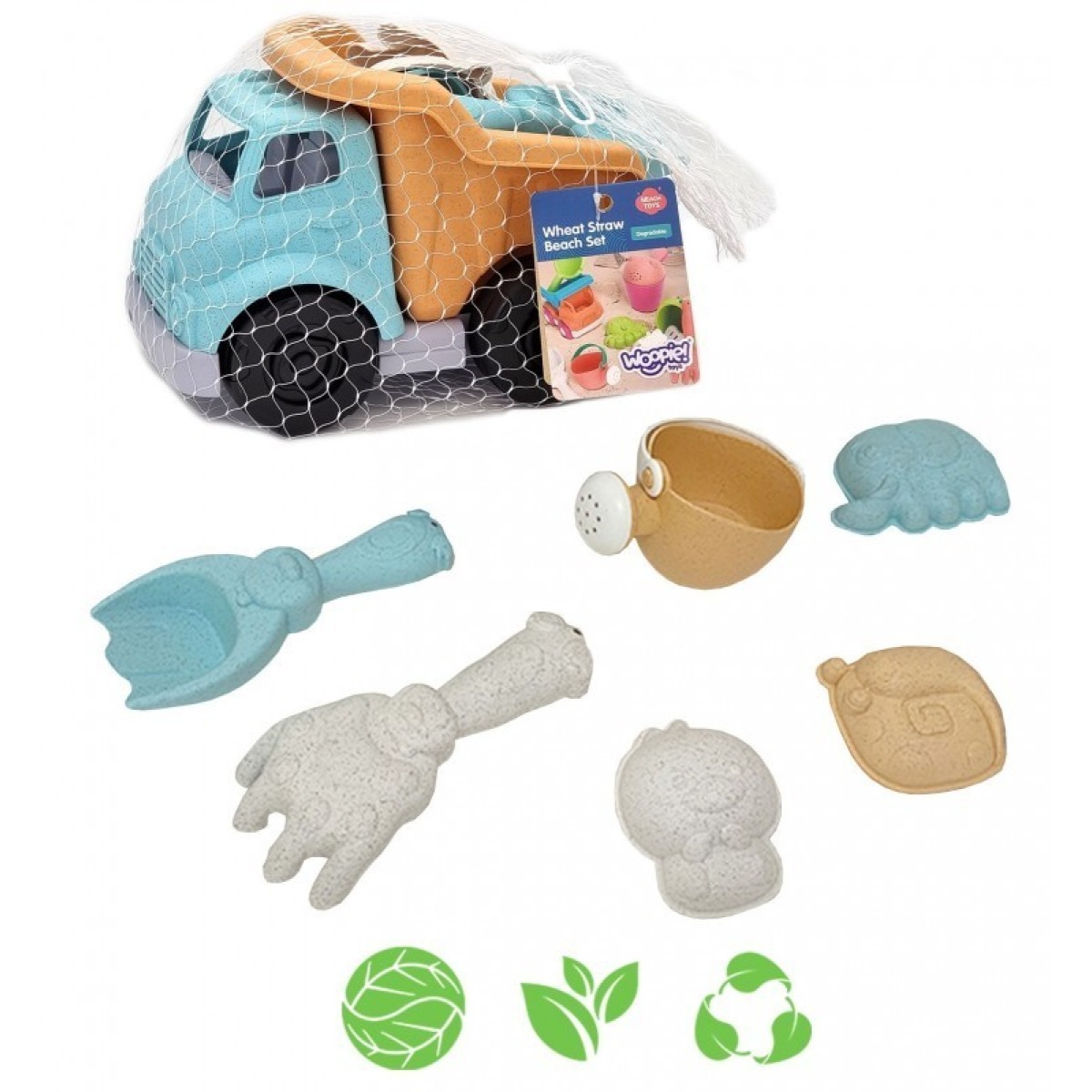
Toys for the sandpit and beach are usually a combination of tools and moulds. Buckets are a good starting point, as they can be used to scoop up and pour sand. Scoops, shovels and rakes are suitable for more precise digging, smoothing edges and moving sand around in different places.
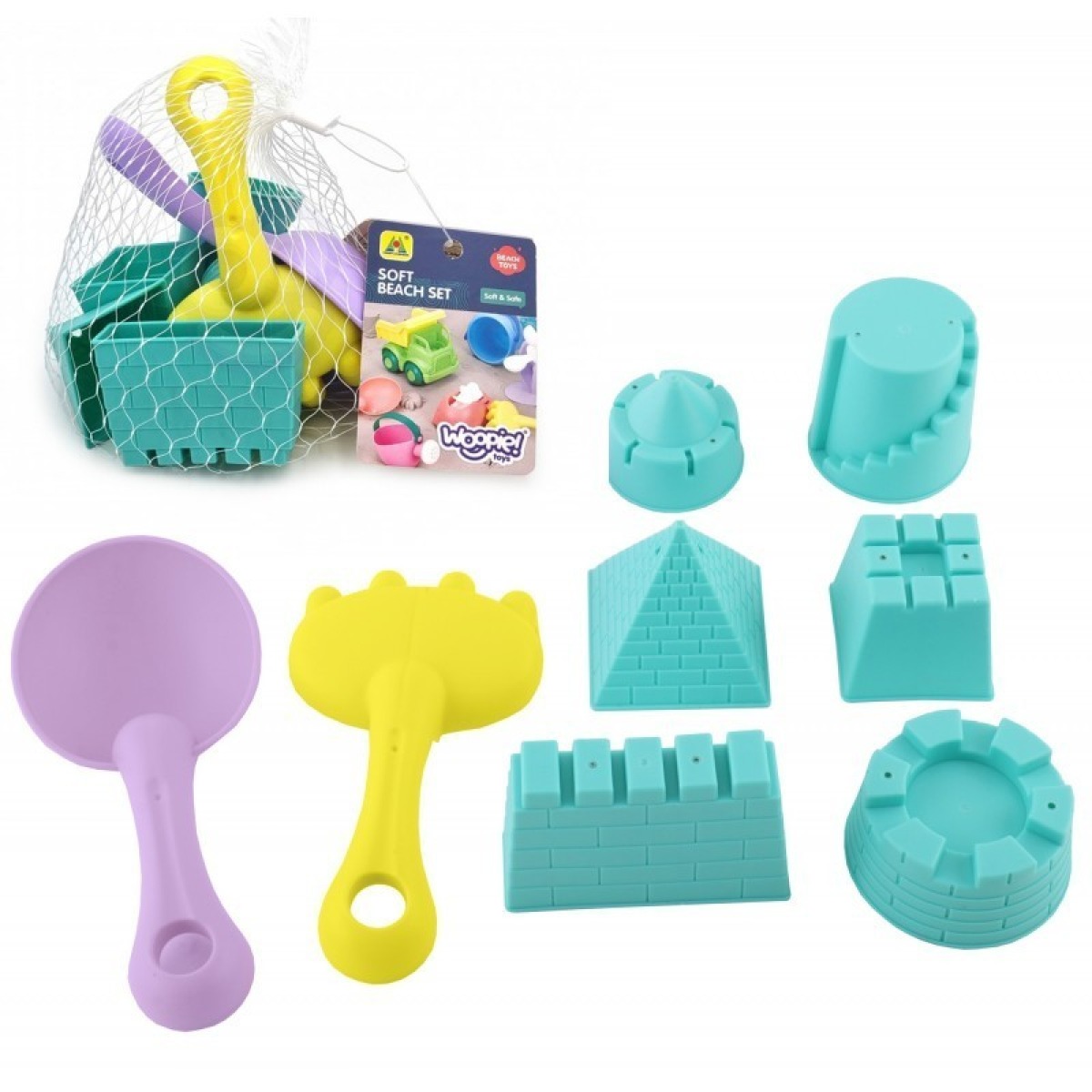
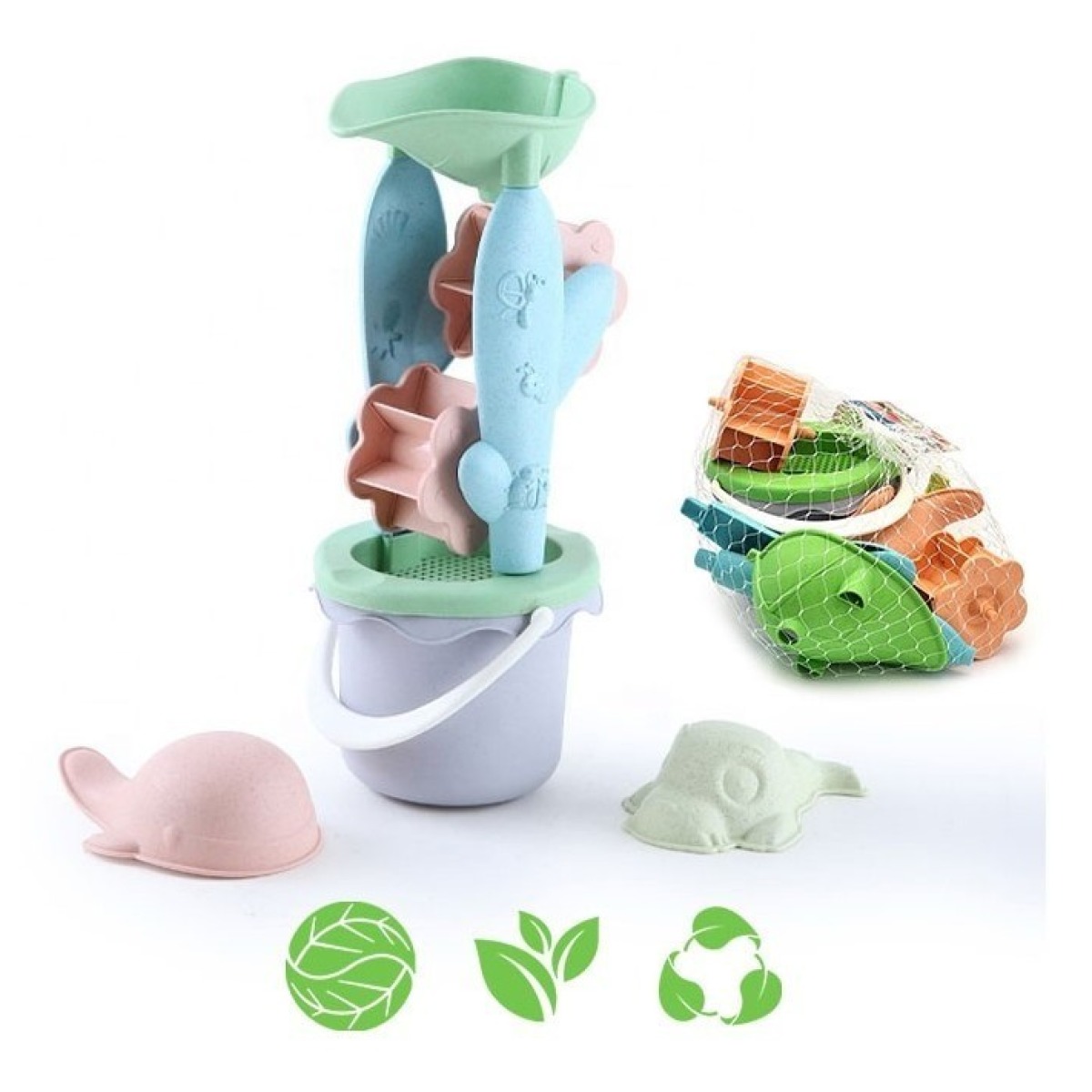
Sets may also include windmill and watering-can elements, which add a playful rhythm to sand play. Sieves offer a way to separate finer material from larger pieces, while sand moulds help create animals, geometric shapes or scenes with different themes. Some sets are made with soft moulds that are easy to remove from the sand.
- Buckets and spades – collecting, pouring and digging in the sand
- Sieves and Rakes – sifting, levelling sand and sorting
- Moulds – creating shapes and forming tubes and “buildings”
- Windmill and watering can – playful filling and experimenting with how sand changes
- Sets – different activities all in one, suitable for both home and travel
Material and ease of use: what to choose
When it comes to sand toys, it is important that they are enjoyable for children to use and easy for parents to care for. Many moulds and tools are made from silicone or non-toxic plastic, making them suitable for everyday outdoor play. Silicone moulds are often flexible and easy to release from the sand, helping play continue without interruption.
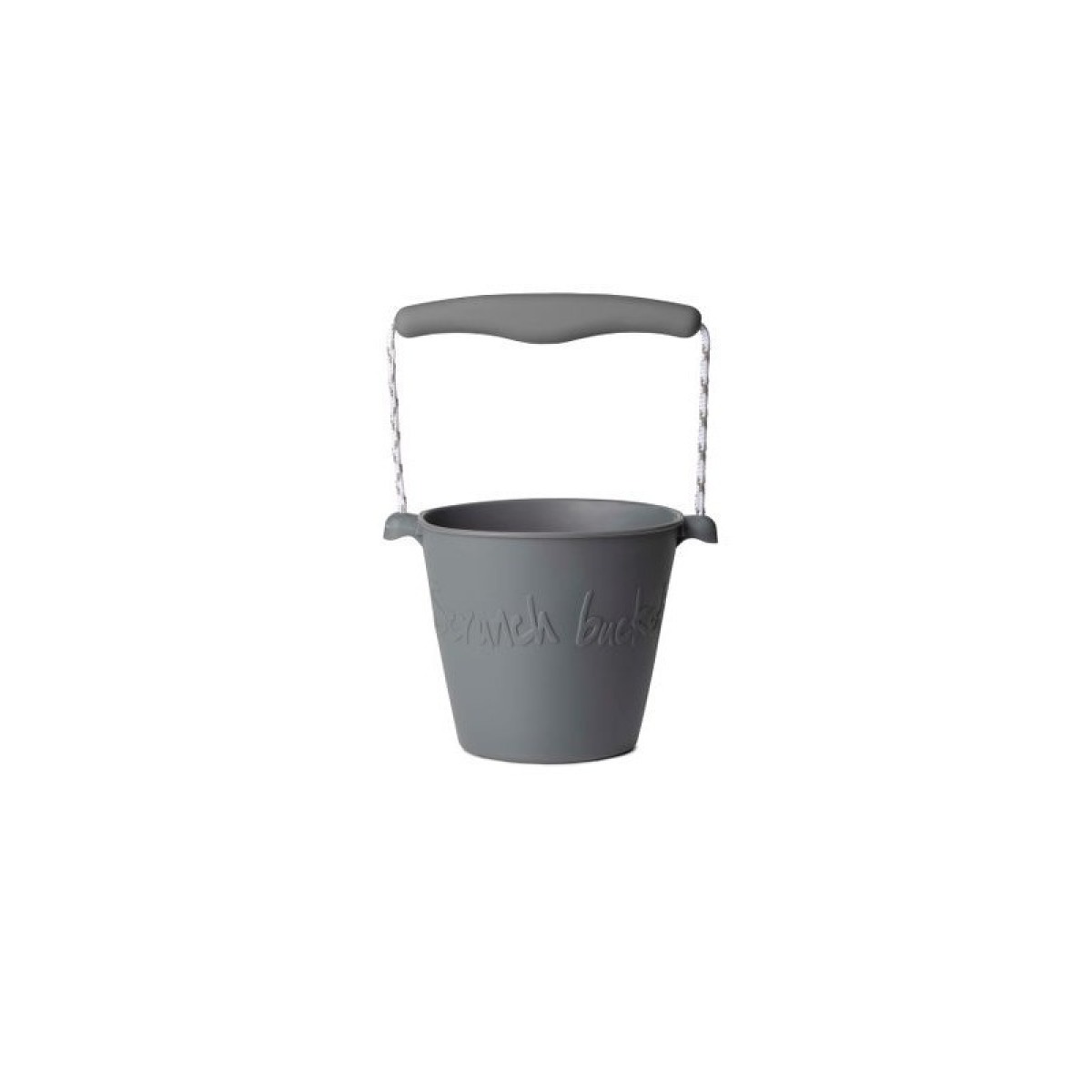
Practicality also comes into play when it comes to storage. Foldable or collapsible buckets take up less space and are ideal for both the back seat of the car and the toy basket at home. When it’s time to clean up quickly after play, washability and easy care make it easier to return to sand play again.
Age suitability and safe play
When choosing sand toys, it is worth checking the recommended age and how well a particular tool fits in the child's hand. For toddlers, the right size and light weight are especially important, so they can start playing by themselves: scooping sand, filling a mould and taking out the result. Some toys with vehicles or tools also encourage role play, in which a child “builds” or “works” just like a grown-up.
As well as encouraging hands-on activity, sand play supports sensory development and co-operation. Children can share tools with family or friends, take turns digging and shape something together. This provides a good basis for calm, shared play that naturally brings development and play together.
Sand Toys for Home and the Beach: What to Keep in Mind
The main difference between sandpit and beach play is the setting. At the beach, it is important that toys are easy to put into and take out of the sand, and can be quickly cleaned when you get home. At home in the sandpit, the same set can be used to build for longer, with different parts complementing each other: sand collected in a bucket goes into the moulds, and a sieve can be used to sort more material.
The following checklist can help you choose. If a toy is non-toxic, washable and has a shape that is easy for a child to understand, it is more convenient to use. It is also worth considering whether the set includes different stages of activity (pouring, moulding, sieving), so play does not get stuck on just one activity.
- Age suitability – tools and moulds should be sized to fit a child's hands
- Material – non-toxic and durable solutions; silicone moulds are often practical
- Care – washable and quick to clean after a trip to the beach or garden
- Ease of use – foldable or space-saving for storage
- A variety of activities – a bucket, spade, sieve and moulds offer more ways to play