
- New
In stock · 1–3 business days1–3 business days
About the collection
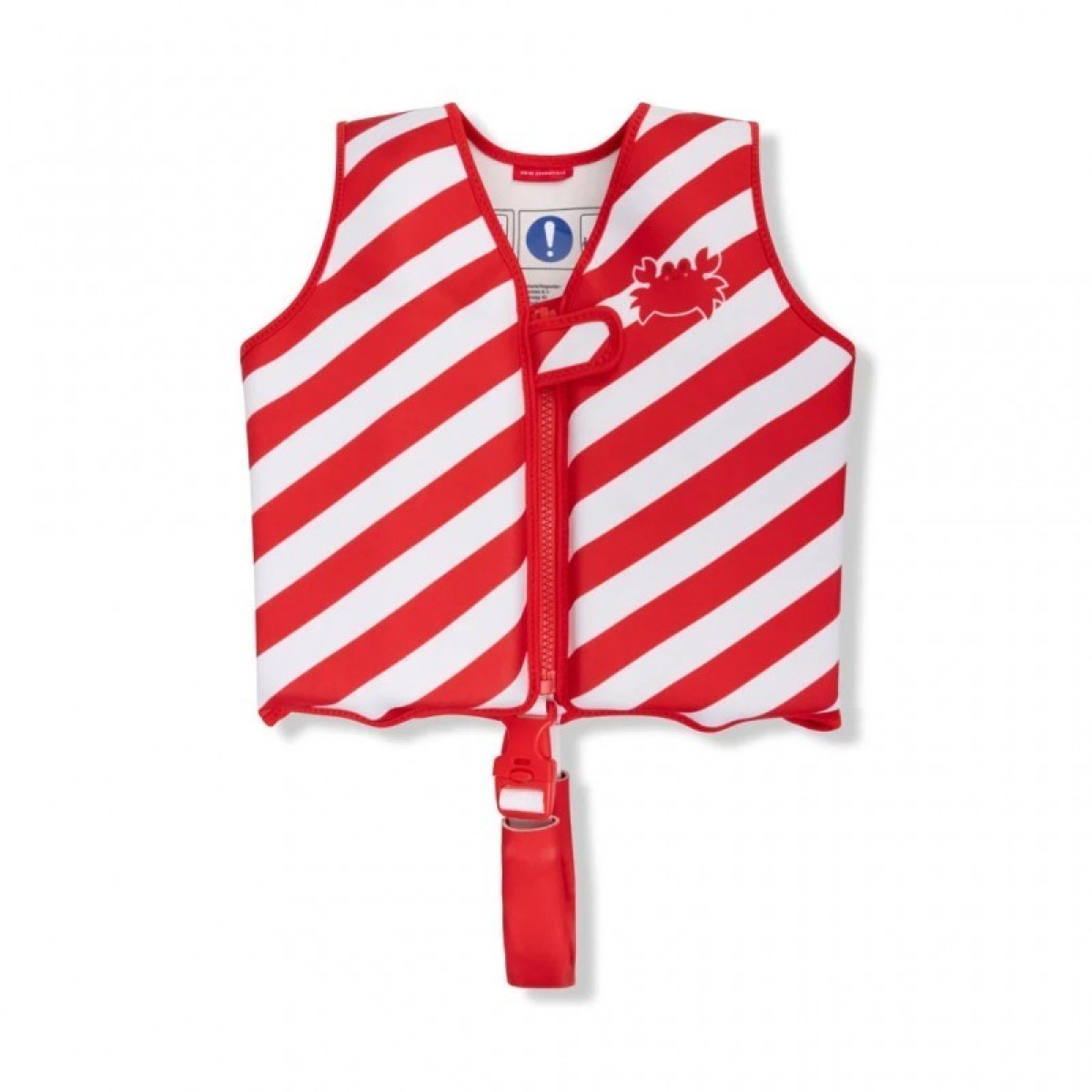
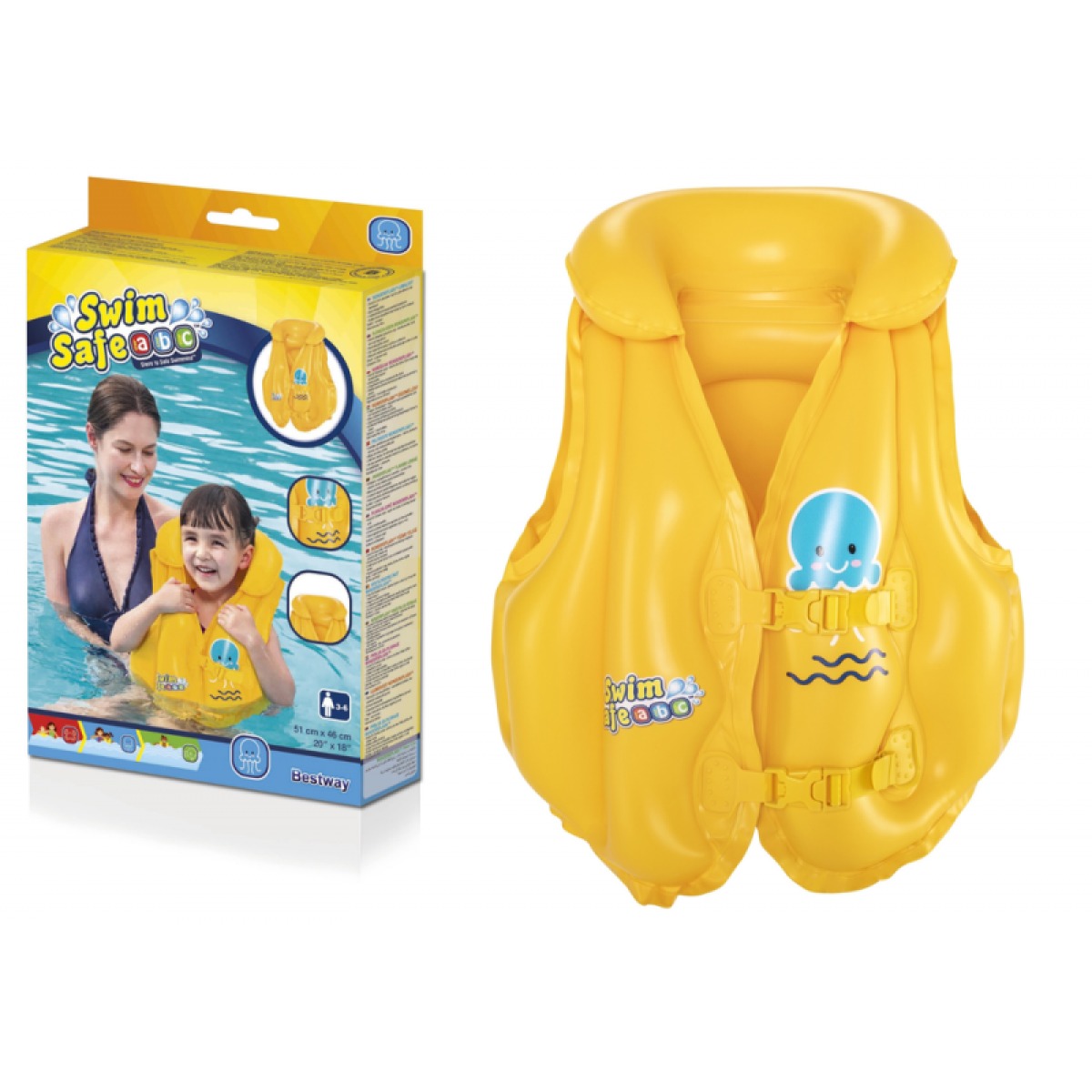
A swim vest gives children learning to swim support and confidence in the water. Vests usually suit children aged about 2–6 depending on the model. Check the size and weight recommendation, and remember that children must...
Category guide
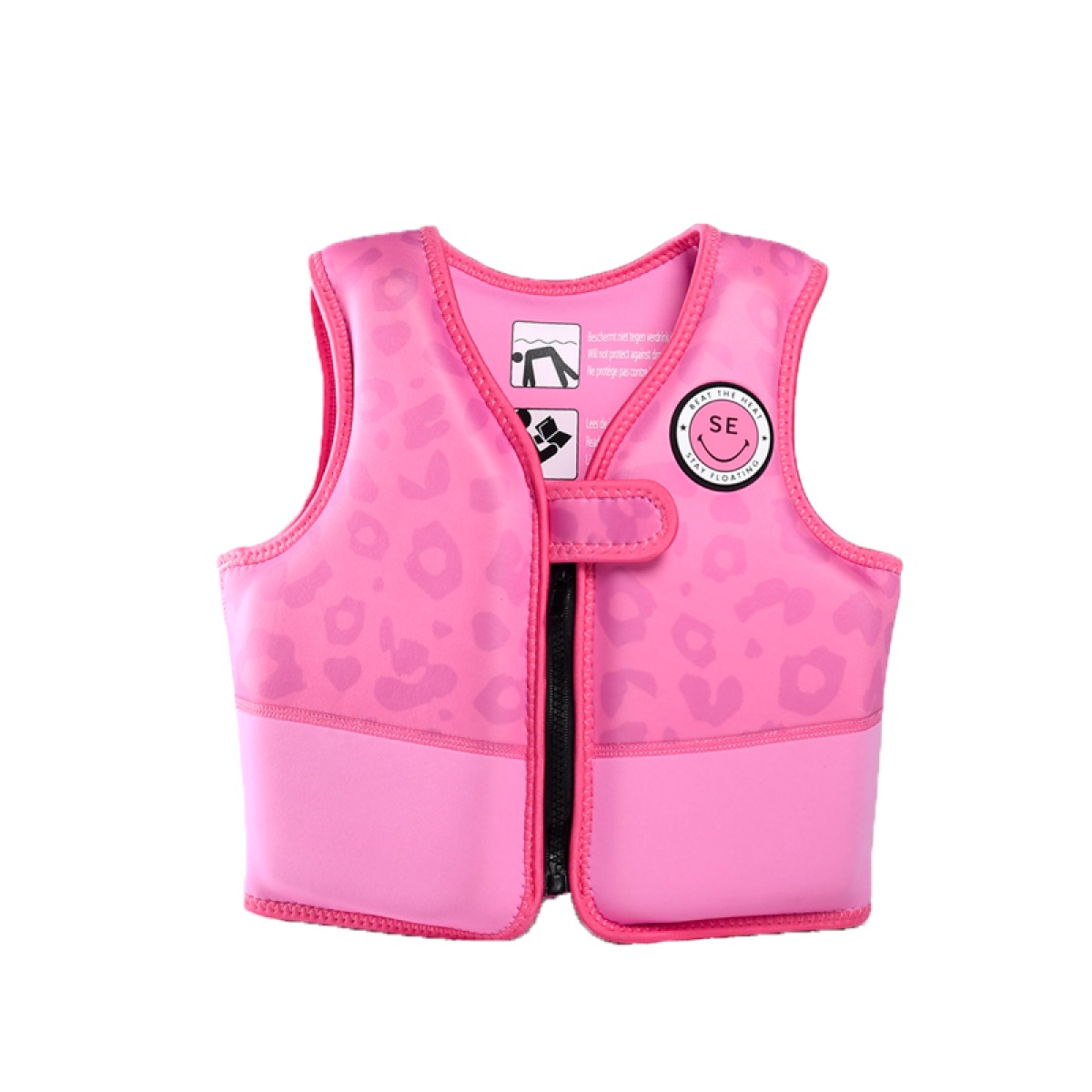
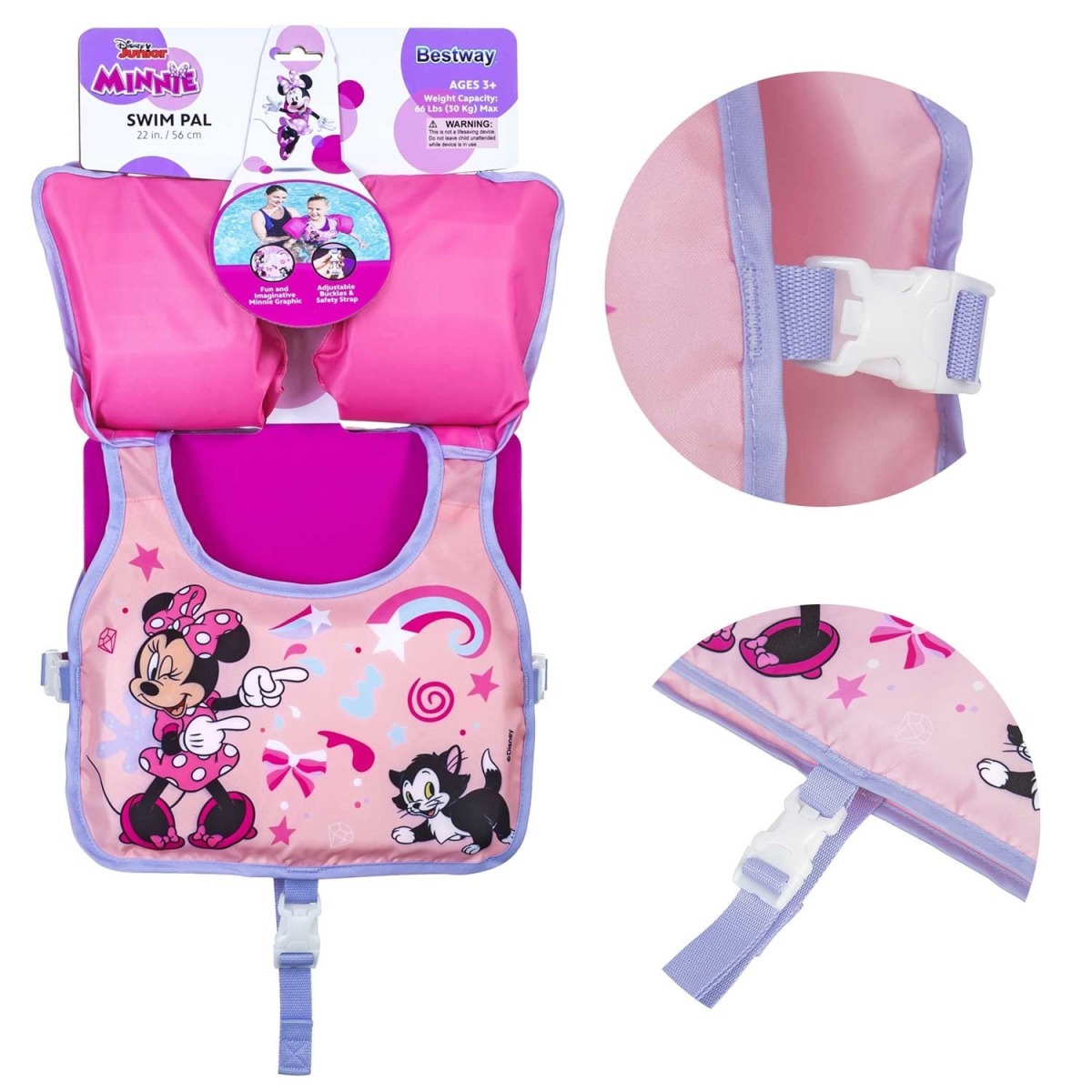
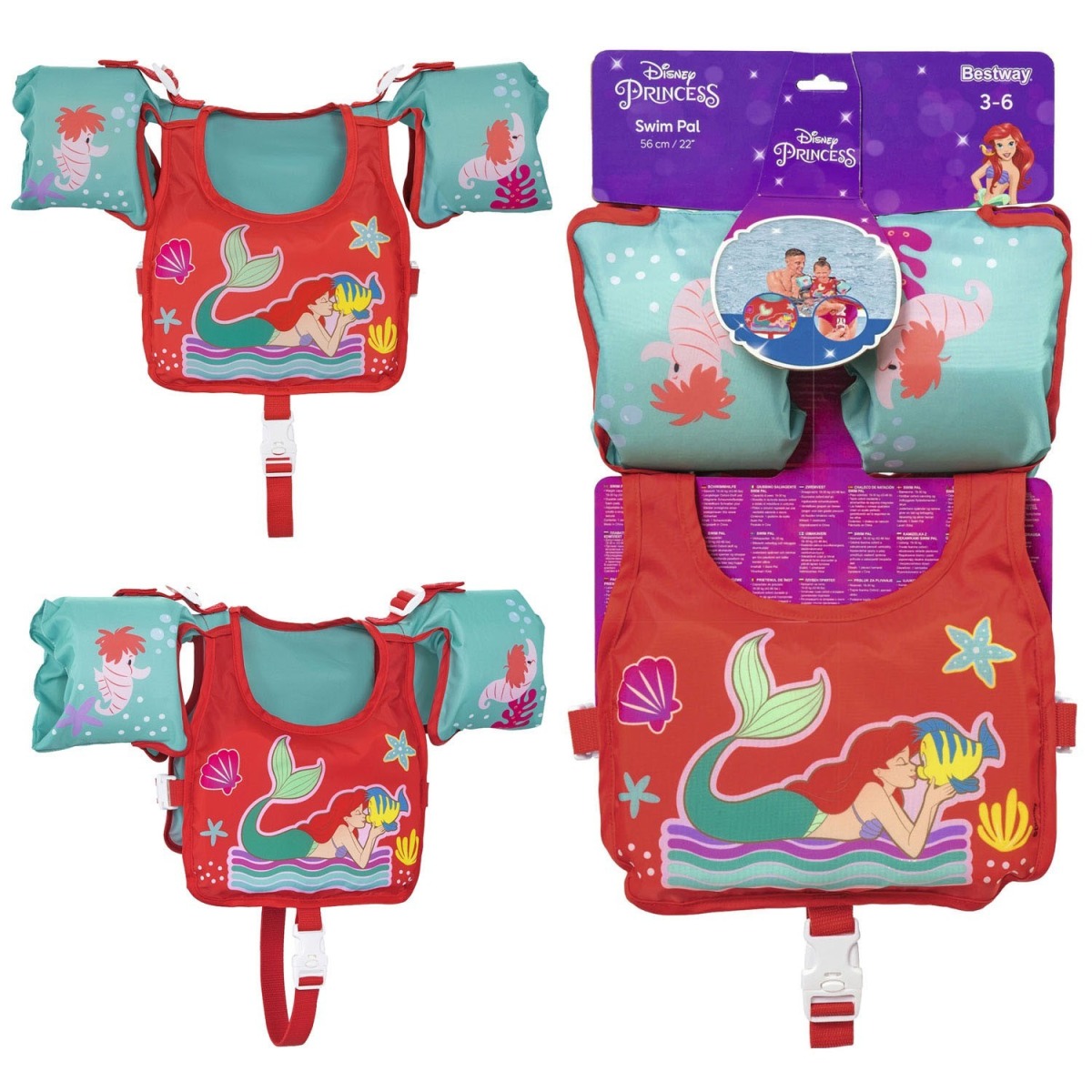
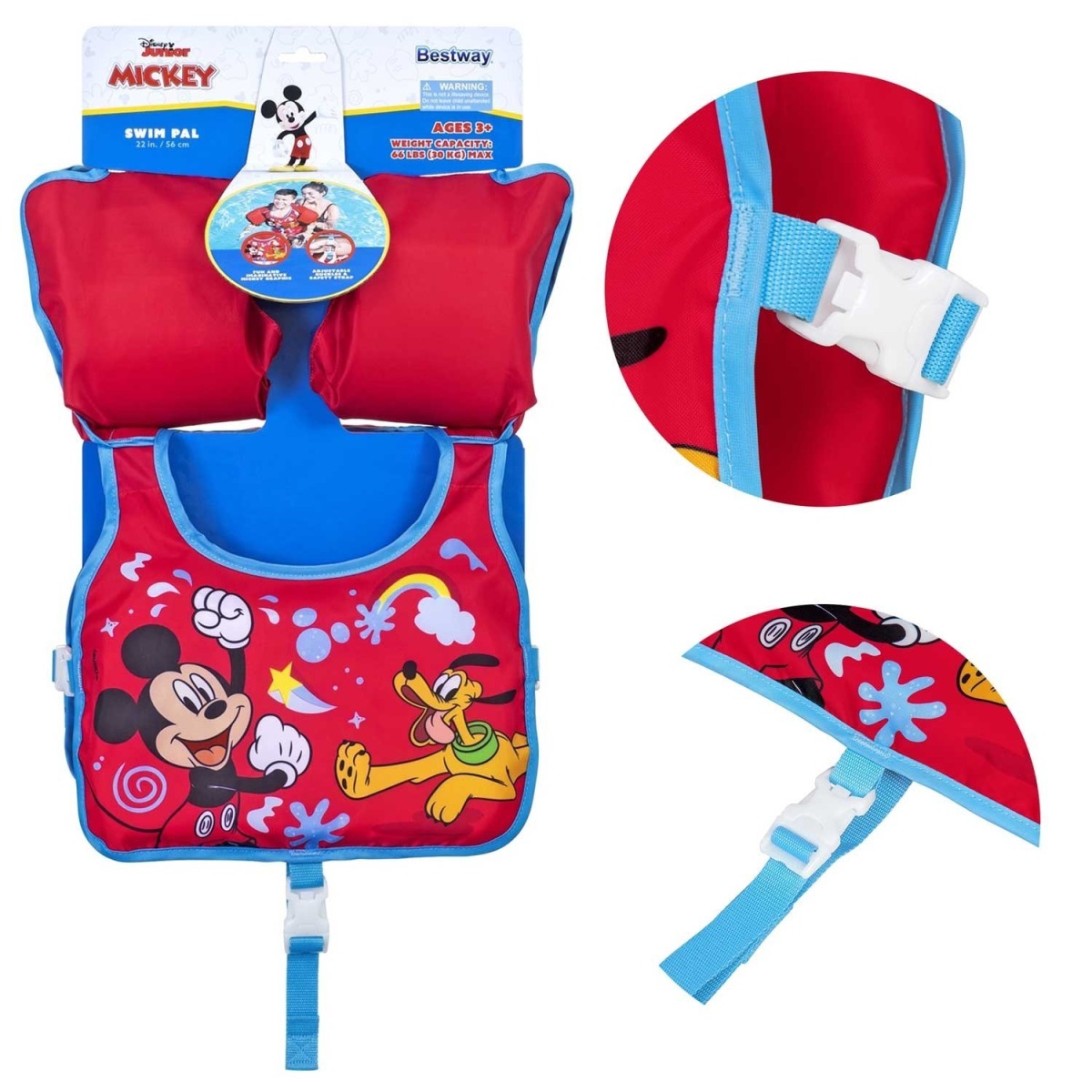
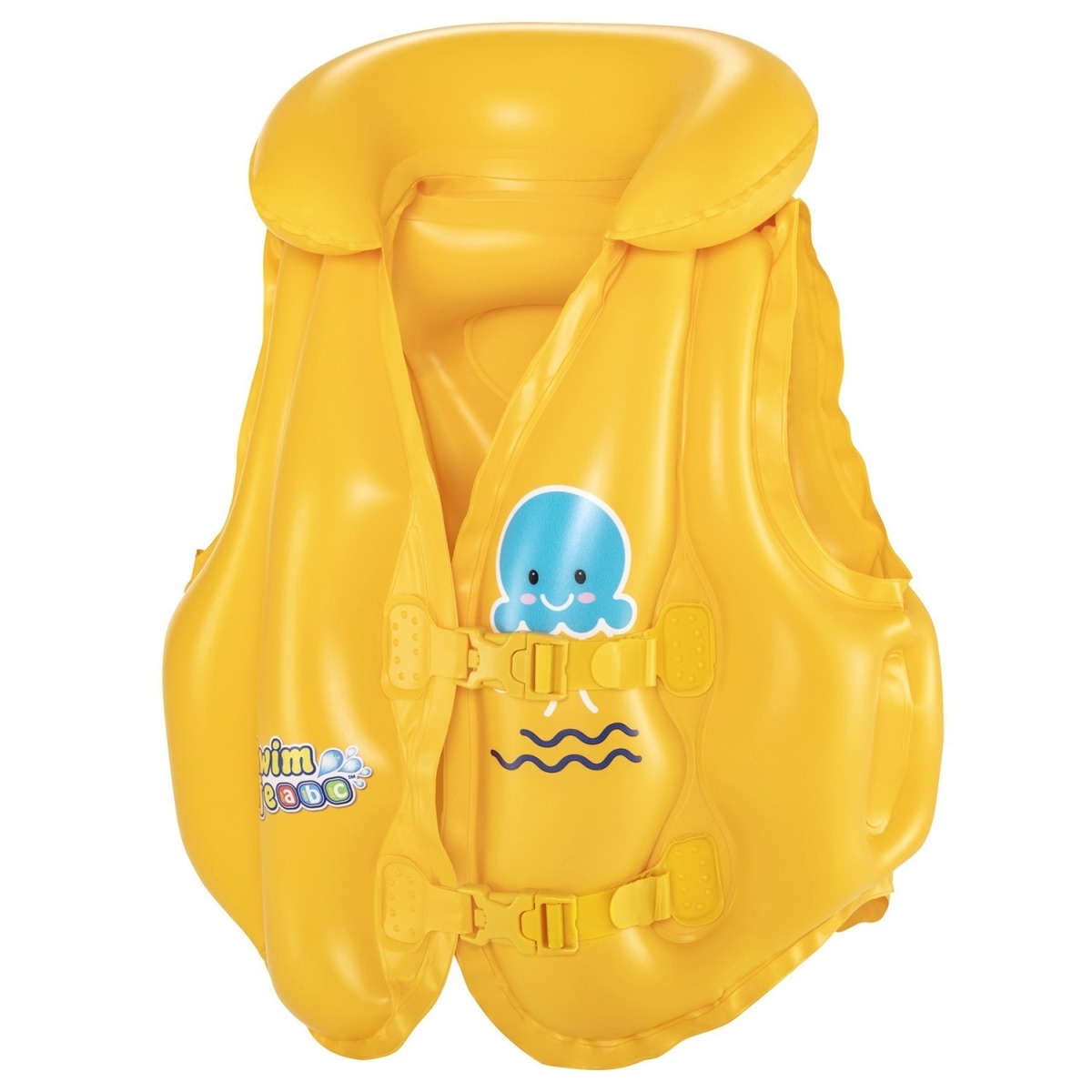
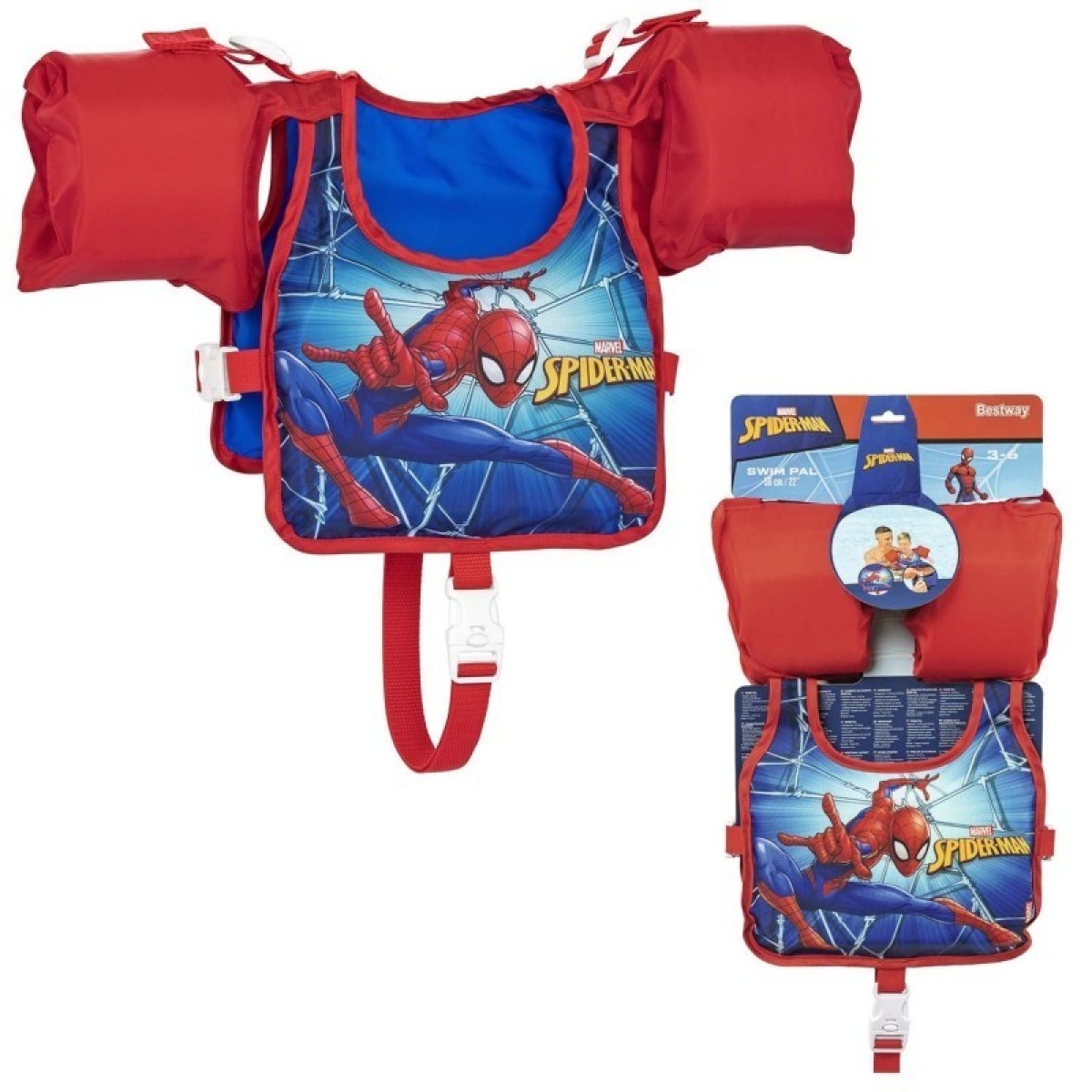
Kids' Swim Vests are practical buoyancy aids for children, but not for babies. They usually provide suitable support and reassurance for toddlers and children aged 2–6. A swim vest can be used both when first learning to swim and when playing by the water, when a child needs extra support and a parent wants peace of mind.It is important to choose a vest based on age and weight requirements (many models are labelled for the 15–30 kg or 18–30 kg range) and to consider the measurements so that it fits your child comfortably.
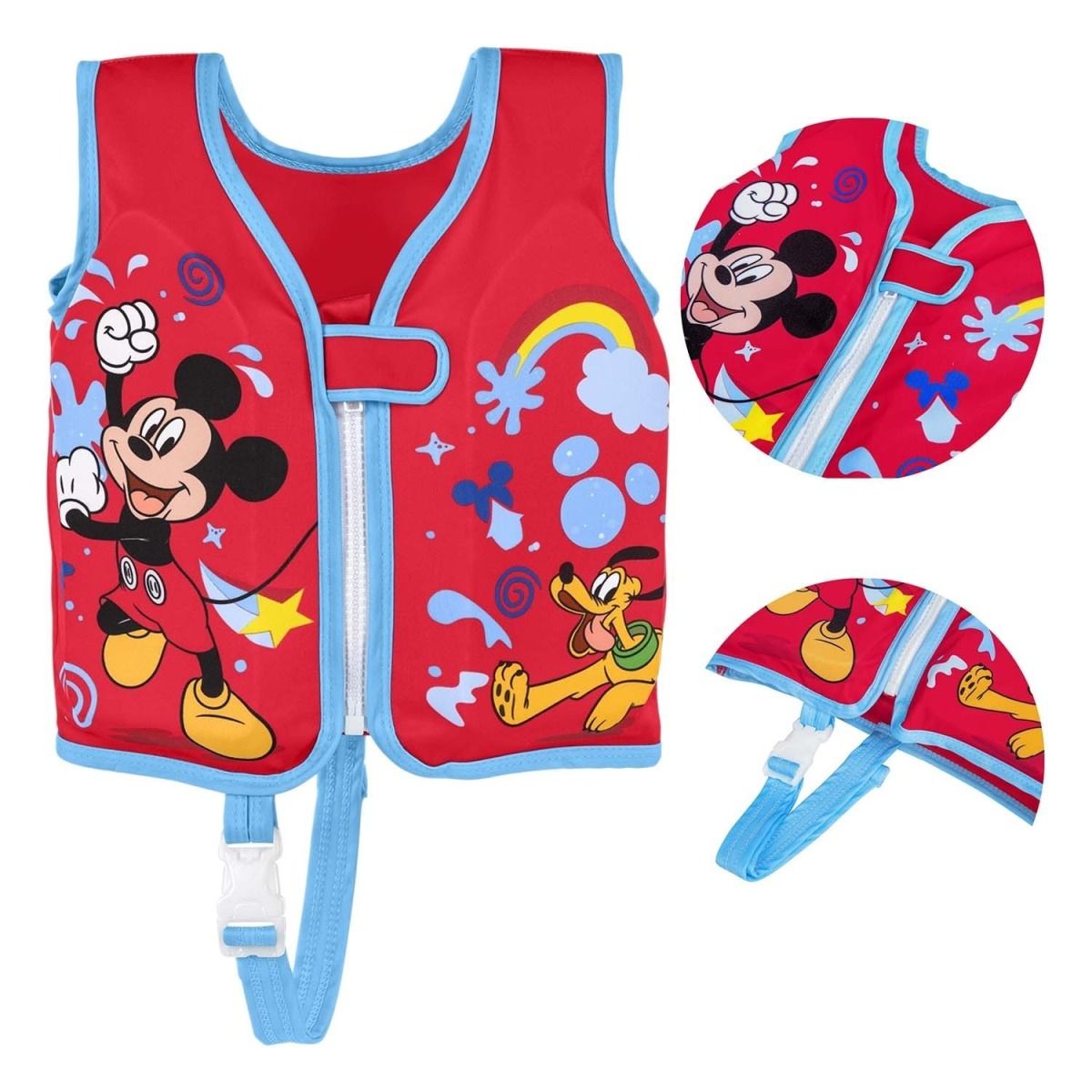
As the category includes both zip- and buckle-fastening options as well as inflatable solutions, it’s worth considering how your child moves in the water and how quickly the vest needs to be put on before buying. It’s also worth checking that the product has been tested to EN-13138-1:2014 and often EN-71 too, which helps assess safety during play and in the water.The right swimming vest supports a confidence-building introduction to the water, reduces panic in new situations and makes summer activities at home part of considered water Safety.
Kids' swim vests are primarily designed for children aged 2–6, and many models specify the exact fit according to both age and the child’s weight. This is important because the vest must support a swimming position suited to the child’s body weight.When the vest is chosen for the right weight range, moving in the water is often more confident and the child’s reaction when entering the water is calmer.
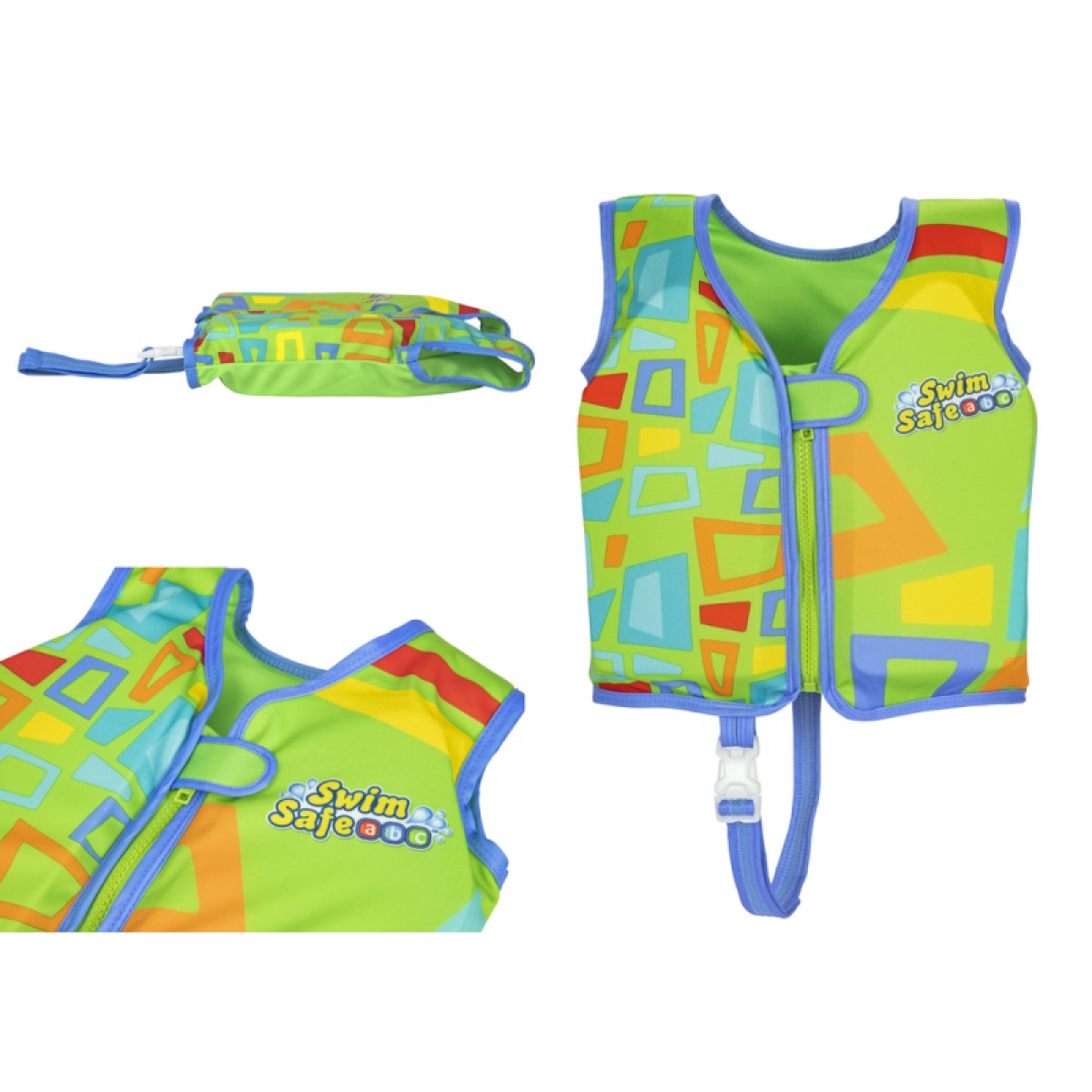
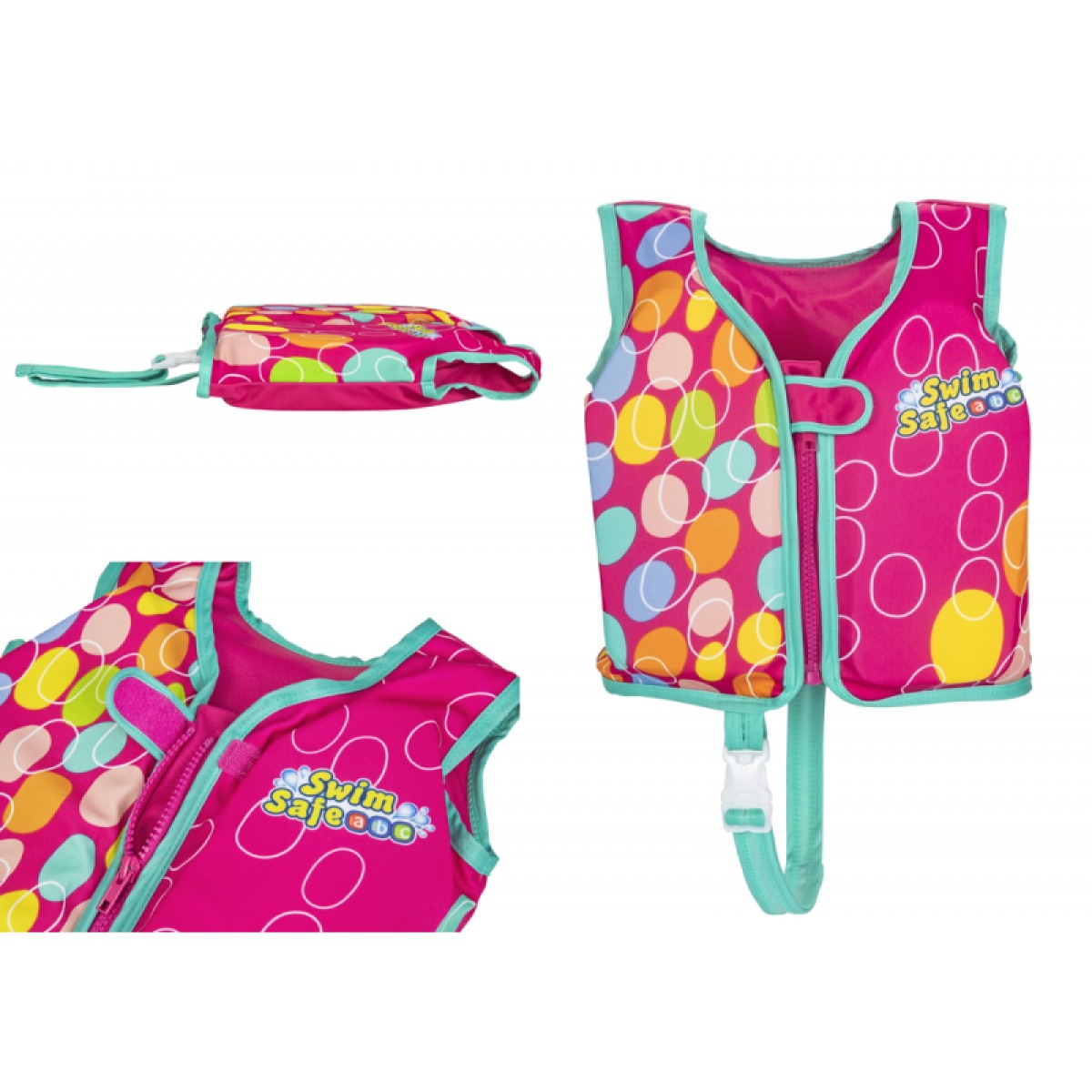
In practice, it is also worth checking the vest's measurements and fastening. Some vests have a zip and buckle as well as a secure fit, while some inflatable models are designed specifically to support learning to swim. Make sure the vest is comfortable for the child and does not restrict movement more than necessary.
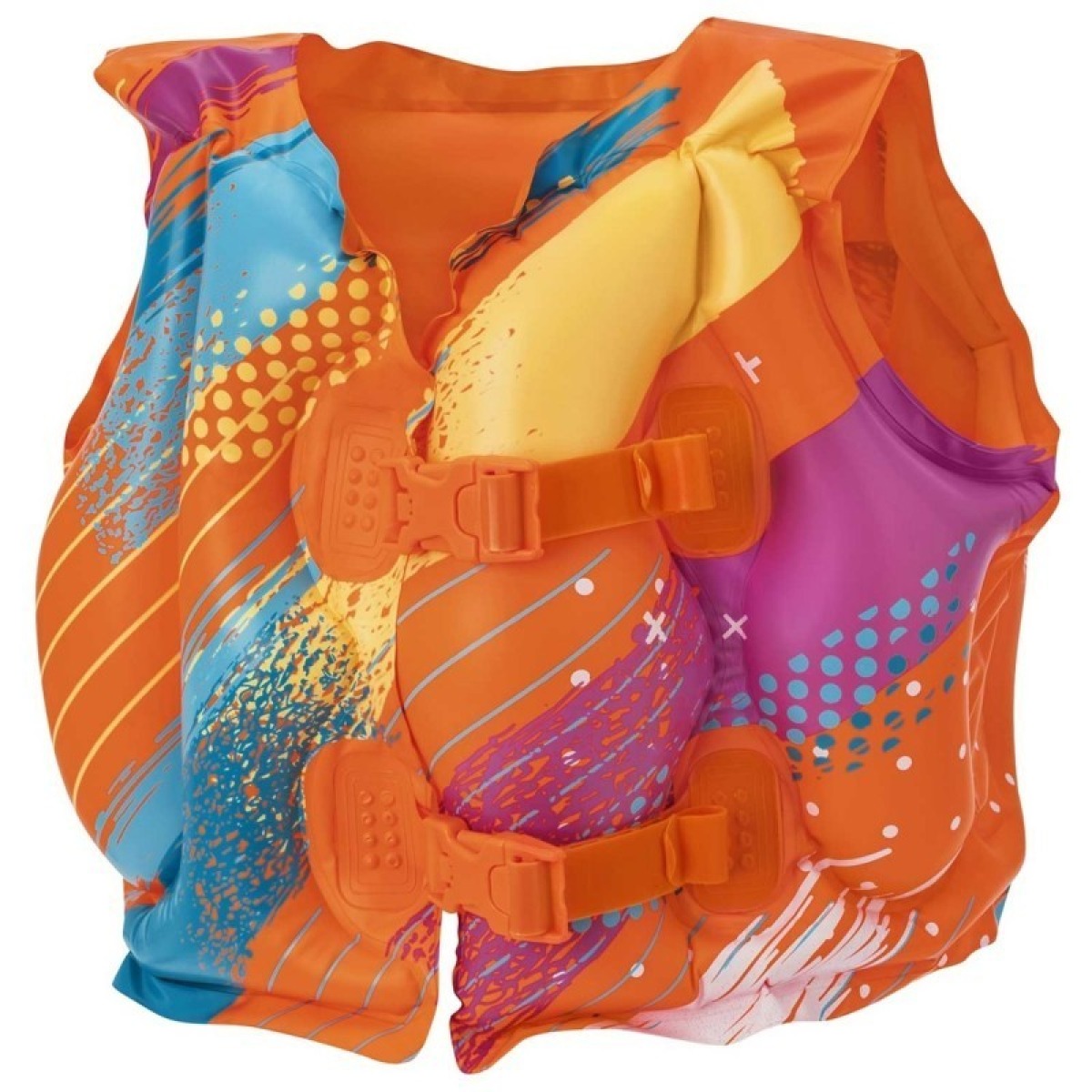
This category includes both inflatable swim vests and wetsuit-style vest solutions that help children maintain their balance in the water. Inflatable vests are suitable for beginners in many cases, as they provide buoyancy and reduce fear when a child does not yet feel confident in the water.Wetsuit vest-style options often have a zip fastening and keep their shape even when children move more actively in the water.
A swim vest is especially practical in summer on trips to the pool, at the beach or by a lake, and when a child is gradually getting used to being in the water. At the same time, it is important to remember that a swim vest does not replace adult supervision.
Most kids' swim vests are designed to be practical and easy to handle in the water. Descriptions often mention PVC material, which helps make the vest durable over several seasons.For inflatable models, it is important to ensure that the vest is properly inflated before use and that the fastenings are securely closed.
Colour and pattern (e.g. animal pictures or familiar characters for children) mainly affect a child’s motivation and familiarity. However, when it comes to Safety, the vest’s fit, fastening and test marks are more important. When the vest is chosen well, children can get used to the water in a way that supports development and reduces anxiety about getting into the water.
To keep the vest usable for as long as possible, it is helpful to follow a simple routine. Rinse the vest after use in water and let it dry before storing it. Inflatable models should be dried carefully around the seams and valve too.
A kids' swim vest is best suited to situations where a child is still getting used to the water or needs extra support in it. This is often during the learning to swim stage, when the child does not yet feel confident but wants to join in with family activities. A vest is also suitable when the activity takes place in shallow water and the child wants to move around more independently.
By choosing the right size, fastening and tested safety requirements, you can create a safer environment for your child in the water. This makes it easier to support the development of children's swimming skills and to prepare thoughtfully for family activities at home and summer outings.
MIU Kids
A quiet word about cookies
Necessary cookies are already on, so your basket and checkout can work. Analytics cookies stay off until you accept. Until then Google may receive a cookieless visit signal so we can count visits. It is not used for advertising. Accept all cookies, or keep only the necessary ones. Both are one click. We remember your choice for six months, and you can change it at the bottom of the page. Privacy notice
Analytics cookies wait for a yes
MIU Kids
Choose what stays on
Necessary
Always on. These keep the basket, checkout and the shop secure.
Analytics
No analytics cookie until you accept. A cookieless visit signal may still be sent. If you accept, Google Analytics shows which pages are used. It does not build advertising profiles.