
- New
Availability updatingAvailability updating
About the collection
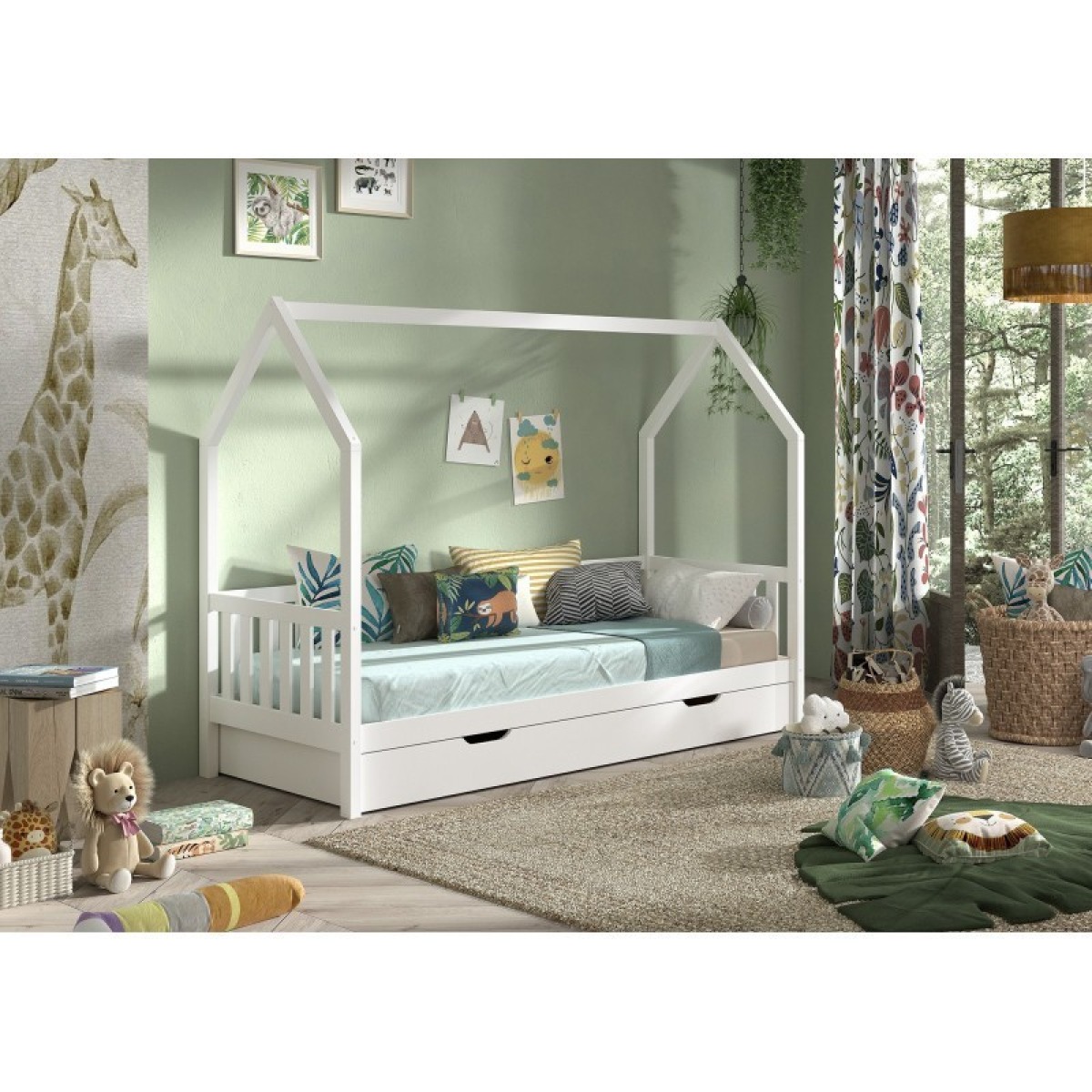
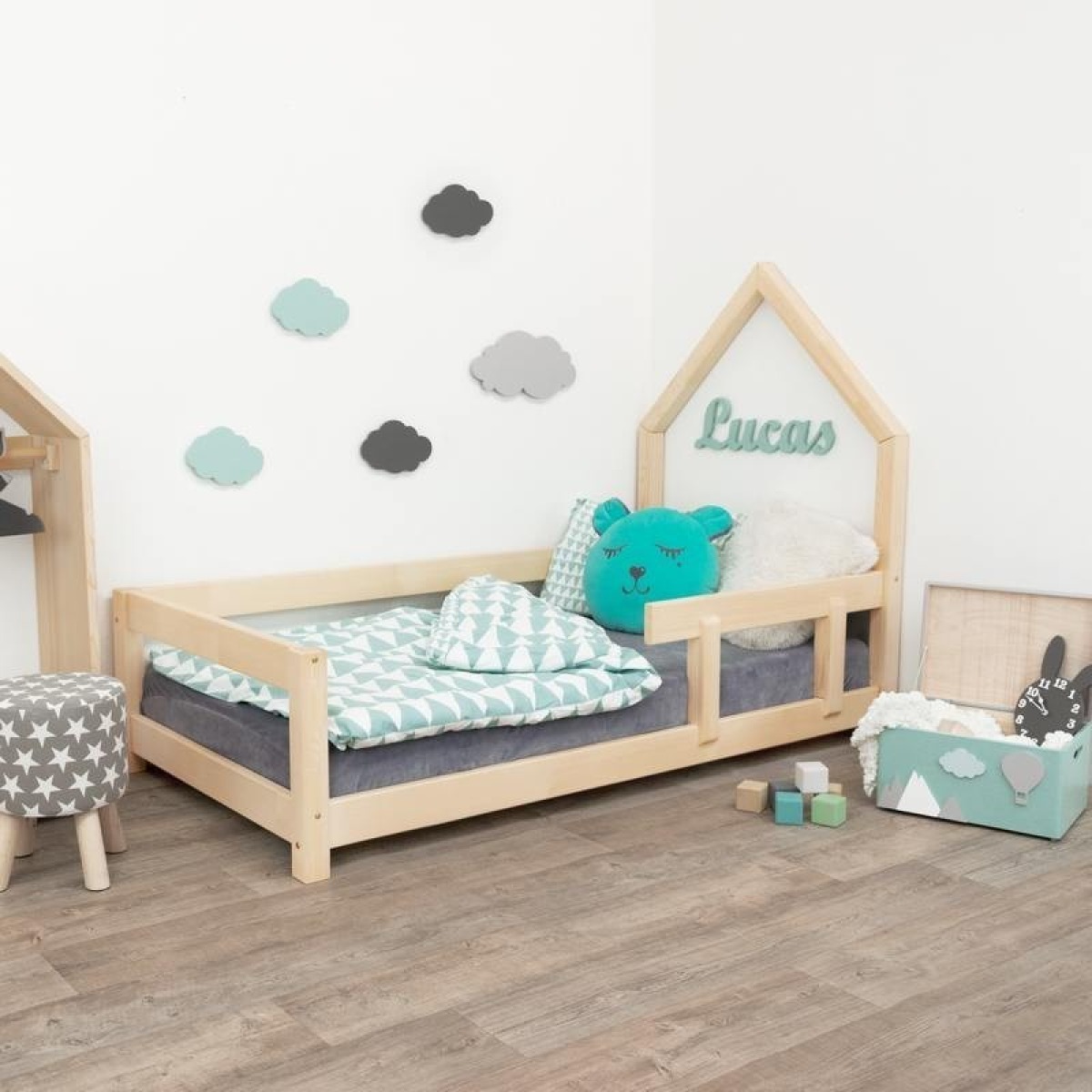
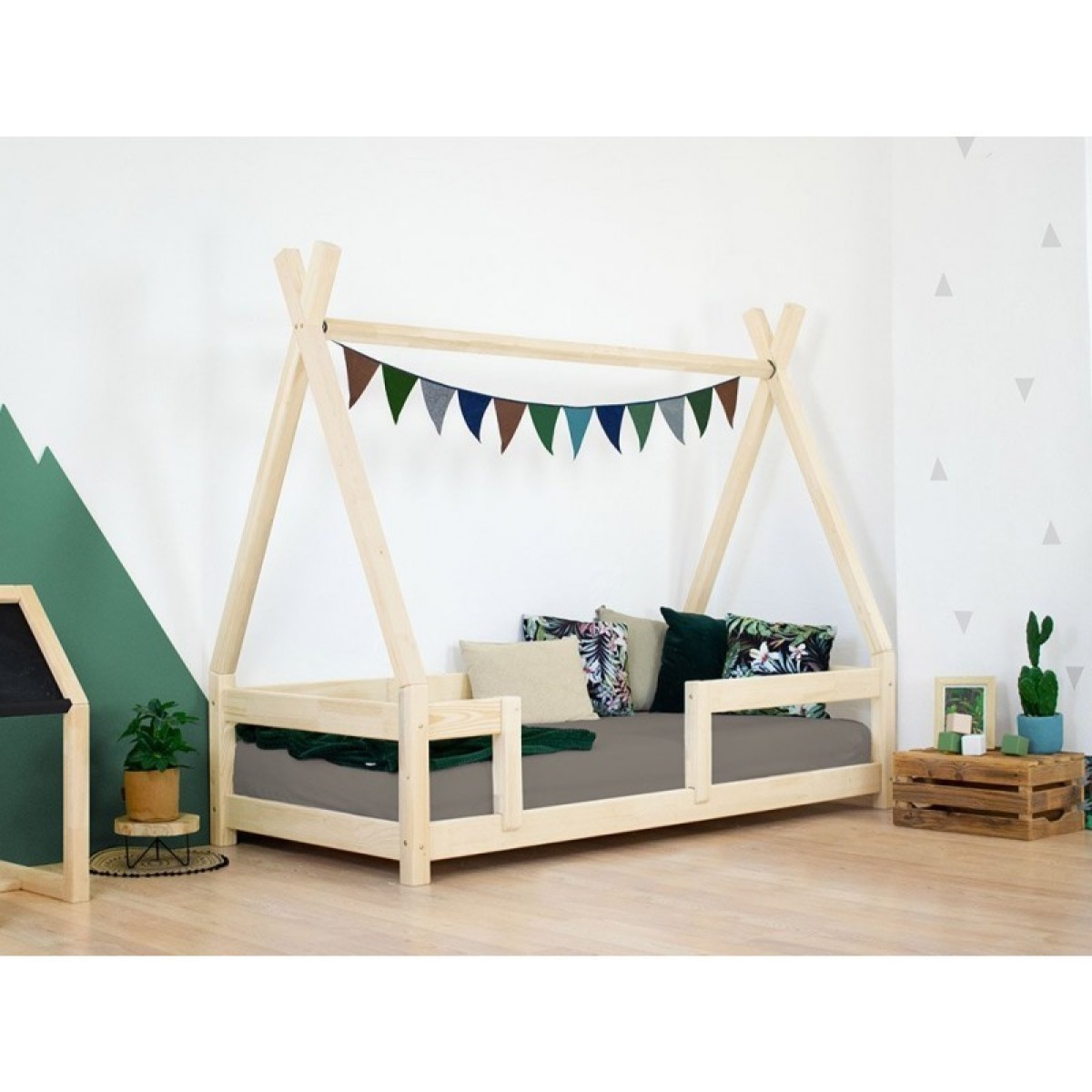
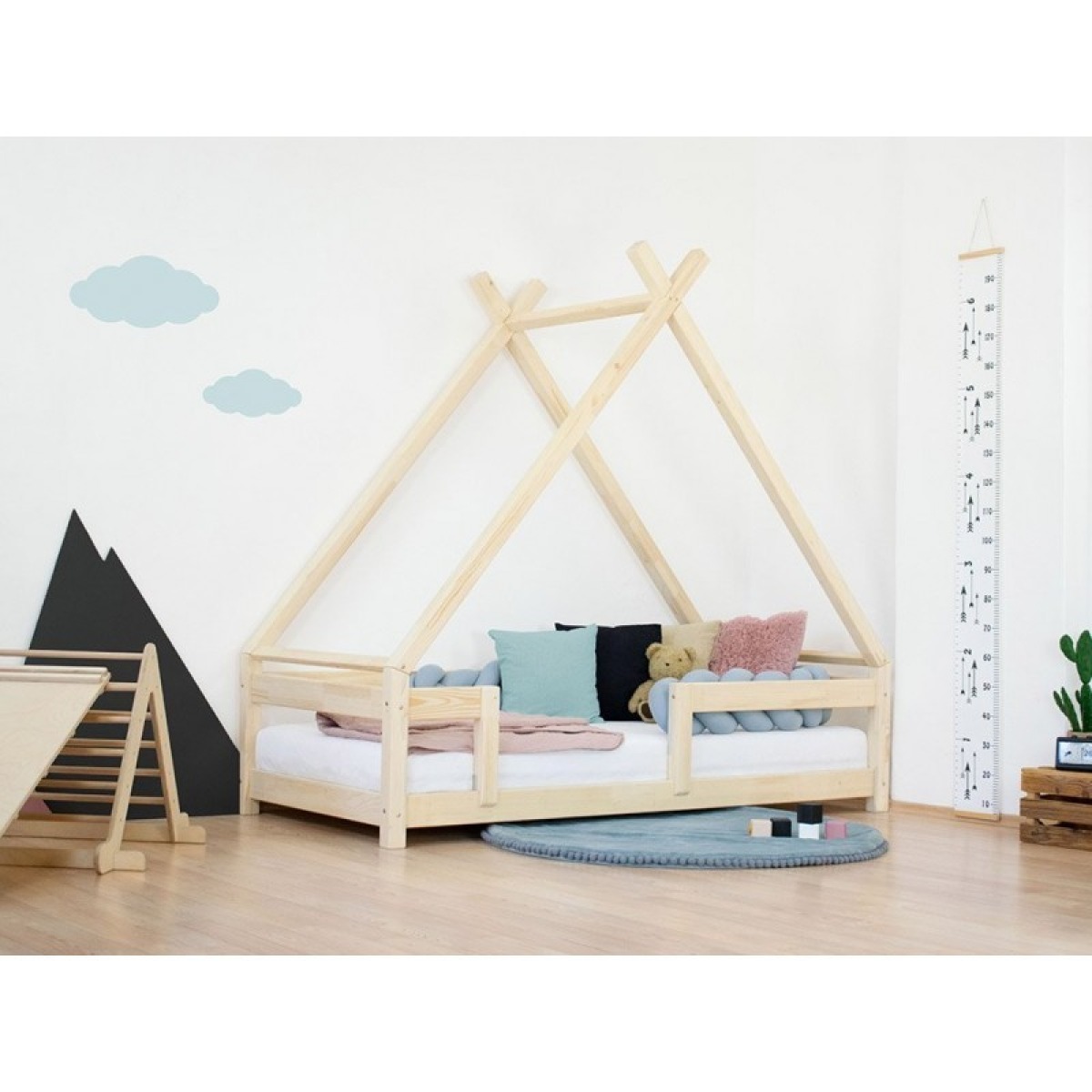
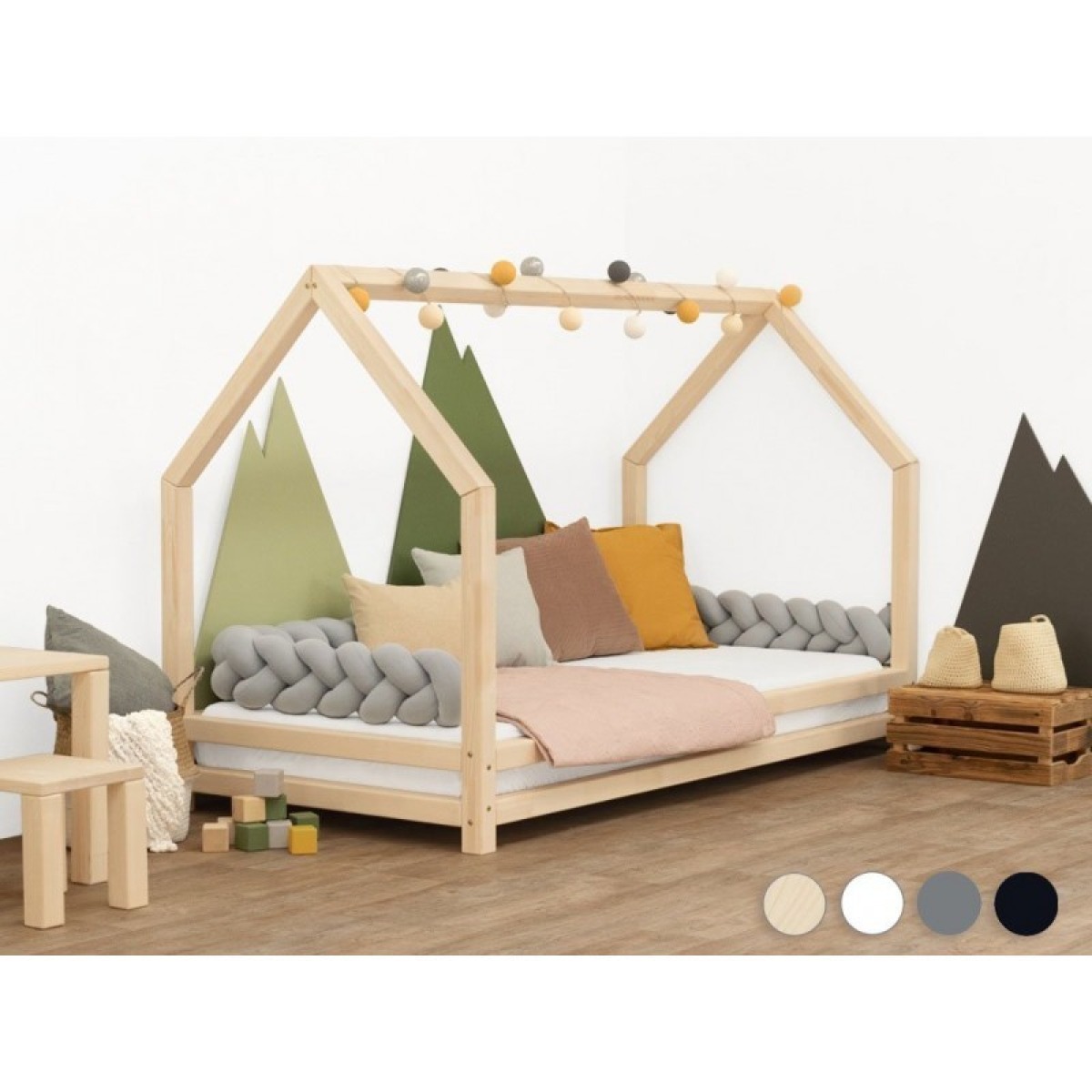
A house bed turns bedtime into an adventure. The house-shaped frame creates a sheltered, playful place to sleep, and many models have safety rails. Hang fairy lights or fabric on the frame to make it your child's own little den.
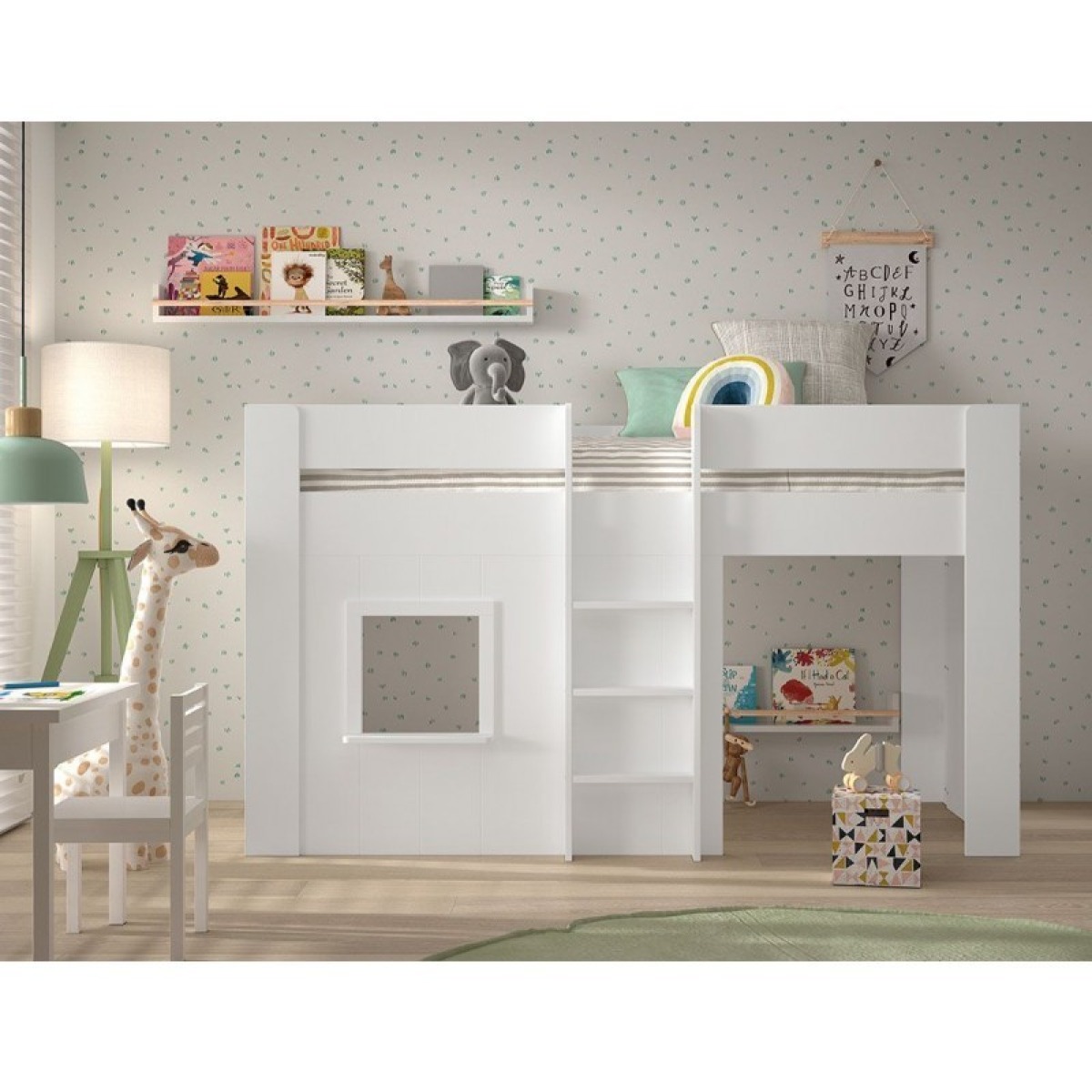
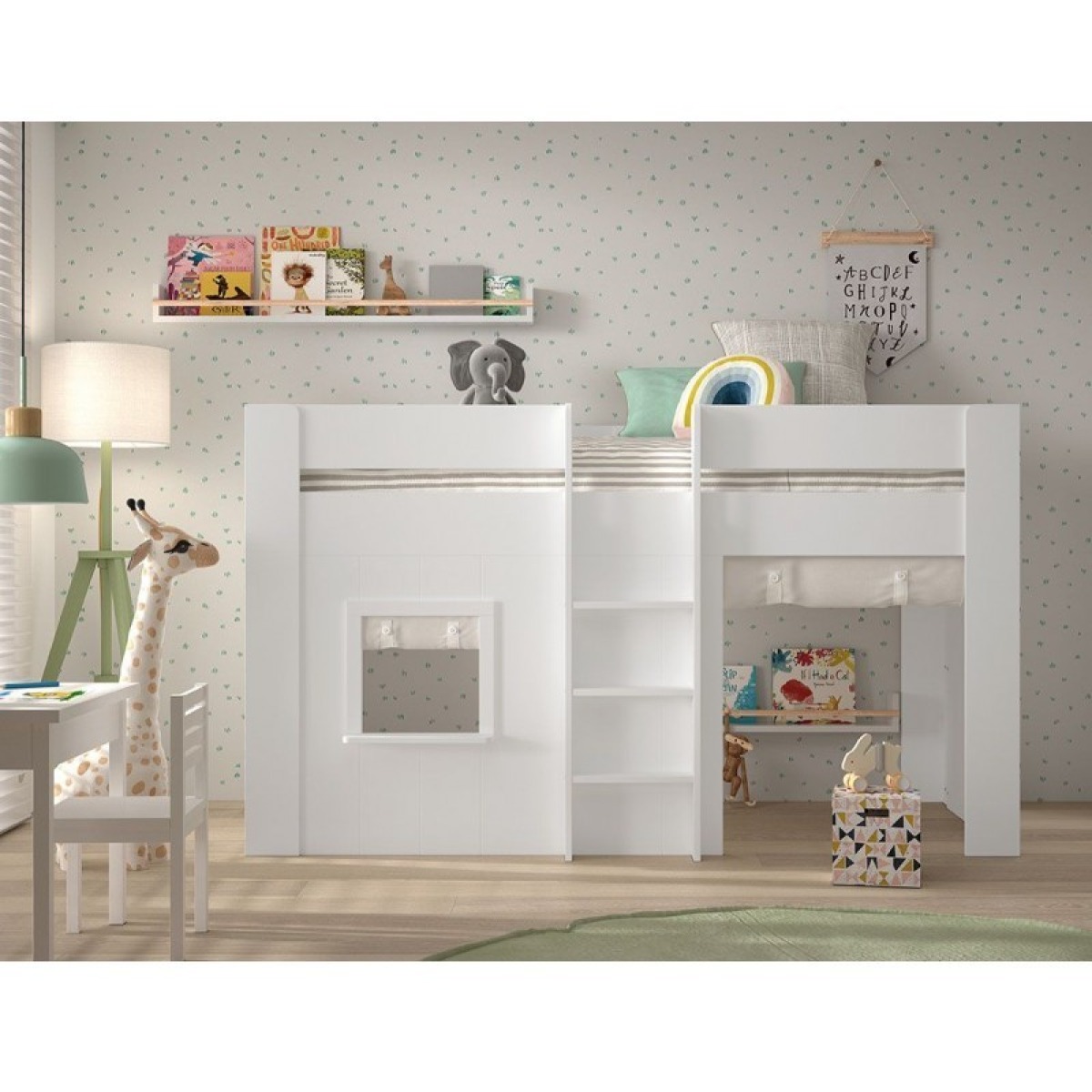
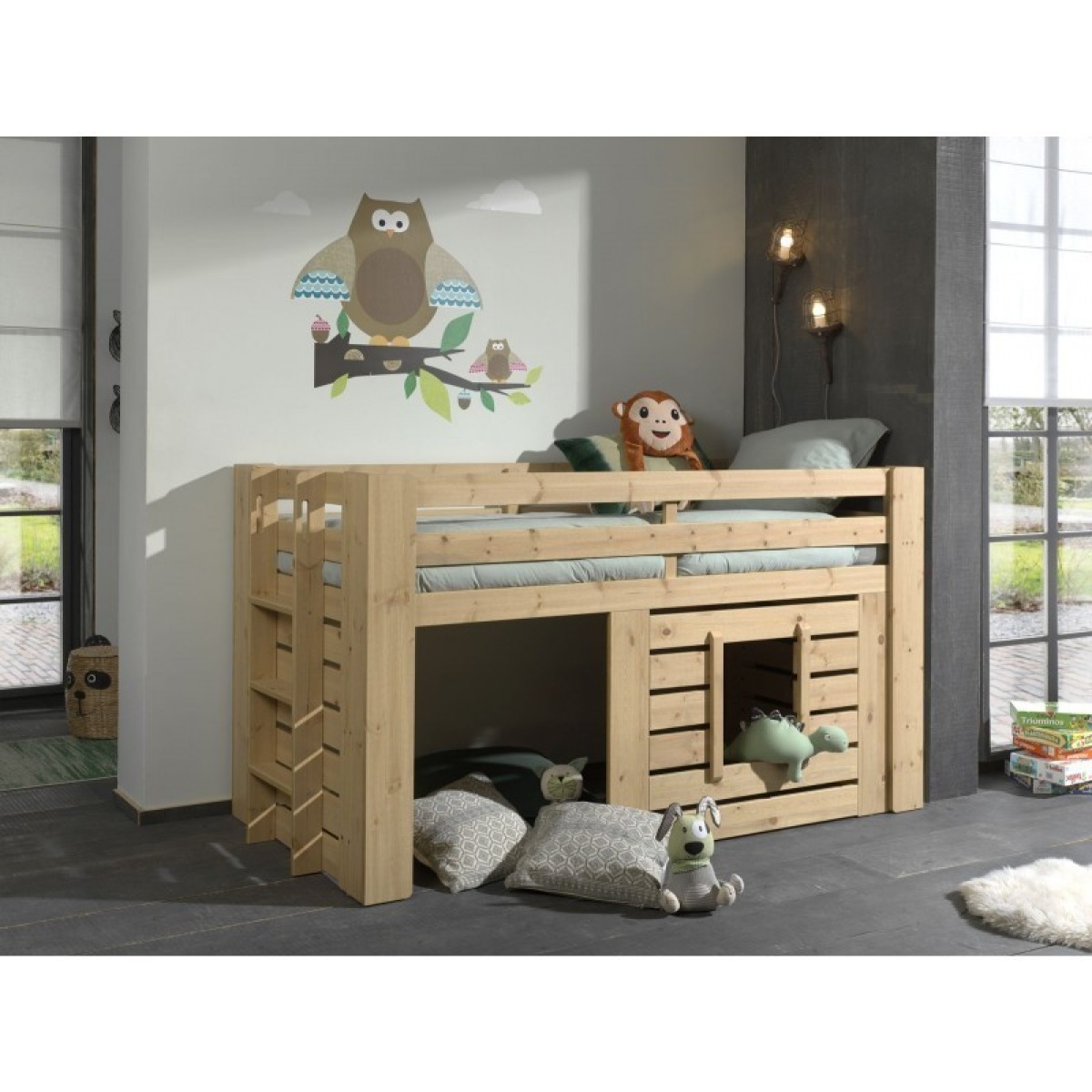
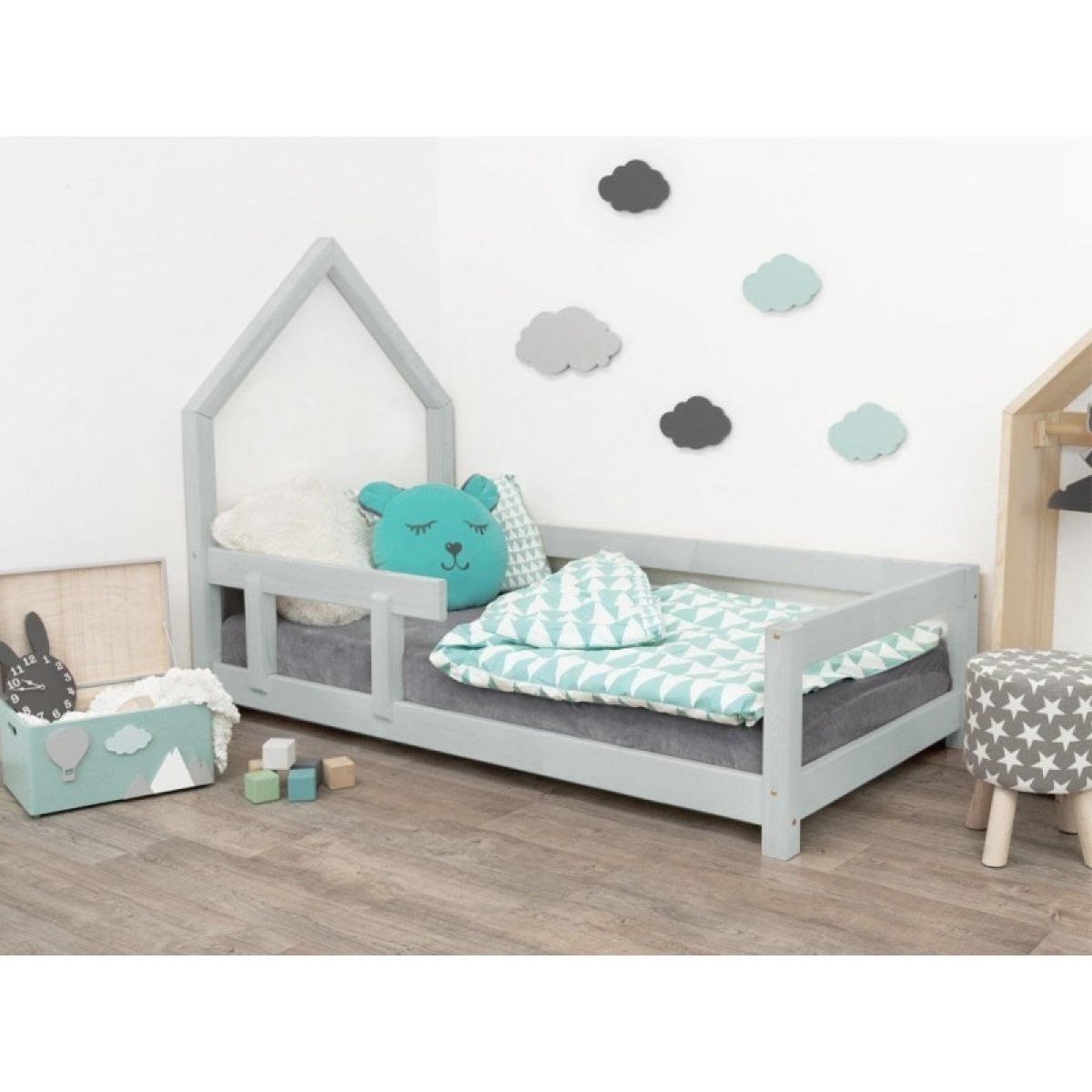
Category guide
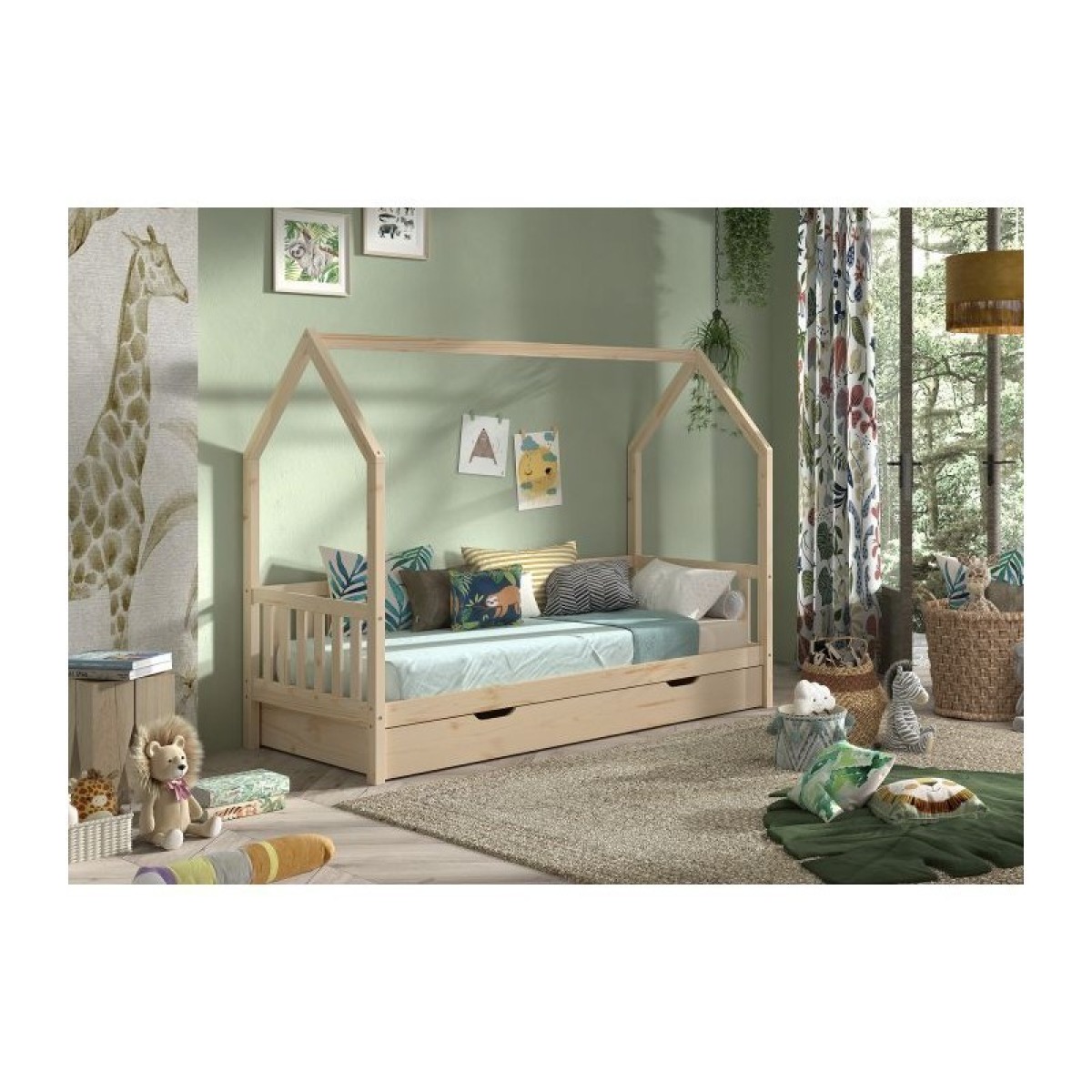
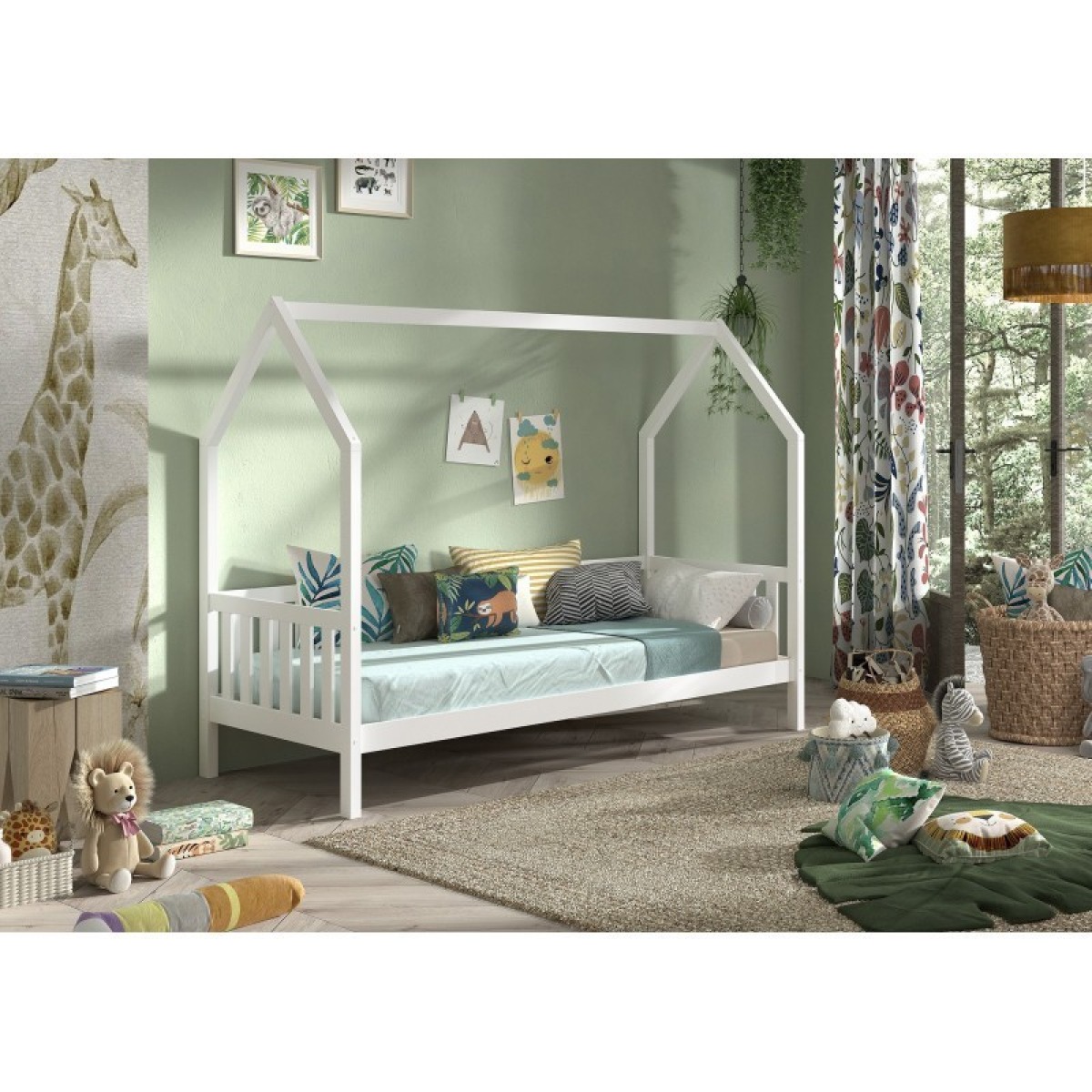
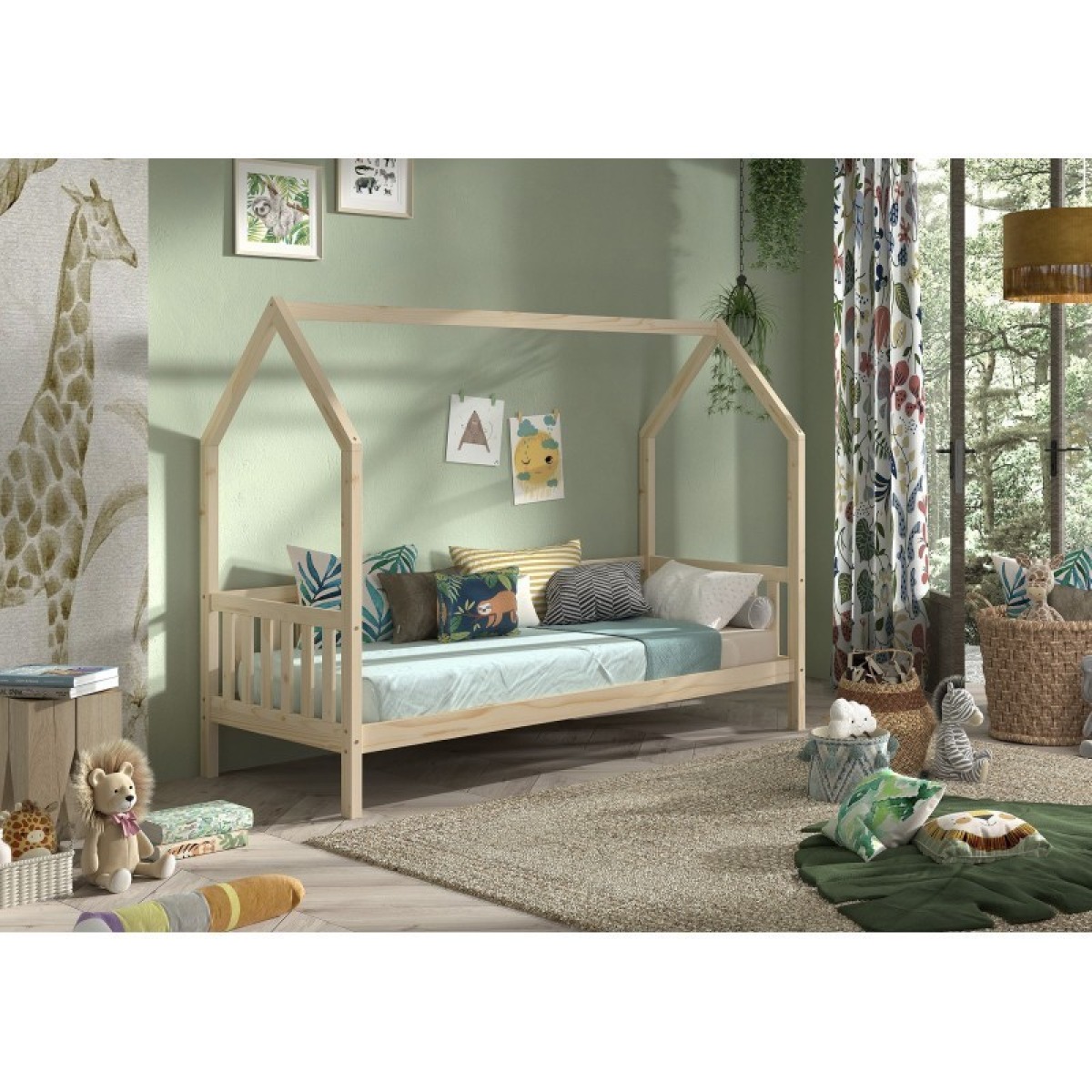
House Beds are beds for children that create a playful and safe environment in a child's room. A house bed is often slightly raised off the floor, and many models have protective edges or safety rails to help children sleep more peacefully. The most common size in this category is 90x200, but the selection also includes various options, making it easier to find a suitable fit for both smaller and taller children. House beds are particularly suitable for toddlers and
preschoolers – children who love role play and want their own “house” where they can bring together the day's activities and dreams. Practical features to look for include whether the bed has a ladder, slide or under-bed drawer, as these make the bed practical for everyday use and help keep things organised in the child's room. The material is also important: a wooden frame and carefully finished surfaces are well suited to a child's room at home and support regular use.
House Beds for children are a piece of furniture for the child's room that gives them a clear space of their own for both sleeping and playing. The shape and details of a house bed (such as the roof, rails and door or opening) help create an imaginative setting in the room. At the same time, it is important for the bed to be safe and comfortable for everyday use, especially when the child is getting in and out of bed more independently.
Many house beds are designed for a size of 90x200 cm, which is generally a suitable length for children from preschool to the early school years. If the bed has rails or guards on several sides, children can sleep more peacefully and it is easier for parents to keep an eye on how the bed is used.
When choosing a house bed, practical details make all the difference. A ladder helps children reach the bed in a controlled way, while versions with a slide add a play element and make everyday moments more exciting. With a higher structure, it is also worth paying attention to guard rails and features that help reduce the risk of falling.
If the bed is intended for active use, it is worth checking how the steps or ladder are secured and whether they suit the layout of the kids' room. A slide on a house bed is useful when it has a practical shape and the child can use it safely under supervision.
House beds often have a wooden frame and a finish designed to suit a homely kids' room. Wood gives the structure stability and creates a visually warm impression. The colour selection includes both lighter shades and more contrasting combinations (for example, black and white or natural and white), helping the bed fit into both contemporary and more classic interiors.
It is also worth considering how the bed’s “house” structure looks in the room. If the bed has surrounding details or a frame with rails, these can create a sense of visual protection and cosiness. Versions with curtains or textile elements work well if a child needs a little more privacy while sleeping or enjoys having a play routine of their own.
House beds are particularly suitable for children who are already interested in climbing and Role Play and can use the bed independently. They are often a good choice for toddlers and preschoolers, but suitability also depends on the child’s habits and the bed’s features. If a child is active, a higher structure may appeal to them, but safe use always requires attentive supervision.
When planning the room, consider where the ladder or steps will go and whether the slide requires more space to move around. It is also important to leave a clear area around the bed, with enough room to move around for play and everyday activities.
To make sure a house bed suits a child’s everyday life, it is worth choosing one according to a few clear criteria. Start with the size, then check whether the bed has the features that matter to your child. If the kids' room is smaller or needs organising, an option with a drawer is especially practical.
If you are looking for one solution that combines sleeping and children's Role Play, a house bed provides a clear framework for both. At the same time, it is worth choosing features that support Safety and ease of use, as these are what make the bed a truly practical piece of everyday furniture.
MIU Kids
A quiet word about cookies
Necessary cookies are already on, so your basket and checkout can work. Analytics cookies stay off until you accept. Until then Google may receive a cookieless visit signal so we can count visits. It is not used for advertising. Accept all cookies, or keep only the necessary ones. Both are one click. We remember your choice for six months, and you can change it at the bottom of the page. Privacy notice
Analytics cookies wait for a yes
MIU Kids
Choose what stays on
Necessary
Always on. These keep the basket, checkout and the shop secure.
Analytics
No analytics cookie until you accept. A cookieless visit signal may still be sent. If you accept, Google Analytics shows which pages are used. It does not build advertising profiles.