
- New
On order 5–15 business days5–15 business days
About the collection
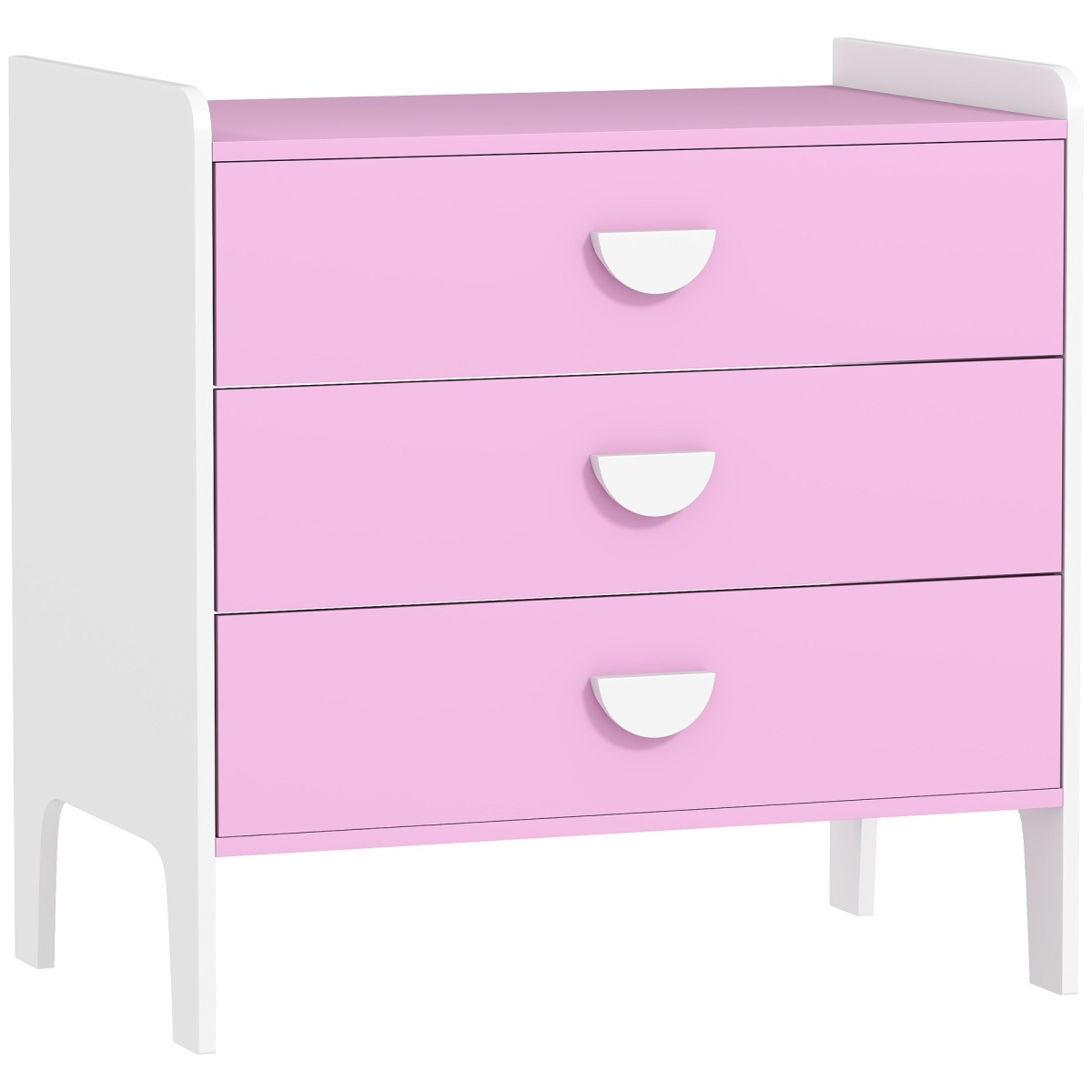
When every piece of clothing and every toy has its own place, the kids' room stays tidy almost by itself. You'll find children's wardrobes with hanging rails and shelves, as well as chests of drawers for soft textiles, clothes...
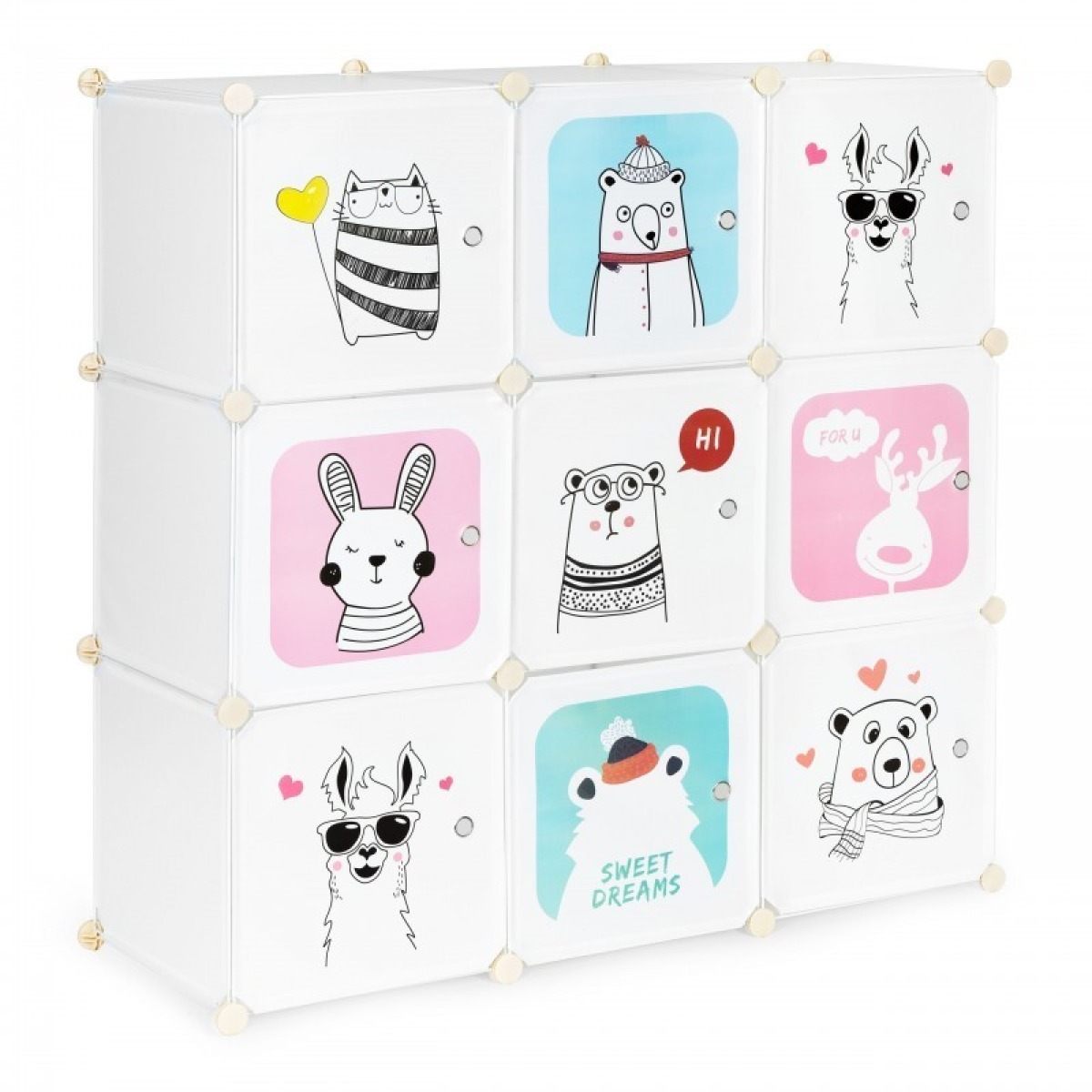
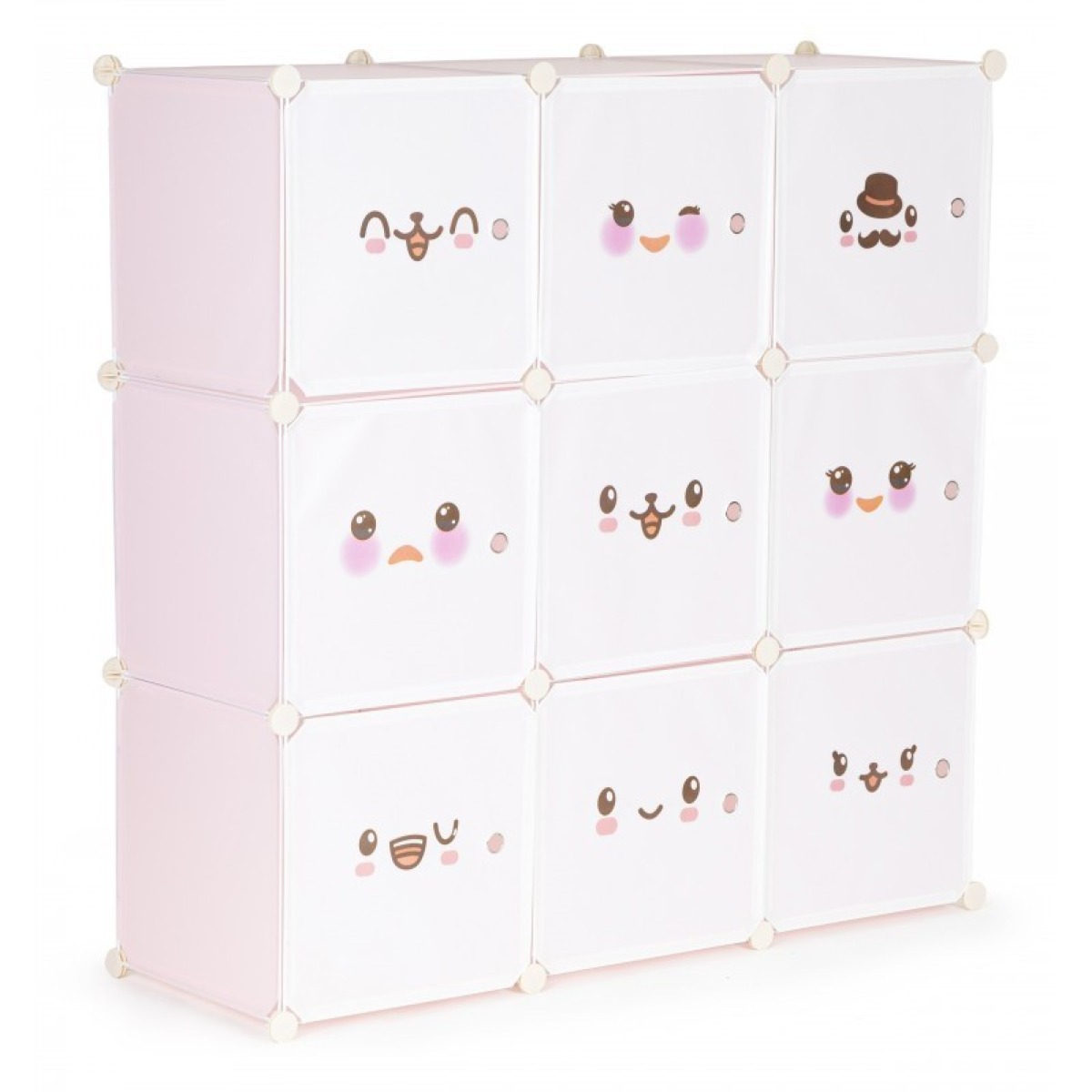
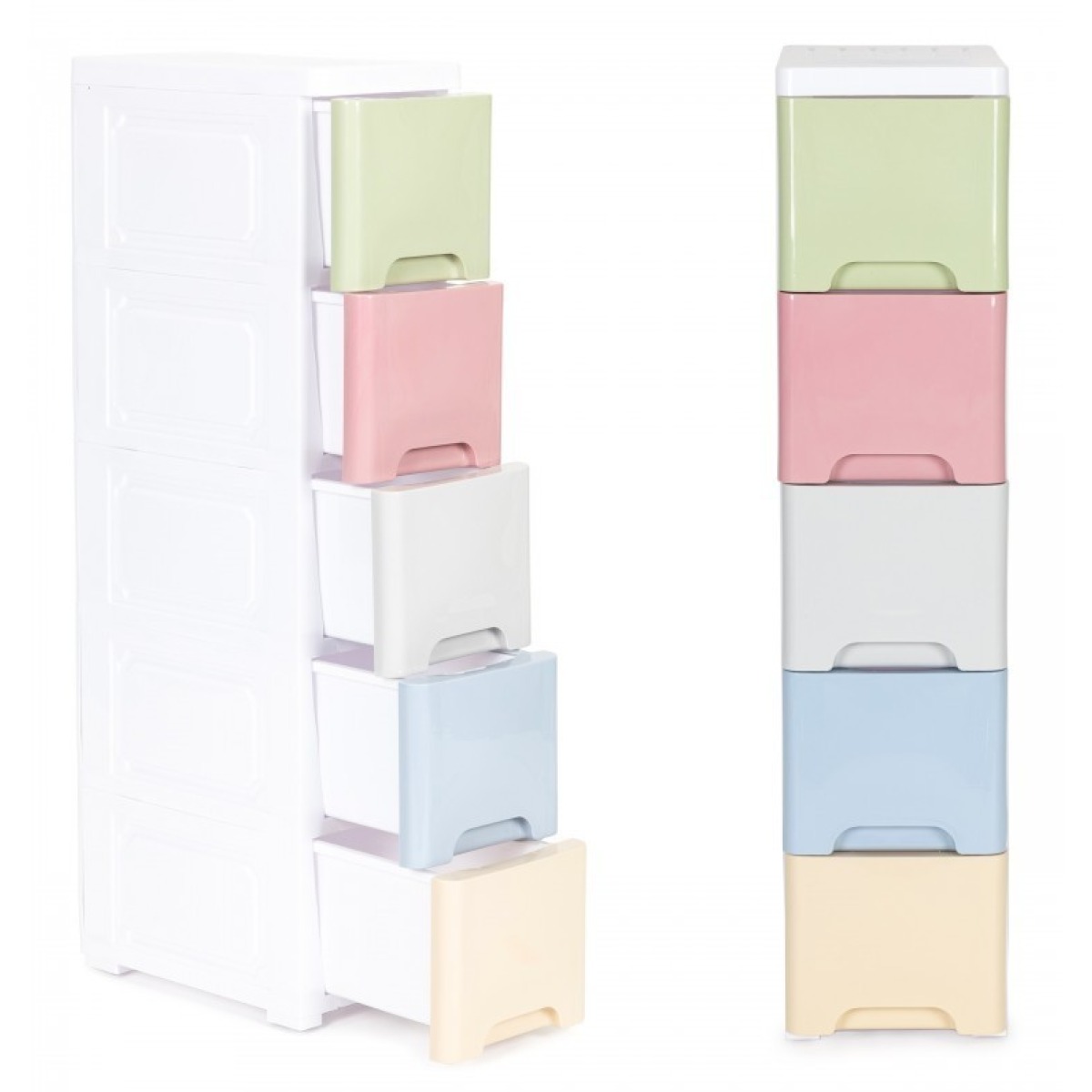
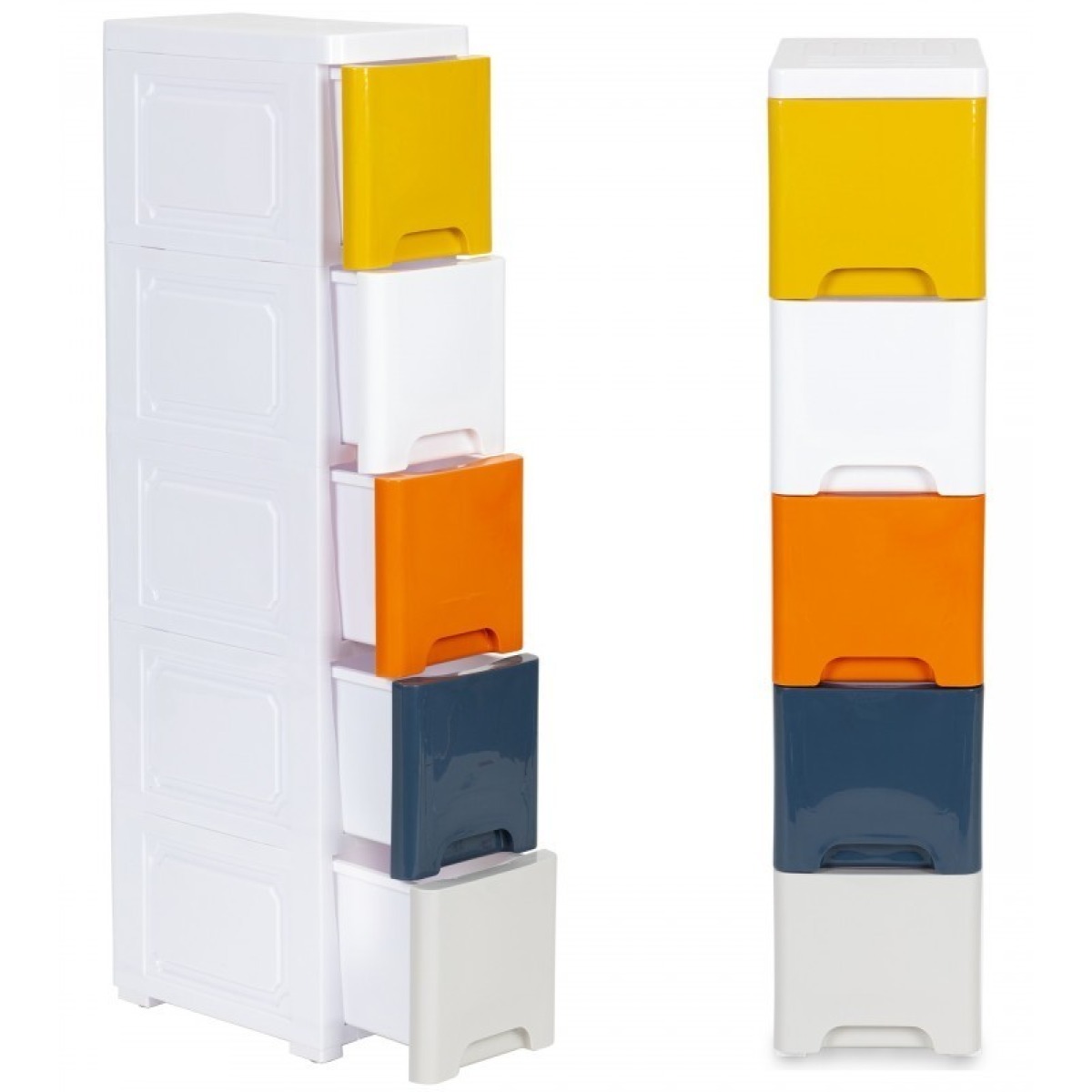
Category guide
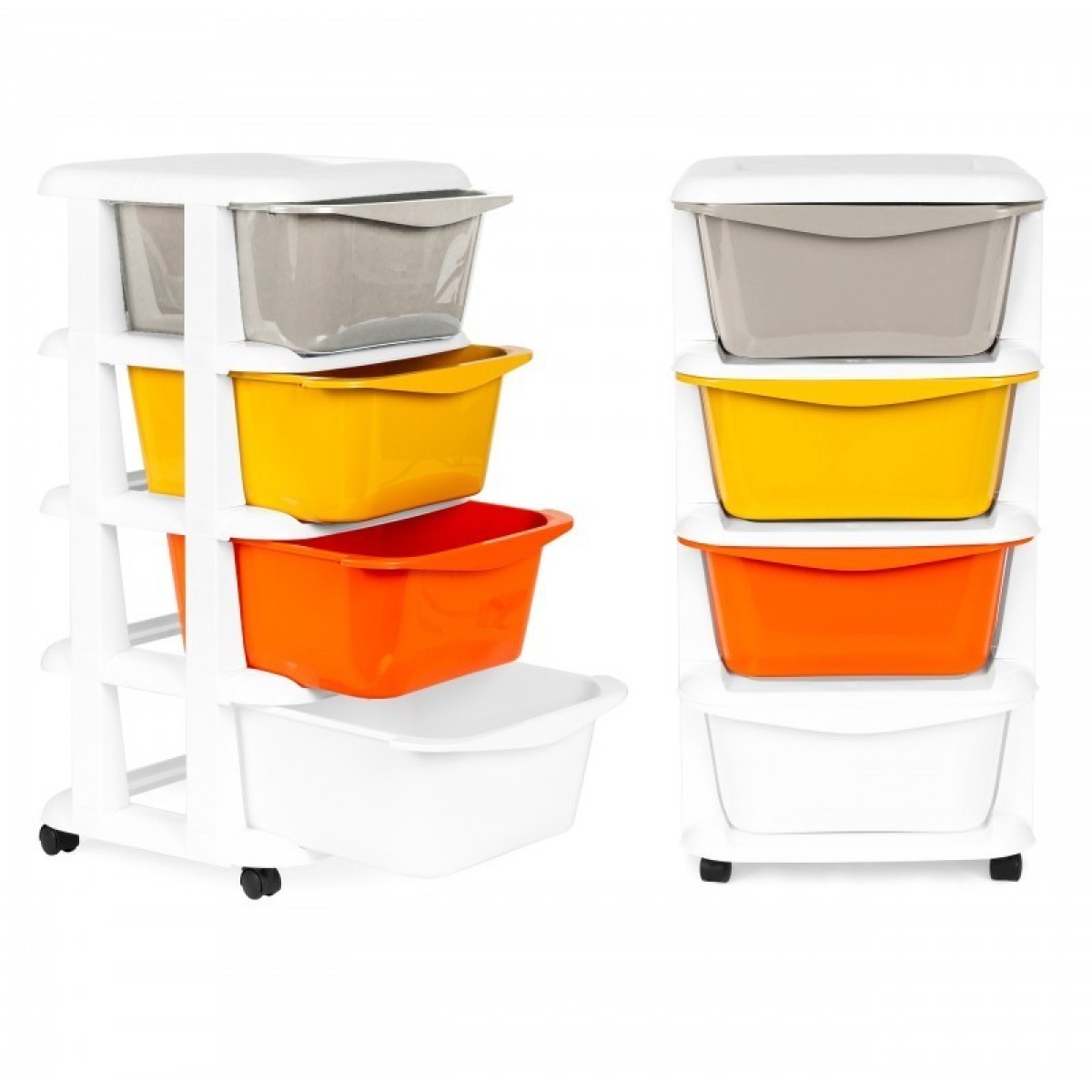
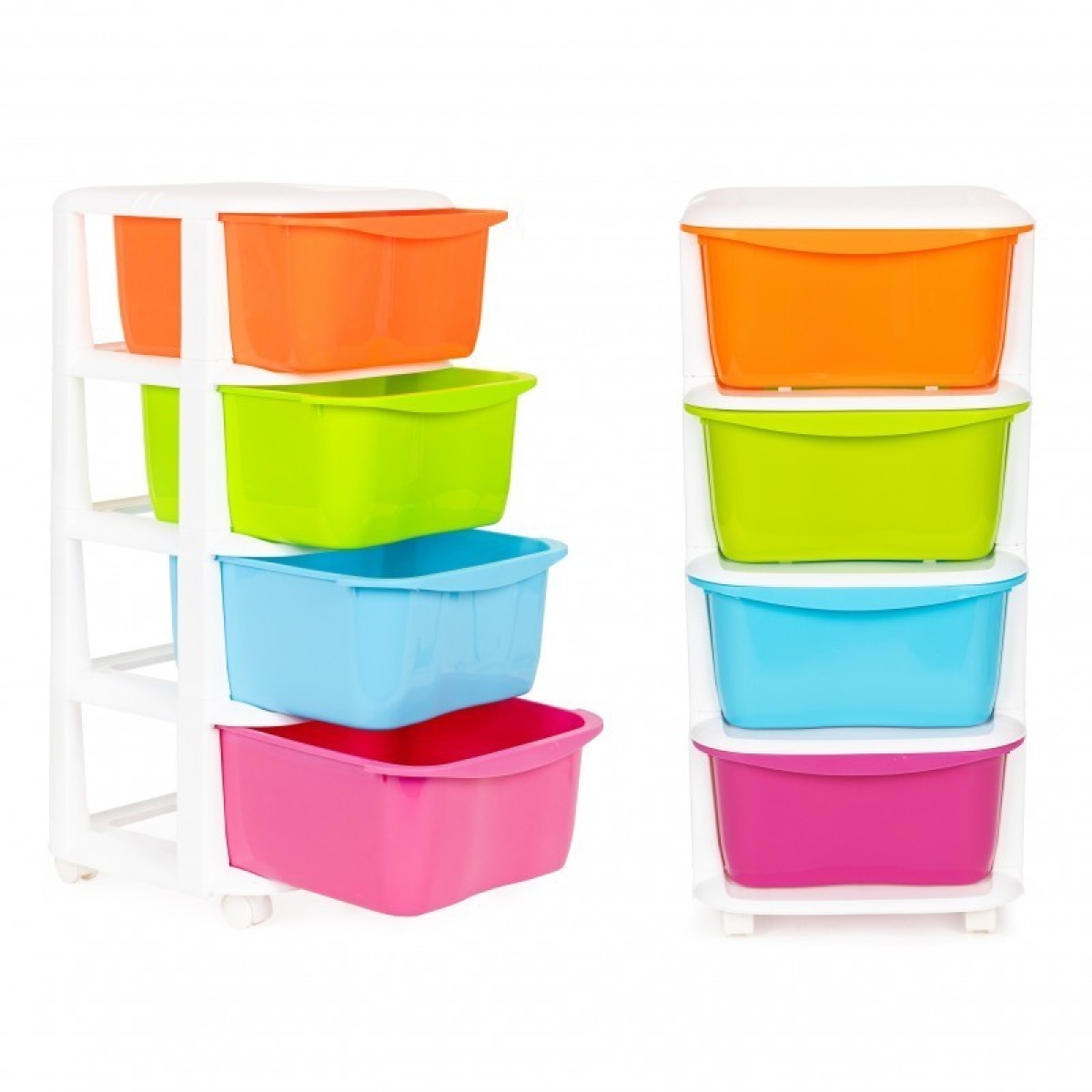
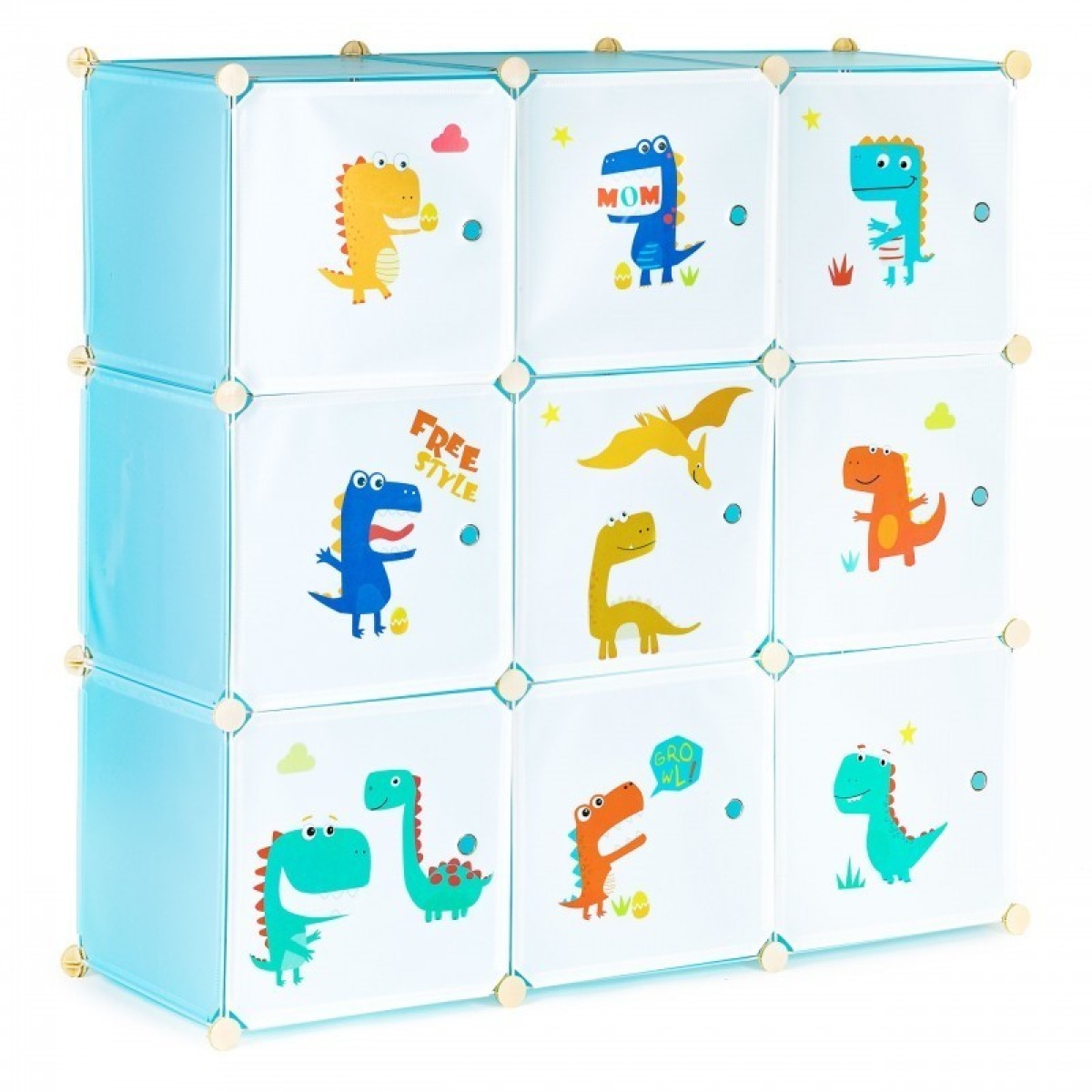
Kids' Wardrobes and Chests of Drawers help keep the nursery tidy, with everyday essentials close at hand. These storage solutions are suitable for babies and toddlers, as well as school-aged children who need different surfaces and compartments for clothes, books and toys. The range includes wardrobes with hanging rails and shelves, as well as chests of drawers, which are practical for soft items, underwear or
small items. Important selection criteria include size, the capacity of the doors and drawers, and ease of use: many models feature quiet “push to open” or soft-close mechanisms. It is also worth checking whether a chest of drawers has a changing table or whether one can be fitted separately, as this affects both the daily routine and room layout. Good nursery decor supports a child’s development through organised storage and practical use.
Kids' wardrobes and chests of drawers are nursery essentials when the aim is to store clothes, seasonal wear, spare underwear, books and smaller accessories in an organised way. A wardrobe usually provides hanging space and shelves, while a chest of drawers keeps items in drawers and helps maintain a tidy look. This allows children to take an increasingly active role in finding and putting away their belongings.
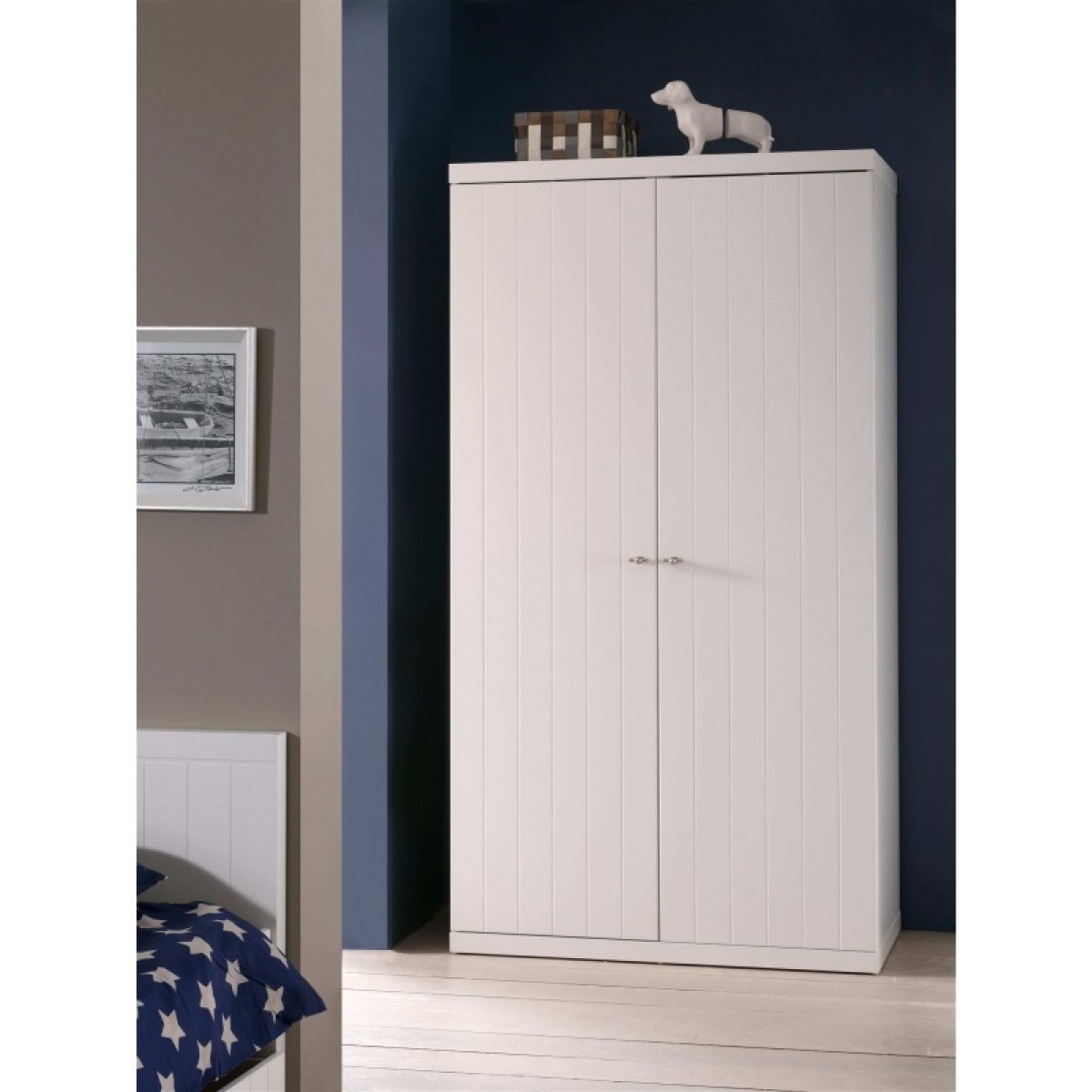
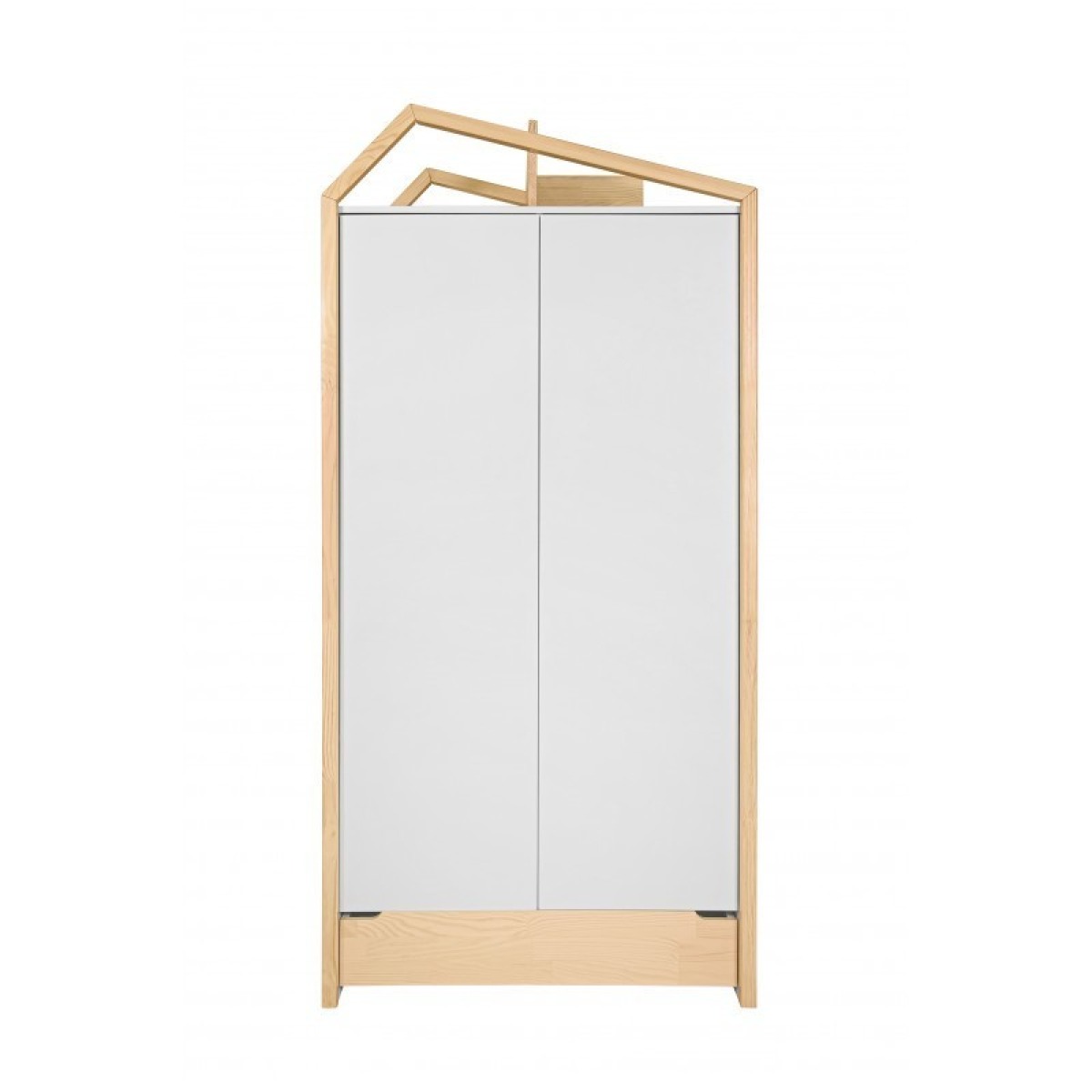
The category includes wardrobes with 2 and 3 doors, as well as chests of drawers with different drawer configurations. When choosing, consider how quickly you need to access items: drawers are suitable for sorting everyday clothes and underwear, while open shelves are useful for frequently used items. Combined solutions offer a good compromise when space is limited.
Children’s furniture should be practical and reliable for everyday use. Many wardrobes are made from furniture board, and some models also feature solid wood details or handles that give them a homely, durable look. The finish affects how easy the surface is to clean and how well the furniture stands up over time.
Opening and closing mechanisms also play an important role in different models. For example, a “push to open” system makes drawers easy to use and helps keep movements smooth. Soft-close mechanisms reduce noise and make everyday use more convenient, especially when the child is resting or falling asleep.
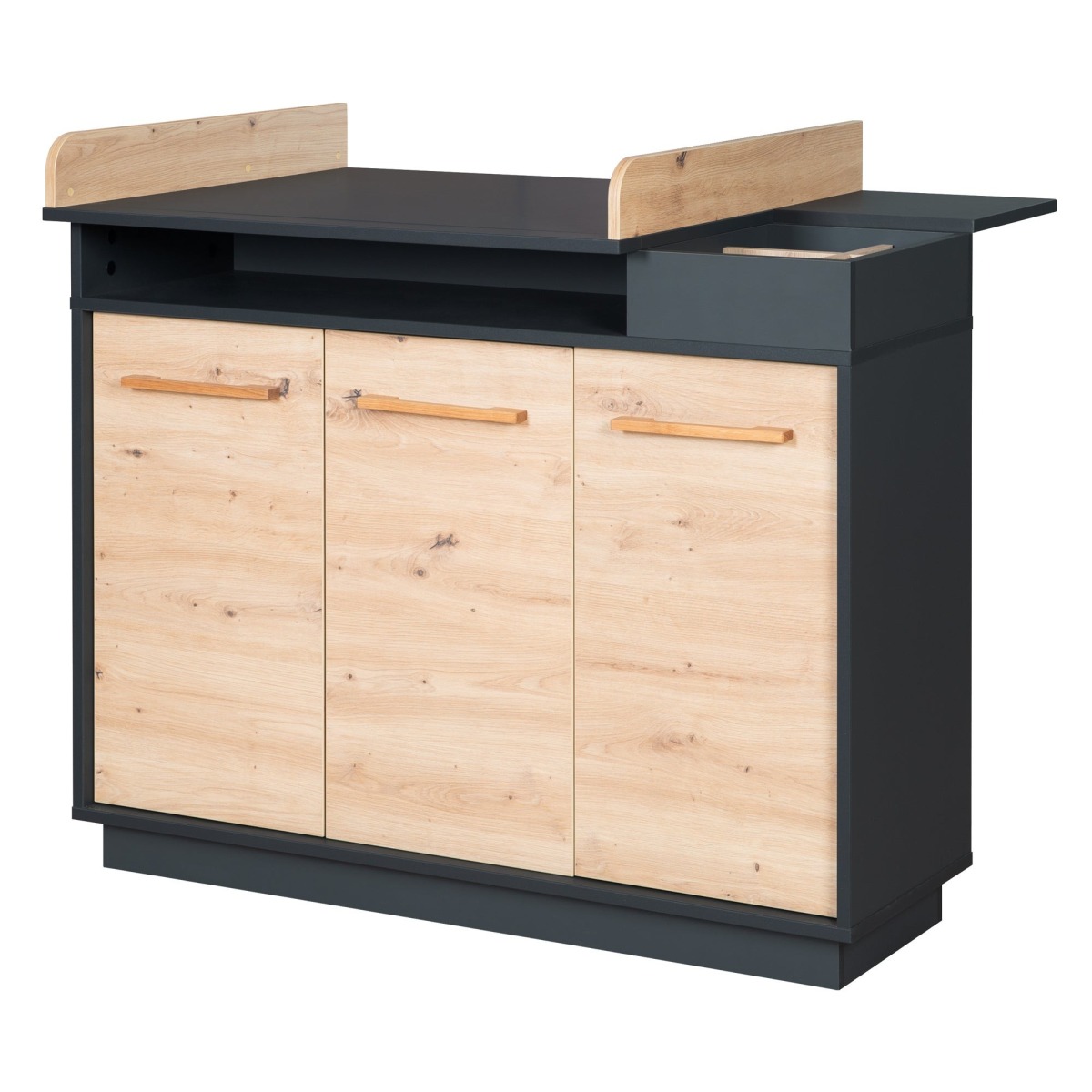
Chests of drawers often play a special role in families with babies, as a changing area needs to be stable, safe and easy to access. The category includes chests of drawers with a changing table or that are suitable for use with one. This combination brings the changing routine together in one place while leaving room for other activities.
As the child grows, the changing setup can be repurposed for other storage needs. The drawers can hold nappies, care products and baby clothes, and after the nappy-changing stage they are useful for items such as socks, T-shirts or small toys. This keeps the furniture in use for longer rather than making it a “one-off purchase”.
To make sure shelves, wardrobes and chests of drawers work well in everyday life, it makes sense to choose them according to the room and how they will be used. Nursery furniture should be positioned so that items are visible and within easy reach without taking up space in the walkway. Dimensions and the way the doors and drawers open help prevent the furniture from being difficult to access because it is placed at the wrong angle.
Well-chosen Kids' Wardrobes and Chests of Drawers support the development of a child's room: storage becomes simple, routines are clear and the space stays tidy for longer. This furniture is also adaptable through the baby and toddler stages as needs change.
MIU Kids
A quiet word about cookies
Necessary cookies are already on, so your basket and checkout can work. Analytics cookies stay off until you accept. Until then Google may receive a cookieless visit signal so we can count visits. It is not used for advertising. Accept all cookies, or keep only the necessary ones. Both are one click. We remember your choice for six months, and you can change it at the bottom of the page. Privacy notice
Analytics cookies wait for a yes
MIU Kids
Choose what stays on
Necessary
Always on. These keep the basket, checkout and the shop secure.
Analytics
No analytics cookie until you accept. A cookieless visit signal may still be sent. If you accept, Google Analytics shows which pages are used. It does not build advertising profiles.