
- New
In stock · 1–3 business days1–3 business days
About the collection
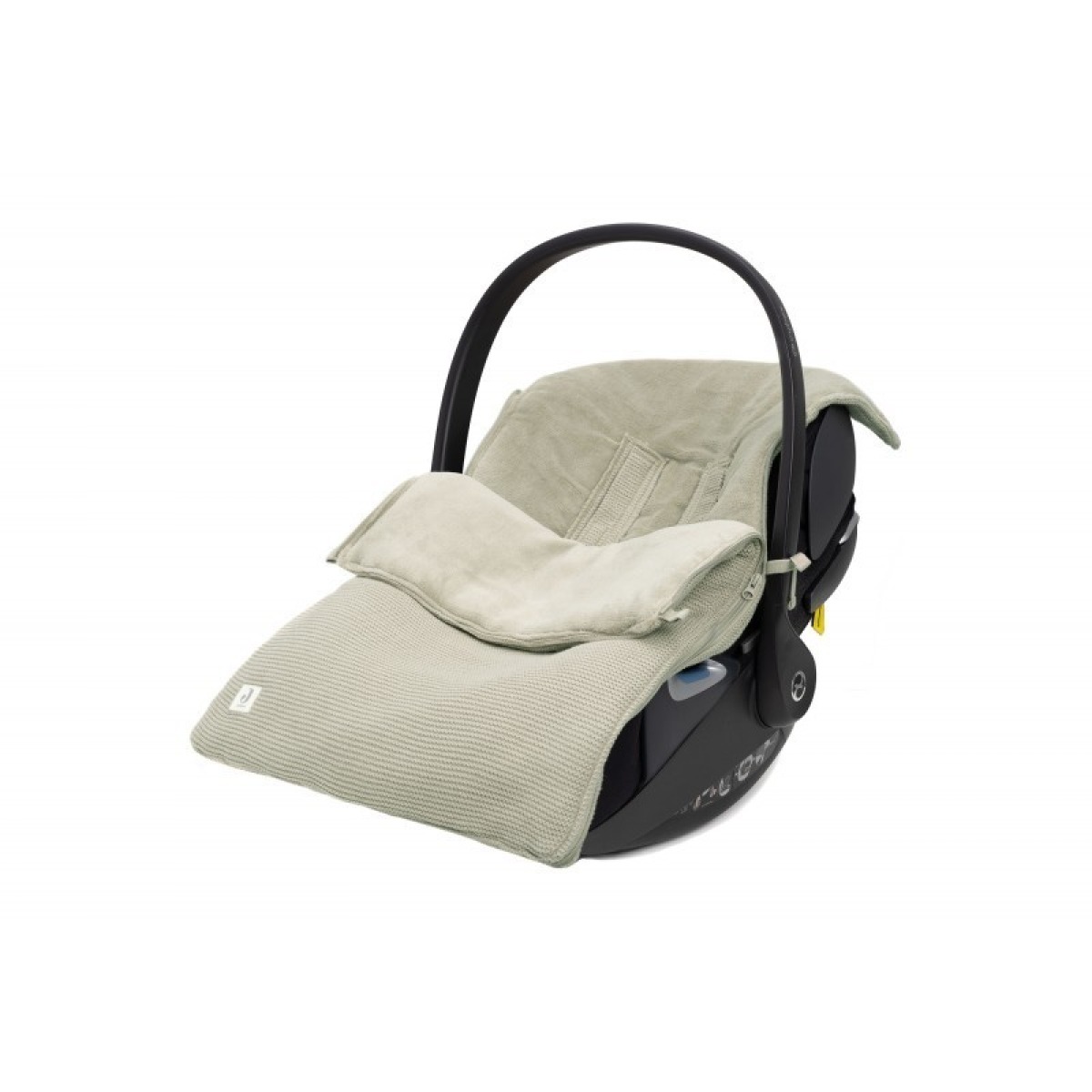
In a footmuff, your baby stays warm and content even in cold weather. Baby footmuffs fit prams, strollers and car seats. You'll find different sizes and styles from newborn to toddler. Choose a footmuff based on your child's...
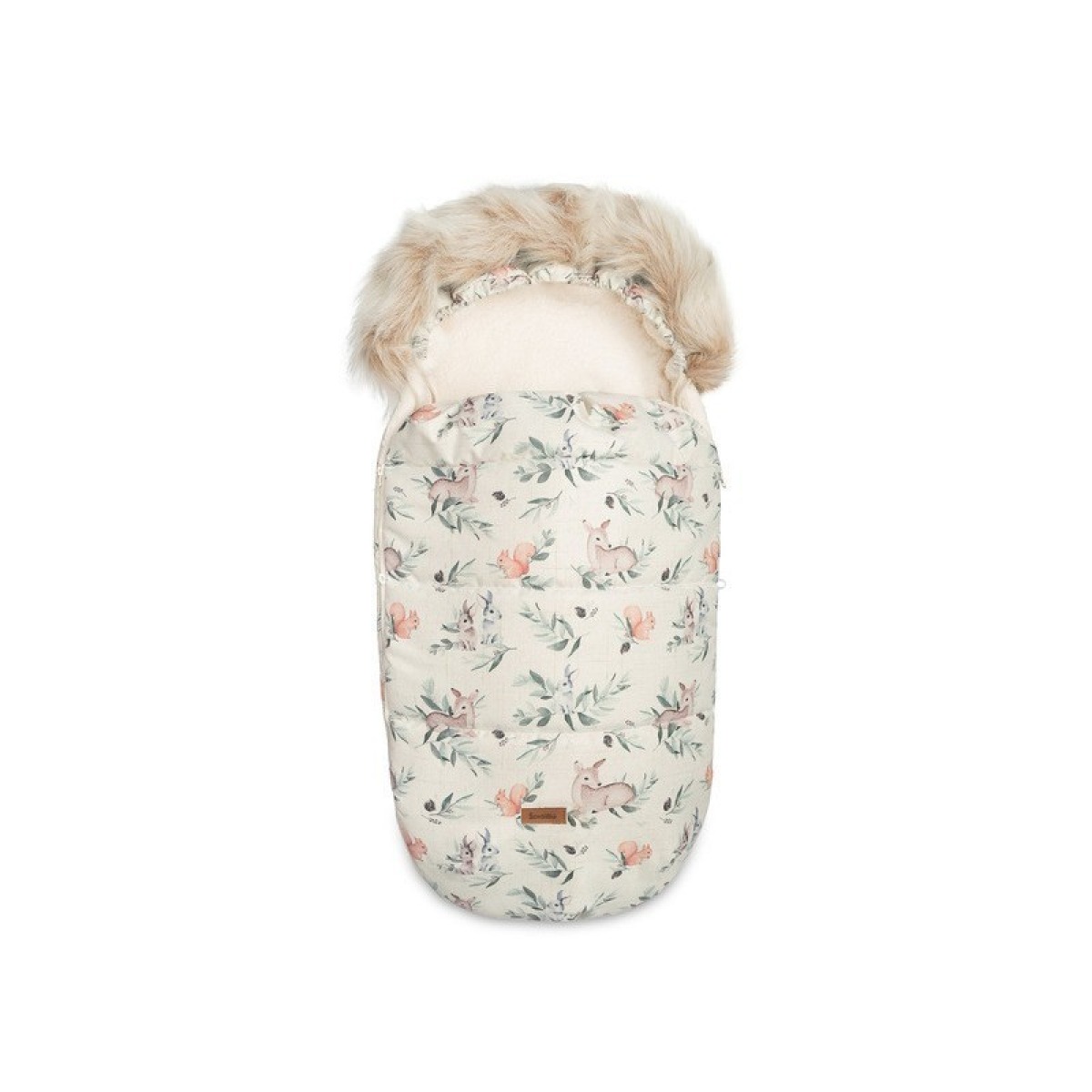
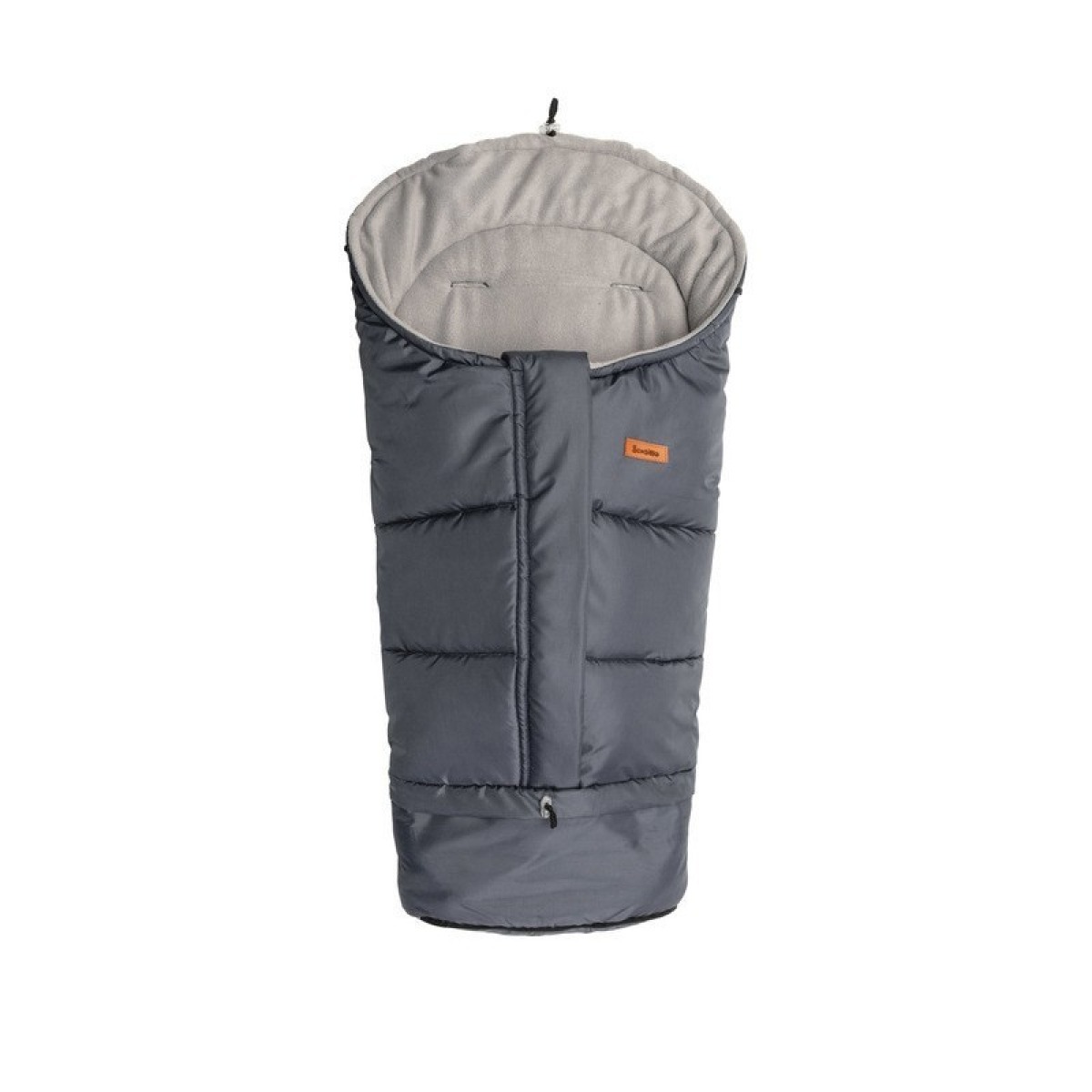
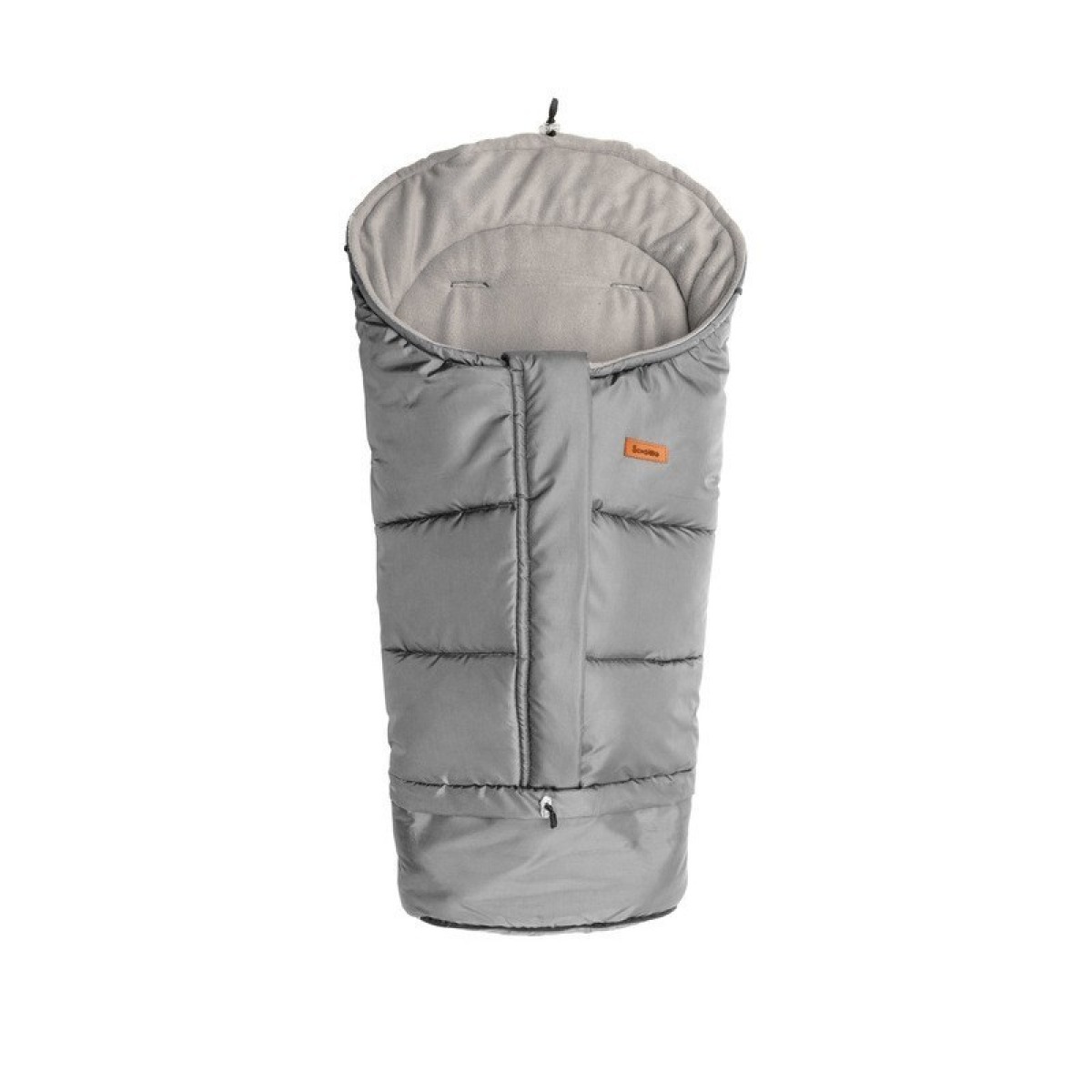
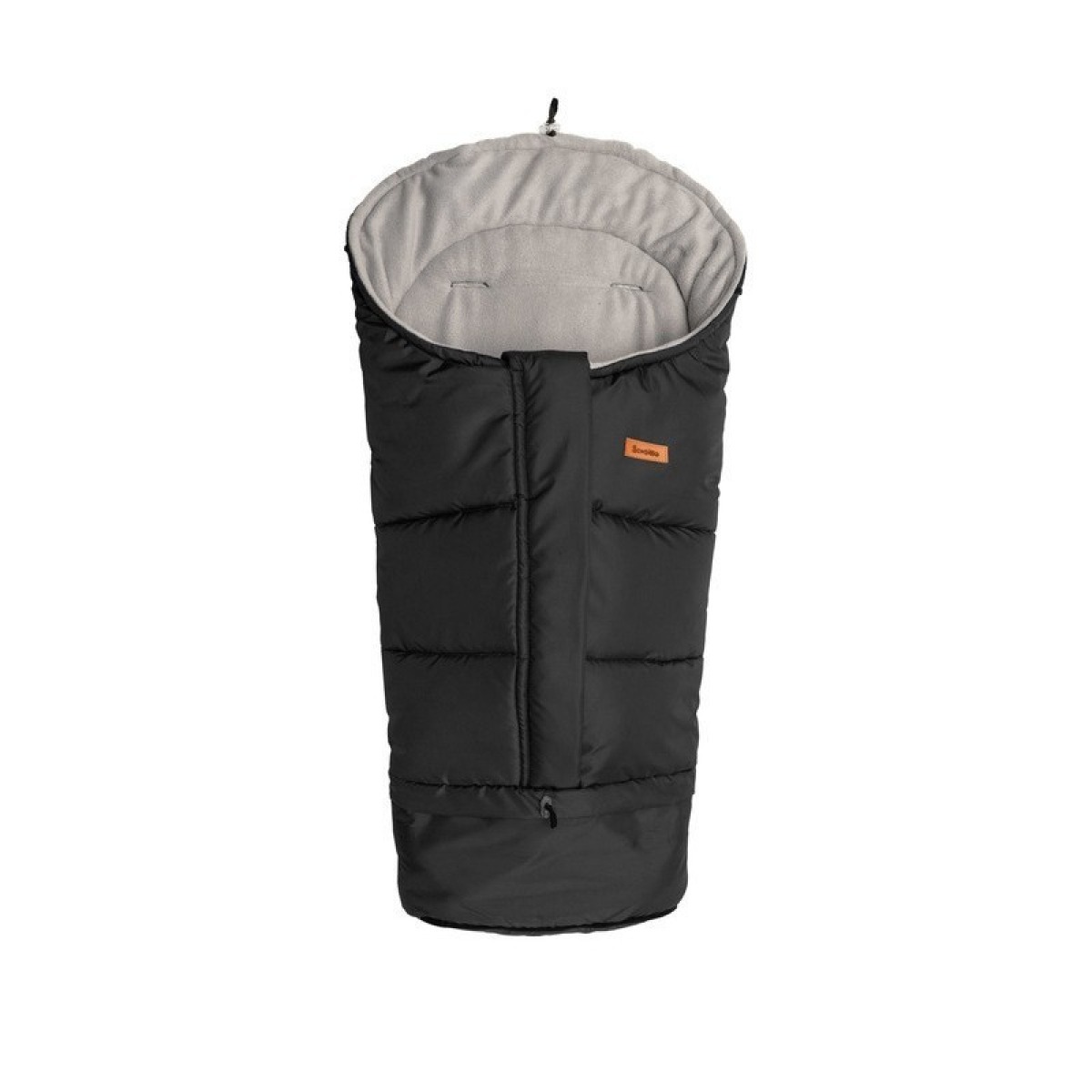
Category guide
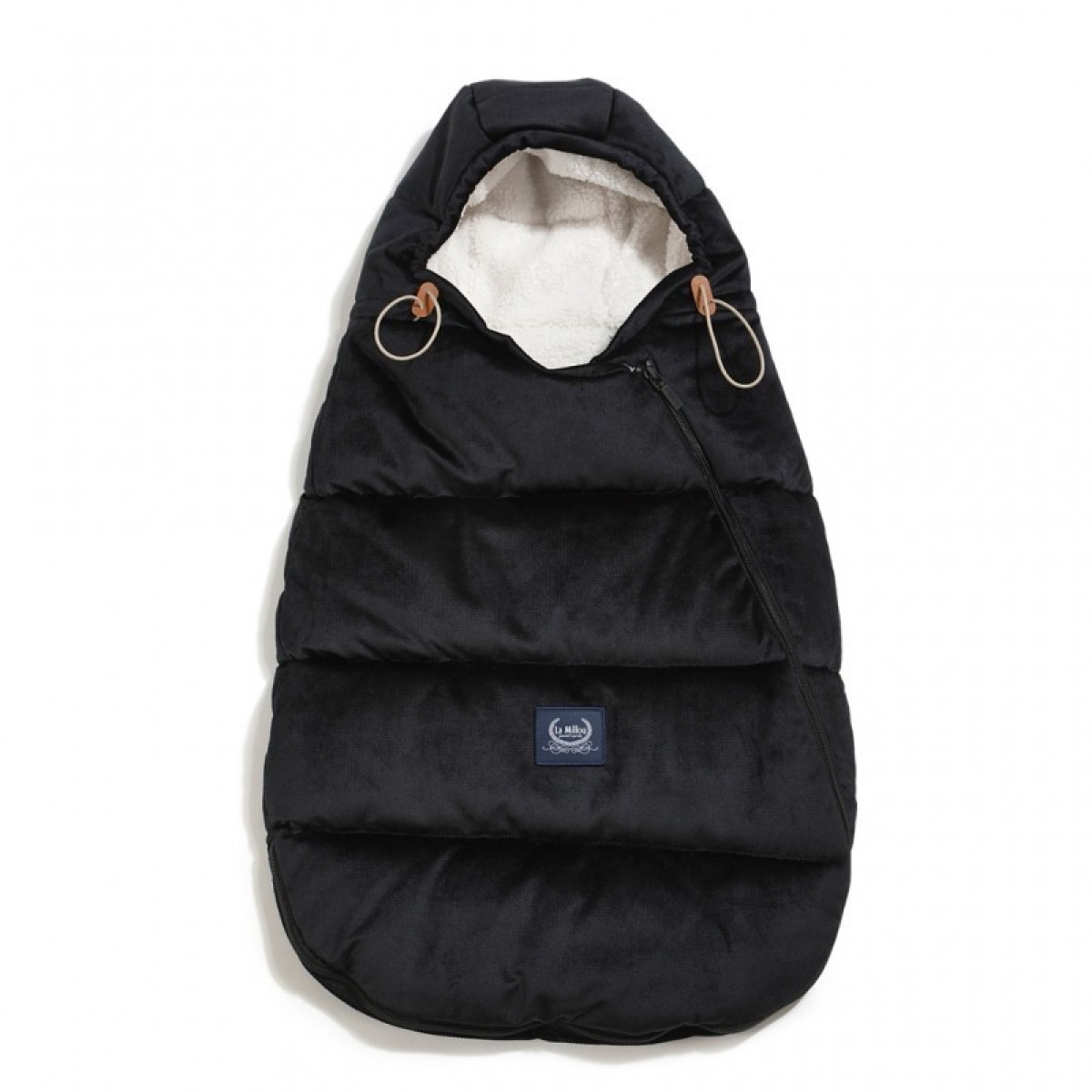
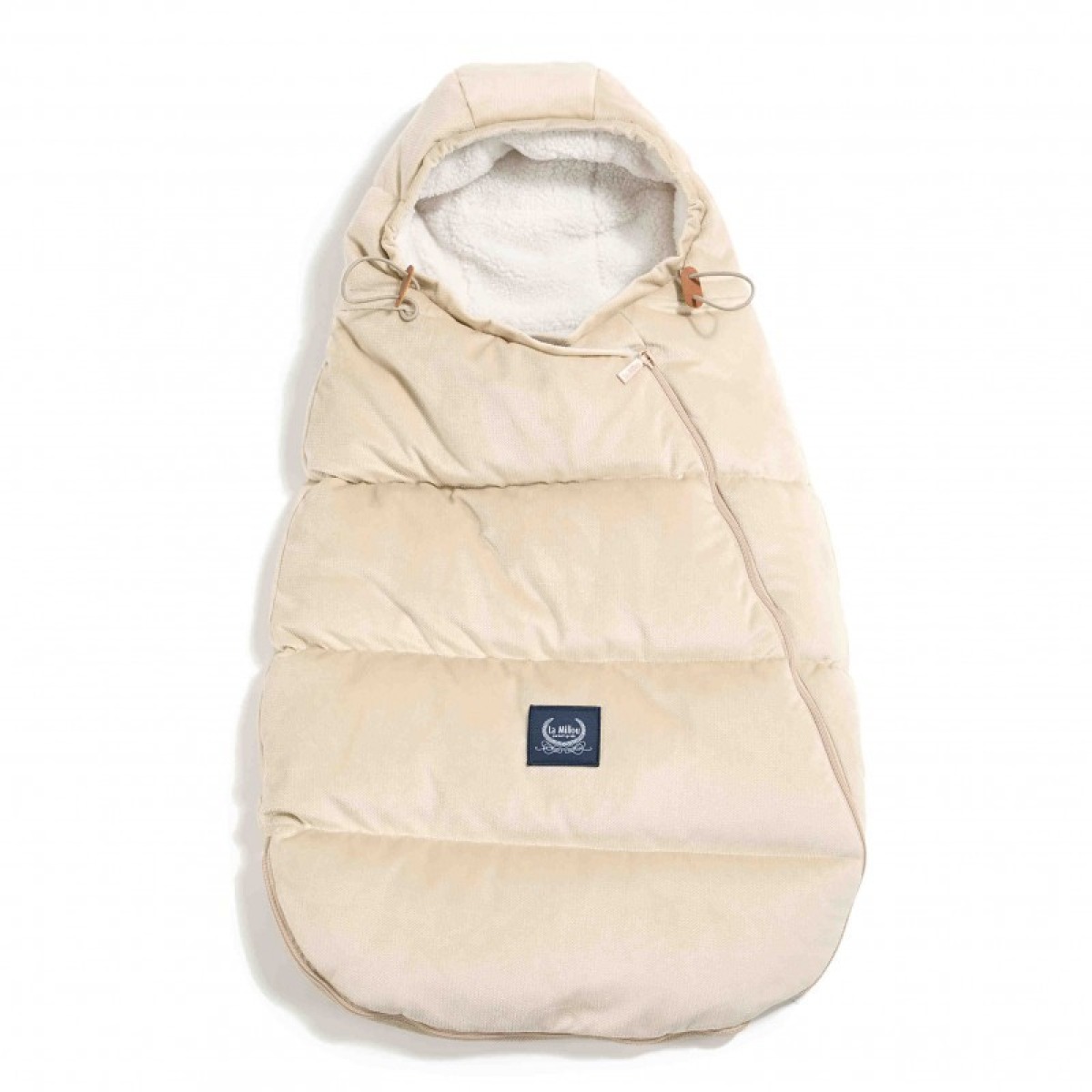
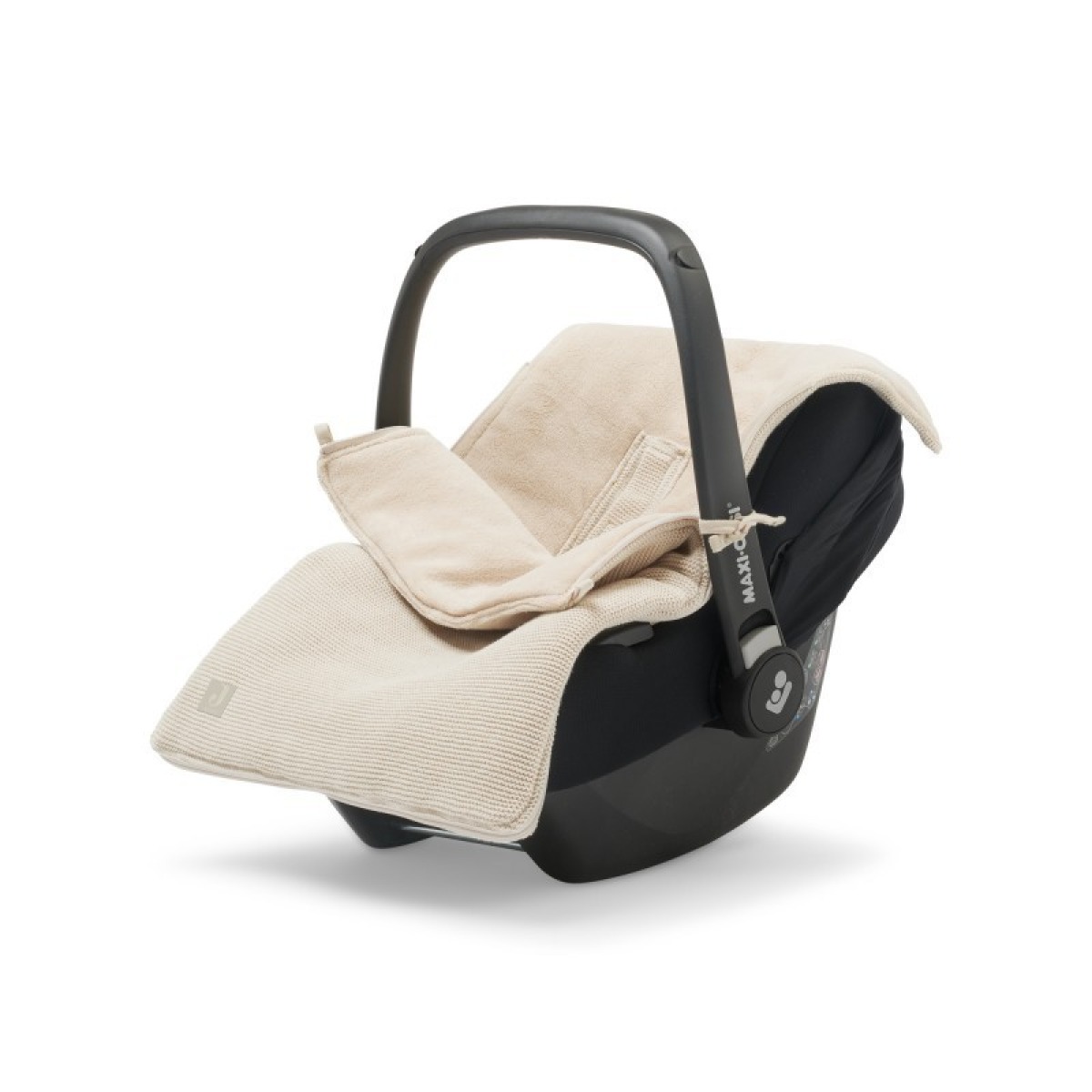
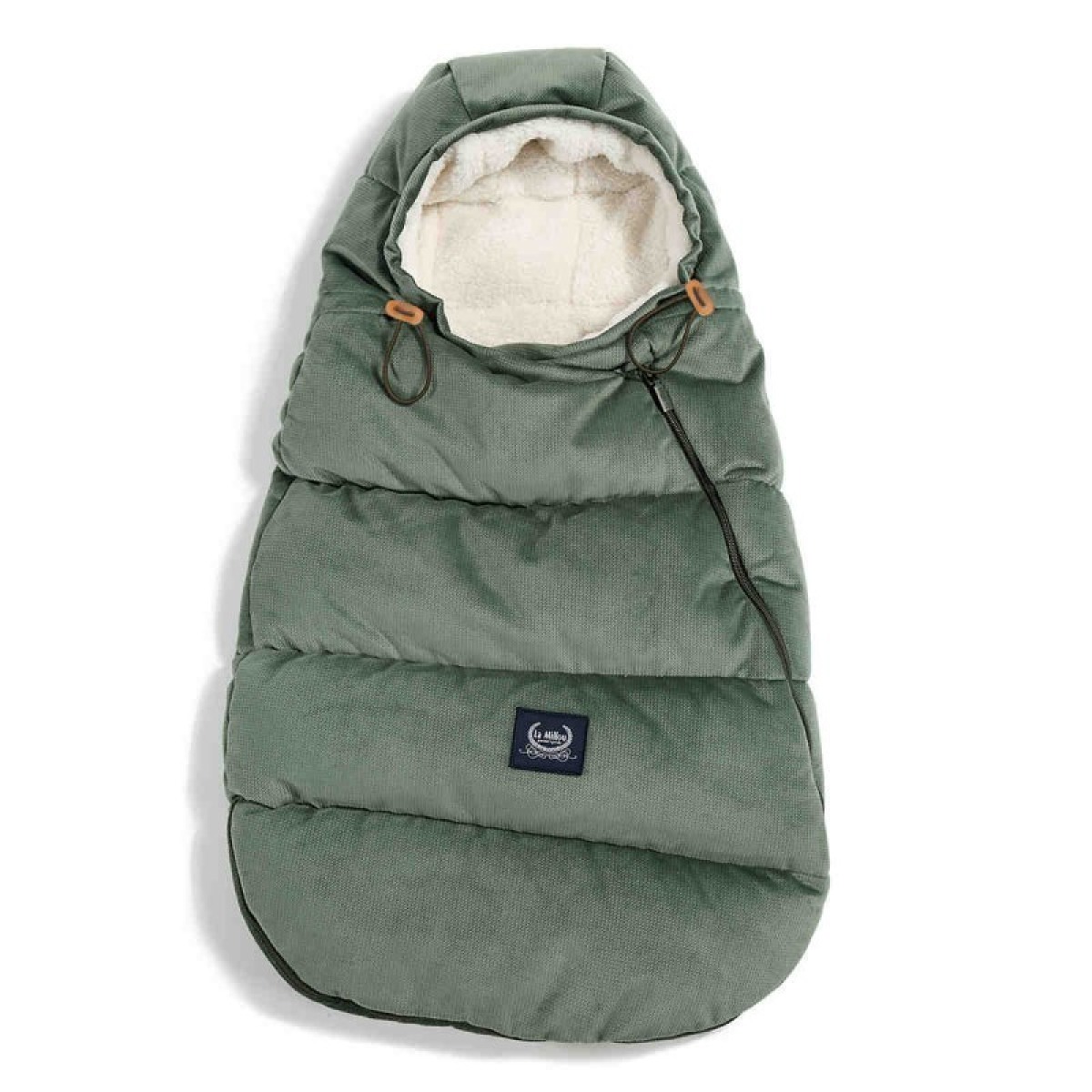
Baby Footmuffs are a practical solution for colder days when you want to take your children outdoors while keeping them comfortably warm. These footmuffs are suitable for newborns and babies as well as toddlers, as a range of sizes and fastenings is available, and many models work in both prams and infant car seats. A baby footmuff is used on walks, when getting around close to home or on longer trips outdoors,
helping to keep your child’s body warm without too many extra layers. It is important to choose materials and features to suit the weather: a windproof and waterproof outer helps withstand precipitation, while warm fleece or a wool lining adds comfort. It is also worth looking at the zip fastening, hood or foot-cover design, and how easily the top of the footmuff can be adjusted with press studs.
Baby footmuffs are designed to keep children warm while they are being transported in prams and infant car seats. When outdoors, it is important to maintain an even warmth around the child, with materials that protect against wind and, where possible, wet weather. That is why both the fabric properties and the softness of the lining matter.
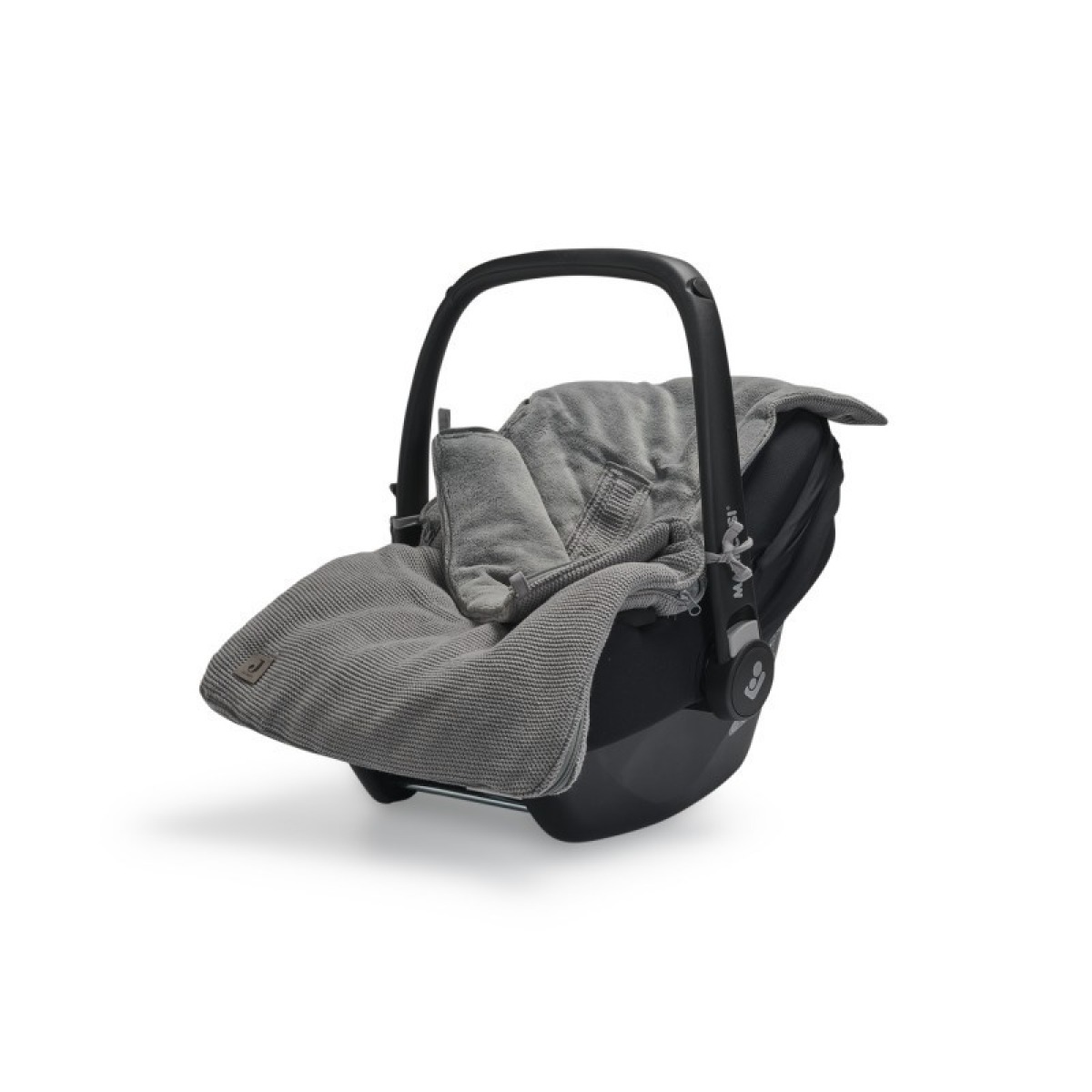
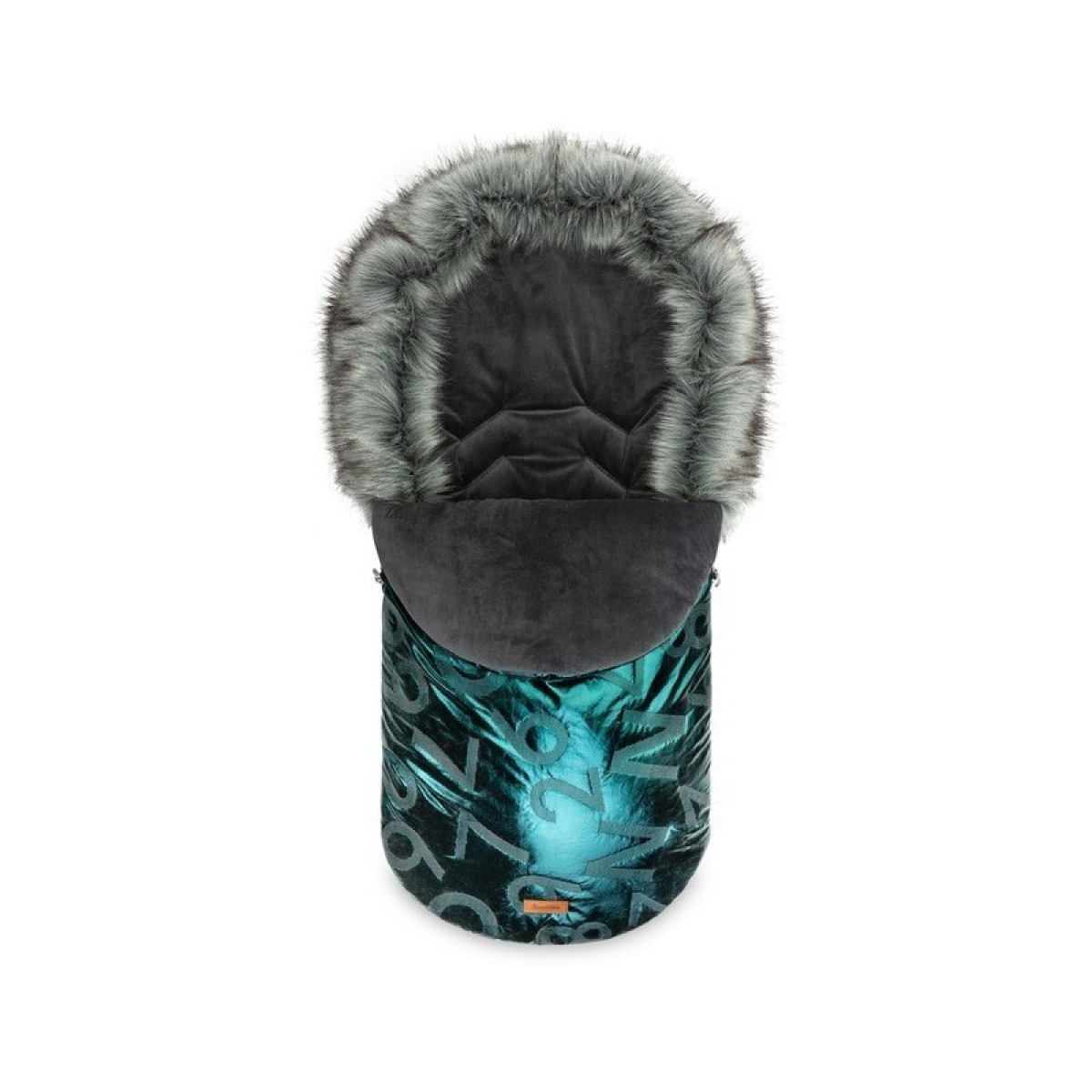
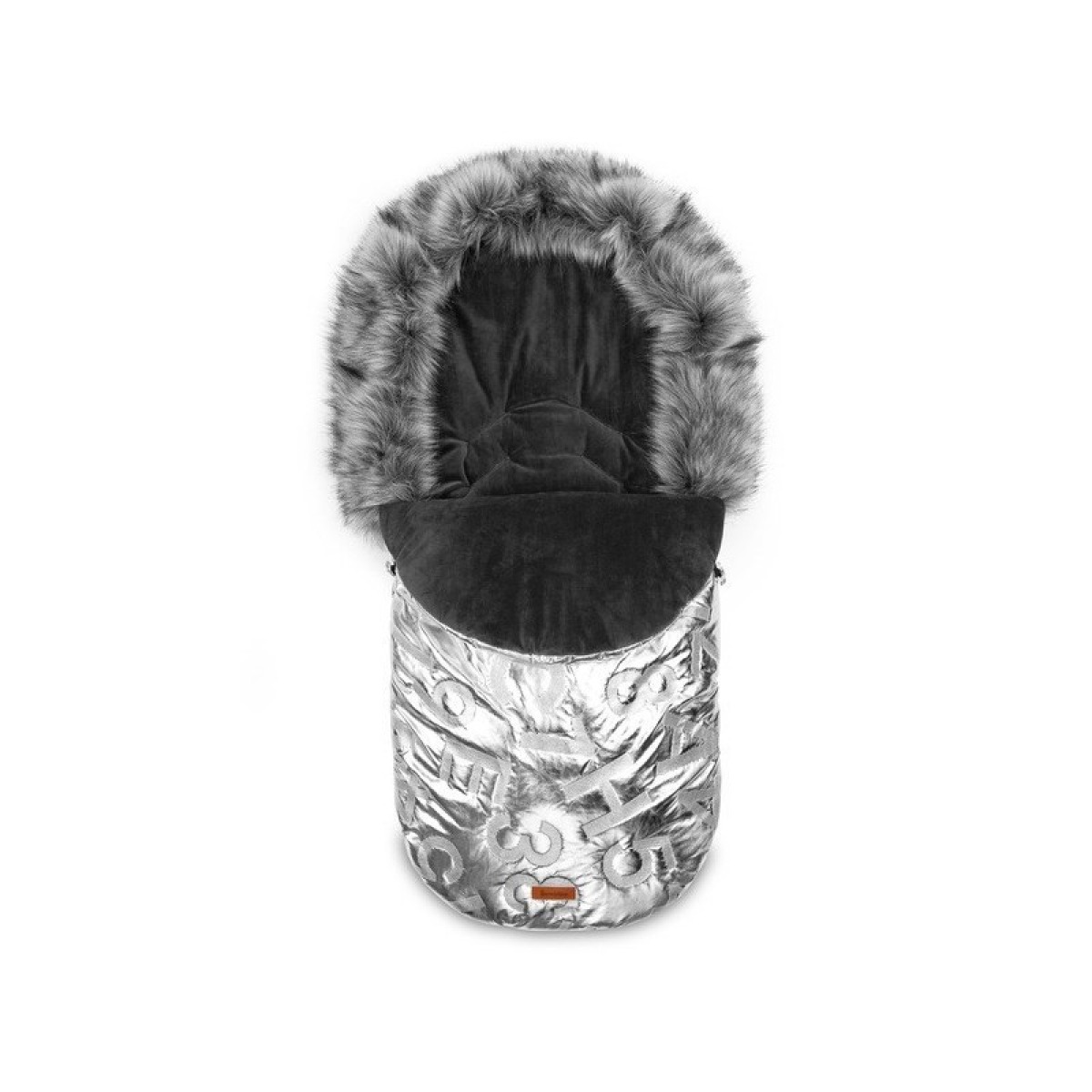
This category includes footmuffs for tiny babies (from birth) as well as older children who go on longer outings and can sit up. Many models are adapted for a specific use: a footmuff for an infant car seat provides a comfortable fit, a pram footmuff is suitable for walks, and some designs also cover the feet well. The selection includes quilted options, styles with more water-resistant outer layers, and knitted versions with softer fleece linings.
The right footmuff depends on how your child is being transported. If your child travels in an infant car seat, it is important that the footmuff has a comfortable shape and fastening, and does not interfere with the safety equipment. For use in a pram, it is often more important that the footmuff fits well, protects against the wind and is easy to put on.
For age suitability, check whether the product is intended for 0–1 years or a wider range, such as 0–36 months. Some models also specify a particular period of use (e.g. 12–48 months), which helps you choose a footmuff to suit your child’s growth and outdoor needs. This makes it easier to find the right balance of warmth and practicality.
Good baby footmuffs combine a warm lining with an outer fabric suited to the weather. Many models have a more wind- and/or water-resistant outer layer, which helps reduce the feeling of cold. Soft fleece, knitted fabric or wool-like lining also adds comfort.
It is also worth paying attention to the fastening and adjustability. Zips make it quick to close the footmuff, while some designs let you shape the top into a hood or adjust its position using press studs. These details are practical both when leaving home and when the weather changes.
On cold days, the combination of materials has the greatest effect on how well a footmuff works. Quilted models with an outer layer suited to the weather are a good choice for windy and damp conditions, as they help distribute warmth more evenly around your child. A warm inner layer, such as fleece, also feels comfortable when the temperature fluctuates.
If you are looking for a softer feel, knitted footmuffs or options with an especially soft, insulating lining may be suitable. Wool linings or wool-like designs can provide a cosy, wintry feel, while models with a cotton or knitted-look finish may also be suitable for cool autumn days and the start of winter.
For everyday use, it matters how easy a baby footmuff is to put on and adjust when needed. Zip fastenings and adjustable tops help make getting ready quicker, so your child spends as little time as possible in the cold. Models with different fastenings are often designed to let you transport children safely and comfortably.
Always follow the care instructions provided with the product, especially if the outer fabric has a water-resistant treatment or the lining is fleece. If the model has a detachable fur section, this makes it easier to keep clean. The general aim is to keep the footmuff soft and in shape so it provides even warmth next season too.
A baby footmuff is a practical part of nursery life and the routine of leaving home: it helps you dress your child in layers without adding too much, while keeping them comfortable outdoors. If you are looking for one solution for both walks and use in an infant car seat, choose a model suited to the intended use and your child’s age, so the warmth and fastenings work just as needed.
MIU Kids
A quiet word about cookies
Necessary cookies are already on, so your basket and checkout can work. Analytics cookies stay off until you accept. Until then Google may receive a cookieless visit signal so we can count visits. It is not used for advertising. Accept all cookies, or keep only the necessary ones. Both are one click. We remember your choice for six months, and you can change it at the bottom of the page. Privacy notice
Analytics cookies wait for a yes
MIU Kids
Choose what stays on
Necessary
Always on. These keep the basket, checkout and the shop secure.
Analytics
No analytics cookie until you accept. A cookieless visit signal may still be sent. If you accept, Google Analytics shows which pages are used. It does not build advertising profiles.