
- New
In stock · 1–3 business days1–3 business days
About the collection
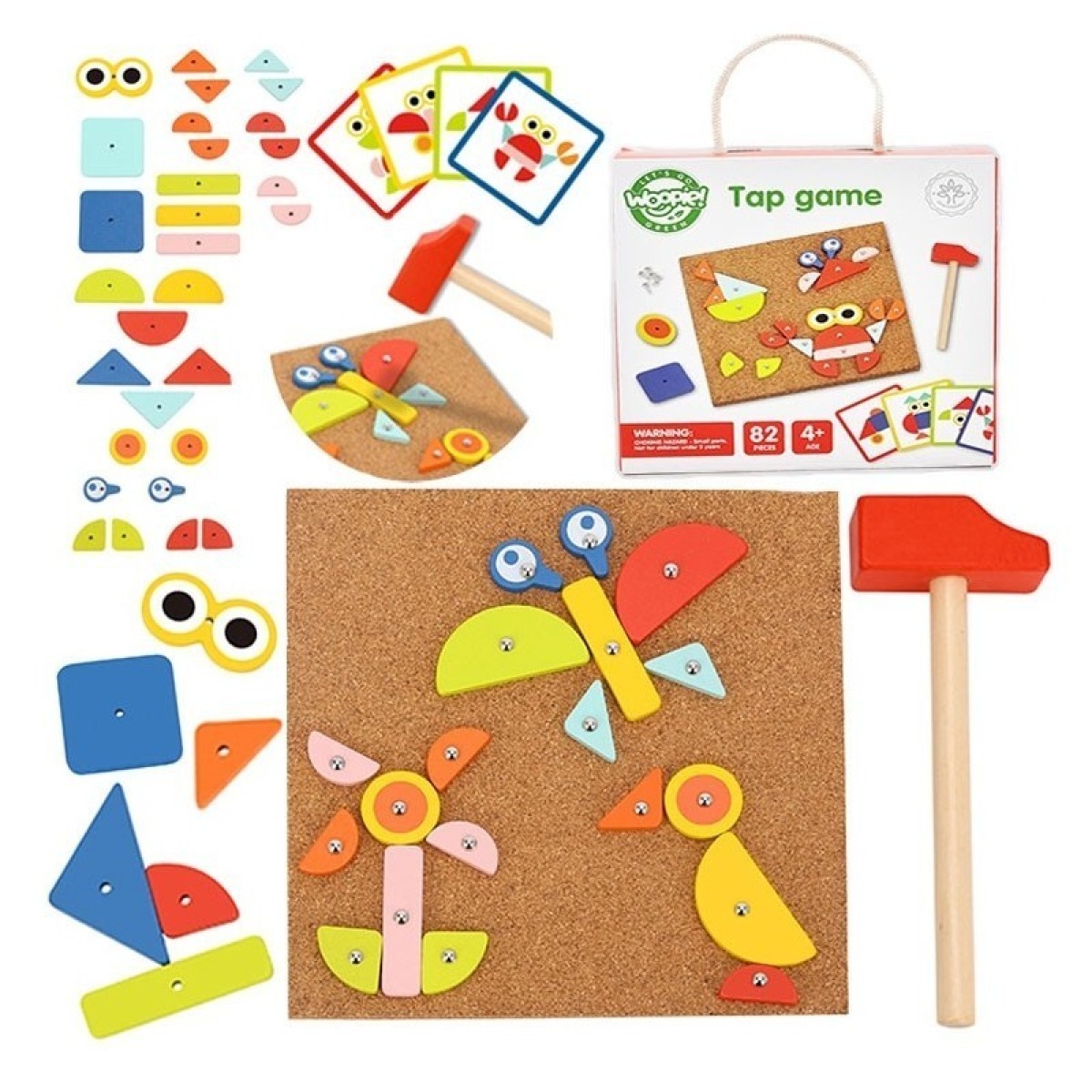
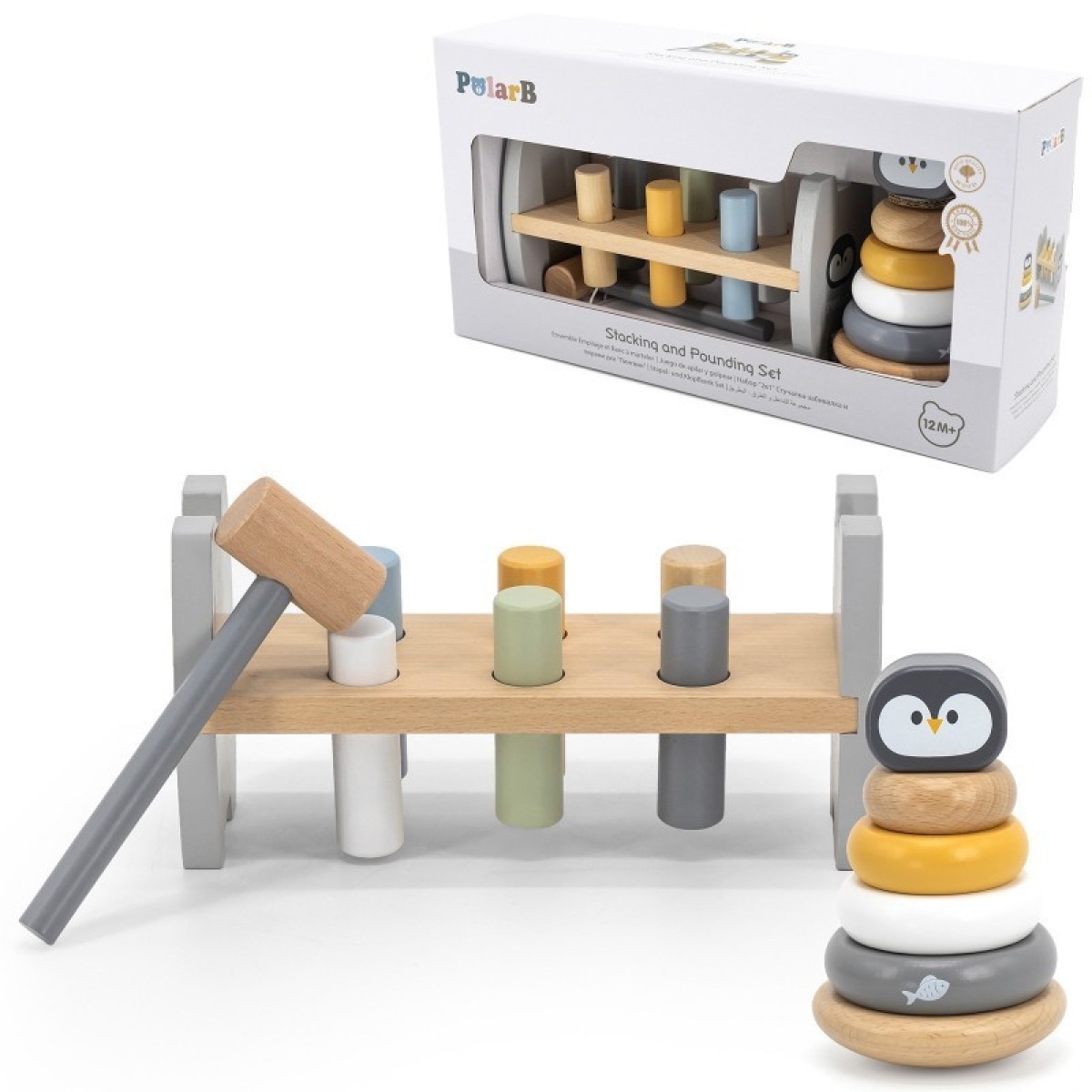
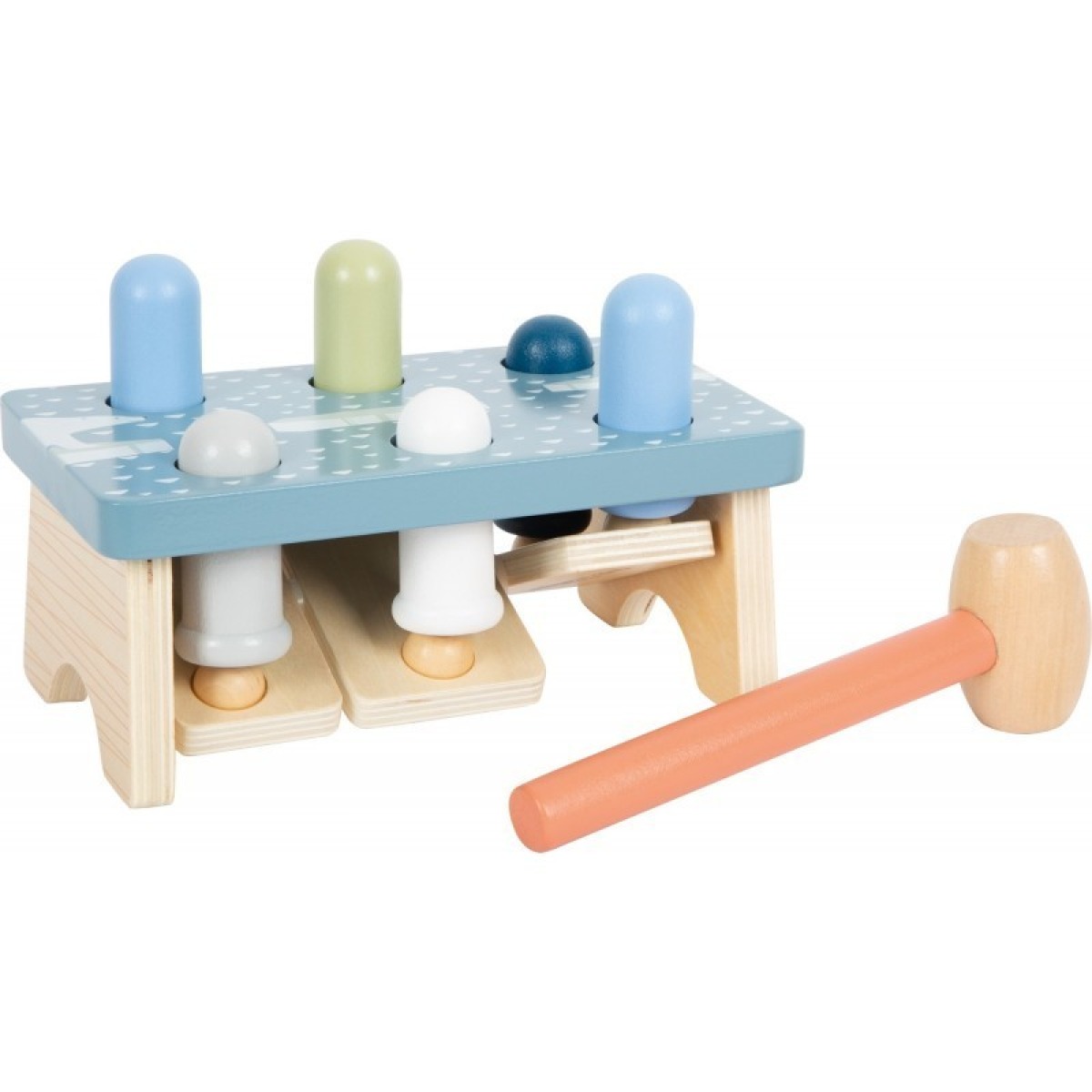
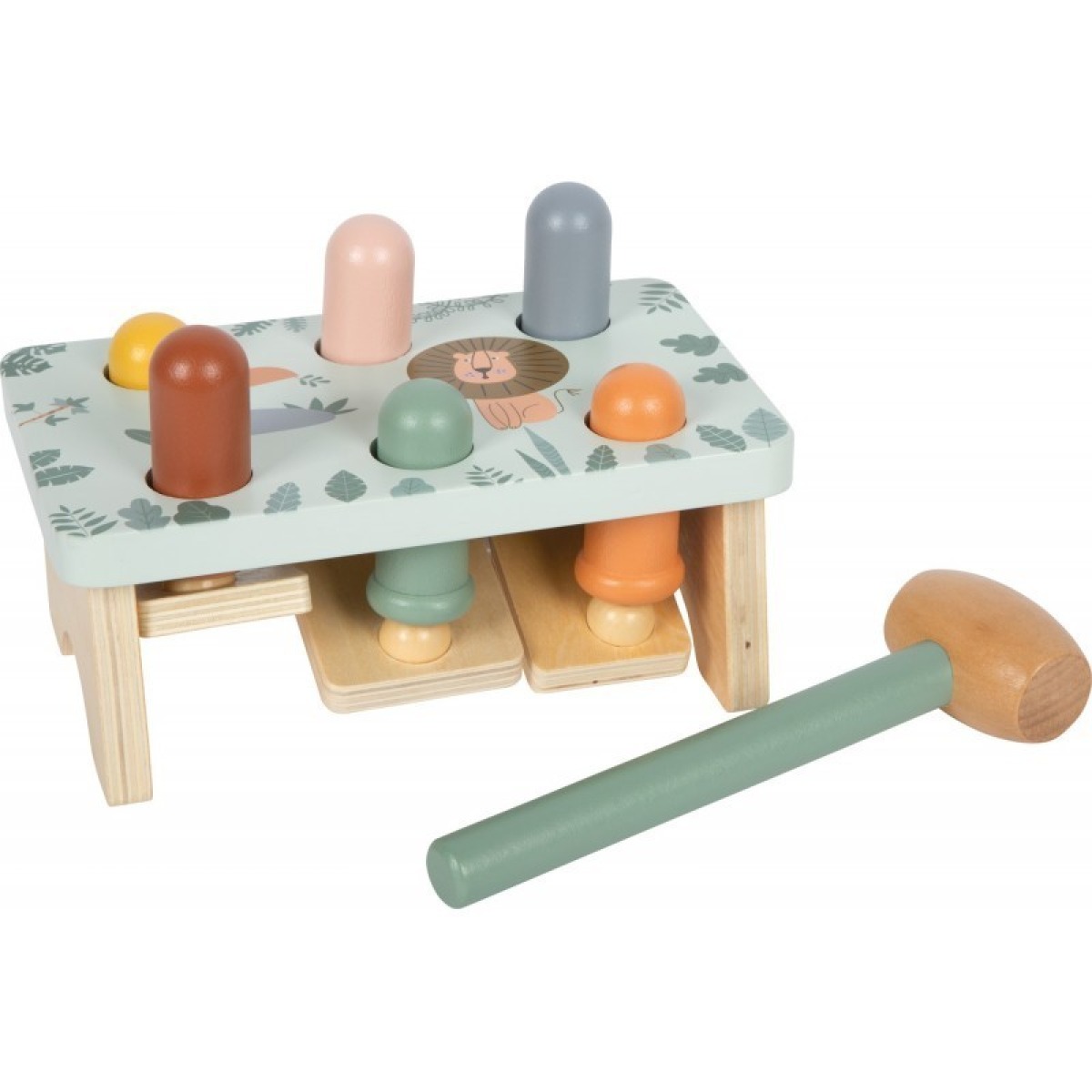
Little ones love tapping and hammering. Wooden hammer toys develop fine motor skills, hand–eye coordination and concentration as children knock pegs into place and match shapes. Most sets come with a hammer and wooden pieces,...
Category guide
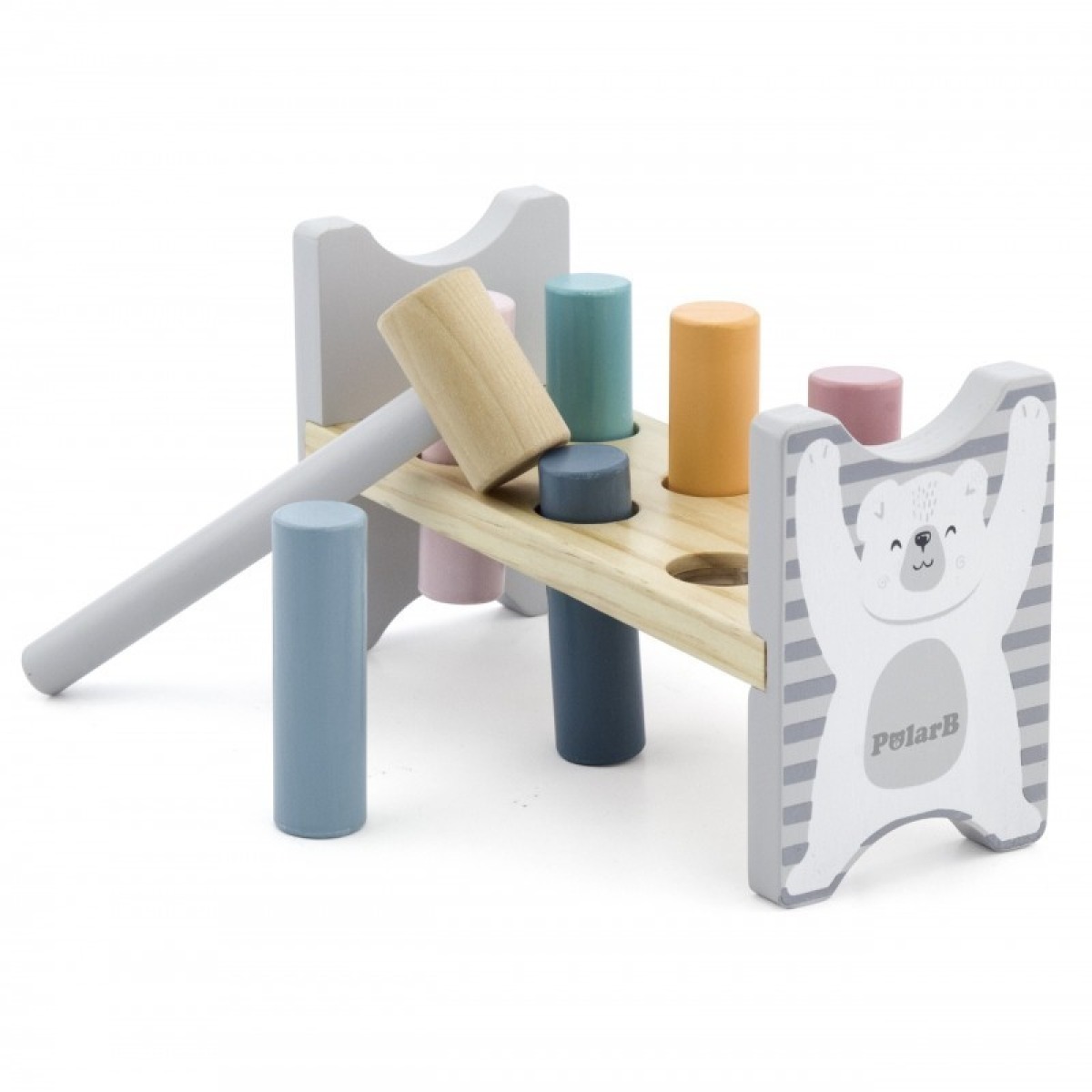
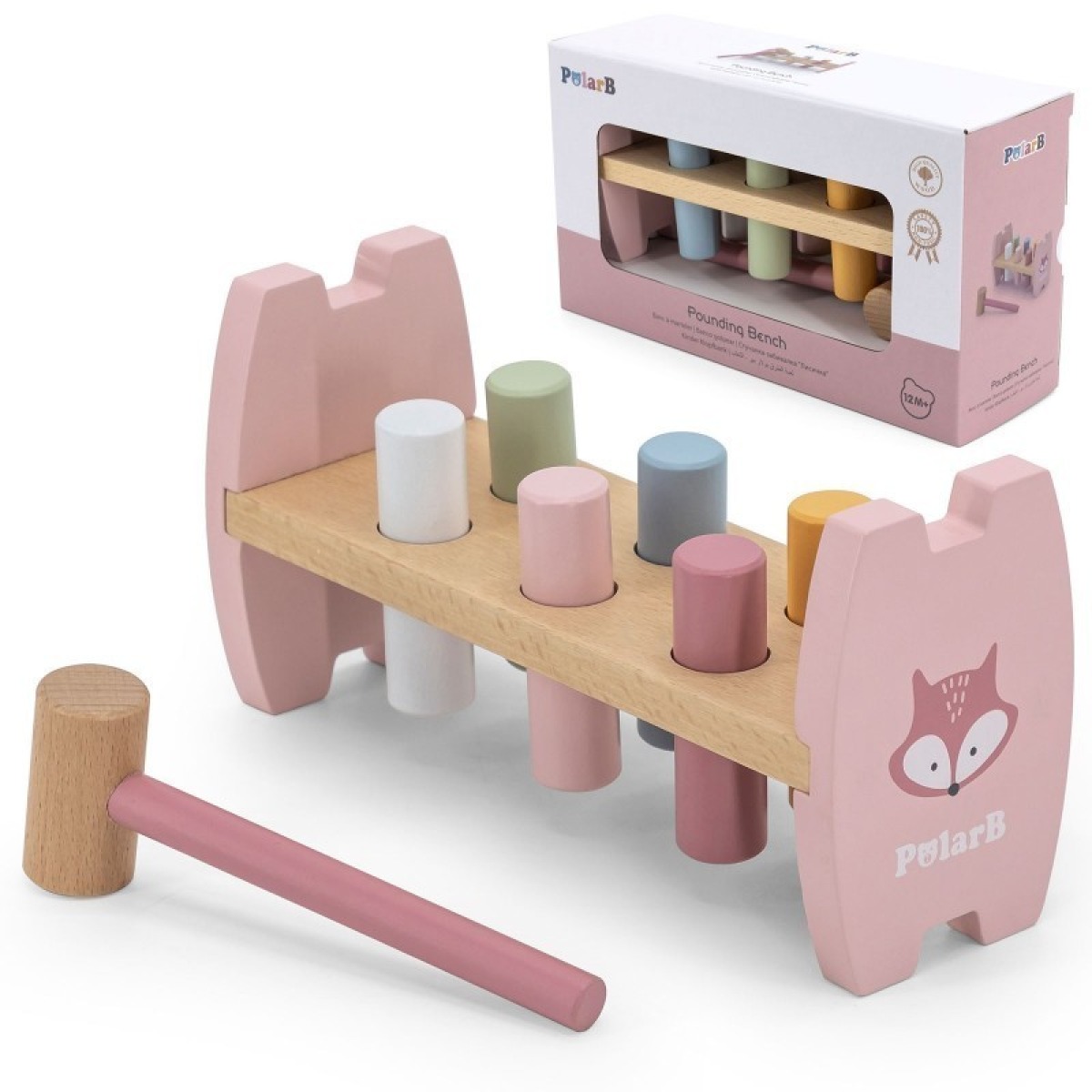
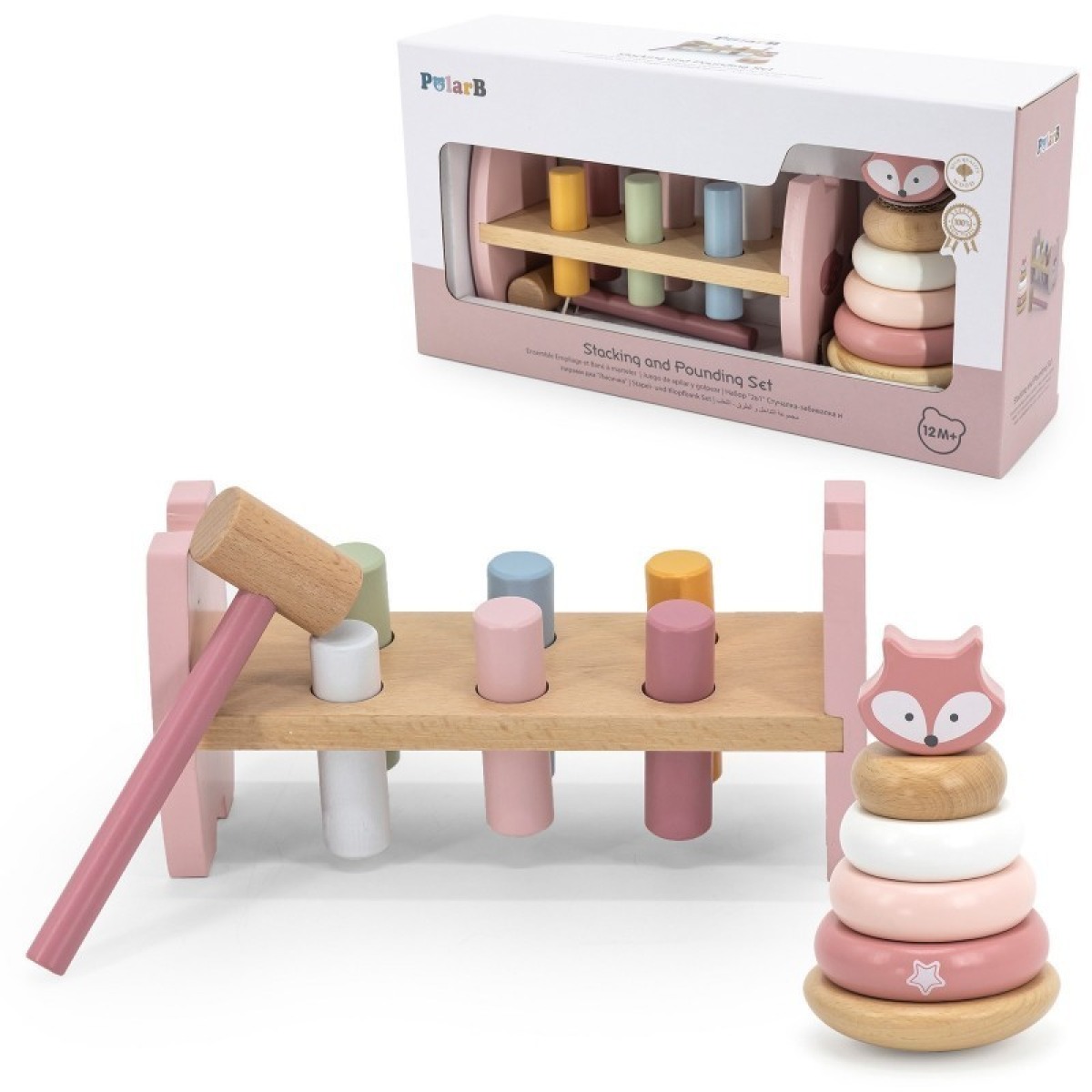
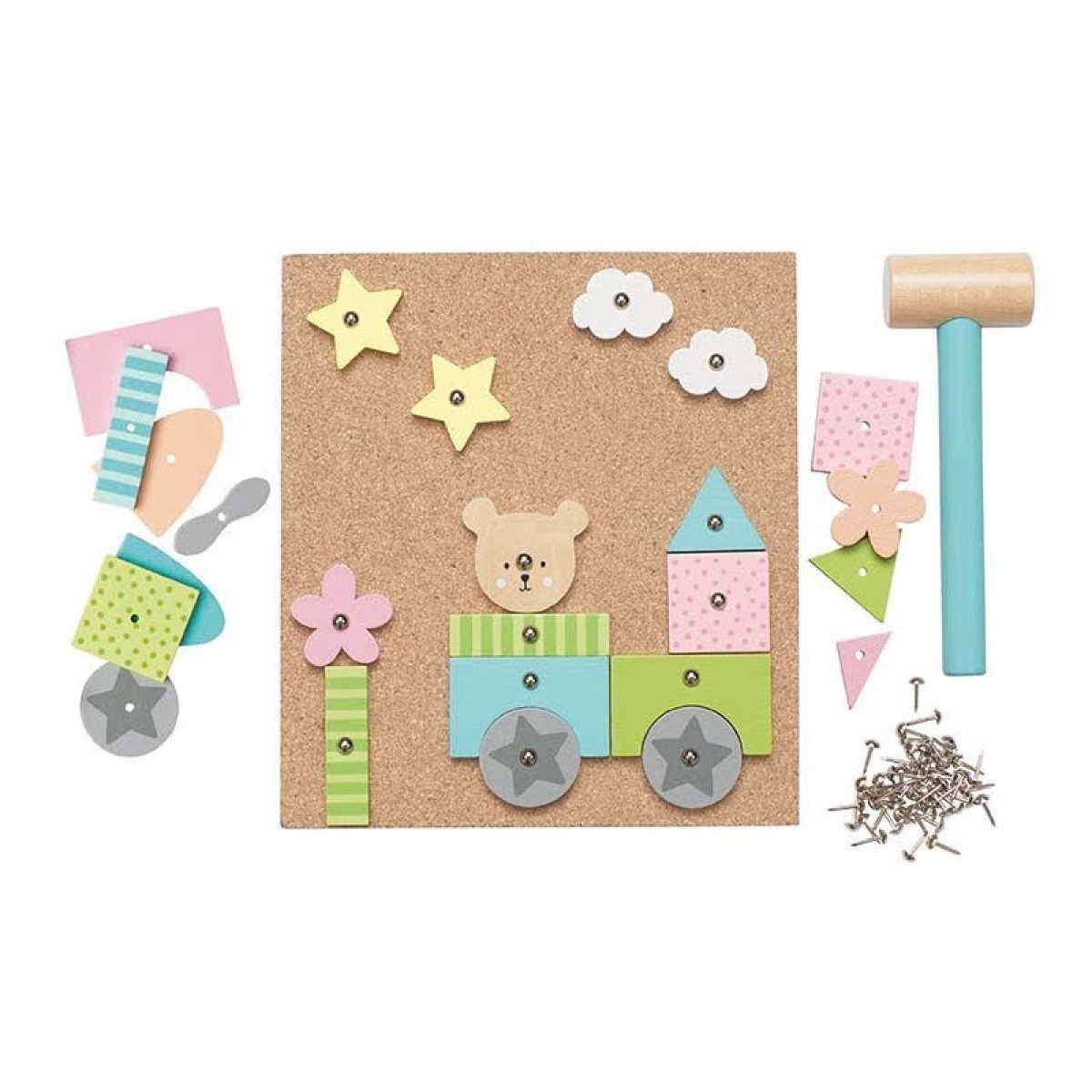
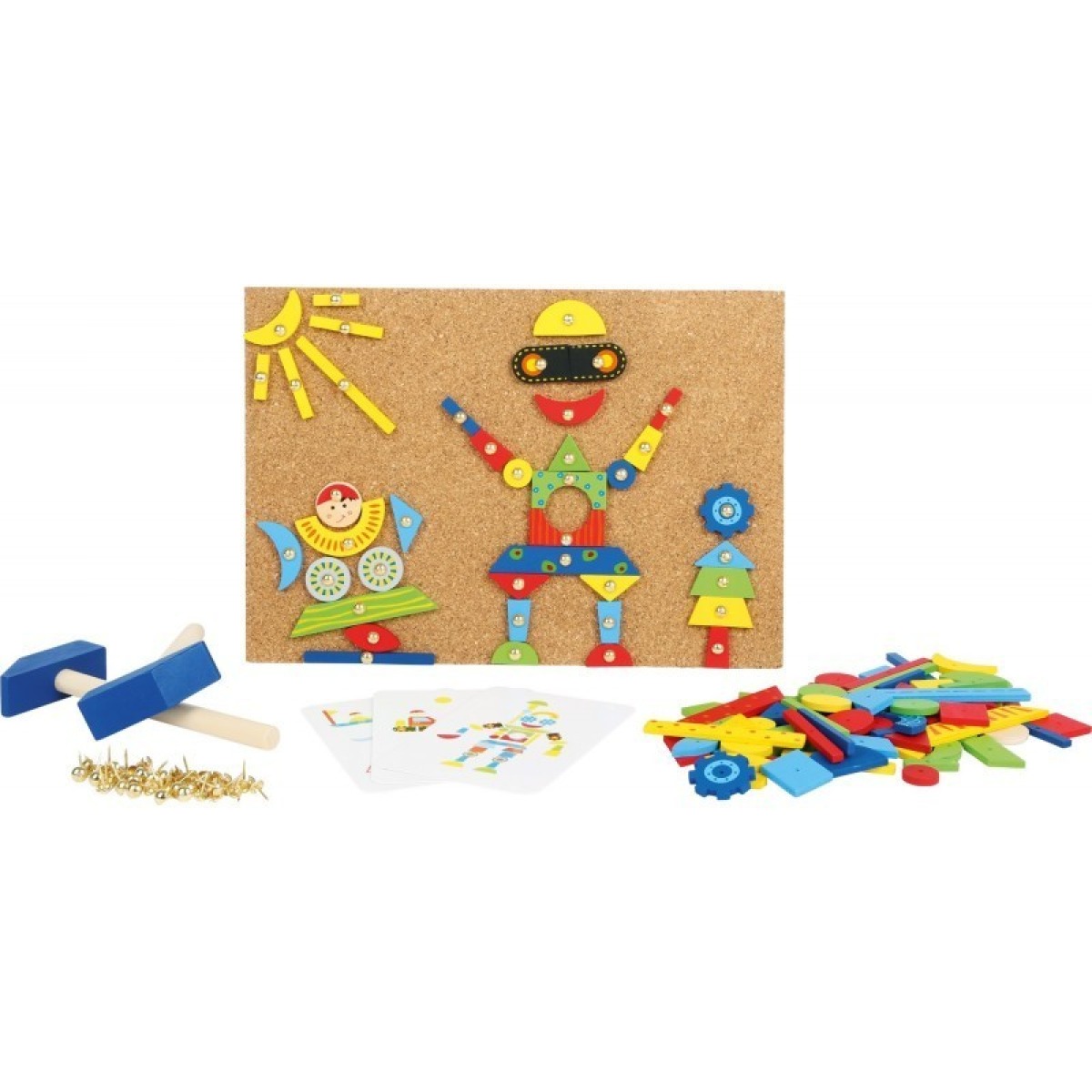
Wooden Hammer Toys are practical and safe toys for motor development, well suited to babies and toddlers and lovely for playing together at home. Hammering, placing nails in and taking them out, and fitting shapes support fine motor skills, hand-eye coordination and concentration. Most sets include a hammer, wooden piece(s) and nails or pieces used on a cork base, so children can get started as soon as their hands are steady enough. If you’re looking for toys for children that
are not just for looking at but for hands-on play, hammer toys are a natural choice for a child’s play routine. When choosing one, check that the set offers an appropriate level of challenge and that the number and size of the pieces suit the child’s age and grip strength. Many wooden hammer toys are made from FSC-certified materials and have a clear way of playing: the child hammers, pulls, places and creates patterns or paths (e.g. animals, landscapes, figures). This creates an active, role-play-like activity in which the child can complete the result themselves.
Wooden hammer toys are activity toys where the aim is not speed, but a precise grip and deliberate movement. The child learns to hold, aim and use the hammer correctly so that the nails or pieces move into the intended places. This supports fine motor skills, manual dexterity and hand-eye coordination, and is well suited to learning through play.
Many sets are designed to let children practise sequencing too: choosing shapes, following patterns or creating a picture from a template. Play can be short and rhythmic or a longer task, depending on how many pieces the set contains. This kind of activity supports calm play at home in the child’s room, where they can concentrate at their workbench.
The idea behind a hammer toy is simple: the child uses a wooden hammer (often with a cork base or stamps included) to hammer pieces into place. Some sets use the classic “tapping” principle, while others feature picture patterns and pieces in different shapes. For example, there are hammer toys with animal or themed designs, as well as sets that create an image or a composition built step by step.
Sets usually include the following elements, making play self-directed and hands-on:
Once the child has some experience, they can take on more of a challenge by following picture templates or completing a more complex pattern. This also develops decision-making and patience.
With wooden hammer toys, it is important that the activity is age-appropriate. The size of the pieces, the number of nails and the way the set is played with all affect how easily a child can control the hammer’s movement. Sets with larger pieces and shorter play sessions are generally better for younger children. Older toddlers can use sets with more pieces, multiple difficulty levels or a wide variety of shapes.
From a practical perspective, it is also worth considering the material and durability. Many wooden hammer toys are made from FSC-certified wood, which is suitable for parents who prefer thoughtfully designed, durable toys for the kids' room. The colours are usually soft and calming, making the activity visually reassuring.
To find a good hammer toy, check the following points:
Many wooden hammer toys are associated with the Montessori approach: children can start an activity independently, concentrate and create the “result” themselves. The strength of Montessori-style hammer toys lies in the process: children practise their movements, adjust their grip and gradually learn to aim. This development does not depend solely on external instructions, but is supported by the child's own repetition.
These activities are well suited to everyday life at home and to adding variety to children's playtime. A hammer toy can be part of a morning play routine, a calm indoor activity on a rainy day or a short break after playing with other kids' toys. If you want your child's room to be put to meaningful use, hammer toys provide a specific activity and help children focus on developmental play.
For wooden hammer toys, it is worth following a simple care routine: keep the set dry, clean it with a soft, dry cloth when needed and avoid excessive moisture unless the manufacturer states otherwise. If the toy has smaller pieces, a storage box or proper storage is useful to prevent them from getting lost.
Before using a new set, it is a good idea to check that all the pieces are present and that the base is stable. At the start of play, an adult can demonstrate how to aim the hammer and place the pieces, but the aim is for the child to repeat the activity independently. This makes a wooden hammer toy a consistent and developmental activity at home.
MIU Kids
A quiet word about cookies
Necessary cookies are already on, so your basket and checkout can work. Analytics cookies stay off until you accept. Until then Google may receive a cookieless visit signal so we can count visits. It is not used for advertising. Accept all cookies, or keep only the necessary ones. Both are one click. We remember your choice for six months, and you can change it at the bottom of the page. Privacy notice
Analytics cookies wait for a yes
MIU Kids
Choose what stays on
Necessary
Always on. These keep the basket, checkout and the shop secure.
Analytics
No analytics cookie until you accept. A cookieless visit signal may still be sent. If you accept, Google Analytics shows which pages are used. It does not build advertising profiles.