
- New
In stock · 1–3 business days1–3 business days
About the collection
Play is a child's most important way to learn. Educational toys support the development of the senses, hand skills and thinking from baby days to school age. In this collection you'll find learning games, puzzles, motor-skill...
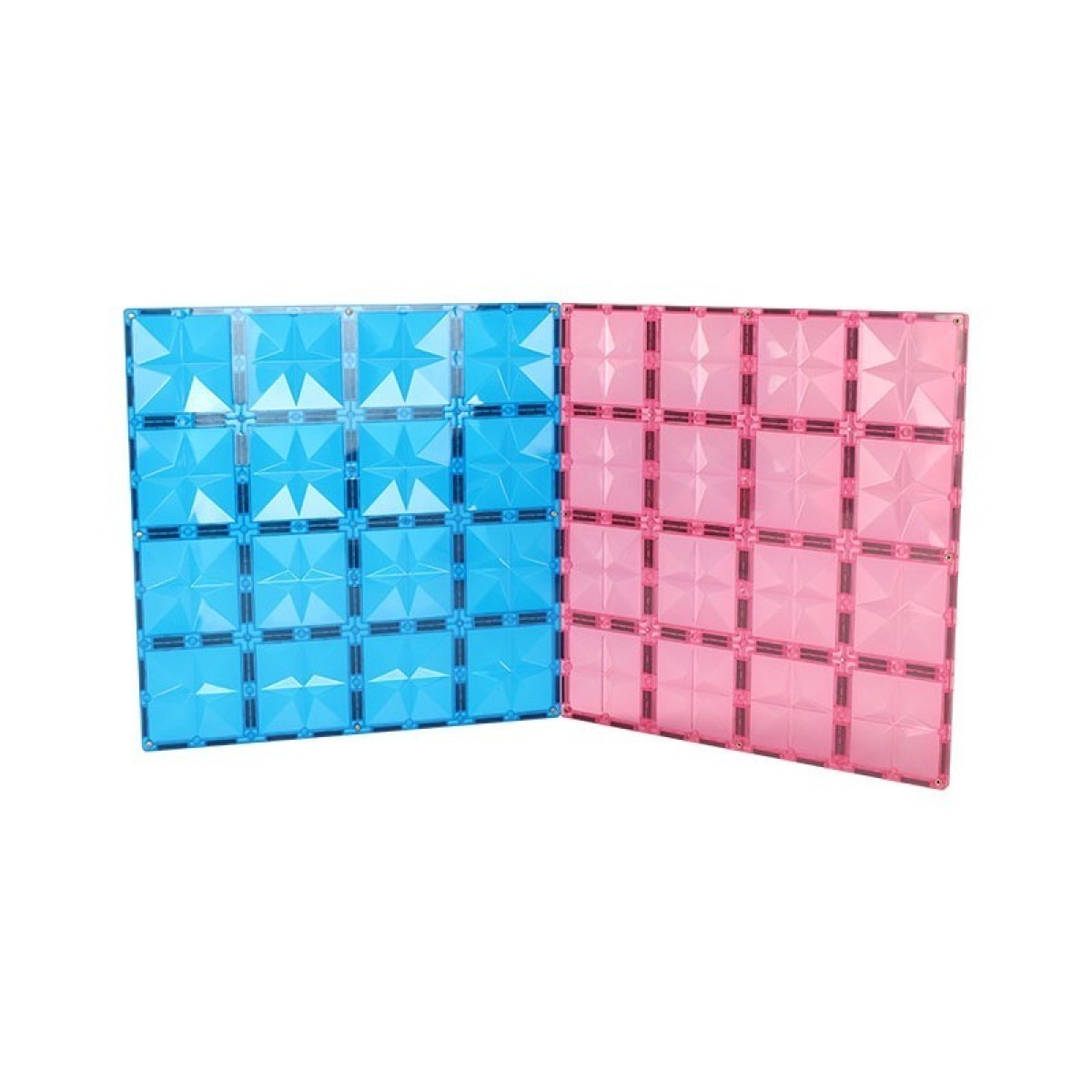
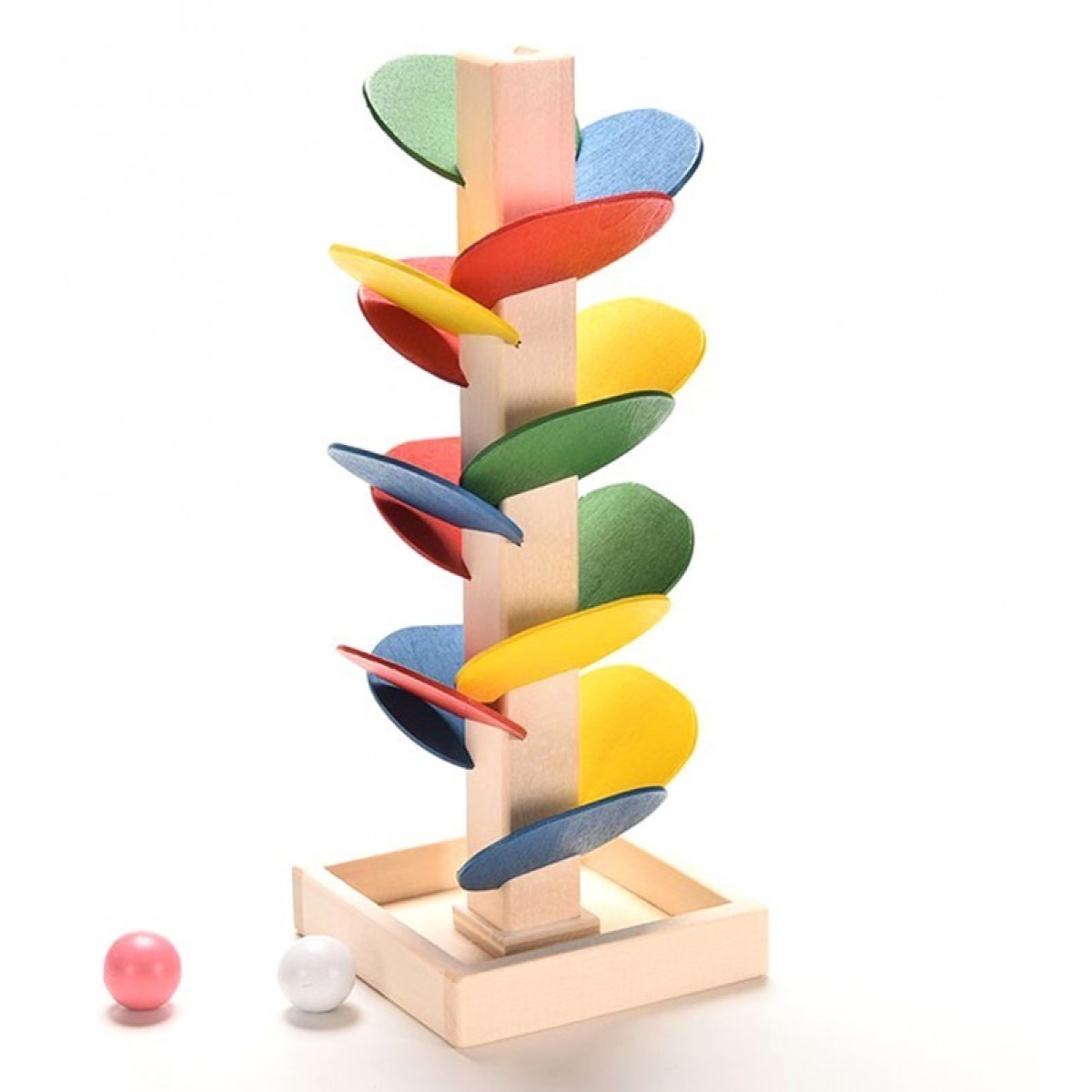
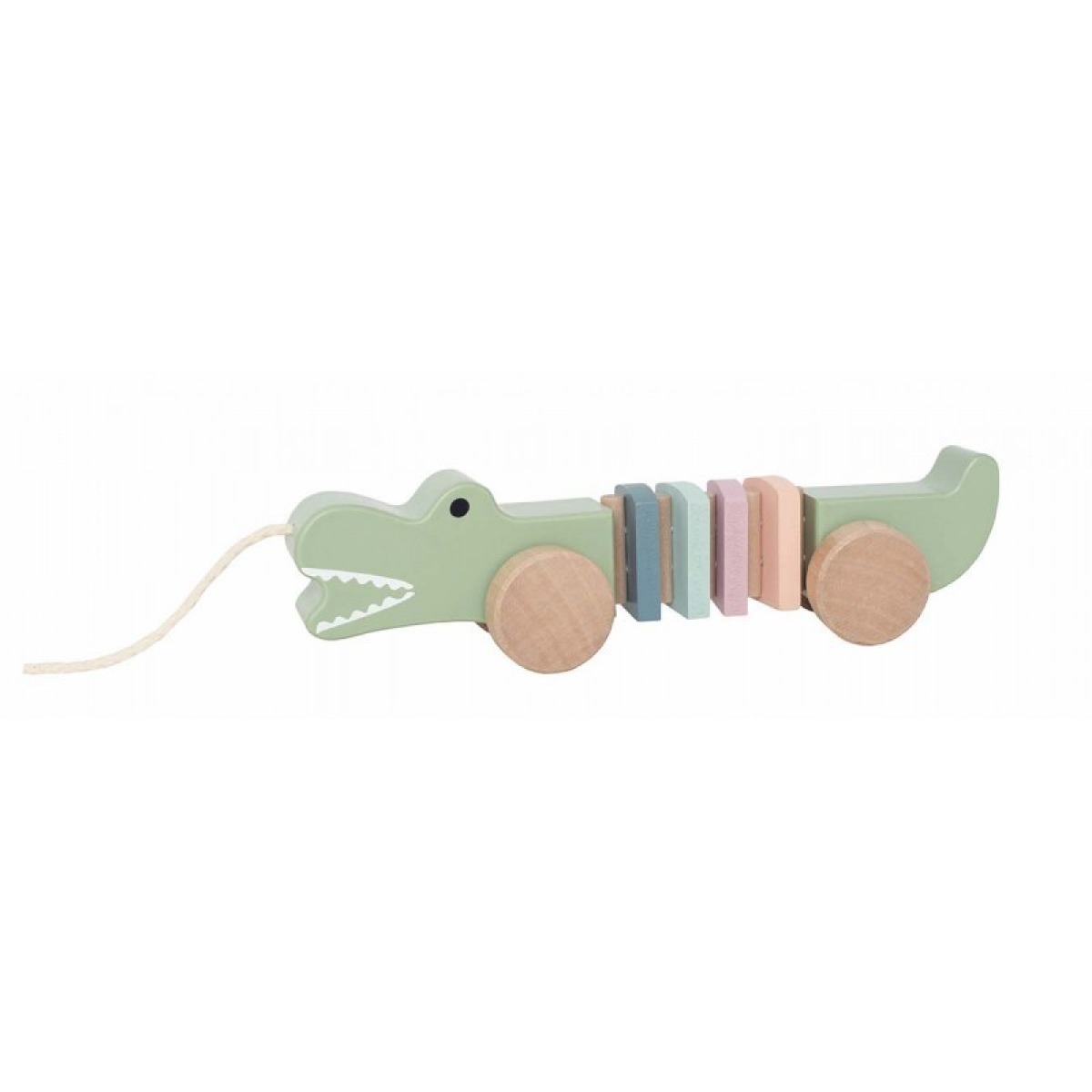
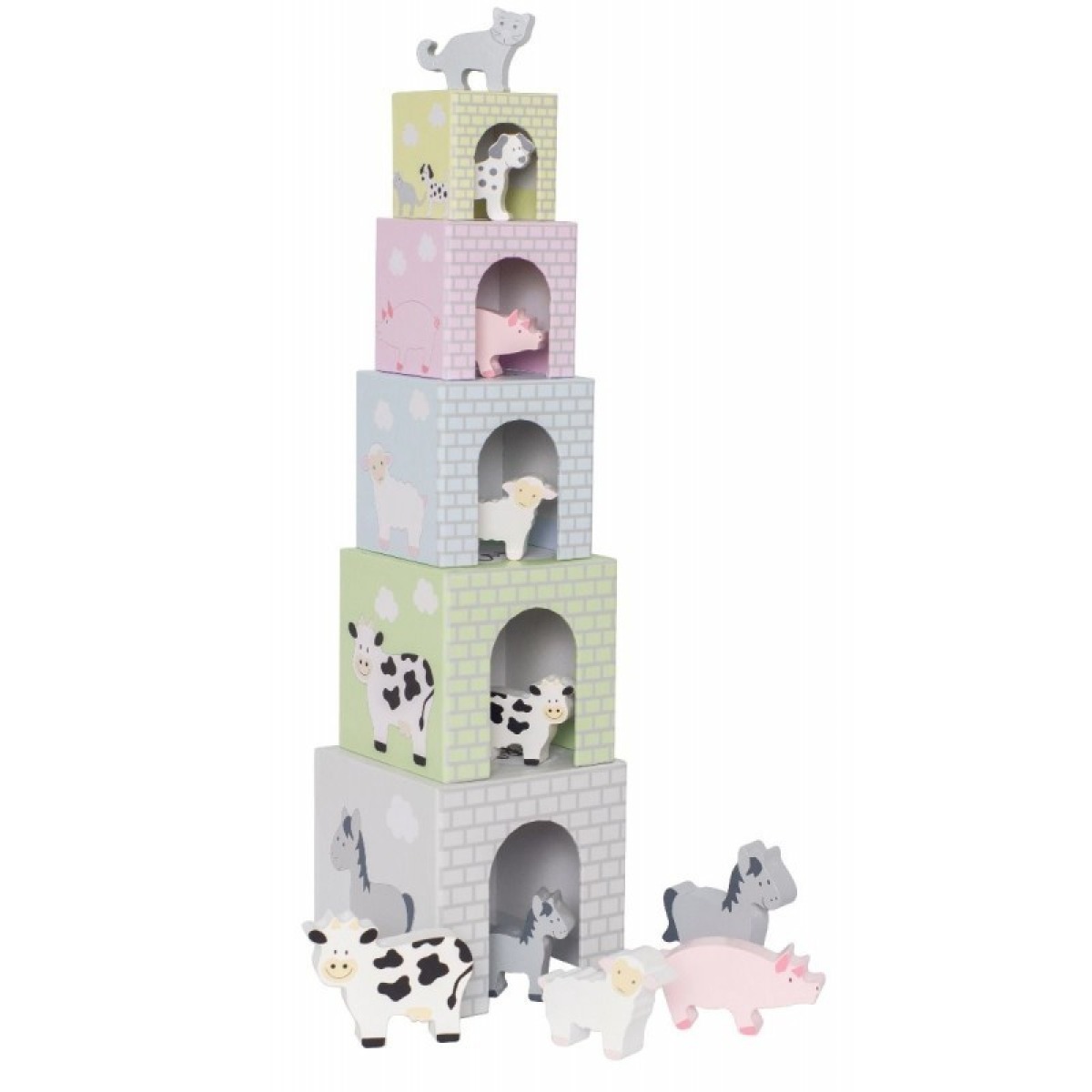
Category guide
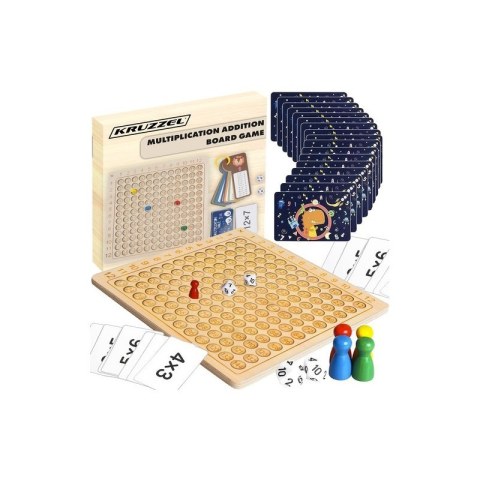
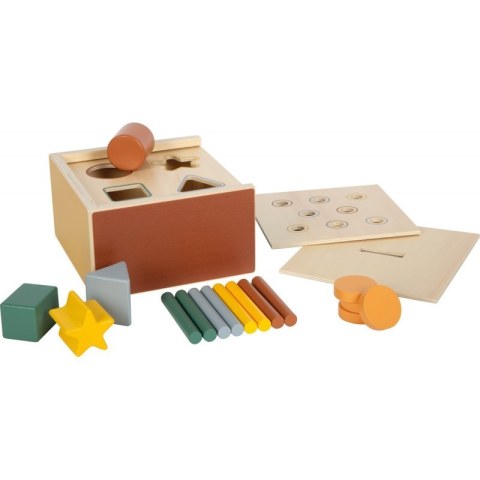
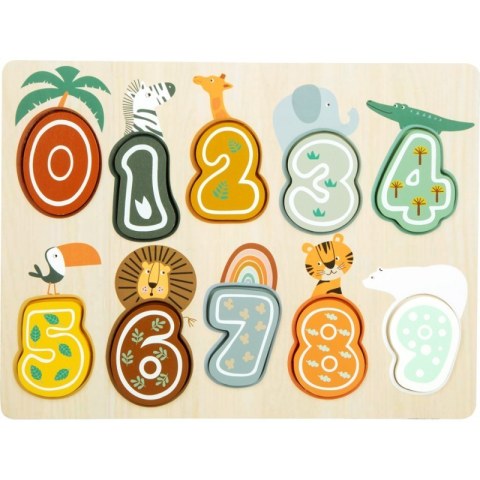
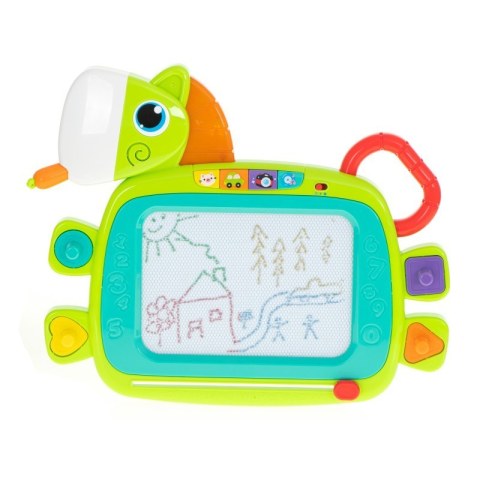
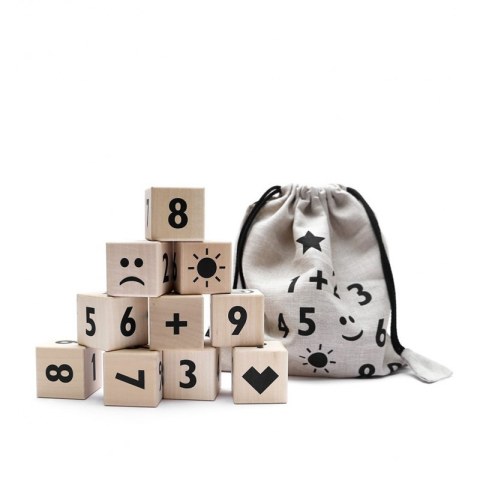
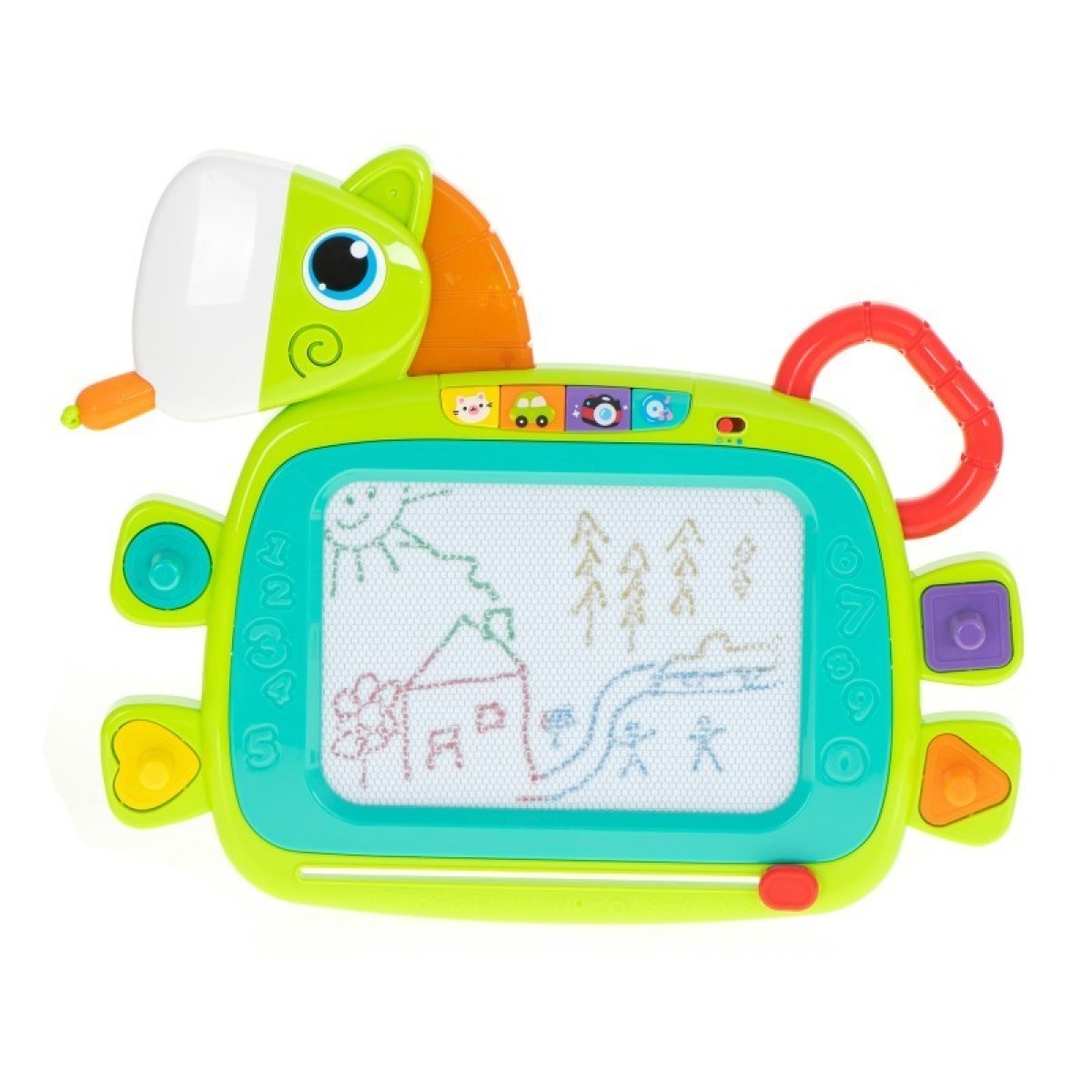
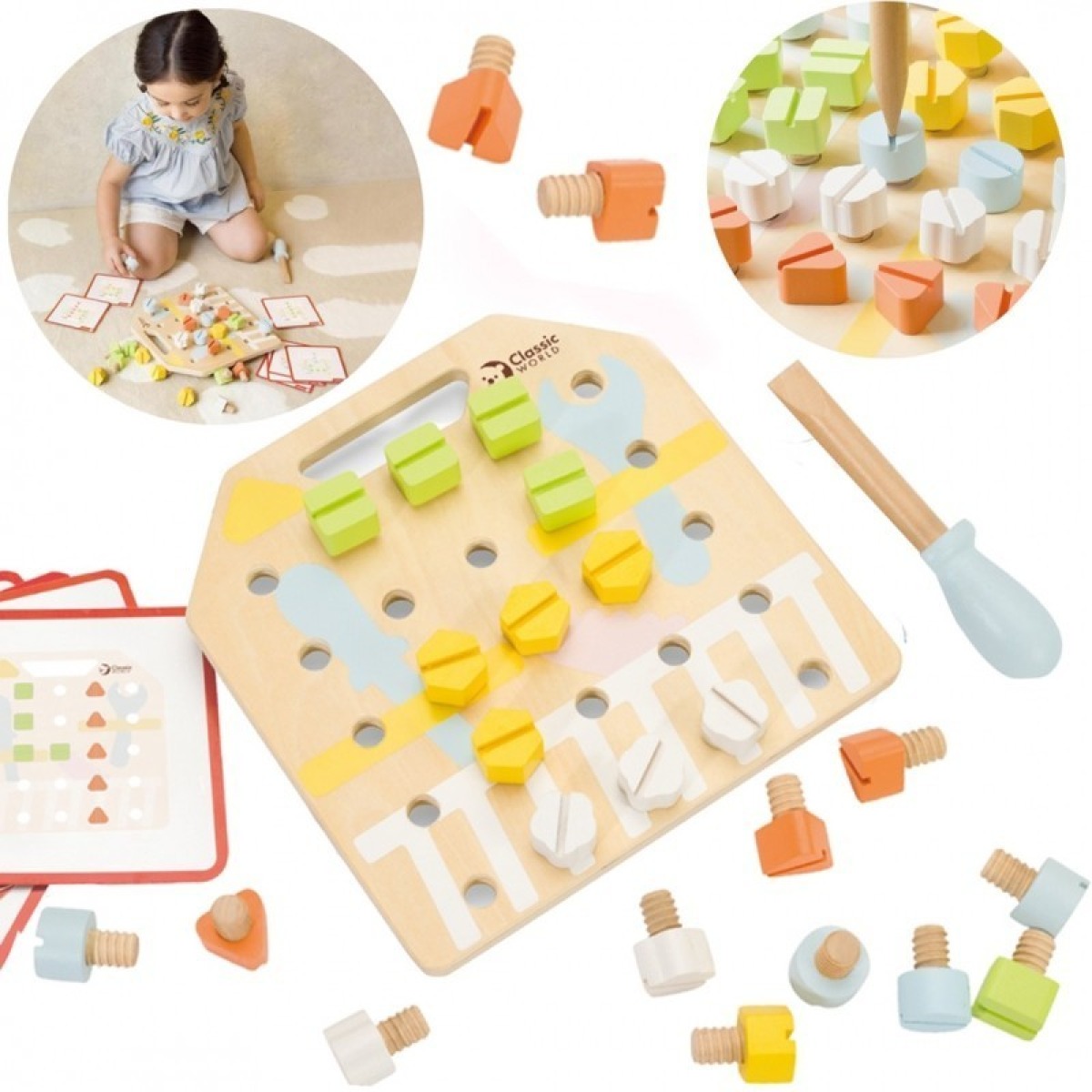
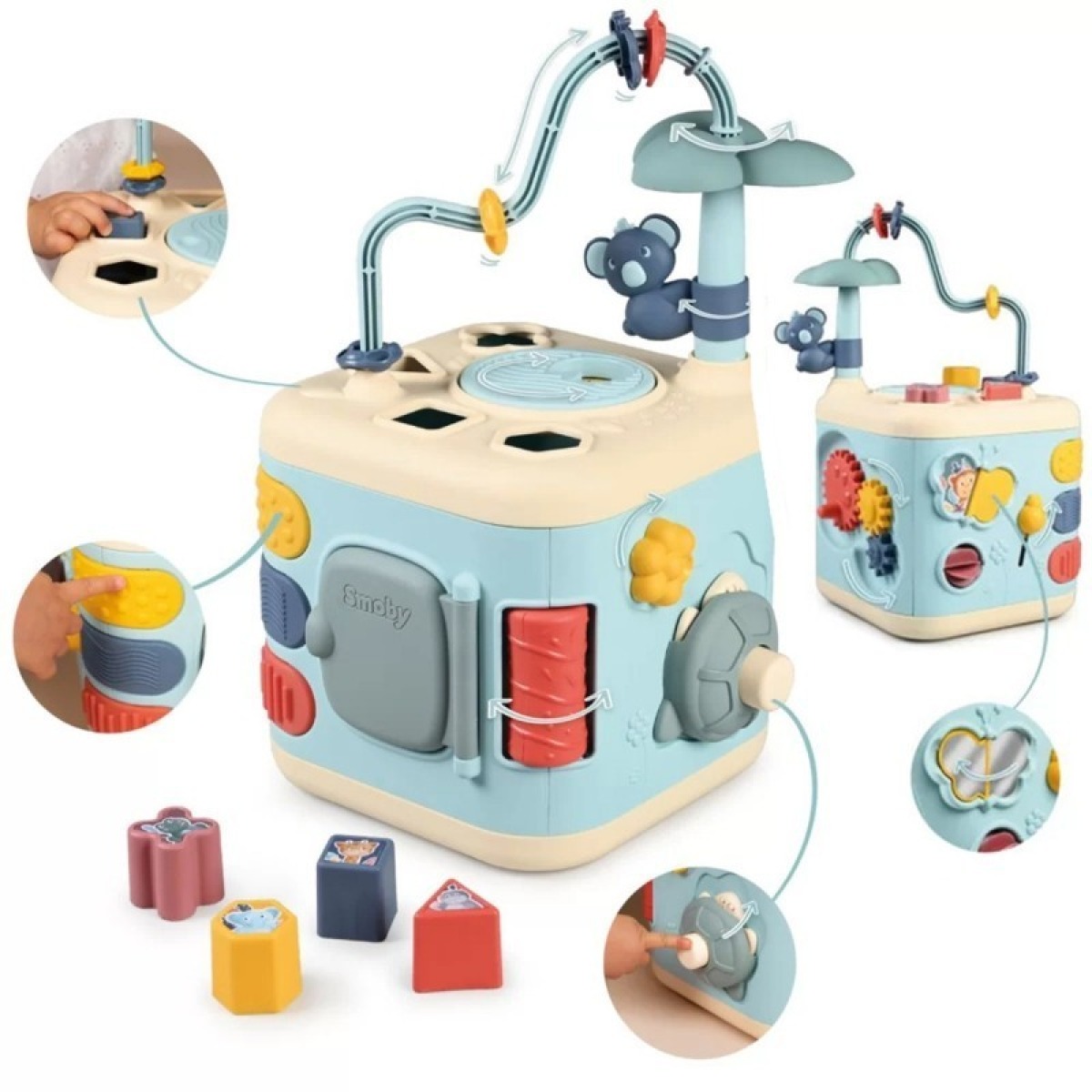
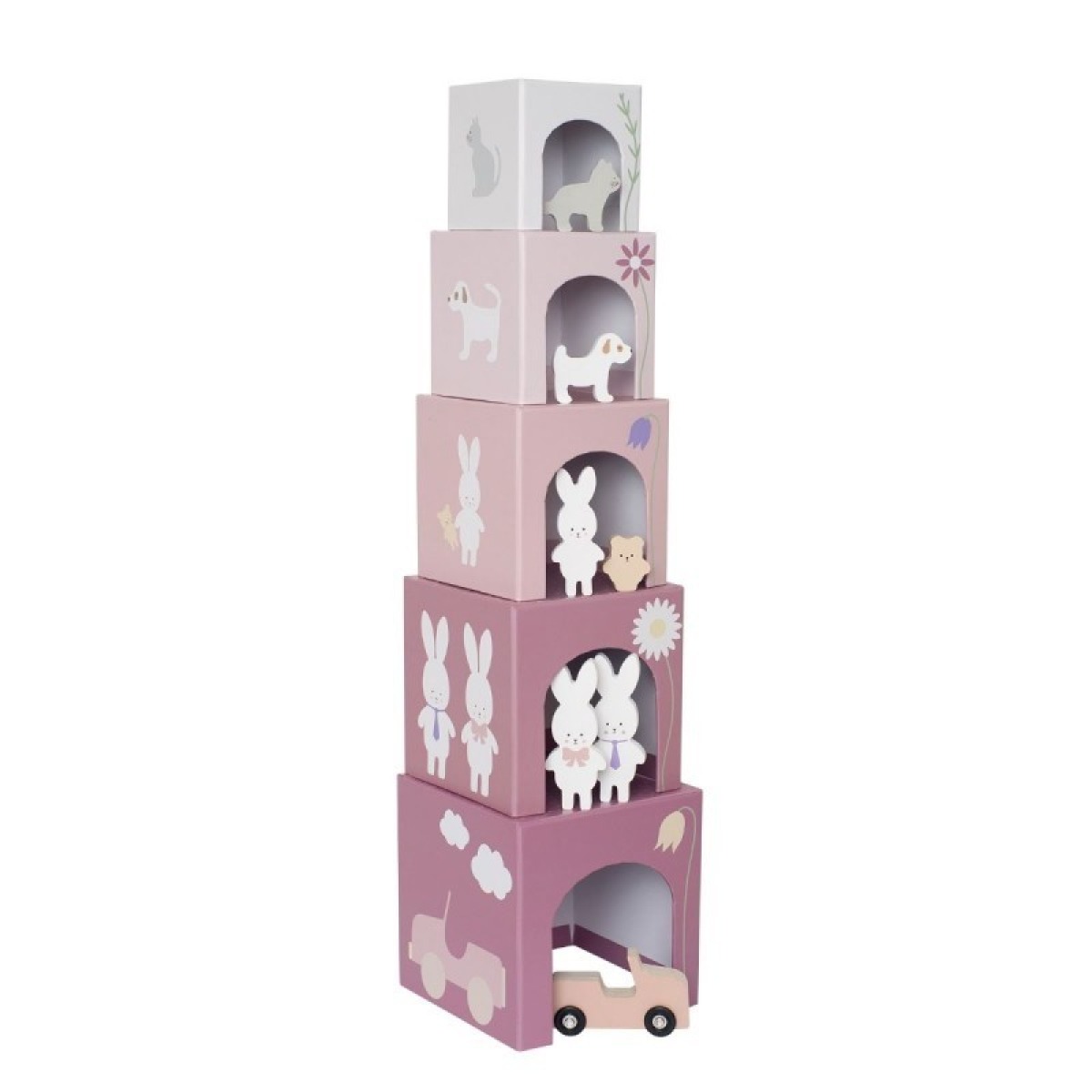
Educational games for children help support development through activities that are both playful and purposeful. In this category you'll find developmental toys for babies, toddlers and school-age children – for example through sensory, hands-on and cognitive learning. Educational games are used at home and in the kids' room to practise attention, logical thinking, and recognising colours, numbers and counting
. Key selection criteria are the right age level, the length of the activity, the material (wood or other safe materials) and whether the game develops fine motor skills and concentration. If you're looking for educational games for children that suit both independent play and doing things together, here you'll find activities for practising shapes, logic, counting, art and a range of motor skills.
Educational games for children are not just a pastime. They have clear learning content: the child practises new skills through an activity that motivates them to repeat and try again. Many sets support several areas of development at once – for example manual skills, attention and thinking through logical steps.
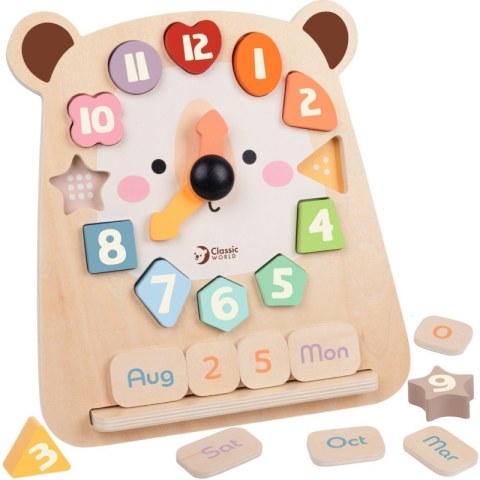
For toddlers, the focus is often on fine motor skills and perception: shape, colour, pattern, sequence. Games suitable for babies are usually sensory in nature or have simple logic. For older children, puzzles, logic games and number-based activities provide something to work on.
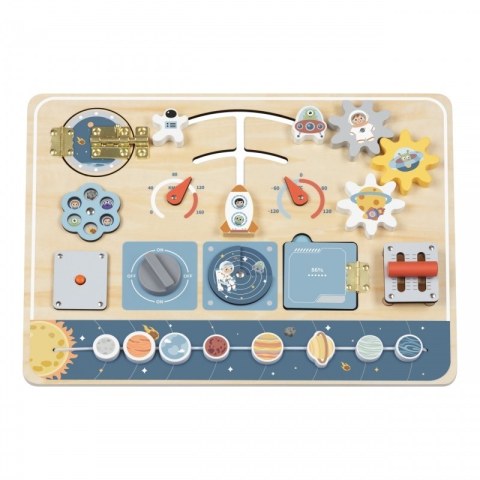
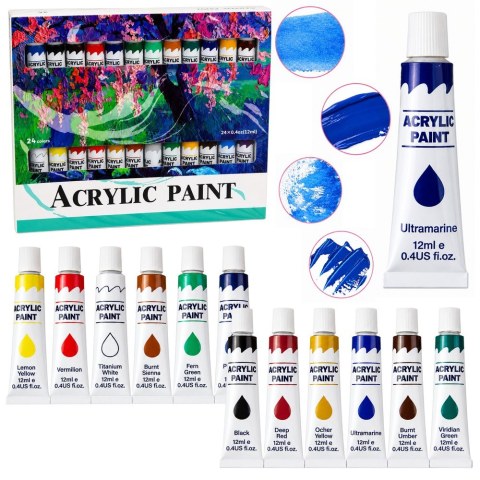
When choosing educational games, it's useful to look at which skill the child needs right now. The recurring themes in this category make the choice easier: shapes and colours, numbers and counting, logic and motor skills. There are also art supplies and activity boards that support creativity and concentration.
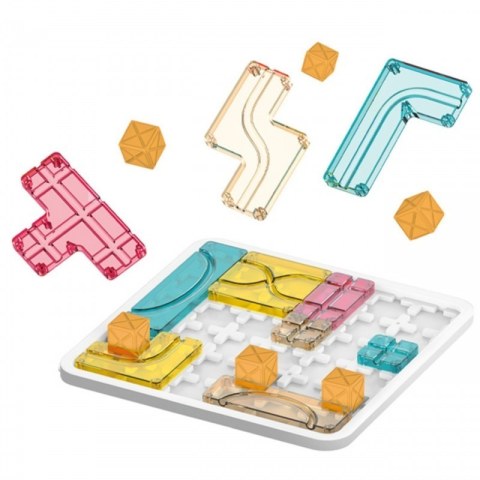
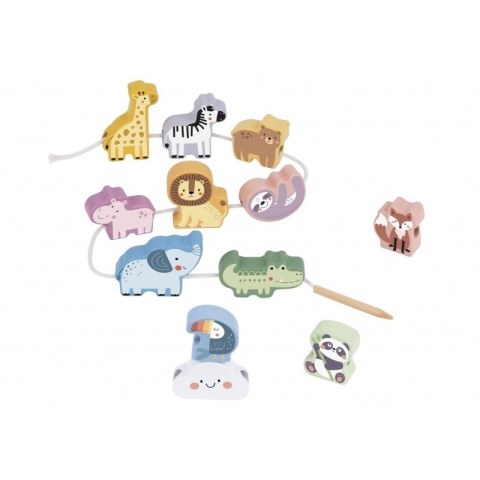
A practical way to assess suitability is to think about how the child plays: do they sort and match, create patterns, solve tasks or use hands-on activities (lacing, blocks, connecting pieces)? These approaches also help children practise consistently at home.
With educational games, both the material and how easy it is to start the activity matter. Wooden games often give a stable and pleasant feel, but different activities may suit different ages. It's important that the child has enough control to complete the activity: the pieces should be a size that suits little hands.
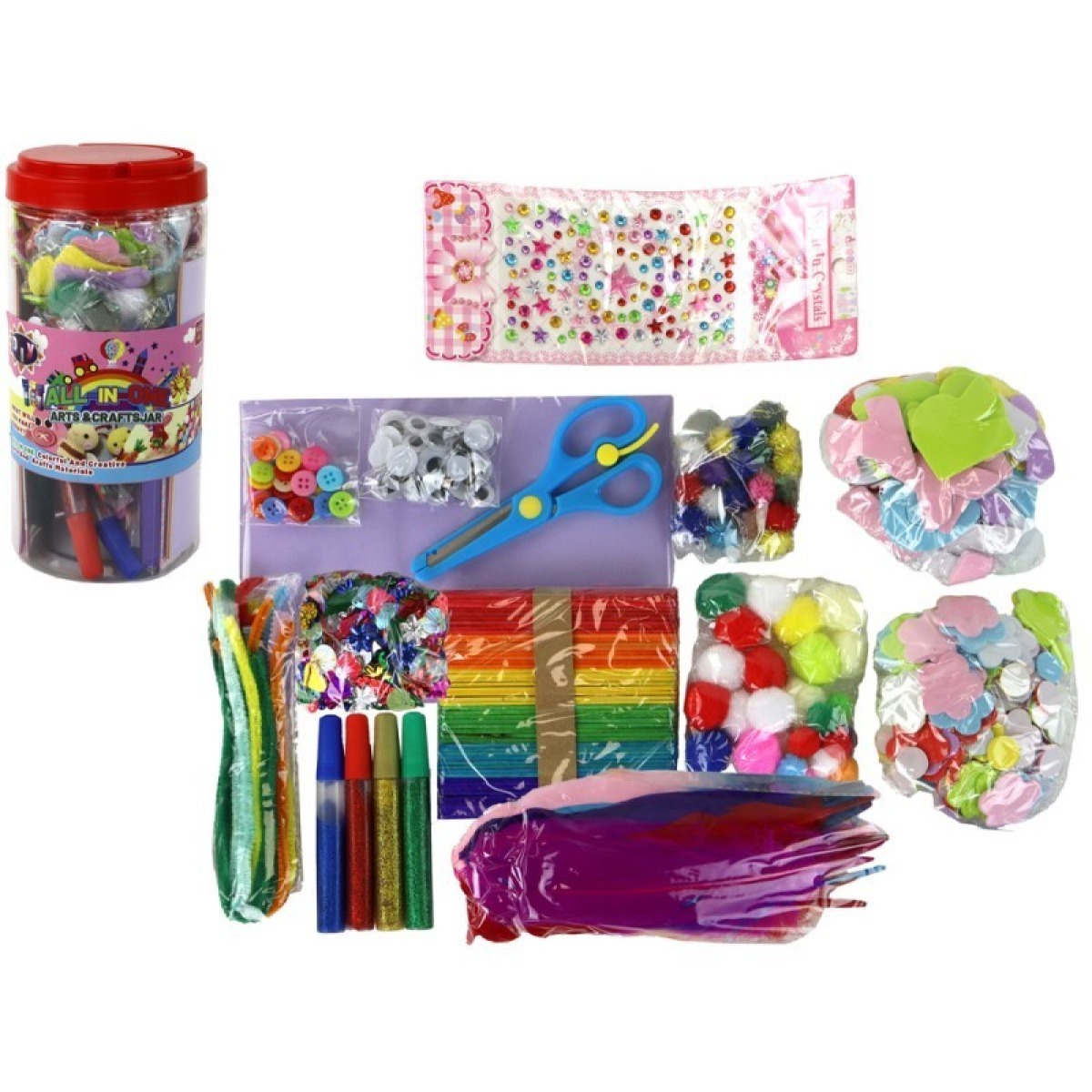
It's also worth thinking about tidiness. Many wooden and board games are suitable for everyday use, while art supplies and drawing activities need sensible preparation. When a child practises counting or lacing, it's good to make sure the parts of the set are clearly identifiable for use and safe.
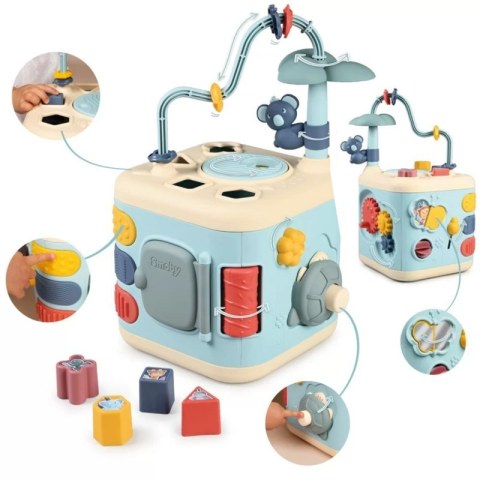
The kids' room is a place for learning and play, where educational games give activities structure. Activity boards for children and learning boards, for example, help keep attention on a specific task during the day. Activities with shapes, numbers and counting fit well into the routine: short sessions before bedtime or after coming home from nursery.
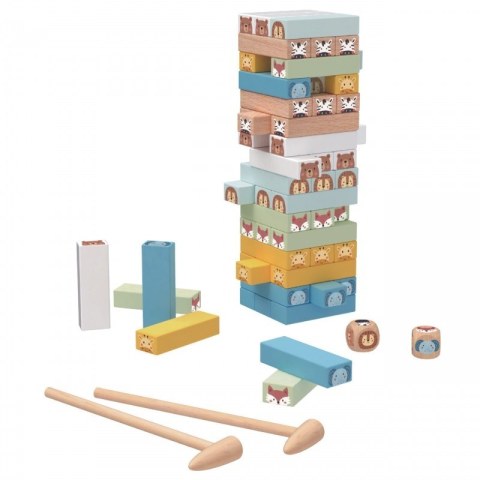
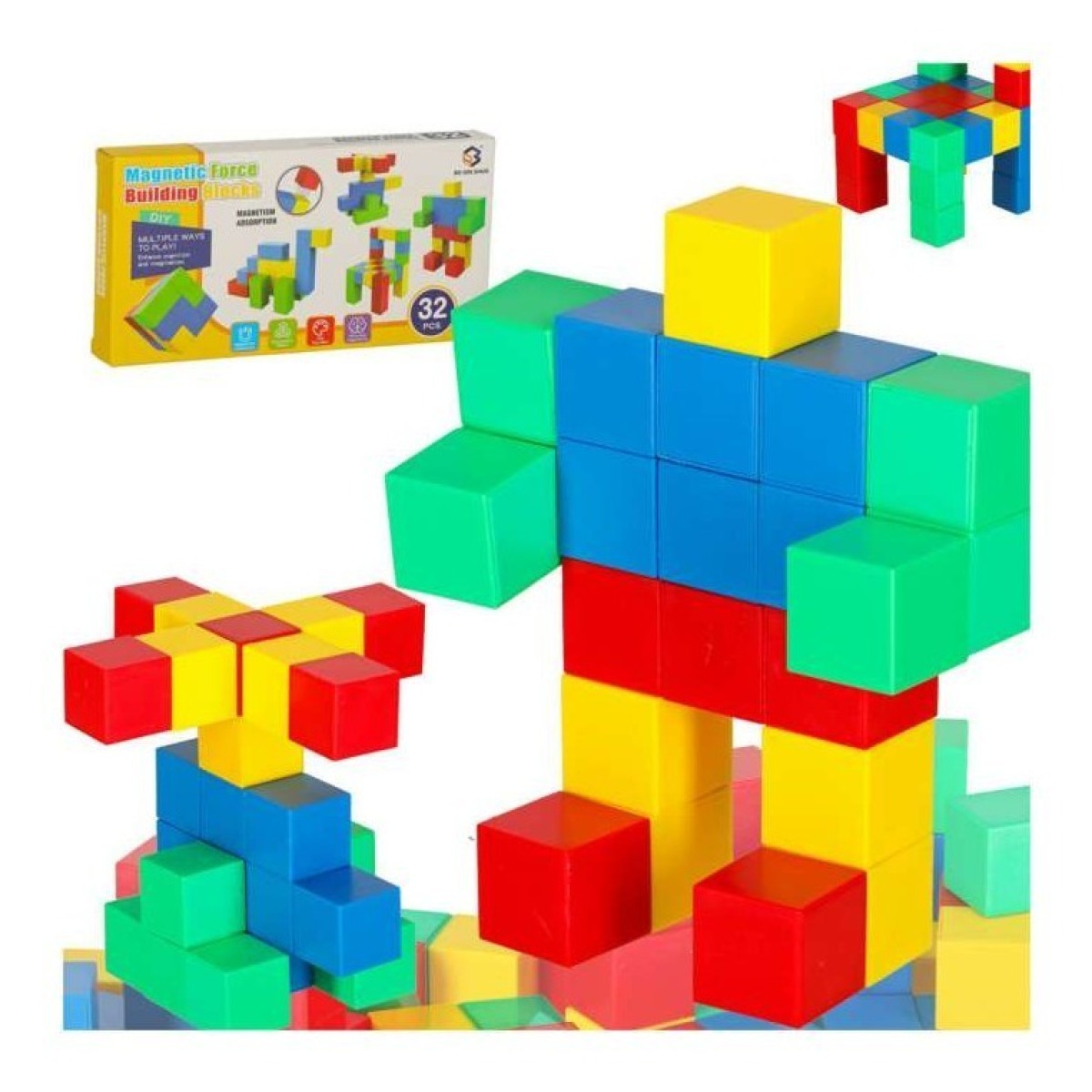
If you want variety as well as development, a selection of different types of activity helps: puzzles, logic games, blocks and other hands-on activities. Lacing games, sorting activities and toy blocks help practise grip, hand-eye coordination and persistence.
For a practical choice, it's also good to take the child's interests into account. Educational games themed around animals, traffic, letters and theme books often provide better motivation for repetition and make development a natural part of play.
MIU Kids
A quiet word about cookies
Necessary cookies are already on, so your basket and checkout can work. Analytics cookies stay off until you accept. Until then Google may receive a cookieless visit signal so we can count visits. It is not used for advertising. Accept all cookies, or keep only the necessary ones. Both are one click. We remember your choice for six months, and you can change it at the bottom of the page. Privacy notice
Analytics cookies wait for a yes
MIU Kids
Choose what stays on
Necessary
Always on. These keep the basket, checkout and the shop secure.
Analytics
No analytics cookie until you accept. A cookieless visit signal may still be sent. If you accept, Google Analytics shows which pages are used. It does not build advertising profiles.