
- New
In stock · 1–3 business days1–3 business days
About the collection
Wooden toys are timeless playmates that feel warm in the hand and last year after year. They develop hand–eye coordination, fine motor skills and problem-solving from baby days to the early school years. Choose toys made from...
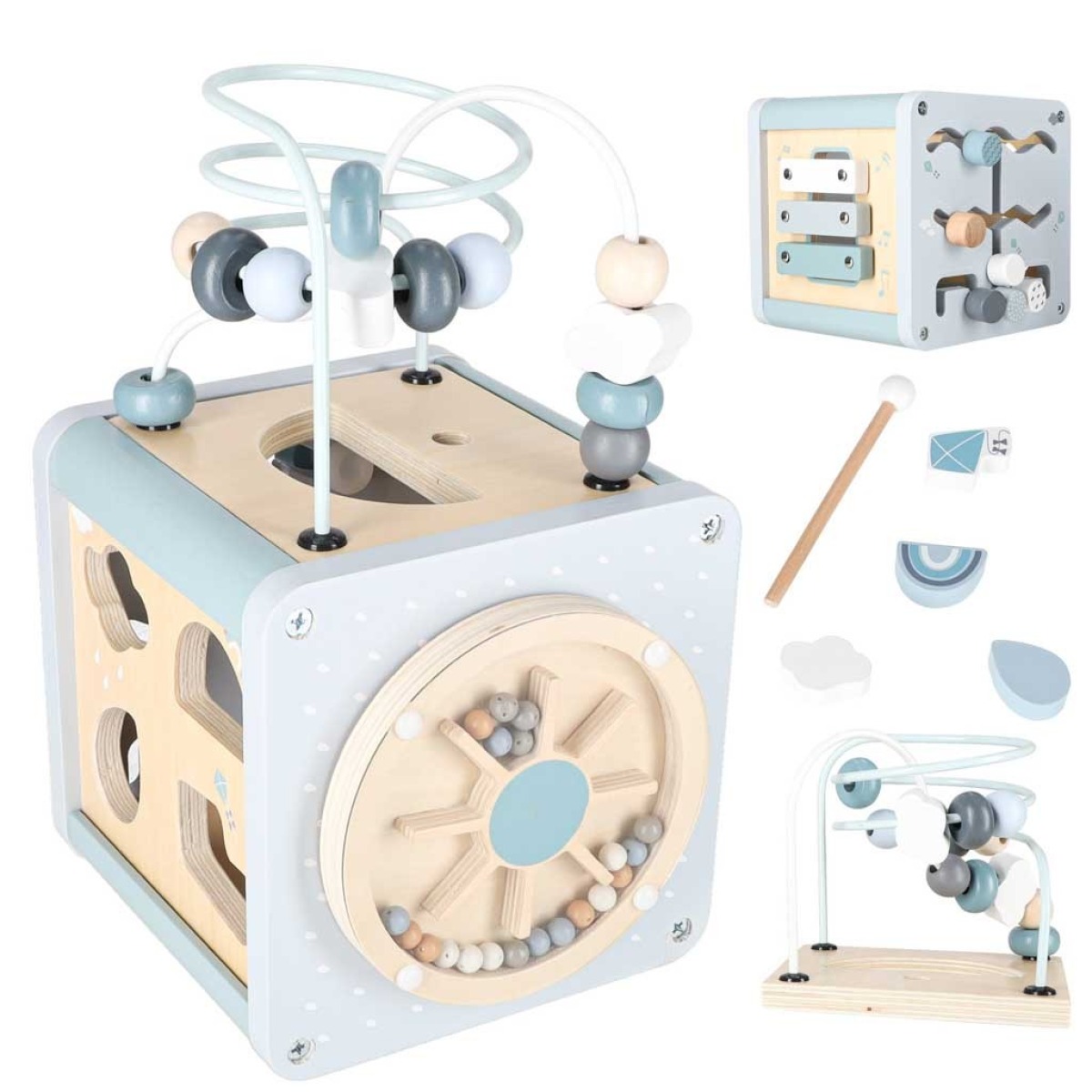
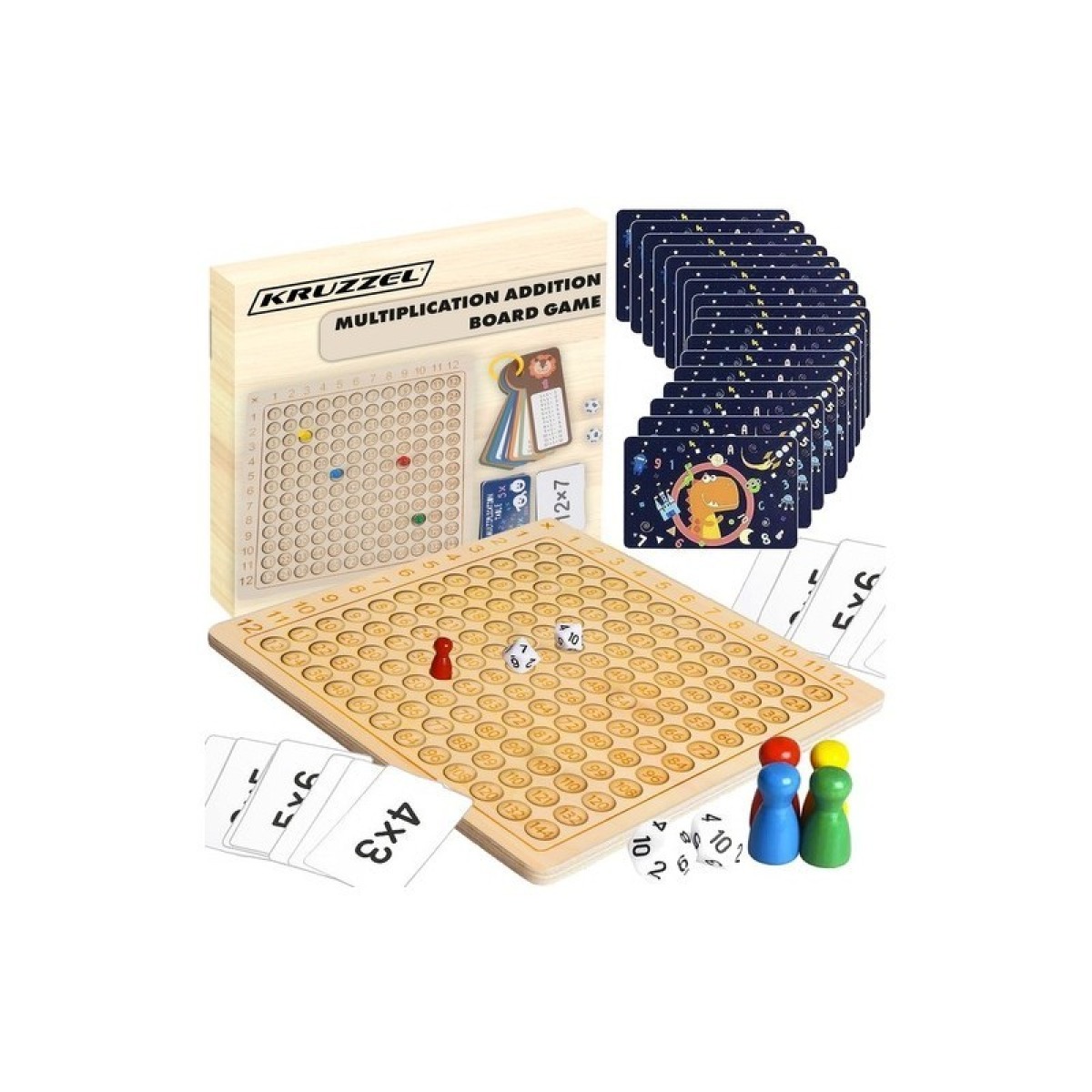
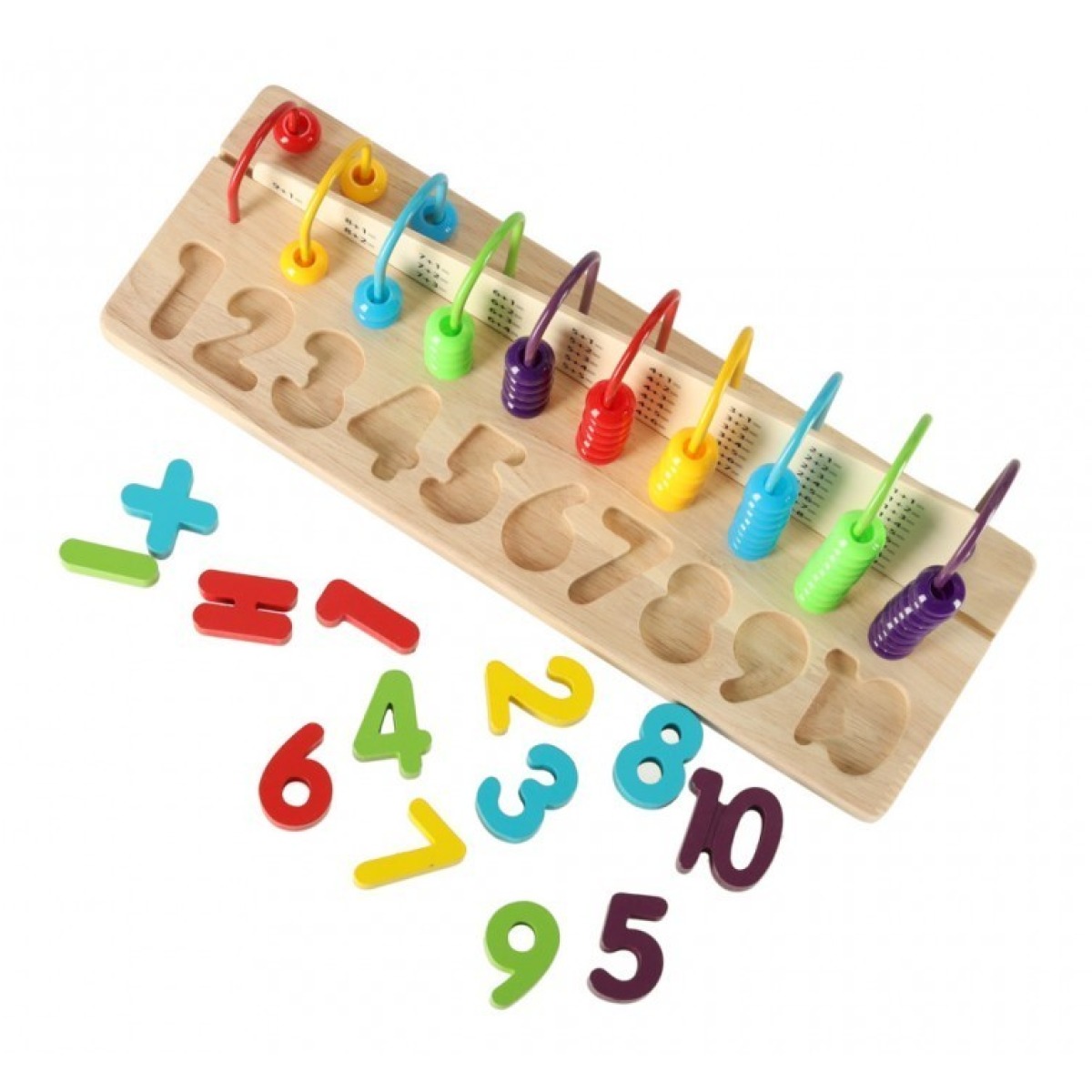
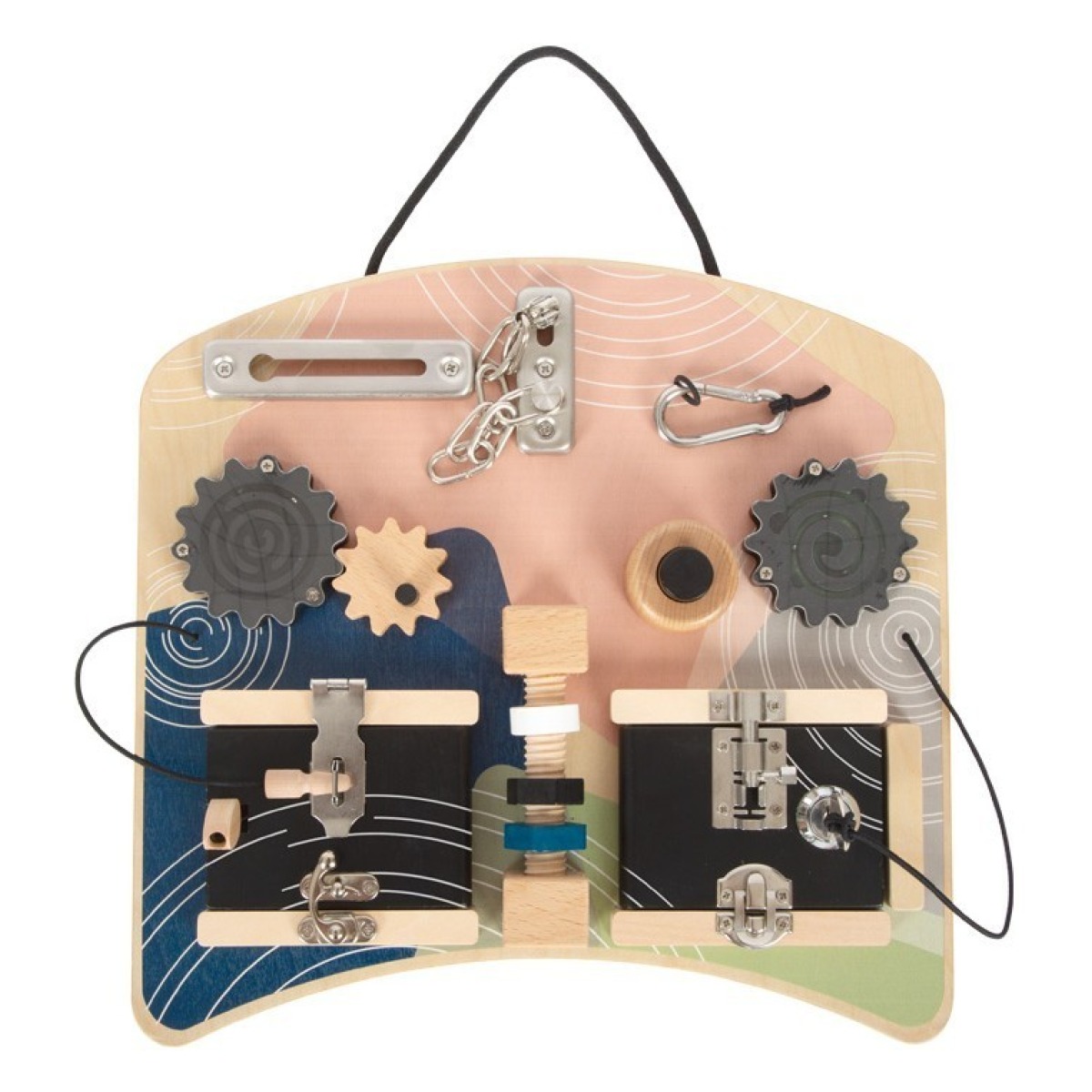
Category guide
Wooden toys are part of everyday play and development for many children – from babies and toddlers to preschoolers and the early school years. This kind of play supports hands-on activity, hand-eye coordination and logical thinking. At home in the playroom, wooden toys are often used both for calm role play and for more active play, as activities can be chosen to suit what the child wants. It is important to pay attention to the material and the safety of play: wooden toys often have a pleasant feel
and are well suited to everyday use. Babies and toddlers especially enjoy games with a simple grip and manageable content that help develop motor skills. Preschoolers benefit more from activities where they can try, match and look for solutions themselves – for example educational games, puzzles, construction sets and activity boards. Wooden toys are also practical because they suit the home, stay tidy and are easy to bring into everyday life.
Wooden toys have a special place in children's play world, because they invite action and create the opportunity for repeated experiments. When a child can grasp, match, push, turn or solve puzzles while playing, both manual dexterity and attention develop. At home, wooden toys are often used when organising the playroom and to support a steady play routine, where the activity moves at a safe, manageable and clear pace.
The purpose of play also changes with age: babies and toddlers need simple handling and play that calms the senses. For preschoolers and children starting school, challenges involving trying things out themselves are important – where the child can put things in place, learn new rules and notice their own progress. That is exactly why wooden toys are ideal both for educational play and for practical role play, where the child's imagination can get to work.
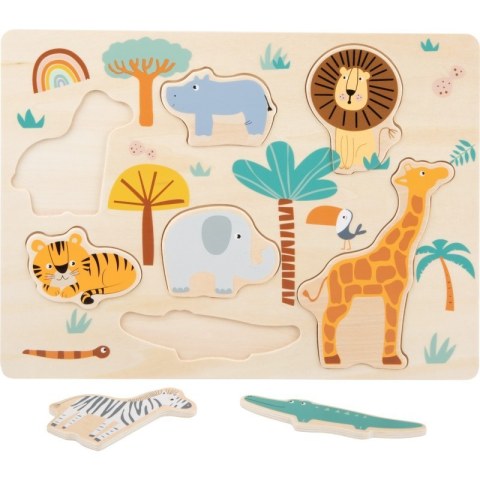
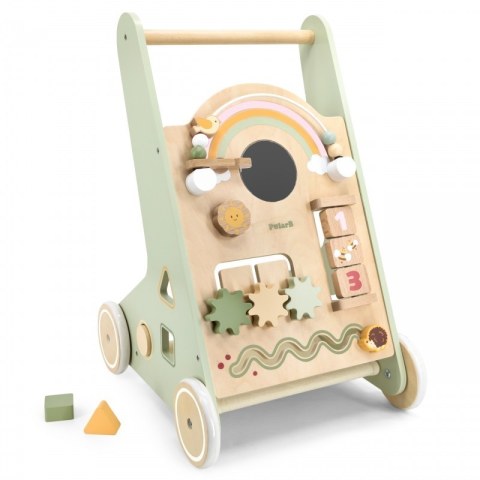
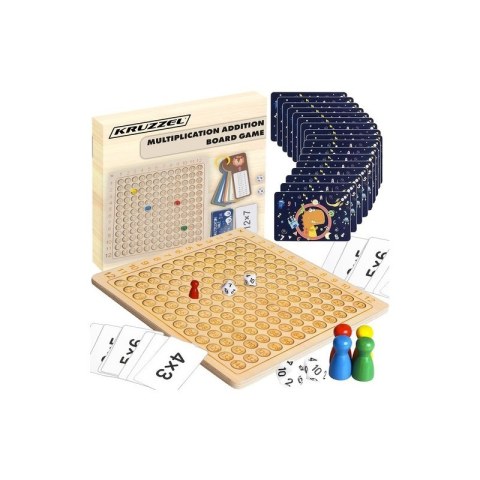
The value of wooden toys lies in how they combine play and development so the activity stays understandable for the child. Hand-eye coordination grows stronger when a child has to match pieces by grip, position and direction. Logical thinking can be practised through educational games, puzzles and activity boards that require problem-solving, where every step leads to a clearer result.
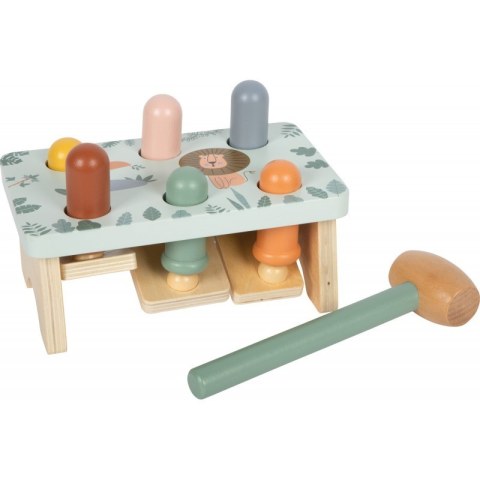
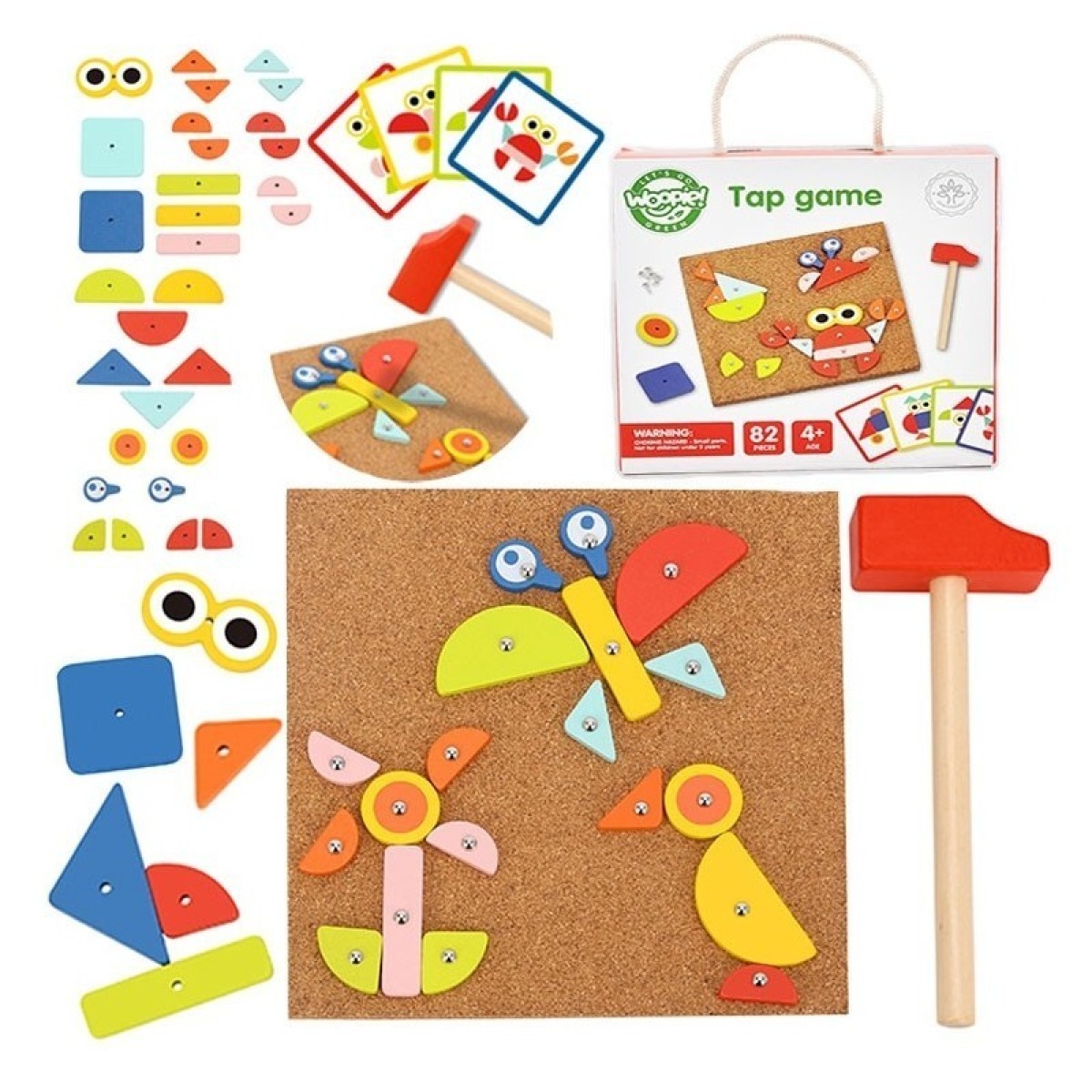
In addition to cognitive development, wooden toys also support motor skills. Many activities are repetitive by nature and train muscle memory: turning, hammering, putting pieces in place or matching different shapes. When the game is manageable, it is easier for a child to stay engaged, and repetition builds confidence.
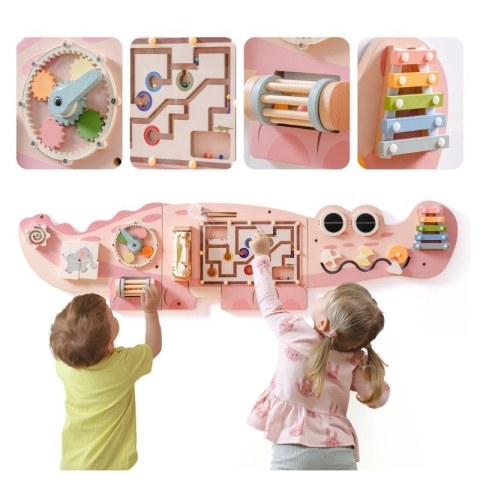
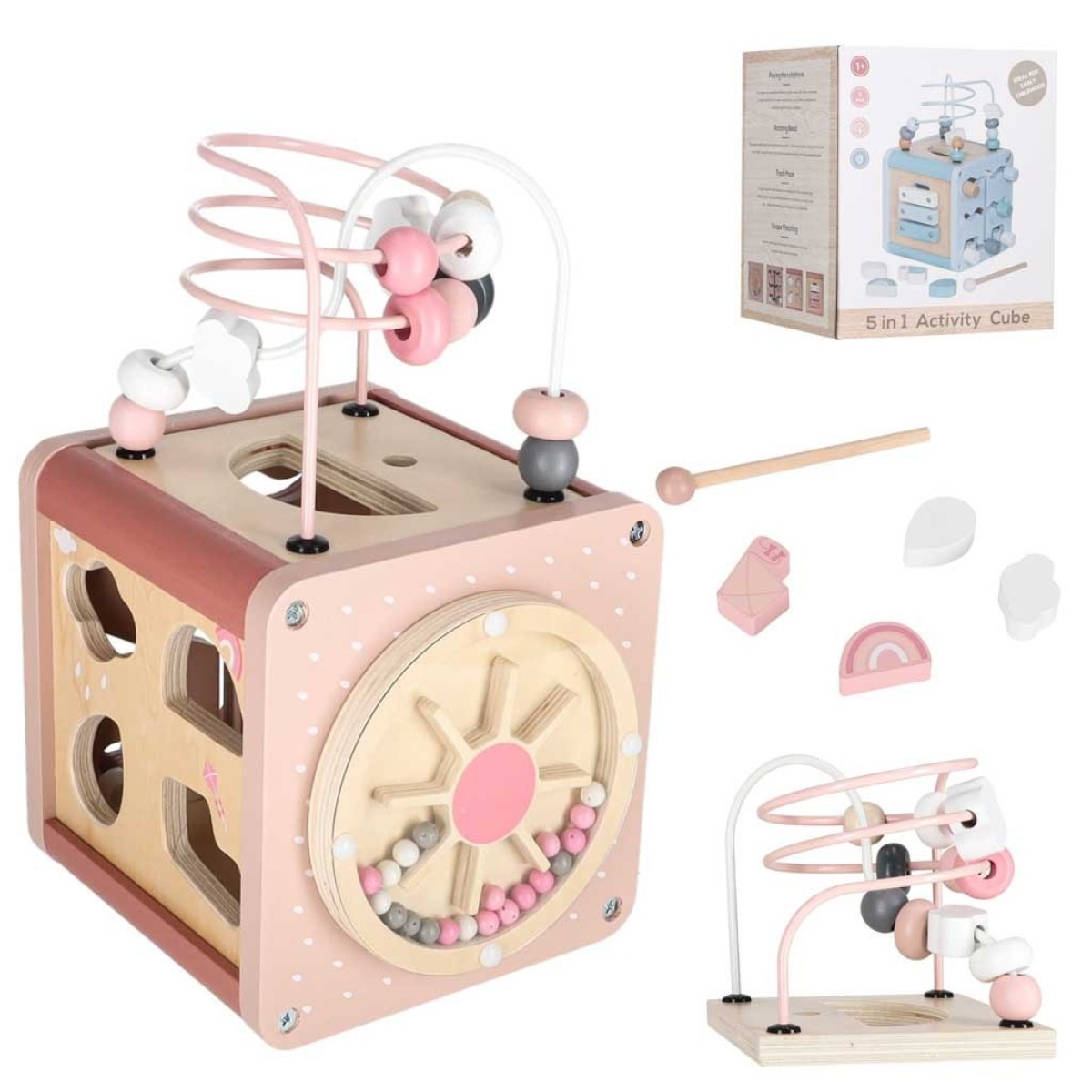
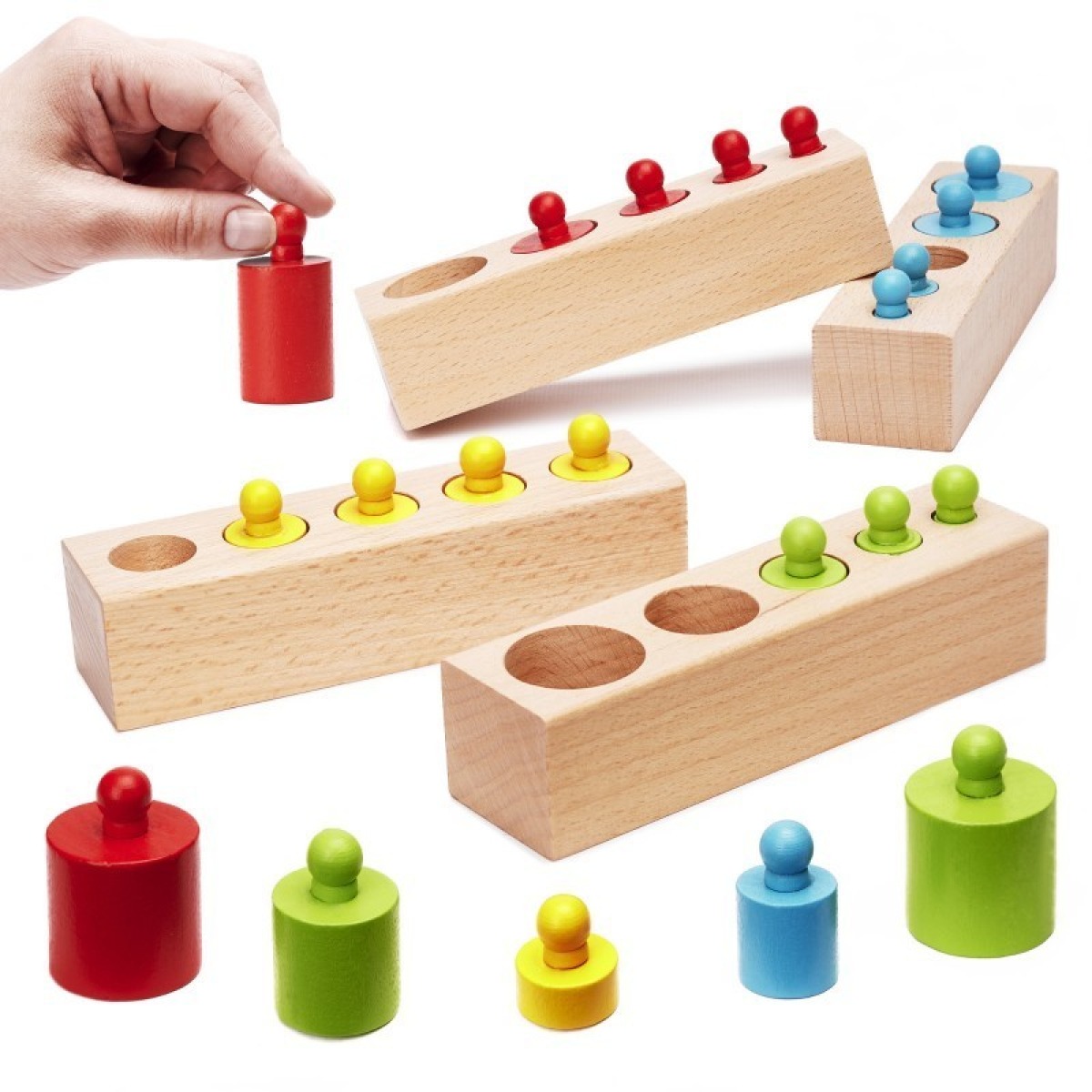
When choosing, start with your child's age, skills and the type of play that appeals to them most. Different subcategories cover different needs: role play (doctor, work, kitchen), active ideas for movement (cars and trains), hands-on activities (hammer games, tools) and tasks that support thinking (puzzles, construction sets, motor skills games).
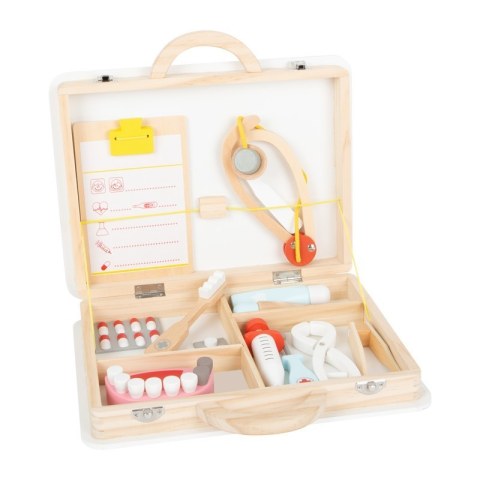
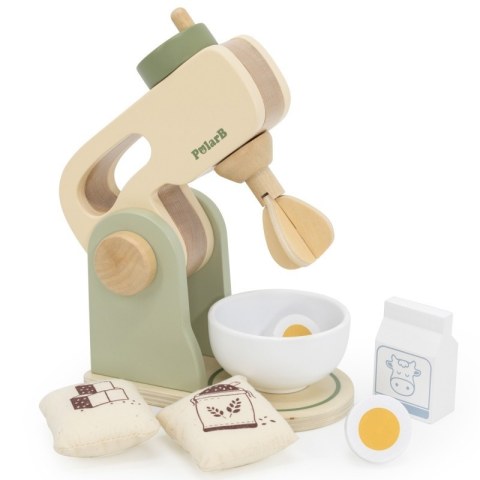
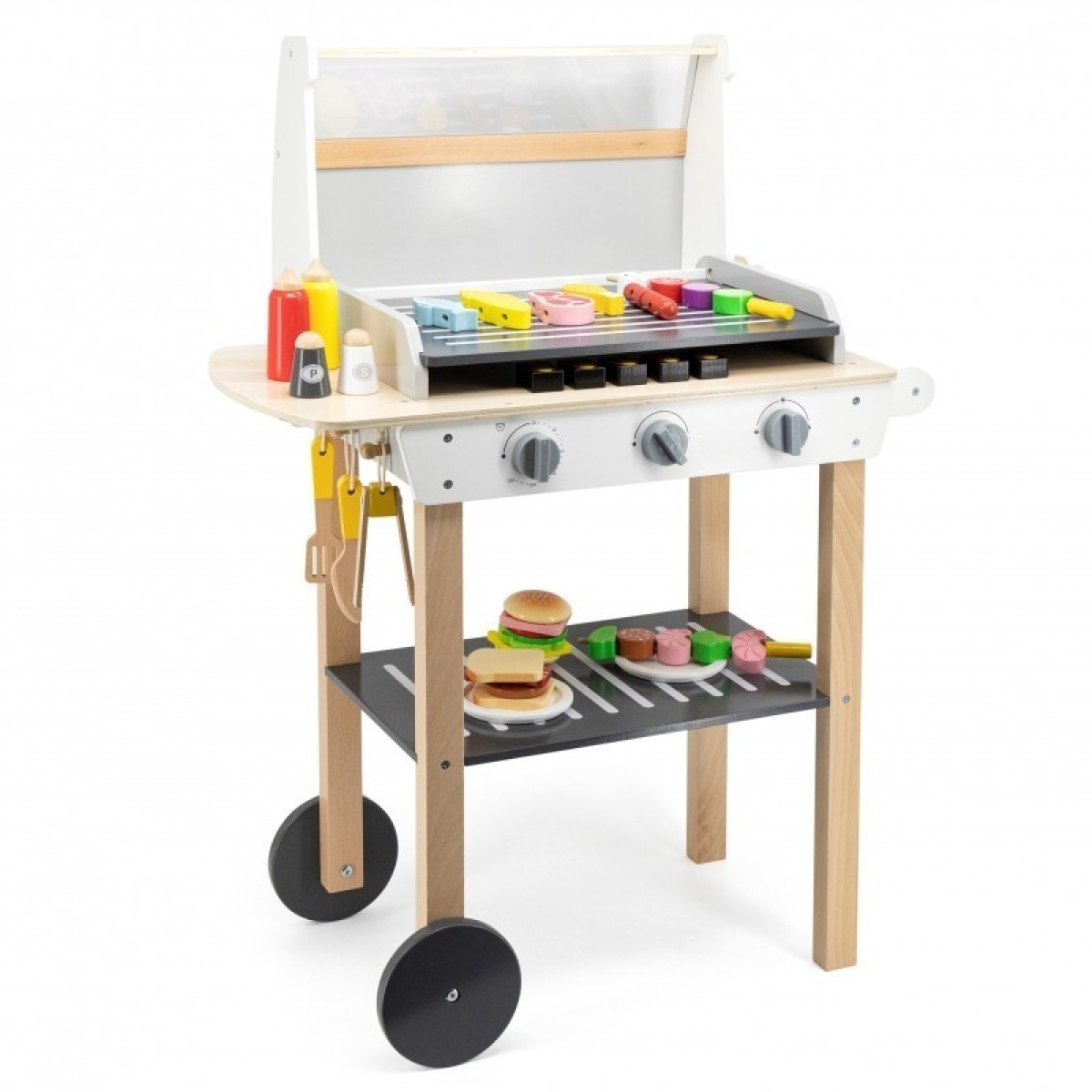
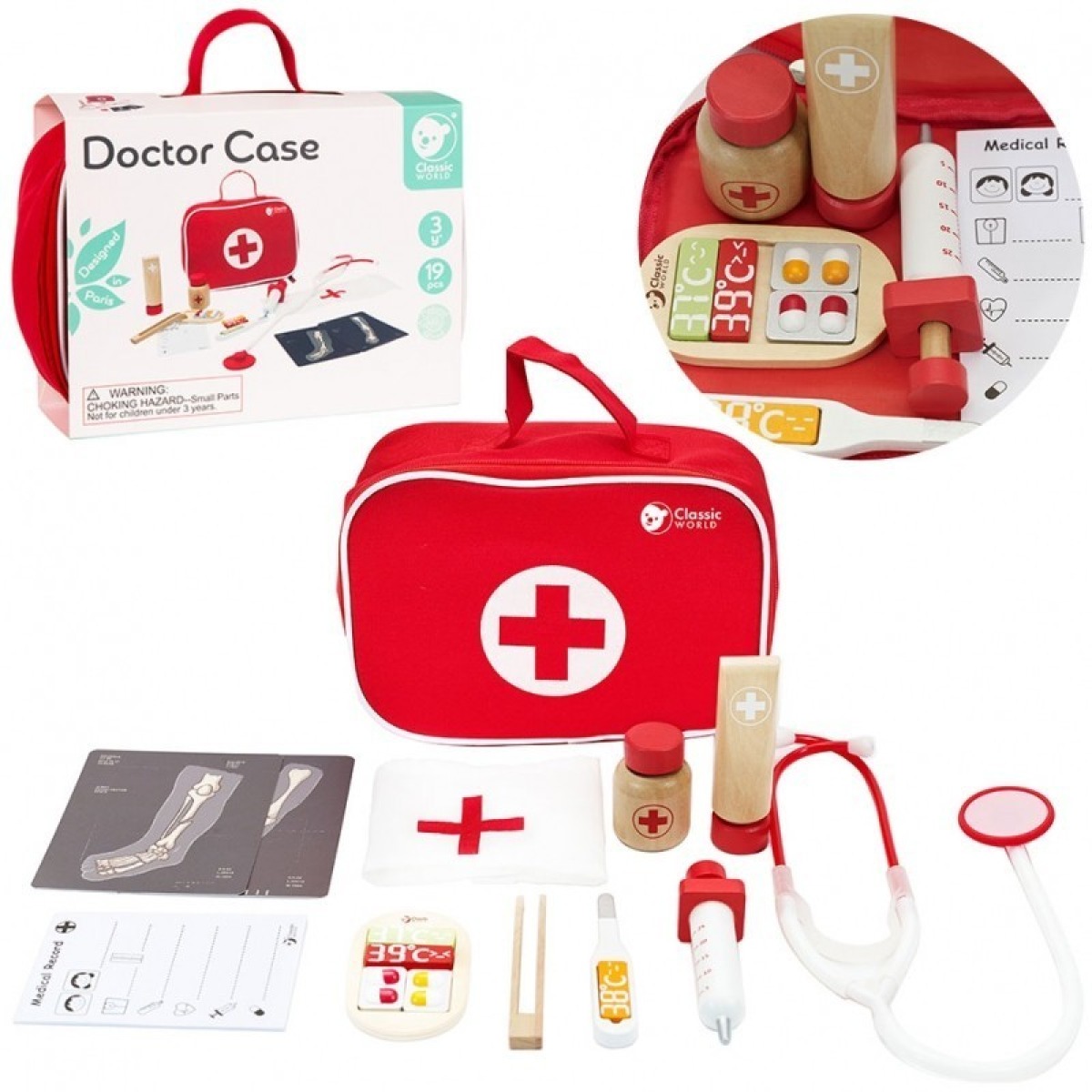
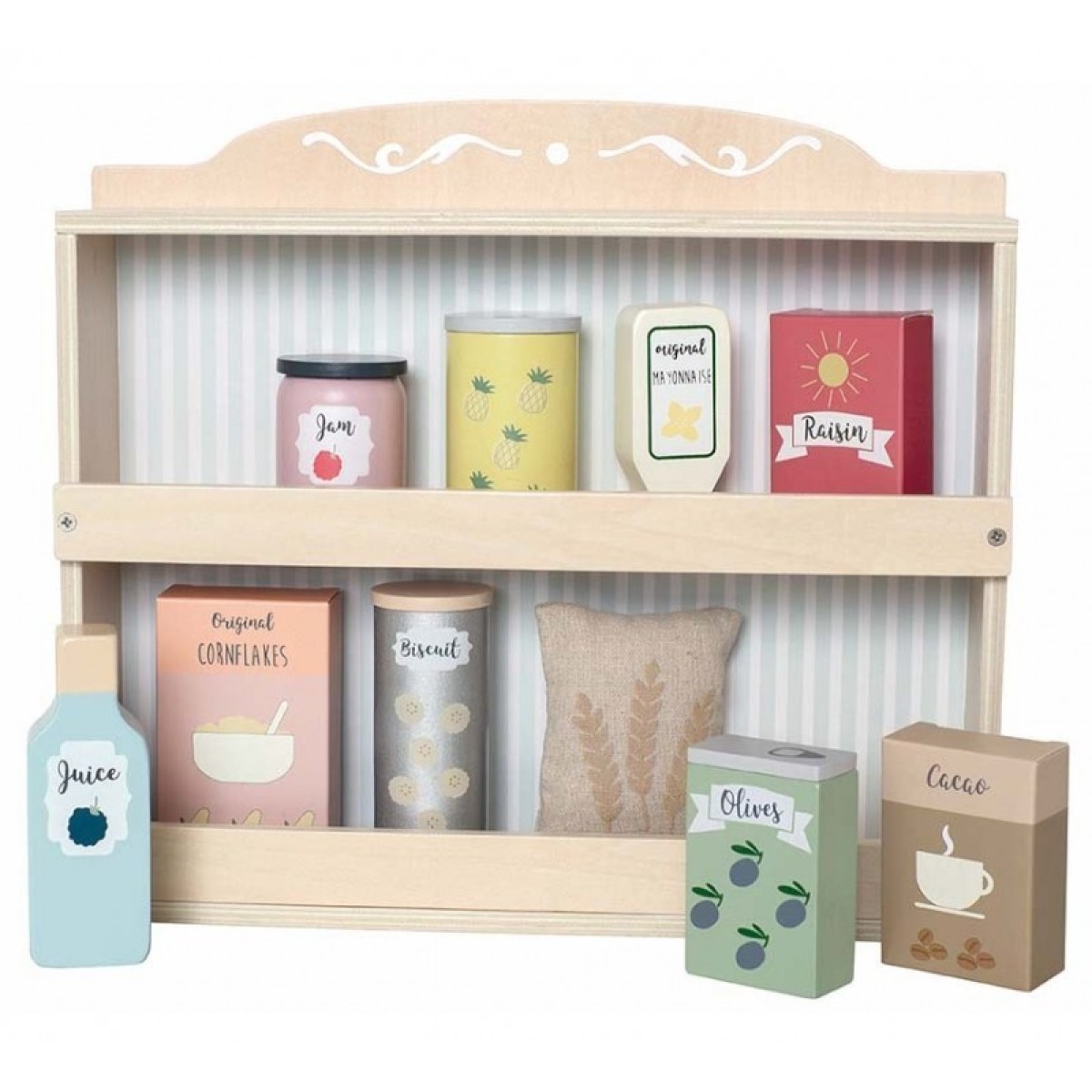
A particularly convenient thing about wooden toys is that you can move between different play styles within the same category. Calmer role play helps a child act out everyday activities and roles, while more active games lead to movement and repeated actions. For example, wooden doctor play sets, play kitchen accessories and wooden tools help give imagination a clear structure.
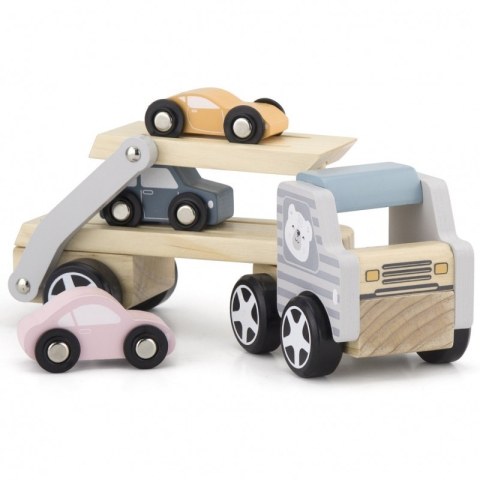
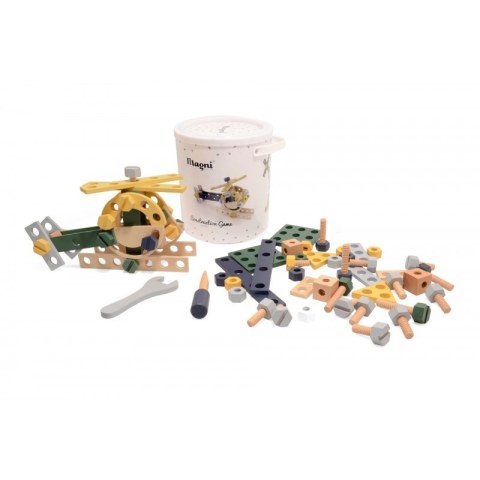
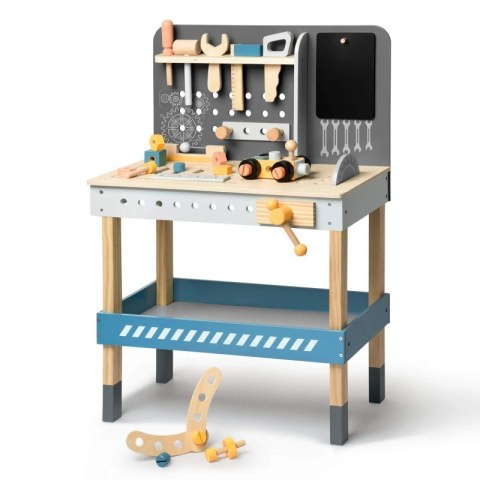
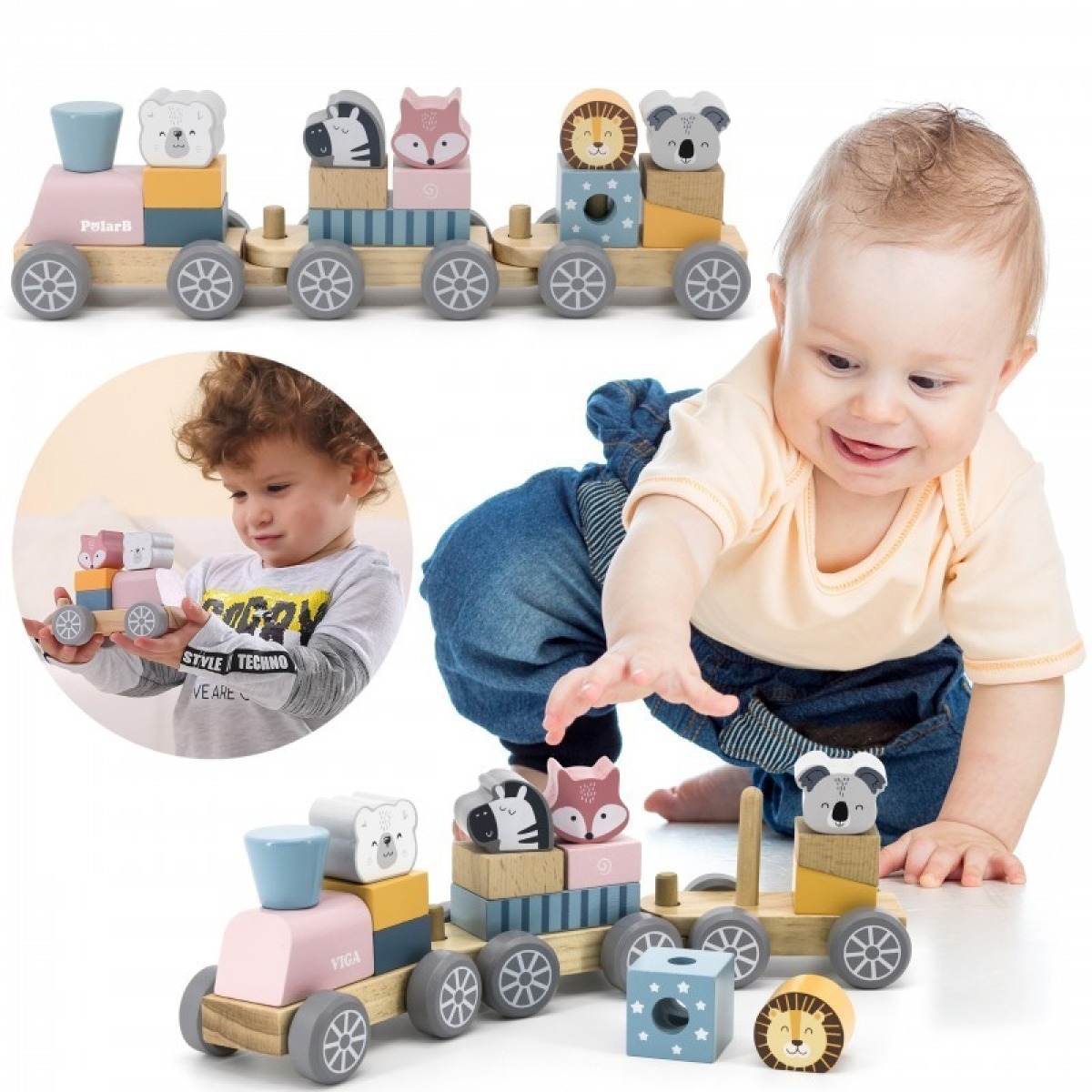
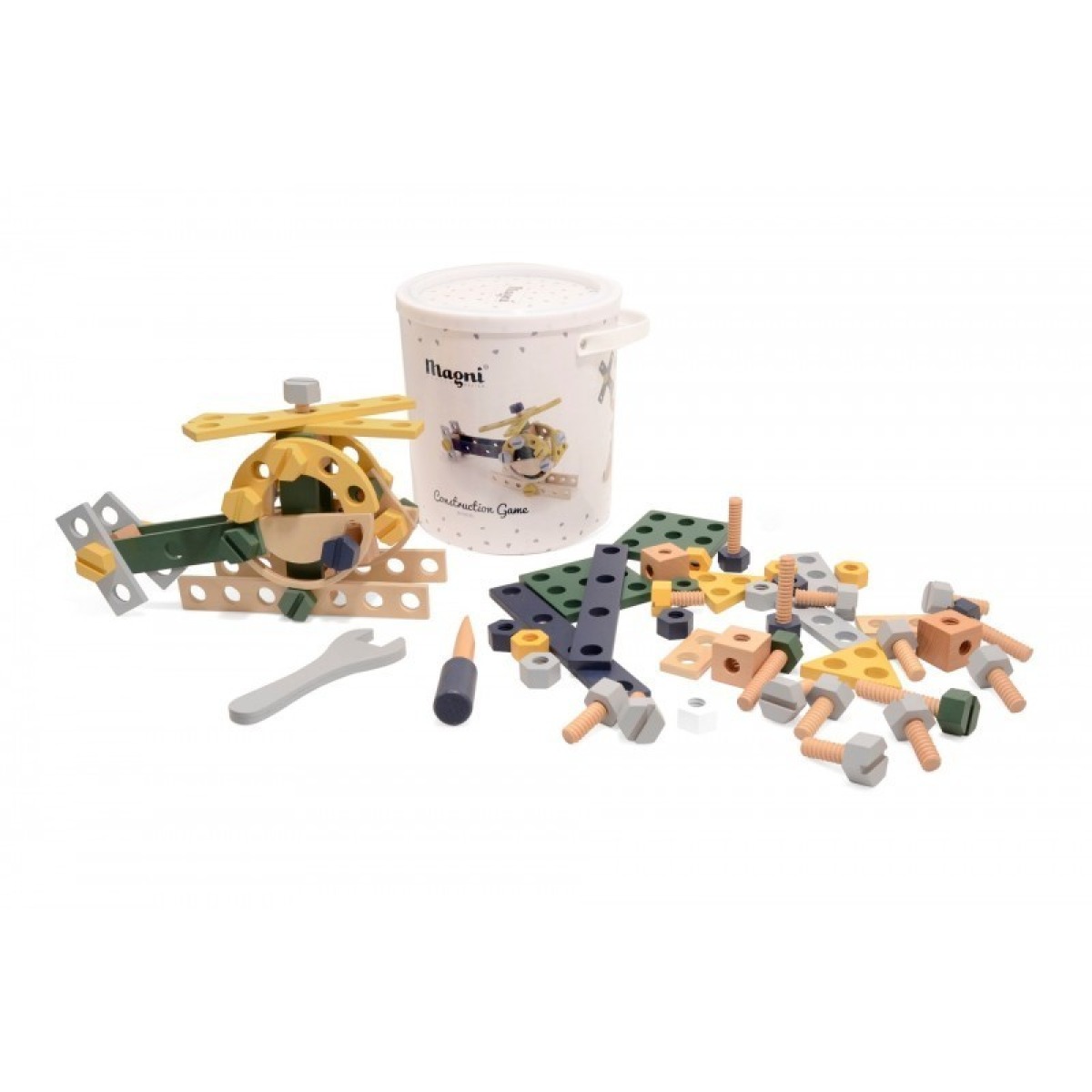
If your child prefers active play, wooden cars and trains come into play. For practising manual skills, wooden hammer games and tool-themed sets are a great fit, helping a child better understand how different parts work. For a child who enjoys creating more complex solutions, wooden construction sets and learning games are often exactly the stage where play turns from "building" into a task that involves thinking.
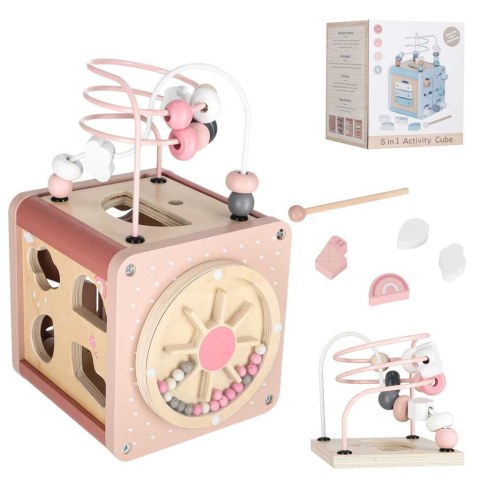
Wooden toys are well suited to the playroom, because they are easy to line up with other toys and take out on display for play. Activity boards and educational games help create a clear framework for playtime, so the child knows what to do. This makes organising play easier for parents and also supports the child's independence in starting to play.
Babies and toddlers are often best suited to solutions with hands-on activity and simple play logic, while preschoolers benefit more from construction sets, puzzles and activity boards. This creates a balance at home: in a single day, play can alternate between calm role play and active motor skills practice. If you are looking for a play environment that supports balanced development, wooden toys provide a solid and practical foundation.
MIU Kids
A quiet word about cookies
Necessary cookies are already on, so your basket and checkout can work. Analytics cookies stay off until you accept. Until then Google may receive a cookieless visit signal so we can count visits. It is not used for advertising. Accept all cookies, or keep only the necessary ones. Both are one click. We remember your choice for six months, and you can change it at the bottom of the page. Privacy notice
Analytics cookies wait for a yes
MIU Kids
Choose what stays on
Necessary
Always on. These keep the basket, checkout and the shop secure.
Analytics
No analytics cookie until you accept. A cookieless visit signal may still be sent. If you accept, Google Analytics shows which pages are used. It does not build advertising profiles.