
- New
In stock · 1–3 business days1–3 business days
About the collection
A good shelf keeps toys and books tidy and within your child's reach. When everything has its place, it's easy for children to take things out and put them back. You'll find kids' room shelves for every stage, from the nursery...
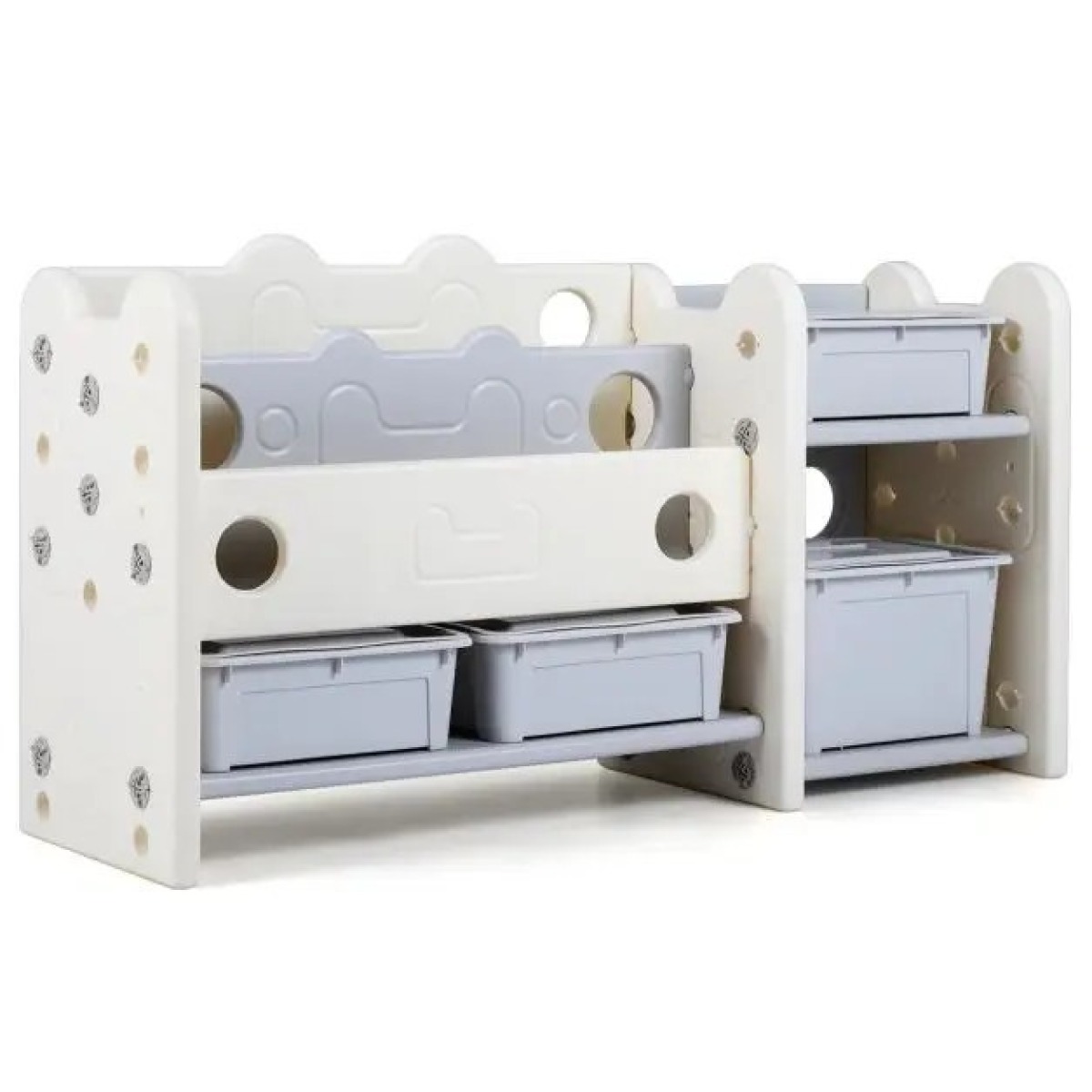
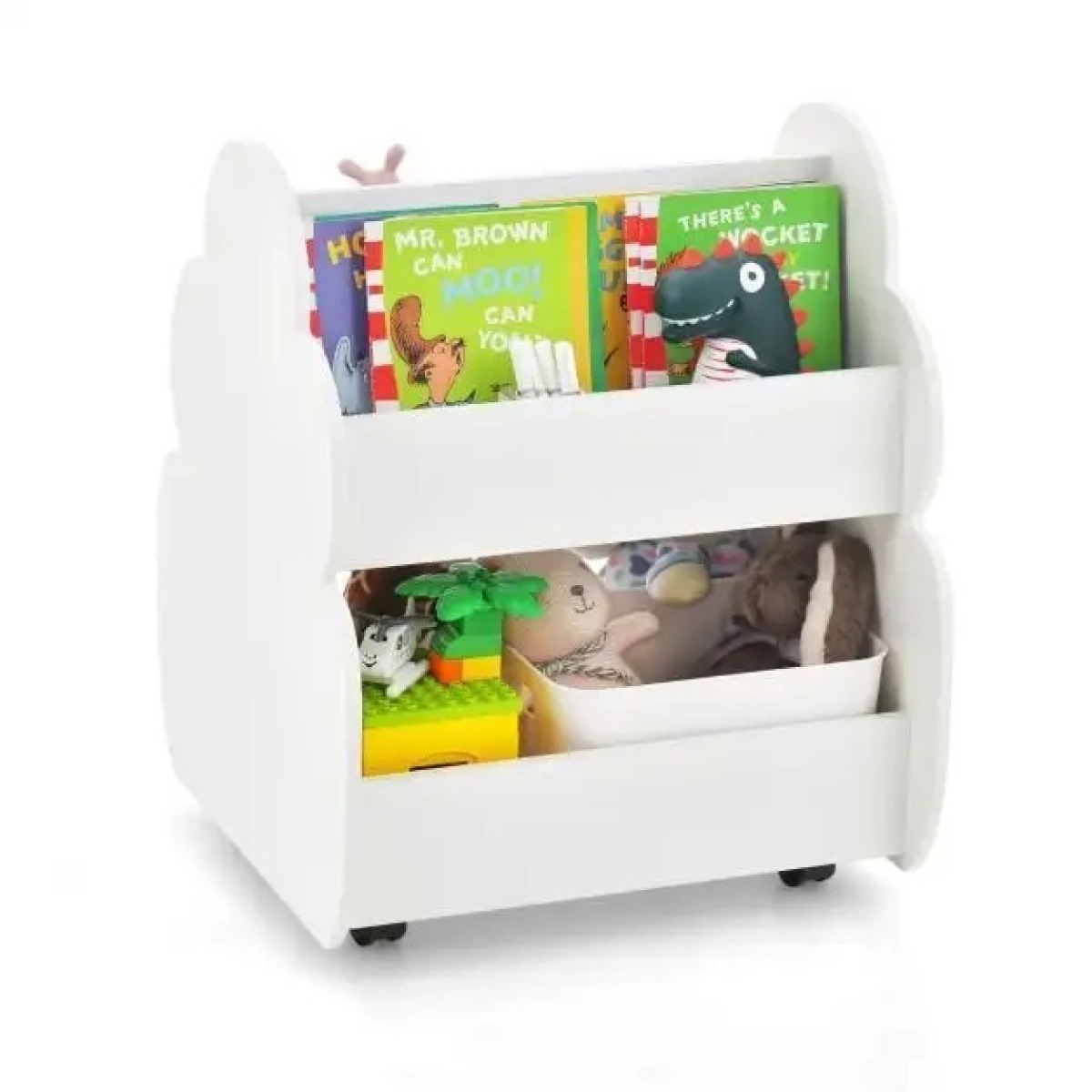
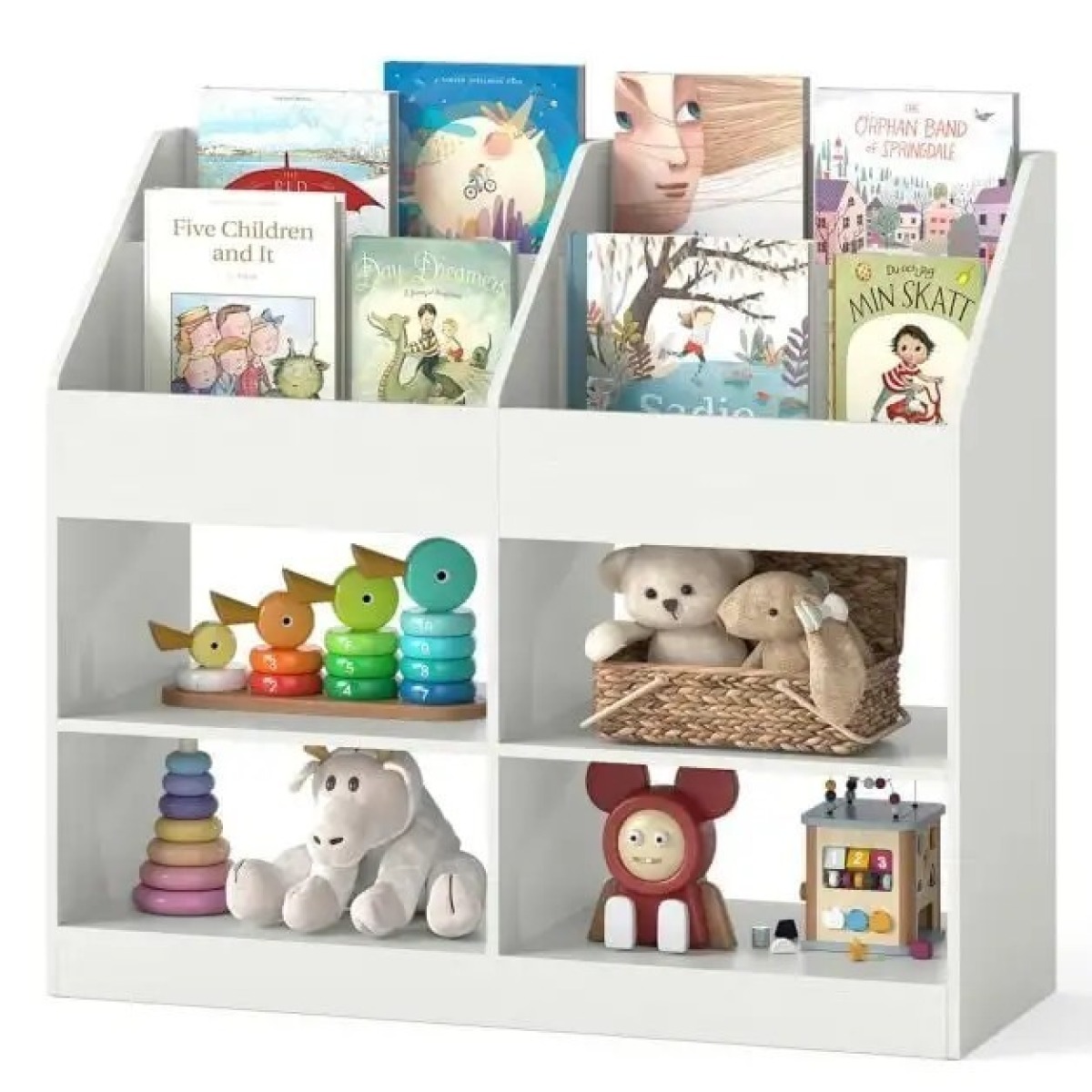
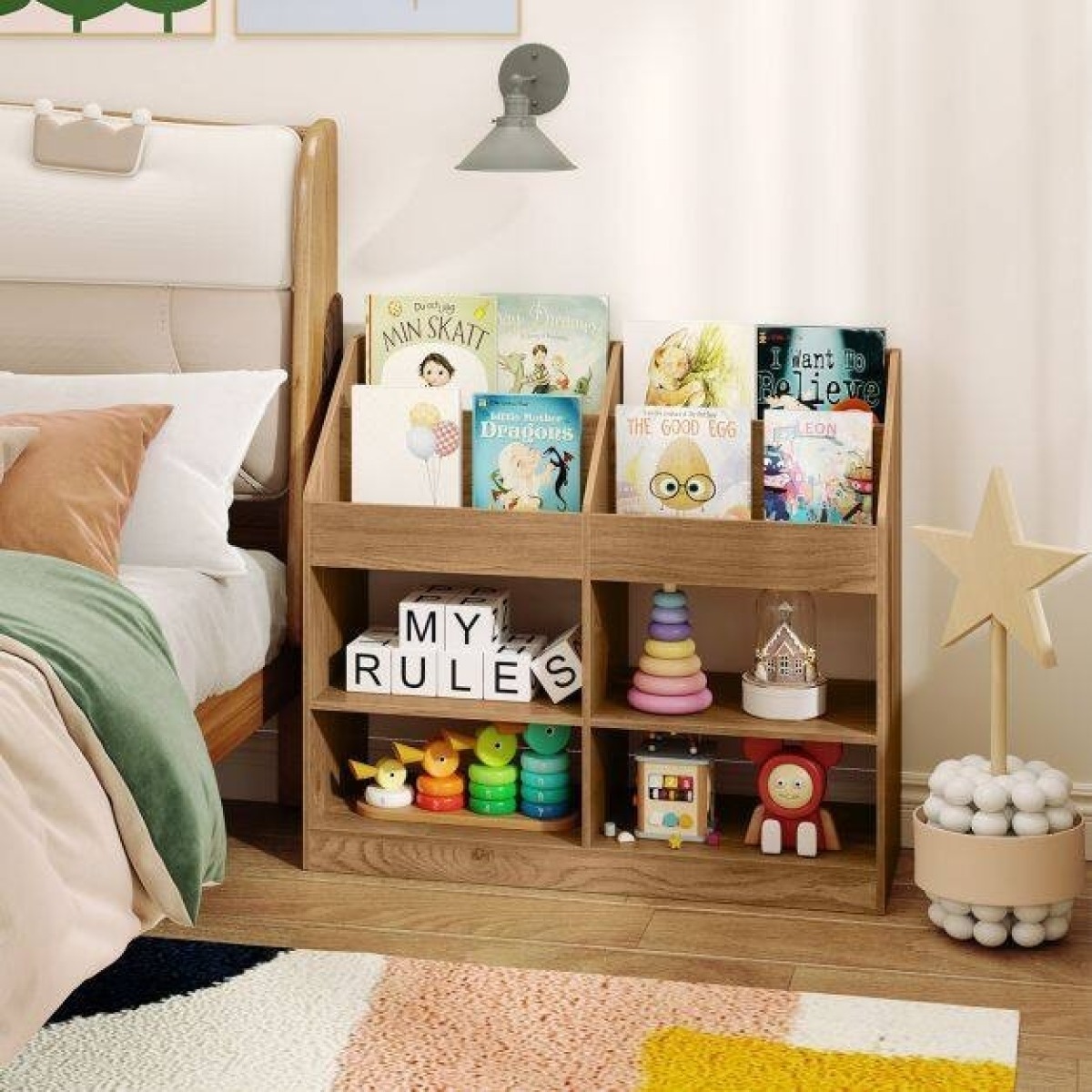
Category guide
Kids' Room Shelves are a practical part of children's furnishings, helping children find their toys and books in their designated places and supporting everyday tidiness at home. This category suits both babies and toddlers as well as older children, as there are shelves to meet different needs: some offer plenty of storage, while others make room for reading and
part supports the storage of clothes or small items. It is important to choose the right type of shelf (freestanding cabinet, bookcase, house-shaped shelf, hanging solution) and pay attention to the dimensions and fixings, especially for wall shelves. In a nursery or at home in a child's room, a well-planned storage system helps keep the room tidy in a way that supports development, without making the furnishings difficult to use.
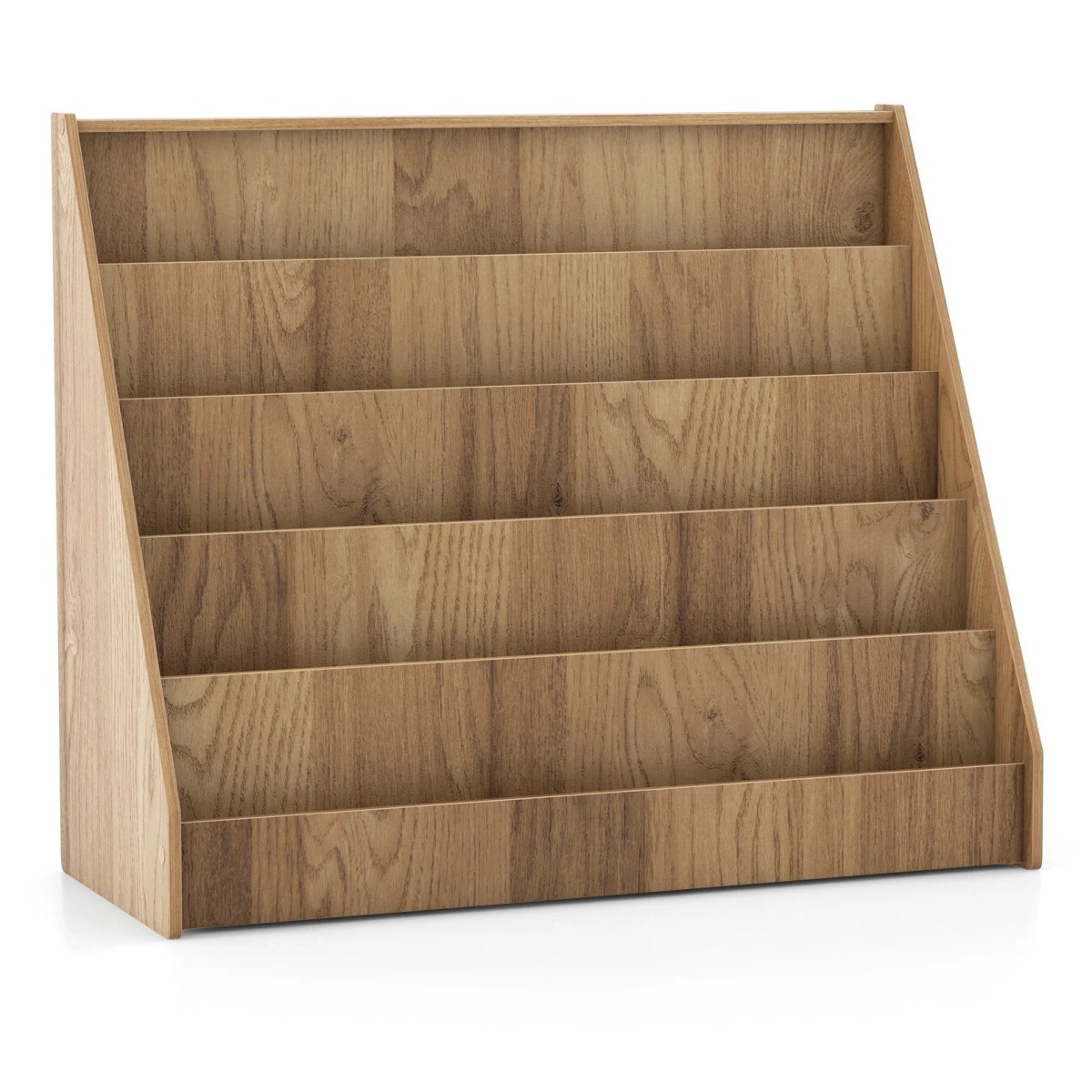
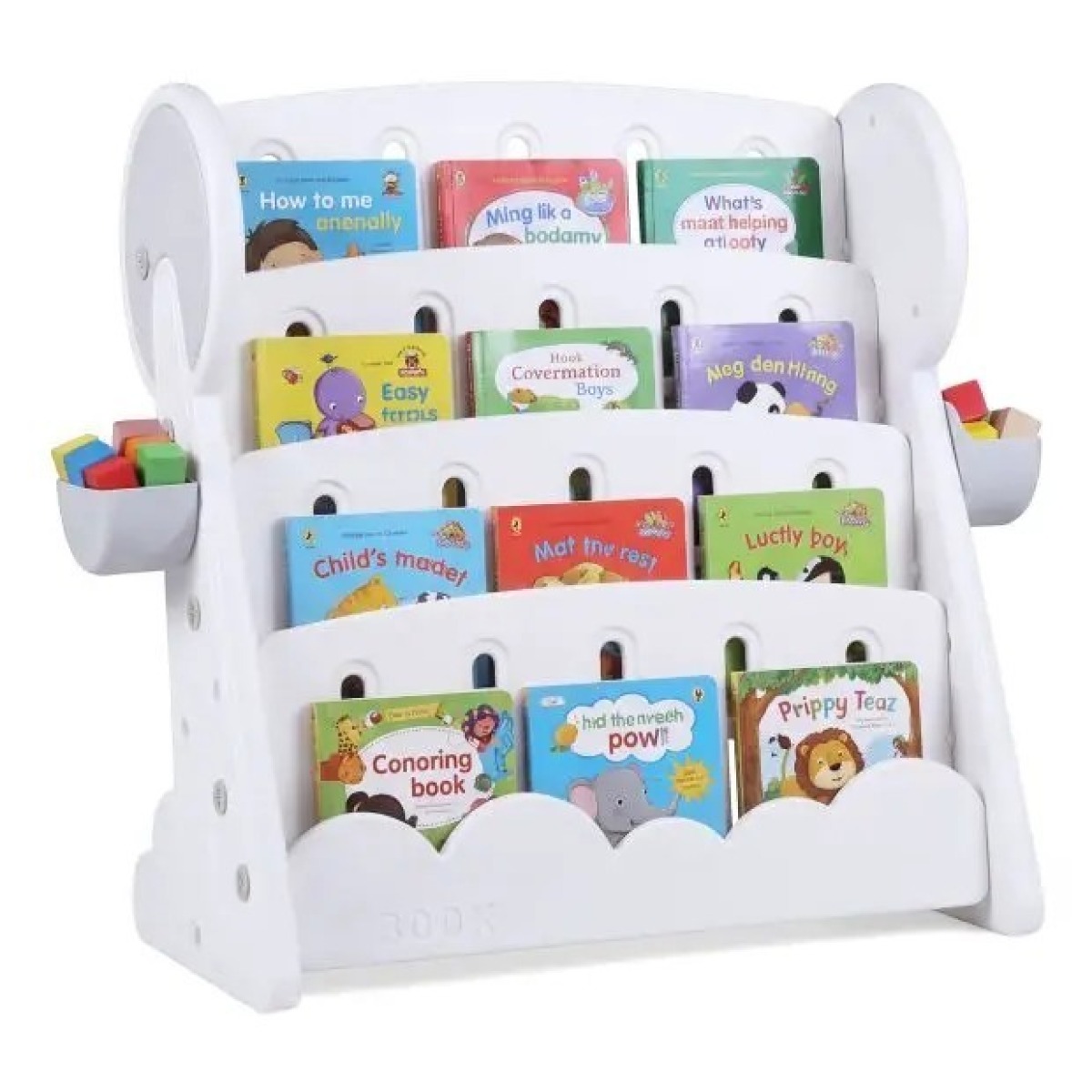
Kids' Room Shelves are designed to make children's daily activities flow smoothly and keep the space visually calm. When toys, books and other items are on shelves, children can more easily choose what to do and put things back more neatly afterwards. A shelf can be a bookcase or a larger storage combination with open shelving and cupboards or drawers.
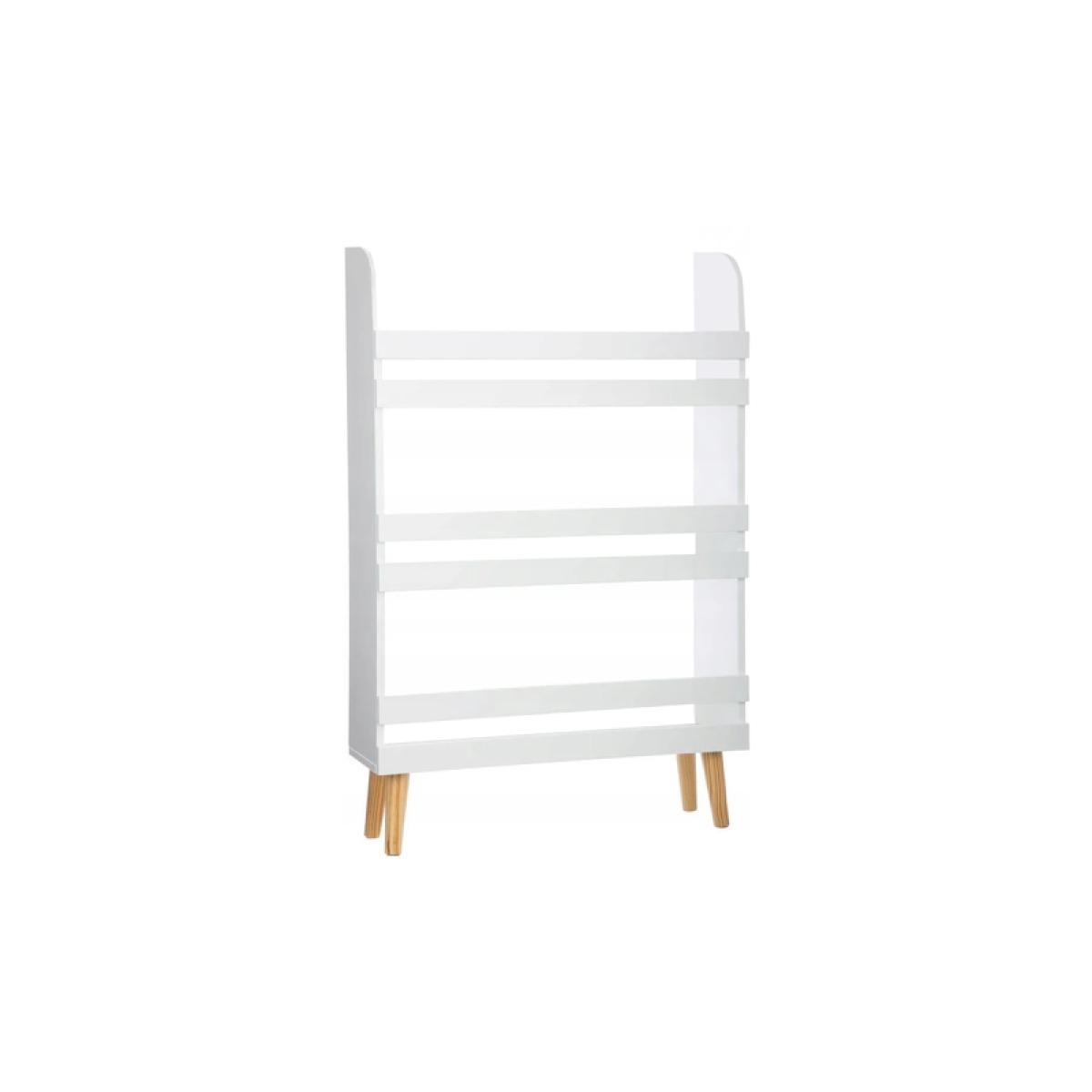
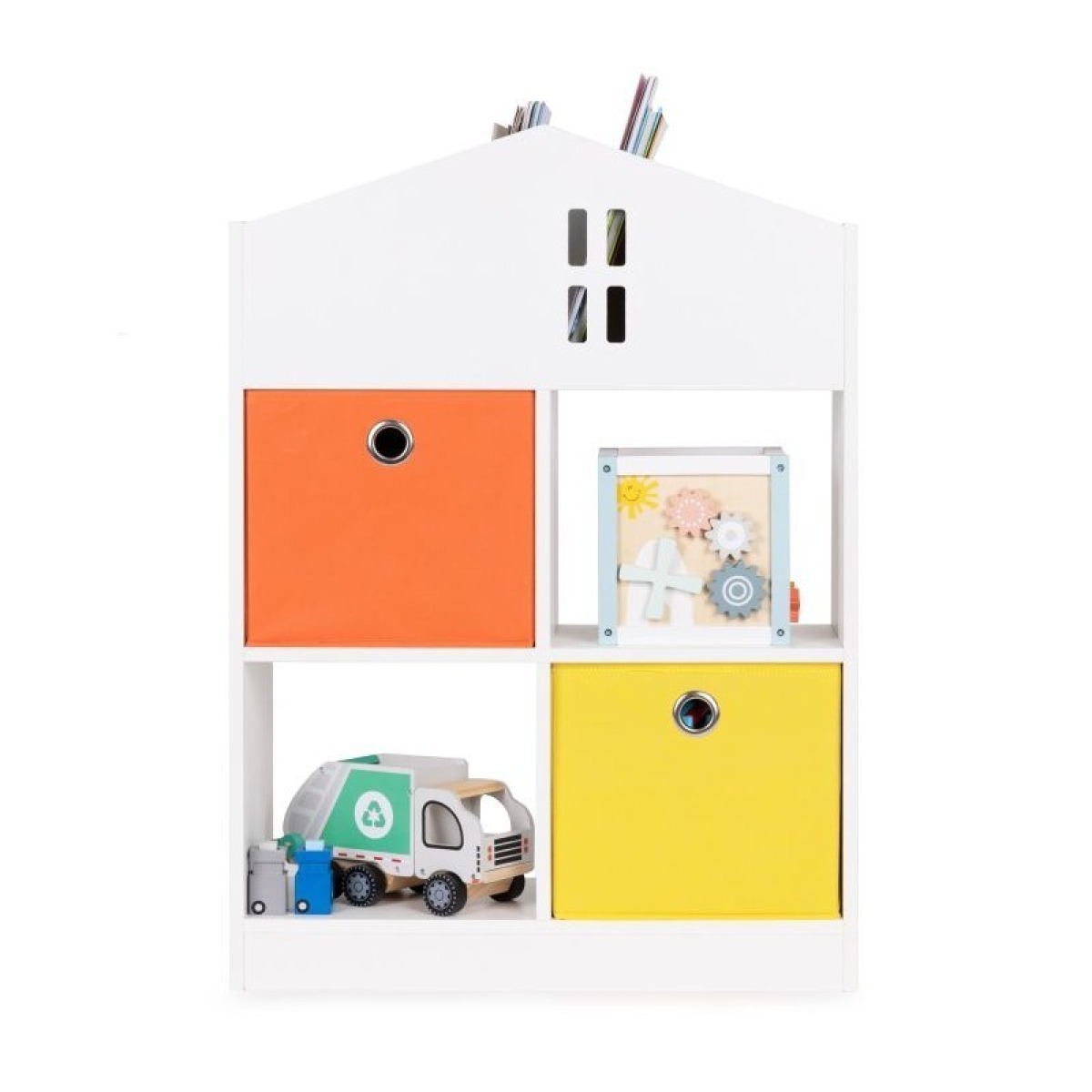
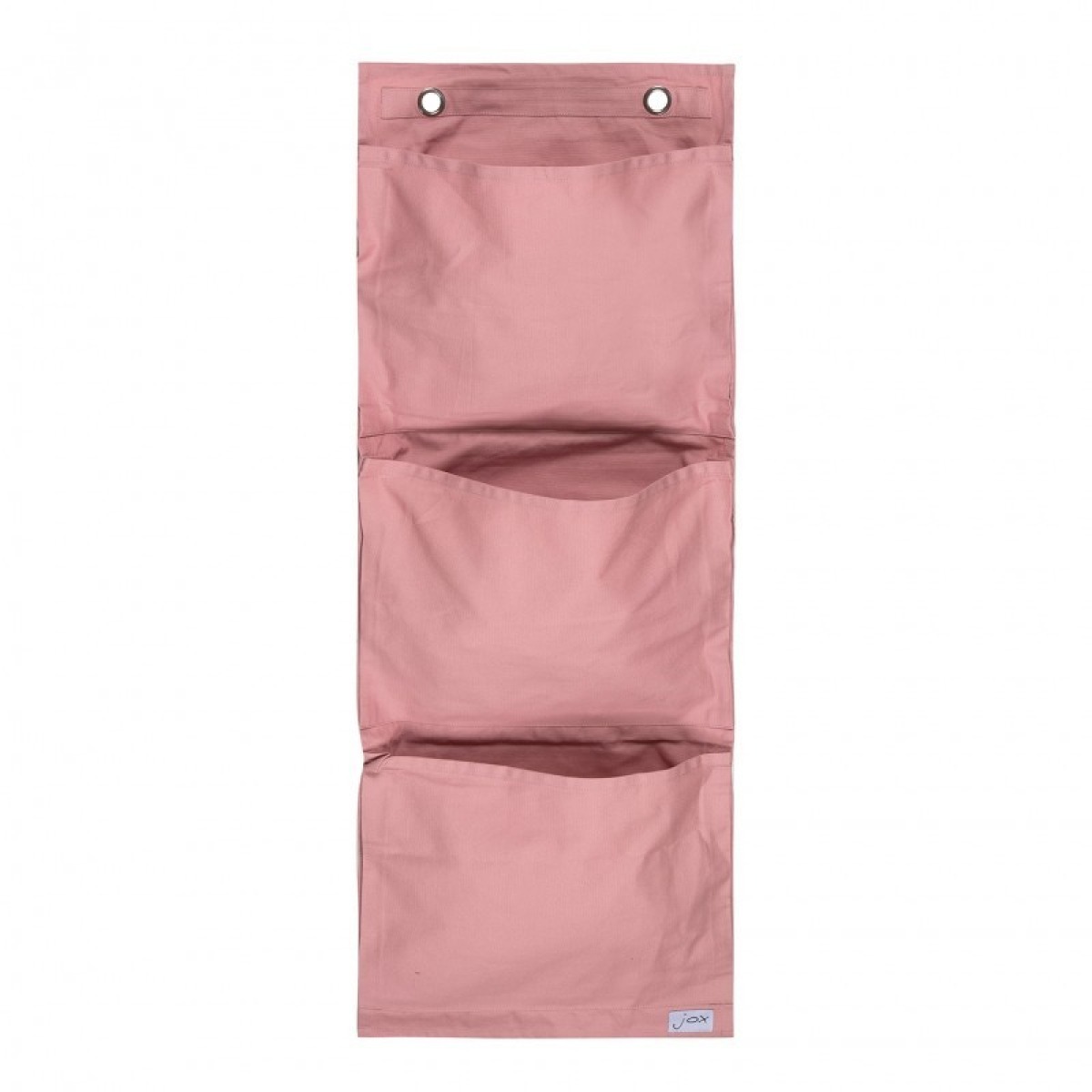
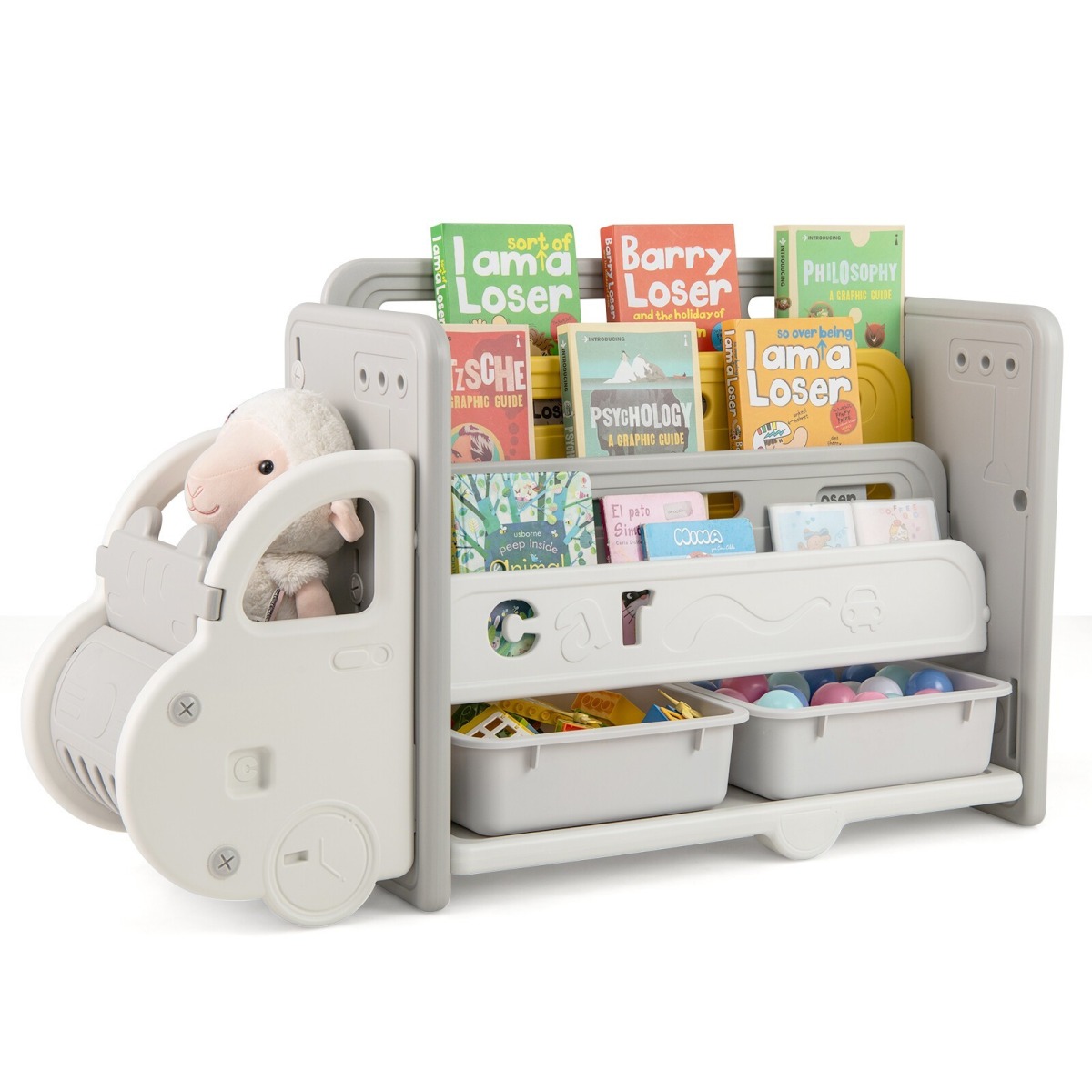
Popular options in this category include house-shaped shelves, bookcases and hanging storage shelves. A house-shaped or themed design makes the shelf part of play in a child's room, while practical storage helps keep things tidy. Wall-mounted options are suitable if you want to save floor space or provide accessible corners for a younger child.
A shelf's function in a child's room depends largely on its dimensions and where it is installed. A taller, larger house-shaped shelf is a good choice if there are lots of books or toys and you want one central storage point. Lower, narrower shelves work well for smaller items or when a separate solution is needed for a particular corner of the room.
For freestanding cabinets and bookcases, make sure the shelves are easy for the child to use. For a hanging storage shelf, it is important to attach it securely to the wall and position it so it is comfortably within the child's reach, while ensuring that items cannot fall.
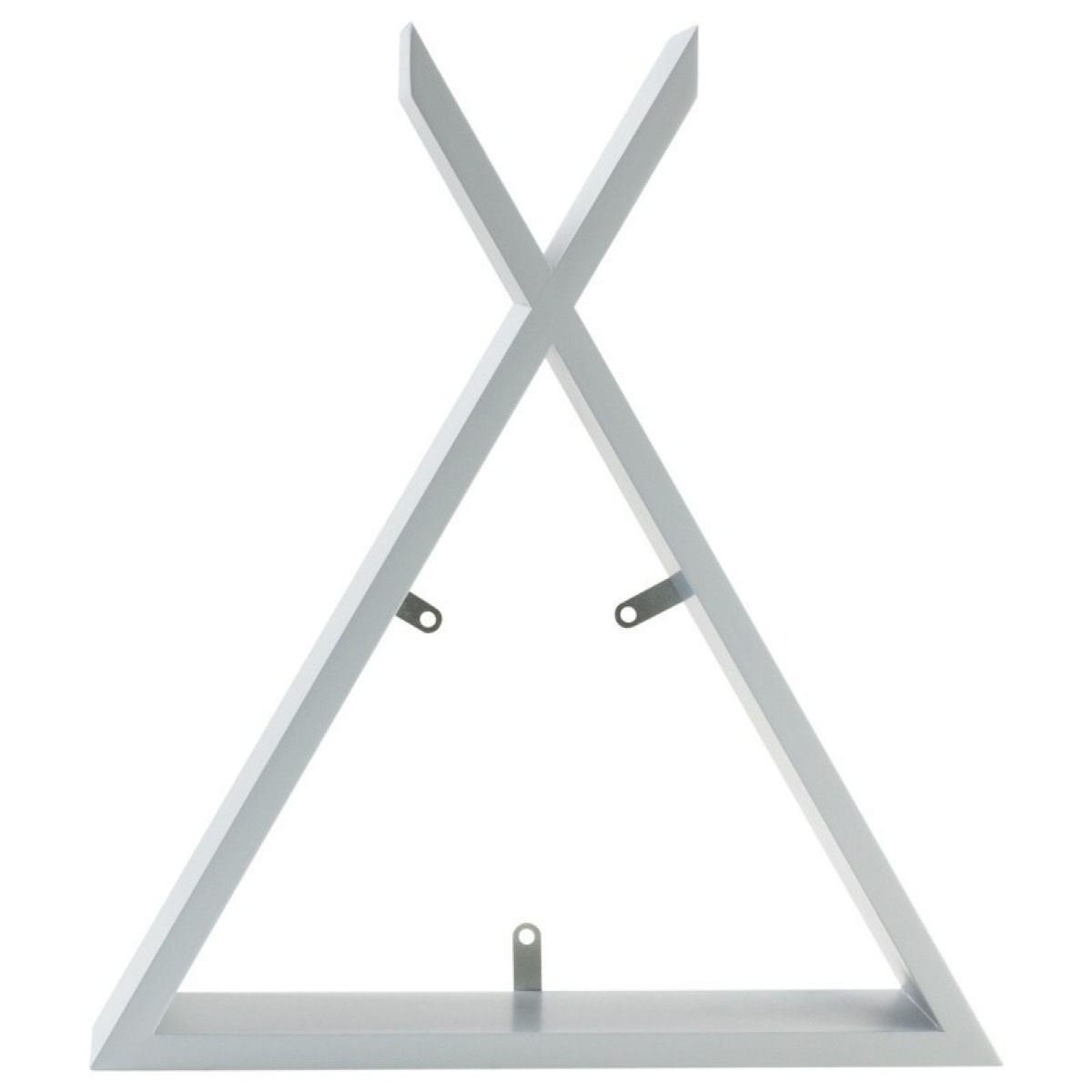
For shelves in a child's room, practicality is just as important as appearance. Many shelves are made from MDF or include wooden elements, and their finishes are designed for everyday use. House-shaped shelves and themed designs, such as animal or “house” motifs, create a playful focal point in the room, while compartments in different sizes help sort items more effectively.
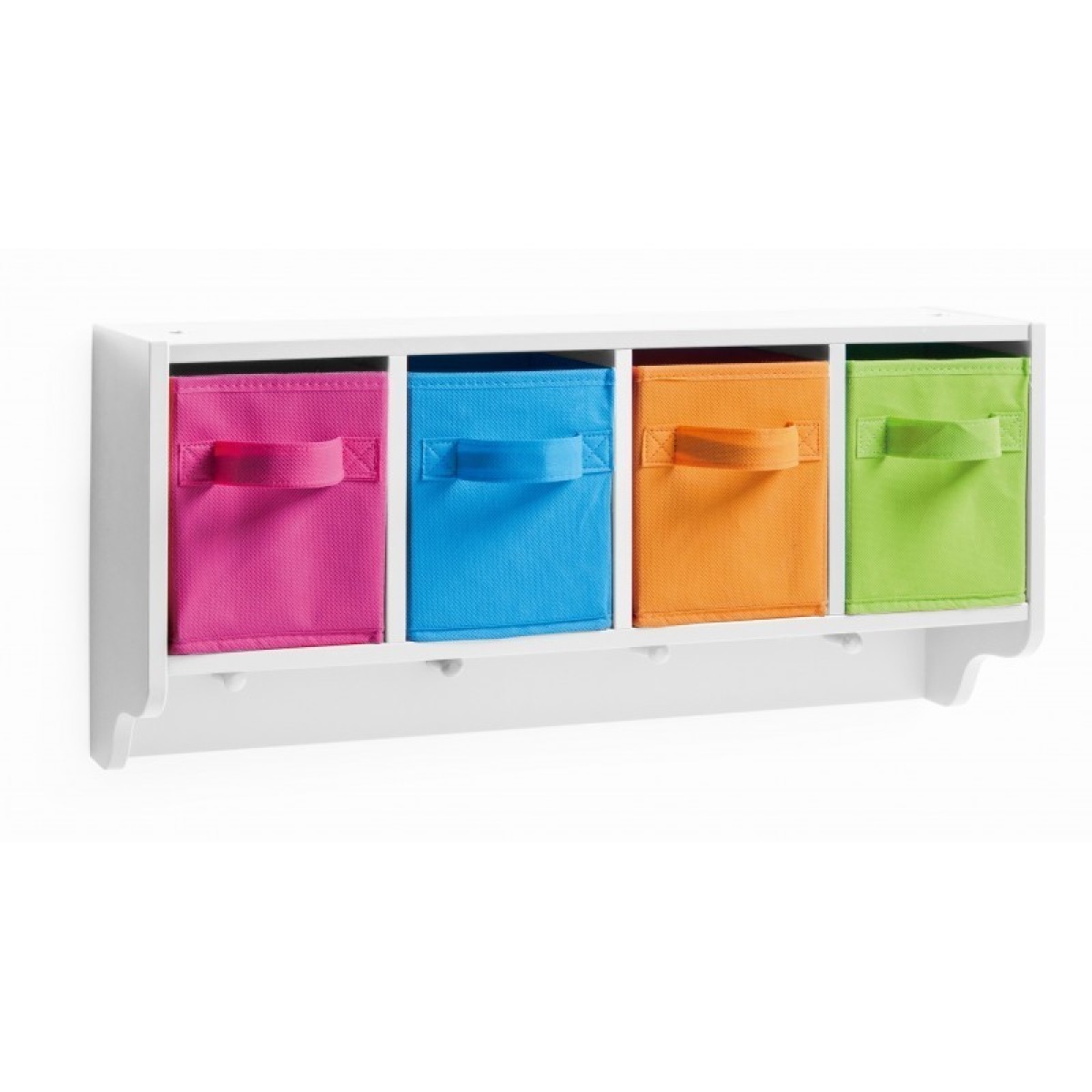
If a shelf has fabric drawers, it is often a convenient way to keep small items tidy. For example, hanging shelves with storage compartments have drawers for toys, activity supplies or textile accessories, and can be cared for according to the product instructions (which typically also specify washing options, such as whether they are machine washable).
For children and babies, it is important that shelves are easy to use and support development. A toddler can reach books and toys on the shelves, helping them develop the habit of putting things back after use. Older children benefit from more organised storage: the upper shelves can store toys they have “outgrown”, while the lower shelves hold everyday favourites.
Shelves help balance the different functions of a child's room: a bookcase works well in a reading area, an open shelving system is useful for play, and an option with cupboards or drawers suits clothes and belongings. This creates a clear structure in a child's room at home, reducing clutter and making tidying up quicker.
Shelf care depends on the materials. For wood or MDF, a soft, slightly damp cloth and drying the surface are usually enough. For options with fabric drawers, follow the manufacturer's care instructions to keep the fabric durable.
If a shelf is in constant use, help your child keep things organised: use a consistent system (books in one area, toys in another, small items in drawers). This helps keep the room tidy even when items are often taken from and returned to the shelf.
MIU Kids
A quiet word about cookies
Necessary cookies are already on, so your basket and checkout can work. Analytics cookies stay off until you accept. Until then Google may receive a cookieless visit signal so we can count visits. It is not used for advertising. Accept all cookies, or keep only the necessary ones. Both are one click. We remember your choice for six months, and you can change it at the bottom of the page. Privacy notice
Analytics cookies wait for a yes
MIU Kids
Choose what stays on
Necessary
Always on. These keep the basket, checkout and the shop secure.
Analytics
No analytics cookie until you accept. A cookieless visit signal may still be sent. If you accept, Google Analytics shows which pages are used. It does not build advertising profiles.