
- New
In stock · 1–3 business days1–3 business days
About the collection
Wooden educational toys support learning in a hands-on way. The littlest ones practise sorting and threading, while older children work on counting, letters and telling the time. Sturdy wooden toys stay part of play year after...
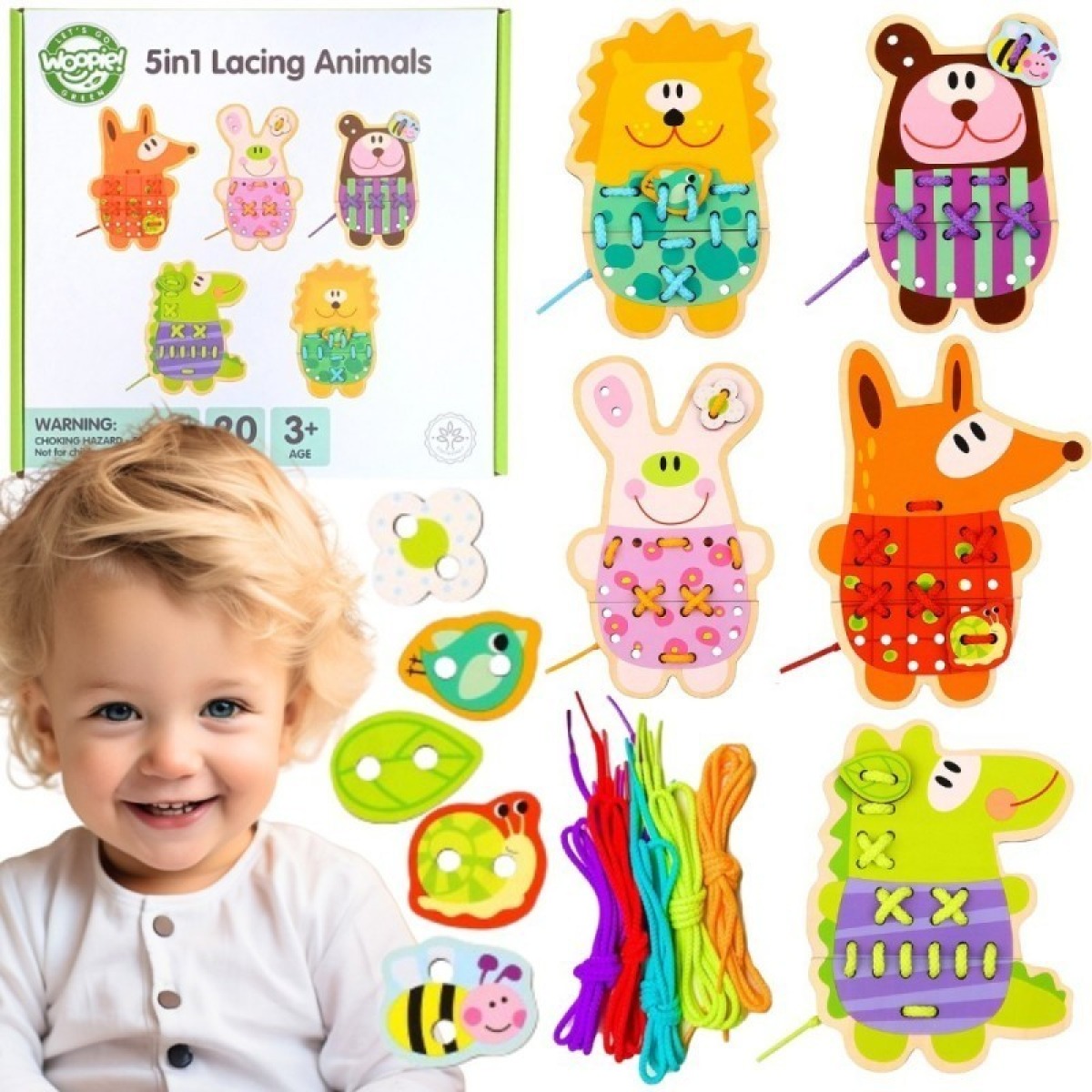
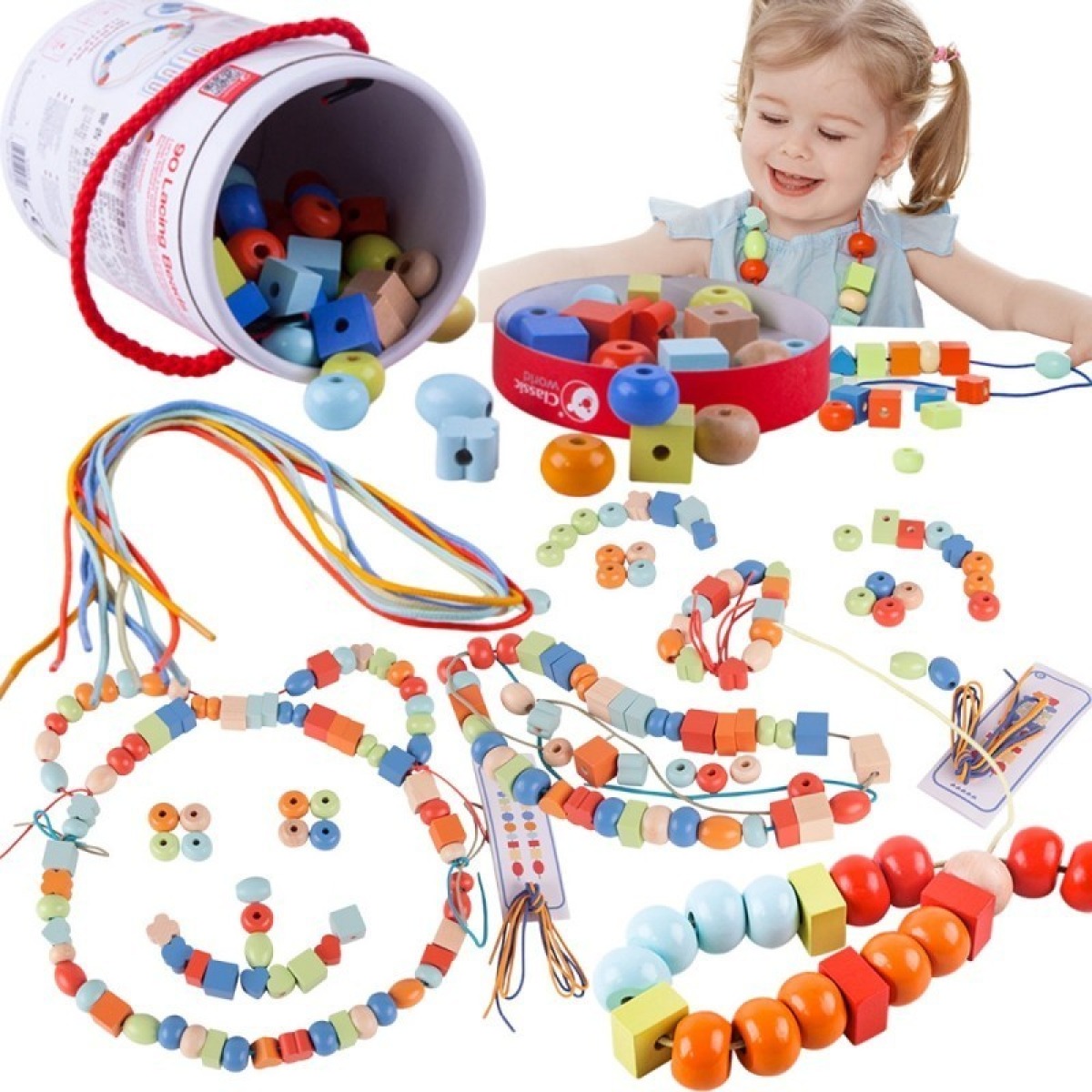
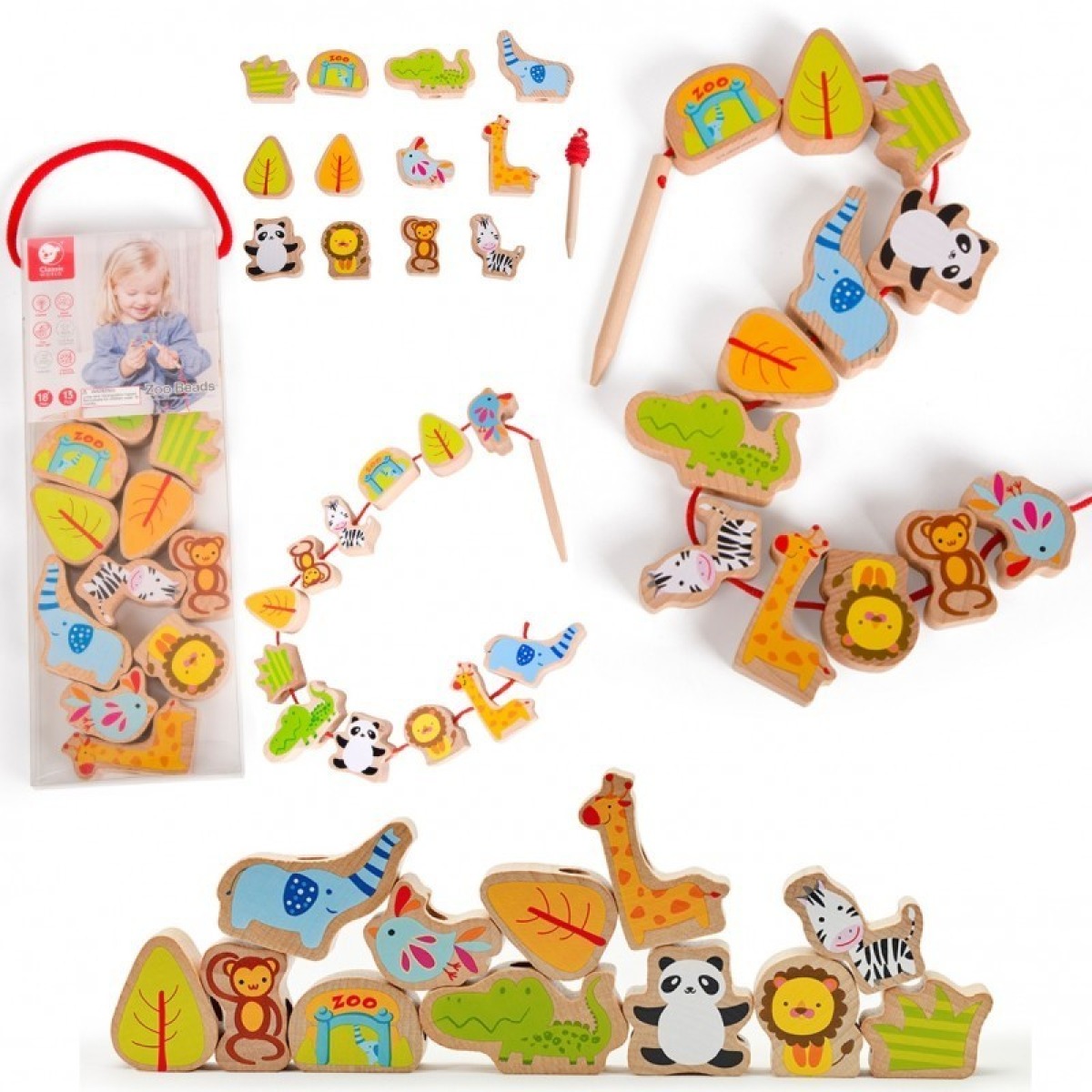
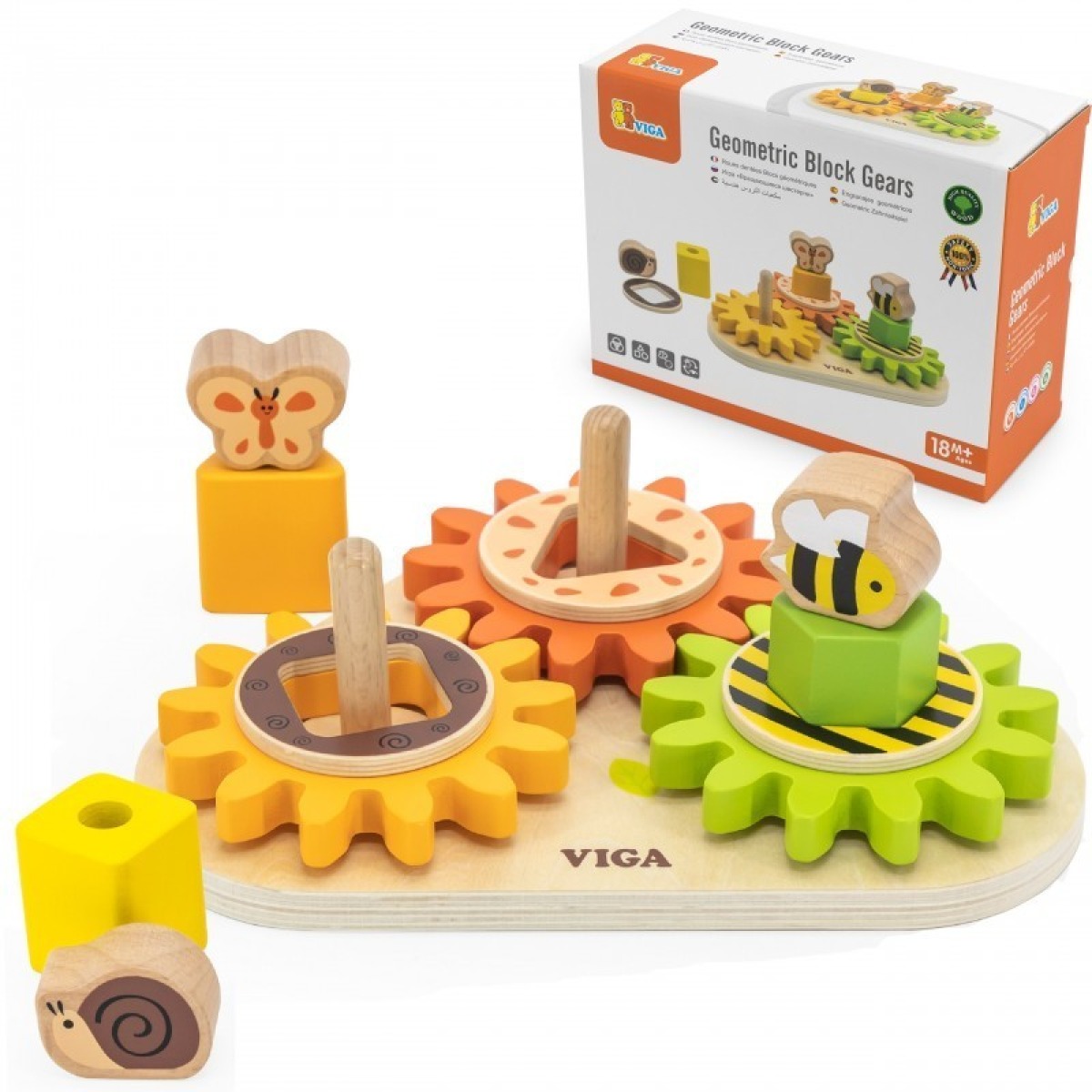
Category guide
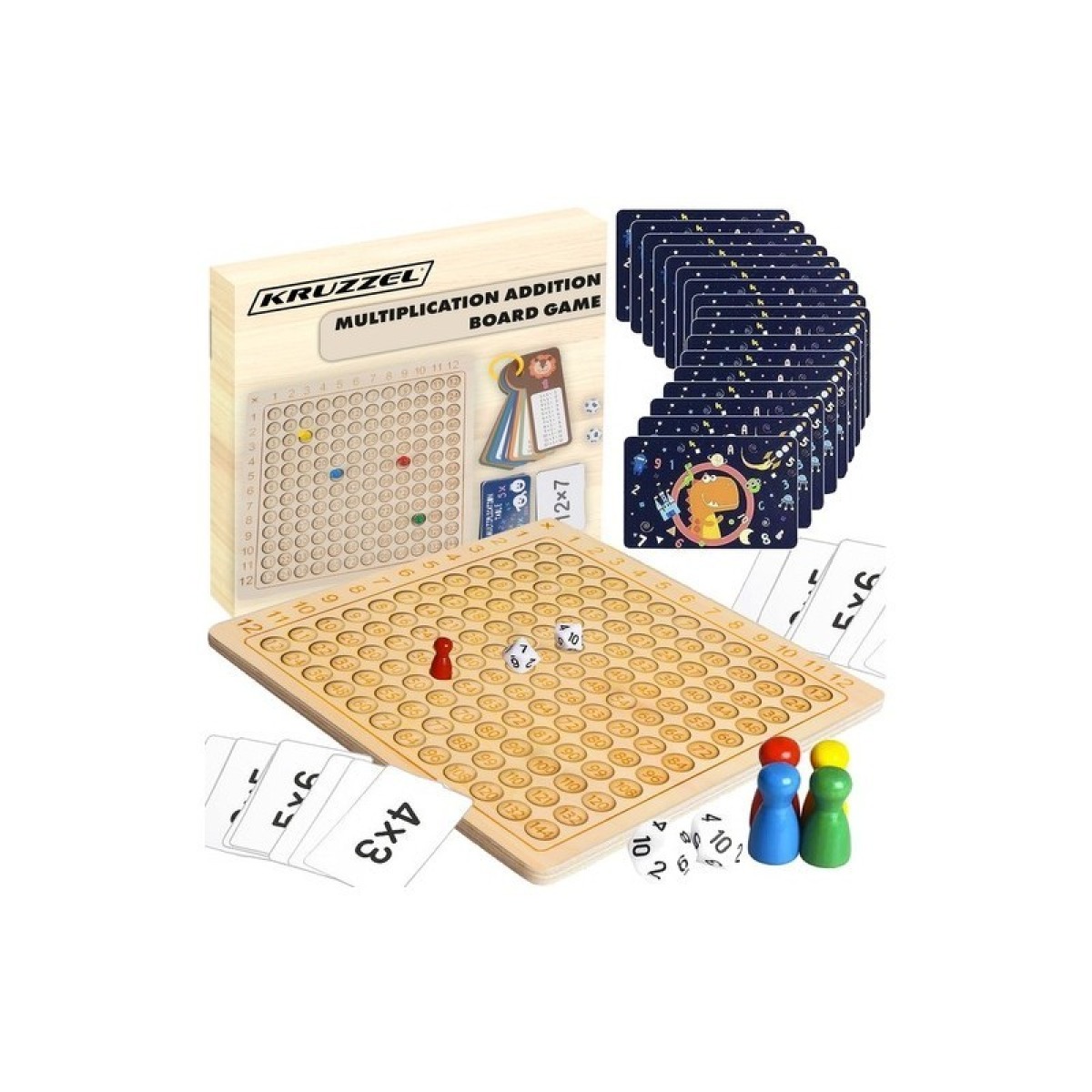
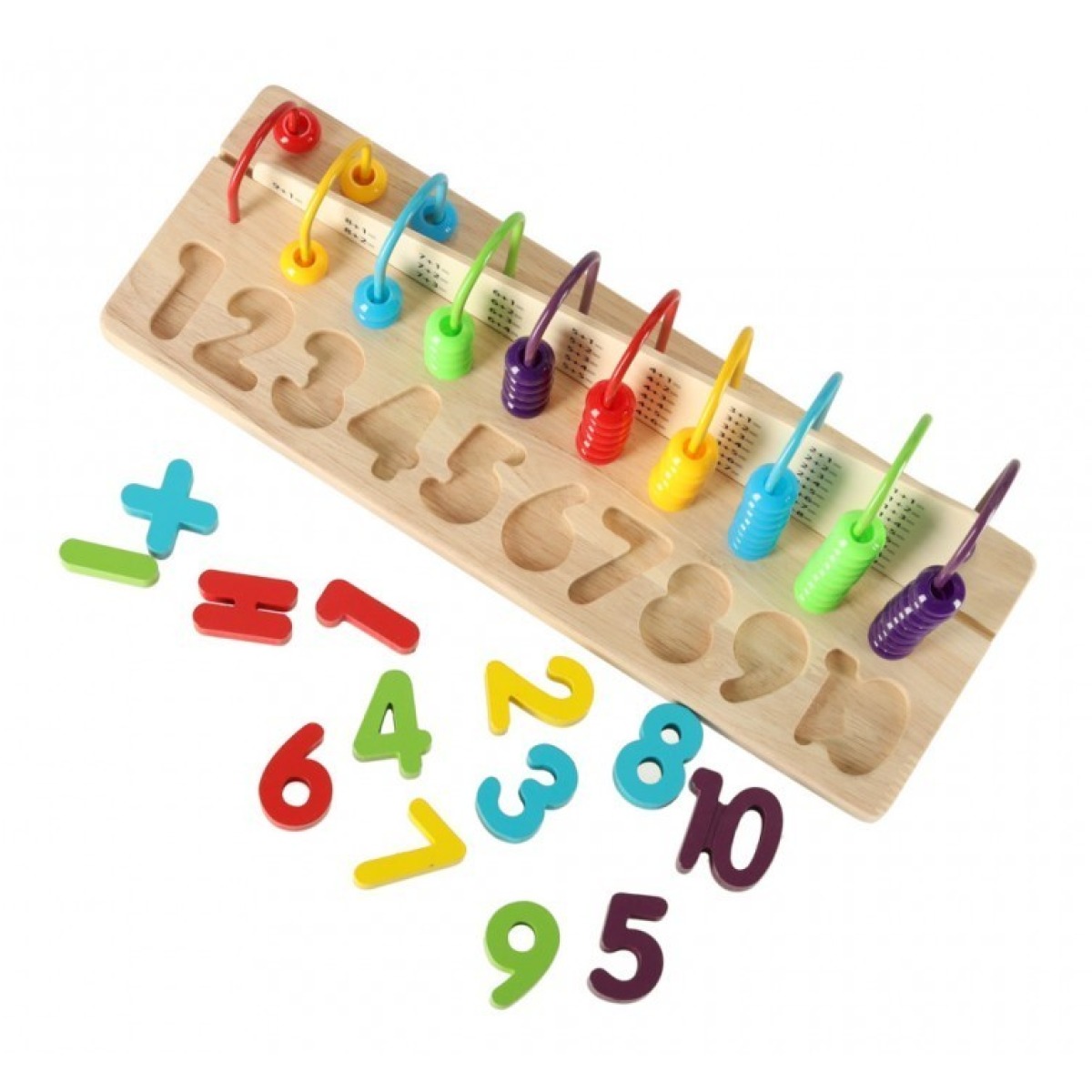
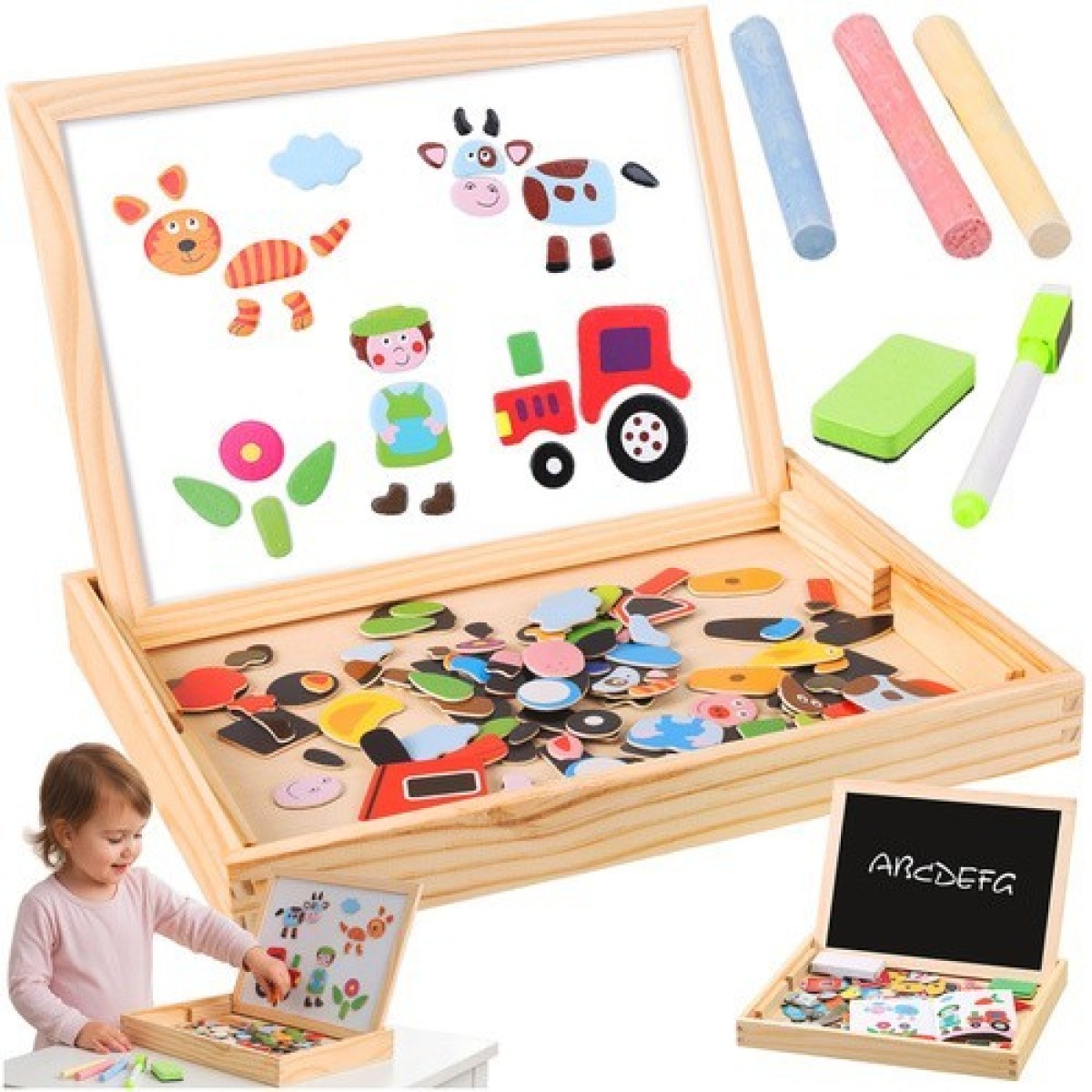
Wooden Educational Toys are developmental toys for children that help build foundational knowledge and support hand-eye coordination. They are suitable for babies and toddlers for simple sorting and threading activities, but are also popular with school-age children when the aim is to practise maths, shapes and logical thinking.
Educational Toys make learning visible: children match, place, attach and repeat activities at their own pace. When choosing one, it is important to make sure the toy is safe and ergonomic, and that the activity relates to a specific skill—for example, recognising numbers, identifying shapes or practising the times tables.
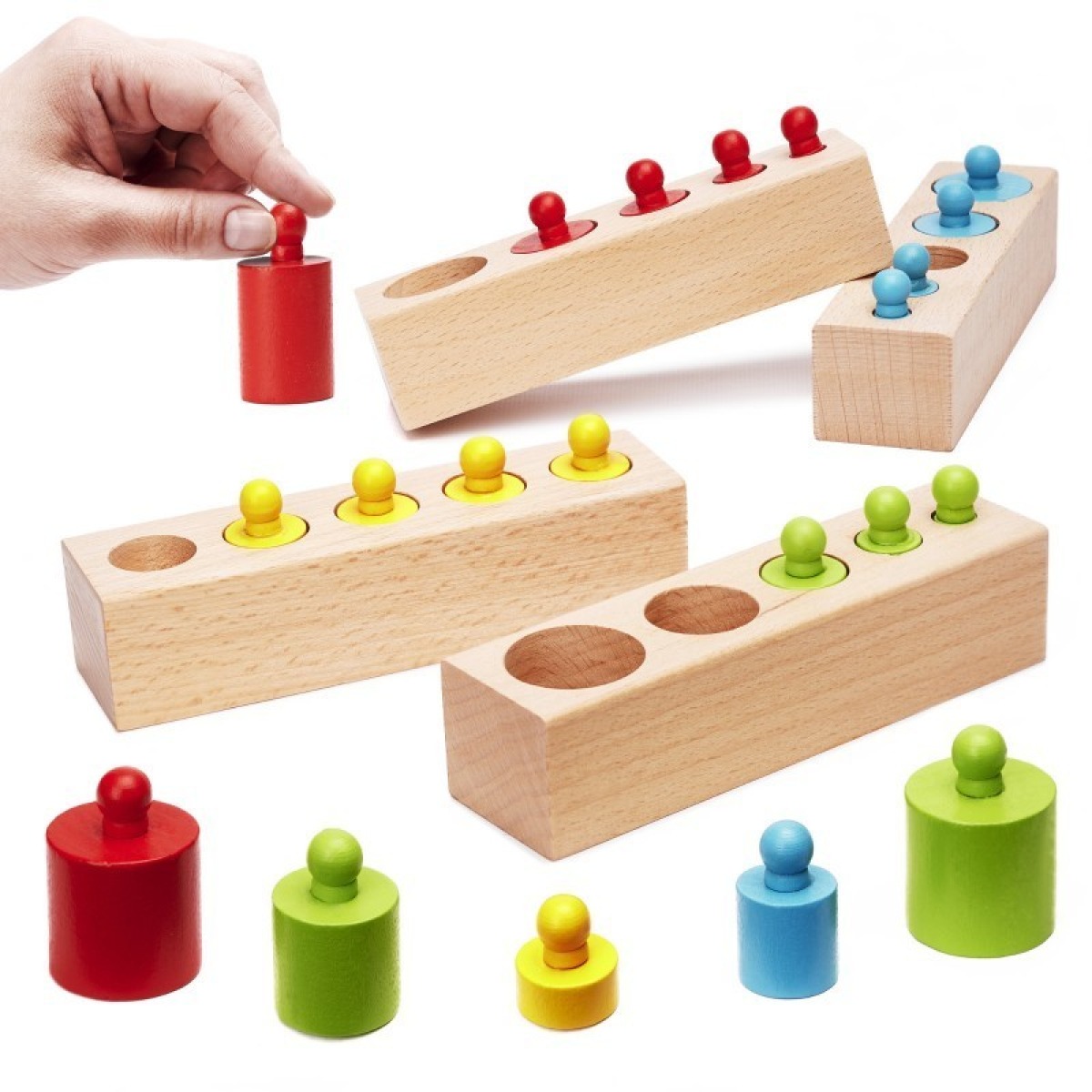
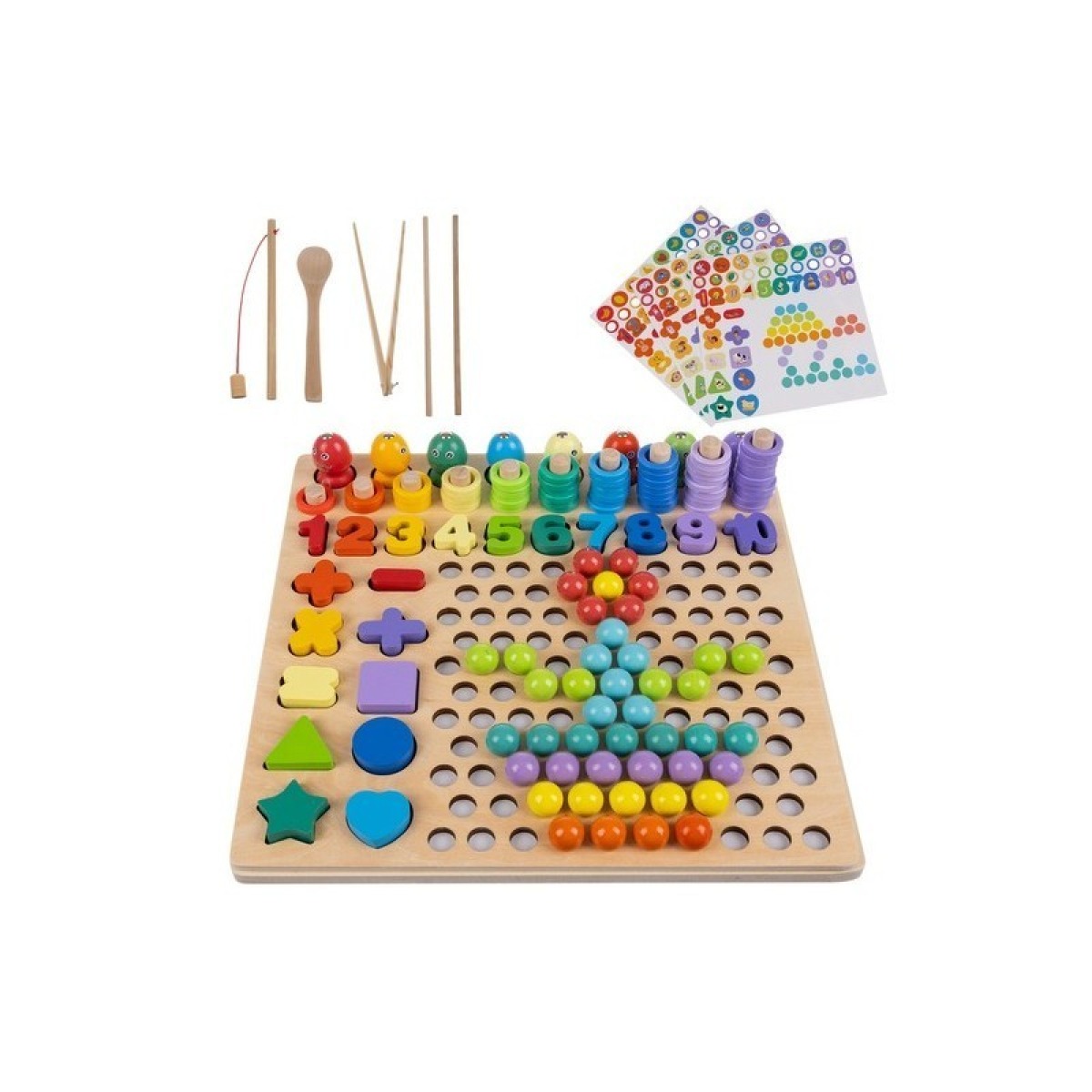
Wooden Educational Toys offer children practical learning: children can take steps they can touch and check for themselves. Puzzles, sorters and sets with different pieces support both fine motor skills and concentration. Many toys are designed so that children have to match shapes, colours or numbers and can immediately see whether they have found the right solution.
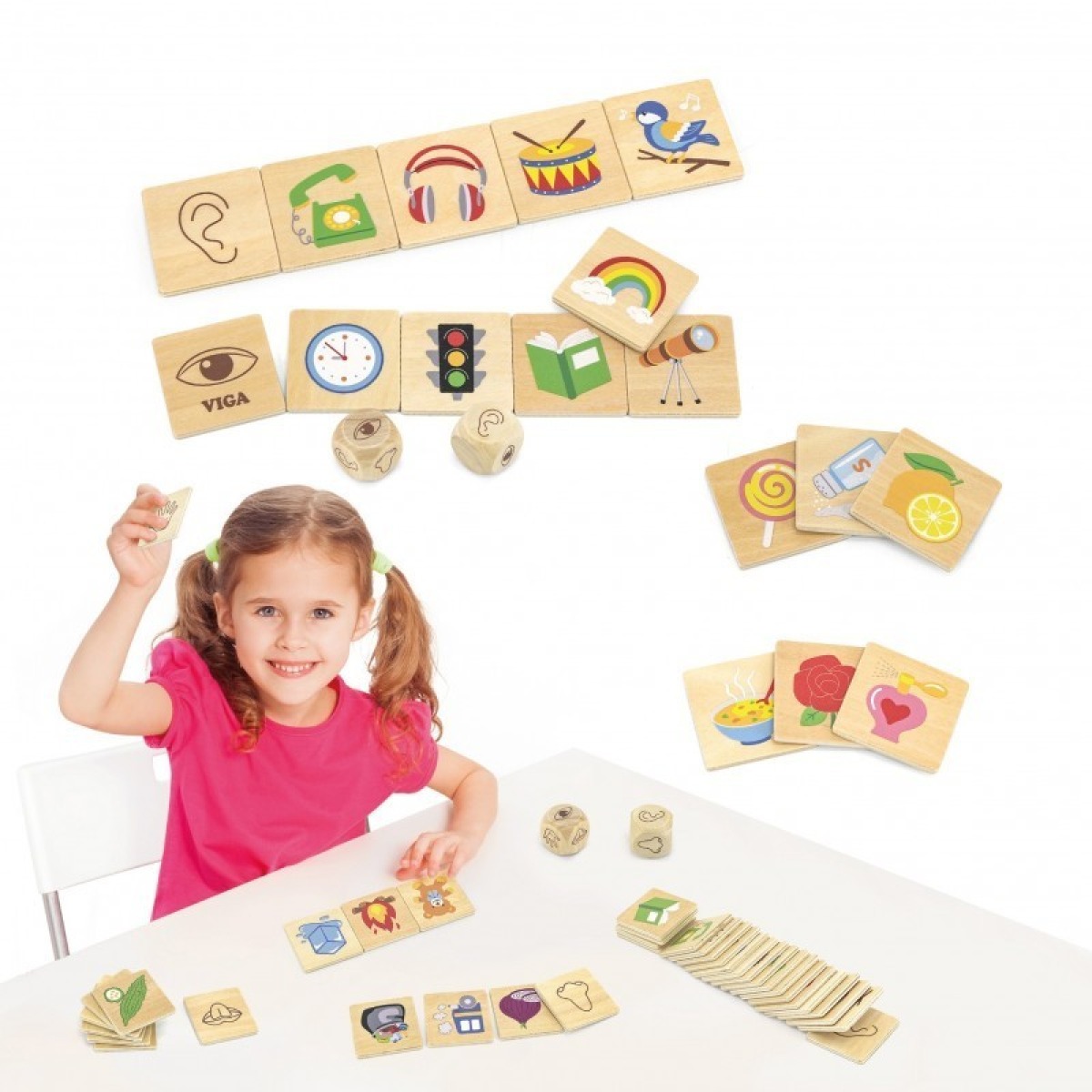
The category includes Montessori-style puzzles related to the senses and sorting, as well as activities that support maths. This makes Wooden Educational Toys suitable for both play and short learning sessions at home in the children's room. If you are looking for a toy that helps develop children's logic and introduces foundational topics, educational toys with wooden pieces are often a good starting point.
Wooden Educational Toys are designed for activities with a specific purpose. For example, matching geometric shapes and colours helps children distinguish similarities and differences, while numbers and maths topics build a stronger foundation for future learning.
Different sets work in slightly different ways, but what they have in common is that children learn by doing. It is important to choose a toy whose activity supports a skill that is currently developing, whether sorting, threading or sequencing.
Many Wooden Educational Toys are designed according to Montessori principles. The aim is for children to guide the activity themselves: they choose a piece, fit it in the right place and receive feedback from the result. This approach works well both for first-time learning and for revision, when children want to play through the same topic again.
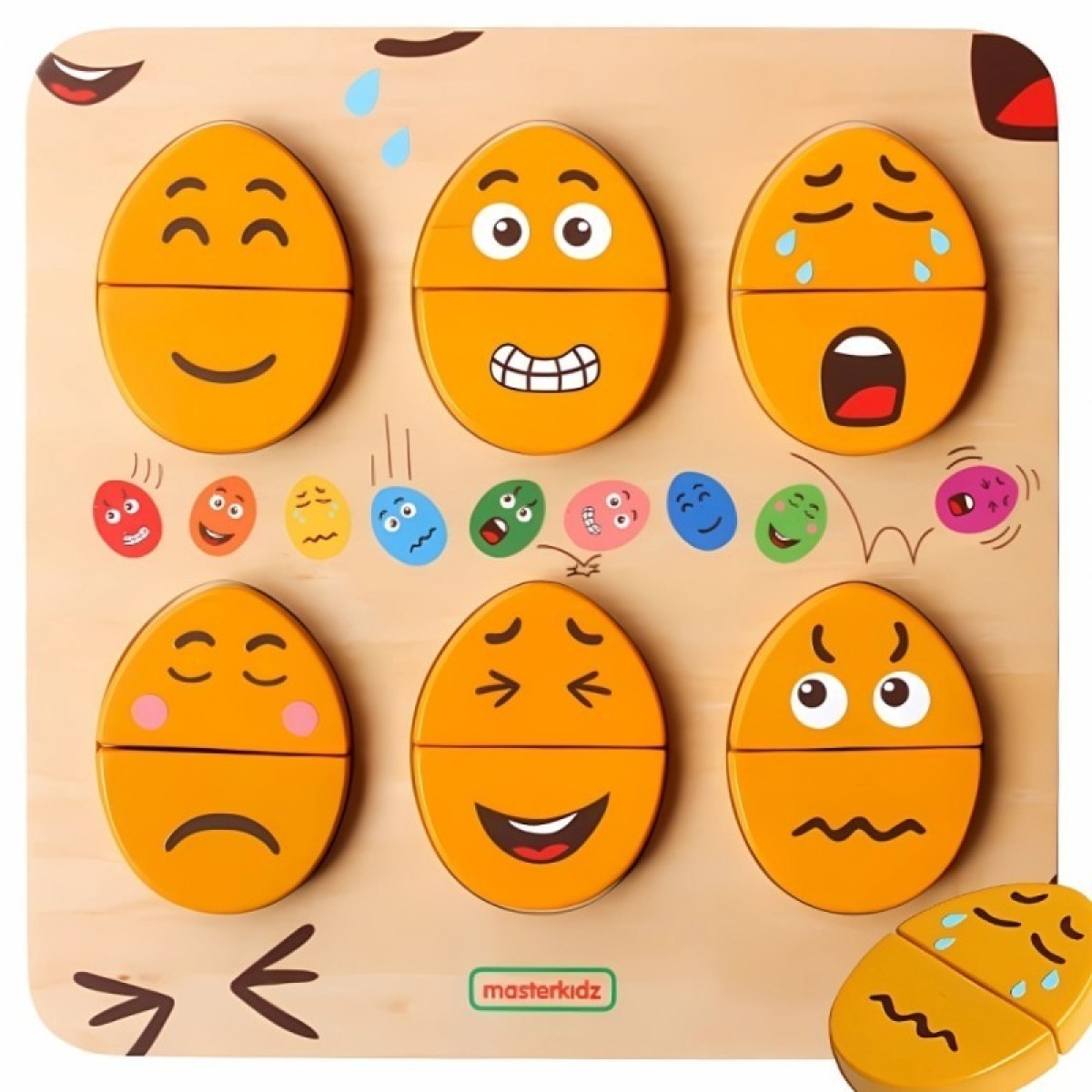
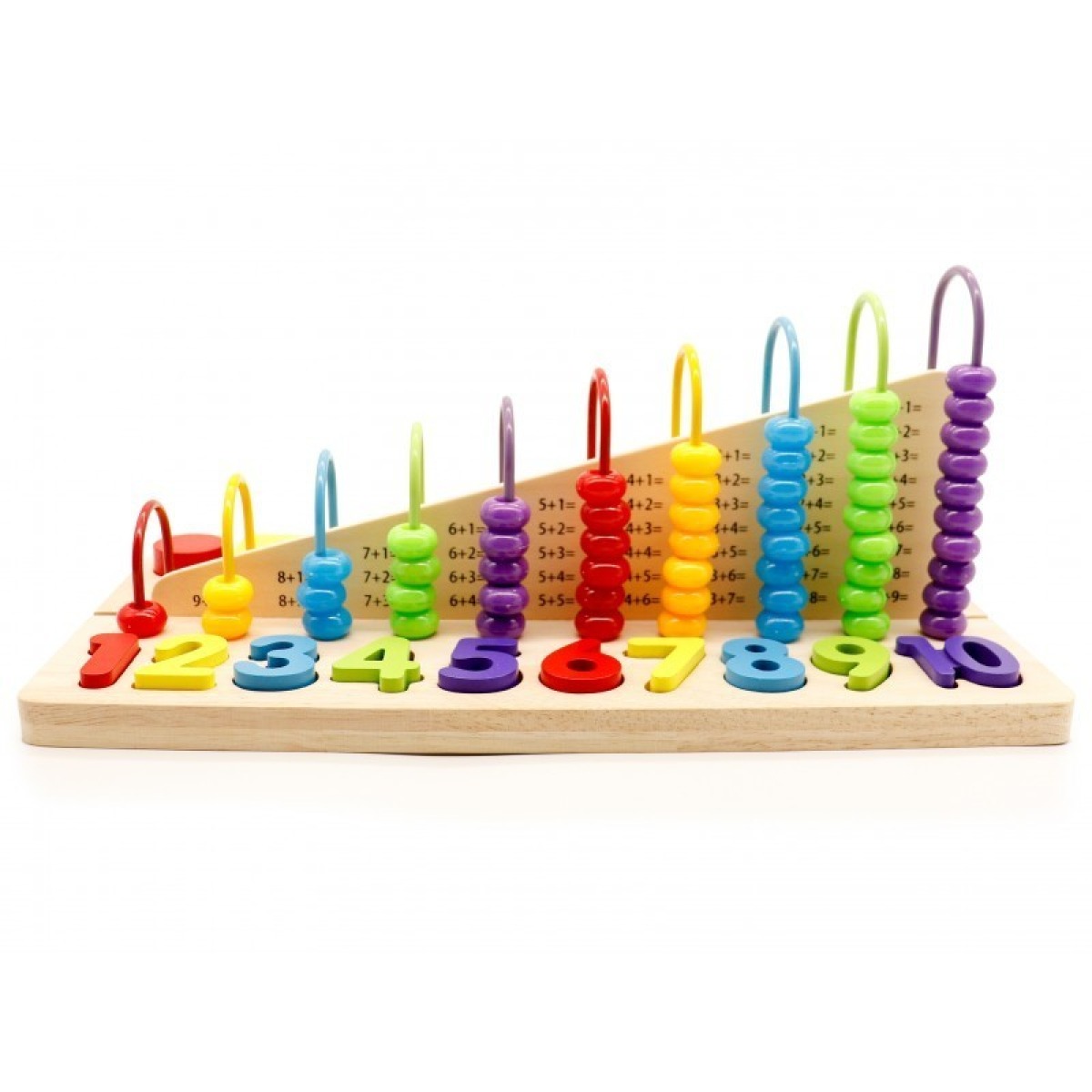
Montessori-style puzzles and sensory Educational Toys are often connected to everyday concepts such as shapes, numbers, body parts or emotions. Options involving maths (for example, times-table exercises or number activities) offer a way to make an abstract topic concrete.
When choosing a Wooden Educational Toy, it is worth checking whether the activity is suitable for the child and whether the set supports the skill they are currently practising. As these toys usually have small pieces, it is also important to consider their sturdiness and overall ease of use.
Practical questions to help assess suitability:
With Wooden Educational Toys, it works well when a task starts with a specific step and the result can be seen quickly. If a toy has several variations or different elements, the same set can be used for longer, and children can practise one skill in different ways.
Whether the aim is children's maths, recognising shapes and colours or Montessori-style sorting, Wooden Educational Toys help make learning a natural part of the home routine. They are suitable for both independent play and playing together, with an adult guiding and supporting understanding.
MIU Kids
A quiet word about cookies
Necessary cookies are already on, so your basket and checkout can work. Analytics cookies stay off until you accept. Until then Google may receive a cookieless visit signal so we can count visits. It is not used for advertising. Accept all cookies, or keep only the necessary ones. Both are one click. We remember your choice for six months, and you can change it at the bottom of the page. Privacy notice
Analytics cookies wait for a yes
MIU Kids
Choose what stays on
Necessary
Always on. These keep the basket, checkout and the shop secure.
Analytics
No analytics cookie until you accept. A cookieless visit signal may still be sent. If you accept, Google Analytics shows which pages are used. It does not build advertising profiles.