
- New
On order 5–15 business days5–15 business days
About the collection
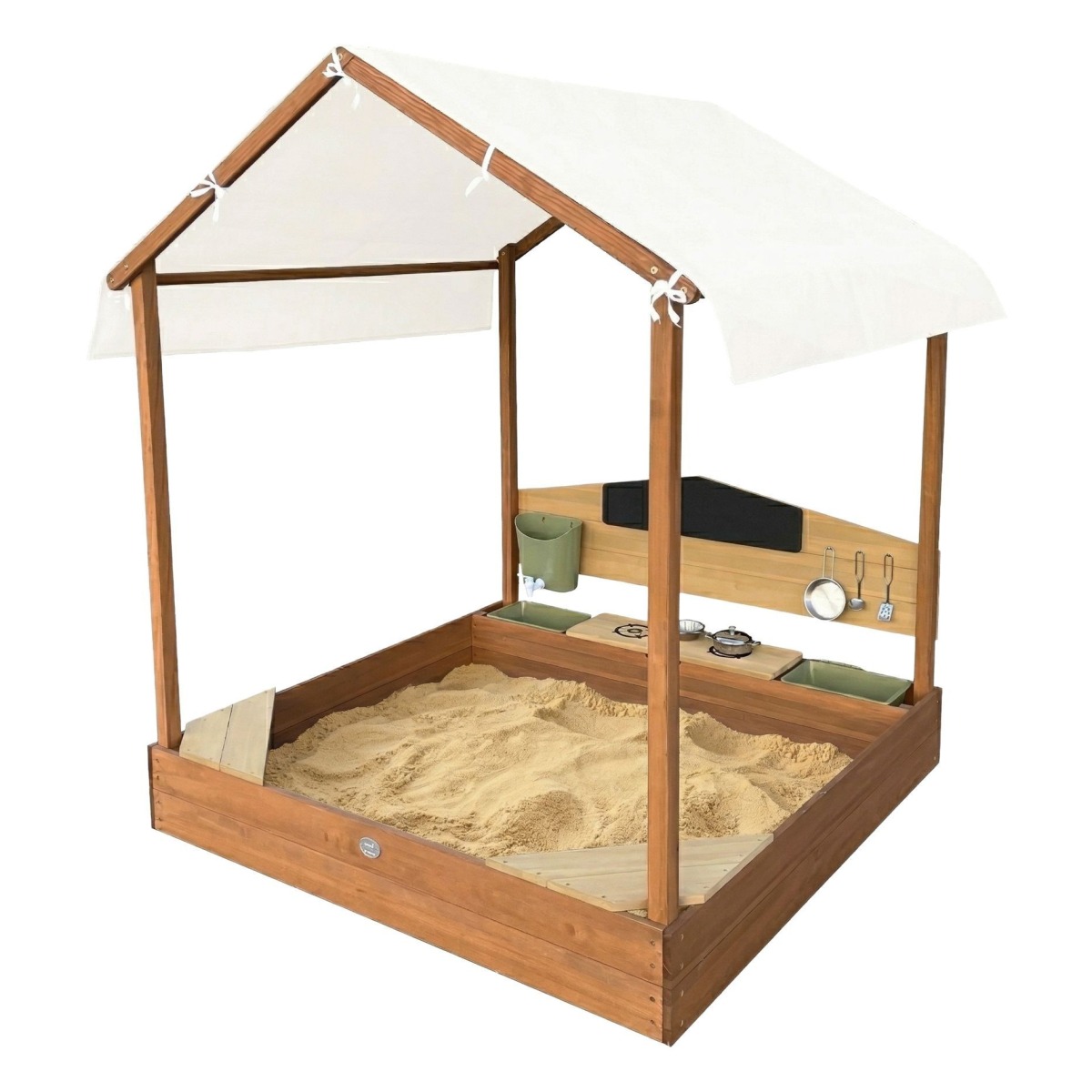
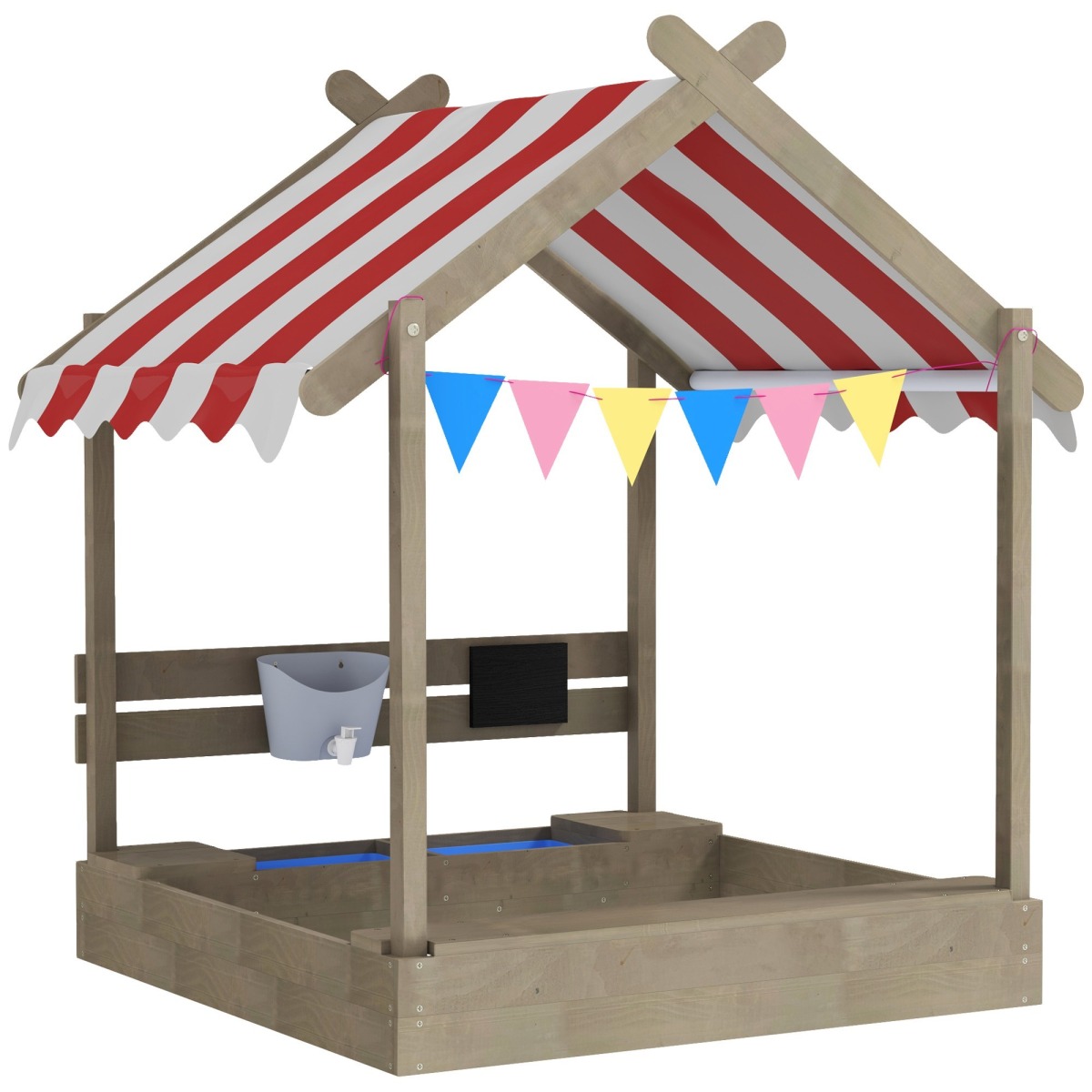
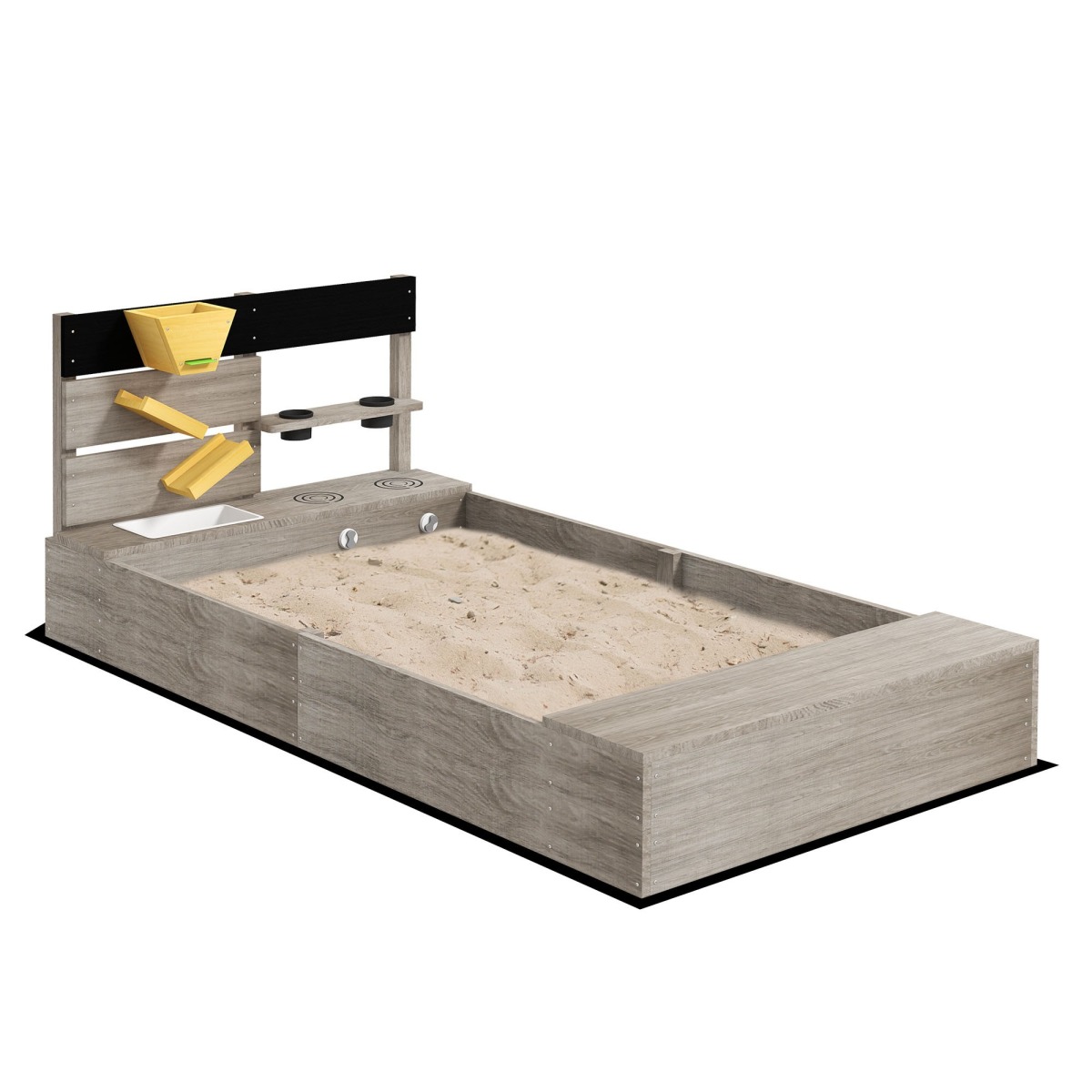
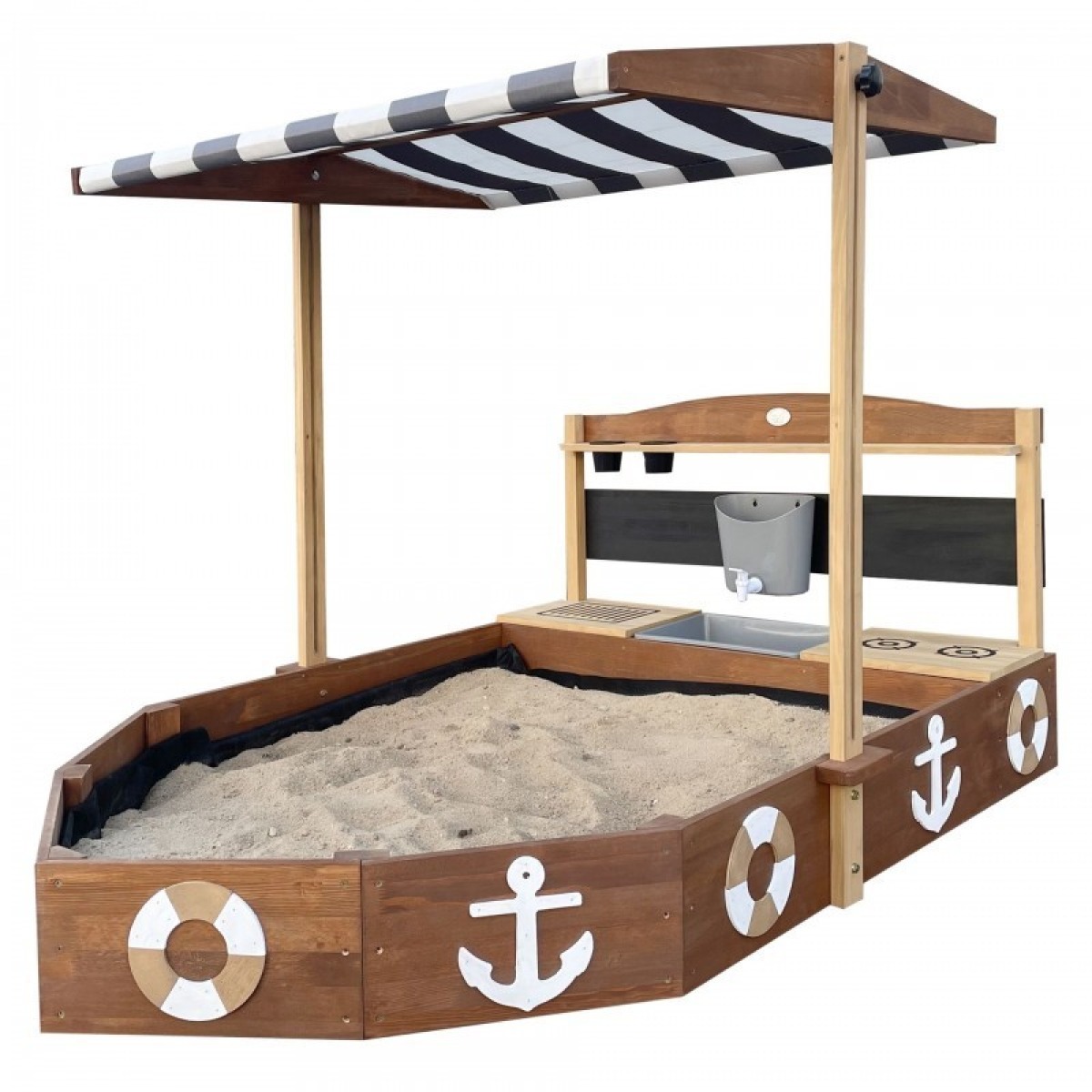
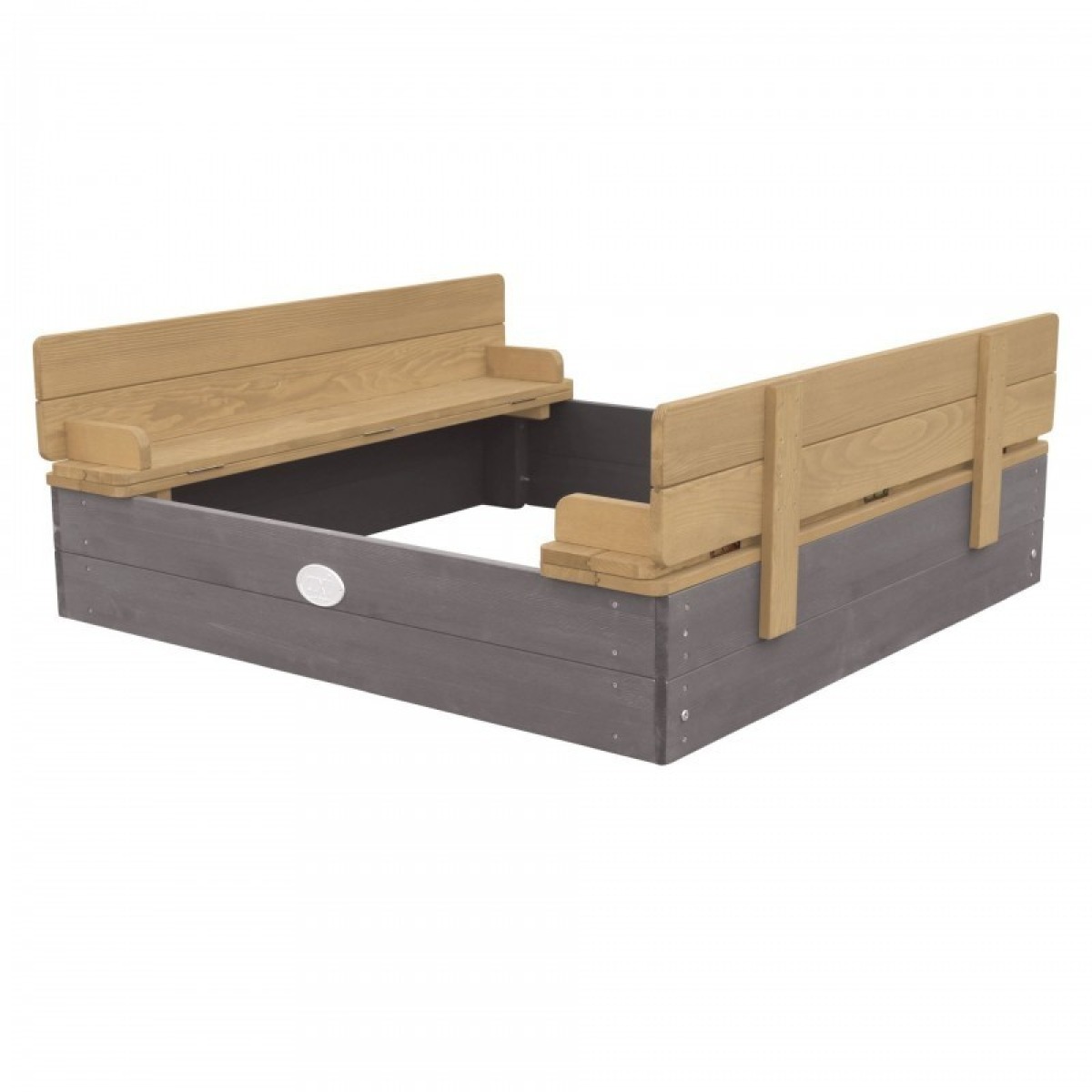
A sandpit is a much-loved play spot in the garden for building, digging and baking sand cakes. You'll find sandpits in different sizes.
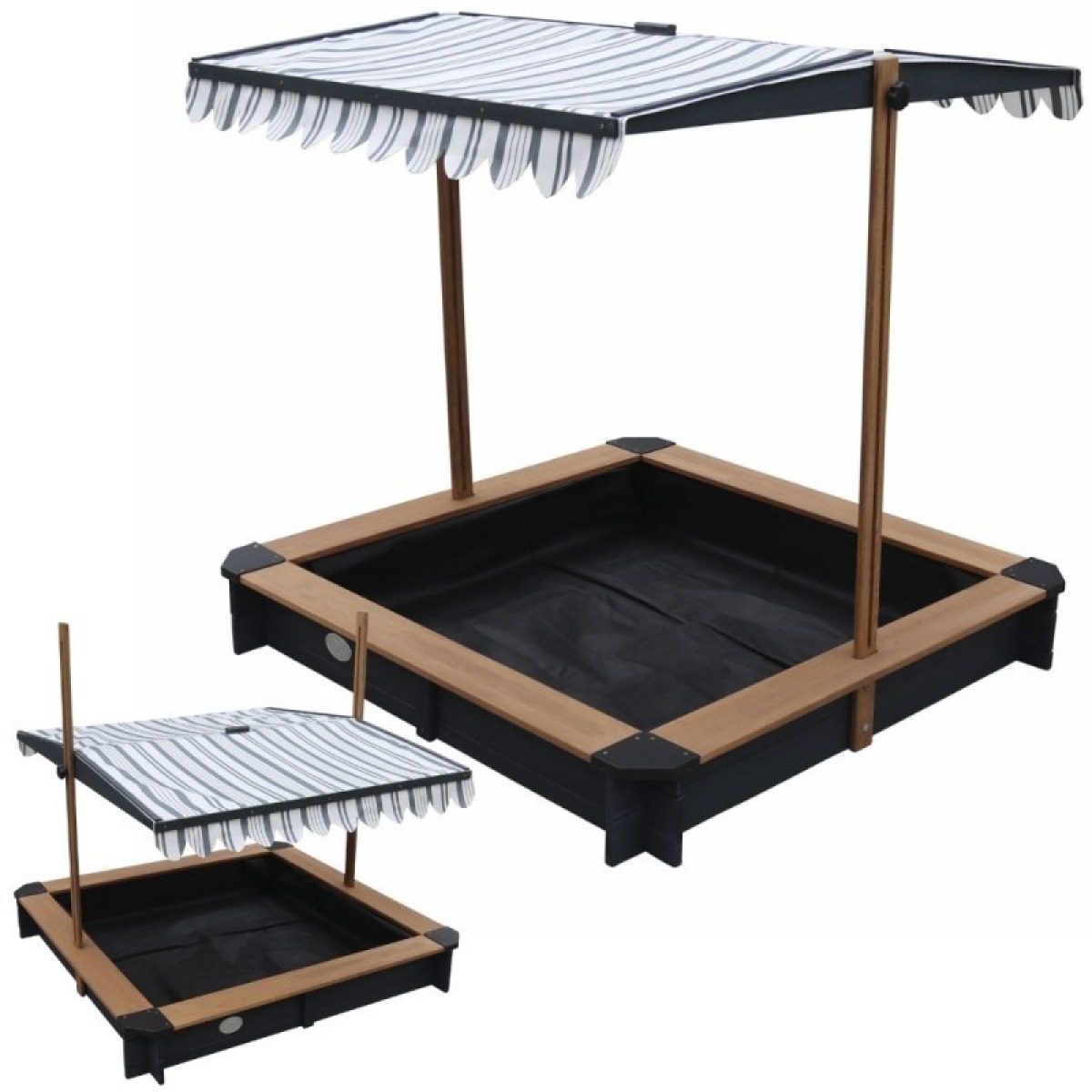
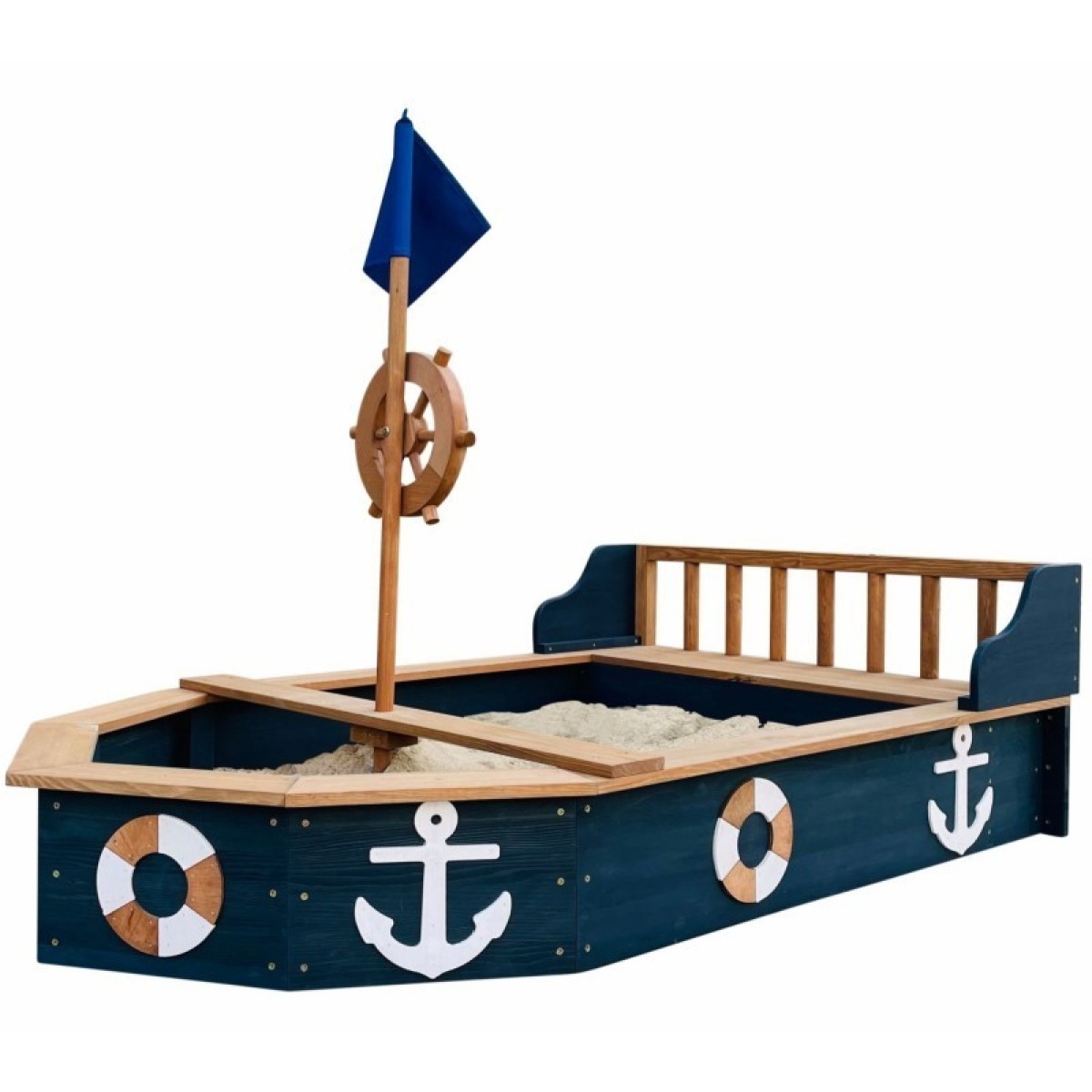
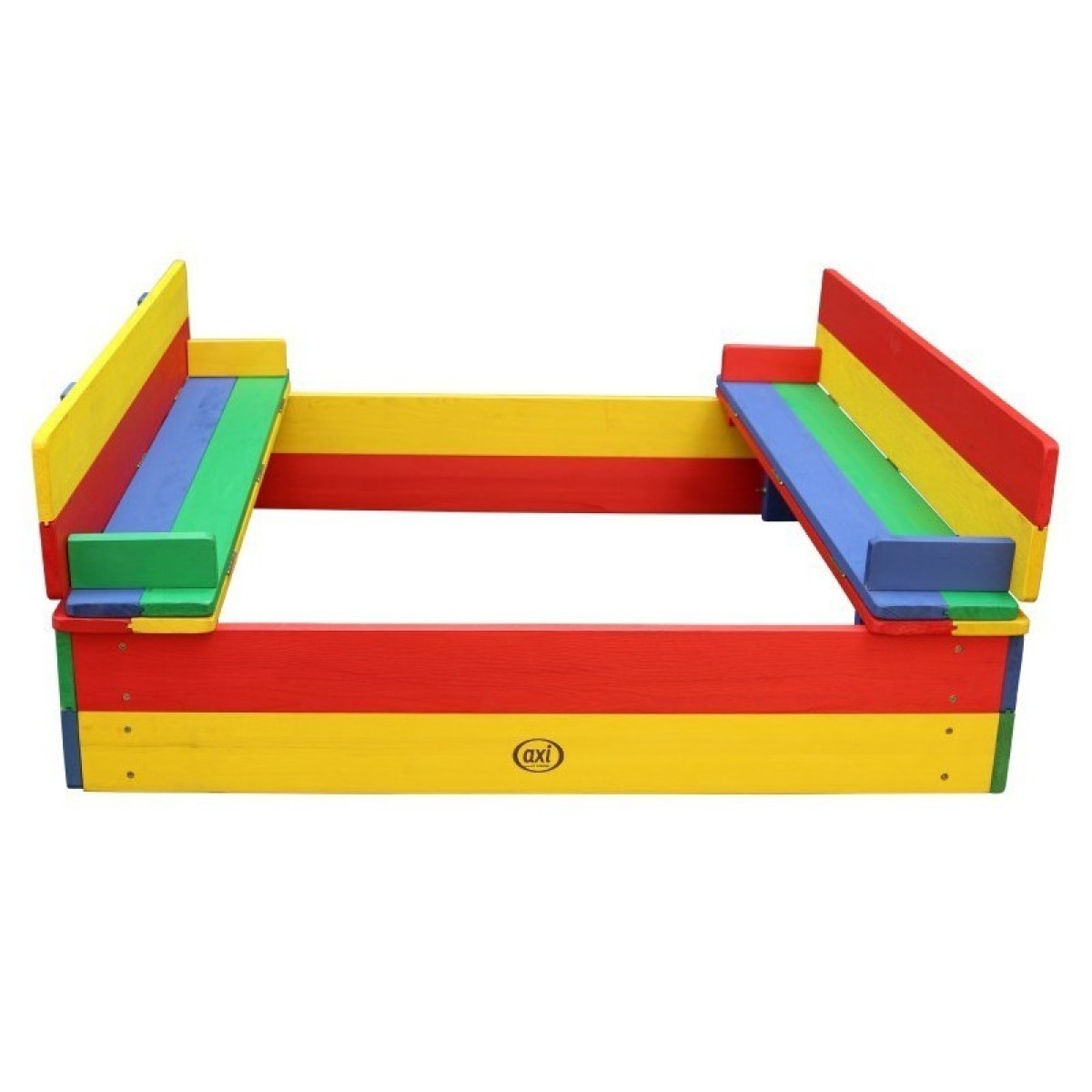
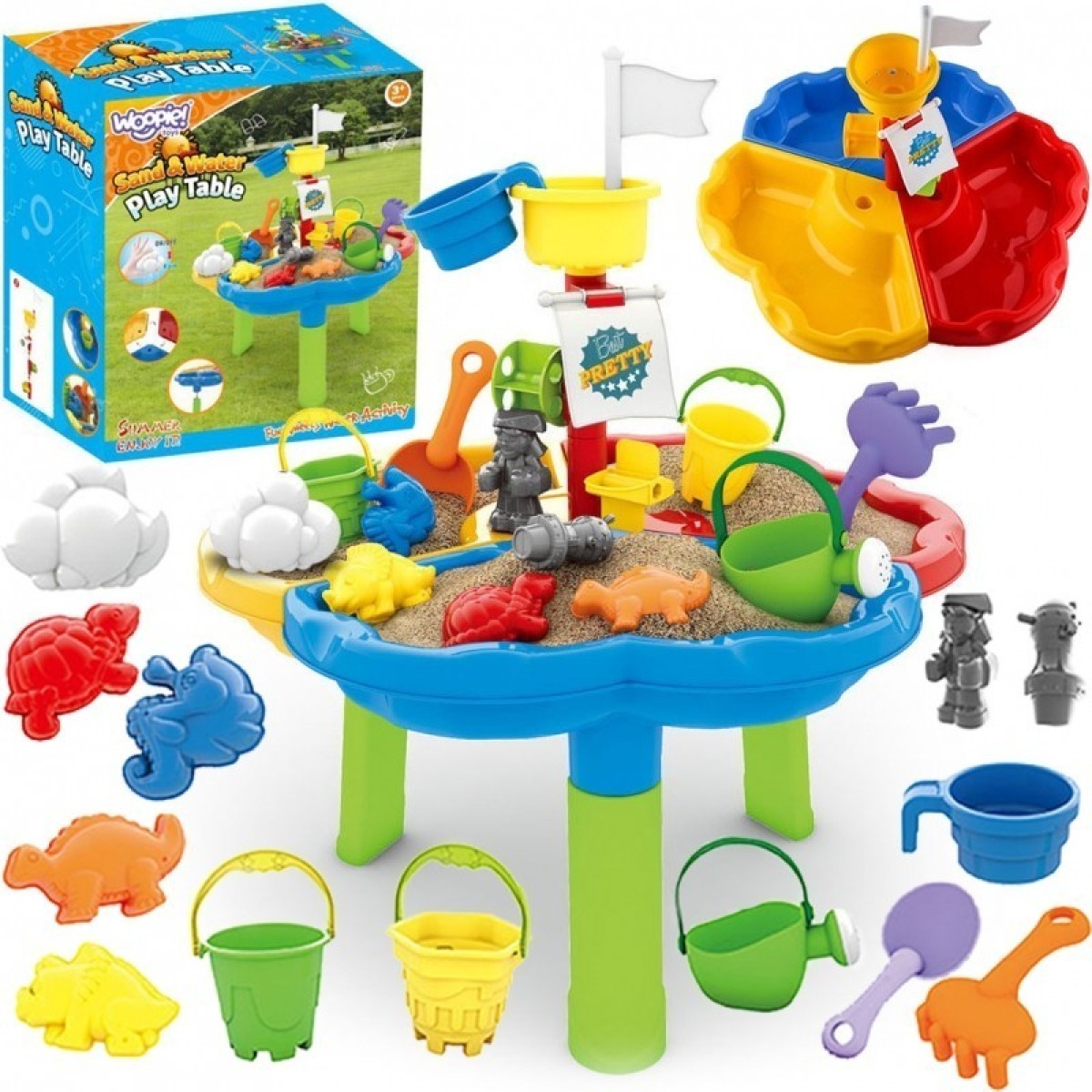
Category guide
Sandpits are at the heart of Kids' Outdoor Games – suitable for both babies and toddlers and older children who want to build, mould and play imaginatively. Sandpits for kids offer engaging outdoor activities that support creativity, fine motor skills and cooperation.Practical features are important for outdoor play: a safe wood finish, and a suitable size for a play corner in the kids’ room or outdoors
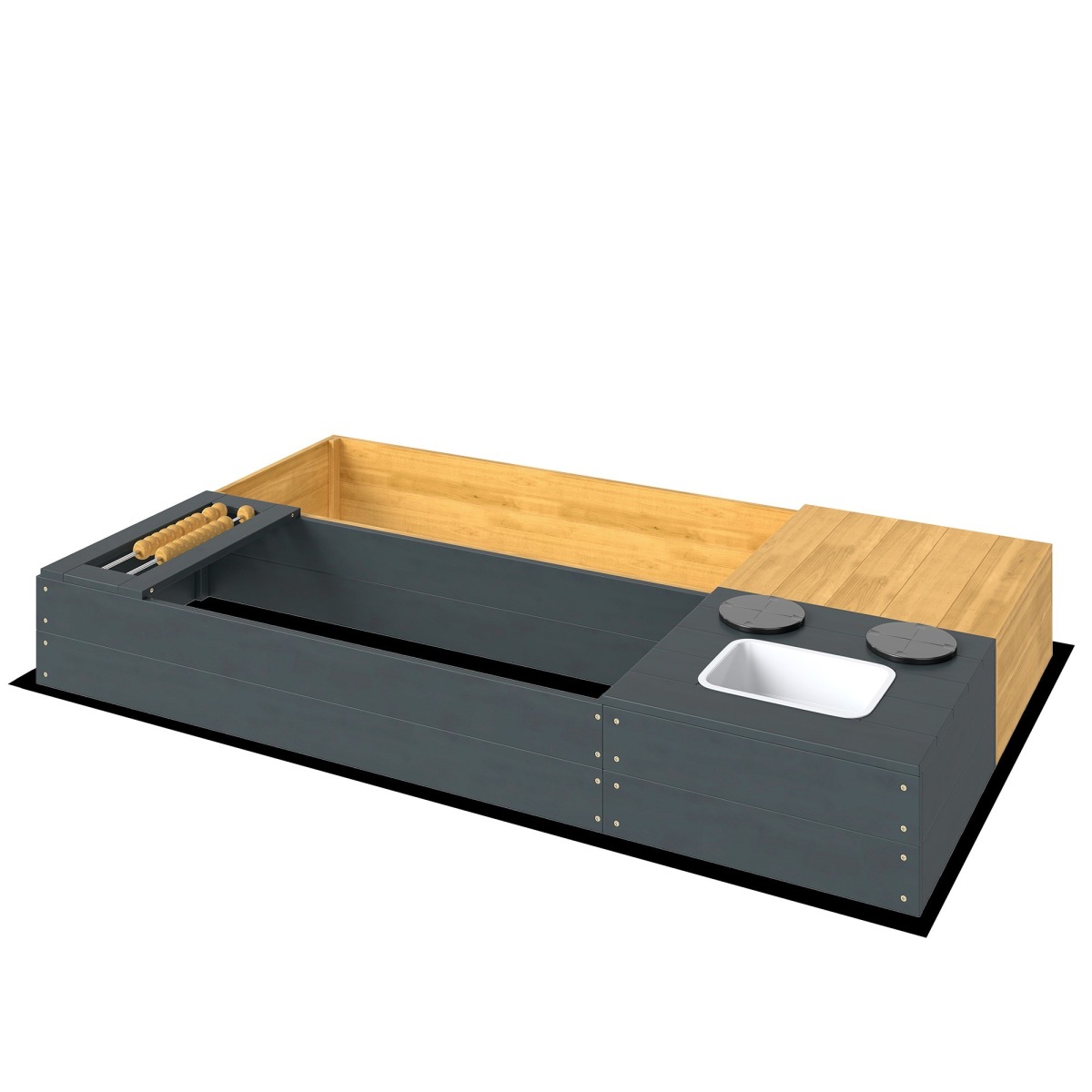
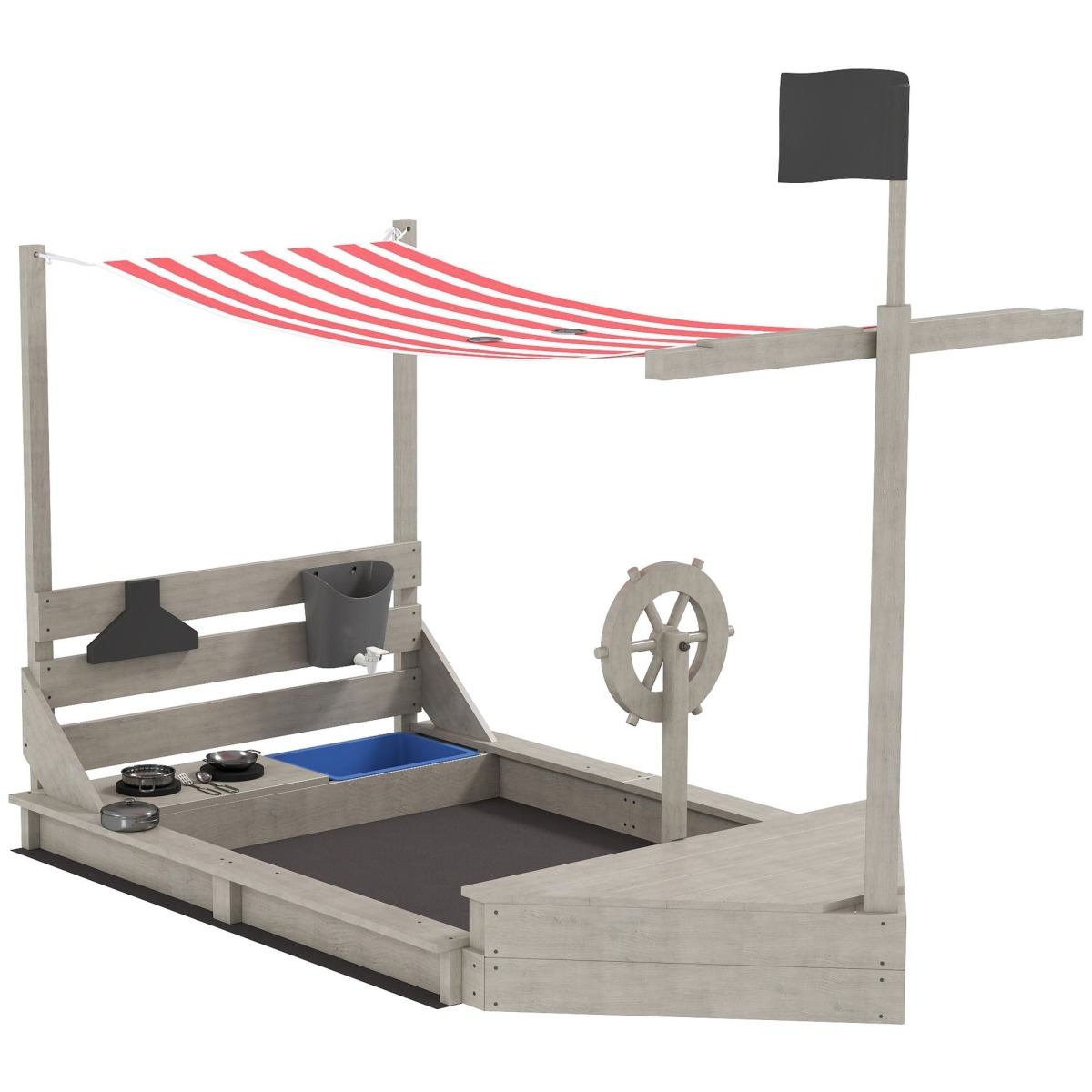
A sturdy construction that stays firmly in place. Many options come with seats, storage, a cover or even mud kitchen and water play features, making play varied even when children want to switch between sand and water.For parents, care matters too: an easy-to-use cover helps keep the sand cleaner, and accessories have their own place.
Sandpits create a place in the garden where children can build, dig and shape at their own pace. Sand lets them experiment with moulds of different sizes and shapes and develops hand-eye coordination. Outdoor play often brings several children together at once, encouraging communication and role play.
When choosing, it is worth considering how often the sandbox will be used and for what purpose. If you are looking for more home-play-style activities, options with a mud kitchen and water play features are suitable. If practicality is the priority, pay attention to the cover, storage and comfortable seating.
A sandpit’s comfort and safety depend on the details. The construction is often what sets different models apart: whether it has a hexagonal shape and seating area, hidden storage for accessories, or can also be used as a water table or picnic table. It is also worth checking the dimensions to make sure the play space is easy for a child to use.
Key selection criteria:
Wooden sandpits are a favourite with many families because the material has a natural look and feels good to the touch. Different designs, such as sandpits with seating areas or well-planned storage, make play comfortable even when there are lots of accessories. Many models use FSC-certified or otherwise certified wood, helping families choose thoughtfully designed, durable options.
When a sandbox is used in all kinds of weather, it’s a good idea to check that the wood has been treated and the details are smoothly finished. This makes the play surface more comfortable for both younger and older children.It's also worth considering where the sandpit will be placed: on a terrace, a convenient option is one that can be used not only for sand play, but also for water play or as a picnic table.
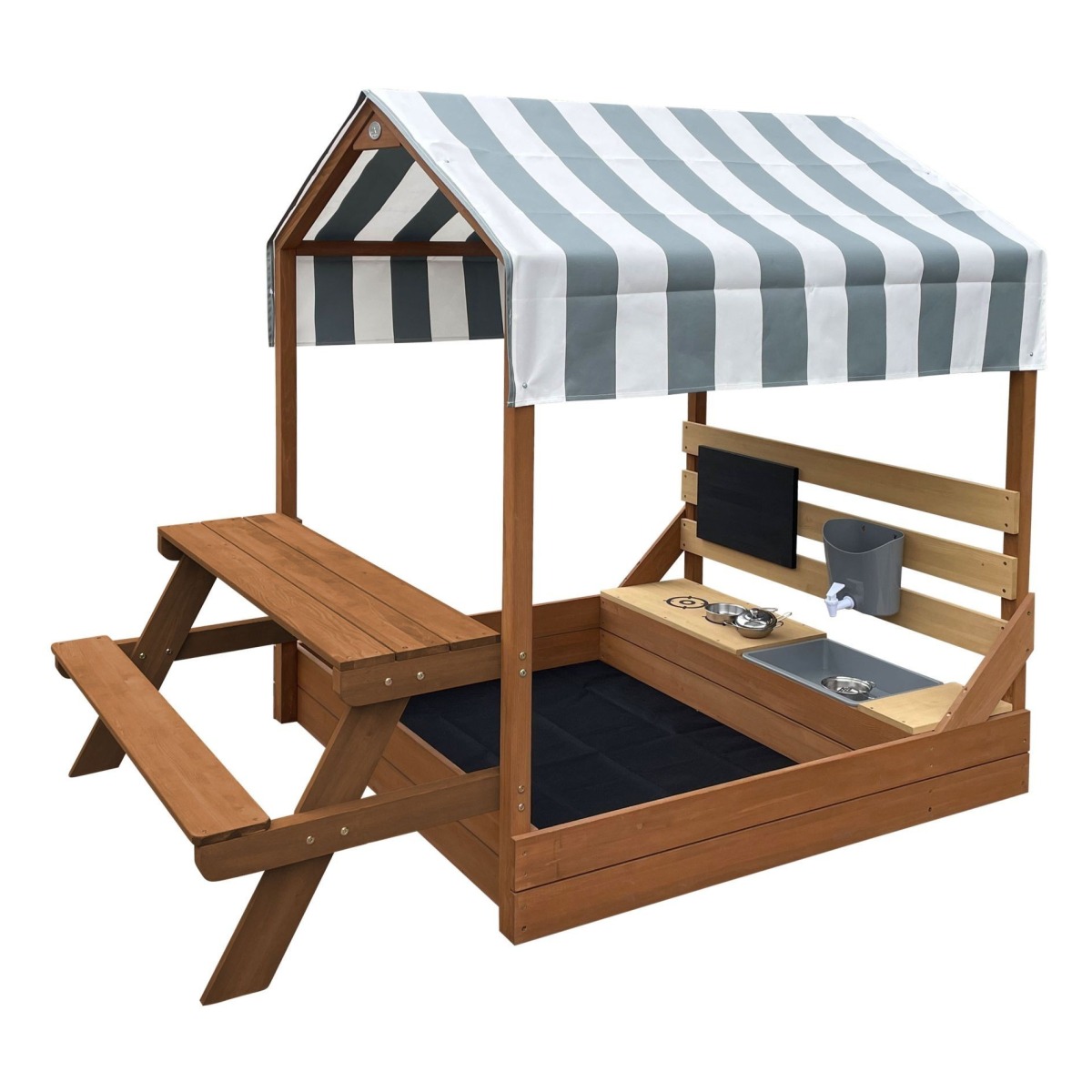
Many sandpits combine sand play with water play or picnic tables. These models are a good choice if you want to switch between sand and water activities and make it easy for a child to change the “theme” themselves: filling, pouring, mixing and shaping. A water table with a sandpit helps keep play varied and is ideal in the summer heat.
When choosing a 2in1 design or a combined water table and sandpit, consider whether you would prefer more table-based activities (e.g. picnics or crafts) or mainly digging and pouring. Here too, it is important to keep accessories organised and ensure the structure is stable. This keeps the play area tidy and lets children move around smoothly.
The right sandbox depends primarily on the user's age and play style. For babies and toddlers, it is important that the sandbox is safely enclosed and has smoothly finished edges.Toddlers often enjoy having a seating area and easy access to play accessories. For school-age children, spaciousness and extra features are important, allowing for longer, role-based play.
Also consider care and ease of use from a practical perspective. Recommendations:
A good sandpit fits into the family’s garden routine: children can play independently, parents can keep an eye on them in one clearly defined play area, and sand becomes a practical, developmental play environment every day.
MIU Kids
A quiet word about cookies
Necessary cookies are already on, so your basket and checkout can work. Analytics cookies stay off until you accept. Until then Google may receive a cookieless visit signal so we can count visits. It is not used for advertising. Accept all cookies, or keep only the necessary ones. Both are one click. We remember your choice for six months, and you can change it at the bottom of the page. Privacy notice
Analytics cookies wait for a yes
MIU Kids
Choose what stays on
Necessary
Always on. These keep the basket, checkout and the shop secure.
Analytics
No analytics cookie until you accept. A cookieless visit signal may still be sent. If you accept, Google Analytics shows which pages are used. It does not build advertising profiles.