
- New
In stock · 1–3 business days1–3 business days
About the collection
Music delights and develops even the littlest ones. With children's instruments, babies and toddlers learn rhythm and listening, while older children can already play tunes. You'll find wooden and electronic instruments, such...
Category guide
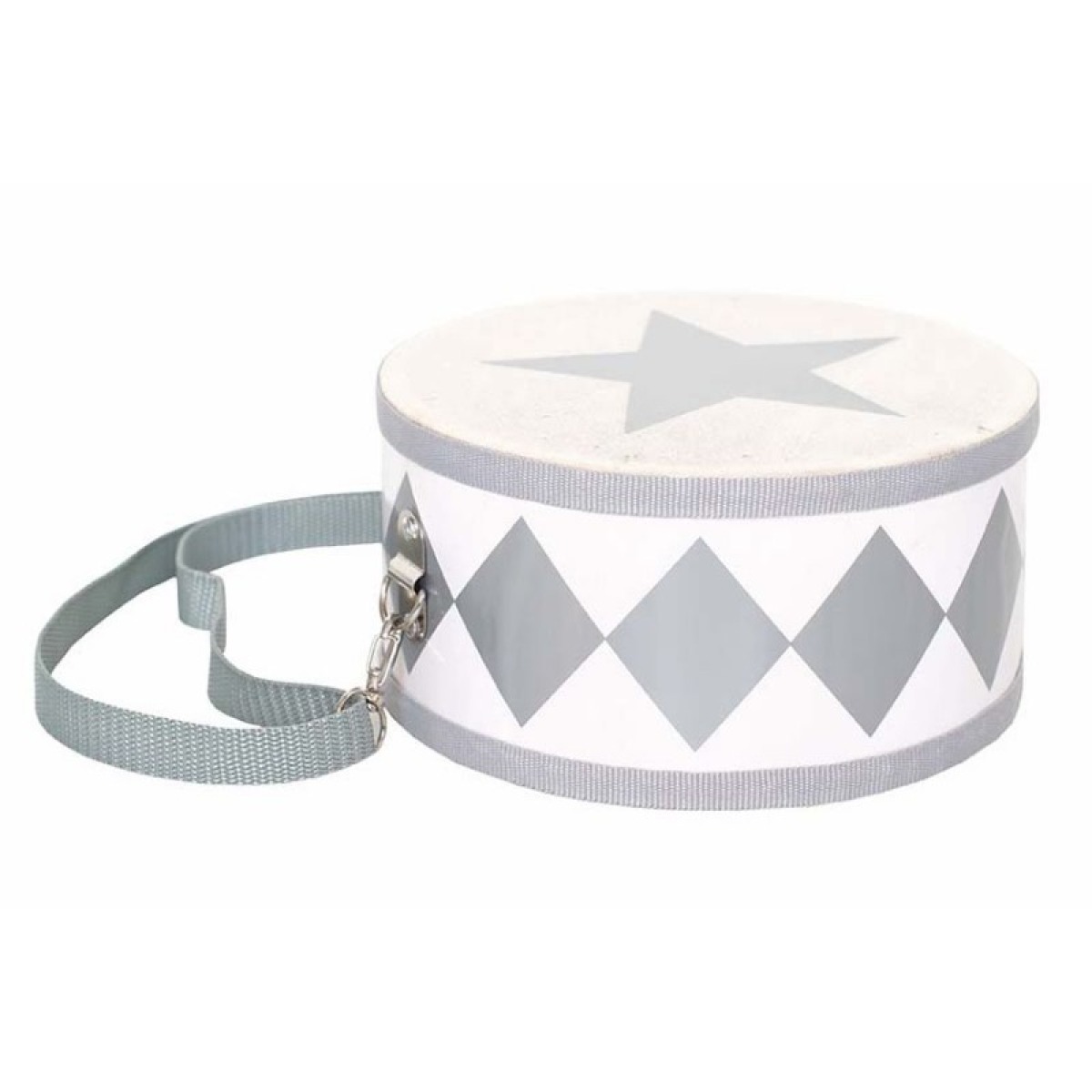
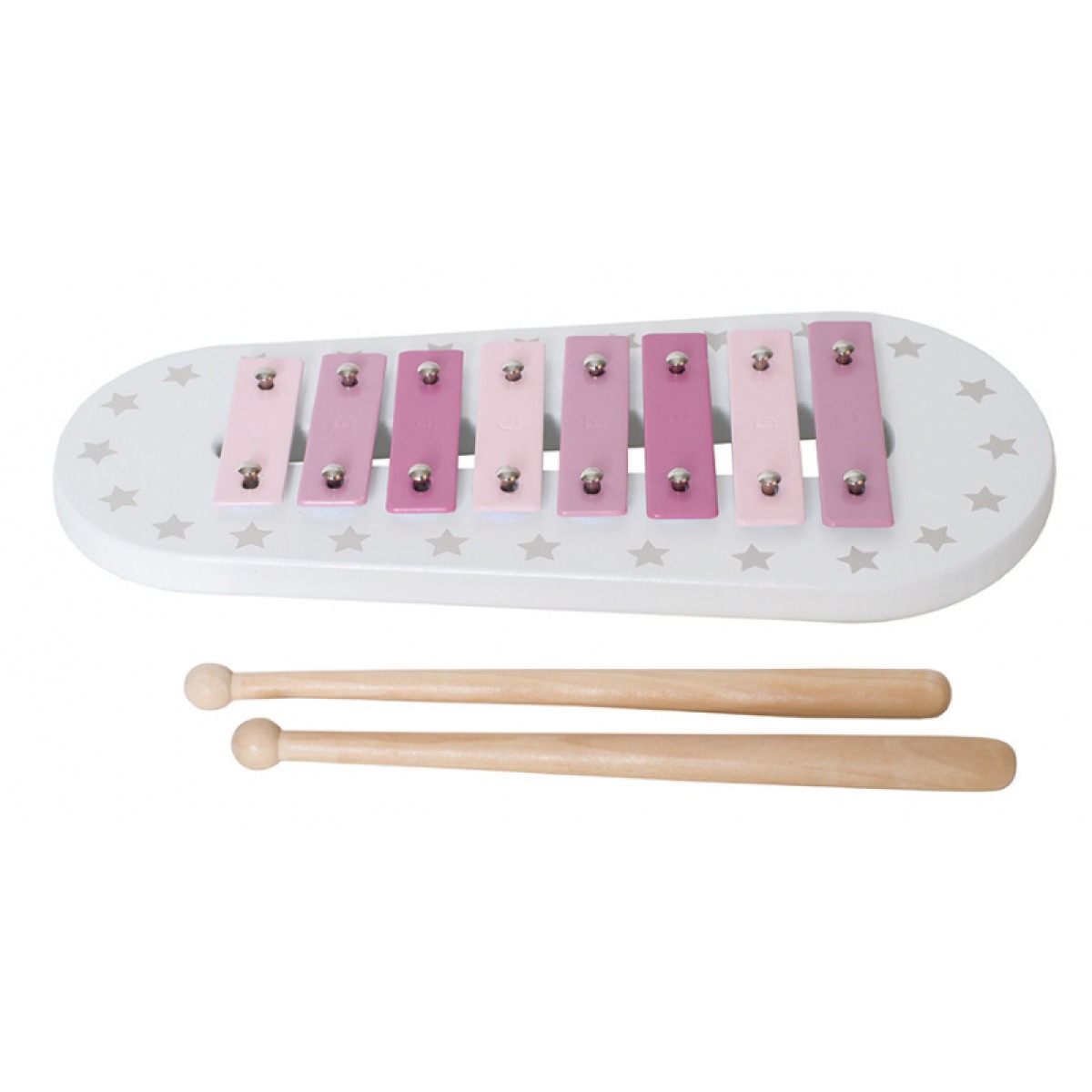
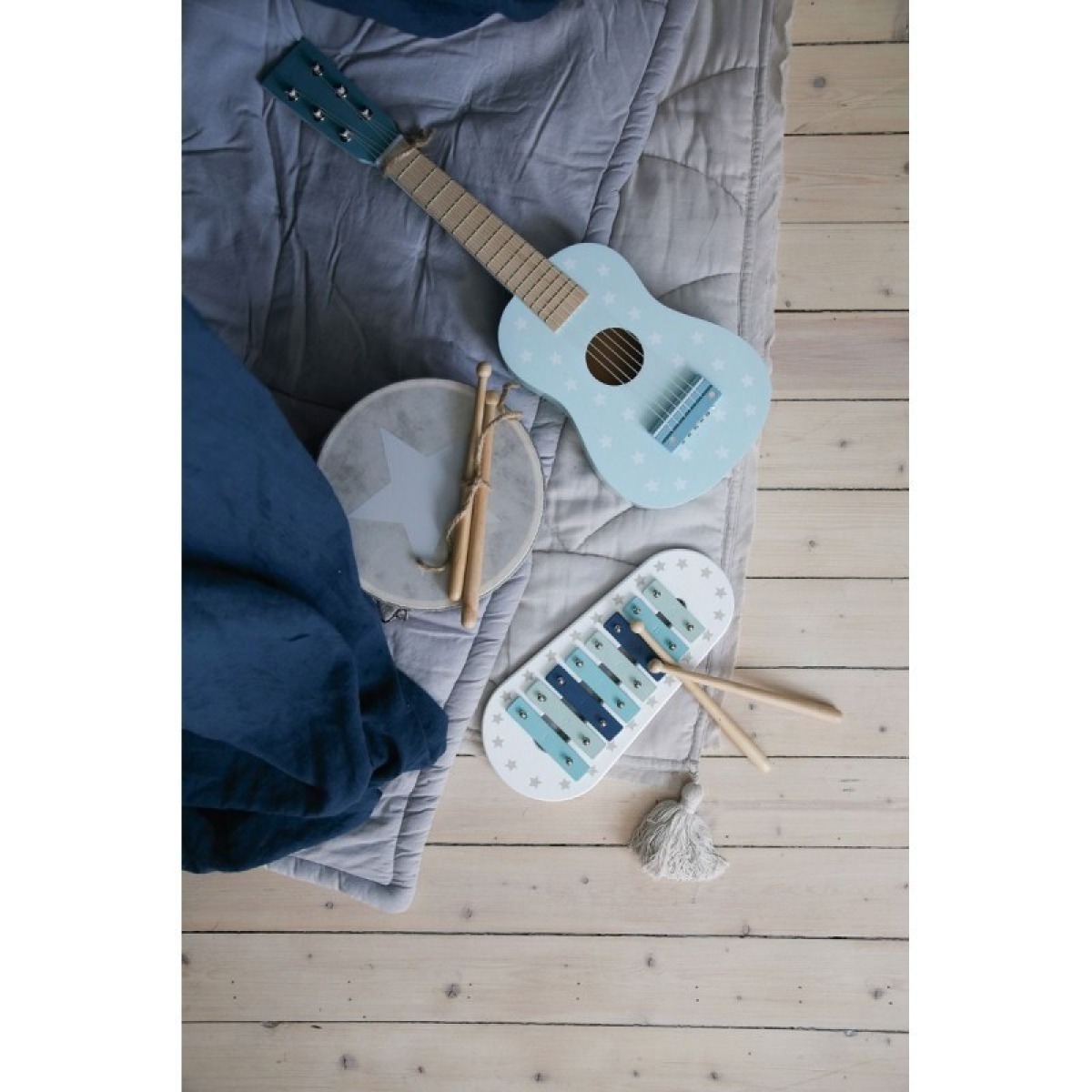
Kids' Musical Instruments are designed to let children make music from their very first attempts. Babies and toddlers learn about rhythm and listening through simple activities, while older children can play melodies, explore sounds and develop fine motor skills. The category includes both wooden and electronic musical instruments, including pianos, drums, guitars, accordions, xylophones, chime bars and various sound makers. It is important to
choose a toy that supports the child's development: clear sound, a comfortable grip, safe and durable materials, and a suitable way to use it at home in the child's room. If you want musical instruments to be an active companion both for solo play and role play, explore interactive options such as piano mats, musical wall panels and dance mats. This creates regular practice through music, helping to develop rhythm, coordination and self-expression.
Kids' Musical Instruments are practical learning and play tools that give children the opportunity to create sounds themselves. Making music supports a sense of rhythm and listening skills, and helps develop hand-eye coordination. At the same time, children's creativity grows: they can experiment with instruments, create little stories and express emotions through sound.
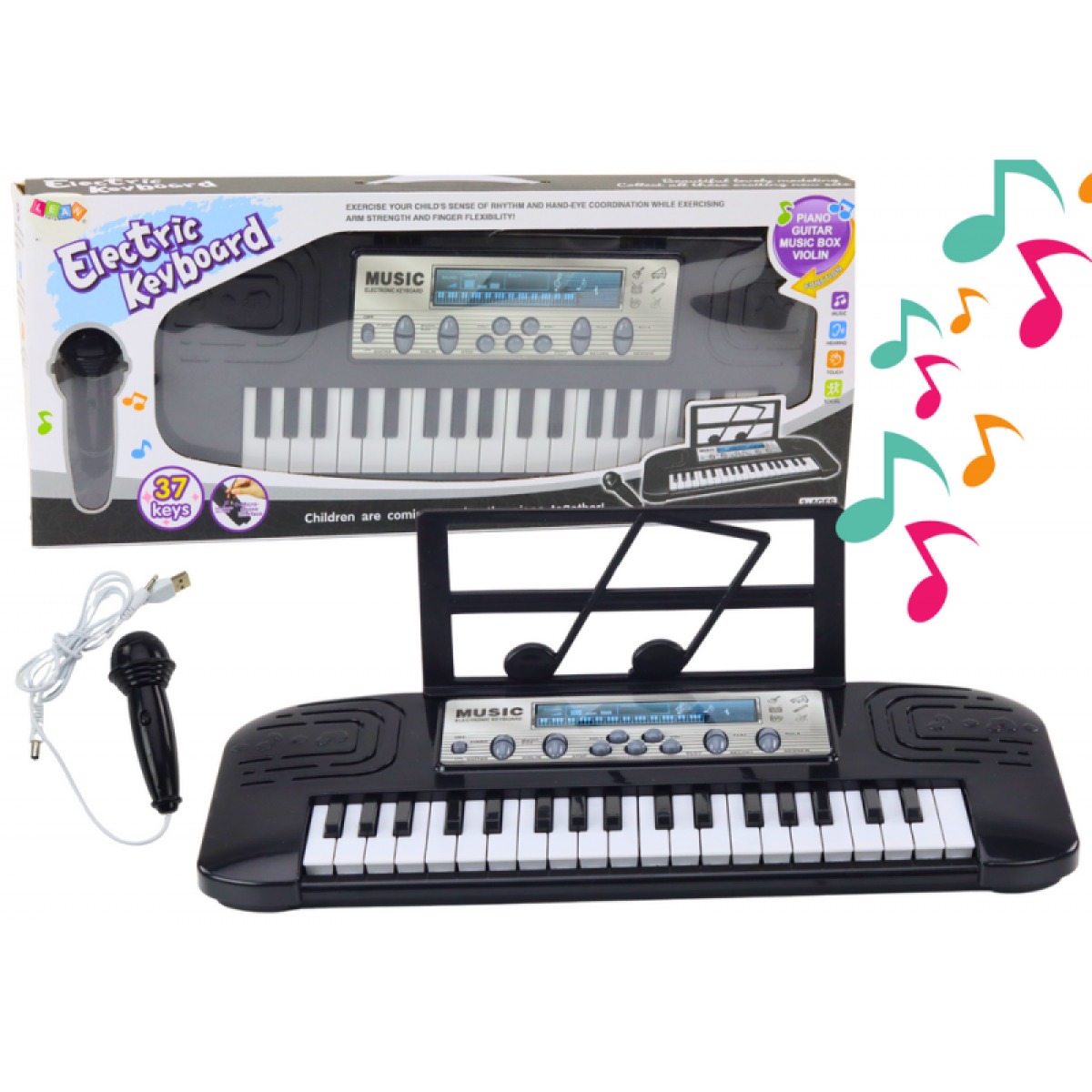
The category features both traditional musical instruments and activity centres designed for children. The range includes, for example, wooden instruments and sets suited to calm play, as well as electronic keyboards, drums and options with microphones that make playing fun even when a child is just learning. Clear differences between sounds, easy handling and enjoyable activities that encourage children to keep trying are important.
When children can touch an instrument themselves and compare different sounds, they develop a clear connection between an action and its result. Musical instruments can thus support listening and attention skills and help children control their movements more effectively. Many toys offer different sounds and sound modes, suited to rhythm practice as well as playful role play.
A good starting point is also to consider which skill the child is currently developing. Some prefer a drum set and repeating rhythms, while others are interested in pianos or guitars and want to try imitating melodies. If a toy offers several possibilities, children can use the same instrument for both simple and more complex experiments.
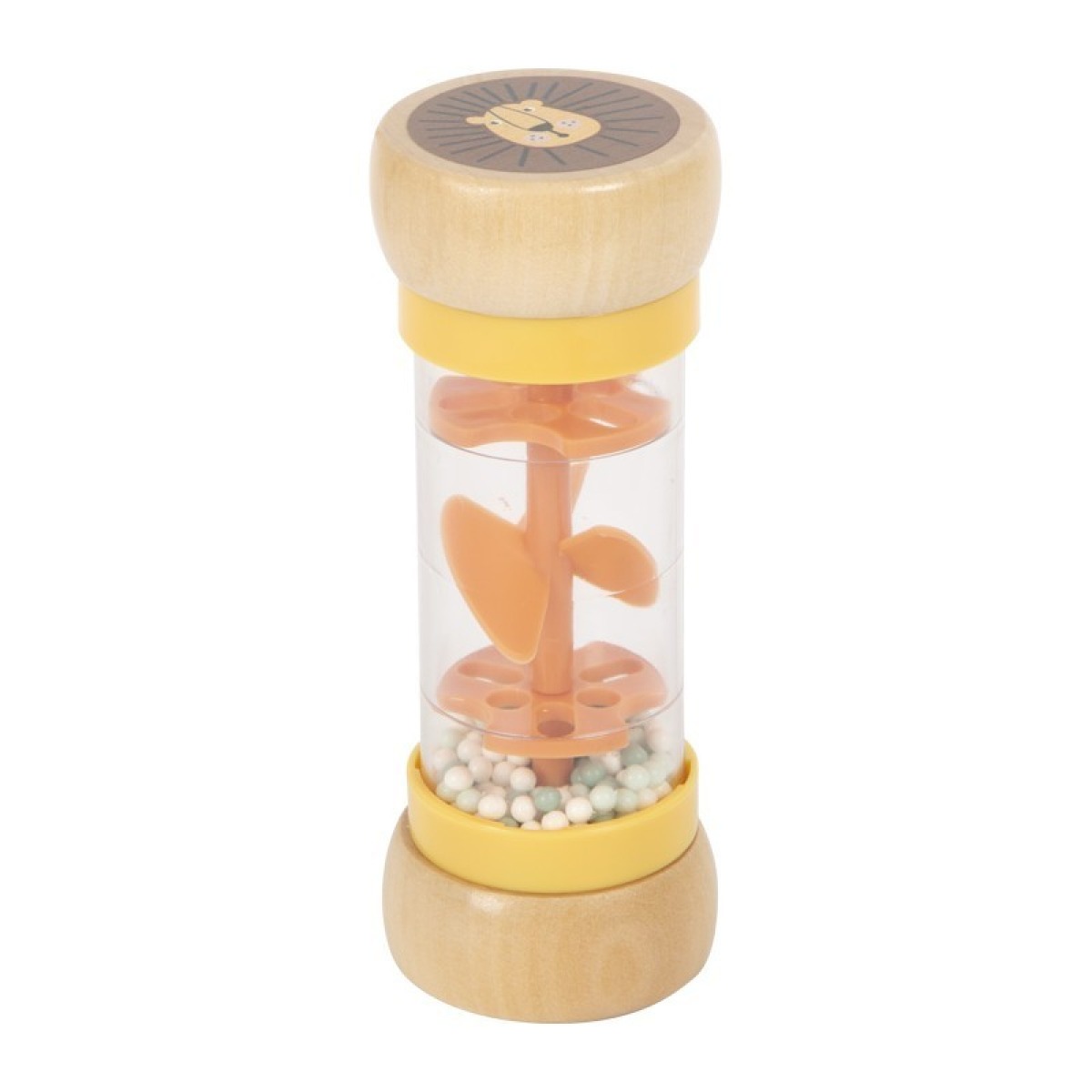
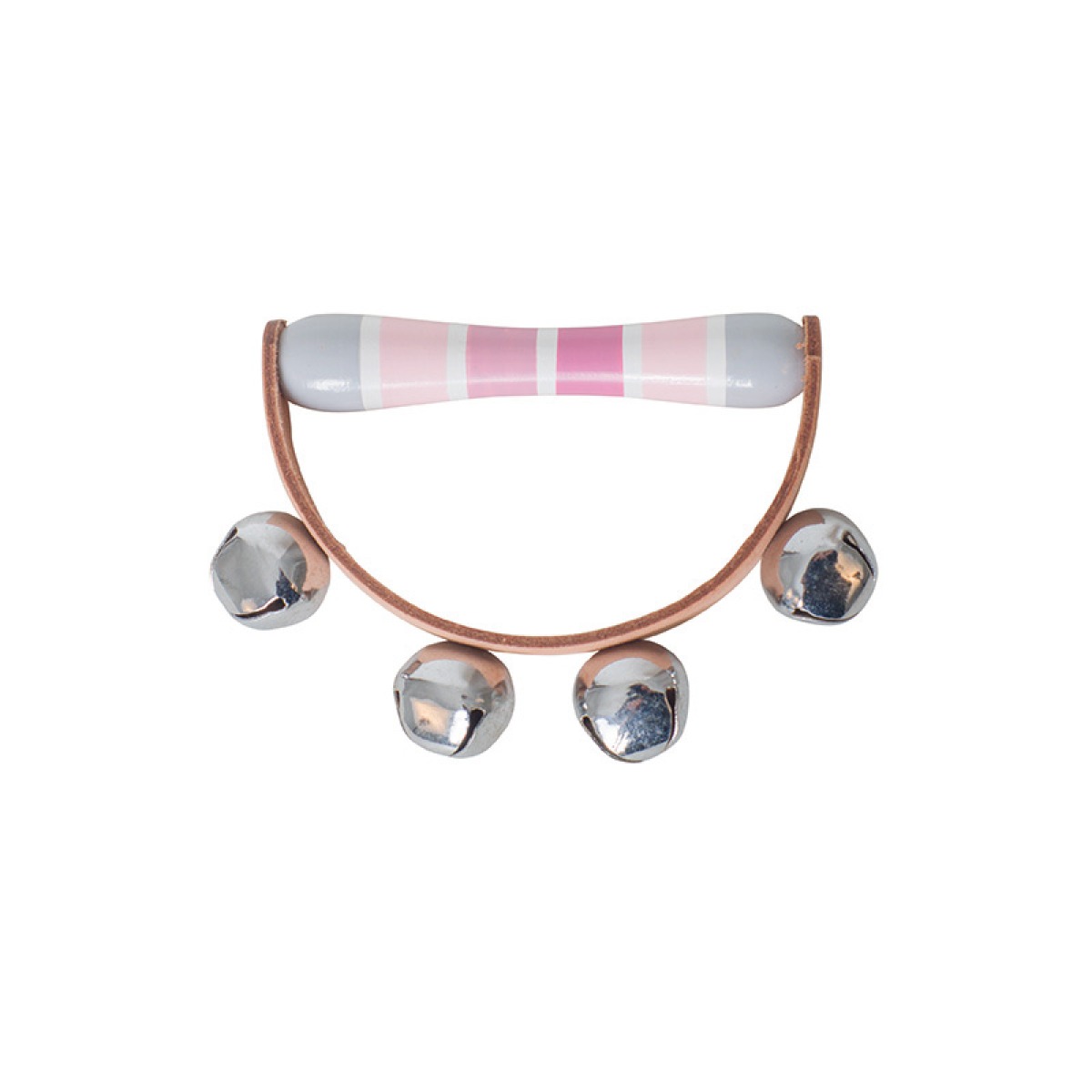
Wooden musical instruments such as triangles, castanets, bells and simple percussion or sound-making instruments are great for practising basic skills. They allow children to focus on one activity at a time and learn through repetition. Sets with several pieces, such as music boxes with multiple instruments and open-ended sets, offer the chance to try different rhythms and volume levels.
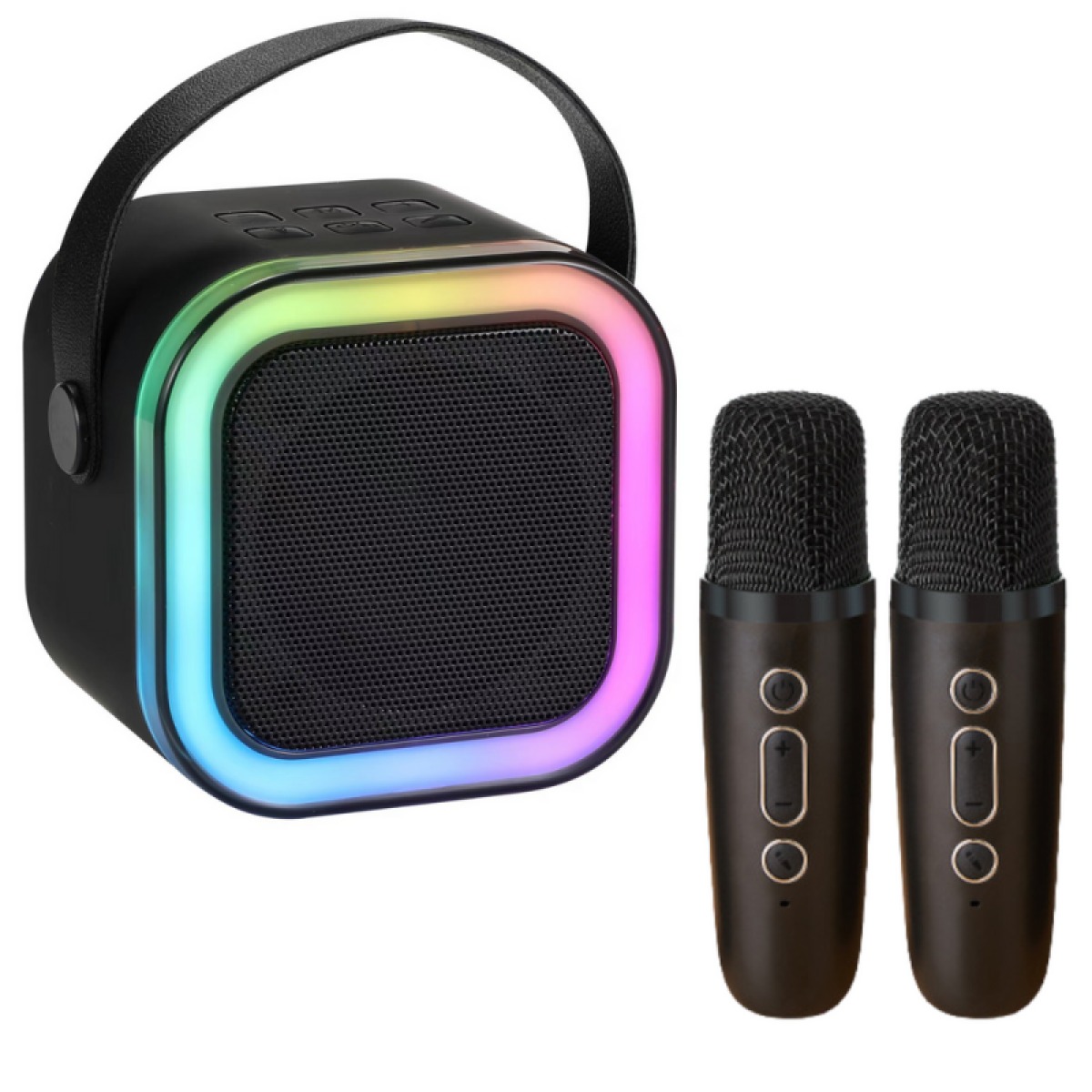
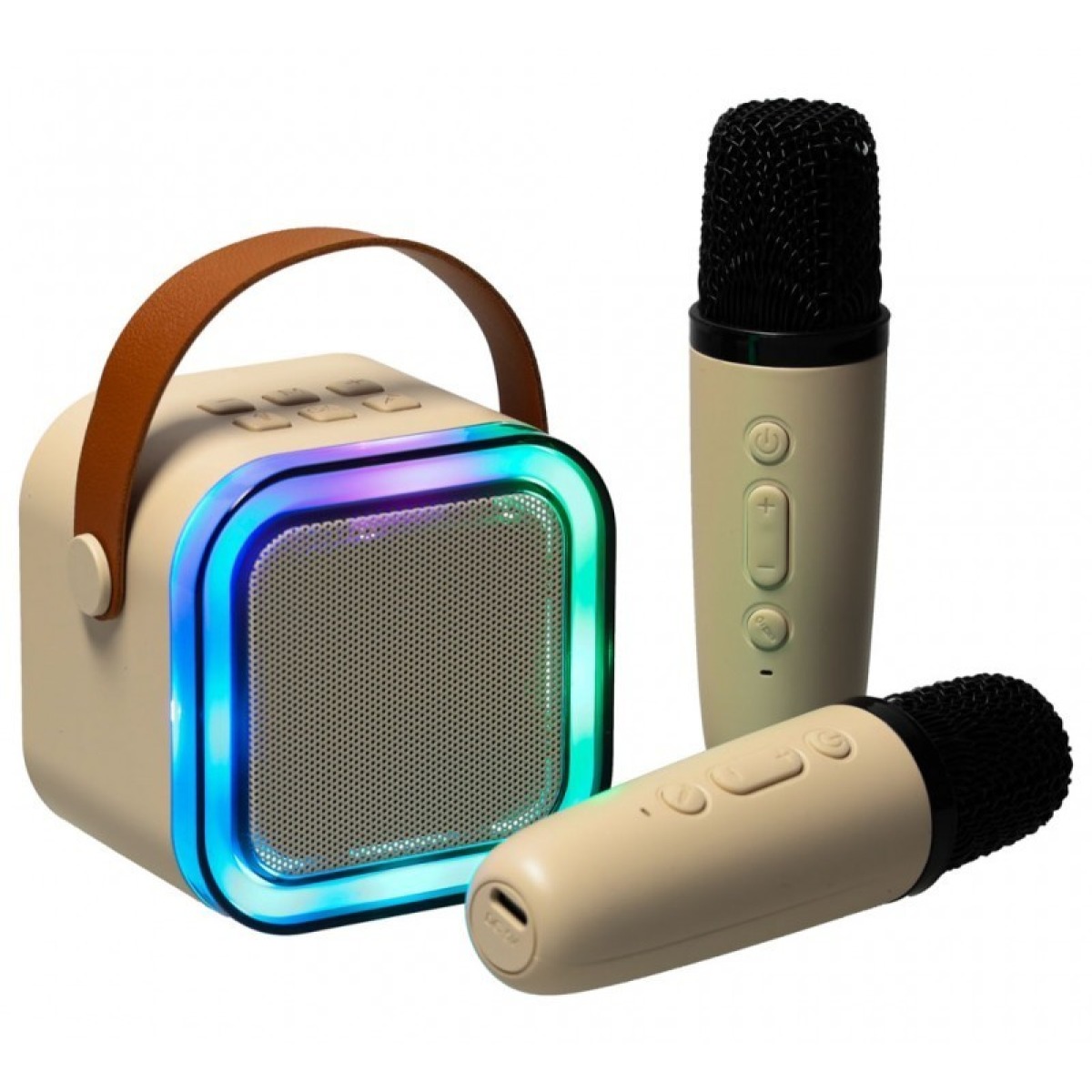
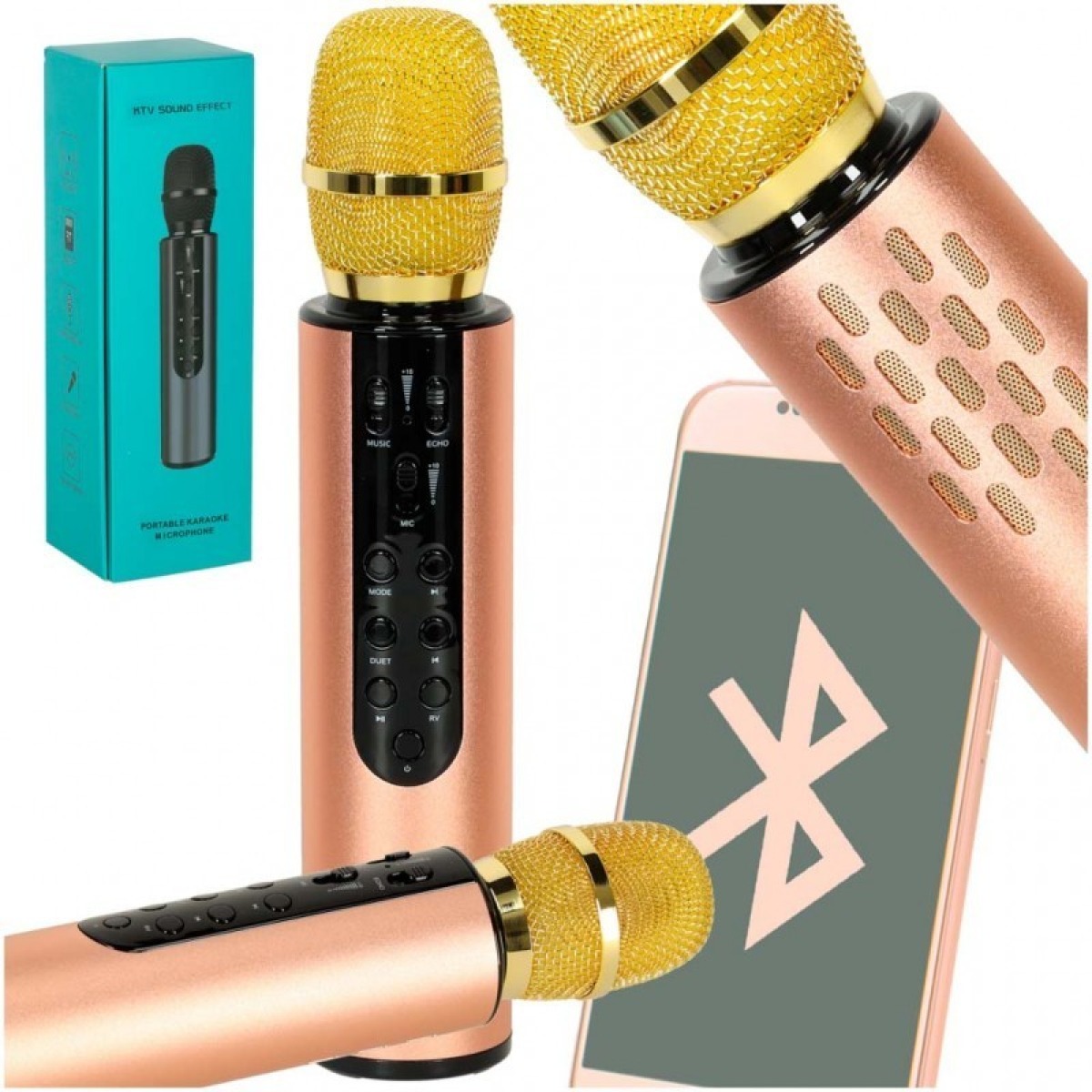
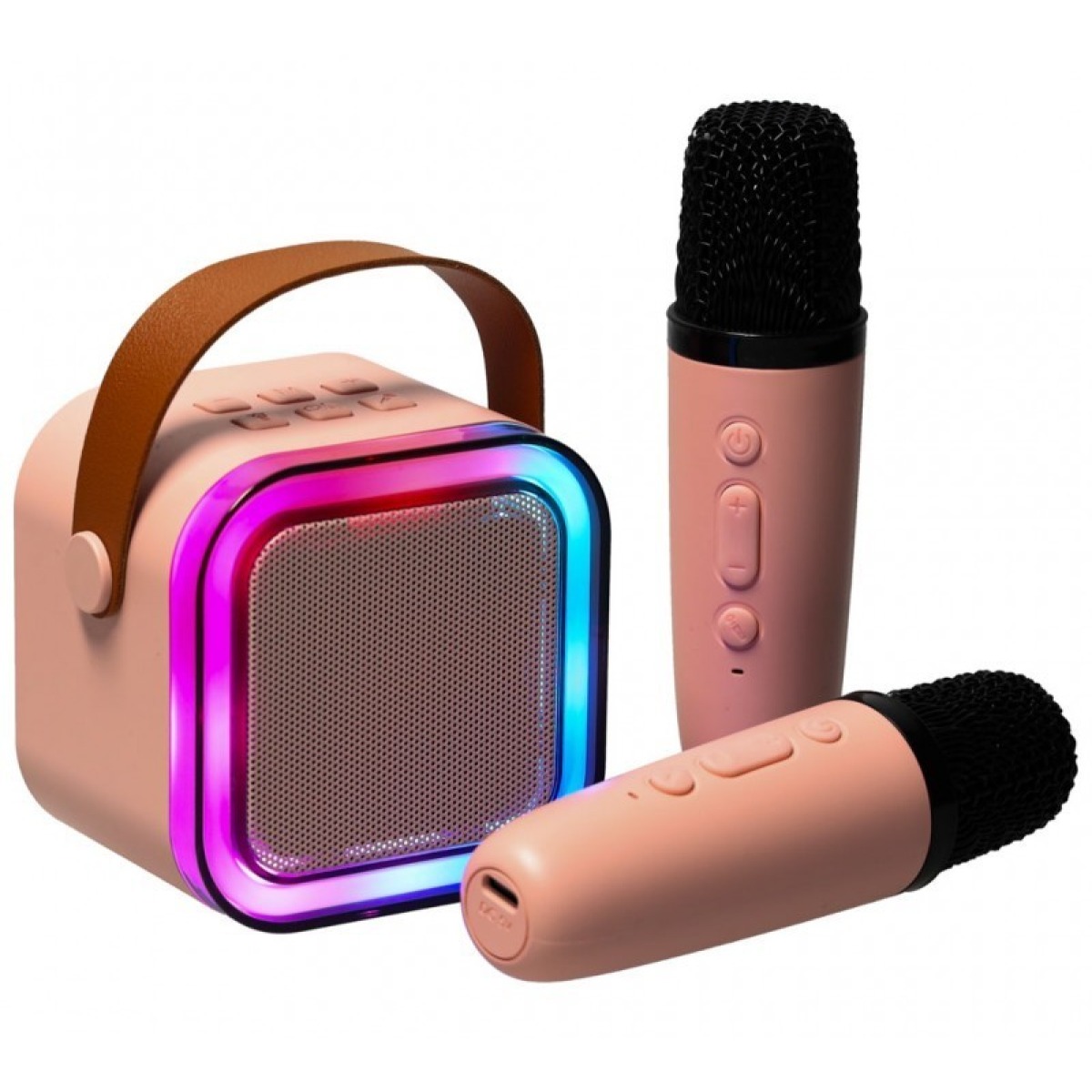
Electronic instruments, such as pianos and drums, often offer more sound modes and preloaded melodies. Some options also combine playing with singing or playing together, such as karaoke-style toys with a microphone. These are a great choice when children want to make music with a parent or friend while practising their listening skills.
To make musical instruments part of everyday play, it helps to create a dedicated play area for them. A child's room is a suitable place, as playing instruments encourages both quiet creative play and rhythm practice. Interactive Toys are also a good choice when you want a more active activity.
Interactive options make playing musical instruments more active. Piano mats and activity mats often have several keys or sound sources that children can press to create a rhythm. Musical wall panels and music tables offer the chance to try different instruments in one place, also supporting visual and auditory learning.
A dance mat adds movement to sound: animal pictures and pressable squares make the game easy to understand and hold children's attention. These products are well suited to both independent play and playing together as a family, when the aim is to develop rhythm and coordination through play.
A good musical instrument remains interesting to children as their skills develop. They can start with simple sound-making and later move on to copying melodies, trying different modes and playing together. This helps sustain their interest in music and supports steady development in listening, rhythm, self-expression and motor skills.
MIU Kids
A quiet word about cookies
Necessary cookies are already on, so your basket and checkout can work. Analytics cookies stay off until you accept. Until then Google may receive a cookieless visit signal so we can count visits. It is not used for advertising. Accept all cookies, or keep only the necessary ones. Both are one click. We remember your choice for six months, and you can change it at the bottom of the page. Privacy notice
Analytics cookies wait for a yes
MIU Kids
Choose what stays on
Necessary
Always on. These keep the basket, checkout and the shop secure.
Analytics
No analytics cookie until you accept. A cookieless visit signal may still be sent. If you accept, Google Analytics shows which pages are used. It does not build advertising profiles.