
- New
In stock · 1–3 business days1–3 business days
About the collection
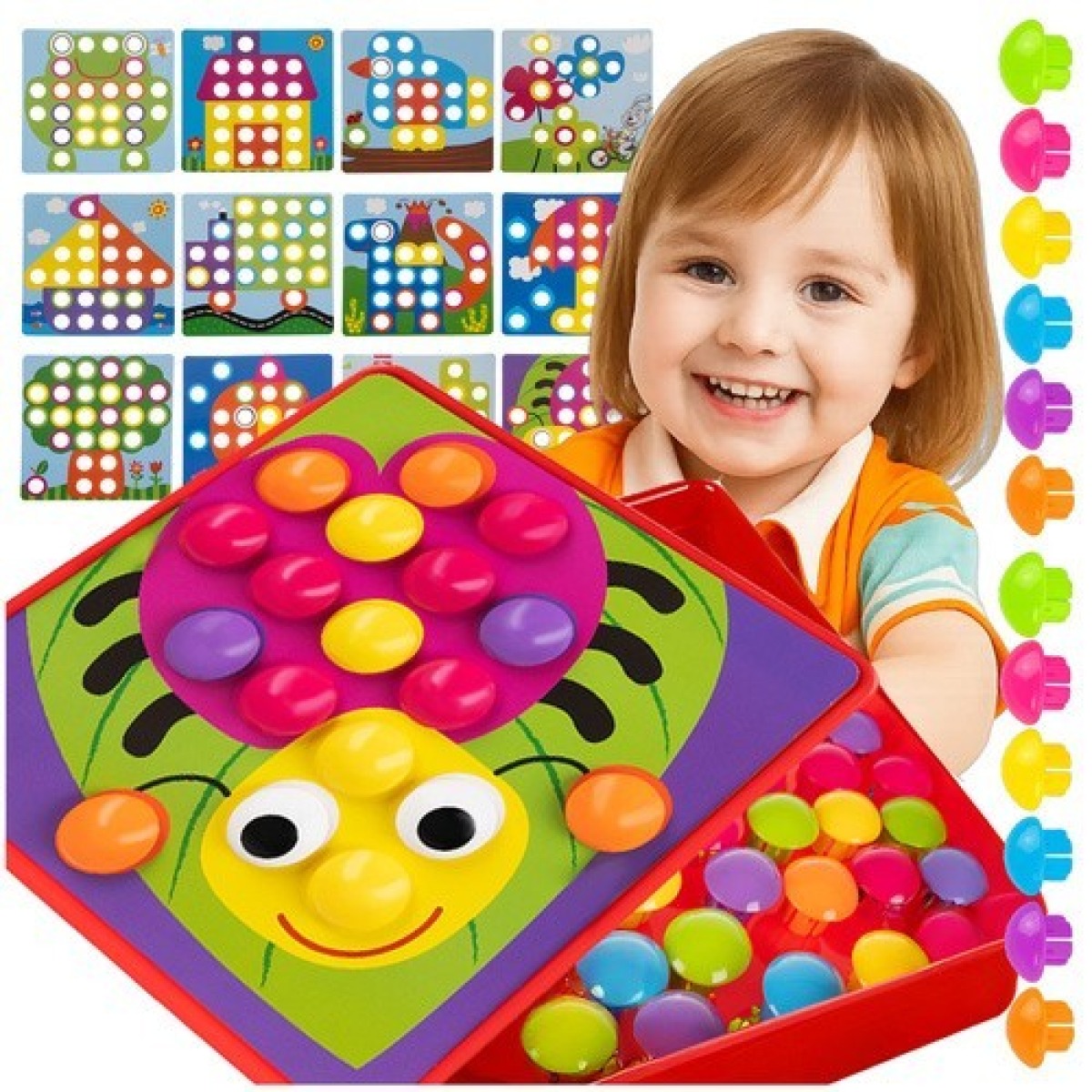
Logic games challenge children to think, experiment and solve problems. They build reasoning, concentration and patience. You'll find simple shape games for the littlest ones and more challenging puzzles for older children.
Category guide
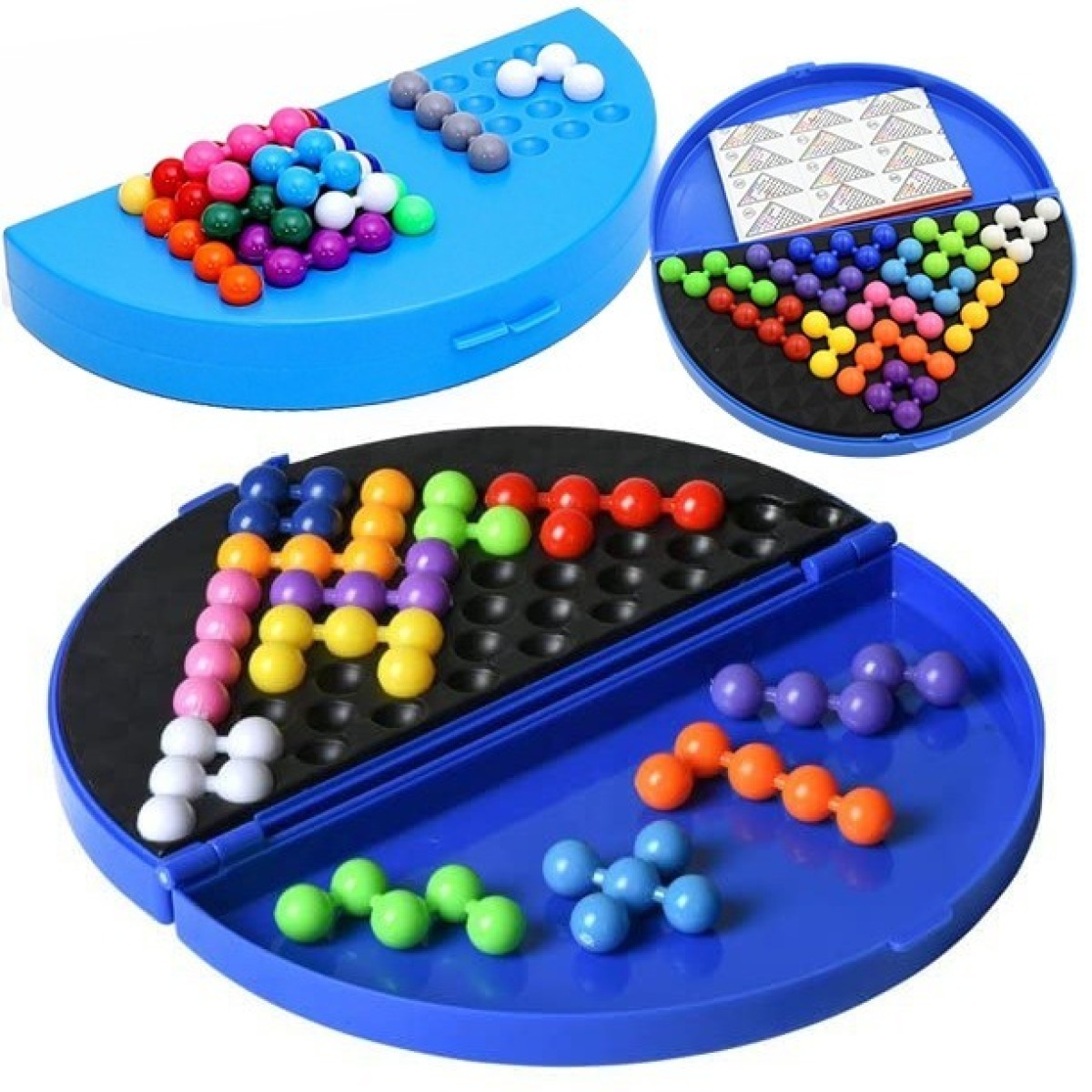
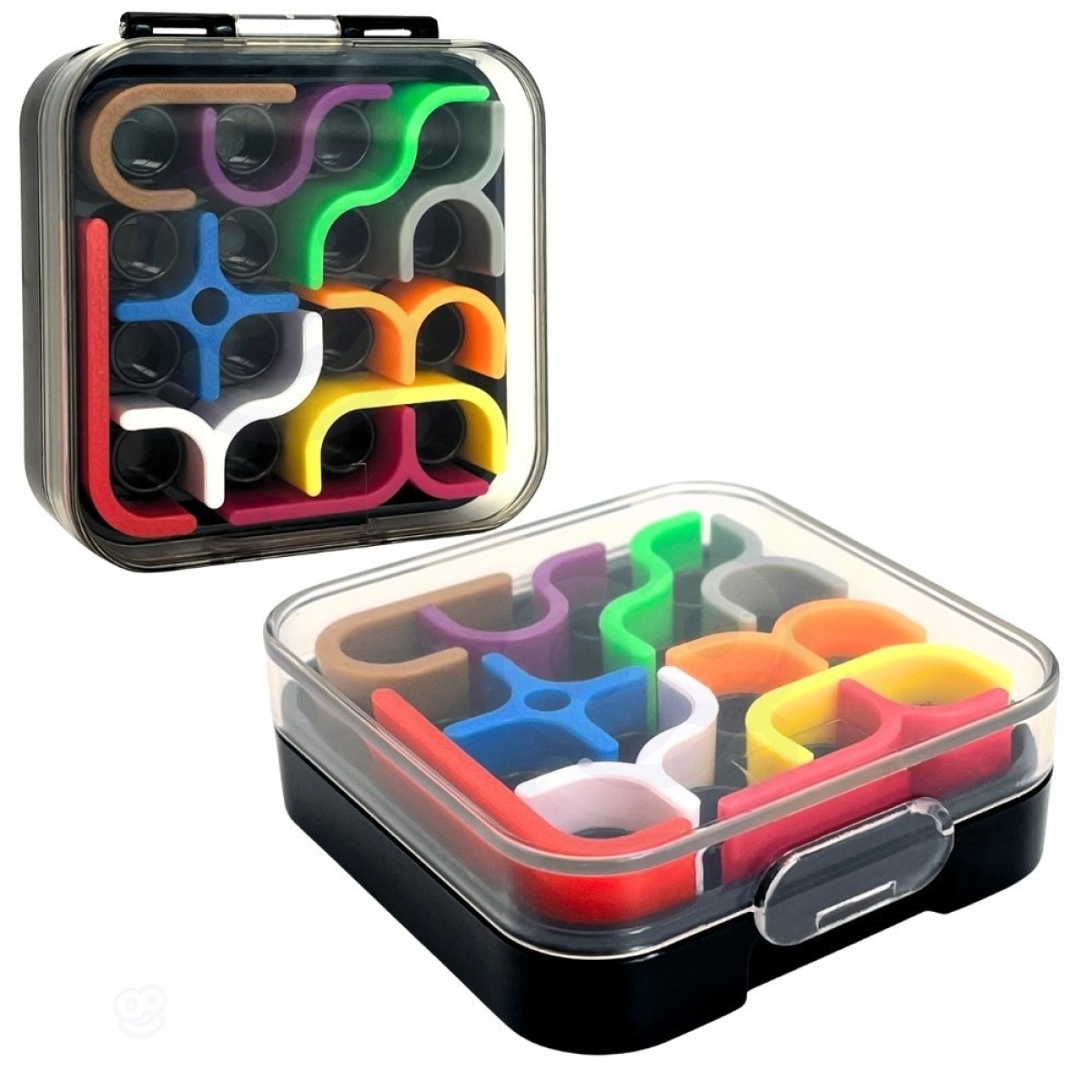
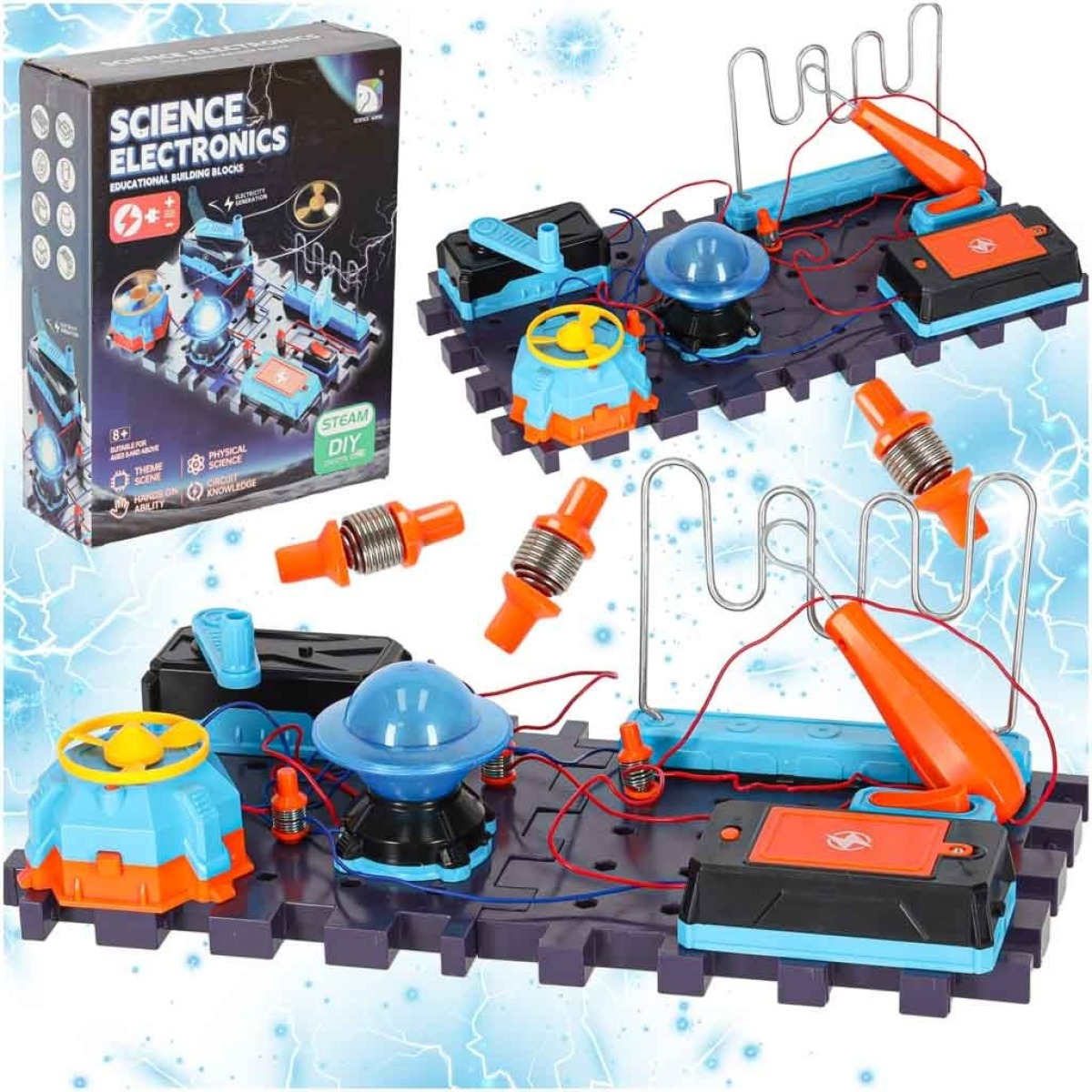
Logic Games for kids are a practical way to support logical thinking, attention and problem-solving through play. They are suitable for both babies and toddlers (simpler Shapes and directional games) and children old enough to focus on understanding rules, finding patterns and testing solutions. Logic games are used at home in the children's room for independent play or to play together, with an adult available to explain the rules
and practise making progress together. When choosing, consider whether the game is wooden or magnetic, whether it includes pieces that can be sorted and combined, and whether its size and difficulty are suitable. Different options, such as puzzle cubes, ball mazes or code-breaking logic games, offer opportunities for ongoing development and hold children's attention even as the activity becomes more challenging.
Logic Games for kids bring together puzzles, rules and often repeated attempts. Children learn to observe connections, test different solutions and reach an outcome logically. This kind of activity supports working memory, attention and planning, as the game often requires both noticing details and thinking step by step.
In practice, logic games are well suited to quiet time at home and to developmental activities when the aim is to help a child's skills grow steadily. Many sets are designed so children can start with a simpler version and move on to a more complex pattern or set of rules.
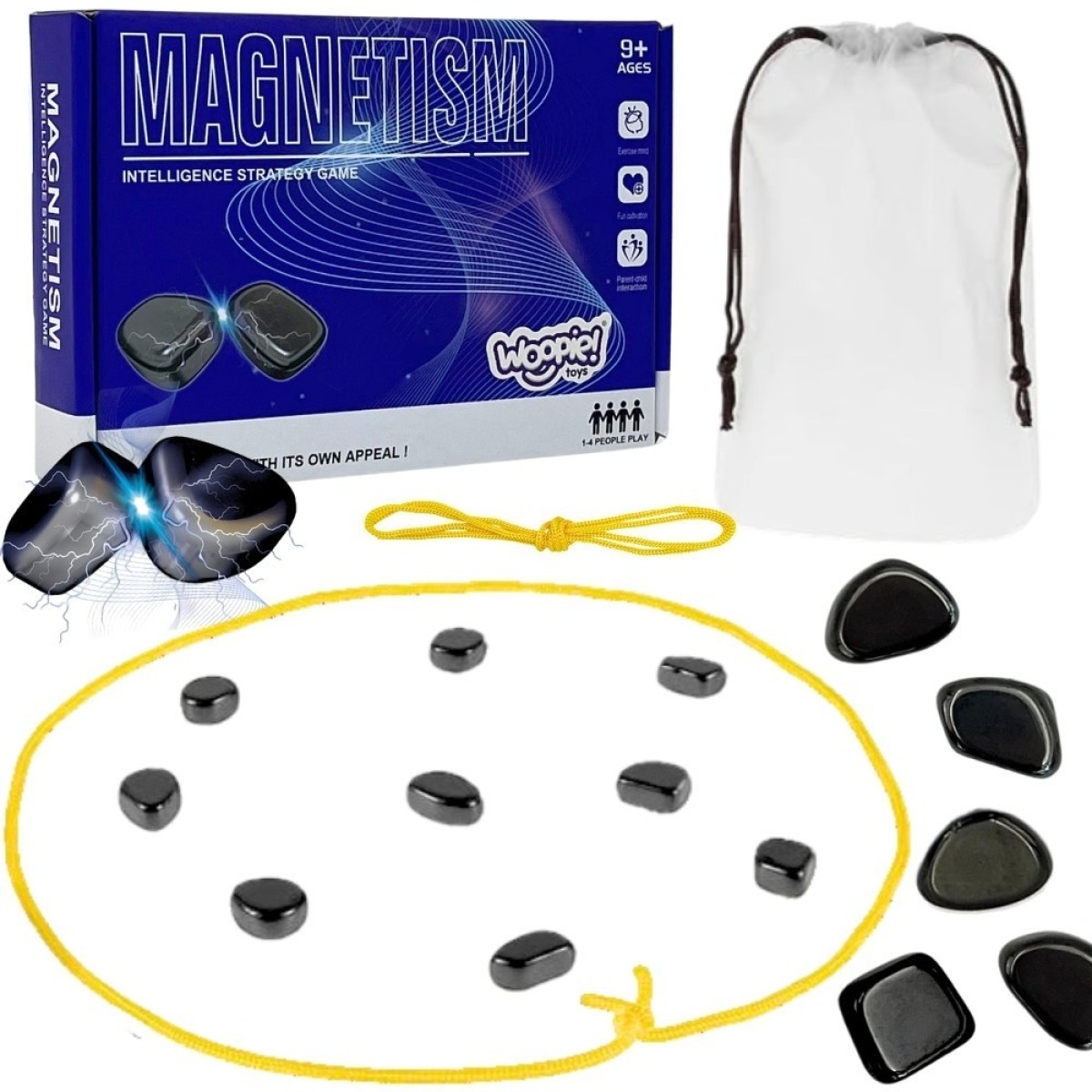
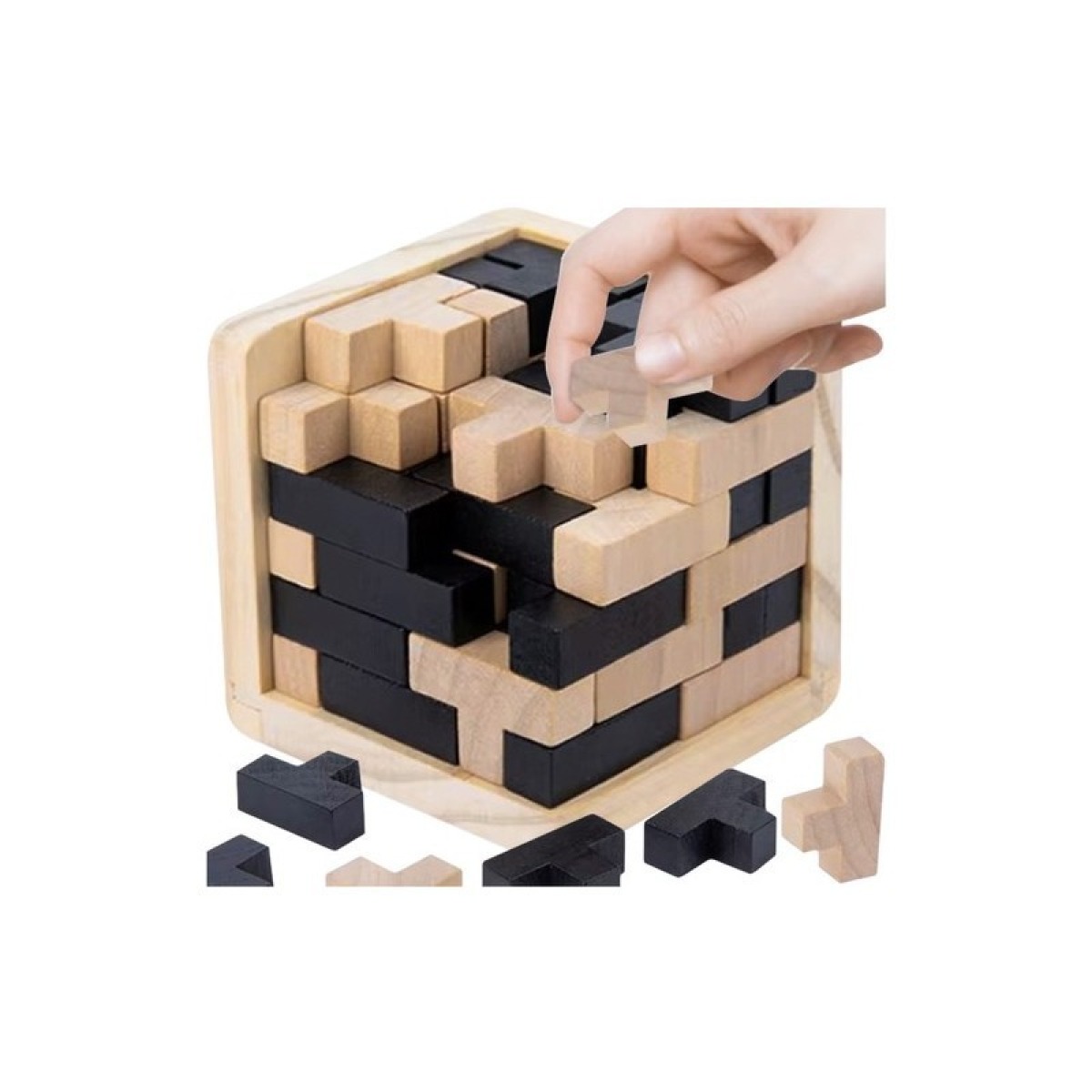
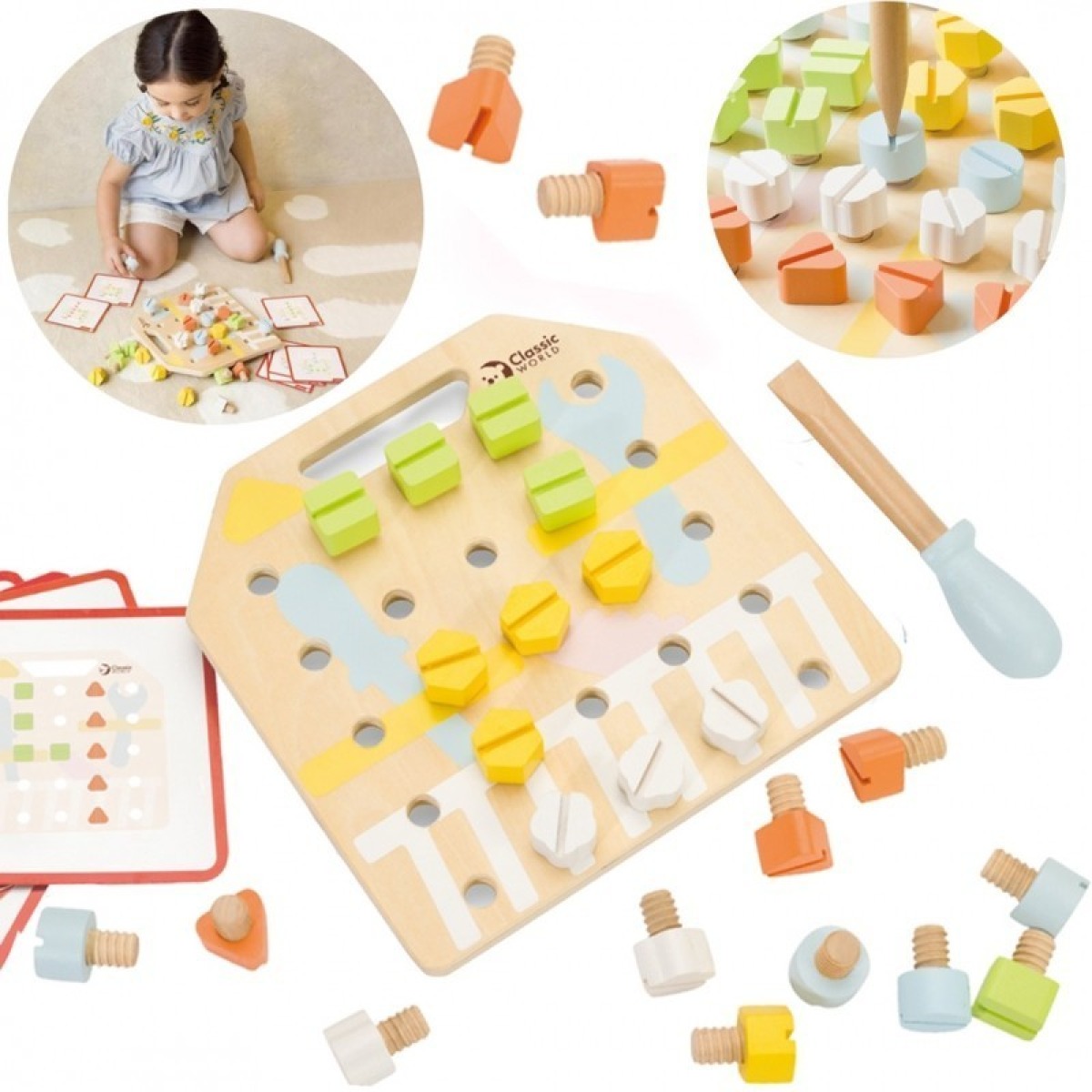
When choosing, consider how your child likes to play: whether they enjoy putting pieces together, matching patterns or guiding a ball or piece along a path. Wooden logic puzzles and Wooden Puzzles are well suited to children who benefit from hands-on activities and clear shapes. Magnetic logic games, such as magnetic sticks and magnetic puzzles, provide immediate, easy-to-understand feedback when the pieces click together in the right order.
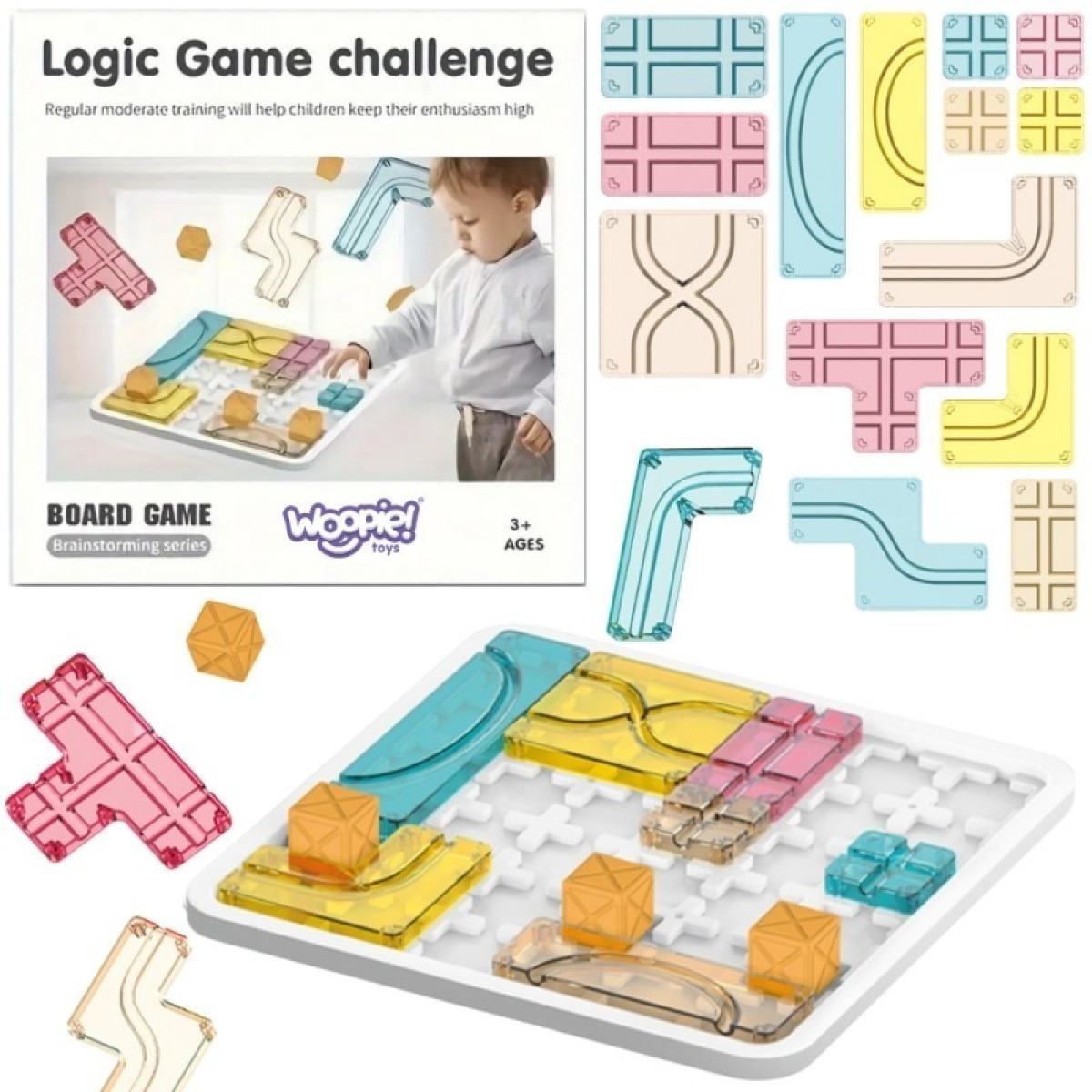
Maze games and 3D sphere mazes are a good choice when children need to practise dexterity and patience. The aim is to guide a ball or piece along a route, taking obstacles and bends into account. Some sets are compact, making them easy to take along or keep in the toy basket in the children's room.
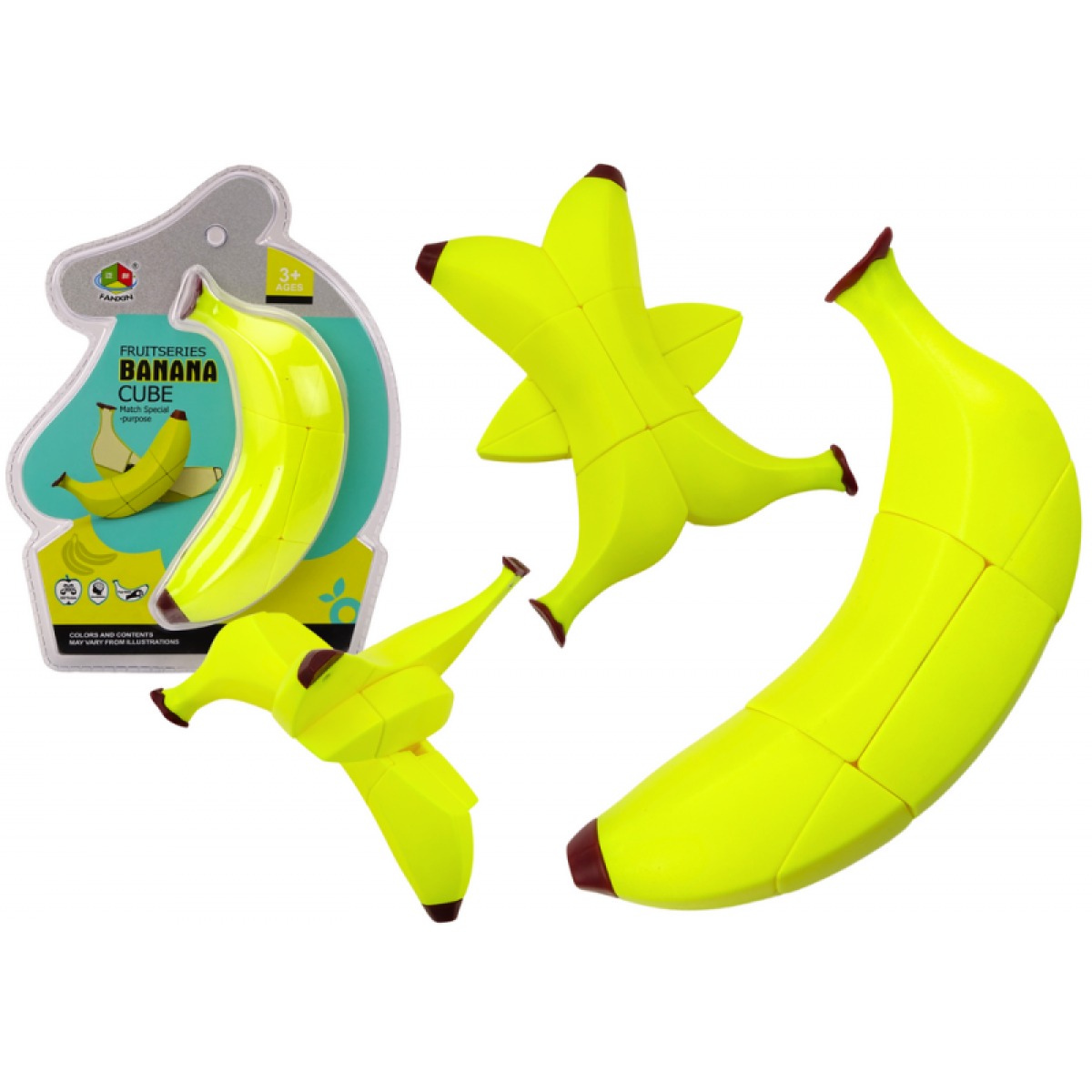
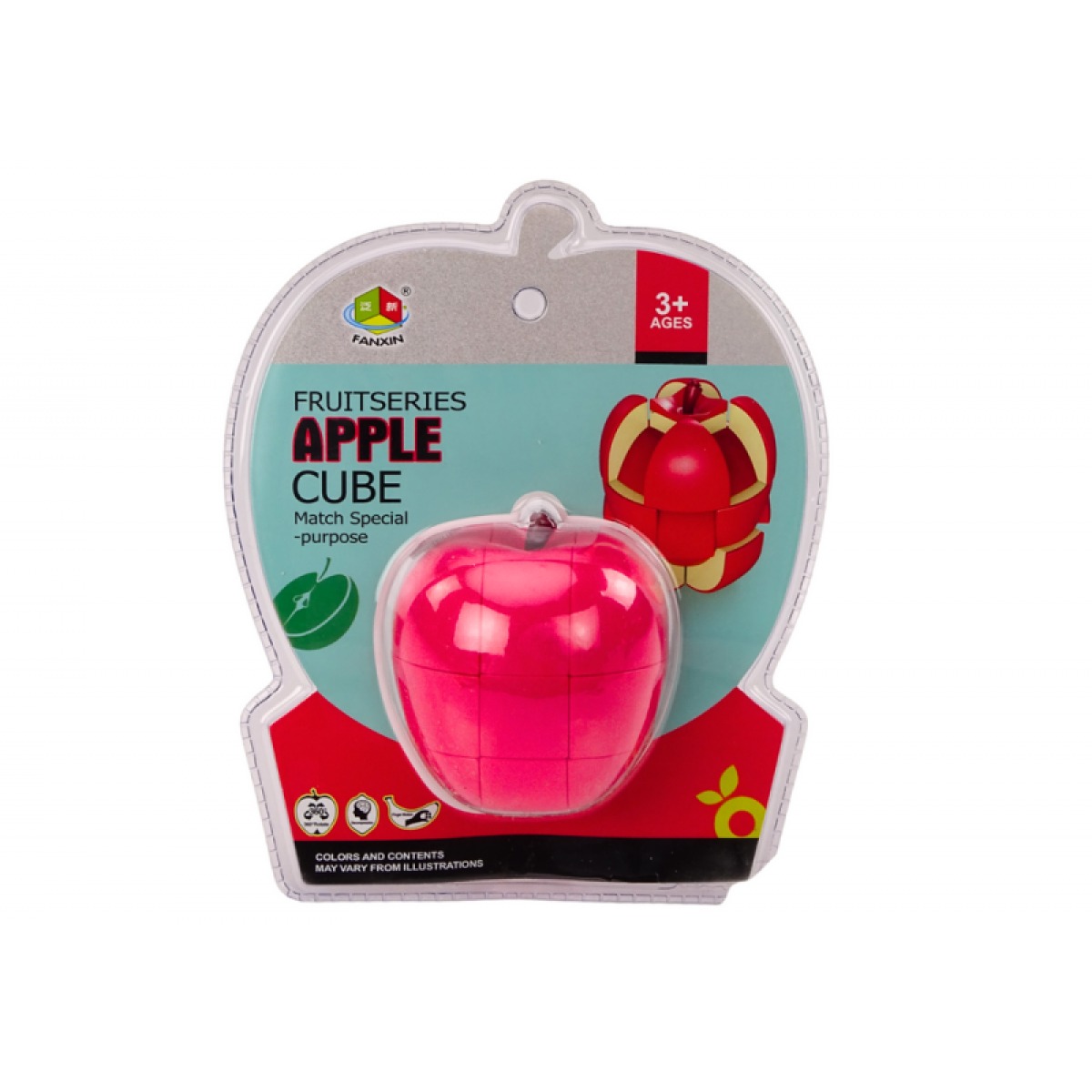
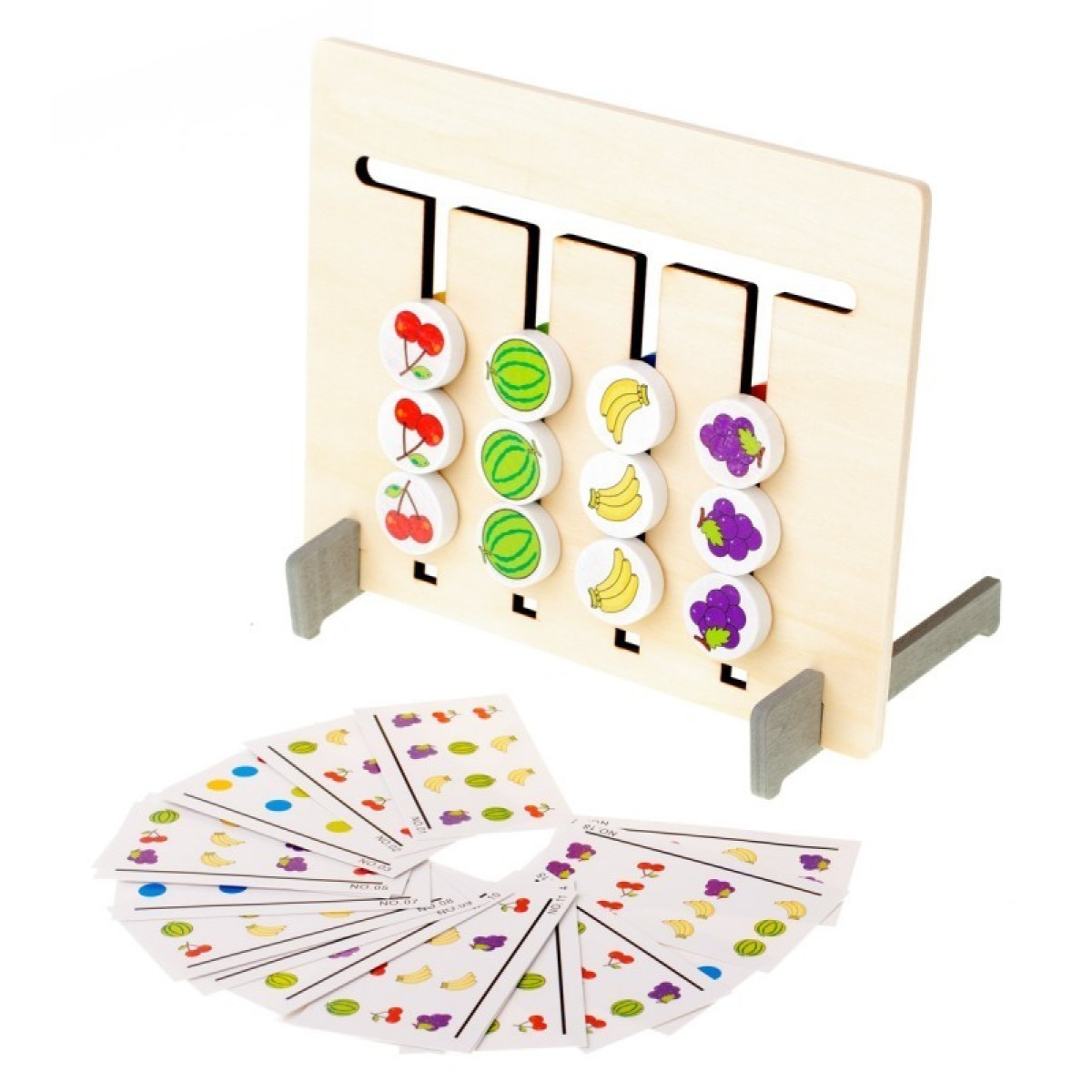
Logic games can be puzzles, board games or dexterity puzzles. Puzzle-based activities usually involve connecting pieces so that an image, logical relationship or matching set of shapes comes together. For example, logic puzzle cubes and fruit- or shape-themed versions help children practise sequencing and develop a sense of patterns and categories.
Another common type is code-breaking logic, where the player has to work out a combination created by another player. These games develop strategic thinking and memory, as the answer depends on previous attempts. If a game is designed for several players, children can also practise taking turns and following rules.
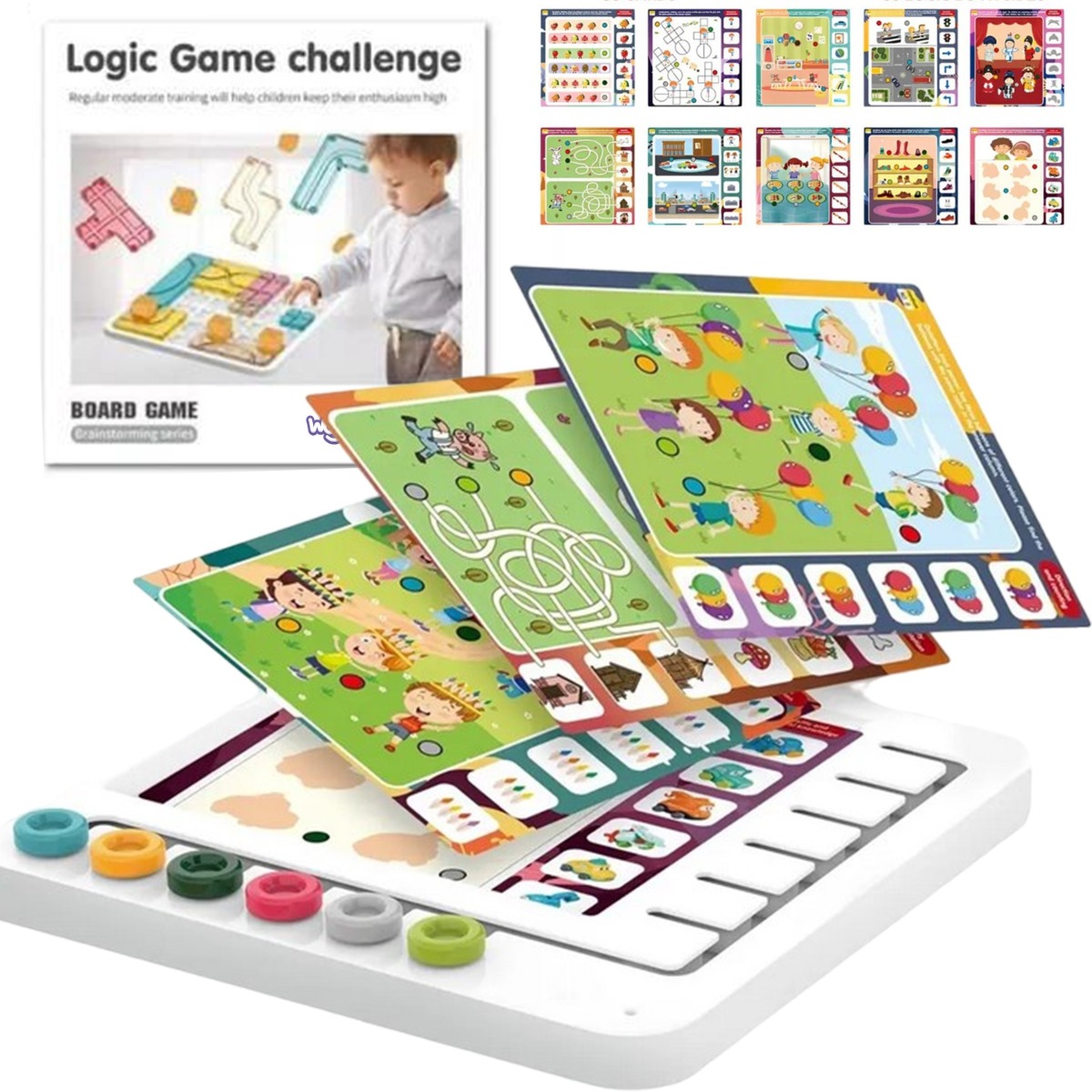
To make sure a logic game is manageable for a child, consider its difficulty and format. A single puzzle may be ideal when a child wants to make quick progress with each move. Sets with more pieces or multi-step tasks are suitable when a child can already concentrate calmly and take their time to find solutions.
For home use, it is also important to consider how easy the game is to store and clean. Many logic games are designed so that the pieces stay together as a set and can be put away quickly after play. It is also worth considering whether the child needs a visual clue (e.g. colours, patterns, animal habitats) or can solve the task using logic alone.
When a logic game fits into a child’s daily routine, it can quickly become a regular developmental activity in the kids’ room. Puzzles can be enjoyed alone or together with the family, supporting concentration and the joy of progress.
MIU Kids
A quiet word about cookies
Necessary cookies are already on, so your basket and checkout can work. Analytics cookies stay off until you accept. Until then Google may receive a cookieless visit signal so we can count visits. It is not used for advertising. Accept all cookies, or keep only the necessary ones. Both are one click. We remember your choice for six months, and you can change it at the bottom of the page. Privacy notice
Analytics cookies wait for a yes
MIU Kids
Choose what stays on
Necessary
Always on. These keep the basket, checkout and the shop secure.
Analytics
No analytics cookie until you accept. A cookieless visit signal may still be sent. If you accept, Google Analytics shows which pages are used. It does not build advertising profiles.