
- New
In stock · In stockIn stock
About the collection
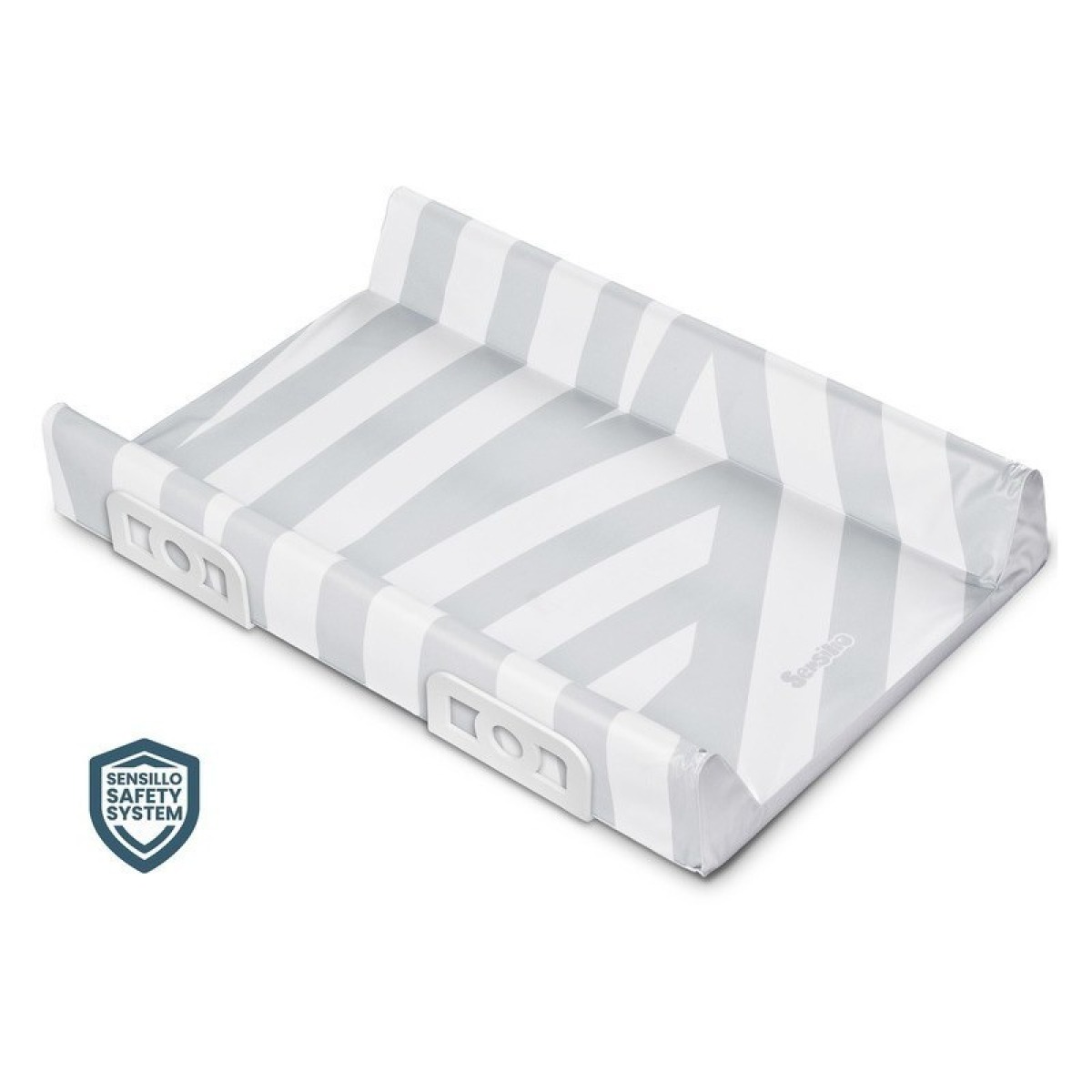
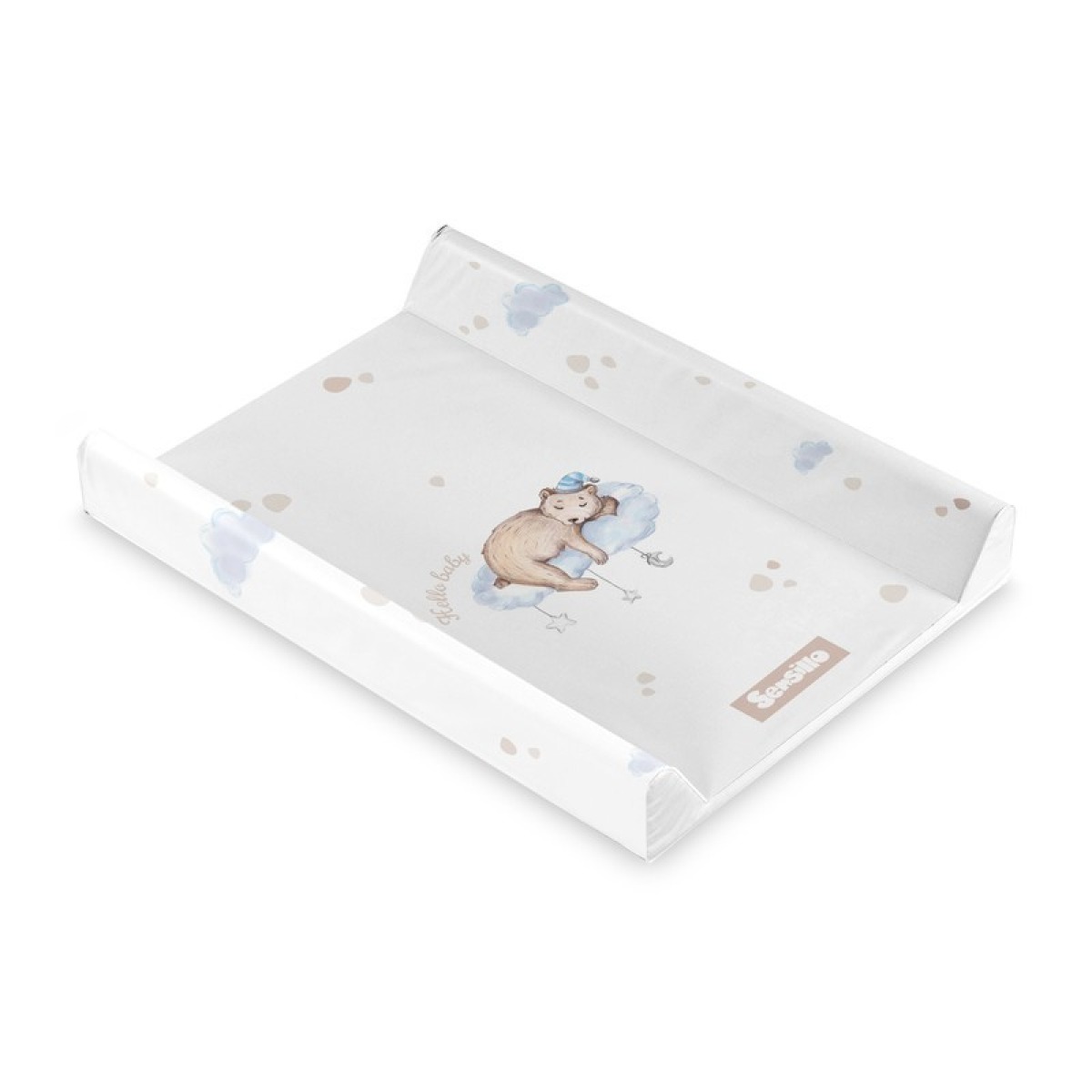
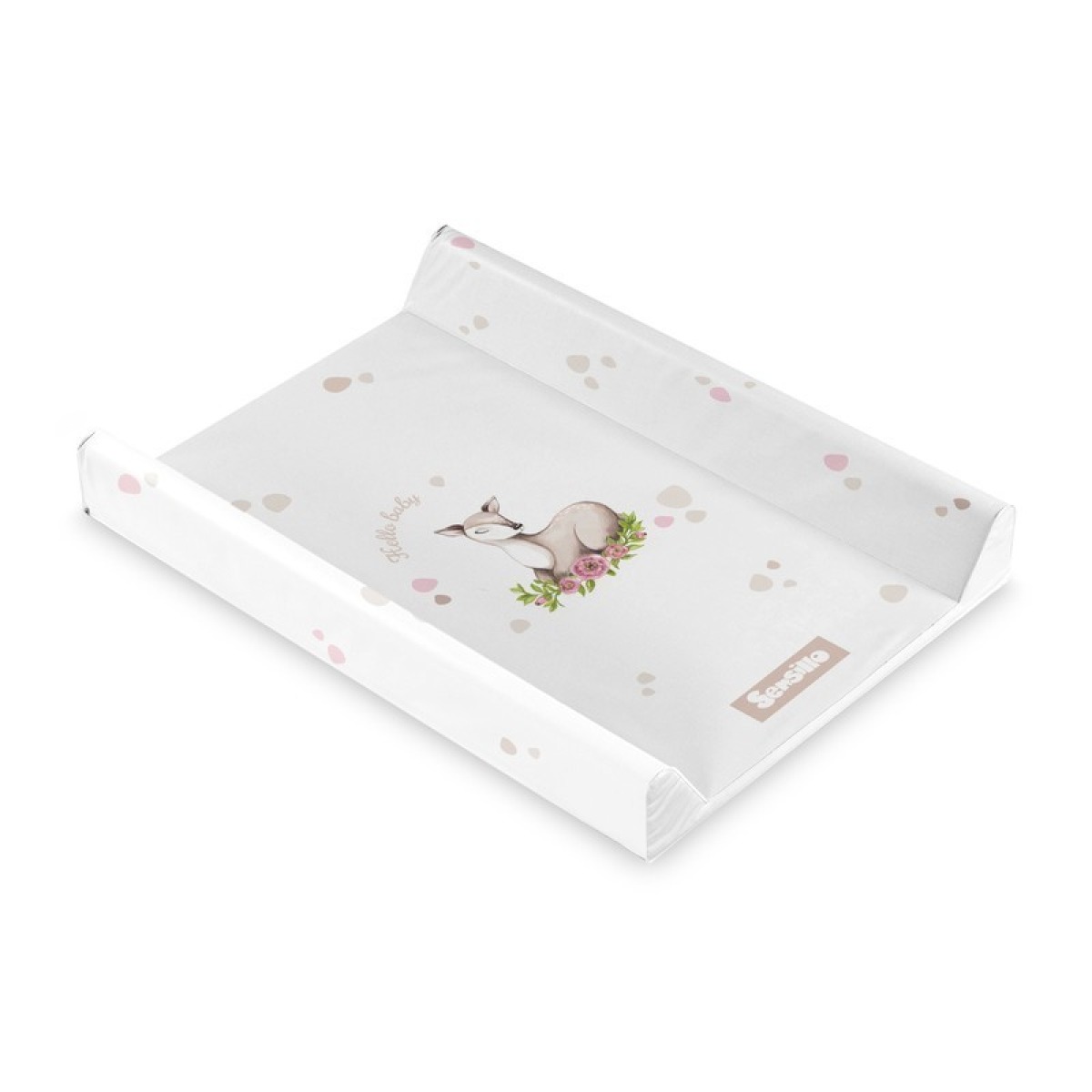
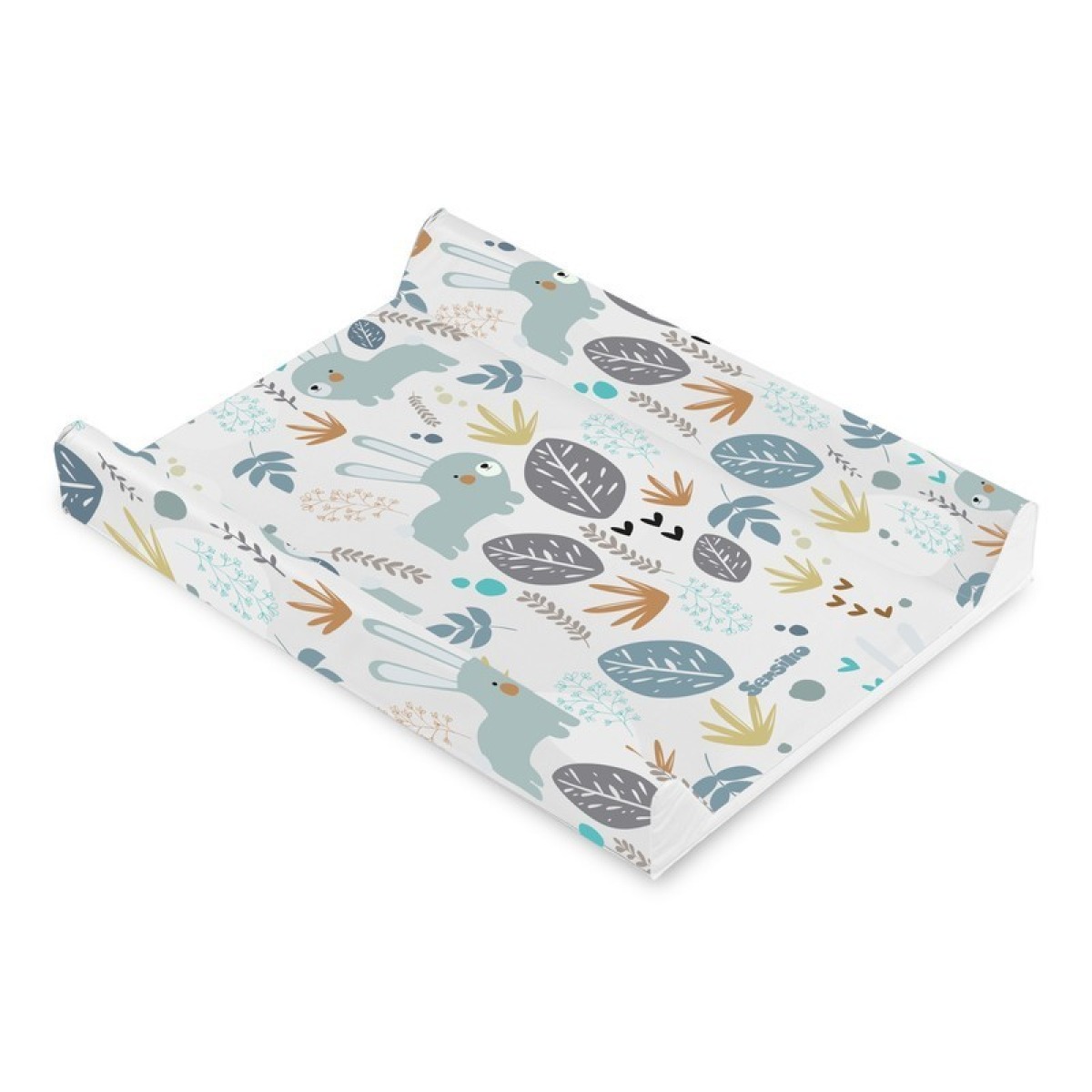
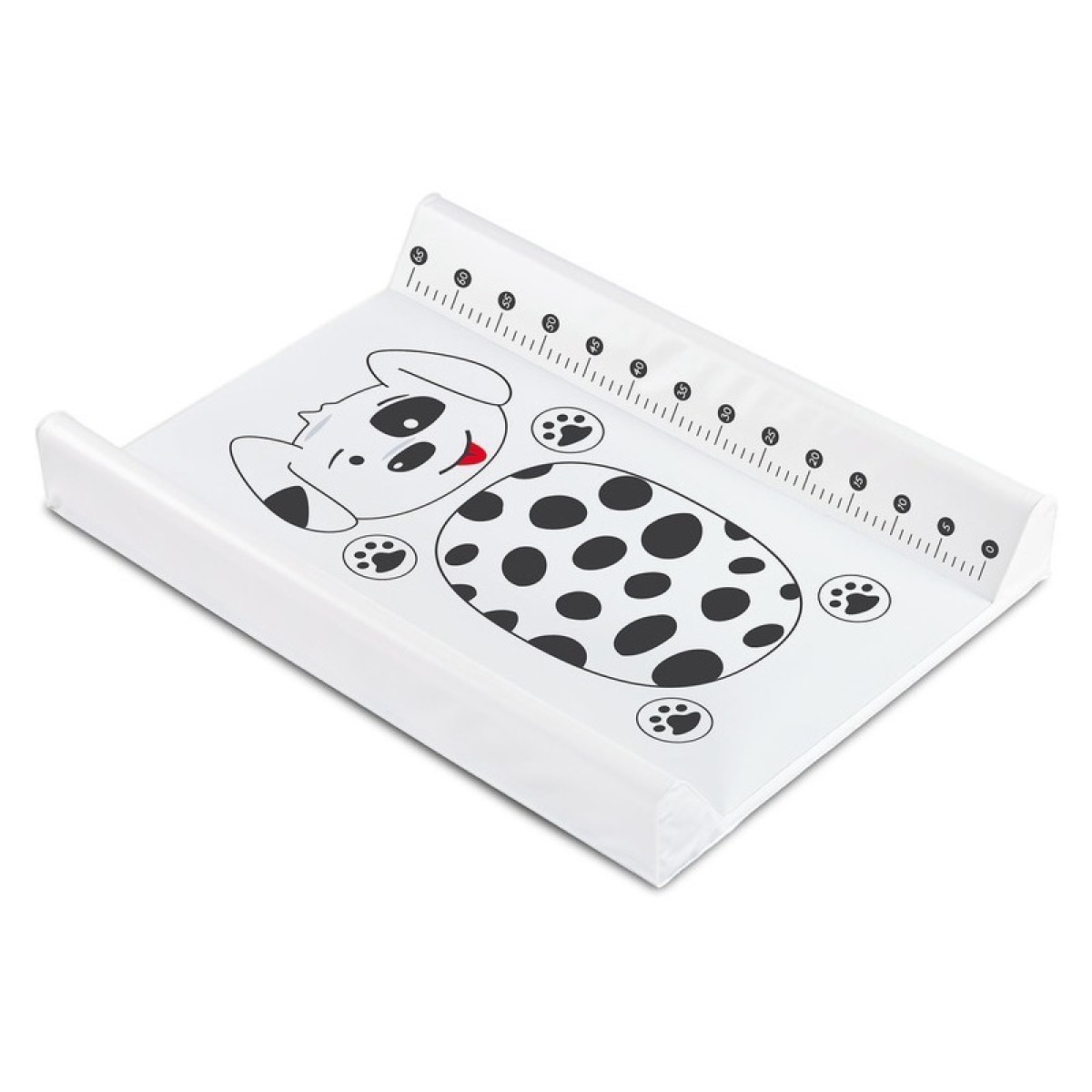
A good changing pad makes nappy changes comfortable for your baby and for you. In this collection you'll find changing pads and changing tops for a chest of drawers or a cot. Choose a sturdy pad in the right size with raised...
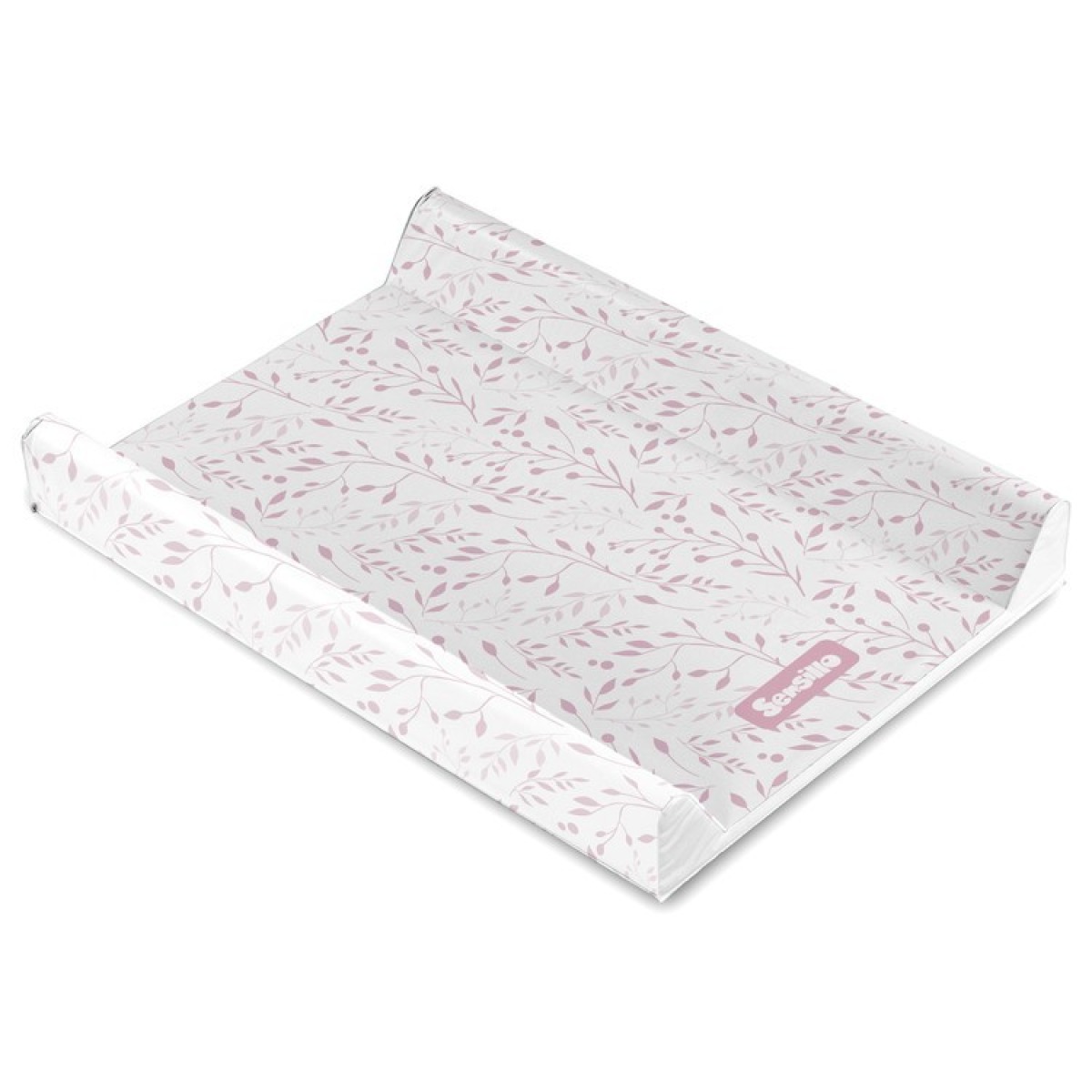
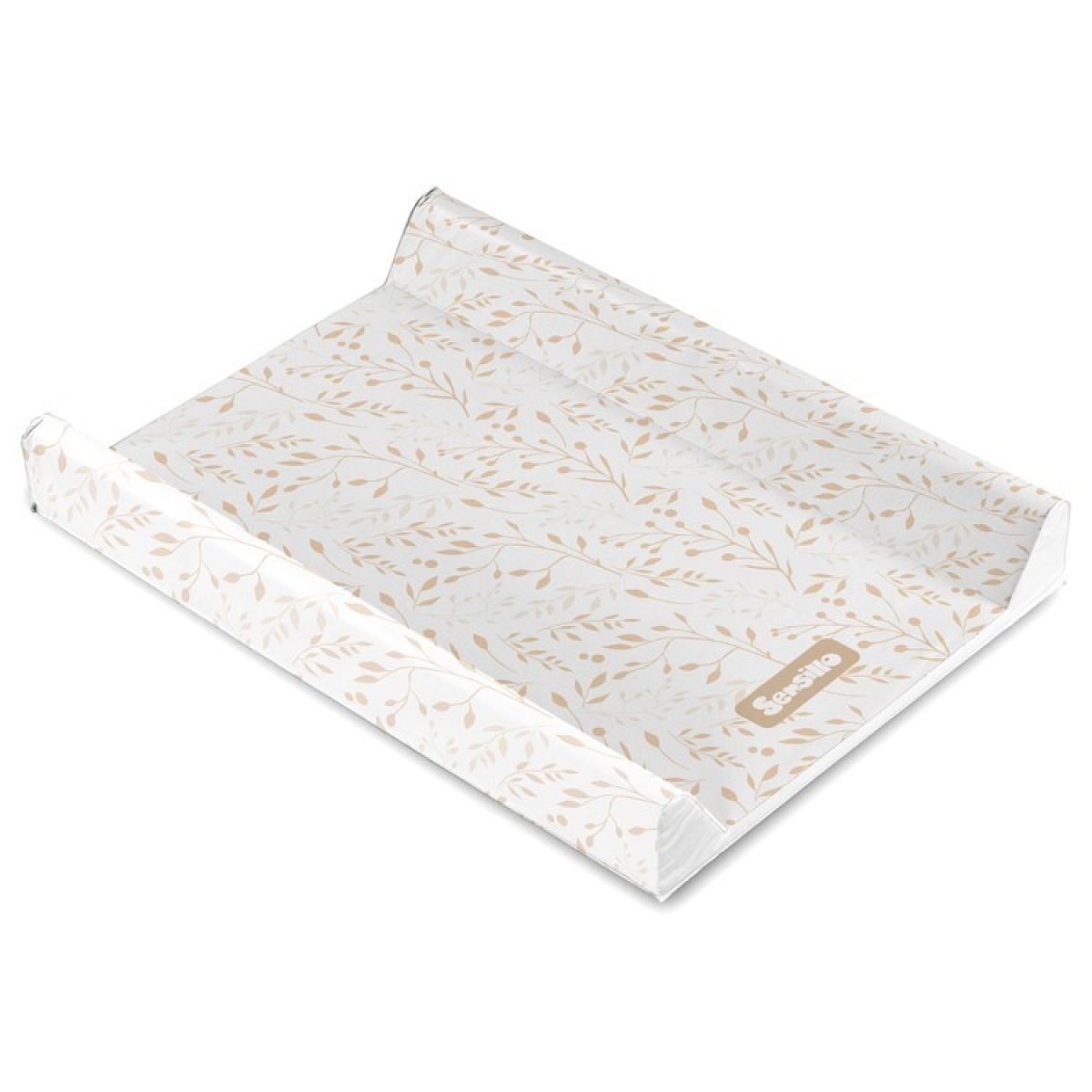
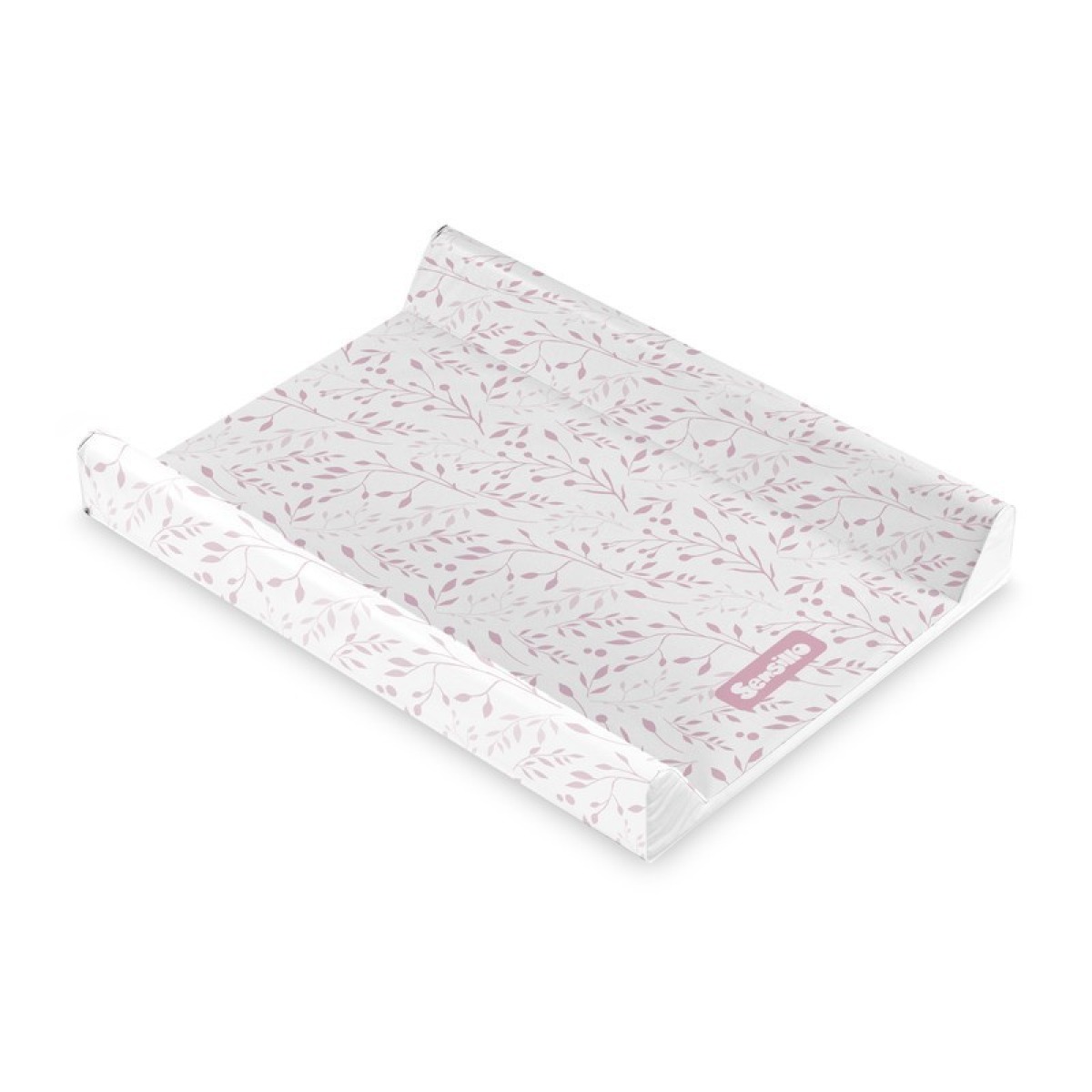
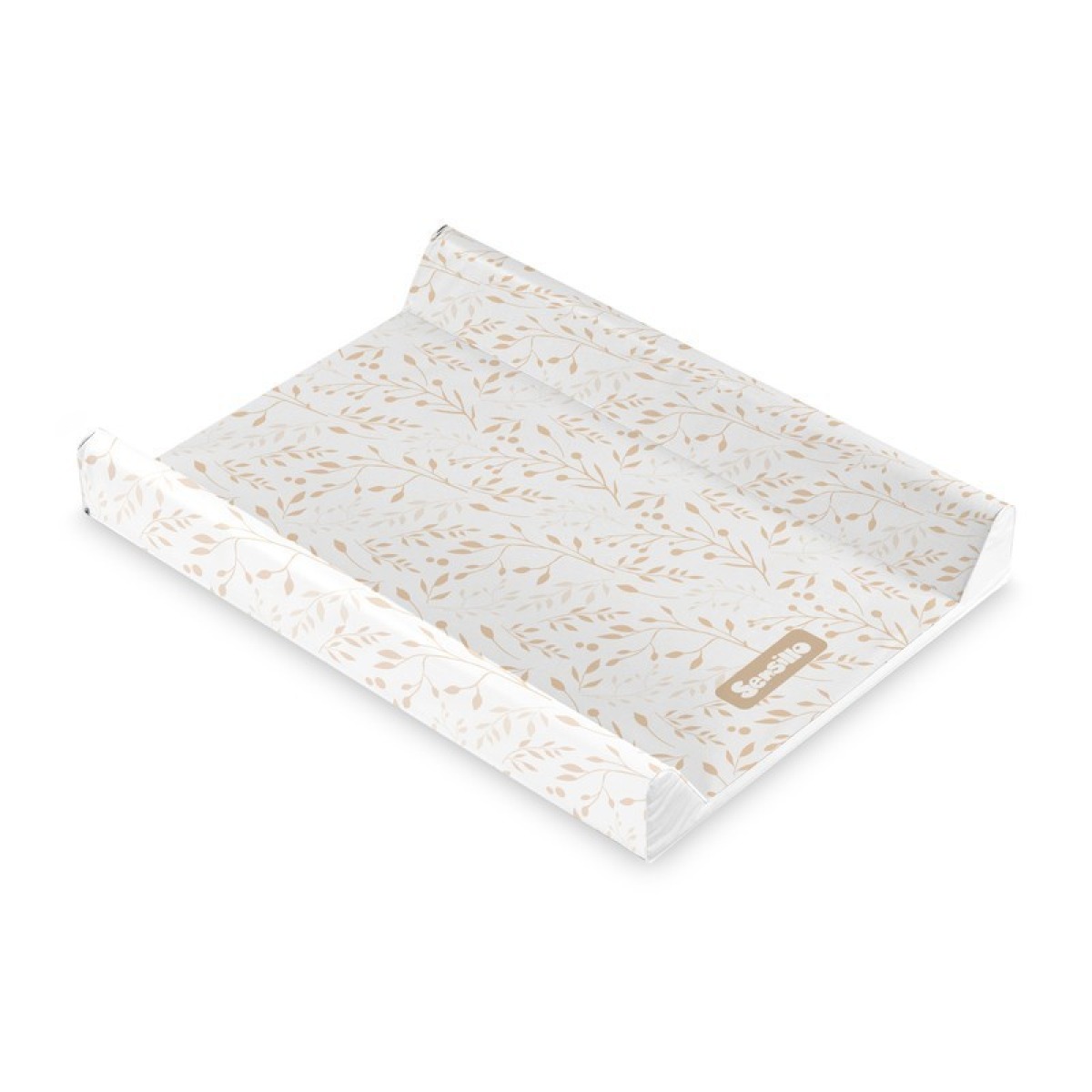
Category guide
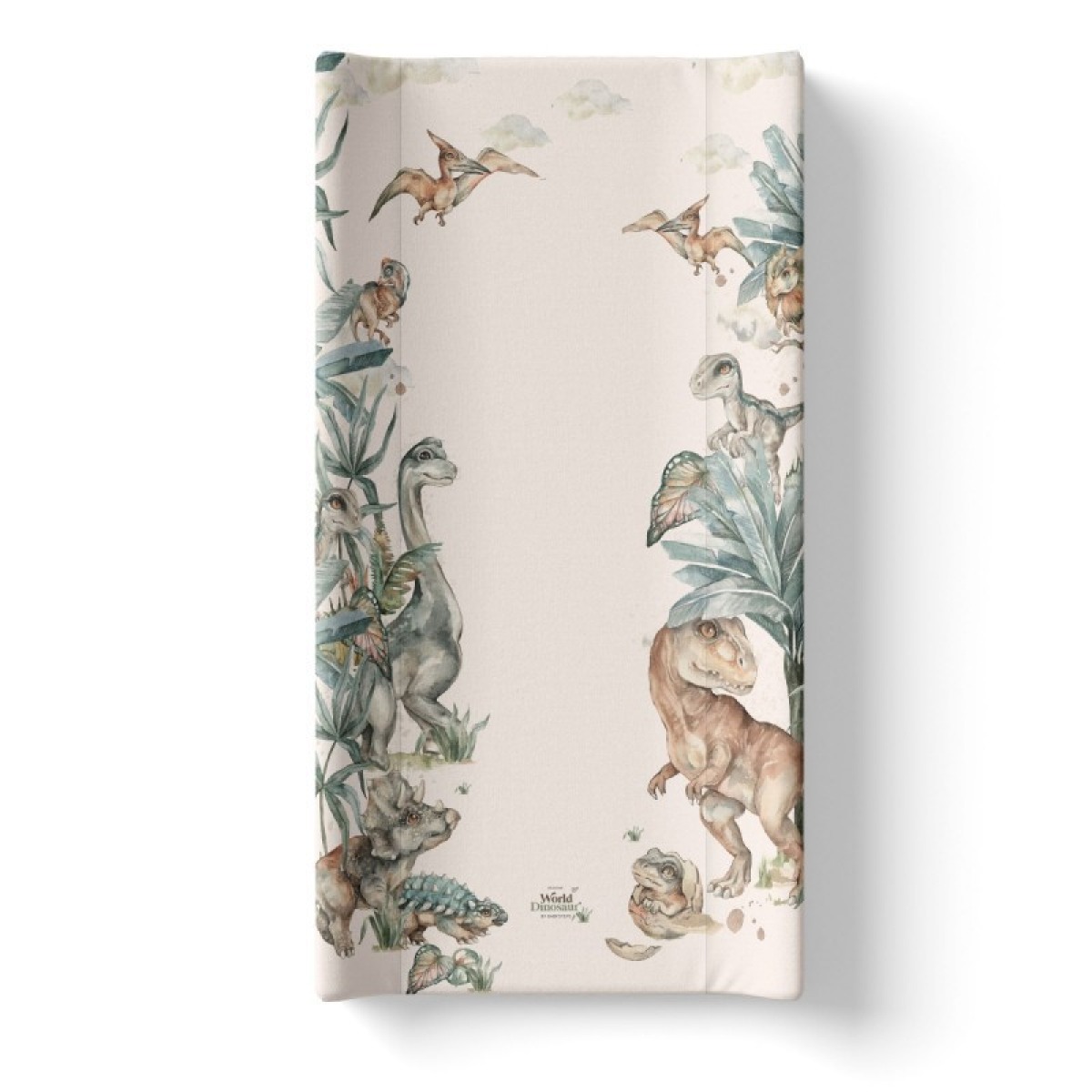
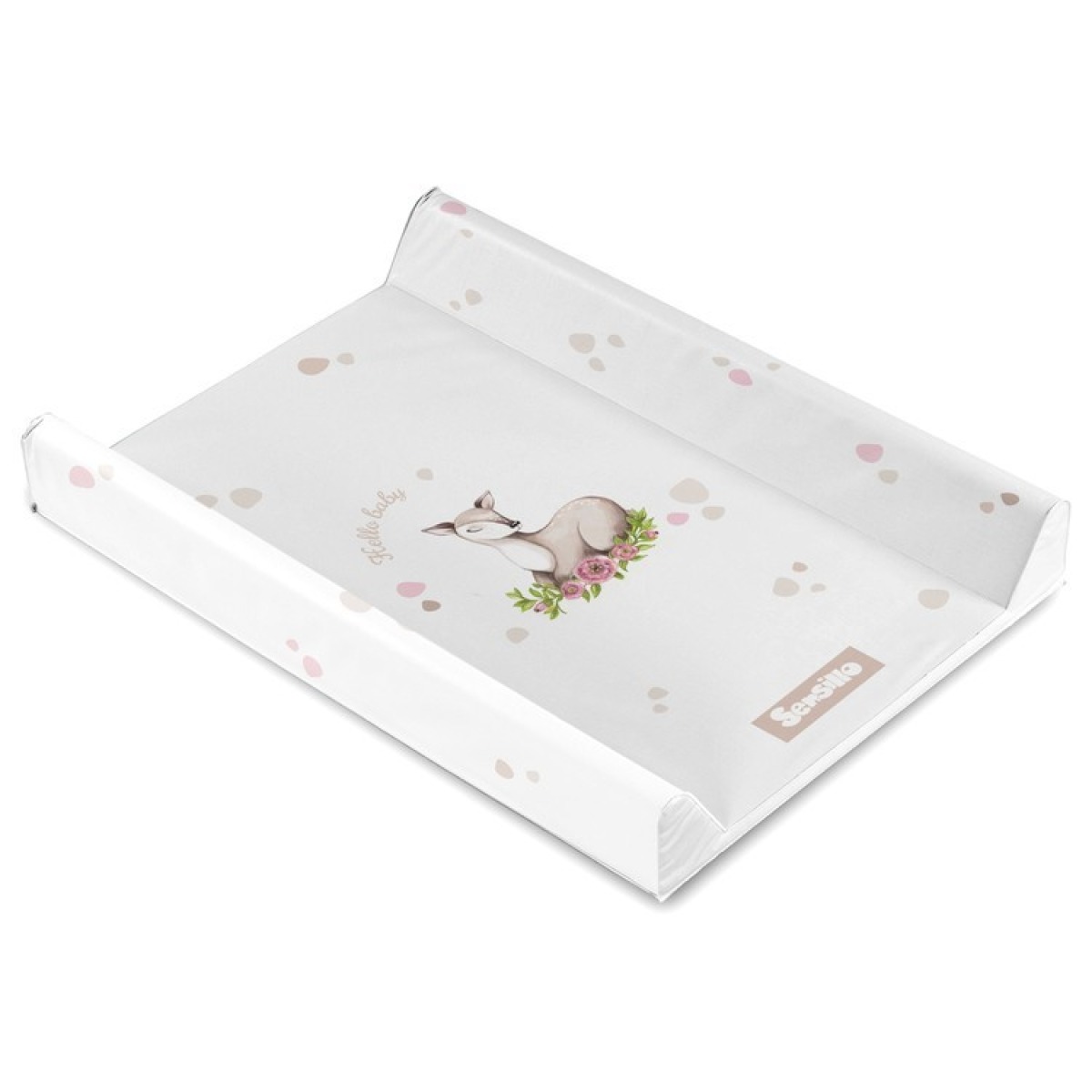
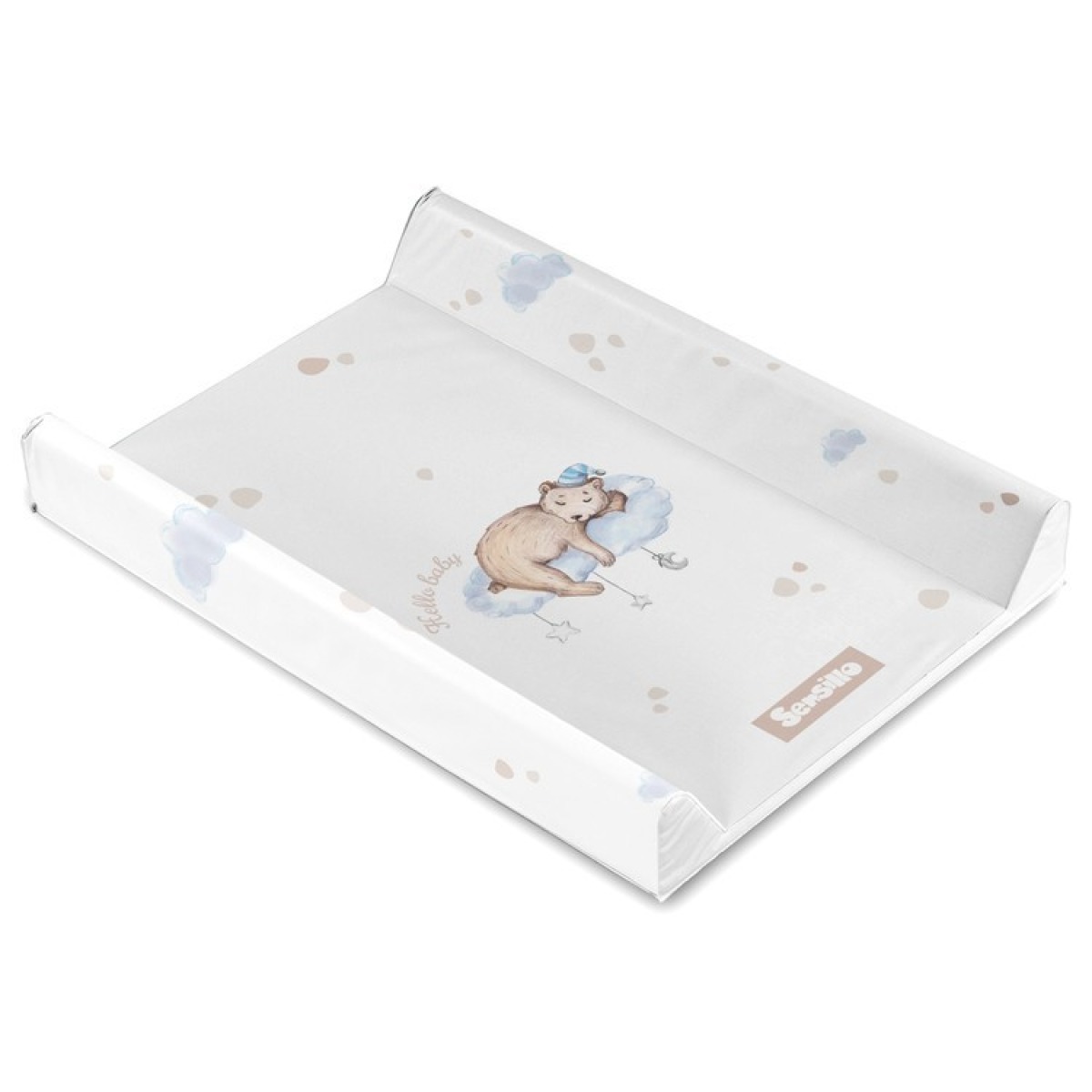
Changing Pads for Babies make changing convenient for both parents and children. This category includes changing pads in a range of designs for use at home in the nursery, by the bed or on a chest of drawers. It's important to choose a suitable surface and construction: a rigid changing pad provides stability, a soft changing pad offers a more comfortable surface, and models with a safety system help ensure secure fitting. Many options have a practical width, for example 70
cm, which suits many uses and provides enough room for changing. If you're looking for a dependable, straightforward care solution for your baby, also consider how easy the materials are to care for and whether the pad is easy to wipe clean as part of your daily routine. A changing pad is used every day during the first months of life, so your choice should take your baby's comfort, parents' confidence and how well it suits your home furnishings into account.
A changing pad is one of the first practical nursery essentials used in the daily care of a newborn or toddler. The right changing area helps keep everything organised: nappies, wipes and care products are close at hand, and your baby can lie calmly during changing. Whether in the nursery or elsewhere in the home where the routine works best, a pad can make changing quicker and easier.
This category includes both soft and rigid changing pad options. Rigid options work well if you want a stable base for a bed, table or chest of drawers. Softer changing pads are suitable if you prefer a more comfortable feel for your baby.
Your choice depends on where and how you position the changing table or surface. If you use a changing pad on a chest of drawers or another firmer surface, a hard-base option is often practical: its construction holds its shape and provides firm support. If you prefer a softer option or want more comfort on the surface, a soft changing pad may be a better compromise.
It is also worth checking whether the changing pad has a solution with a safety system. Many models have separate legs and a secure fastening design to support stable installation directly on a furniture surface intended for babies.
When choosing a changing pad, it is important that it suits the environment where it will actually be used. Many products are designed to be placed directly on a cot or, more generally, on a firmer surface, and some designs have legs to help provide a more secure fit and greater stability. This is especially useful when you have a regular changing spot and want the pad to stay level throughout changing.
If you are looking for a changing table for a chest of drawers, the difference between “soft” and “firm” options is especially clear: models with a hard base offer more structure during use. At the same time, it is important that the surface is comfortable for the baby and easy to care for every day.
Changing pads are designed for everyday care, where reliability matters. In terms of practicality, both the surface properties and how easy it is to remove dirt from the pad are important. Changing pads are usually used for nappy changing, applying care products and sorting clothes, so ease of cleaning affects how smoothly the whole routine goes.
Design also plays a part: changing pads in different patterns and shades help them fit in with the overall look of the nursery. When choosing, consider whether you would prefer a neutral or themed option, as the changing pad often stands out in the place where everyday care takes place.
MIU Kids
A quiet word about cookies
Necessary cookies are already on, so your basket and checkout can work. Analytics cookies stay off until you accept. Until then Google may receive a cookieless visit signal so we can count visits. It is not used for advertising. Accept all cookies, or keep only the necessary ones. Both are one click. We remember your choice for six months, and you can change it at the bottom of the page. Privacy notice
Analytics cookies wait for a yes
MIU Kids
Choose what stays on
Necessary
Always on. These keep the basket, checkout and the shop secure.
Analytics
No analytics cookie until you accept. A cookieless visit signal may still be sent. If you accept, Google Analytics shows which pages are used. It does not build advertising profiles.