
- New
On order 5–15 business days5–15 business days
About the collection
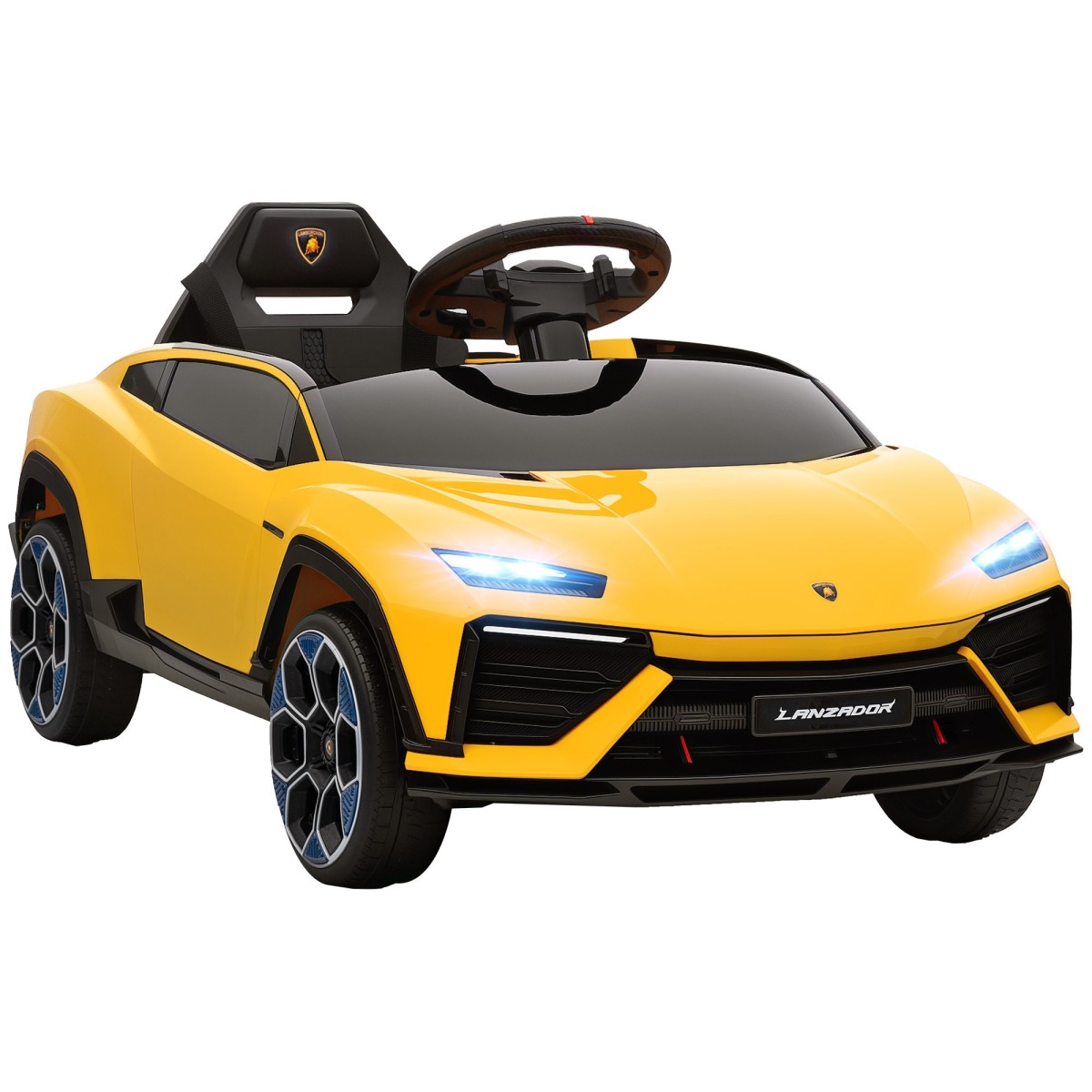
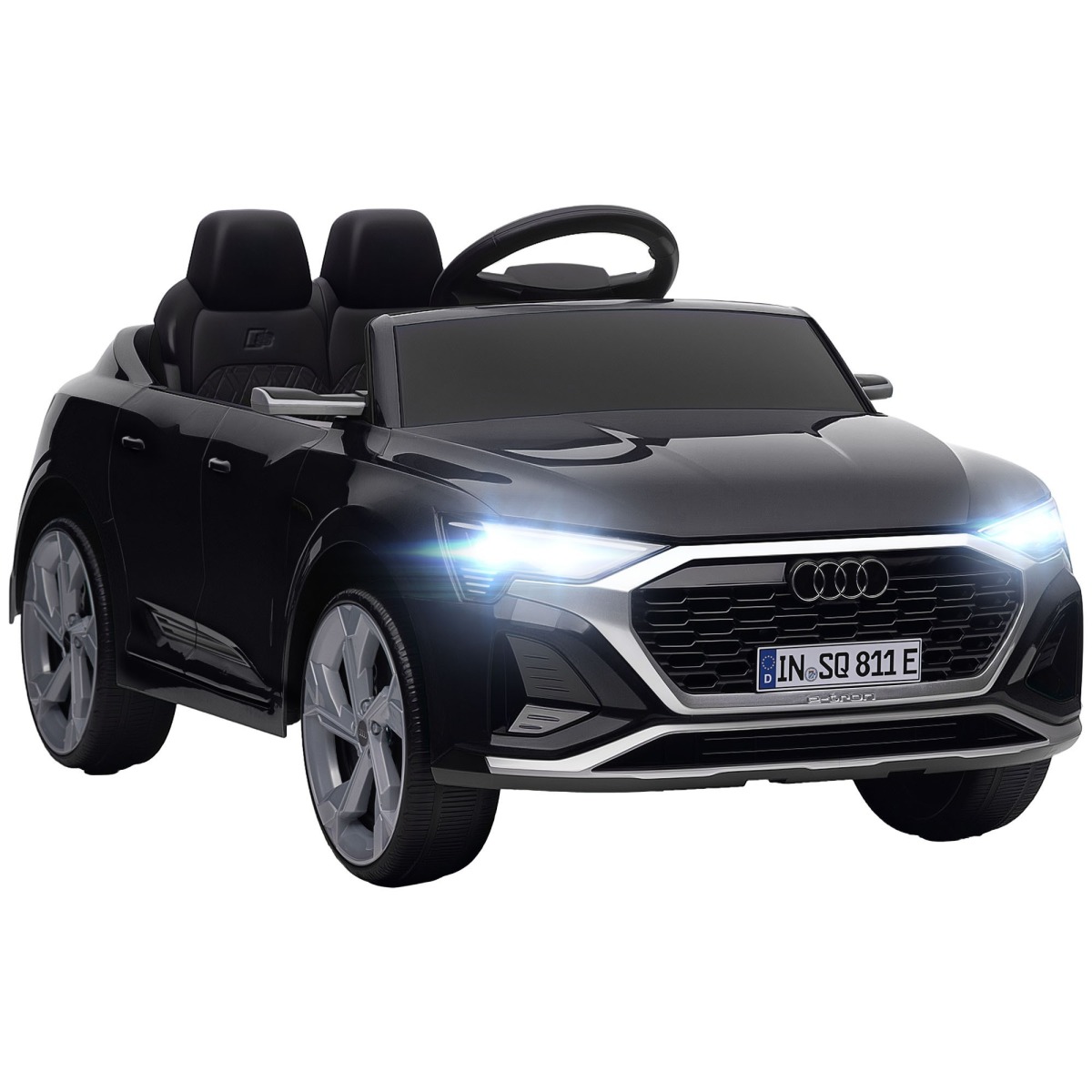
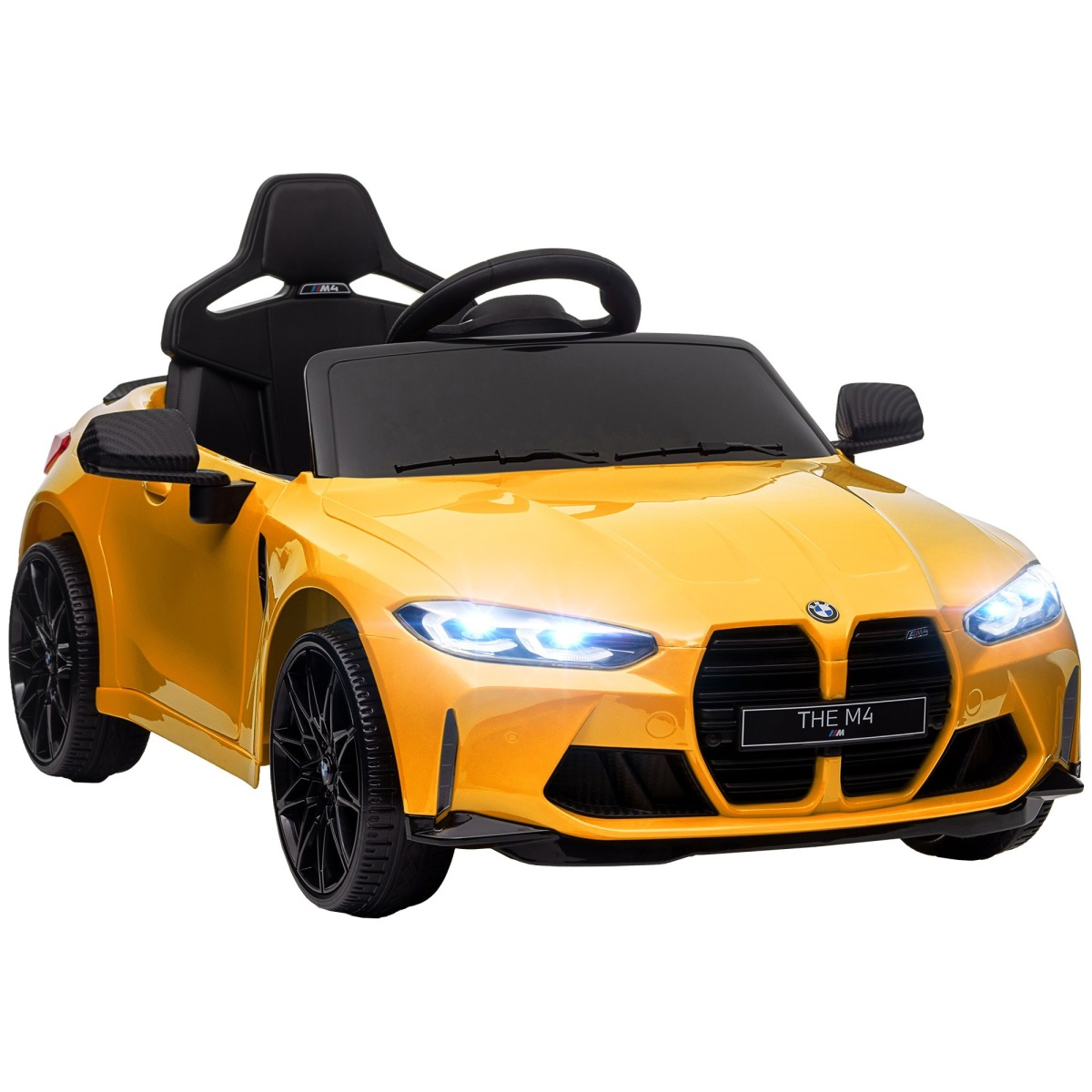
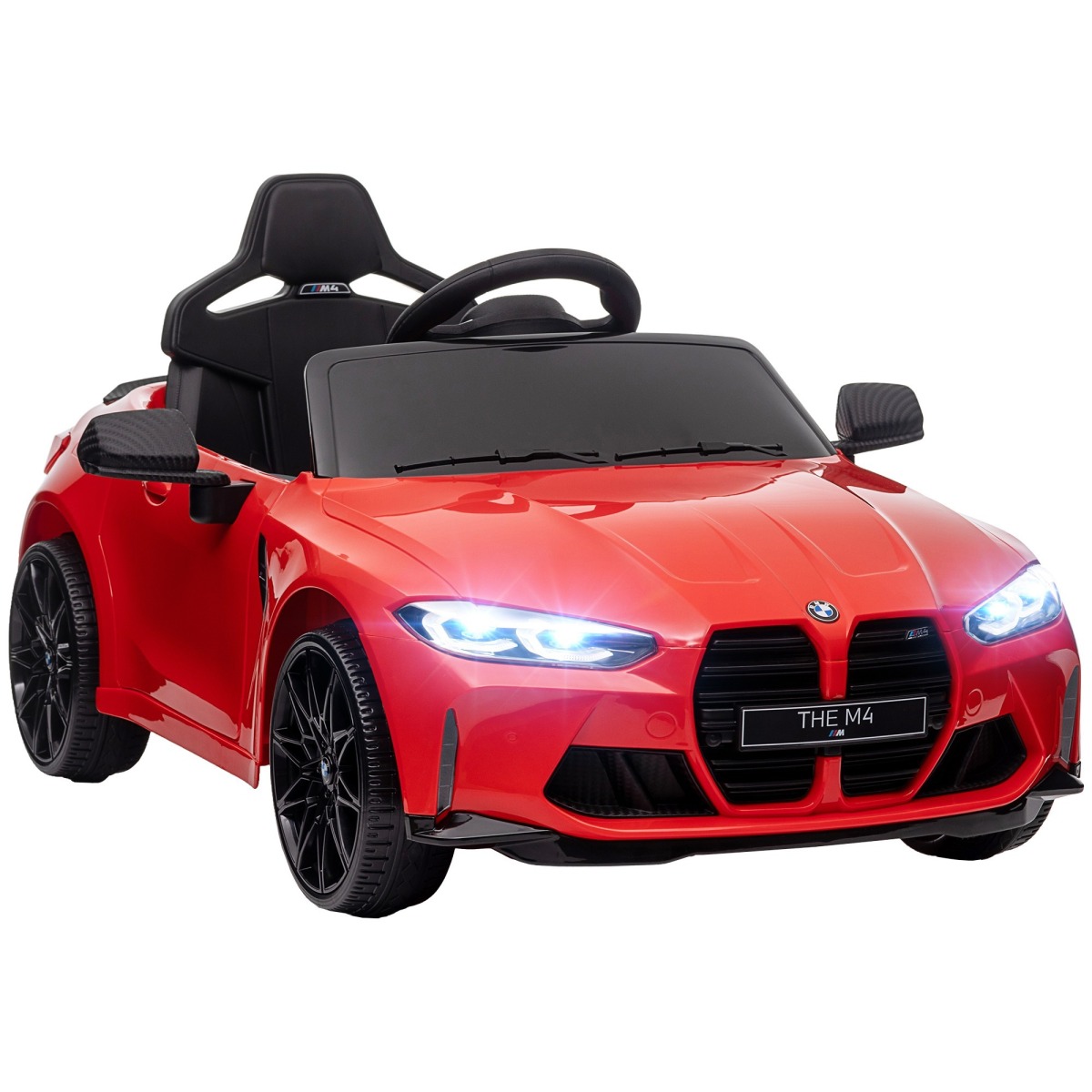
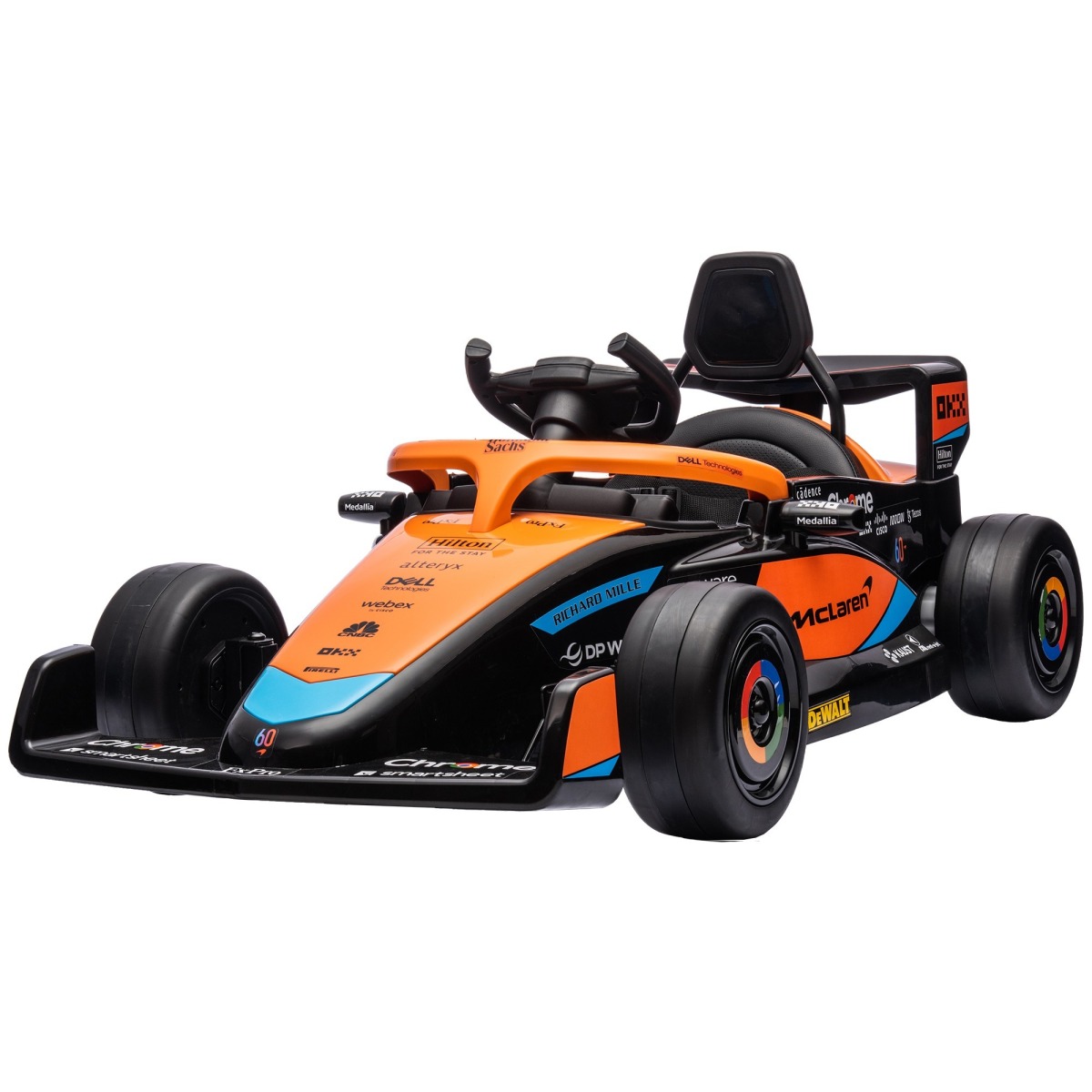
In a kids' electric car, little drivers can drive their own car in the garden and the park. Battery-powered cars inspire role play and bring plenty of joy to outdoor time. You'll find a variety of models. Check the recommended...
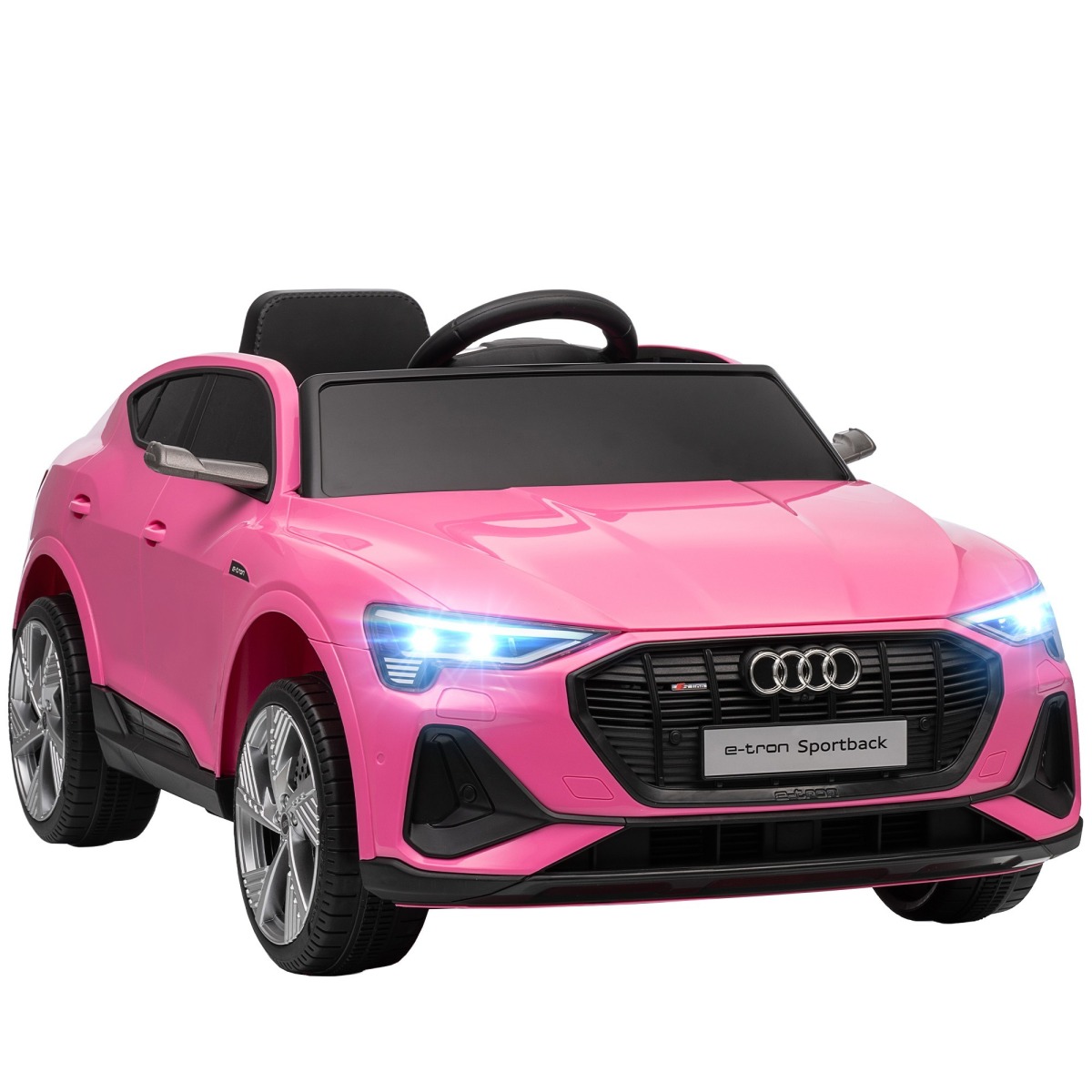
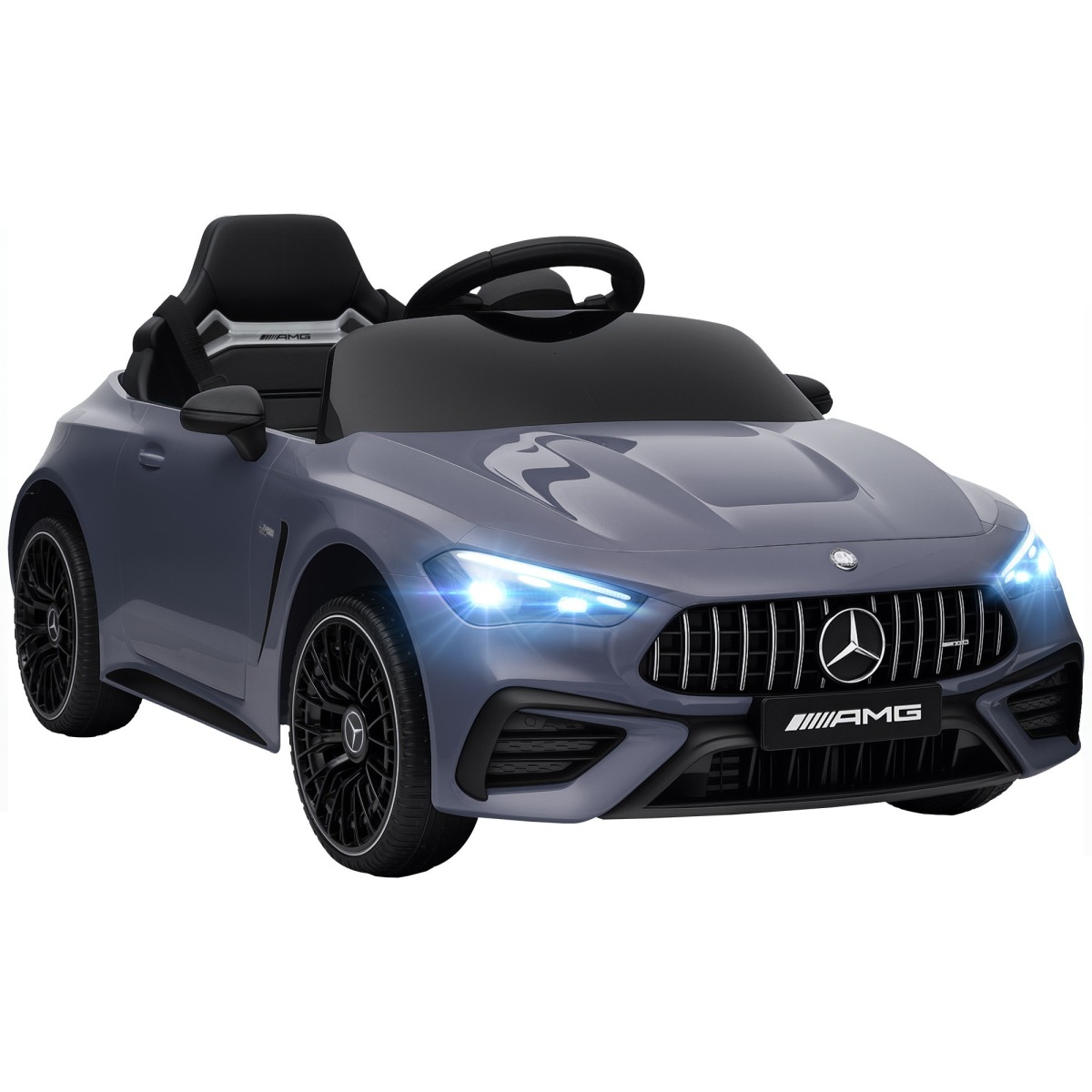
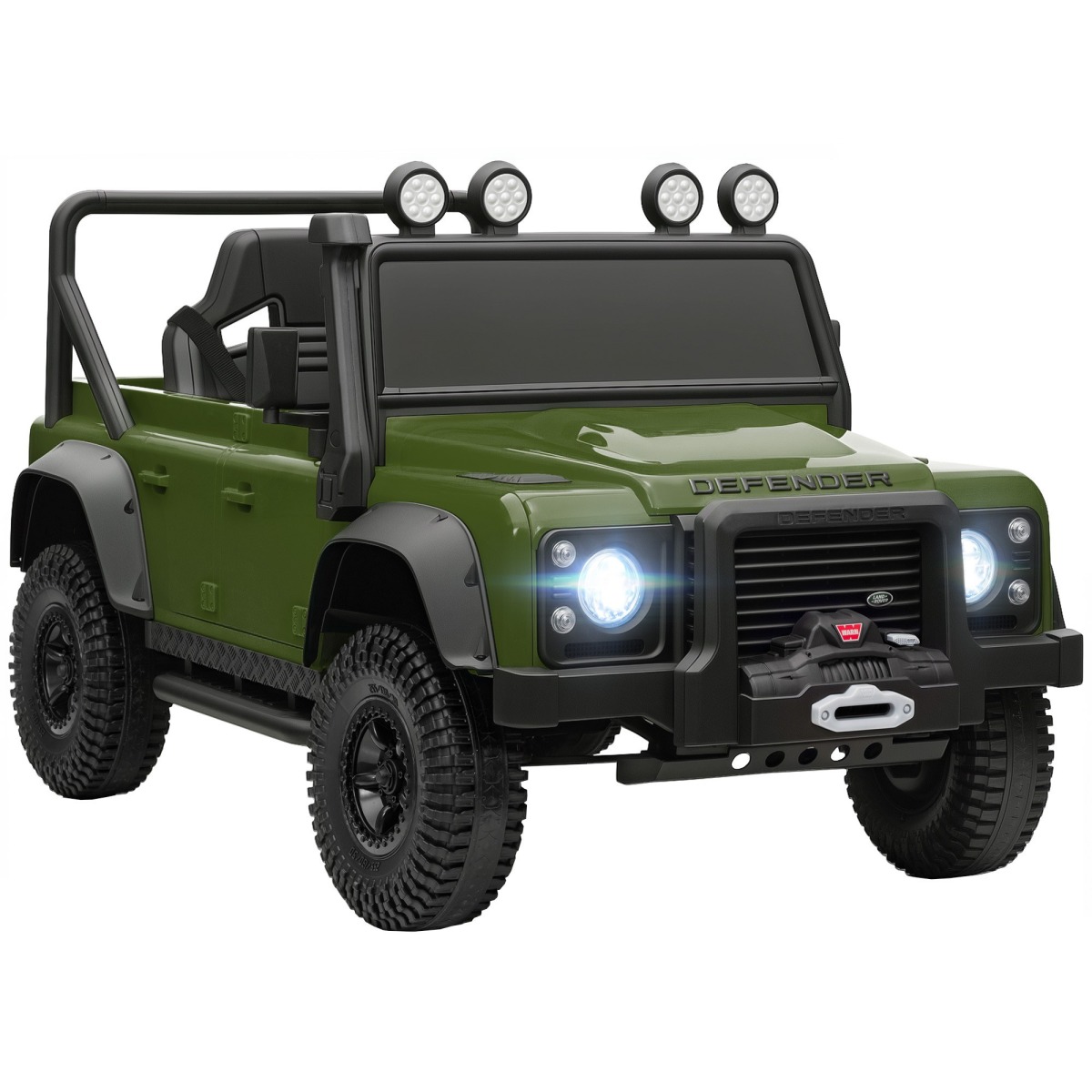
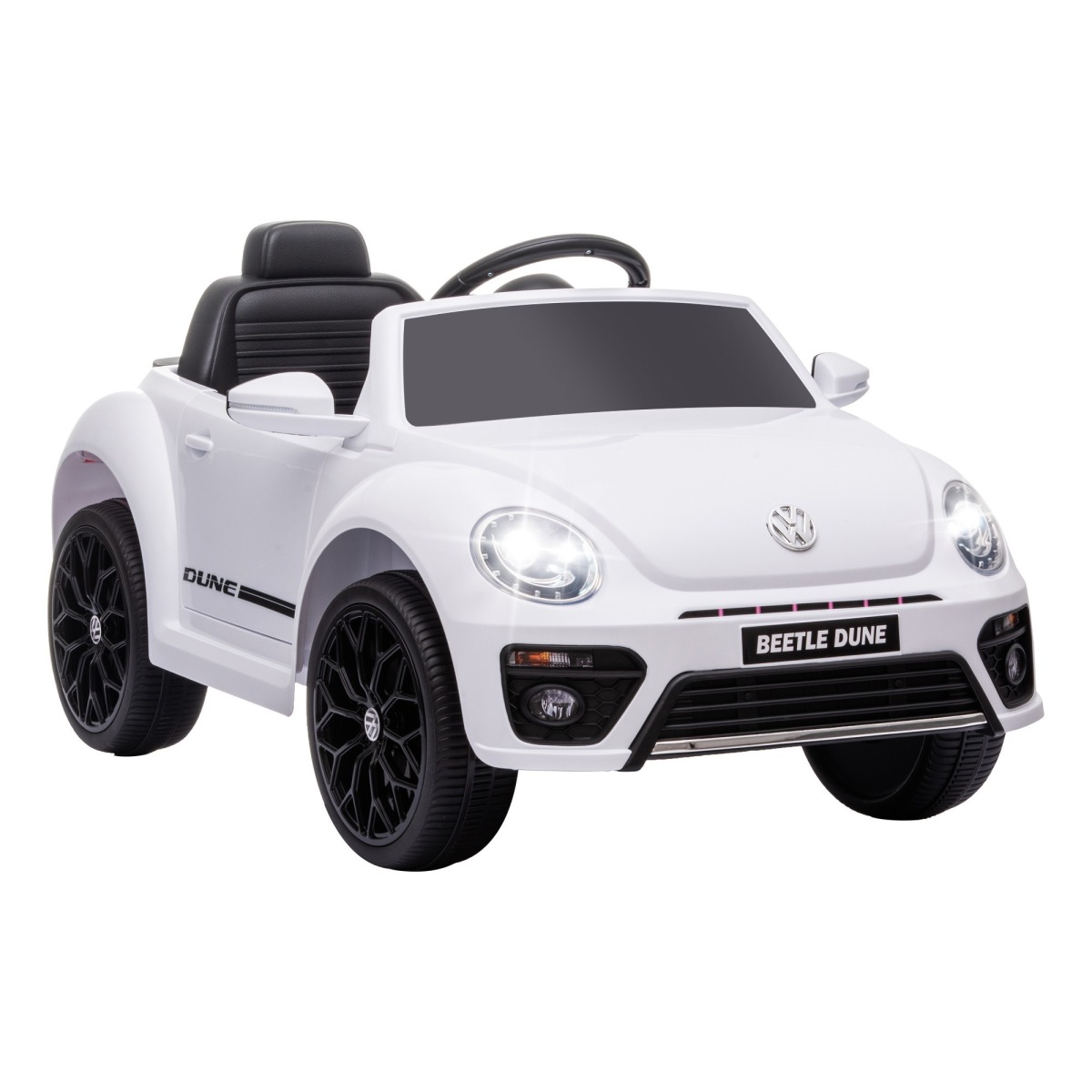
Category guide
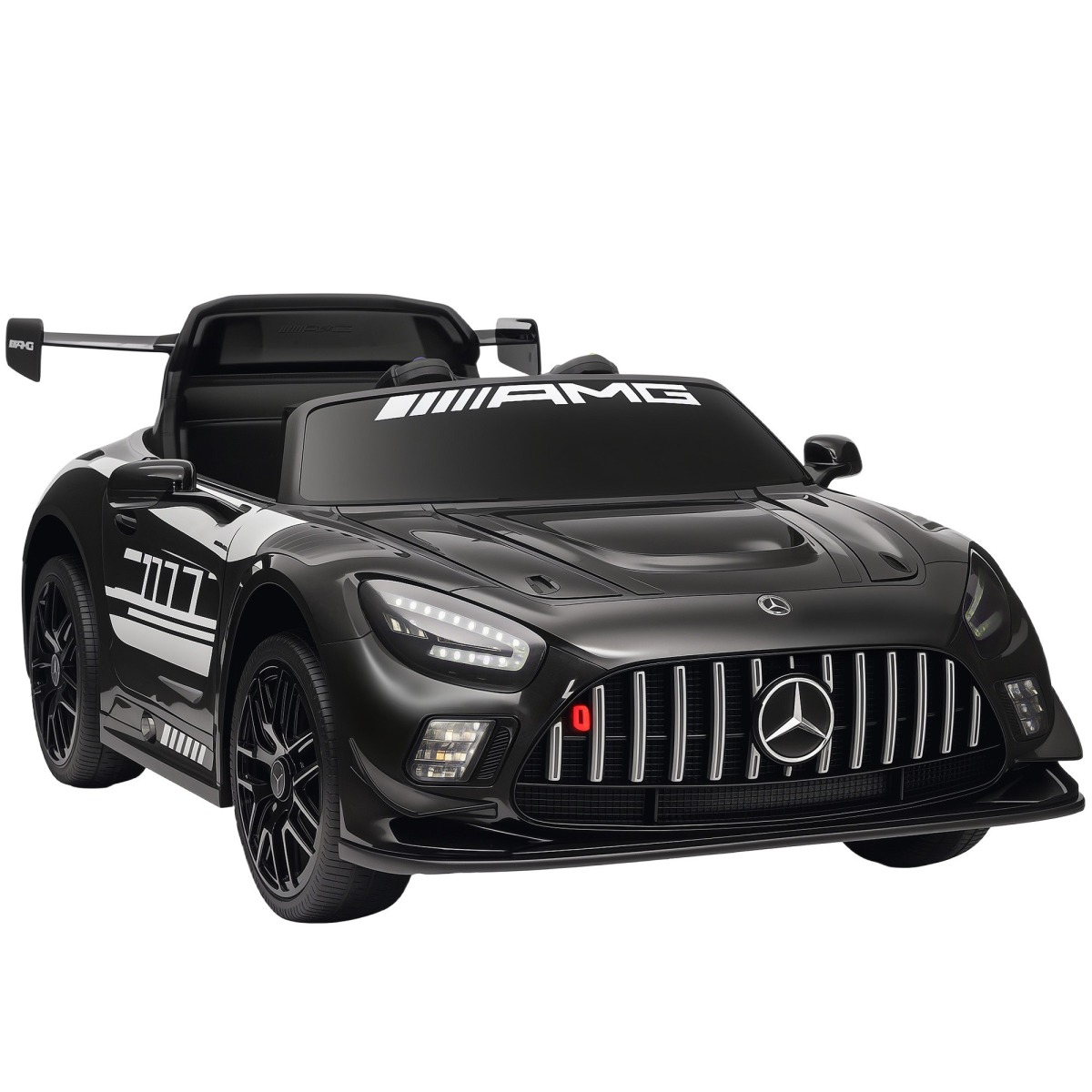
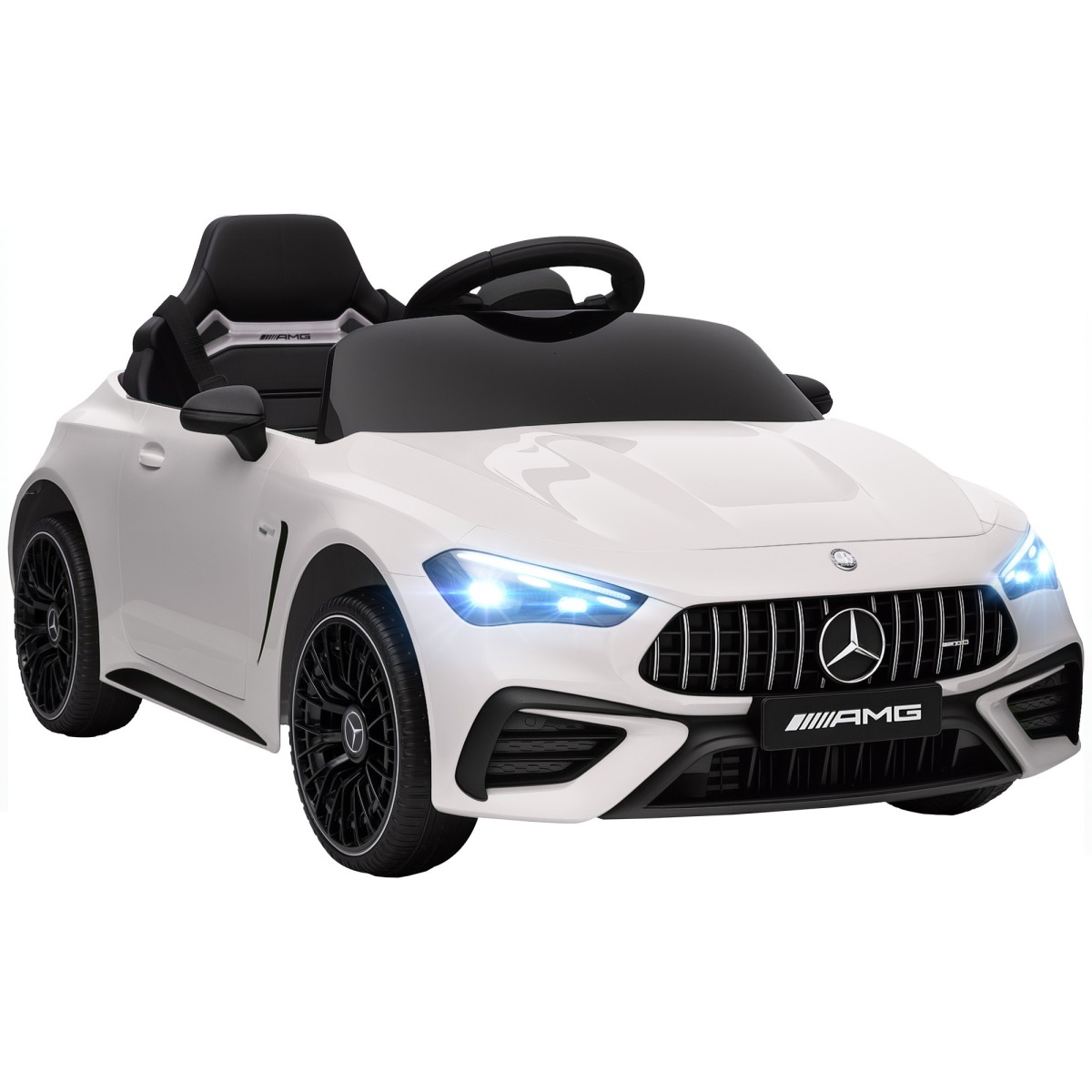
Kids' Electric Cars are battery-powered electric vehicles that children can play with safely at home and outdoors while taking on their favourite role. They are especially suitable for children and toddlers who want to drive a vehicle themselves, as well as for parents looking for a practical way to enjoy imaginative role play in the playroom or garden. When choosing, it is worth considering the battery voltage (typically 12V or 24V),
as this affects how long the vehicle can be driven and its suitability for the child’s age and where it will be used. Speed and load capacity are also important, so the vehicle is manageable for the child and gives parents greater peace of mind. It is also worth considering charging time, the automatic gearbox (often 3 gears), and the vehicle’s dimensions and handling, to find an electric car or 4x4 vehicle that suits the family’s needs.
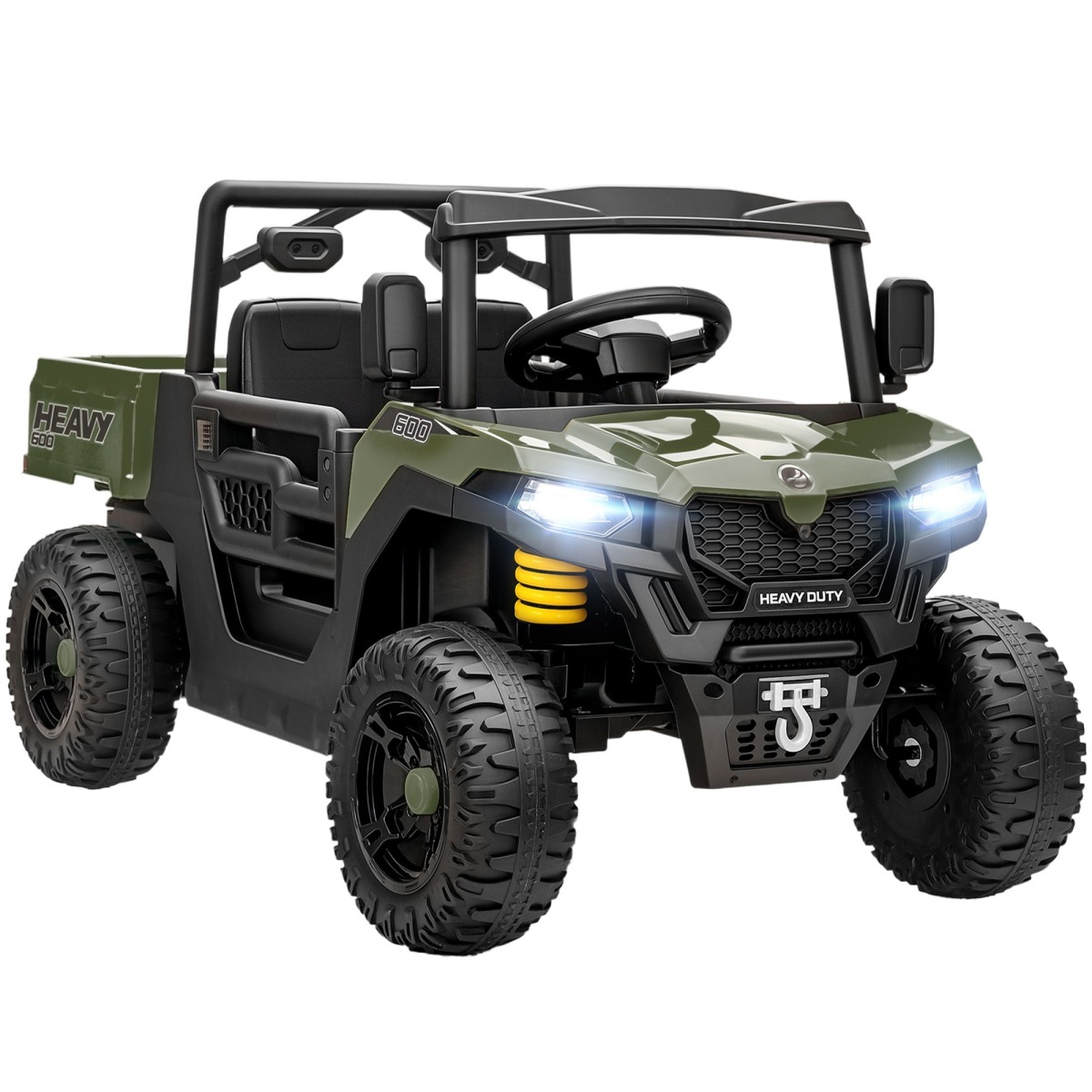
Electric cars are vehicles for children that give them the feeling of driving themselves as they play. Battery-powered electric cars are ideal for role play and more active outdoor play, where children can move around in a designated area and practise controlled driving. There are often models in different styles to choose from – from 3-wheel options to 4x4 electric cars – to suit different preferences and conditions of use.
Many electric cars have an automatic gearbox and several speed settings, which help keep the pace manageable for a child. For example, the typical maximum speed for many models is around 3–6 km/h, making an electric car a particularly good choice when a calm and safe play experience is important.
For kids' electric cars, the most practical selection criteria are battery specifications and driving characteristics. The battery voltage (usually 12V or 24V) gives a good indication of whether the vehicle is better suited to short bursts of fun or longer use. Many models have an estimated charging time of up to around 8 hours, while how long they can be used may depend on the load and road conditions.
It is also worth comparing the following features:
If you are looking for an electric car with better traction on different surfaces, it is worth considering 4x4 models. These vehicles are often associated with greater traction and are well suited to children who enjoy the feeling of driving a “real” car.
Kids' electric cars are a popular choice because they encourage role play. Children can imagine themselves as a racing driver, police officer or off-road vehicle driver, and play can unfold freely: it may begin with driving and move on to storytelling and acting out “missions”. Many models are styled after well-known car designs, making it easier to choose one to suit the child’s taste.
In addition to their appearance, some models may include details that add to the experience, such as LCD screens or different control options. These features can make an electric car more appealing to a child, but safety remains important in practical terms: the braking system and accelerator controls should be easy for parents to understand and smooth for children to use.
To keep an electric car in working order and ensure a comfortable driving experience, it is worth thinking about both charging and everyday care. Before first use, charge the battery according to the manufacturer’s instructions, and afterwards make sure the vehicle is stored in a dry place at a suitable temperature. If the vehicle is often used on muddy or dusty surfaces, it is recommended to clean the wheels and body after use to prevent dirt from building up.
A practical summary:
Choosing the right electric car can help create a regular play routine in the child’s room and outdoors. If you are looking for a kids' electric car that is suitable both for driving role play and for encouraging activity at home, start with the battery voltage, speed settings and a size that suits the child.
MIU Kids
A quiet word about cookies
Necessary cookies are already on, so your basket and checkout can work. Analytics cookies stay off until you accept. Until then Google may receive a cookieless visit signal so we can count visits. It is not used for advertising. Accept all cookies, or keep only the necessary ones. Both are one click. We remember your choice for six months, and you can change it at the bottom of the page. Privacy notice
Analytics cookies wait for a yes
MIU Kids
Choose what stays on
Necessary
Always on. These keep the basket, checkout and the shop secure.
Analytics
No analytics cookie until you accept. A cookieless visit signal may still be sent. If you accept, Google Analytics shows which pages are used. It does not build advertising profiles.