
- New
In stock · 1–3 business days1–3 business days
About the collection
Play is the best way to get to know numbers. In this collection you'll find learning games and toys for recognising numbers, counting and comparing amounts, for toddlers and preschoolers. When children count, sort and match...
Category guide
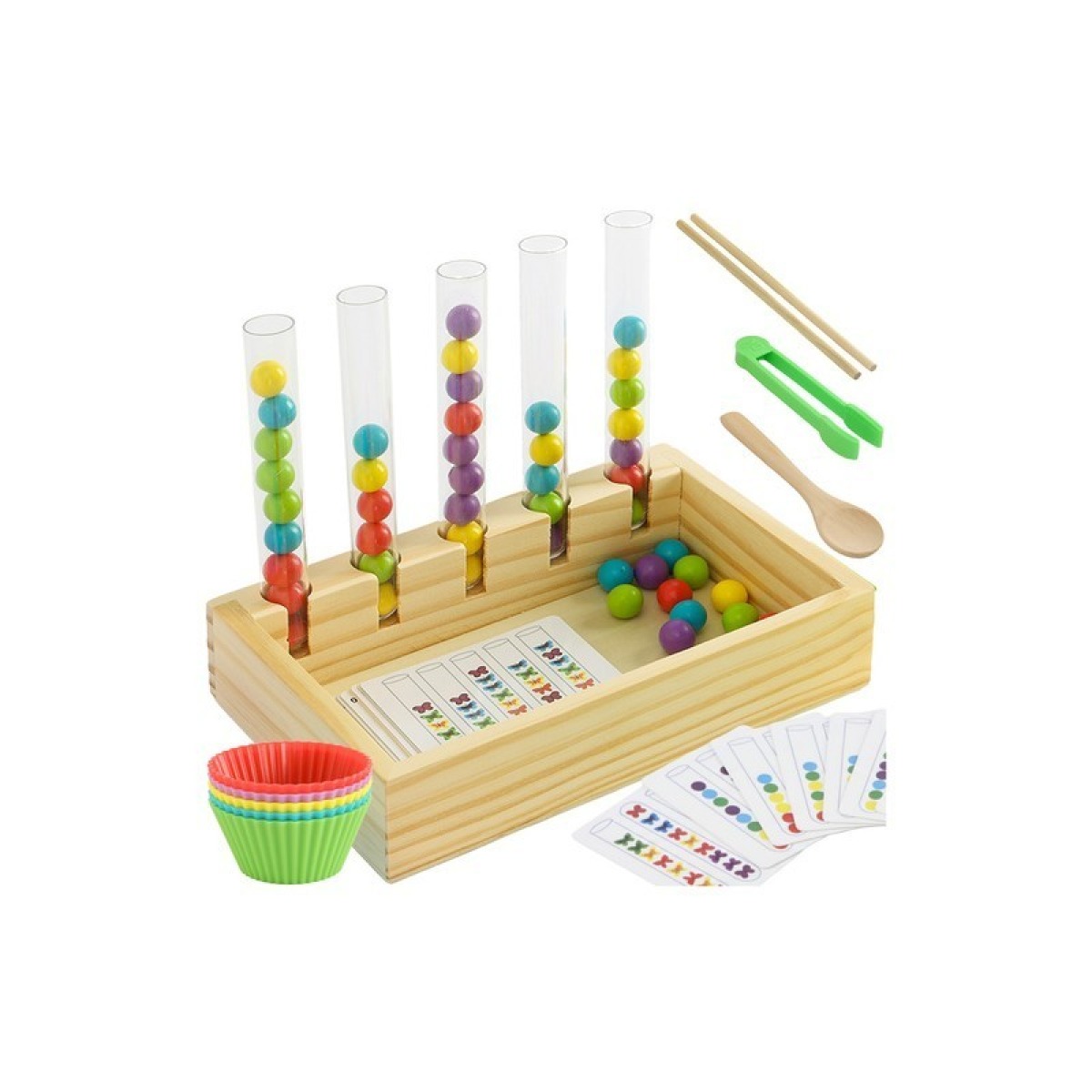
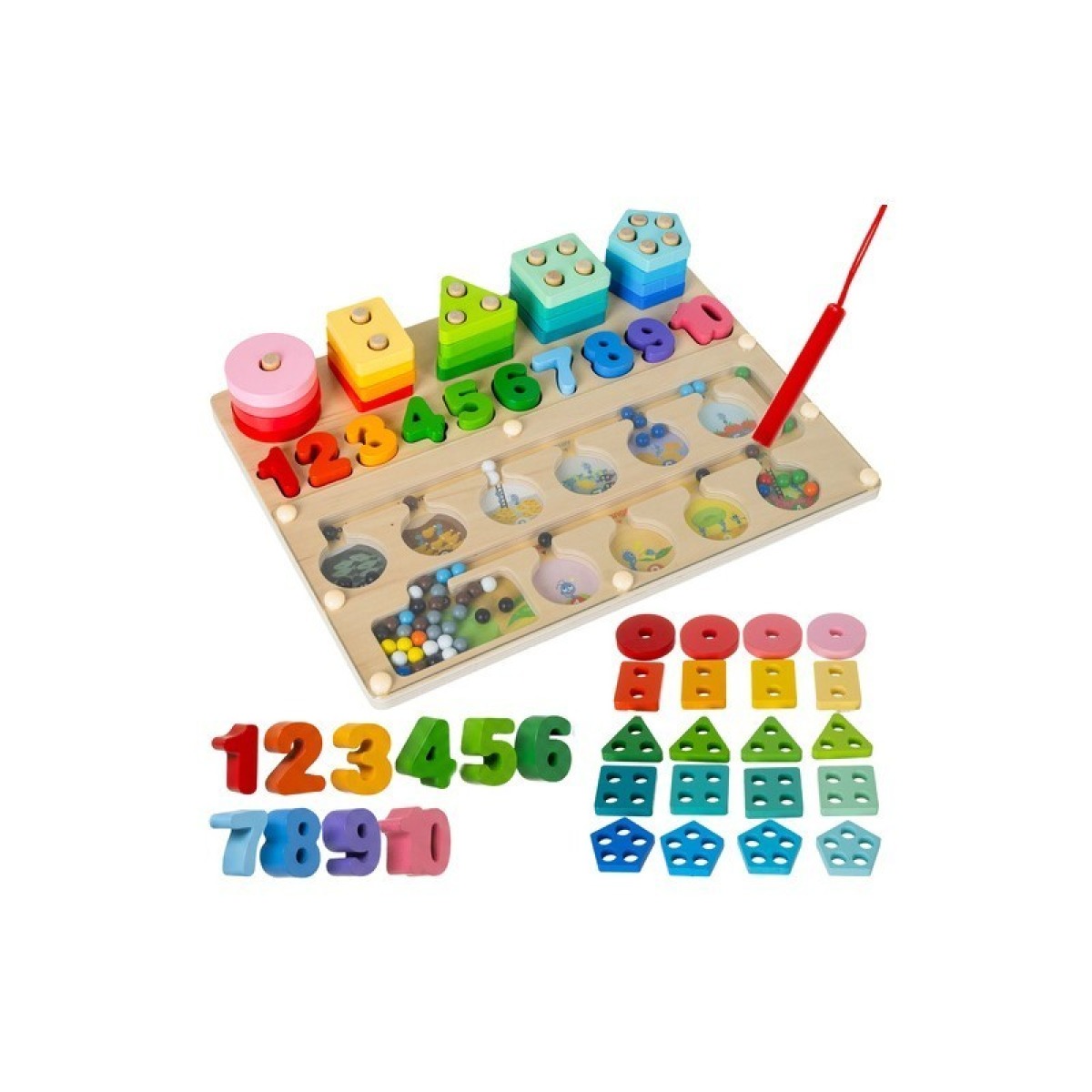
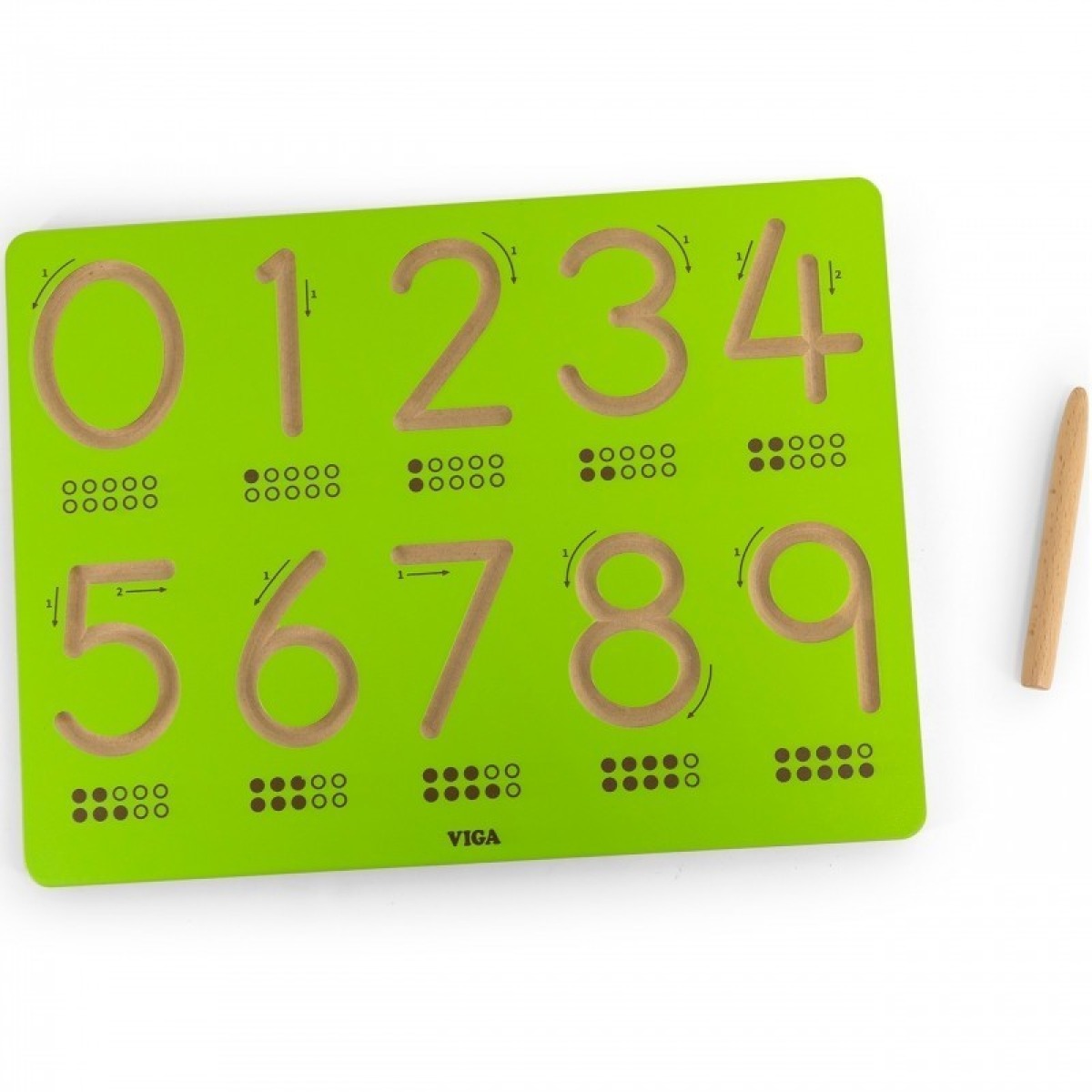
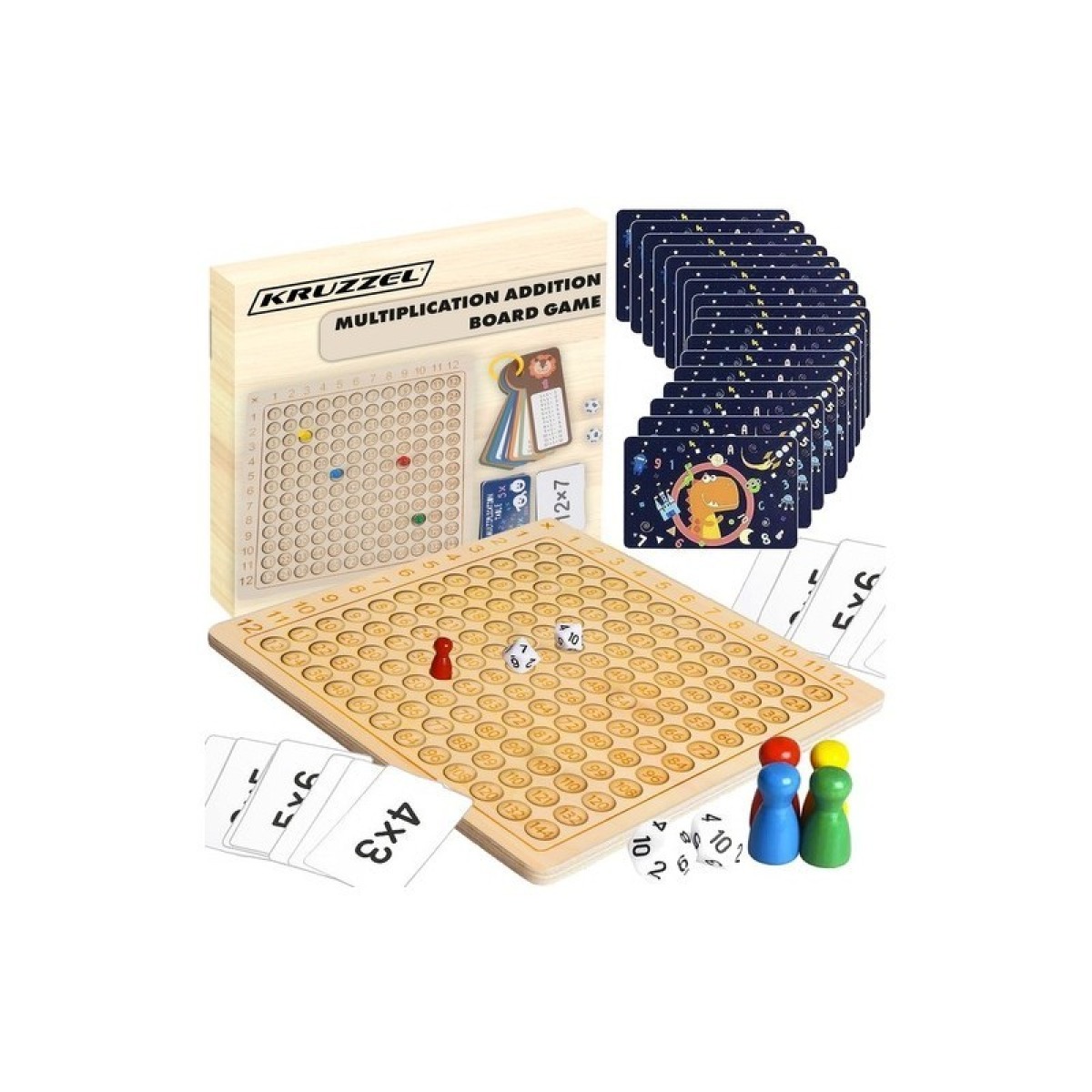
Numbers and Counting is one of the most important basic maths skills for children. Here you’ll find educational toys for learning numbers, counting quantities and matching numerals, suitable for babies and toddlers as well as preschool learning. The main focus is on play and hands-on activities: children explore numbers,
count objects and practise logical thinking and concentration. Many products are made of wood or feature magnets, making the tasks easy to handle and the pieces simple to match. They’re a good choice if you want to support children’s early development at home in the nursery, at preschool or during a quiet learning session.
Educational toys for numbers and counting help children develop an understanding of quantity. When a child sees a numeral, matches it with objects or animals and counts in sequence, they form a concrete connection with “what the number means”. This step-by-step approach supports mathematical thinking as well as habits such as calm concentration and following instructions.
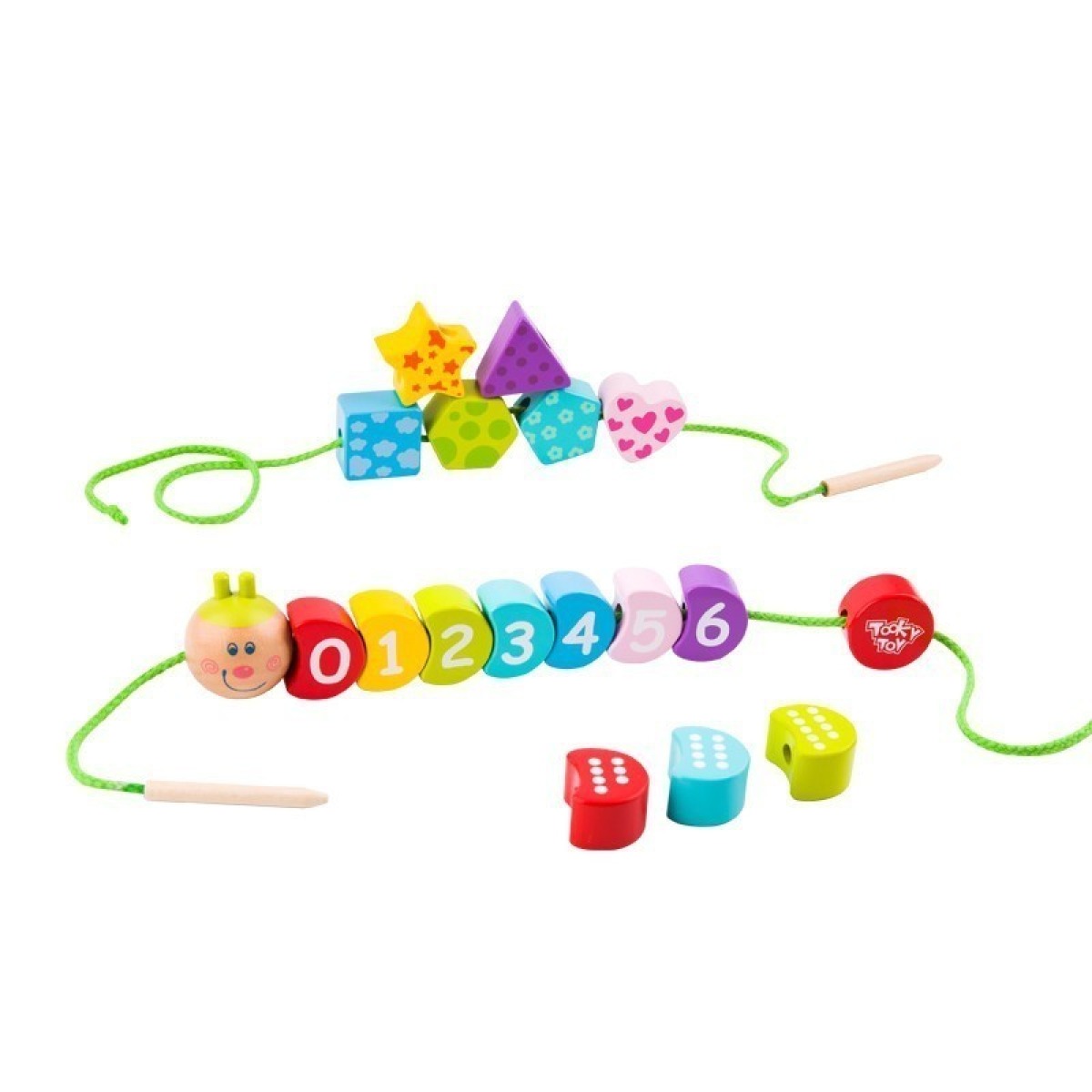
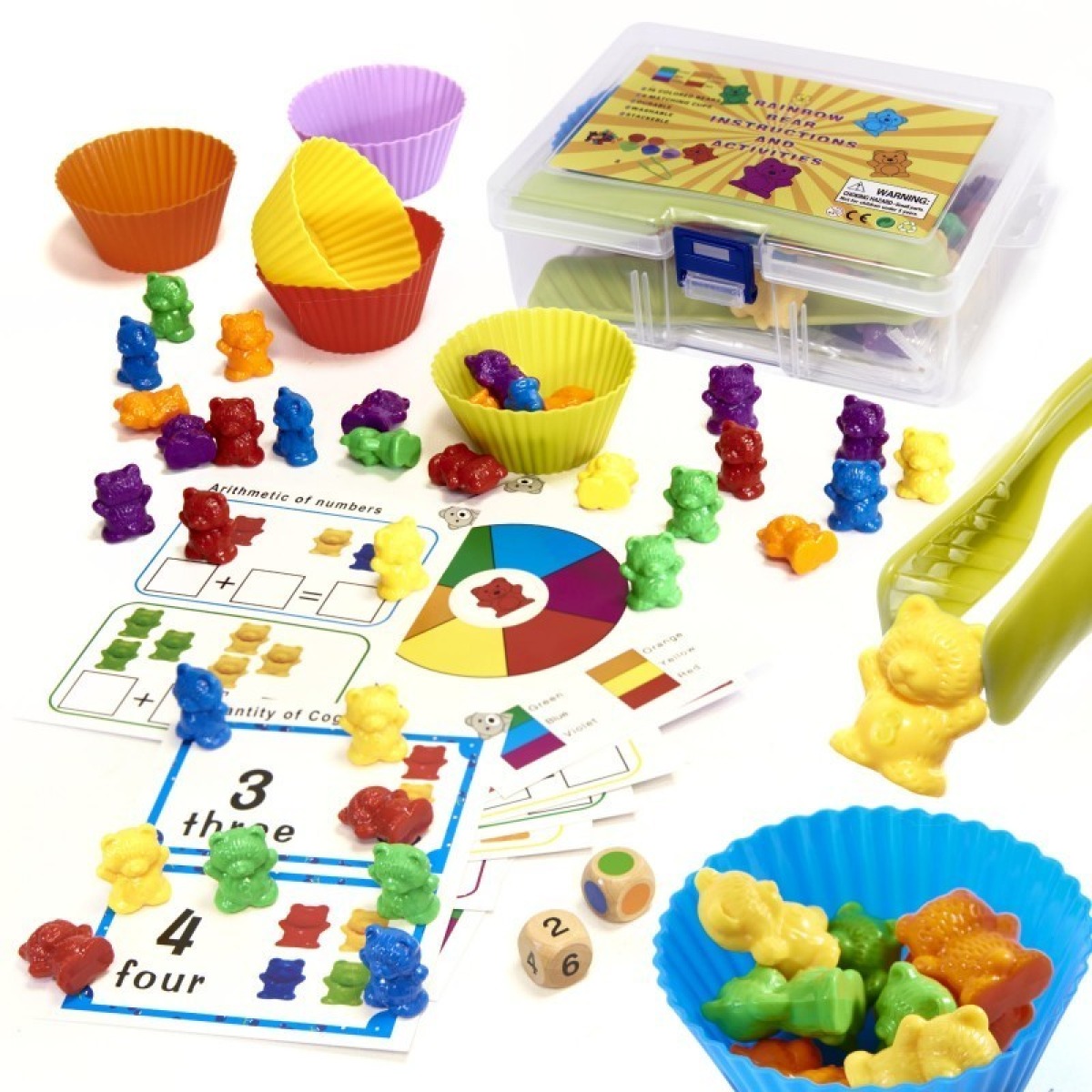
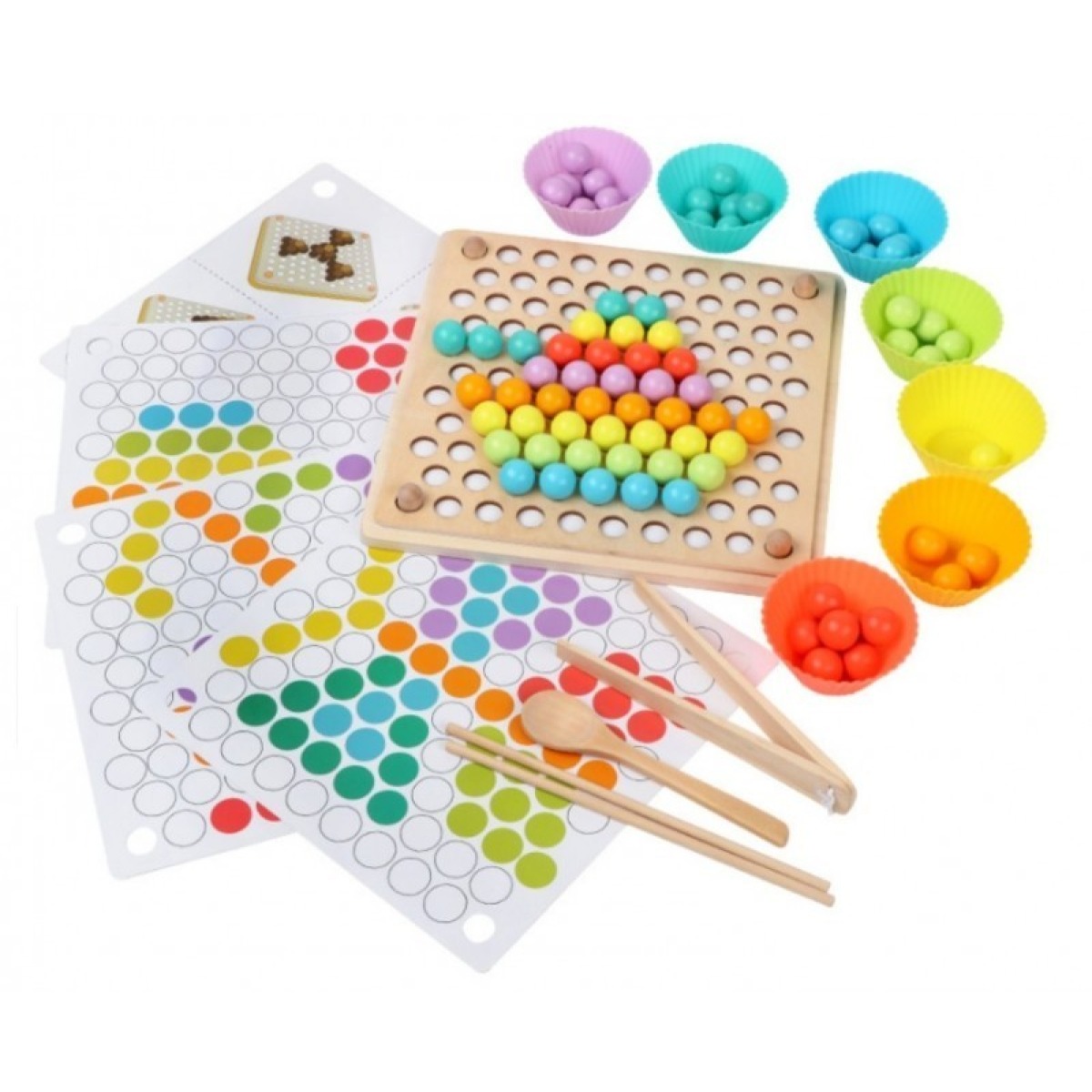
The category includes a range of options, such as puzzles, sorters, counting sticks, magnetic numbers and educational boards. They suit children with different play styles – some enjoy matching and sorting by shape, while others prefer counting routines or learning through role play. If you want learning to become a natural part of everyday life, hands-on activities like these are often the most effective.
The choice depends primarily on the child’s age, attention span and the type of activity they engage with most readily. For some children, concrete matching works best (for example, matching numbers with objects); others prefer counting in sequence (with sticks, educational boards or tablets). It’s also worth making sure the task is clear enough for the child: the pieces shouldn’t be too small or require overly precise handling when babies and toddlers are still developing these skills.
For a practical decision, consider the following criteria:
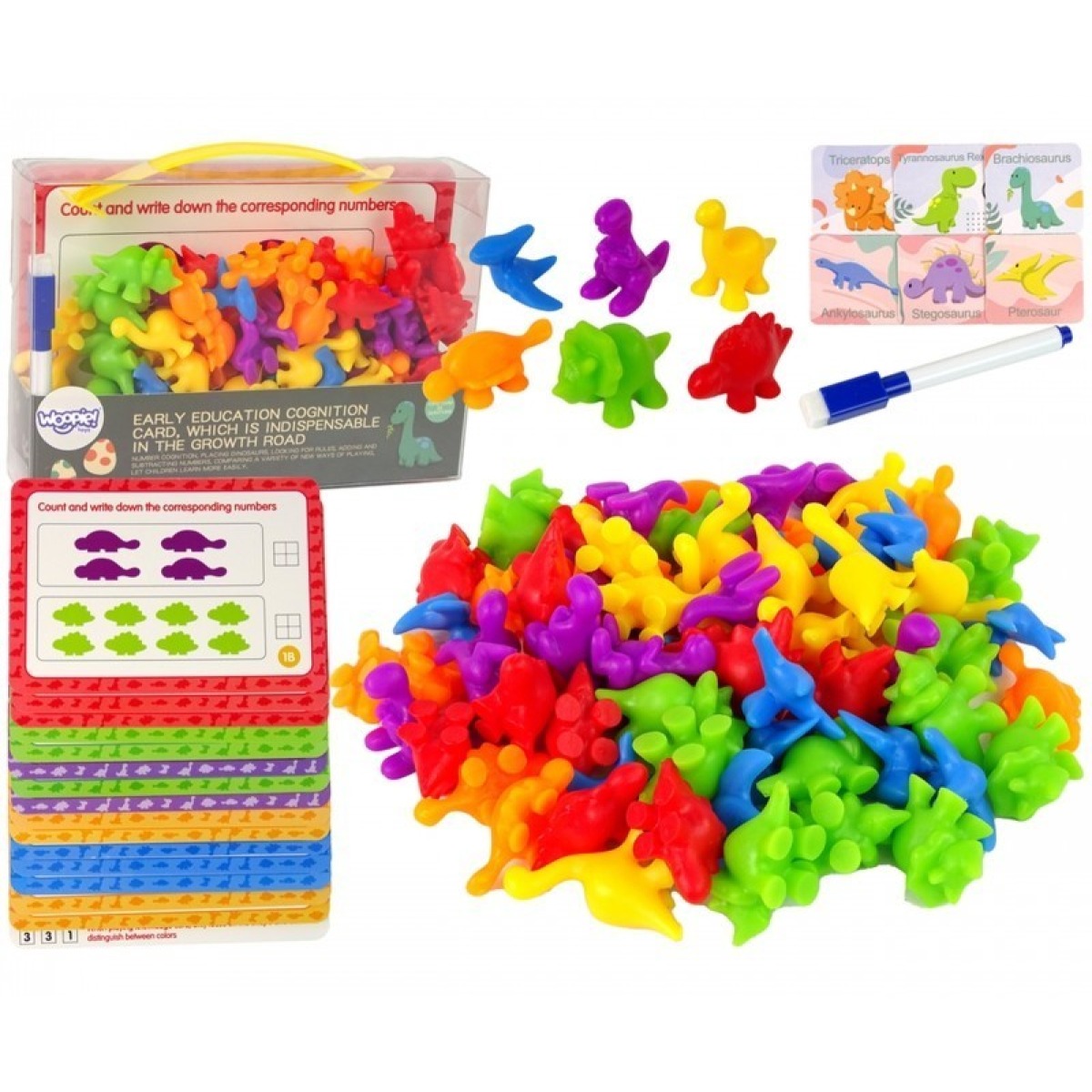
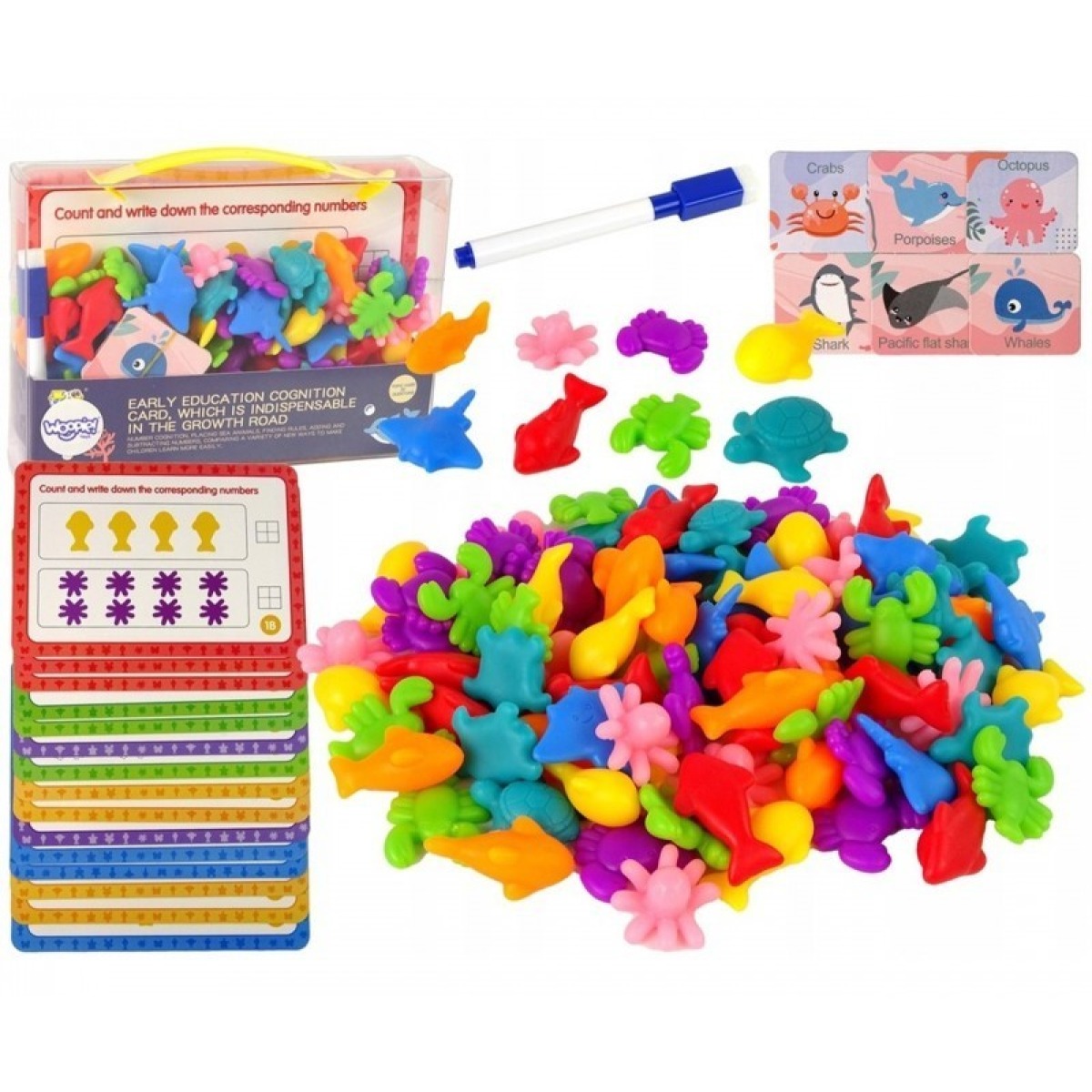
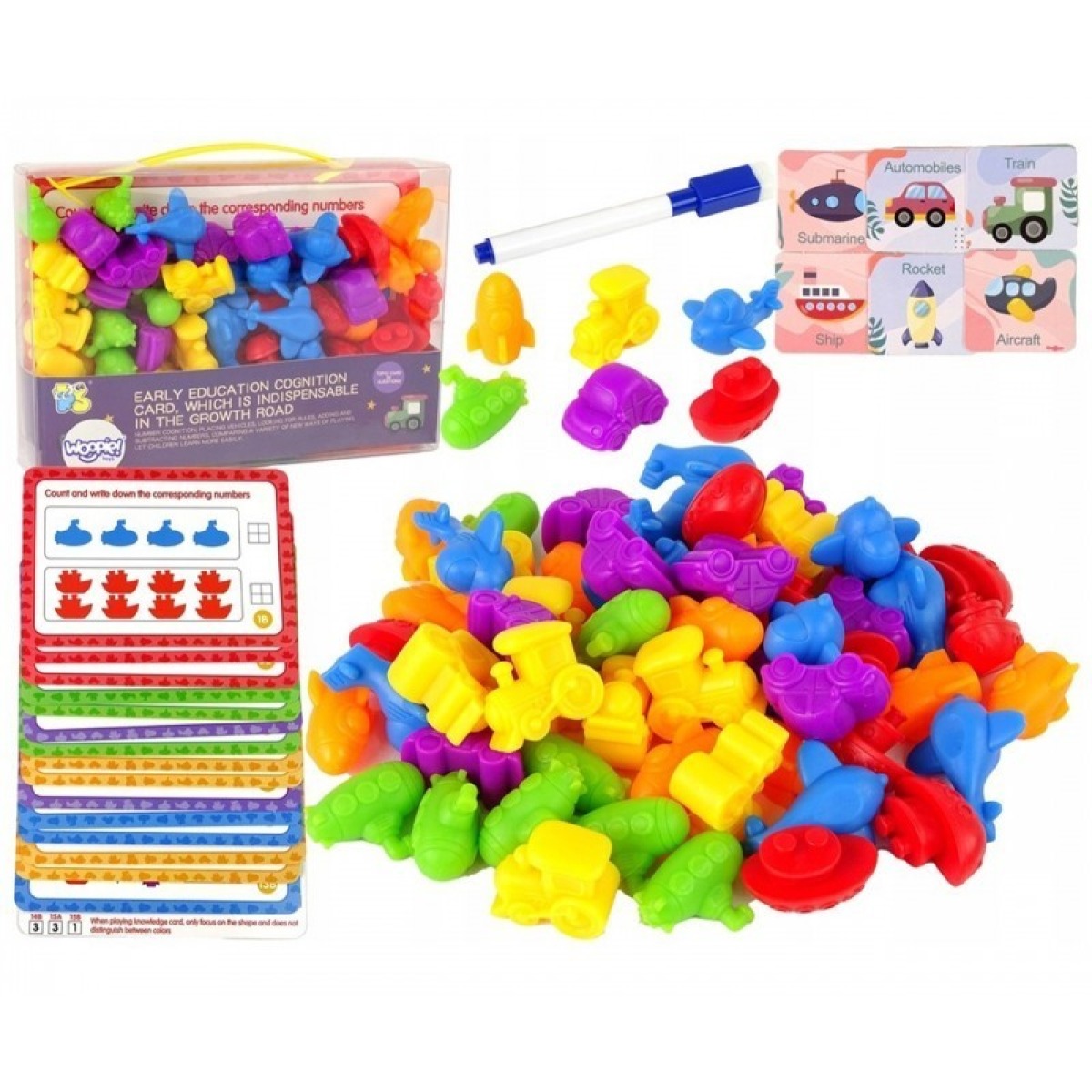
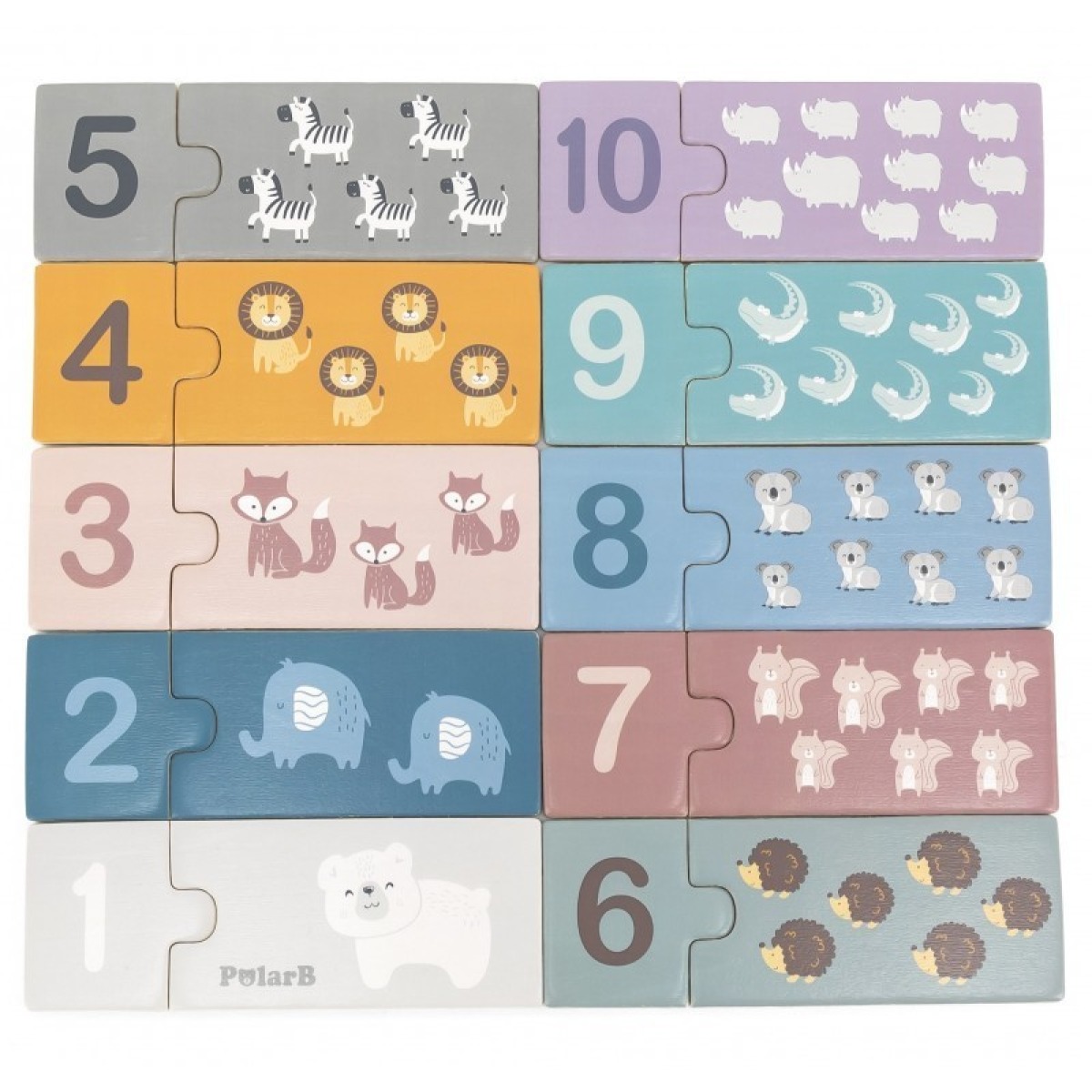
Many of the toys in this category follow Montessori principles: children can act independently, practise through repetition and see the results of their actions. Examples include puzzles that support counting, where children match numbers with animals or objects, and wooden sets that combine counting with colour recognition. When children can place a piece themselves and confirm the connection, their understanding of sequence and quantity often improves too.
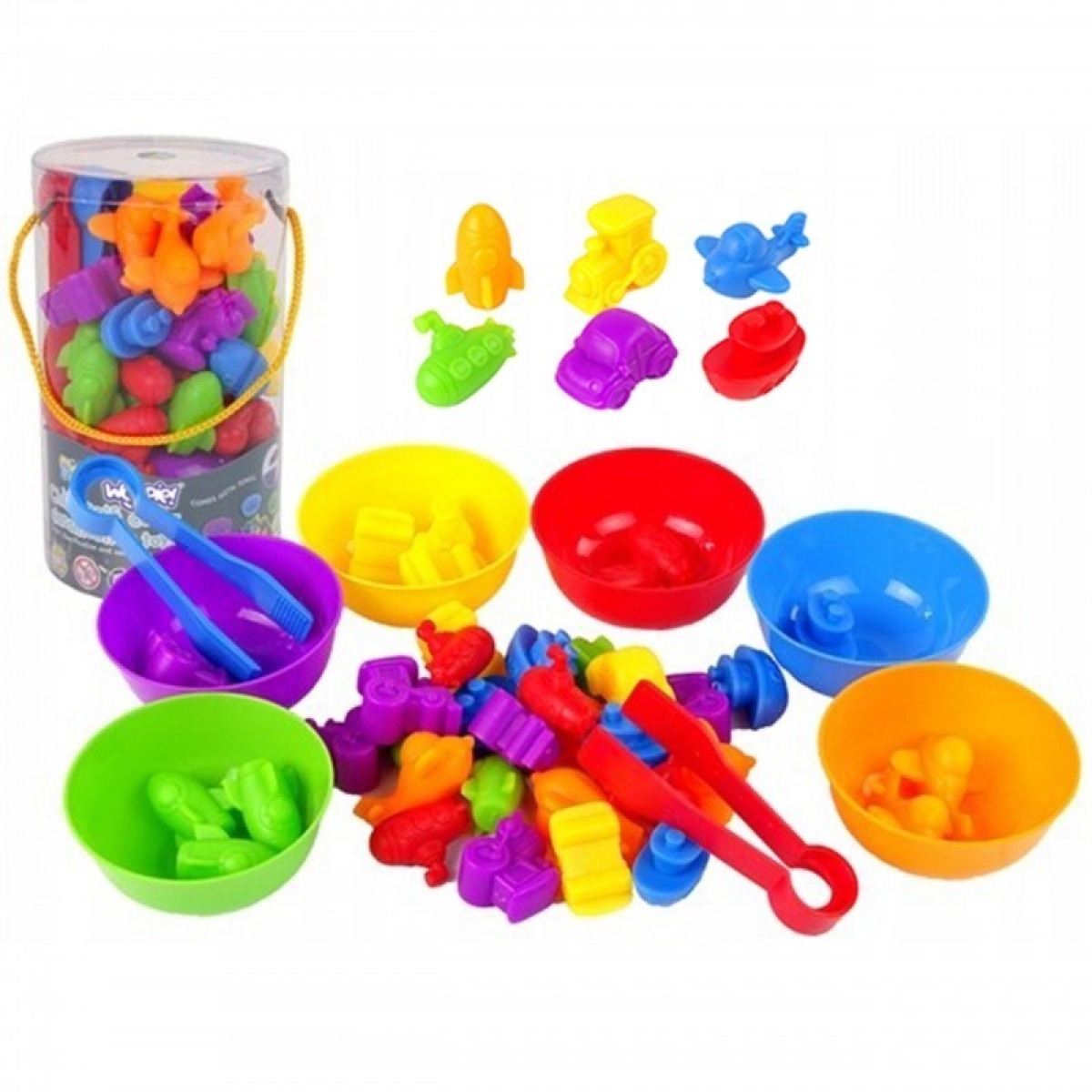
These educational toys also work well in children’s role play. When children use animals or vehicles as the “characters” in a counting activity, they remember numbers better and the task feels less like work. This is especially useful for learning at home or during a quieter activity at preschool.
Educational toys for numbers and counting are about more than just “knowing how to count”. They also support several foundations that help children understand maths later on. Puzzles and sorting toys develop hand-eye coordination and a sense of geometry and sequence. Boards and counting-based games help children practise step by step and build their own routines, making it easier to acquire new skills.
In practice, product types can be distinguished as follows:
Numbers and counting activities are ideal for the nursery at home, as they help create a calm learning space for children. They can be used for short sessions or as part of longer play. For example, try a morning “let’s count today” activity, an evening puzzle session or a counting game before reading a book.
To keep learning flowing smoothly, follow a simple rule: start with a few steps and give each task one clear goal. This gives children a sense of achievement, supports motivation and reduces frustration. If a game has several elements (numbers, colours, animals), introduce them gradually – start with counting, then add colours or other themes.
MIU Kids
A quiet word about cookies
Necessary cookies are already on, so your basket and checkout can work. Analytics cookies stay off until you accept. Until then Google may receive a cookieless visit signal so we can count visits. It is not used for advertising. Accept all cookies, or keep only the necessary ones. Both are one click. We remember your choice for six months, and you can change it at the bottom of the page. Privacy notice
Analytics cookies wait for a yes
MIU Kids
Choose what stays on
Necessary
Always on. These keep the basket, checkout and the shop secure.
Analytics
No analytics cookie until you accept. A cookieless visit signal may still be sent. If you accept, Google Analytics shows which pages are used. It does not build advertising profiles.