
- New
On order 5–15 business days5–15 business days
About the collection
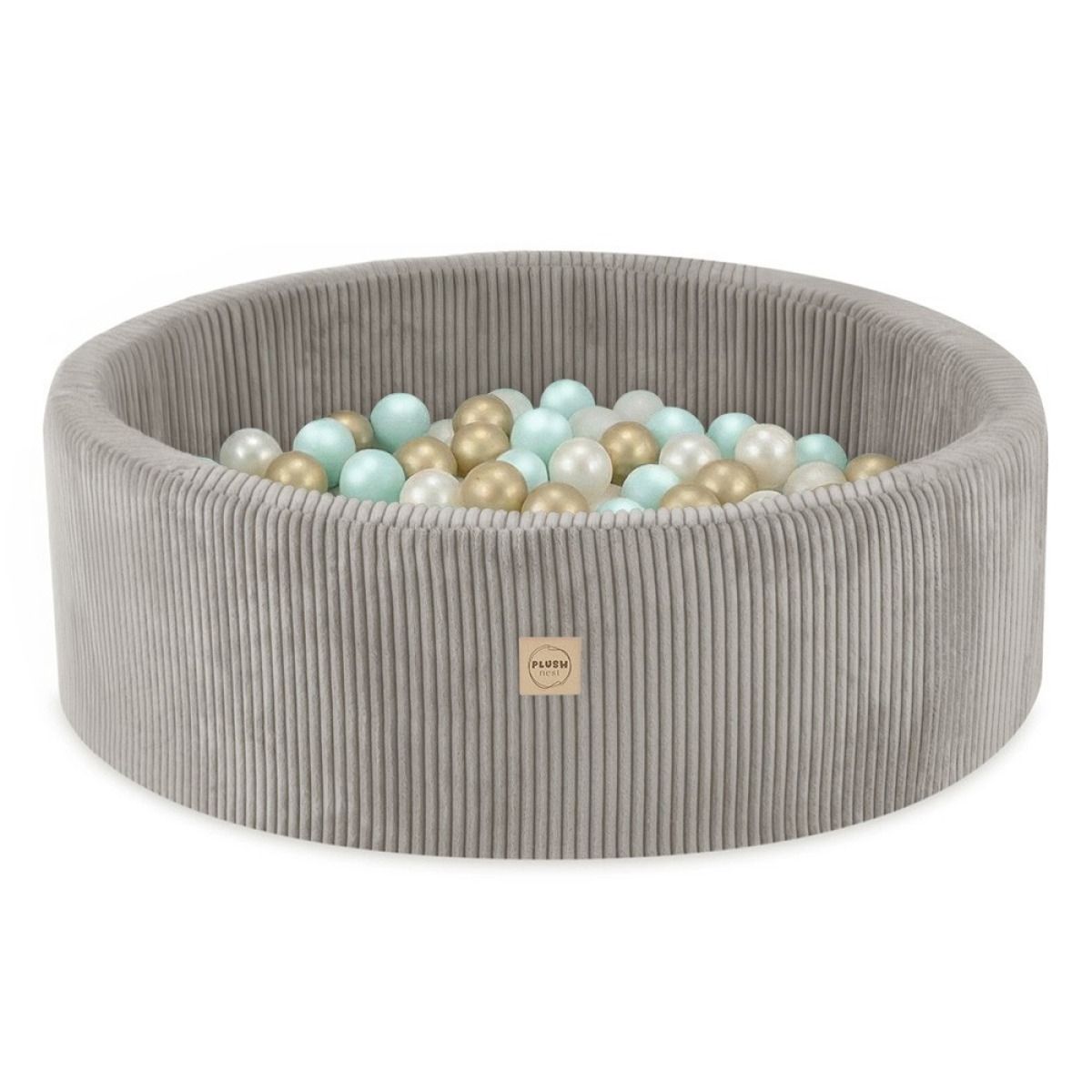
A ball pit is a little explorer's own play space for rolling, throwing and diving into colourful balls. Kids' ball pits encourage movement and build coordination in a safely soft setting. You'll find round and square models,...
Category guide
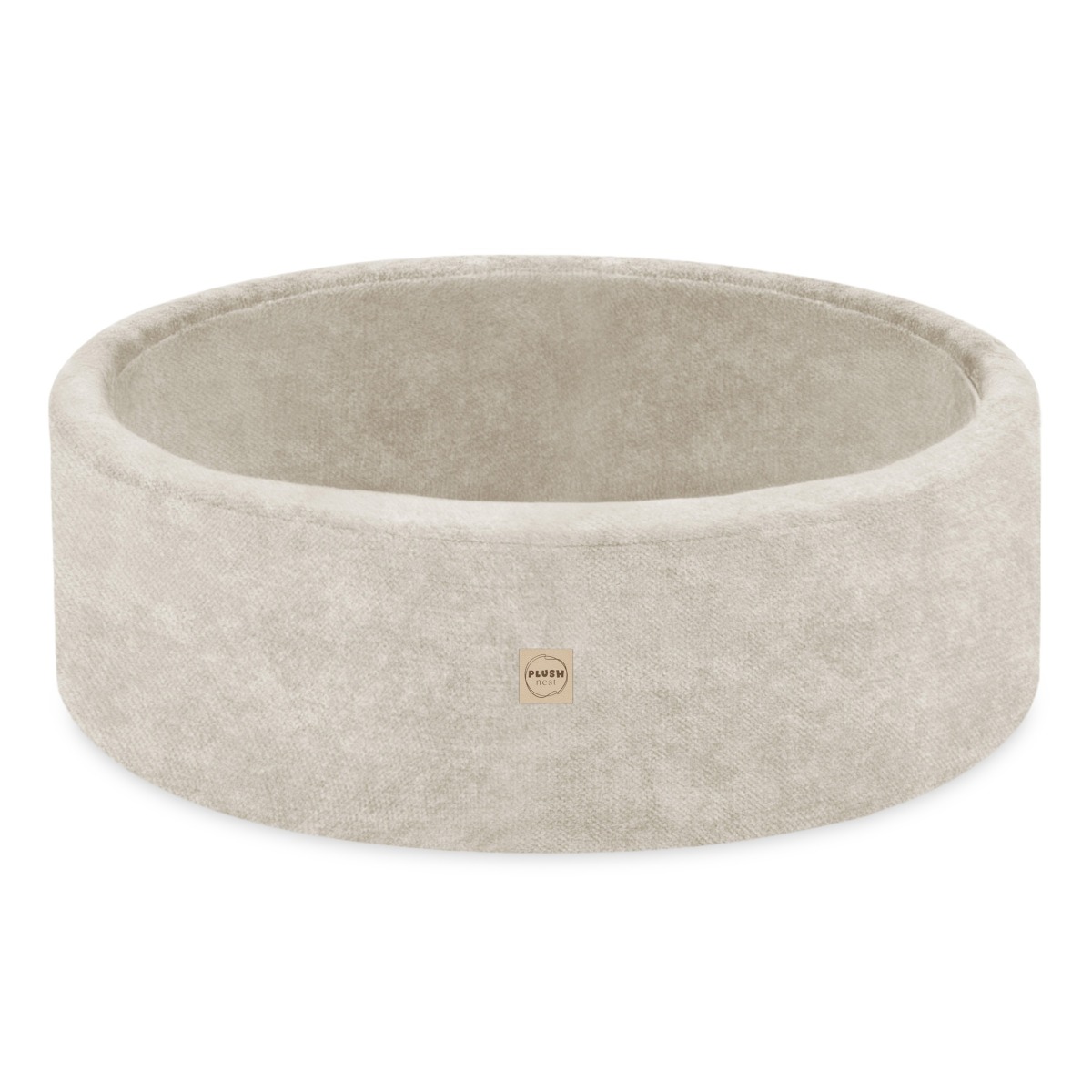
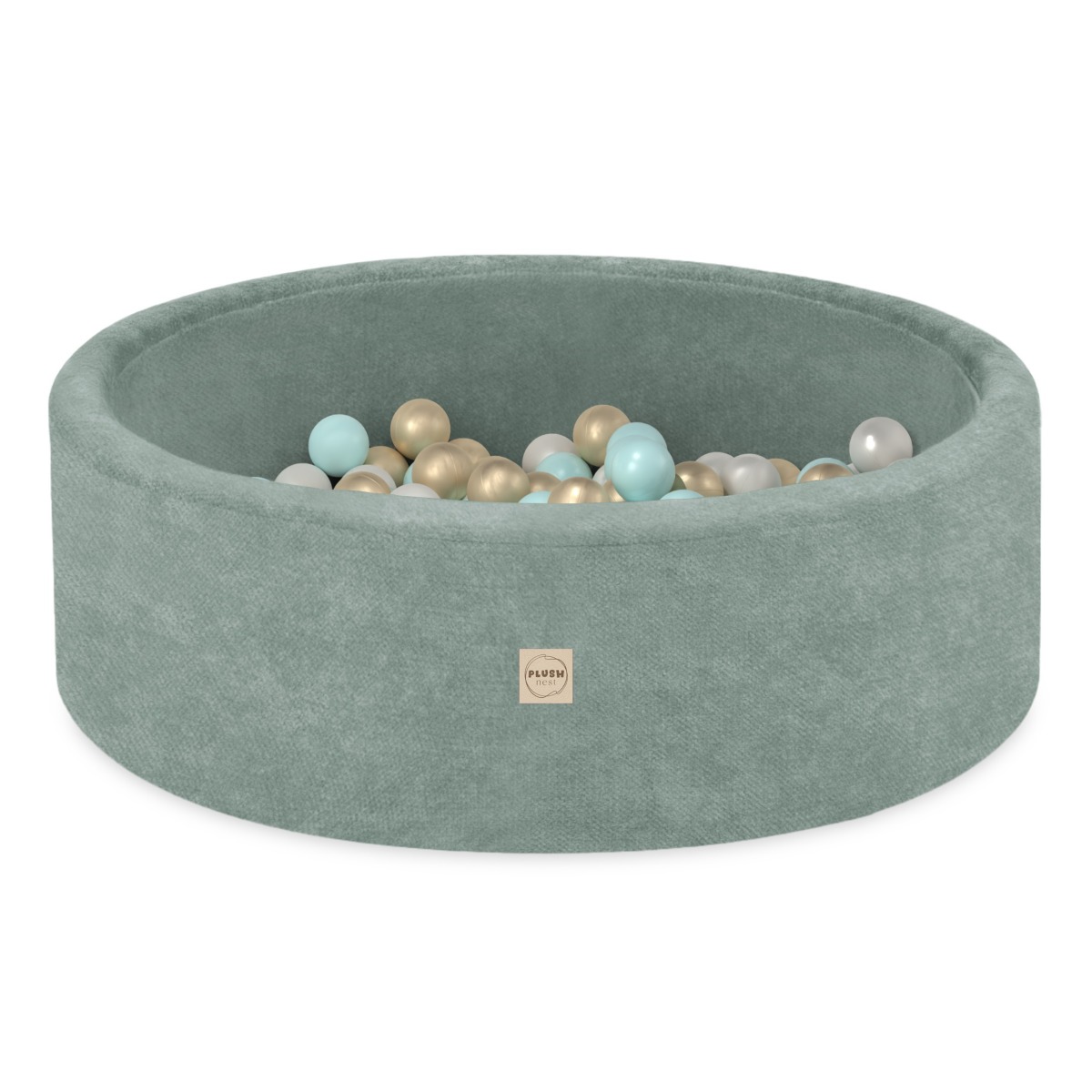
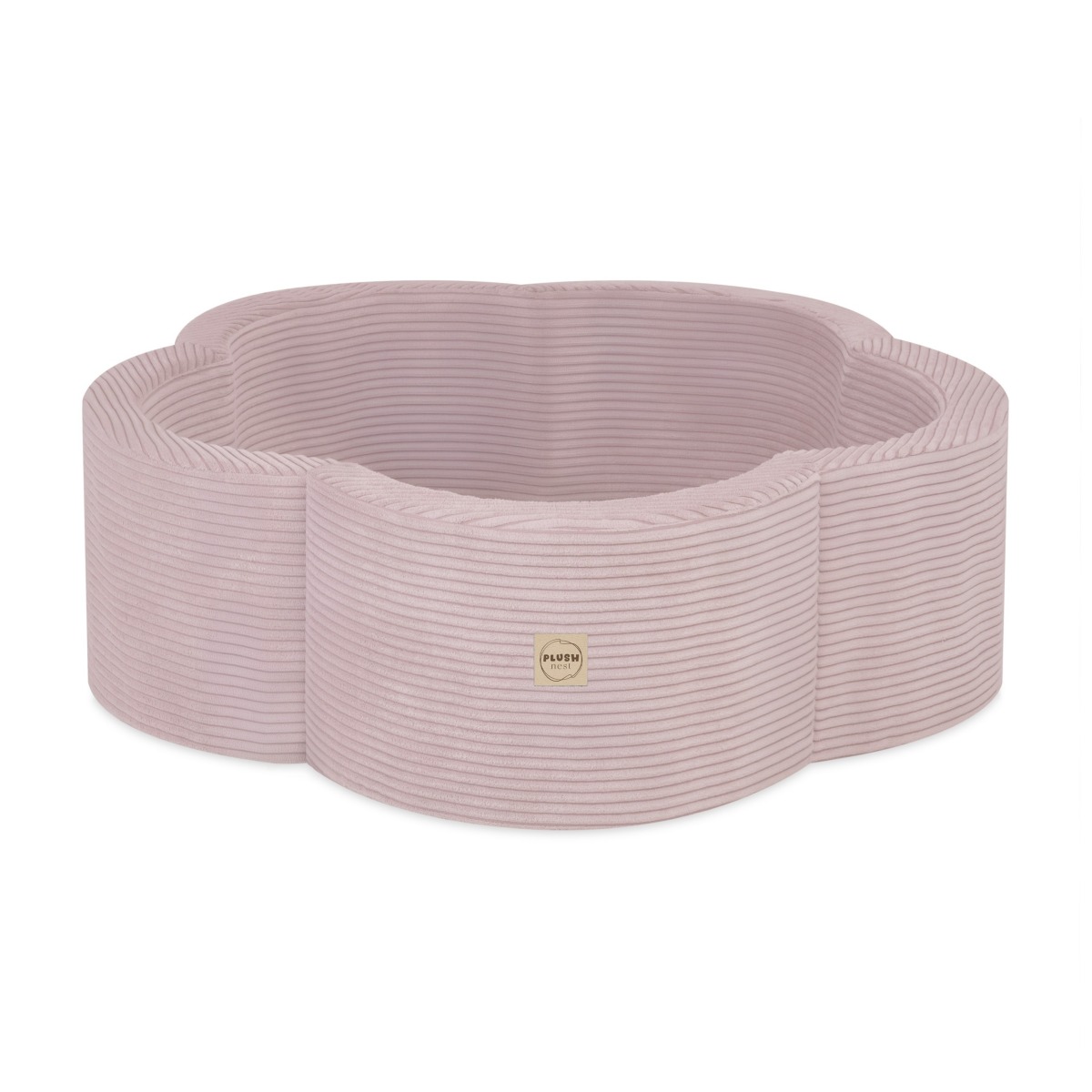
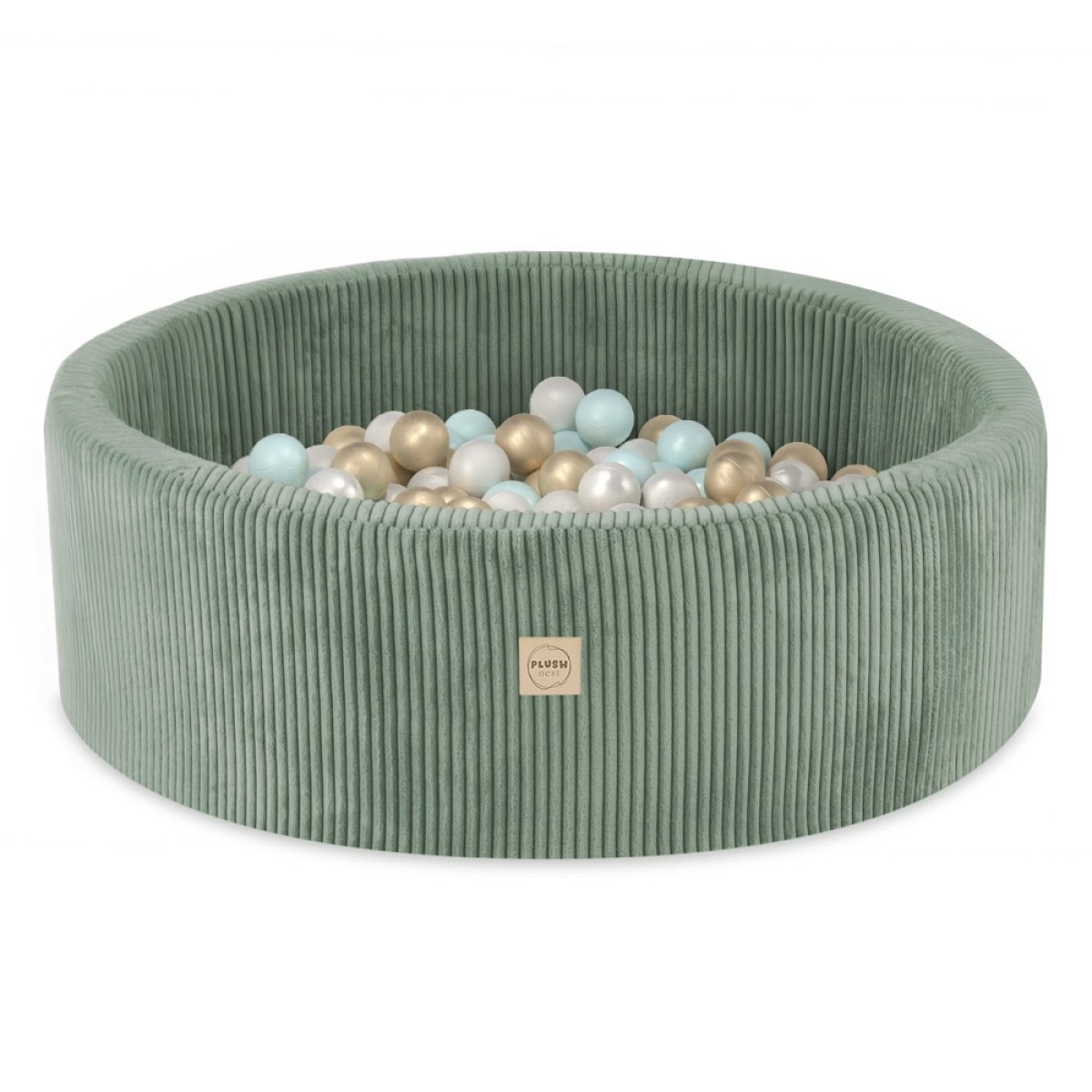
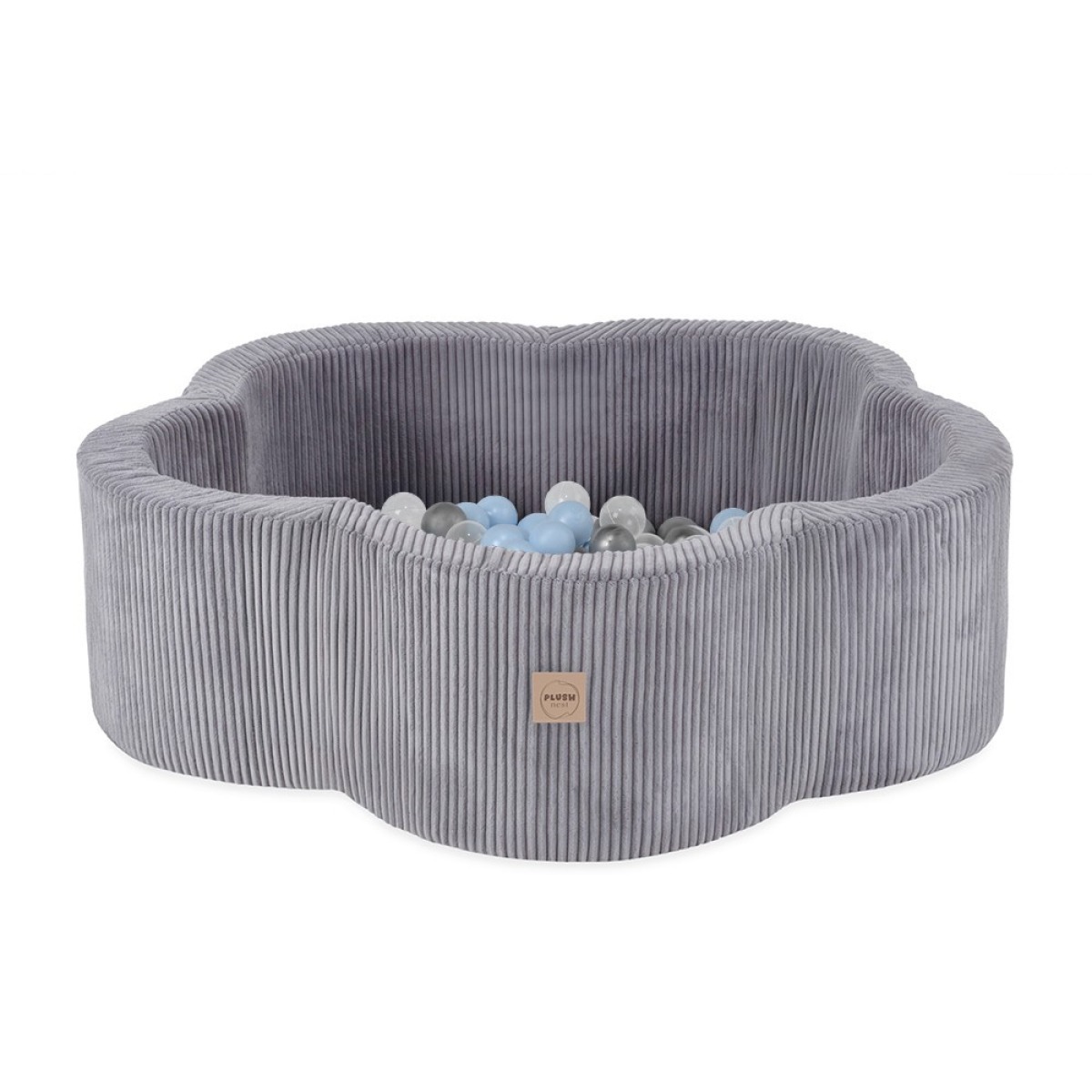
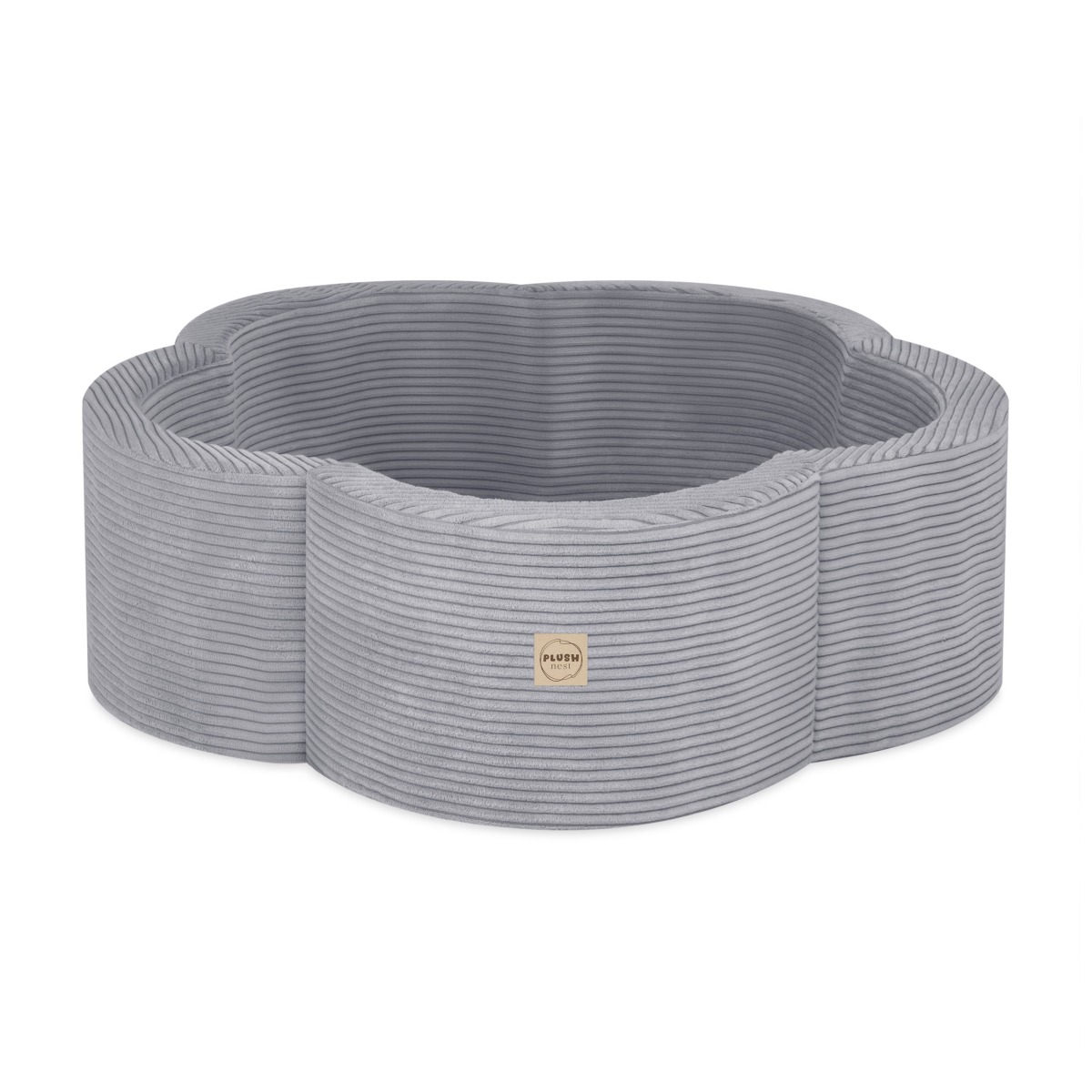
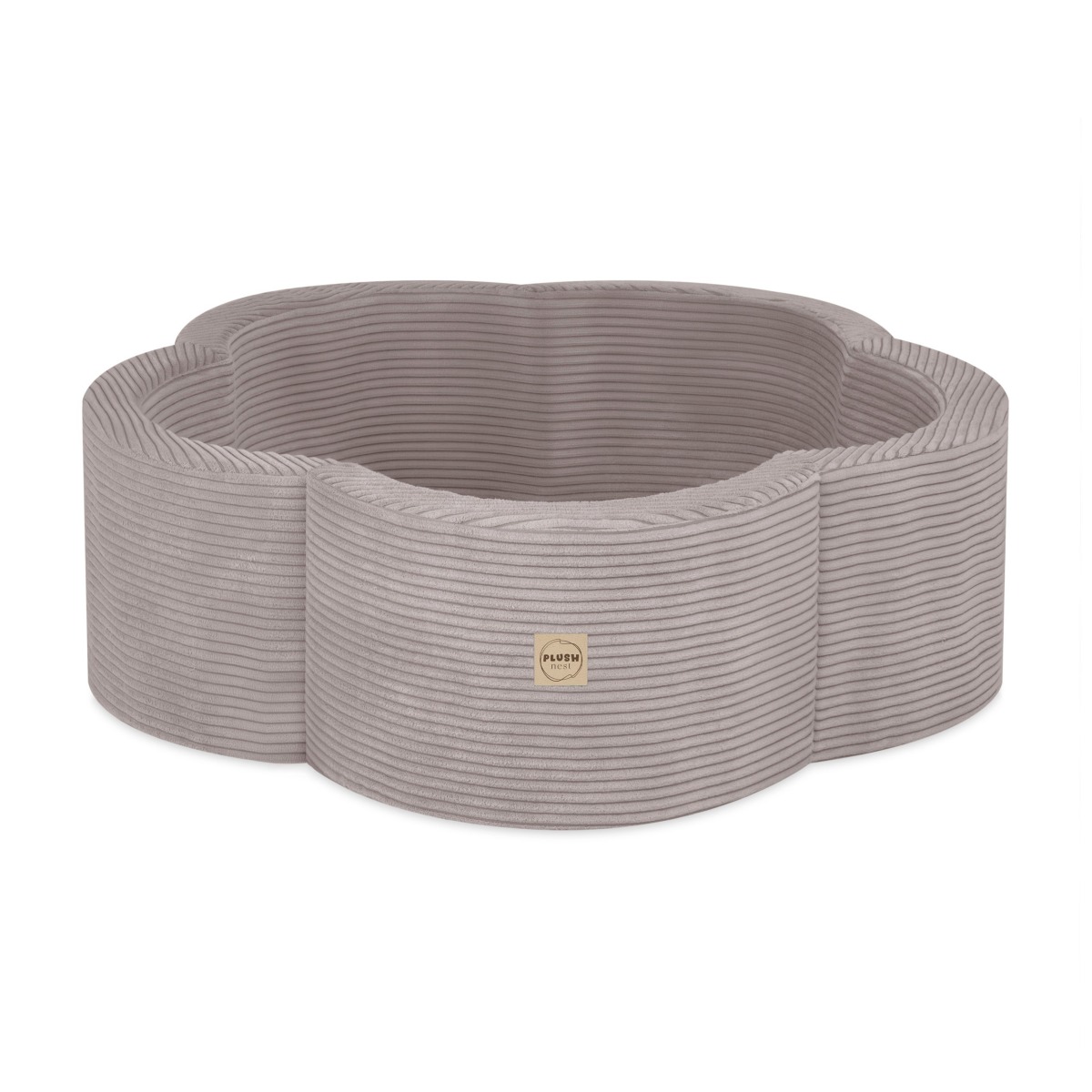
Ball Pits for children are ball pools in the upholstered furniture category, creating a soft place at home and in the child's room for games involving falling, sitting and climbing. These products are used for everyday movement and development-supporting play, where a child can move in and out among the balls, throw them and match colours. Ball pits are well suited to babies, toddlers and slightly older children, as the options can be adapted to the size of the floor space and play scenarios. The category includes both round
and square ball pits, as well as two heights: H30 and H40. When choosing, consider how easy it is for the child to climb in, what level of challenge you want to add to play and how densely you want the balls to fill the pit. Several models also come as ready-made sets with balls, where the ball material and fabric certificates are important for children. Ball pits help children develop balance, coordination and fine motor skills through the rhythm of play and repeated movements.
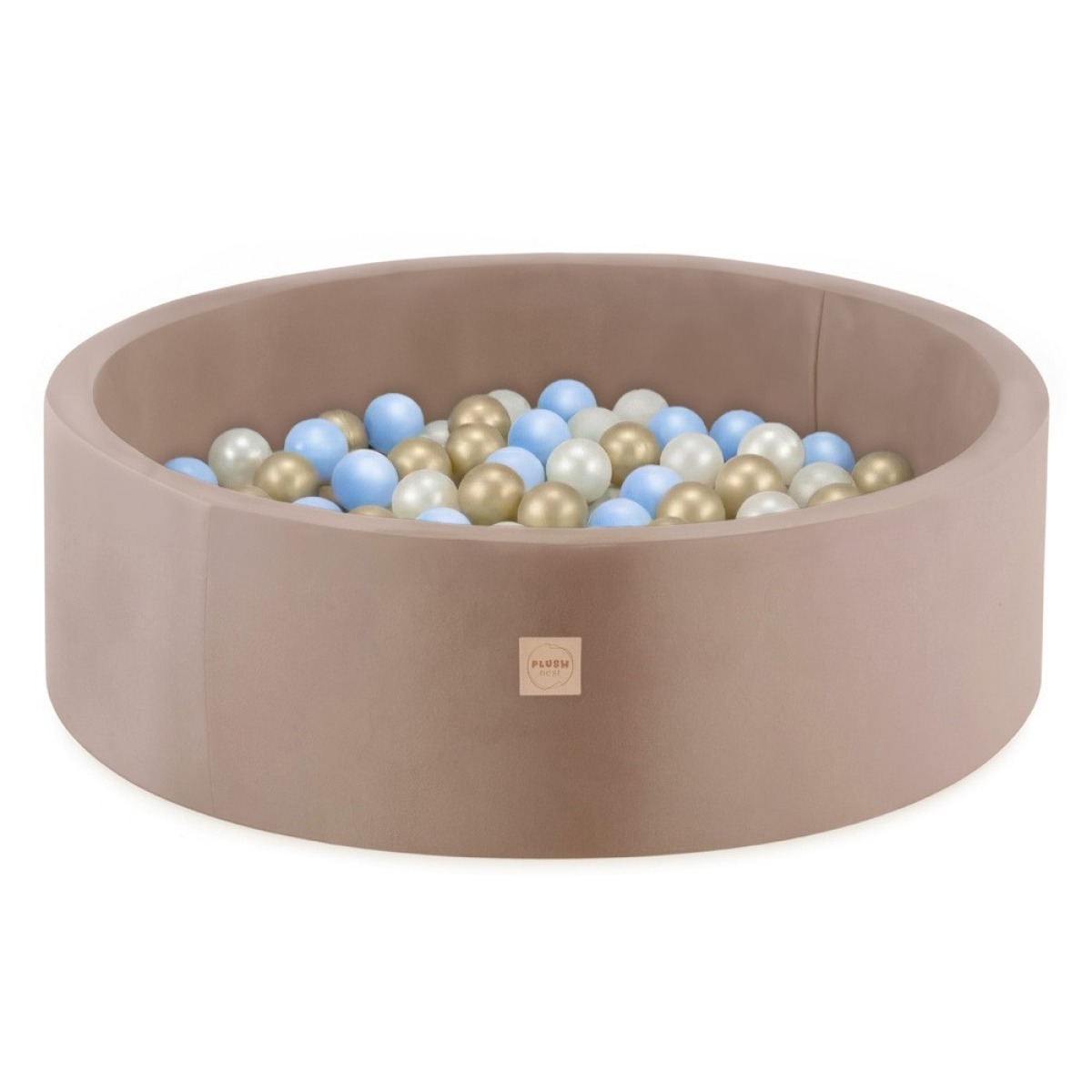
A ball pit is a soft ball pool designed for children, allowing them to play safely even when activity is lively. A child can climb in and out among the balls, sit, throw them and create new play routes with the balls. This kind of play landscape is suited to both a child's room at home and a play corner where the aim is to support balance and motor skills through everyday movement games.
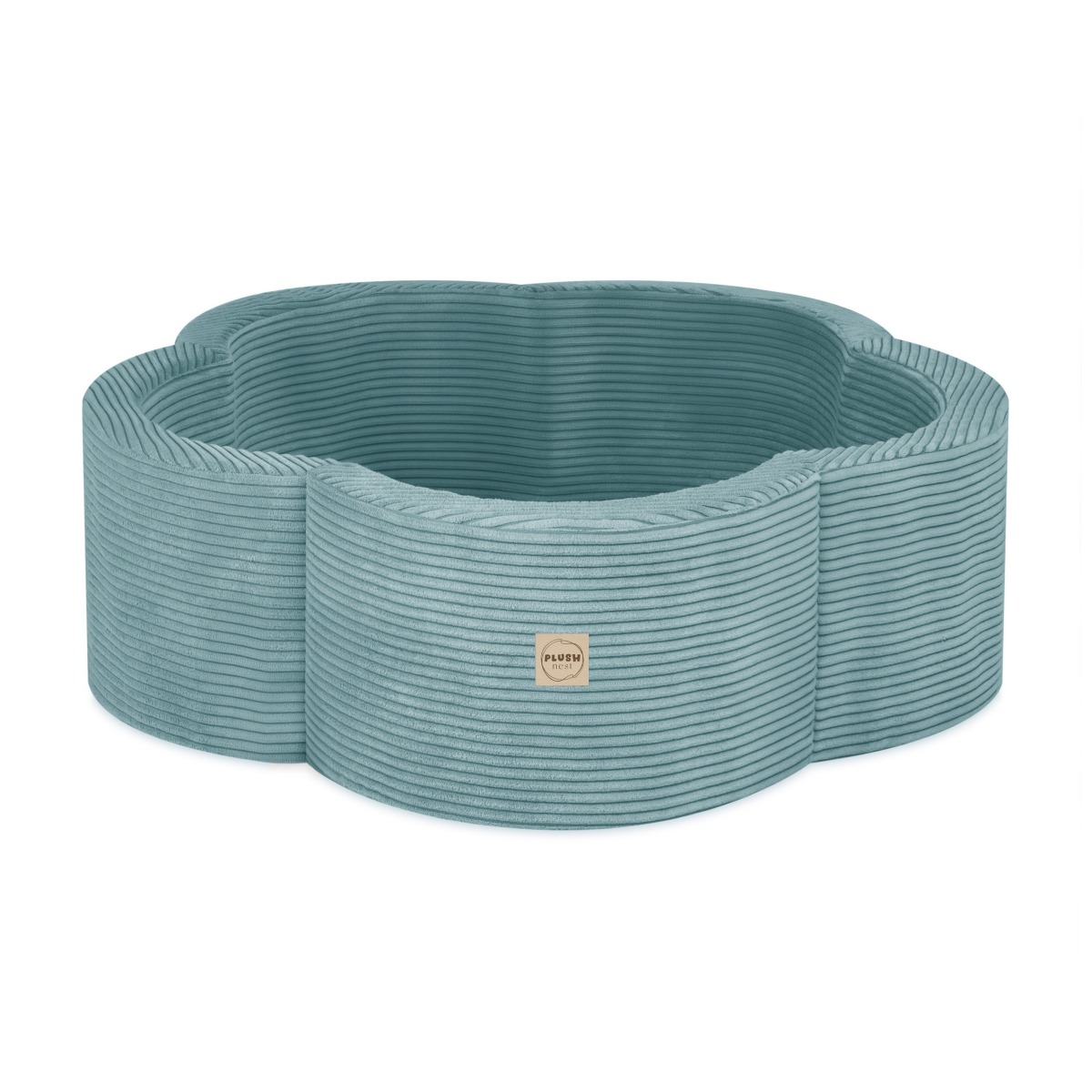
As the shape and size of a ball pool affect how it fits into a room, square models are often practical in a particular corner or next to furniture. Round options, in turn, create a softer, visually calmer play area where a child can move around and play more freely with the balls.
The height of a ball pit is an important selection criterion, as it determines how easily a child can climb in and how much of a challenge it adds to movement. H30 is often suitable when you want a ball pool with a lower edge that is easy to get into independently. H40 provides a slightly higher entry, which may be a good challenge for a child who is a little more confident on the move.
If you plan to use the ball pit for both calmer daytime play and more active throwing and climbing, the height and size together help make activities run more smoothly. For a moderate play area, it is also worth considering how many balls are needed to create an even surface and a ball-filled play experience.
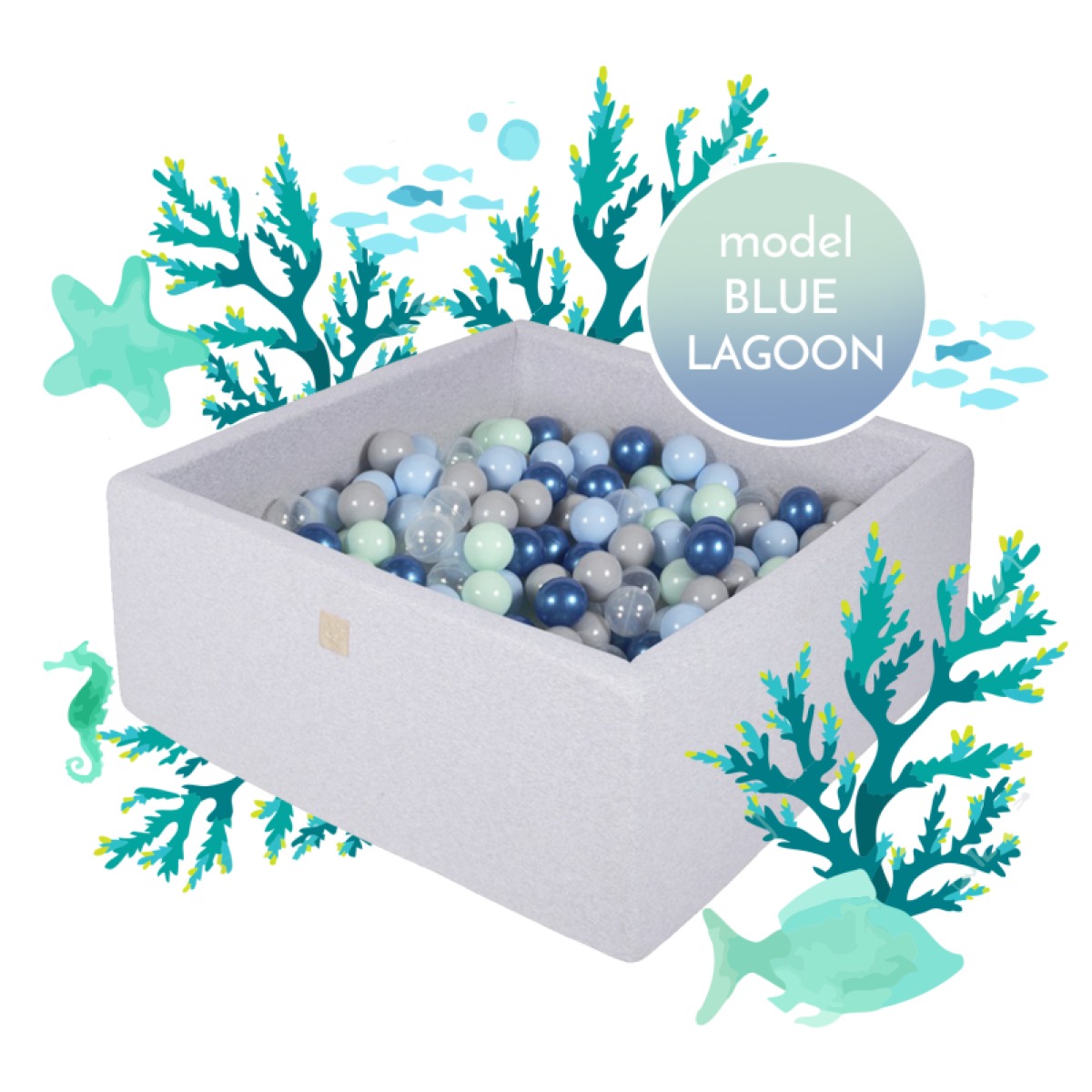
The range includes both square and round ball pools in different sizes, making it easier to fit a ball pit into the available floor space. For example, a square ball pit measuring 90x90x40 cm or 110x110x40 cm is suitable if you want a stable, square play area with clear boundaries where a child can focus their activities.
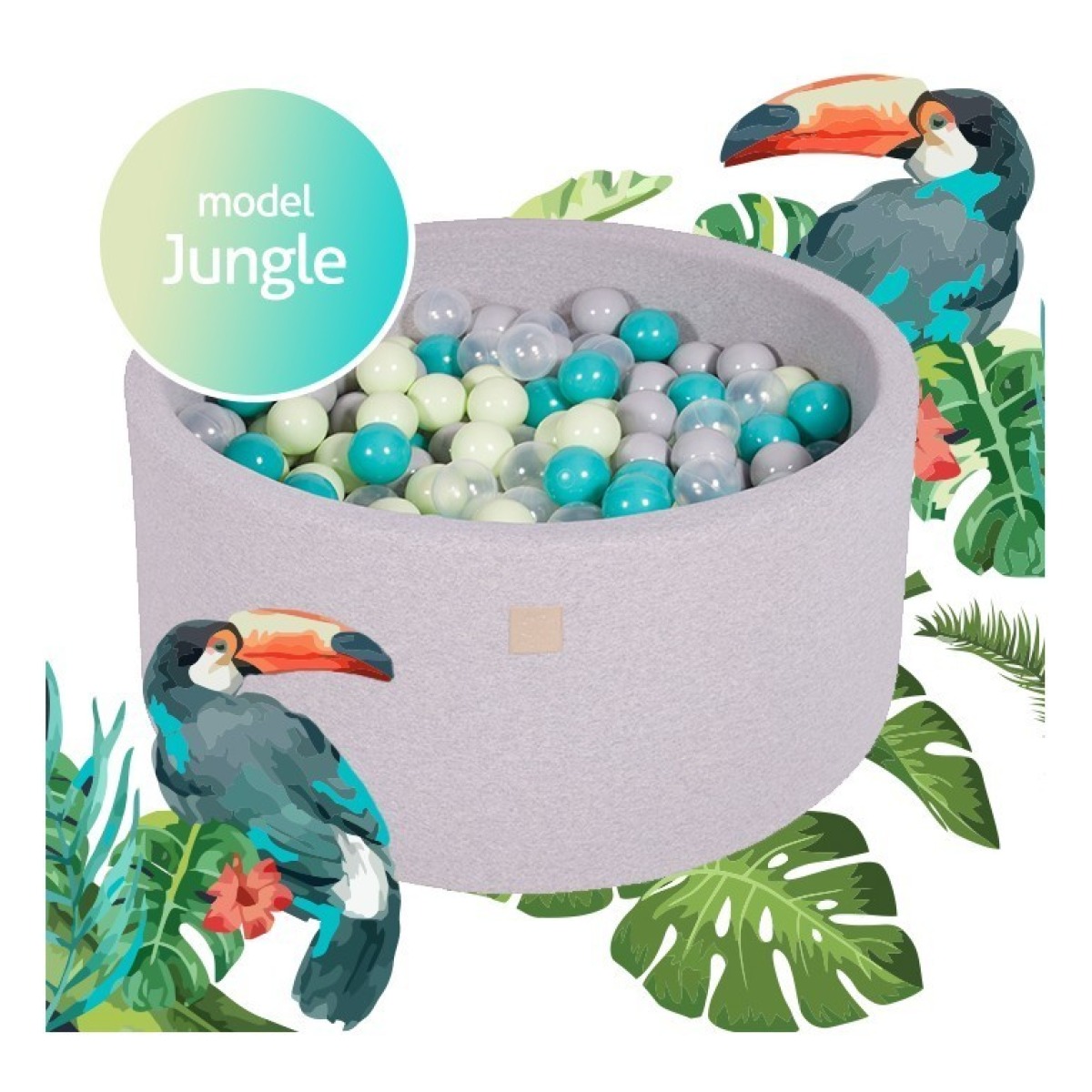
A round ball pit with a height of 30 or 40 cm creates a softer, more flowing play environment. This shape may be especially convenient if you want to encourage a child to move in different directions among the balls, or if the play corner has a flowing design.
Many models are available as ready-made sets with balls. The number of balls affects how densely they fill the ball pool and how deep the layer of balls is. If you want a child to be able to move in and out more easily and sit comfortably among the balls, a larger quantity of balls helps create a more even result.
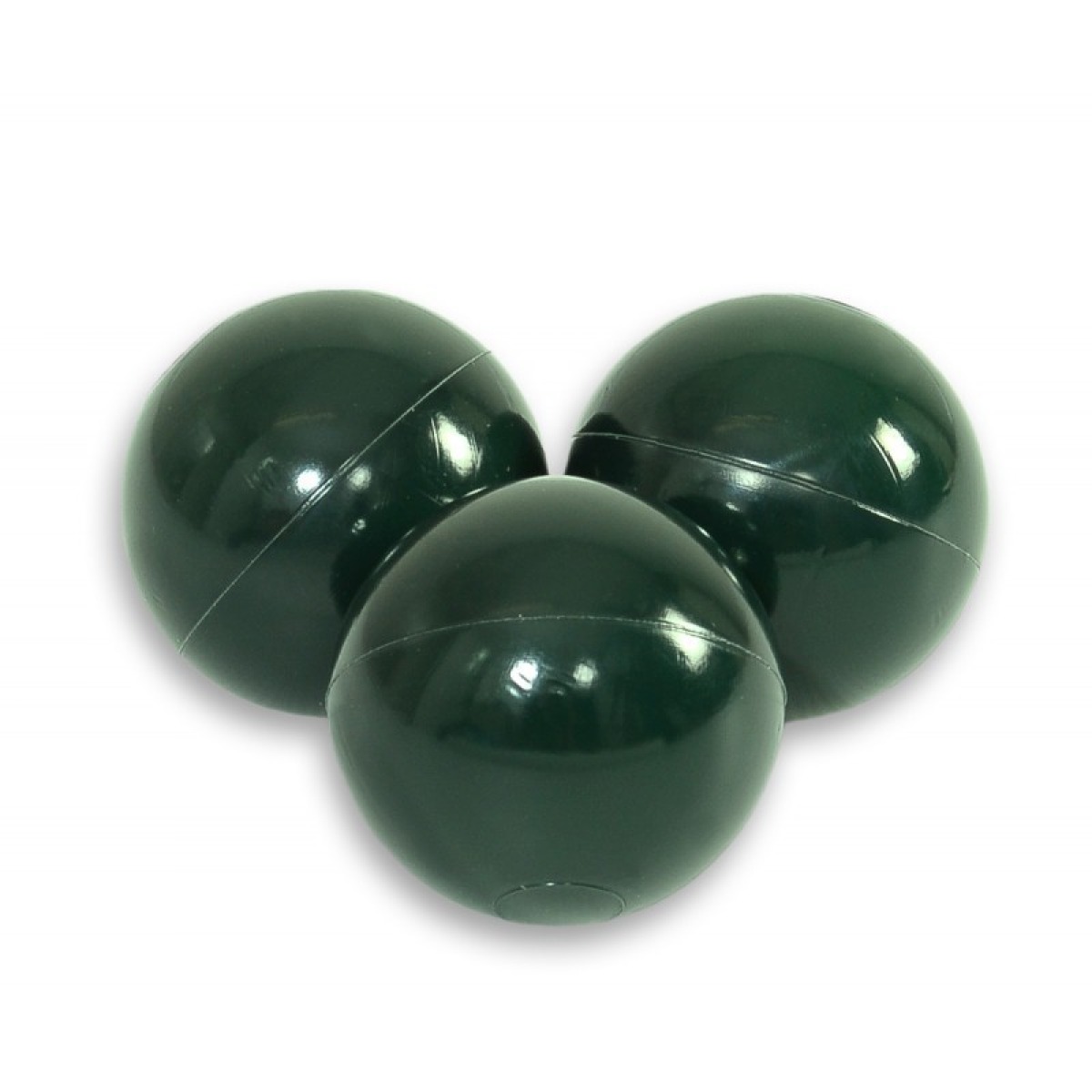
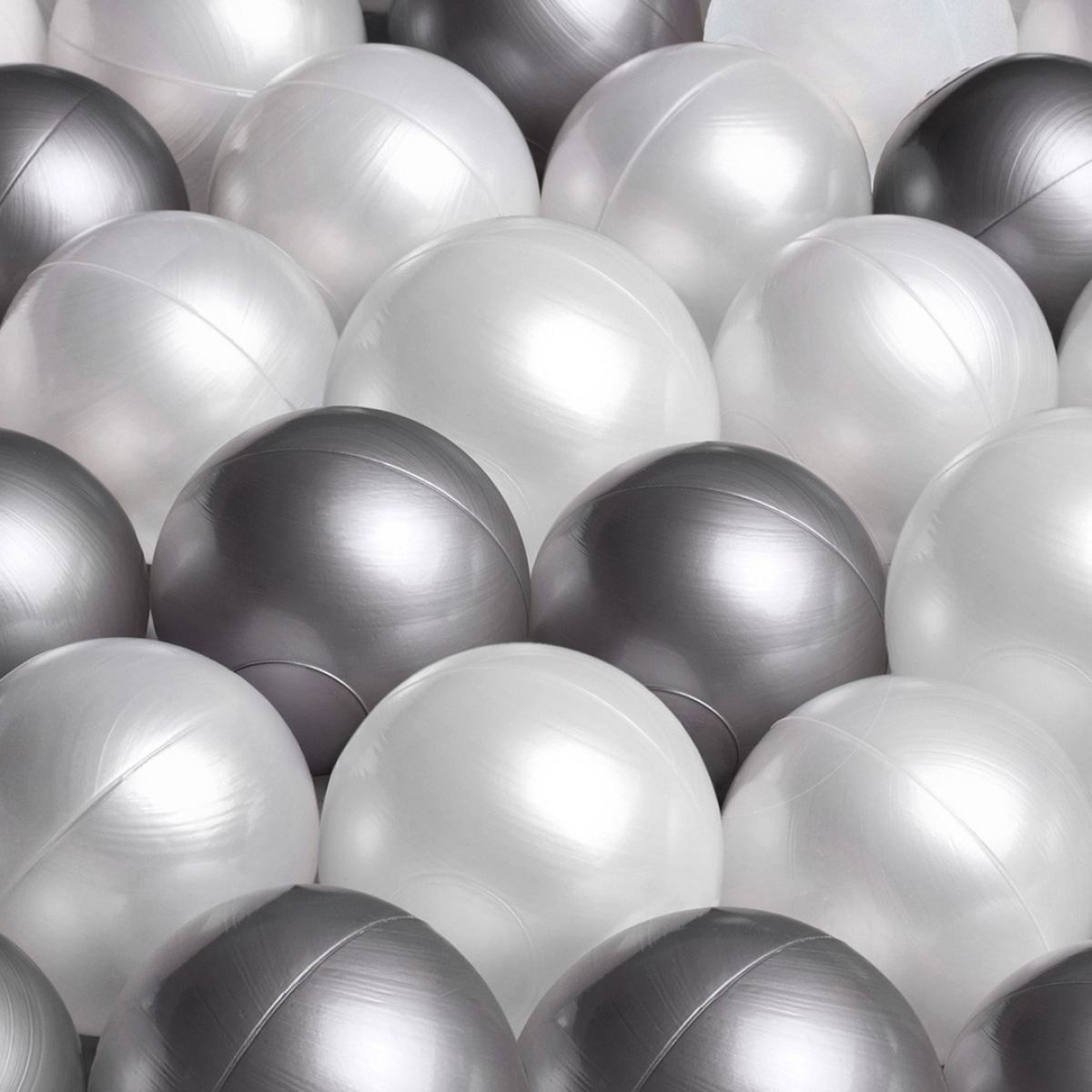
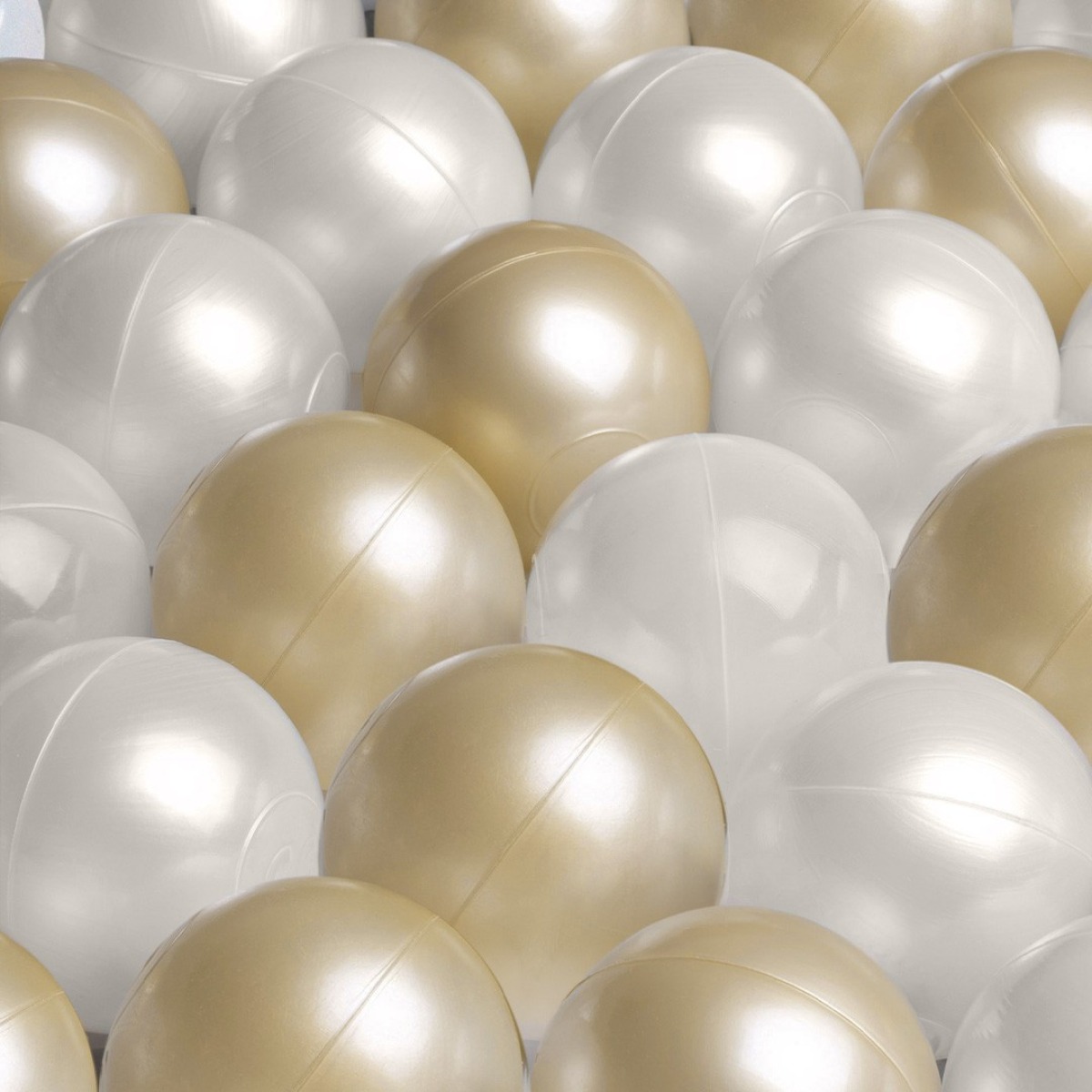
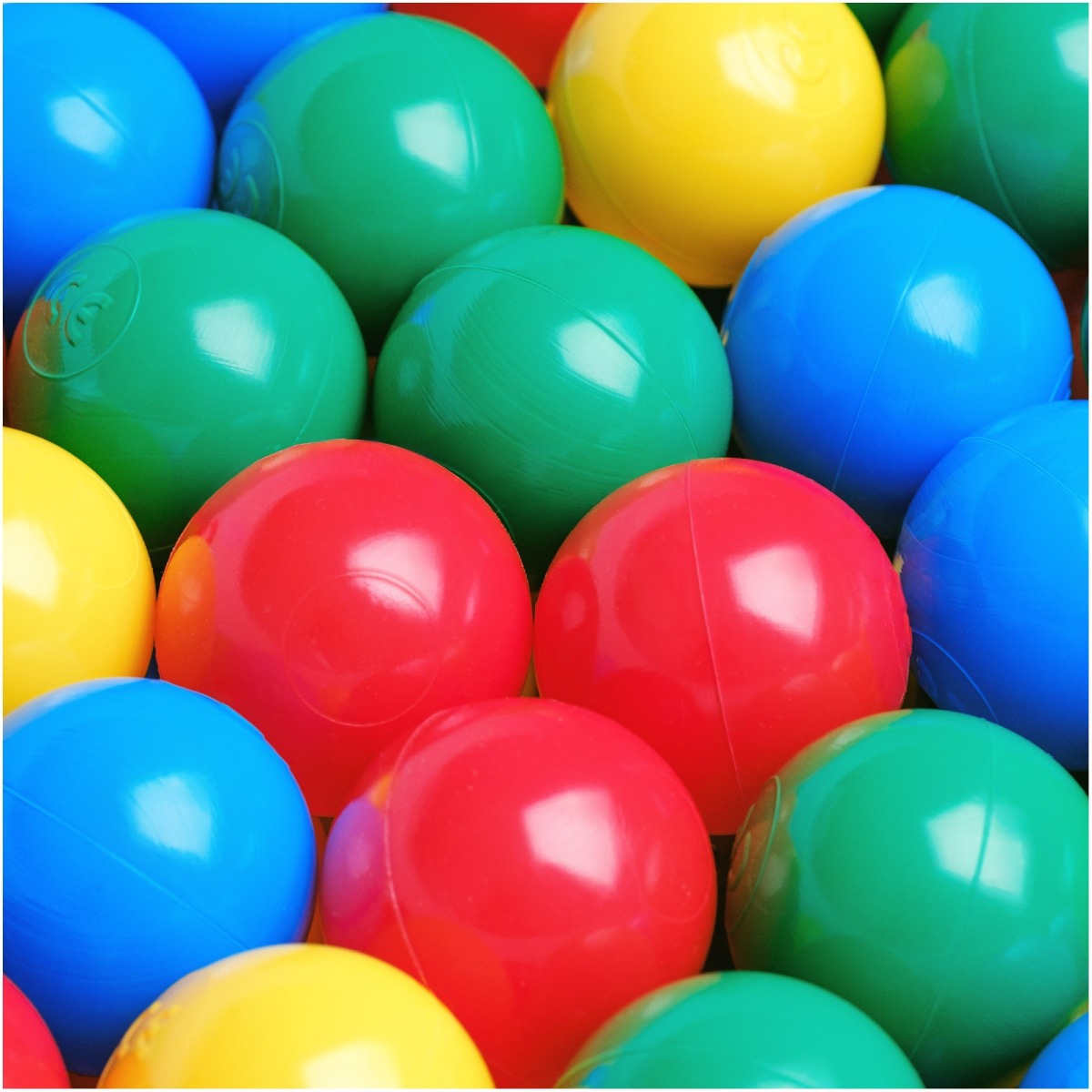
The choice of ball colours is also an important part of the visual play experience. Different shades help create a clearer pattern for the child to engage with during play—for example, sorting balls or throwing them by colour.
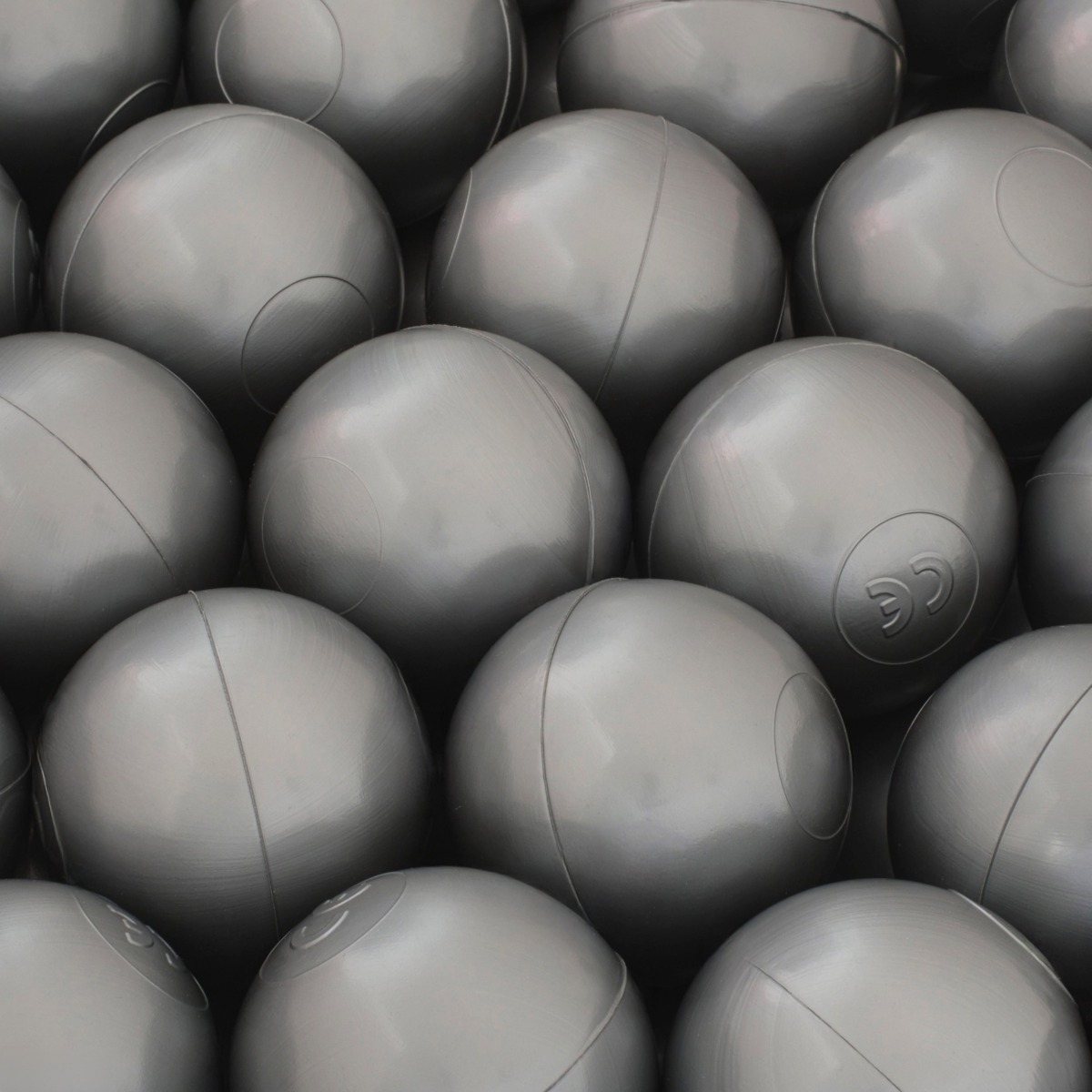
For a ball pit, both the fabric material and the composition of the balls are important for children’s play safety. Many sets use fabrics certified to Öko-Tex 100, and the balls are made from plastic that is free from toxic substances and safe for children, with a CE mark. This provides the basis for the product to be suitable for everyday use in a children’s room.
Care and practicality are also part of the choice. Before use, it is worth checking the instructions supplied with the product and considering how to keep the balls clean and arrange the play area so that the balls do not accidentally end up outside it.
A ball pit is a simple and engaging way to create an active play hub in a children’s room: children can use the balls to practise balance, climbing, throwing and coordination. With a suitable height, shape and number of balls, you can create a well-functioning whole for play—soft, inviting and with an enriching rhythm.
MIU Kids
A quiet word about cookies
Necessary cookies are already on, so your basket and checkout can work. Analytics cookies stay off until you accept. Until then Google may receive a cookieless visit signal so we can count visits. It is not used for advertising. Accept all cookies, or keep only the necessary ones. Both are one click. We remember your choice for six months, and you can change it at the bottom of the page. Privacy notice
Analytics cookies wait for a yes
MIU Kids
Choose what stays on
Necessary
Always on. These keep the basket, checkout and the shop secure.
Analytics
No analytics cookie until you accept. A cookieless visit signal may still be sent. If you accept, Google Analytics shows which pages are used. It does not build advertising profiles.