
- New
In stock · 1–3 business days1–3 business days
About the collection
In a dress-up costume, a child becomes a princess, a firefighter or a dragon in an instant. In this collection you'll find children's costumes for parties, performances, Halloween and everyday dress-up. For the littlest ones,...
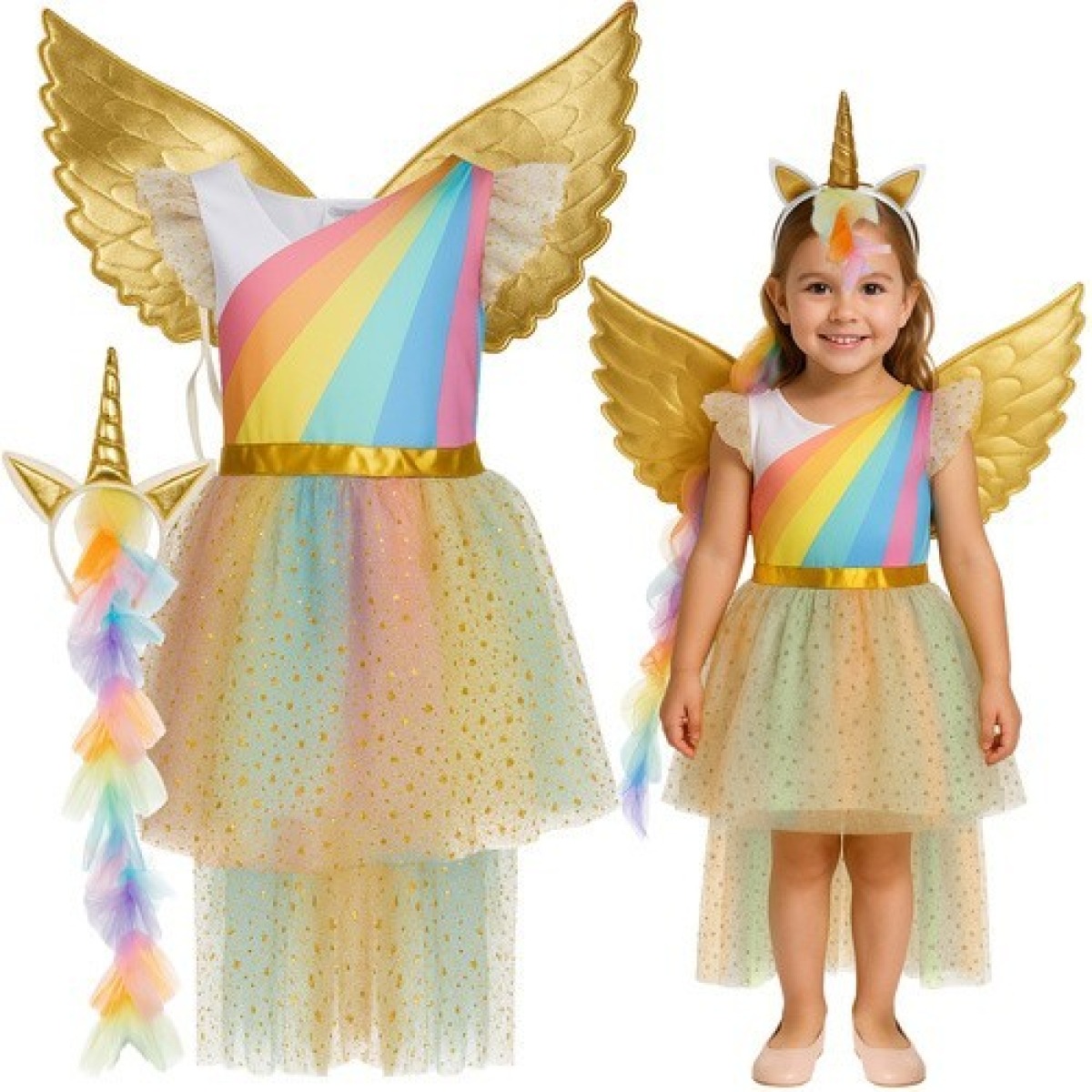
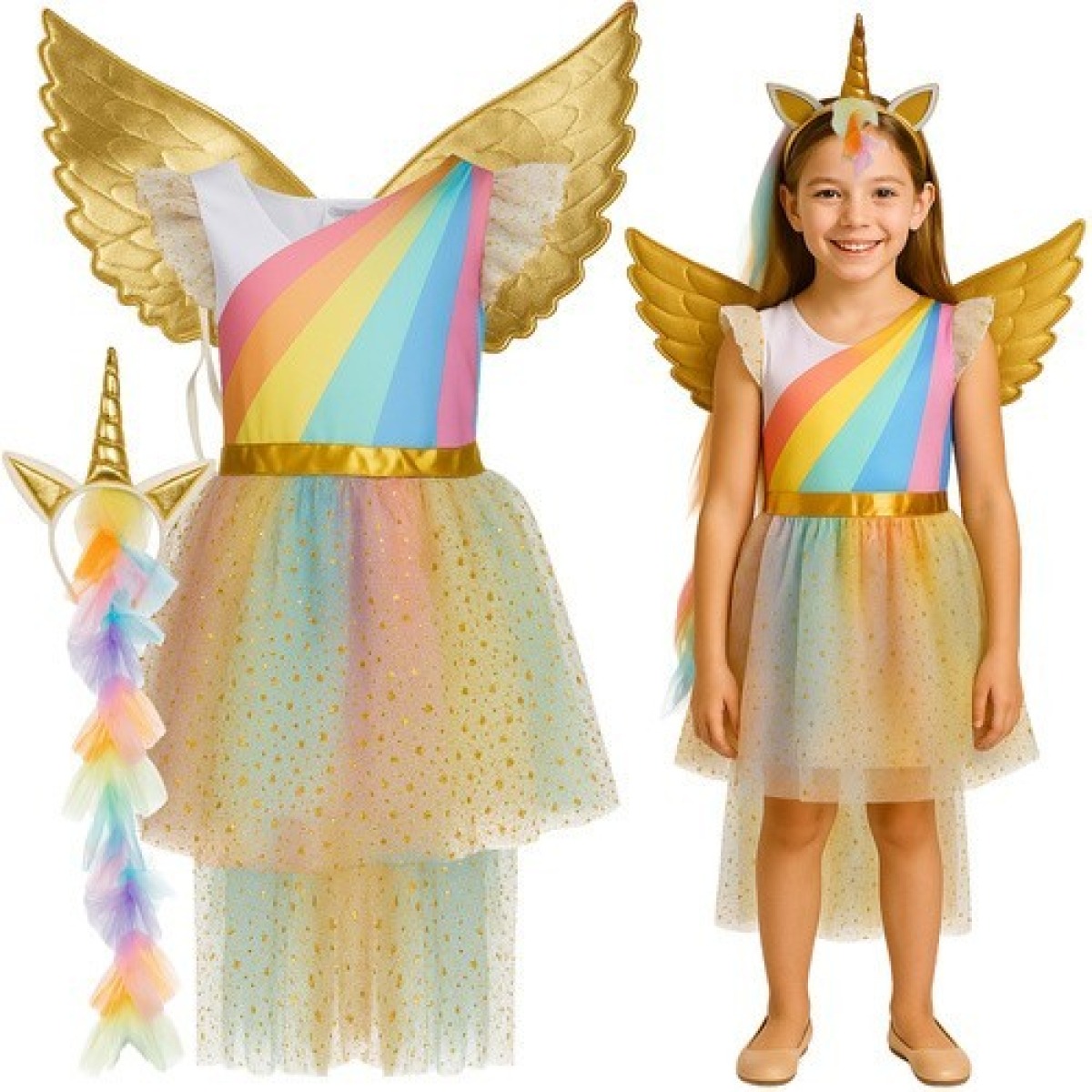
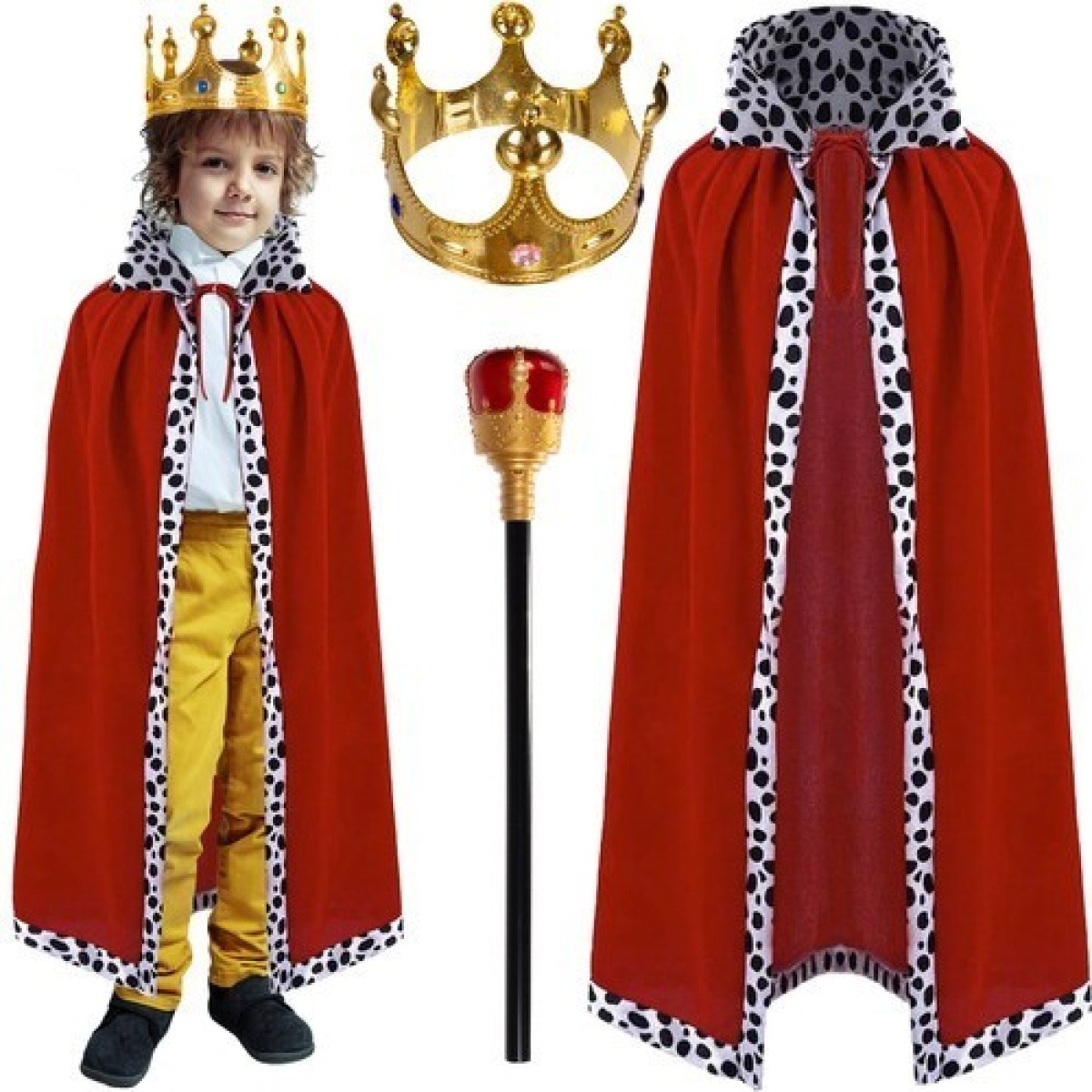
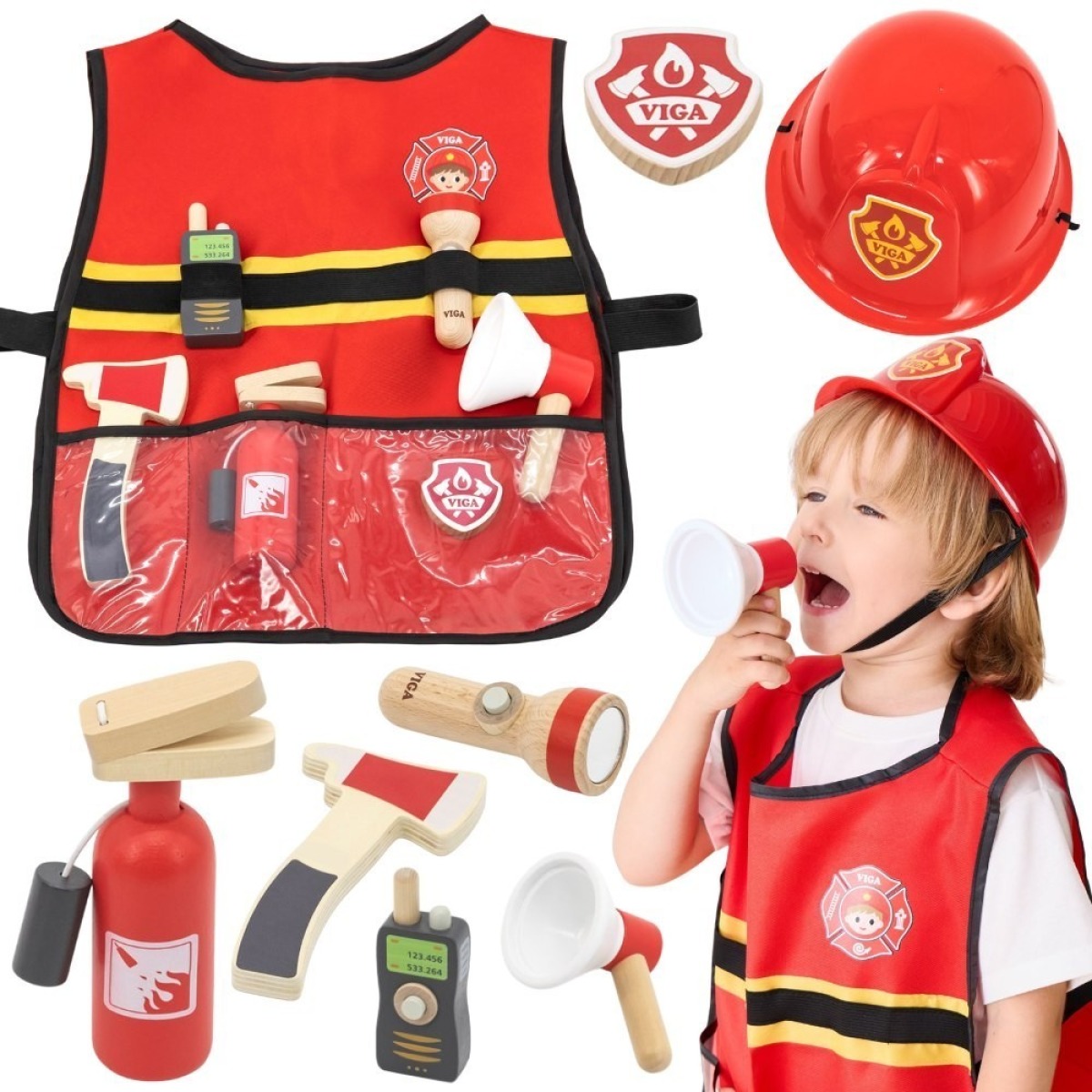
Category guide
Kids' Costumes are an important part of role play and how children creatively try out new roles. This category focuses on dress-up outfits and costume sets for children to wear to parties, performances or, for example, Halloween, as well as for everyday dress-up at home or in the playroom. For younger children (e.g. babies and toddlers), choose a costume based on comfort and ease of dressing, while older children enjoy
more details and accessories. Important selection criteria include suitability for age and height (e.g. 110–120 cm options) and whether the set has the pieces needed for play: a headband, skirt, gloves, tail, wings or accessories related to the activity. When looking for kids' costumes, also consider the feel of the material, how the fastenings work and whether the theme (princess, animal, occupation) supports your child's imagination and development.
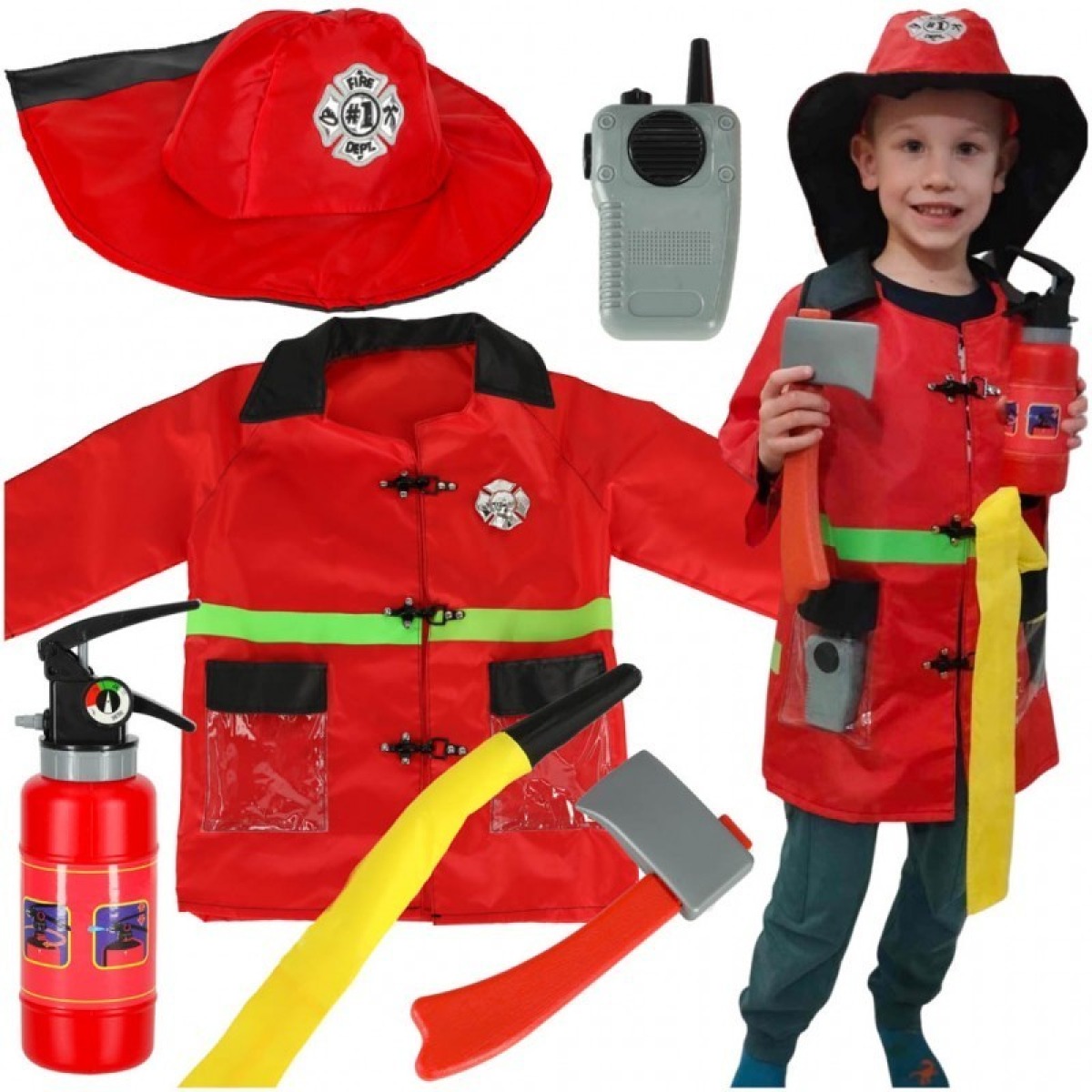
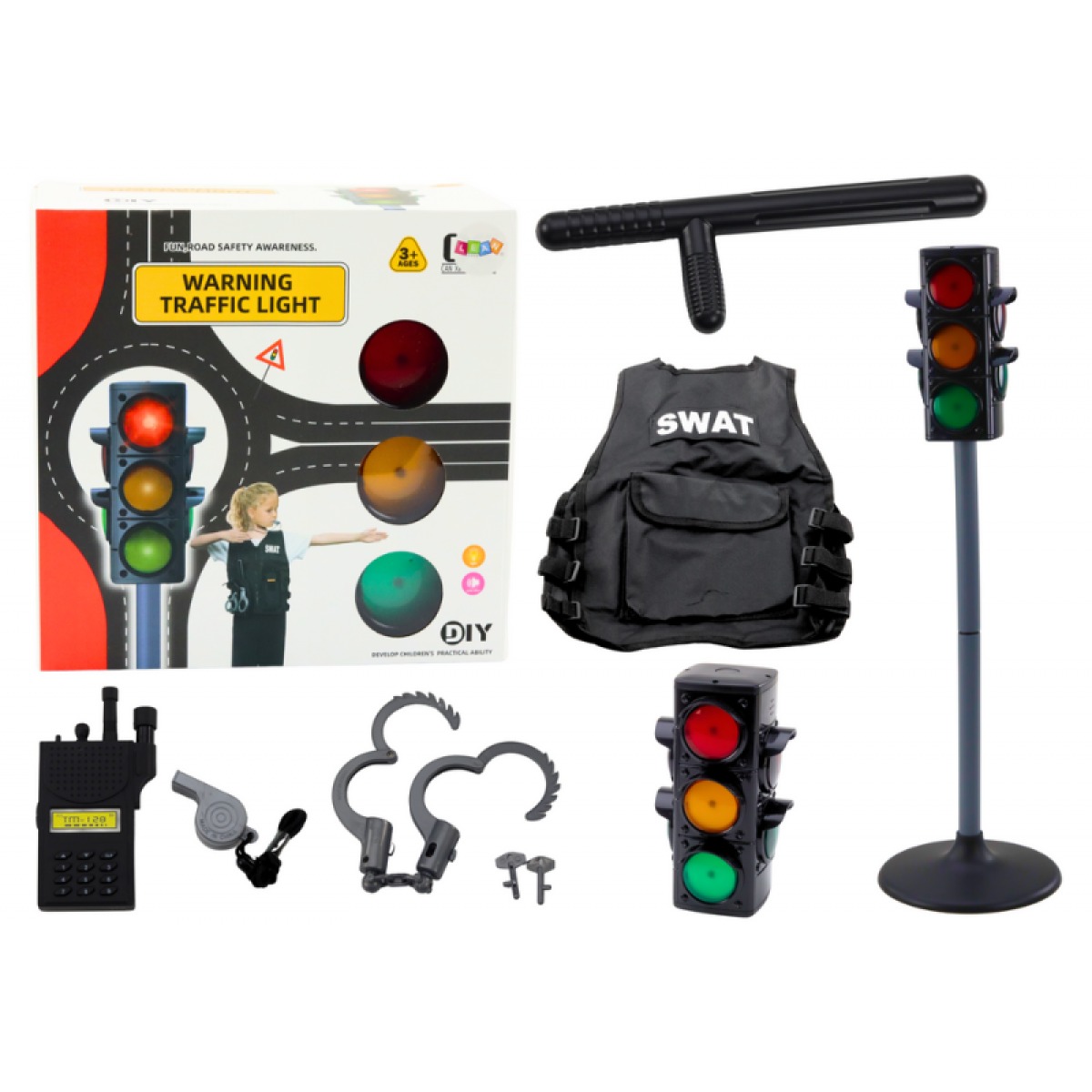
Kids' Costumes bring together dress-up, play and self-expression. A costume lets children step into a role: doctor, firefighter, police officer, princess or even a mythical character such as a fairy or witch. That is why costumes are ideal for parties and school events, as well as engaging role play for children, where their imagination is continually stimulated.
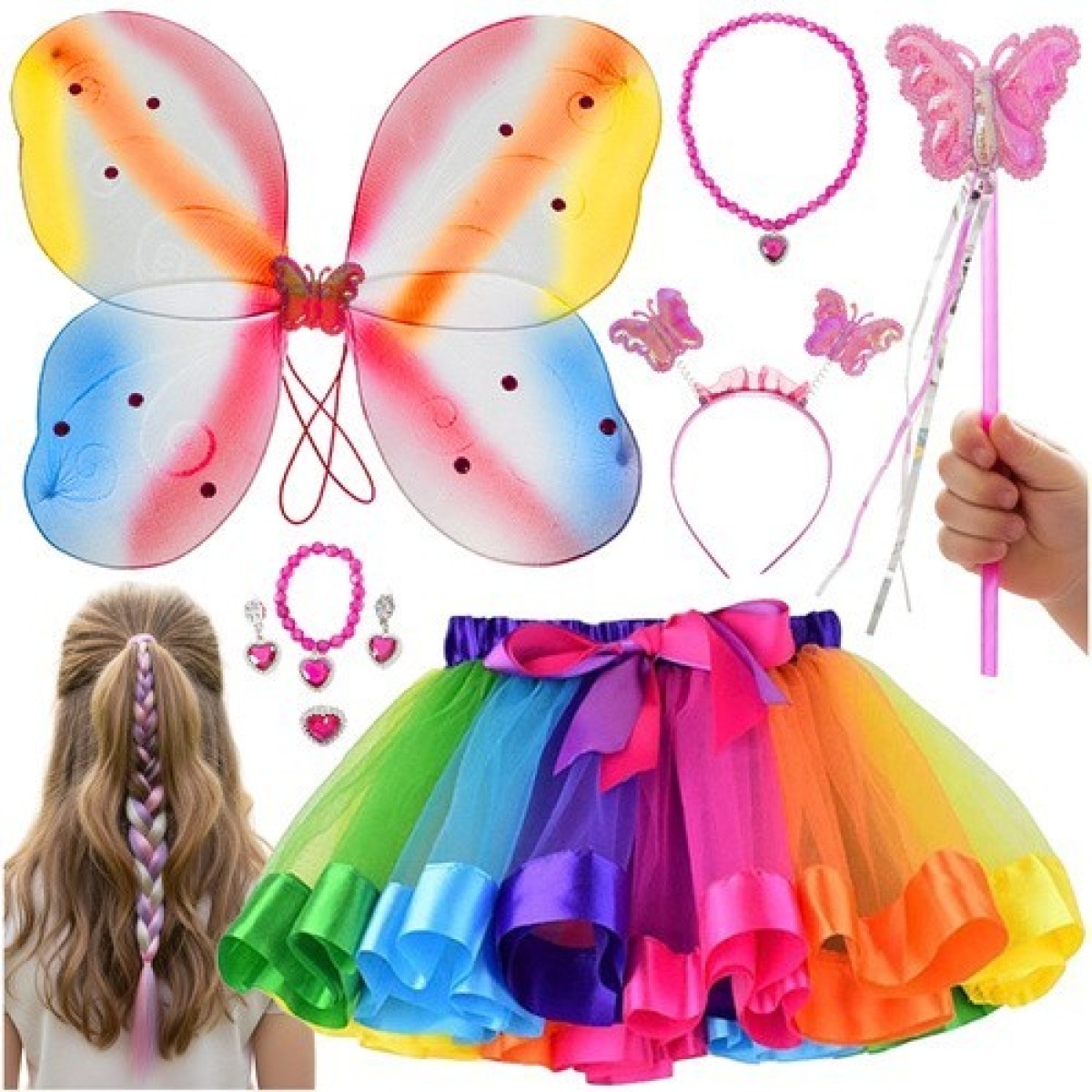
A good costume is not just about looks; it also gives children something to do. Many sets come with accessories such as headbands, a wand, skirts, wings, gloves or “tools” (for example, firefighter accessories). When a costume includes pieces that support the role, play feels more convincing and it is easier for children to carry on with the same story.
The themes are easy for children to understand, with options in different directions: animals (tiger, donkey), fantasy characters (dragon, unicorns, fairies), and costumes based on professions and events. This lets every child choose a character that suits them, whether for a performance, a photoshoot or simply dress-up play at home.
When choosing a costume, it is worth looking first at age and size. Some sets specify a particular height range (for example, 110–120 cm princess costumes), which can help you make a more confident purchase decision. As well as height, consider whether the costume is comfortable for the child: a well-fitting skirt or dress, handy accessories and practical fastenings.
For role play, how practical the costume is for everyday movement also matters. If the child can put the costume on quickly, play can begin sooner and the costume is more likely to stay in place during play.
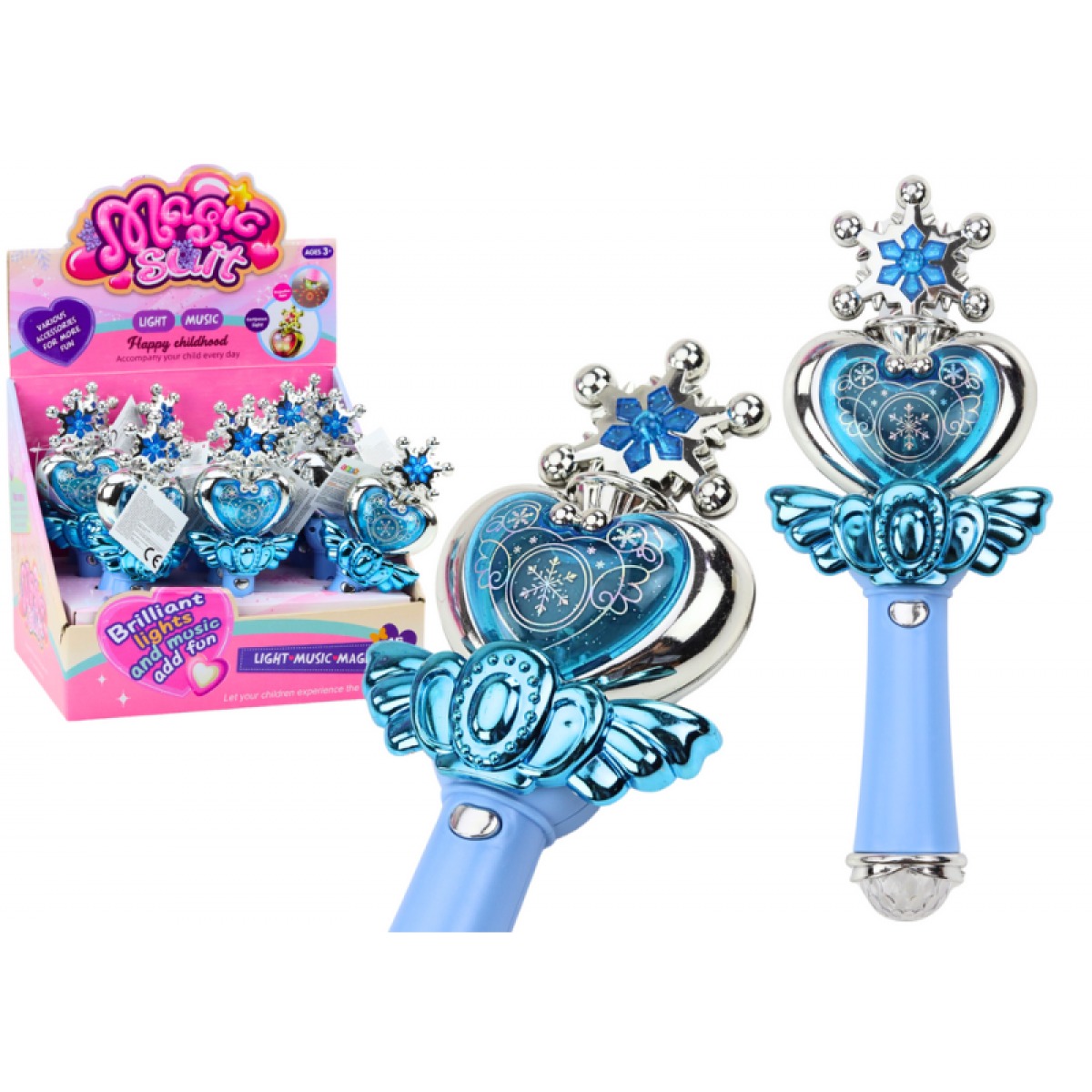
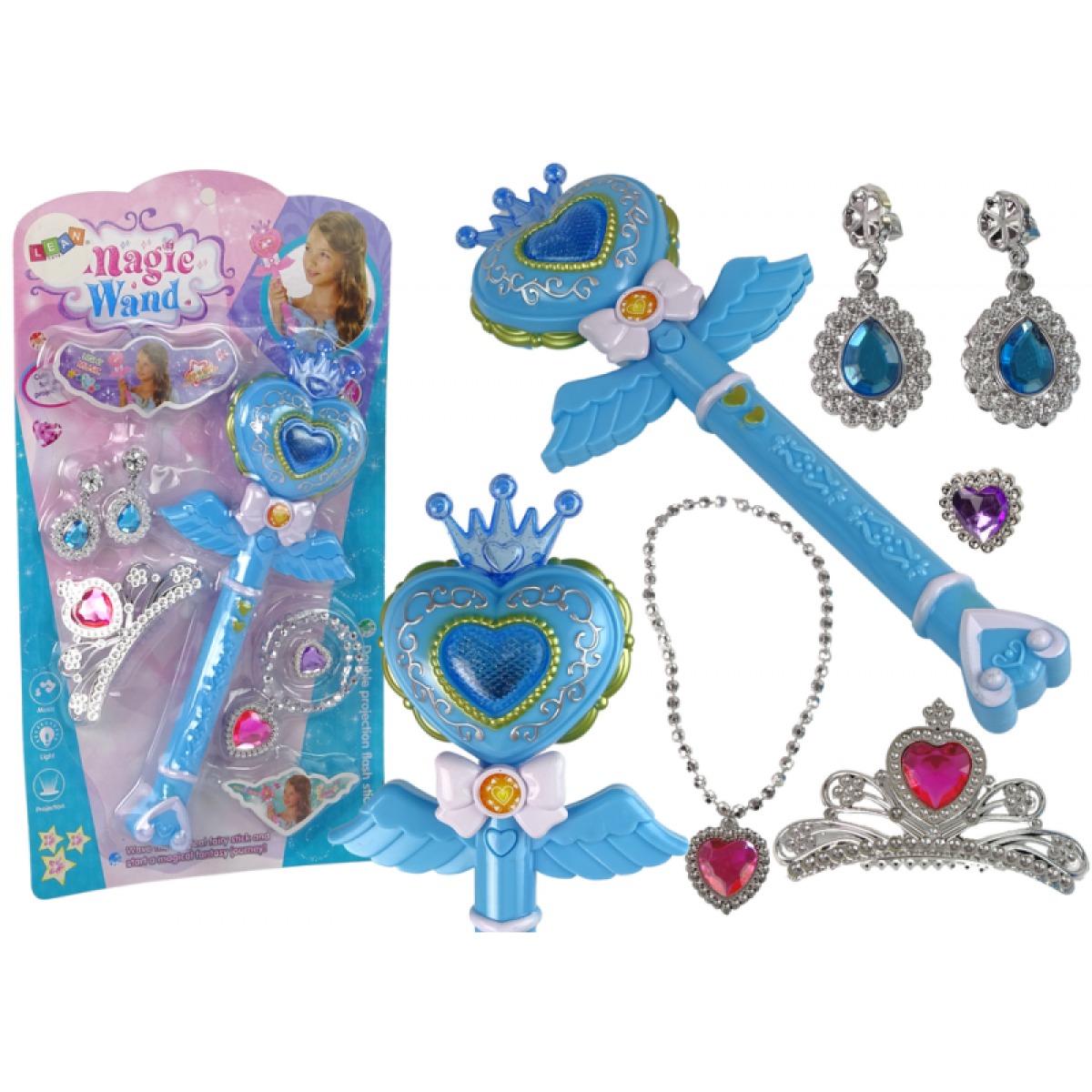
Visual features often come into play with costumes for parties and performances. For example, a princess’s magic wand may include light and sound effects, unicorn-themed costumes feature wings and glittering details, while animal and mythical designs create a “real character” feel. These elements help children get into character and make a performance or photoshoot memorable.
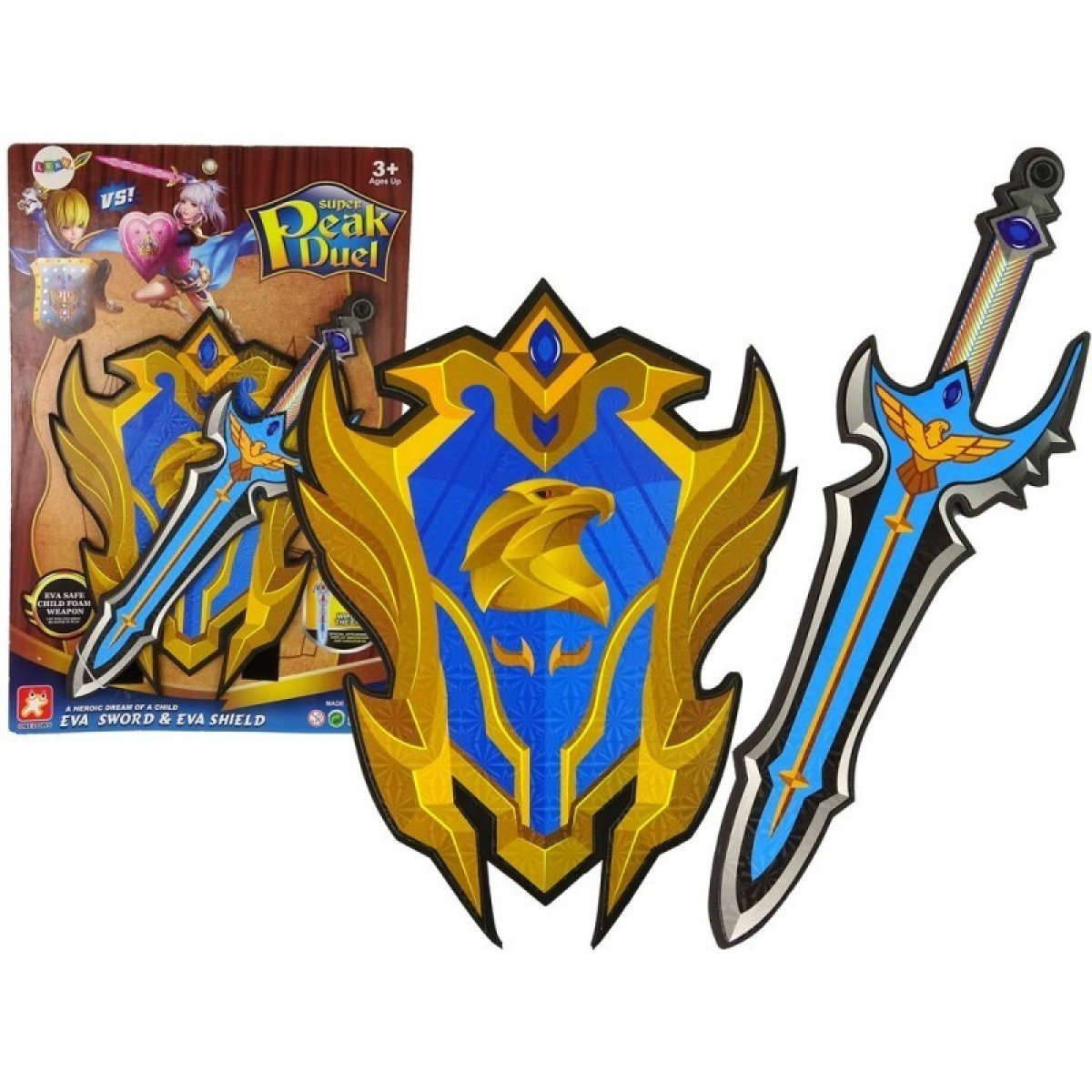
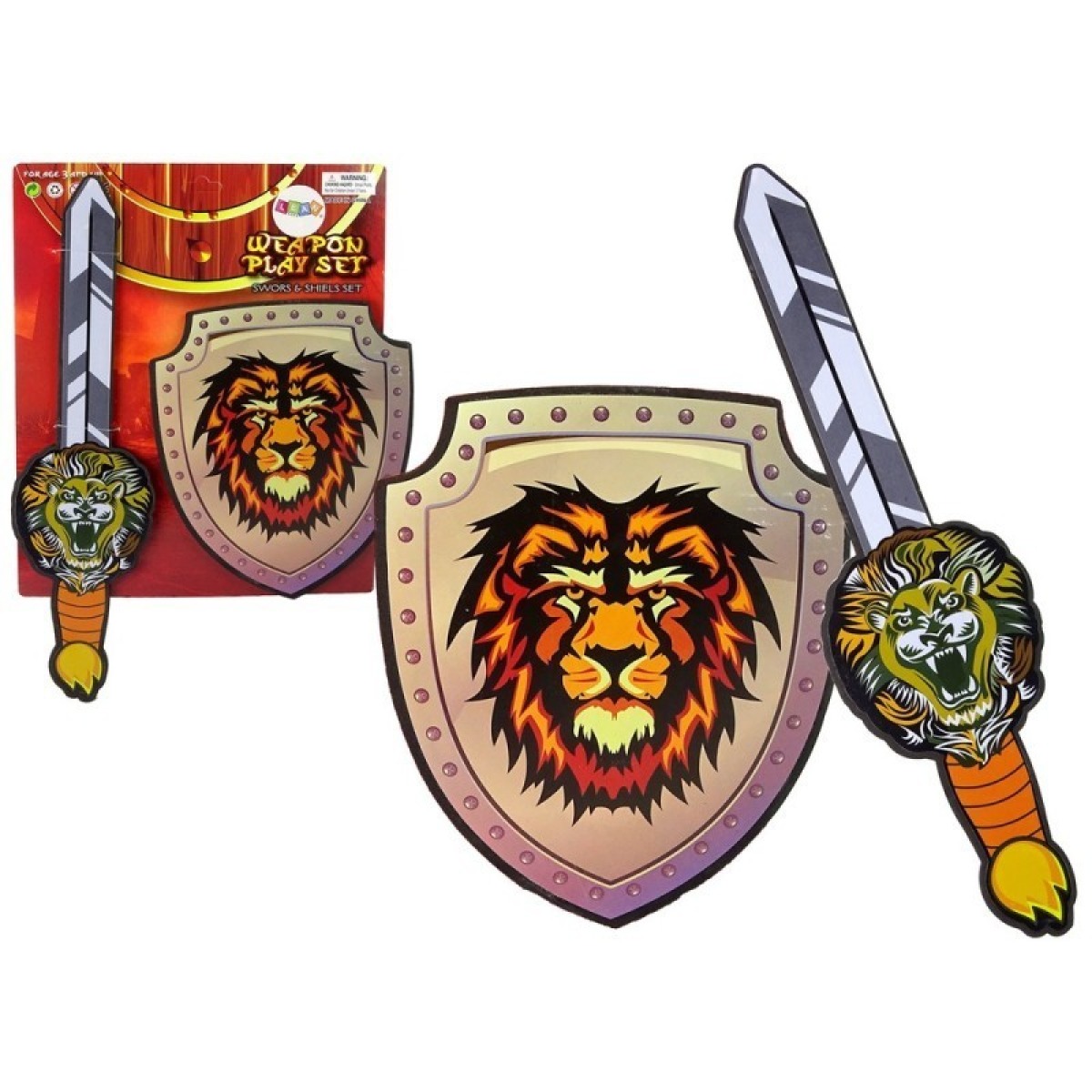
If a costume comes with different pieces, it is worth considering how the child can use them. Wings, swords with shields or role-play “tools” add more to do on stage, but a good choice is one that is easy for the child to use.
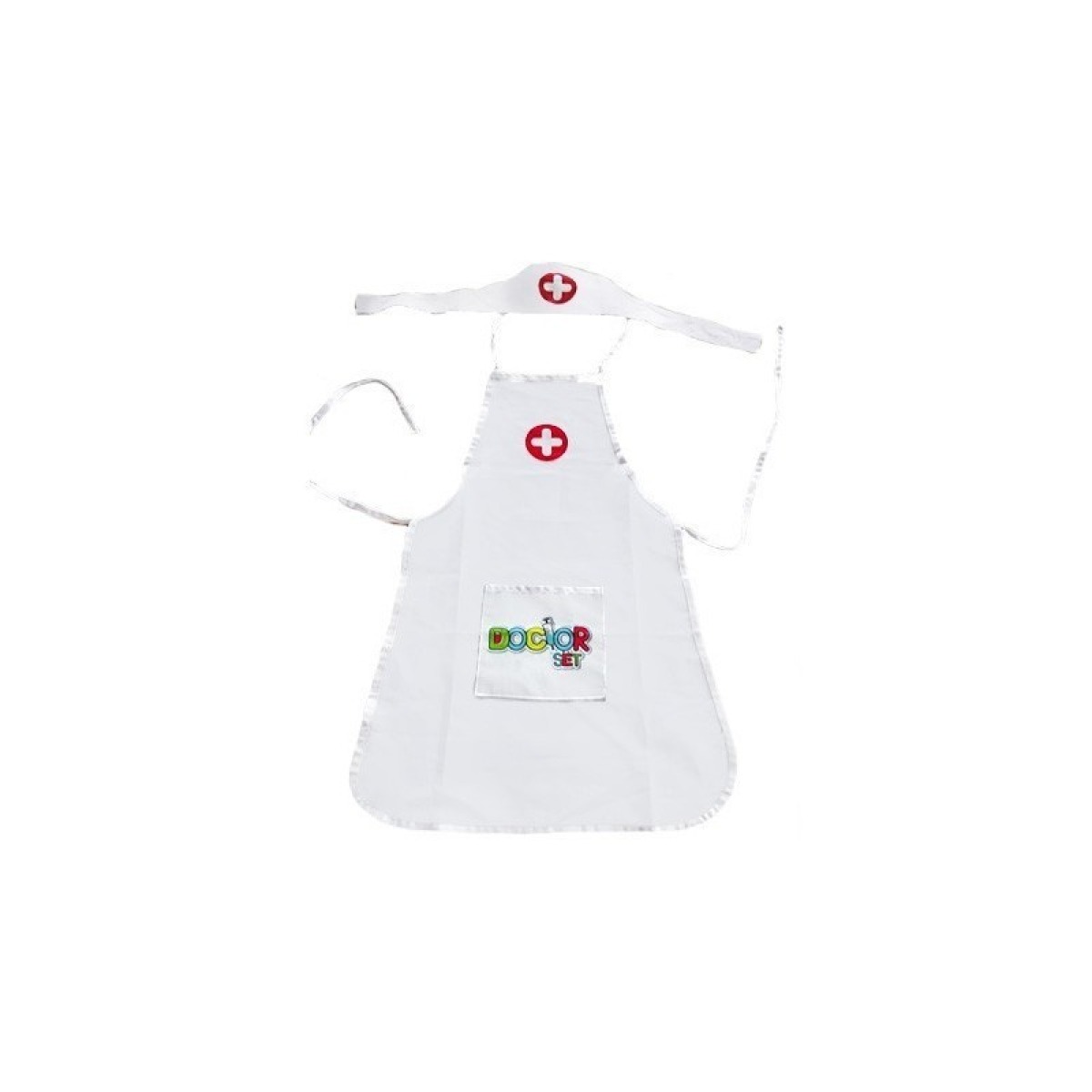
Dress-up play at home supports skills and habits, as children can practise communication, switching roles and storytelling. Doctor or profession-themed costumes suit games where they “do a check-up” or “help”, while fantasy costumes (fairies, witches, dragons) are ideal for more imaginative stories.
Costumes are also suitable for gifts or themed days, when children can step into a particular situation. If a costume includes accessories such as a headband, skirt or matching gloves, it is easier to get the play started and the story stays consistent.
Kids' costumes are a practical way to bring more playfulness into a child’s room. The right theme and a suitable set can help a child play for longer and make role play part of everyday development.
MIU Kids
A quiet word about cookies
Necessary cookies are already on, so your basket and checkout can work. Analytics cookies stay off until you accept. Until then Google may receive a cookieless visit signal so we can count visits. It is not used for advertising. Accept all cookies, or keep only the necessary ones. Both are one click. We remember your choice for six months, and you can change it at the bottom of the page. Privacy notice
Analytics cookies wait for a yes
MIU Kids
Choose what stays on
Necessary
Always on. These keep the basket, checkout and the shop secure.
Analytics
No analytics cookie until you accept. A cookieless visit signal may still be sent. If you accept, Google Analytics shows which pages are used. It does not build advertising profiles.