
- New
In stock · 1–3 business days1–3 business days
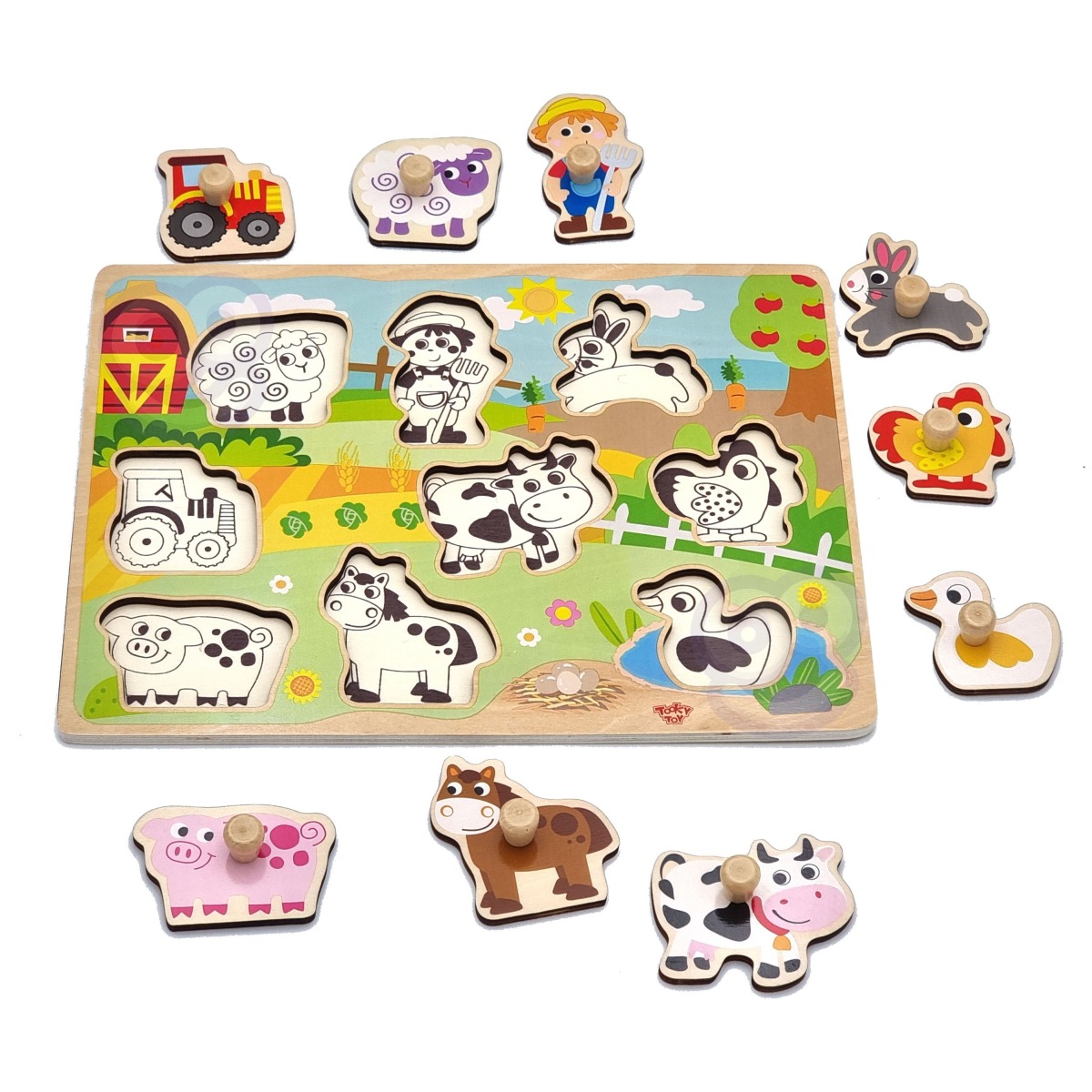
About the collection
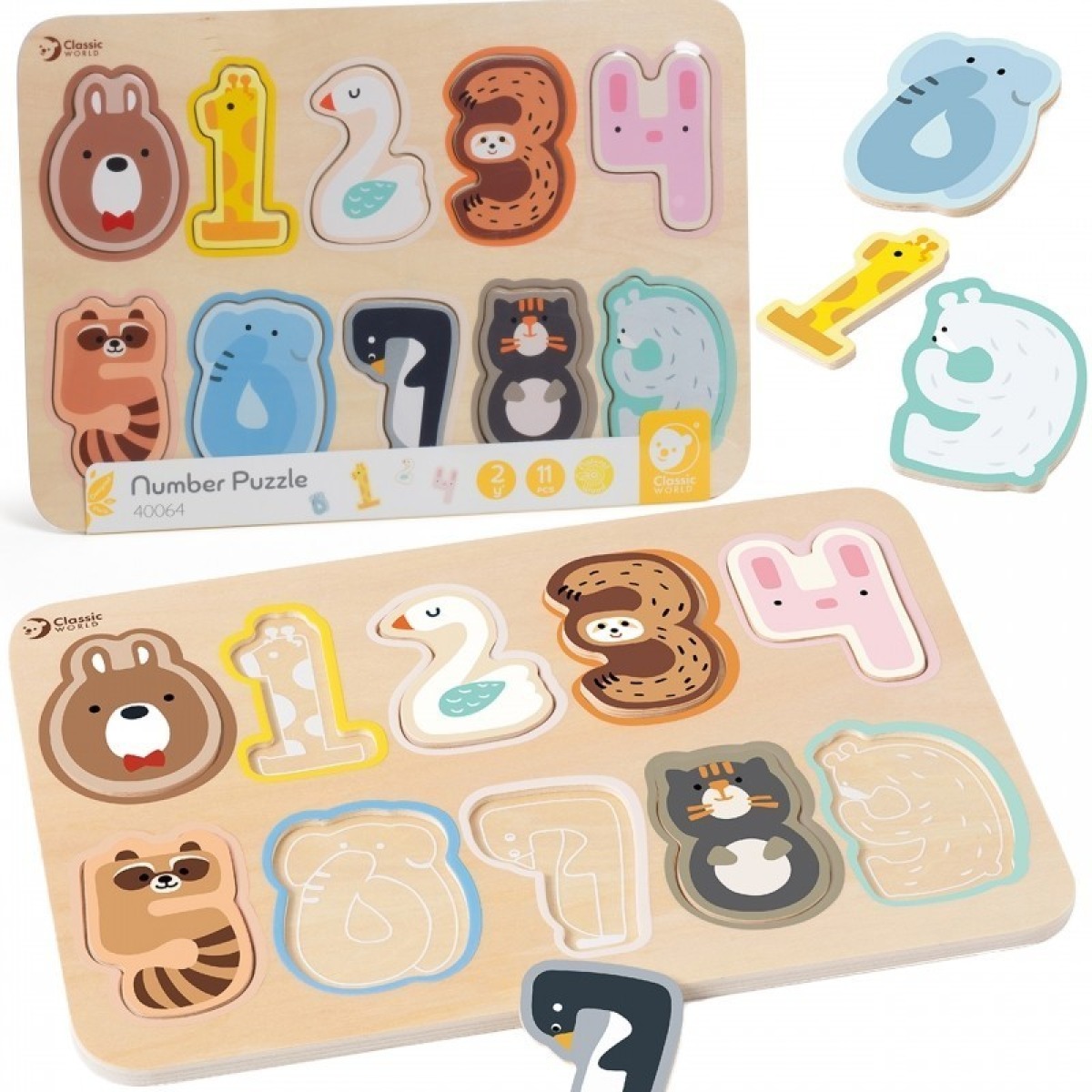
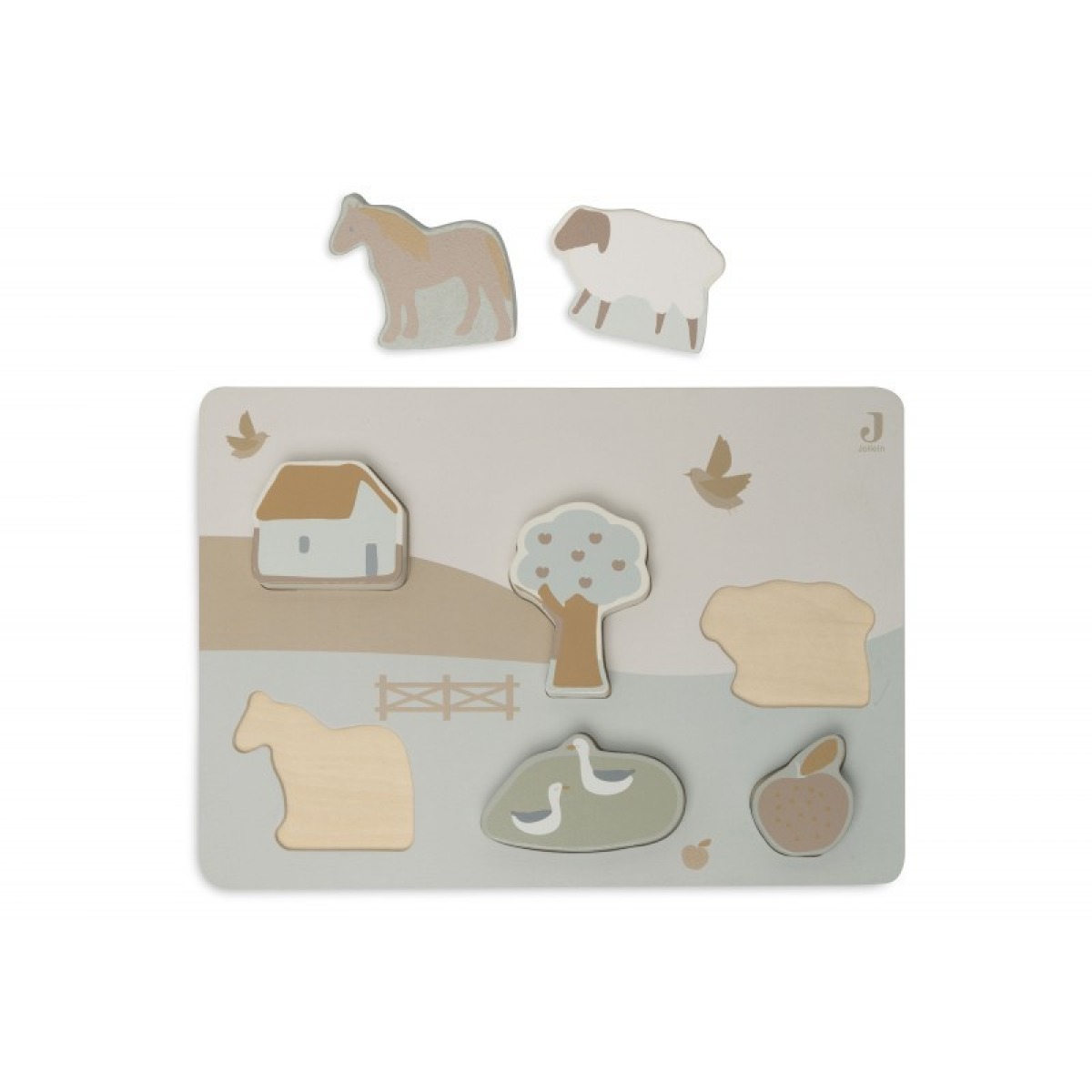
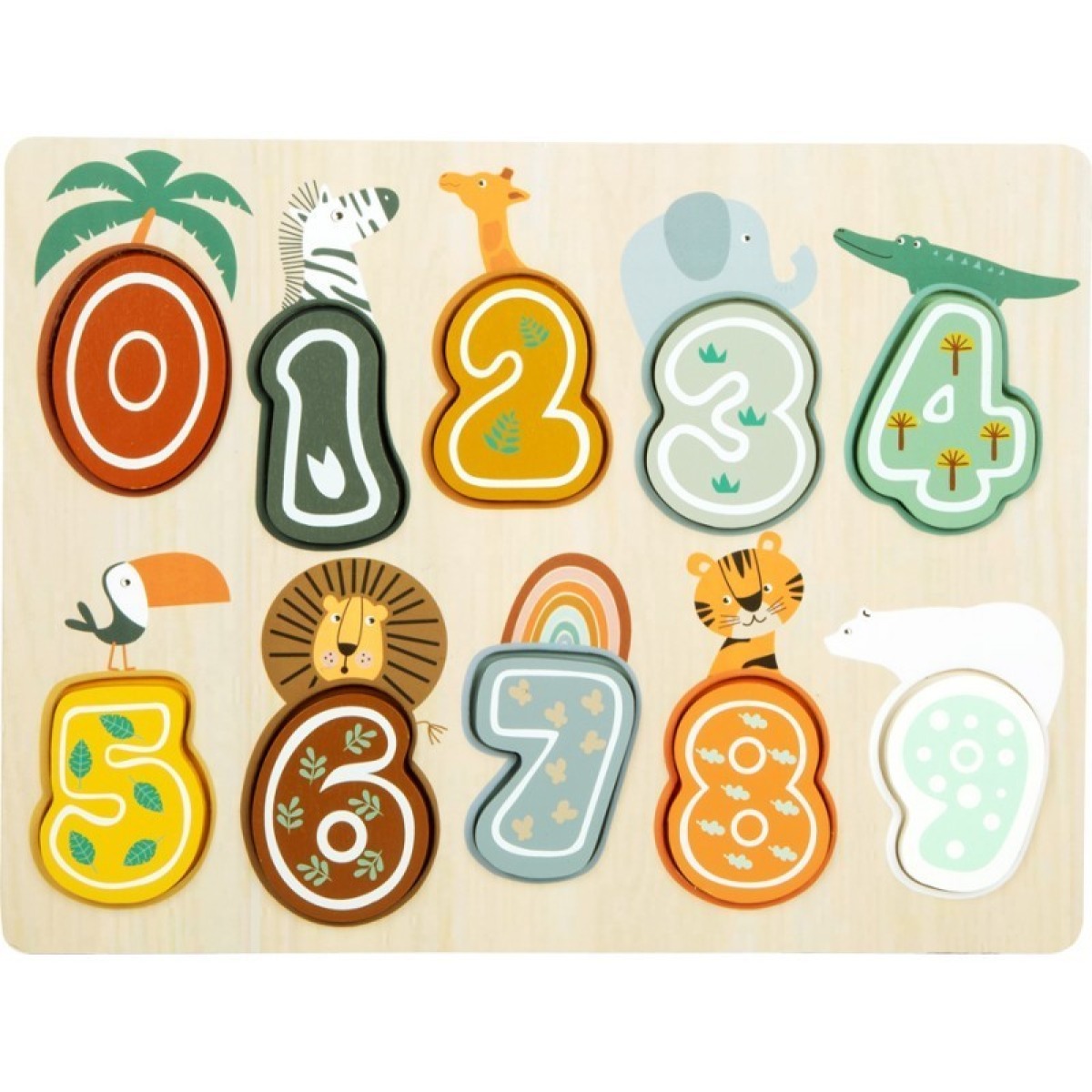
Wooden puzzles are timeless learning tools. They train hand–eye coordination, shape and colour recognition and problem-solving. You'll find knob puzzles for the littlest ones and more challenging puzzles for older children....
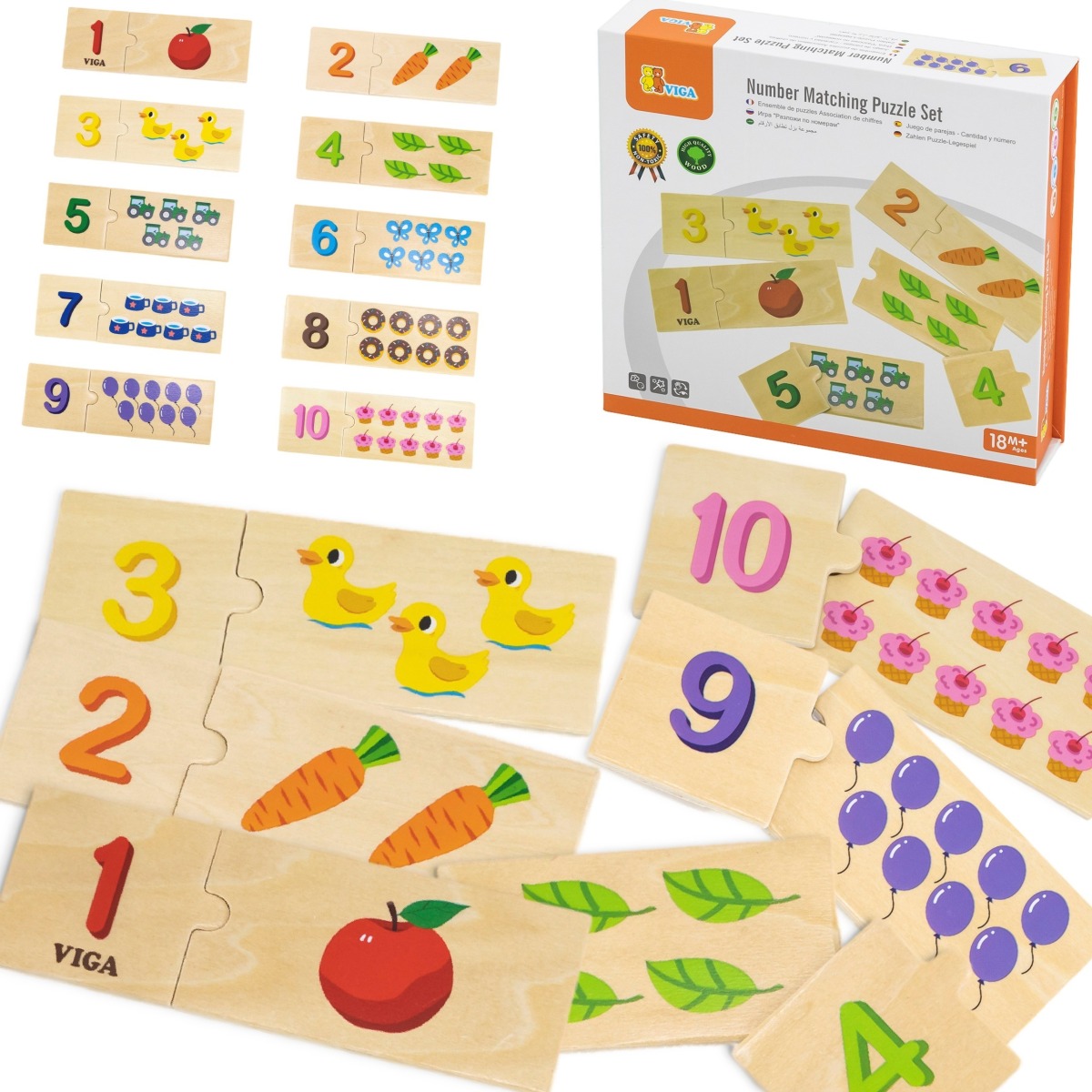
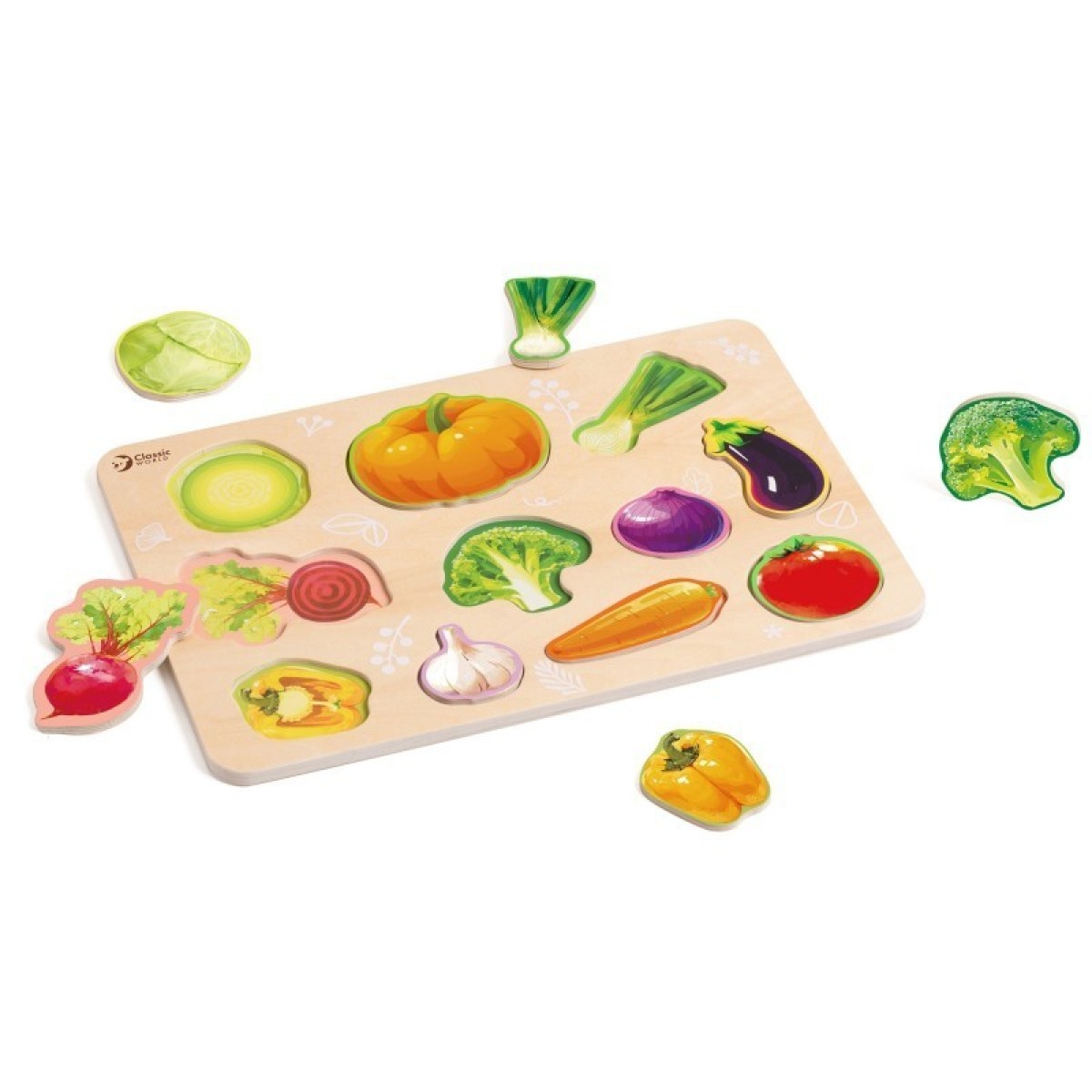
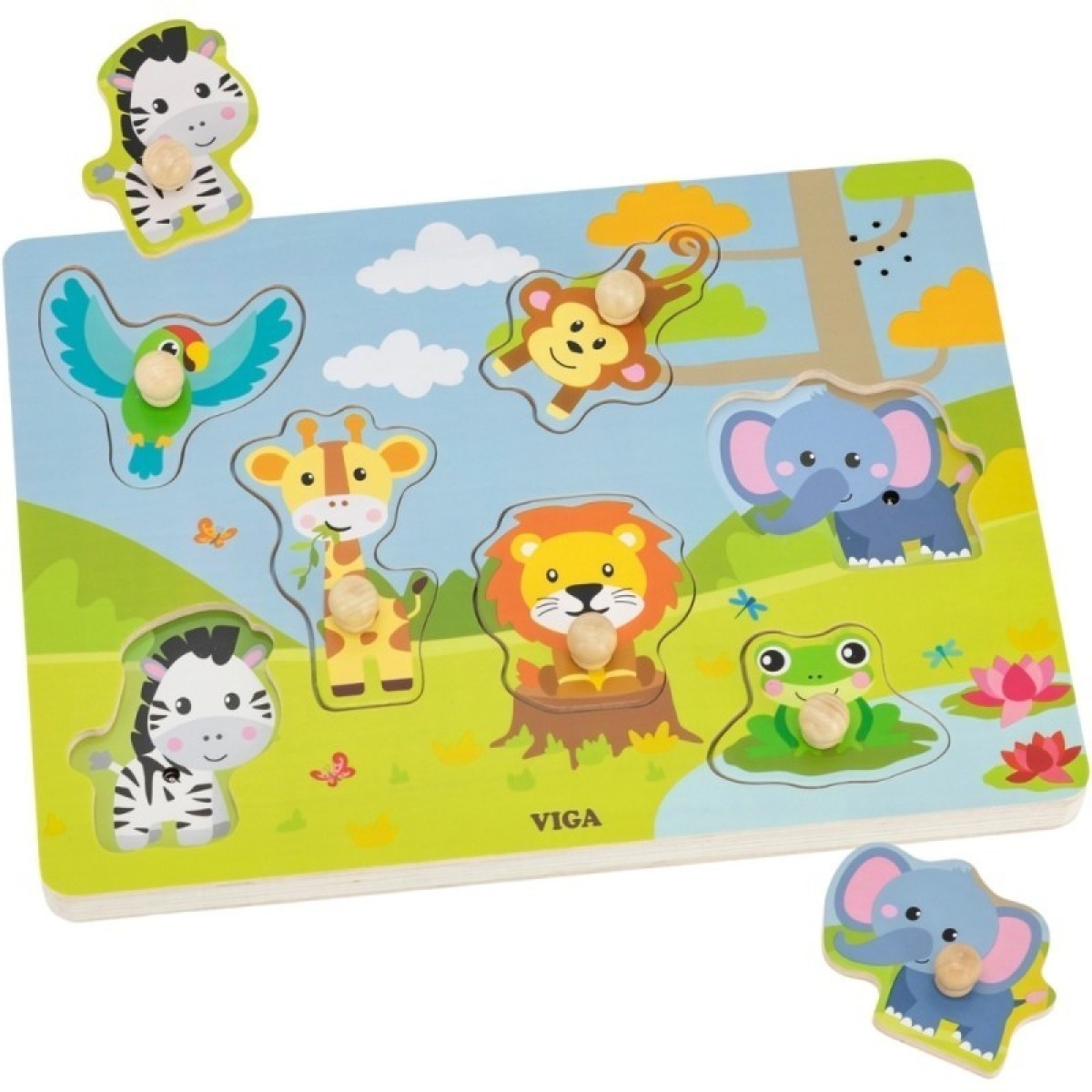
Category guide
Wooden Puzzles are developmental toys well suited to babies, toddlers and older children. They help children practise hand-eye coordination, shape and colour recognition, and logical thinking, whether the aim is everyday play or intentional development in the kids' room. The wooden base and clearly defined pieces also make the puzzles suitable for
children who are just learning to do their first activities independently. When choosing one, consider age suitability, the number of pieces and whether the puzzle has knobs for holding, a fitting function or extras such as magnets or sounds. Multi-layered and Montessori-style designs are especially good for supporting concentration and giving children a clear “finished” result.
Wooden Puzzles are a practical way to combine play with skill development. When children fit pieces onto the board, they practise their manual dexterity and learn to persevere. At the same time, they learn to notice details, distinguish shapes and repeat learned patterns, for example with animal or vehicle themes.
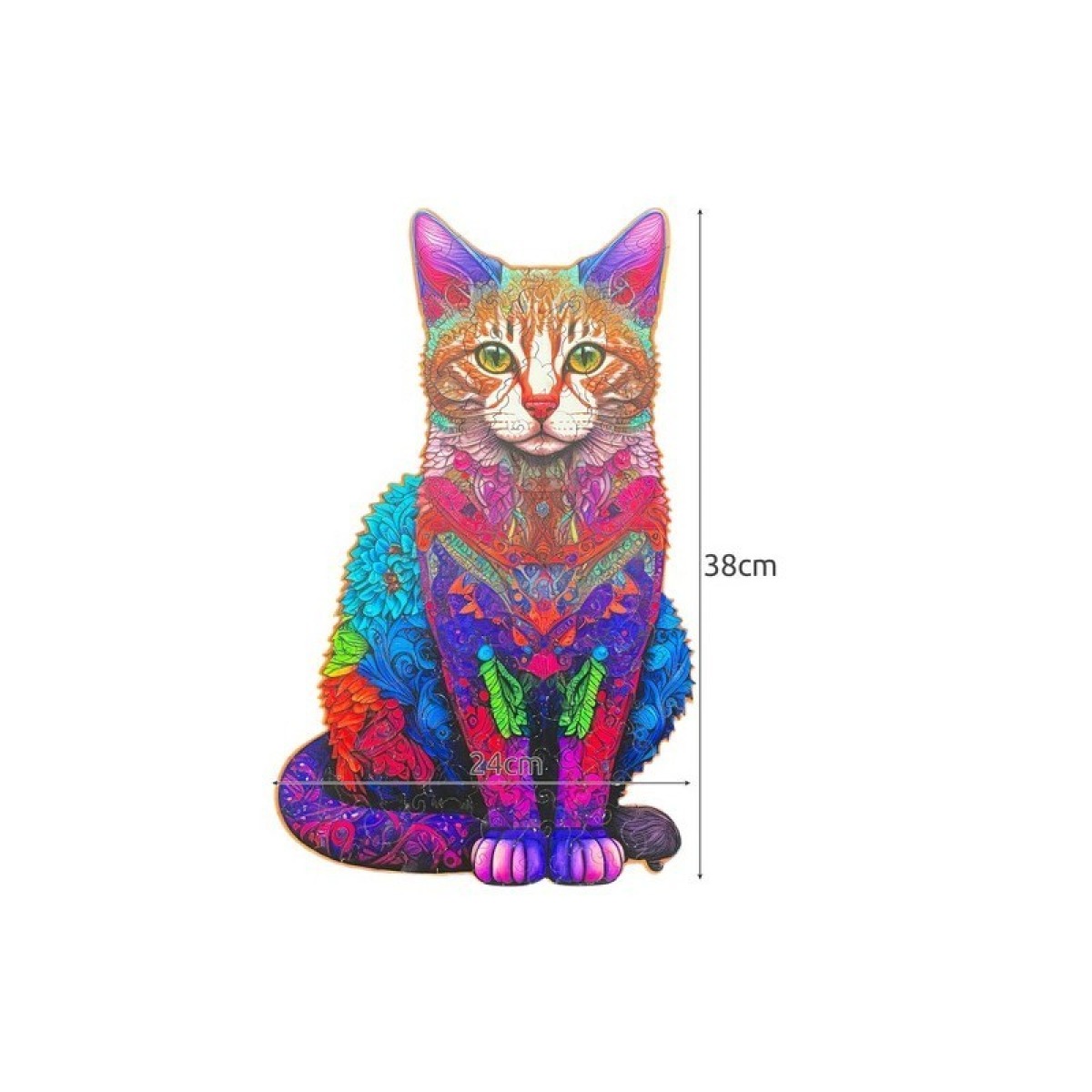
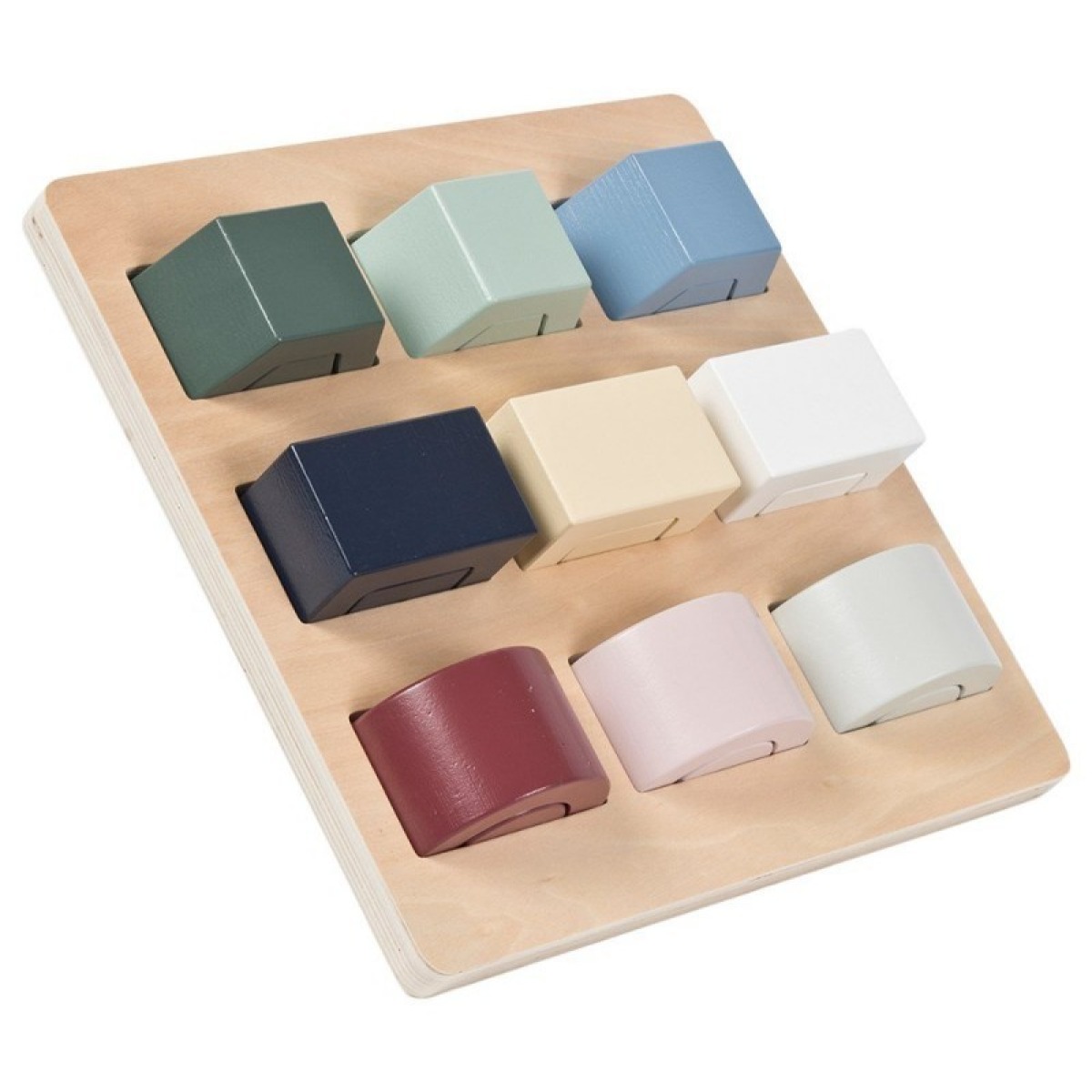
This category offers many options for children with different levels of experience. Designs with knobs are especially convenient for little hands because the pieces have a secure grip point. Hexagonal puzzles and other unusual shapes encourage spatial thinking as children find the right place for a shape or play piece.
When choosing the right wooden puzzle, certain criteria help ensure the play starts at the right level. The number of pieces affects both the difficulty and how long a child will engage with it. For a baby's first puzzles, for example, the aim is simple matching and building confidence, while larger sets are suitable for children who are already used to working with puzzle pieces.
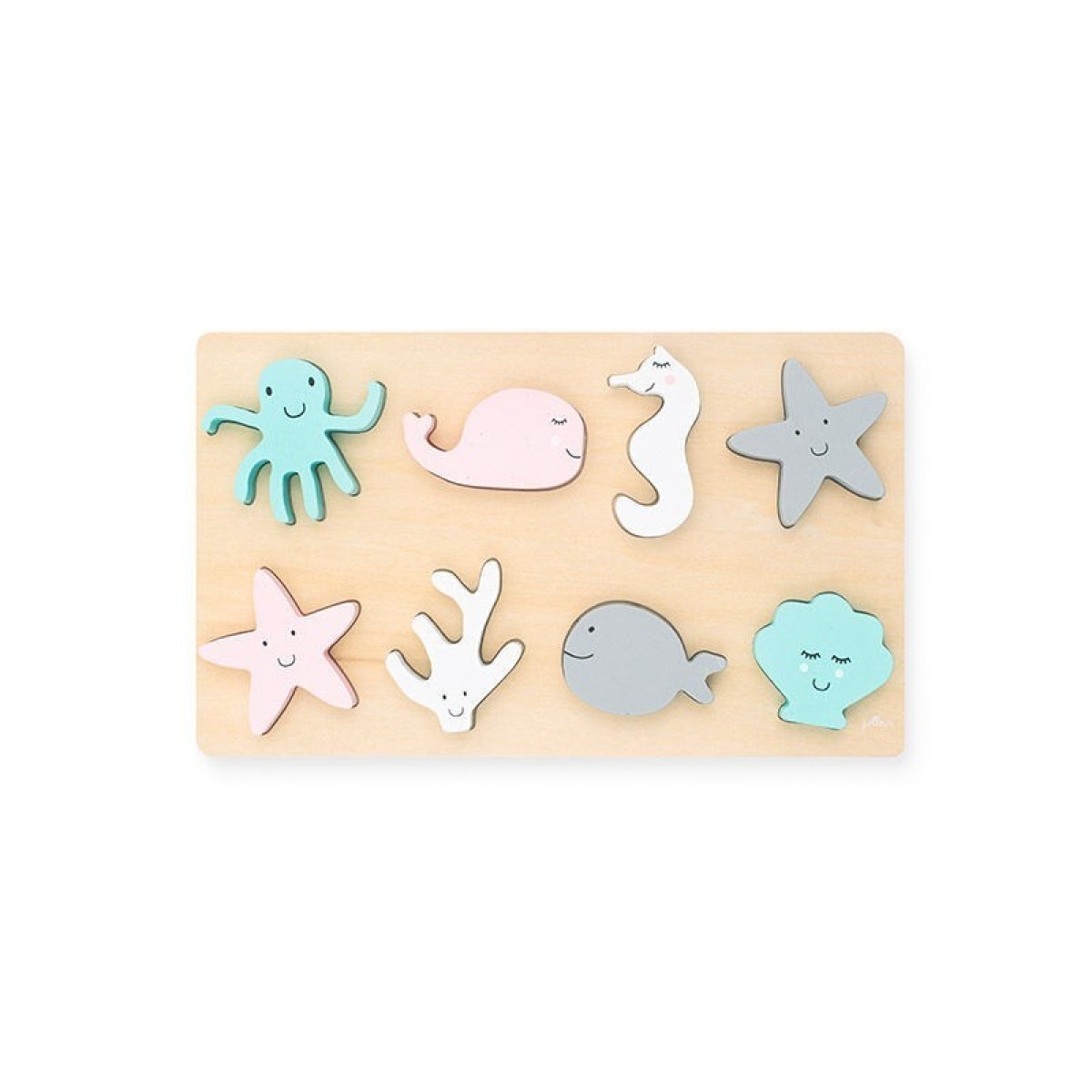
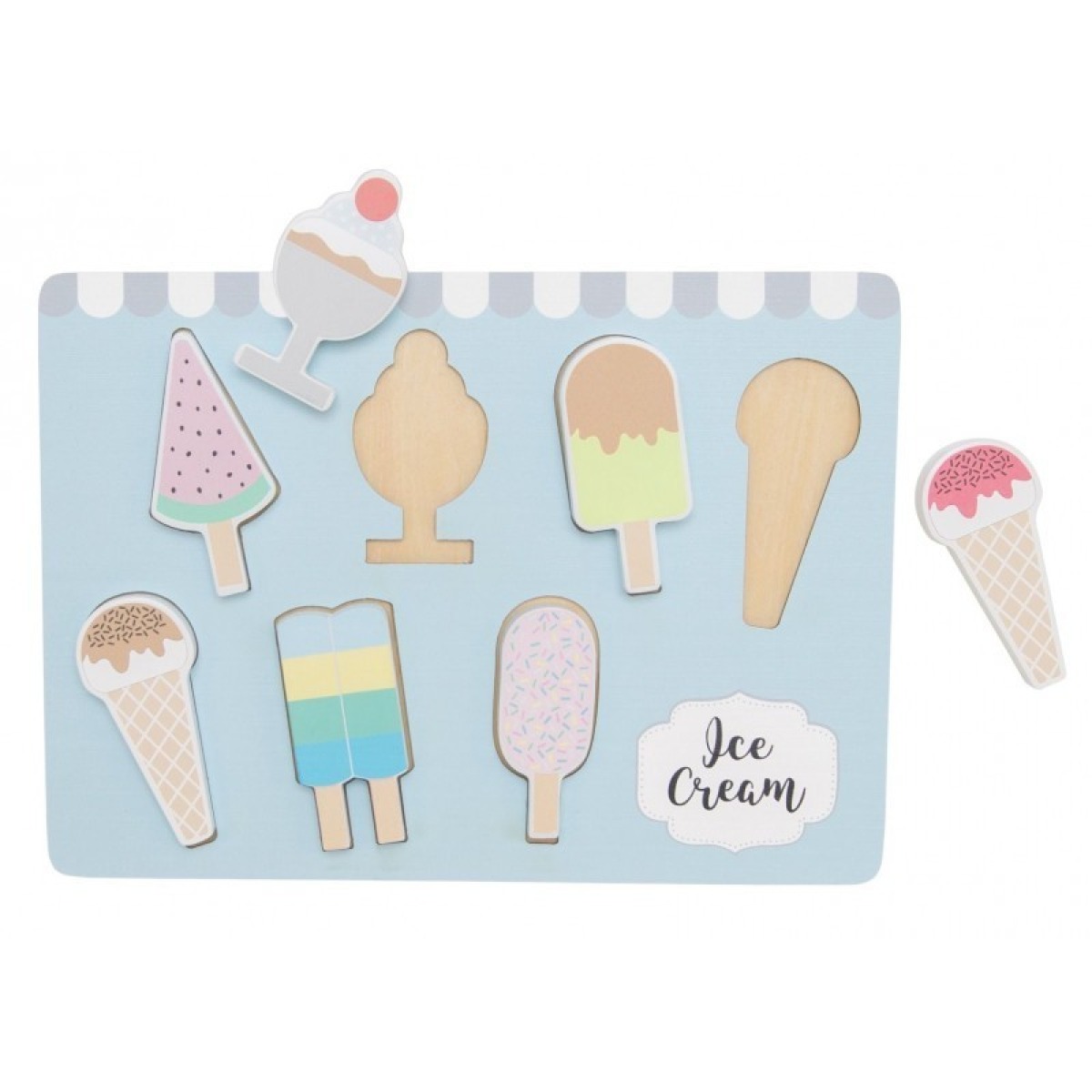
In addition to the number of pieces, consider the fastenings and the shape of each piece. Many puzzles use knobs, magnets or other practical features to help place the pieces correctly. Choosing a theme (animals, fruit, sea creatures, city vehicles, learning letters and words) reflects children's interests and makes learning feel natural.
Some wooden puzzles are designed according to Montessori principles, allowing children to complete an activity step by step. Matching shapes and pictures develops observation skills and helps children understand the connection between an image and a real object. This format is also well suited to children who need to make several attempts to get the “right” result independently.
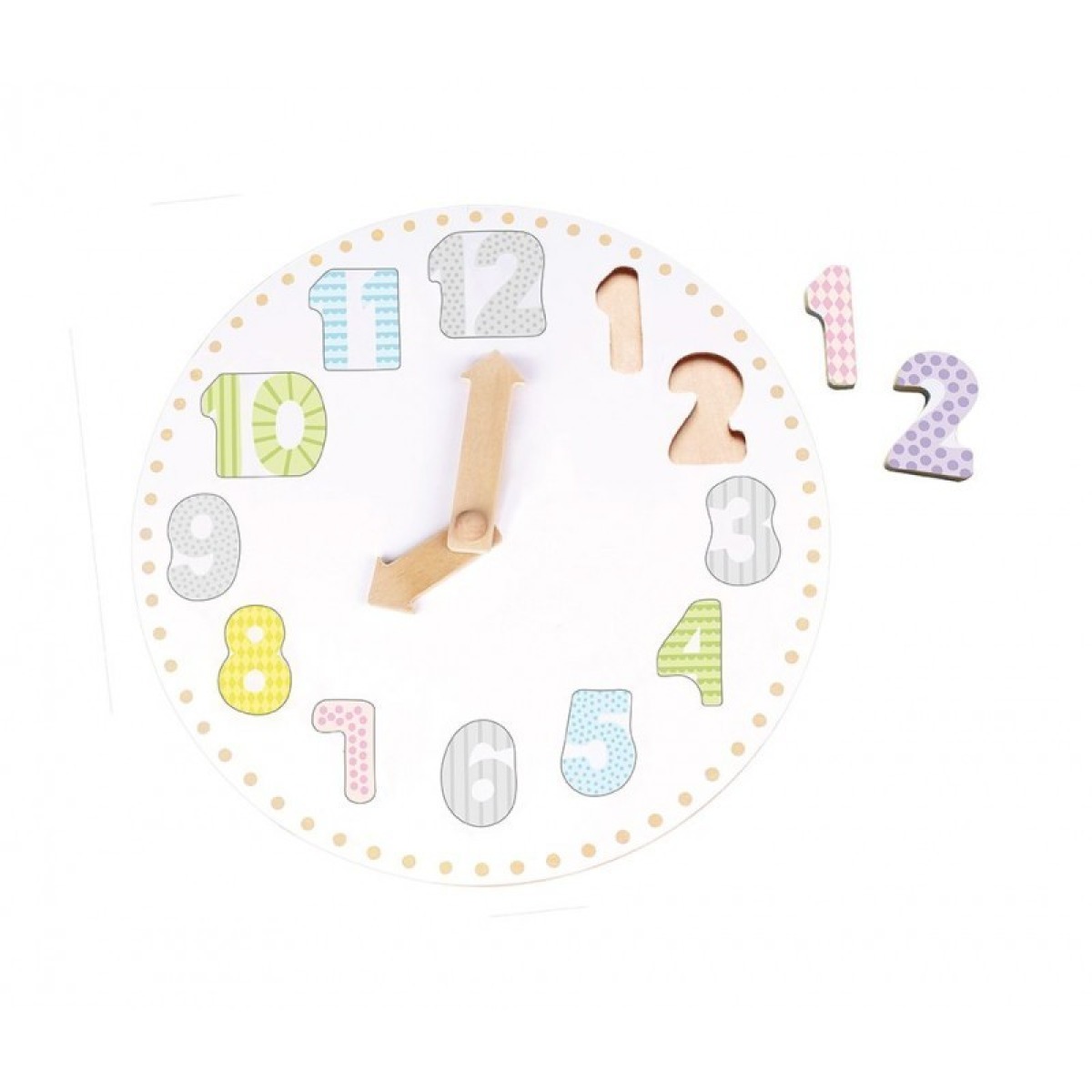
Learning themes make puzzle play meaningful throughout the day. Clock or time-learning puzzles help children focus on the concept of time, while the alphabet and word-learning support early reading skills. World map and ocean-themed puzzles suit children who want to learn about continents and seas, and offer a good opportunity to talk about these topics at home.
The wooden base is firm and stable, making it suitable for play in both a child's bedroom and a play corner. Many puzzles are made from FSC-certified wood, a practical consideration if you want a more durable material from a responsible source. The thickness and size of the pieces make them comfortable to grip and help reduce mistakes when fitting them together.
For care, it is worth following a few simple rules: clean with a dry or slightly damp cloth and allow the pieces to dry. Do not leave puzzle pieces in direct sunlight or a damp environment for long periods, so that the material and surfaces remain even. If the puzzle has magnets or sound components, take extra care when cleaning to prevent electronic parts from getting too wet.
Wooden Puzzles are suitable for babies learning to fit simple pieces together, as well as toddlers practising shapes, colours and logic. For older children, puzzles are also a good way to spend a longer, calm period and reinforce knowledge, for example about animals, city vehicles, marine animals or geography.
Choosing a puzzle with a suitable number of pieces and fastening makes it easier for a child to follow and more motivating. This makes a wooden puzzle part of the daily routine: play, learning and skill development in one activity.
MIU Kids
A quiet word about cookies
Necessary cookies are already on, so your basket and checkout can work. Analytics cookies stay off until you accept. Until then Google may receive a cookieless visit signal so we can count visits. It is not used for advertising. Accept all cookies, or keep only the necessary ones. Both are one click. We remember your choice for six months, and you can change it at the bottom of the page. Privacy notice
Analytics cookies wait for a yes
MIU Kids
Choose what stays on
Necessary
Always on. These keep the basket, checkout and the shop secure.
Analytics
No analytics cookie until you accept. A cookieless visit signal may still be sent. If you accept, Google Analytics shows which pages are used. It does not build advertising profiles.