
- New
In stock · 1–3 business days1–3 business days
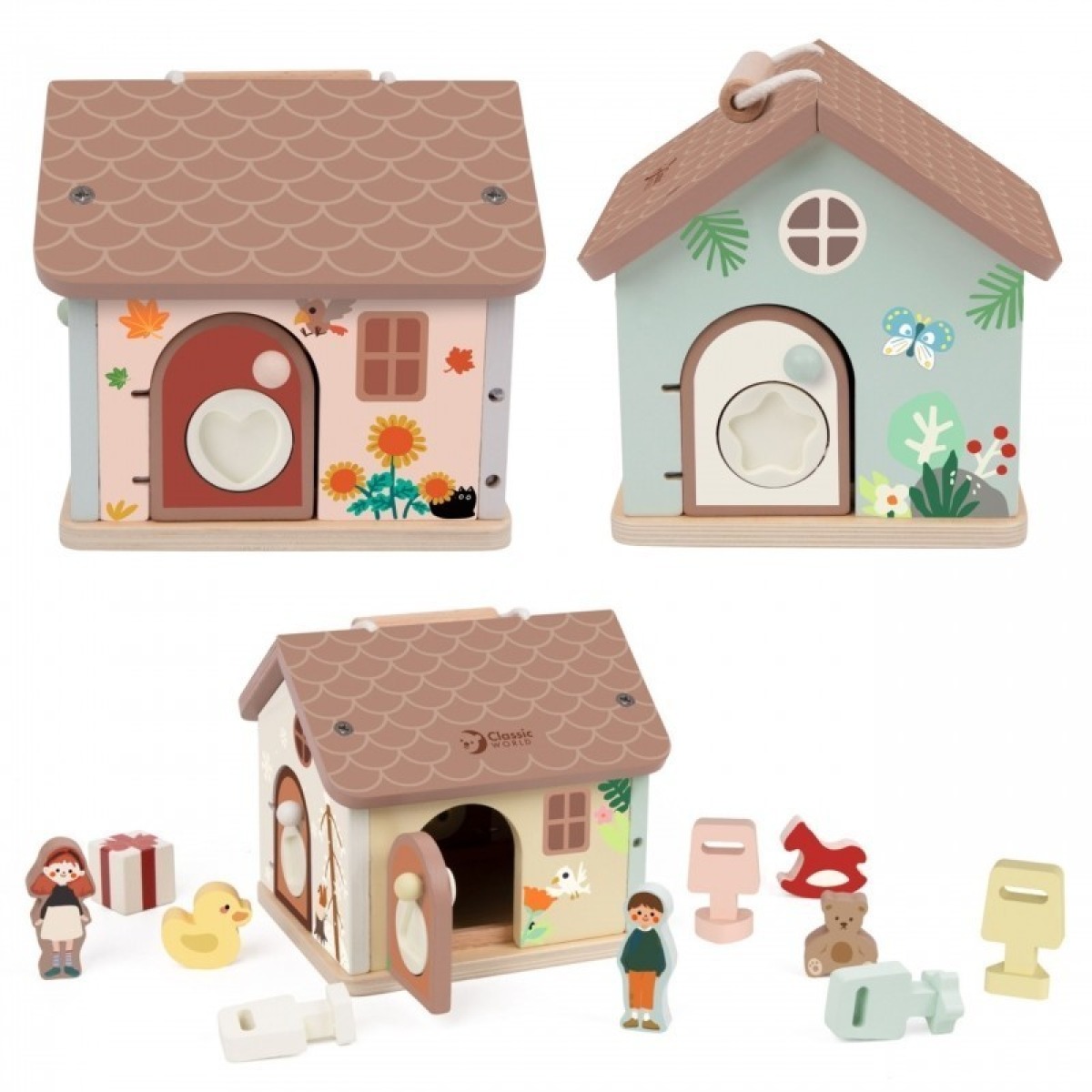
About the collection
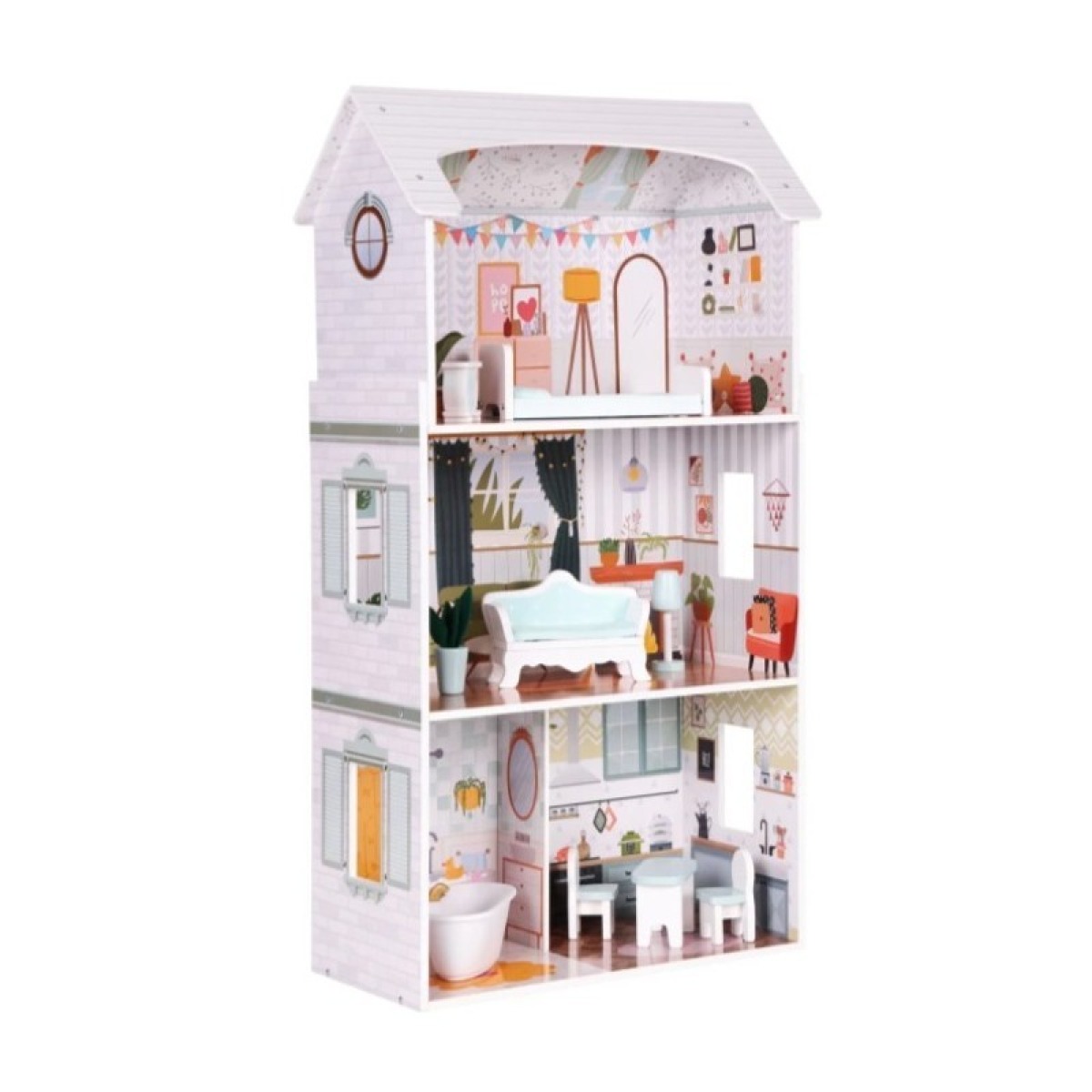
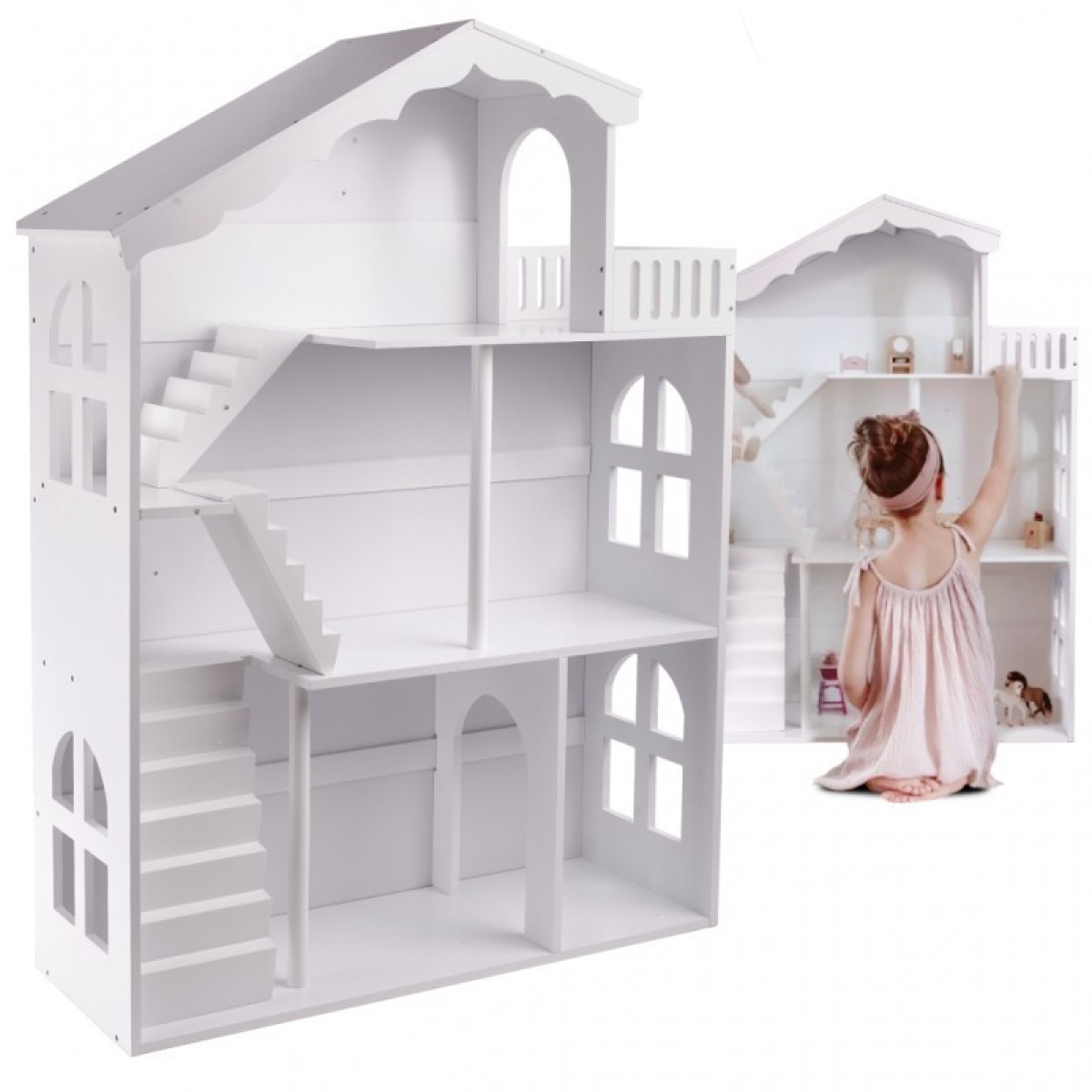
A doll's house holds a whole little world, where the dolls wake up, eat breakfast and go to bed at night. Doll's houses inspire children to make up stories and decorate their own home. You'll find wooden doll's houses in...
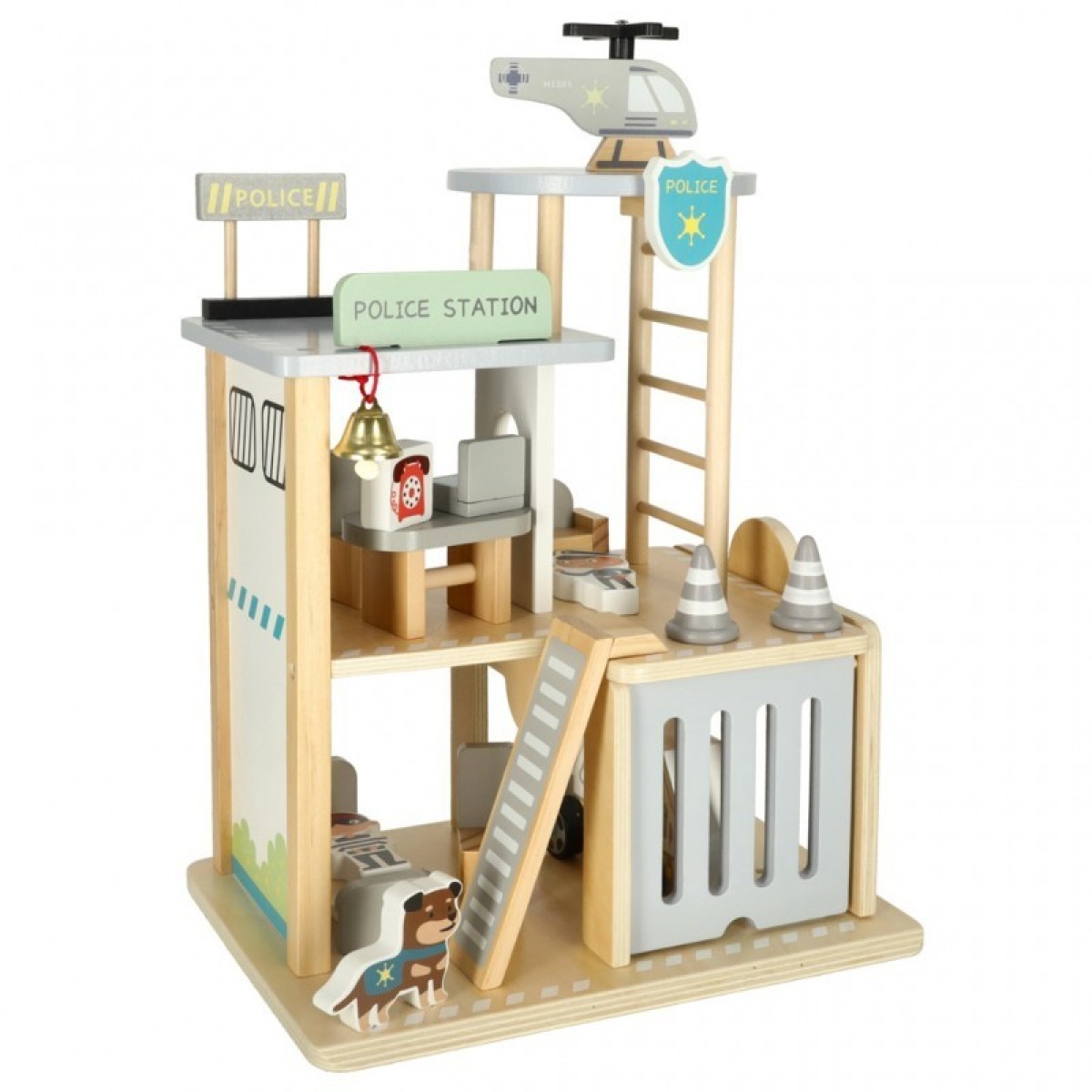
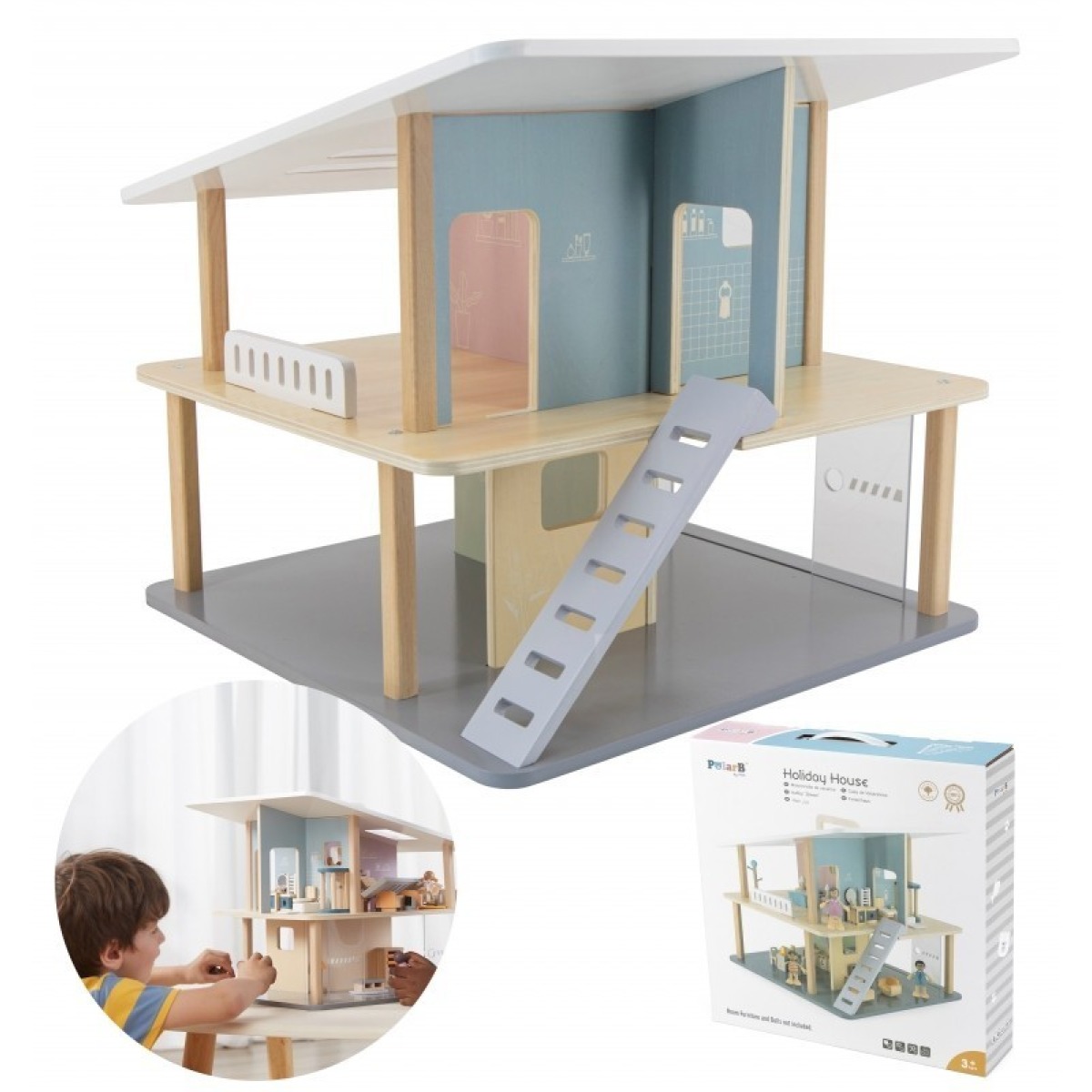
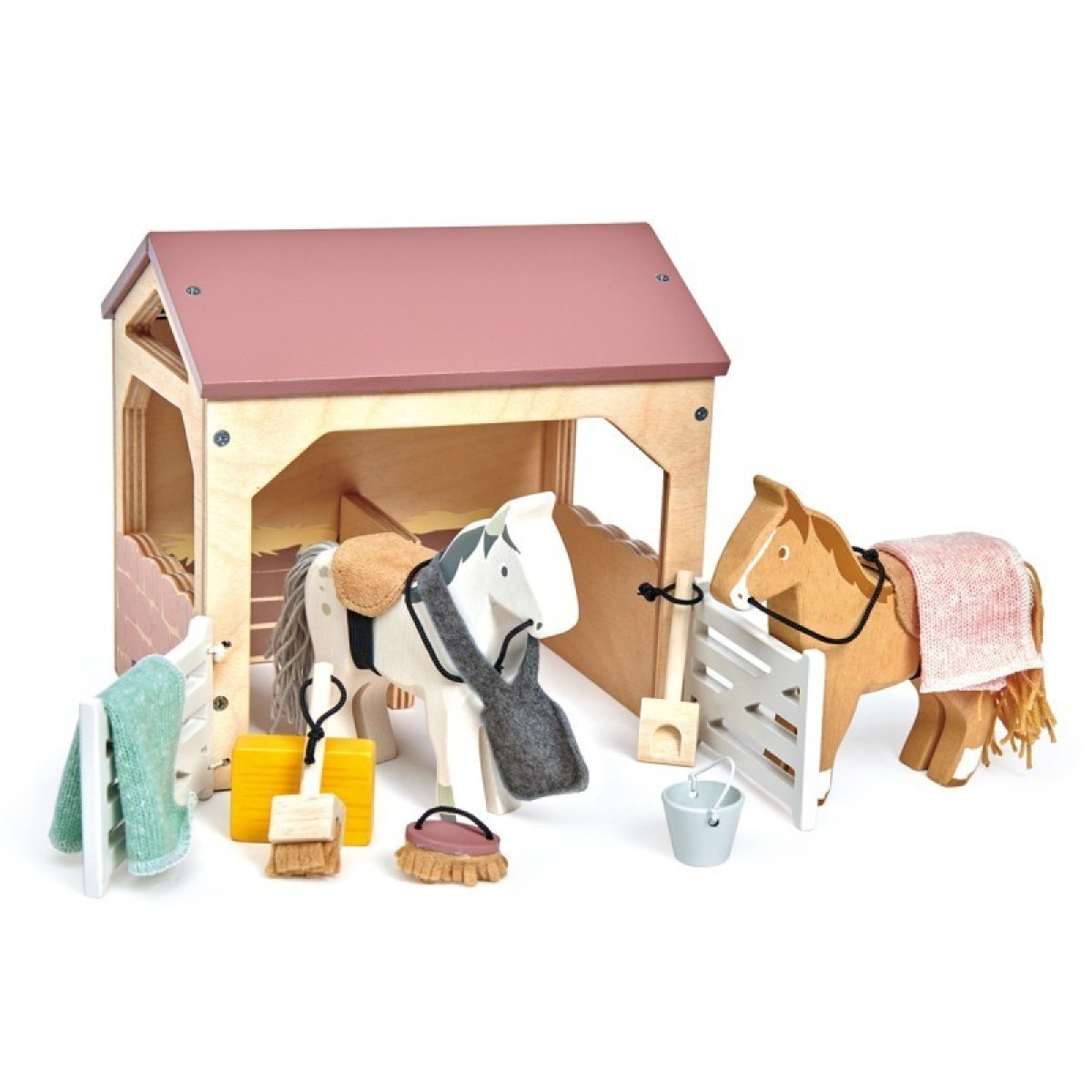
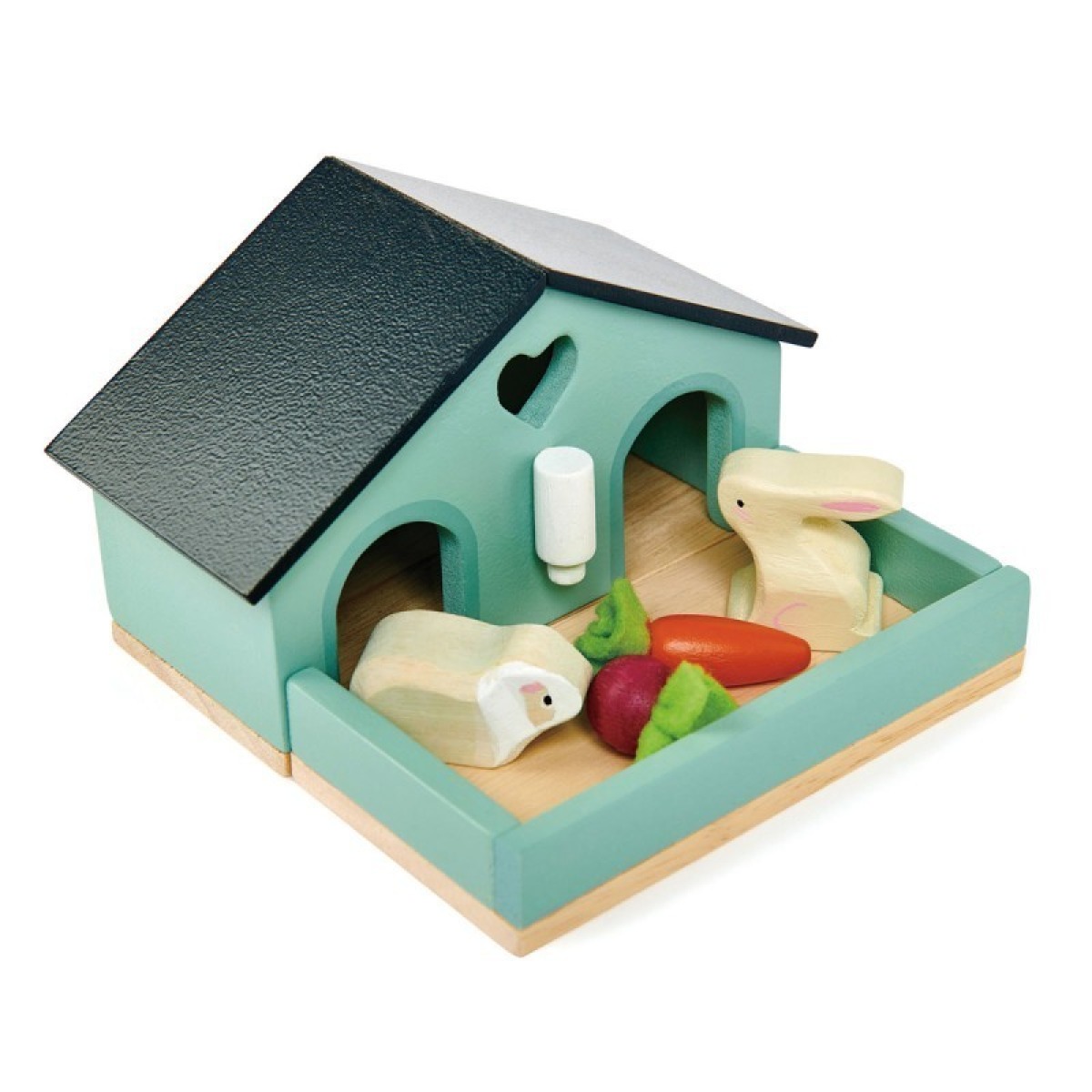
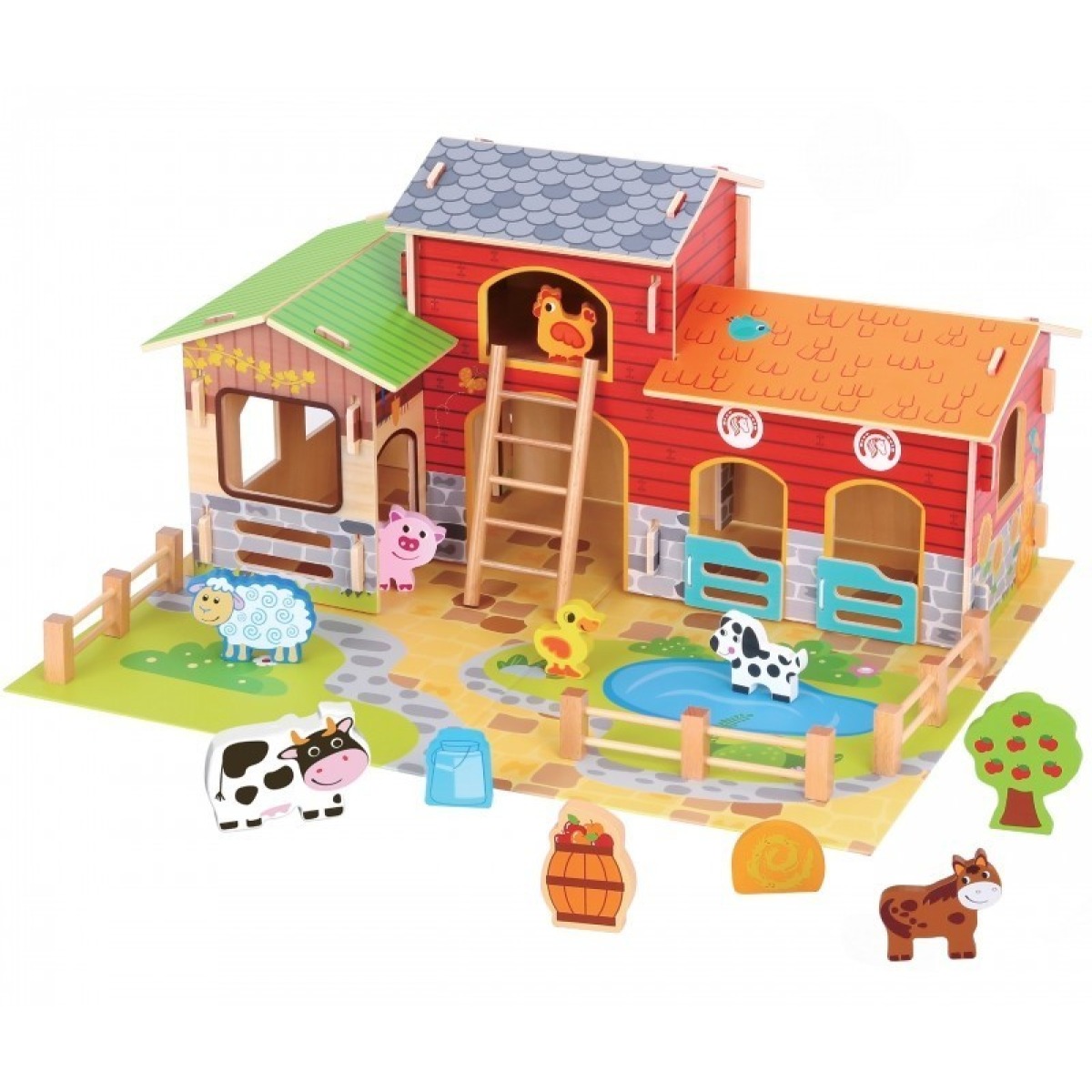
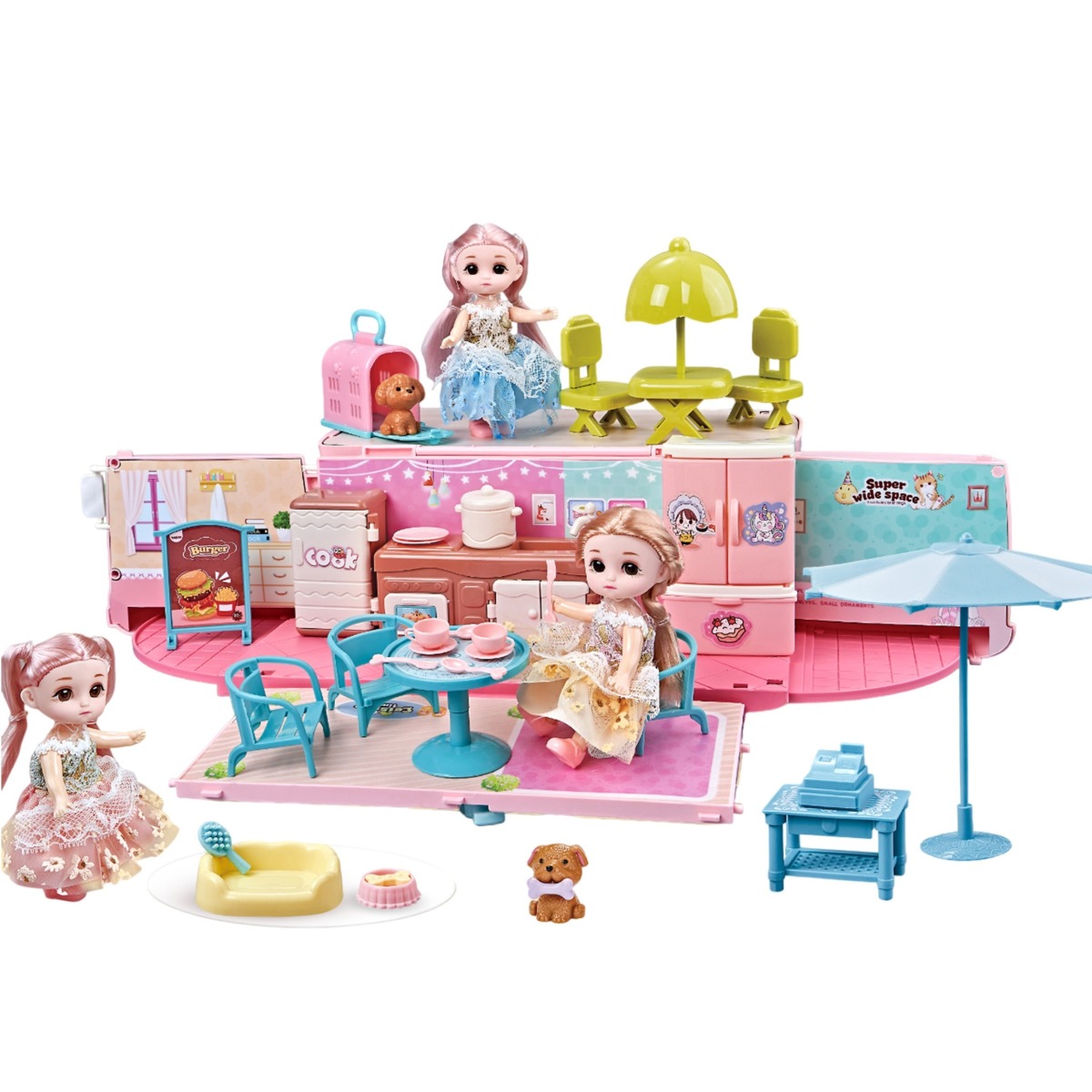
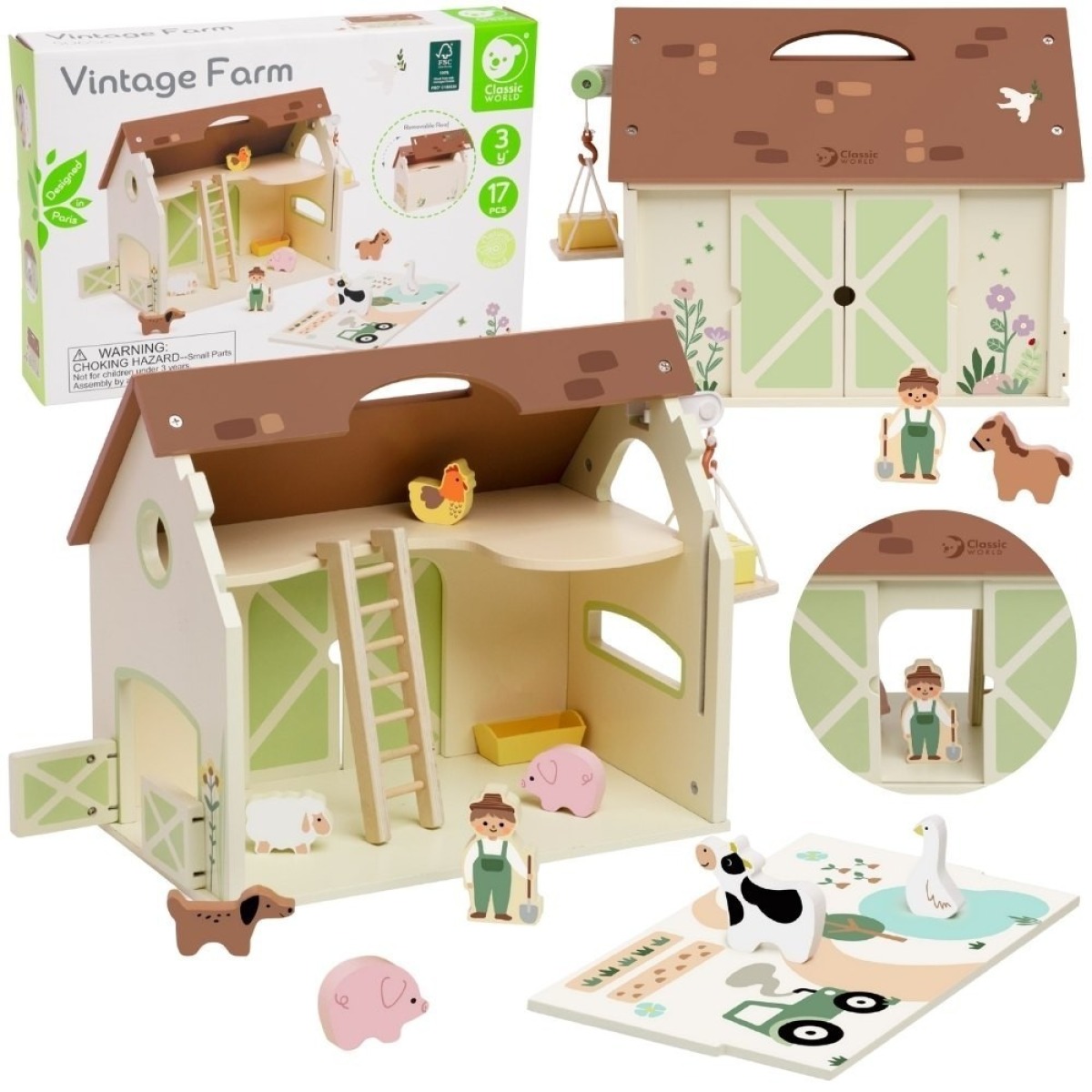
Category guide
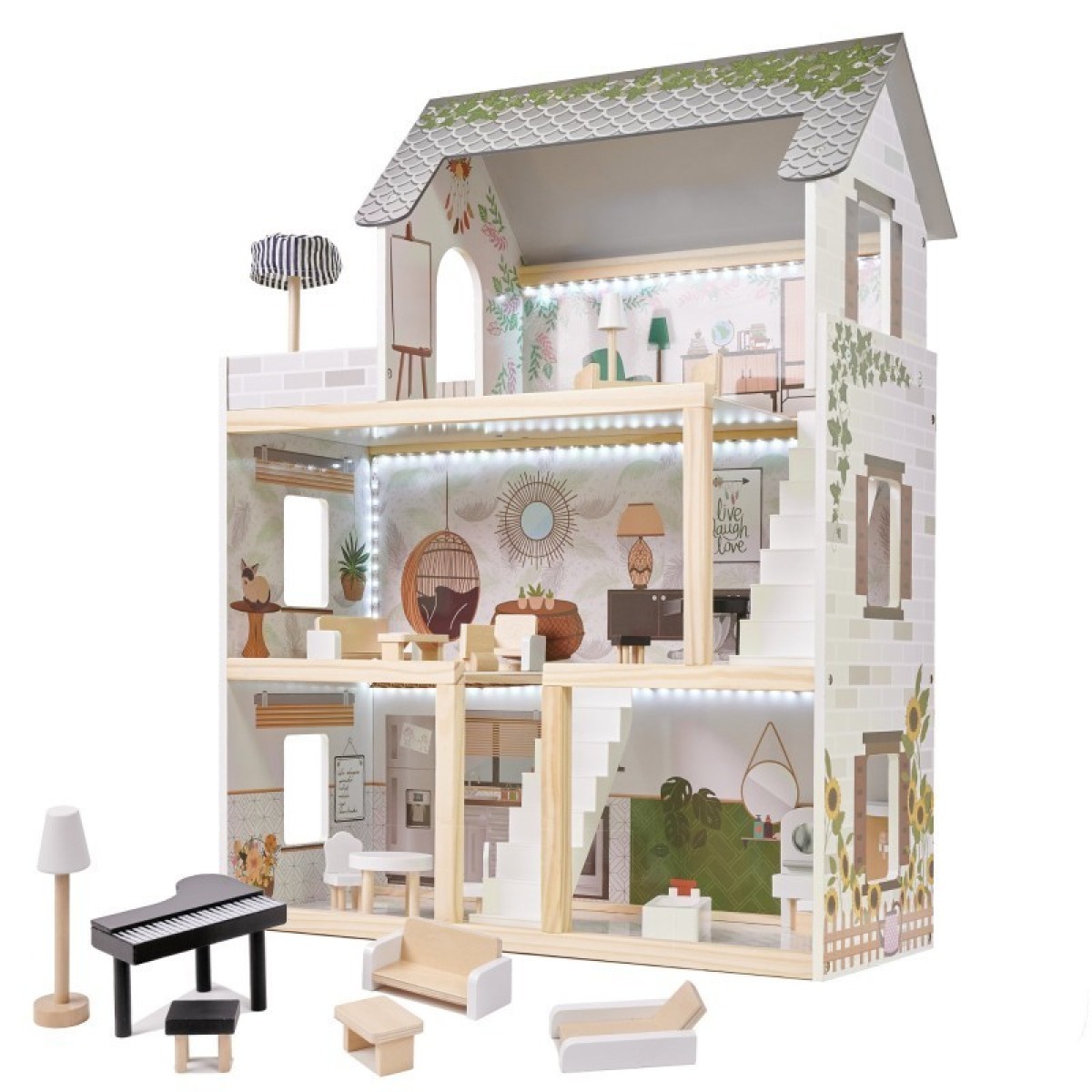
Dollhouses for children create a homely play environment where children can role-play with dolls, make up stories and furnish their children’s room through play. These houses are suitable as a first form of role play for toddlers and babies, and they're an educational, long-lasting toy for the home. The range includes wooden dollhouses, which often have several rooms and help keep play going for longer: kitchen, living room, bedroom and bathroom-style layouts make the rooms easy to identify and
make it easier to set up scenes. The category offers options in different sizes and levels of complexity: some dollhouses are designed for self-assembly, while others come as sets with furniture or accessories. It is worth paying attention to the number of rooms (e.g. 2–3 floors), details such as windows and opening parts, and additional features such as LED lights, a lift or slide. This makes it easier to choose a dollhouse that supports the child’s imagination and is suitable for play both indoors and as part of everyday routines in the children’s room.
Dollhouses for children are toys that bring together a homely setting and creativity. When a house is divided into rooms, play becomes more organised: children can act out everyday activities with the dolls, move from one setting to another and create connected stories. Wooden dollhouses provide a stable play base, while designs with several floors or spacious details help children understand the rooms more clearly.
A suitable dollhouse also supports children’s learning through play – role play gives them practice in social situations, helping others, welcoming visitors and “household chores”. If the set includes furniture or accessories, it provides an immediate starting point for play, and the child can begin furnishing the rooms and rearranging scenes.
When choosing a dollhouse, consider the child’s age and play style, and whether the aim is simple role play or detailed furnishing. Many products focus on clearly defined rooms and features: the kitchen, living room and bedroom offer different scenes, while bathroom-style layouts help keep play varied.
If you are looking for a play environment for longer-term use, consider the number of floors and the house’s dimensions. Larger options (e.g. 3-storey models) allow for more activity areas, while smaller options or designs with a single module are well suited as a starting point. Many sets come with furniture and accessories, reducing the need for extras and making it easy to get started.
Many dollhouses are made of wood, making them pleasant and durable toys for the home. Wood provides stability, while detailed finishing helps preserve visual clarity during play. These houses are well suited to a children’s room because they are easy to match with existing furnishings – play can take place by a table or floor lamp, or right in a play corner at home.
It is also important to consider how easily the child can access the house. Opening doors and windows, balconies and clearly defined room boundaries help children rearrange scenes themselves. If LED lighting is included, it can help create an evening play routine without the play area needing to be completely dark.
The way a dollhouse is used changes as the child grows. For younger children, the focus is on simple activities: “living” in the house, moving dolls from one room to another and imitating everyday routines. Older children create more detailed stories, such as welcoming visitors, family roles or themed play (townhouse, farm or activity-room-style settings).
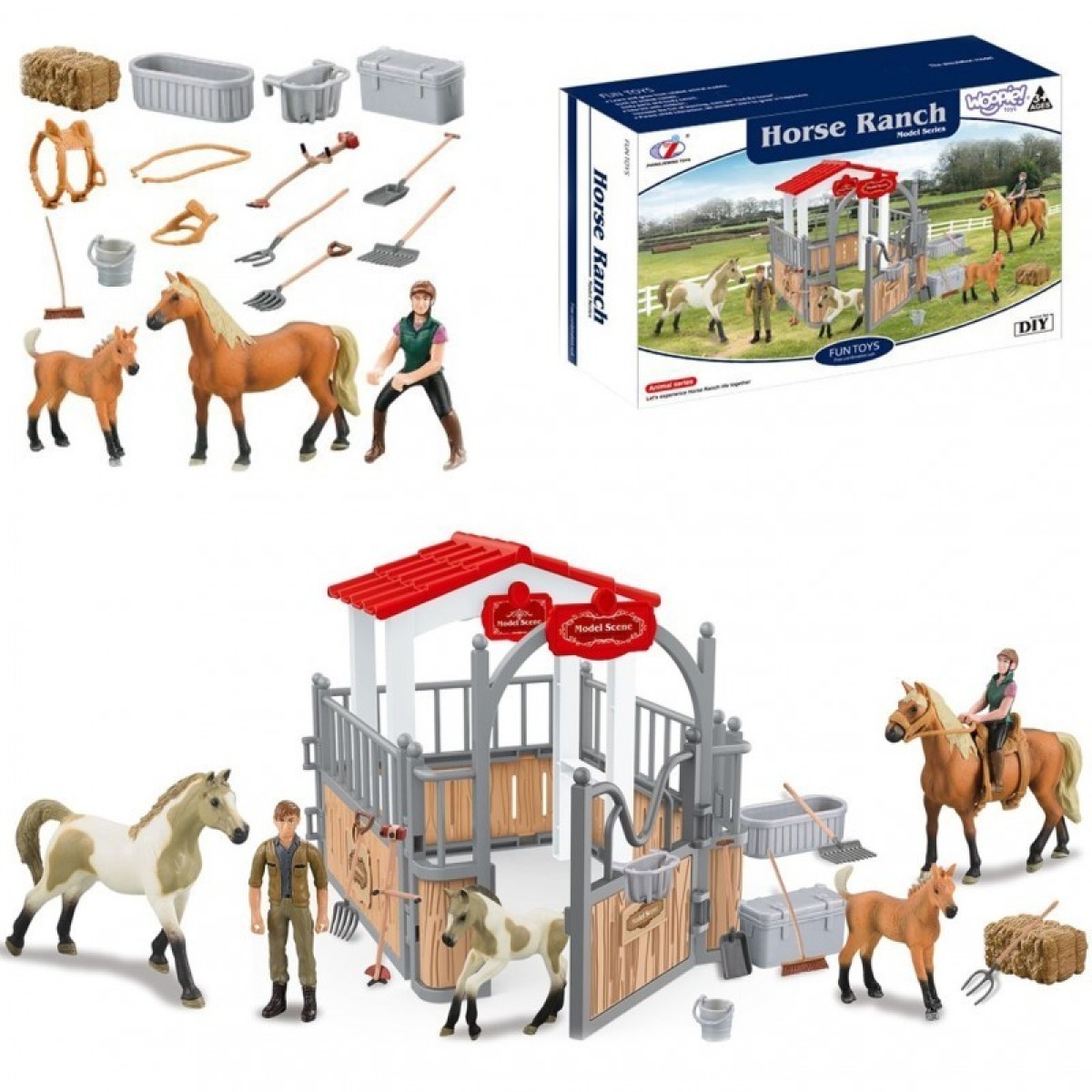
When a set includes accessories for scenes involving animals, occupations or hobbies, play becomes even more engaging. For example, farm- or animal-themed options work well when a child wants to combine role play with a ‘going to work’ storyline.
To keep a dollhouse in use and in good condition, it is worth thinking about storage and play organisation before choosing one. Some houses include a storage drawer or extra dimensions that help keep accessories and furniture separate. With a larger set, it is worth checking whether the room layout allows the furniture to be moved around quickly and whether the house can be placed somewhere easily visible.
The list below will help you choose a dollhouse that fits the rhythm of your home and supports your child’s play:
MIU Kids
A quiet word about cookies
Necessary cookies are already on, so your basket and checkout can work. Analytics cookies stay off until you accept. Until then Google may receive a cookieless visit signal so we can count visits. It is not used for advertising. Accept all cookies, or keep only the necessary ones. Both are one click. We remember your choice for six months, and you can change it at the bottom of the page. Privacy notice
Analytics cookies wait for a yes
MIU Kids
Choose what stays on
Necessary
Always on. These keep the basket, checkout and the shop secure.
Analytics
No analytics cookie until you accept. A cookieless visit signal may still be sent. If you accept, Google Analytics shows which pages are used. It does not build advertising profiles.