
- New
On order 5–15 business days5–15 business days
About the collection
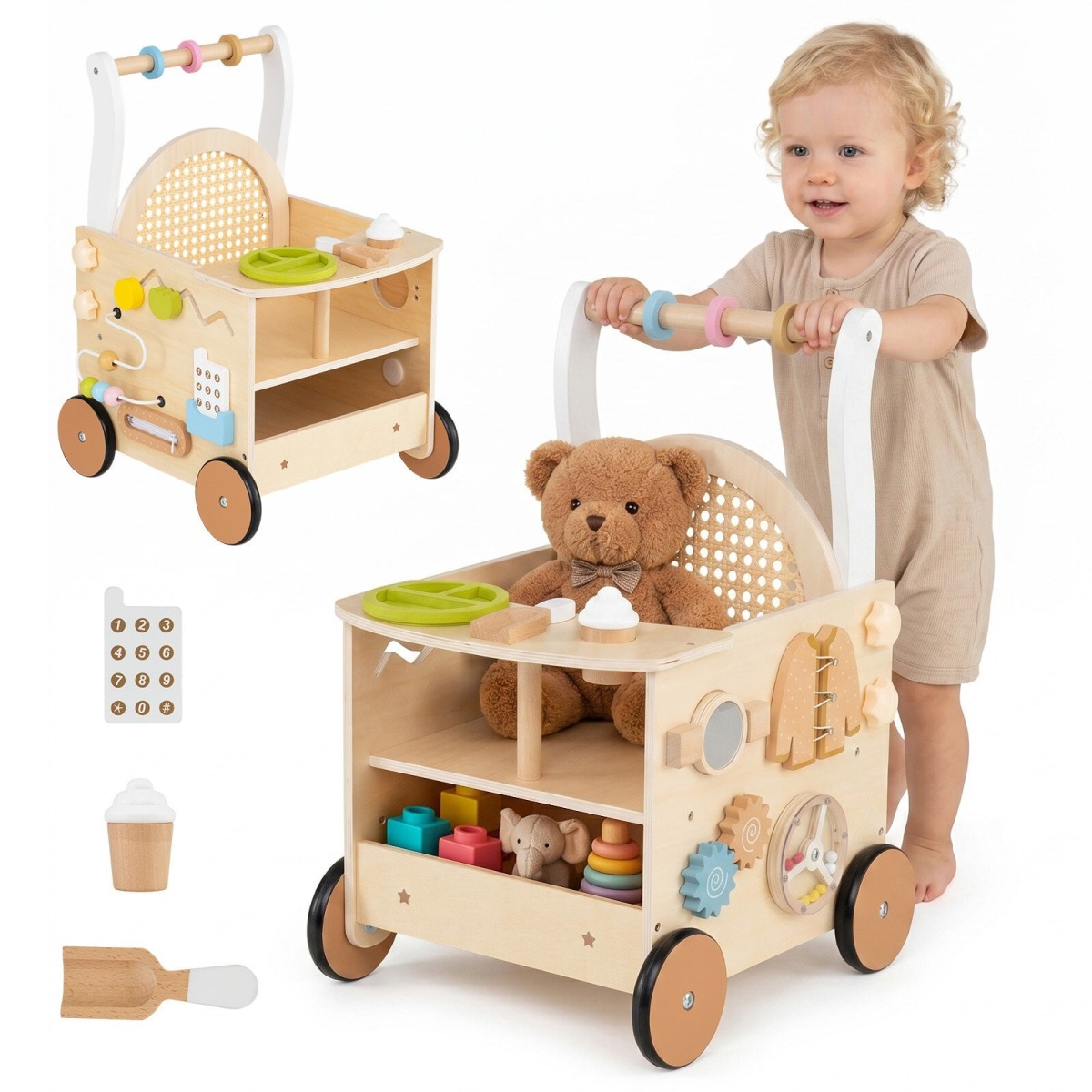
A baby walker turns practising first steps into play. Your baby or toddler gets support for balance, while shapes, buttons and bead runs invite exploring. Choose a sturdy model that stays upright and rolls gently when your...
Category guide
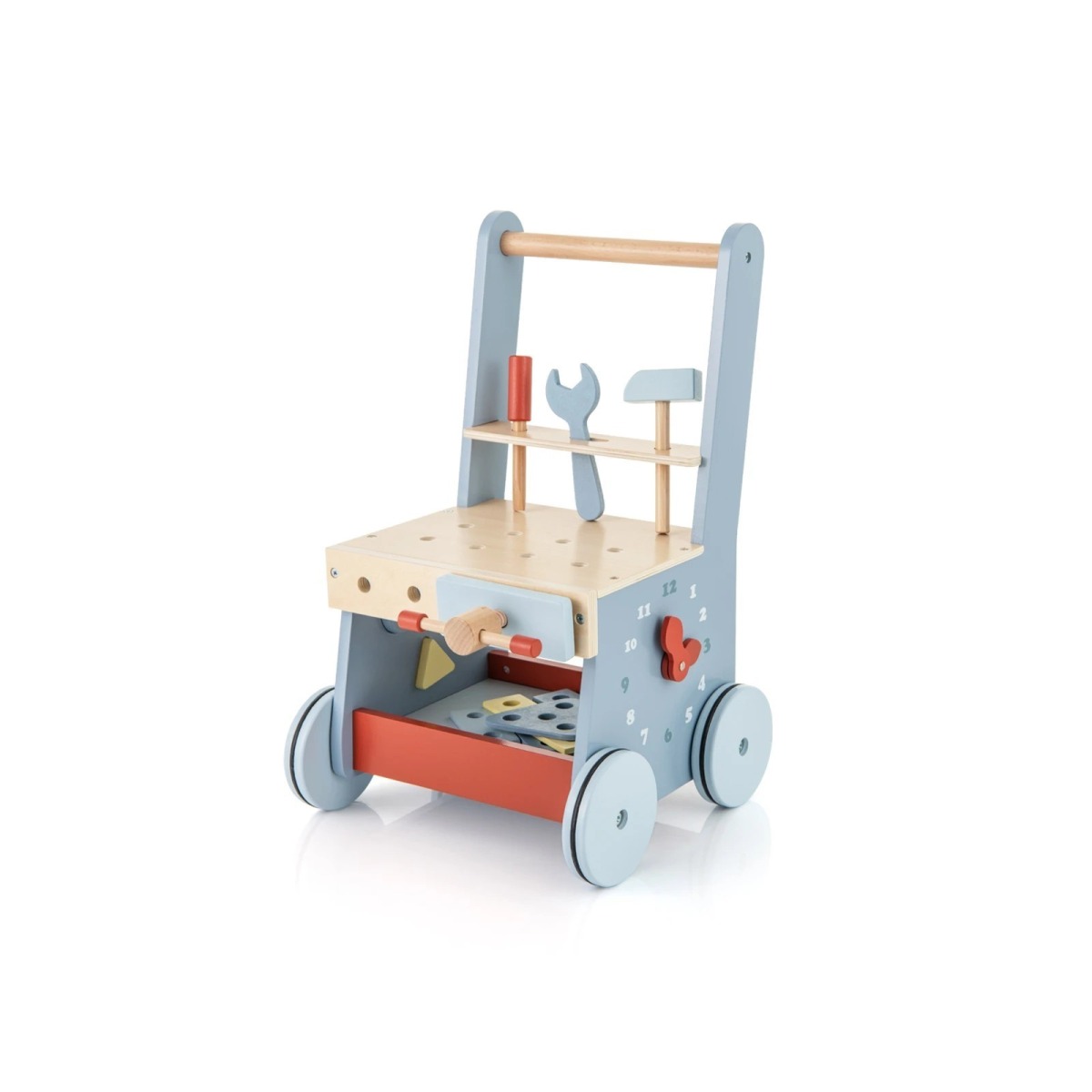
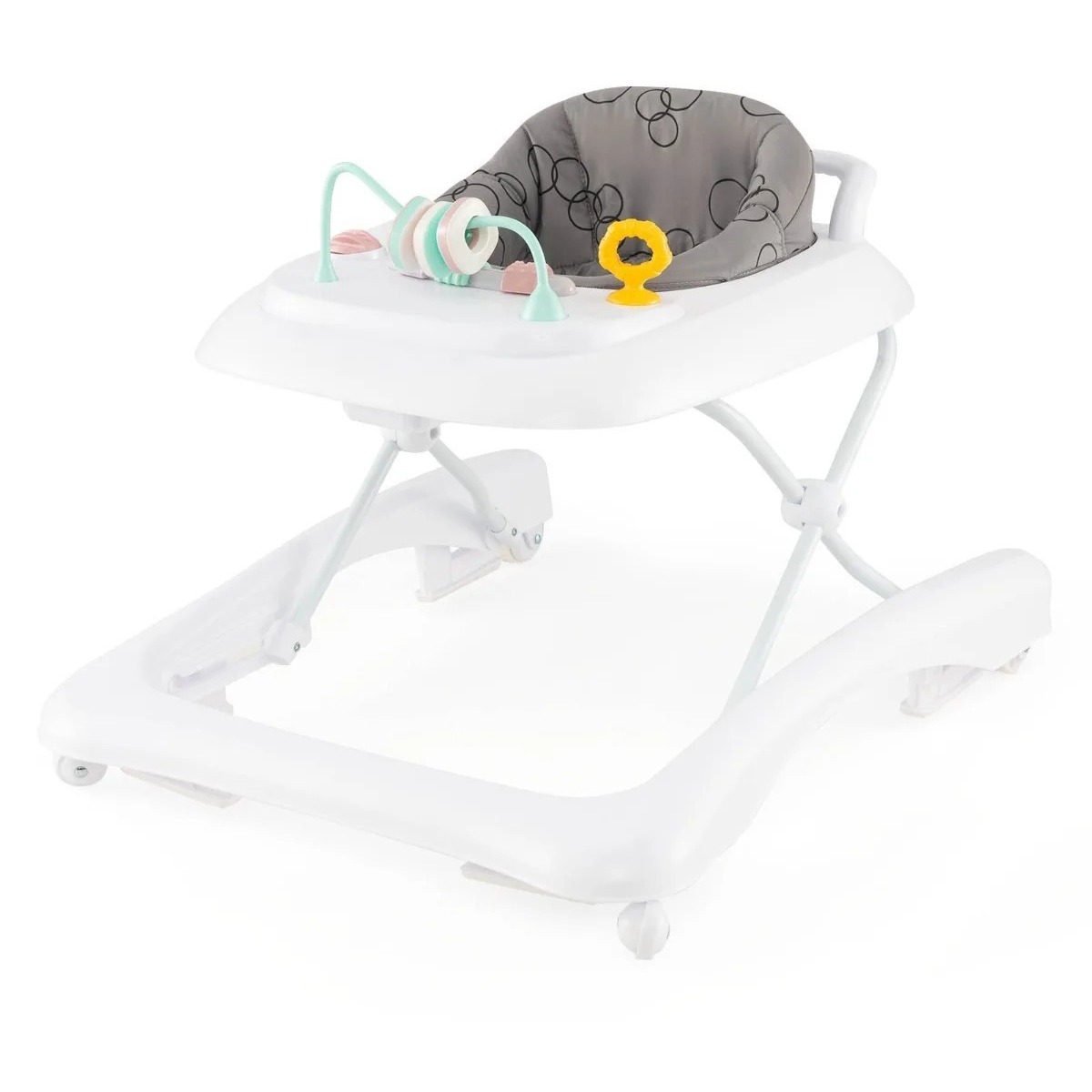
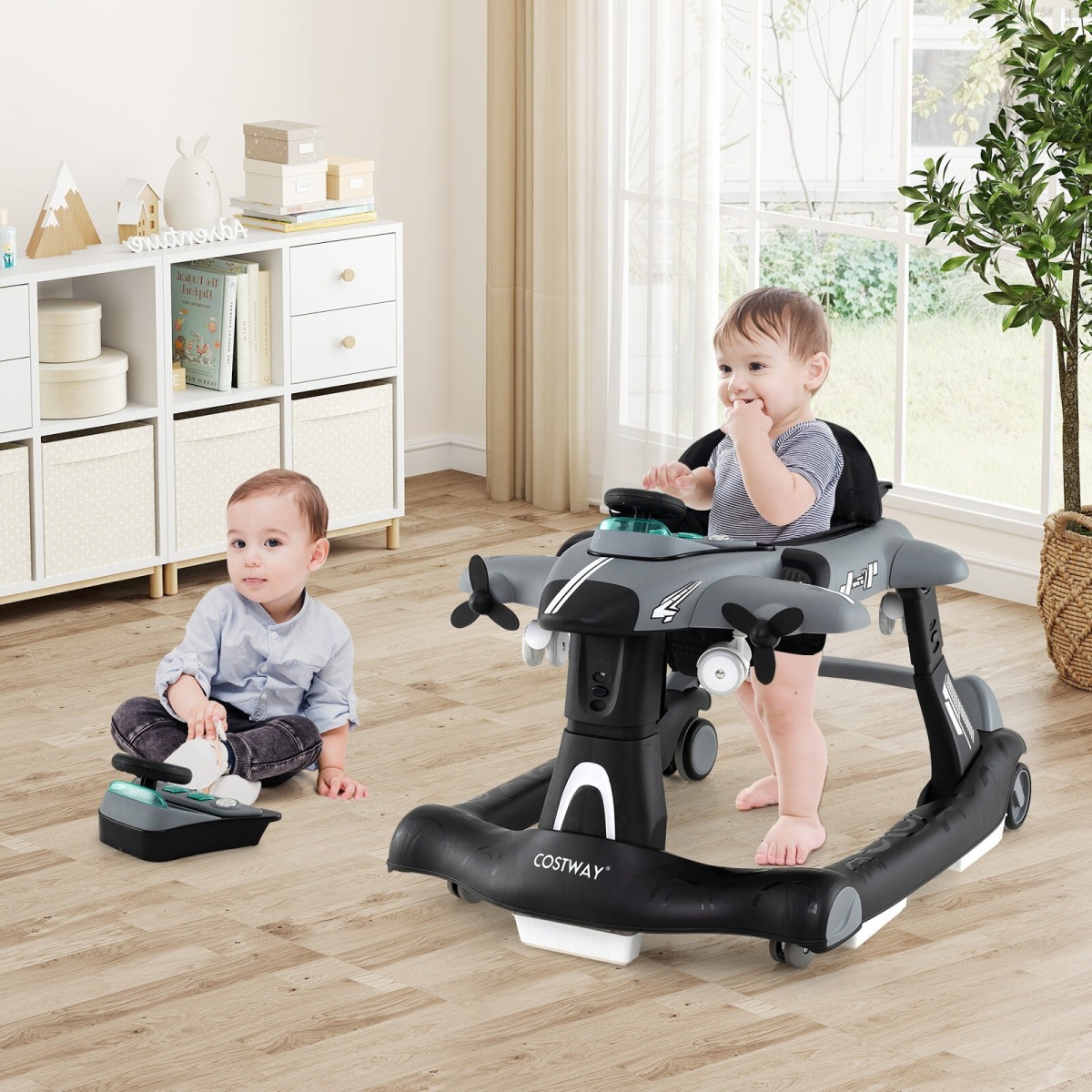
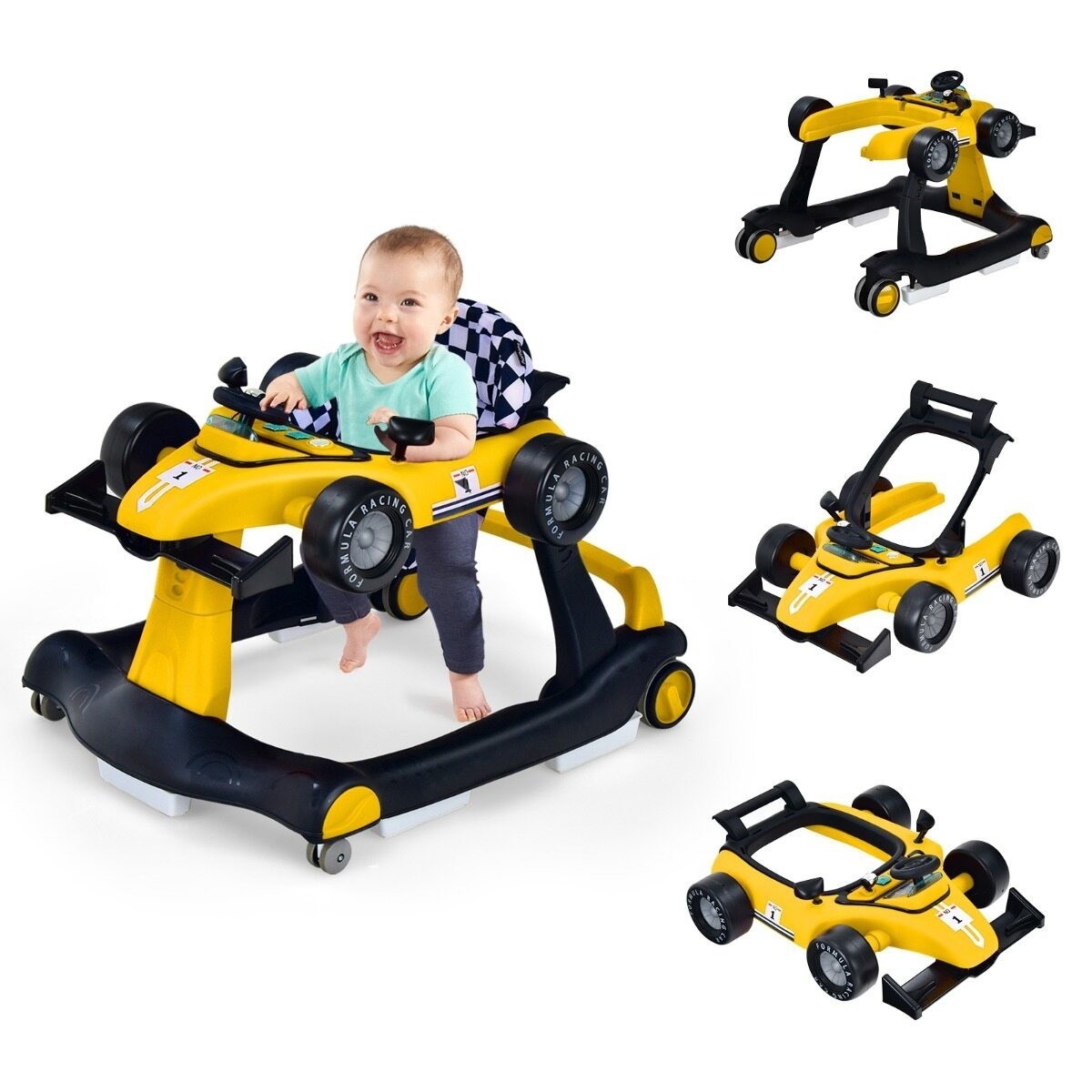
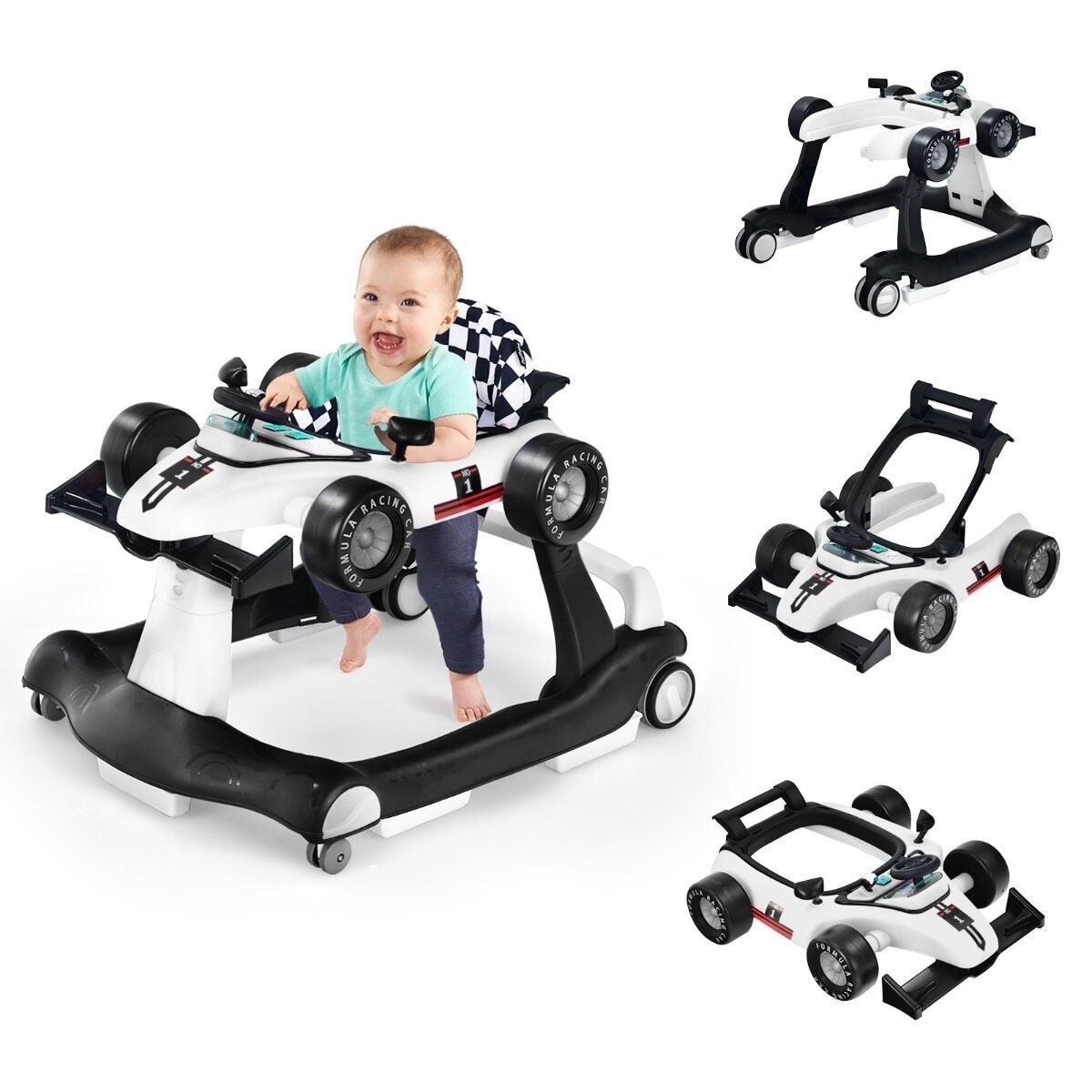
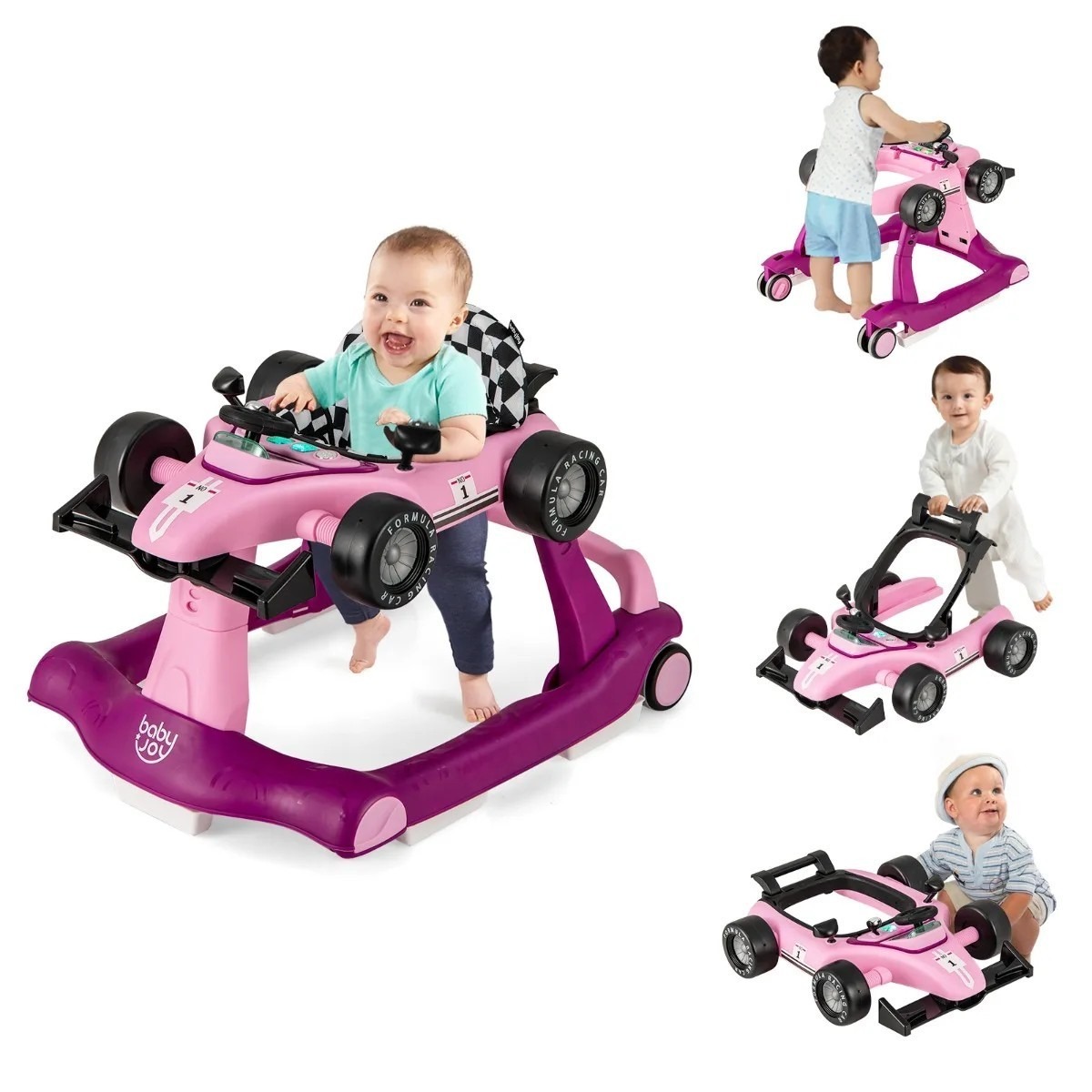
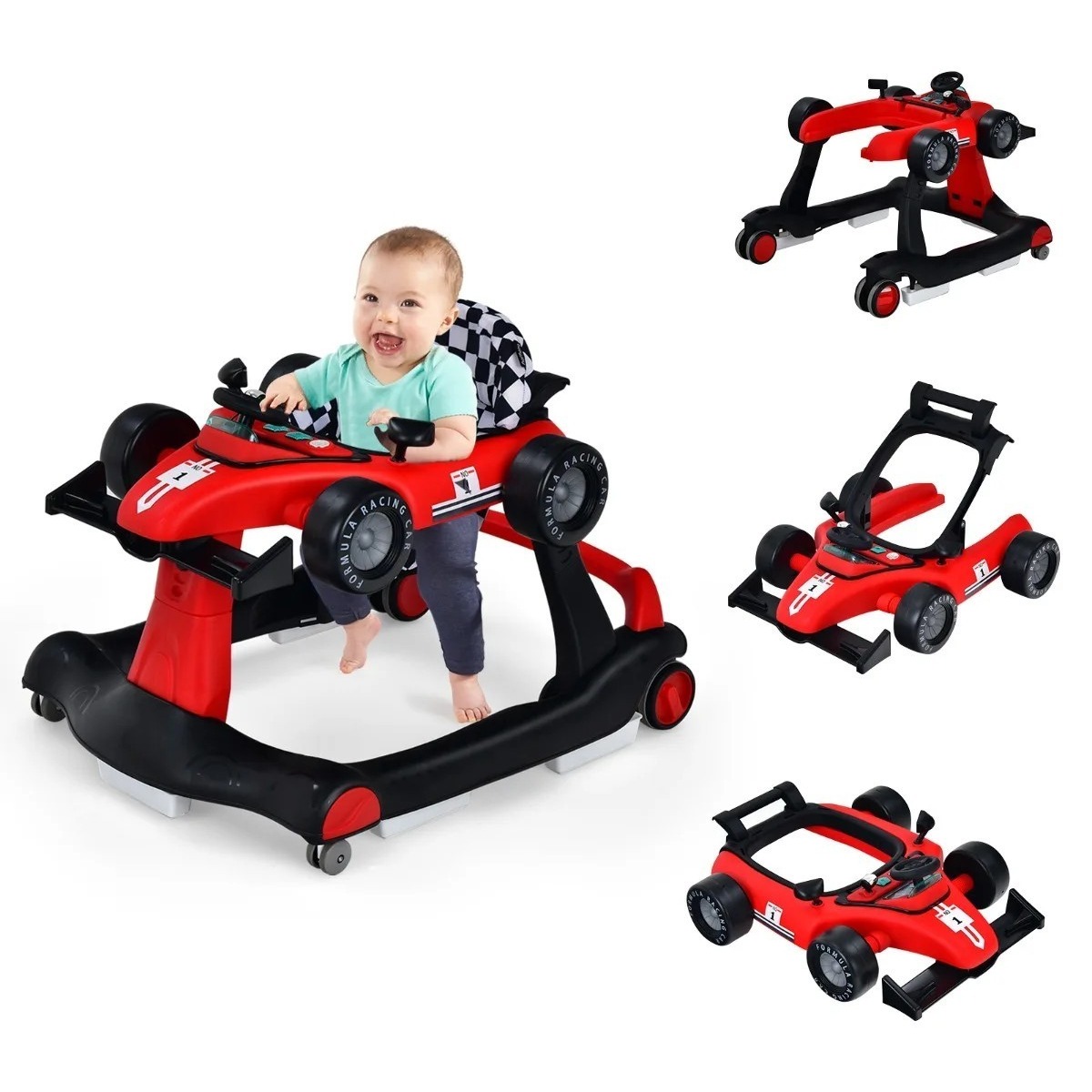
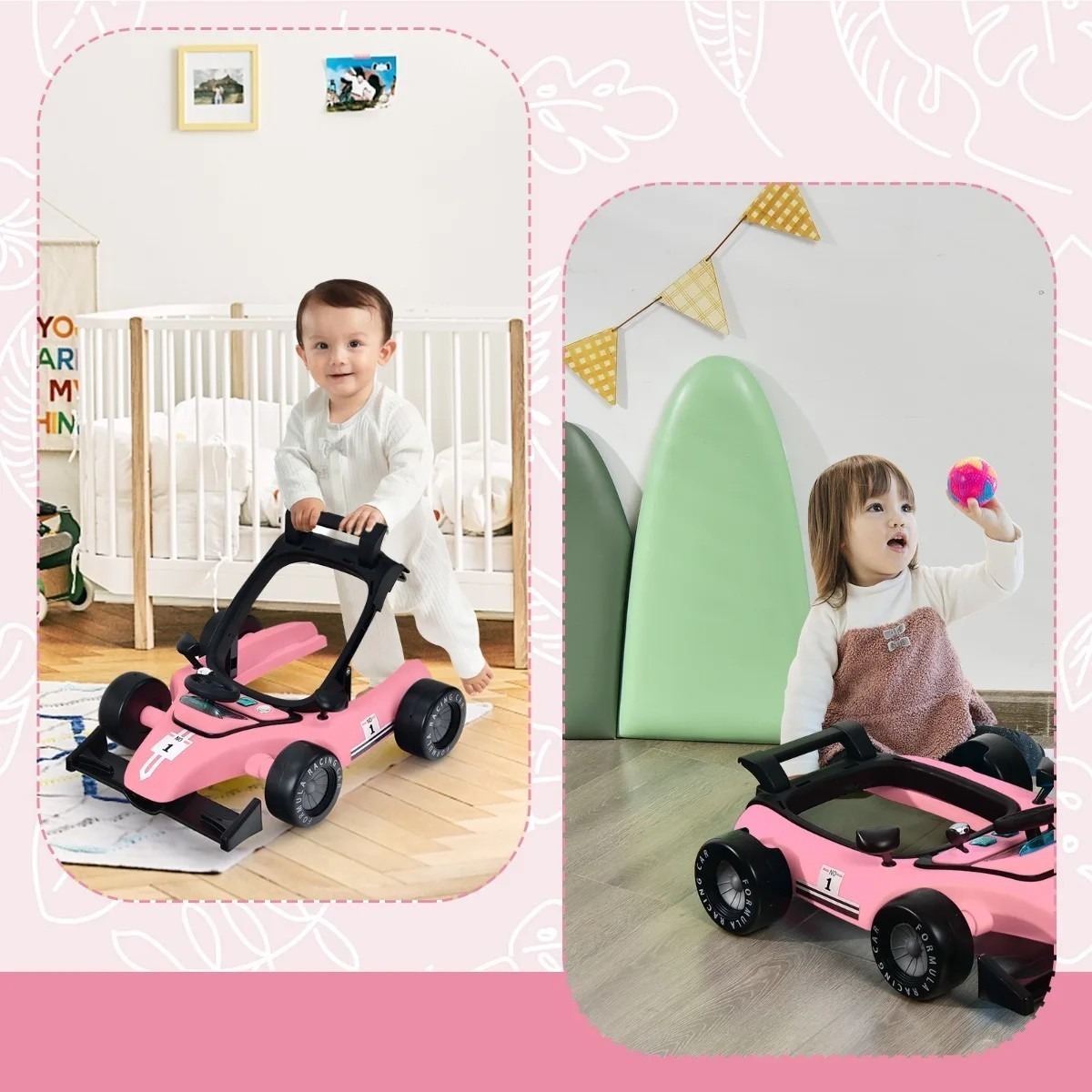
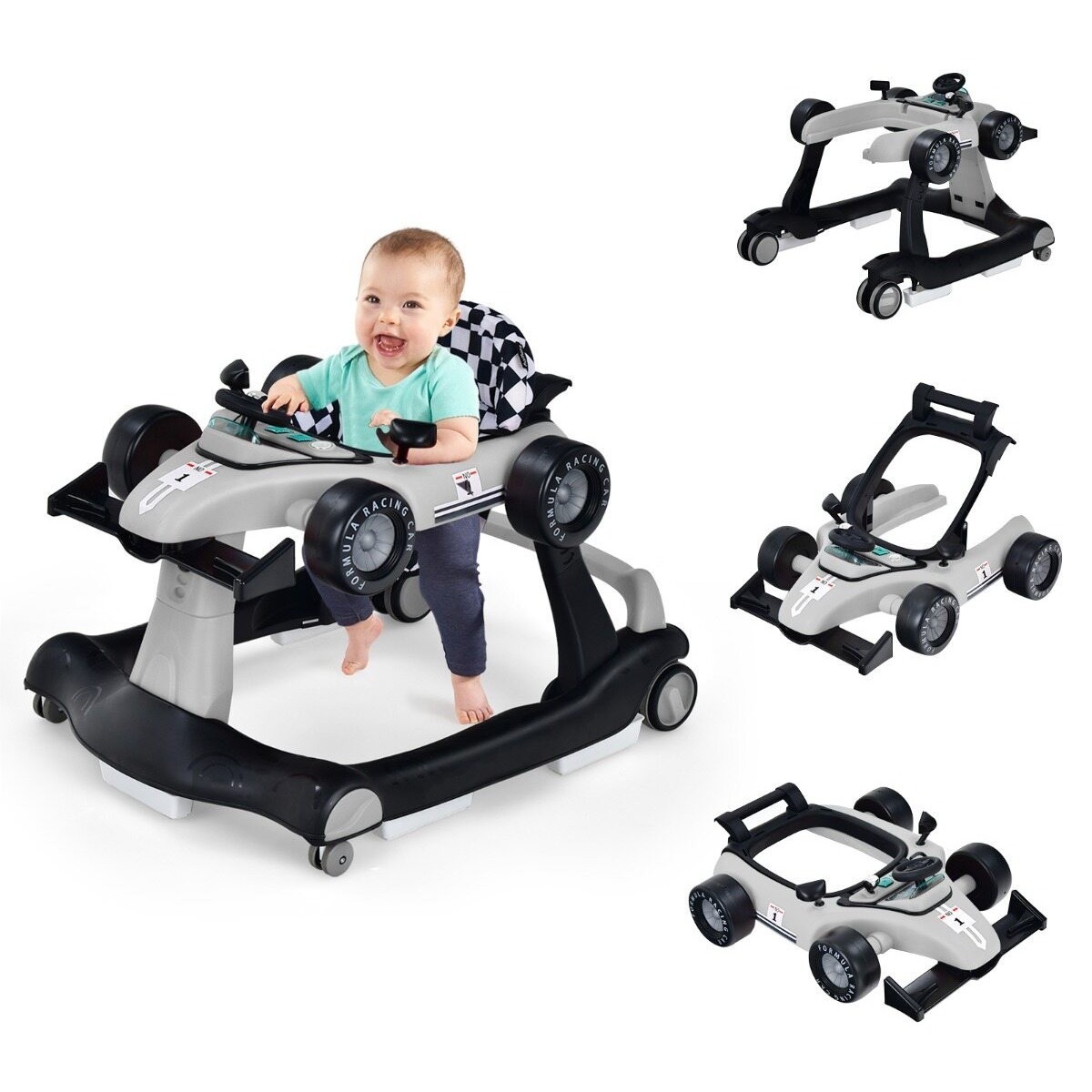
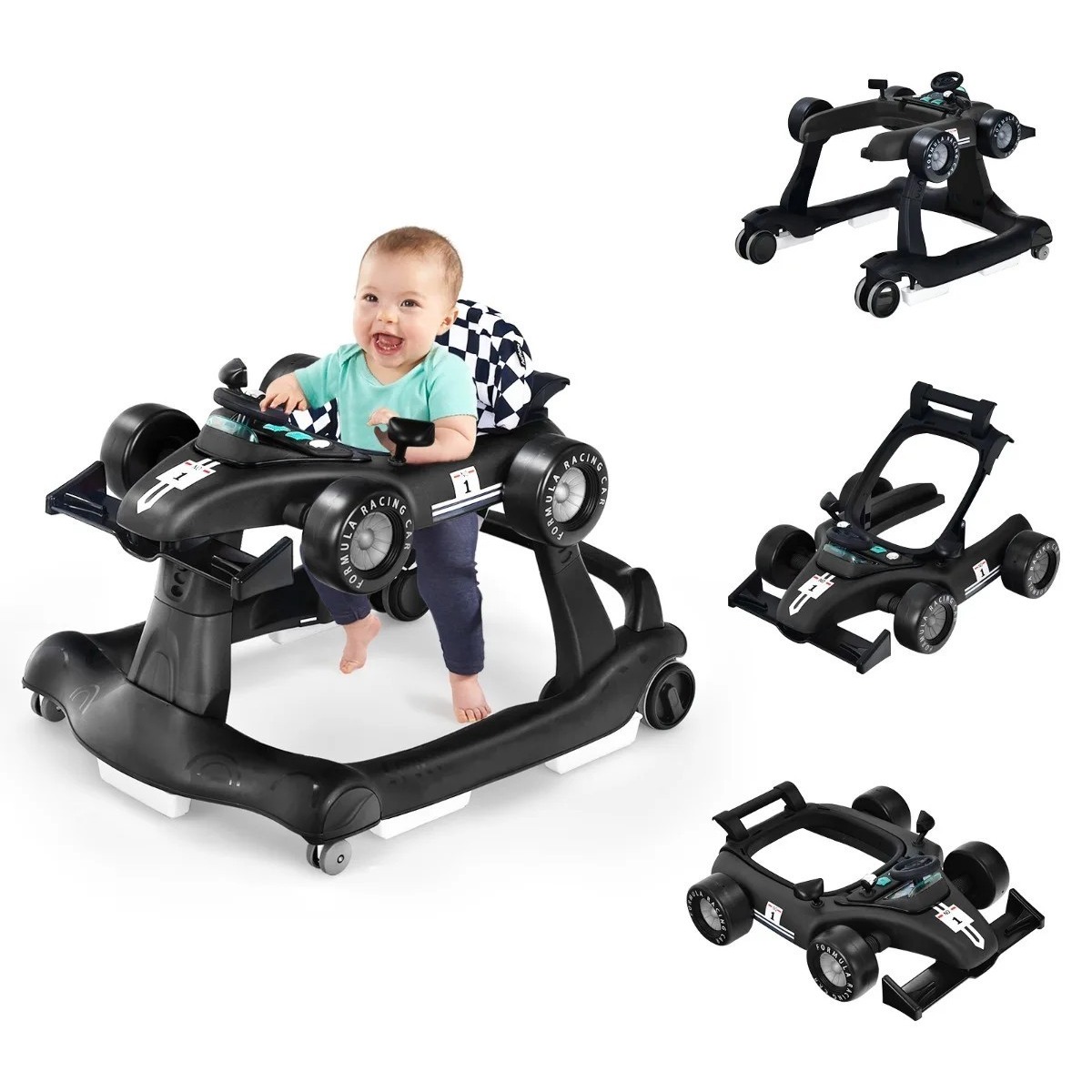
Baby Walkers are products that support the first steps of babies and toddlers and turn learning to walk into active play. They are suitable for use at home in a kids' room and for practising movement safely when a child is ready to take steps with support. Baby walkers combine a frame that supports walking with child-focused activities such as shapes, buttons, mazes and interactive elements. When choosing one, it is worth
checking that the baby walker is stable, has a comfortable seat, is at a suitable height and offers a grip that the child likes. Many models also feature music or activity-centre-style designs that hold attention and support motor development. Baby walkers are also often used both as toys and as walking aids, helping children practise rhythm, coordination and curiosity through play.
Baby walkers are designed for children who are practising walking and need firm support from time to time. It is important that a baby walker helps a child start moving in a controlled way while also offering activities to hold their interest. Many models combine walking support with developmental details that encourage children to explore handles, buttons and sorting activities.
When choosing one, pay attention to stability, how smoothly the wheels move and how easily the child can maintain their posture. It is also worth checking whether the model has an adjustable or well-chosen height, so the support suits the child's reach. If the baby walker is also intended for longer play sessions, it is important that the activities are visible and within easy reach.
Baby Walkers are especially common among Baby Toys because they encourage children to try things out and give them a reason to keep moving. At the same time, the activities help focus attention and practise coordination.
Baby walkers are not just a support for walking. Many models work like an activity centre, where children can switch between activities: fitting shapes, spinning elements, following tracks or pressing interactive buttons. For example, wooden baby walkers may feature an animal maze, a xylophone or learning motifs related to the alphabet.
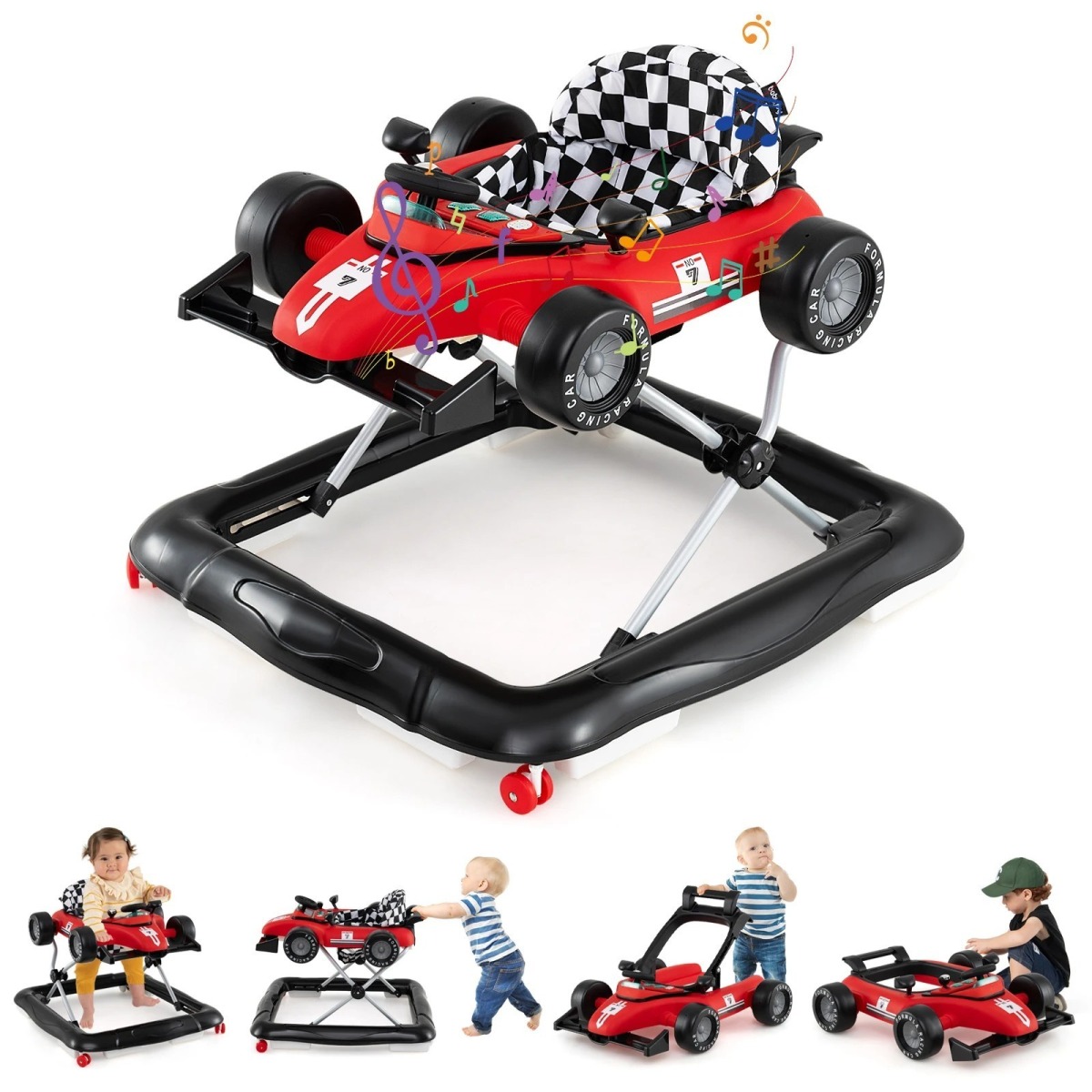
Musical baby walkers and designs with activity tables are particularly popular because sounds and illuminated or spinning elements help children concentrate for longer. If a baby walker also includes sorting activities and different pieces to turn over, it offers more opportunities to practise manual dexterity and hand-eye coordination.
As well as activities, it is important that children can sit comfortably and change direction when needed, as learning to walk often happens in short bursts. Baby walkers are therefore well suited to both short practice sessions and longer periods of play.
Many baby walkers are made of wood or have a wood-like appearance, giving the toy a homely, durable feel. Wooden baby walkers often emphasise a stable construction and a clear play area, with activities visible from every side. Animal motifs and activity-centre-style designs are also popular, such as an elephant, crocodile or characters that turn walking into play.
Colours and shapes help children find activities for themselves. Choosing a neutral colour or a playful pastel design helps the baby walker fit naturally into a kids' room. It is important for activity buttons, mazes and blocks to be visually distinct.
Baby walkers are intended for both play and walking support, and their activities help keep children motivated. If you are looking for a toy that supports walking for a baby or toddler, an activity centre and musical design often offer a better play experience than a simple support alone.
MIU Kids
A quiet word about cookies
Necessary cookies are already on, so your basket and checkout can work. Analytics cookies stay off until you accept. Until then Google may receive a cookieless visit signal so we can count visits. It is not used for advertising. Accept all cookies, or keep only the necessary ones. Both are one click. We remember your choice for six months, and you can change it at the bottom of the page. Privacy notice
Analytics cookies wait for a yes
MIU Kids
Choose what stays on
Necessary
Always on. These keep the basket, checkout and the shop secure.
Analytics
No analytics cookie until you accept. A cookieless visit signal may still be sent. If you accept, Google Analytics shows which pages are used. It does not build advertising profiles.