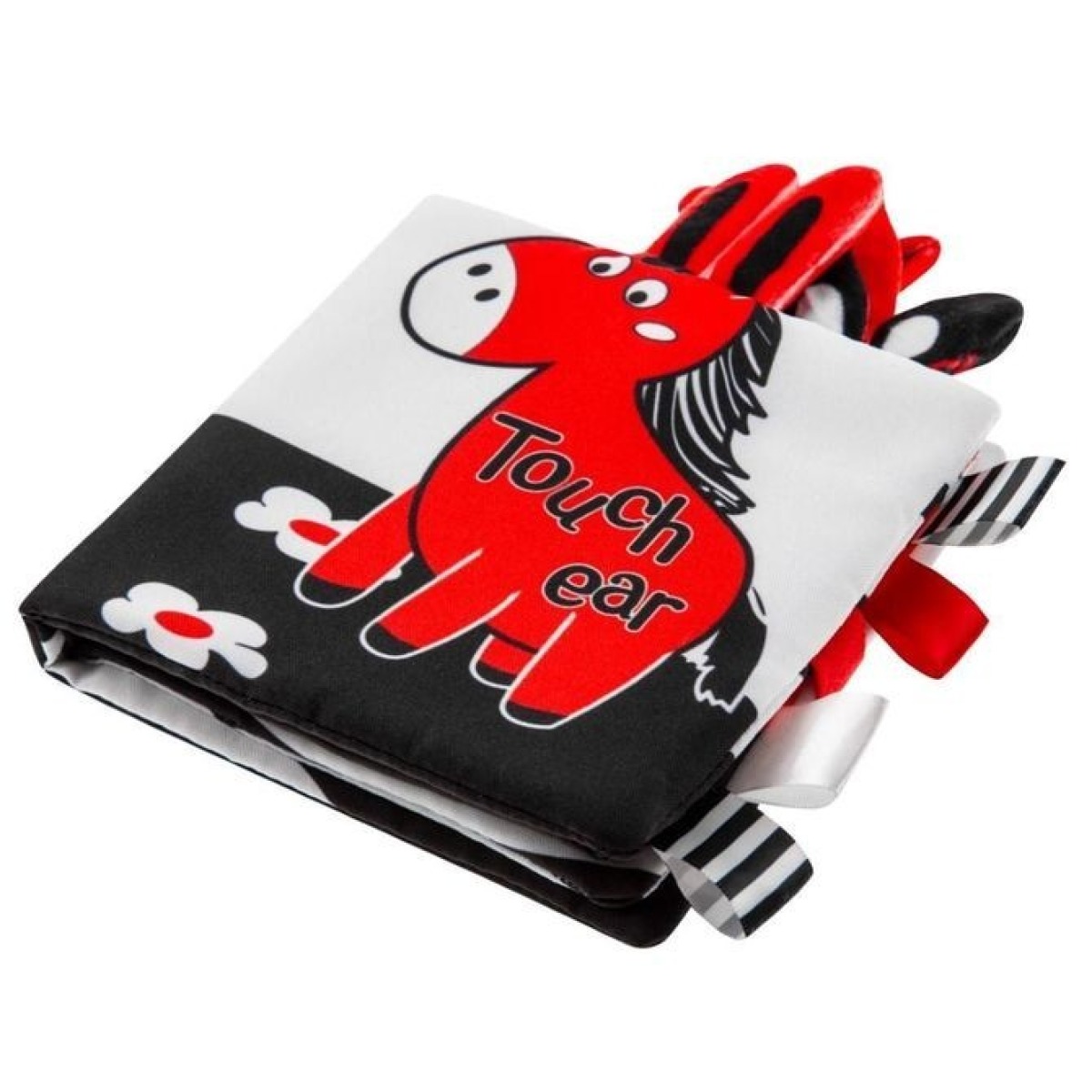
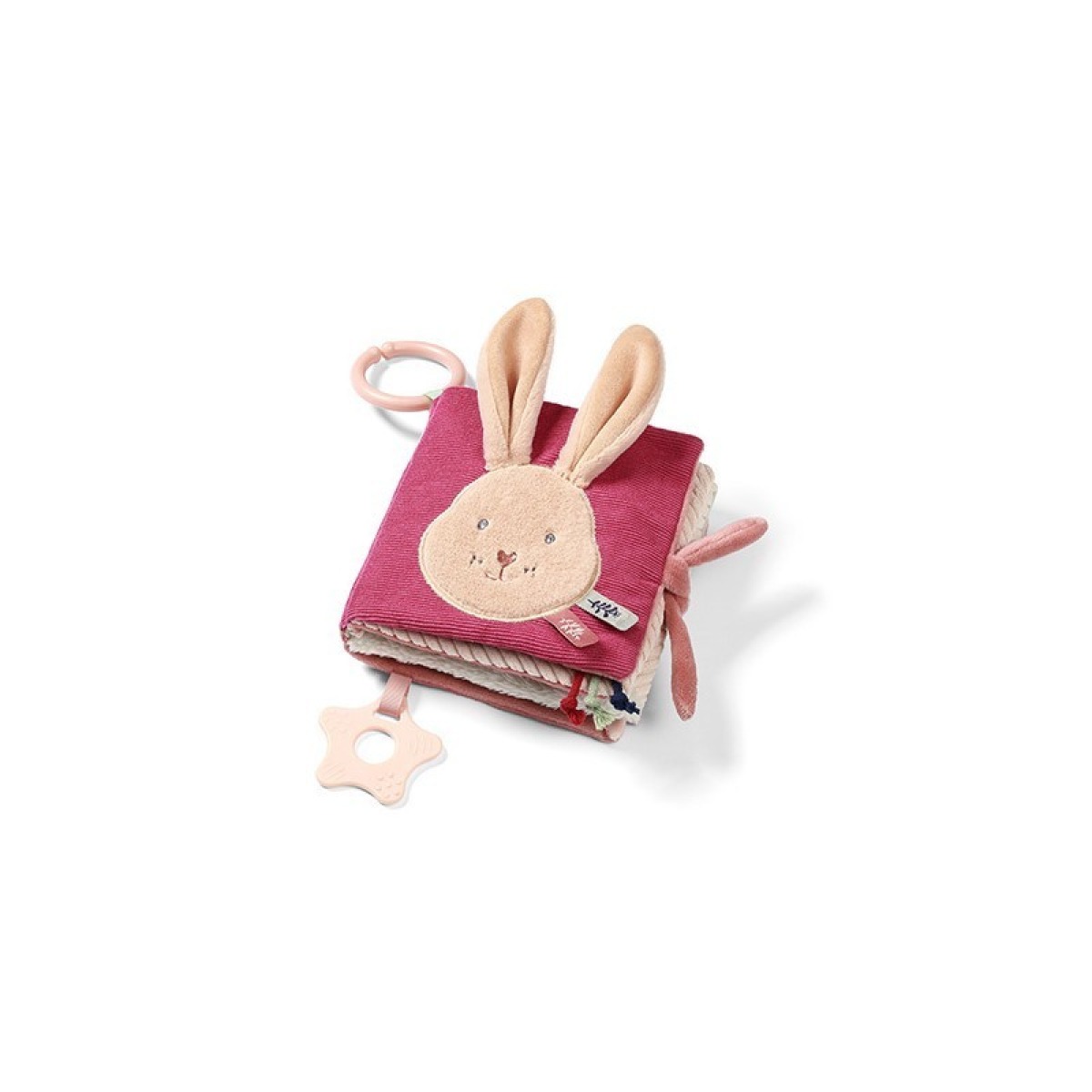
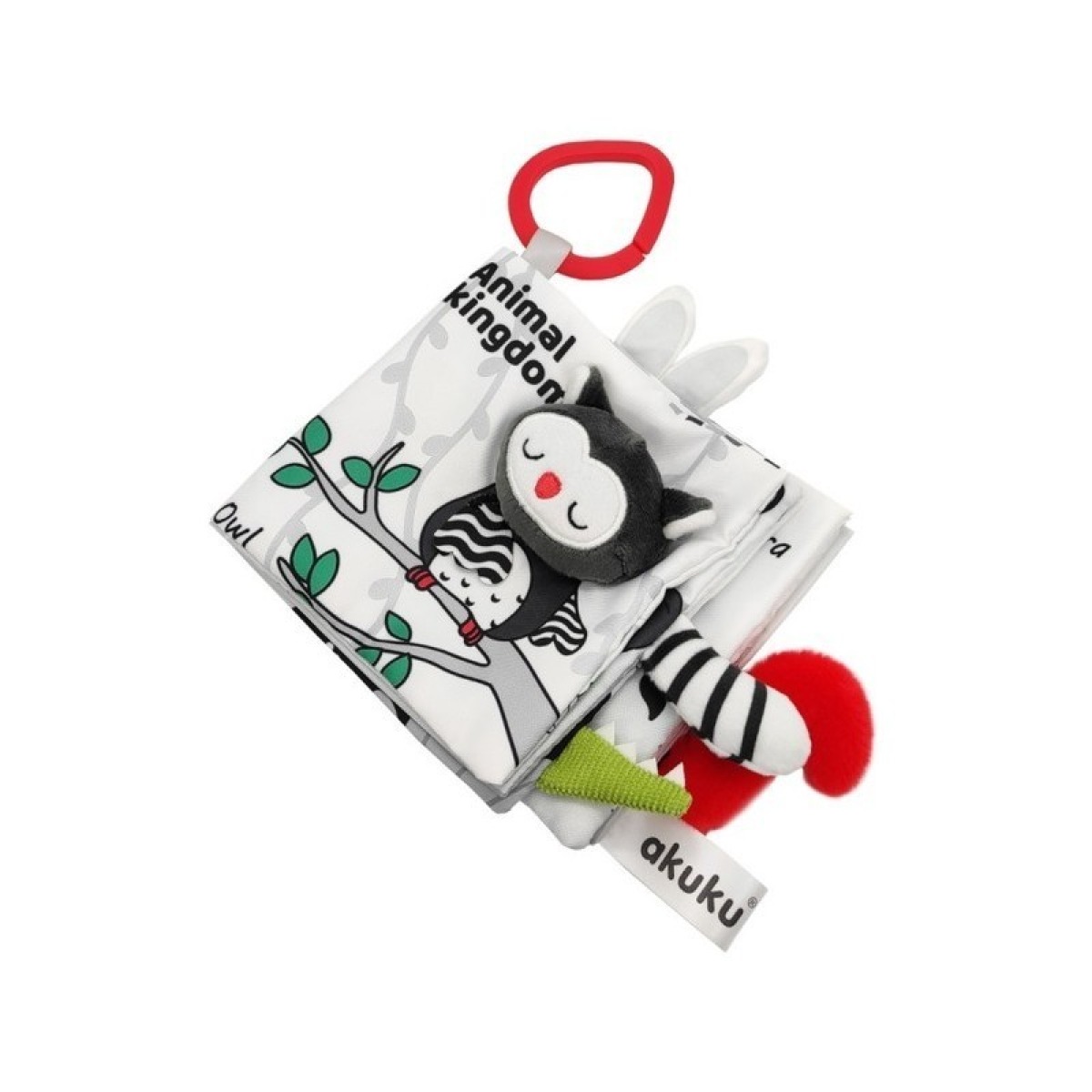
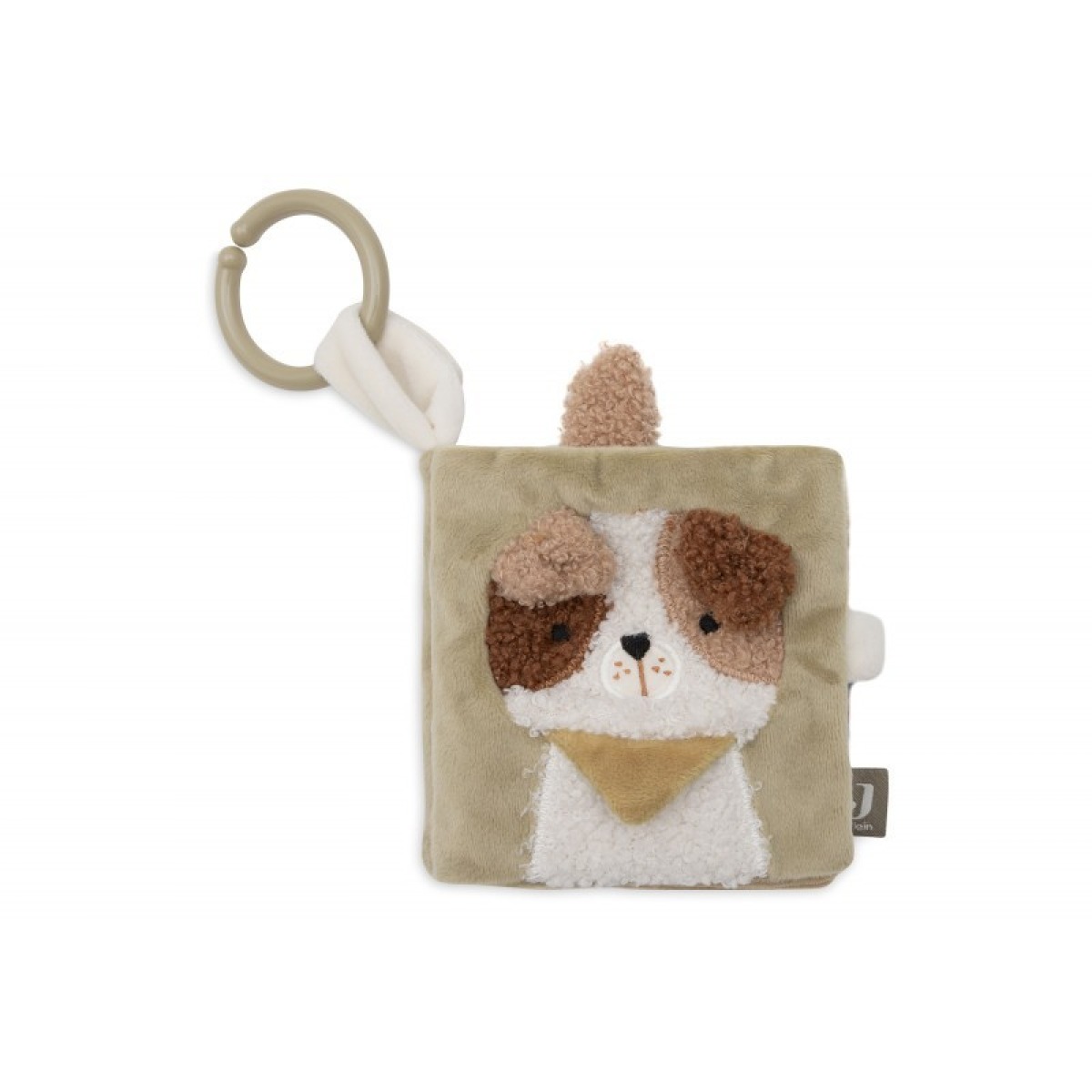
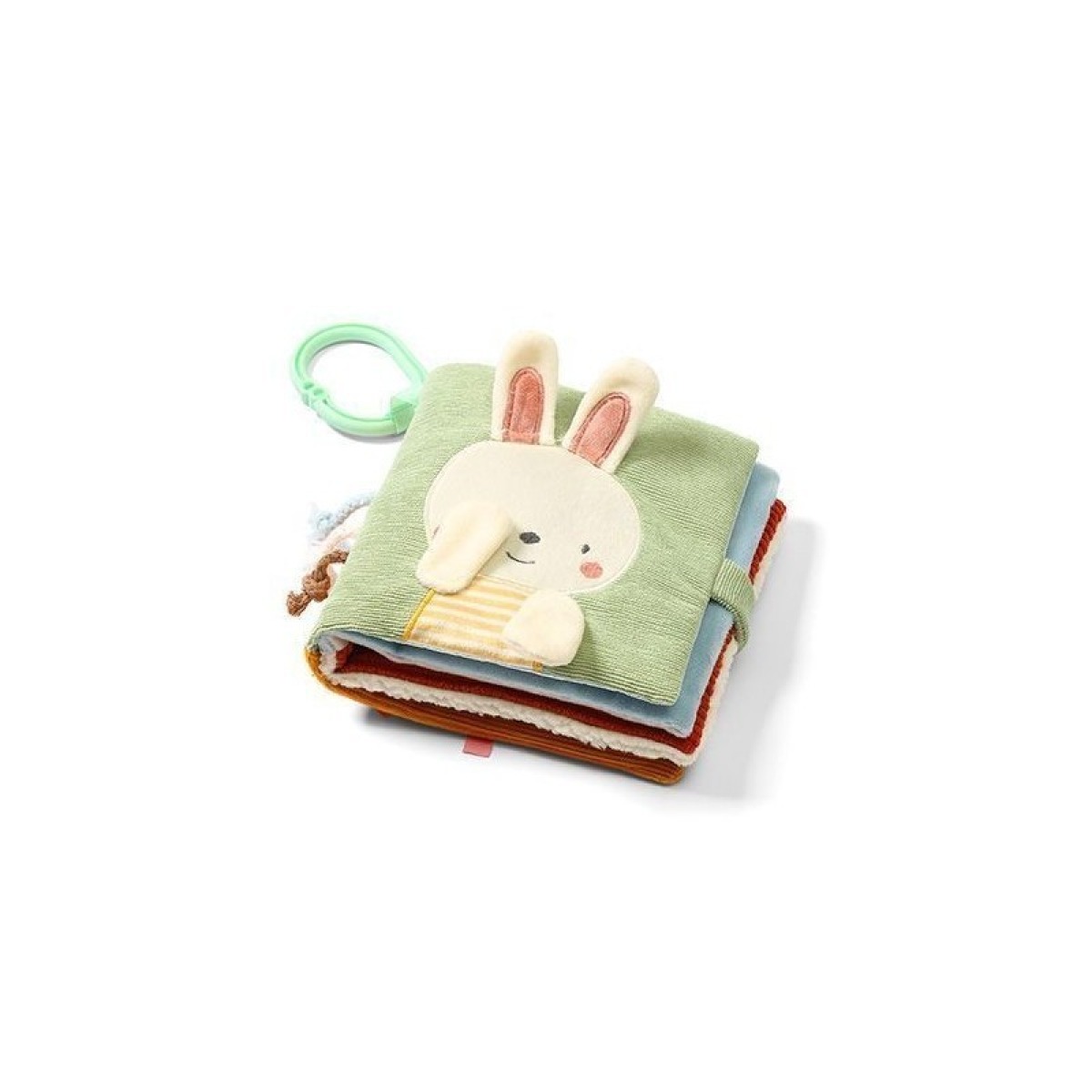
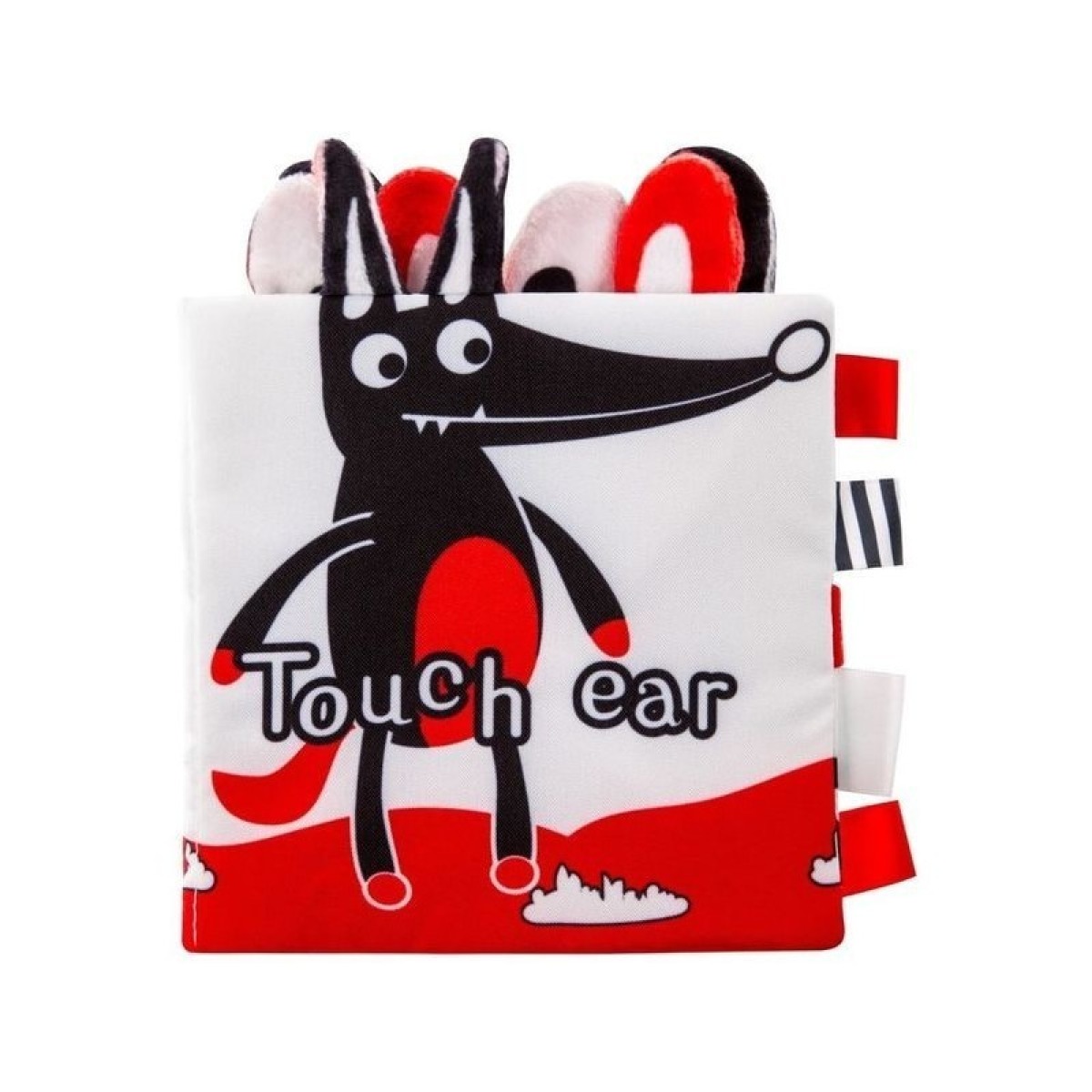
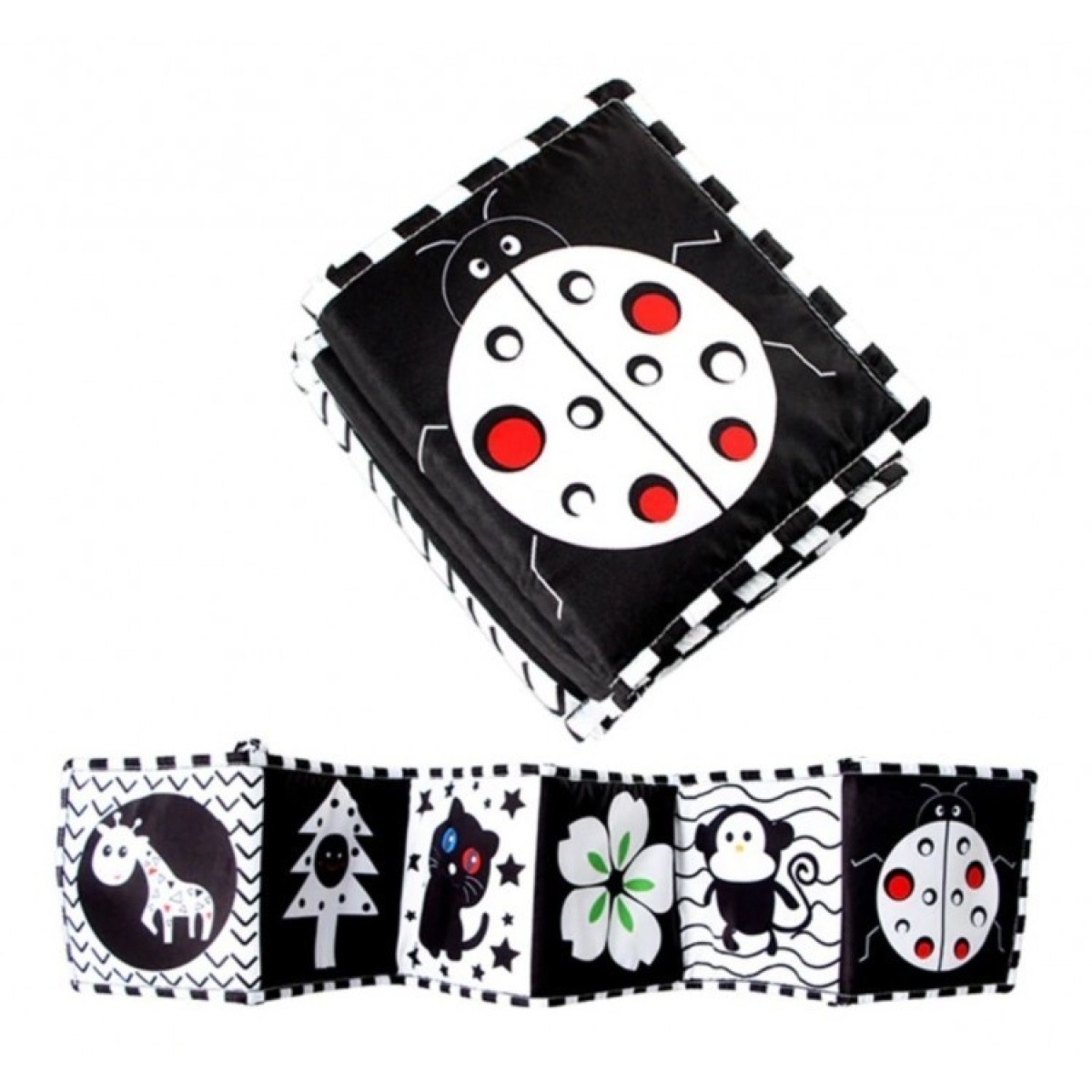
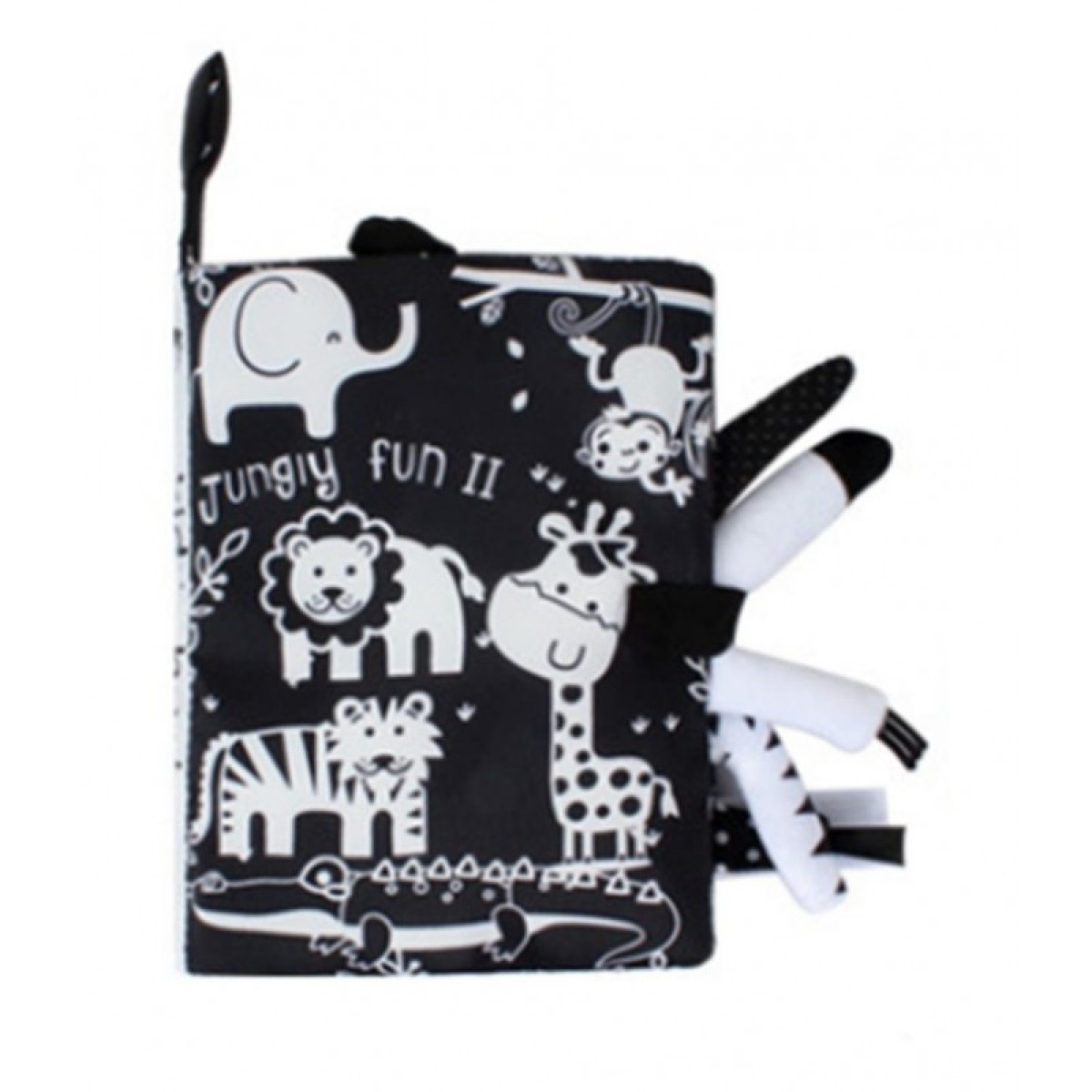
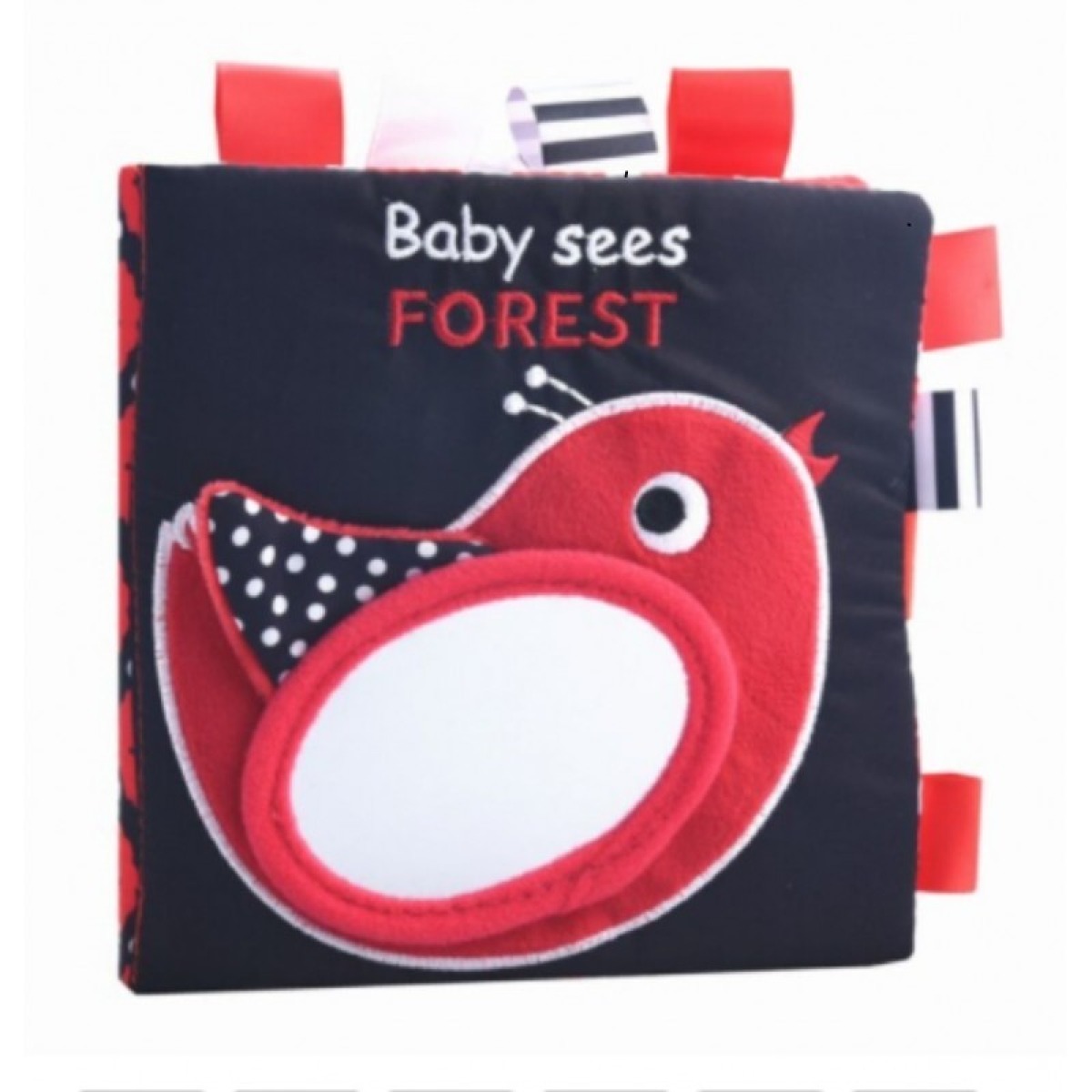
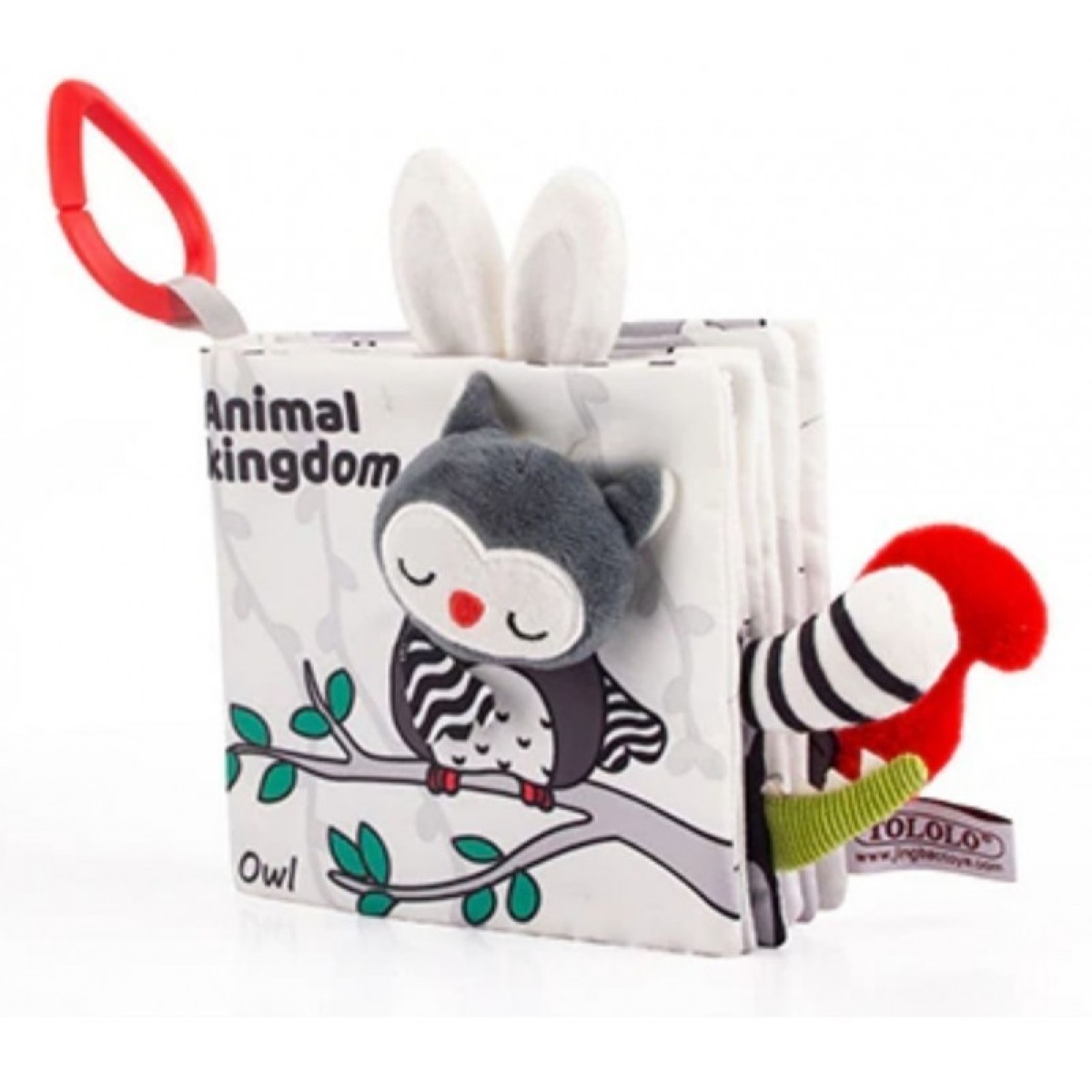
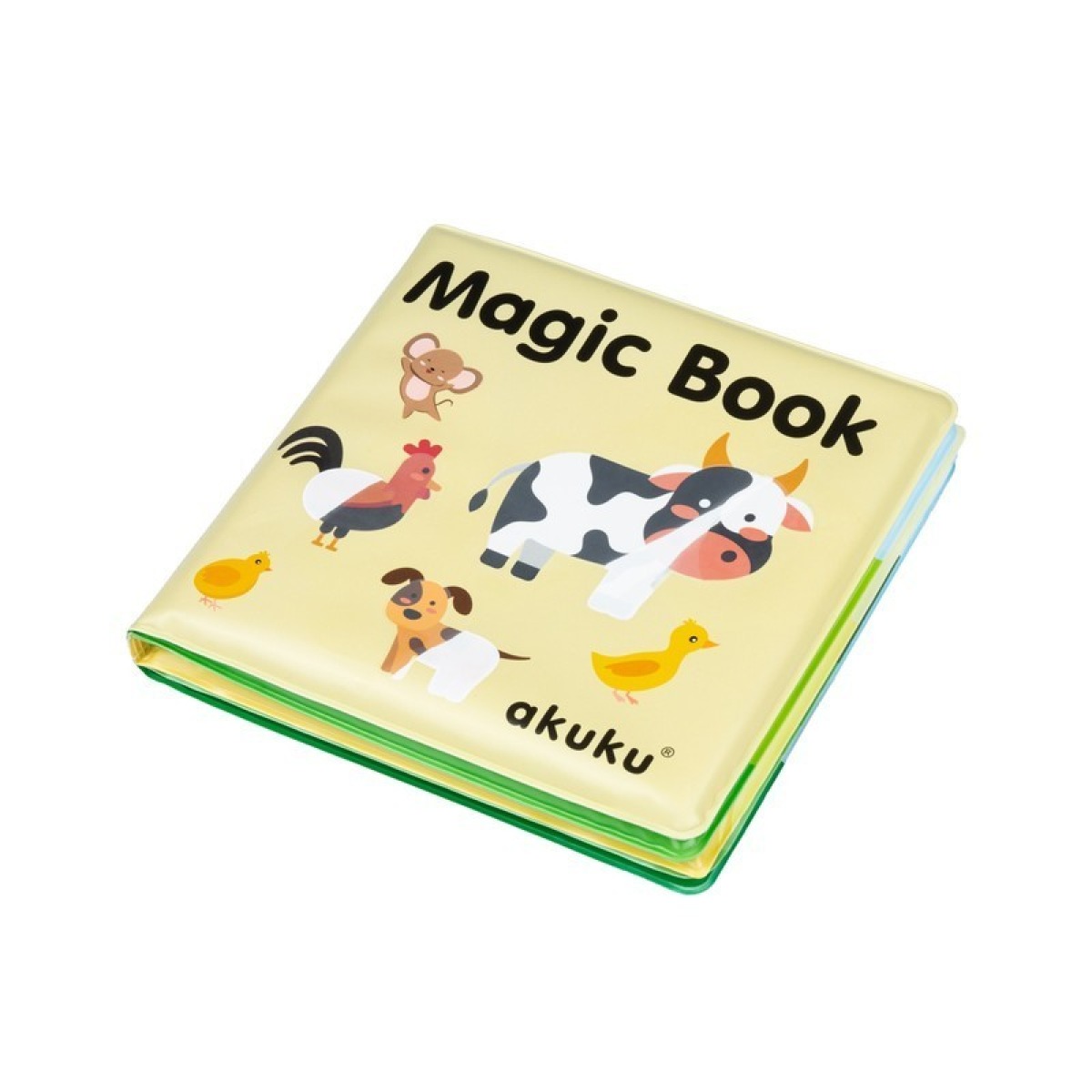
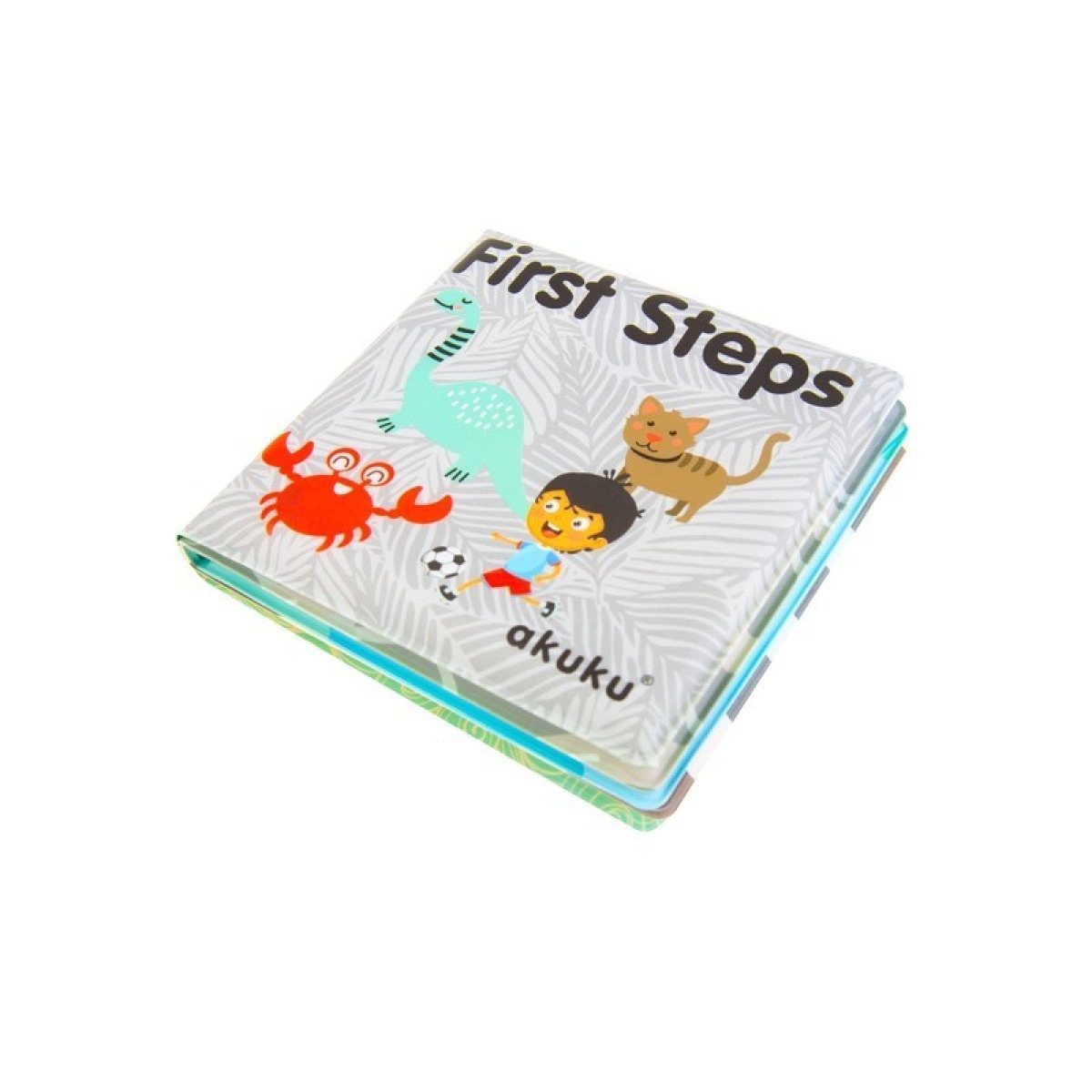
Baby Books are developmental toys for babies that bring calm, stimulating activities to the nursery and everyday routines. They are suitable for babies and toddlers from the first months of life, when the focus is on stimulating the senses and looking at books together safely. Many books are designed with high contrast and clear shapes to support newborns’ visual development and spark curiosity. The selection also includes sensory books with
rustling, rattling, squeaking or differently textured details that invite babies to explore with their hands. Baby Books are used both for reading together at home and for playful learning: practising attention, engaging the senses and making simple associations (animals, nature, seasons, colours). When choosing one, consider the materials and age recommendation (e.g. 0m+), the book’s durability and how well the pages and fastenings are designed for little hands.
Children’s development through baby books: what to choose and why
Baby Books are designed to introduce books from an early age, when babies watch, grasp and explore. High-contrast pages, black-and-white pictures and simple patterns can support visual development, while soft, textured details offer tactile stimulation. This makes reading an everyday moment that supports attention, interest and development.
The selection includes high-contrast board and cloth books, as well as books that offer a sensory experience. Many models have rustling or rattling elements, squeakers or other interactive features to hold a baby’s attention. For babies still learning to use their hands, well-structured pages designed for little hands and clear illustrations work well.
Sensory and high-contrast: different senses become favourites
A sensory baby book is designed to engage sight, touch and hearing. Pictures featuring animals and nature, fabrics with different textures and activities that engage the senses make the book a toy that can be explored both on someone’s lap and on the floor. For example, the “rustle and rattle” concept works well when a baby responds to sounds and wants to touch the pages.
A 1-2-3 high-contrast book or other high-contrast designs are often essential at the very youngest age. Black-and-white shapes and sharp contrasts catch a baby’s eye and help them follow the images for longer. These books are also practical when looking for a baby’s first sources of visual stimulation to support learning.
Materials and format: soft, cloth and board books 0m+
For Baby Books, it is important that the material is safe for babies and suitable for repeated handling. Many products are made from soft, pleasant-to-touch fabric, with pages or details that are easy to grasp. Other models use sturdier board material that stands up better to vigorous page-turning.
If you are looking for a first book for a very young baby, pay attention to the age recommendation (e.g. 0m+) and how the interactive parts are made. A well-designed option supports safety and helps keep the book intact. Ease of cleaning also matters: repeated playing and chewing are part of this age.
What to consider when buying Baby Books
To make sure a book is genuinely enjoyable for a baby and practical at home, check the following aspects. They will help you match the book to your baby’s stage of development and everyday use.
- Age suitability: check the recommended age (e.g. 0m+), especially for models with sensory or interactive details.
- Texture and sound: rustling, rattling, squeaking or creaking elements provide extra stimulation and encourage curiosity.
- Contrast and pictures: black-and-white and high-contrast designs are suitable for very early visual development.
- Material and format: a soft cloth book is good for lap time and safe exploring by touch; sturdy board is suitable for more vigorous page-turning.
- Theme: animals, the sea, the forest, farms, seasons and colours help create recurring associations with a baby’s daily life and routines.
- Care: choose a model that is easy enough to clean according to how your child uses it.
How to use Baby Books at home: short but frequent sessions
Baby Books come into their own when used repeatedly. Short reading and exploring sessions work well both in the morning and after naps, when a baby’s attention is more active. Sensory elements can be introduced calmly: first looking, then touching with the hands and finally “finding” things together (e.g. an animal, texture or colour).
Books also support children’s role play and learning that becomes part of their routines. If a child, for example, explores pages about sea animals or the forest, an adult can describe what they see and offer simple guiding words. This helps strengthen interest, build connections with sounds and attention, and gradually helps babies understand more about their surroundings.
Baby Books are also a practical gift: they are not limited to a child’s age, but can be adapted to different developmental needs, from high-contrast “first pages” to sensory discovery.