
- New
On order 5–15 business days5–15 business days
About the collection
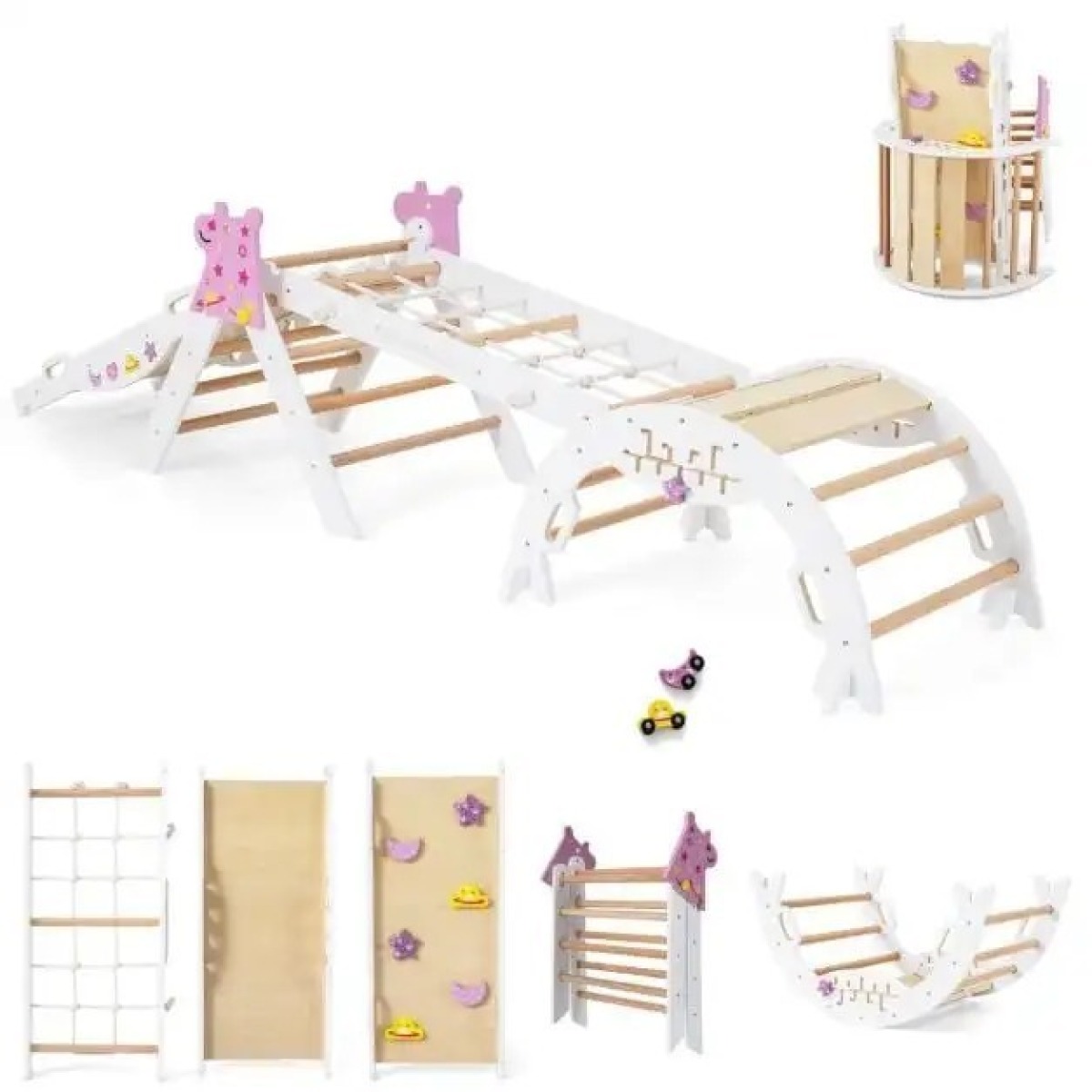
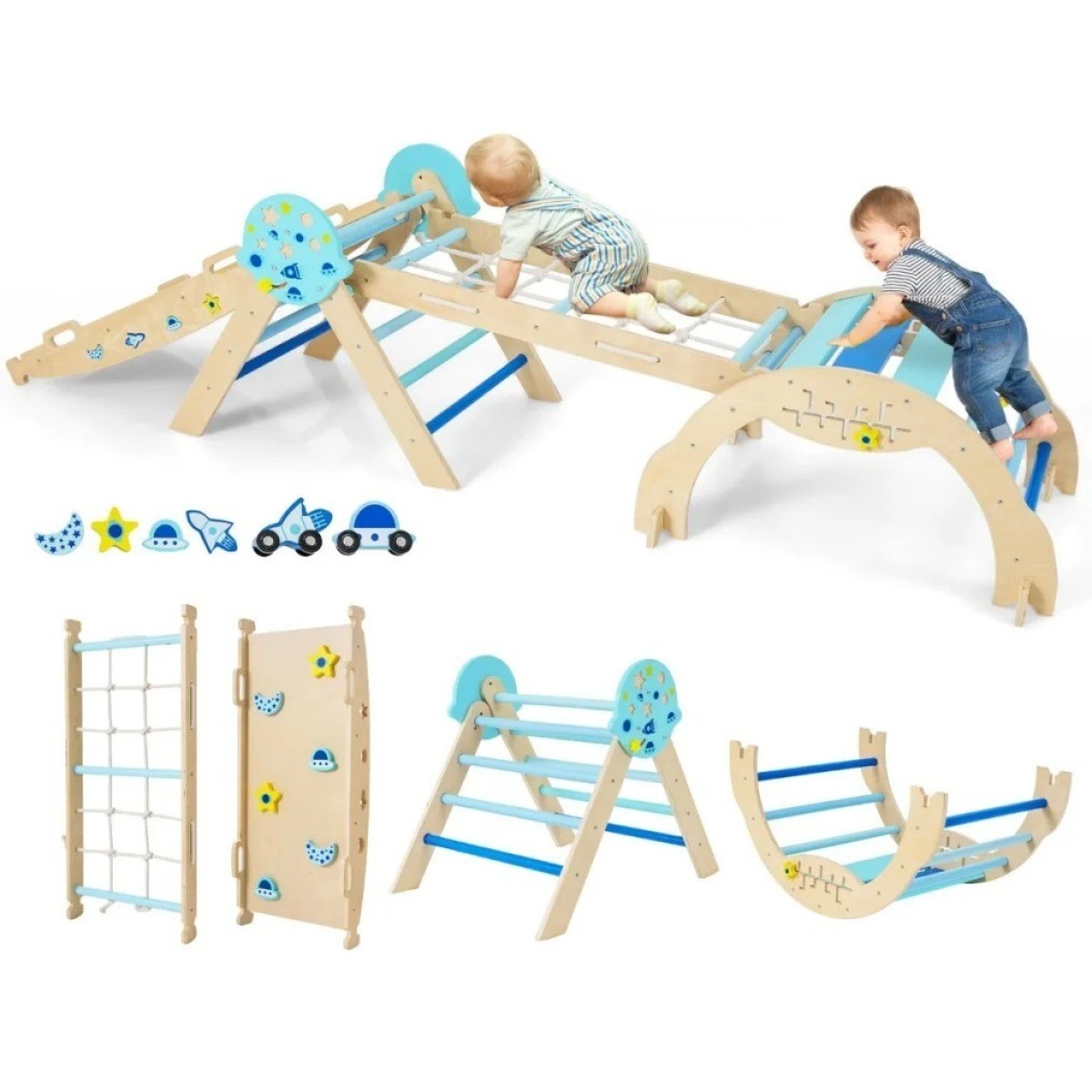
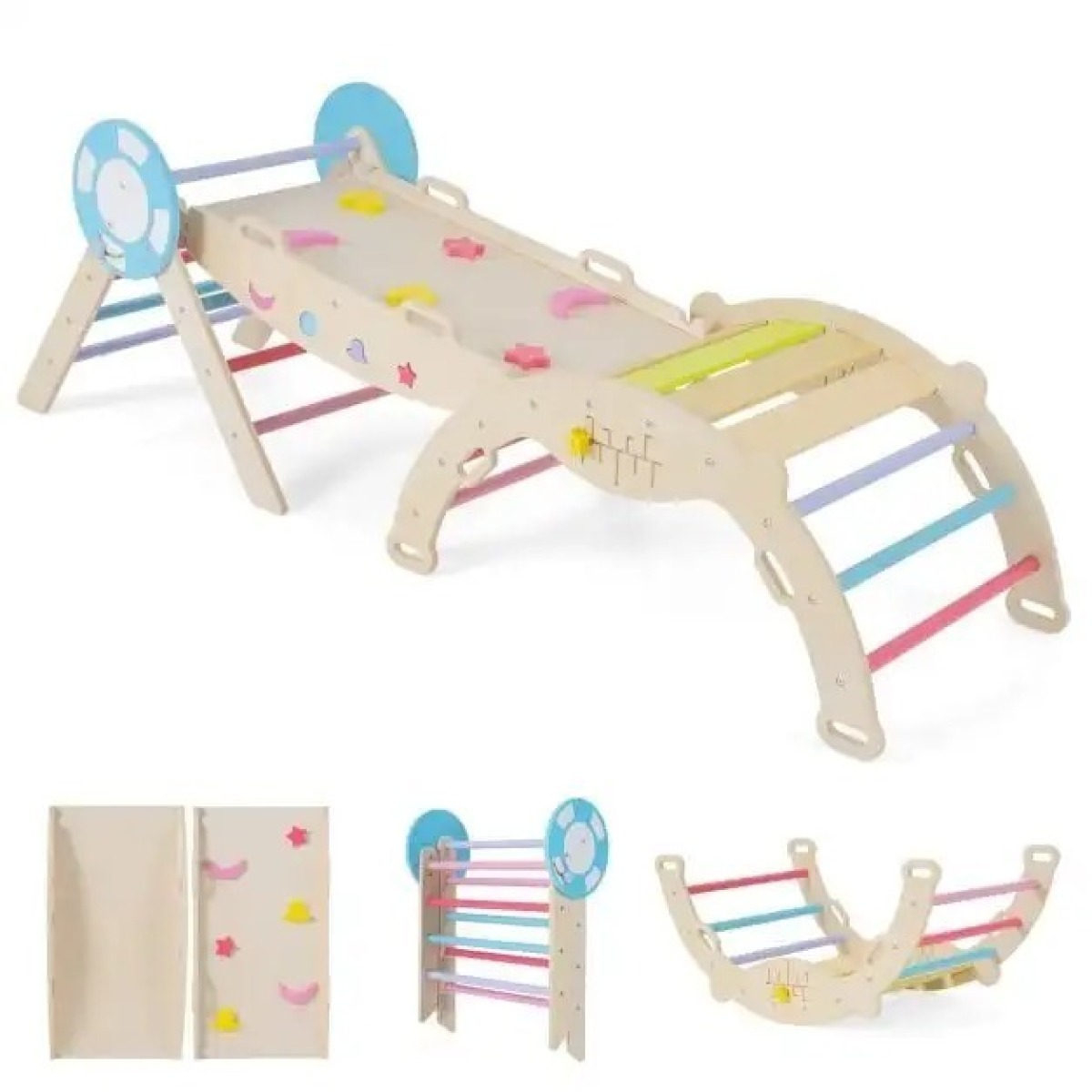
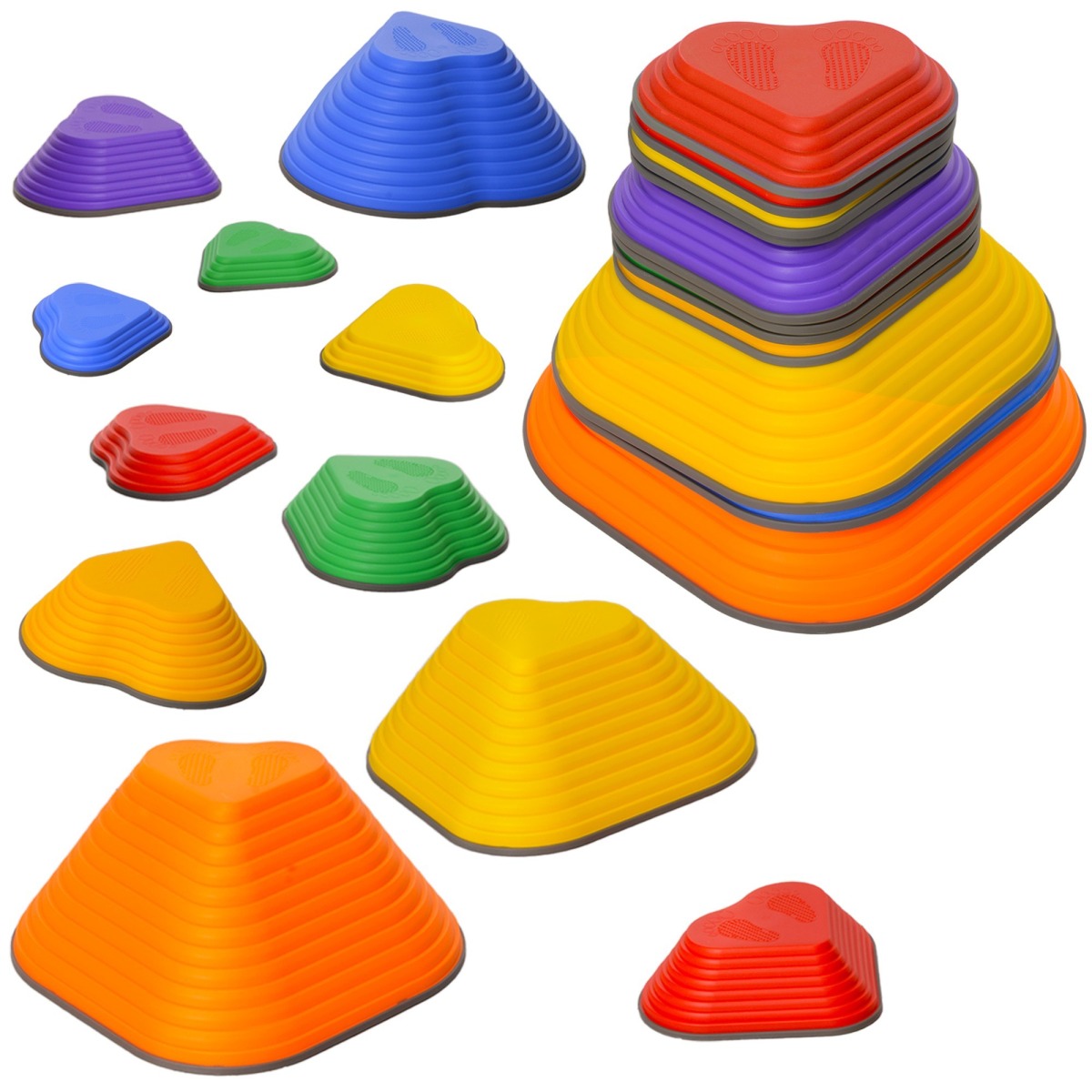
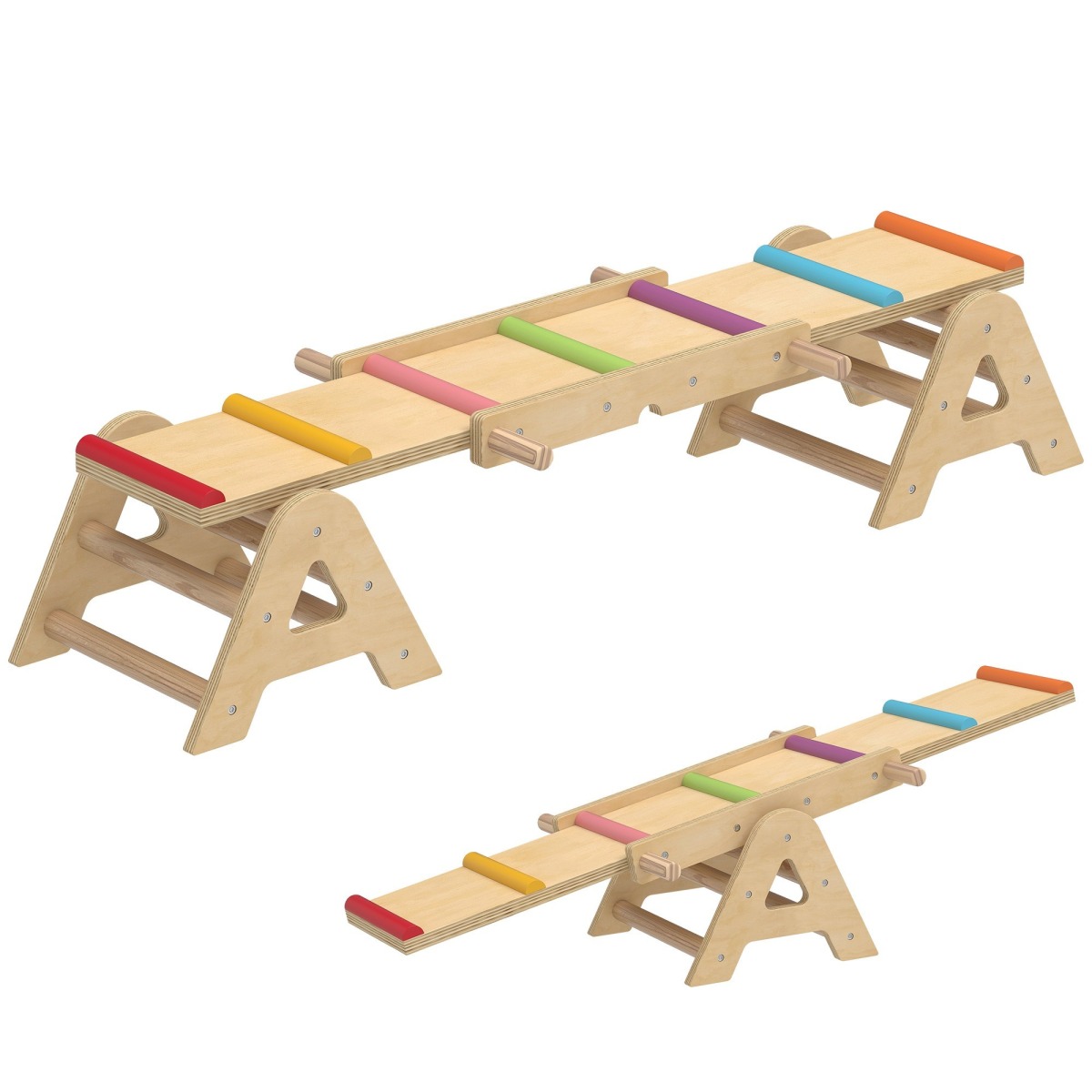
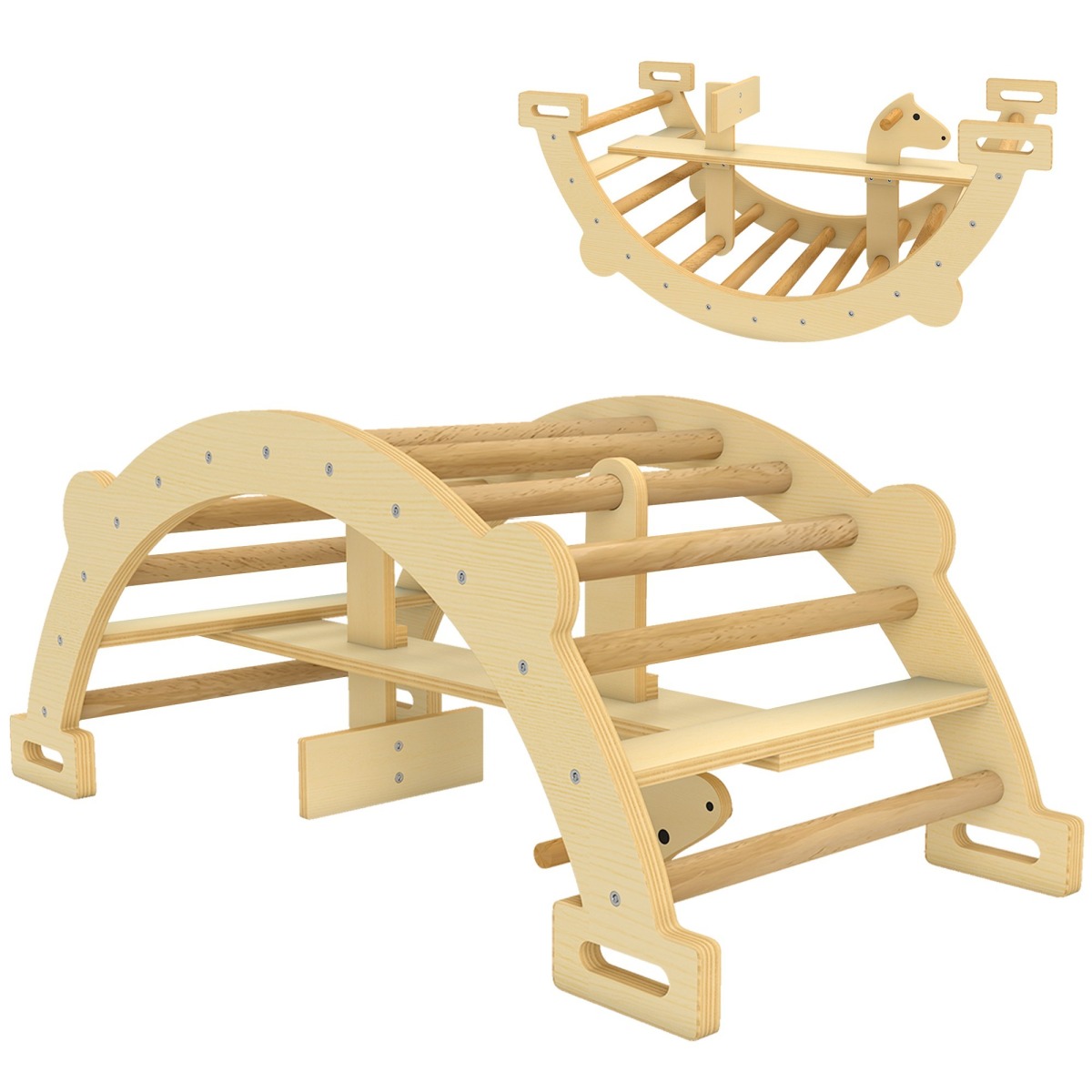
Climbing and balancing help children get to know their bodies and find the courage to try new things. In this collection you'll find wooden climbing and balance equipment, such as climbing frames, balance boards and climbing...
Category guide
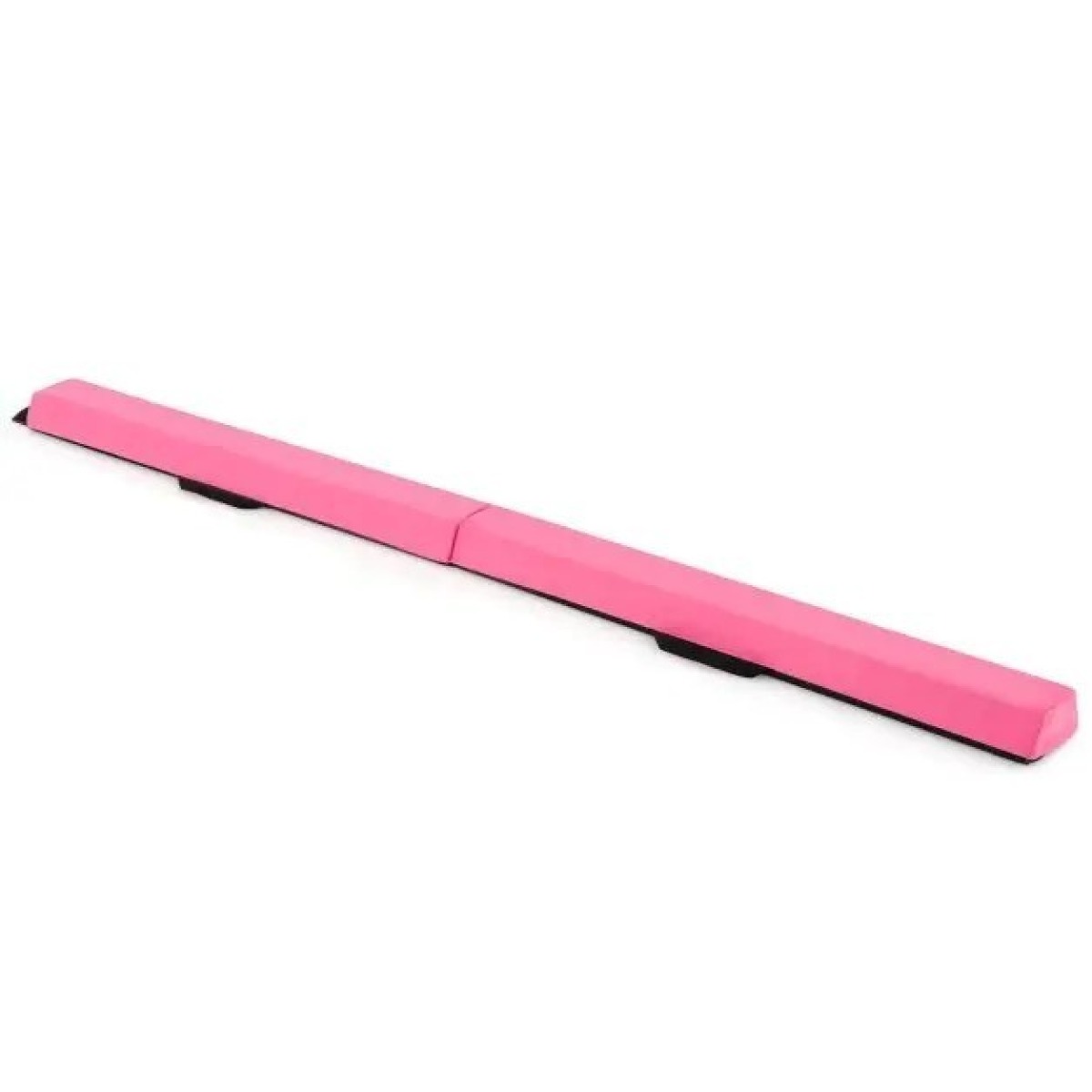
Climbing and Balance for children helps babies, toddlers and older children develop body control through play. This category includes wooden climbing and balance equipment for practising coordination, balance and new movement patterns with confidence. The products are used in the nursery for active play, releasing energy and supporting development. It is important to make sure that the climbing element and balance surface
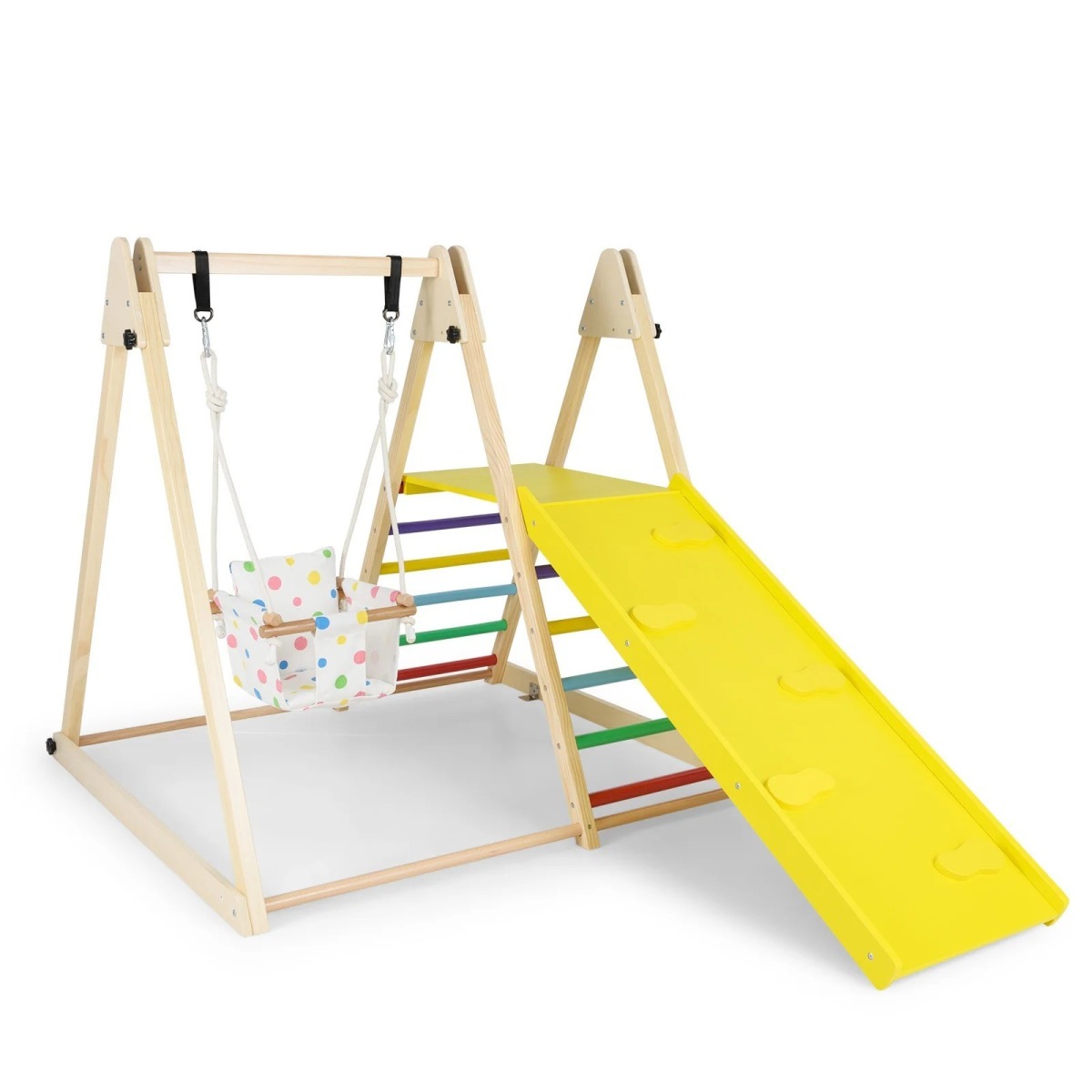
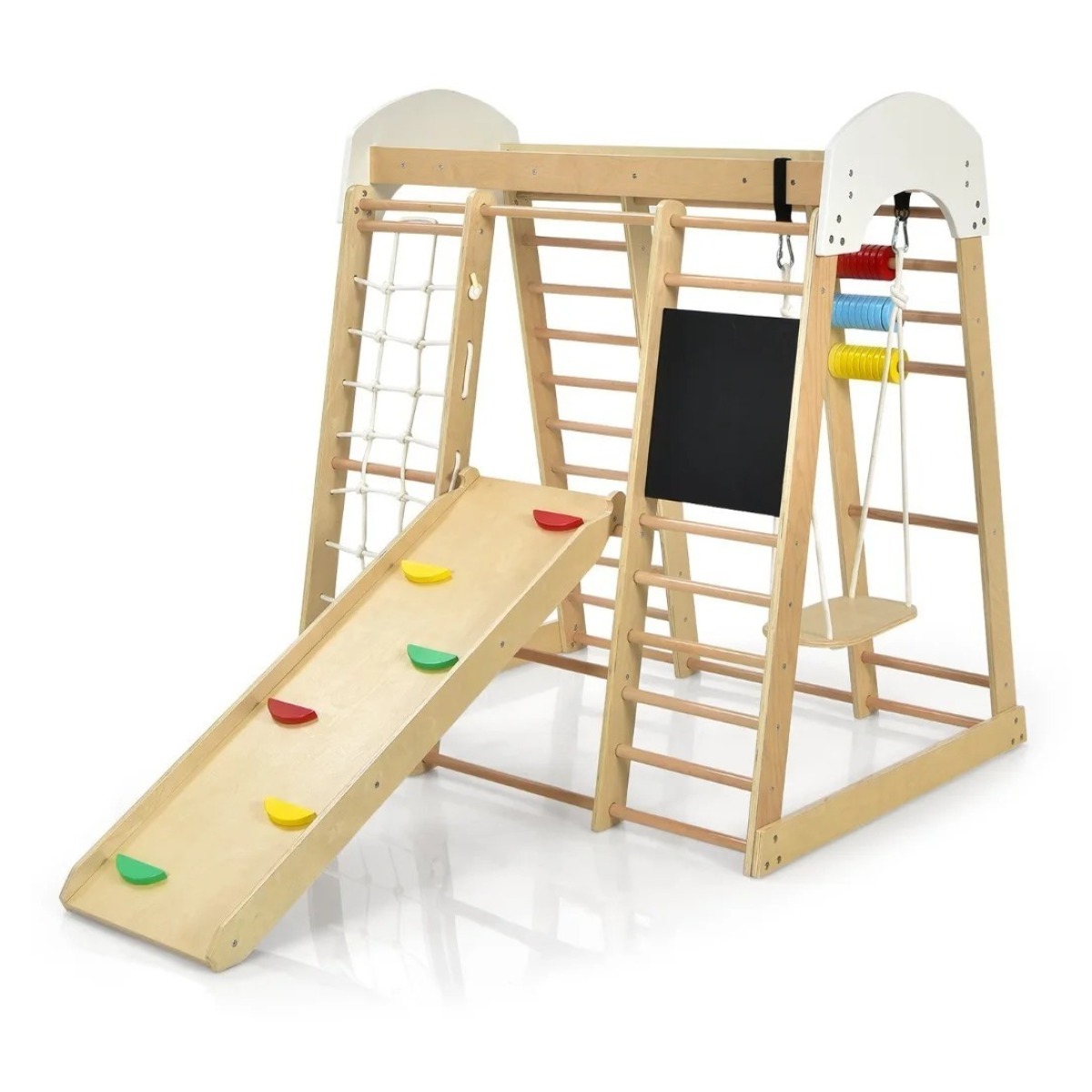
are suitable for the child’s age and the space, and are stable for everyday use. Alongside balance boards and climbing ladders, there are also combined options, such as a slide and climbing wall or Pikler-style climbing frames, which add variety to play. Many families also value the choice of materials and the comfort of the surface, such as felt or padded details that can make use more comfortable.
Climbing and balance activities are a practical way for children to stay active, combining fun and physical development in one activity. When a child climbs, swings or moves across a balance surface, they develop a better understanding of their body position and movement. This helps develop coordination, muscle tone and confidence when facing new challenges.
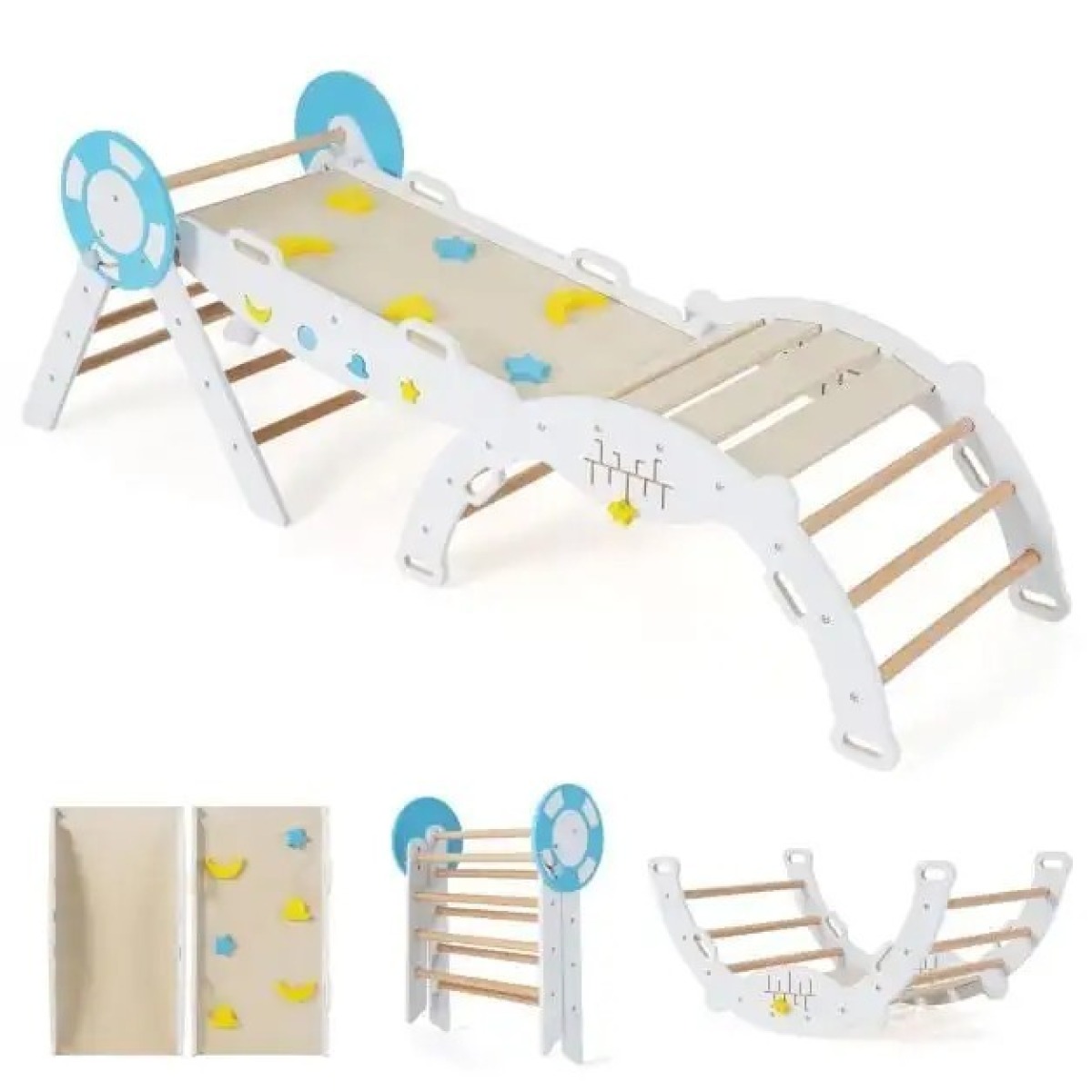
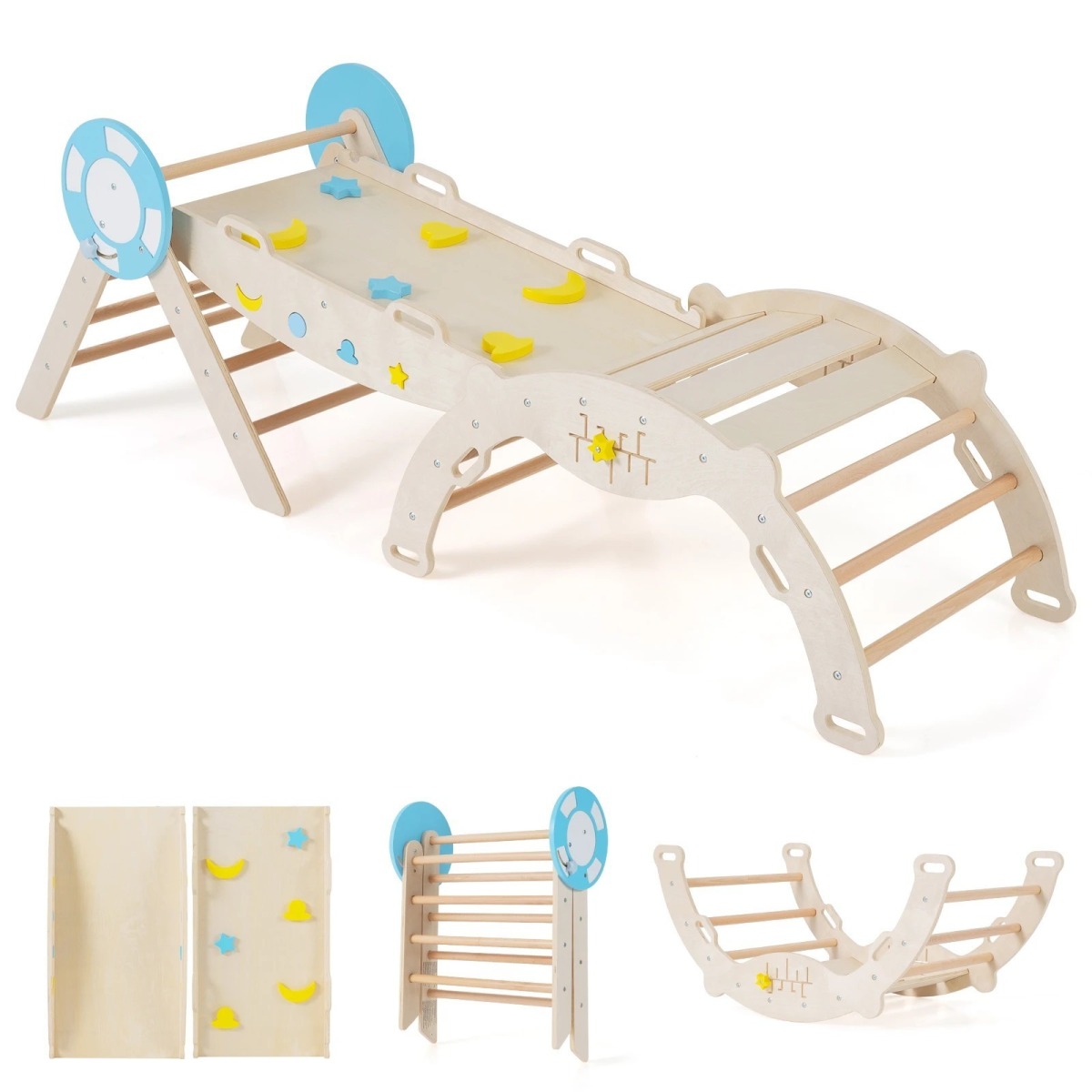
Different options suit both a gentler pace and more energetic activity. For example, a children’s balance board lets them do exercises and play games at home, while a climbing arch and climbing ladder encourage movement through overcoming obstacles. Combined sets bring several stages into the activity, allowing children to progress step by step.
This selection mainly includes play solutions that support climbing and balance activities, for use in a child’s room or another safe home environment. They are often made of wood and designed so that children can build up the activity in a way that makes sense to them: climbing, balancing and moving on when they are ready.
Common types include:
When choosing the right product, it is worth looking first at stability, dimensions and how easy it is for a child to understand how to use it. For a balance board, the surface width and overall shape are often important, so that the child can practise controlled foot placement. A climbing arch or ladder, on the other hand, needs an appropriate height and structure to give the child secure support while playing.
Also consider details that make play more comfortable and easier to use at home, such as padded or felt-covered surfaces. If the aim is active play over a longer period, it also helps if the product supports different ways of moving, rather than just one activity.
Climbing and balance activities fit well into an active day in a child’s room, alternating with sitting and calmer play. A balance board can be used for everyday mini-exercises as well as part of play: for example, moving across the balance surface in a series or trying simple guided activities. With climbing structures, it is useful to start with lower and simpler movements so that the child can find a steady rhythm.
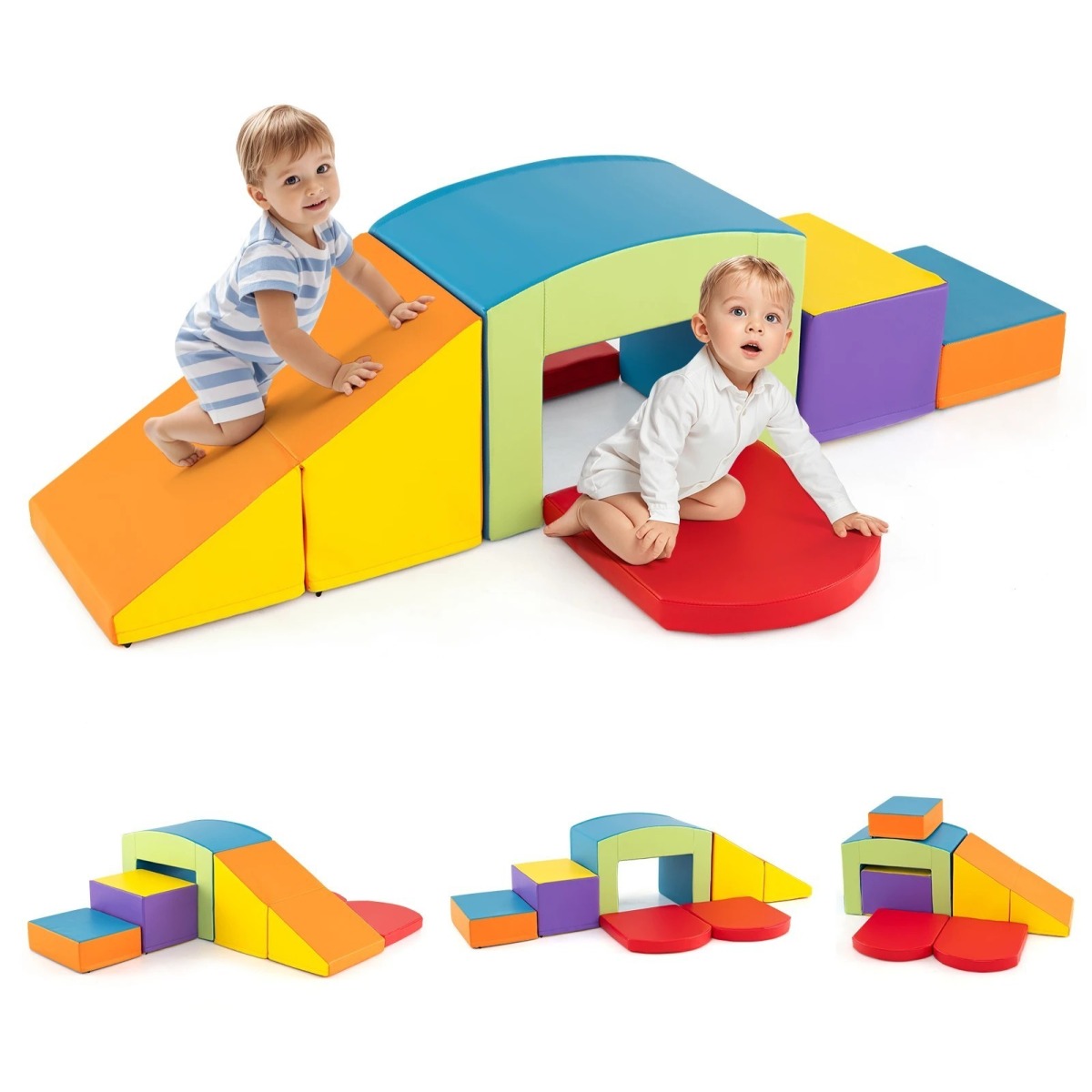
When using slide or 2in1 solutions, it is especially important to make sure the child understands the order of activities and moves in a controlled way. Combined sets usually offer variety, as a child can go through several stages in one play session. This helps keep their interest for longer and gives the body a varied workout.
A good approach is to plan the play area so that the child can play safely and it is easy for a parent to supervise. Climbing and balance solutions help make movement a natural part of the home routine and support development through familiar, everyday play.
MIU Kids
A quiet word about cookies
Necessary cookies are already on, so your basket and checkout can work. Analytics cookies stay off until you accept. Until then Google may receive a cookieless visit signal so we can count visits. It is not used for advertising. Accept all cookies, or keep only the necessary ones. Both are one click. We remember your choice for six months, and you can change it at the bottom of the page. Privacy notice
Analytics cookies wait for a yes
MIU Kids
Choose what stays on
Necessary
Always on. These keep the basket, checkout and the shop secure.
Analytics
No analytics cookie until you accept. A cookieless visit signal may still be sent. If you accept, Google Analytics shows which pages are used. It does not build advertising profiles.