
- New
On order 5–15 business days5–15 business days
About the collection
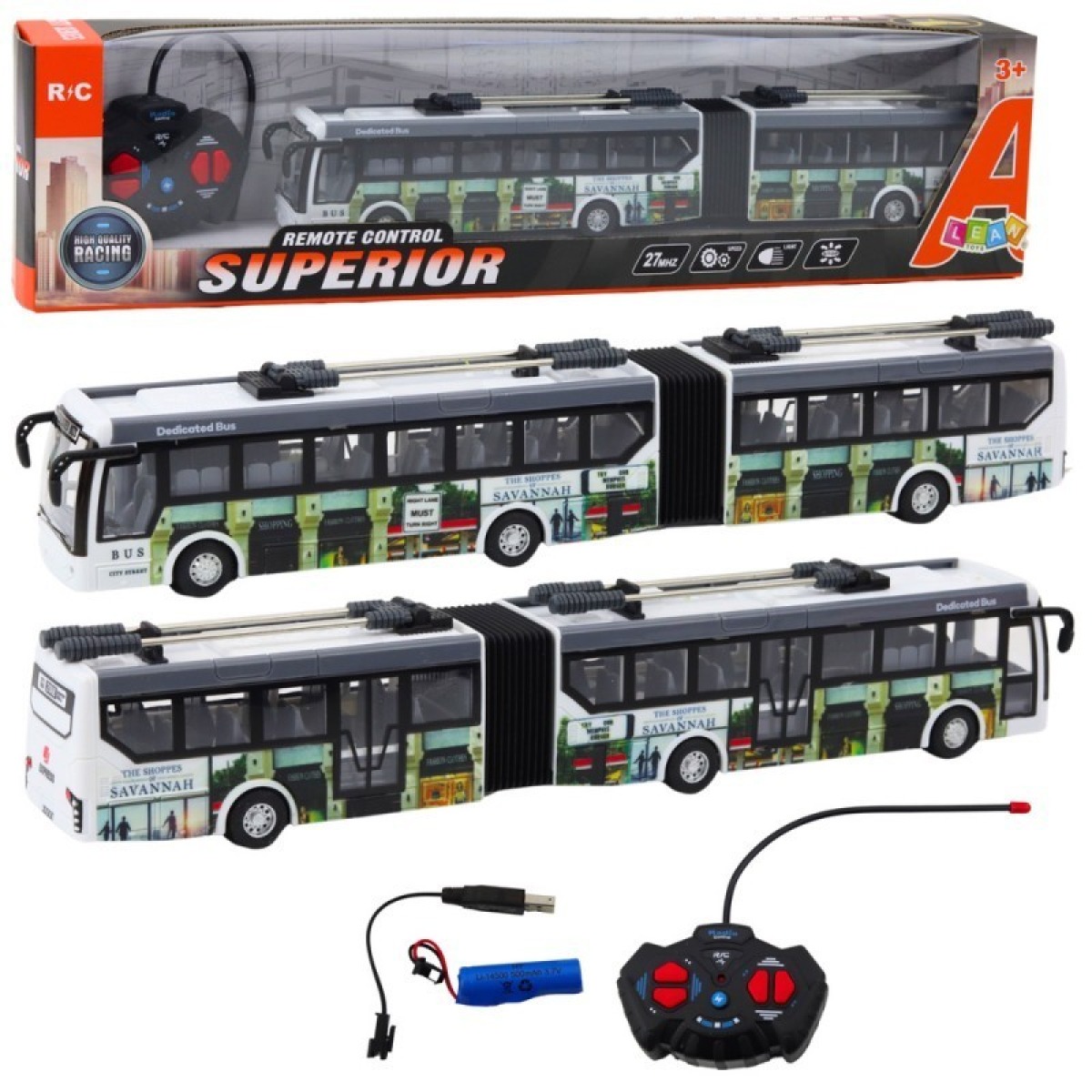
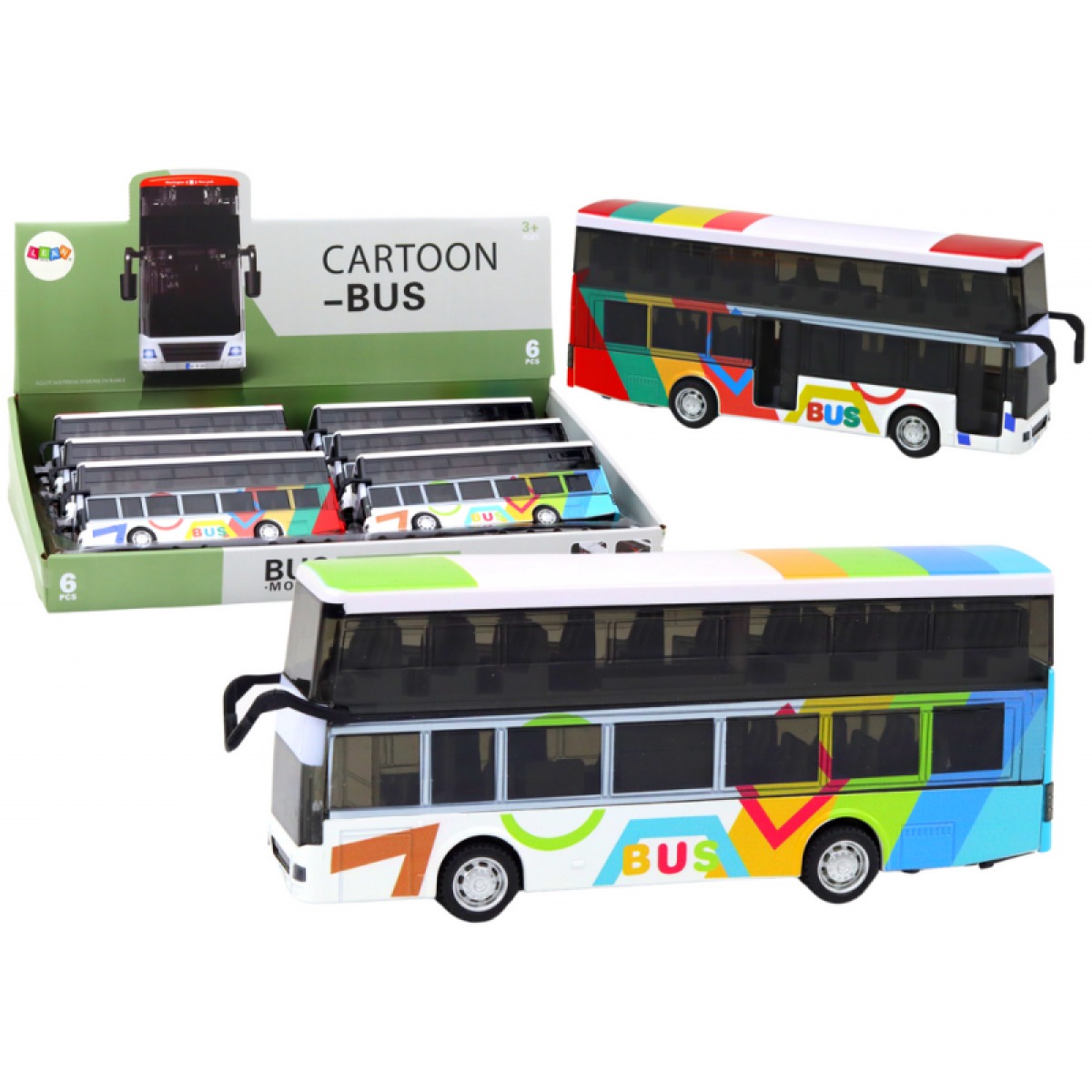
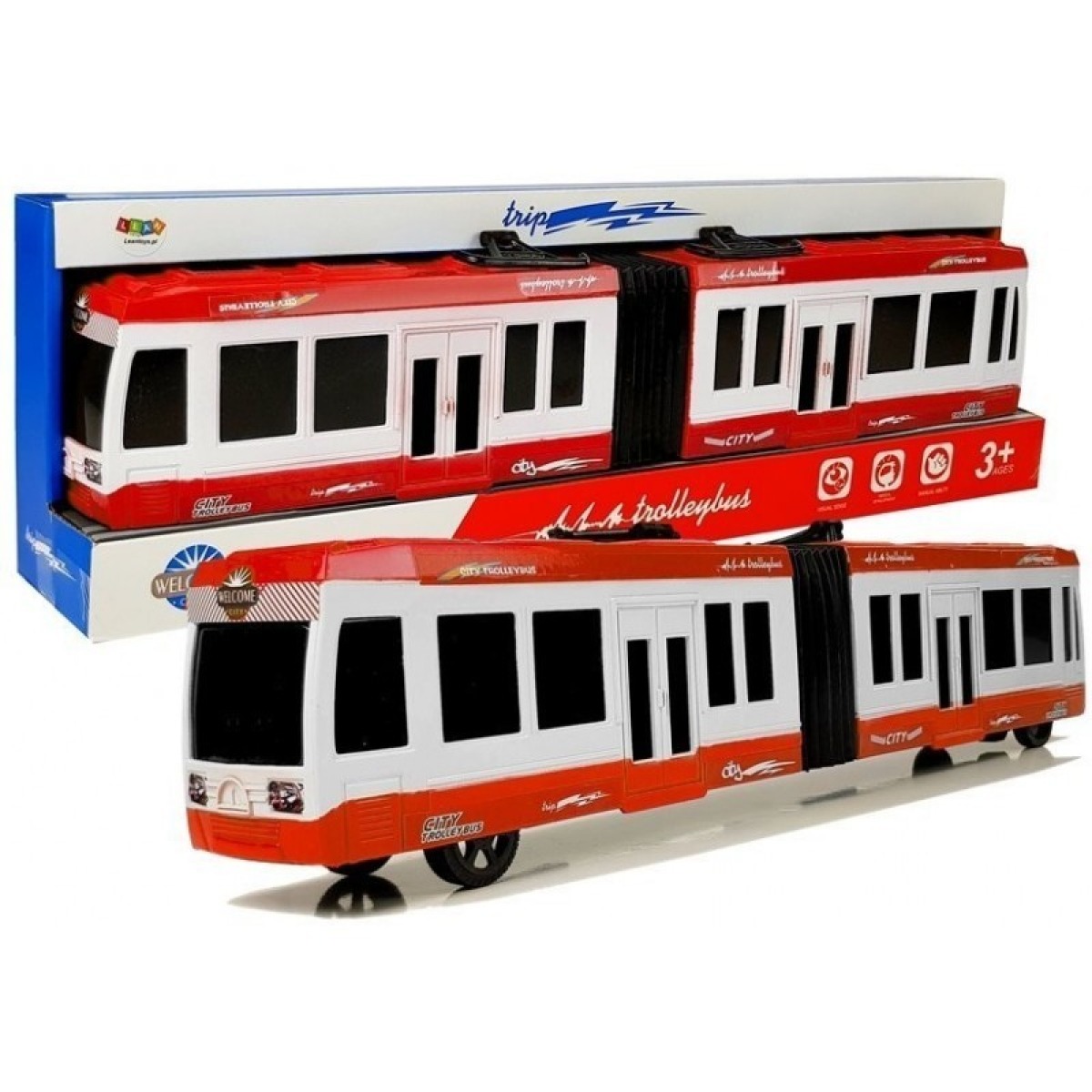
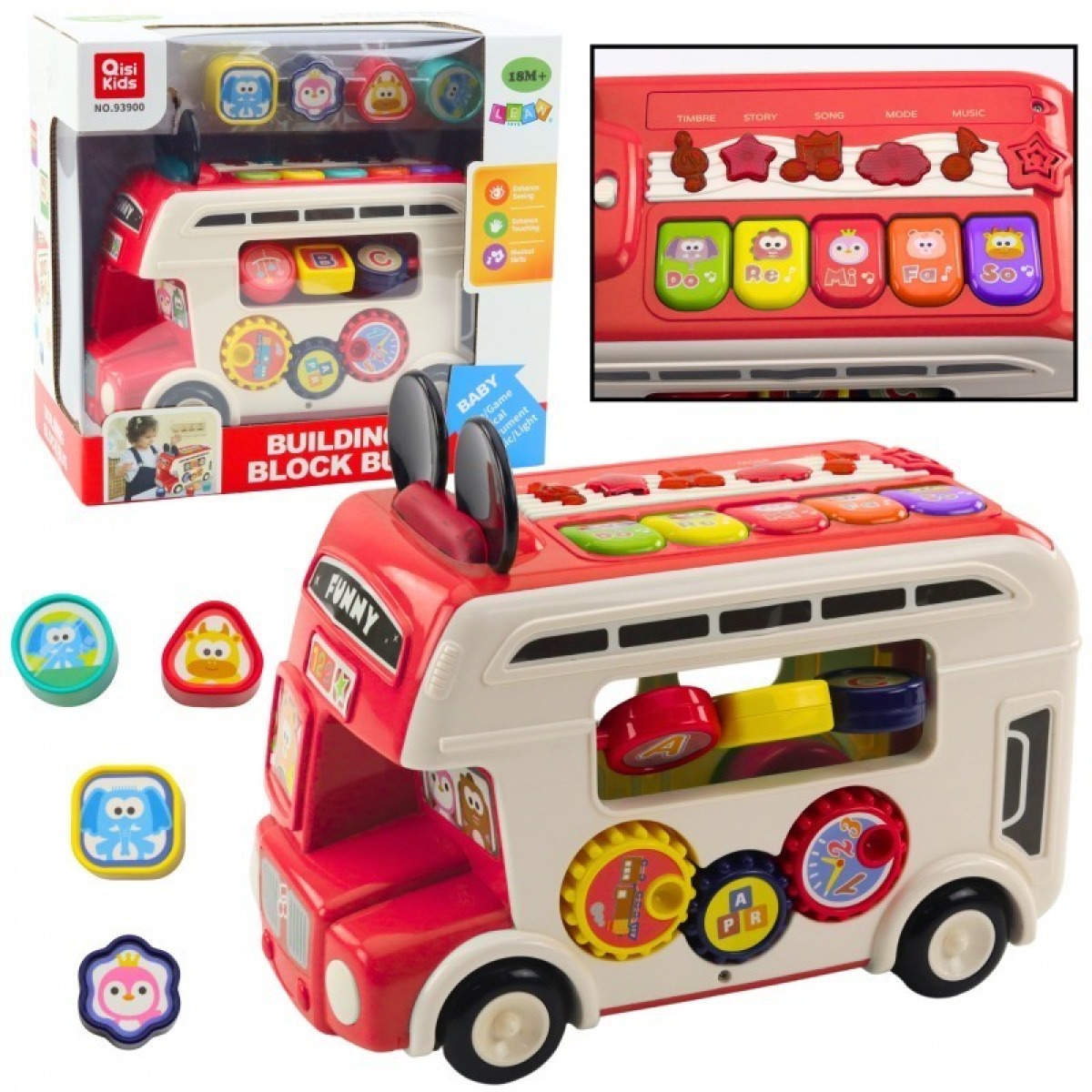
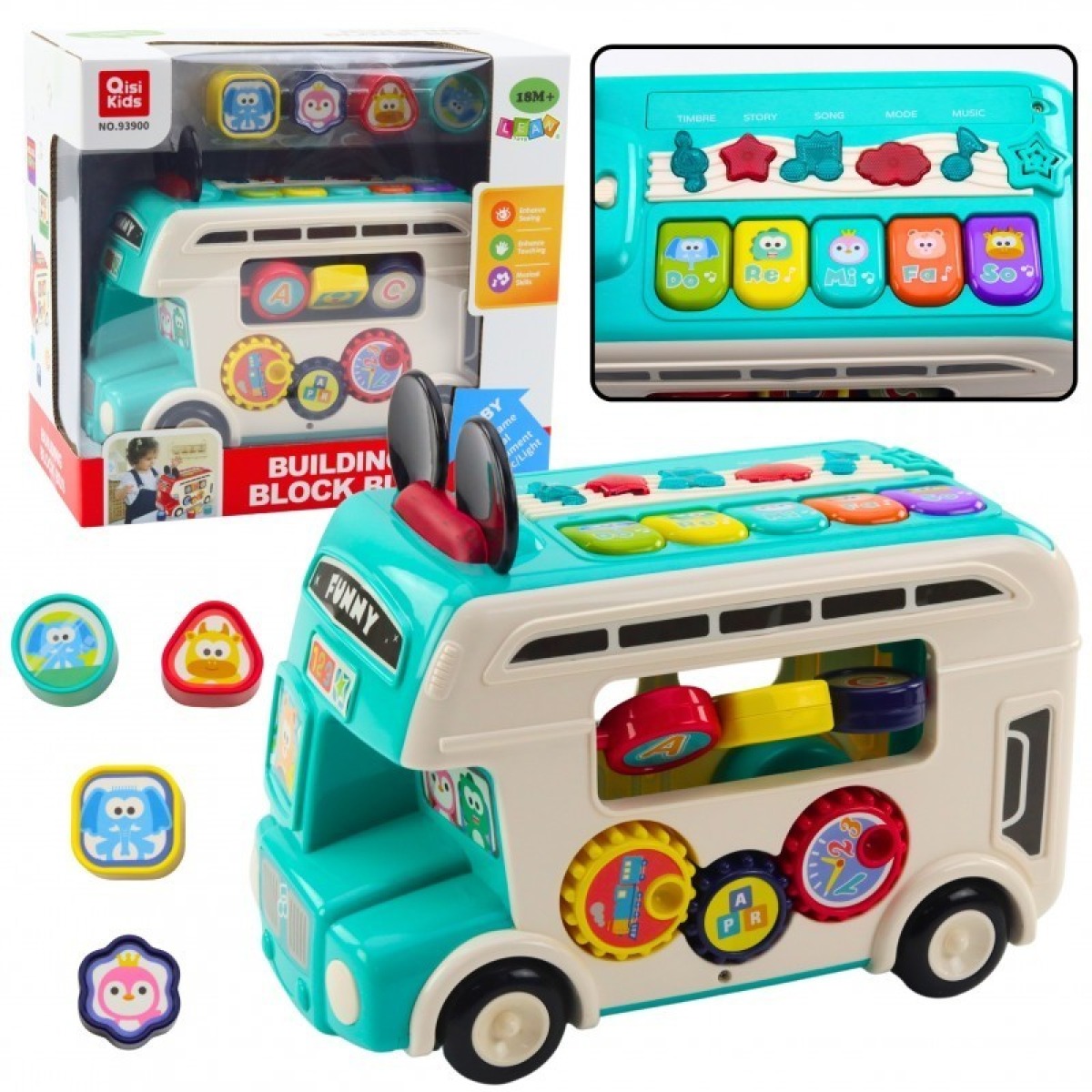
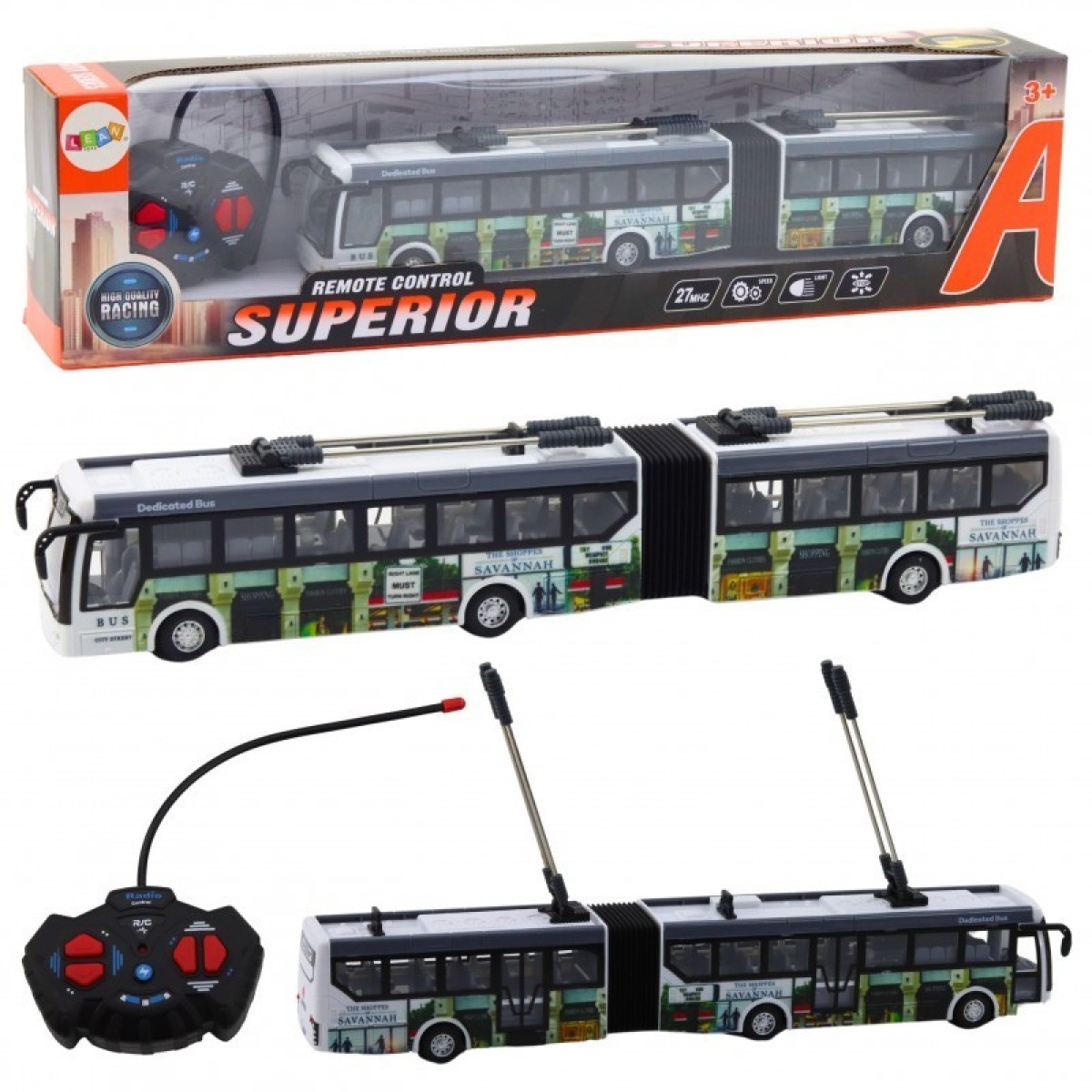
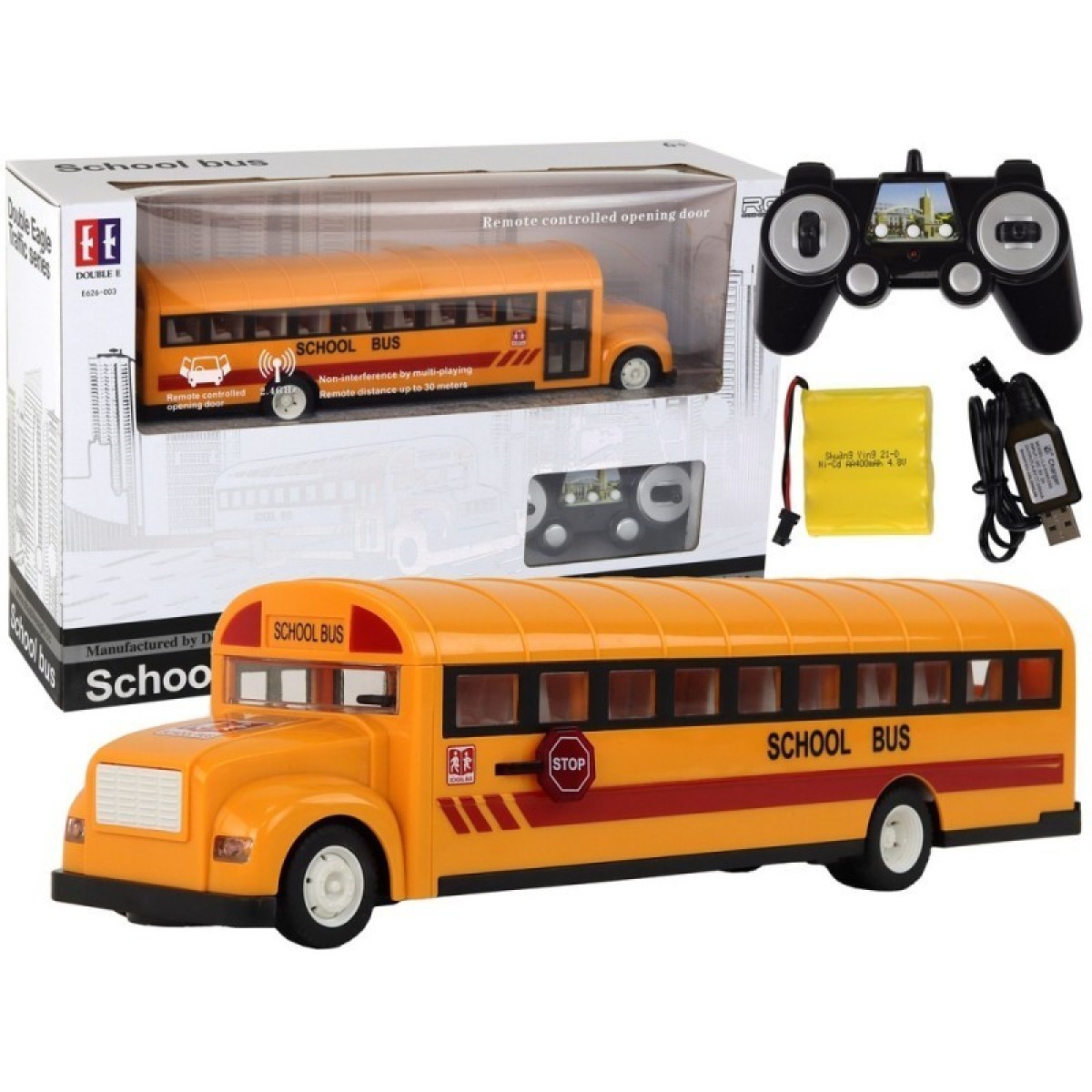
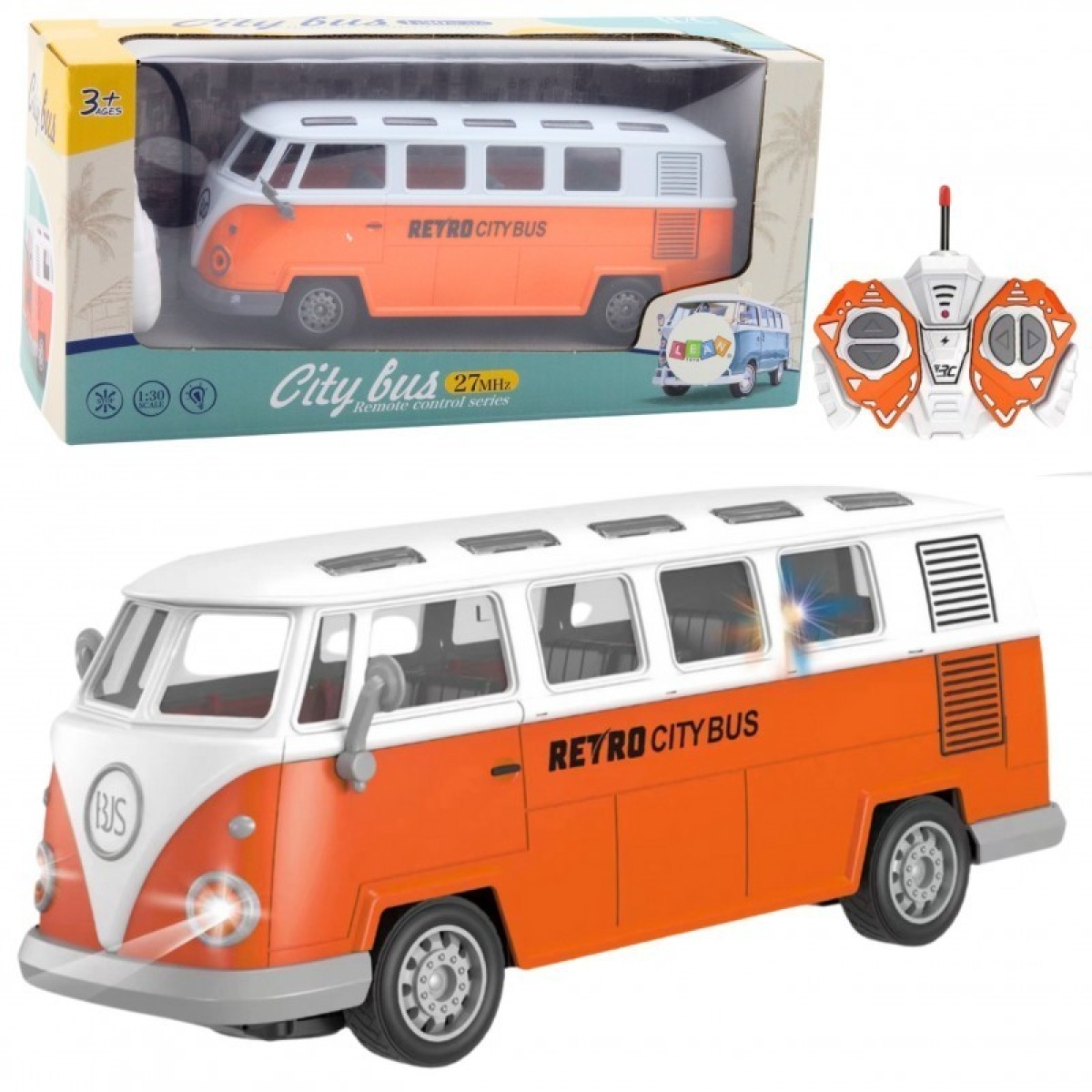
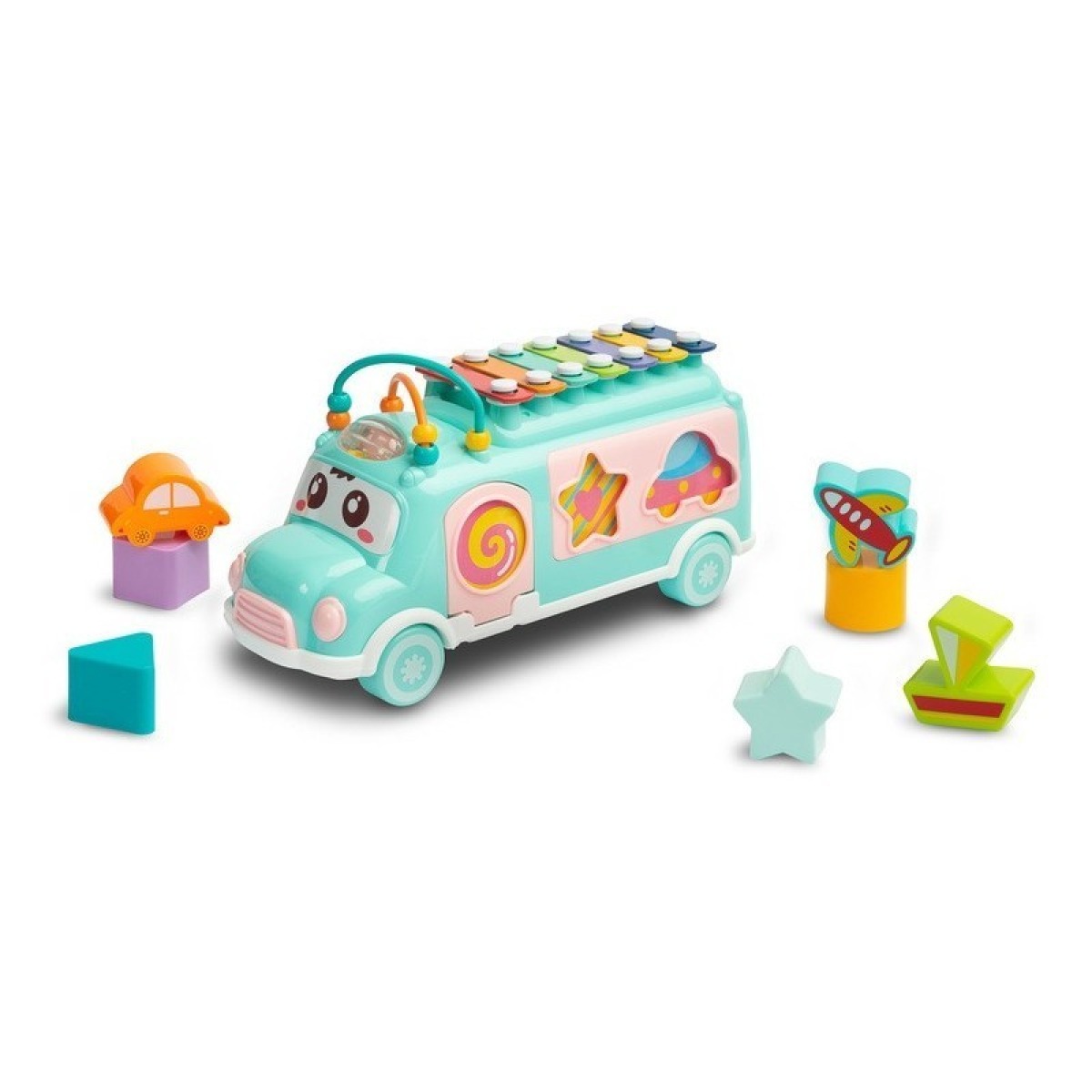
A toy bus takes teddies to school, to the shops and to visit friends. You'll find school buses, city buses and trolleybuses, some with light and sound features and some remote-controlled. They inspire role play where children...
Category guide
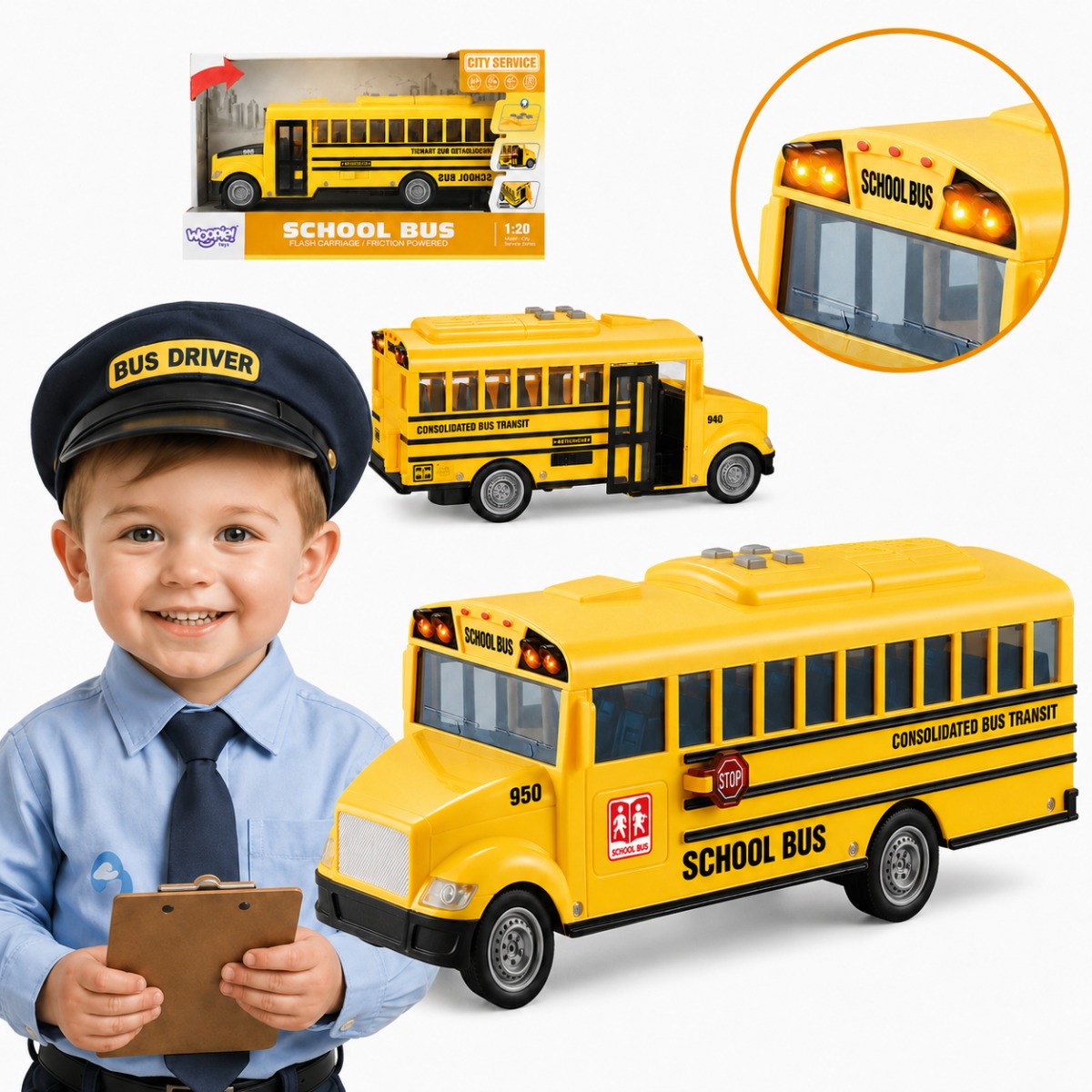
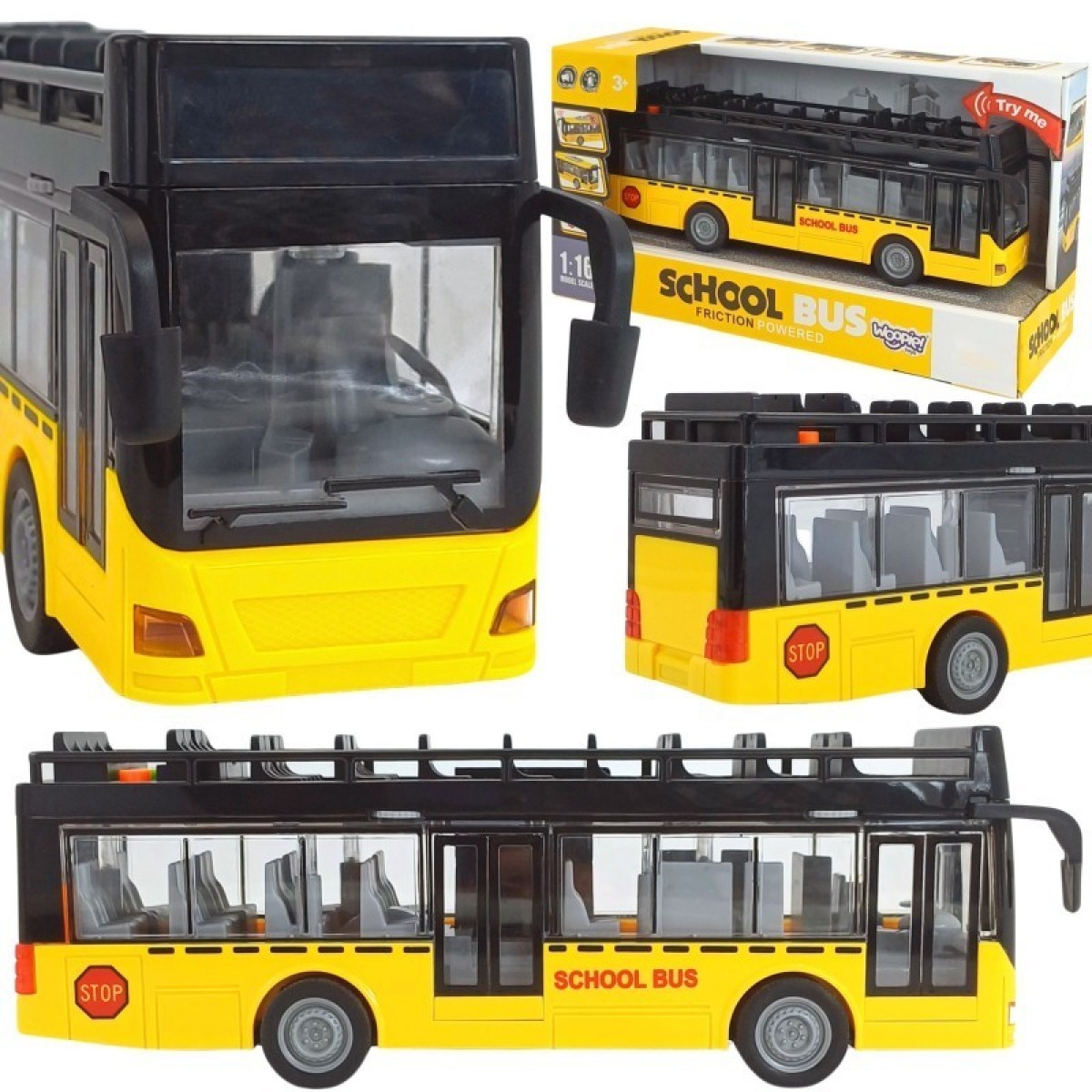
Toy Buses for kids are suitable for play at home and for role play, where children can imagine timetables, stops and passengers. The selection includes remote-controlled RC buses, interactive models with lights and sounds, and vehicles in a range of styles, such as school buses, city buses and trolleybuses. Many models are designed to make it easy for children to get started: realistic looks, opening doors, friction-powered wheels and visual effects make play exciting. Before buying, it is worth checking what
age the player is and what kind of experience you are looking for. For babies and toddlers, simpler Toy Vehicles and models with engaging sounds are particularly suitable, while older children may enjoy 2.4G remote-controlled options that let them drive the bus around and control its movement themselves. If you are looking for an activity that supports development in the playroom, buses encourage attention, motor skills and creative thinking – especially when stops, maps and storytelling with parents or other family members are part of the play.
Toy Buses for kids bring a sense of movement and city life to the playroom. Most are Toy Vehicles that can be controlled with a remote or set moving on their own, depending on the model. Light and sound effects add rhythm to play and help keep children interested, even when play lasts longer.
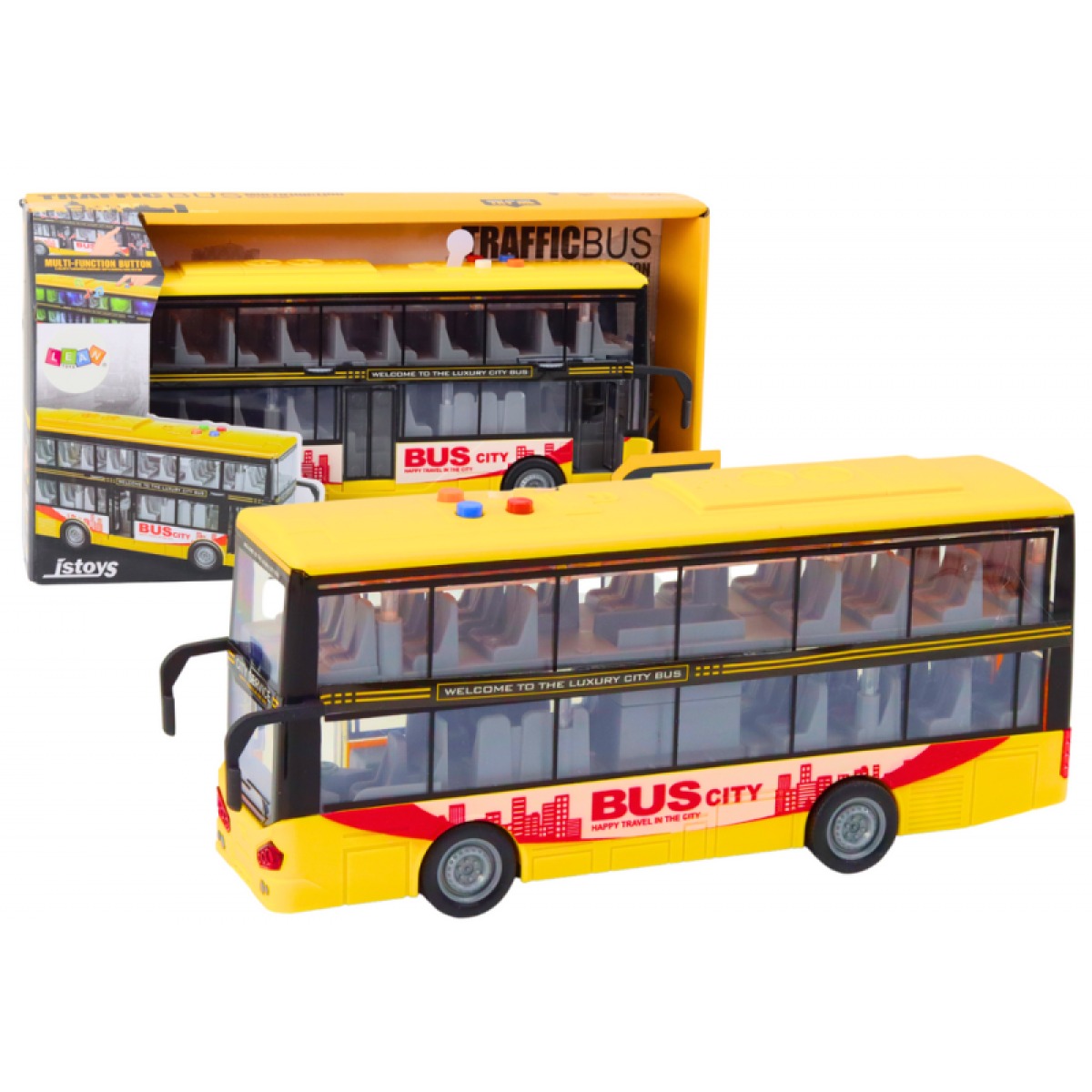
The category includes different types of buses: school buses, city buses, trolleybuses and double-decker buses. Some models have opening doors or realistic details that make the vehicle feel more versatile. This range is also a good fit for children with a particular interest in public transport, safety services or city traffic.
If you are looking for remote-controlled bus play, it is important to consider how the controls work and how easy it is for a child to give steering or movement commands. Some models are controlled by remote, and their descriptions may specify the frequency or technology used (e.g. 2.4G), which helps maintain stable control. Other options are more of a “moves by itself” style, such as friction-powered buses, which are well suited to playing on the floor and in smaller spaces.
Buses with lights and sounds are especially appealing to many children because they provide immediate feedback during play. Sounds can support role play (e.g. stopping, setting off or going for a ride), while visual effects bring play to life even with less conversation. If your child prefers a particular theme, choose a vehicle to match their interests: a school bus, city bus, police bus or trolleybus.
Toy buses are more than just vehicles – they are toys that support children’s role play and creativity. Children can imagine stops, routes and passengers getting on and off, creating stories that develop speech and social interaction. When it is easy to get started, a bus fits particularly well into everyday home routines: “driving” to an imaginary stop at the dining table, in the play corner or outside.
Playing with a bus can also help develop attention and hand-eye coordination. Remote-controlled models also involve planning directions and perseverance. Some families use these toys as an alternative to calmer activities, where children can move at their own pace and associate sounds with actions.
Interactive toy buses attract attention through their effects. Lights give play a visible rhythm and bring bus play to life, even when a child is restless or looking for a stimulating activity. Sounds support role play by creating a clear “event” – for example, the journey begins, the doors open or the bus makes a particular signal.
Some models feature opening doors, adding realism and creating more opportunities for play. This detail also works well when children want to let passengers on and off according to a “passenger list”. When a toy has both visual and sound effects, children may find it easier to stay engaged, and their play can become more involved over time.
Although suitability depends on the specific model, play experiences can generally be divided into two types: simple movement and clear steering. For young children, options that let play begin quickly are often more convenient, such as a bus with lights and sounds that can be used for “driving” and “stopping” routines. Older children may enjoy remote-controlled models, which let them steer the bus themselves.
Buses are practical at home: they fit in a play corner, living room or children's room and are suitable for playing alone or with other children. If you are looking for a transport-themed toy that encourages sustained play and offers different activities, toy buses for children are a good starting point for role play centred on school buses or city buses.
MIU Kids
A quiet word about cookies
Necessary cookies are already on, so your basket and checkout can work. Analytics cookies stay off until you accept. Until then Google may receive a cookieless visit signal so we can count visits. It is not used for advertising. Accept all cookies, or keep only the necessary ones. Both are one click. We remember your choice for six months, and you can change it at the bottom of the page. Privacy notice
Analytics cookies wait for a yes
MIU Kids
Choose what stays on
Necessary
Always on. These keep the basket, checkout and the shop secure.
Analytics
No analytics cookie until you accept. A cookieless visit signal may still be sent. If you accept, Google Analytics shows which pages are used. It does not build advertising profiles.