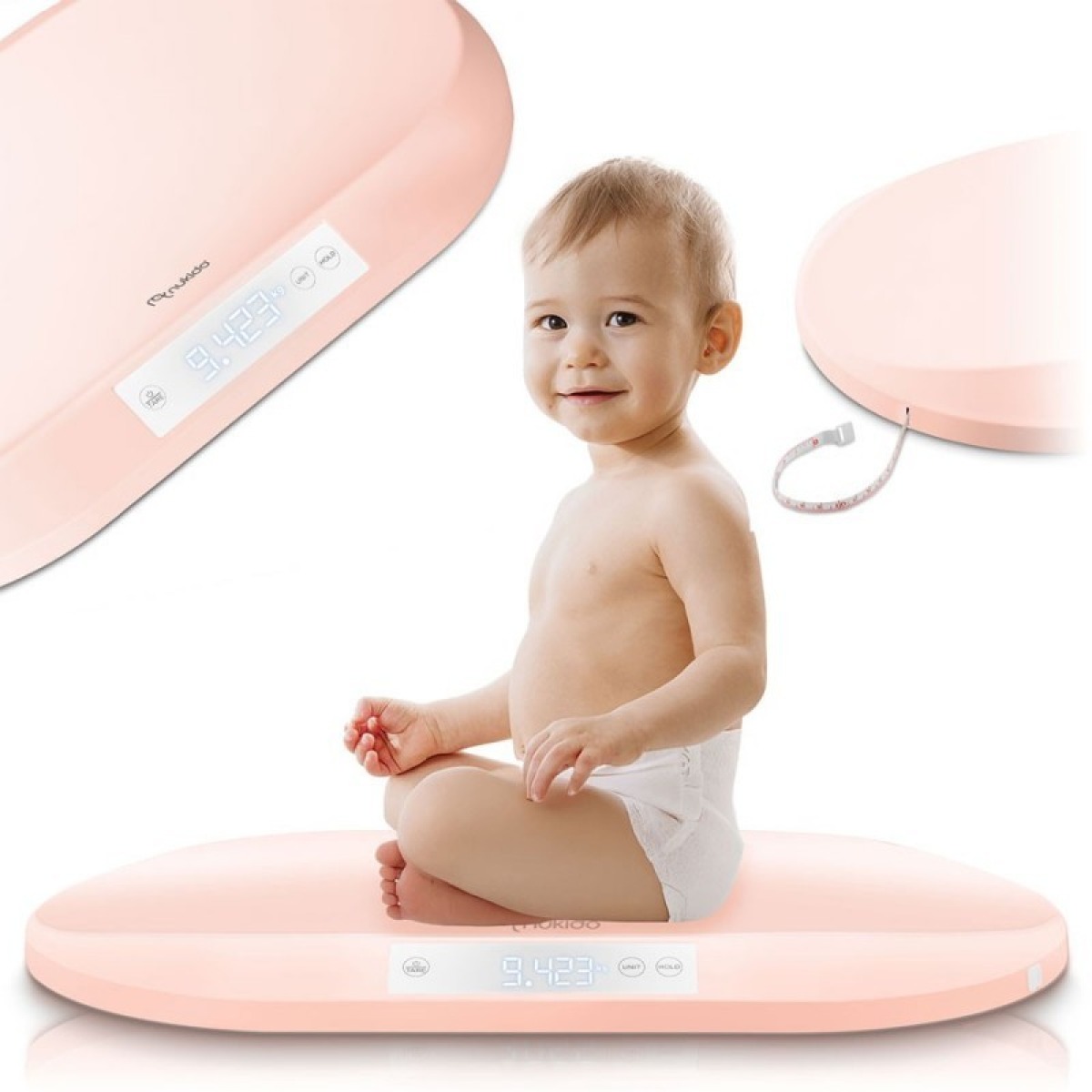
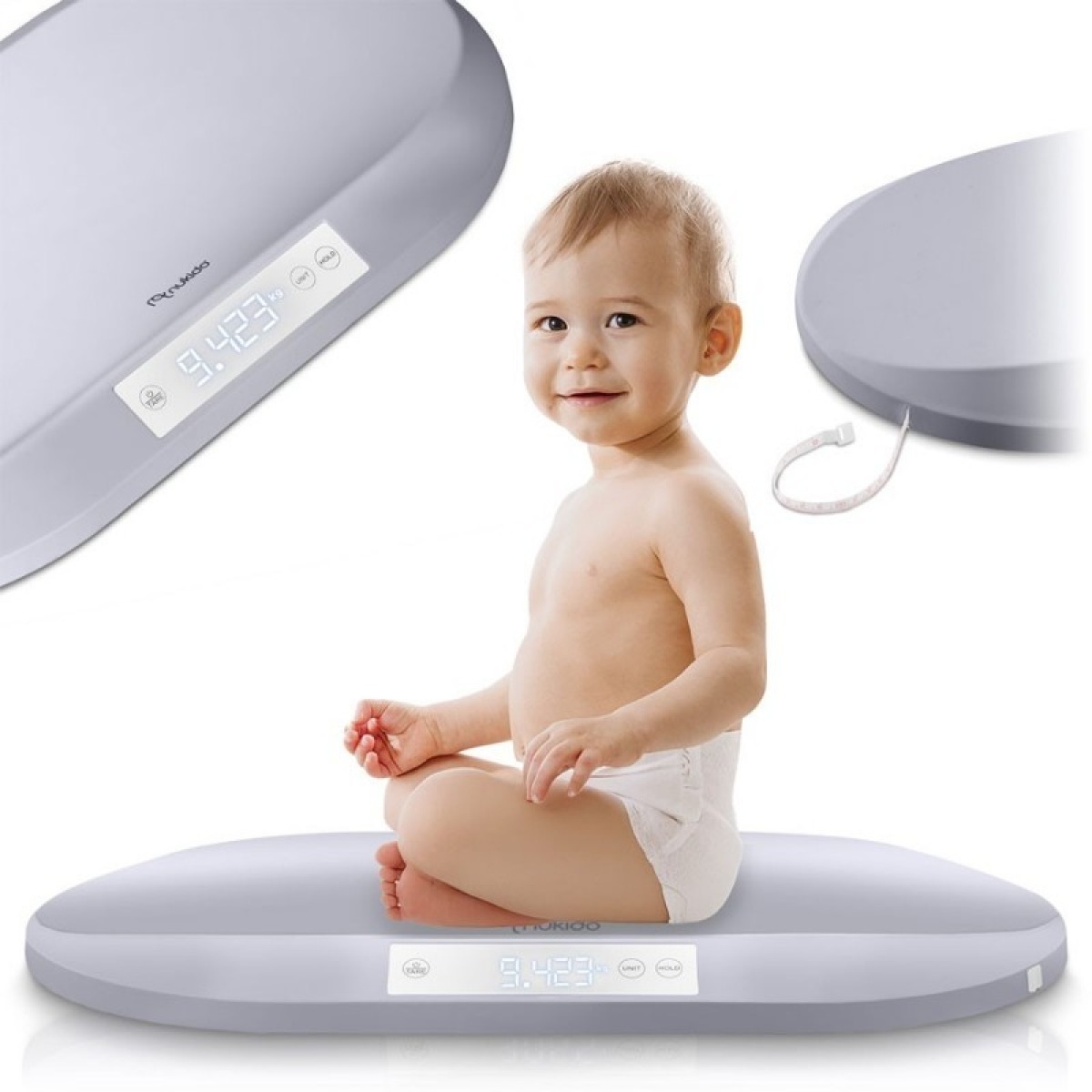
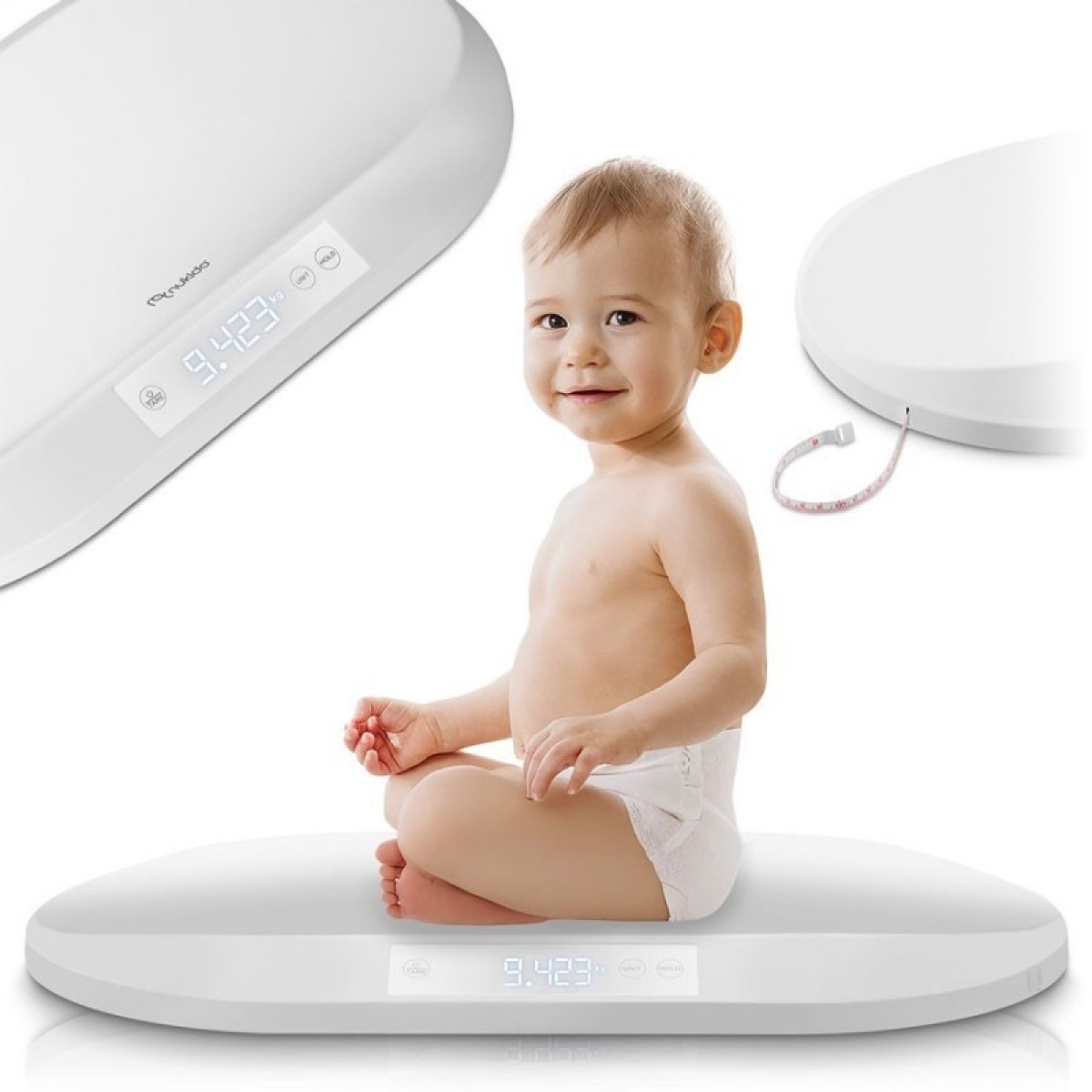
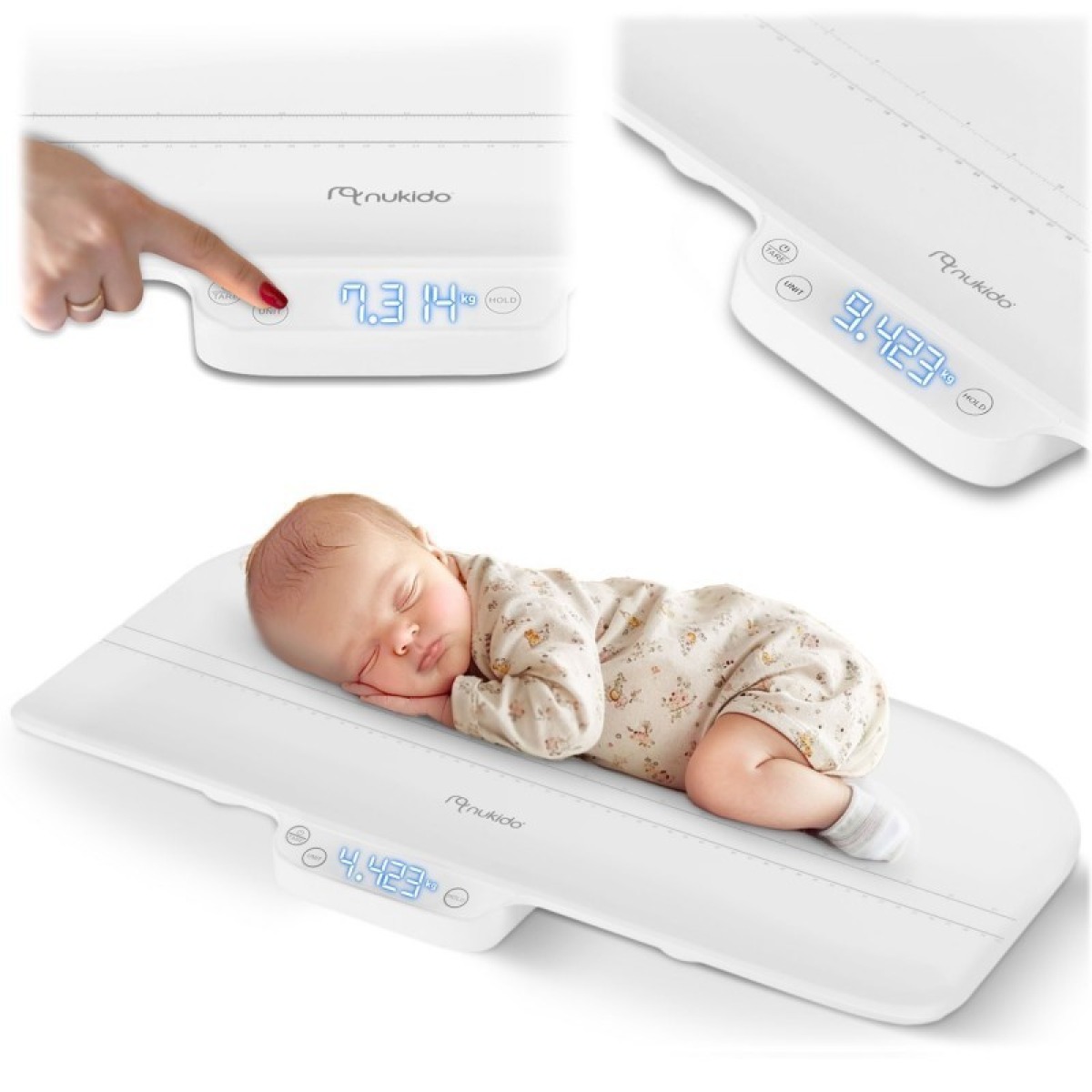
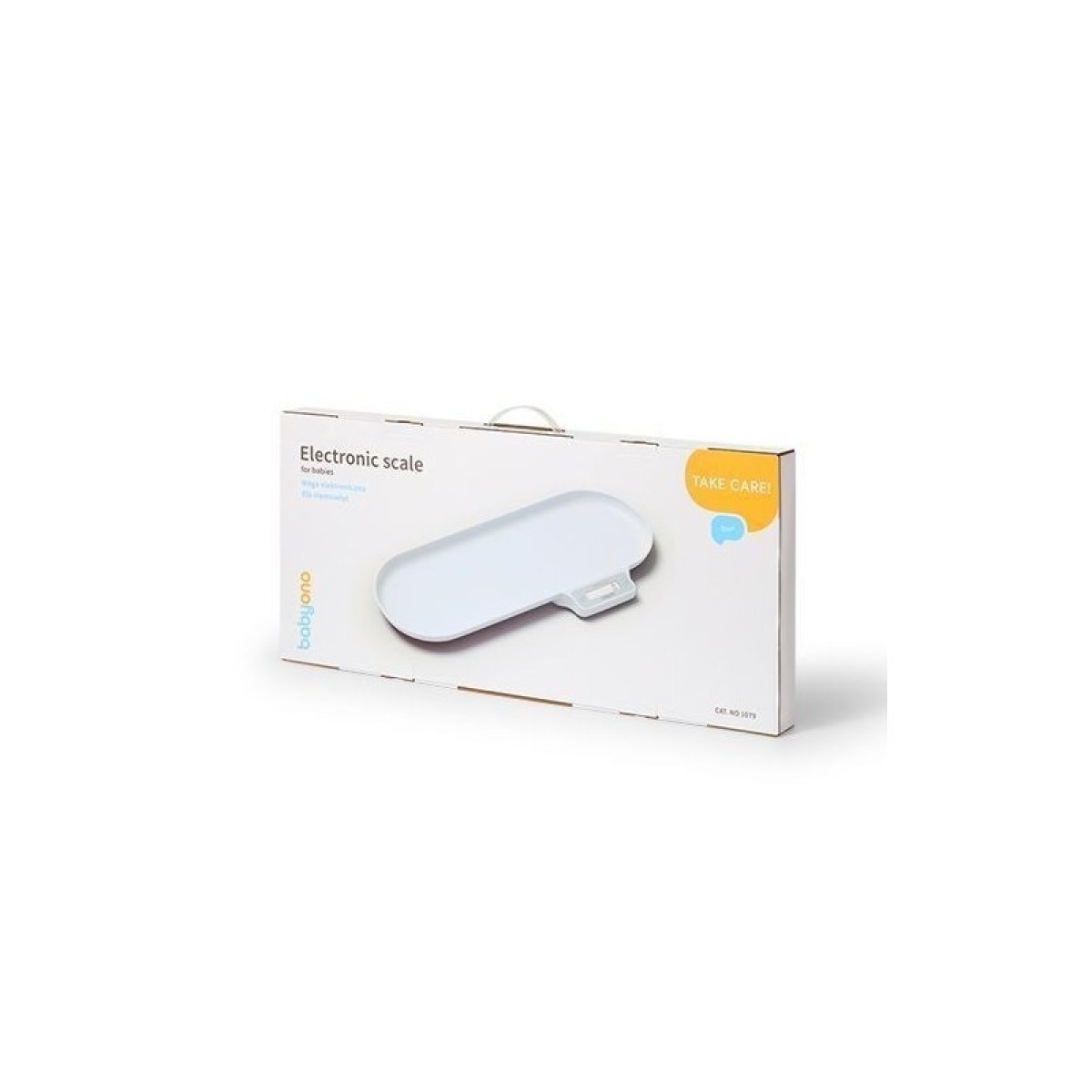
Baby Scales are electronic baby scales that you can use to monitor your baby's growth and development at home. Weighing is especially important when you want to check how the child is progressing along their growth curve and whether feeding and wellbeing are reflected in changes in weight. Baby Scales are primarily intended for infants and toddlers, but are also suitable when small differences in weight need to be measured accurately. It is therefore worth choosing a model with readings that are
clear and measurements that are sufficiently accurate and stable. Practical criteria when buying a baby scale include the weighing range, increments (many models are accurate to 5 g), screen readability and ease of use in everyday baby care. If you weigh your baby often, an accurate electronic scale can help you make decisions with greater confidence and keep track of your child’s development at home. It is also important to check the device’s safety and quality requirements to ensure the scale is suitable as an accessory for babies.
Baby Scales for Infants: Why Weighing Is Part of Tracking Development
A baby scale is a household device that helps you track your child’s weight consistently. Regular measurements give parents a clearer picture of how their baby is developing after birth and whether their growth is as expected. This is especially useful when you want to monitor small changes in weight or compare patterns with feeding and wellbeing.
An electronic baby scale is designed to make readings quick to read and measurements as accurate as possible. A baby scale lets you weigh your baby calmly, supporting a consistent routine and reducing uncertainty. It is also important to weigh correctly and hygienically: a clean weighing surface and proper procedure help keep results reliable.
What to consider when choosing an electronic baby scale
An electronic scale for babies and toddlers makes the most sense when it provides sufficiently detailed measurements and is comfortable for the baby to use. In practice, accuracy and the measurement increment are useful, as a baby’s weight can change subtly from day to day, and parents want to see a clear pattern of development rather than a large jump or an inconsistent result.
Consider the following points when choosing:
- Accuracy and measurement increment – many electronic baby scales measure in small increments, e.g. 5 g (0,005 kg), which helps you see even subtle changes.
- Weighing range – make sure the scale can accommodate your baby and toddler at the sizes your family is likely to need.
- Screen readability – a clear reading is helpful even when weighing quickly, if your baby is less settled.
- Stable measurement – ideally, the scale stays firmly in place and gives a consistent reading.
- Safety and quality marks – CE and other relevant compliance markings provide added reassurance.
It is also worth considering where the scale will be placed at home. Using a device designed for children as part of a smooth routine is just as important as its technical specifications.
Practical use and care as part of Baby Care at home
A baby scale is usually used at a set time or as part of the same routine so that results can be compared. Measurements may differ if your baby has eaten at a different time, is wearing clothes or the scale is placed on a different surface. It is therefore recommended to keep the scale on the same level surface and follow the same approach before each measurement.
Hygiene is simple but important when using a baby scale: keep the weighing surface clean and clean it according to the manufacturer’s instructions. If the scale is used every day, it is helpful if care is quick and does not require complicated steps.
- Follow the same preparation routine – place the scale on the same surface and, where possible, dress your baby similarly.
- Keep the weighing surface clean – before and after weighing, to help keep results reliable.
- Allow time for a stable position – a calm position helps provide a more accurate reading.
- Clean appropriately – follow the device’s care requirements to keep the electronics working properly.
Who is a baby scale suitable for: babies, toddlers and parents’ routines
A baby scale is intended primarily for babies, but many electronic models are also suitable once your child is a toddler. This means you do not have to change your routine too soon, and you can keep using the same device for weighing for as long as it suits your family. An electronic baby scale can also be useful if you want to support monitoring your child’s development at home, for example after check-ups or during periods of change.
If your baby’s growth is an important concern for your family, a precision scale can provide a clear overview. A scale does not replace medical advice, but it gives parents a more confident starting point and can help with discussions. A good weighing experience depends both on the device’s features and on using it consistently.
The right baby scale supports the everyday care surrounding your child and gives parents greater peace of mind when weight changes are easy to track.