
- New
In stock · 1–3 business days1–3 business days
About the collection
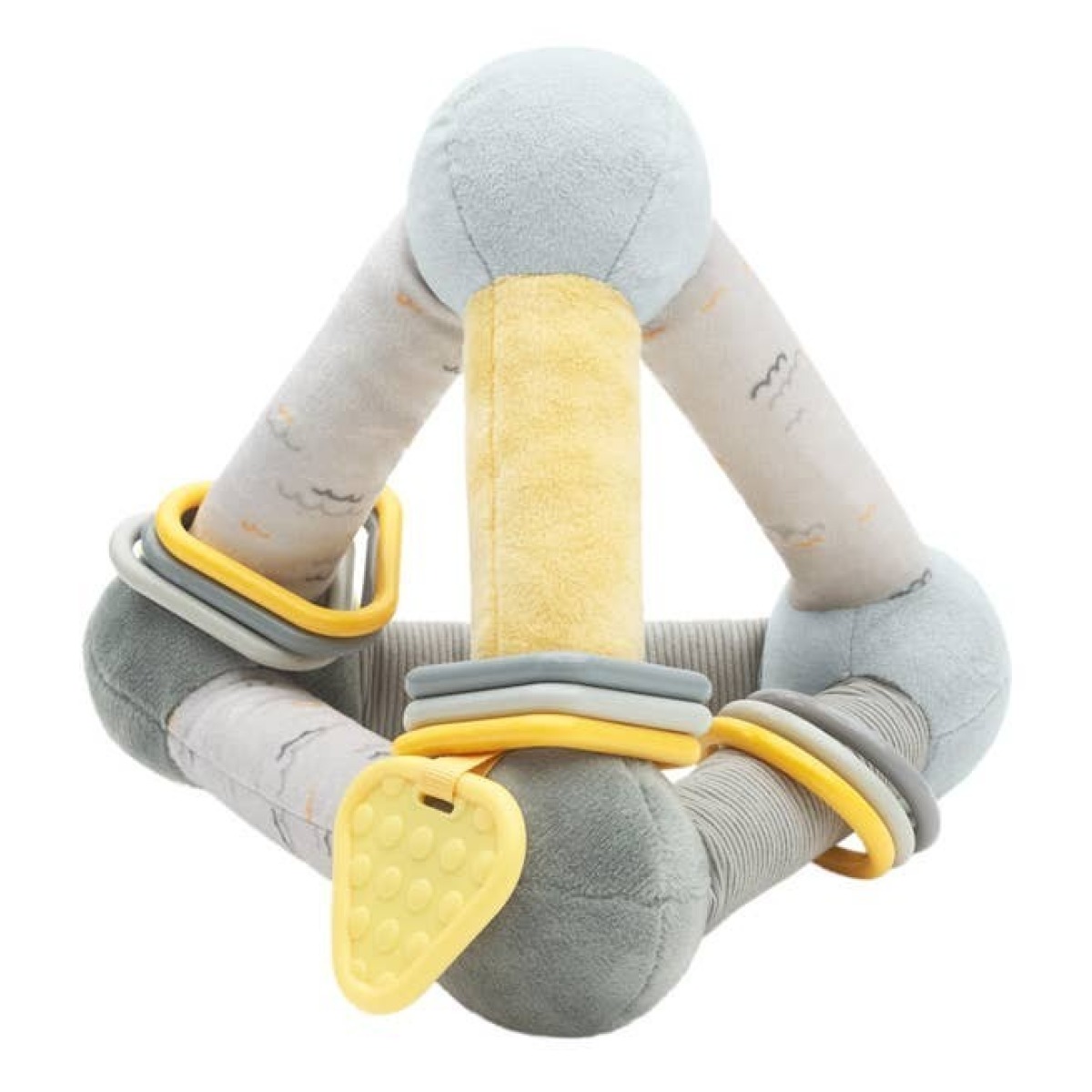
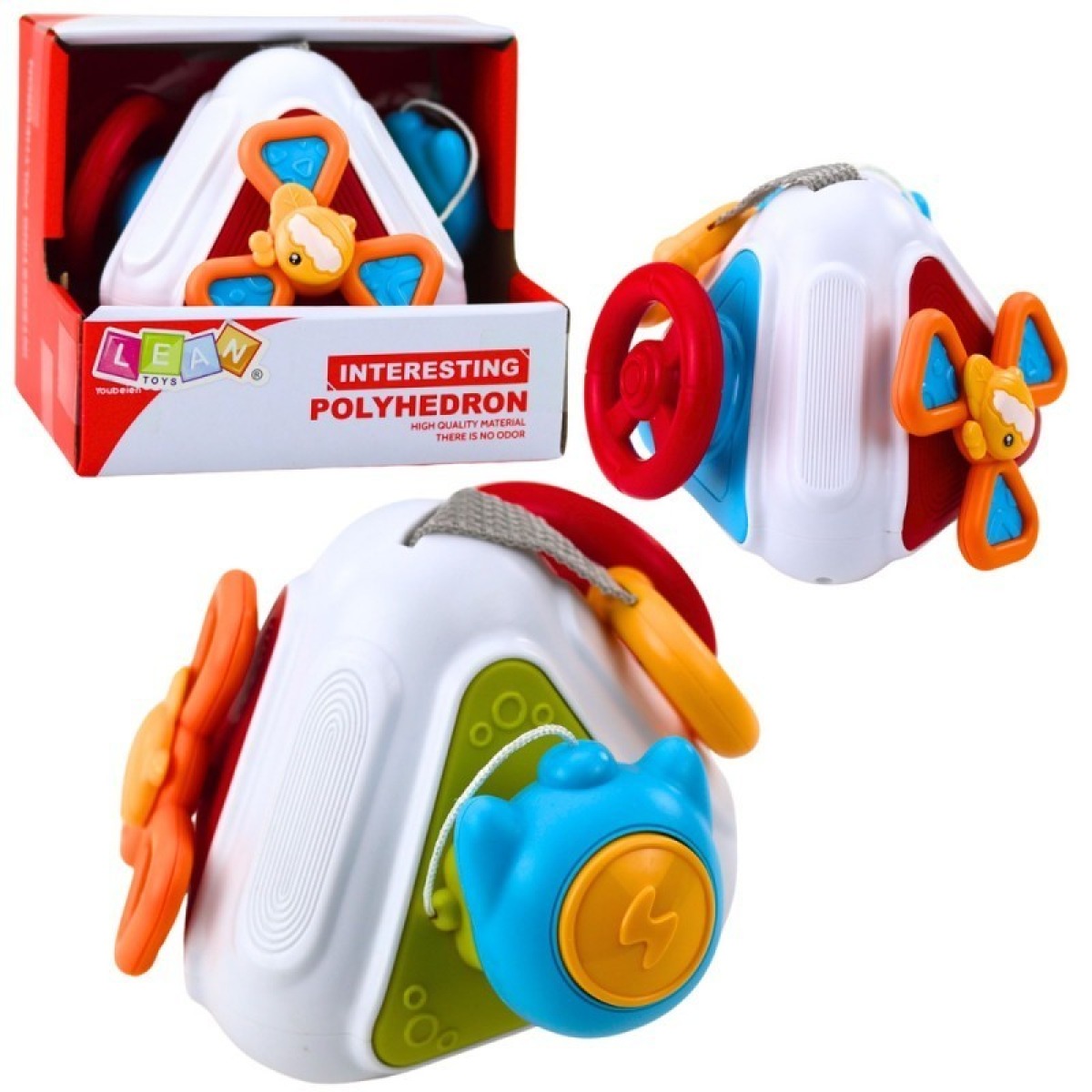
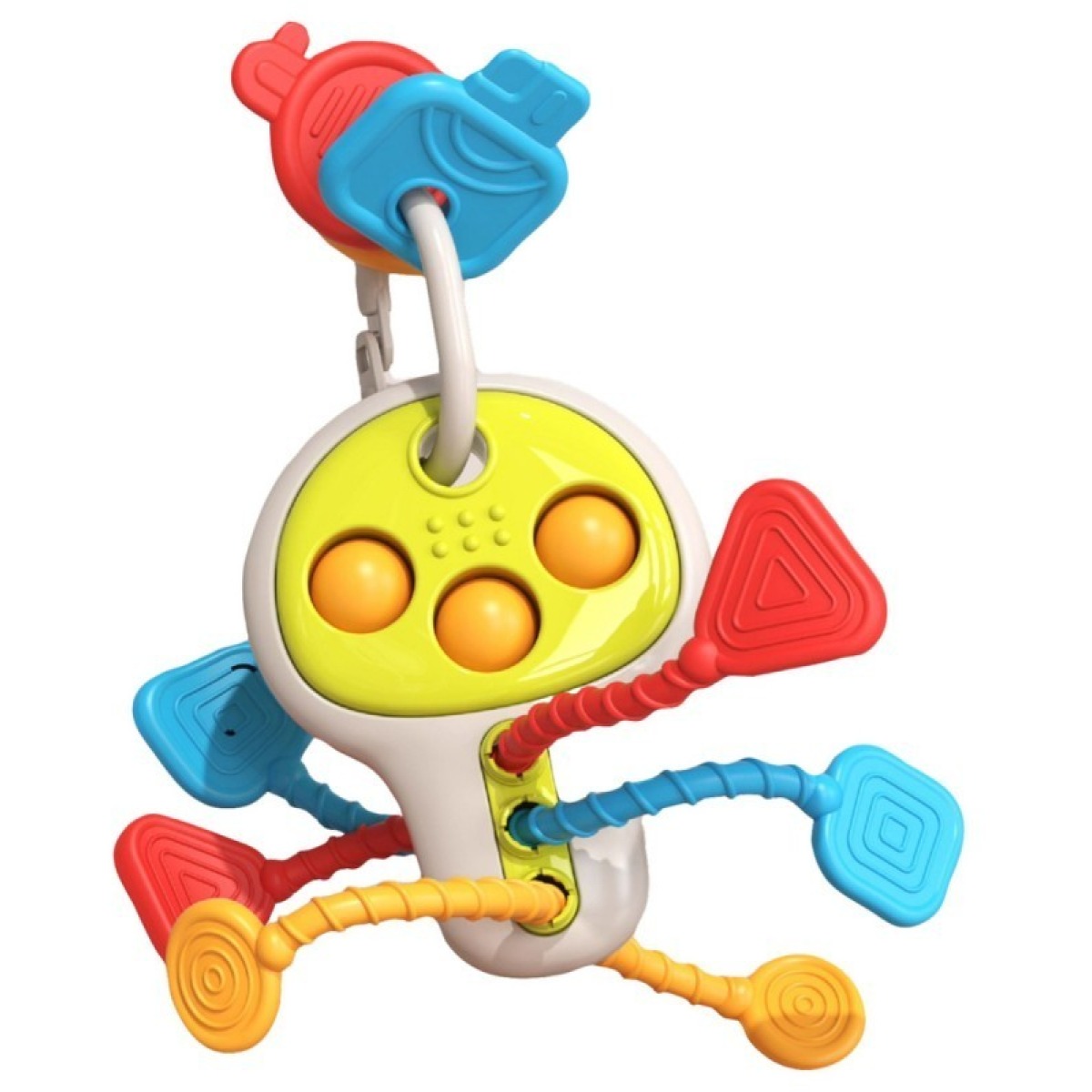
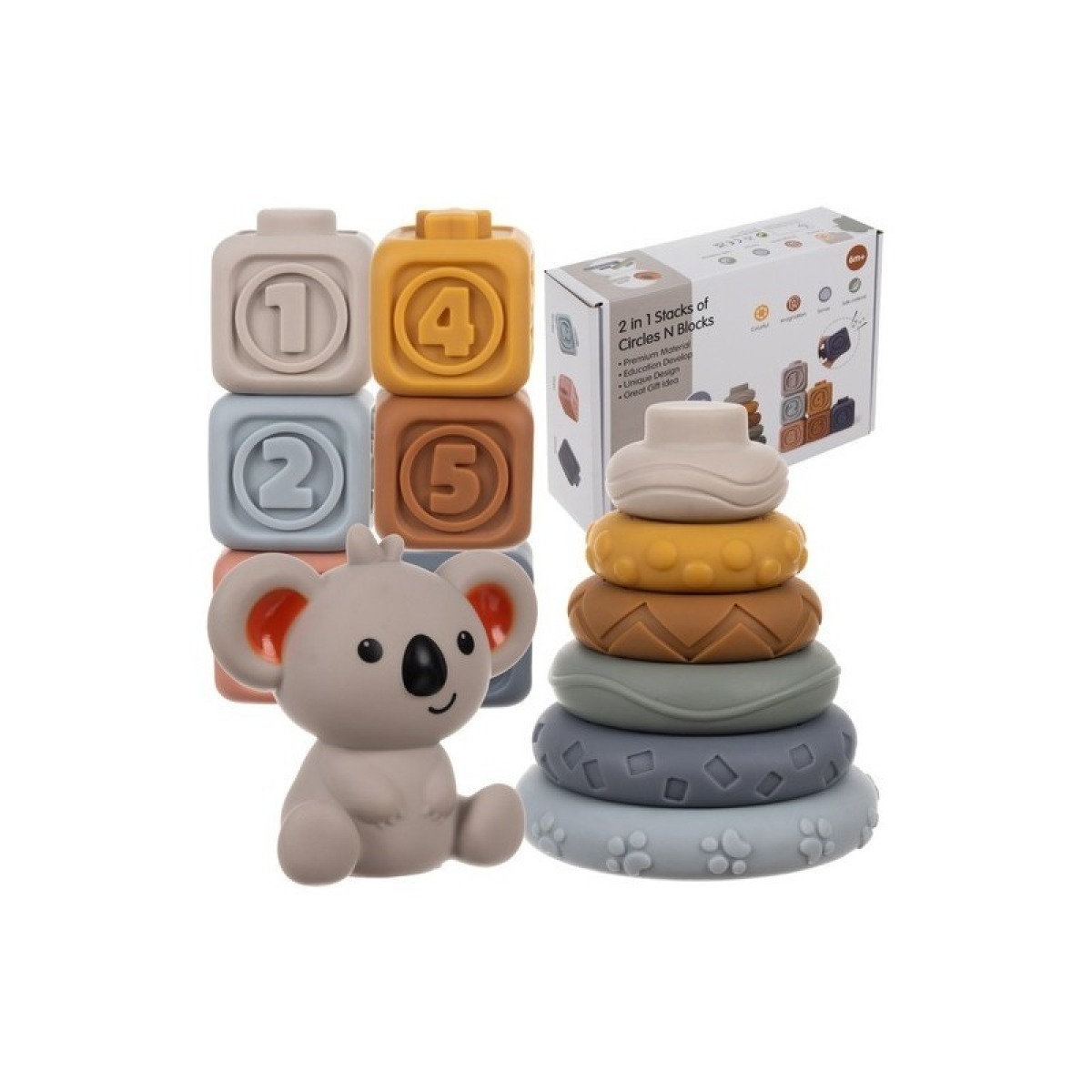
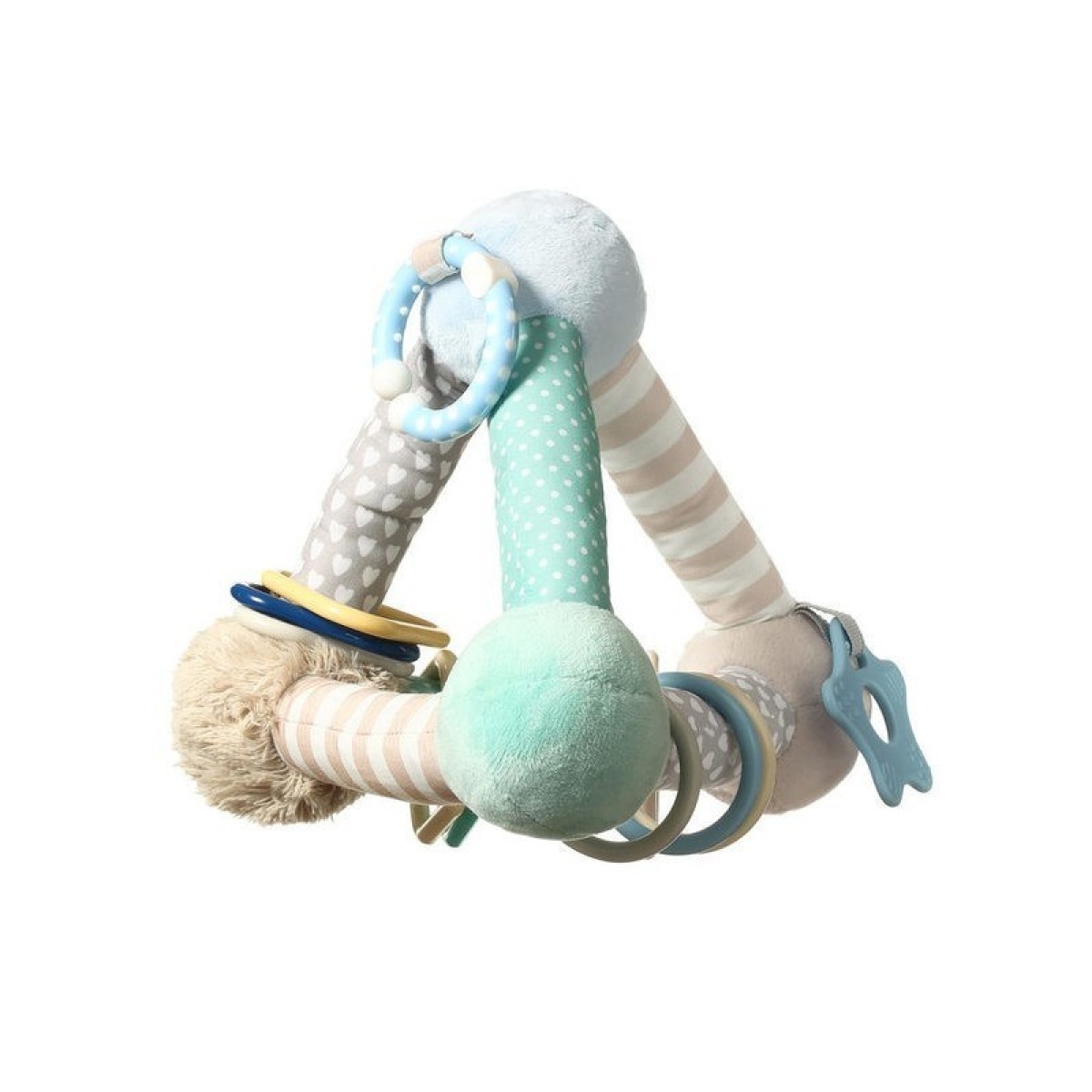
Sensory toys invite little ones to feel, squeeze and explore. Different textures, colours and shapes nourish babies' and toddlers' senses and support grasping and hand–eye coordination. You'll find sensory balls and other...
Category guide
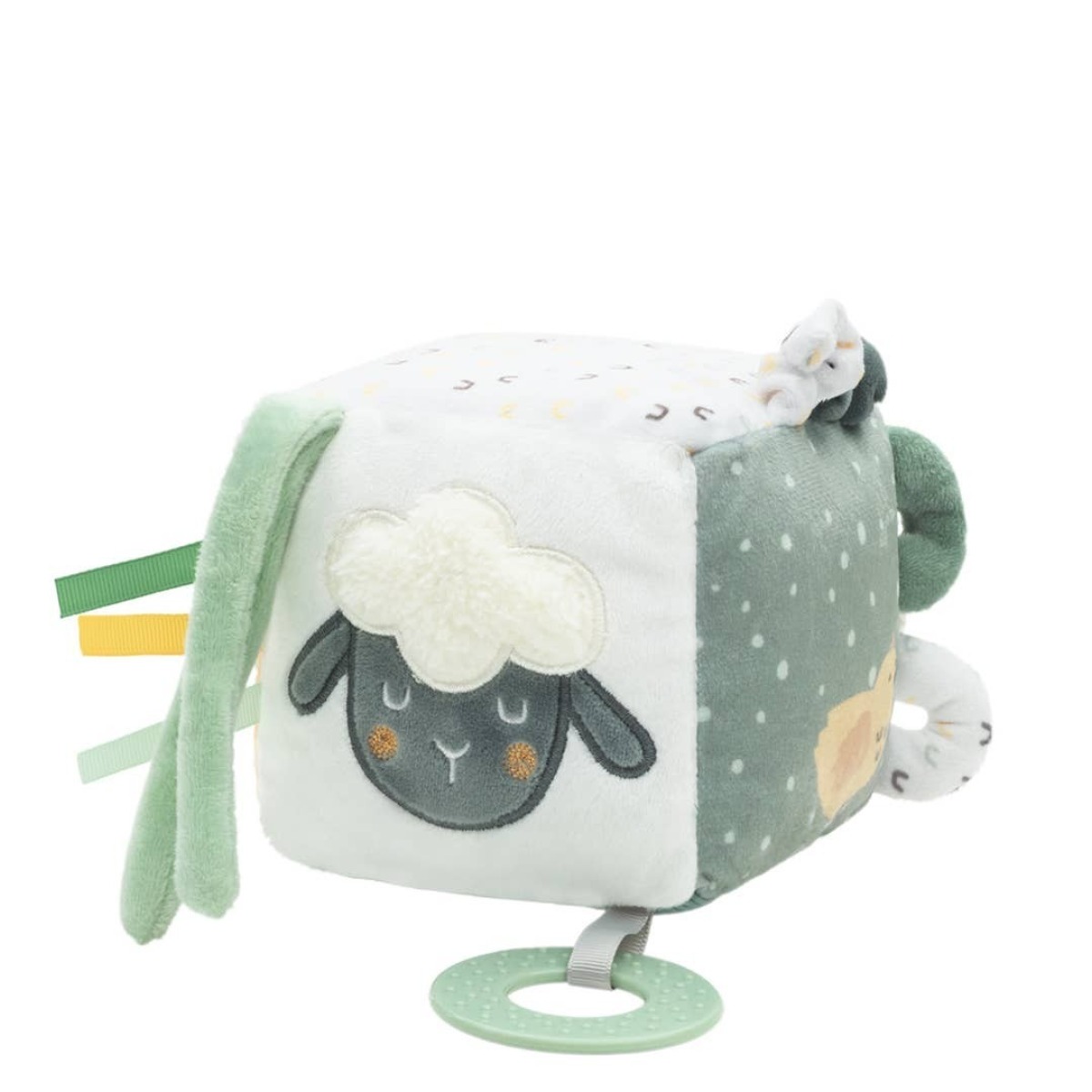
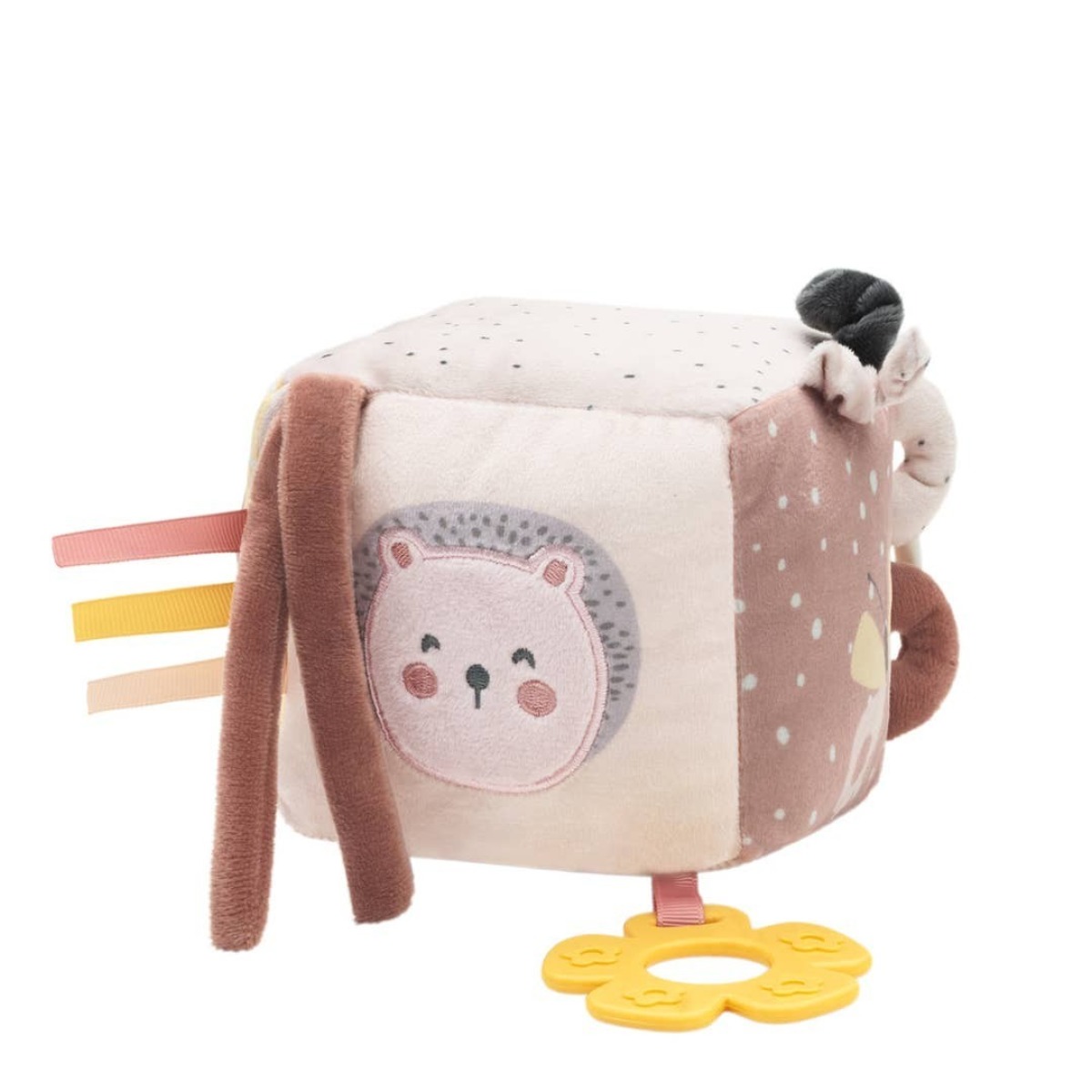
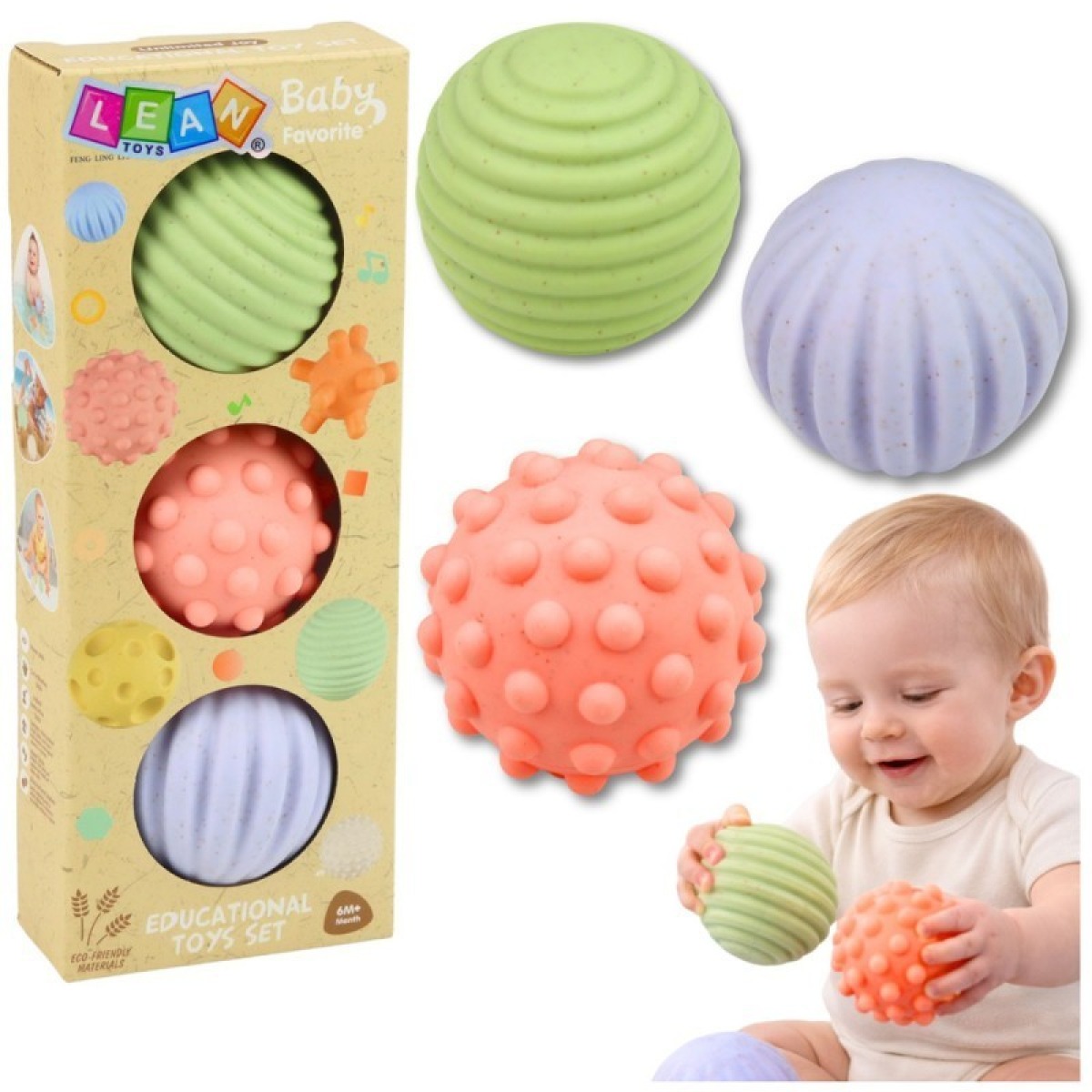
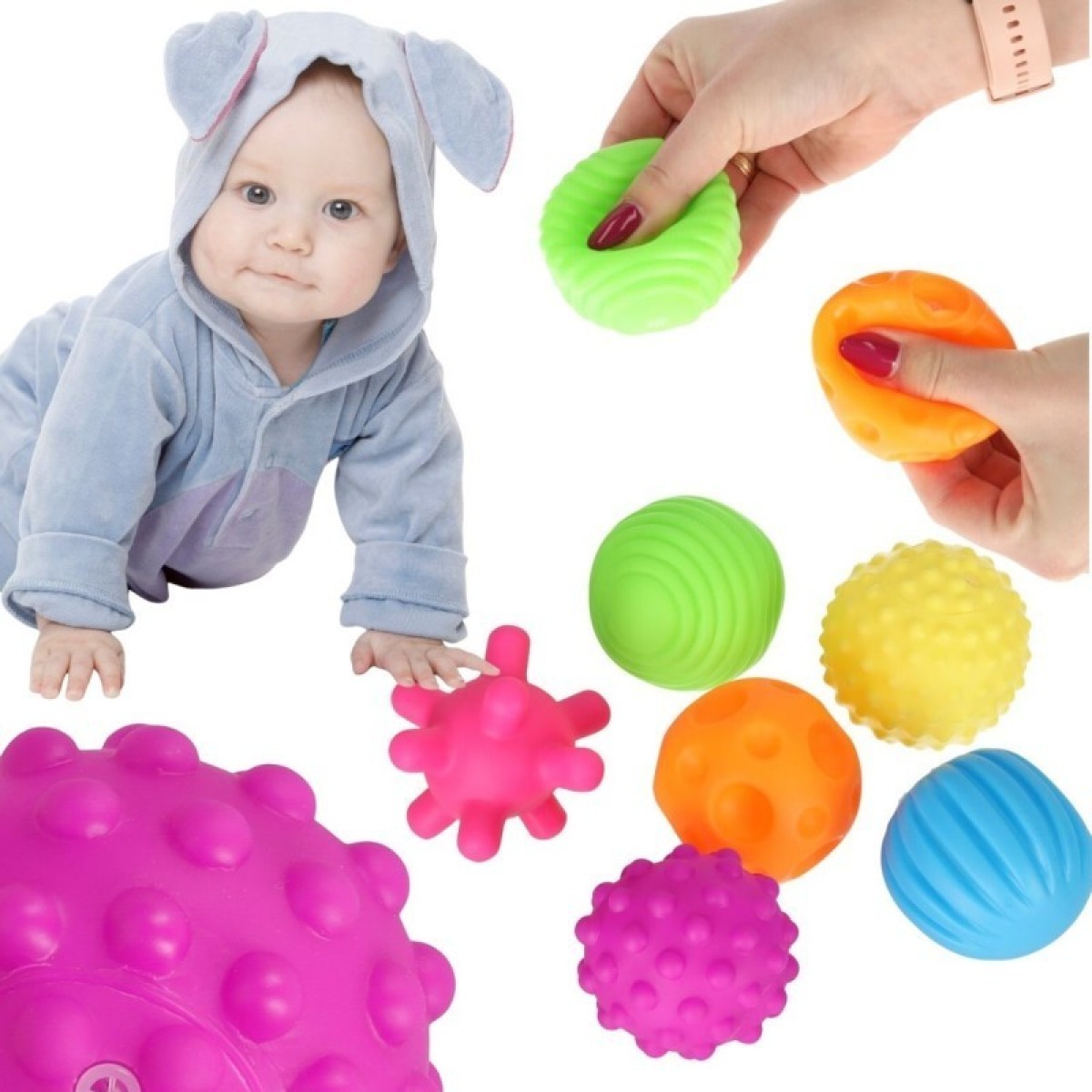
Sensory balls are toys for babies and toddlers that bring the joy of discovery to everyday nursery play through different textures, colours and shapes. Balls are easy to touch, squeeze and roll, supporting grasping skills and hand-eye coordination. As they are usually soft and light, sensory balls are especially suitable for first playtime, at home or on the go.
When choosing, consider whether
the set includes several balls with different surfaces (e.g. rough, smooth, black-and-white contrast or different shapes), as these let children discover new sensations through touch. It is also useful to consider the age range and make sure that the play is safe and suitable for sensory activities and playful development. Soft sensory balls are also a lovely way to bring developmental play into your baby's day.
Sensory balls are baby toys that give children a variety of tactile sensations. When a ball has varied surfaces, shapes or contrasting patterns, children are encouraged to touch, squeeze and roll it. This activity provides experiences that support sensory integration and helps direct attention to hand movements.
As sets usually contain several balls, repetition and variety in play can grow naturally. This makes sensory balls suitable for both short play breaks and calm activities on a mat or sofa. What particularly supports a child’s development is that the sensations come from one specific object, which is easy to return to and explore repeatedly.
Sensory balls work both as toys and as practical aids for developmental activities. They can be used to practise touch, using the senses to notice differences between objects, and fine motor skills. For a baby, this often means grasping and holding, while a toddler may already be trying different movements and rolling the ball.
Many parents also use sensory balls for calming activities, as a soft and lightweight toy is well suited to becoming accustomed to pressure. During play, children can also explore colours and contrasts and focus their attention. If the set includes balls or inserts in different shapes, there is even more variety and the child’s curiosity lasts longer.
When looking for a sensory ball set, it is important to consider what kind of experience each ball offers. Many sets include balls with different surfaces, ranging from smooth to rougher or patterned and figure-like designs. Some options also emphasise black-and-white contrast, which is particularly useful for practising visual attention.
Sets vary in size (for example, 3, 4, 6 or 8 balls), so you can choose according to the child’s age and the family’s routine. Lighter balls that are more comfortable for babies are often suitable for younger children, while a larger set offers more choices of textures. Some sets have additional details inside or attached to the balls, making play even more varied.
Sensory balls are suitable for most babies and toddlers, especially when the aim is calm exploration and developing manual skills. The best results come when play can take place in short sessions and the child can easily reach and move the ball. The balls can be used on a mat, in a baby cot or in a nursery at home.
Once a child starts changing positions more independently, the balls are also useful for rolling and grasping games. This lets the child practise controlled movements and gradually learn how an object “moves together” with their hand and gaze.
When choosing sensory balls, it is also practical to think about care. Most soft children's toys are designed for everyday use and can usually be cleaned according to the manufacturer’s instructions. Keeping the balls clean is recommended to ensure that play involving touch remains hygienic.
For feel, consider whether the balls are soft and lightweight, as this reduces discomfort if they fall. It is also useful to check that the balls are easy for the child to grip and have a comfortable shape. This keeps play safe and lets the child focus on sensory exploration.
If you would like to add more developmental activities to your selection of children's toys, sensory balls are easy to combine with everyday routines. They are ideal both among toys suitable for babies and for providing ongoing support for a toddler’s sensory play.
MIU Kids
A quiet word about cookies
Necessary cookies are already on, so your basket and checkout can work. Analytics cookies stay off until you accept. Until then Google may receive a cookieless visit signal so we can count visits. It is not used for advertising. Accept all cookies, or keep only the necessary ones. Both are one click. We remember your choice for six months, and you can change it at the bottom of the page. Privacy notice
Analytics cookies wait for a yes
MIU Kids
Choose what stays on
Necessary
Always on. These keep the basket, checkout and the shop secure.
Analytics
No analytics cookie until you accept. A cookieless visit signal may still be sent. If you accept, Google Analytics shows which pages are used. It does not build advertising profiles.