
- New
In stock · 1–3 business days1–3 business days
About the collection
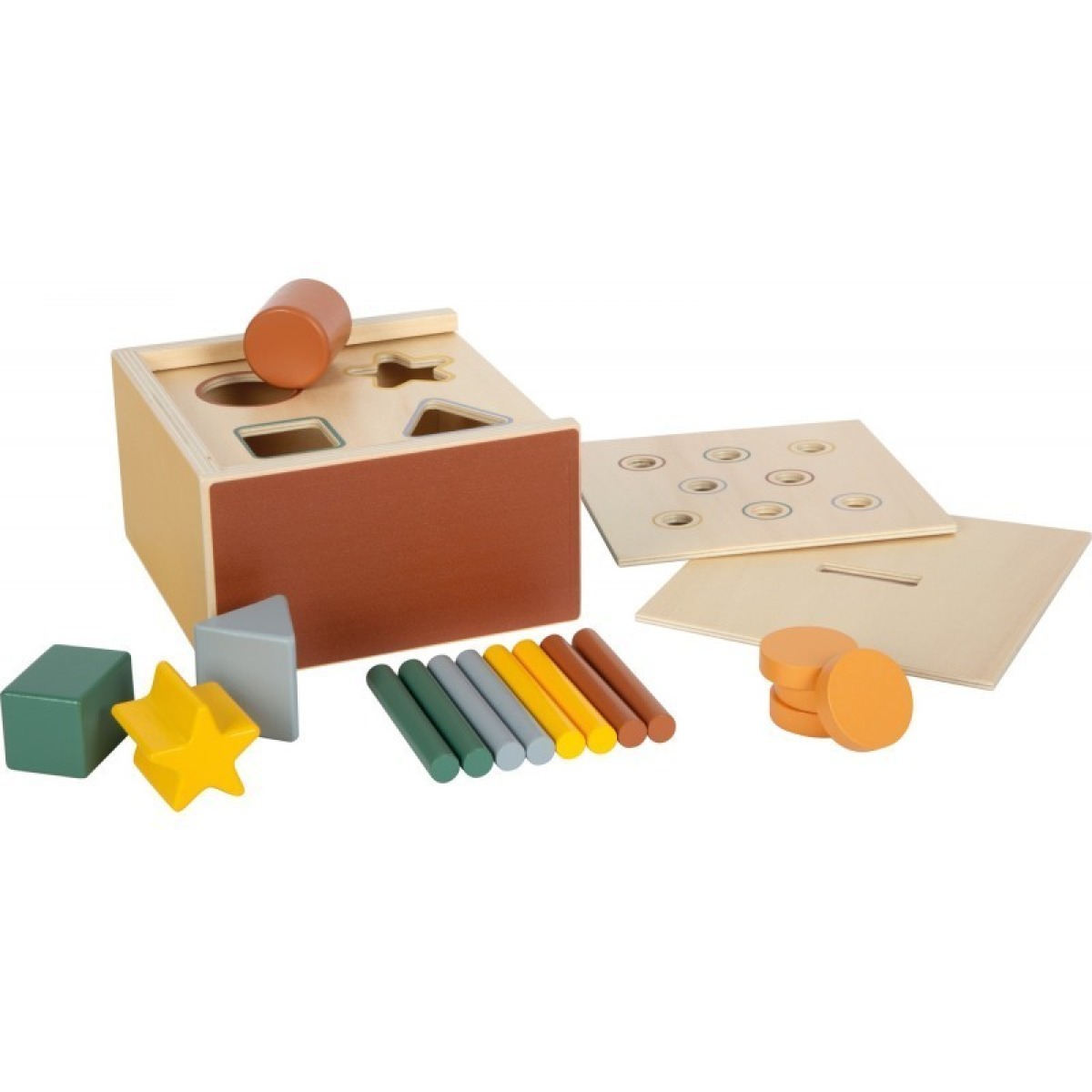
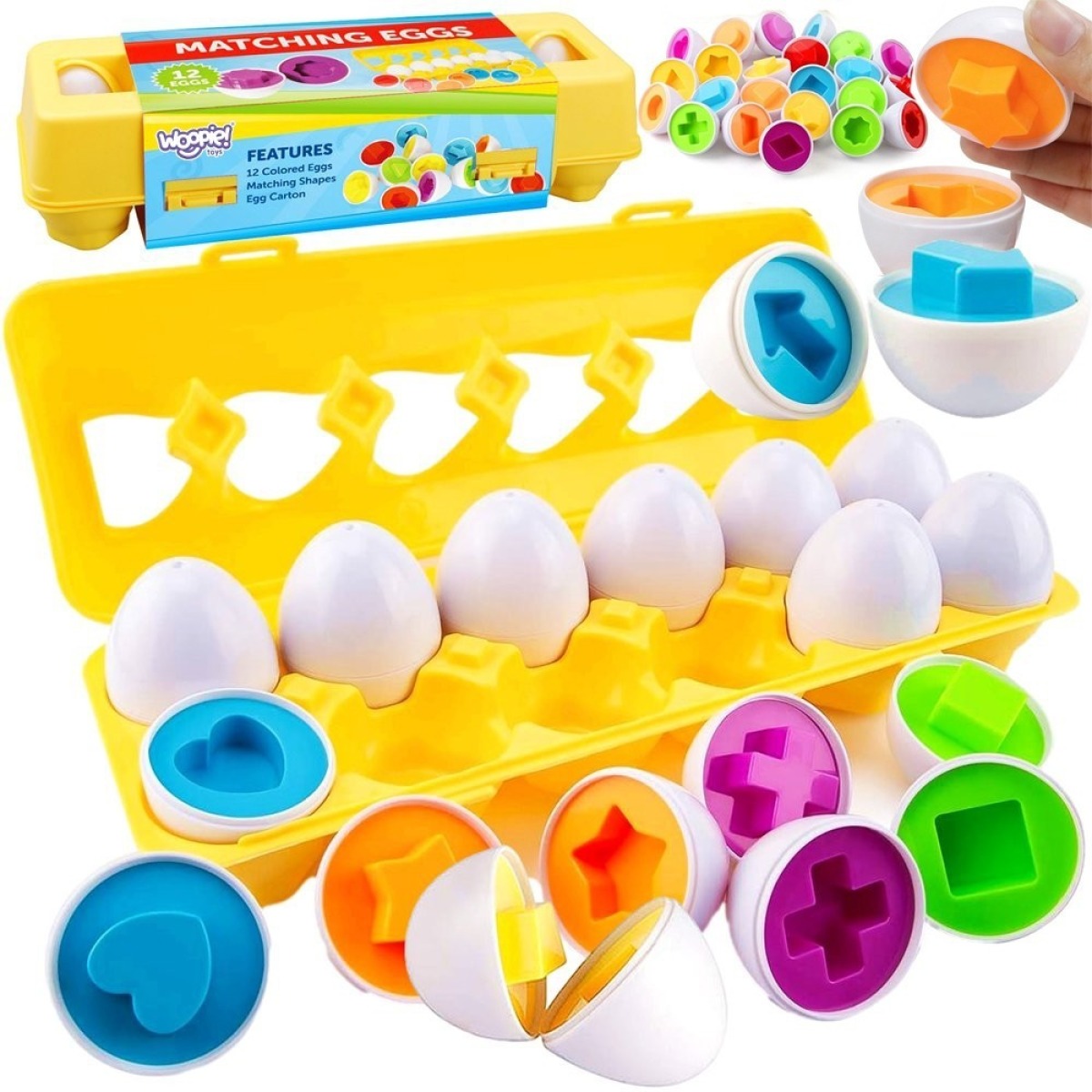
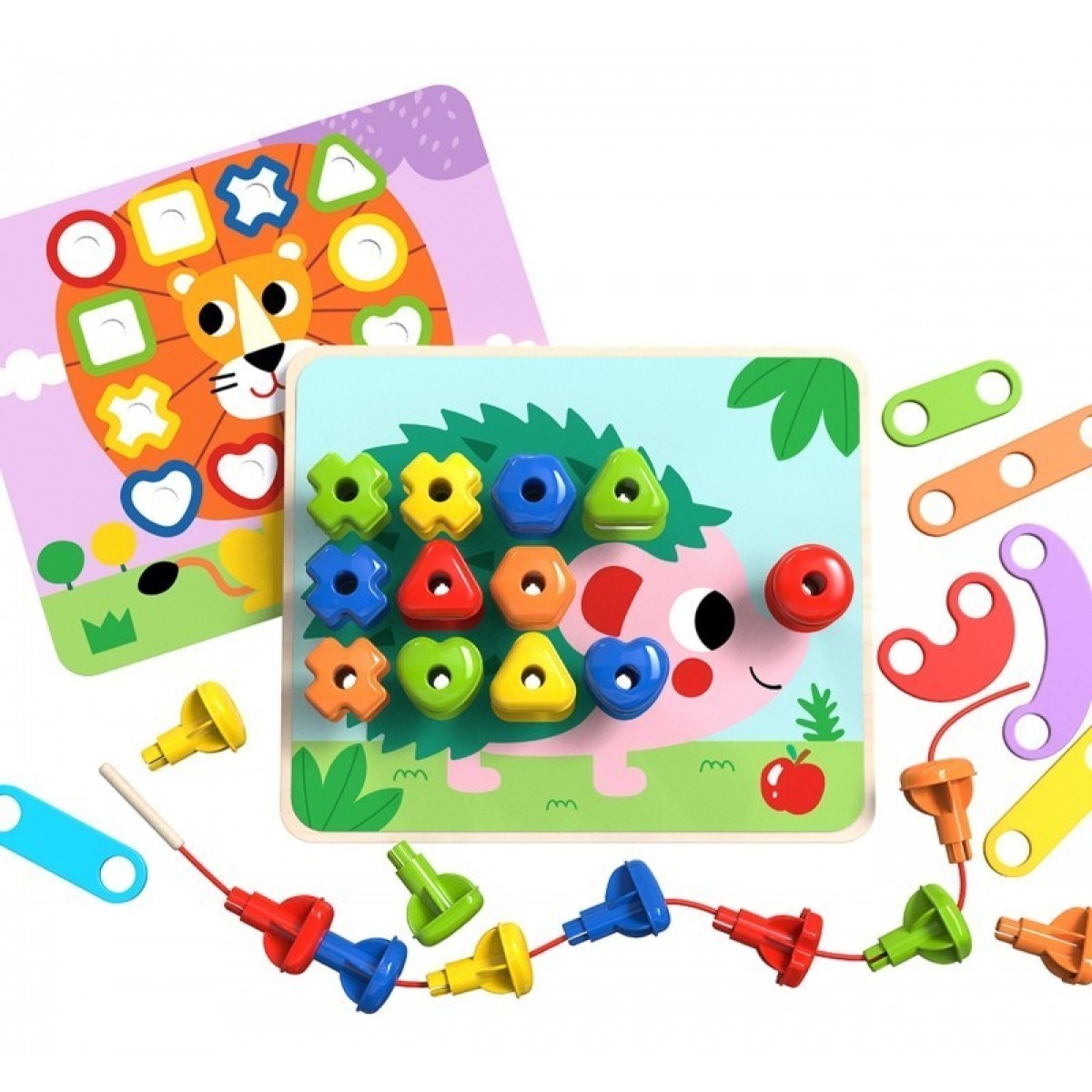
Shapes and colours are among a child's first learning topics. With the toys in this collection, toddlers practise recognising, sorting and matching shapes and primary colours with their own hands. Shape sorters, blocks and...
Category guide
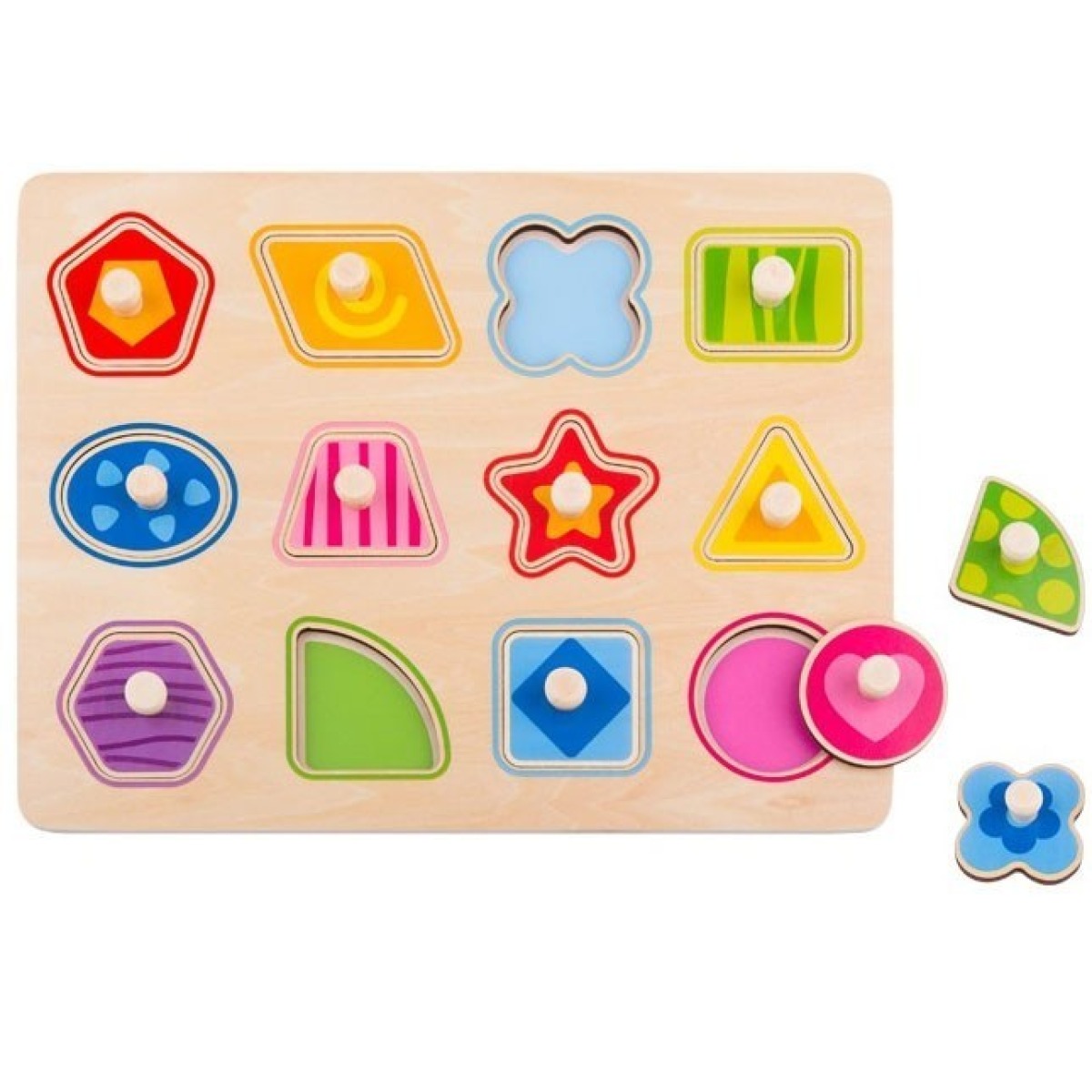
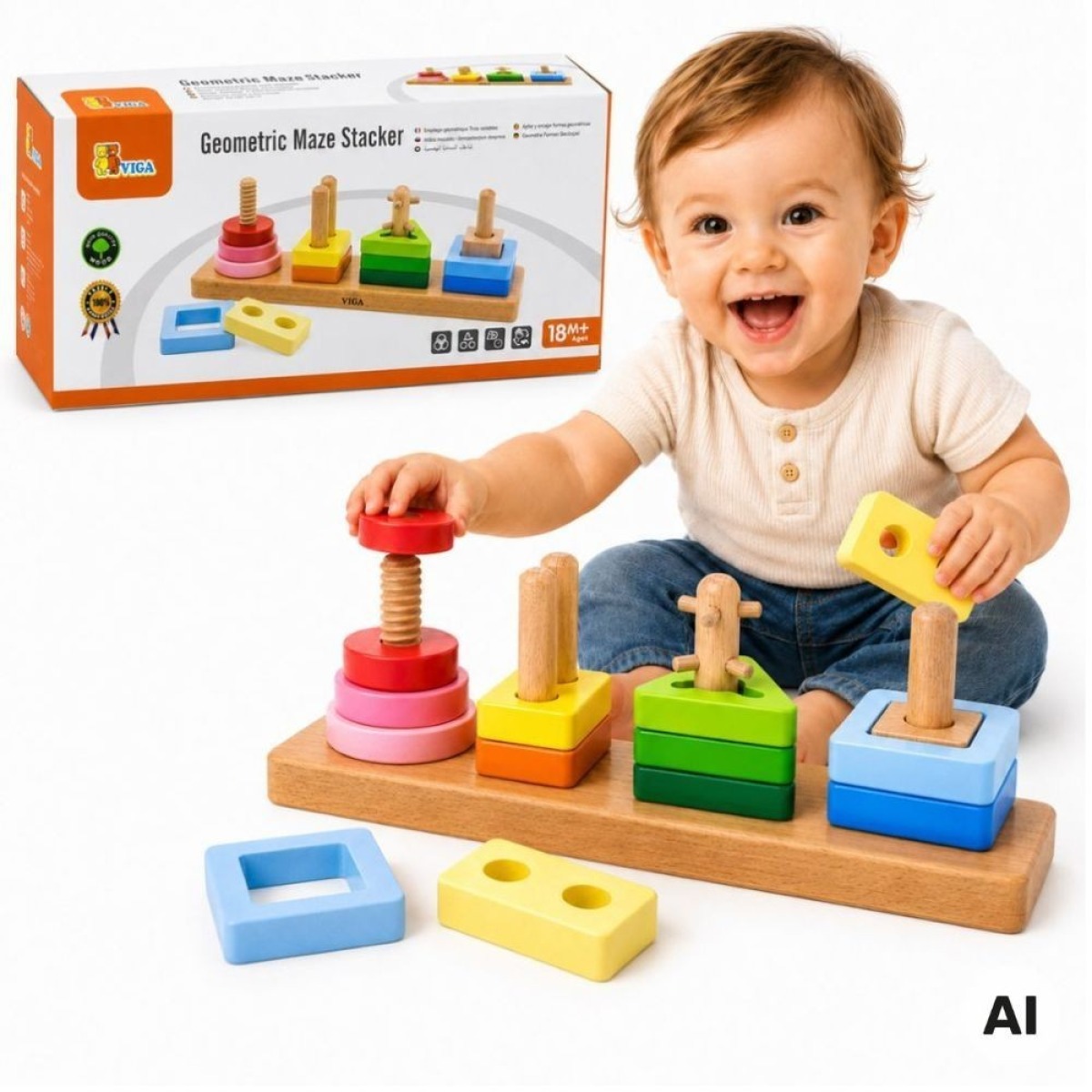
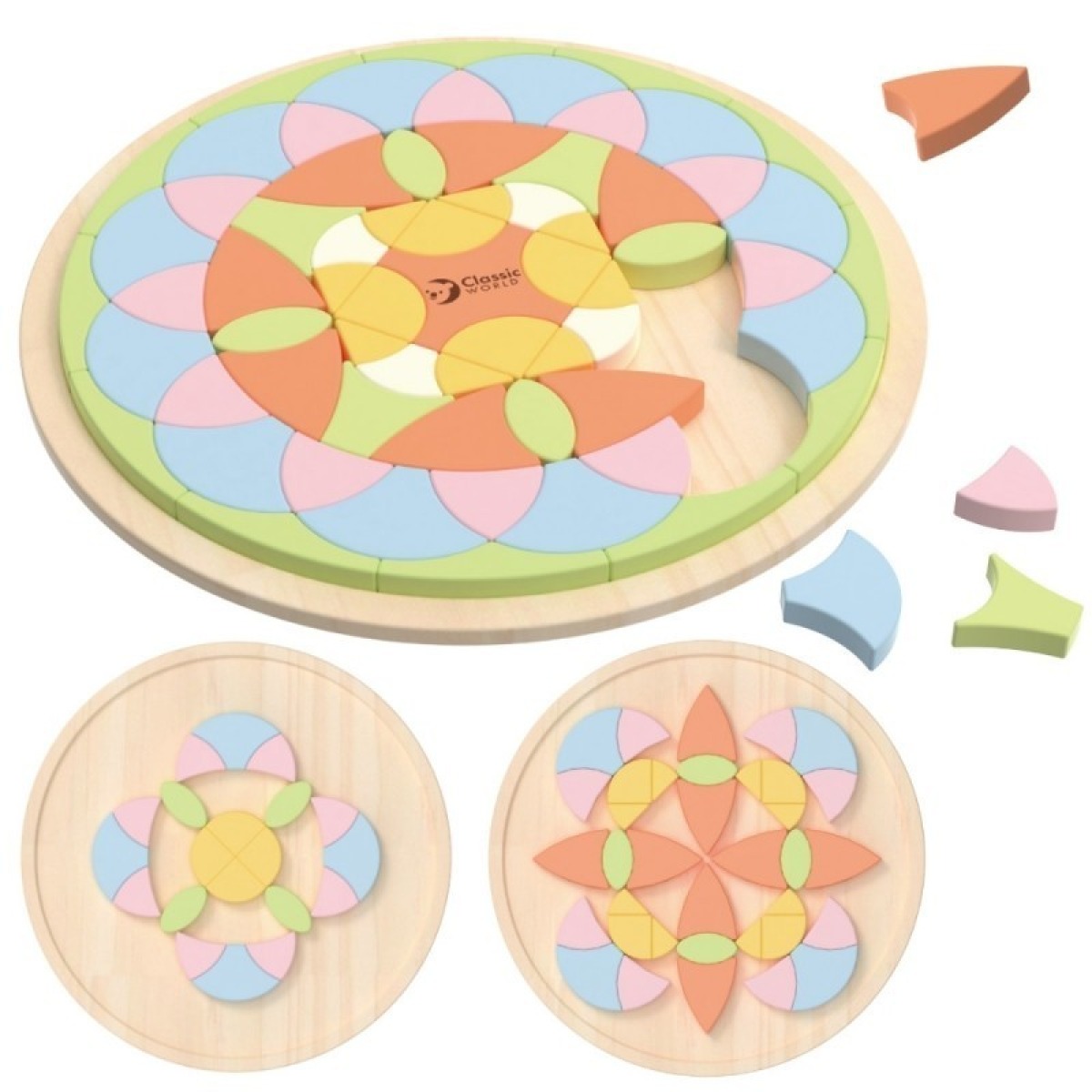
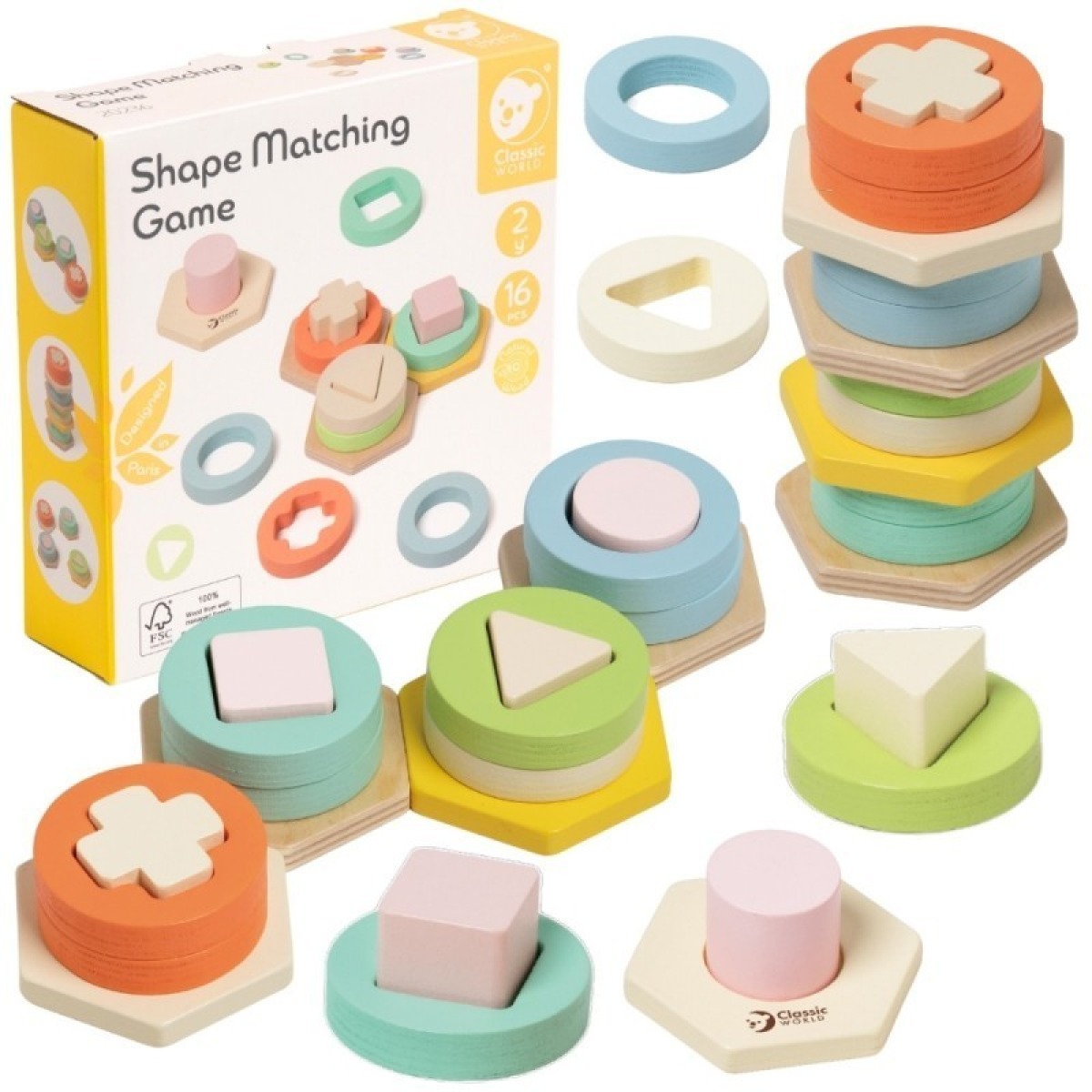
Shapes and Colours Educational Toys support children's development through hands-on activities: babies and toddlers can practise recognising, matching and sorting shapes and primary colours. These activities are particularly well suited to a child's room, where play becomes part of everyday learning and a simple, consistent way to practise concentration. The selection includes wooden options such as
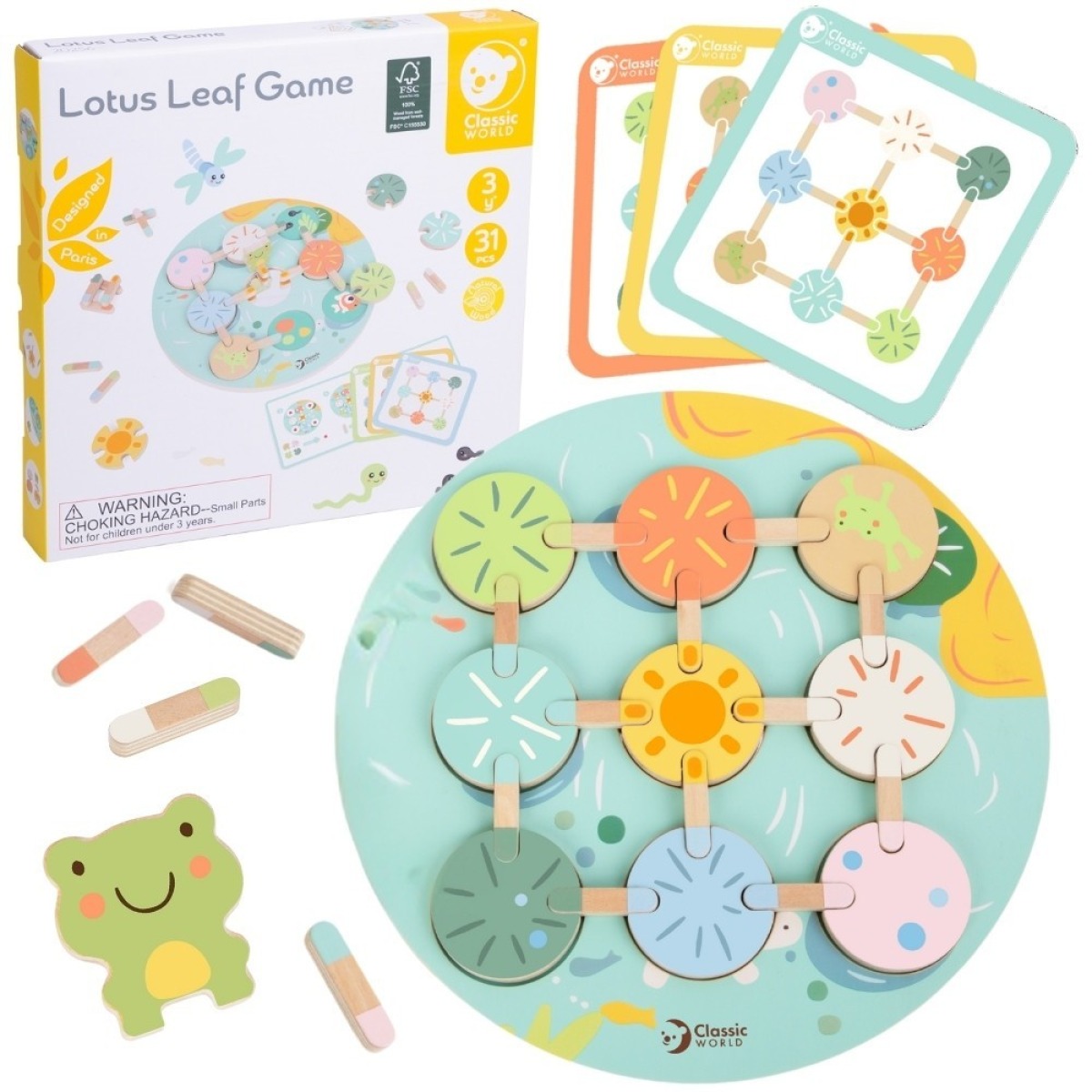
sorting puzzles, memory and matching games, and activities where children find the right hole for each shape. An important selection criterion is that the game is manageable for the child: the size of the pieces, the shape of the holes and the instructions included help reduce frustration and support fine motor skills. In addition, many products are made from FSC-certified wood and have clear visuals, making it easy for children to name colours and shapes.
The Shapes and Colours category brings together developmental toys designed to help children associate visual information (shape and colour) with the right action. Wooden Puzzles, shape sorters, and memory or matching games help children practise recognition, differentiation and learning through repetition. For children, this is a logical next step once objects have already sparked their interest.
Many activities also support fine motor skills: grasping and turning pieces, fitting them into the right openings and arranging blocks. When children achieve a “I can do it” result during play, it is easier for them to concentrate and maintain their attention. This makes the theme suitable both for babies to explore and for toddlers to practise more purposefully.
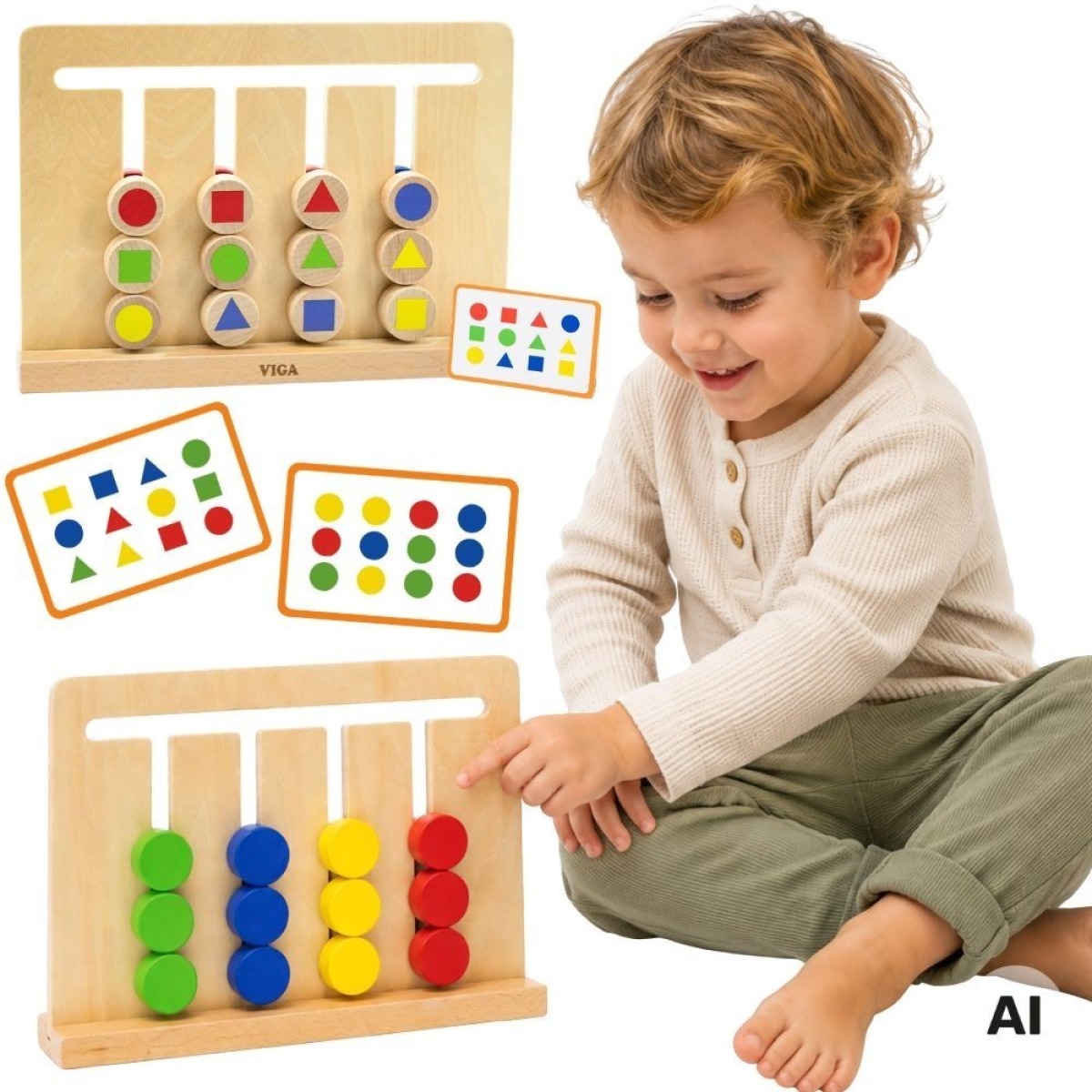
This category follows the logic typical of the Montessori approach: children use their hands, learn through a visible system and receive immediate feedback from play. The marked openings and block shapes in shape-sorting activities help children choose the right match without complex explanations. Clear colours and an easy-to-follow task are important in colour-matching games.
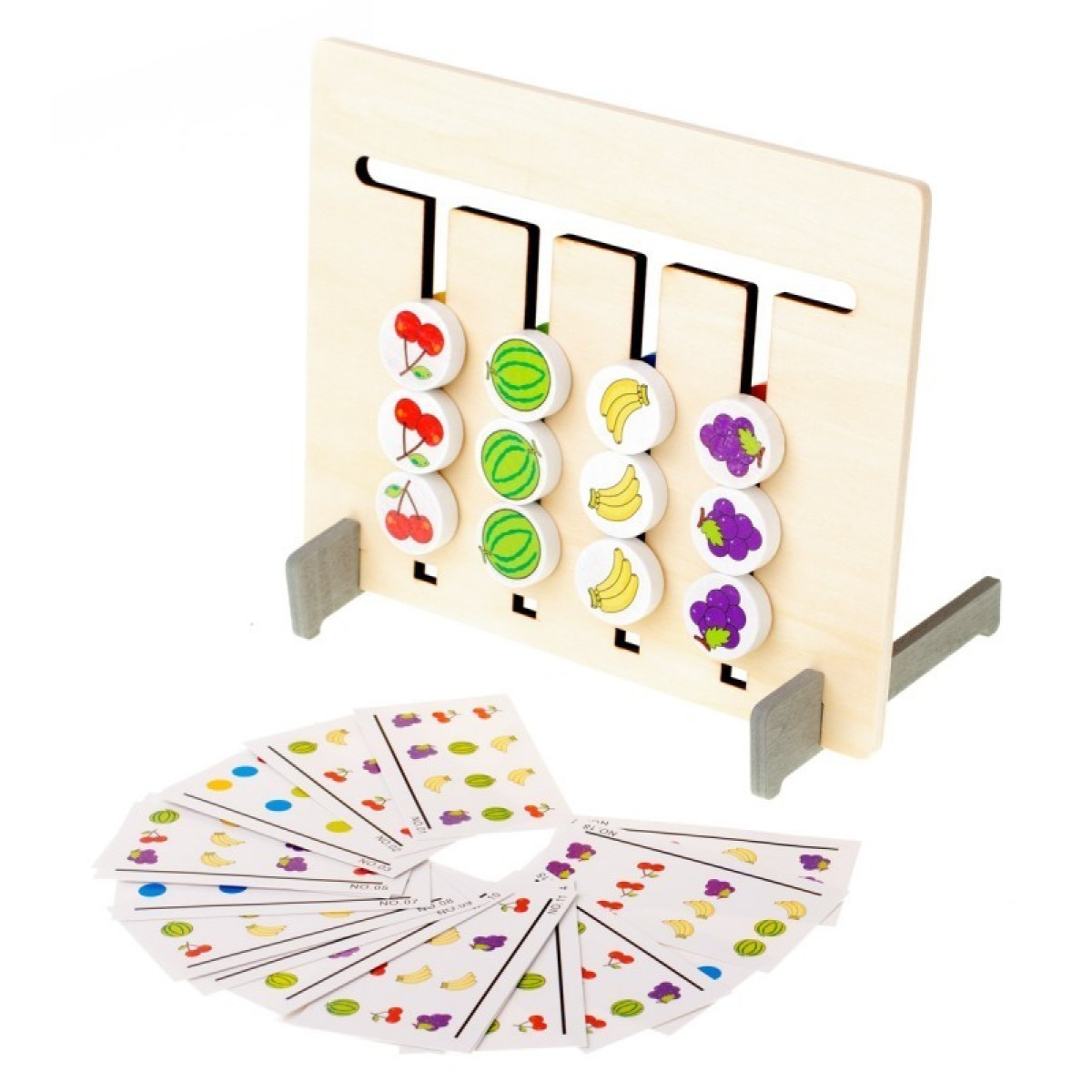
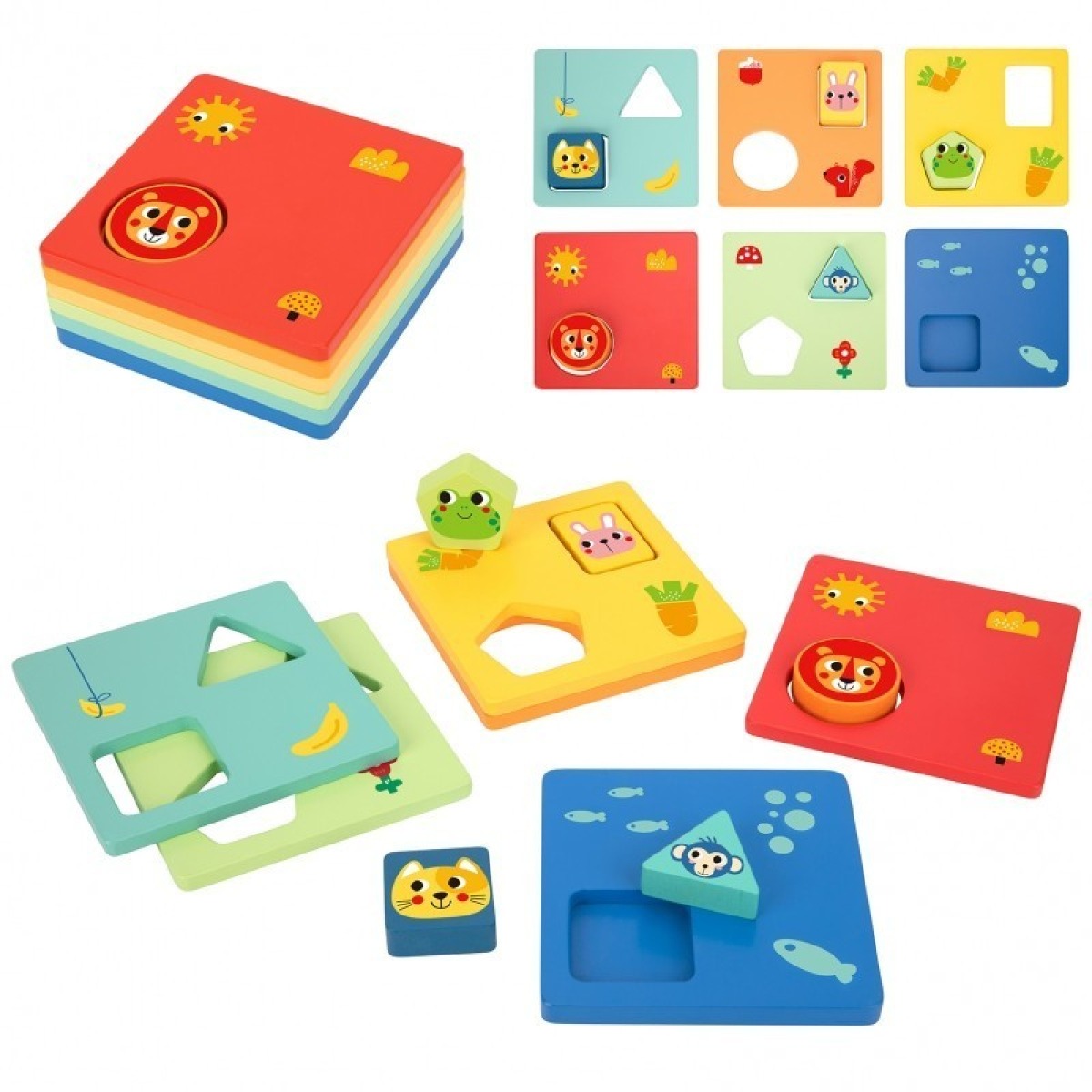
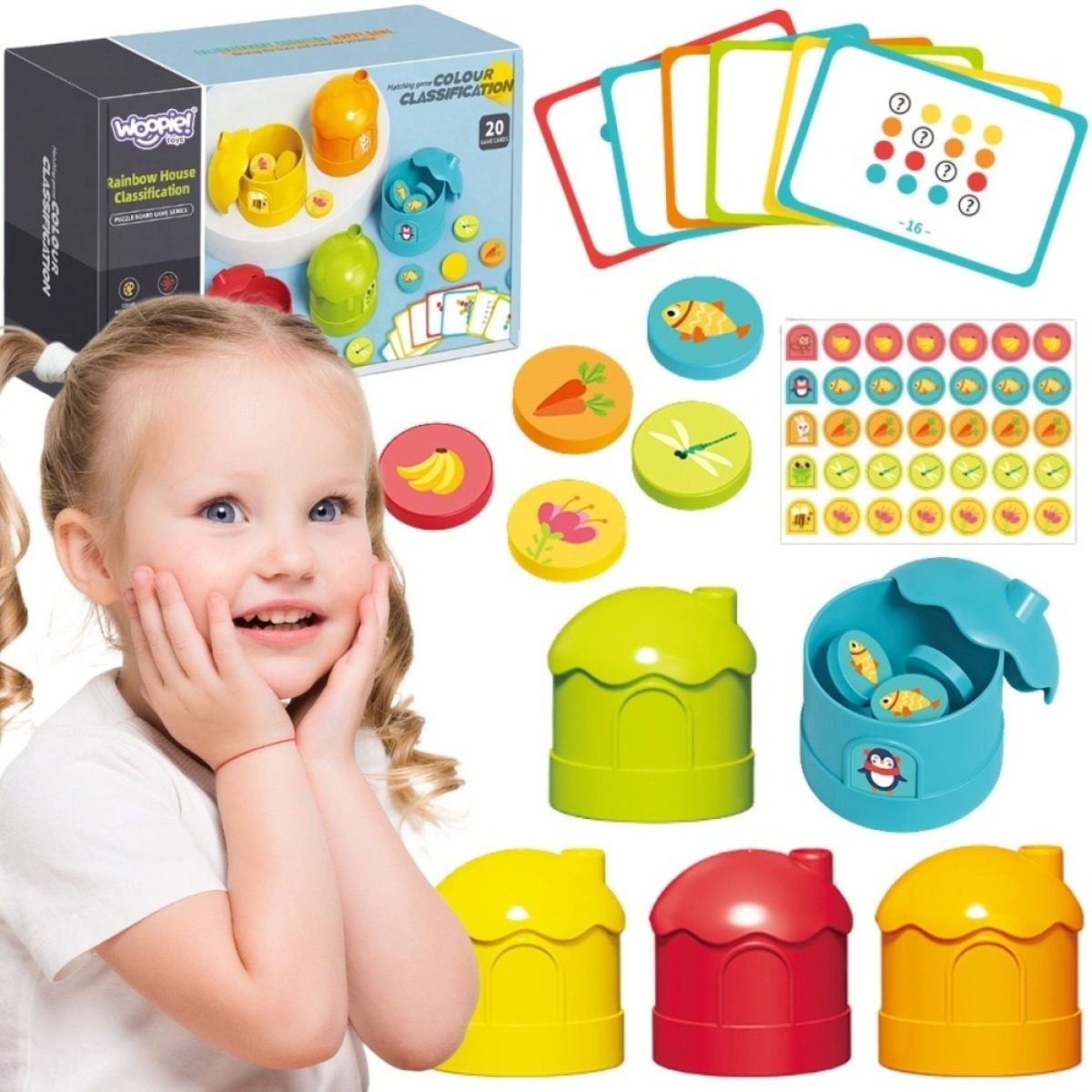
Colour memory games add a gentle challenge: children have to remember which colour a card or token belongs with. This activity supports attention and memory while keeping play engaging. Shape- and colour-themed puzzle towers and puzzle blocks are also well suited to learning rhythm and sequence.
To keep the activity easy to understand, it is worth looking at how the set is designed. If the pieces are large enough, matching is easier and children can enjoy more success. Cards or instruction materials can also help, especially when children are still learning to make connections.
Shapes and Colours Educational Toys can be used as part of the daily routine or for a quiet moment of play. For example, a matching or sorting activity works well after a meal or during the evening wind-down, when a child needs an activity that is not overly stimulating. Colour memory games are also suitable for short play sessions, with repetition occurring naturally.
If the aim is for children to learn through play, a simple routine can help: start with one colour and one shape, then gradually add new elements. This lets a parent see which colours and shapes the child is learning and when it may be time to increase the difficulty.
This category offers many solutions with an easy-to-understand goal: “put the block in the right hole”, “match the right colour” or “find a pair”. This kind of design supports independence and reduces the need for complex instructions. Seeing shapes and colours repeatedly is also important, as children learn to reinforce associations through regular practice.
If you’re looking for an activity themed around shapes and colours that’s suitable for children, babies or toddlers as an enriching way to spend time, wooden sorters, matching puzzles and memory games like these make learning through play work well at home.
MIU Kids
A quiet word about cookies
Necessary cookies are already on, so your basket and checkout can work. Analytics cookies stay off until you accept. Until then Google may receive a cookieless visit signal so we can count visits. It is not used for advertising. Accept all cookies, or keep only the necessary ones. Both are one click. We remember your choice for six months, and you can change it at the bottom of the page. Privacy notice
Analytics cookies wait for a yes
MIU Kids
Choose what stays on
Necessary
Always on. These keep the basket, checkout and the shop secure.
Analytics
No analytics cookie until you accept. A cookieless visit signal may still be sent. If you accept, Google Analytics shows which pages are used. It does not build advertising profiles.