
- New
In stock · 1–3 business days1–3 business days
About the collection
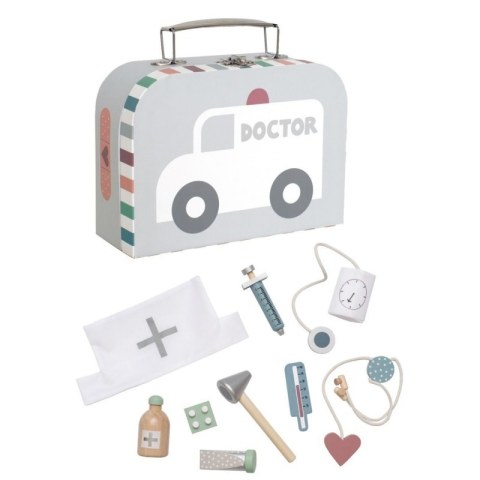
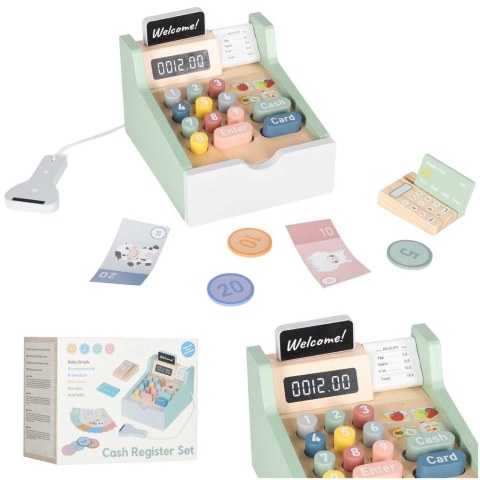
In role play, children get to be a chef, a shopkeeper, a doctor or whatever their imagination dreams up. While playing, they practise interaction, taking turns and everyday situations in a safe way. In this collection you'll...
Category guide
Role play for children supports imitating everyday life and developing creativity. Babies, toddlers and older children can take on roles in play and practise communication, understanding turn-taking and rules, and planning their own actions. This category offers children's role-play toys both as an addition to the kids' room at home and as a developmental activity in a play corner, where new stories can be imagined every day. With role play, it's important
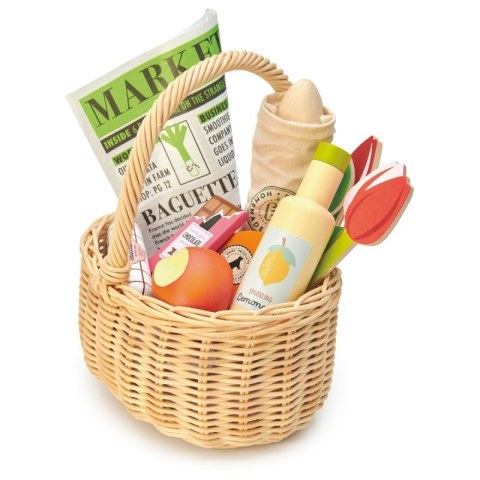
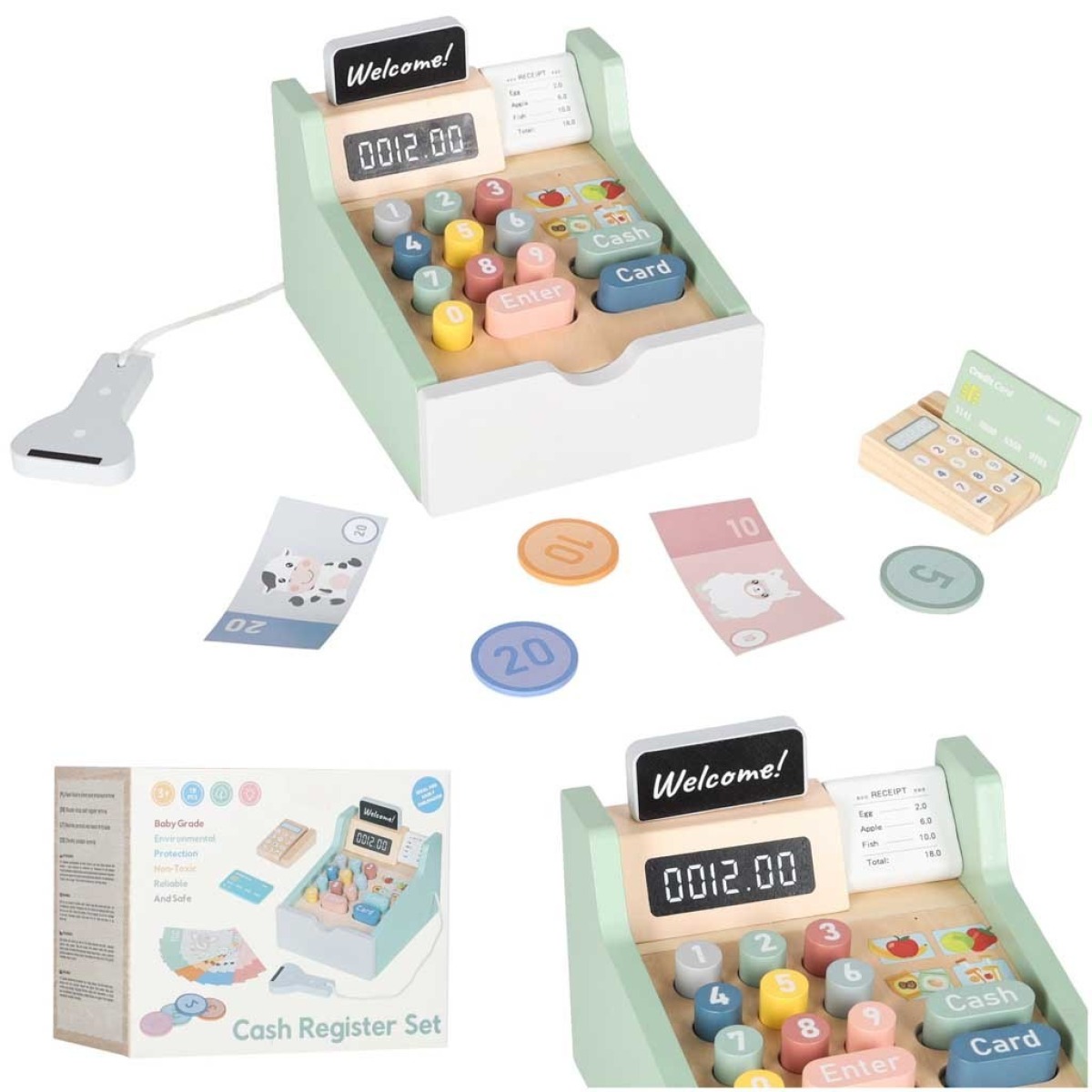
to choose games that invite action: for example shop and café games, a doctor's surgery, beauty rituals and imitating work with tools. A good role-play set pays attention to realism (accessories, drawers, buttons, storage) and safety (child-friendly materials and intended use). It's also sensible to check age suitability, so the child truly enjoys the game and the activity develops manual skills, attention and imagination.
Role play gives children the chance to see the world through different roles. While babies and toddlers imitate adults' everyday tasks, older children already create coherent stories: "I'm going to the shop", "I'm a doctor" or "I'm doing repairs at home". Play like this helps children make sense of what they've seen and reinforce new skills, both at home and in situations similar to the nursery routine.
When choosing, it's also worth thinking about the play environment. Many sets suit the kids' room, the kitchen, a play corner or a dedicated role-play corner where accessories can be kept in a set place. The more logical the structure of the game, the easier it is for the child to start and finish the activity.
With a good role-play toy, what counts is how well the details imitate the real situation. Accessories, storage systems and the game's "moves" (buttons, drawers, elements included in the set) make the activity concrete and reduce confusion. Children's games are more developmental when the child can act independently and take the role further.
Besides realism, a child-friendly choice of materials and ease of use are important. Different sets are designed for quieter role play as well as more active activities, but they all share one thing: the game should provide a clear framework for action.
Role play isn't one style for everyone. For babies and toddlers, the most suitable activities are often those that support imitation and exploring with the hands. As they grow, children are ready for more complex stories: selling and ordering, service, appointments and games where roles alternate and a sequence emerges.
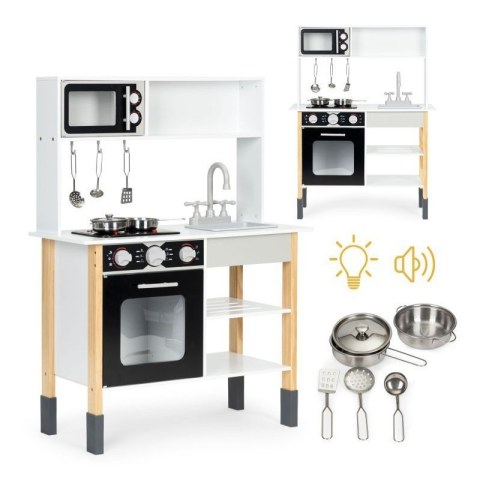
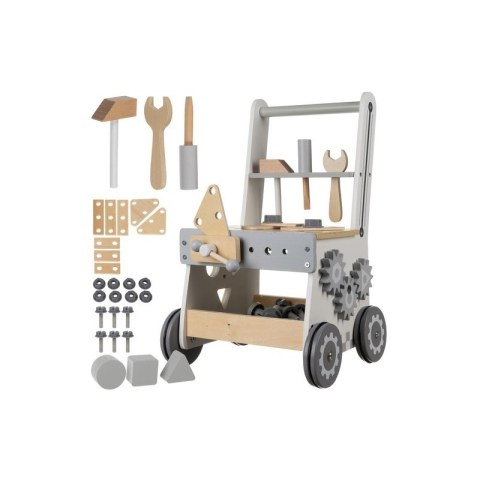
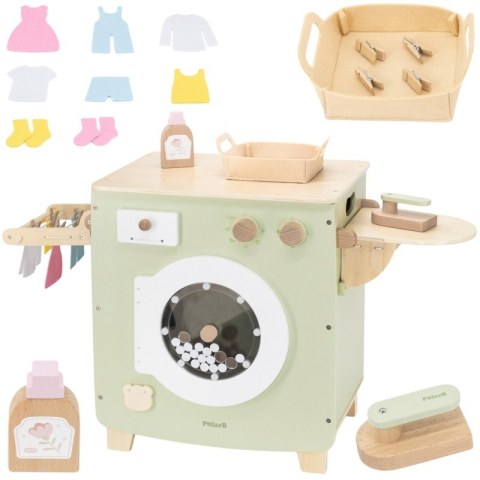
For older children, a children's play kitchen and sets imitating household service are popular, as are tool and mechanics-themed games. These help practise logical thinking, while imagination turns the activity into a real story.
Role play lays a great foundation for playing together. When a child has a shop, a doctor's surgery or a salon "in its place", it's easier to involve family members and talk about what happened and what comes next. This kind of communication is natural and developmental at the same time.
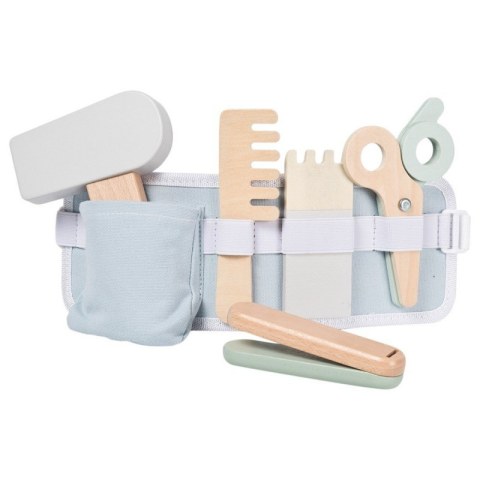
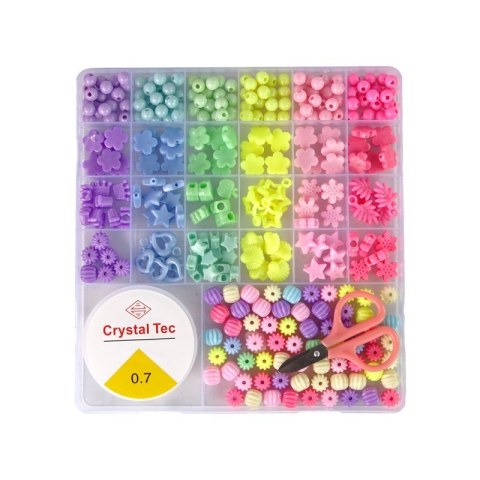
Several play themes are common in the category, suiting different interests:
The idea of role play lasts when it's easy for the child to set up the play environment. When accessories have a set place and the activity is logical, there are fewer interruptions and play can develop into one continuous activity. This fits well with the home routine: children can play before going outside, after a meal or at a calmer moment.
For practical use, it's also worth checking whether the set has storage and how the accessories go together. This keeps the kids' room tidy and developmental children's toys easy to reach for the next play session.
MIU Kids
A quiet word about cookies
Necessary cookies are already on, so your basket and checkout can work. Analytics cookies stay off until you accept. Until then Google may receive a cookieless visit signal so we can count visits. It is not used for advertising. Accept all cookies, or keep only the necessary ones. Both are one click. We remember your choice for six months, and you can change it at the bottom of the page. Privacy notice
Analytics cookies wait for a yes
MIU Kids
Choose what stays on
Necessary
Always on. These keep the basket, checkout and the shop secure.
Analytics
No analytics cookie until you accept. A cookieless visit signal may still be sent. If you accept, Google Analytics shows which pages are used. It does not build advertising profiles.