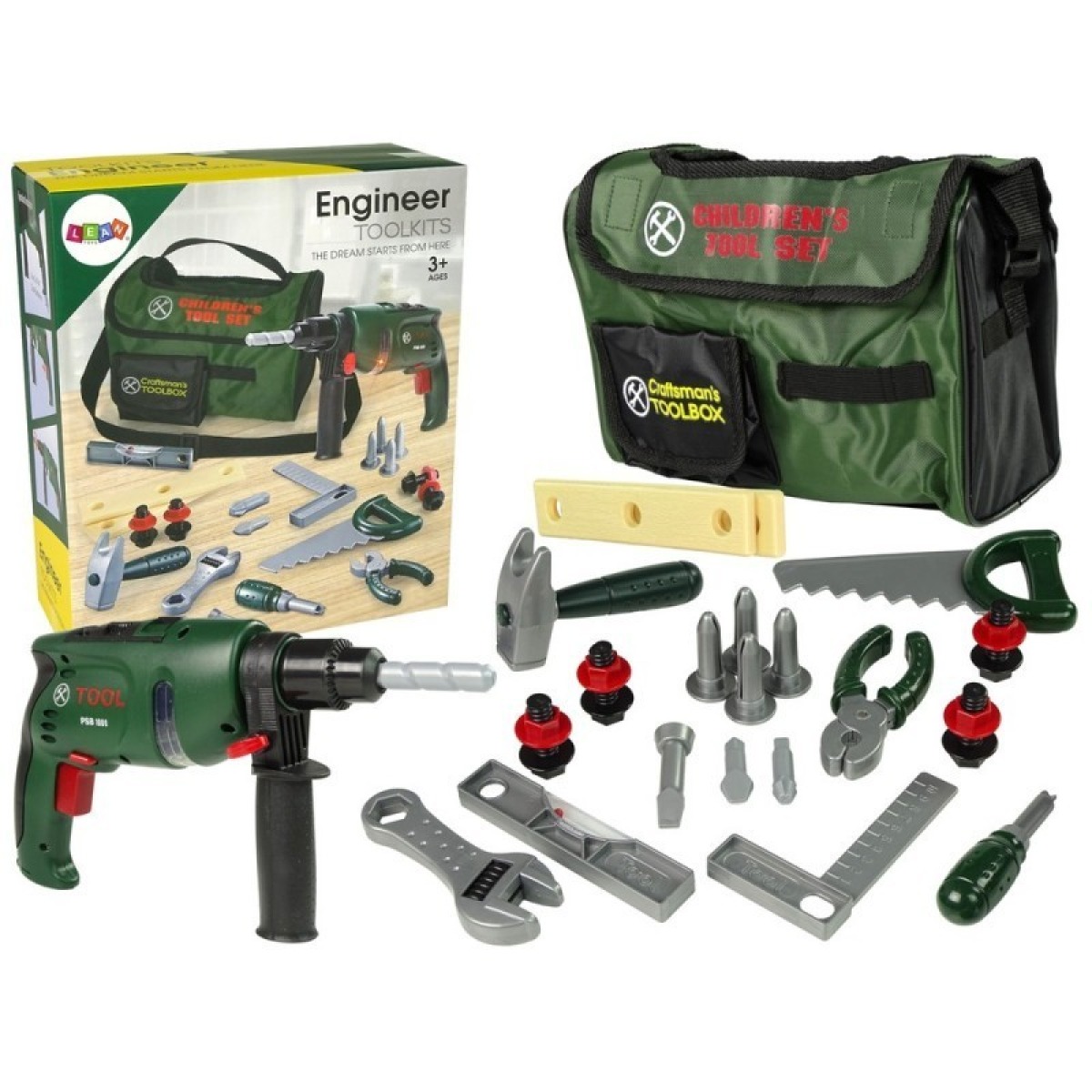
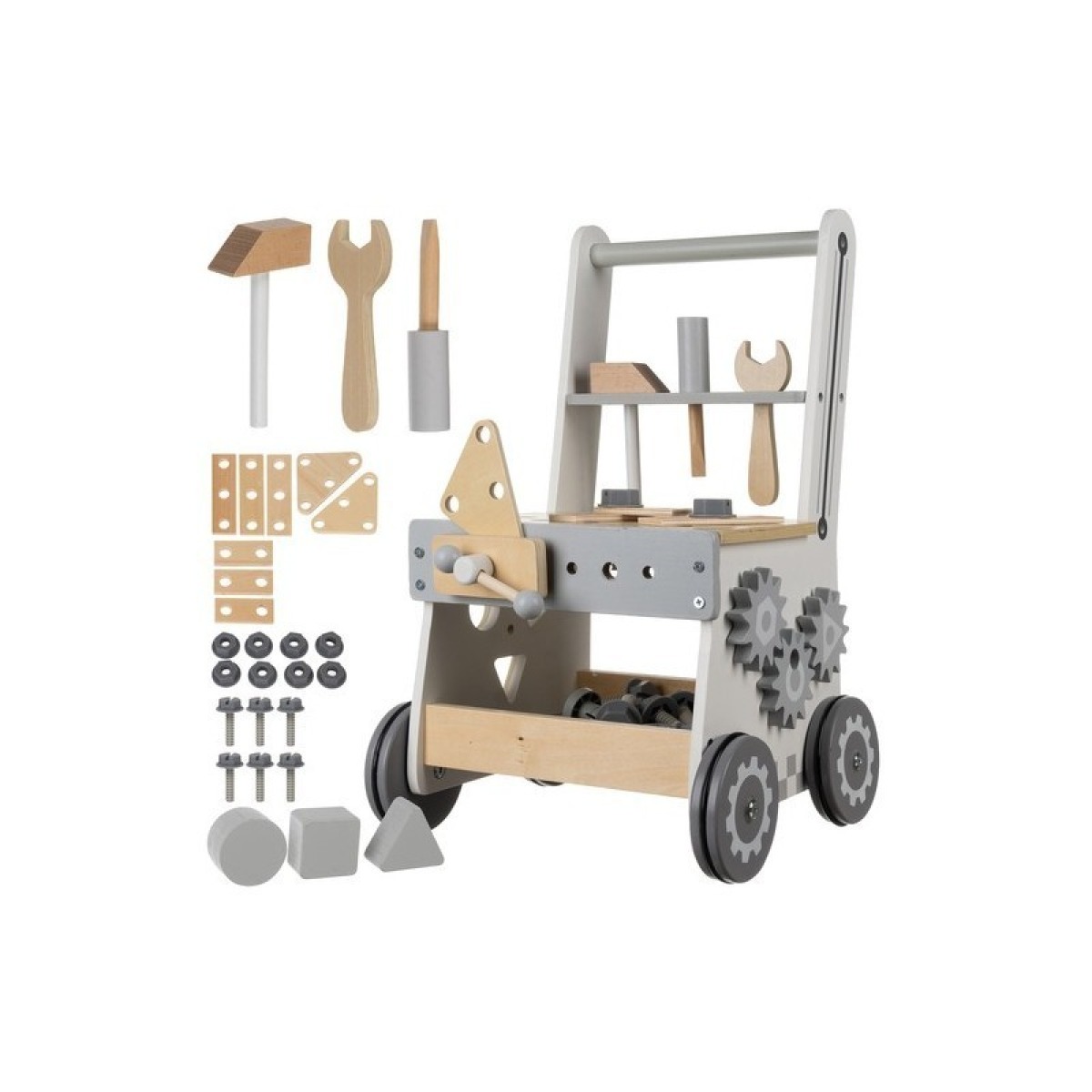
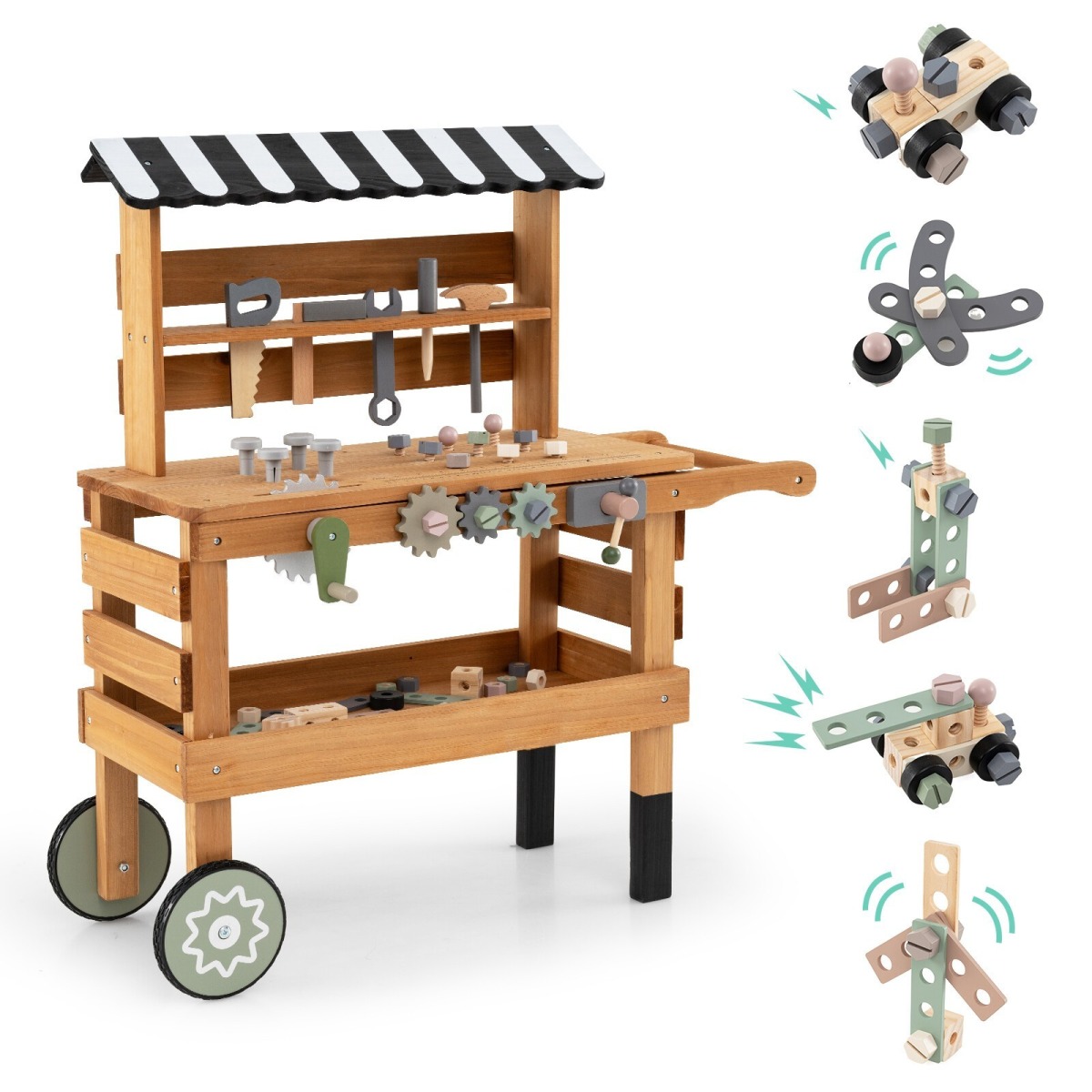
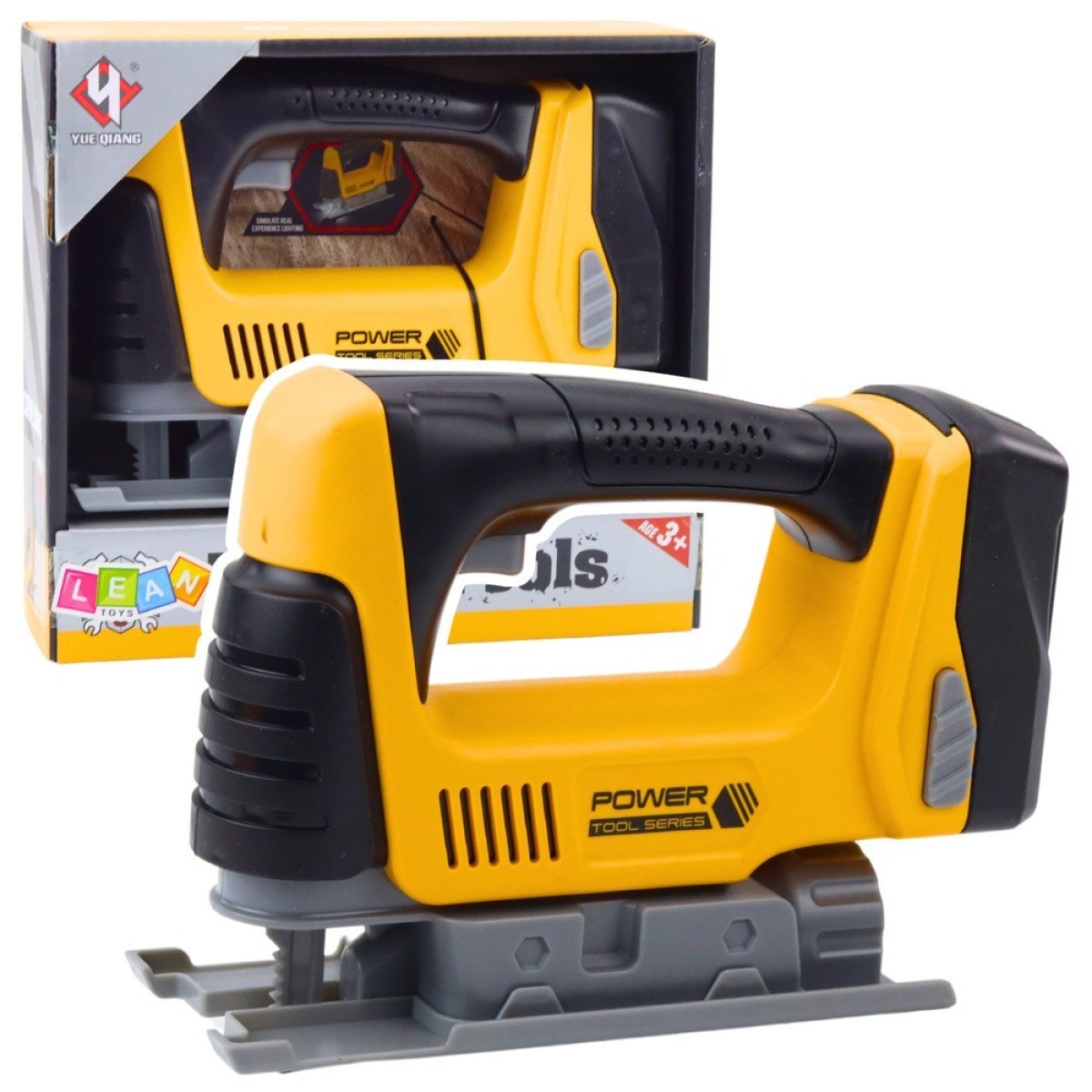
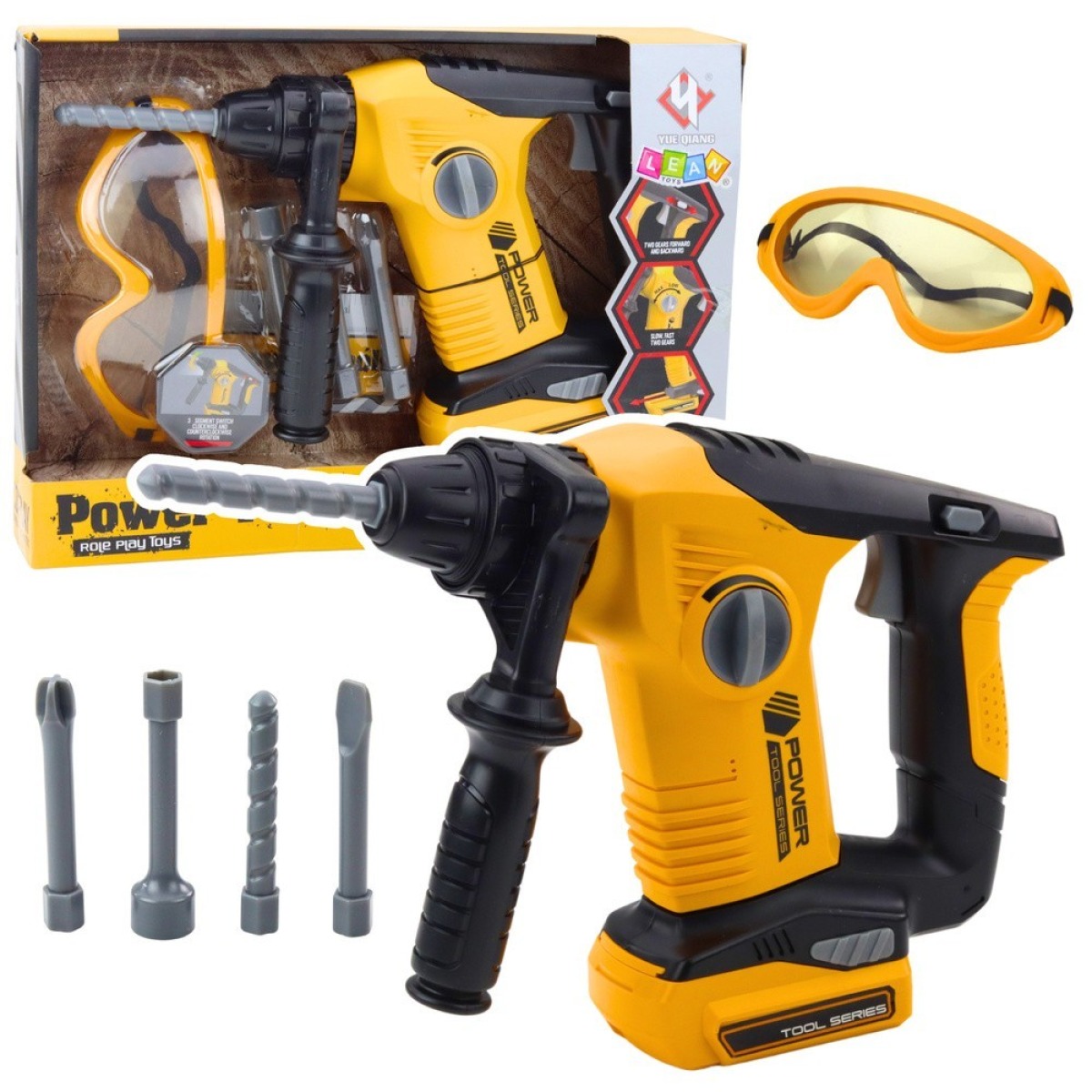
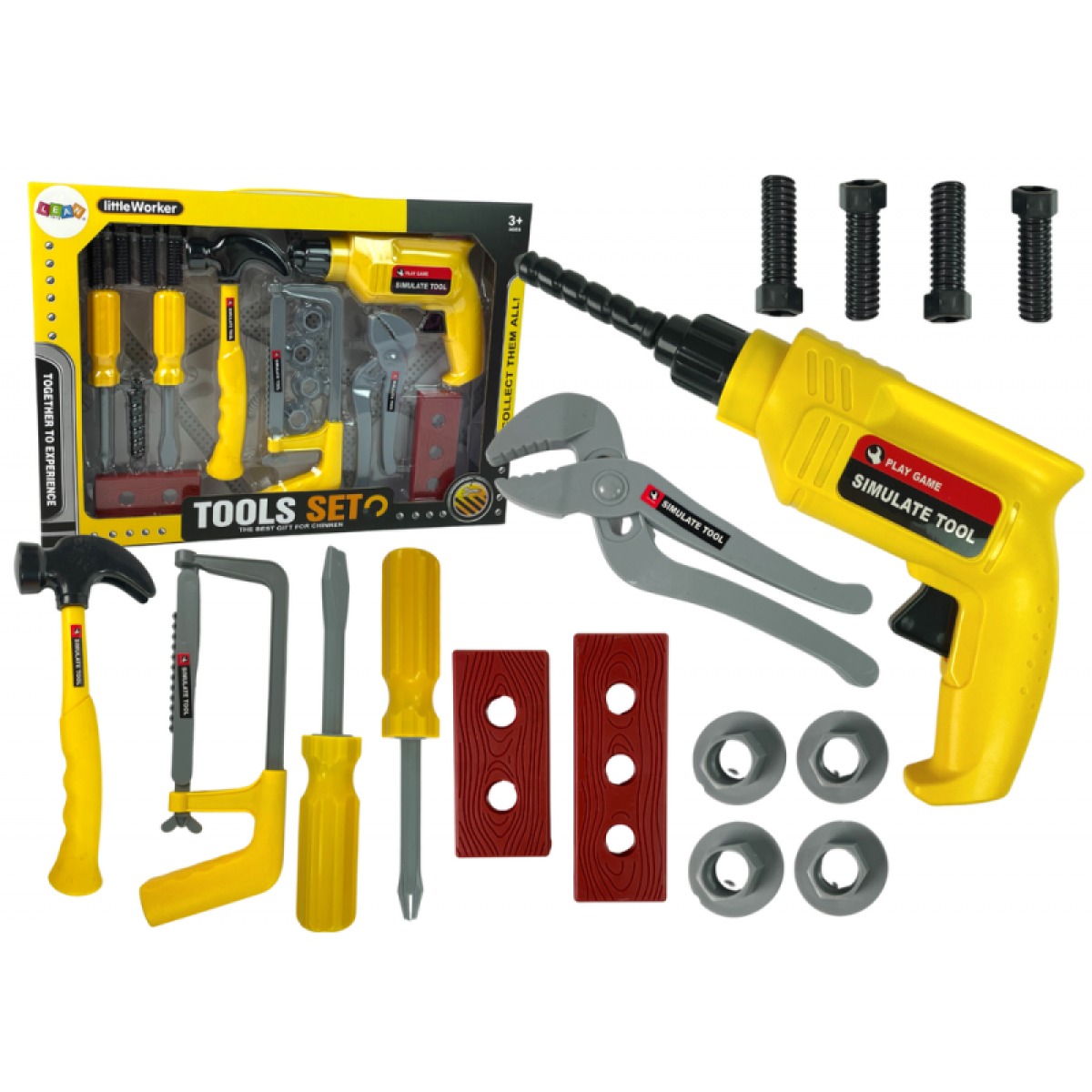
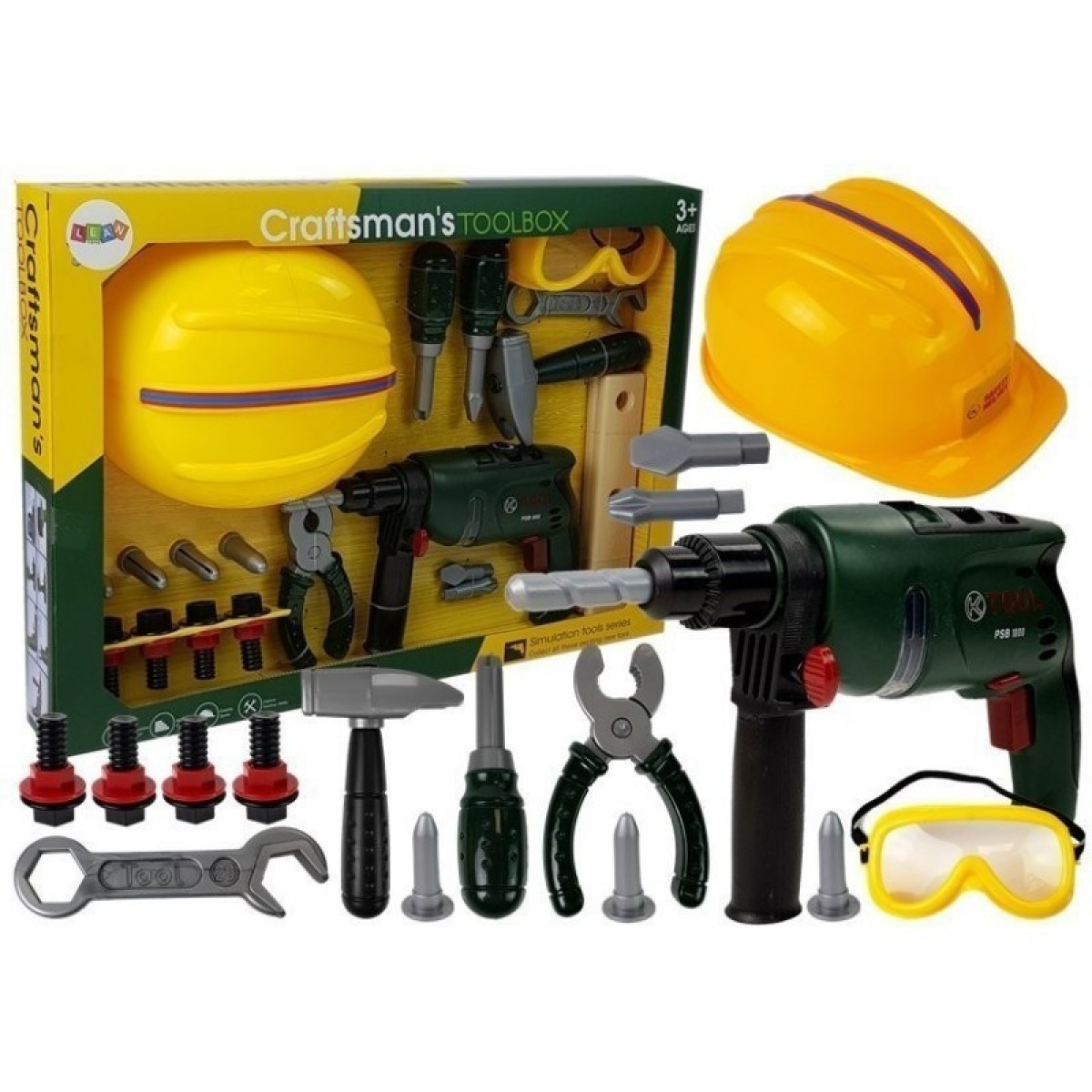
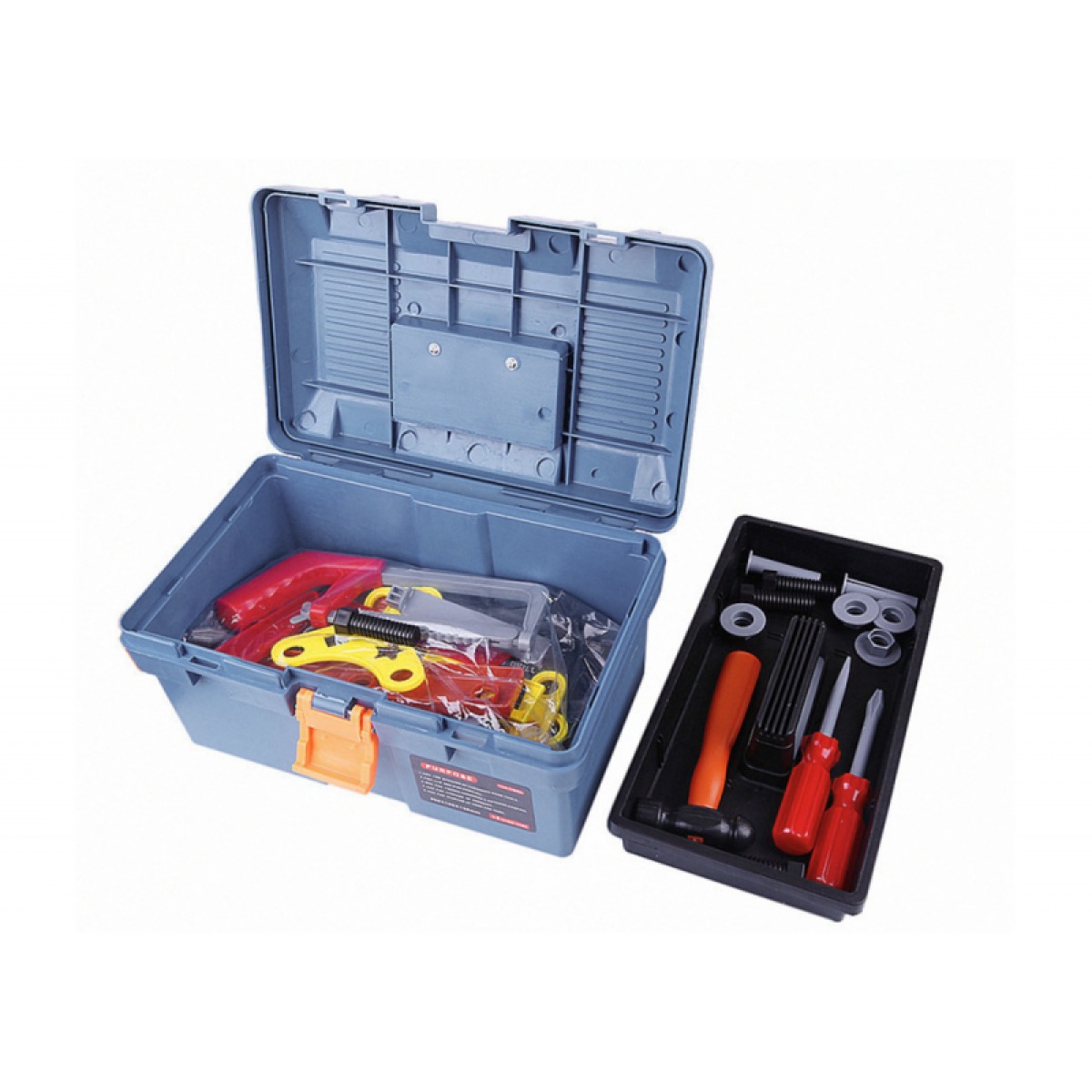
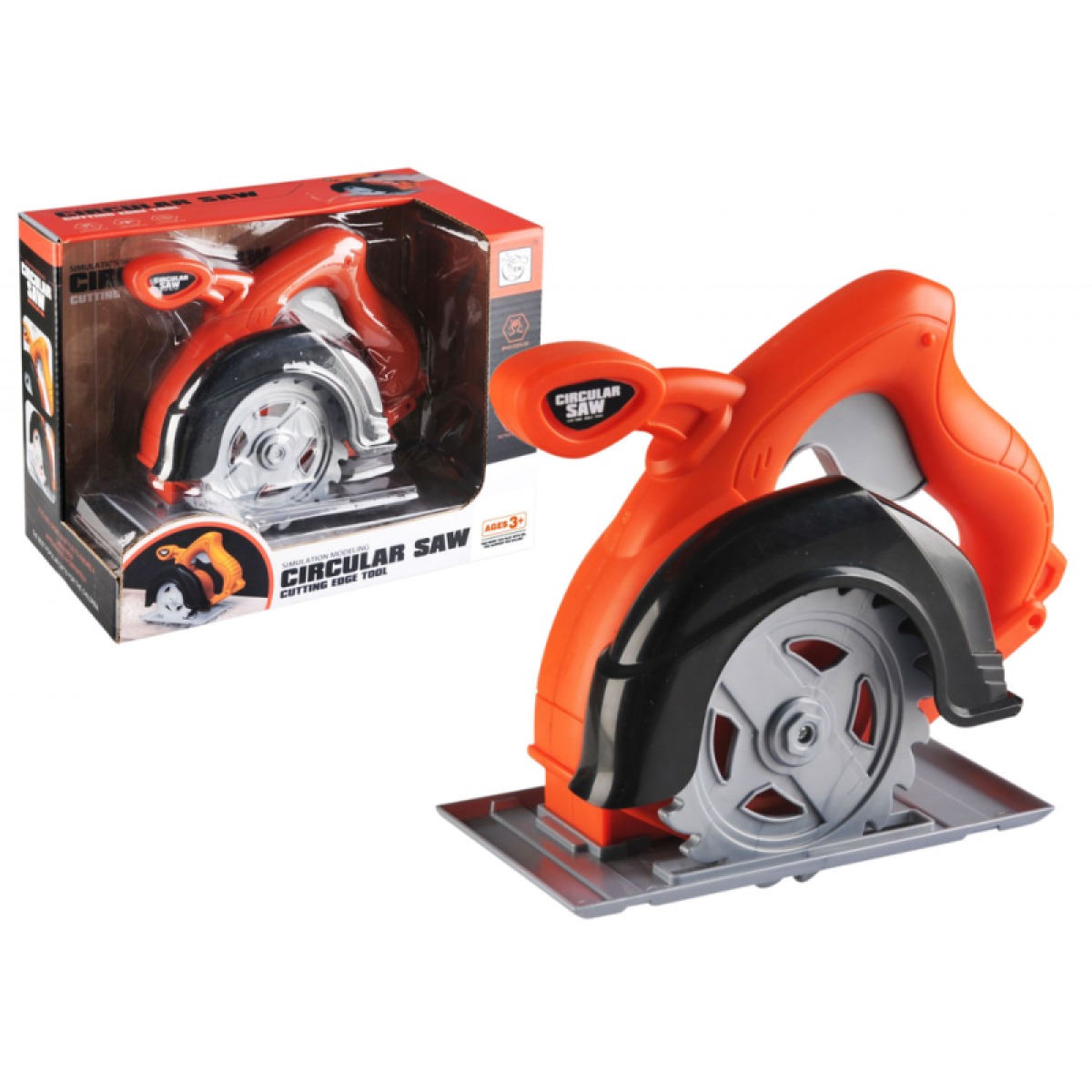
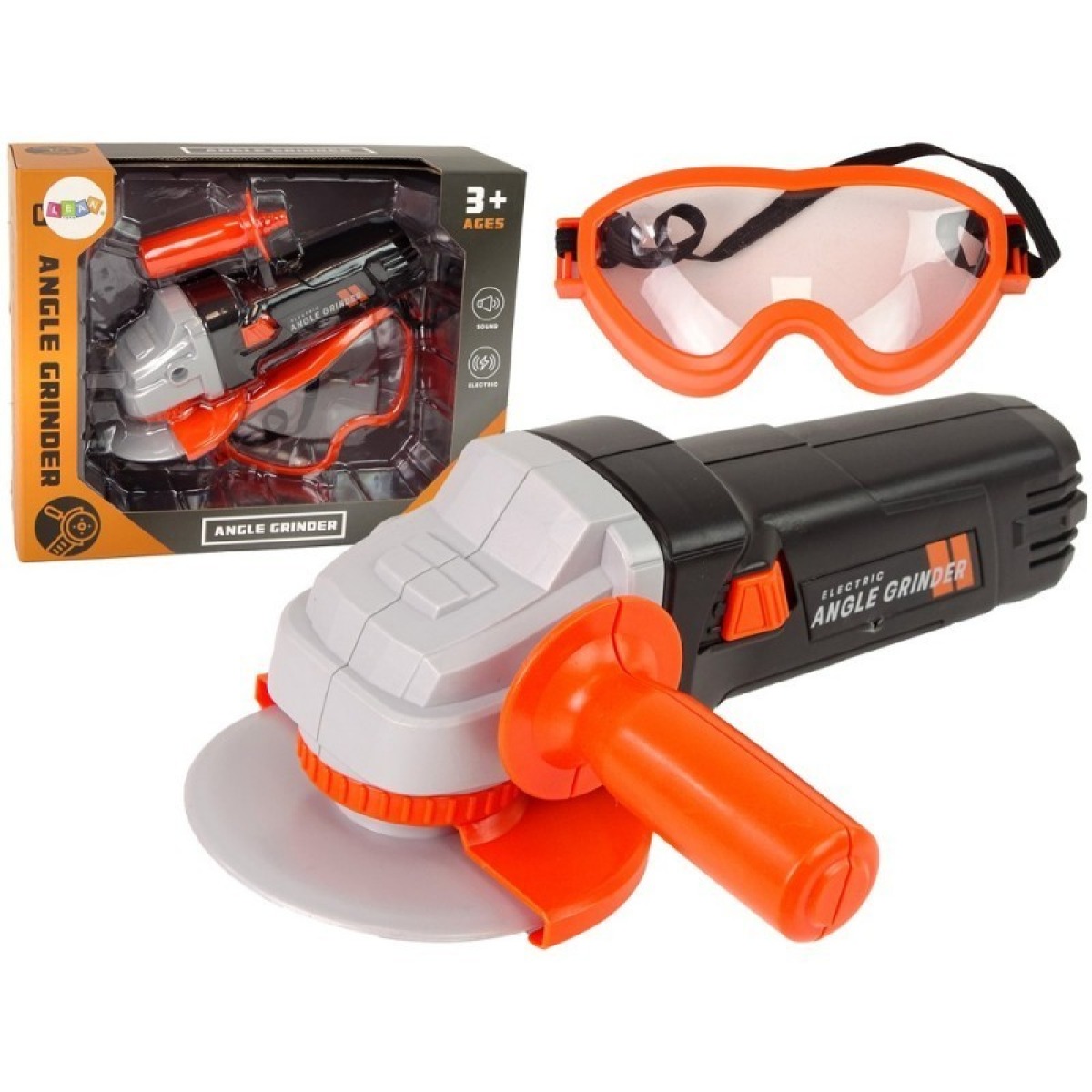
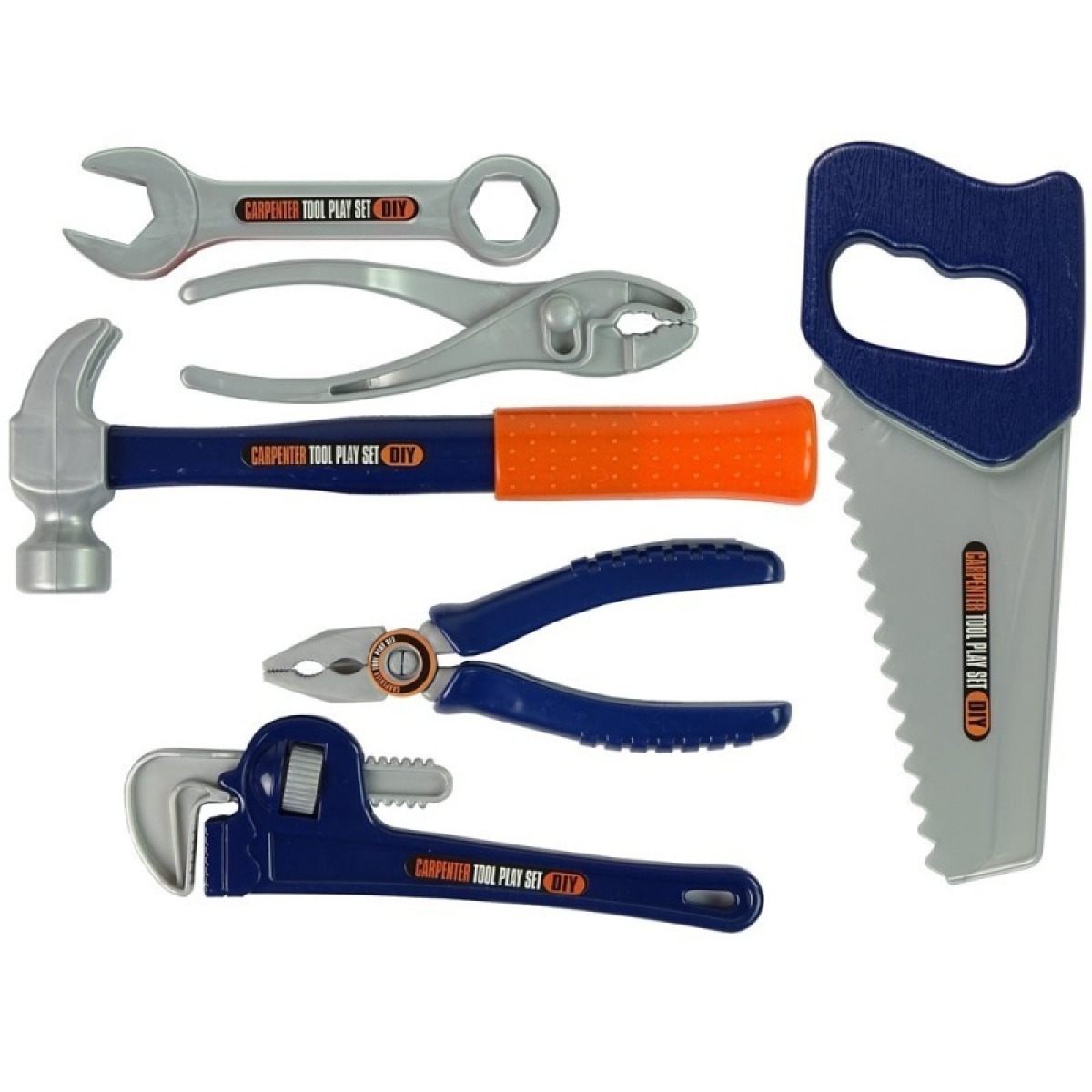
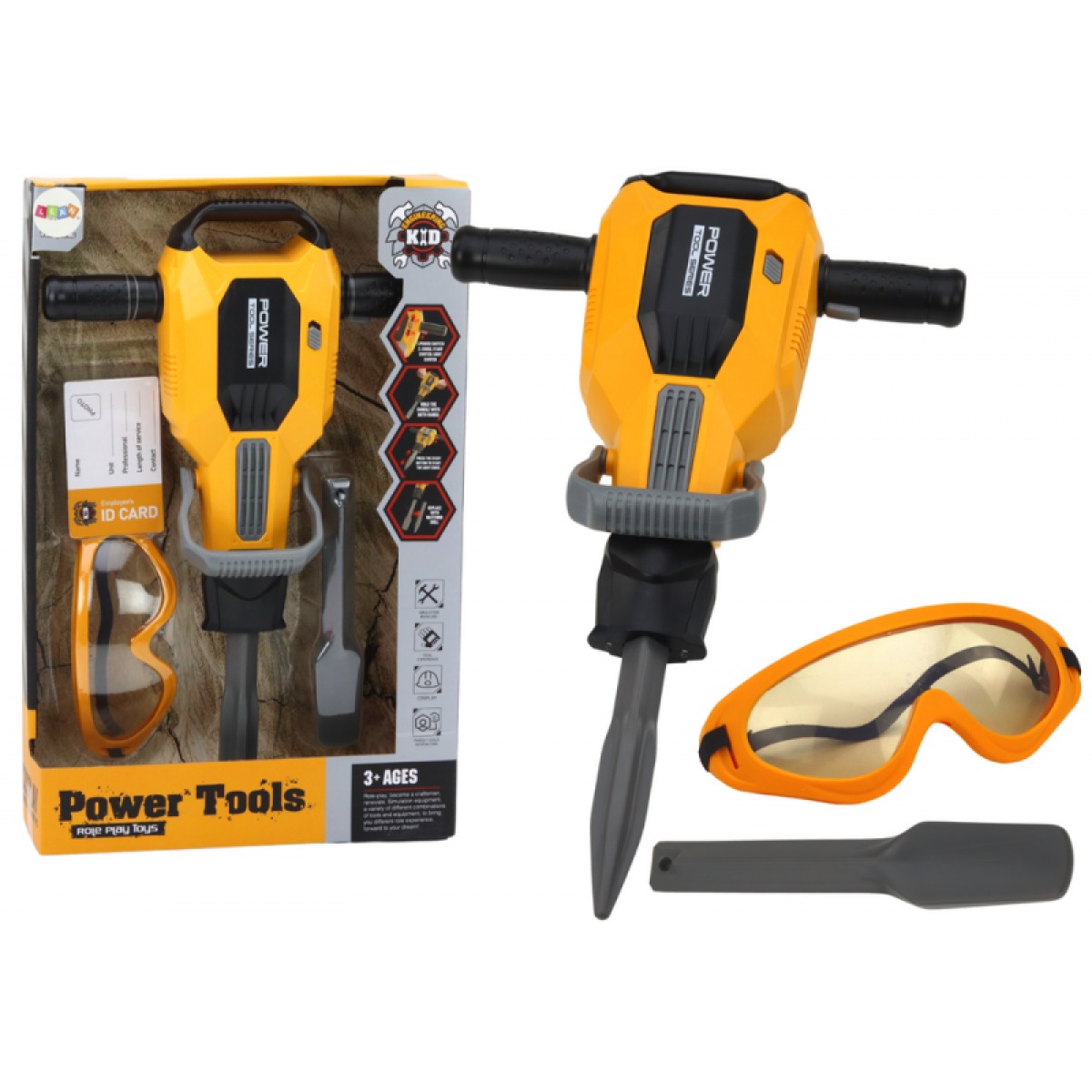
Workbenches and Tools give children the opportunity to play at DIY and take on the role of a “handyperson” in a safe home environment. These children’s toys are suitable both for gentle practice for babies and toddlers and for older children who want to concentrate for longer and put something “that looks real” together. The category includes workbenches and tool sets that help develop fine motor skills, hand-eye coordination and creative thinking. Important selection criteria include tools sized appropriately for the child’s age and safety, as well as the material, for example
the pleasant feel of wood. The workbench and accessories are designed to support role play: children can screw, saw, hammer and secure parts with a hammer and screwdriver. Many sets have a more compact work surface to keep activities manageable in the children’s room, and some include storage for tools, making tidying up easier. If you’re looking for an activity that combines play and development, these DIY workbenches help children take part in everyday routines at home and gradually broaden their skills.
Workbenches and Tools for Kids – Play That Develops Manual Skills
Workbenches and tools are central to children’s role play: children can imitate adult jobs and work through, step by step, activities involving hammering, fastening screws and joining parts. These developmental toys support fine motor skills and hand-eye coordination, as the work requires a good grip, pressure and precise movements.
When choosing, it’s worth considering who the activity is intended for. Toddlers are more comfortable with tools that have short handles and are a suitable weight and easy to grip, while older children often want more roles and accessories. A wooden workbench or tool bench gives play the feel of a dedicated “workplace” and helps children concentrate.
What to Consider When Choosing a Compact Tool Set and Workbench?
A quality workbench or tool set is about more than having lots of pieces; it also needs to be easy to use. In a children’s workshop, activities should be clear and manageable: parts should fit together, fasteners should work, and activities should not require too much force.
Practical selection criteria:
- Age suitability – the size of the tools and the difficulty of the activities
- Safety – rounded edges, a secure grip and a stable construction
- Material – wooden work surfaces and parts have a pleasant feel
- Storage – a case, box or removable parts help keep the set tidy
- Variety of activities – screwing, hammering, fastening and measuring-type activities
- Work area size – a more compact bench is well suited to a children’s room and shorter play sessions
If your child enjoys role play, it’s useful to choose a set that includes realistic-looking tools and accessories. This keeps the play centred around a story and lets children develop the activity themselves.
Wooden Tools and Workshops: What Does the Feel of a “Real Workshop” Offer?
A wooden tool bench or workbench gives play a clear structure. Children have a dedicated place to put parts and carry out activities, which helps develop independence and continuity in play. This approach suits both children who love hands-on activities and those who need a clear framework for play.
Many sets are also designed for playing together. It’s easier for a parent or caregiver to offer guidance when the workbench is stable and the parts are within easy reach. Role play also encourages natural communication: children can “explain” what they’re doing, helping their skills to become more established.
Babies, Toddlers and Older Children: How to Use Tools in Play at Different Ages?
Some activities are suitable from early toddlerhood to support development, as long as attention can be maintained and movements are simple. In this case, it’s important that the tools are lightweight, easy to understand and safe, and that the activity is a short exploration. Toddlers often enjoy sets where “workshop play” starts with simple fastening or fitting parts together.
Older children often want more independence and different roles. A set with a workbench or tool bench helps them practise sequencing: start with preparation, move on to securing a part, and finish by fitting it into place. This turns play into a developmental activity that also supports concentration.
- Babies and toddlers – add activities in short, calm sessions and keep an eye on their grip
- Toddlers – suitable for repeated hammering or turning with simpler parts
- Growing children – more step-by-step building and switching between tools
- Grown-ups – guide and play together to keep play safe and engaging
If you’re looking for an activity that can also be used for longer play sessions in the children’s room, a workbench and tools are often just the place for children to experience the feel of “real work”.
Workbenches and Tools to Complement Everyday Home Routines
Tool sets and workbenches help connect role play with everyday life. Children want to join in: turning, fastening, fitting and “helping” make play more meaningful than a single activity. At home, this is a good way to channel energy into a developmental activity.
It’s also practical that many sets are designed to stay organised. A case, toolbox or built-in storage space reduces mess and makes it easy to start and finish an activity. This means tools and workbenches can be used regularly, not just occasionally.