
- New
In stock · 1–3 business days1–3 business days
About the collection
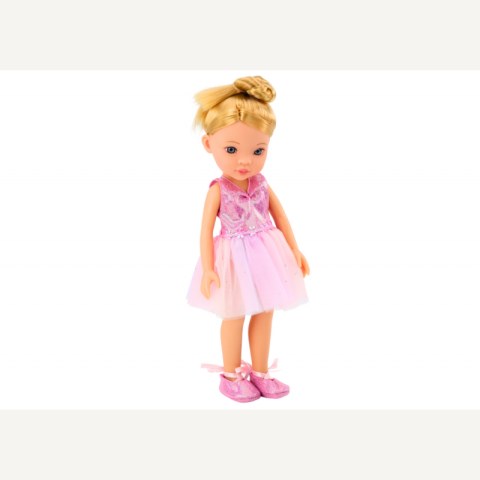
In doll play, children nurture, imagine and make sense of everyday events in their own way. Here you'll find dolls for babies, toddlers and older children, along with everything the game needs: doll's house furniture, doll's...
Category guide
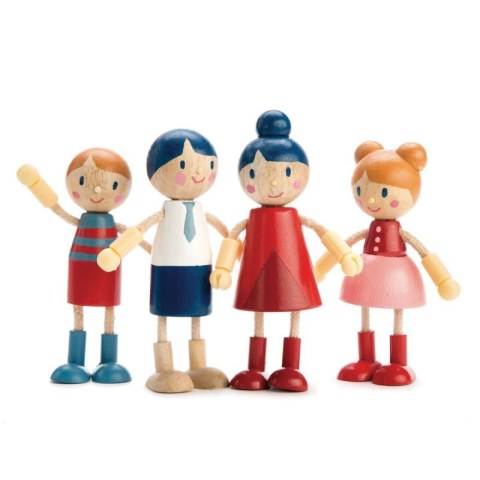
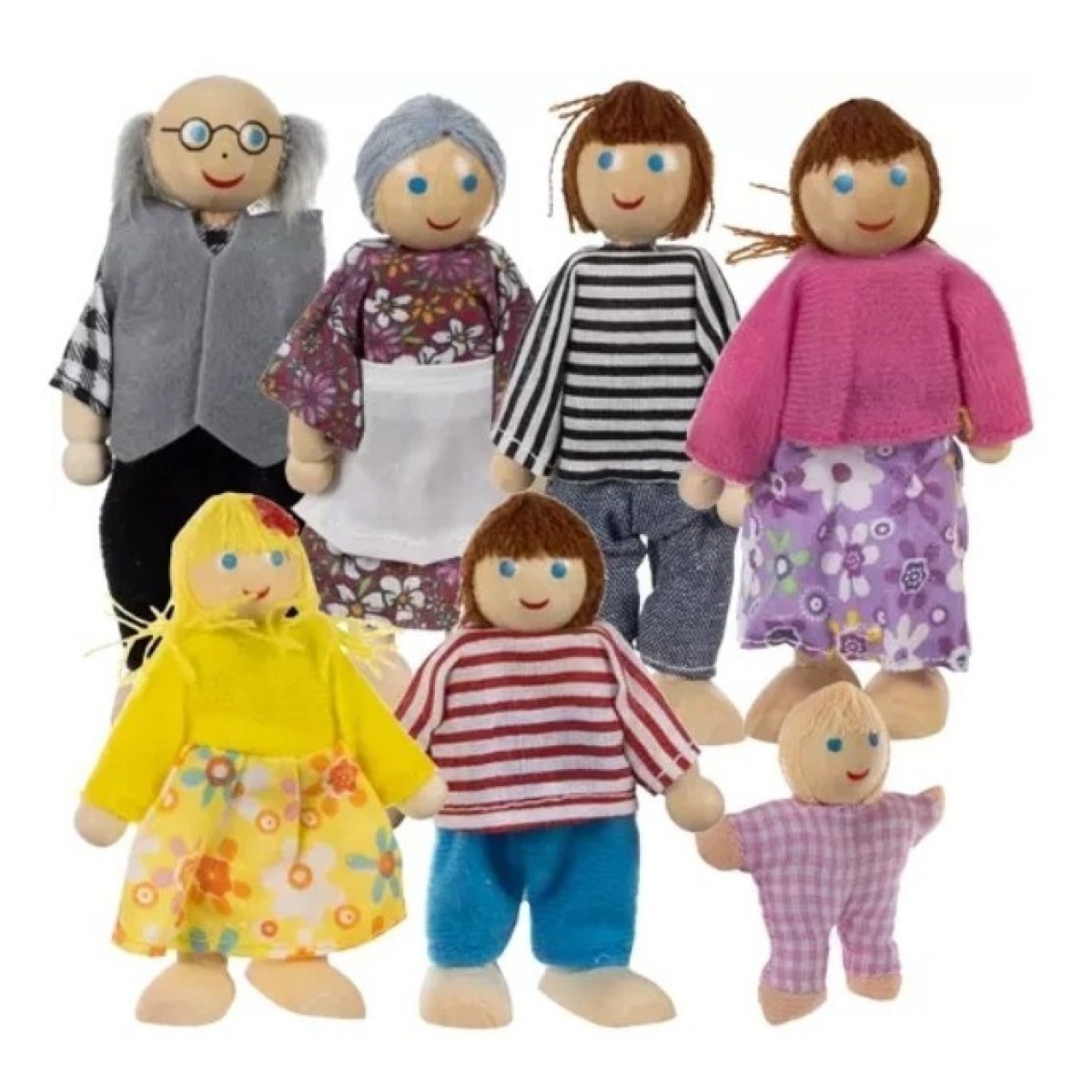
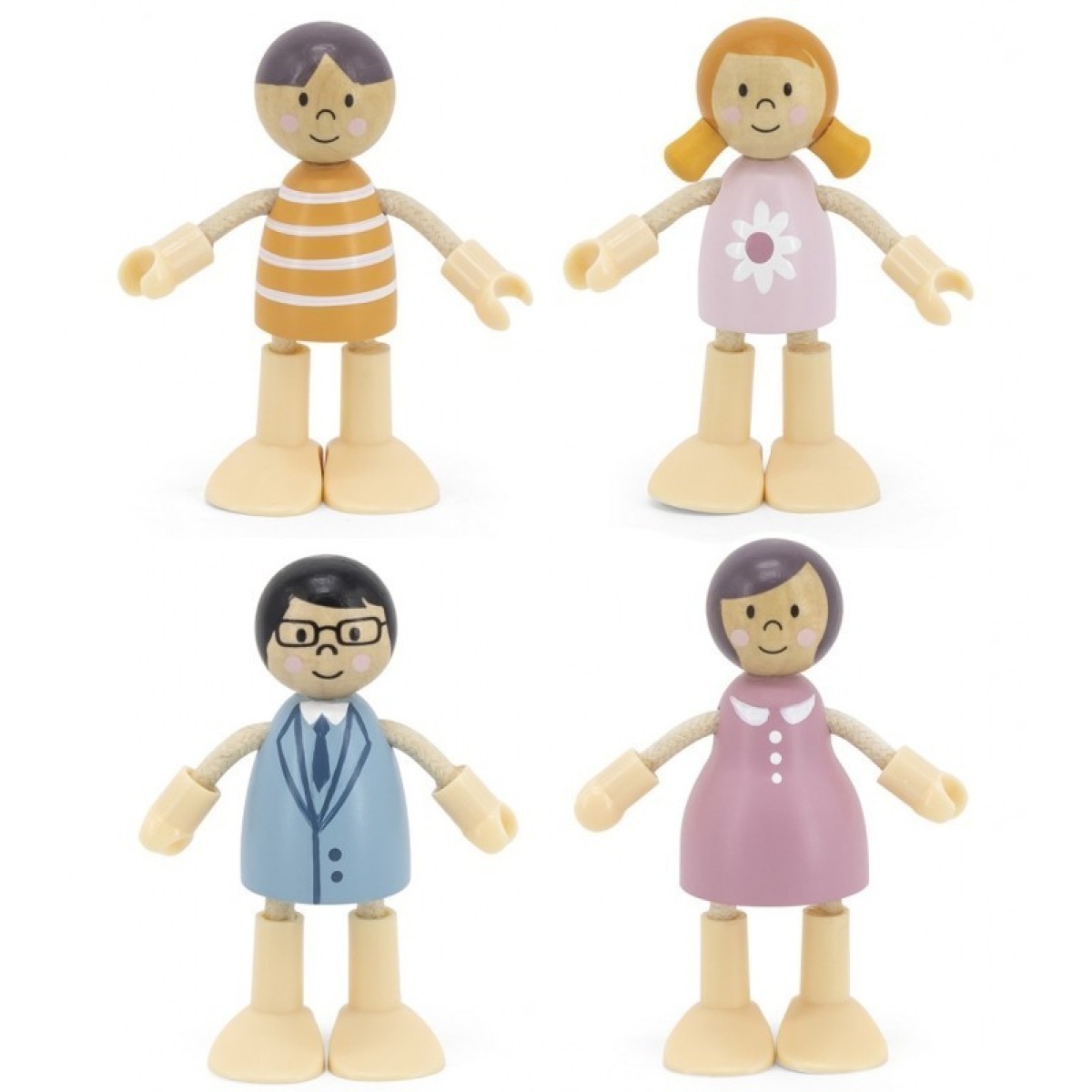
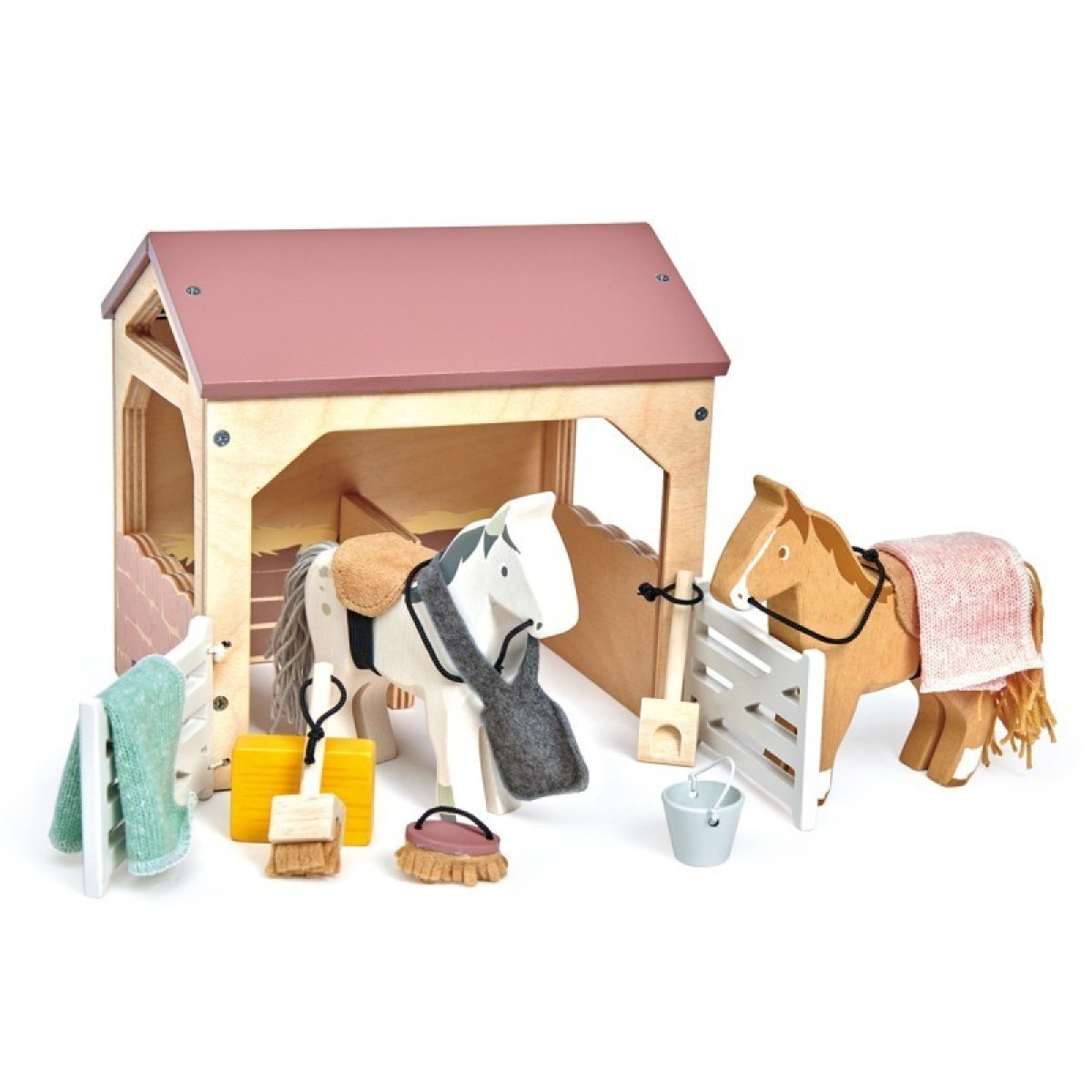
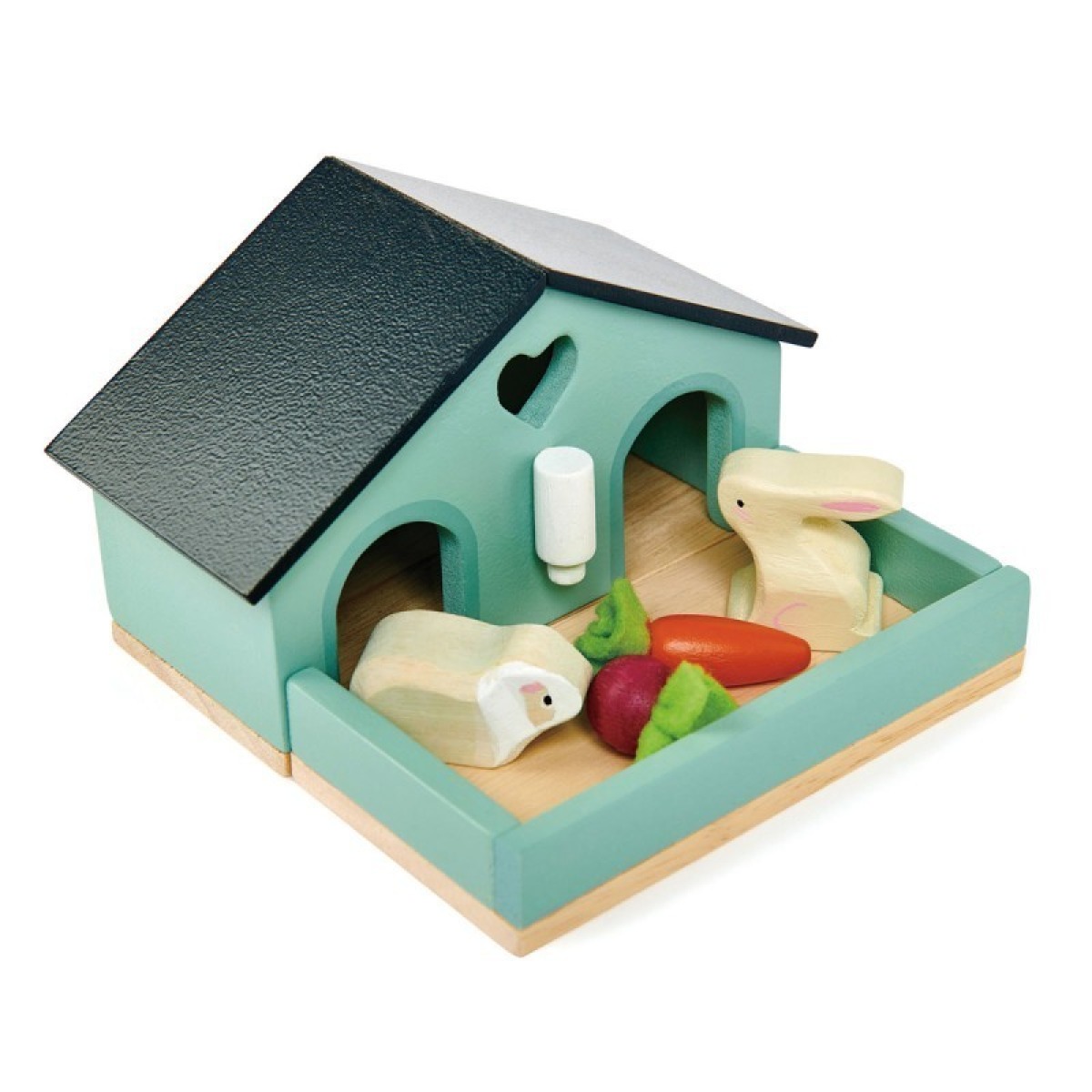
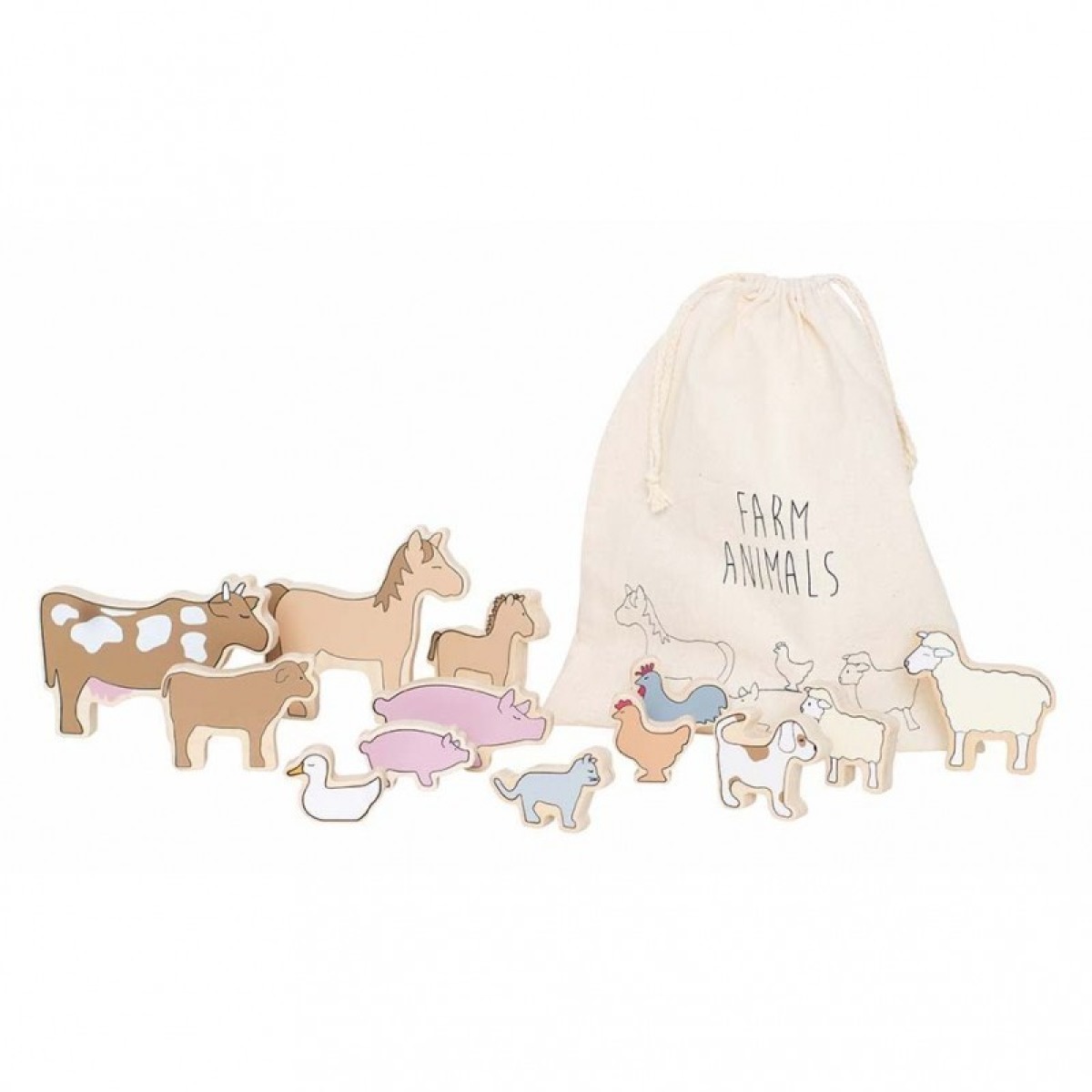
Doll play covers toys for children that support role play, imagination and understanding everyday situations. They are suitable for babies and toddlers as well as slightly older children who want to create moments in their playroom that resemble real life. At the heart of doll play is the doll together with its accessories: a dolls' house, doll furniture and solutions designed for sleep, such as doll beds. The right
choice helps a child practise caring, routines and communication. Materials and practical use matter – whether the game can be easily set up, adapted and kept together in the play area. It is also worth making sure the products are safe and comfortable for the child, whether it is a baby doll, soft toys or a larger doll for acting out stories.
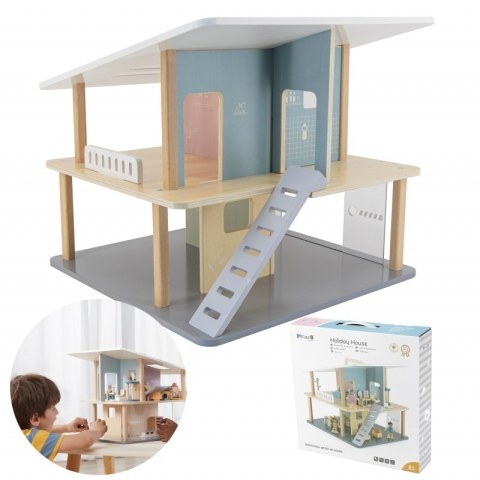
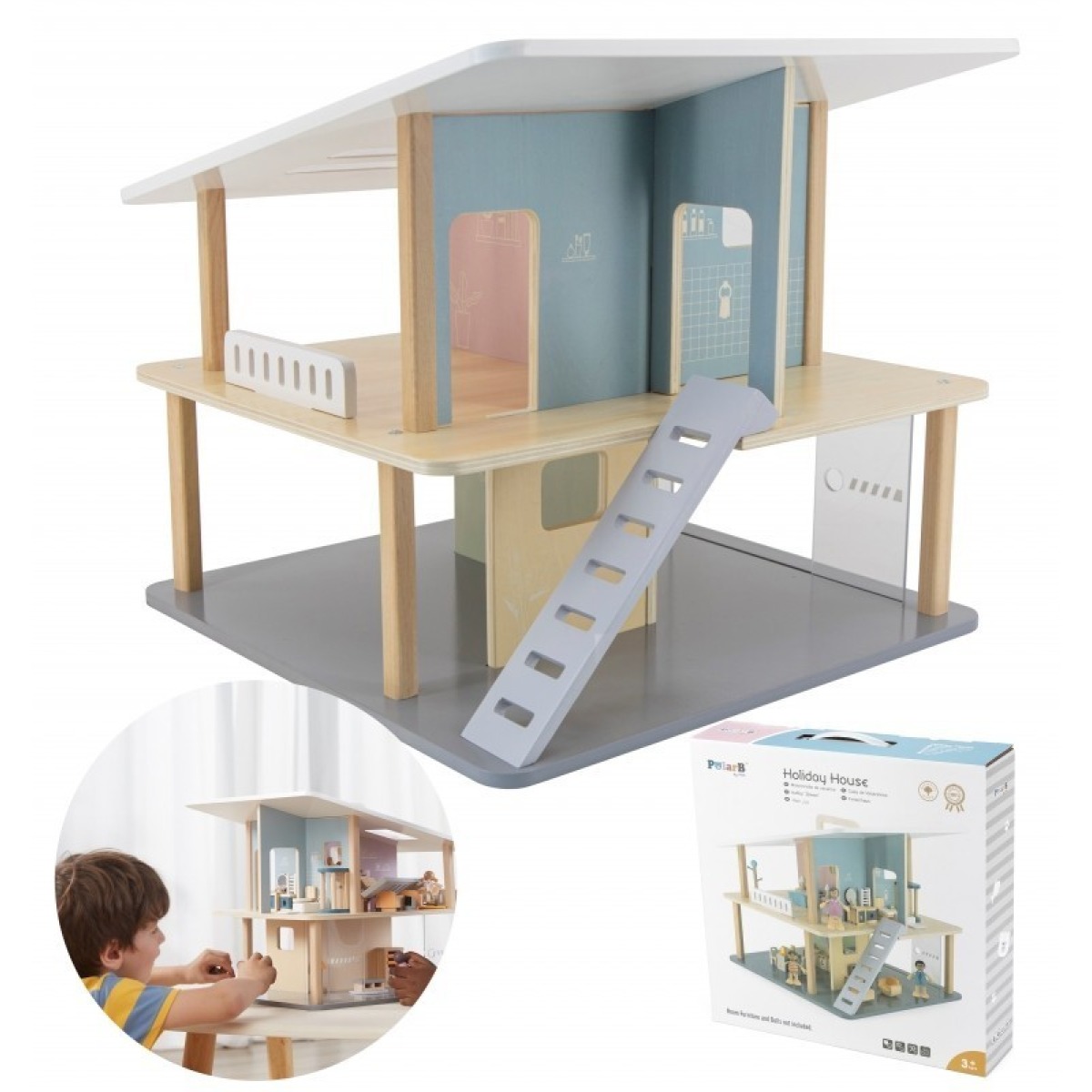
Doll play brings a small home resembling real life into children's world. A child can create scenes where the doll goes to sleep, wakes up, eats or moves to the next room, and this supports developmental play. When the play includes a dolls' house or doll furniture, role play becomes clearer and it is easier for children to carry their ideas forward consistently.
In this kind of play, the choice for babies and toddlers is also important. Softer toys, baby dolls and simpler accessories are particularly suitable when a child is still practising routines through play. Slightly older children love larger dolls, doll prams and more detailed play sets where they can act more "like a grown-up".
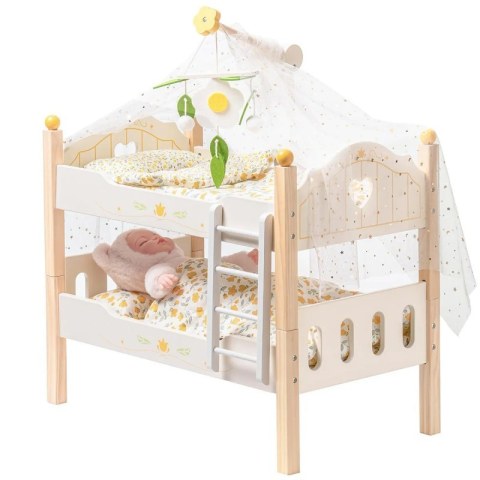
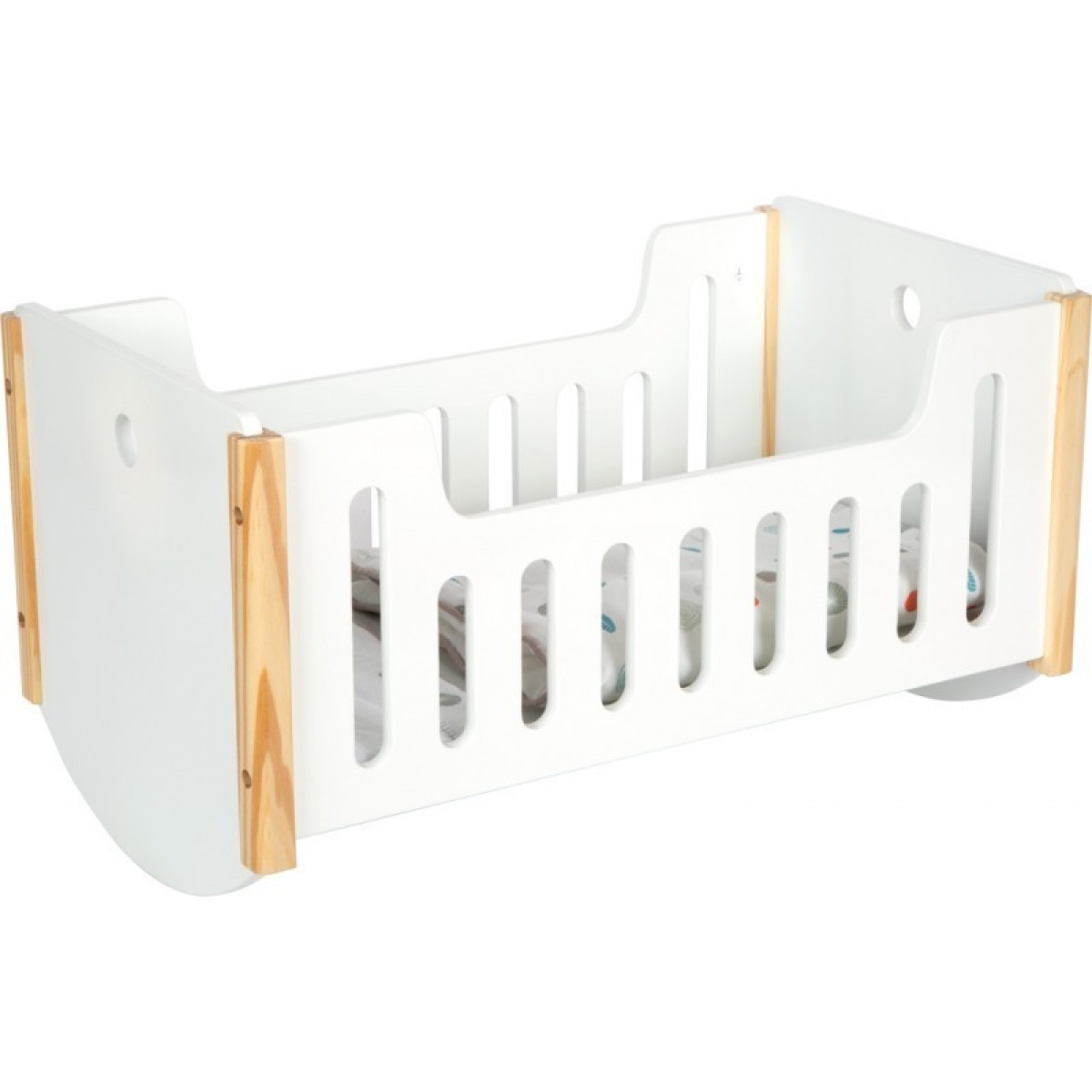
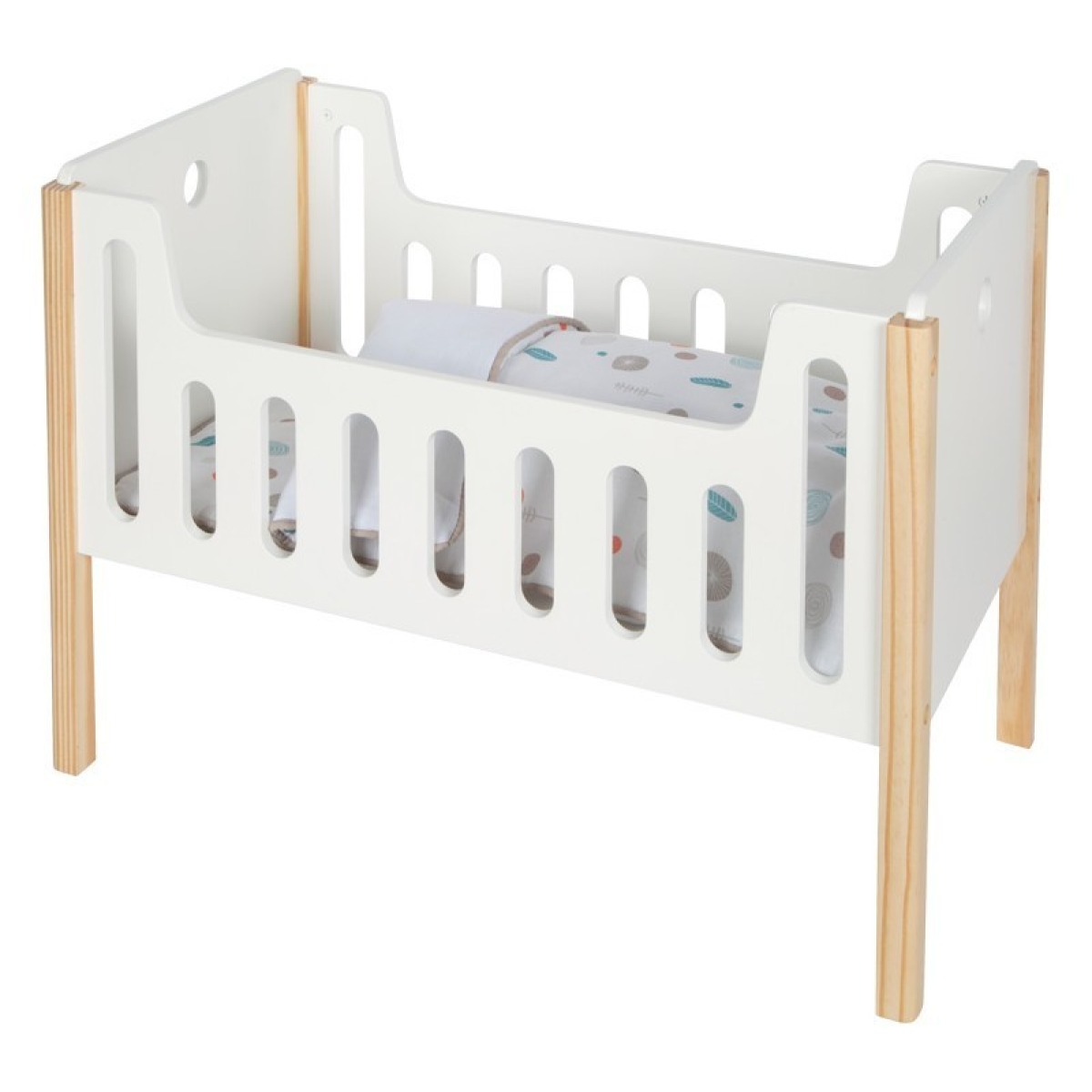
When choosing doll play items, think about how the products will work in your child's play at home. If the goal is steady, repeated play, it helps when furniture and accessories match each other. For example, doll beds and bunk beds give play a fixed sleep routine, because the child has a spot on the bed where the doll can "go back".
If play space is limited, it is practical to consider stackable or more compact solutions. A well-considered choice also helps when the accessories support both play and tidying up when play ends.
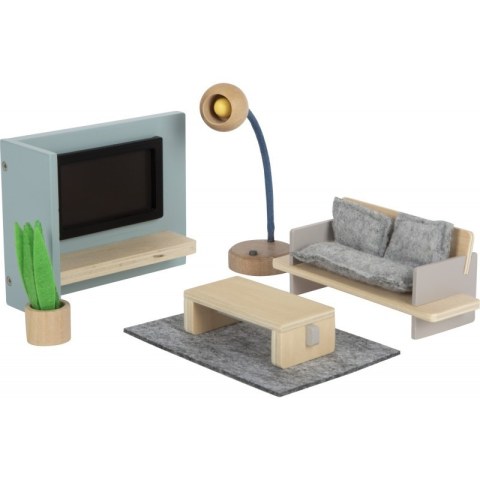
Dolls' house furniture and doll accessories give role play a defined setting. When a child can use separate solutions for the bed, sitting and other activities, play becomes richer and develops towards storytelling. Doll play includes repeated actions, such as changing the sheets or "making" the blanket, which help children make sense of routines.
With doll furniture, it is worth paying attention to both looks and practicality. Wooden beds and sets with several parts (such as pillows, blankets and accessories) make it easy to start playing. Colours and style help give the play area a more unified look, but the most important thing is that the child can use the furniture naturally in play.
Bedtime is one of the most common scenarios in doll play and one of the most familiar to children. A doll bed or bunk bed makes settling down to sleep concrete and gives the child a clear activity: the doll is put to bed, covered with a blanket, and play can continue the next morning. This kind of play supports consistency and helps children carry out routines in the form of play too.
When the sleep solution is part of a larger doll furniture set, the child has all the necessary accessories right away. This is especially suitable when the aim is to create a play corner in the playroom where the doll always has "its own place" to return to.
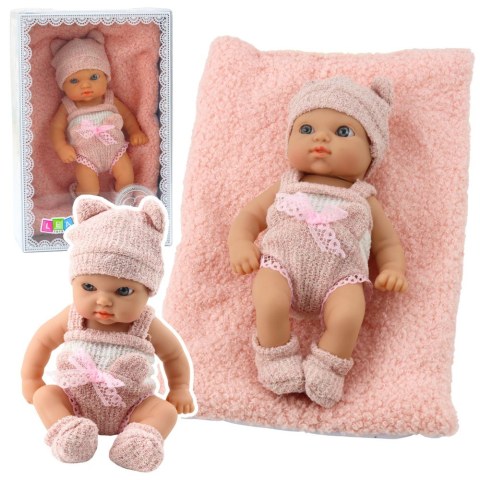
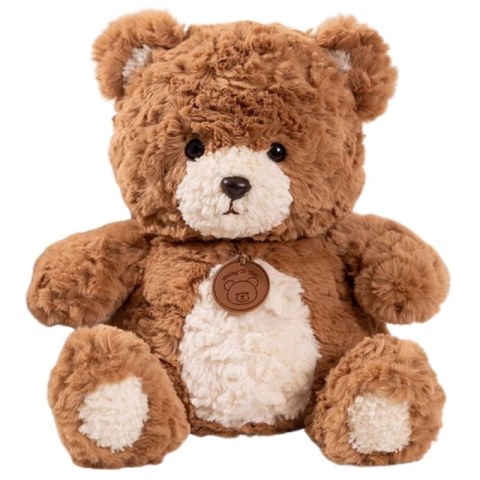
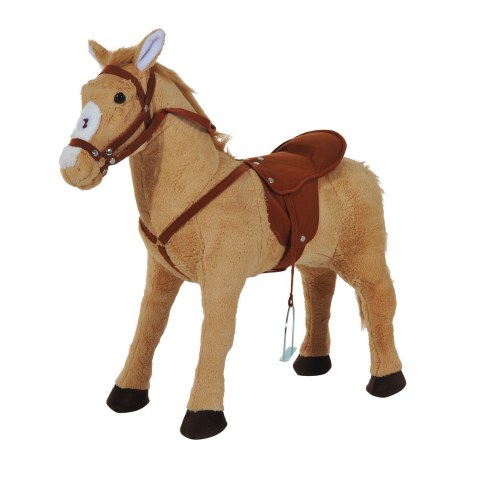
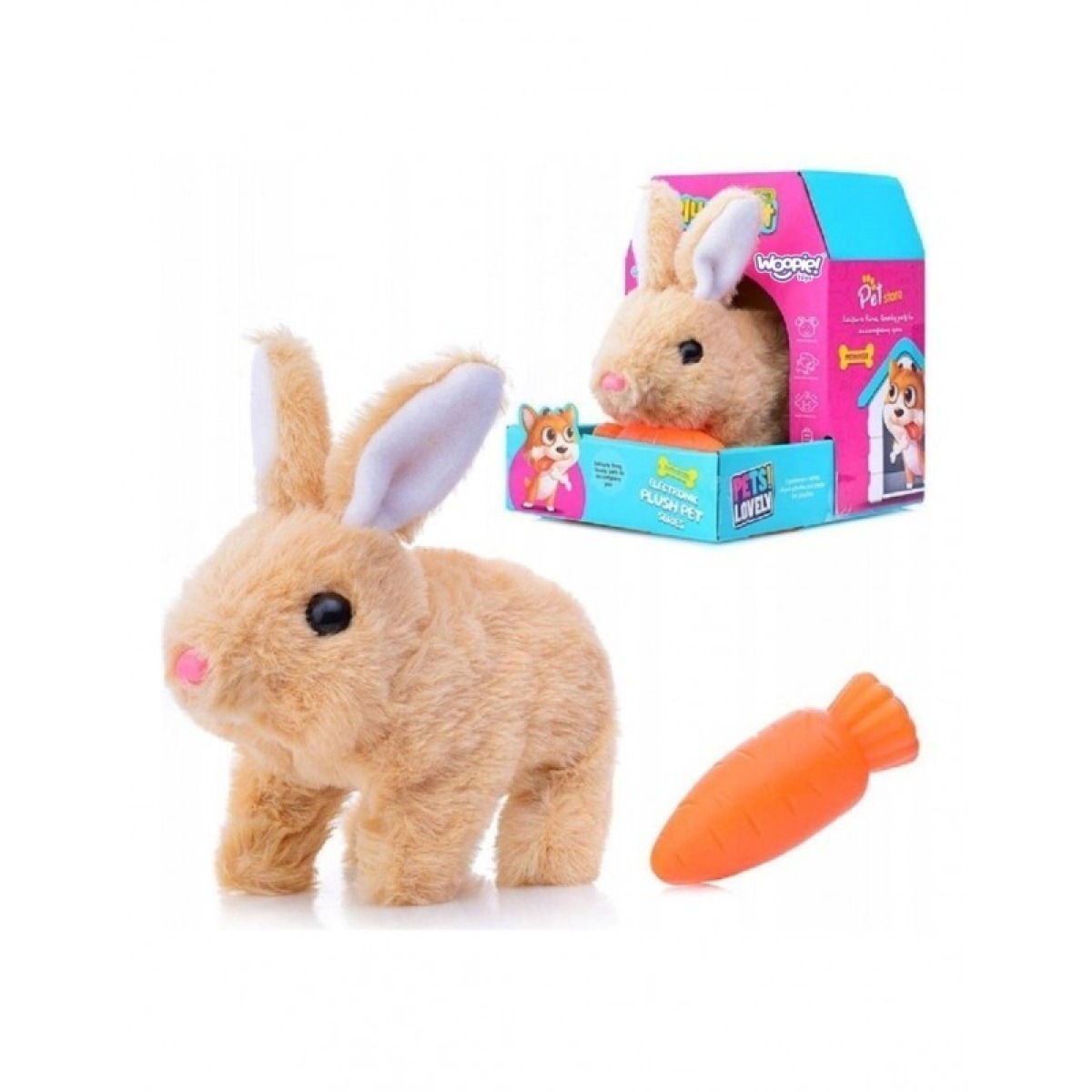
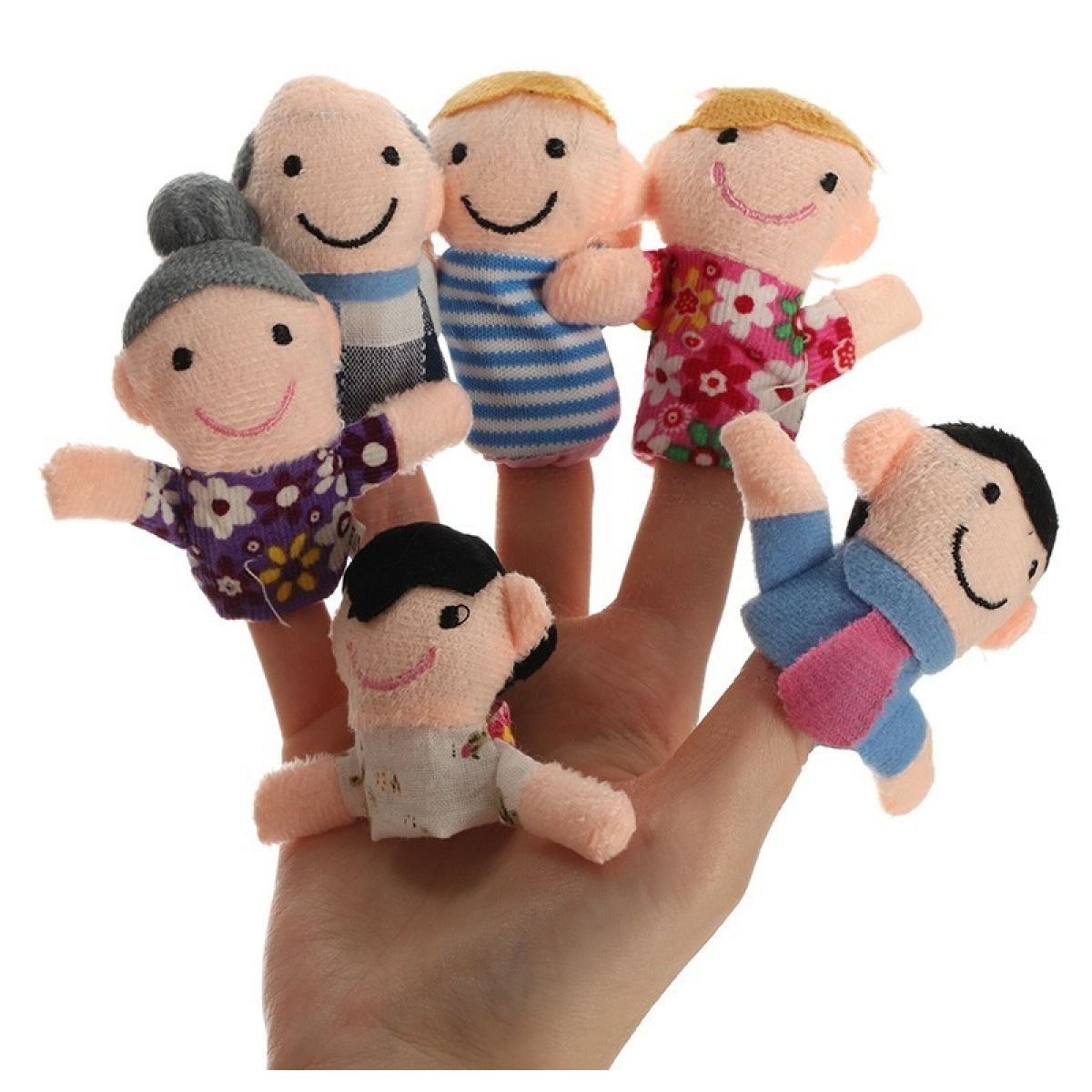
Doll play is not limited to the dolls' house. Baby dolls, large and small dolls and soft toys give the chance to play without a separate house too. Baby dolls are particularly good for gentle rhythm games, holding and caring role play, which is often a toddler favourite.
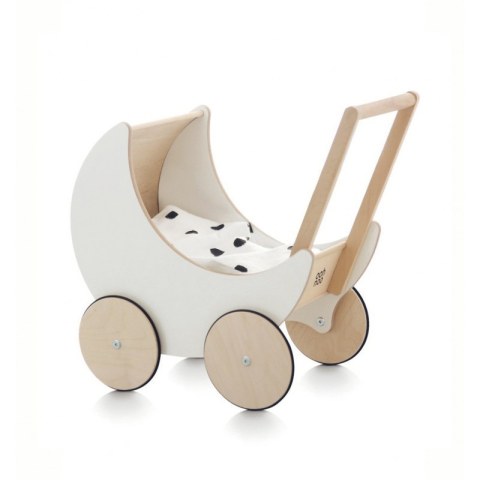
Doll prams and movement-themed accessories make play more varied. A child can "take" the doll to the next place and link play with everyday activities. Such games also develop motor skills and creativity, because the child decides where and when the doll goes.
With doll play, it is also worth thinking about care. For textile items, it is practical to choose materials that are easy to clean and to check the manufacturer's care instructions. That way the toy stays comfortable for a long time and fits into the home routine.
MIU Kids
A quiet word about cookies
Necessary cookies are already on, so your basket and checkout can work. Analytics cookies stay off until you accept. Until then Google may receive a cookieless visit signal so we can count visits. It is not used for advertising. Accept all cookies, or keep only the necessary ones. Both are one click. We remember your choice for six months, and you can change it at the bottom of the page. Privacy notice
Analytics cookies wait for a yes
MIU Kids
Choose what stays on
Necessary
Always on. These keep the basket, checkout and the shop secure.
Analytics
No analytics cookie until you accept. A cookieless visit signal may still be sent. If you accept, Google Analytics shows which pages are used. It does not build advertising profiles.