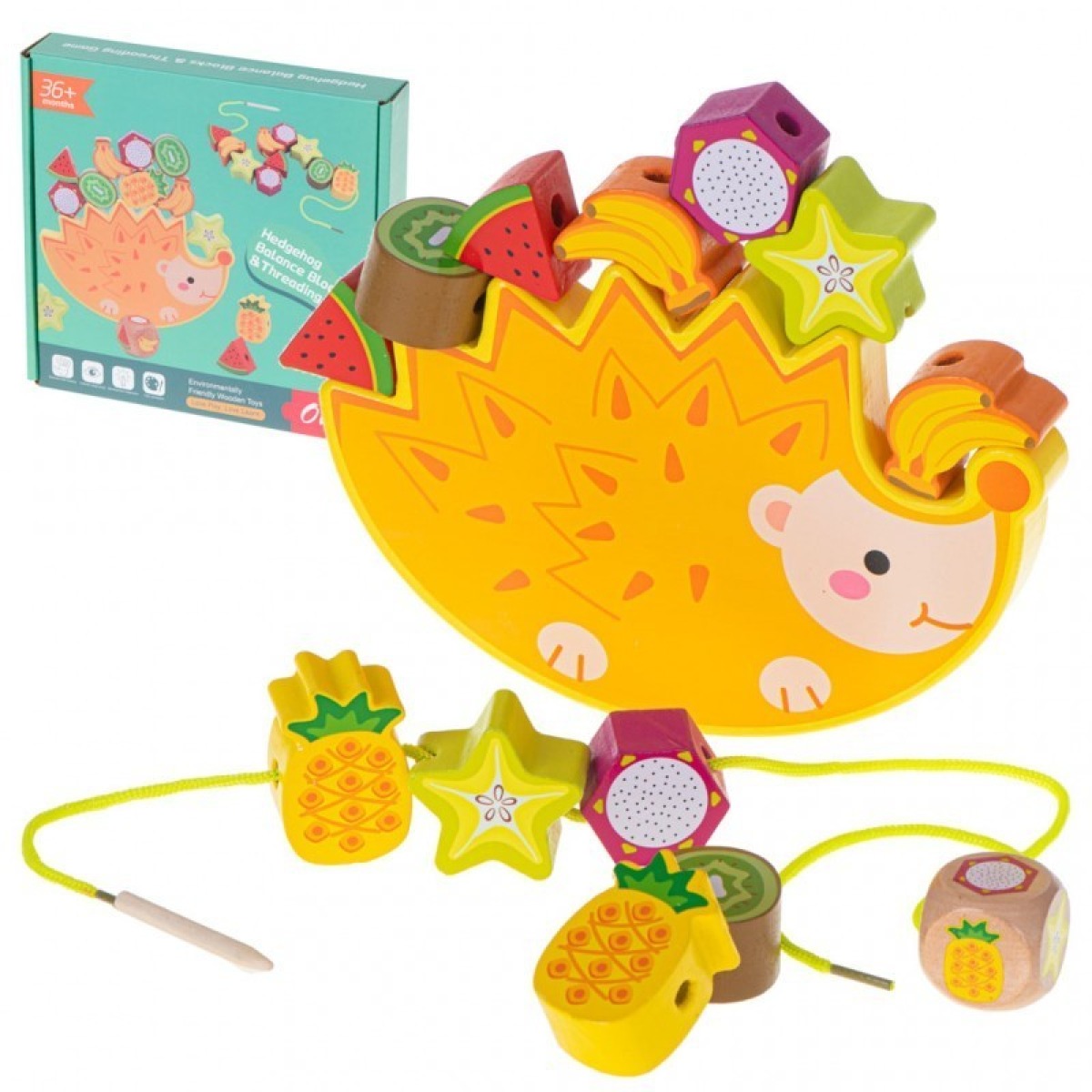
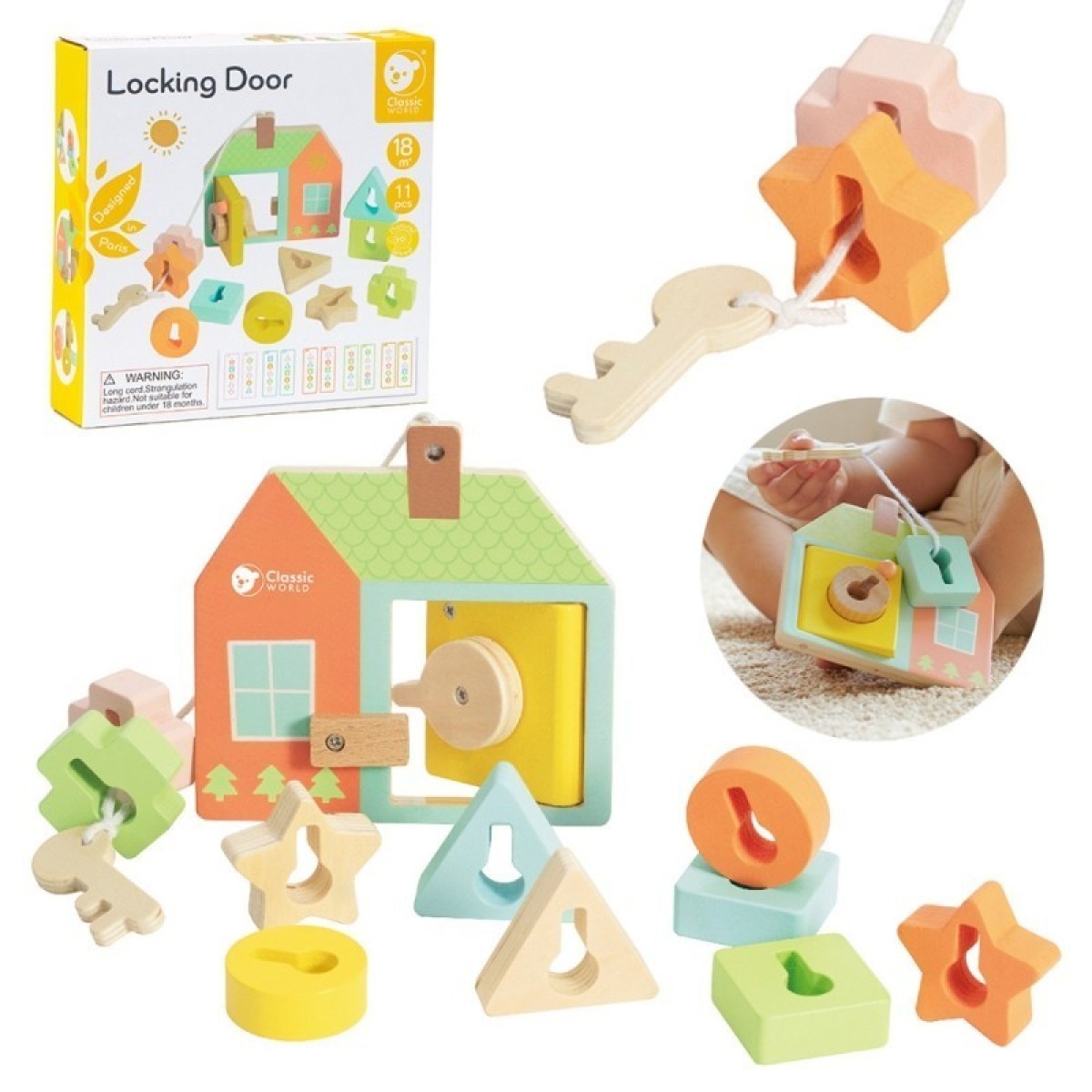
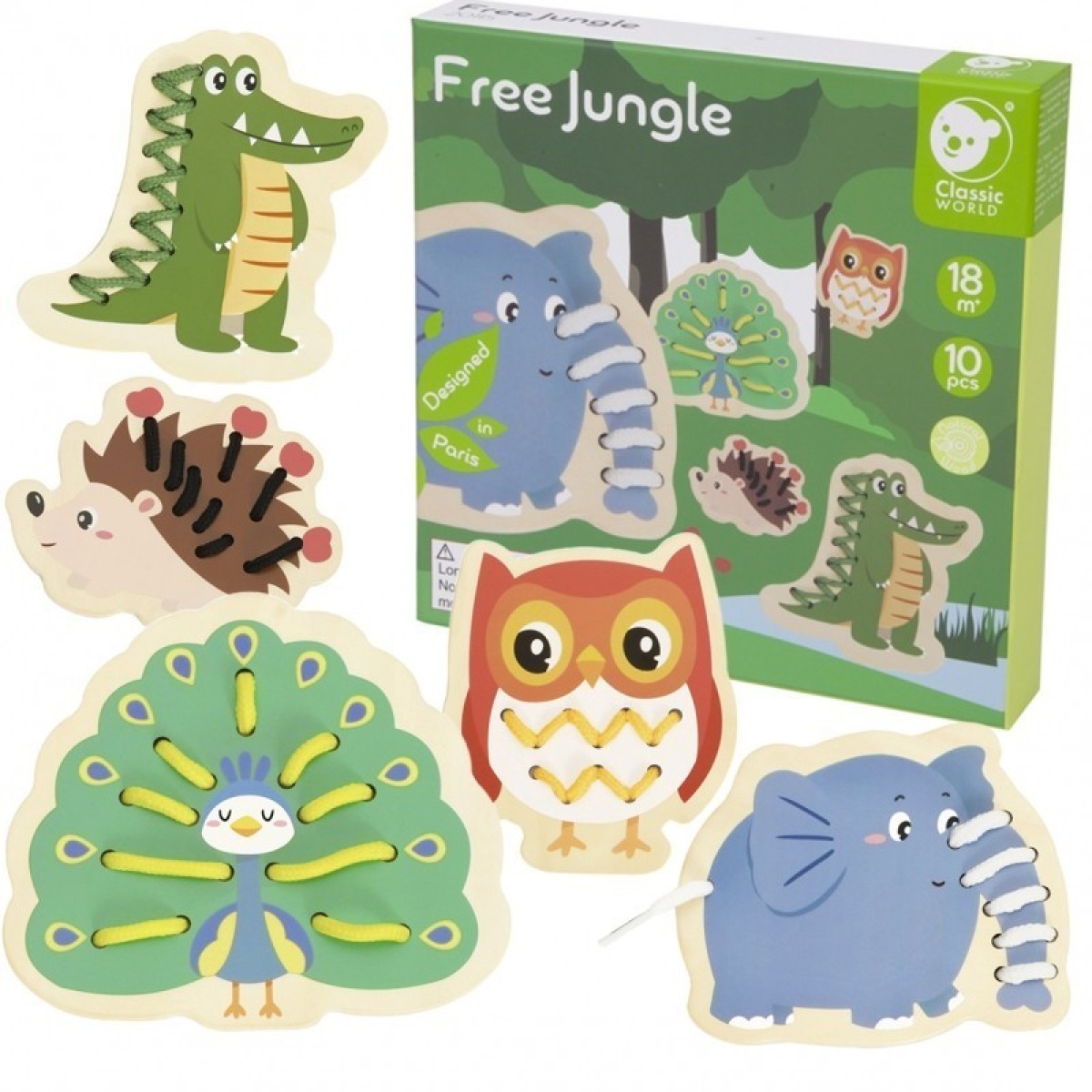
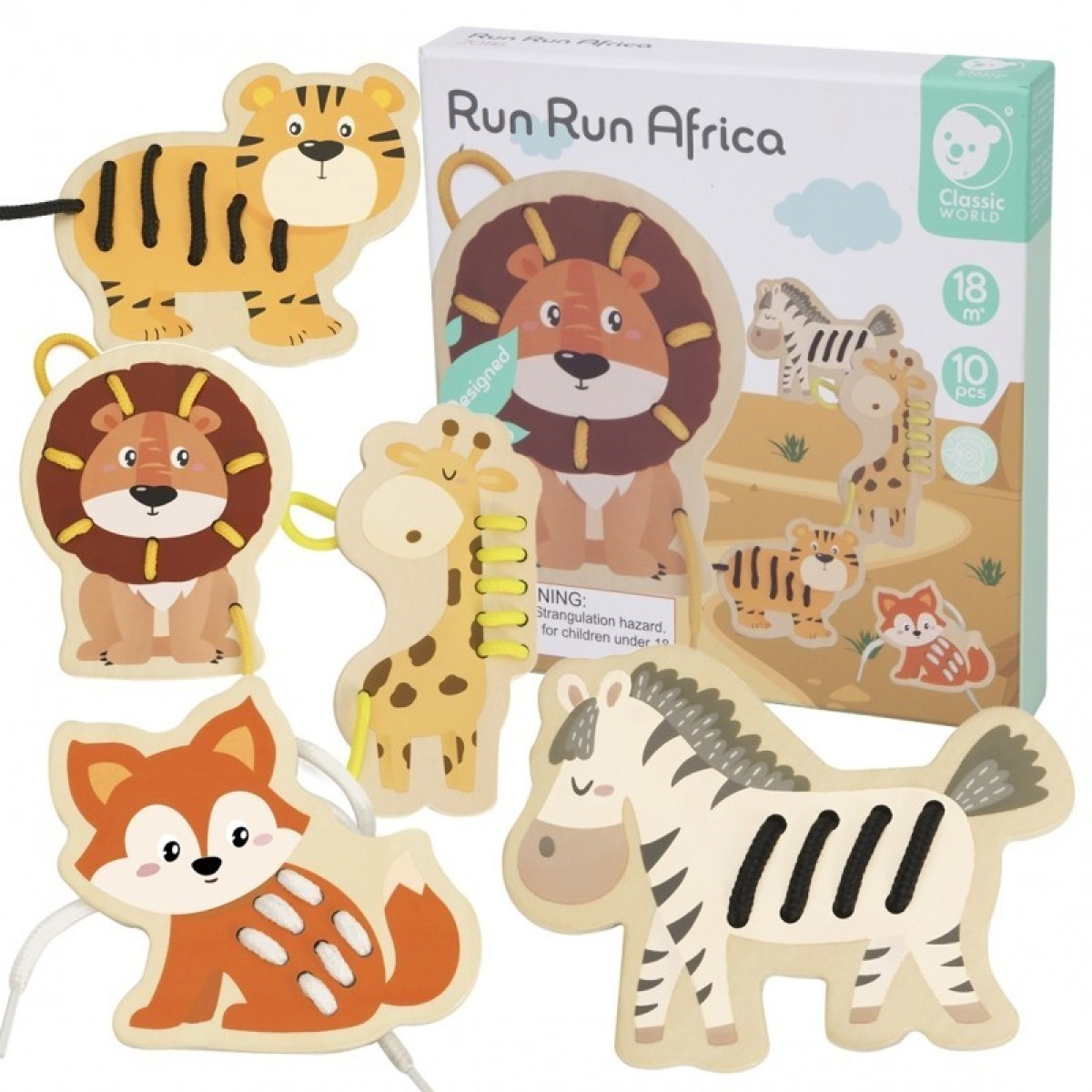
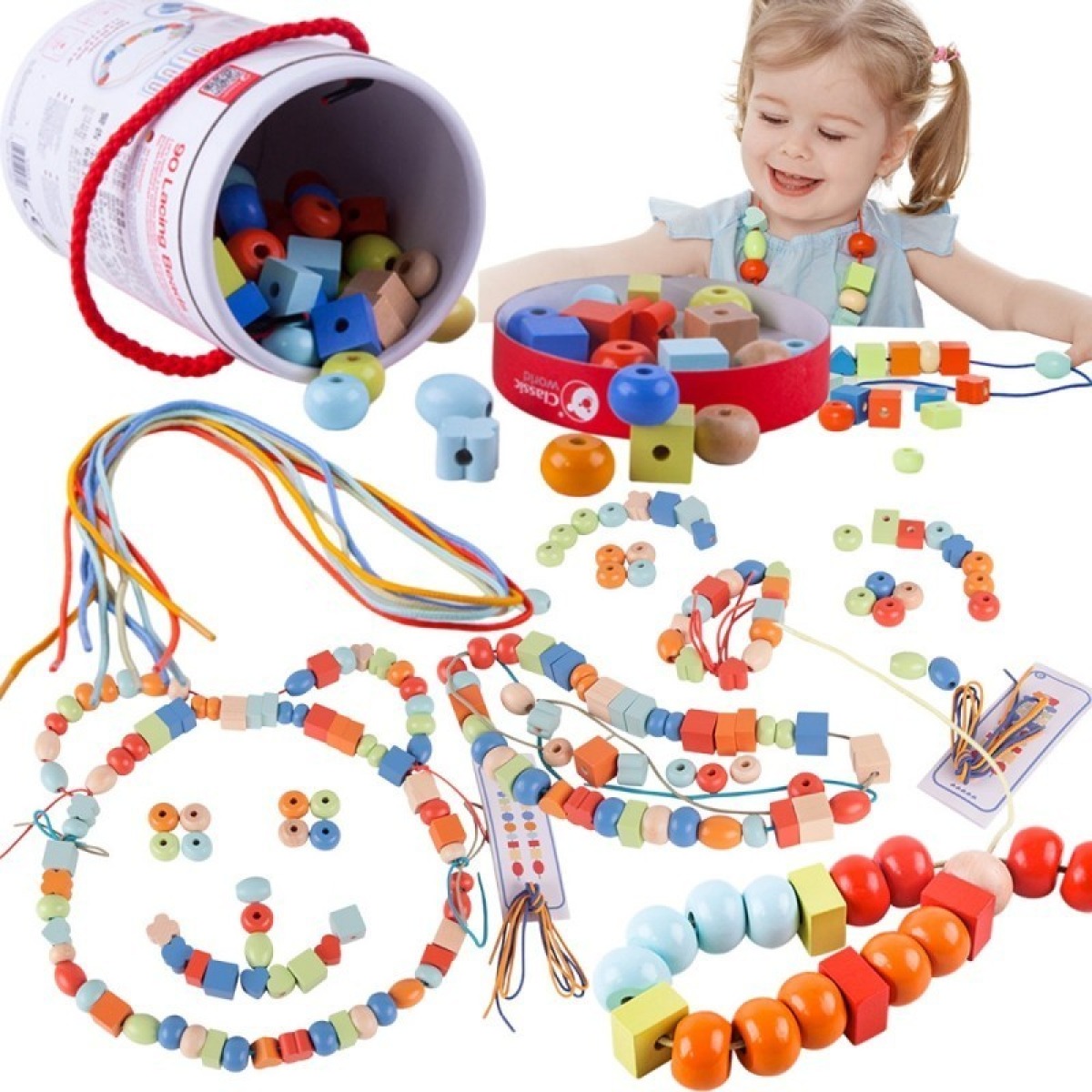
Lacing Toys are an screen-free developmental activity that helps children learn to act carefully and calmly. Lacing and following patterns develop fine motor skills, strengthen hand-eye coordination and improve concentration. These wooden threading and lacing sets are especially suitable for babies, toddlers and slightly older children who are practising perseverance and trying things for themselves. At home,
in nursery and in the kids’ room, Lacing Toys are also practical when you want to offer a change from everyday play. When choosing a set, look for one that is a manageable size for the child, has a simple enough starting point and allows for repeated exploration. Wooden pieces are also a good choice, as they feel pleasant in the hand and are suitable for sensory activities.
Lacing Toys for kids: what do threading and weaving develop?
Lacing Toys consist of wooden pieces with holes that children thread a cord or string through. This simple activity has several benefits at once: children can practise fine motor skills, train their precision and learn to plan their actions. Following given shapes or repeating patterns also increases concentration span and encourages a calmer pace of work.
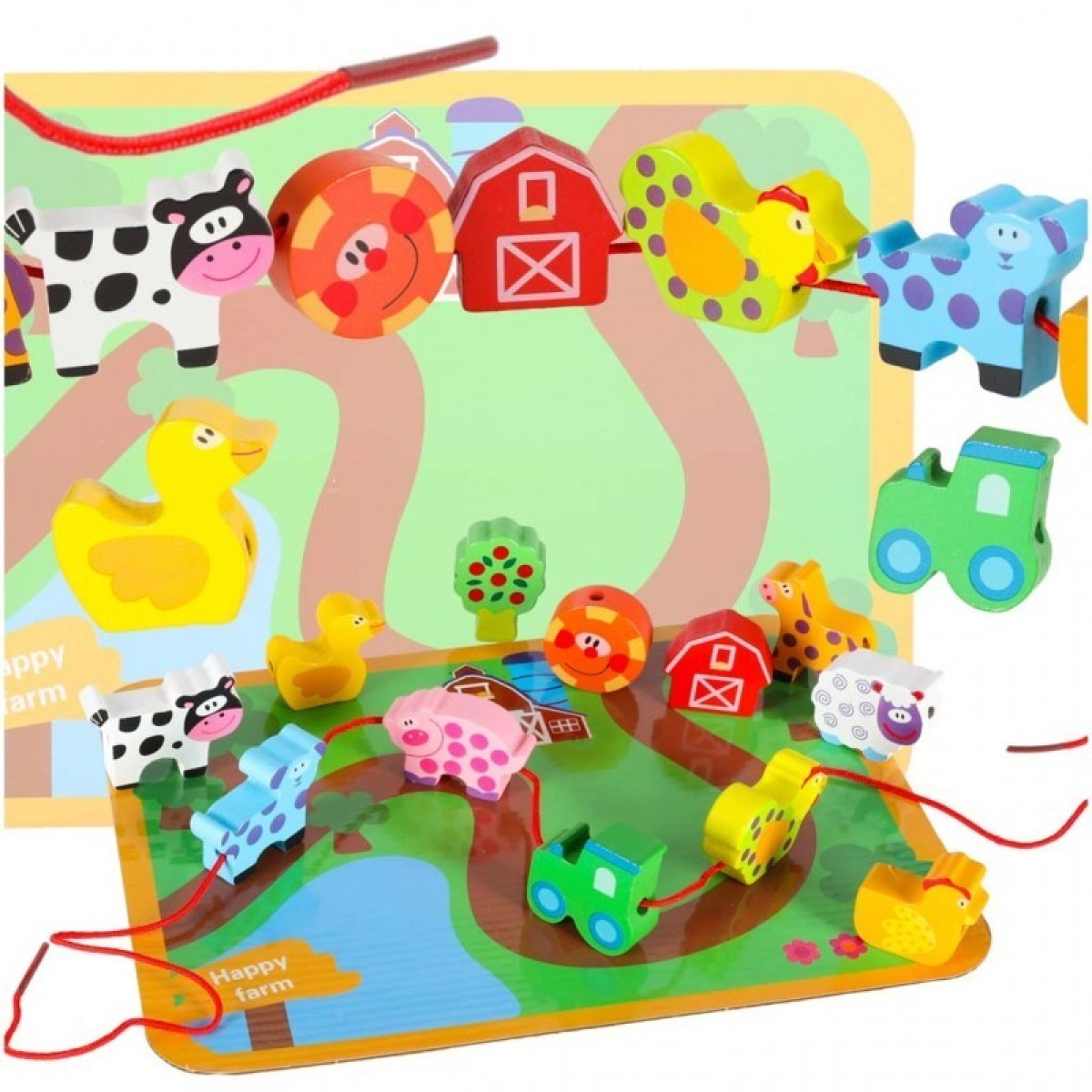
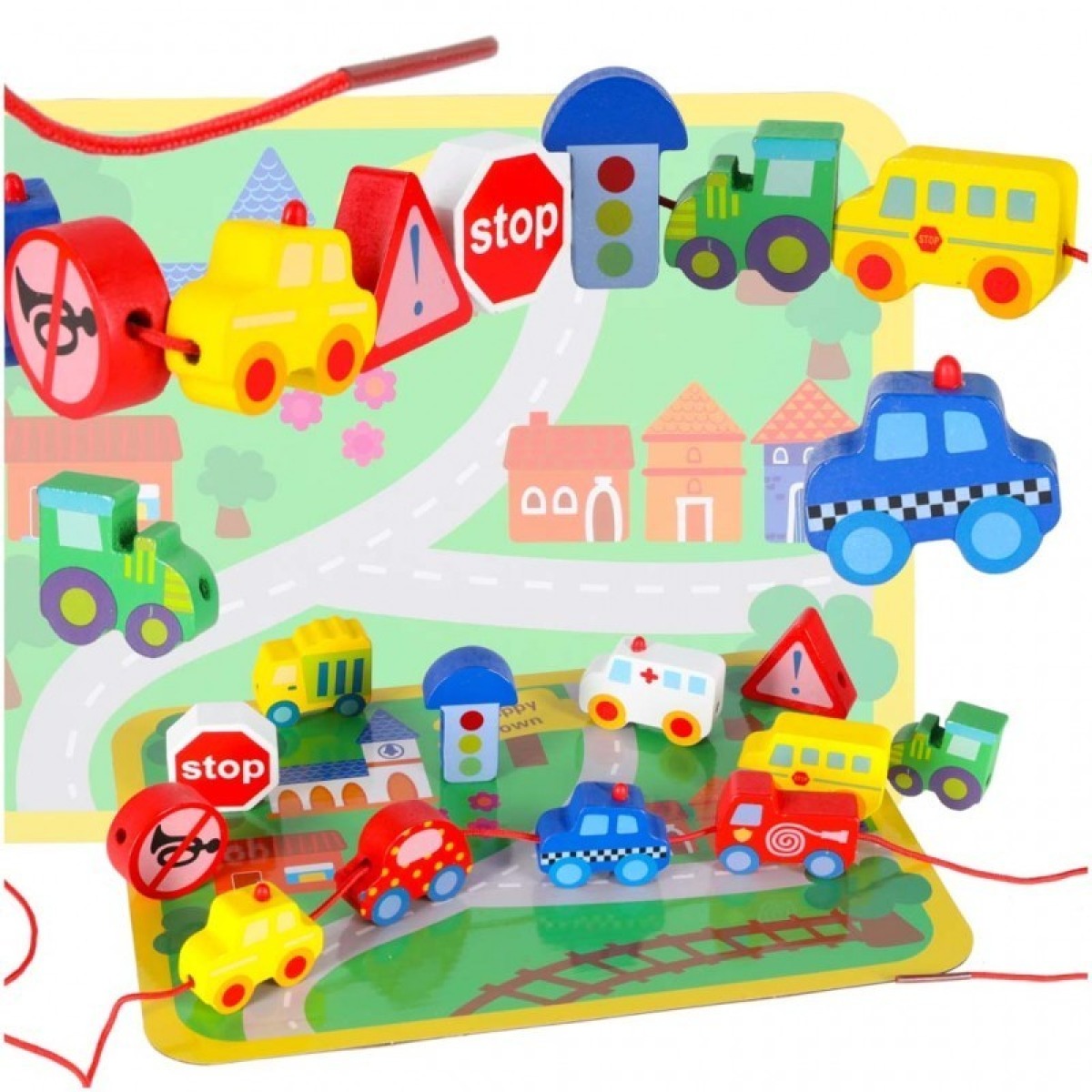
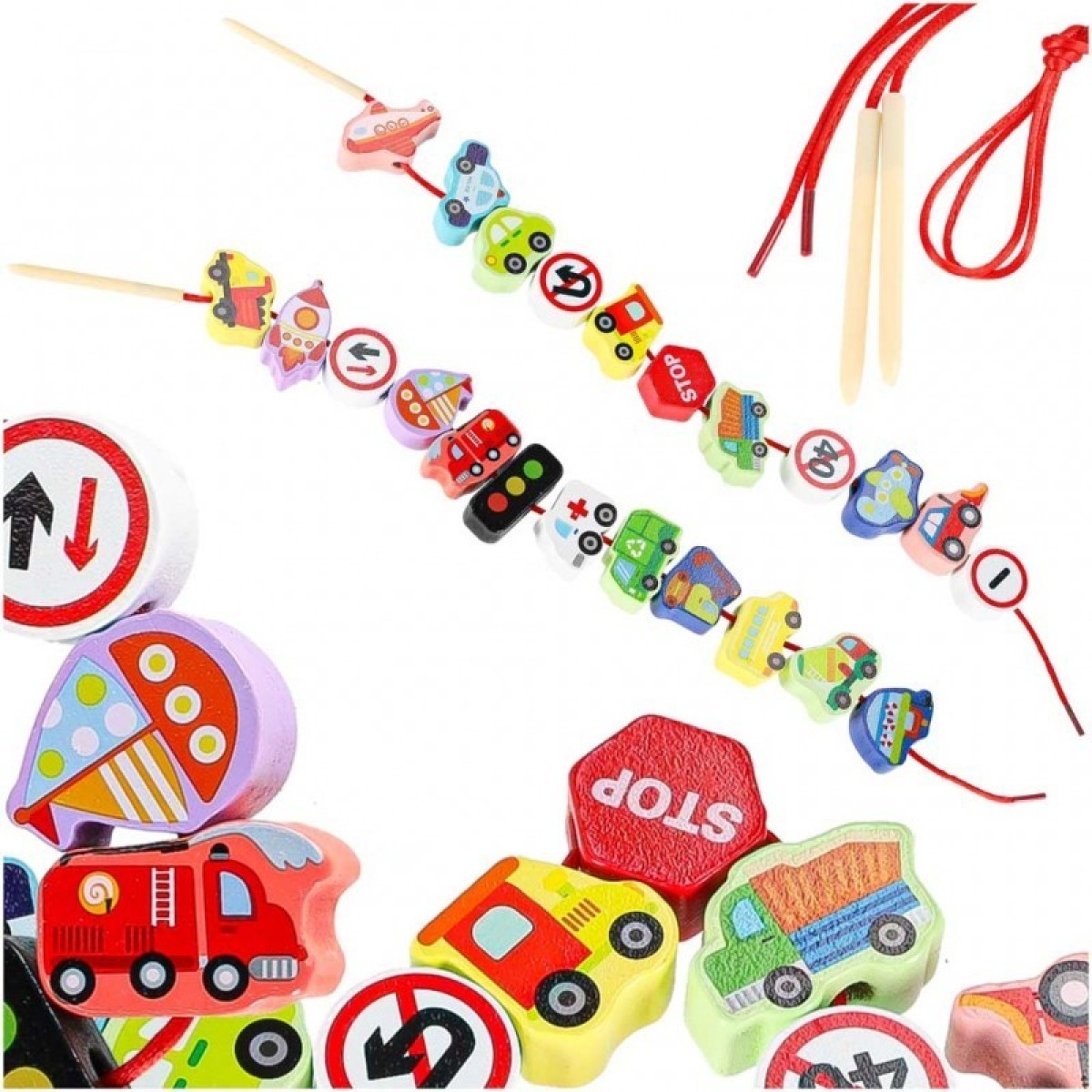
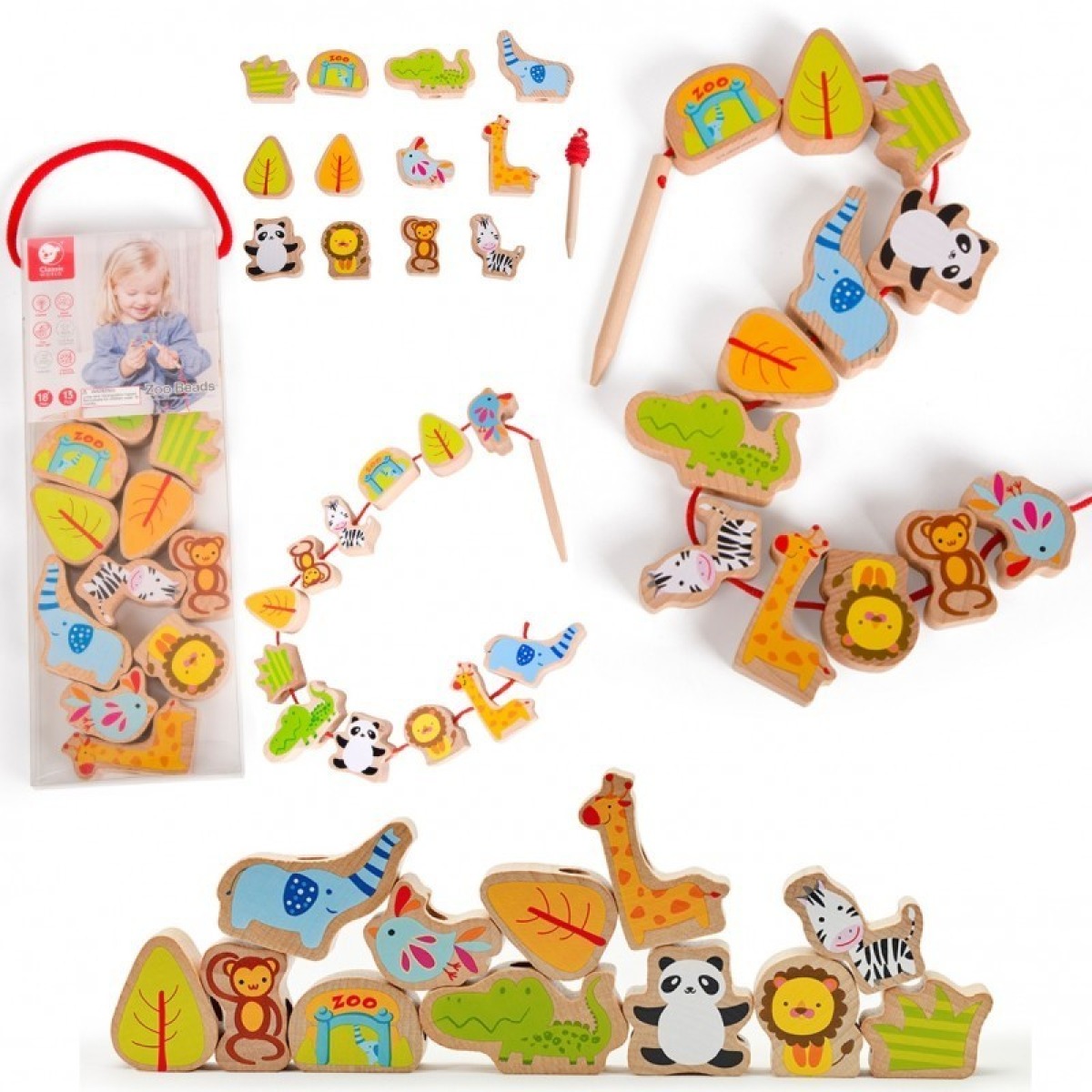
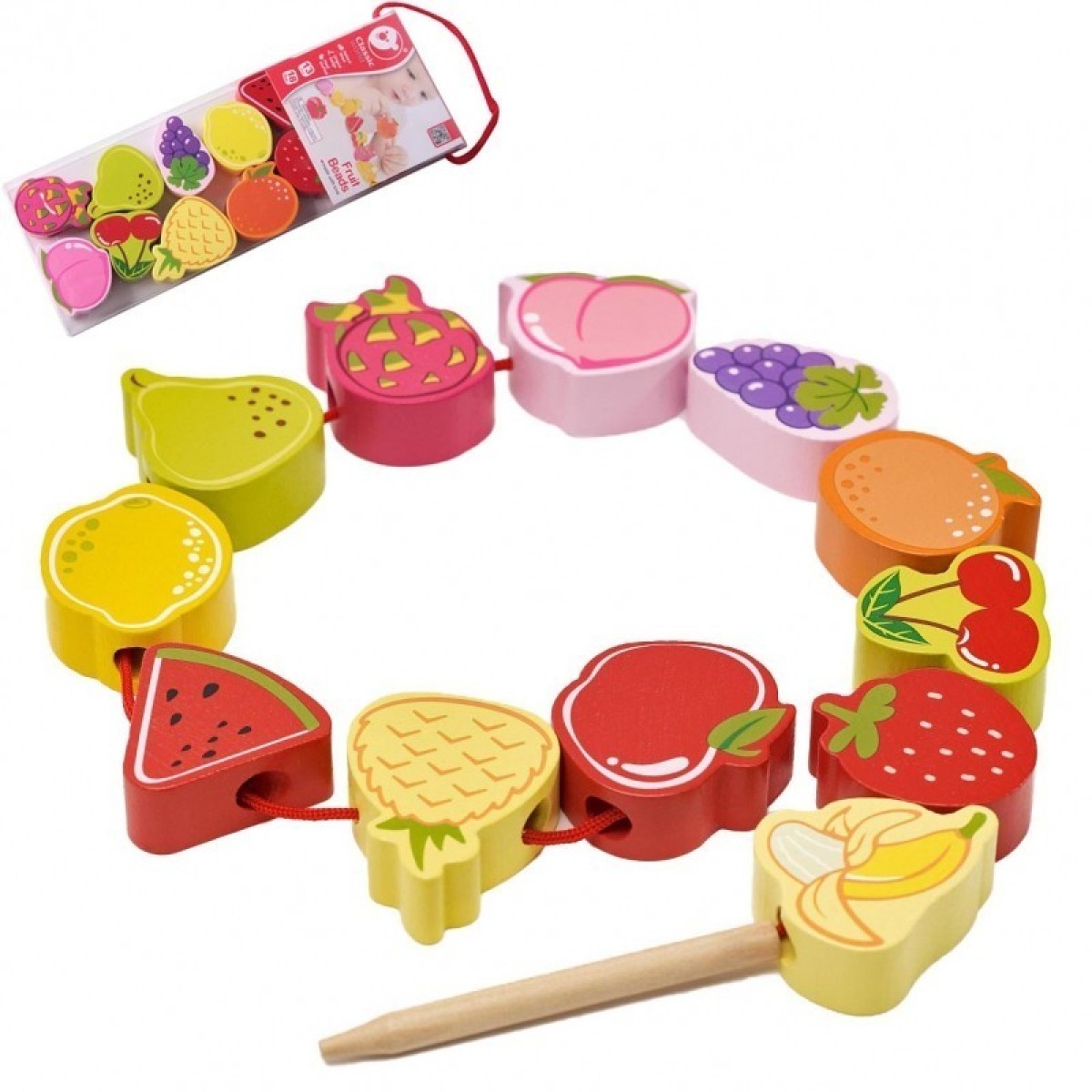
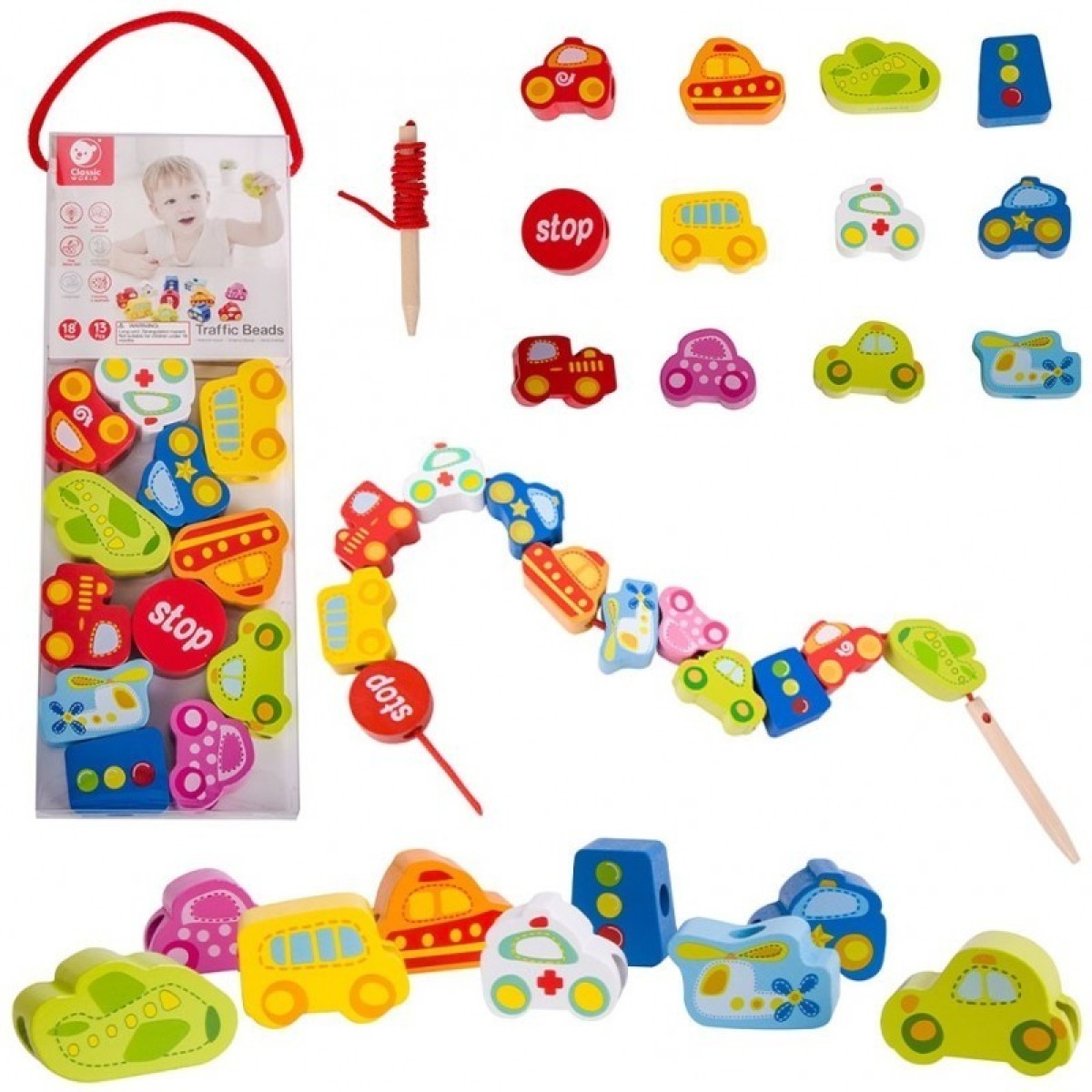
Many sets feature themed pieces such as animals, farm life, traffic or fruit. This storyline helps maintain interest and makes the activity more creative. Lacing toys are suitable for independent play or play with a little guidance, as children learn the right hand movements step by step.
How to choose suitable Lacing Toys: age, grip and set design
Lacing Toys differ considerably in their design and number of pieces. Some sets, for example, contain 12 or 13 pieces (animals, farm life or themed figures), while larger sets are also available. For a toddler, it is often easier if the first choices have a logical starting point and pieces sized for small hands, so that lacing does not become too difficult.
As well as the number of pieces, consider whether the toy supports the gradual development of hand strength and dexterity. The better a child can grip the handle and perform repeated movements (through a hole, onto a cord, in sequence), the more confidently the skill develops. If the aim is Montessori-style independent activity, it is important for the set to have a clear layout and help the child feel, “I can do this”.
- Age suitability: for babies and toddlers, simpler shapes and easy-to-handle pieces are preferable; older children can use sets with more pieces.
- Fine motor skill level: threading helps develop precision, hand-eye coordination and coordination skills.
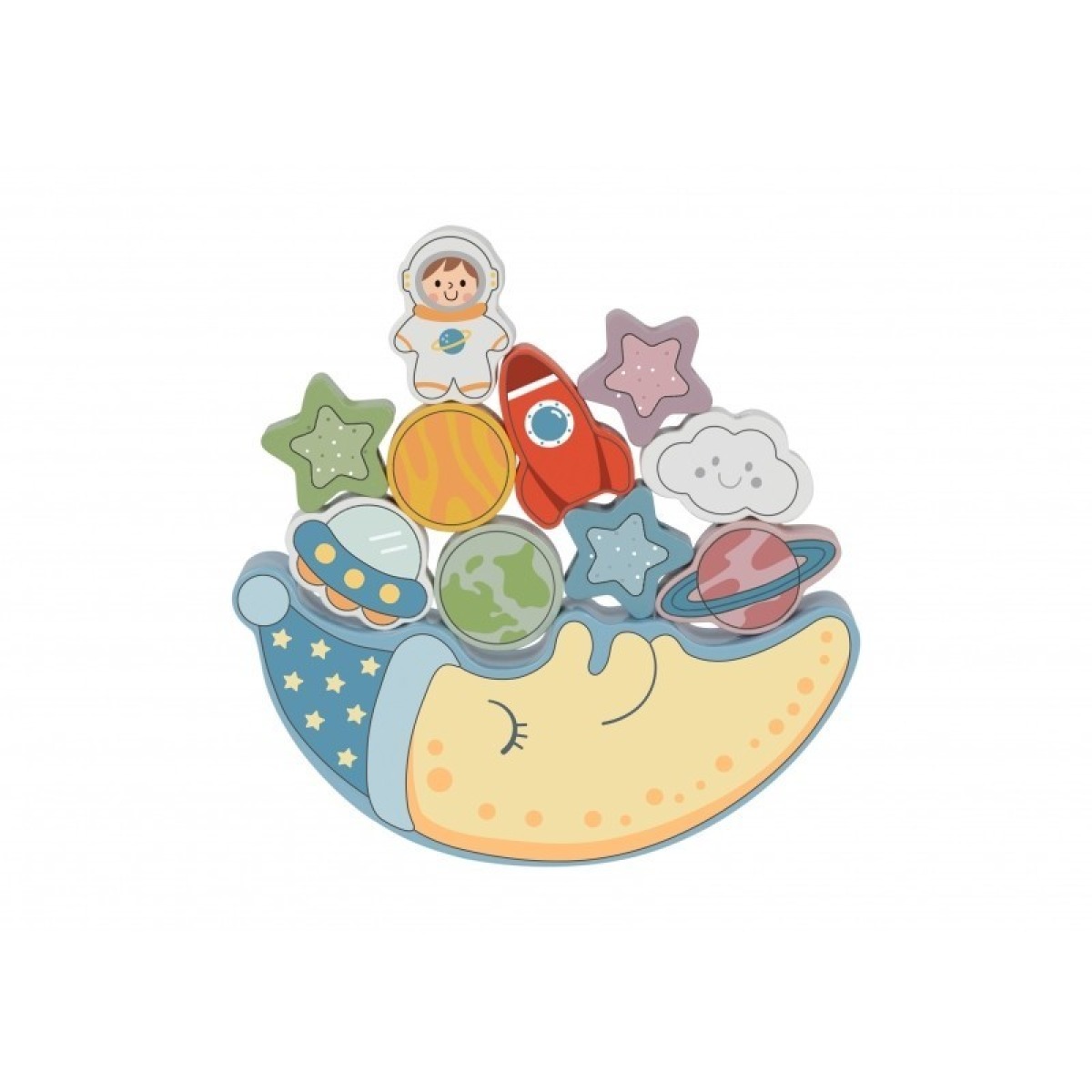
- Theme: Animals, farm life, traffic, Space or fruit—the theme holds children’s attention and supports role play.
- Material: wooden pieces are suitable for sensory learning and everyday activities in the kids’ room.
- Use: a screen-free activity at home, for table or floor play at nursery, or sometimes as a calming break.
Themed wooden sets: wild animals, farm life, traffic and fruit
Lacing Toys are about more than just “threading through a hole”. Many sets bring a familiar world into a logical sequence for children: a zoo, wild animals, a farm, roads and cars, or fruit, for example. This lets children connect hands-on activity with stories and conversations, supporting language development and role play.
Sets themed around traffic and vehicles are also a good choice when a child wants to place the pieces in a particular order or create their own mini road. Animal and farm shapes, in turn, encourage observation and naming details. If a set includes different shapes or themes (such as “ZOO” or “farm”), the child can practise both precision and recognition.
Sensory and Montessori toys: why wooden lacing works
Wooden Lacing Toys often include elements that stimulate the senses: the material is natural and pleasant to hold, the pieces are clearly distinguishable, and the activity involves hands-on play. For example, a sensory Lacing Toy with doors and locks or a combination of balancing and lacing adds another dimension to play—the child does not focus only on lacing, but also learns to use different movements.
Because lacing repeats the same action, children can practise at a calm pace. It also provides a good foundation for later skills, such as pre-writing activities, since fine motor skills and coordination are important for learning. Short, calm periods of regular hands-on play are well suited to a child's room at home and help establish consistency that supports development.
Practical tips: how to make Lacing Toys an enjoyable part of the day
A suitable place to play and enough light help make lacing comfortable for a child. It is a good idea to start with a shorter session so the child can complete one activity, then gradually extend it. If the child is still learning, an adult can demonstrate once at first, then let the child carry on independently.
Care is usually simple, as the wooden pieces are designed for everyday use. We recommend keeping the set in a dry place and cleaning it with a damp cloth as needed, while avoiding excessive moisture. This helps the wooden pieces retain their appearance and keeps the activity stable and safe.