
- New
In stock · 1–3 business days1–3 business days
About the collection
First toys open a door to the world around your baby. Baby toys invite little ones to grasp, look and listen: contrasts catch the eye, different textures invite touch and sounds reward every movement. You'll find rattles,...
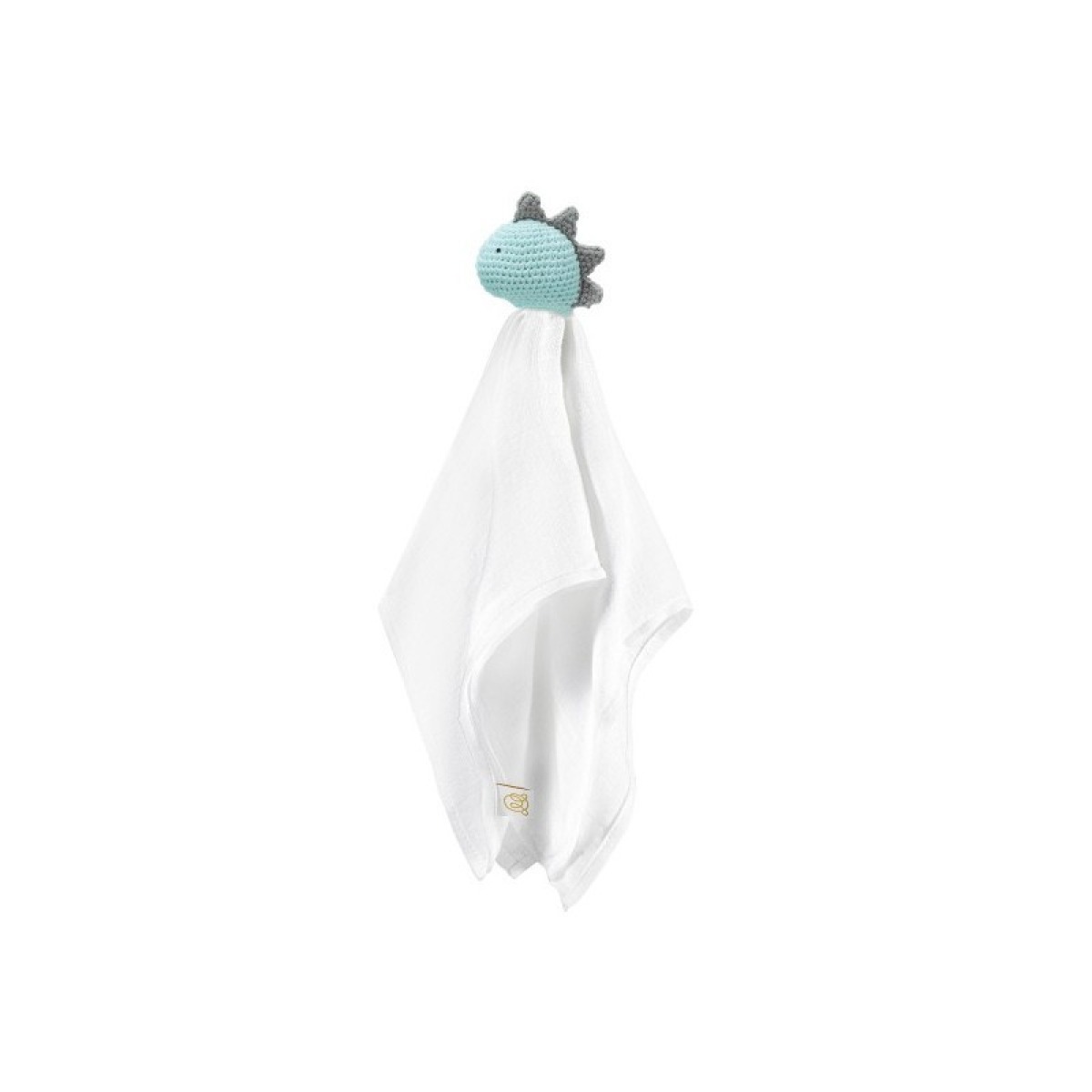
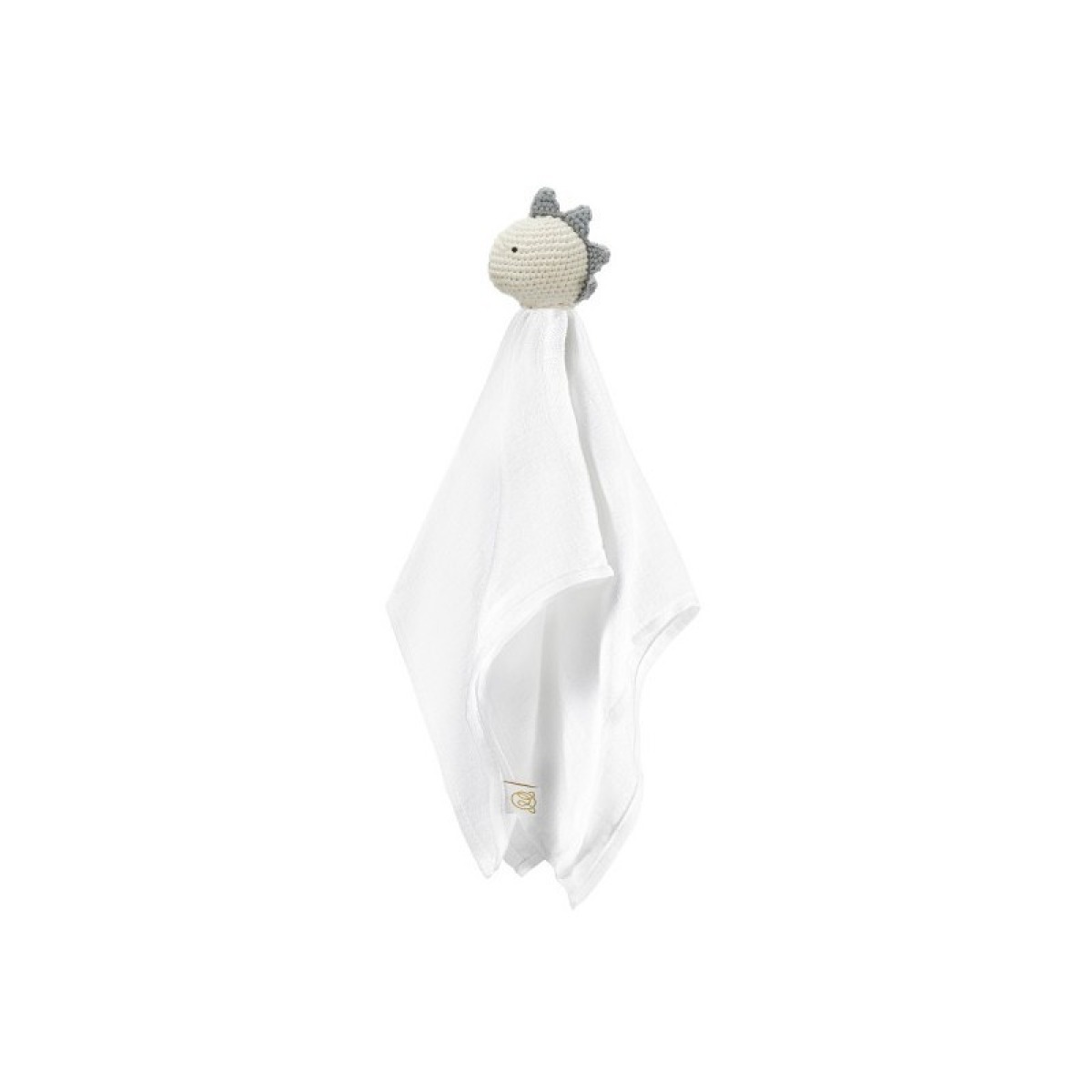
Category guide
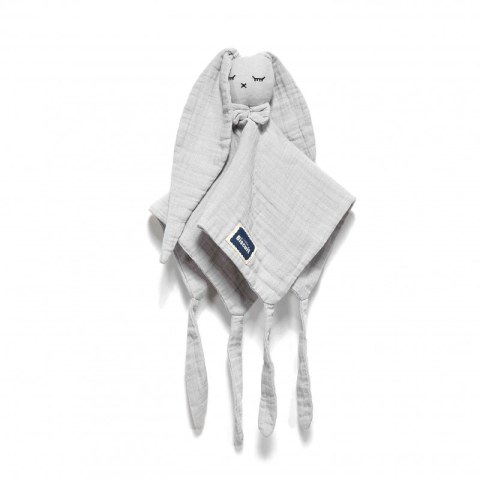
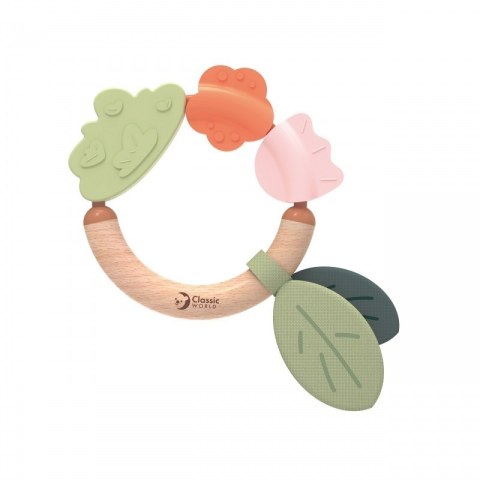
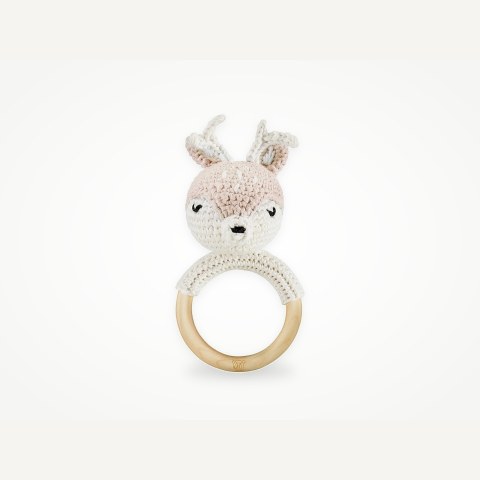
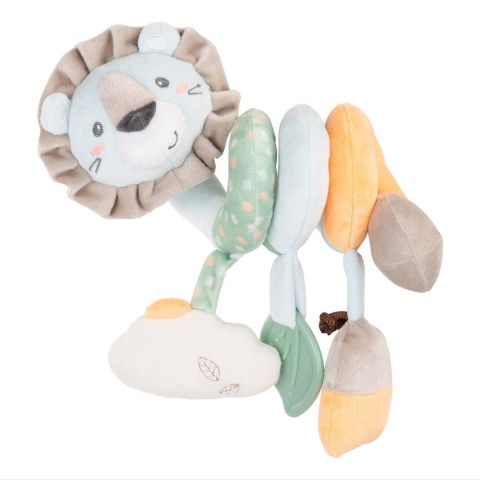
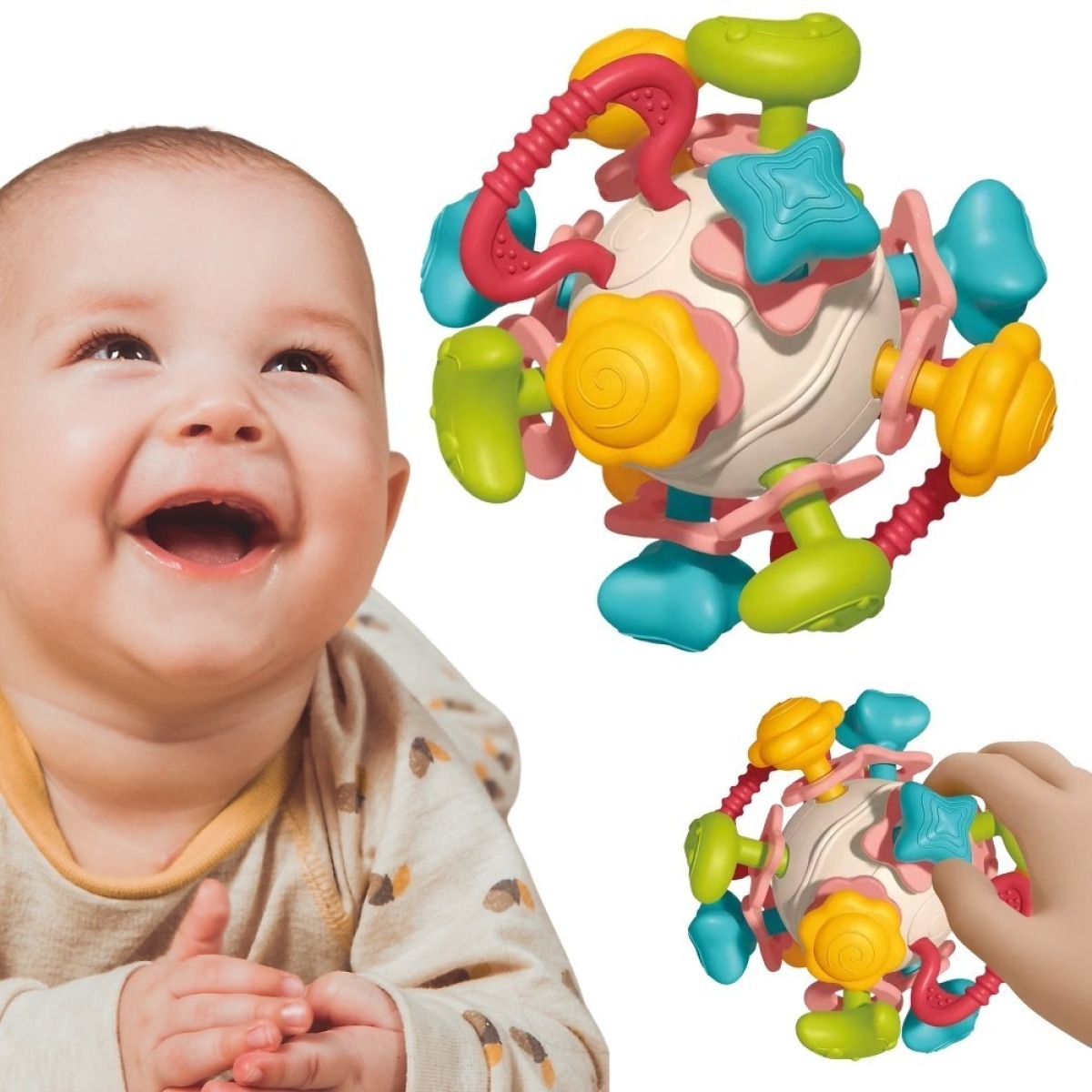
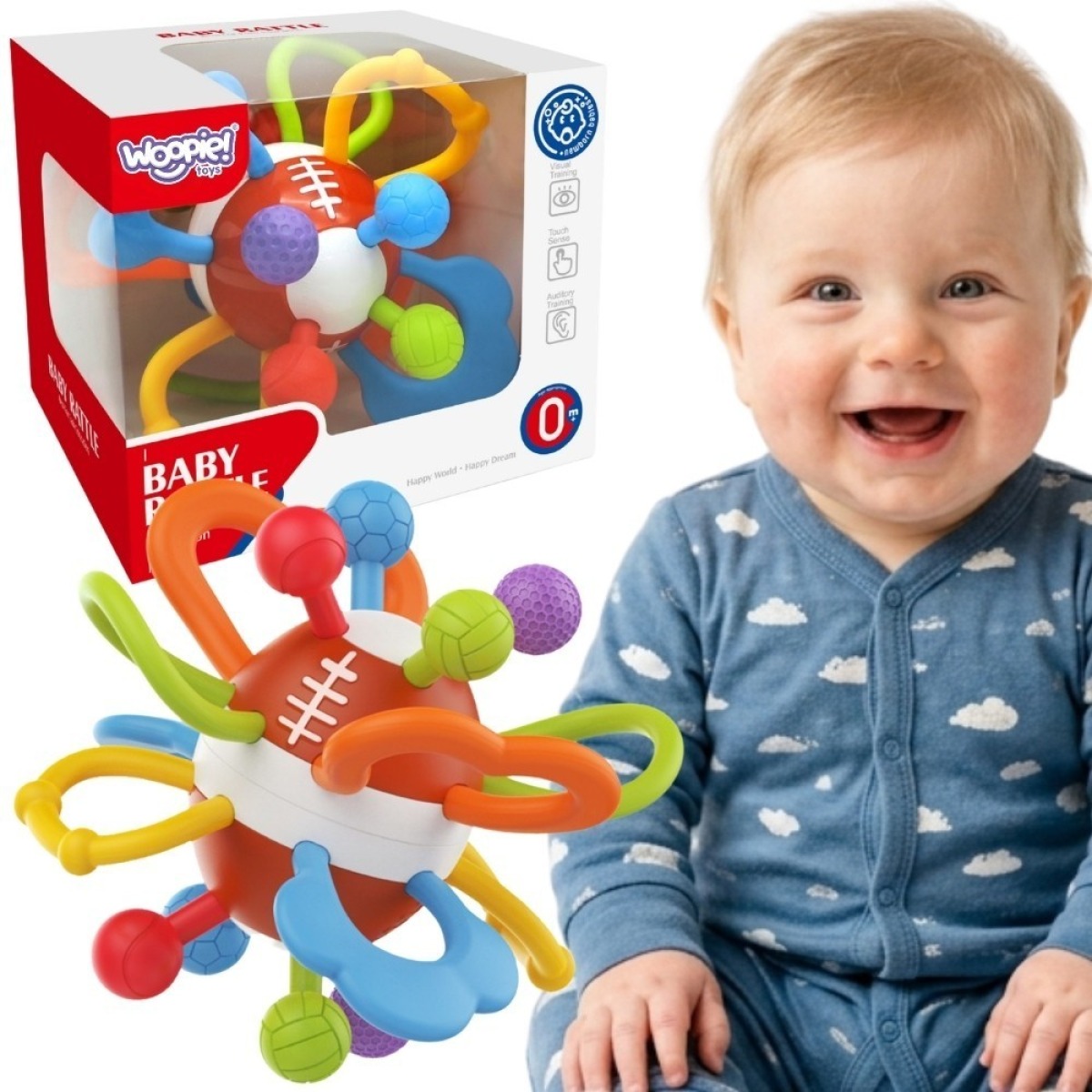
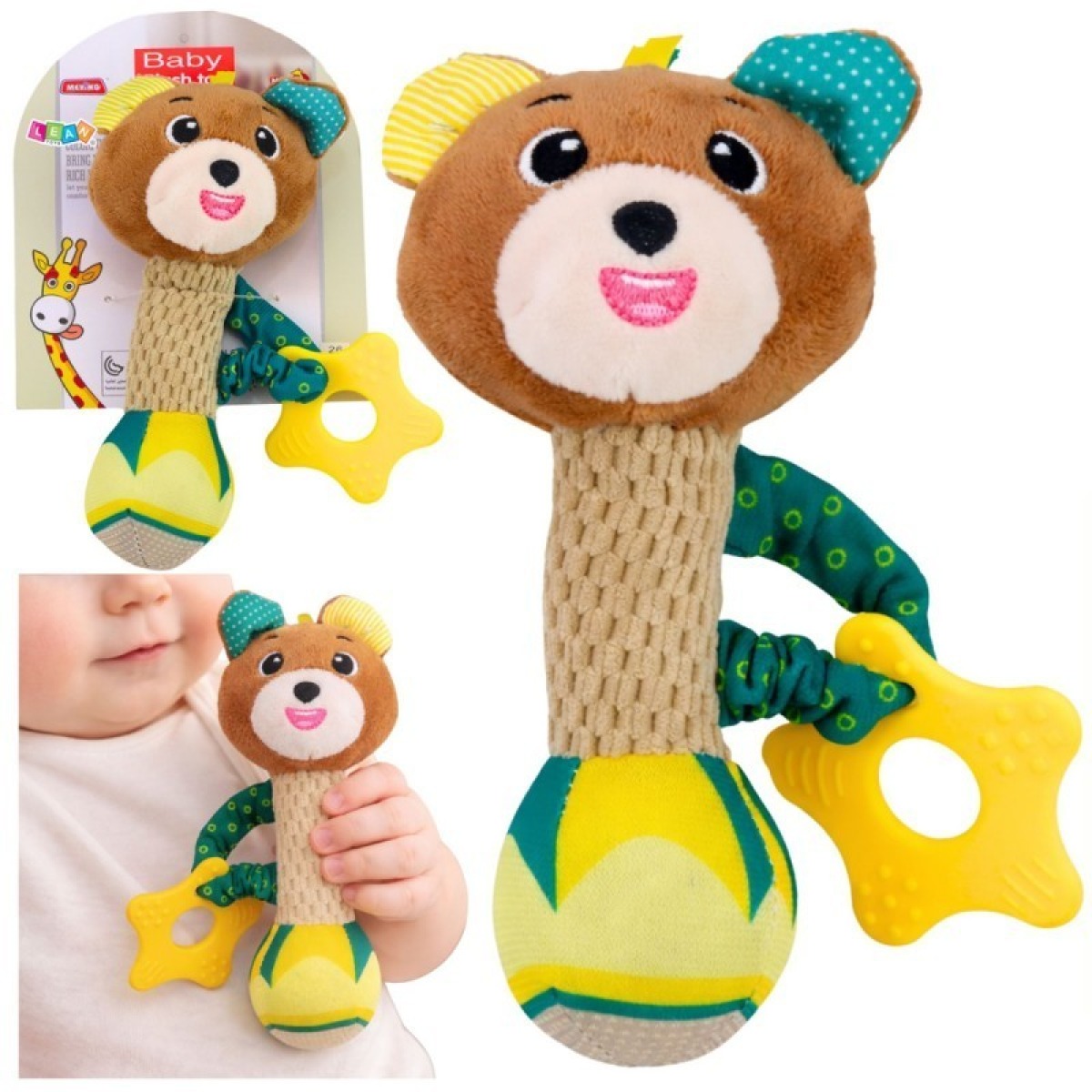
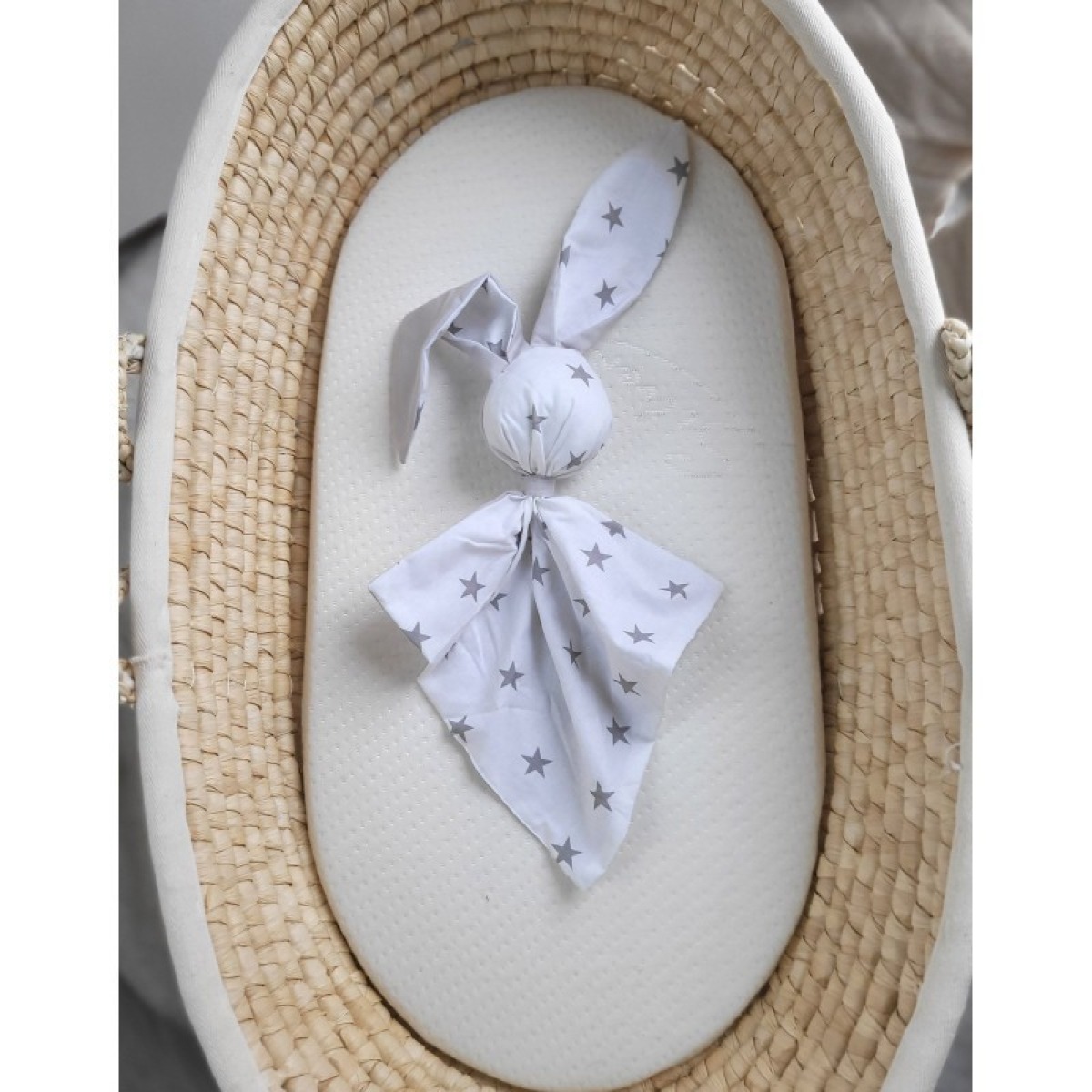
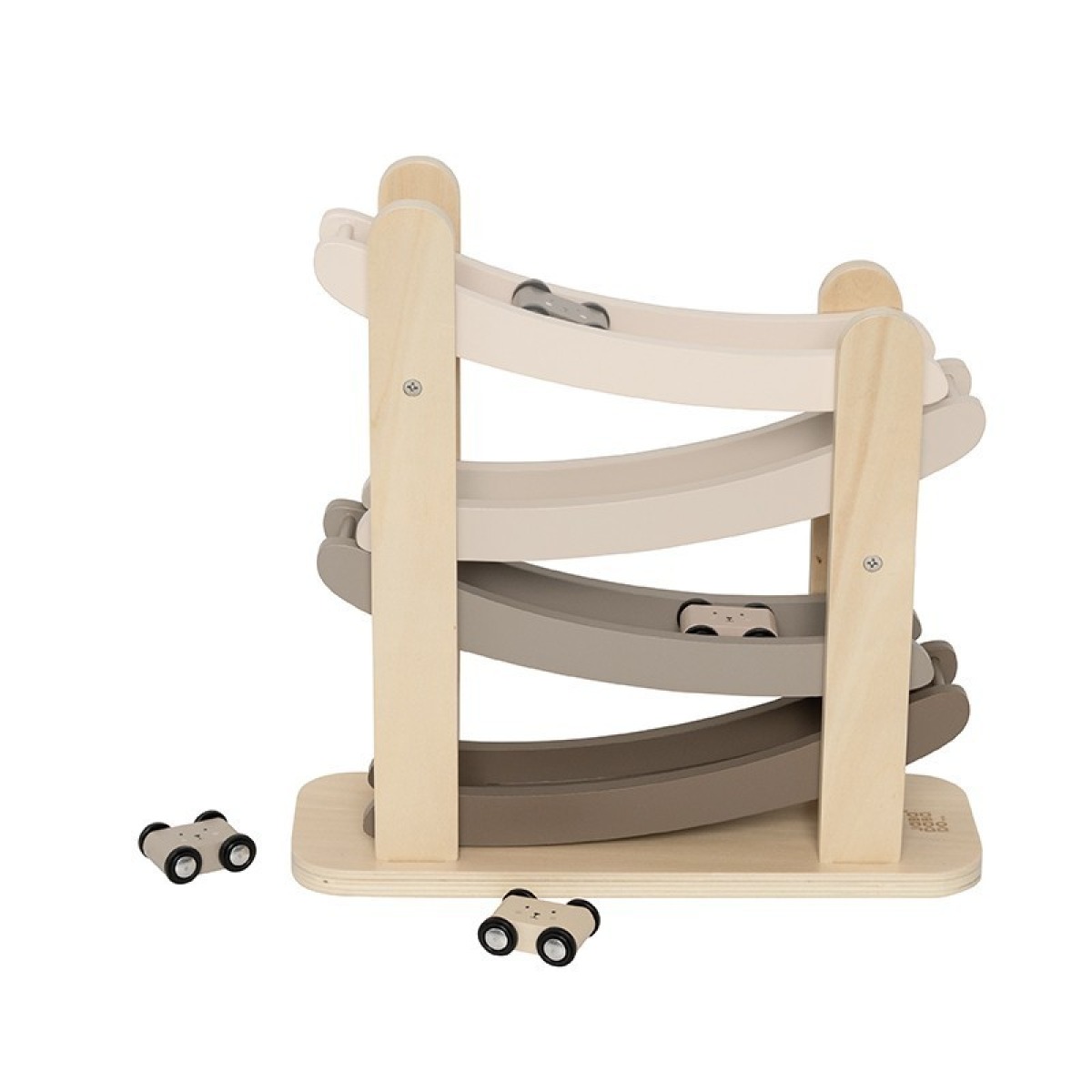
Baby toys are designed for children's early development and everyday exploration at home. Through play, toddlers and babies can practise grasping skills, attention and sensory coordination: contrasts help focus the gaze, textures invite touch and sounds give a clear response. The range includes toys suitable for babies as well as items for the very earliest months (e.g. rattles, comforters and cuddly toys, teething rings), which are also suitable when a baby wants to put things in their
mouth. Key selection criteria are the right size and grip, the feel of the materials and practical use. If the toy is used on walks, solutions with a fastening help, such as hanging elements for the pushchair or car seat. It's also worth bearing in mind that sensory games and books (including animal-themed ones) support calm concentration, while swings, bouncers and their accompanying activities give time a steady rhythm that the baby can understand.
Baby toys help children make sense of the world from an early age. A good toy offers several stimuli at once: visual contrasts, different textures and simple sounds. This way the child can grasp, look, listen and touch at their own pace.
The category includes many products that are especially well suited to the first learning of babies and younger toddlers. Rattles, teething toys and toys with sensory features, for example, help shape hand-eye coordination and develop the sense of touch.
When choosing a baby toy, it's useful to see whether it supports both calm curiosity and active exploration. Products that can be used in different situations are a great help: on the floor, on a lap, in a bouncer or on a walk. Many have a soft feel or teething-friendly materials, making it easy for the baby to satisfy needs related to play and the mouth.
Practical examples from the category also include the following:
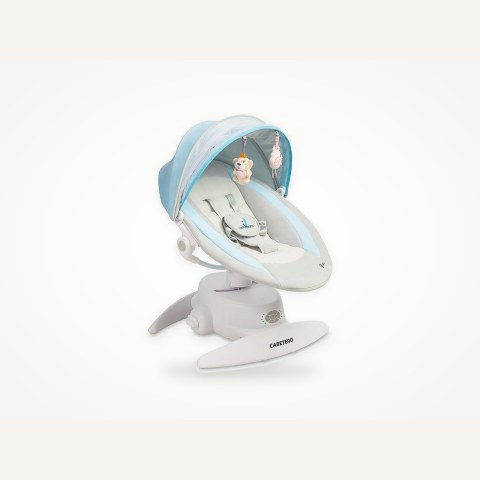
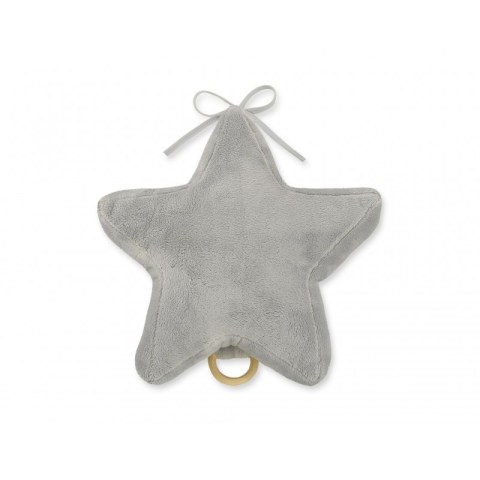
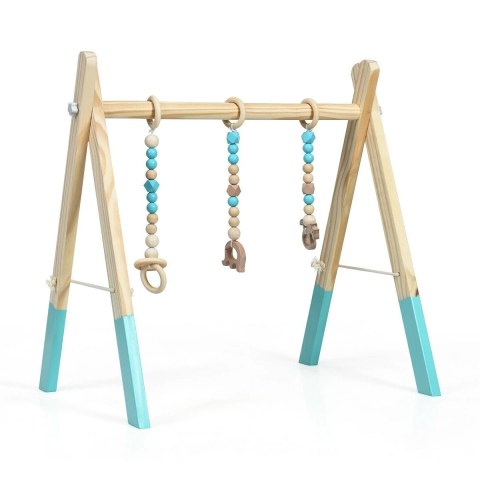
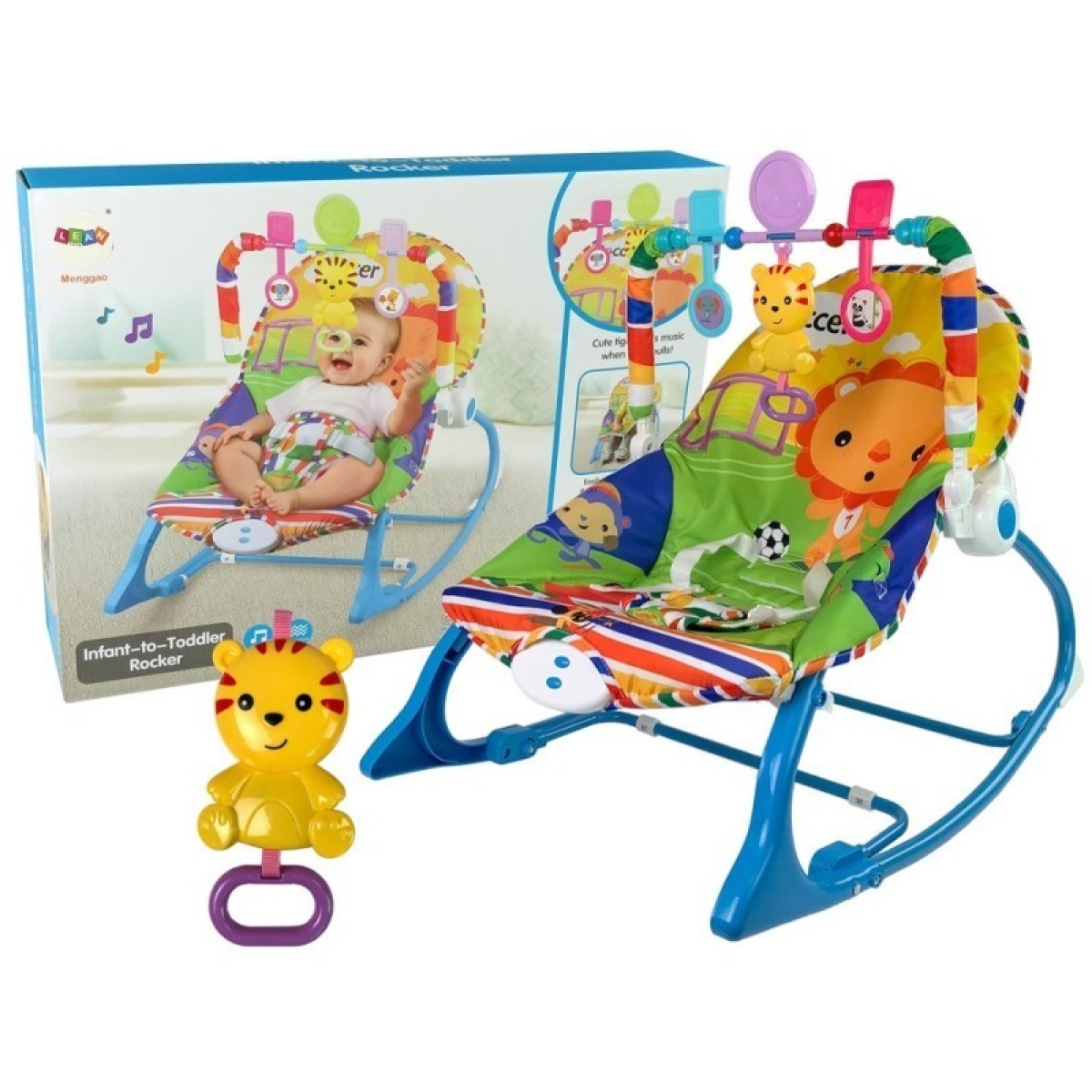
When a baby is in a bouncer or rocker, there's a need for an activity that stays at the right distance and is easy to grasp. The category includes hanging solutions and musical toys for this, which help structure time: play can be soothing with calming sounds and vibration, or used for shorter stimulating moments.
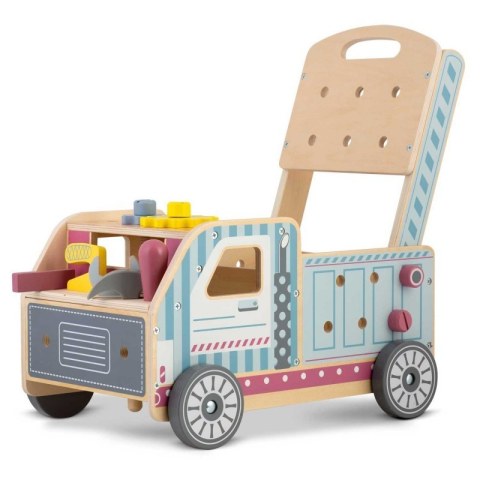
Baby walkers and toys suitable for walks are also practical when a child is moving and looking around. Solutions with music or bells, for example, help a baby focus their attention and develop a sense of cause and effect.
The right baby toy must be convenient for both the child and the parent. Make sure the item is a size the baby can grasp and that the texture stays pleasant during longer exploration. If the toy is meant for walks, easy fastening also matters, as does making sure the attached parts stay firmly in place.
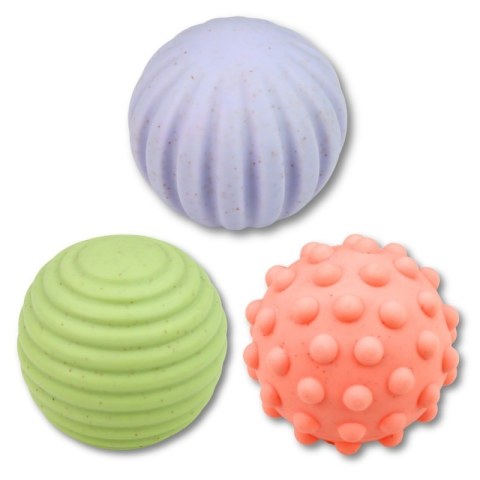
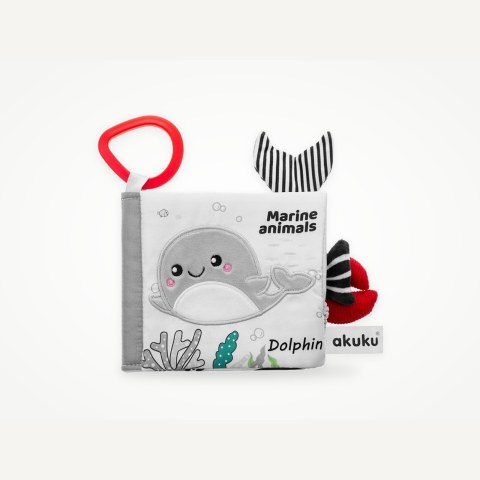
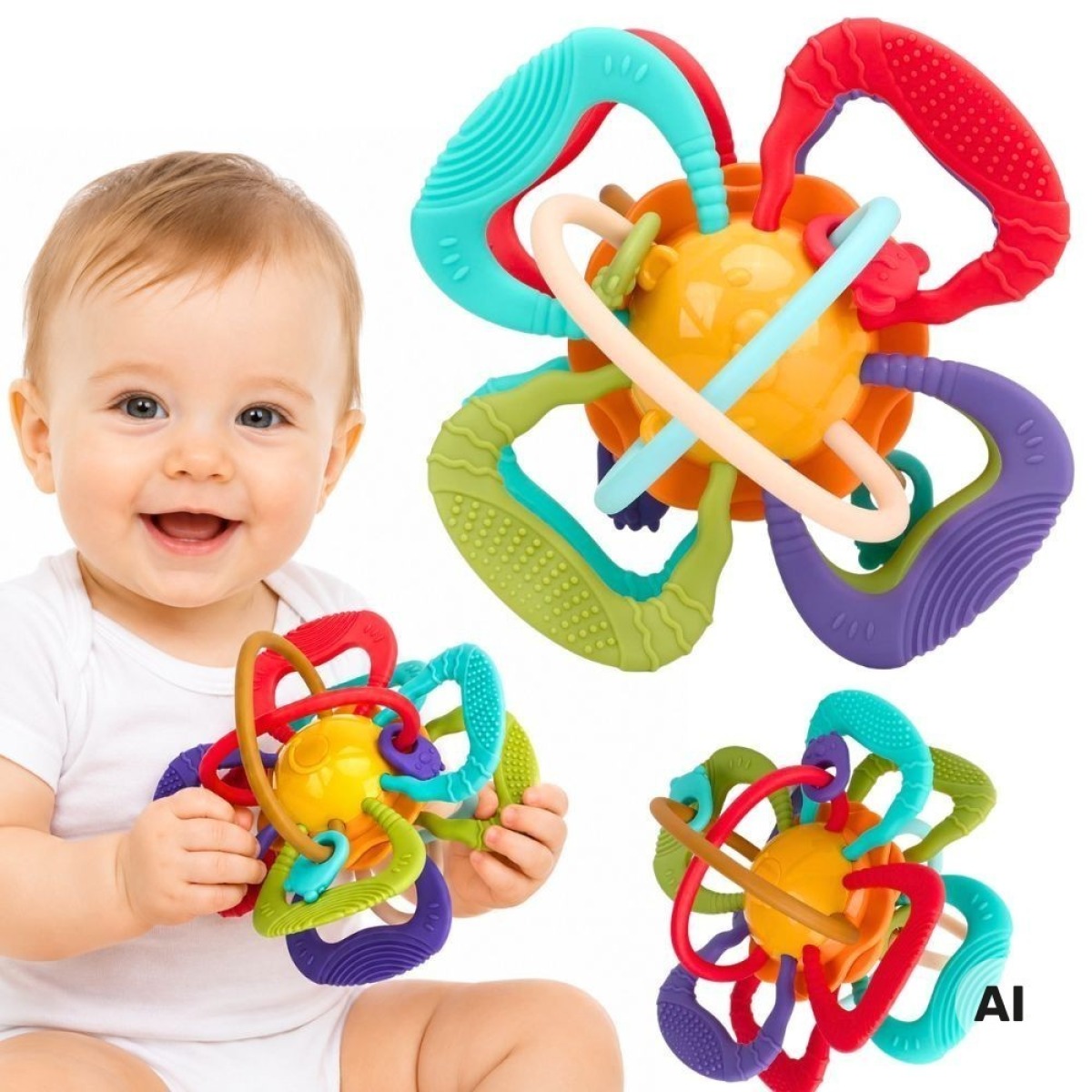
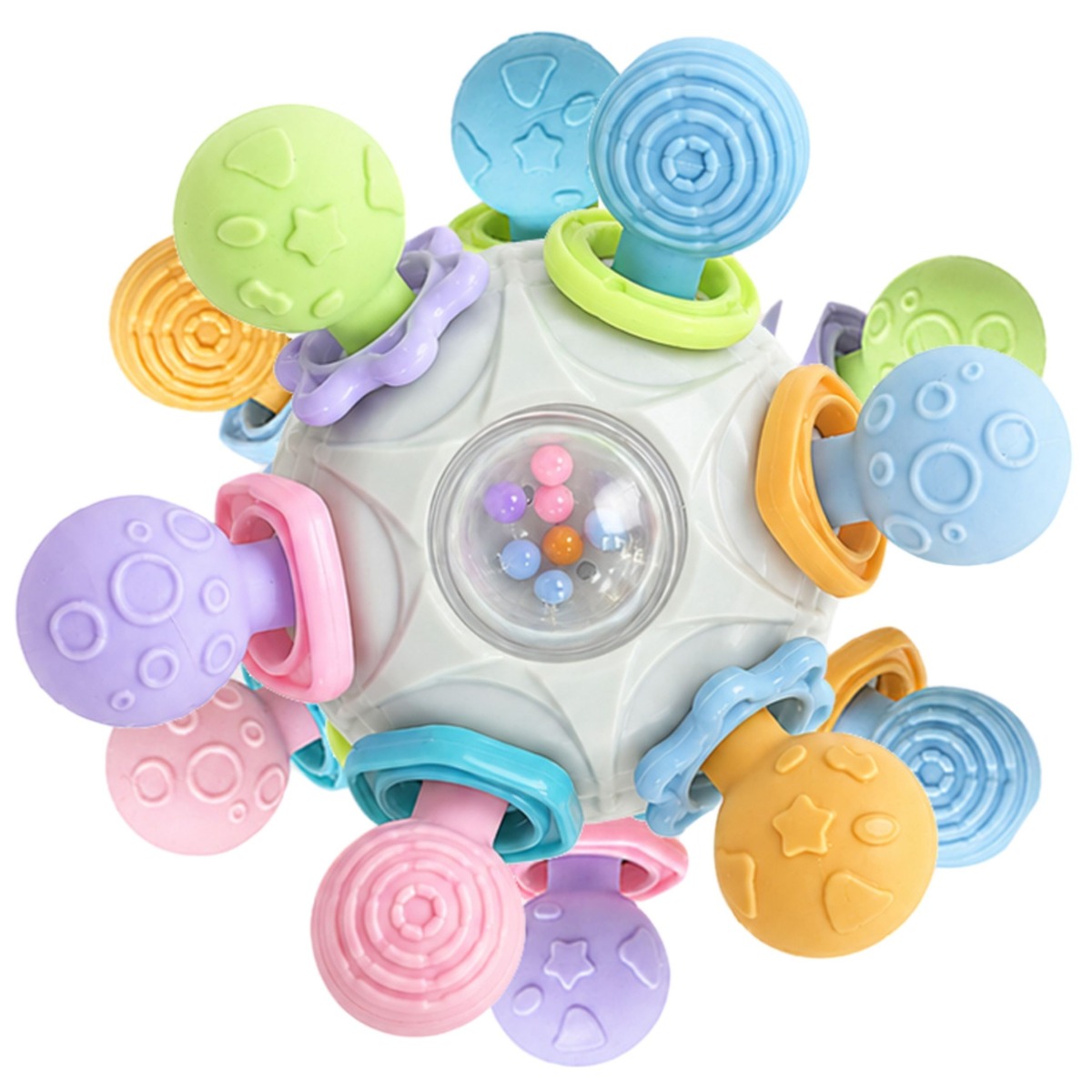
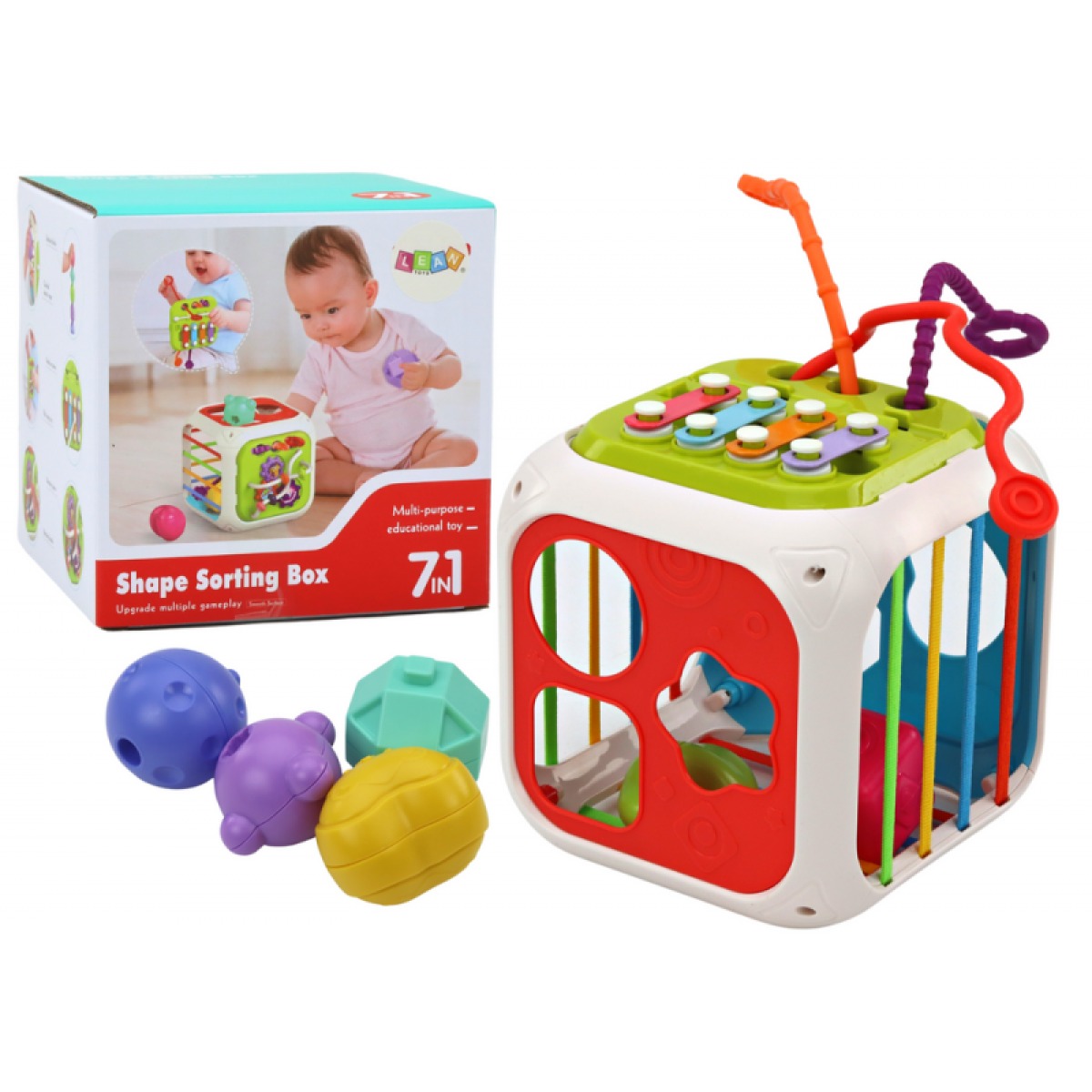
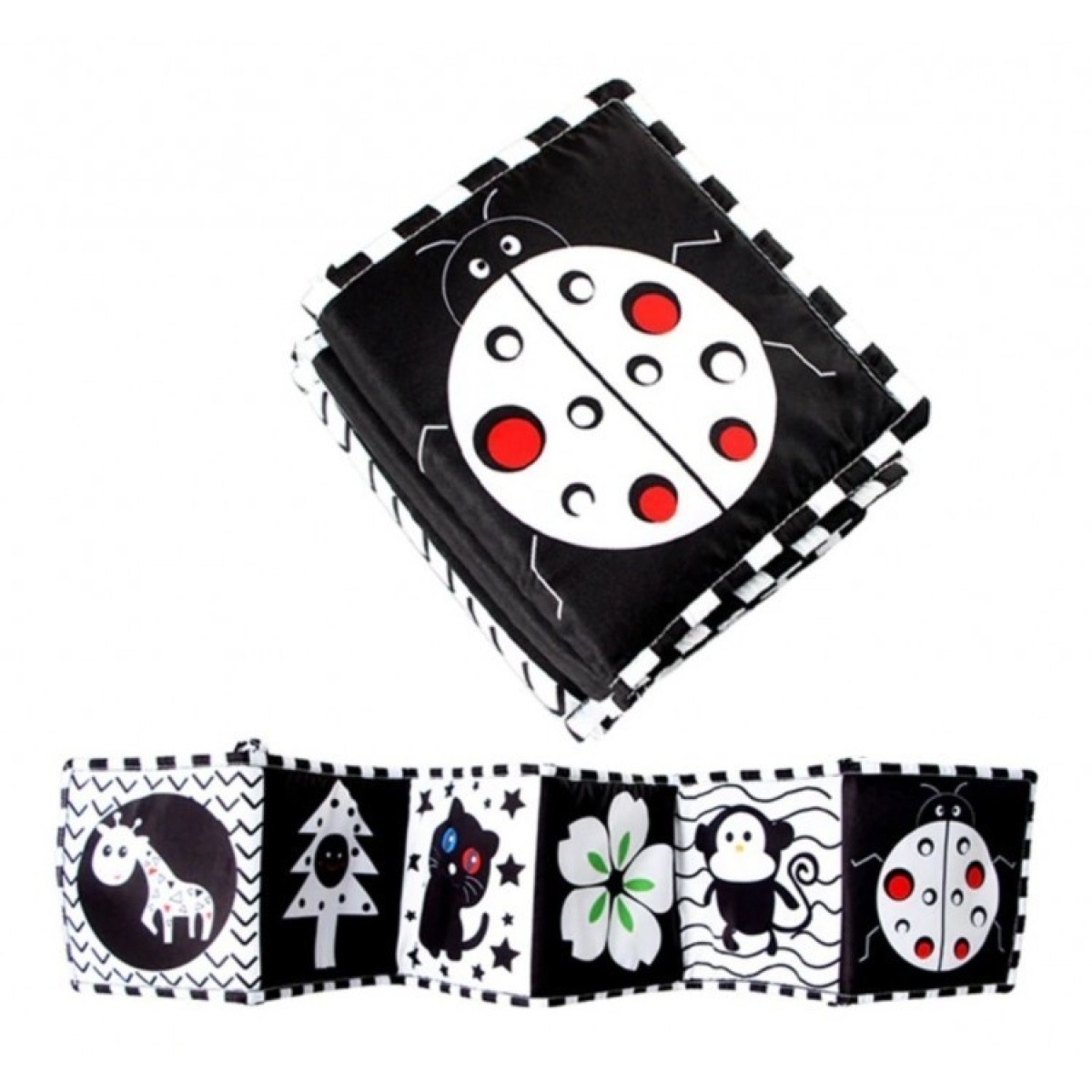
A good selection of baby toys covers several needs at once. Some toys are aimed at calm concentration, such as a sensory book or animal-themed educational and entertaining material. Others are better suited to active exploration, such as sensory balls with different surface textures, rattles and rhythmic musical solutions.
If you want one set that supports development in several ways, combine different types of stimuli: sounds, colours, textures and easy-to-hold shapes. This way the baby gains experiences in different positions and on different days, while the kids' room at home stays consistent in content – items for play, soothing and learning are easy to reach.
MIU Kids
A quiet word about cookies
Necessary cookies are already on, so your basket and checkout can work. Analytics cookies stay off until you accept. Until then Google may receive a cookieless visit signal so we can count visits. It is not used for advertising. Accept all cookies, or keep only the necessary ones. Both are one click. We remember your choice for six months, and you can change it at the bottom of the page. Privacy notice
Analytics cookies wait for a yes
MIU Kids
Choose what stays on
Necessary
Always on. These keep the basket, checkout and the shop secure.
Analytics
No analytics cookie until you accept. A cookieless visit signal may still be sent. If you accept, Google Analytics shows which pages are used. It does not build advertising profiles.