
- New
In stock · 1–3 business days1–3 business days
About the collection
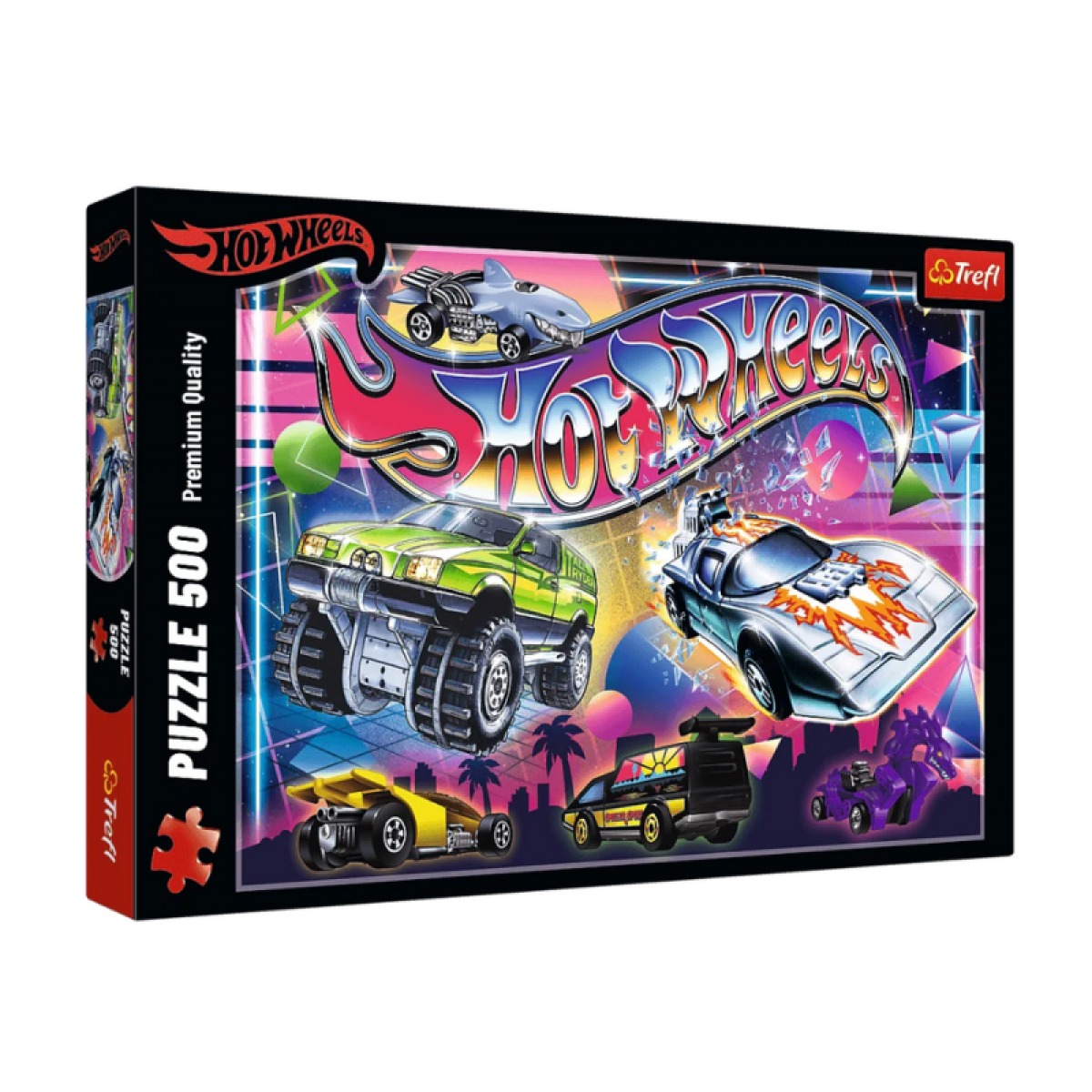
A puzzle is a lovely way to settle down. Kids' puzzles develop concentration, problem-solving and hand skills. You'll find easy puzzles with just a few pieces for the littlest ones and bigger challenges with more pieces for...
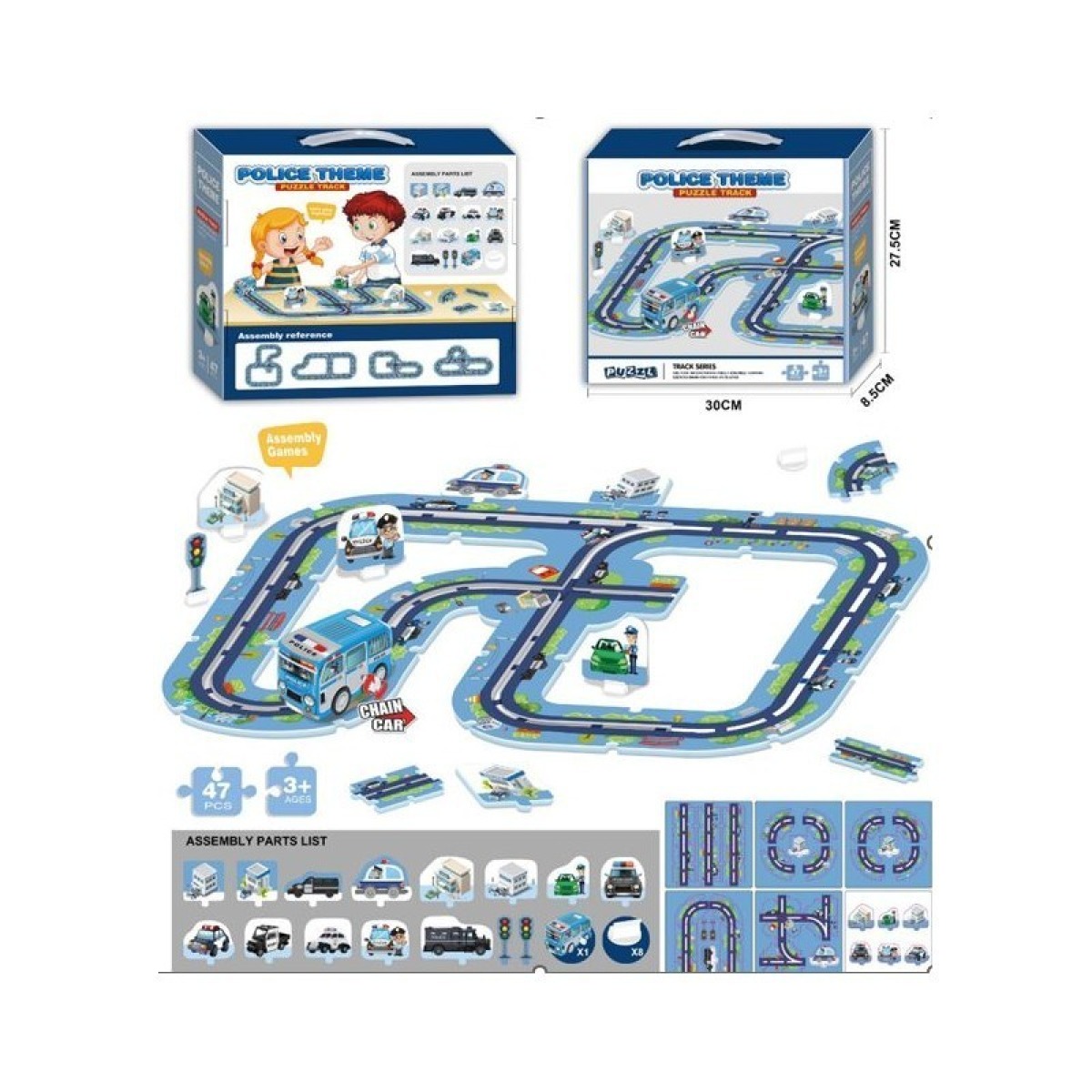
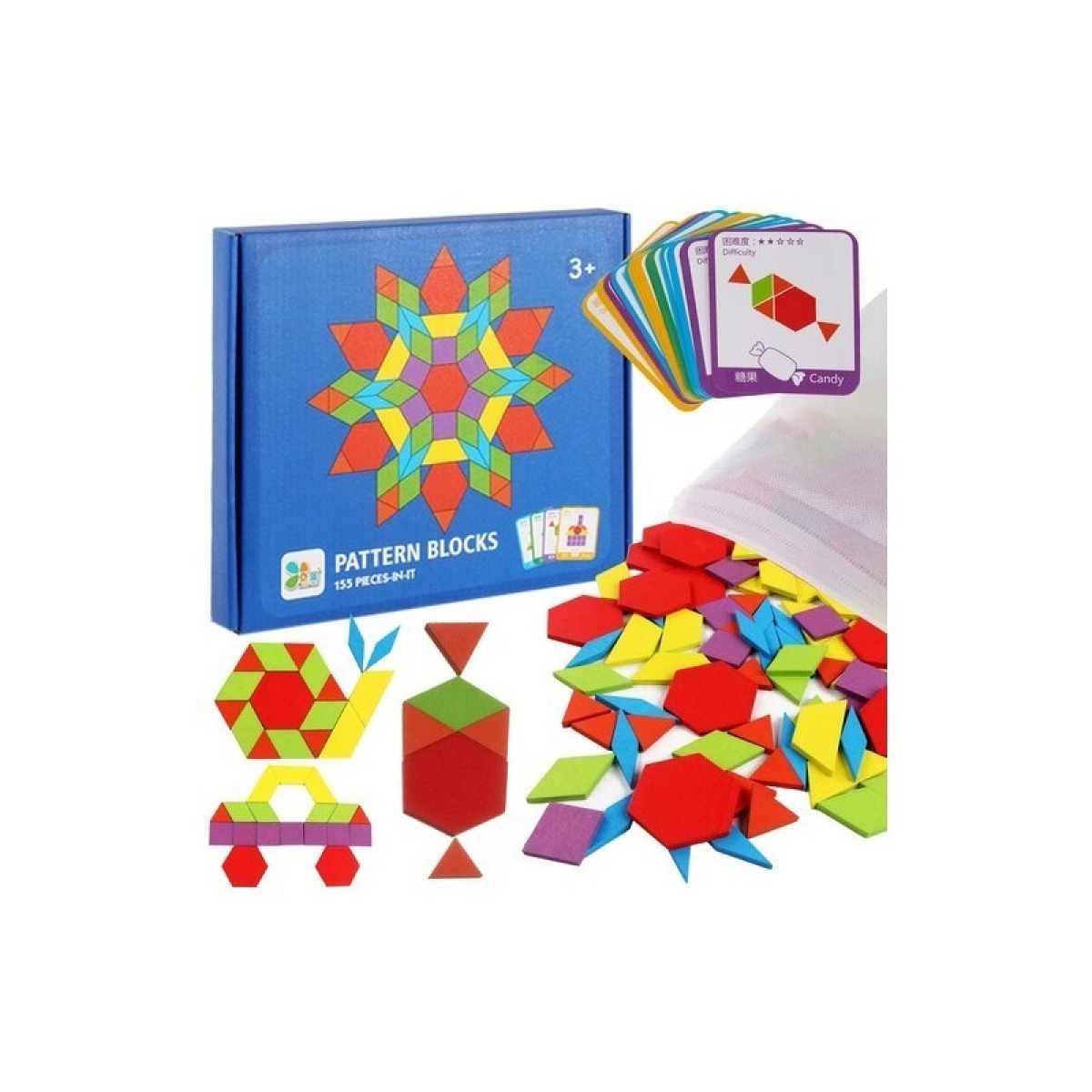
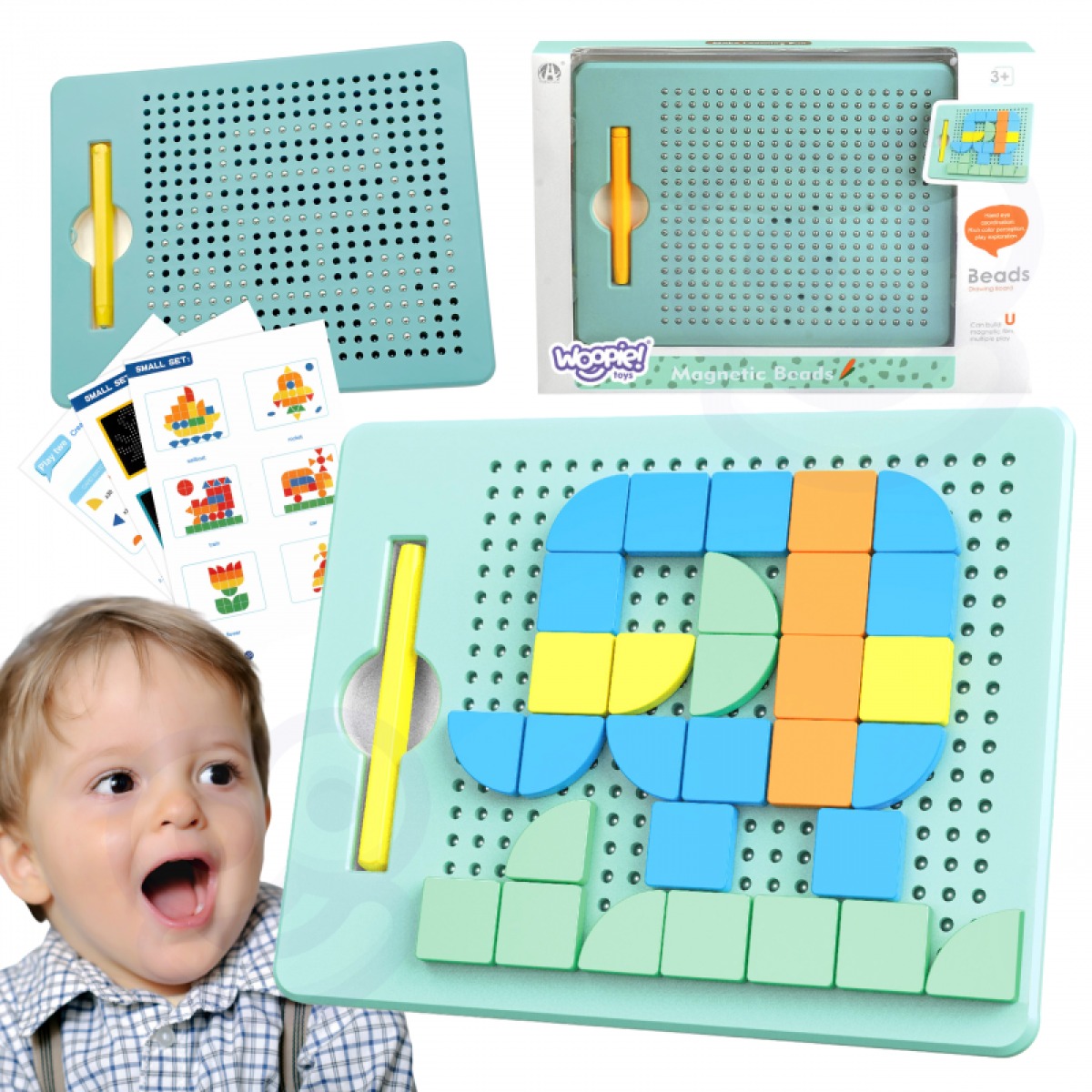
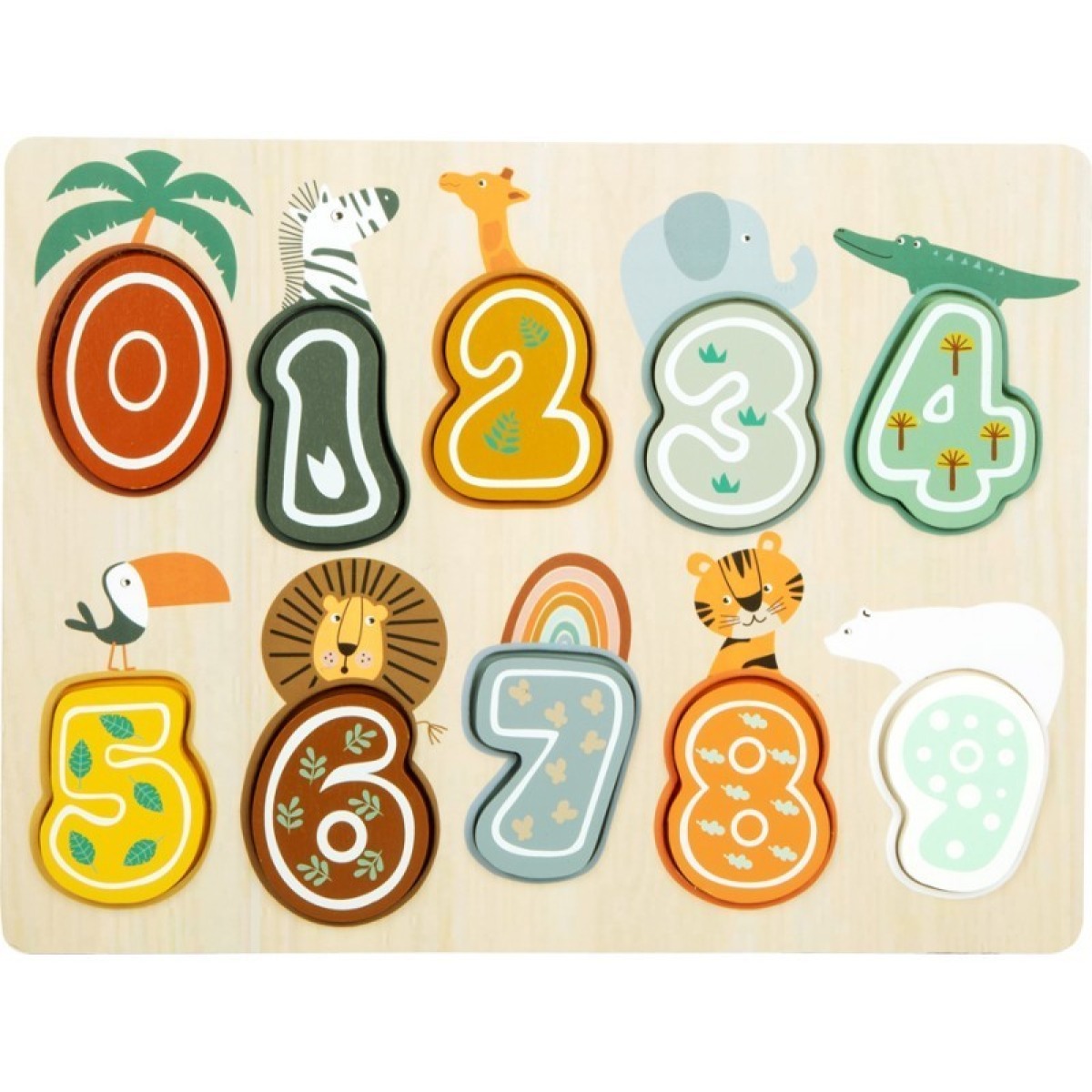
Category guide
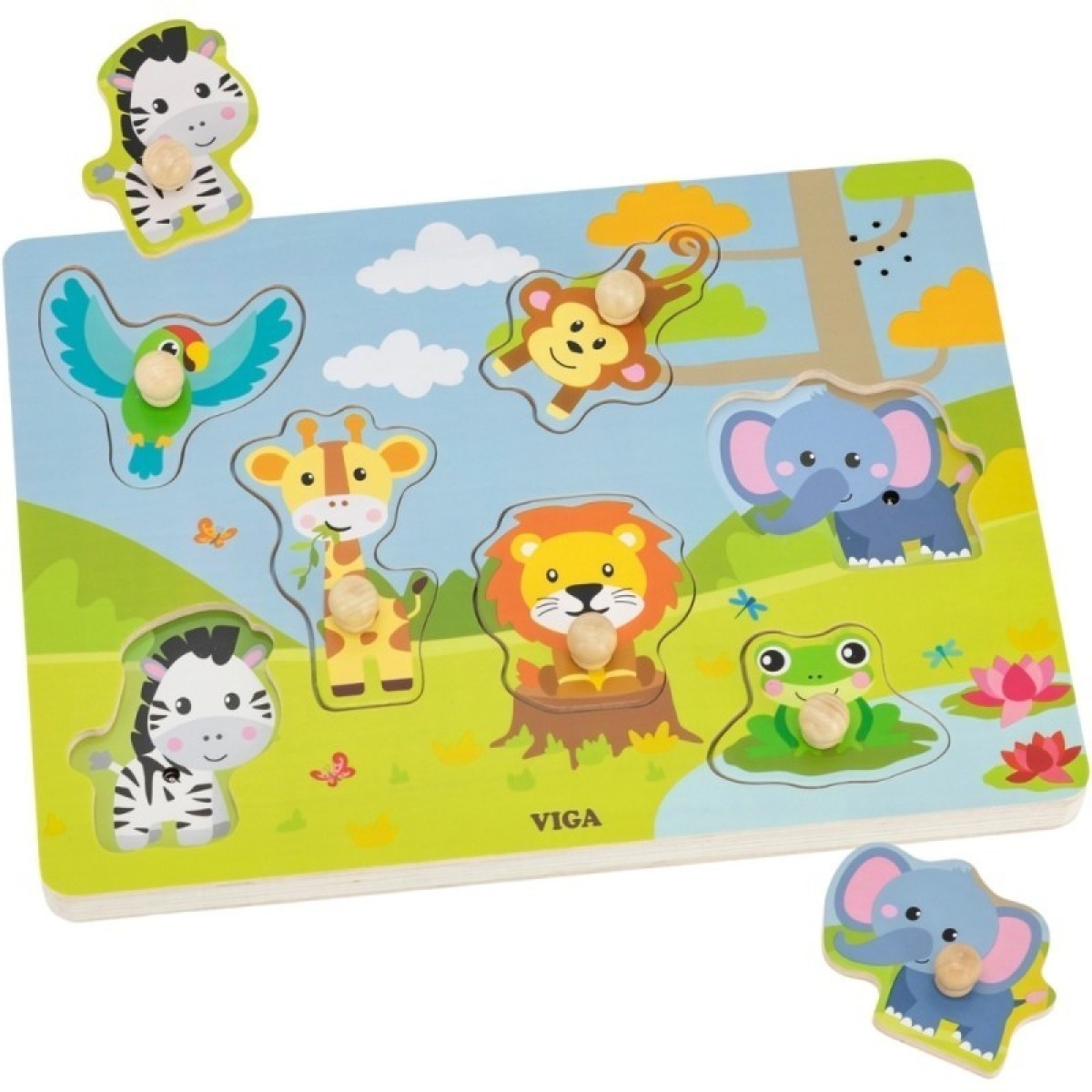
Kids' Puzzles offer a practical, calm activity at home that helps develop concentration, logical thinking and manual dexterity. You’ll find puzzles for babies and toddlers as well as older children: some are quick and soothing to complete, while others offer a longer challenge when there are more pieces. Puzzles are great for play in the bedroom, activities guided by a parent and practising alone, as the picture or shape
takes shape step by step. It’s important to choose a difficulty level suited to the child’s age, for example, considering the size of the pieces, how clearly defined the shapes are and whether the child can place the pieces securely on their own. Many products are wooden or use a magnetic design, making them convenient and suitable for smaller spaces too. If you’re looking for an activity to support development, children’s educational puzzle games are often a choice used every day.
Kids' Puzzles bring play and development together in one activity. As children look for the right pieces, they practise maintaining their attention and learn to recognise patterns. This also supports the development of manual dexterity, as picking up and placing the pieces requires controlled movements.
Simpler designs are often suitable for babies and toddlers, with the focus on shapes, colours or animals rather than a picture. For older children, it’s worth considering the number of pieces and the level of complexity so the puzzle offers just the right challenge – not too easy or too difficult. This way, puzzle play can become part of a child’s everyday routine.
Puzzles teach children perseverance. They can’t simply “carry on” with the activity; they have to look, compare and choose. This helps develop logical thinking and spatial awareness, especially when a puzzle has layers, pieces in different shapes or elements that fit together.
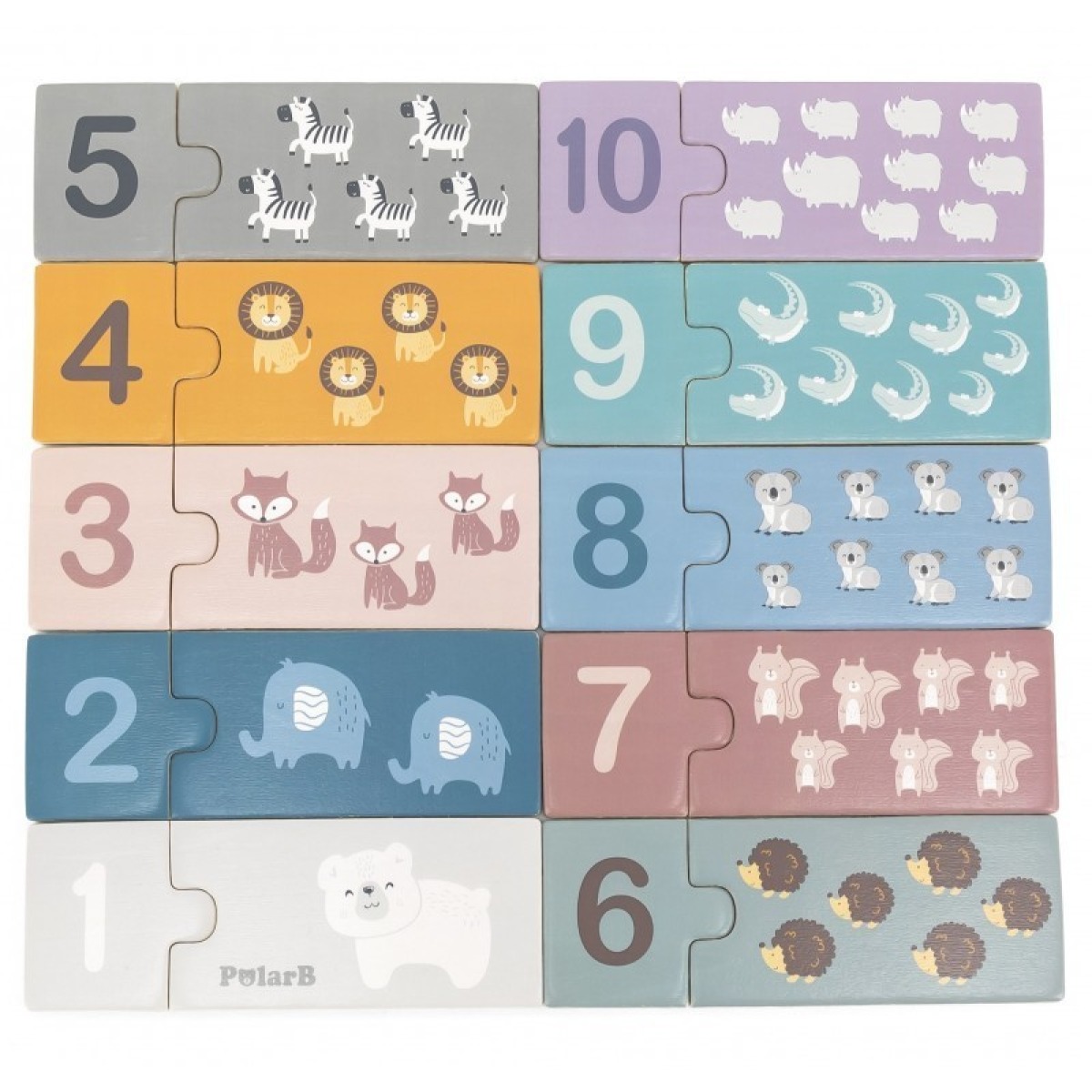
Many puzzles in this category are also based on specific themes, such as animals, vehicles, or colours and shapes. A theme makes solving the puzzle more meaningful for children and supports vocabulary and descriptive skills when a parent or teacher talks along as they play.
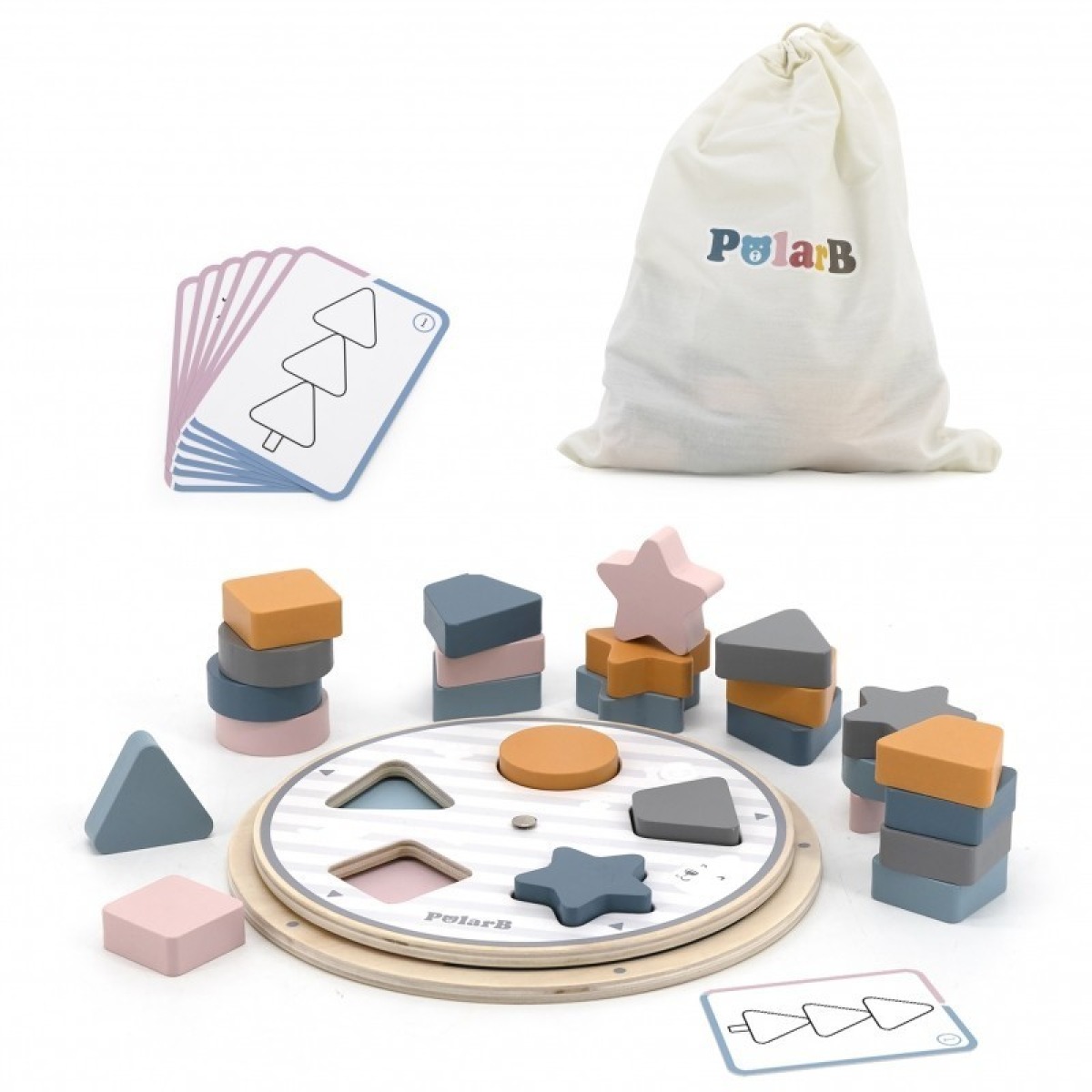
The material affects how children use a puzzle. Wooden Puzzles are a popular choice because they work well for play on both a table and the floor, and their level of detail helps children tell the pieces apart. Many wooden puzzles also have layers, offering an opportunity to learn about shapes and spatial relationships.
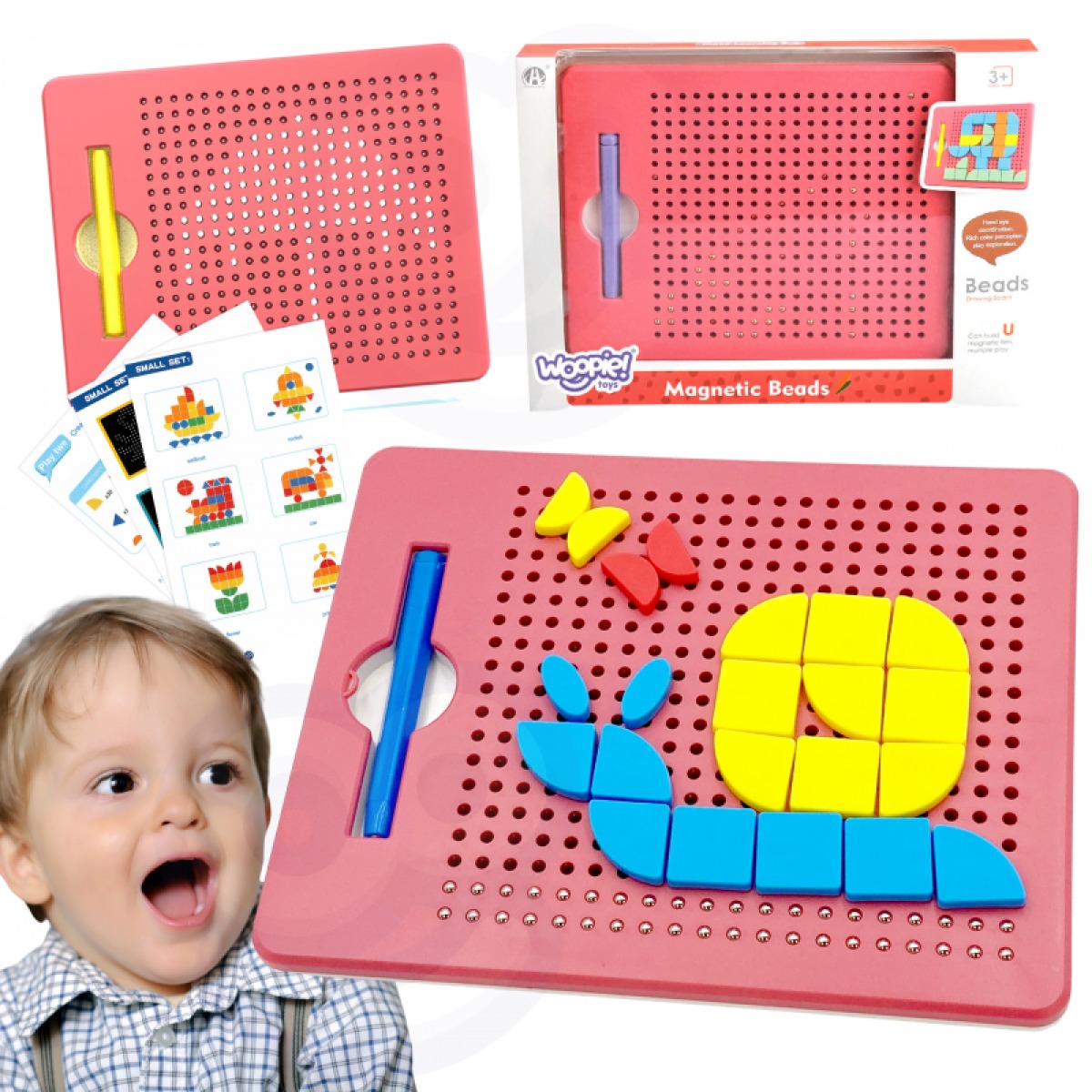
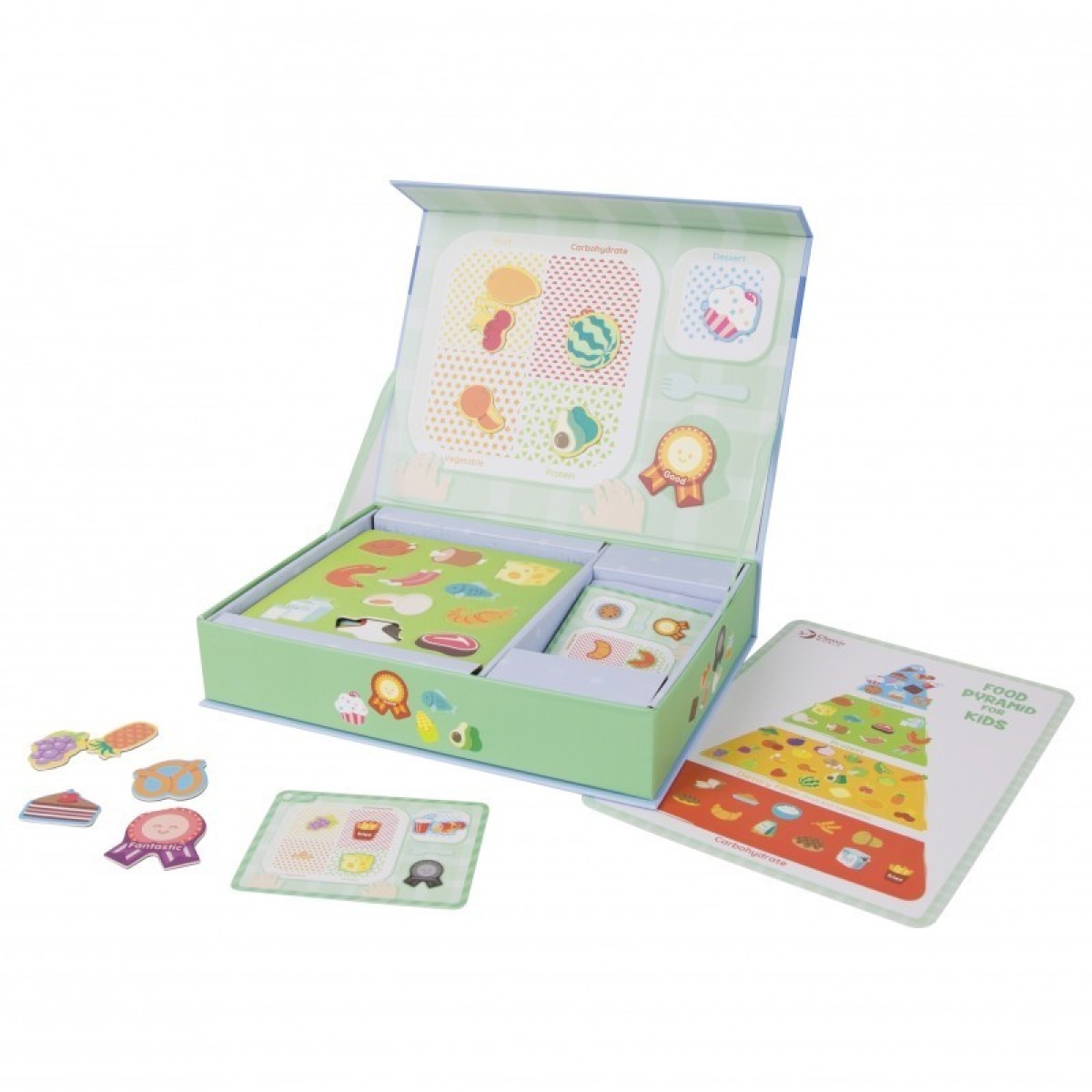
A magnetic puzzle is practical, for example, when you want to put the puzzle together quickly and play in a smaller space. There are also interactive and sensory designs where sounds or sorting make the activity more lively. These puzzles work well when a child needs more stimulation but still wants to complete a “task”.
Kids' Puzzles are suitable both for filling free time and for a calm activity before bedtime. When children solve puzzles in the same place, it’s easier to establish a routine and the activity becomes something they look forward to. Even in a small room, a puzzle can be part of a play area: a sorting activity, puzzle book or magnetic design can help get the task started.
Focus on the aim of the game: children learn to recognise the pieces, practise patience and discover that they can put them together even if they don’t succeed at first. This makes puzzles a natural part of developmental educational toys for children and helps provide an active yet calming activity at home.
MIU Kids
A quiet word about cookies
Necessary cookies are already on, so your basket and checkout can work. Analytics cookies stay off until you accept. Until then Google may receive a cookieless visit signal so we can count visits. It is not used for advertising. Accept all cookies, or keep only the necessary ones. Both are one click. We remember your choice for six months, and you can change it at the bottom of the page. Privacy notice
Analytics cookies wait for a yes
MIU Kids
Choose what stays on
Necessary
Always on. These keep the basket, checkout and the shop secure.
Analytics
No analytics cookie until you accept. A cookieless visit signal may still be sent. If you accept, Google Analytics shows which pages are used. It does not build advertising profiles.